Butchery Tools
If you're looking to elevate your culinary skills and master the art of butchery, look no further than this extensive collection of butchery tools. From precision knives to durable cutting boards, we have everything you need to tackle almost any meat-cutting task with confidence and precision. Whether you're a seasoned professional or an aspiring home chef, this range of high-quality butchery tools will help you achieve perfect cuts every time.
Sort


Butchery Tools
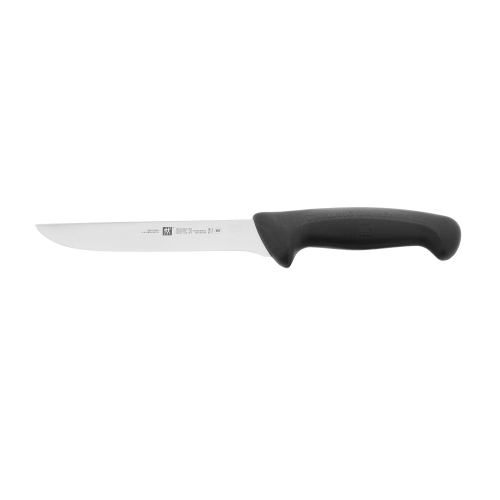
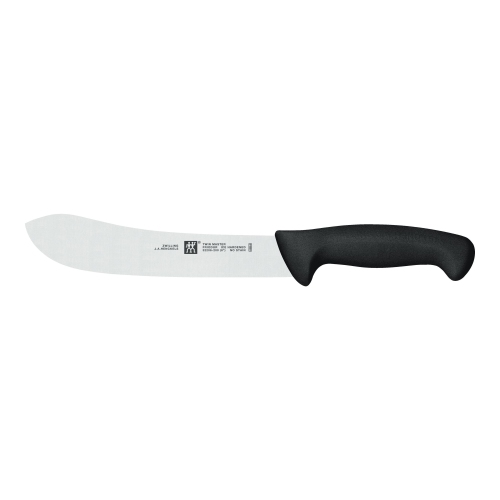
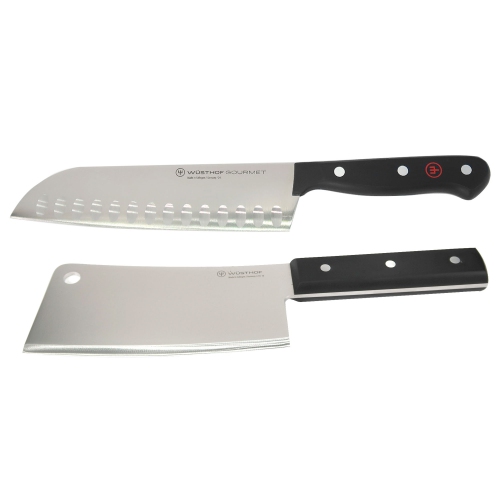
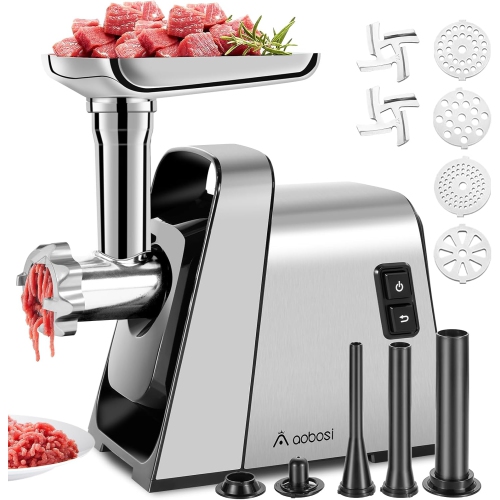
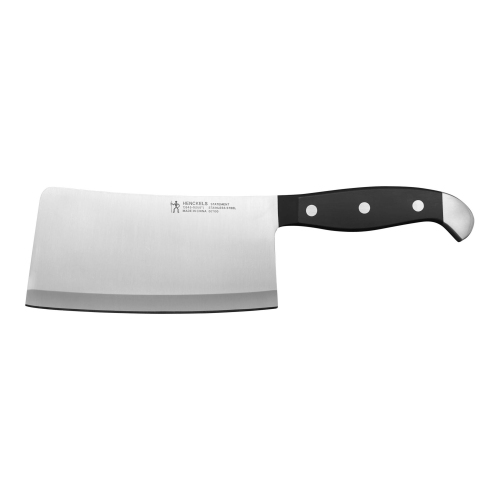
Butchery tools are designed to make the work of cutting, trimming, portioning, and preparing meat more controlled and efficient, whether you are working at home, processing wild game, preparing family meals, or outfitting a commercial kitchen. A well-chosen set usually includes several knife styles, cutting equipment, sharpening accessories, protective gear, and tools for grinding or tying meat. A boning knife has a narrow blade that helps separate meat from bones and trim away excess fat, while a breaking knife typically has a longer, curved blade suited to dividing larger cuts into manageable portions. A butcher’s cleaver offers the weight and broad edge needed for chopping through cartilage and smaller bones, and a steak or scimitar knife can help create clean, even slices from roasts and larger pieces. For tasks that require more force, a meat or bone hand saw provides a practical way to cut through thick bones, while an electric meat bandsaw is intended for higher-volume work and larger cuts. Meat grinders are useful for producing ground meat, burger blends, meatloaf mixtures, and sausage fillings, with manual versions offering hands-on control and electric models helping process larger quantities more quickly. Honing steels help realign a knife’s edge between sharpenings, and food-grade butcher’s twine keeps roasts neatly shaped for even cooking. Together, these tools can turn a crowded preparation counter into a more capable workspace, much like the difference between a basic toolbox and one arranged for a specific trade.
When choosing butchery tools, consider the type and volume of work, the size of the available workspace, and how often each item will be used. Someone preparing occasional roasts may prefer a compact selection of versatile knives, a reliable sharpener, cut-resistant protection, and a manageable cutting surface. A hunter or wild game processor may place greater value on flexible boning knives, durable saws, grinders, and equipment that can be cleaned thoroughly after handling larger quantities of meat. Commercial users generally need heavier-duty construction, higher-capacity motors, larger work surfaces, and components that can withstand repeated use throughout the day. Blade material and shape also deserve attention. Stainless steel is popular for its resistance to staining and its straightforward upkeep, while the balance, handle texture, blade flexibility, and overall weight can affect comfort during longer sessions. A lighter boning knife may provide better precision around joints, whereas a heavier cleaver can make chopping tasks feel more controlled. Grinder capacity, plate and blade options, feed-tube size, and ease of disassembly are useful considerations when comparing meat grinders. For saws and powered equipment, look at cutting capacity, stability, safety features, motor performance, and the availability of replacement components. Protective equipment should be treated as part of the essential setup rather than an optional extra: a chainmail or cut-resistant glove can help protect the non-dominant hand, particularly when holding meat close to a blade. Aprons, non-slip footwear, and a stable work surface can add another layer of comfort and control. Cleaning is equally important. Choose tools with smooth, accessible surfaces and removable parts where possible, and follow the manufacturer’s instructions for washing, sanitizing, drying, and storage. Knives should be kept sharp, stored securely, and used on an appropriate cutting surface; a dull blade often requires more pressure and can be harder to control than a properly maintained one.
Butchery tools can be useful for home cooks who enjoy preparing roasts from scratch, families who process seasonal game, culinary students learning foundational cutting techniques, and experienced cooks refining their portioning skills. They can also make thoughtful gifts for someone setting up a new kitchen, expanding a barbecue station, or taking on sausage-making and meal-preparation projects. A practical gift does not need to be a large collection: a well-balanced knife, dependable honing tool, protective glove, or food-grade twine can be useful from the first day, while a grinder or larger saw may suit someone with the space and experience to use it regularly. During the warmer part of the year, these tools can support outdoor cooking, bulk meal preparation, and gatherings where evenly portioned steaks, burgers, or roasts are on the menu. As the weather cools, they become just as useful for hearty roasts, freezer preparation, sausage making, and careful handling of larger cuts. If you are building a broader kitchen setup, you can also explore Food Processing Tools for equipment that complements meat preparation and other culinary tasks. Whatever the setting, the best assortment is one that matches the work at hand without overcrowding the workspace. Prioritize comfortable handling, dependable construction, straightforward cleaning, and safety features, then add specialized equipment as your cooking habits develop. A thoughtfully selected collection helps make each stage—from trimming and portioning to grinding, tying, and preparing for the oven or grill—feel more organized and precise.
When choosing butchery tools, consider the type and volume of work, the size of the available workspace, and how often each item will be used. Someone preparing occasional roasts may prefer a compact selection of versatile knives, a reliable sharpener, cut-resistant protection, and a manageable cutting surface. A hunter or wild game processor may place greater value on flexible boning knives, durable saws, grinders, and equipment that can be cleaned thoroughly after handling larger quantities of meat. Commercial users generally need heavier-duty construction, higher-capacity motors, larger work surfaces, and components that can withstand repeated use throughout the day. Blade material and shape also deserve attention. Stainless steel is popular for its resistance to staining and its straightforward upkeep, while the balance, handle texture, blade flexibility, and overall weight can affect comfort during longer sessions. A lighter boning knife may provide better precision around joints, whereas a heavier cleaver can make chopping tasks feel more controlled. Grinder capacity, plate and blade options, feed-tube size, and ease of disassembly are useful considerations when comparing meat grinders. For saws and powered equipment, look at cutting capacity, stability, safety features, motor performance, and the availability of replacement components. Protective equipment should be treated as part of the essential setup rather than an optional extra: a chainmail or cut-resistant glove can help protect the non-dominant hand, particularly when holding meat close to a blade. Aprons, non-slip footwear, and a stable work surface can add another layer of comfort and control. Cleaning is equally important. Choose tools with smooth, accessible surfaces and removable parts where possible, and follow the manufacturer’s instructions for washing, sanitizing, drying, and storage. Knives should be kept sharp, stored securely, and used on an appropriate cutting surface; a dull blade often requires more pressure and can be harder to control than a properly maintained one.
Butchery tools can be useful for home cooks who enjoy preparing roasts from scratch, families who process seasonal game, culinary students learning foundational cutting techniques, and experienced cooks refining their portioning skills. They can also make thoughtful gifts for someone setting up a new kitchen, expanding a barbecue station, or taking on sausage-making and meal-preparation projects. A practical gift does not need to be a large collection: a well-balanced knife, dependable honing tool, protective glove, or food-grade twine can be useful from the first day, while a grinder or larger saw may suit someone with the space and experience to use it regularly. During the warmer part of the year, these tools can support outdoor cooking, bulk meal preparation, and gatherings where evenly portioned steaks, burgers, or roasts are on the menu. As the weather cools, they become just as useful for hearty roasts, freezer preparation, sausage making, and careful handling of larger cuts. If you are building a broader kitchen setup, you can also explore Food Processing Tools for equipment that complements meat preparation and other culinary tasks. Whatever the setting, the best assortment is one that matches the work at hand without overcrowding the workspace. Prioritize comfortable handling, dependable construction, straightforward cleaning, and safety features, then add specialized equipment as your cooking habits develop. A thoughtfully selected collection helps make each stage—from trimming and portioning to grinding, tying, and preparing for the oven or grill—feel more organized and precise.
Top selling and popular products
-
 Your price for this item is $114.99
 -
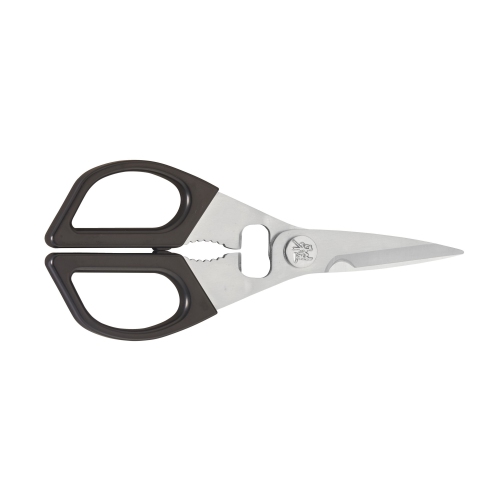 Your price for this item is $79.99
 -
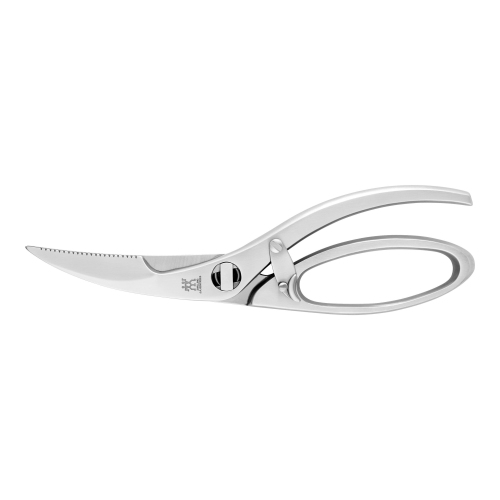 Your price for this item is $169.99
 -
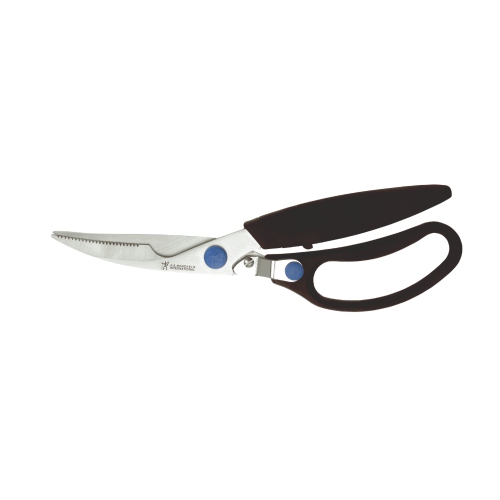 Your price for this item is $59.99
 -
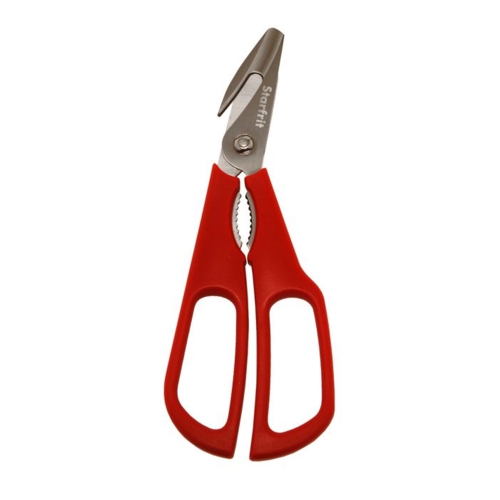 Your price for this item is $13.96
 -
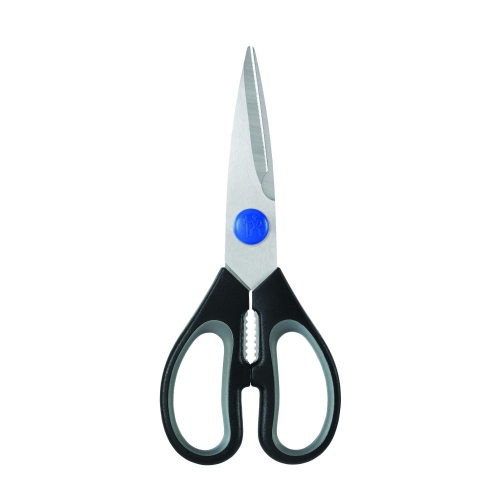 Your price for this item is $14.99
 -
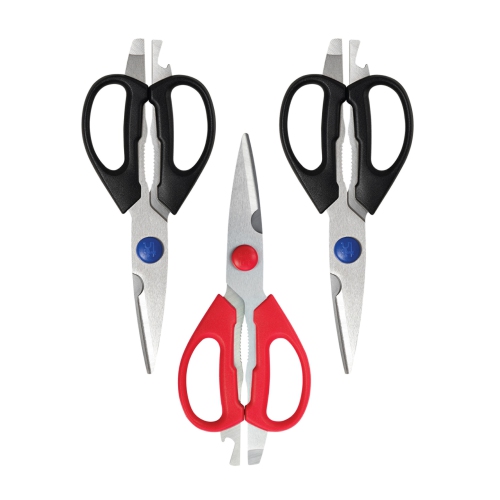 Your price for this item is $79.99
 -
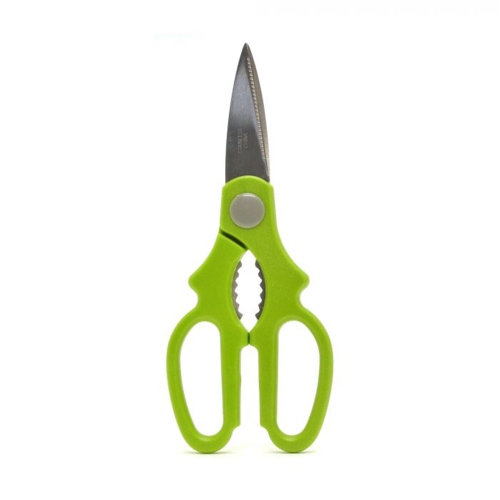 Your price for this item is $8.97
Discover more categories related to Butchery Tools
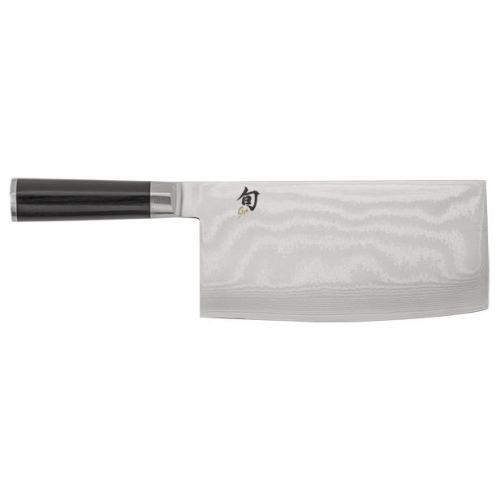

Top Collections:
Pokemon Centers, Kindle Devices, Budget Smartphones, Budget 4K TVs, Apple iPhones 16, Canon G7X Cameras, iPhone 15 Apple, Alarm Clock, Budget-Friendly Wireless Earbuds, iPhone 14 256GB
Some products may be subject to Environmental Handling Fees
(EHF) depending on your province.
Learn more about EHFs.