Food Processing Tools
Looking to elevate your culinary skills and streamline your meal preparation? Look no further than our collection of food processing tools. From blenders and food processors to mixers and slicers, we have everything you need to effortlessly chop, blend, mix, and slice your way to delicious meals. Whether you're a seasoned chef or just starting out in the kitchen, our wide selection of high-quality food processing tools will help you save time and create culinary masterpieces with ease. Discover the perfect tool for your kitchen and take your cooking adventures to the next level.
Sort
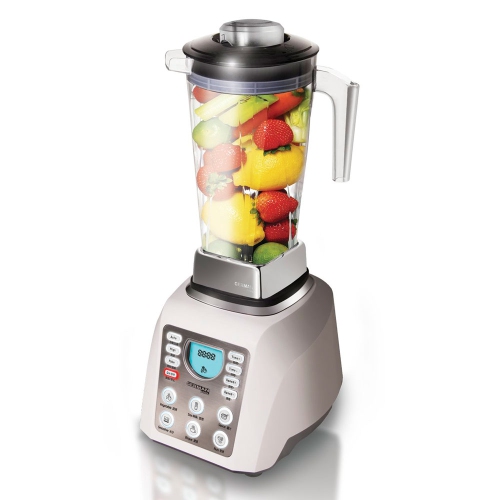

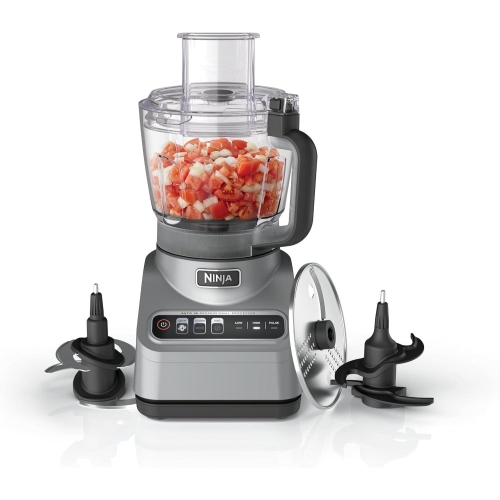
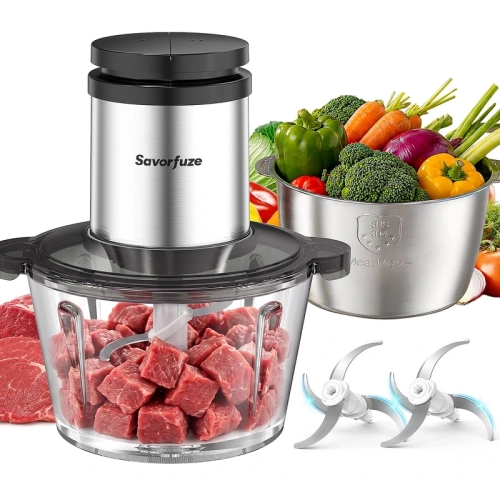
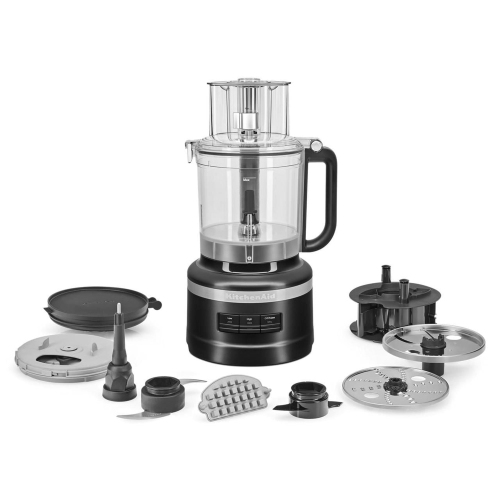
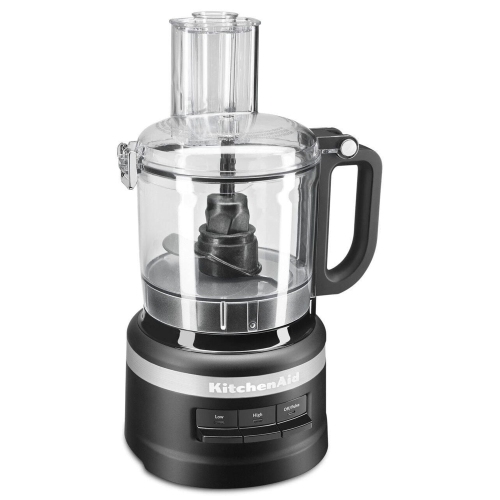
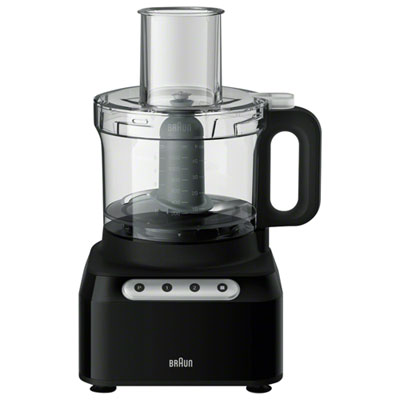
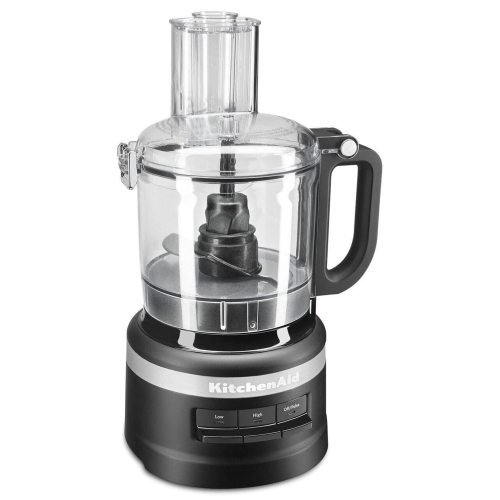
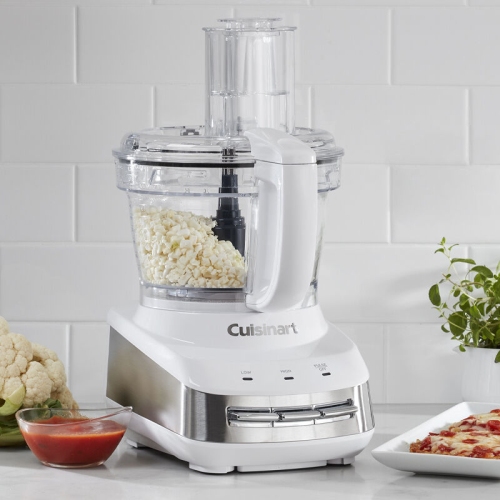
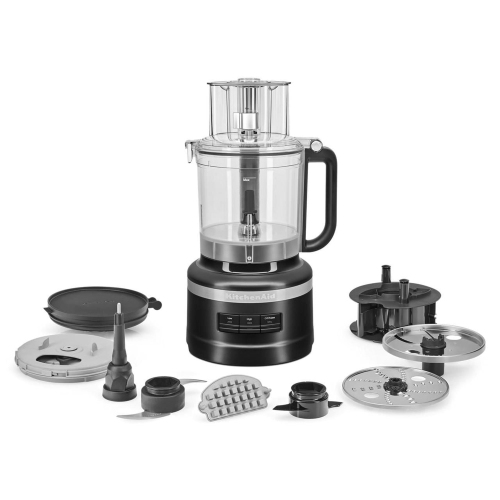
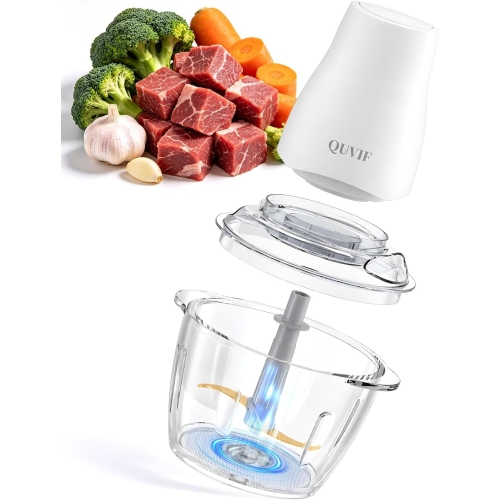
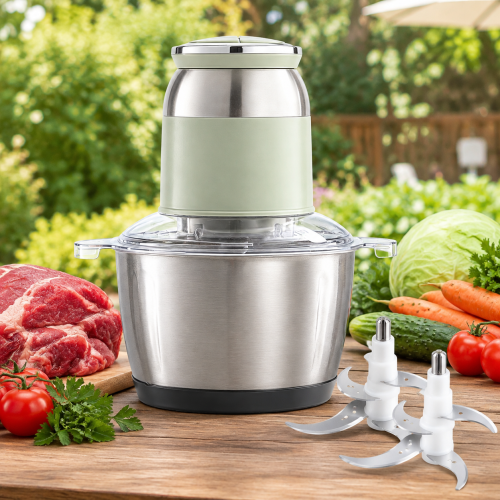
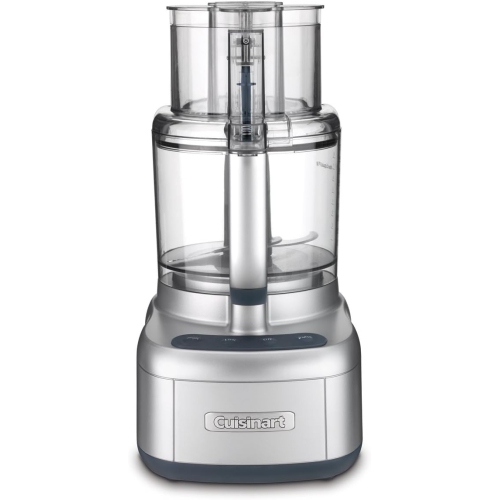



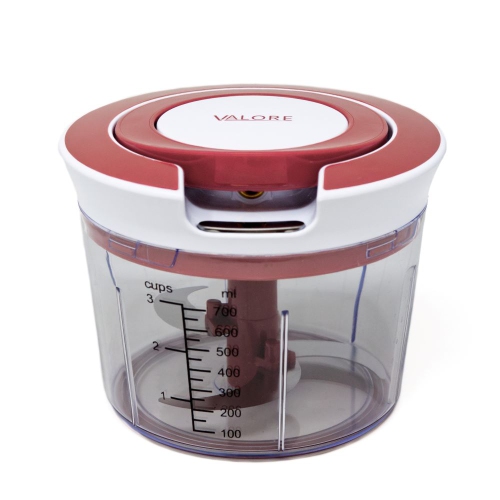
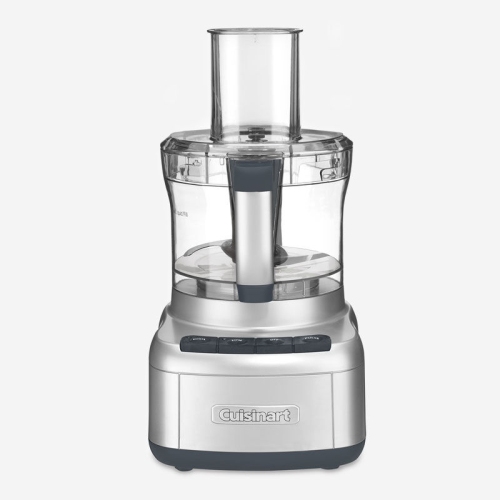
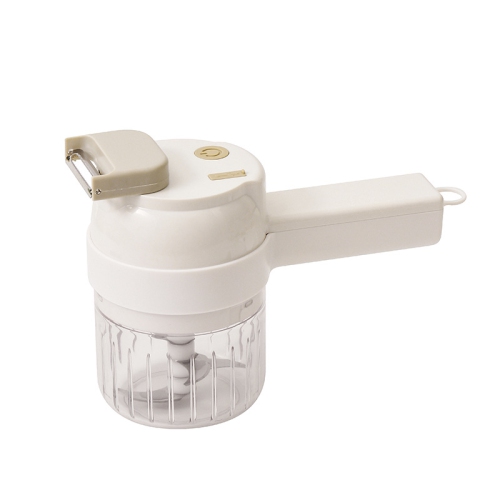
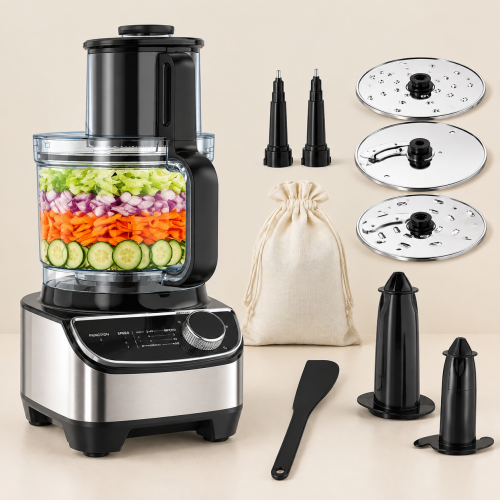

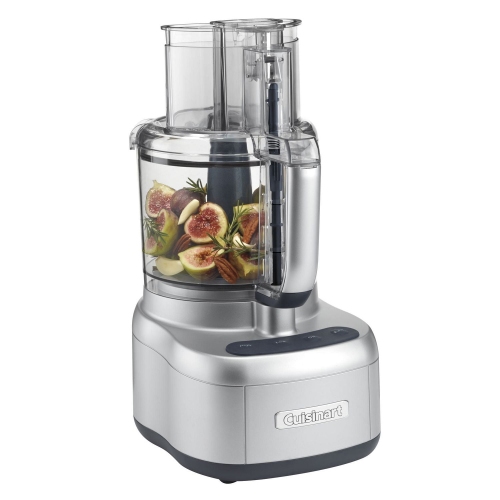
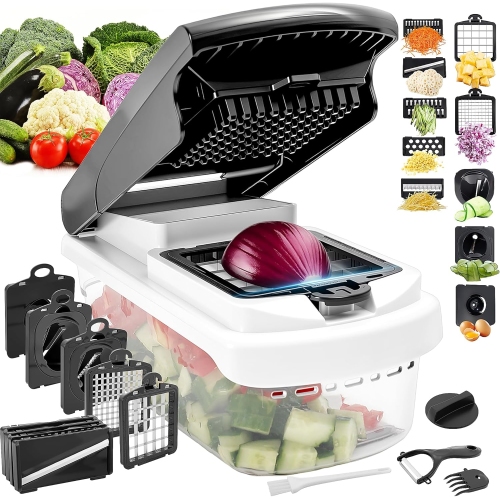
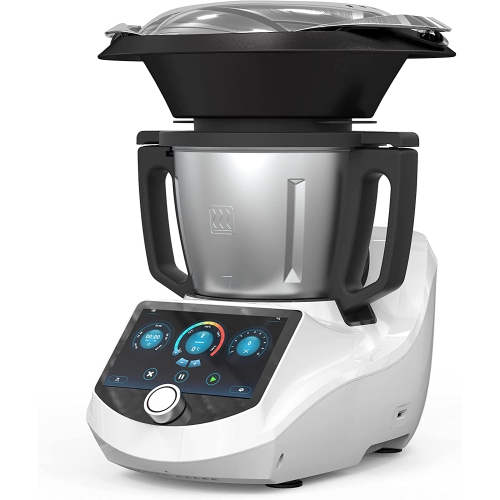
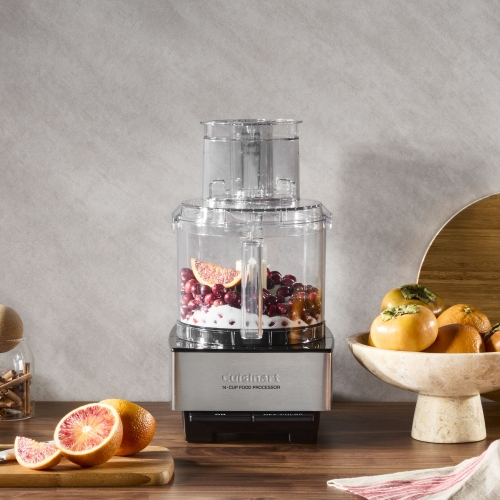
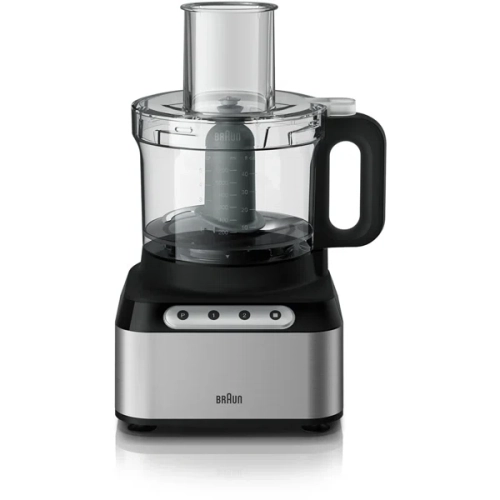
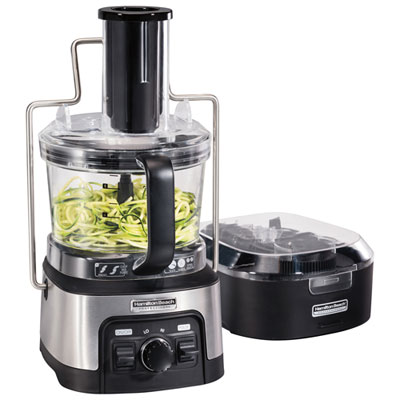
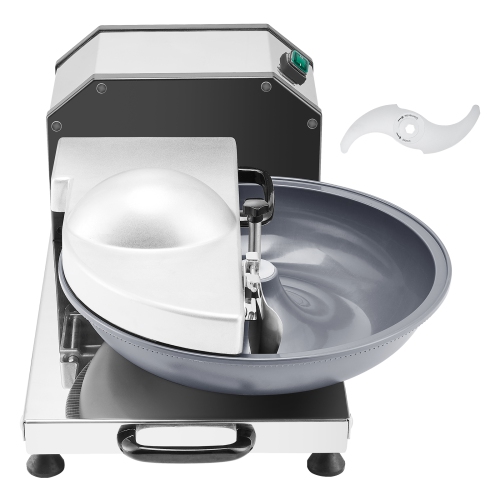
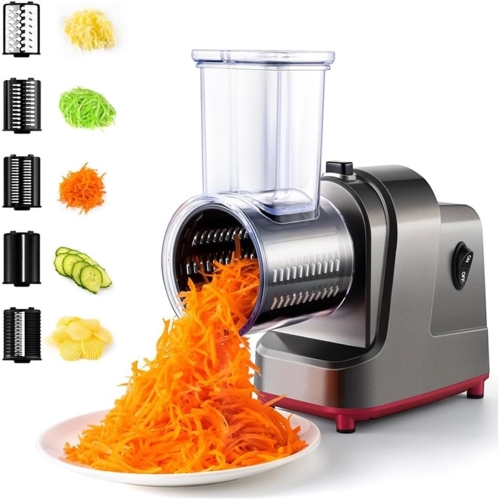
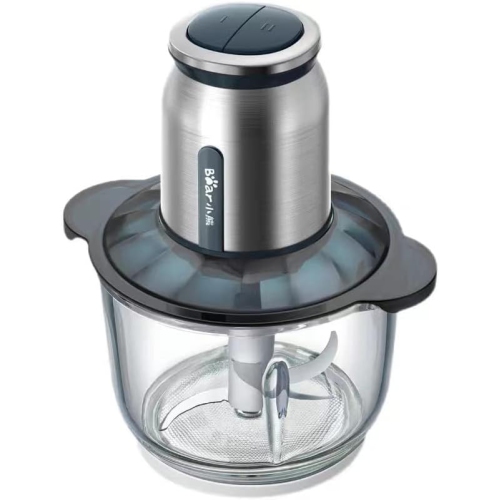
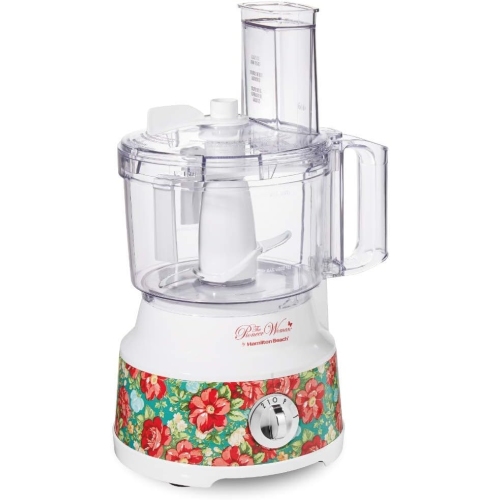
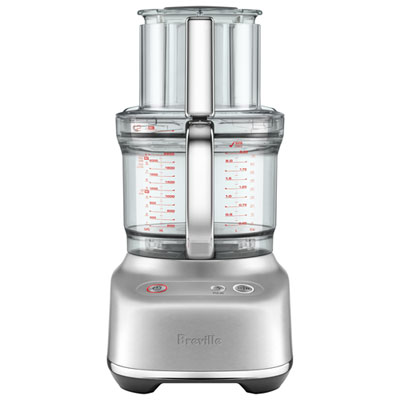
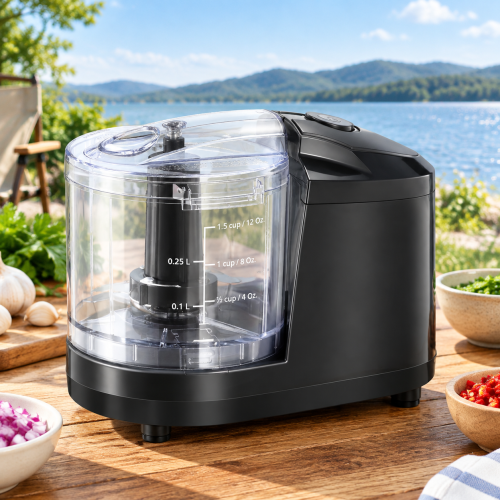

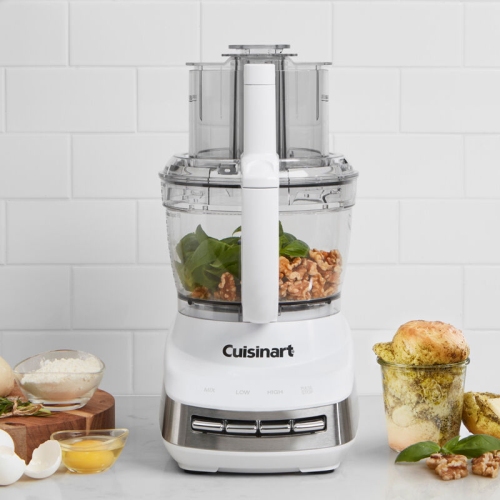
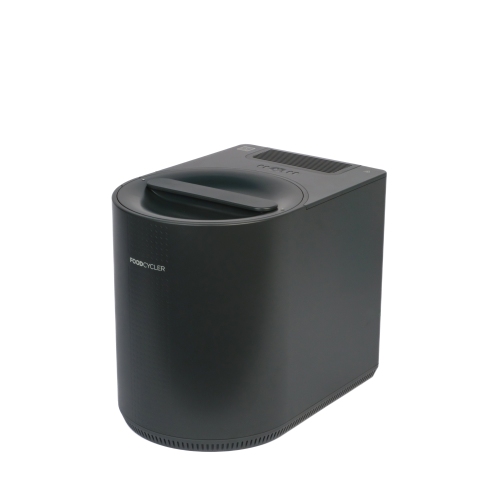
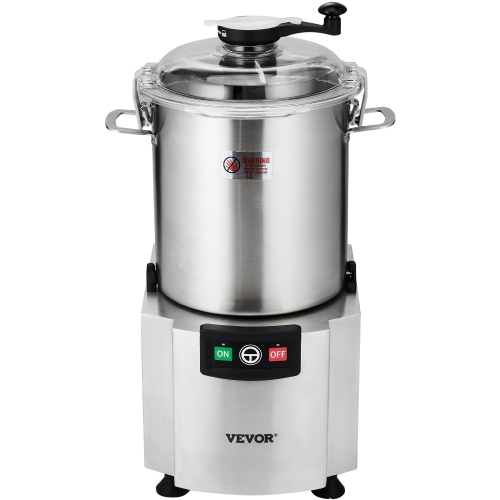
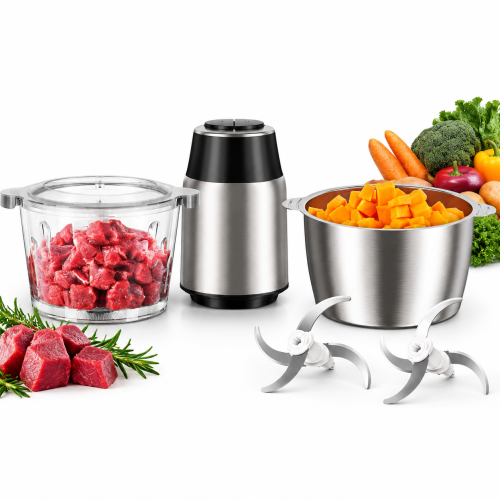
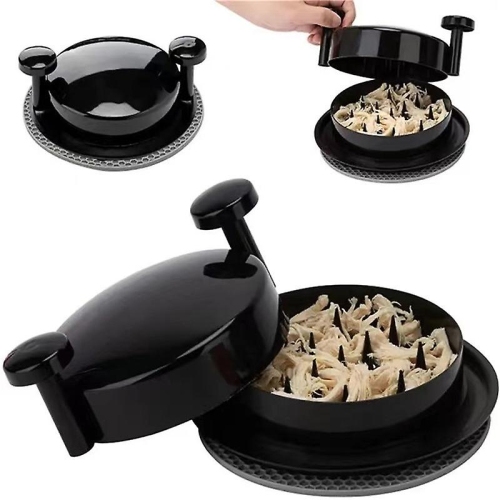
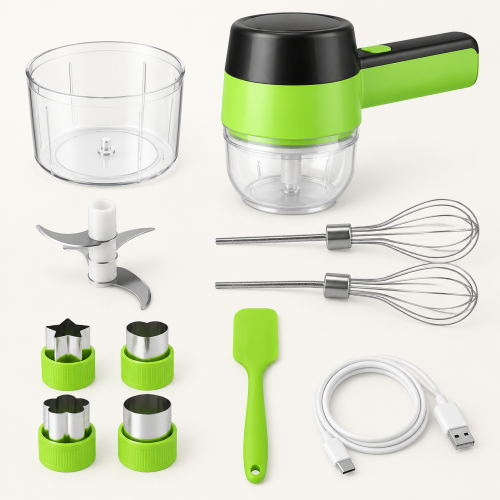

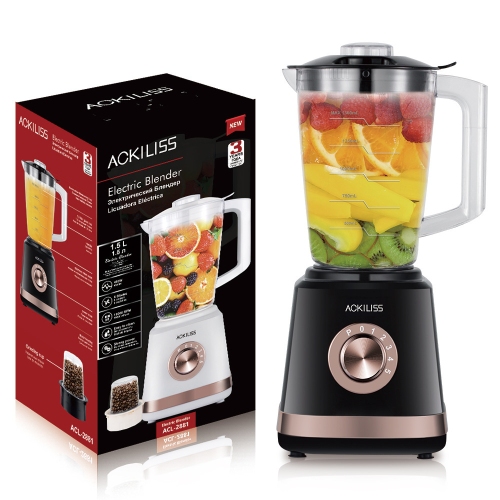
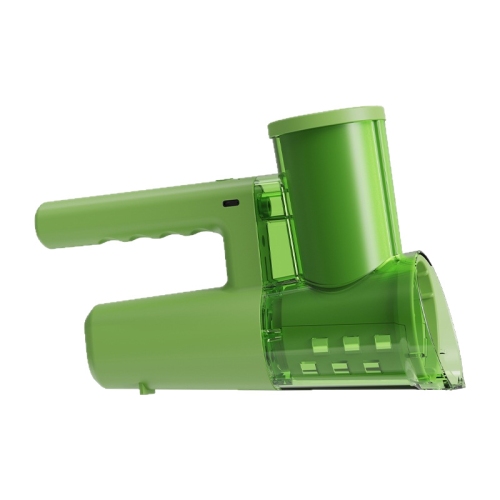


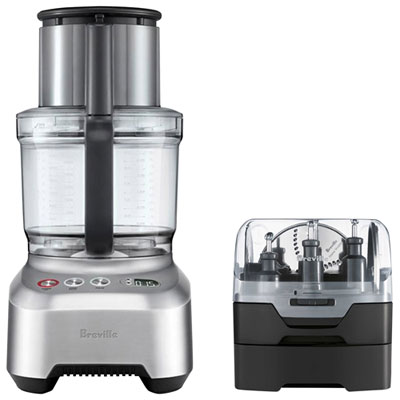


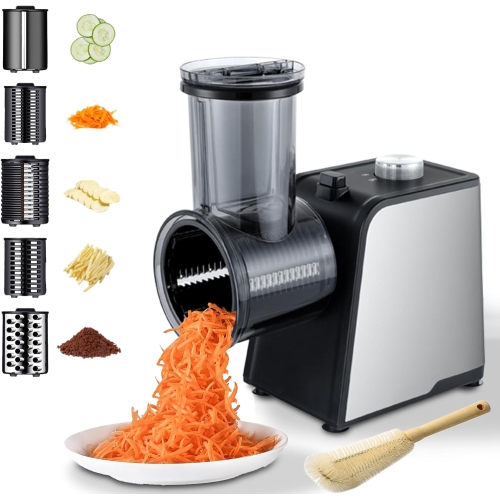
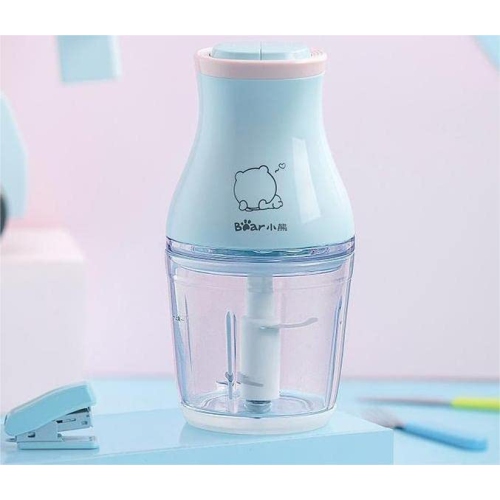
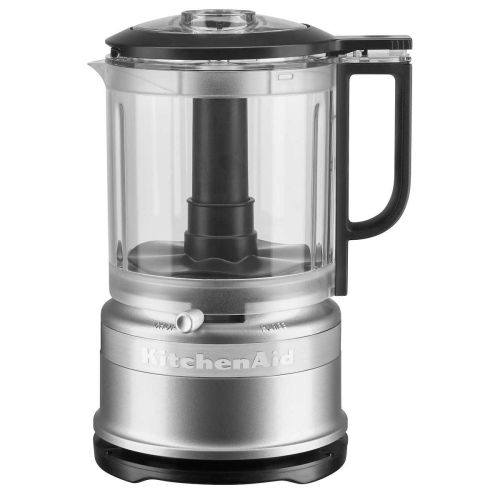
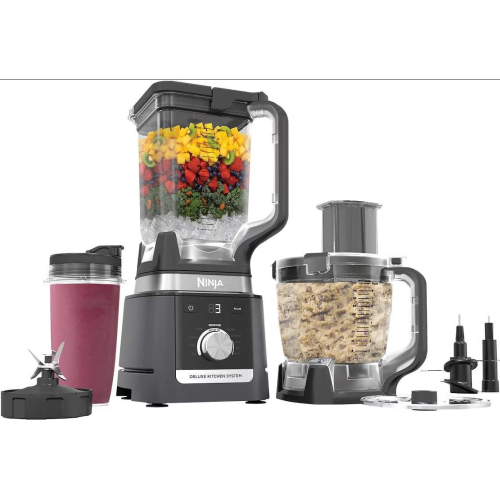
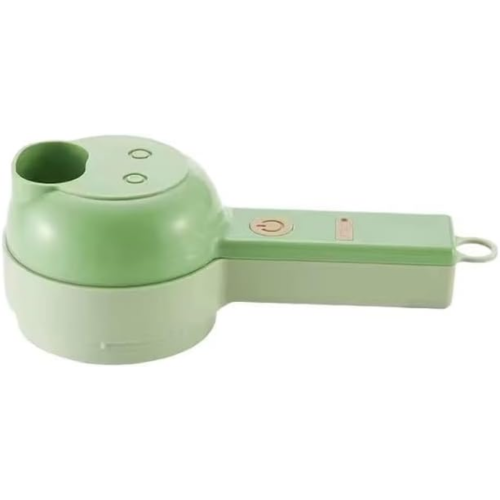
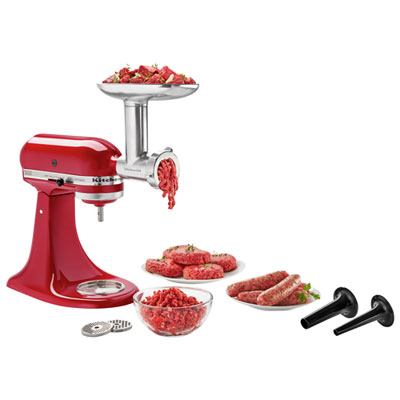


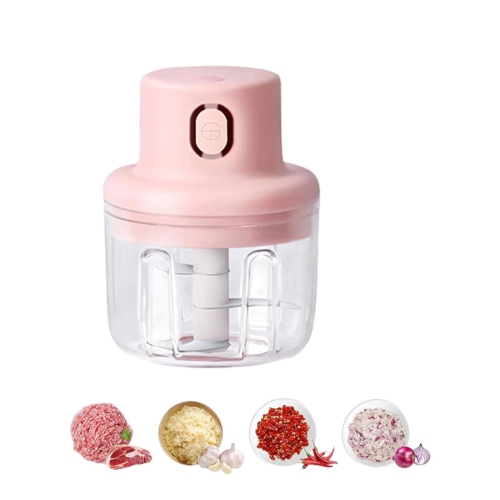
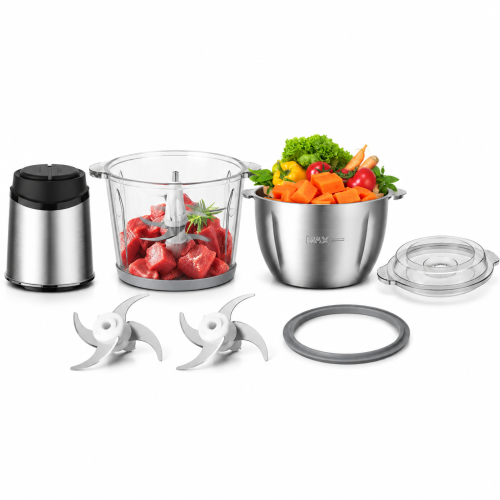
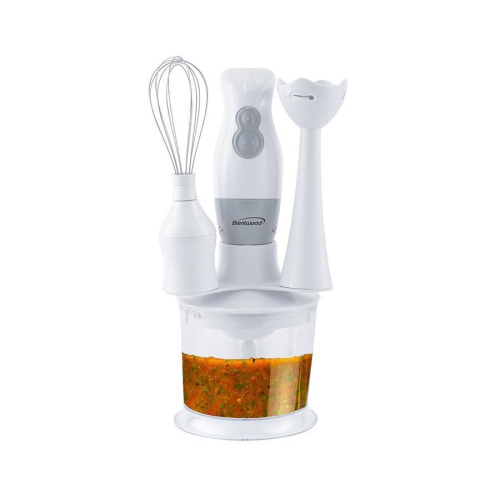
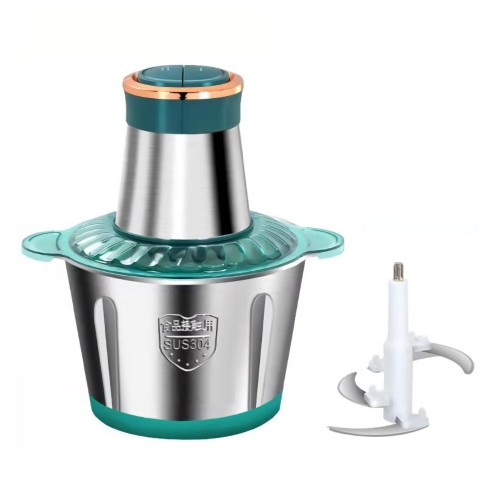
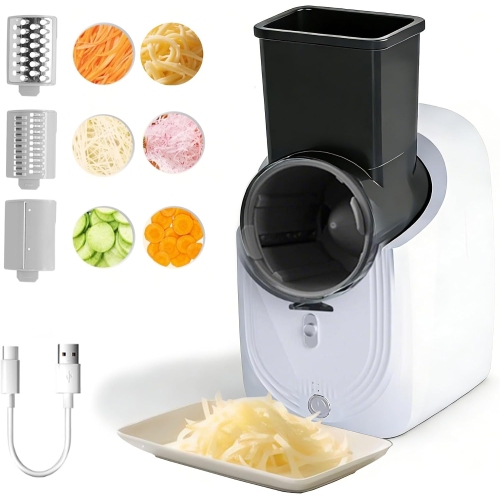






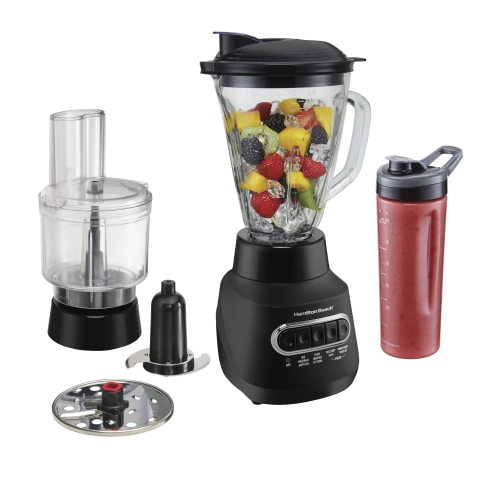
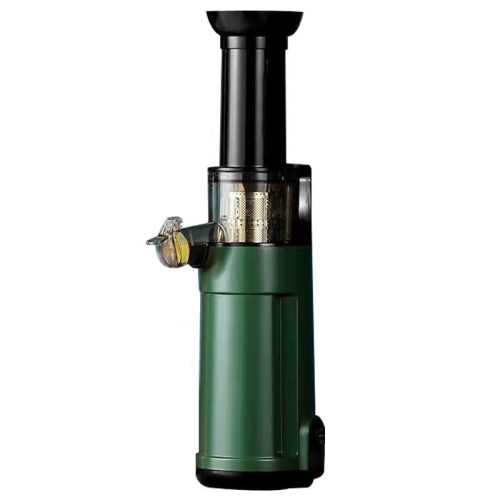
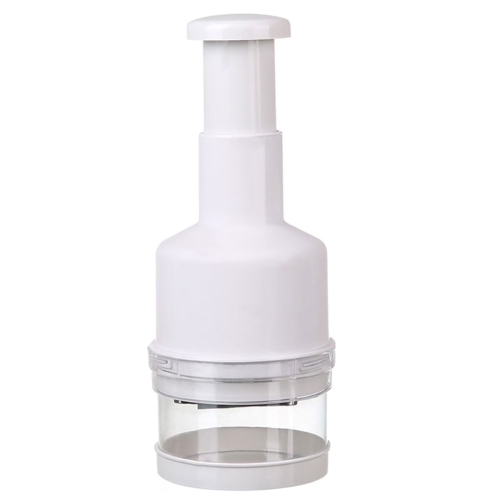
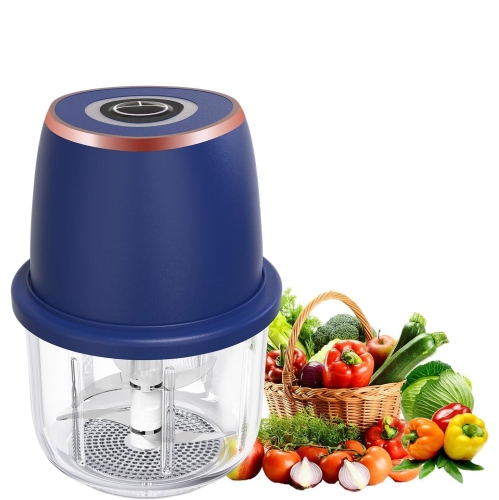

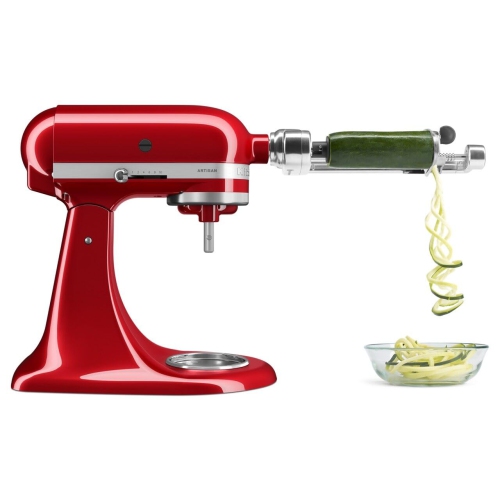
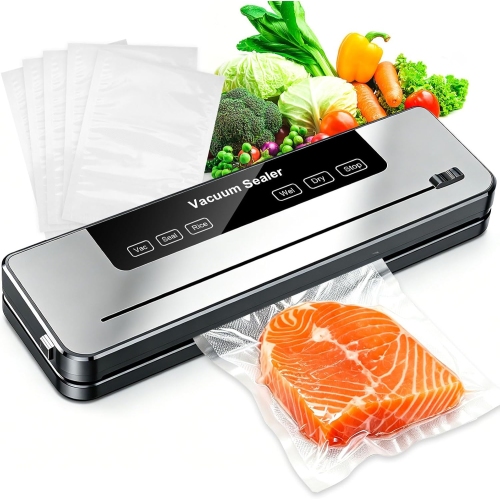
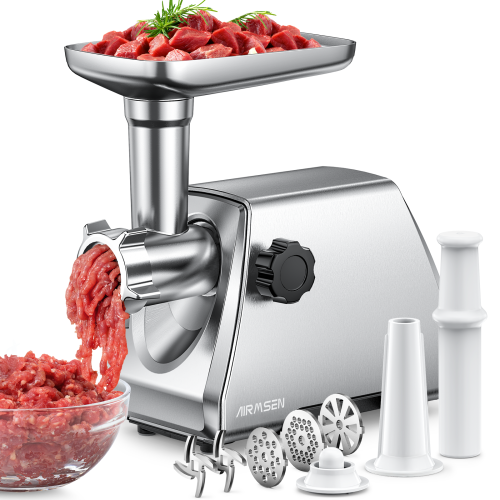
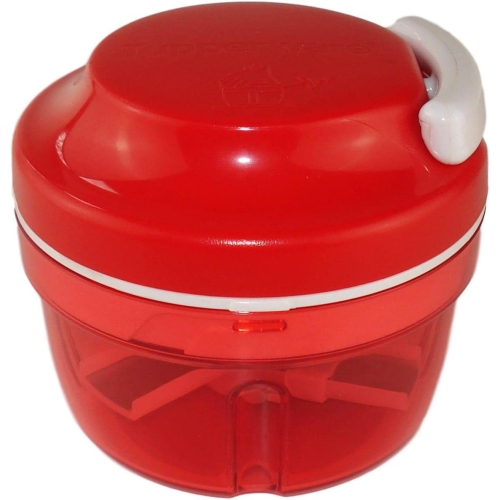





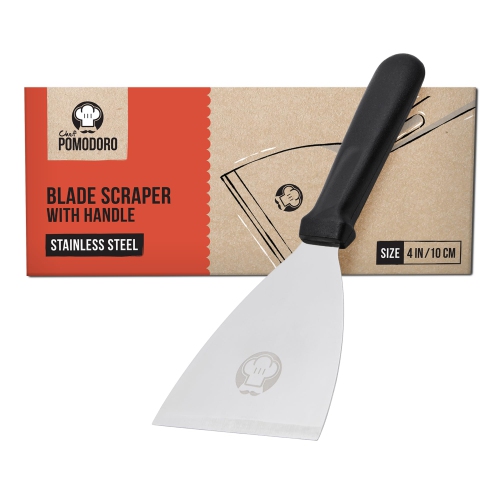

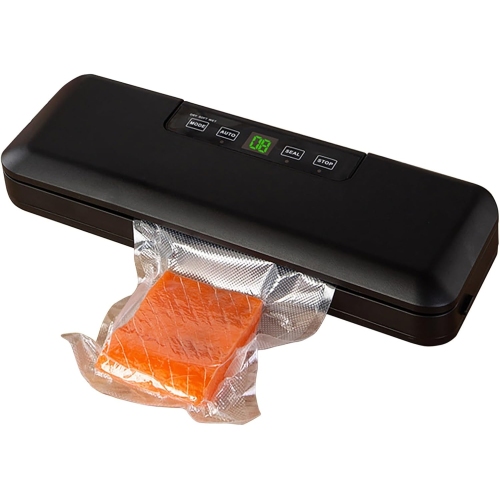
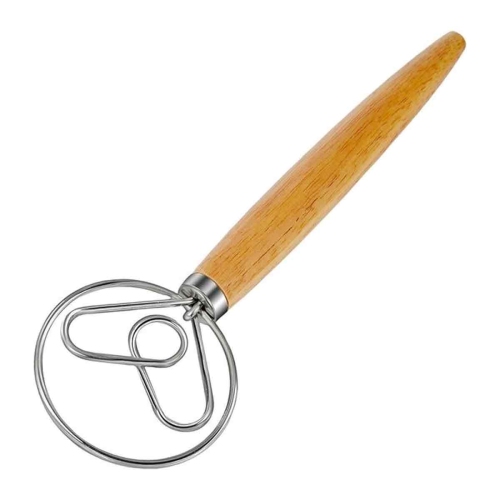
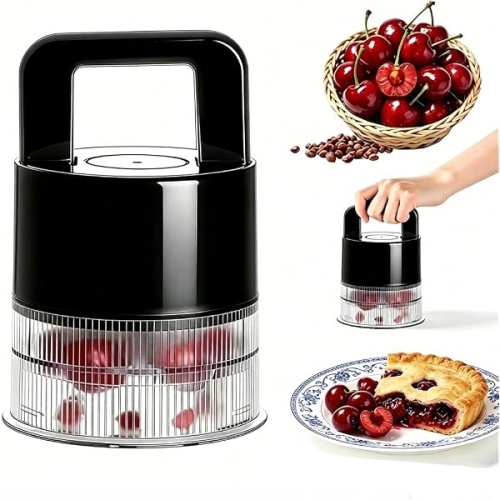


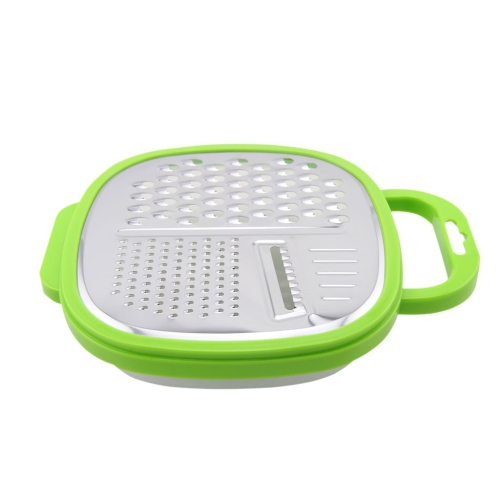
From precise prep to preserving and storing homemade foods
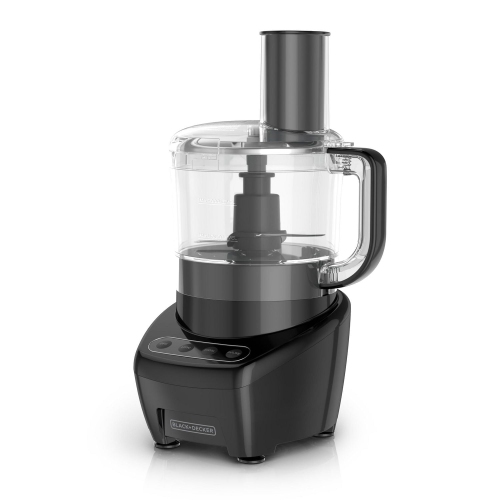
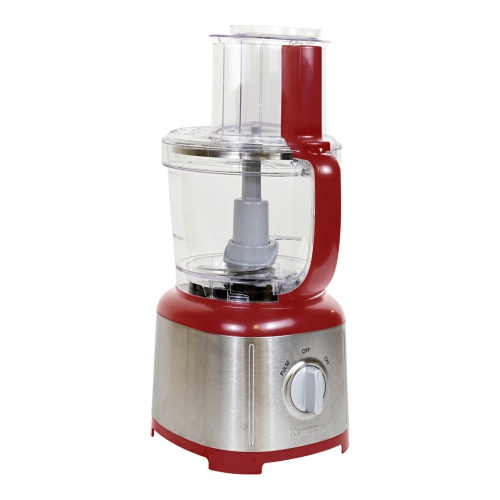
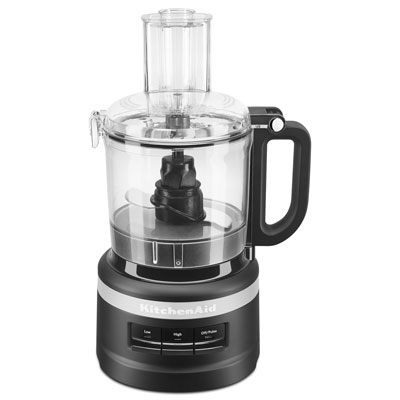
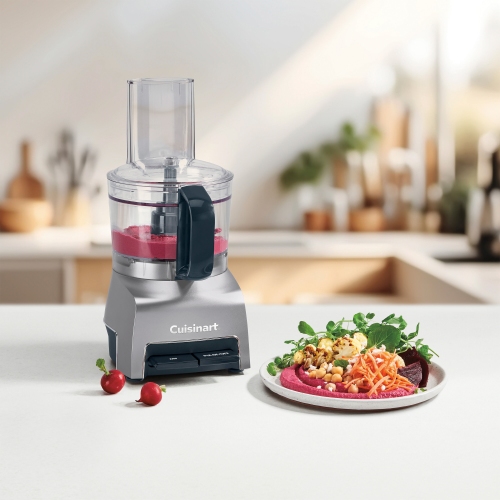
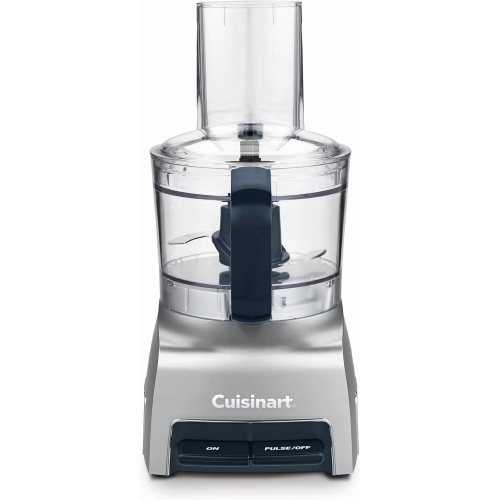
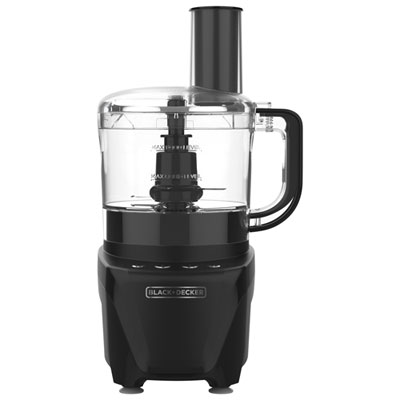
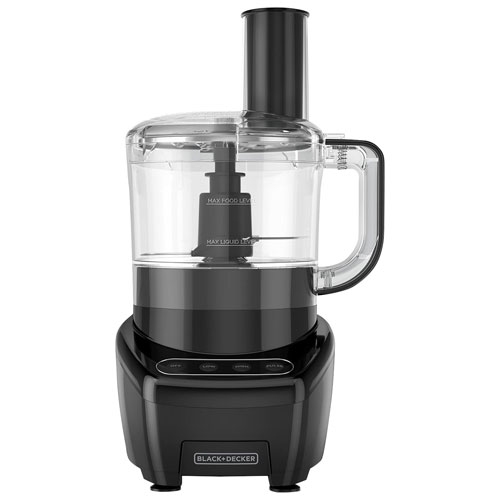
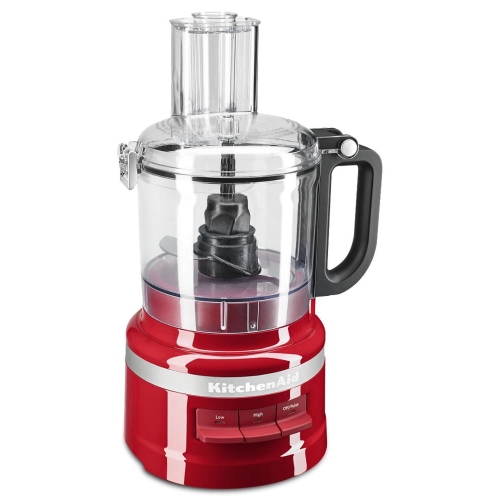
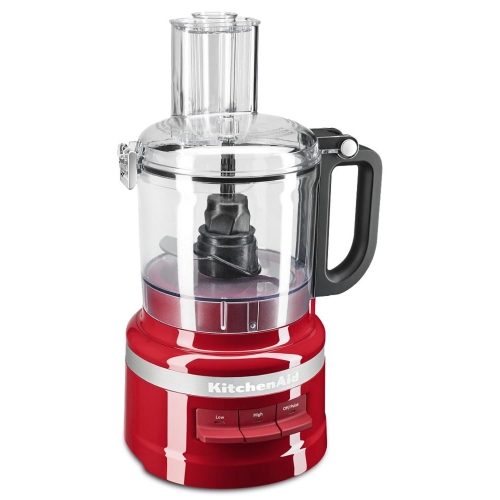
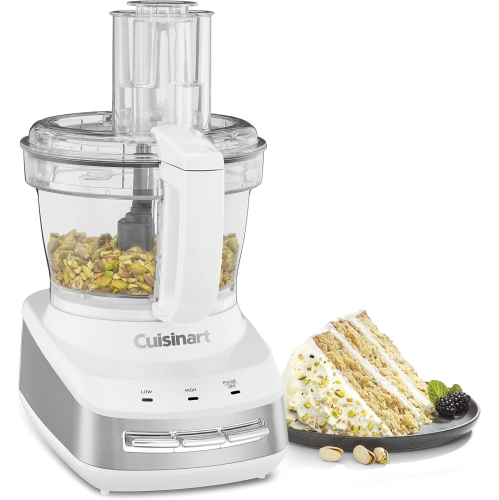
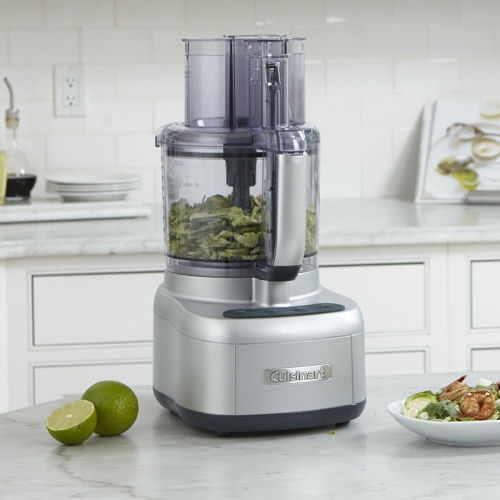
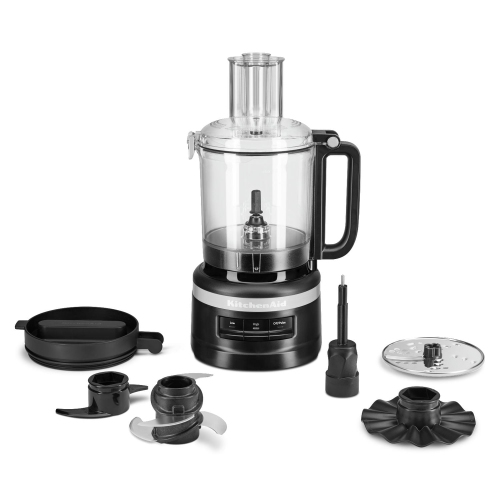
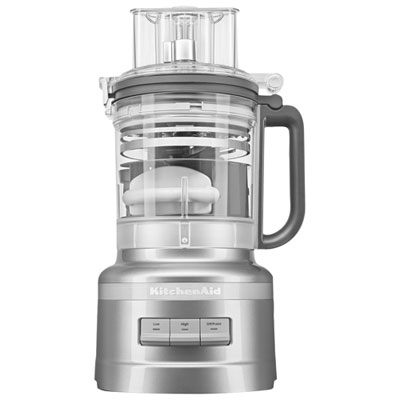
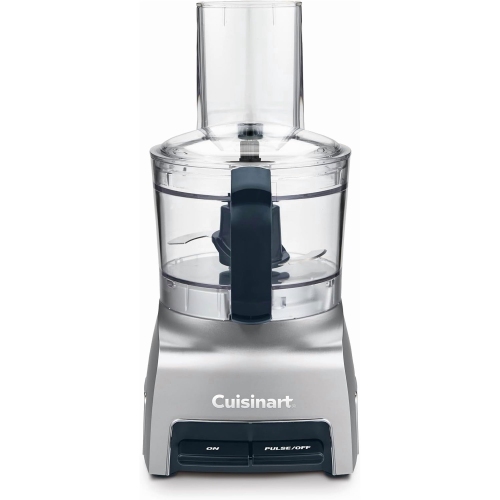
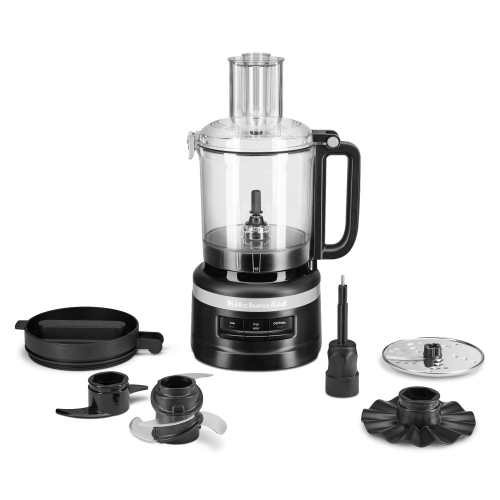
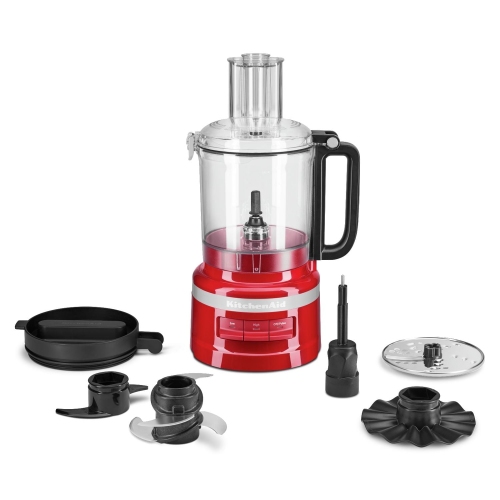
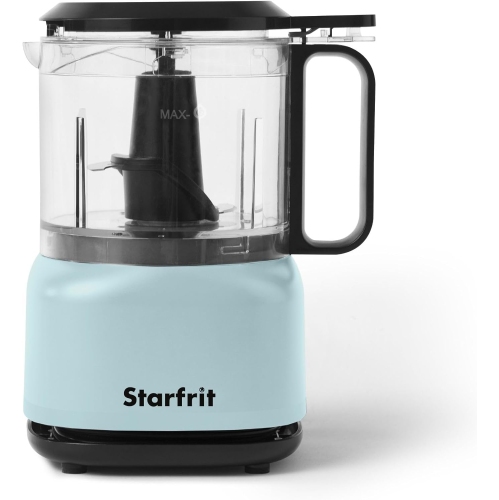
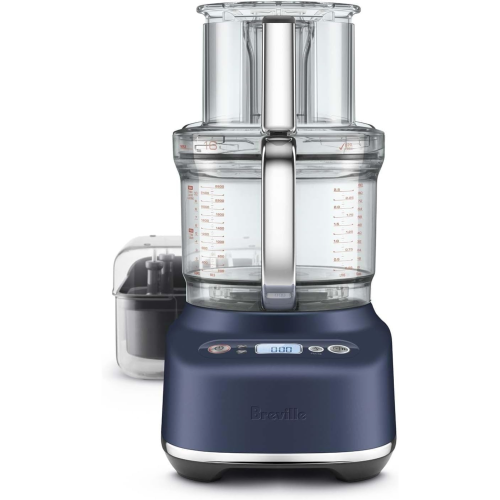
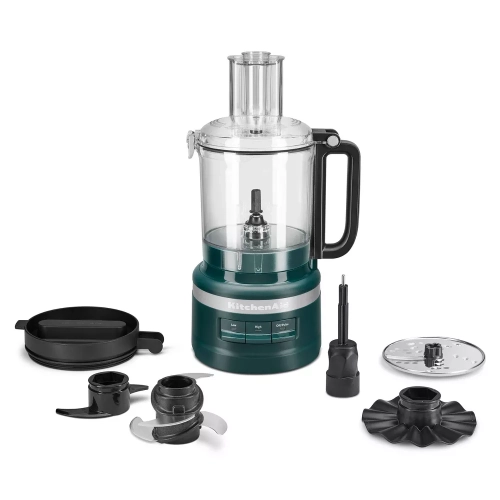
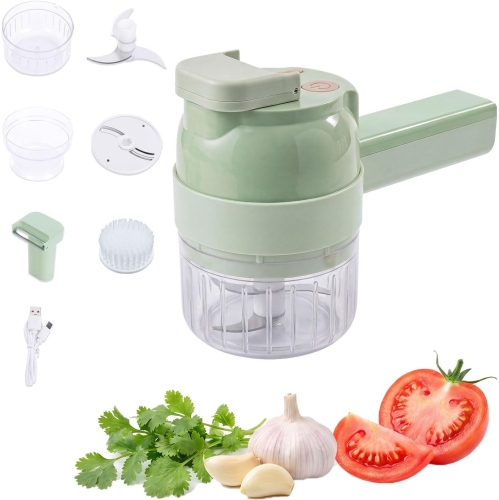
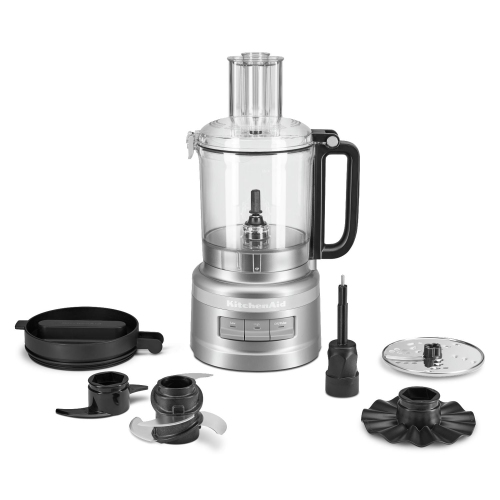
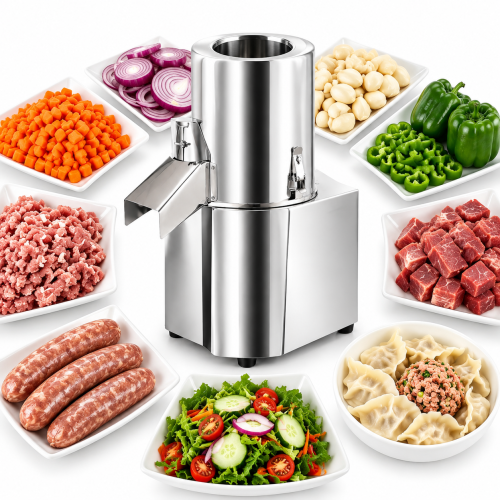
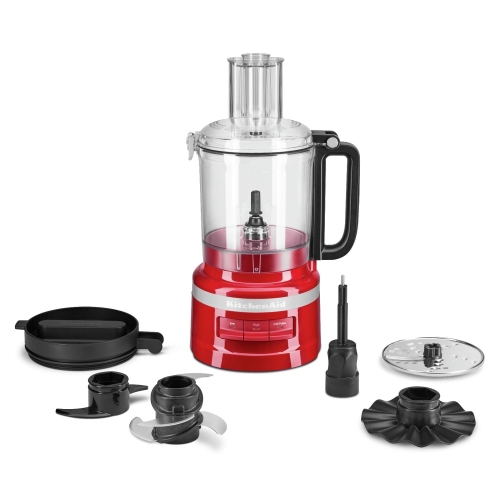
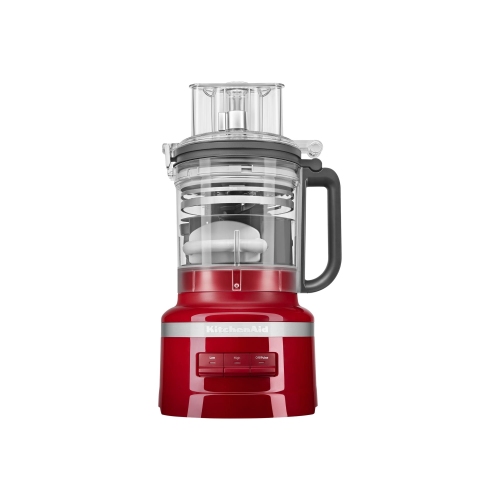
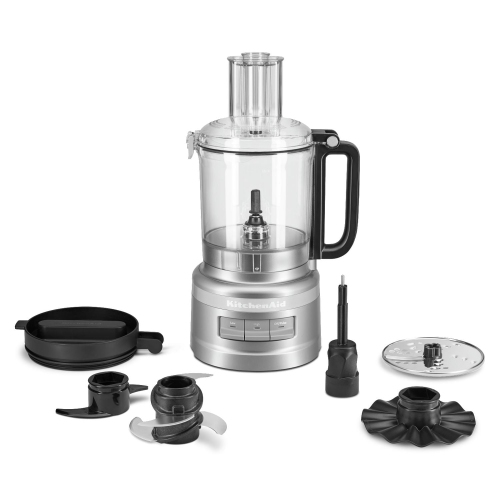
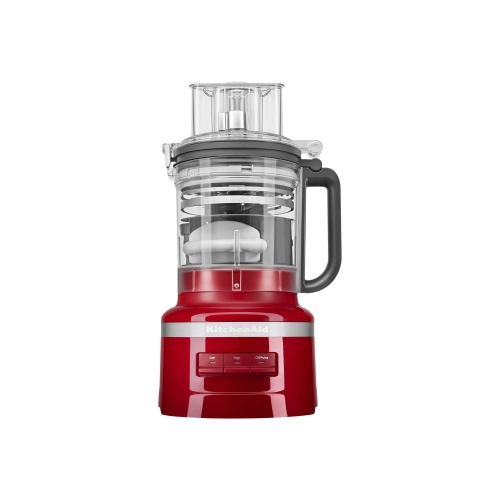
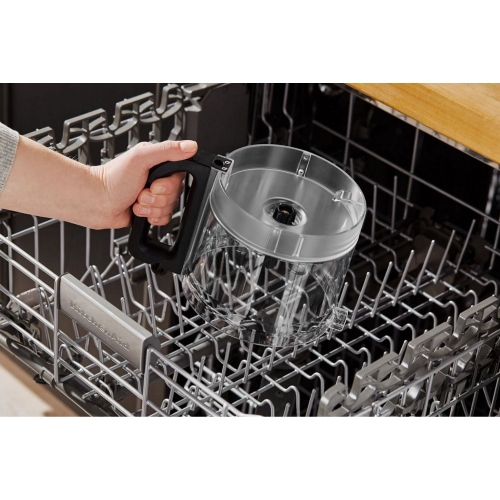
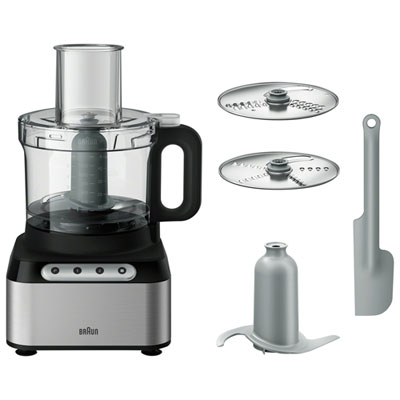
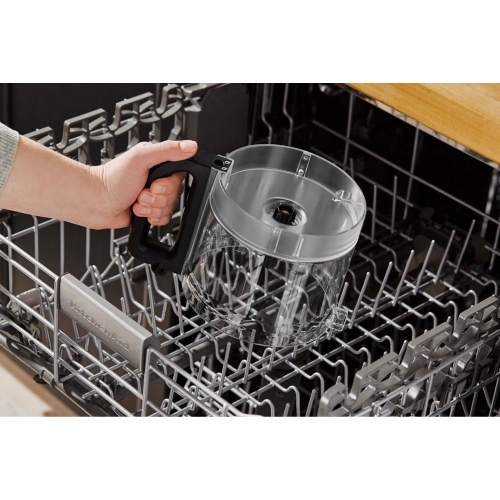
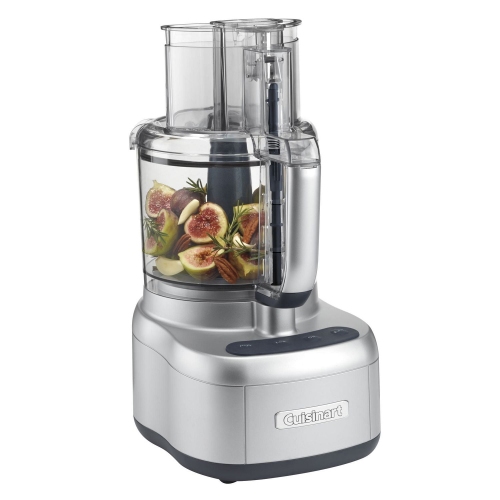
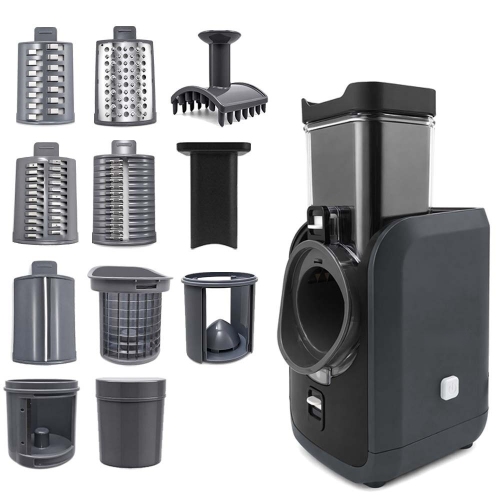
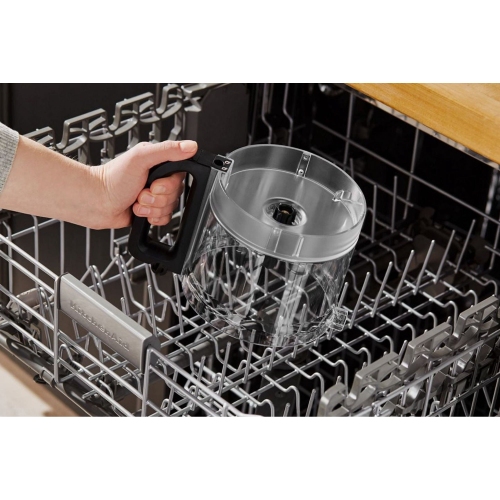
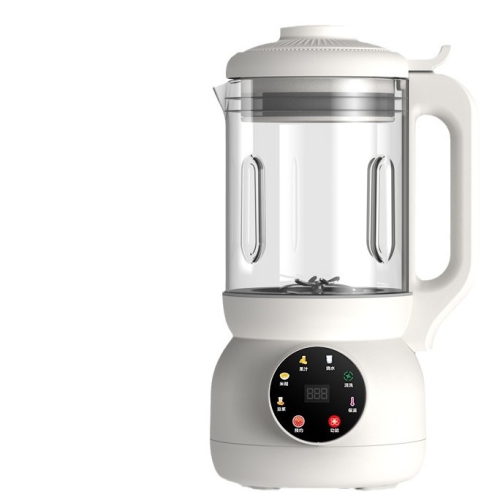
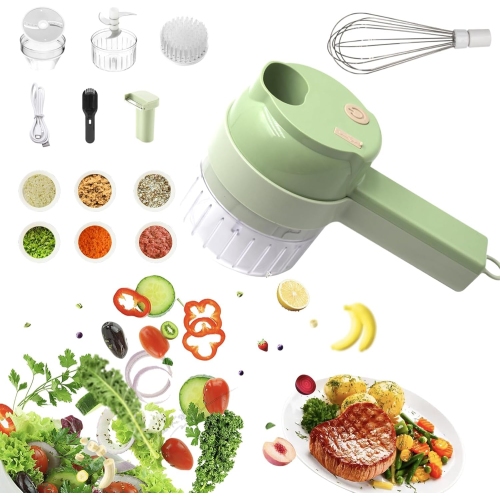
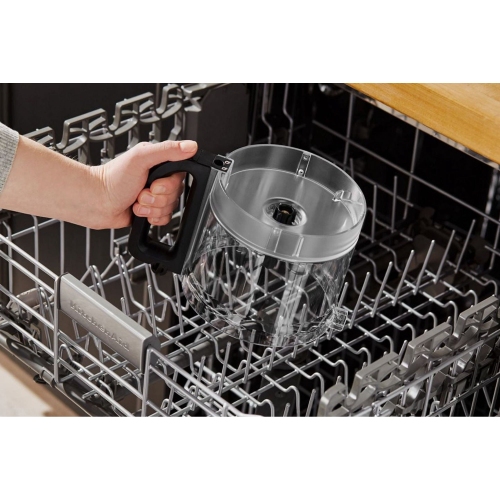
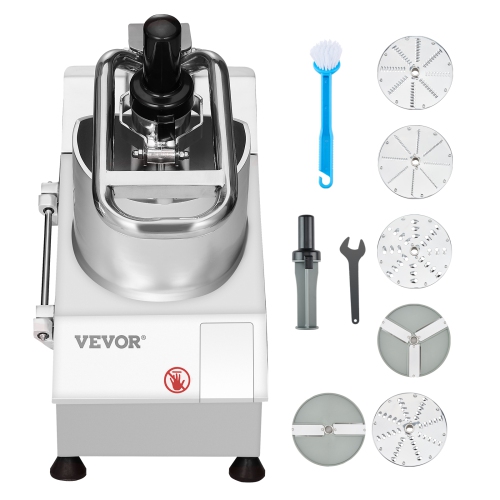
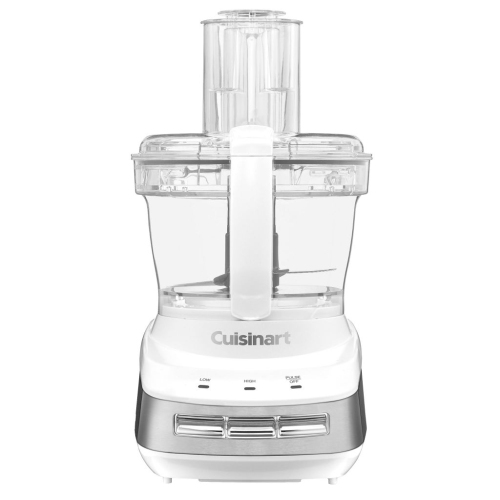
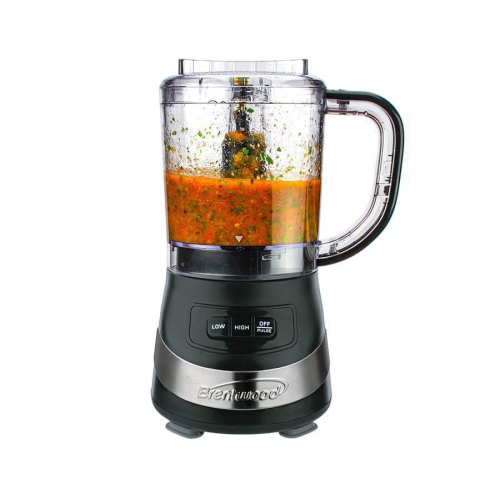
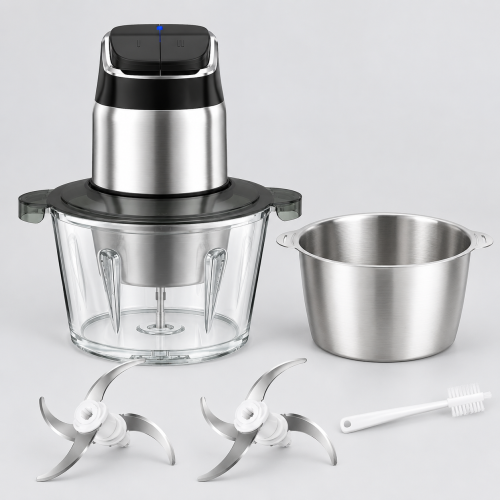
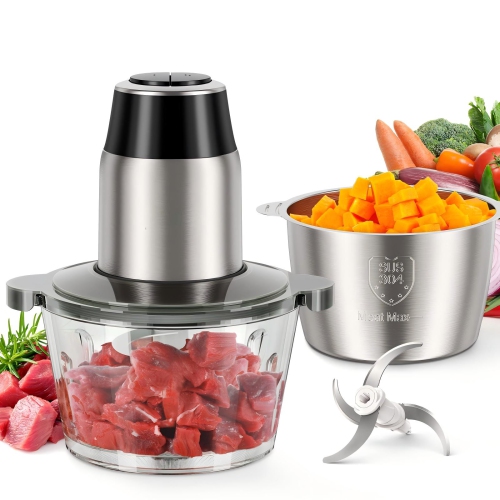
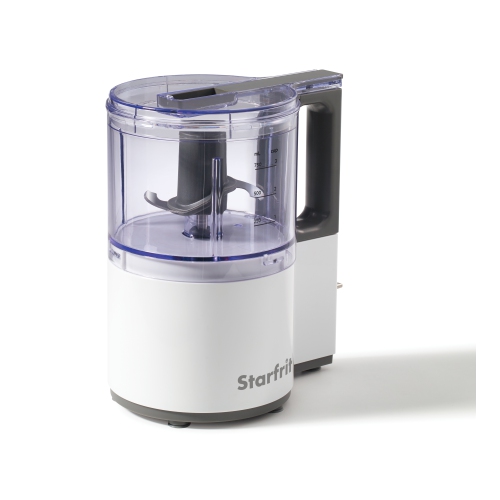
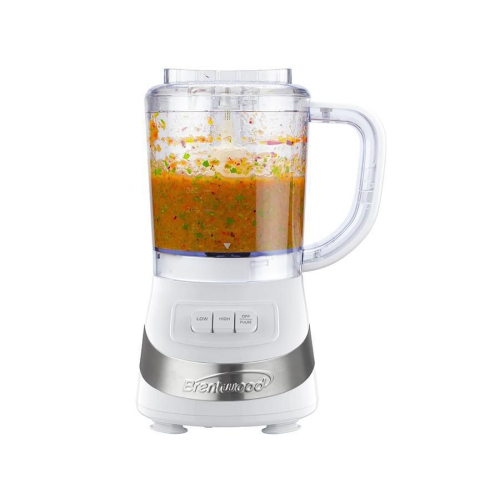
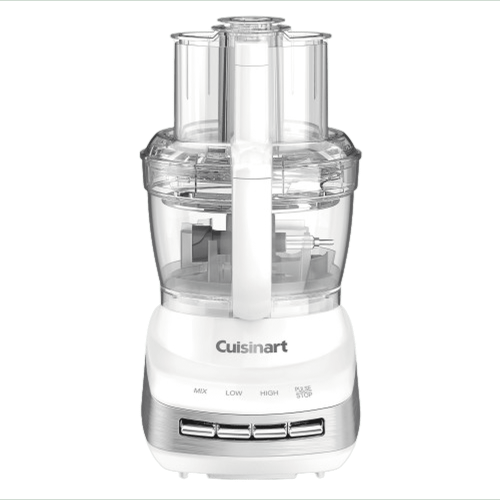
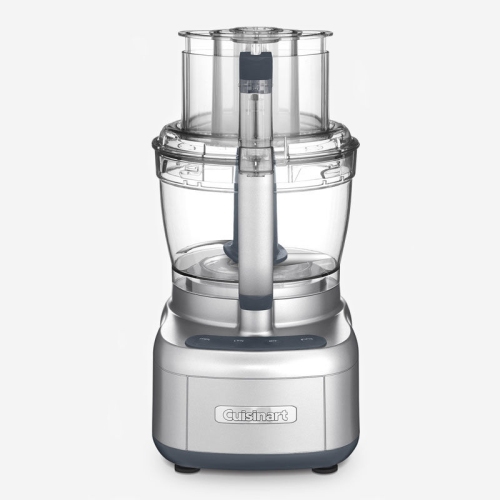
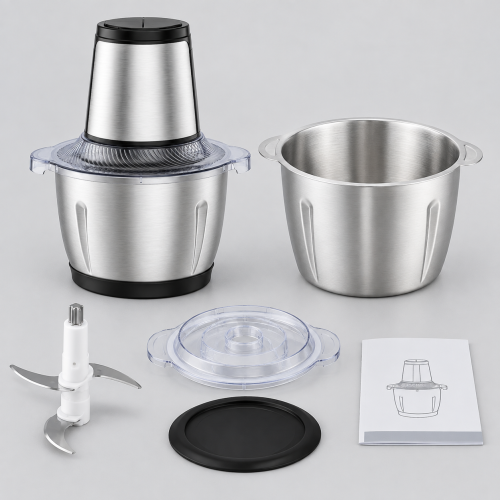
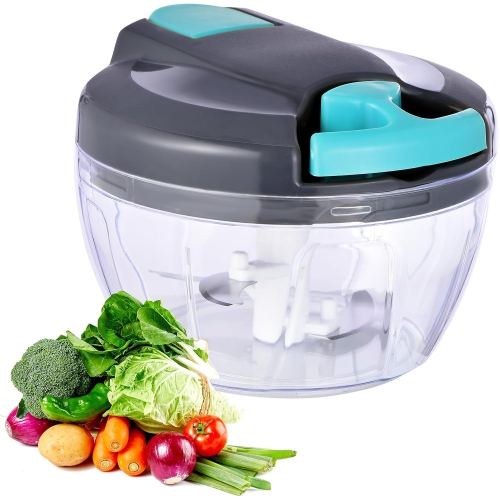
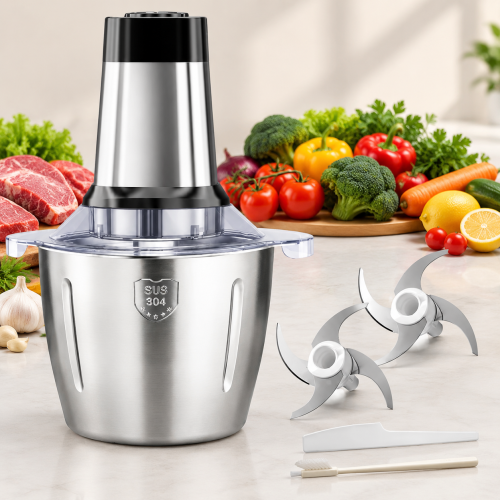
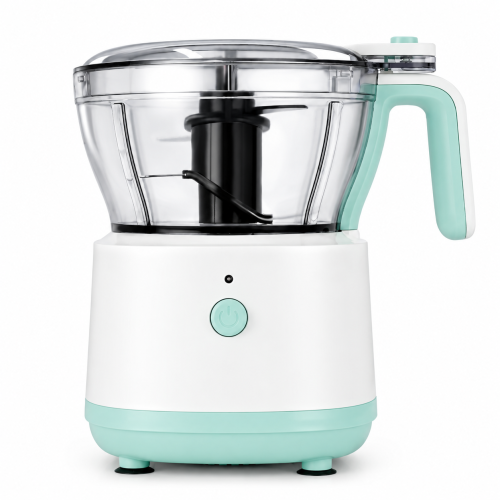
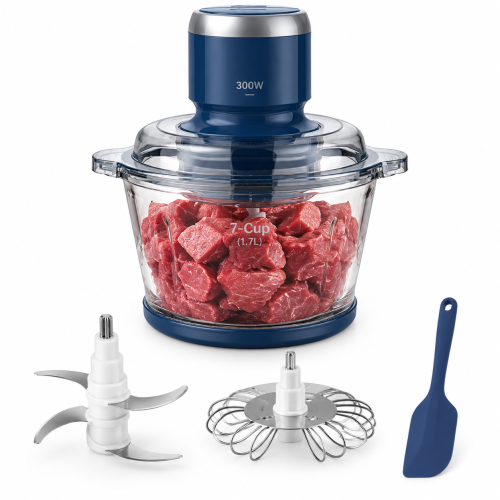
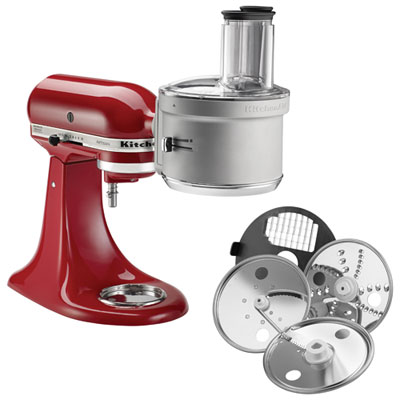
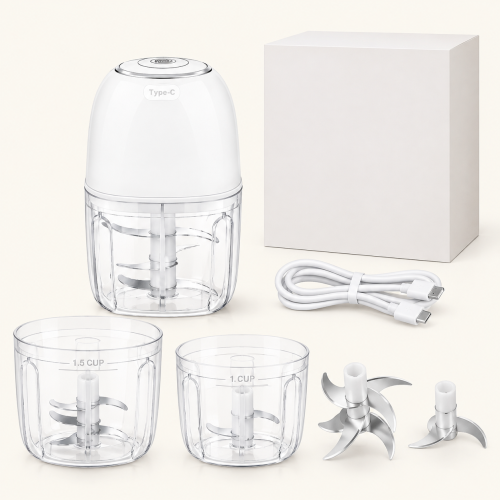
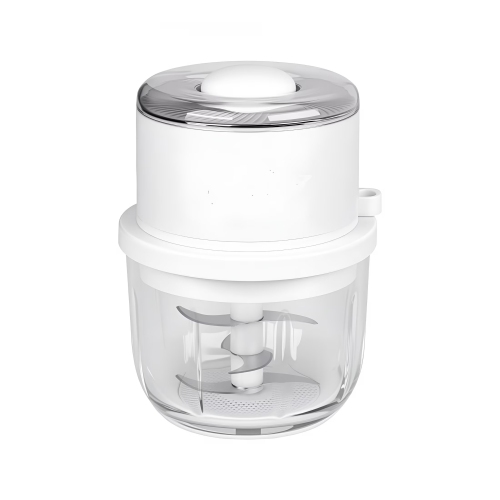
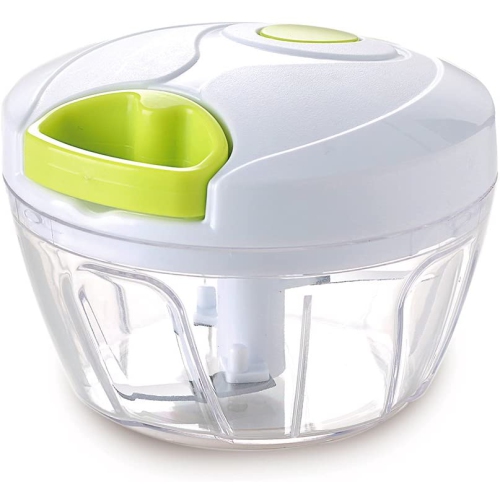
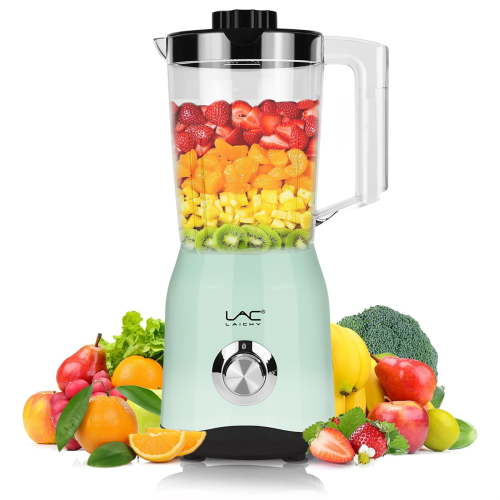
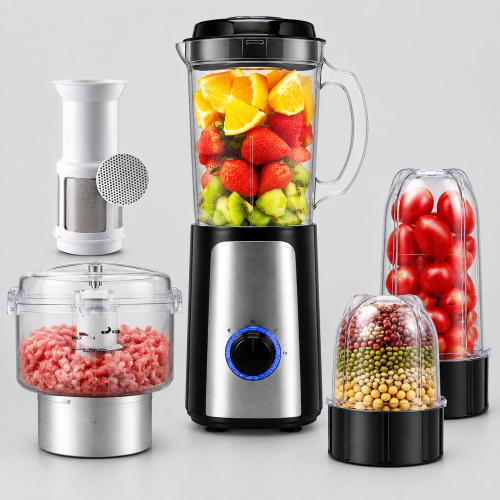
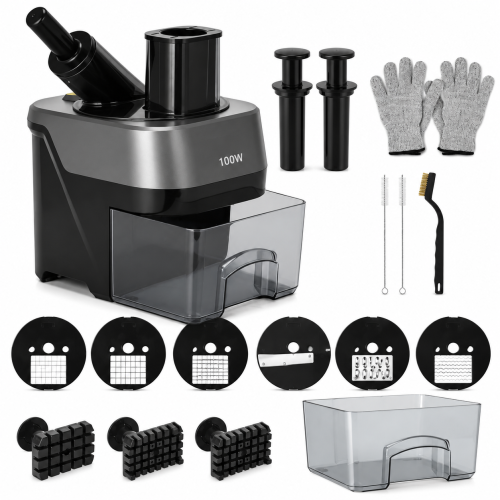
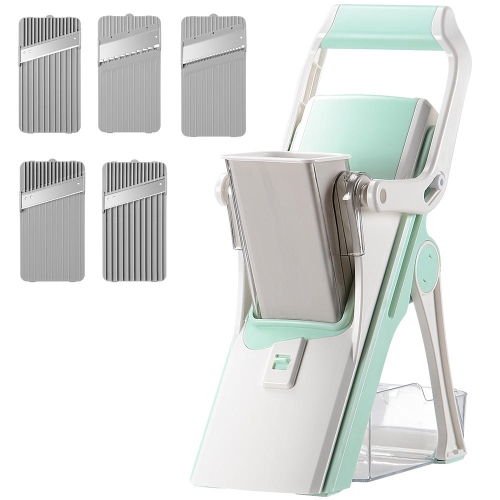
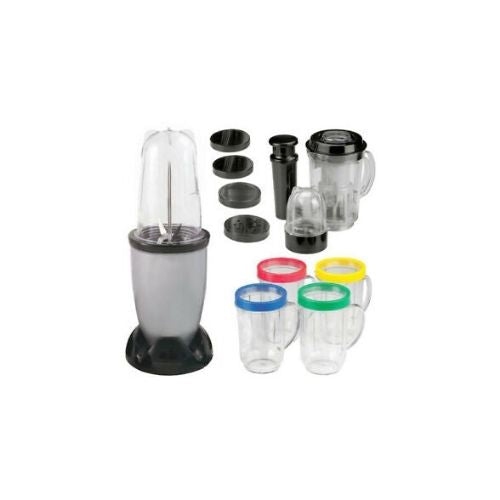
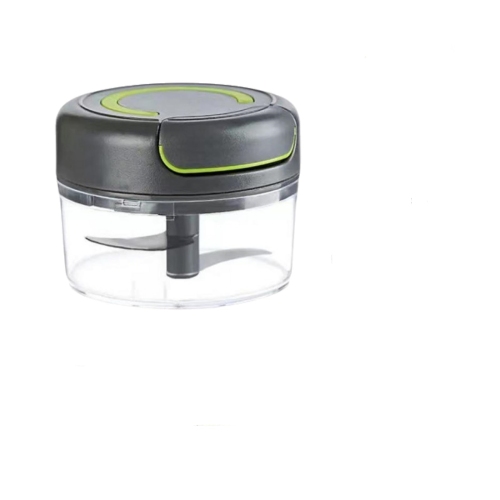
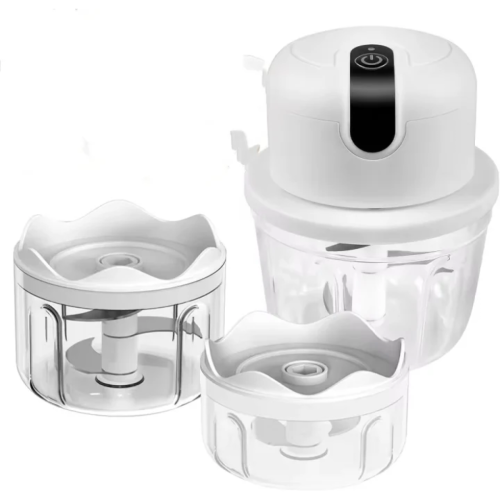
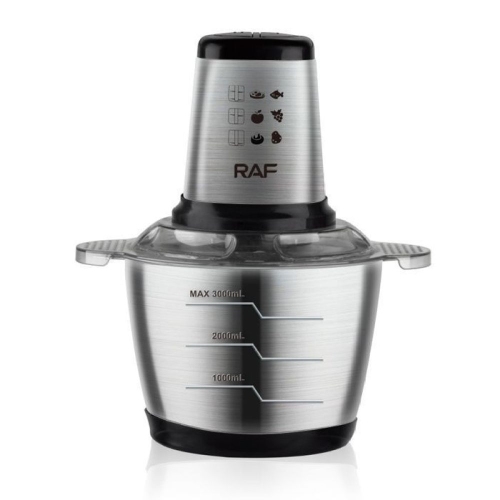
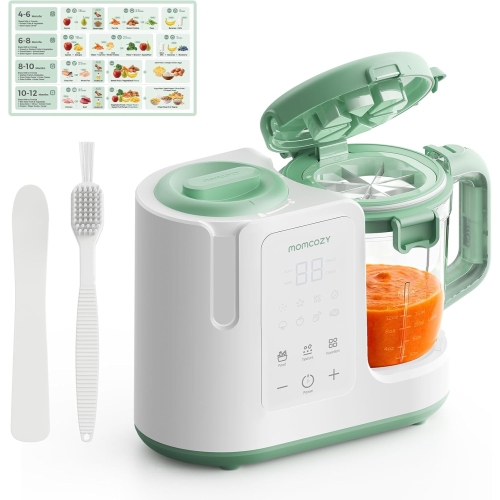
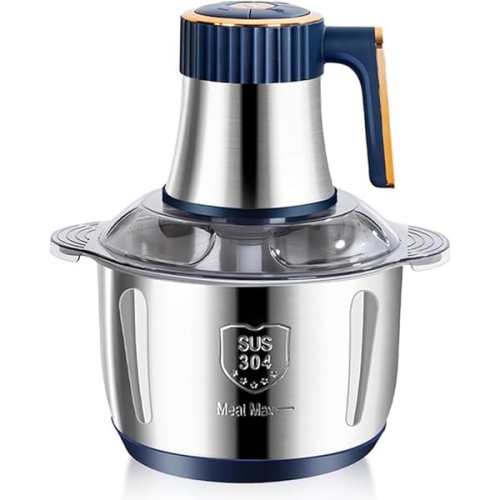
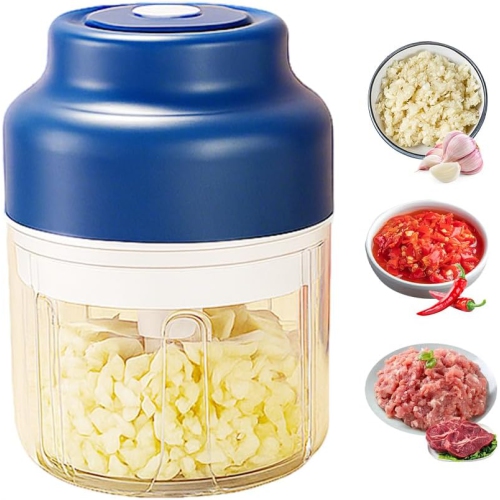
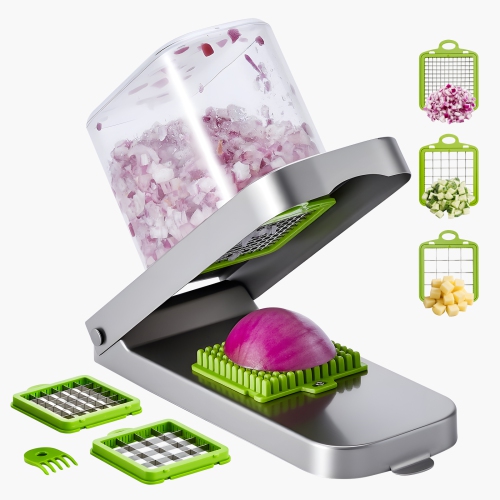
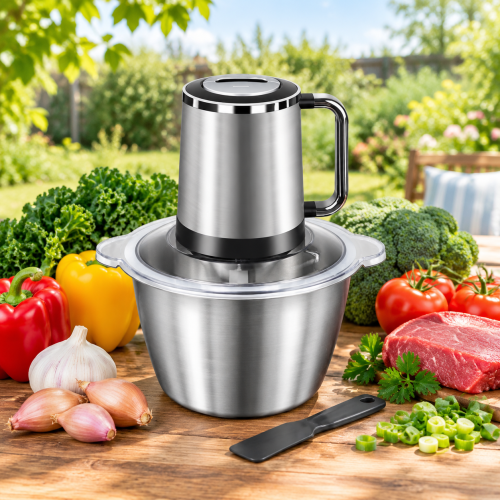
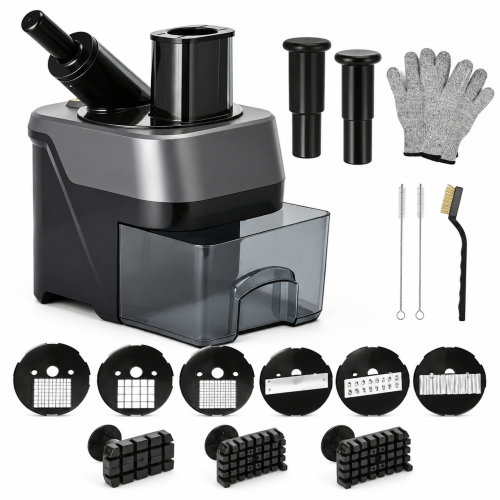
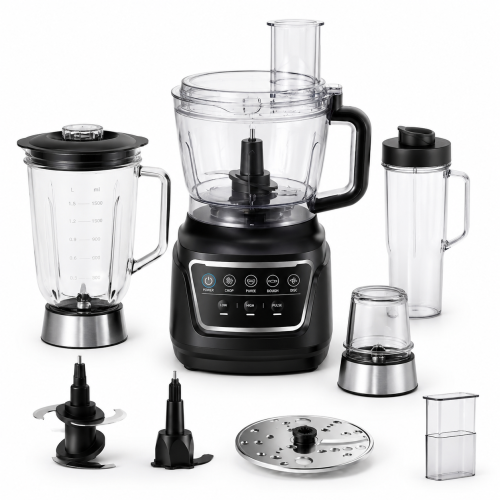
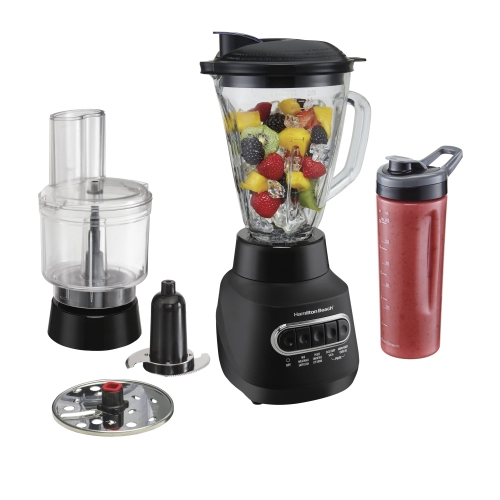
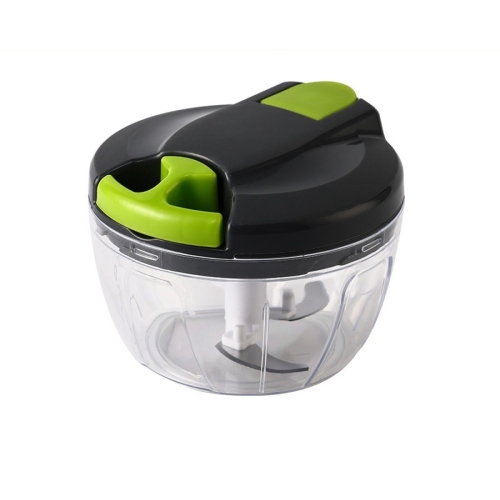
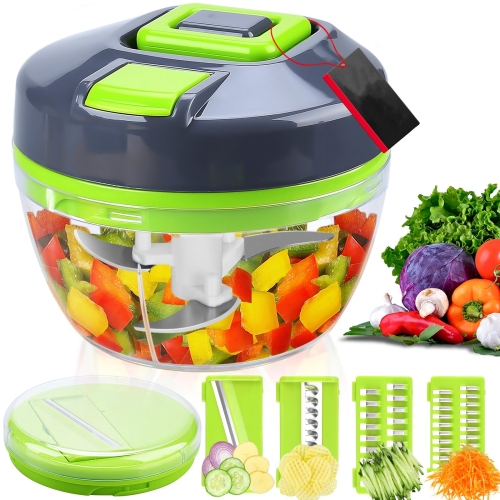
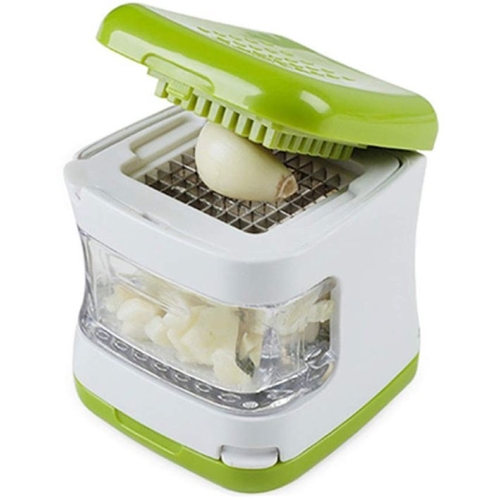
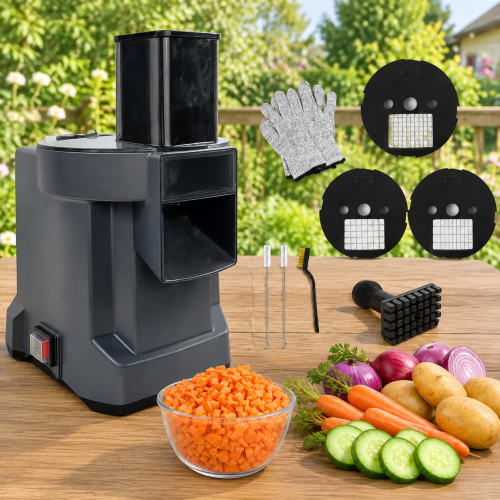
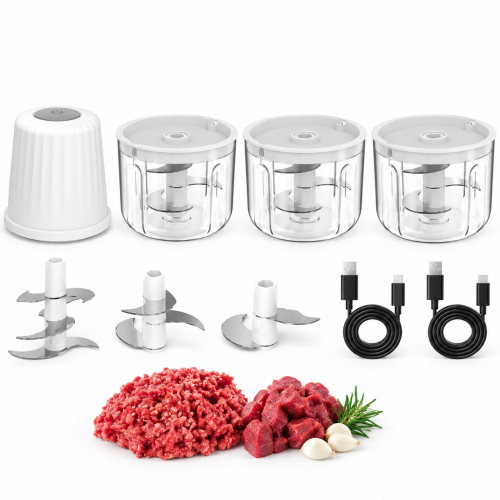
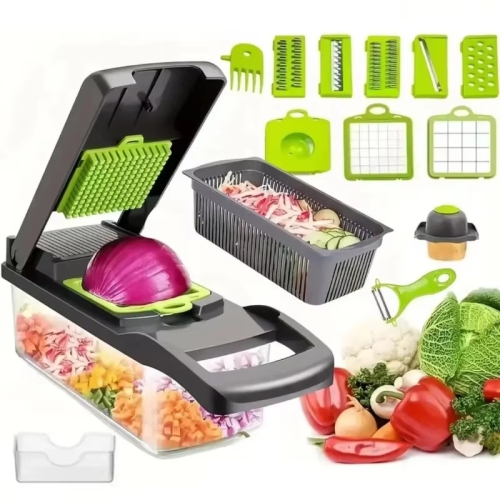
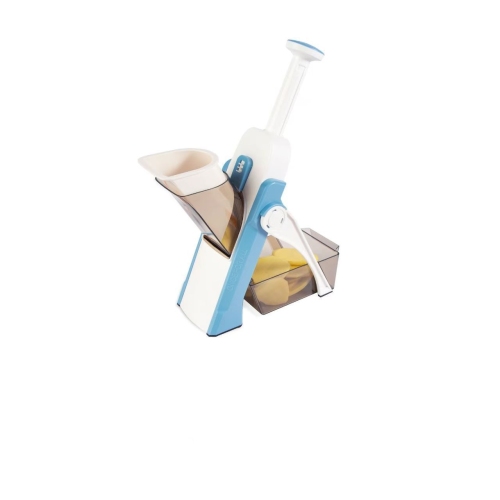
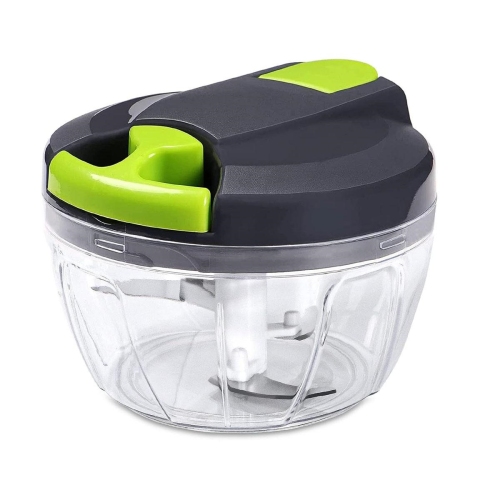
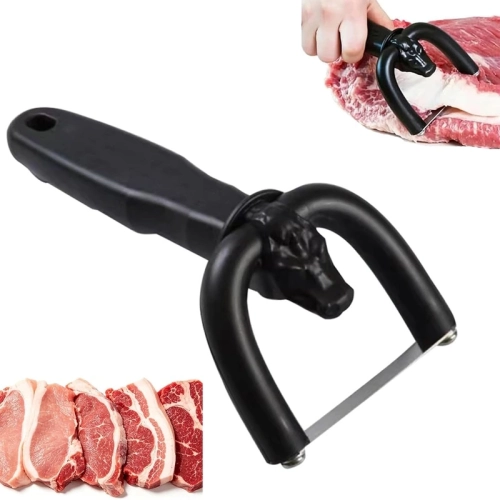
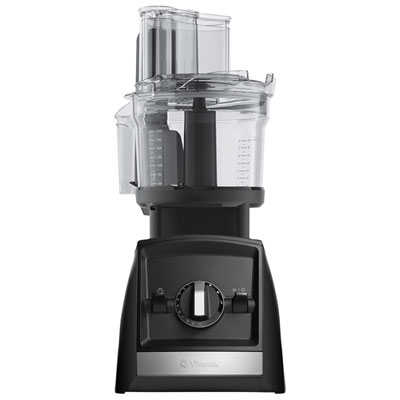
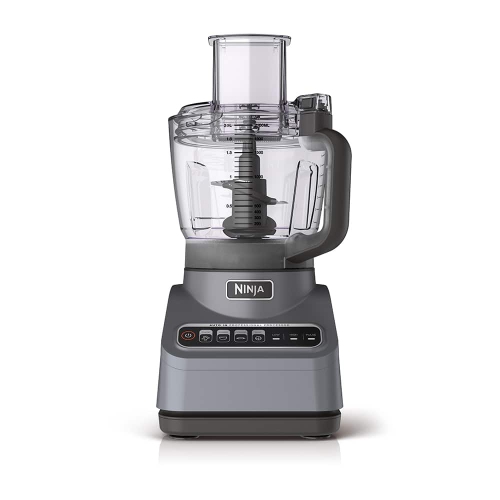
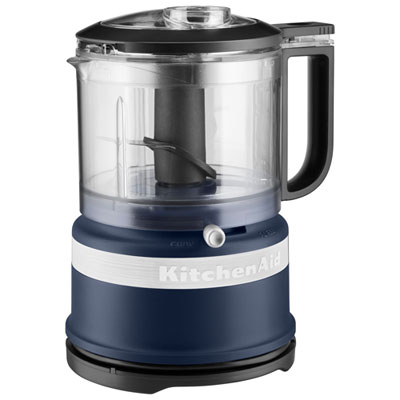
Food processing tools help turn raw ingredients into prepared foods with greater speed, consistency, and control. This broad category includes cutting implements, measuring devices, mixing and puréeing equipment, and tools for cooking, preserving, and storing food. A well-chosen selection can make everyday preparation feel more organised, whether you are chopping vegetables for a weeknight meal, preparing ingredients in batches, or making sauces, dips, soups, and fillings from scratch. Knives are useful for slicing, dicing, trimming, and portioning meat, fish, fruit, and vegetables, while peelers and graters handle smaller jobs such as removing skins, zesting citrus, or shredding cheese. Mandolines can create even slices for gratins, salads, and dehydrated snacks, although their sharp blades call for careful handling and the included guard should be used whenever possible. Cutting boards provide a stable, washable surface for preparation, and using separate boards for raw proteins and ready-to-eat ingredients can help support good kitchen hygiene. For cooks who regularly prepare large quantities, food processors can quickly handle tasks that would otherwise require repeated chopping, grating, or blending. Explore Food Processors for equipment suited to preparing ingredients with less manual effort and more uniform results.
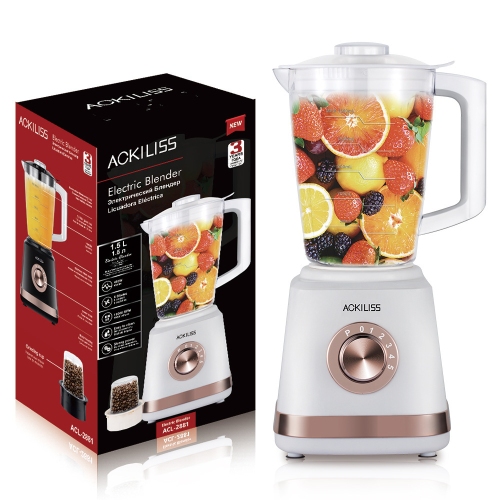
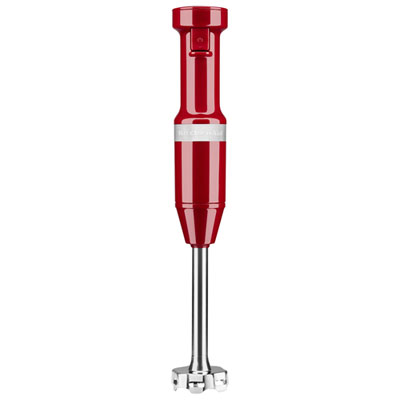
Measuring and temperature tools are just as important as cutting and blending equipment because accuracy affects both texture and food safety. Kitchen scales help portion ingredients precisely, which is especially useful for baking, bread making, meal preparation, and recipes that rely on a careful balance of solids and liquids. Measuring cups and spoons are practical for sauces, marinades, seasonings, and other ingredients used in smaller quantities. A food thermometer provides a dependable way to check internal temperatures rather than relying only on appearance, timing, or texture. It can be useful when preparing poultry, meat, fish, casseroles, reheated foods, and delicate preparations that need close temperature control. For preserving and fermentation projects, specialised measuring tools such as refractometers can help estimate sugar concentration, while salinometers can help assess the salt level of brines. These tools may appeal to home cooks who enjoy pickling vegetables, making preserves, preparing cultured foods, or refining recipes through careful observation. Immersion blenders are convenient for puréeing soups, sauces, and cooked vegetables directly in a pot or container, reducing the need to transfer hot contents between vessels. When choosing among food processing tools, consider the ingredients you work with most often, the quantity you usually prepare, the available counter and storage space, and whether removable parts are easy to clean. Comfortable handles, clear controls, stable bases, durable materials, and dishwasher-safe components can make a noticeable difference when a tool is used several times a week.
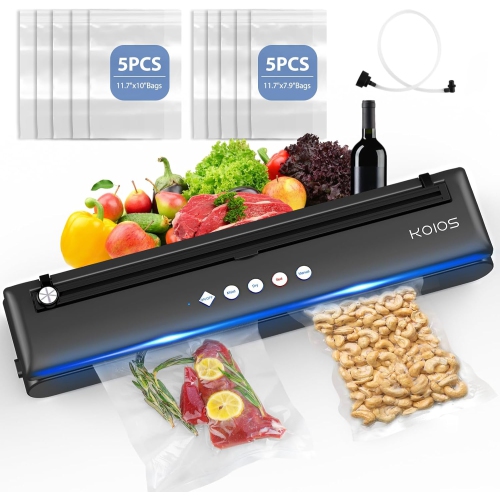
Preservation and packaging tools extend food preparation beyond the meal itself, making them useful for cooks who like to plan ahead, buy seasonal ingredients in larger quantities, or share homemade foods with family and friends. Impulse sealers can close suitable bags and packaging to help organise dry goods, portion prepared ingredients, or protect foods from exposure to air; always follow the instructions for the compatible packaging material and allow heated items to cool as required. Pressure cookers and pressure canners are designed for different purposes, so it is important to use the correct appliance and follow tested processing instructions for the food being prepared. Canning involves careful attention to jar condition, processing times, pressure or temperature, and storage practices, while freezing and vacuum-style storage may suit other ingredients and recipes. Smokehouses and related curing equipment can be used by experienced home food enthusiasts to prepare meats and fish, but these methods require close control of temperature, humidity, salt levels, and handling conditions. Food processing tools can be practical gifts for a new homeowner, an enthusiastic baker, a batch cook, a gardener preserving a harvest, or anyone setting up a more capable kitchen. They also suit cooks who enjoy the hands-on rhythm of preparing ingredients: the steady chopping of vegetables, the fine texture created by grating, the smooth finish of a blended soup, or the satisfaction of neatly portioned foods ready for the freezer. As the weather moves through cooler seasons, these tools can support hearty soups, roasted vegetable preparations, homemade sauces, baked recipes, preserved foods, and make-ahead meals. Choosing equipment that matches your cooking habits, available space, cleaning preferences, and level of experience can help ensure that each tool earns its place in the kitchen.
Top selling and popular products
-
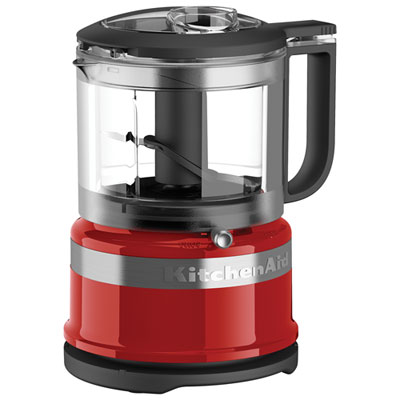 Your price for this item is $49.98
-
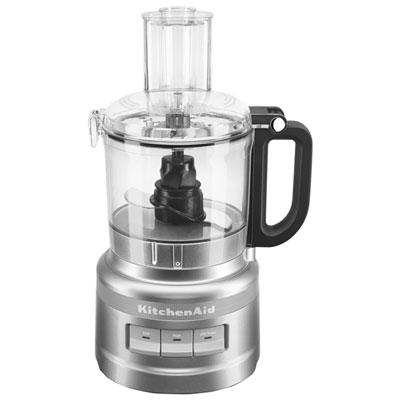 Your price for this item is $124.98
-
 Your price for this item is $144.99
-
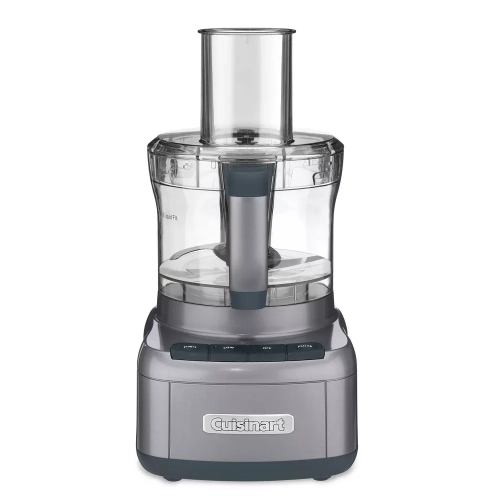 Your price for this item is $317.89
-
 Your price for this item is $349.99
-
 Your price for this item is $204.72
-
 Your price for this item is $79.99
-
 Your price for this item is $79.16
Discover more categories related to Food Processing Tools
Top Collections:
Best Black Friday Deals This Year, Best Black Friday Deals On Electronics, Kindle Devices, Pokemon Centers, Best Black Friday Deals On Apple Products, Best Cameras for Sports Photography, Dyson Airwrap, Pokémon 30th Celebration Cards, Apple iPhone 17 Pro, Canon G7X Cameras
Some products may be subject to Environmental Handling Fees
(EHF) depending on your province.
Learn more about EHFs.