Cabinets for Bathrooms
Upgrade your bathroom with our selection of stylish and functional cabinets designed to enhance your space while providing ample storage solutions. From sleek modern designs to classic and timeless options, our collection offers a variety of sizes, finishes, and features to suit any bathroom decor. Organize your essentials with ease and elevate the look of your bathroom with our high-quality cabinets that marry form and function seamlessly.
Sort
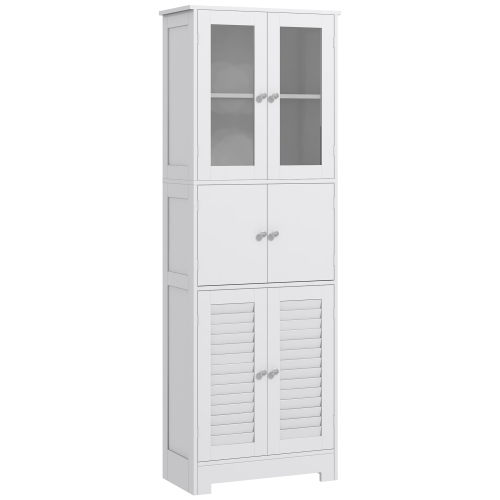

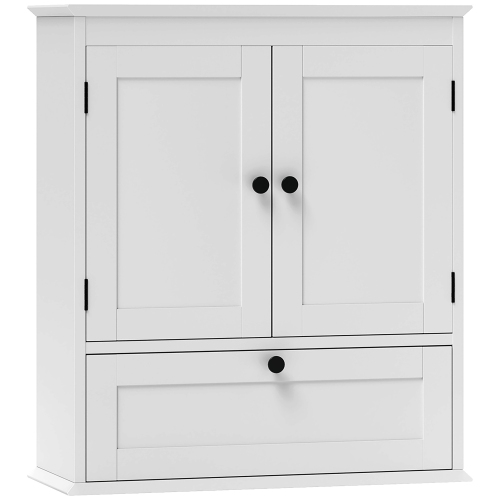

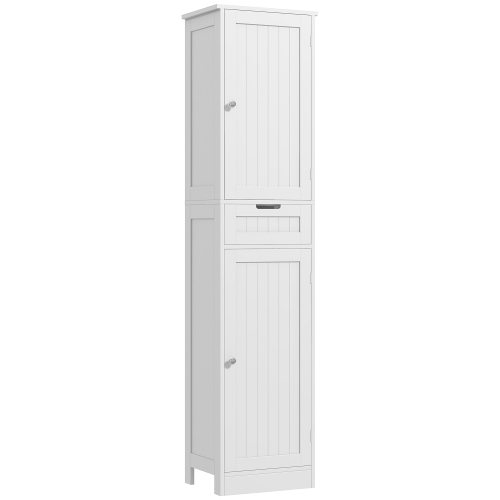
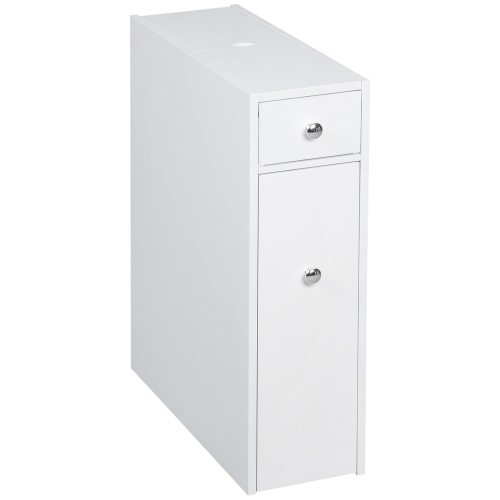
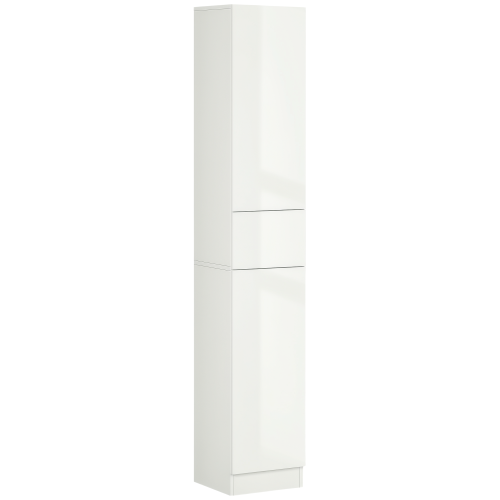
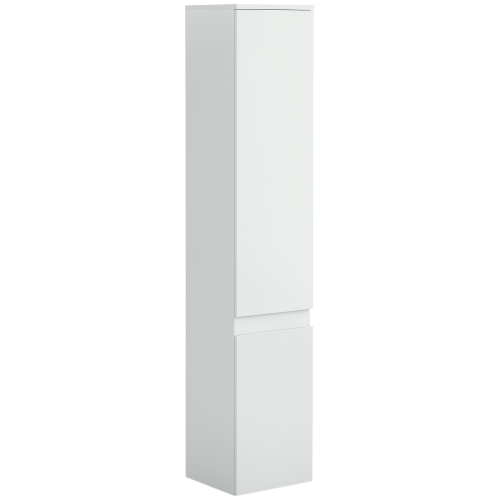
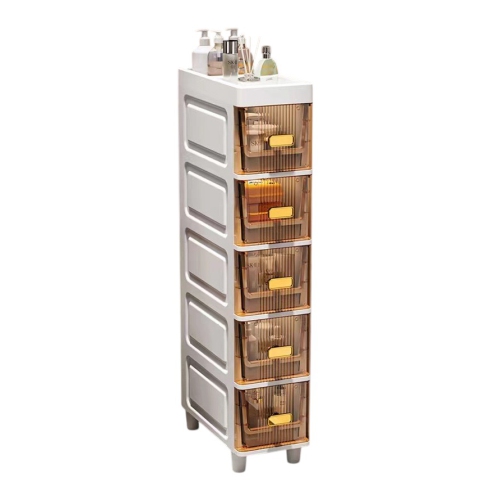
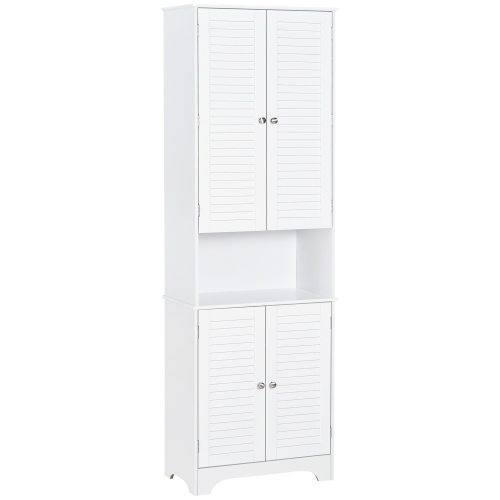
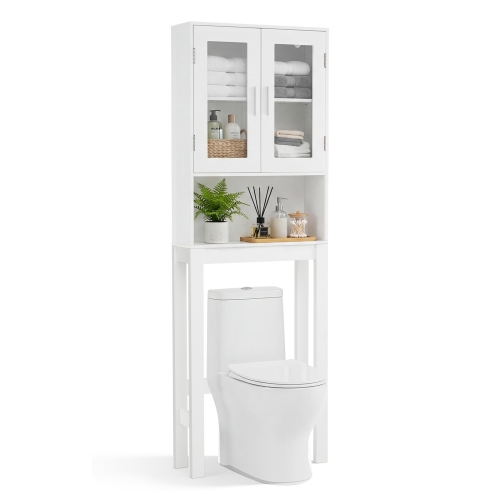
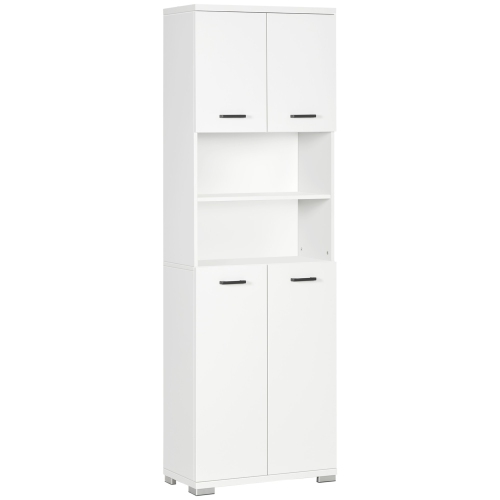
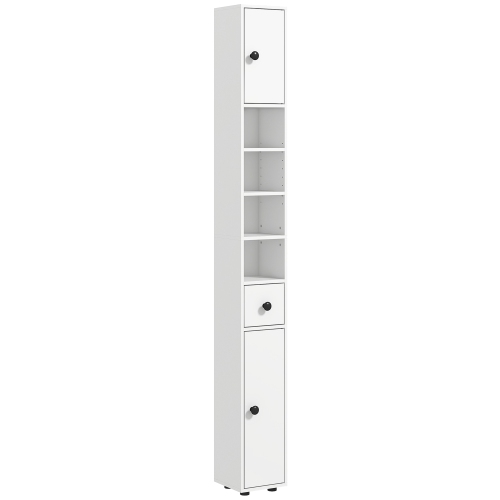
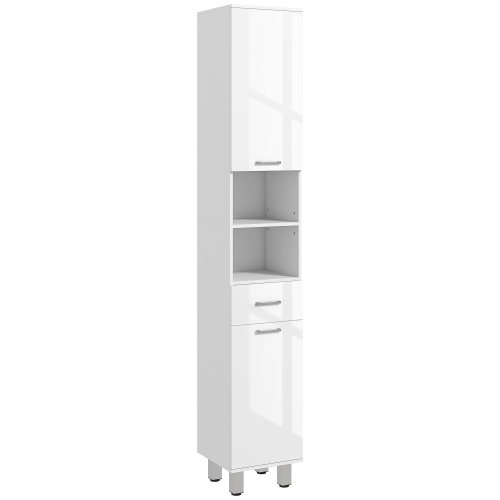
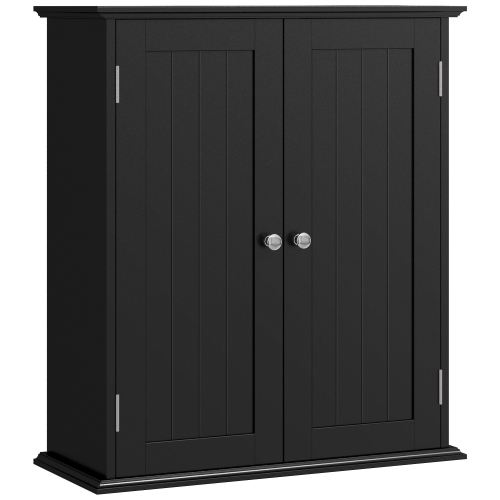
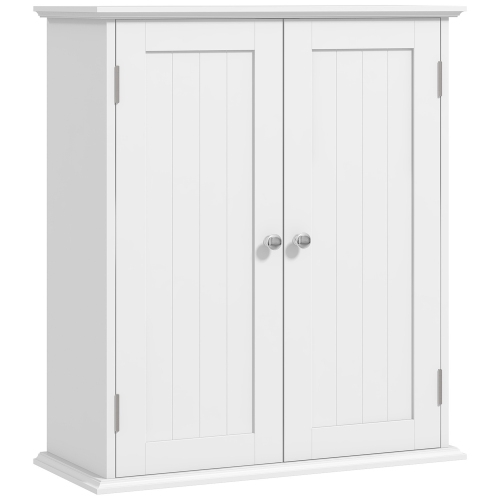
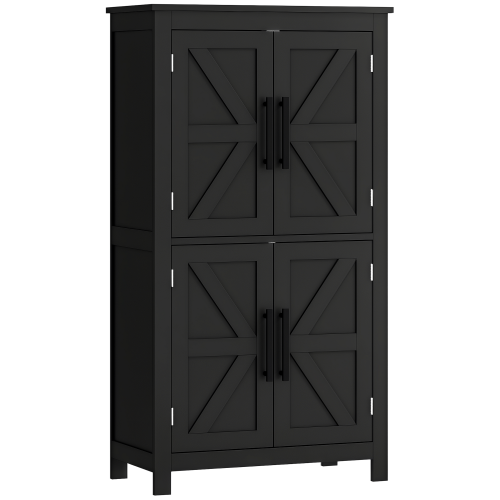
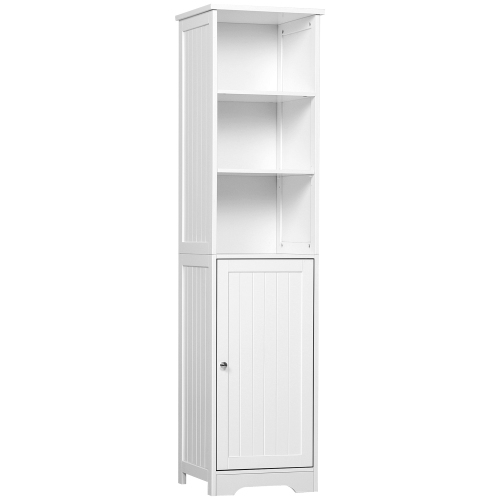
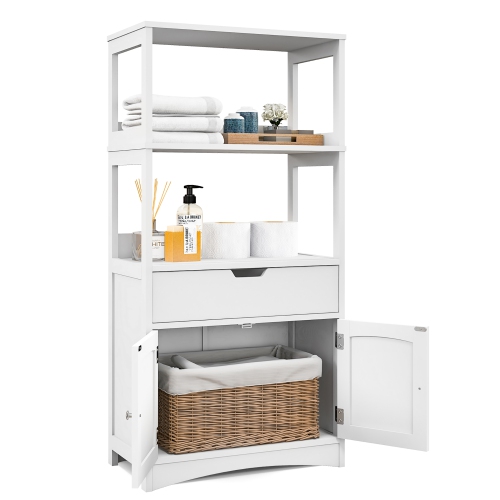
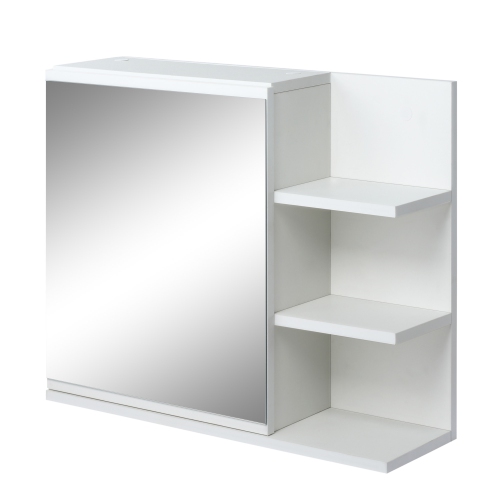
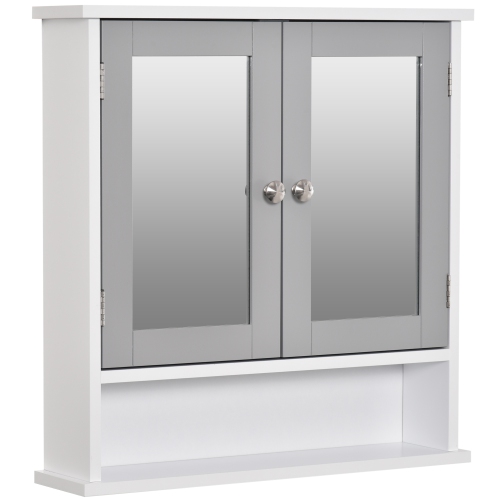
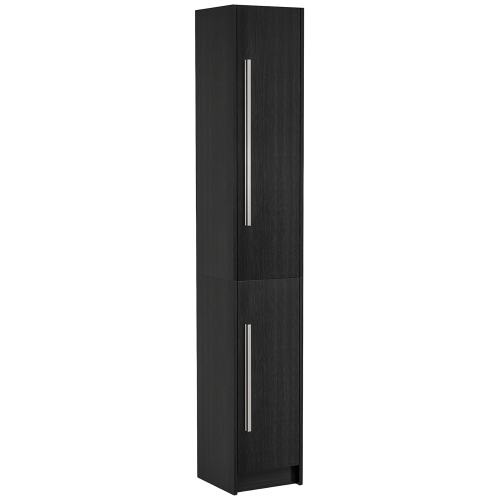
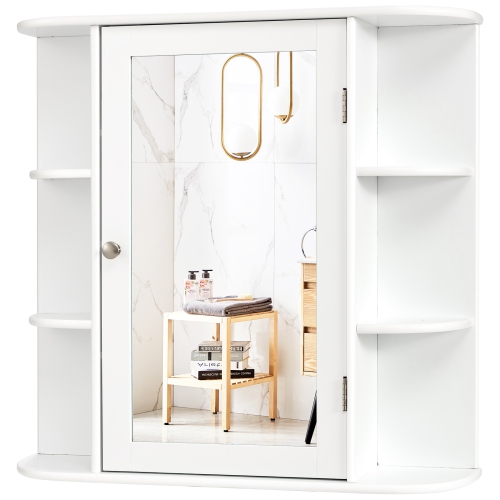
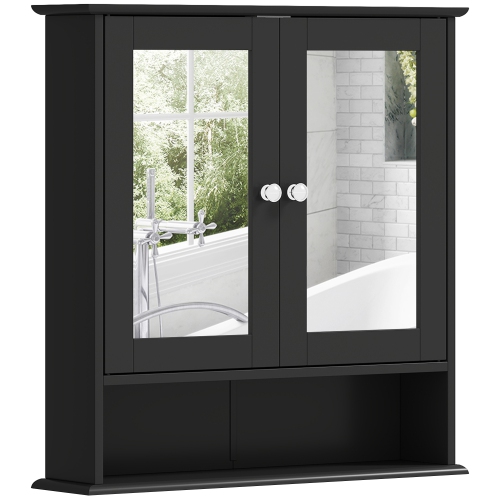
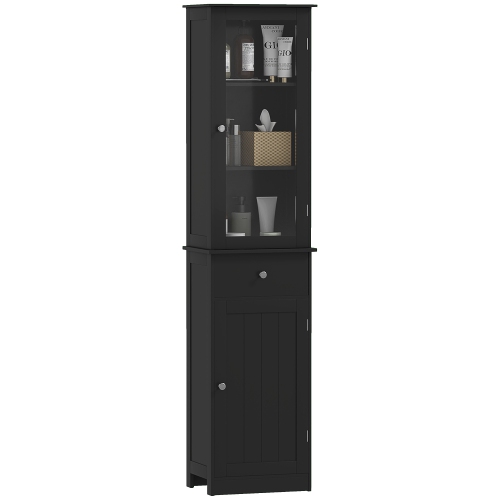

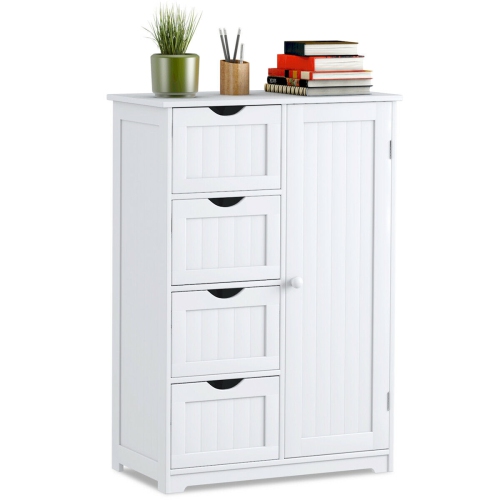
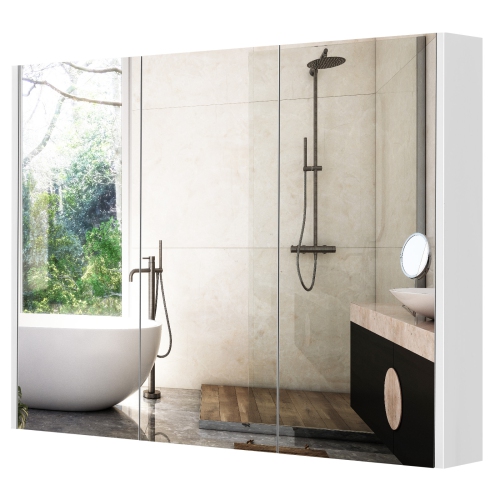
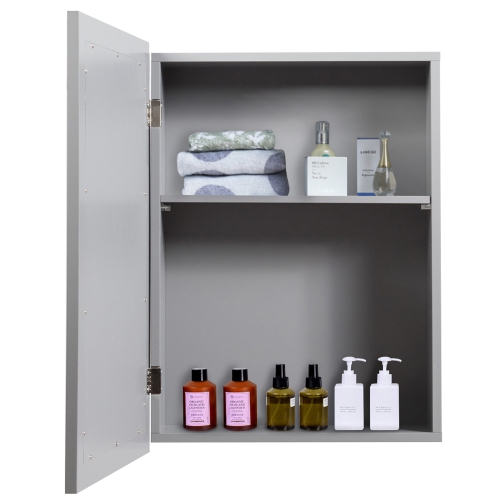
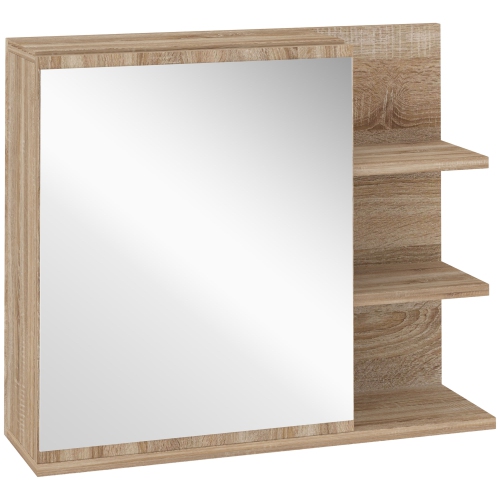
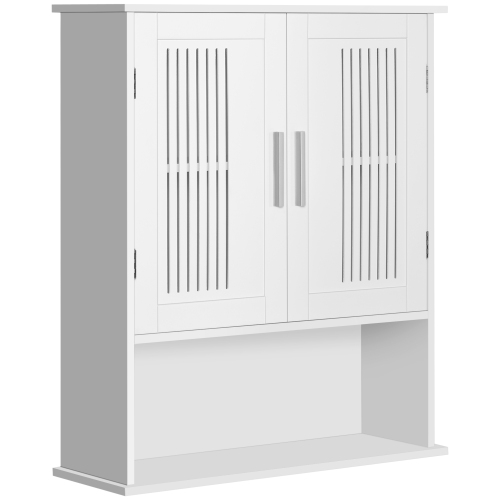
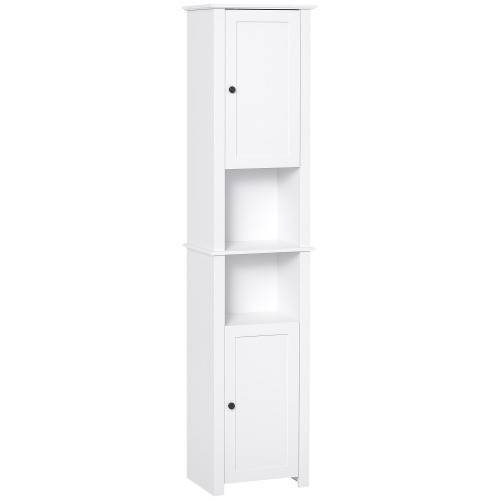
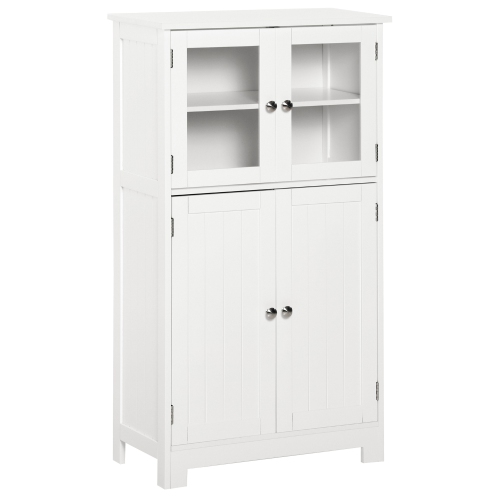
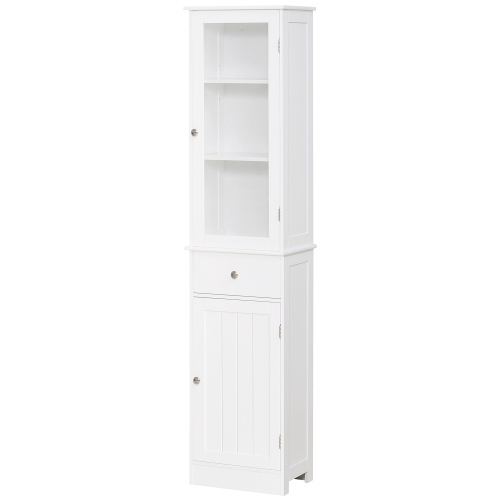
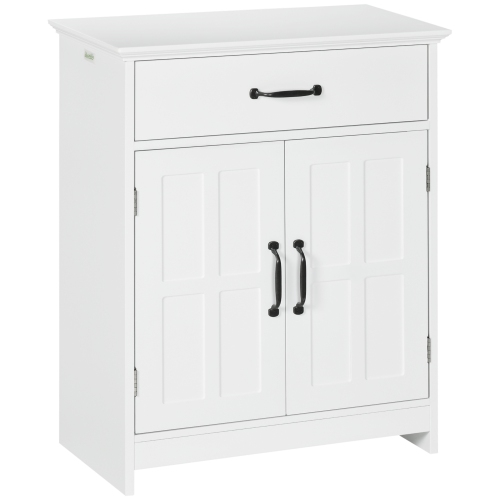
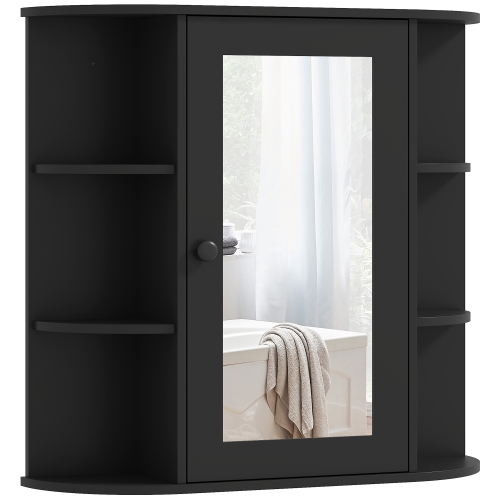
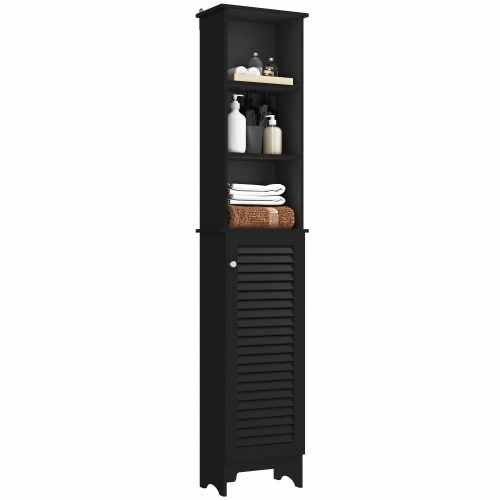

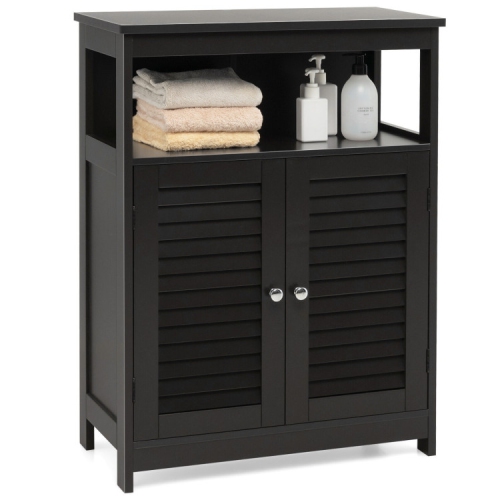
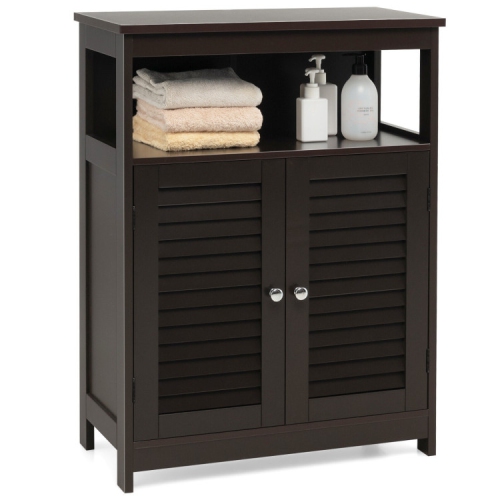
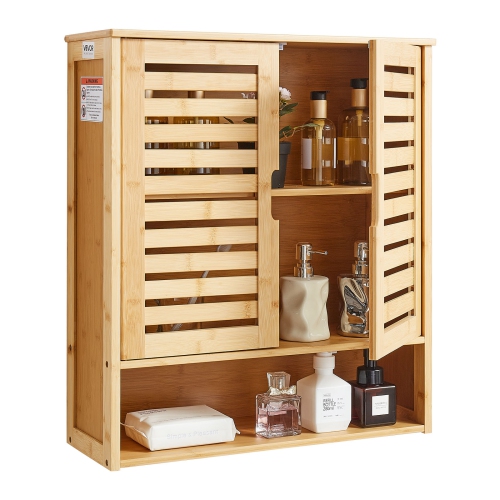
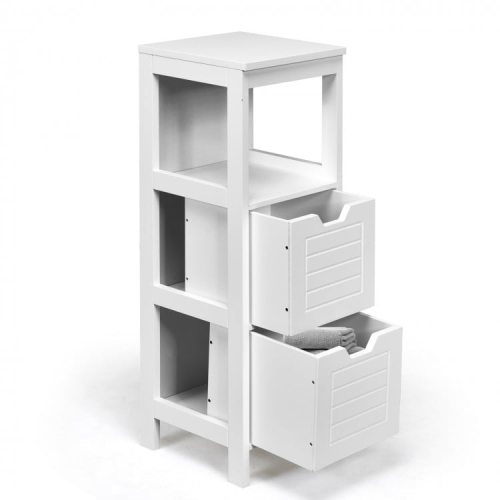

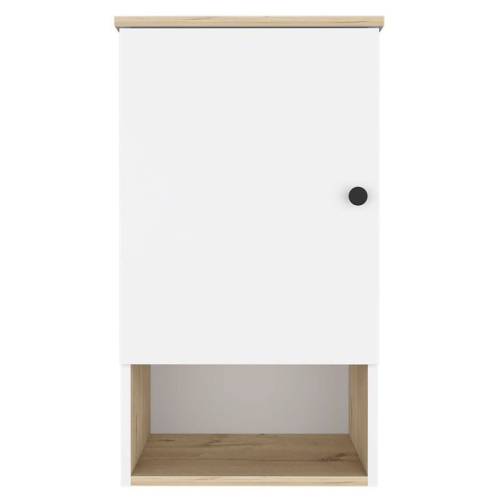
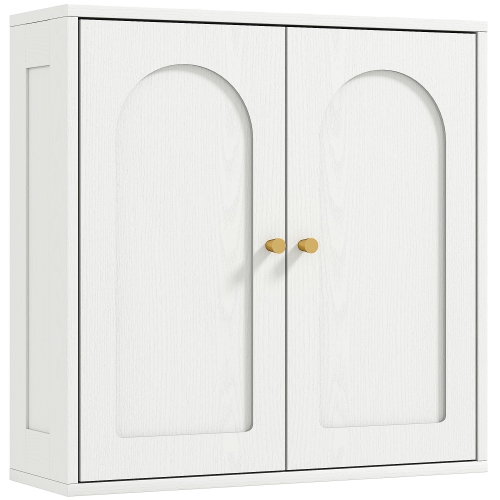
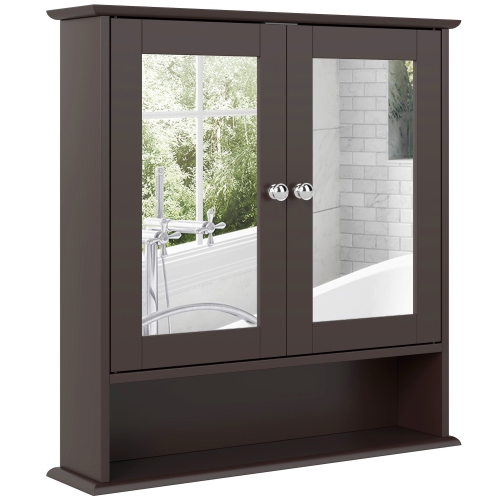
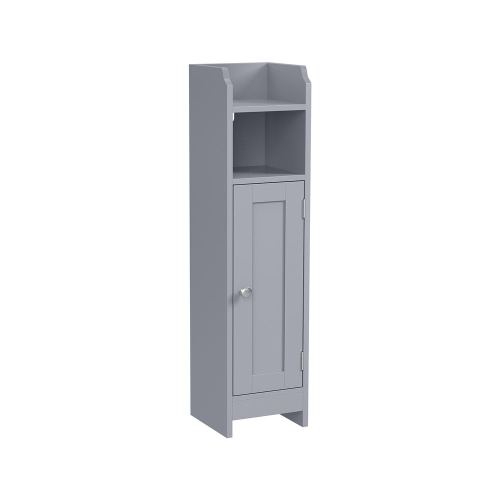
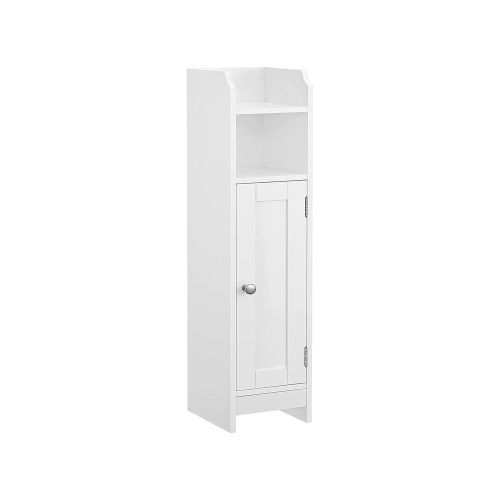
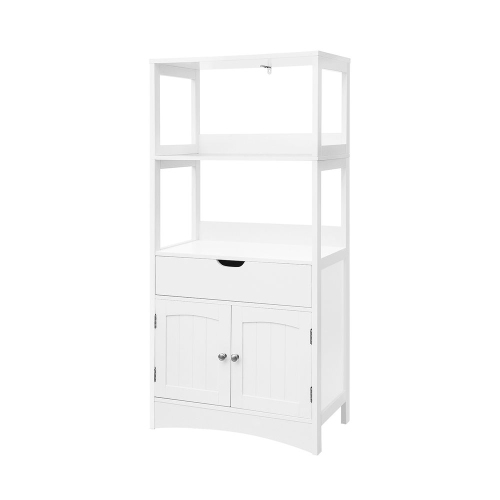
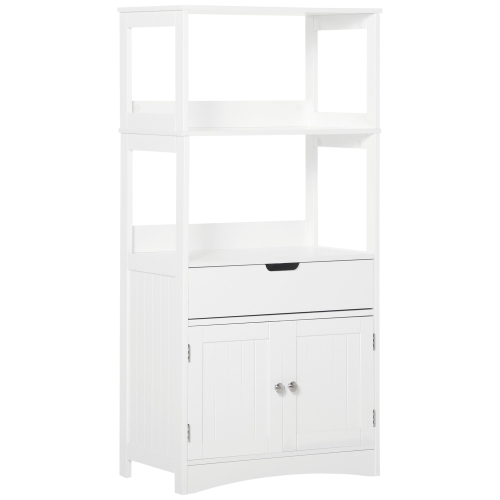
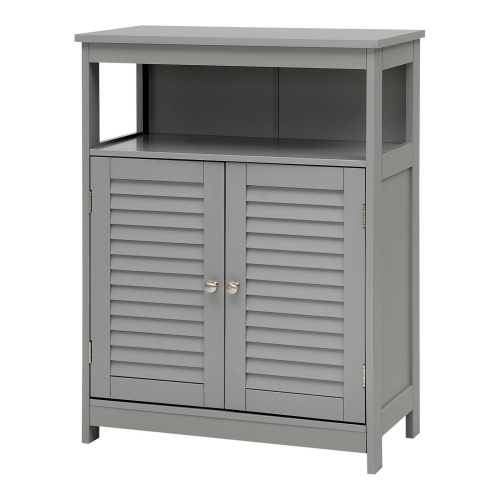
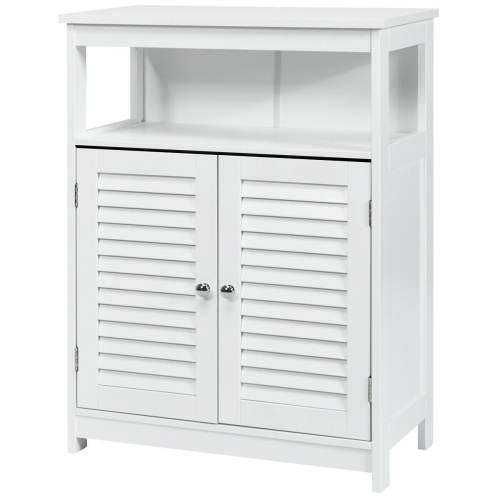
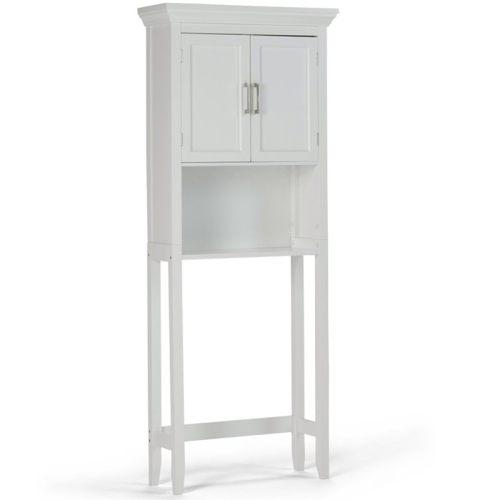
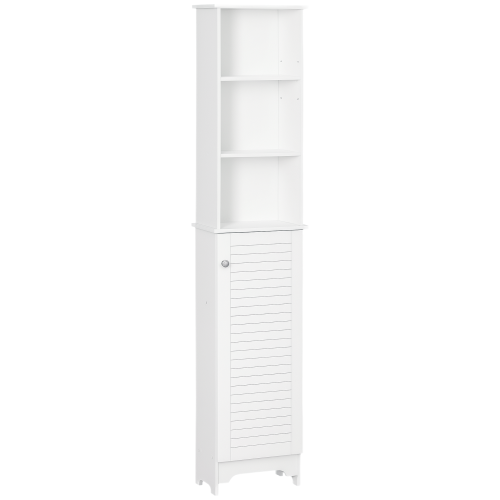
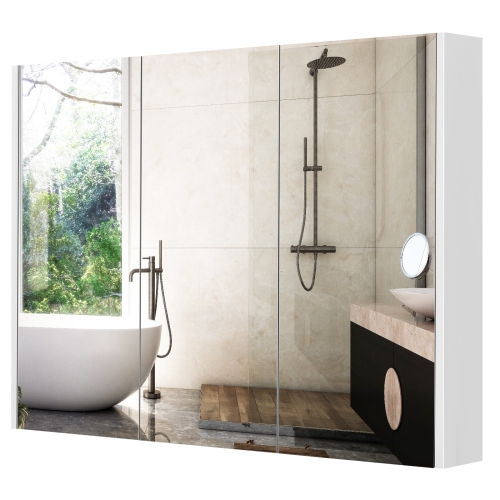
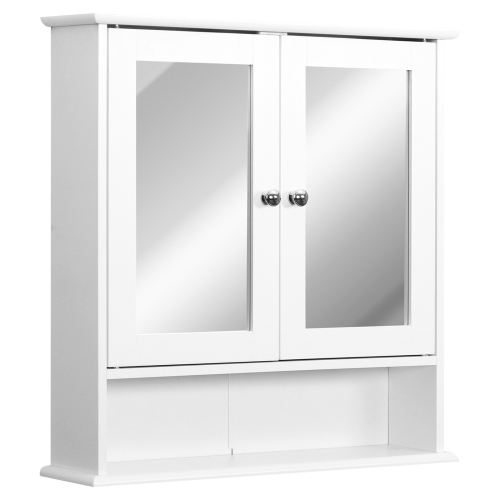
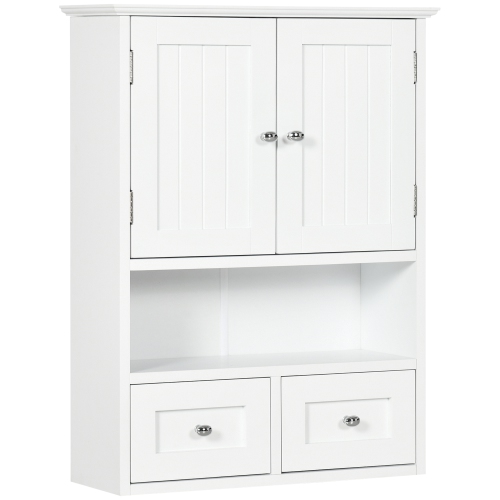
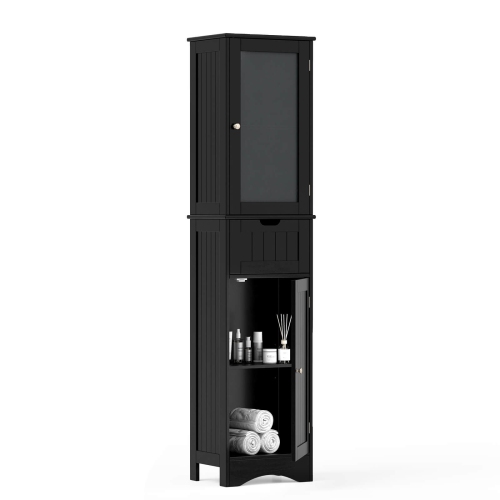
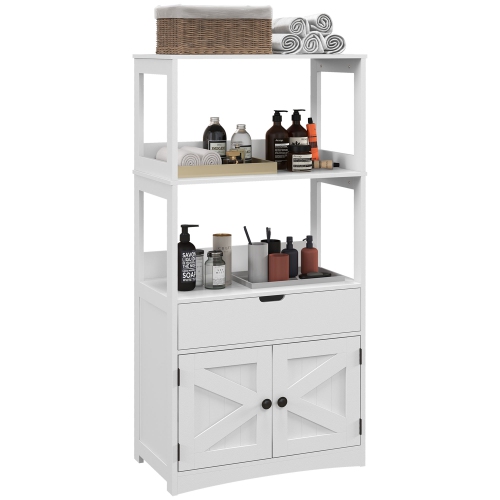
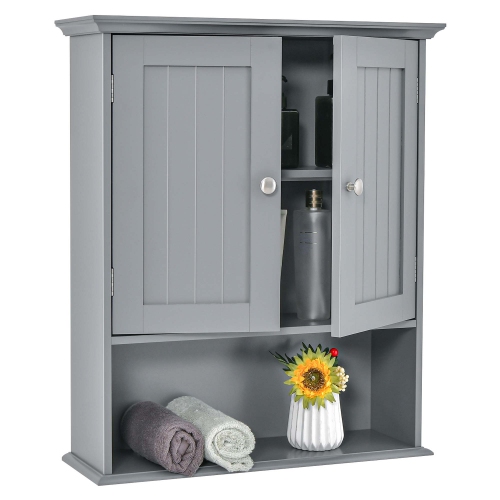
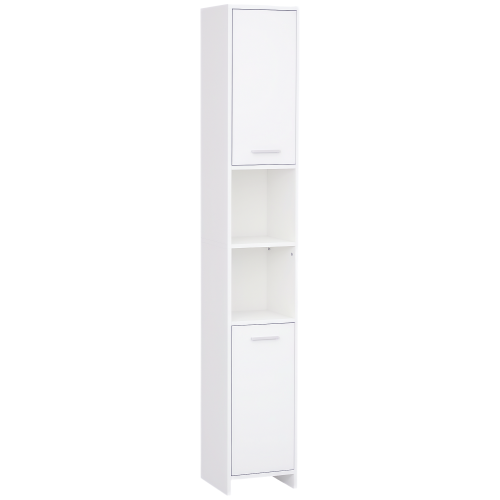
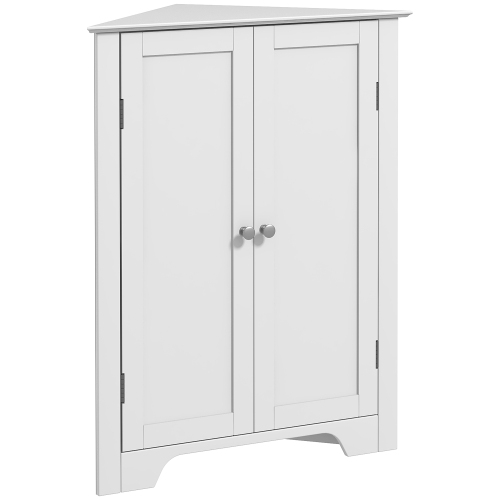

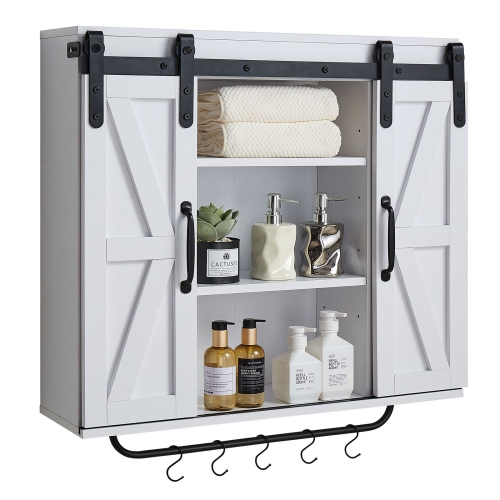
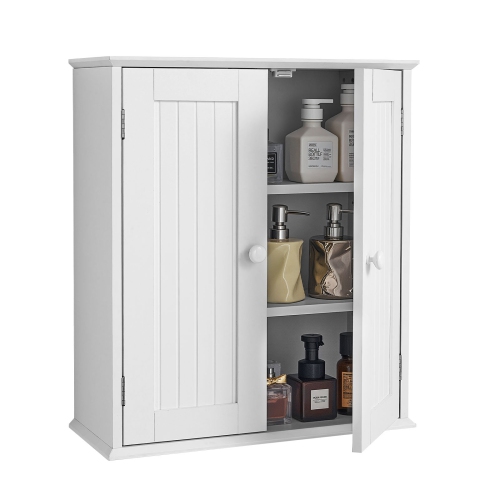
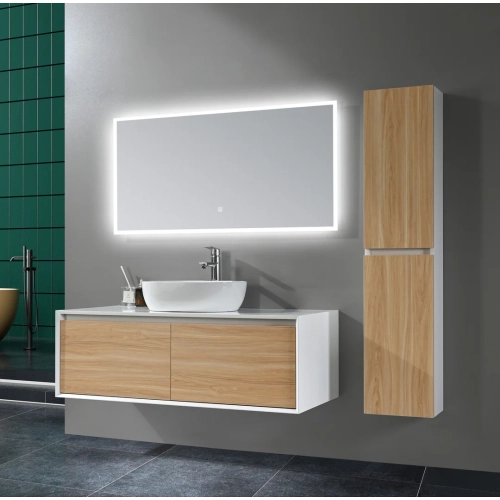
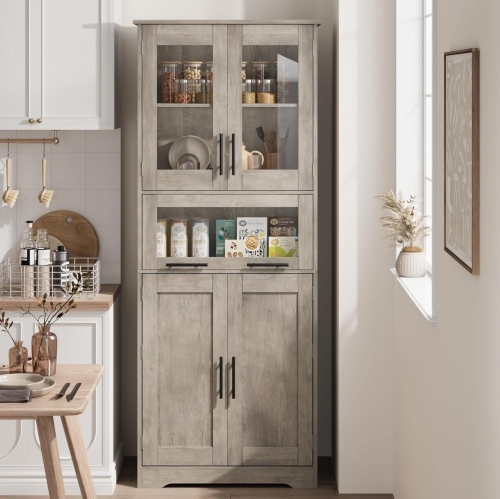
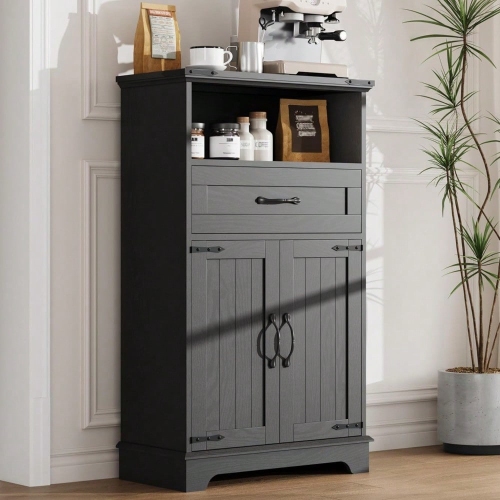
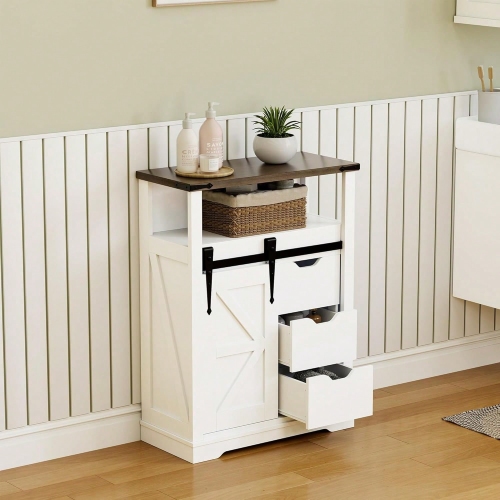

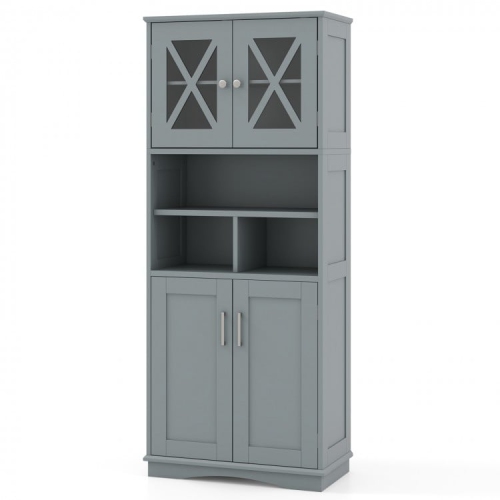
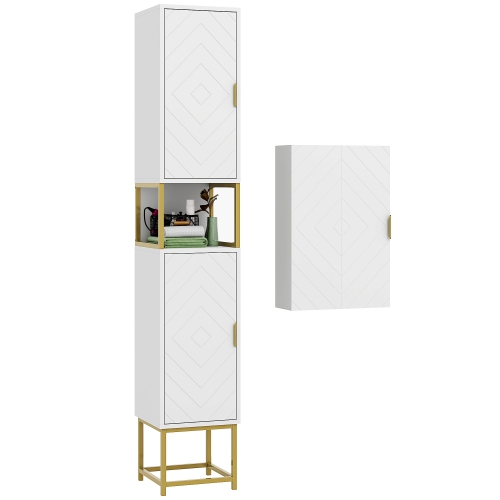
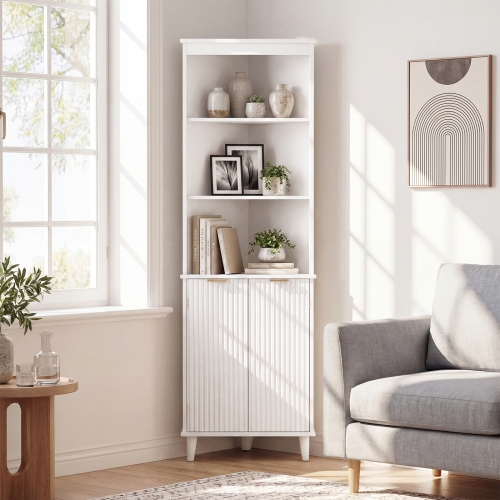
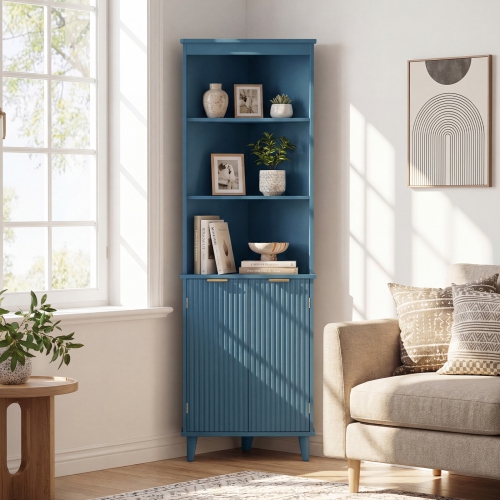
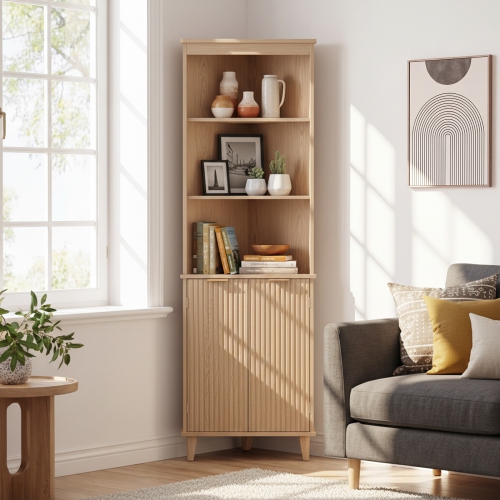
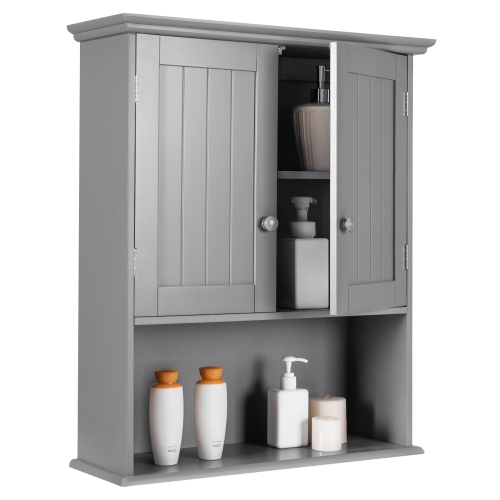
Bathroom storage that frees up counters and floor space
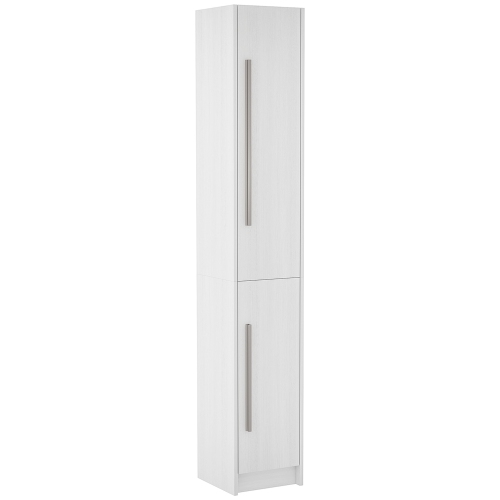
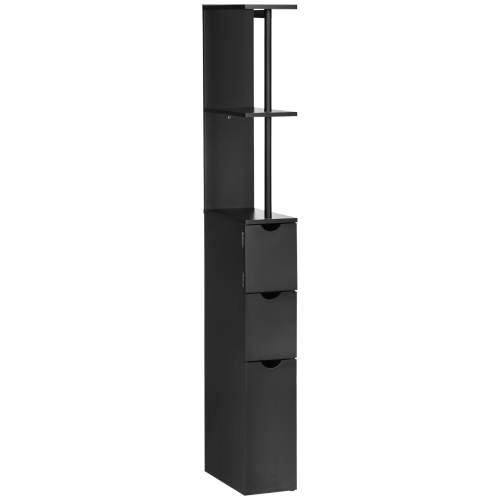
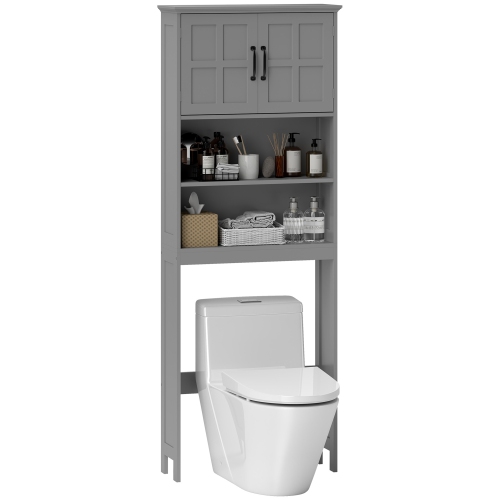
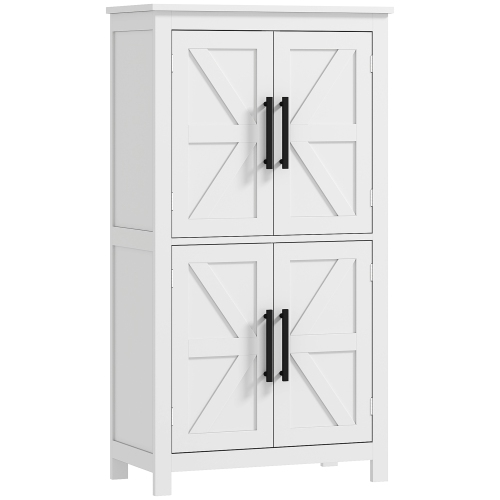
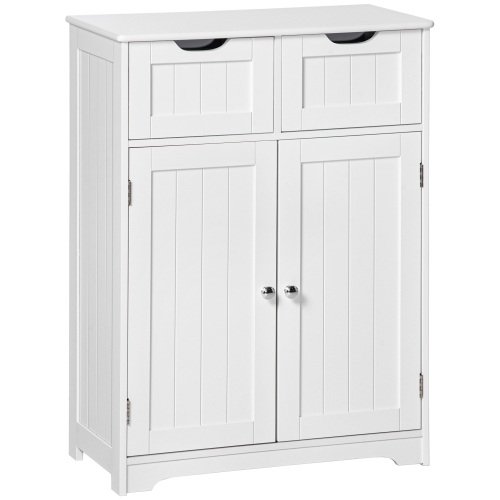
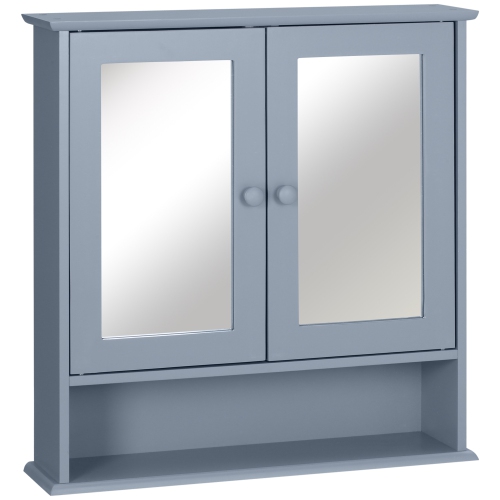
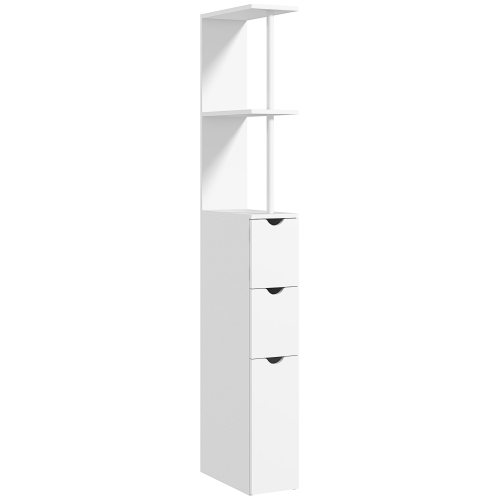
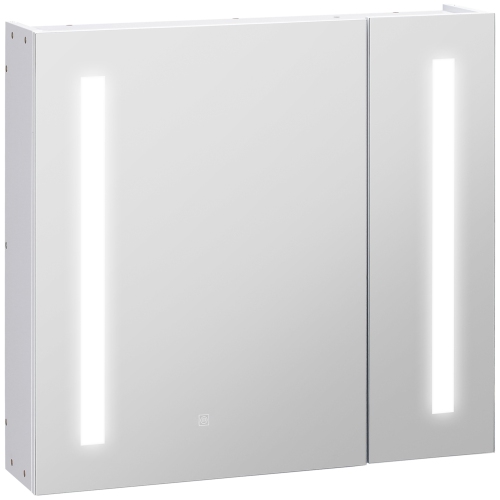
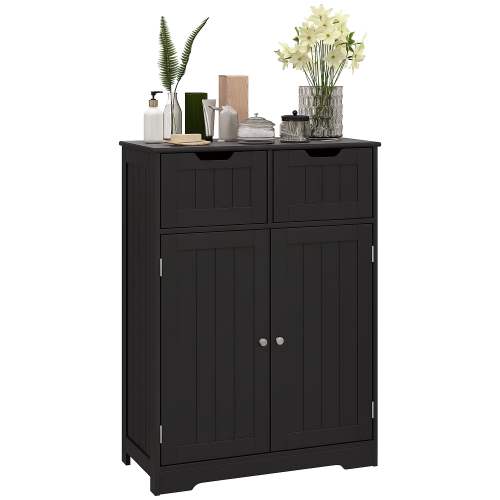
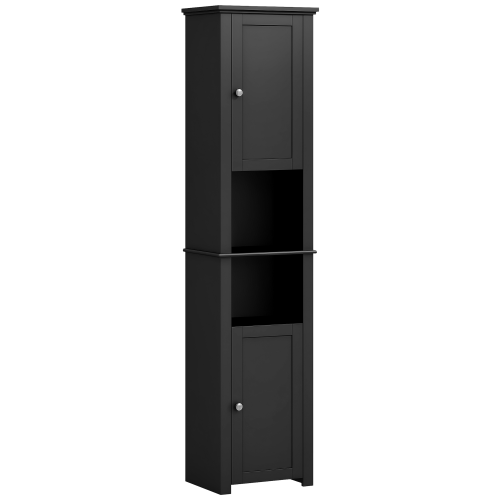
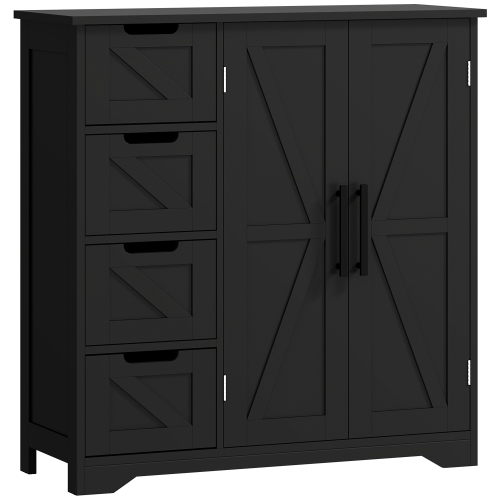
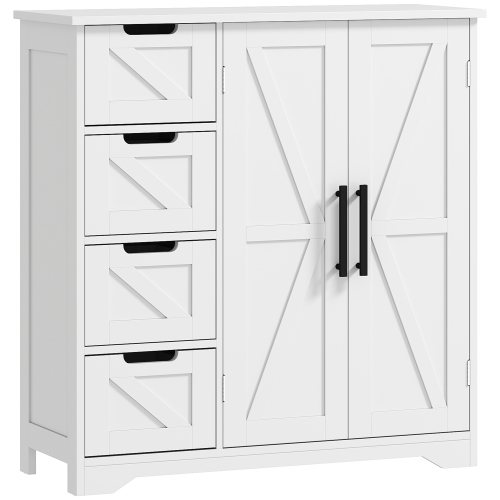
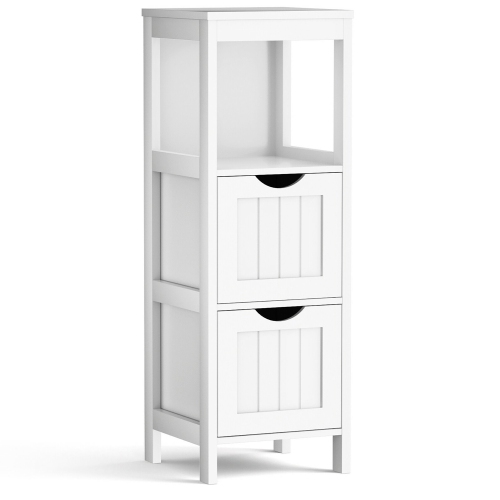
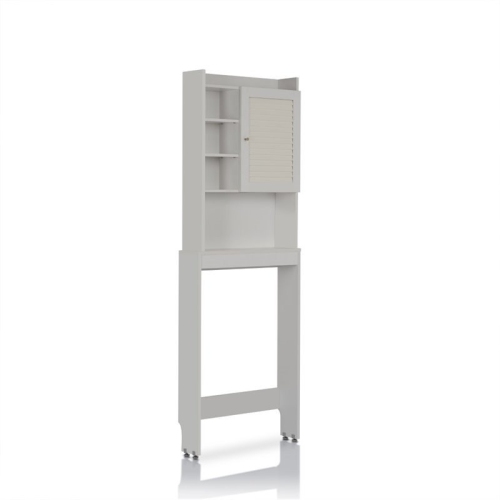
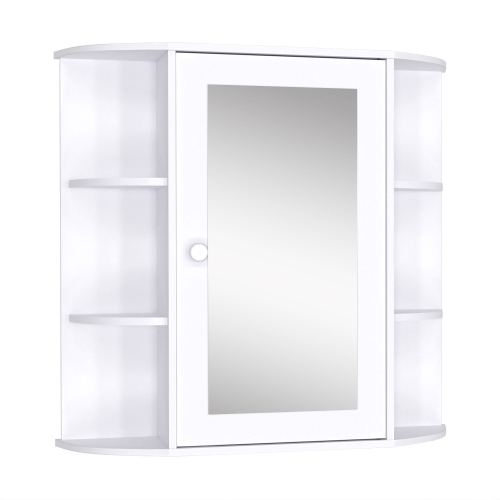
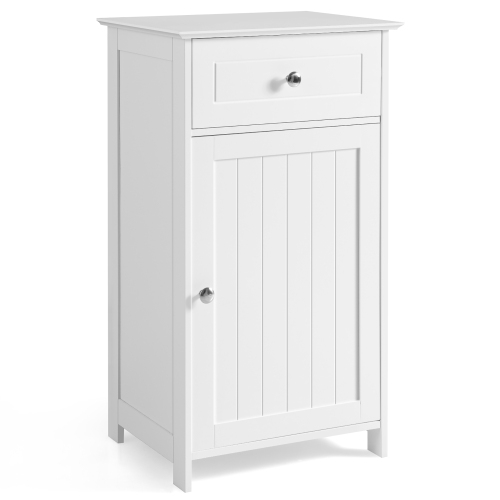
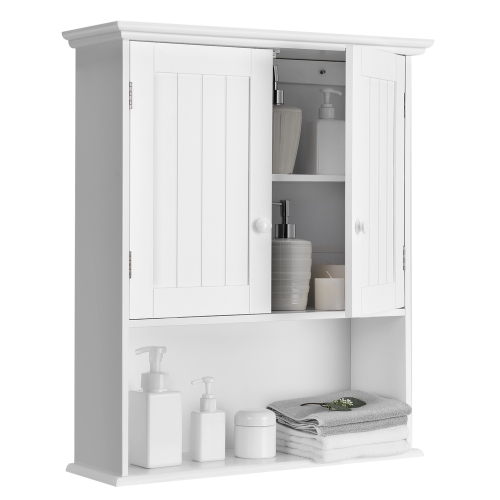
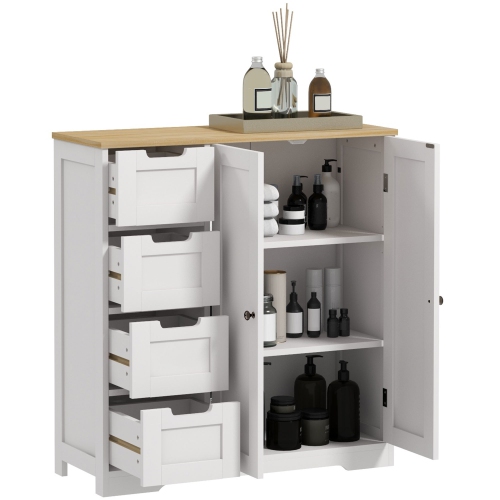
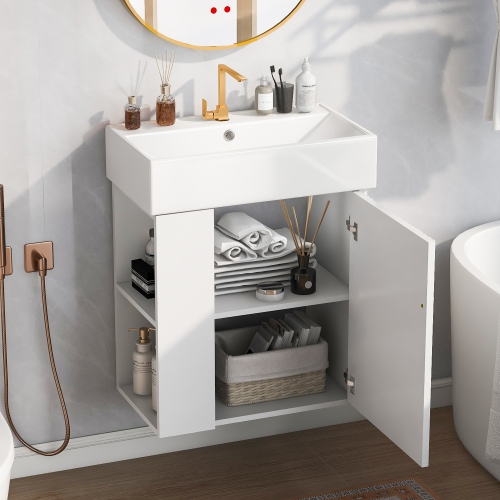
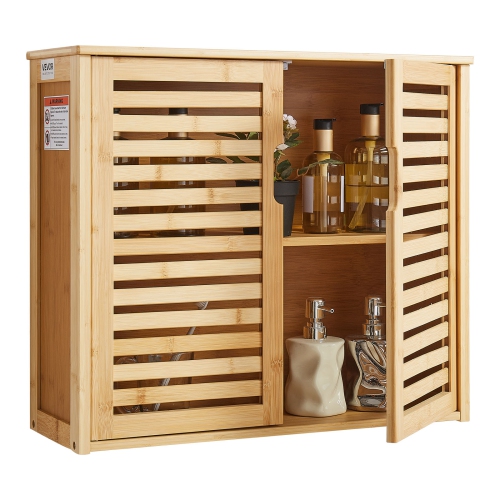
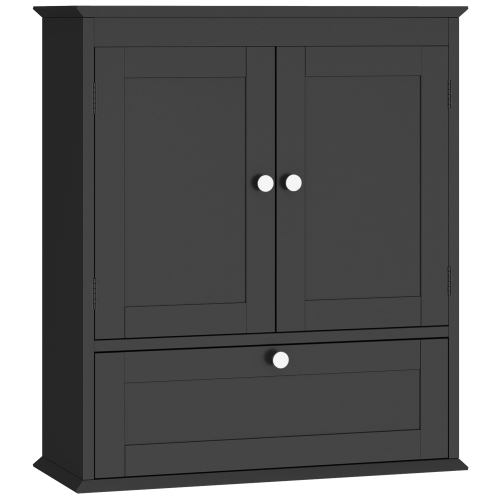
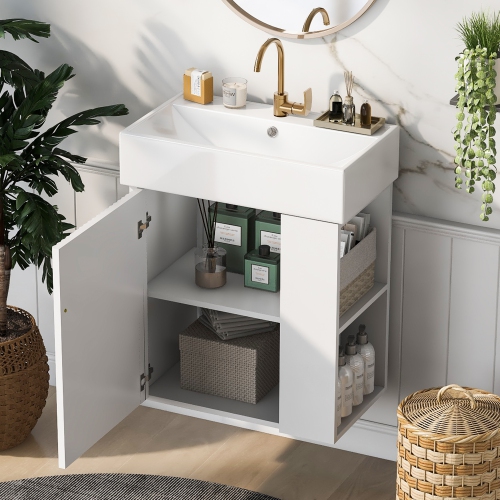
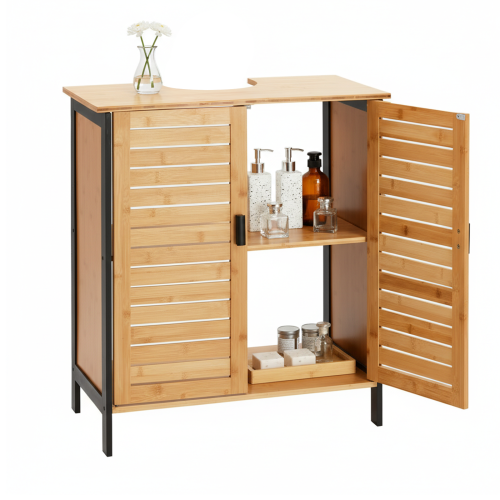
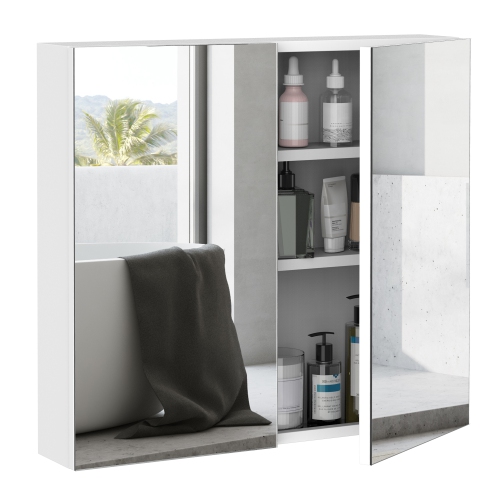
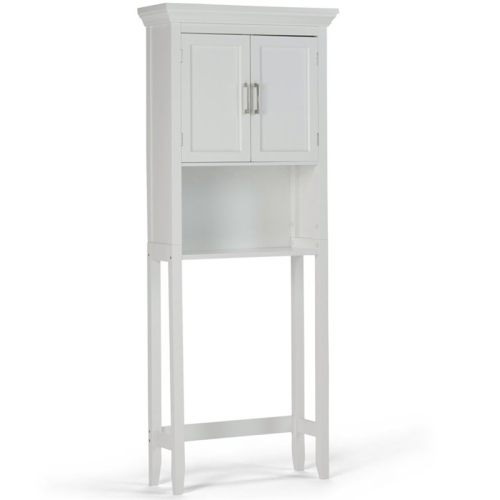
Cabinets for bathrooms give everyday essentials a place without letting them take over the sink, countertop, or floor. The main types include vanity cabinets, tall linen cabinets, medicine cabinets, wall-mounted storage cabinets, and over-the-toilet cabinets, each suited to a different part of the room. Vanity cabinets sit beneath a basin and provide storage around the plumbing, while linen towers use vertical space for folded towels, spare toiletries, and extra toilet paper. Medicine cabinets keep smaller essentials near the mirror, often with shallow shelves that make labels easy to see. Wall-mounted cabinets leave the floor beneath them clear, and over-the-toilet designs put otherwise unused space above the tank to work. In a compact powder room, a slim cupboard may be enough for hand towels and a few guest supplies. A shared family bathroom usually needs more separation: drawers for grooming tools, shelves for bath linens, and enclosed compartments for larger bottles. Doors hide visual clutter, while open cubbies keep frequently used towels within reach. A combination of both can make a room feel tidy without putting every essential behind a door. For storage built around the sink, bathroom vanity cabinets bring the basin area and cabinetry together, with configurations ranging from compact single-sink bases to wider layouts suited to two users. A vanity base does not necessarily include a sink, countertop, faucet, or drain, so the included components matter when planning a complete setup. Standalone storage cabinets serve a different purpose and can add capacity without replacing the existing sink. That distinction is useful in an established bathroom where the fixtures work well but there is nowhere to put clean towels. Whether the room serves one person, a busy household, or overnight guests, the most practical cabinet is one whose interior matches what will actually go inside it. Deep shelves suit bulky supplies, shallow compartments keep small containers visible, and drawers help prevent everyday accessories from disappearing behind taller bottles.
A bathroom cabinet needs to fit the room with its doors and drawers open, not simply look right against an empty wall. Width, height, and depth all affect how comfortably people can move between the sink, toilet, and shower. A shallow wall cabinet can provide useful storage along a narrow walkway, while a tall floor cabinet needs enough clearance to avoid crowding a doorway or towel rail. Above a toilet, the position of the lowest shelf should leave space to reach the flush controls and remove the tank lid for maintenance. Near a sink, door swings and handles should clear the faucet, mirror, and nearby fixtures. Drawers in a vanity also need to accommodate the drain and water supply lines; a generous exterior does not always translate into equally generous usable storage. Adjustable shelves help adapt a cupboard to upright shampoo bottles, stacked washcloths, or baskets of smaller essentials. Fixed shelves can work well for predictable storage needs, provided their spacing suits the contents. Freestanding cabinets rest on the floor, but tall or narrow designs may still require anchoring as directed by the manufacturer. Wall-mounted cabinets need suitable support and fasteners for the wall construction and the expected loaded weight. Recessed medicine cabinets fit partly inside the wall for a shallower profile, although wall depth, studs, wiring, and plumbing can affect installation. Surface-mounted versions attach to the wall face and project farther into the room. These differences are especially relevant when adding storage without a larger renovation. In a shared bathroom, separate drawers or shelves give each person a defined space, making the morning routine less crowded. For someone who prefers essentials at an easy-to-reach height, accessible shelves and handles that are comfortable to grip may matter more than maximum capacity. A high cupboard can keep some supplies out of ordinary reach, but height alone is not secure storage for medicines or cleaning products; those require storage appropriate to their safety instructions.
Materials, finishes, and hardware influence how bathroom cabinets stand up to splashes, damp air, and repeated daily use. Common constructions include solid wood, plywood, medium-density fibreboard, and other engineered wood panels, often finished with paint, veneer, laminate, or a protective coating. The material name alone does not determine suitability for a bathroom: sealed edges, well-finished joints, and protection around cut-outs are important wherever moisture might reach the underlying structure. Solid wood offers distinctive grain but still needs a suitable finish and routine care. Engineered wood can provide a smooth, consistent surface, though exposed edges or damaged coatings may be vulnerable to swelling if water is left in place. Moisture-resistant construction is not the same as waterproof construction, and cabinets generally belong outside areas exposed to direct shower spray. Painted finishes provide an even colour, wood-look surfaces add grain and texture, and mirrored doors combine storage with a reflective surface. White and light neutral cabinetry can blend with pale tile, while darker finishes create a stronger outline against a simple wall. Flat-front doors suit clean-lined rooms; framed doors introduce more detail without changing the cabinet’s basic function. Inside, durable shelf supports, smooth drawer runners, and sturdy hinges help storage remain comfortable to use. Soft-close hardware can reduce slamming, but shelf and drawer load limits still matter, particularly for large bottles and stacked supplies. Removable organizers make it easier to contain drips and clean the cabinet interior, provided they do not interfere with hinges or plumbing. Routine care is usually straightforward: wipe away splashes promptly, use a soft cloth and a cleaner approved for the finish, and dry surfaces rather than leaving them wet. Abrasive pads and harsh cleaners can damage coatings or hardware. Good bathroom ventilation also helps limit lingering moisture. With sensible proportions, an interior arranged around daily habits, and finishes suited to regular care, bathroom cabinetry provides more than hidden storage: it keeps the sink usable, towels close at hand, and shared spaces easier to maintain.
A bathroom cabinet needs to fit the room with its doors and drawers open, not simply look right against an empty wall. Width, height, and depth all affect how comfortably people can move between the sink, toilet, and shower. A shallow wall cabinet can provide useful storage along a narrow walkway, while a tall floor cabinet needs enough clearance to avoid crowding a doorway or towel rail. Above a toilet, the position of the lowest shelf should leave space to reach the flush controls and remove the tank lid for maintenance. Near a sink, door swings and handles should clear the faucet, mirror, and nearby fixtures. Drawers in a vanity also need to accommodate the drain and water supply lines; a generous exterior does not always translate into equally generous usable storage. Adjustable shelves help adapt a cupboard to upright shampoo bottles, stacked washcloths, or baskets of smaller essentials. Fixed shelves can work well for predictable storage needs, provided their spacing suits the contents. Freestanding cabinets rest on the floor, but tall or narrow designs may still require anchoring as directed by the manufacturer. Wall-mounted cabinets need suitable support and fasteners for the wall construction and the expected loaded weight. Recessed medicine cabinets fit partly inside the wall for a shallower profile, although wall depth, studs, wiring, and plumbing can affect installation. Surface-mounted versions attach to the wall face and project farther into the room. These differences are especially relevant when adding storage without a larger renovation. In a shared bathroom, separate drawers or shelves give each person a defined space, making the morning routine less crowded. For someone who prefers essentials at an easy-to-reach height, accessible shelves and handles that are comfortable to grip may matter more than maximum capacity. A high cupboard can keep some supplies out of ordinary reach, but height alone is not secure storage for medicines or cleaning products; those require storage appropriate to their safety instructions.
Materials, finishes, and hardware influence how bathroom cabinets stand up to splashes, damp air, and repeated daily use. Common constructions include solid wood, plywood, medium-density fibreboard, and other engineered wood panels, often finished with paint, veneer, laminate, or a protective coating. The material name alone does not determine suitability for a bathroom: sealed edges, well-finished joints, and protection around cut-outs are important wherever moisture might reach the underlying structure. Solid wood offers distinctive grain but still needs a suitable finish and routine care. Engineered wood can provide a smooth, consistent surface, though exposed edges or damaged coatings may be vulnerable to swelling if water is left in place. Moisture-resistant construction is not the same as waterproof construction, and cabinets generally belong outside areas exposed to direct shower spray. Painted finishes provide an even colour, wood-look surfaces add grain and texture, and mirrored doors combine storage with a reflective surface. White and light neutral cabinetry can blend with pale tile, while darker finishes create a stronger outline against a simple wall. Flat-front doors suit clean-lined rooms; framed doors introduce more detail without changing the cabinet’s basic function. Inside, durable shelf supports, smooth drawer runners, and sturdy hinges help storage remain comfortable to use. Soft-close hardware can reduce slamming, but shelf and drawer load limits still matter, particularly for large bottles and stacked supplies. Removable organizers make it easier to contain drips and clean the cabinet interior, provided they do not interfere with hinges or plumbing. Routine care is usually straightforward: wipe away splashes promptly, use a soft cloth and a cleaner approved for the finish, and dry surfaces rather than leaving them wet. Abrasive pads and harsh cleaners can damage coatings or hardware. Good bathroom ventilation also helps limit lingering moisture. With sensible proportions, an interior arranged around daily habits, and finishes suited to regular care, bathroom cabinetry provides more than hidden storage: it keeps the sink usable, towels close at hand, and shared spaces easier to maintain.
Top selling and popular products
-
 Your price for this item is $109.31
 -
 Your price for this item is $200.83
 -
 Your price for this item is $90
 -
 Your price for this item is $100
 -
 Your price for this item is $100
 -
 Your price for this item is $426.55
 -
 Your price for this item is $300
 -
 Your price for this item is $120
Discover more categories related to Cabinets for Bathrooms
Top Collections:
Pokemon Centers, Kindle Devices, Best Budget Office Chairs, Apple iPhones 16, Best Laptops for Writers, iPhone 15 Apple, Canon G7X Cameras, Refurbished Apple Laptops, Alarm Clock, Motorola Razr Phones
Some products may be subject to Environmental Handling Fees
(EHF) depending on your province.
Learn more about EHFs.