Cable Crimping Tools
When it comes to tackling your cable-crimping projects with precision and efficiency, having the right tools at your disposal is essential. Explore this selection of high-quality cable crimping tools designed to meet the needs of DIY enthusiasts, professionals, and hobbyists alike. From compact handheld options to versatile kits, these tools are crafted to deliver reliable results for a wide range of applications.
Sort
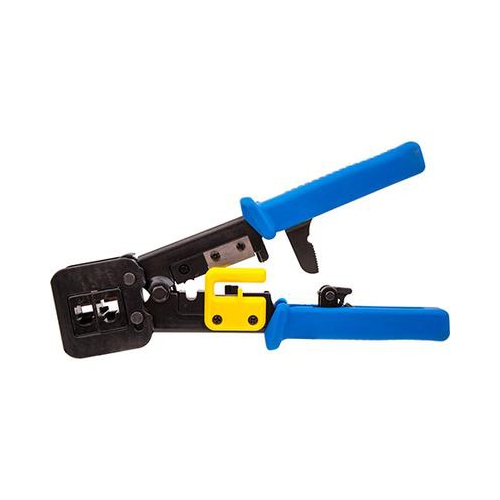
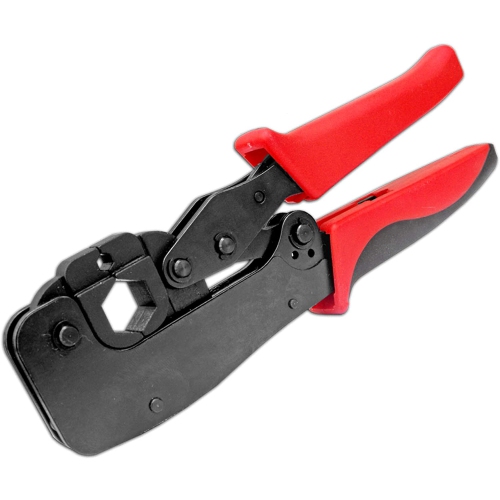
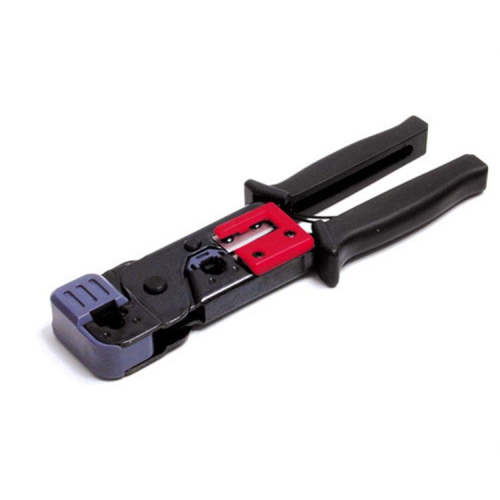

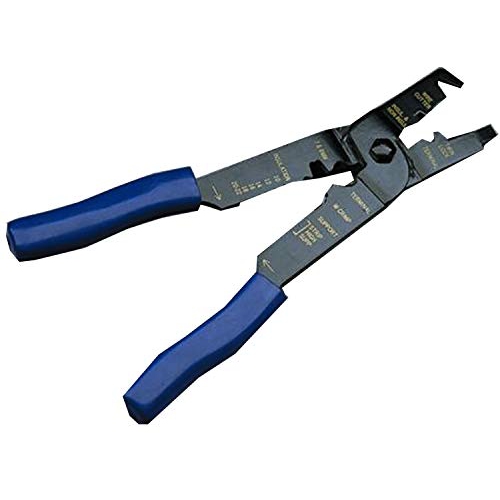
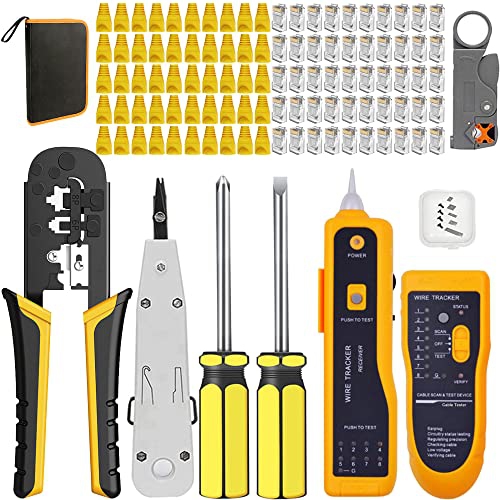
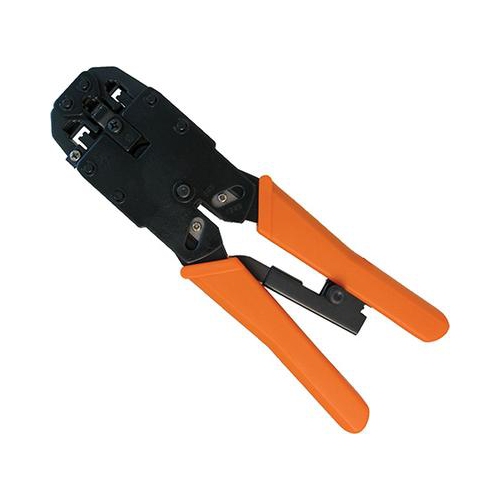
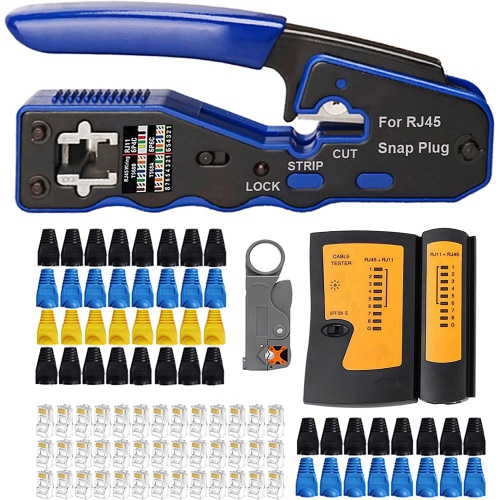
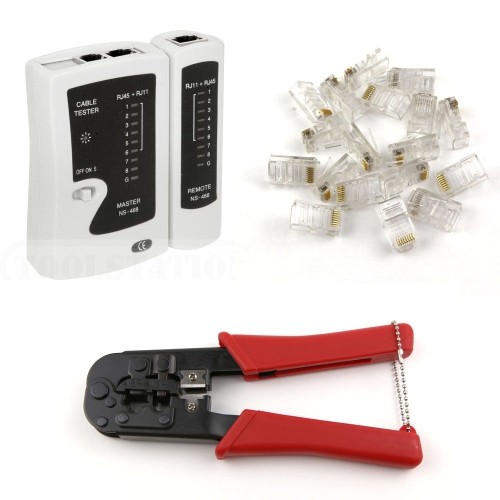


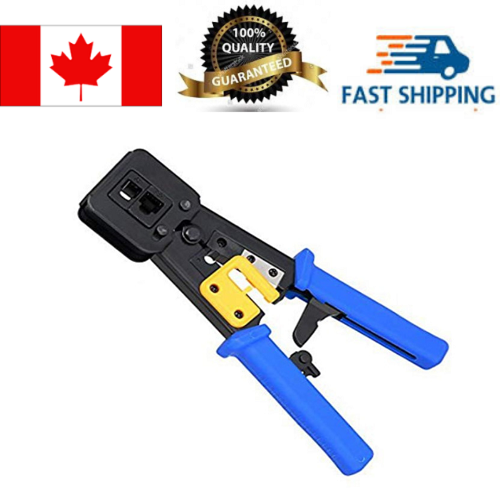
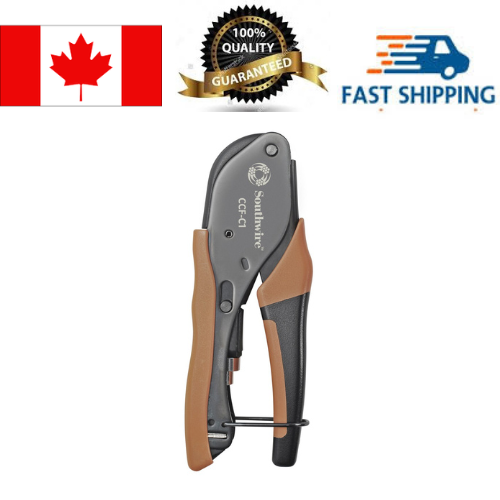
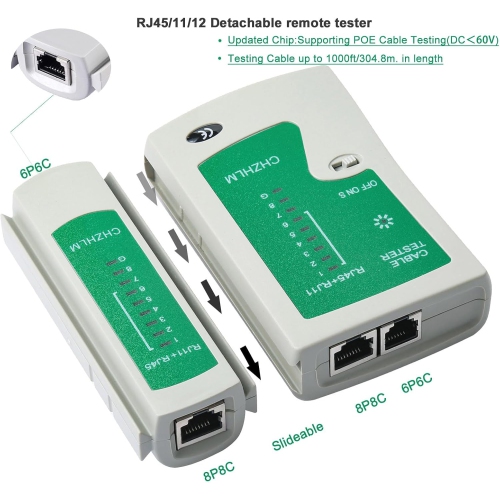
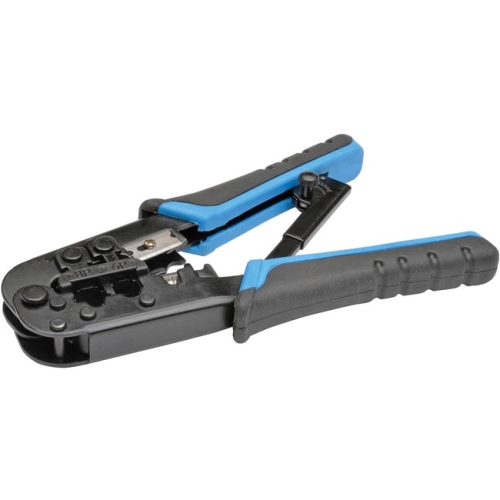
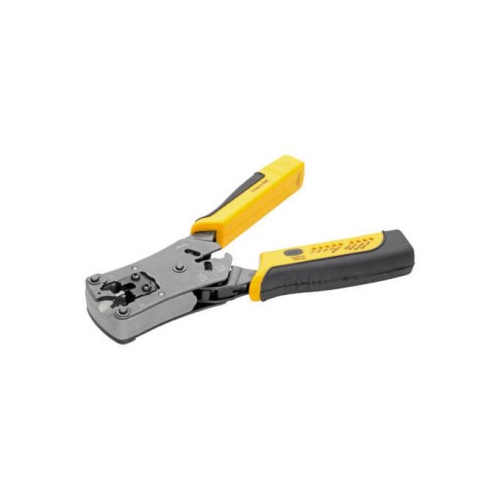
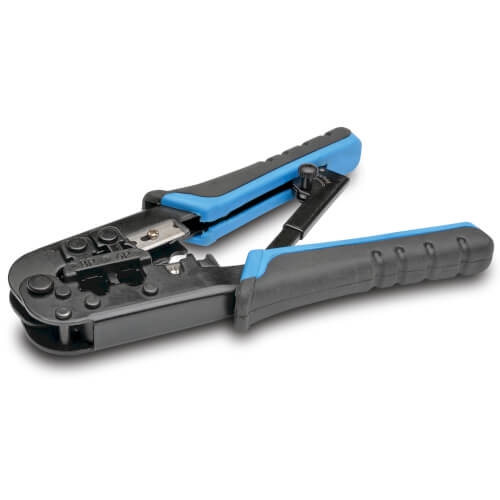
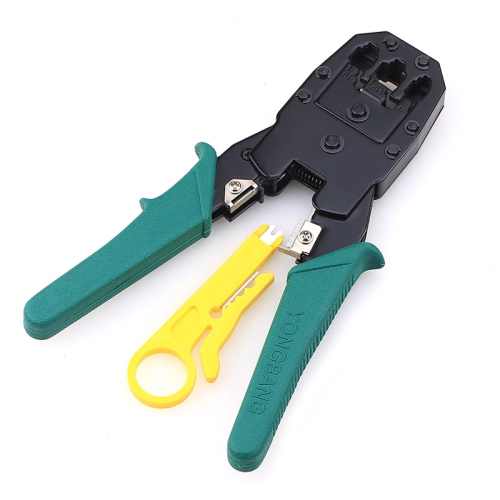
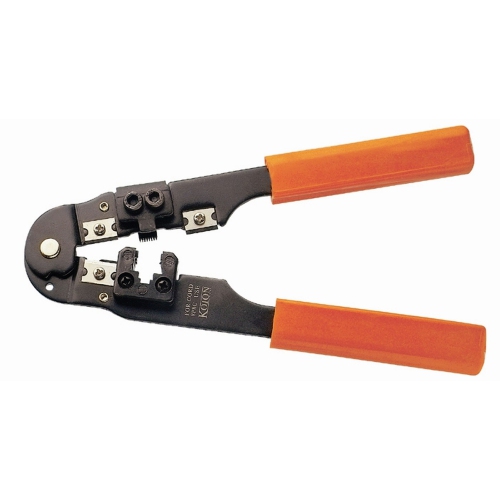
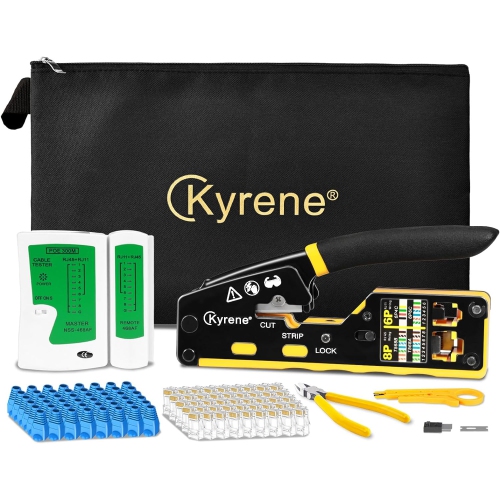
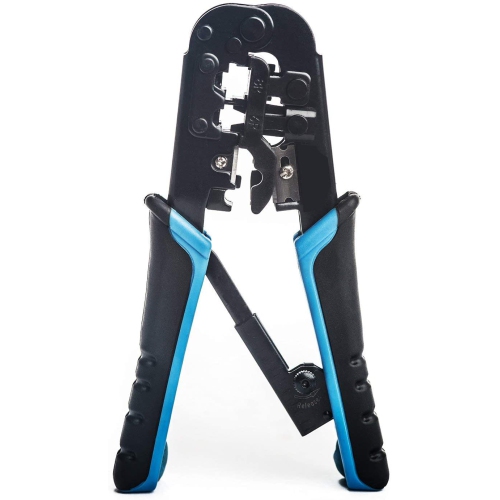
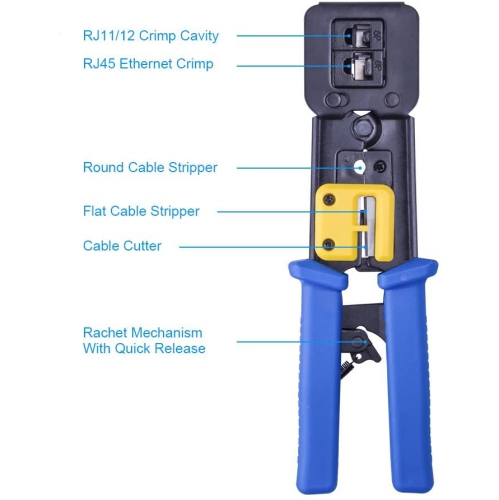
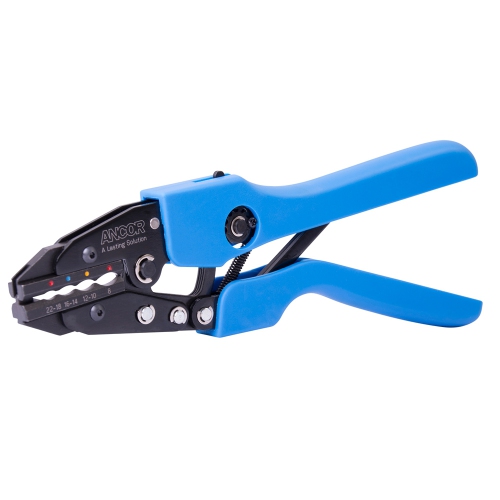



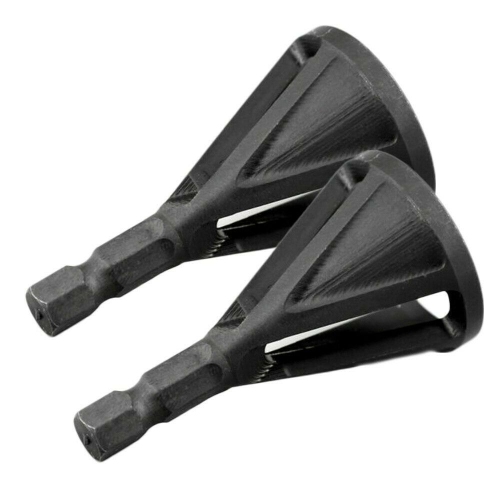
Reliable connections start with the right crimp profile
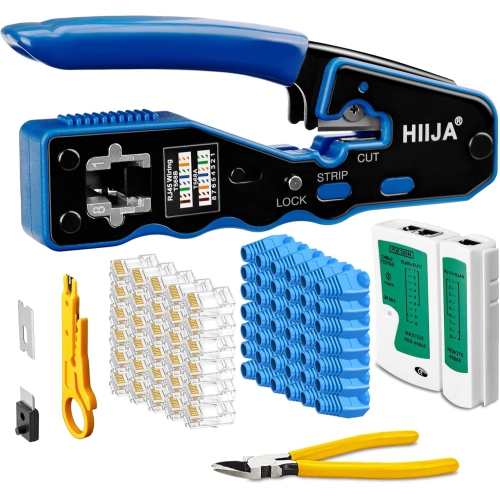
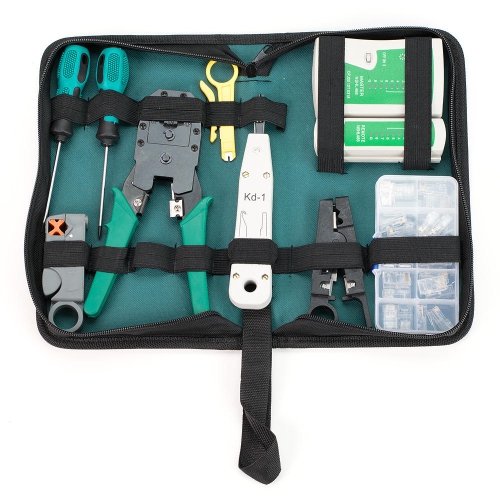
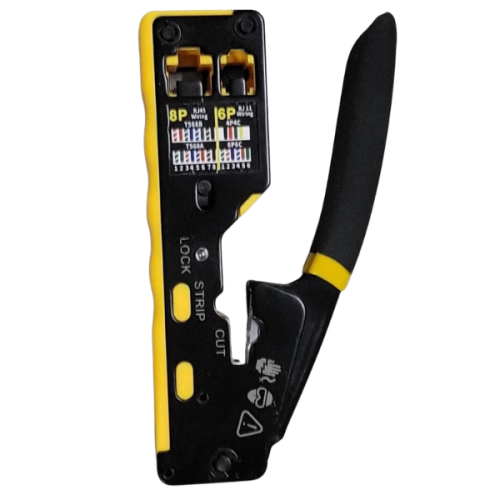
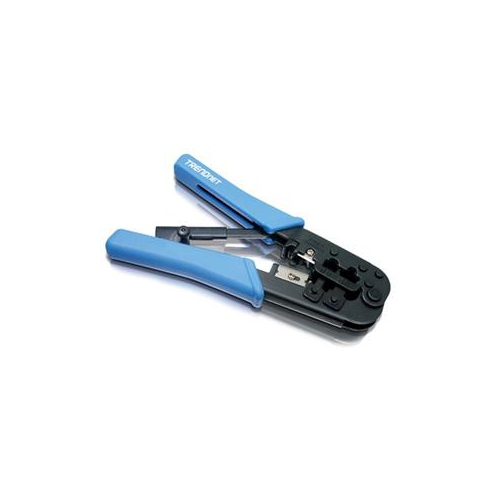
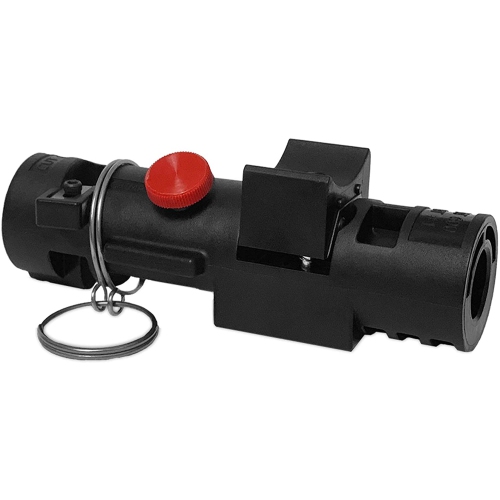
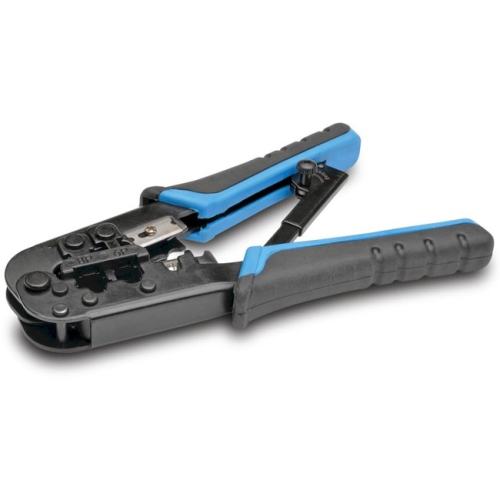
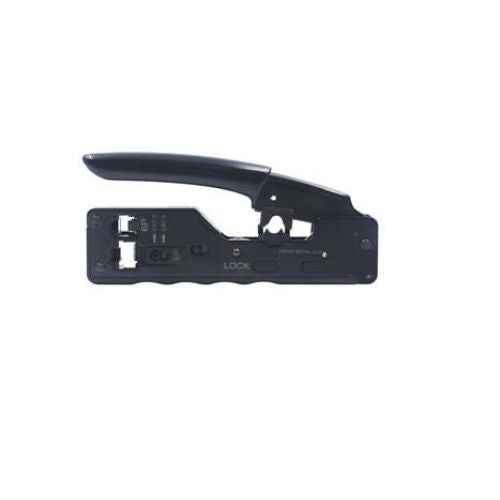
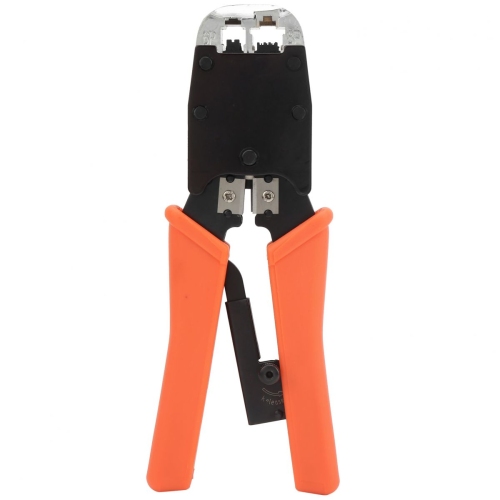
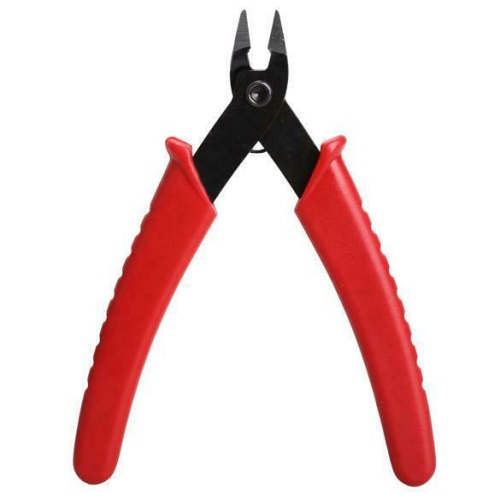
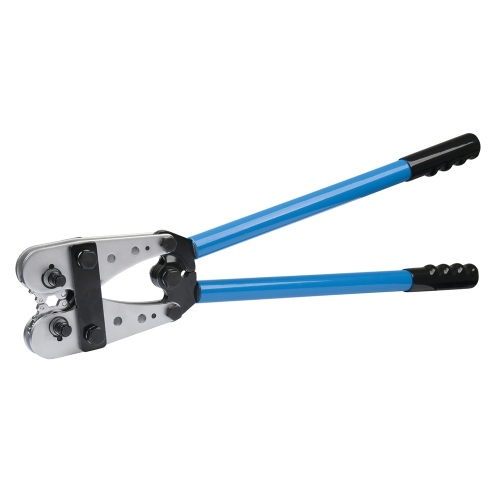
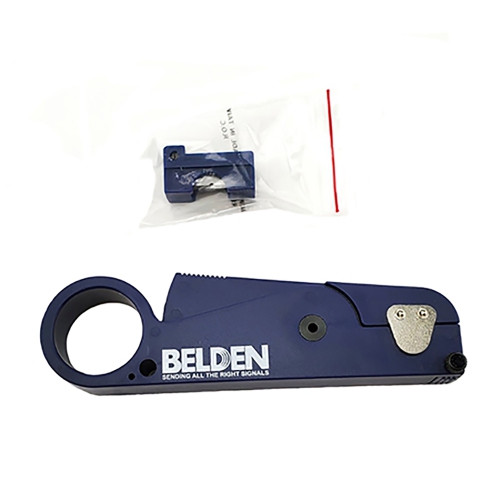
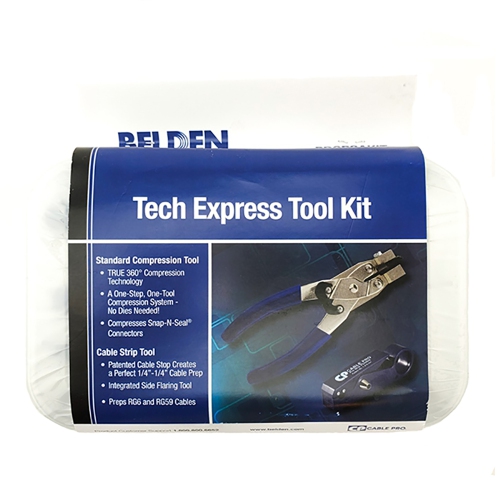
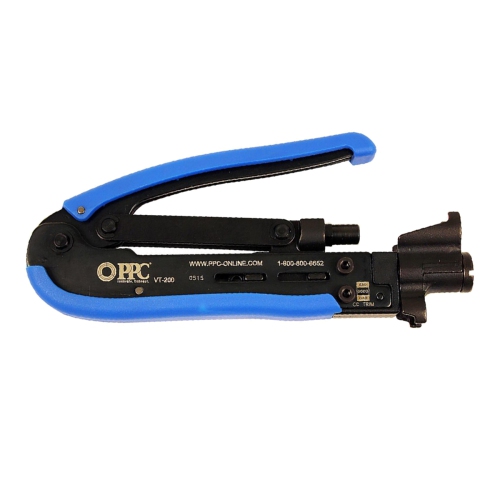
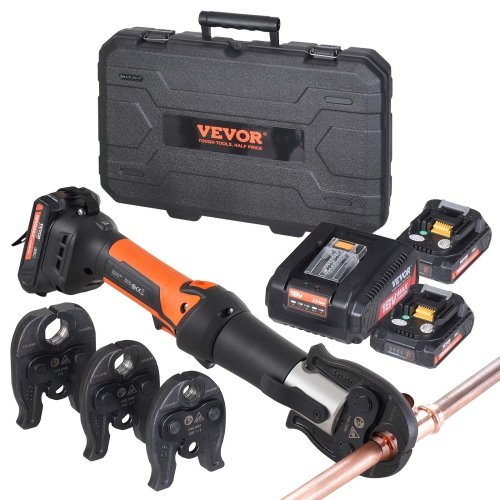
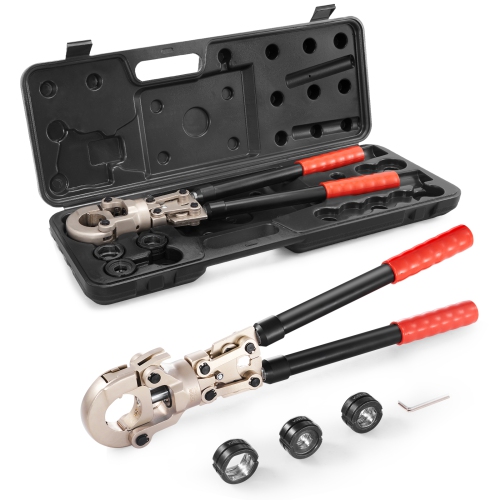
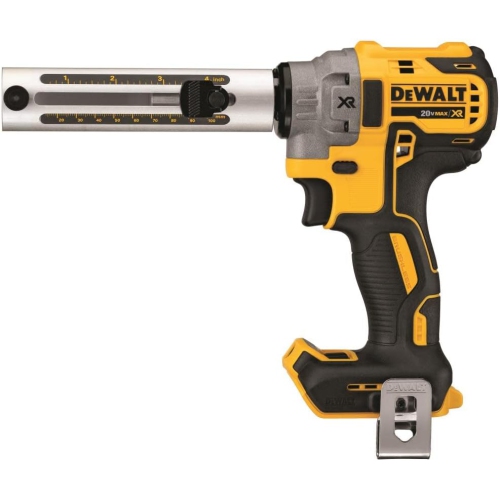
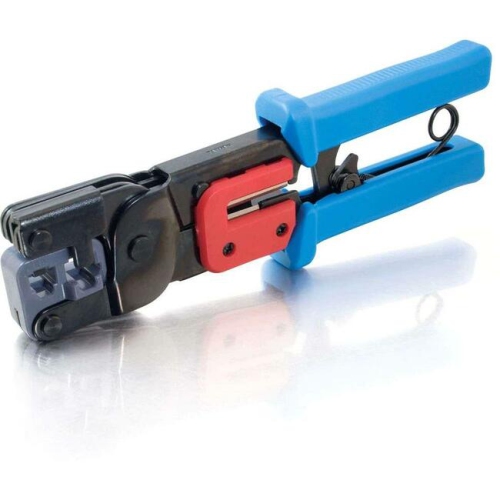
Cable crimping tools are designed to create a secure mechanical and electrical connection between a cable and its terminal, connector, or contact. They are used in many settings, from assembling Ethernet cables for a home office to repairing automotive wiring, preparing battery cables, connecting coaxial cable, or completing low-voltage electrical projects. Unlike simply twisting wires together or relying on tape, a properly crimped connection applies controlled pressure around the conductor and connector so the joined pieces stay firmly in place. The right tool depends on the type of cable, the connector style, and the wire gauge being used. Before choosing a crimper, check the cable specifications and the connector packaging for compatible sizes, such as AWG ratings, conductor diameter, or terminal dimensions. A tool intended for modular data connectors may not be suitable for battery lugs, while a heavy-duty lug crimper may be far too large for small electronic terminals. This distinction is particularly important when working with Ethernet, coaxial, speaker, automotive, marine, security, or solar wiring, as each application may require a different crimp profile and amount of pressure. Many hand-operated tools include integrated cutting and stripping functions, which can help streamline a repair or installation by keeping the essential steps together. Others use interchangeable dies to accommodate several connector types, giving experienced users more flexibility when working across different projects. Ratcheting handles can help apply an even, repeatable crimp and may prevent the tool from releasing before the connection is properly formed. For larger cable sizes, hydraulic or compound-action tools can provide the added force needed to compress copper or aluminum lugs without requiring the same hand strength as a basic pair of crimpers. A bench-mounted design can be useful for repeated work in a garage, workshop, or service area, where a stable platform makes it easier to position thick cables and maintain consistent pressure.
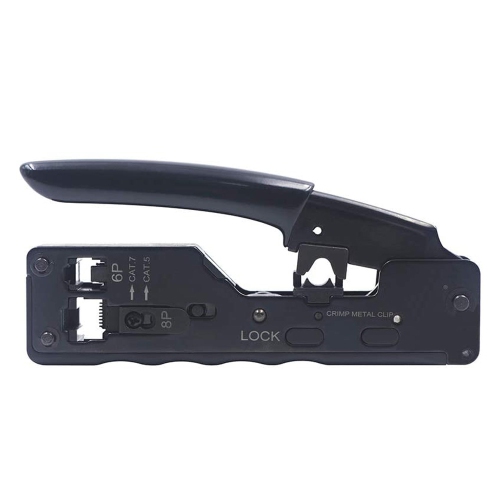
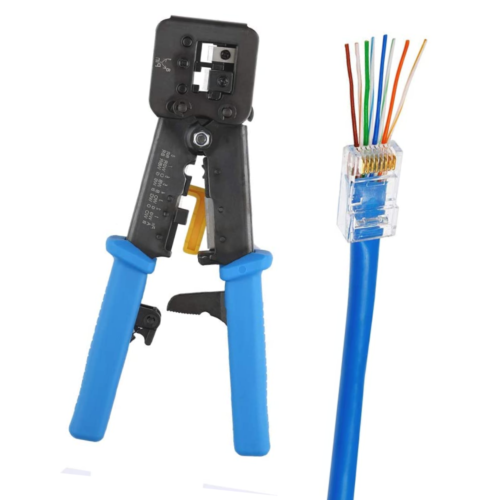
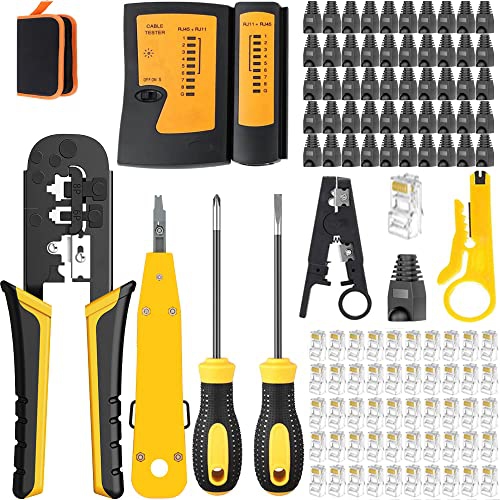
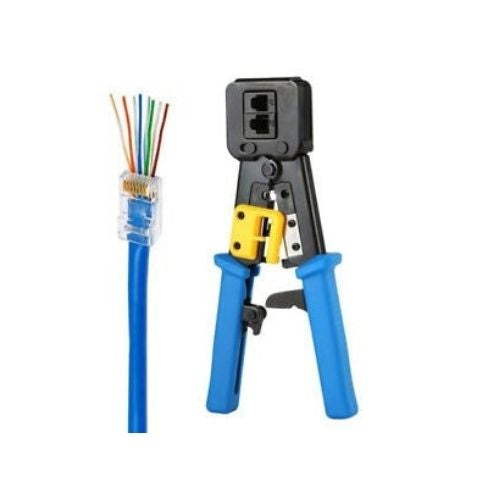
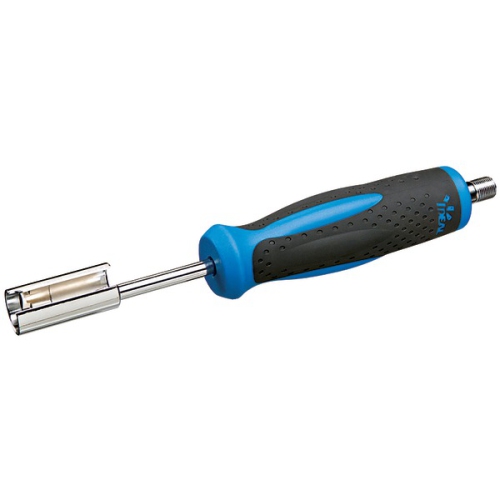
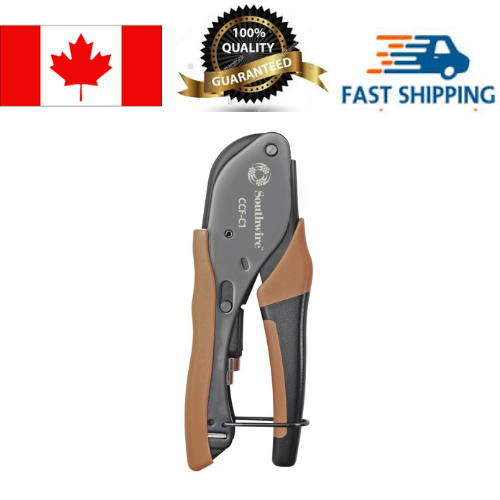
When comparing cable crimping tools, start by matching the tool to the connector rather than choosing based only on appearance or the number of accessories included. A kit may contain several die sizes, terminals, or locating guides, but those components are only useful when they match the cable and connector system you plan to use. For Ethernet and other modular data cables, look for compatibility with the correct plug format and conductor arrangement, along with features that support consistent termination. Pass-through connector compatibility can be helpful when the individual wires need to extend through the plug before trimming, while a built-in stripper and cutter may simplify the preparation of a network cable. Coaxial cable work can call for a dedicated compression or crimping profile that fits the connector and cable diameter precisely. Automotive and battery-cable applications generally require more substantial construction, especially when the tool will be used with ring terminals, battery lugs, or thicker copper cable. Consider the supported AWG range, the available die shapes, the handle length, and whether the tool can produce a full compression without excessive effort. A comfortable grip and smooth ratcheting action can make a noticeable difference during a long wiring session, particularly when several connectors need to be installed. Look for clearly marked settings or dies so that the correct position is easy to identify, and choose a tool with a sturdy frame if it will be carried between job sites or used regularly. Storage also matters: a compact hand crimper can fit neatly in a tool box, while a hydraulic or bench-mounted model may be better suited to a dedicated workbench. For related options and tools used in electrical connection projects, browse Electrical Crimping Tools to compare formats that may suit different cable and terminal requirements. Having the correct connector, a cleanly stripped cable, and a tool rated for the job is just as important as the crimper itself. Stripping too much insulation can leave exposed conductor, while removing too little may prevent the terminal from seating correctly. After crimping, inspect the connection for loose strands, uneven compression, damaged insulation, or movement between the cable and terminal.
Cable crimping tools can be a practical addition to a home repair kit, workshop, vehicle emergency kit, or professional service bag. They are useful for electricians, network installers, automotive technicians, audio enthusiasts, makers, maintenance teams, and do-it-yourselfers who prefer to complete careful repairs without waiting for a service call. Someone setting up a home office may use a modular crimper to make cables of a precise length, helping reduce clutter around a desk or equipment cabinet. A car owner may keep a compact crimper with spare terminals and wire for minor wiring repairs, while a hobbyist working on speakers, lighting, robotics, or a custom control panel may appreciate a tool that handles small terminals accurately. They can also make thoughtful gifts for a technically minded person who enjoys building, repairing, or organizing equipment, especially when the tool matches a known project or cable type. For occasional use, a versatile hand tool with clearly labelled settings may offer the best balance of convenience and storage. For frequent repairs or heavier cable, a dedicated tool with replaceable dies, greater leverage, or hydraulic assistance may be a better long-term choice. Safe working habits should always accompany the tool: disconnect power before working on wiring, verify that the cable and connector are rated for the intended application, protect eyes and hands when cutting or stripping, and follow the terminal manufacturer’s instructions. A finished crimp should hold the conductor securely without cutting through the wire strands or deforming the connector beyond its intended shape. Taking a moment to match the cable gauge, connector style, and crimp profile can turn a frustrating wiring task into a clean, dependable installation. Whether the project involves a single replacement terminal or a set of cables for a larger installation, choosing a crimper based on the actual materials and frequency of use helps deliver reliable results.
When comparing cable crimping tools, start by matching the tool to the connector rather than choosing based only on appearance or the number of accessories included. A kit may contain several die sizes, terminals, or locating guides, but those components are only useful when they match the cable and connector system you plan to use. For Ethernet and other modular data cables, look for compatibility with the correct plug format and conductor arrangement, along with features that support consistent termination. Pass-through connector compatibility can be helpful when the individual wires need to extend through the plug before trimming, while a built-in stripper and cutter may simplify the preparation of a network cable. Coaxial cable work can call for a dedicated compression or crimping profile that fits the connector and cable diameter precisely. Automotive and battery-cable applications generally require more substantial construction, especially when the tool will be used with ring terminals, battery lugs, or thicker copper cable. Consider the supported AWG range, the available die shapes, the handle length, and whether the tool can produce a full compression without excessive effort. A comfortable grip and smooth ratcheting action can make a noticeable difference during a long wiring session, particularly when several connectors need to be installed. Look for clearly marked settings or dies so that the correct position is easy to identify, and choose a tool with a sturdy frame if it will be carried between job sites or used regularly. Storage also matters: a compact hand crimper can fit neatly in a tool box, while a hydraulic or bench-mounted model may be better suited to a dedicated workbench. For related options and tools used in electrical connection projects, browse Electrical Crimping Tools to compare formats that may suit different cable and terminal requirements. Having the correct connector, a cleanly stripped cable, and a tool rated for the job is just as important as the crimper itself. Stripping too much insulation can leave exposed conductor, while removing too little may prevent the terminal from seating correctly. After crimping, inspect the connection for loose strands, uneven compression, damaged insulation, or movement between the cable and terminal.
Cable crimping tools can be a practical addition to a home repair kit, workshop, vehicle emergency kit, or professional service bag. They are useful for electricians, network installers, automotive technicians, audio enthusiasts, makers, maintenance teams, and do-it-yourselfers who prefer to complete careful repairs without waiting for a service call. Someone setting up a home office may use a modular crimper to make cables of a precise length, helping reduce clutter around a desk or equipment cabinet. A car owner may keep a compact crimper with spare terminals and wire for minor wiring repairs, while a hobbyist working on speakers, lighting, robotics, or a custom control panel may appreciate a tool that handles small terminals accurately. They can also make thoughtful gifts for a technically minded person who enjoys building, repairing, or organizing equipment, especially when the tool matches a known project or cable type. For occasional use, a versatile hand tool with clearly labelled settings may offer the best balance of convenience and storage. For frequent repairs or heavier cable, a dedicated tool with replaceable dies, greater leverage, or hydraulic assistance may be a better long-term choice. Safe working habits should always accompany the tool: disconnect power before working on wiring, verify that the cable and connector are rated for the intended application, protect eyes and hands when cutting or stripping, and follow the terminal manufacturer’s instructions. A finished crimp should hold the conductor securely without cutting through the wire strands or deforming the connector beyond its intended shape. Taking a moment to match the cable gauge, connector style, and crimp profile can turn a frustrating wiring task into a clean, dependable installation. Whether the project involves a single replacement terminal or a set of cables for a larger installation, choosing a crimper based on the actual materials and frequency of use helps deliver reliable results.
Top selling and popular products
-
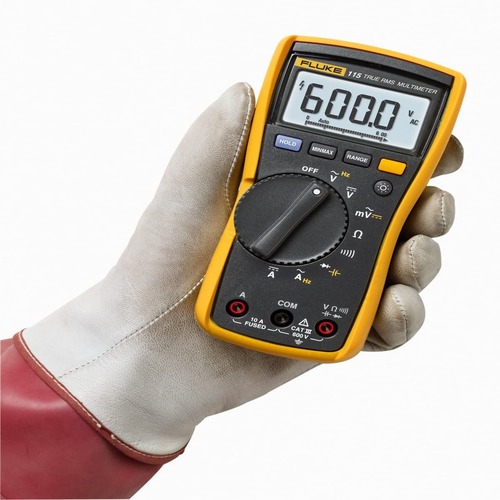 Your price for this item is $329.45
 -
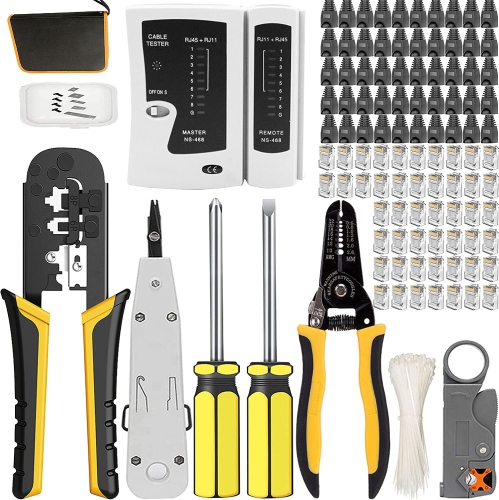 Your price for this item is $54.88
 -
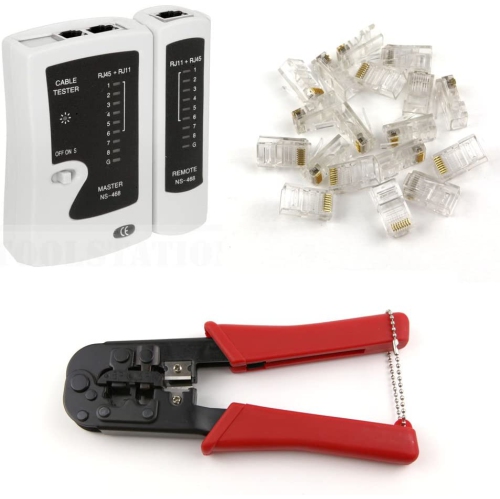 Your price for this item is $22.99
 -
 Your price for this item is $35.77
 -
 Your price for this item is $113.68
 -
 Your price for this item is $29.99
 -
 Your price for this item is $55
 -
 Your price for this item is $103.68
Discover more categories related to Cable Crimping Tools
Top Collections:
Pokemon Centers, Kindle Devices, Best Budget Office Chairs, Apple iPhones 16, Best Laptops for Writers, iPhone 15 Apple, Canon G7X Cameras, Refurbished Apple Laptops, Alarm Clock, Motorola Razr Phones
Some products may be subject to Environmental Handling Fees
(EHF) depending on your province.
Learn more about EHFs.