Electrical Crimping Tools
Looking to tackle your electrical projects with precision and ease? Look no further than our wide selection of electrical crimping tools. These indispensable tools are designed to securely connect wires, ensuring reliable and long-lasting electrical connections. Whether you're a professional electrician or a DIY enthusiast, our range of crimping tools will help you achieve professional-grade results every time. From wire strippers to crimping pliers, we have the tools you need to confidently handle any wiring task. Explore our collection and take your electrical work to the next level.
Sort
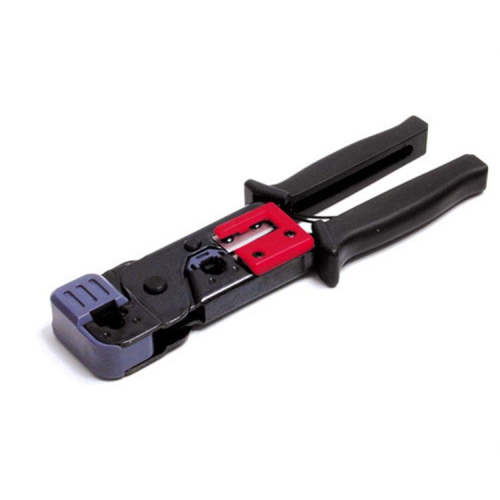


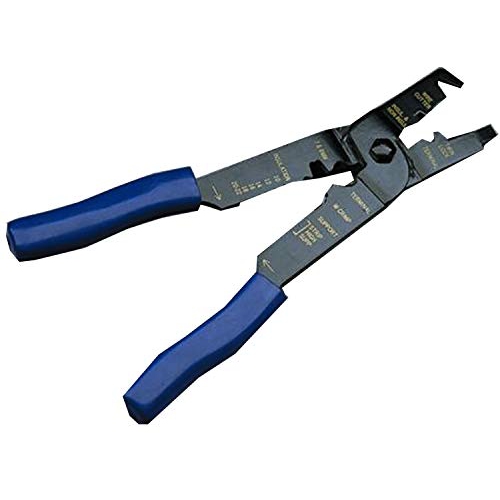
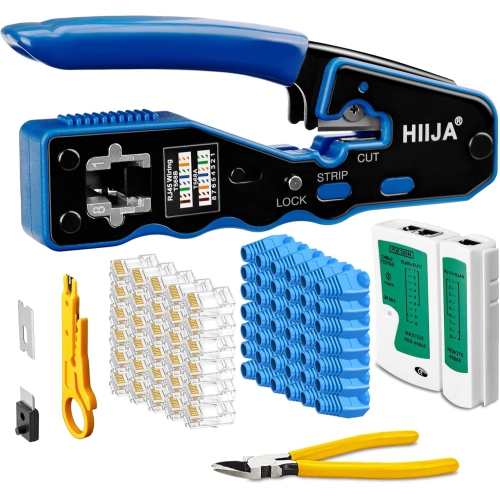
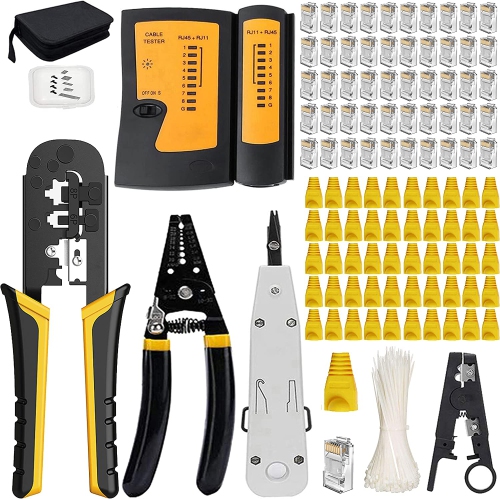
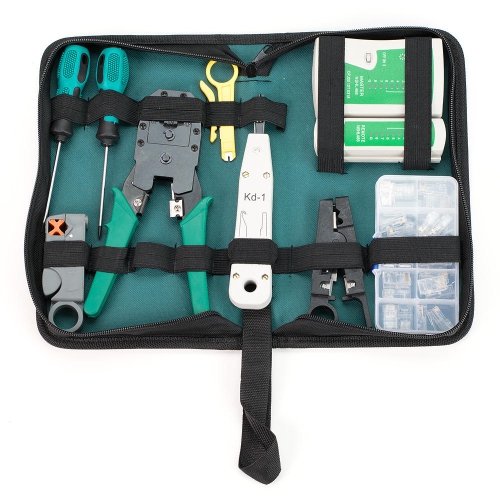
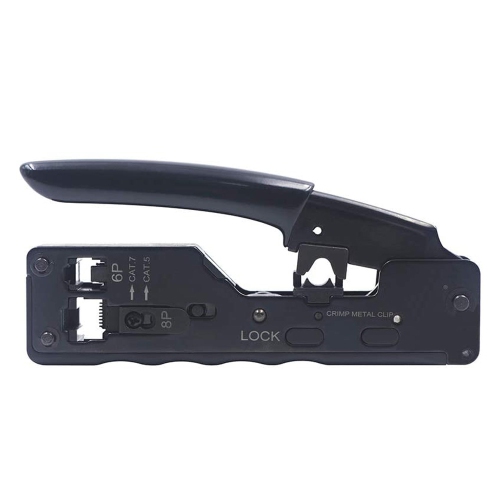
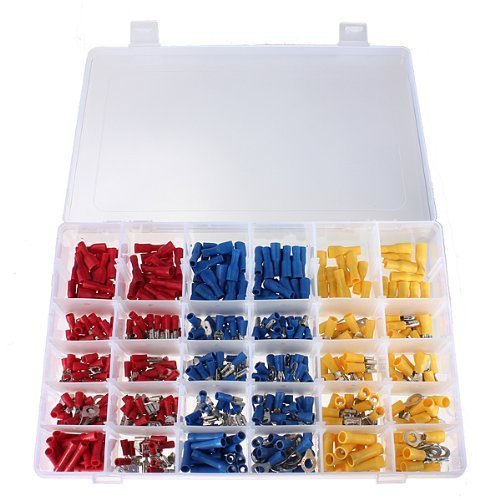
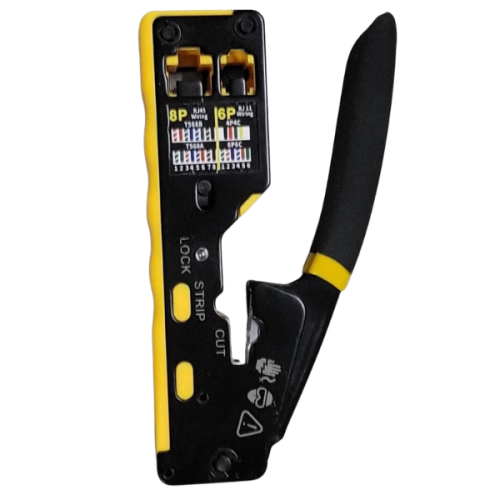
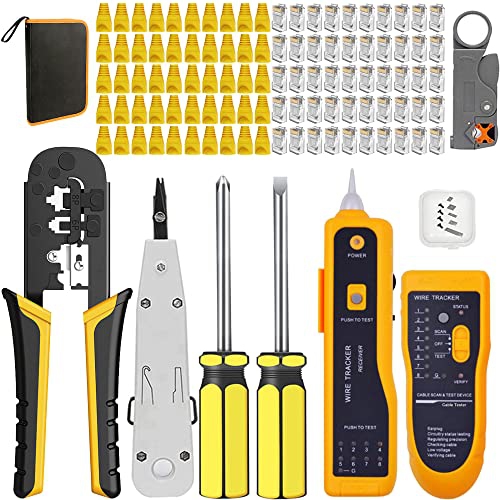
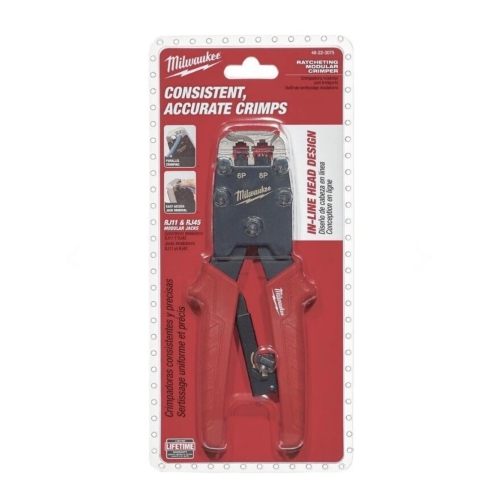
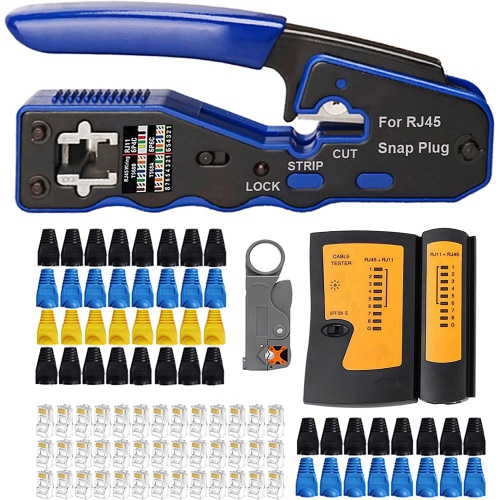
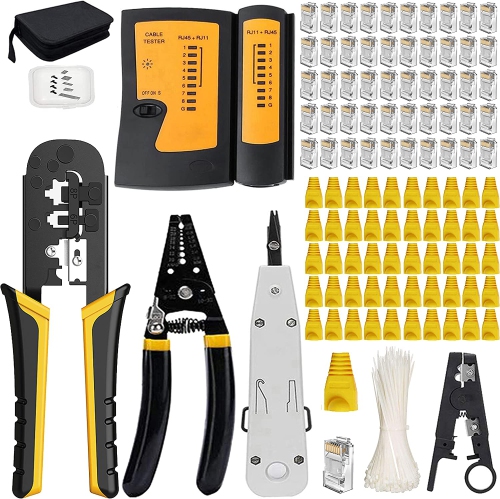
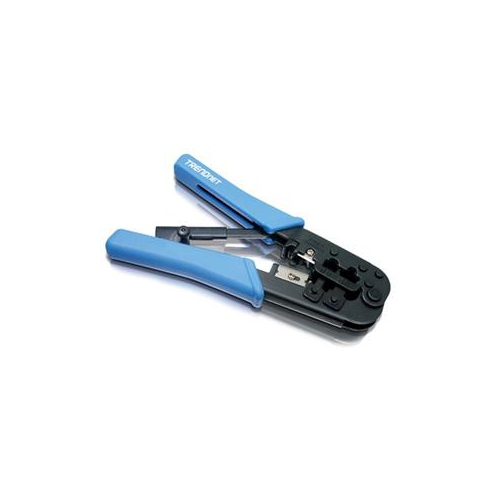
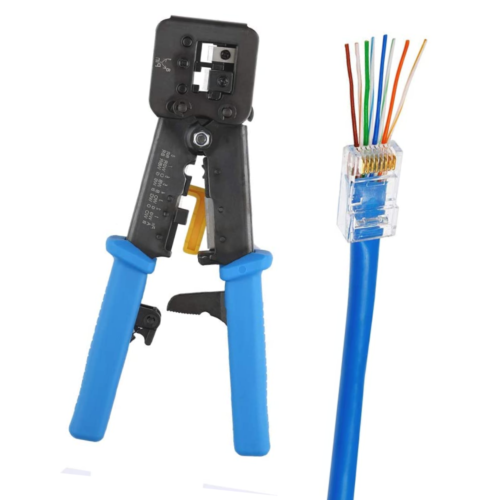
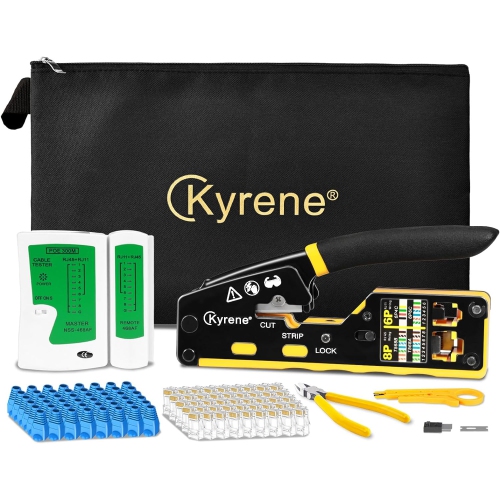
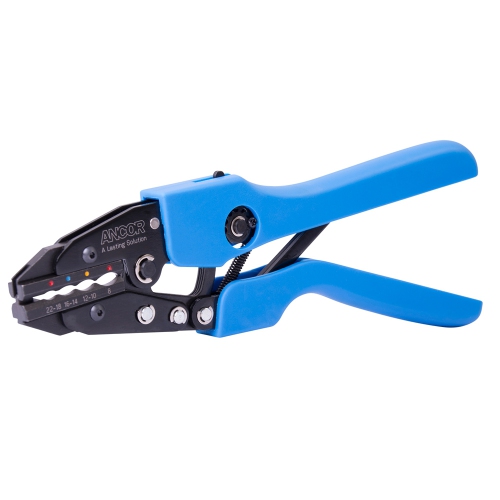
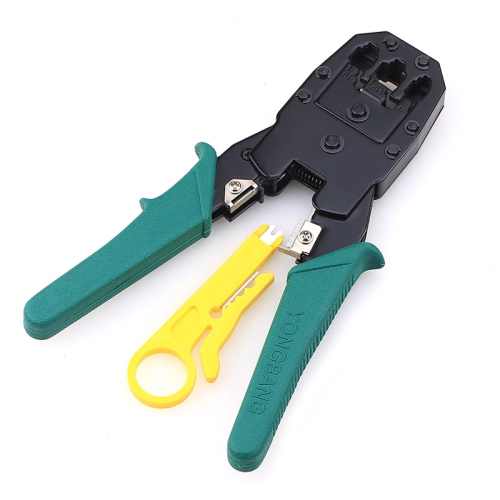
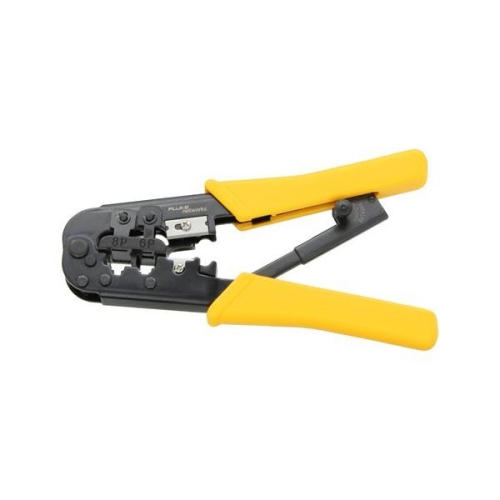
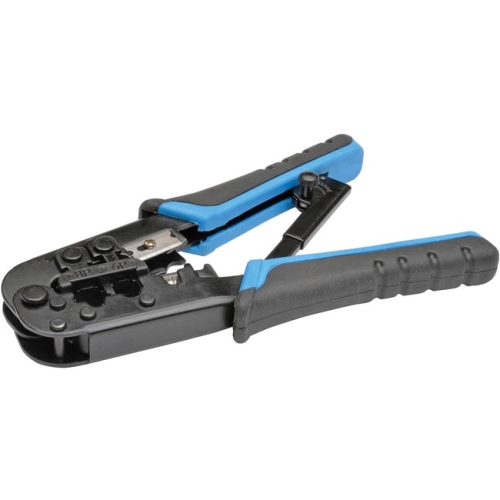

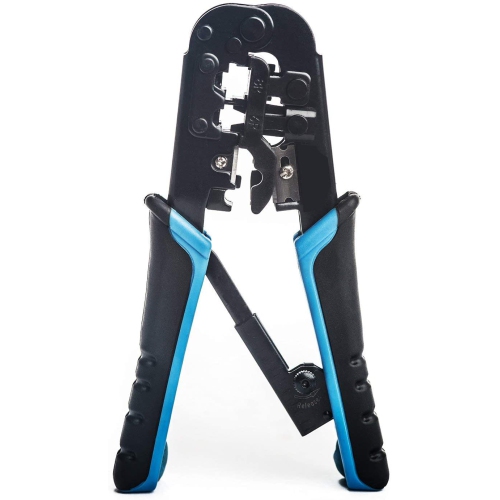
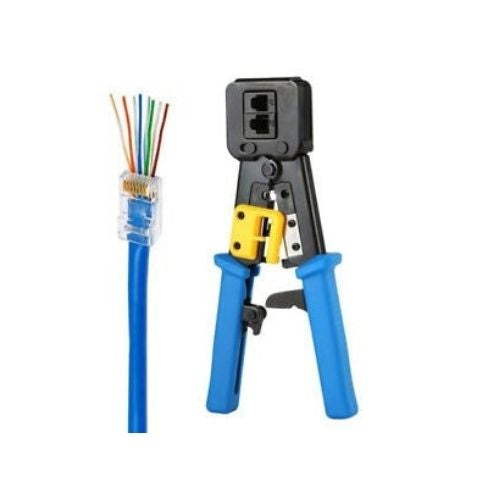
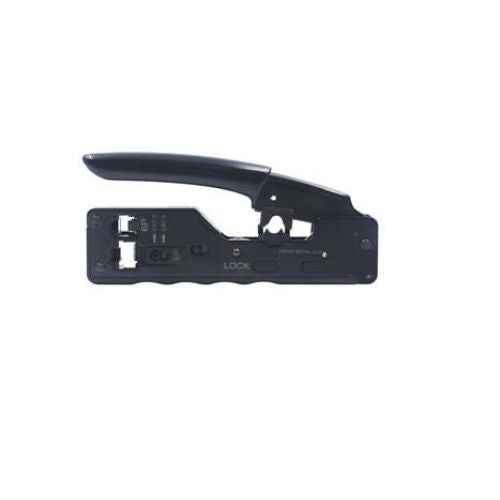
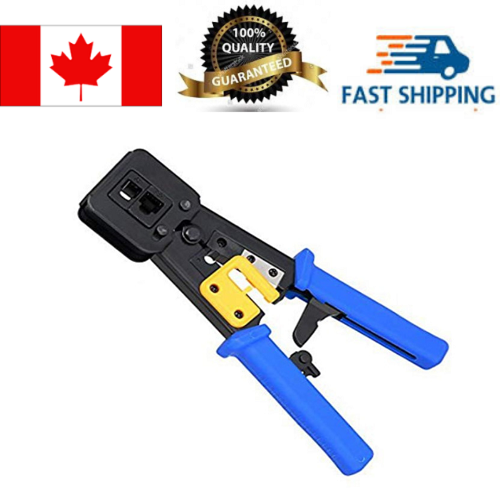
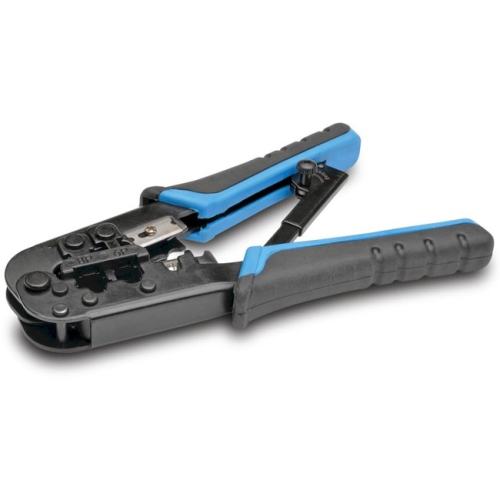
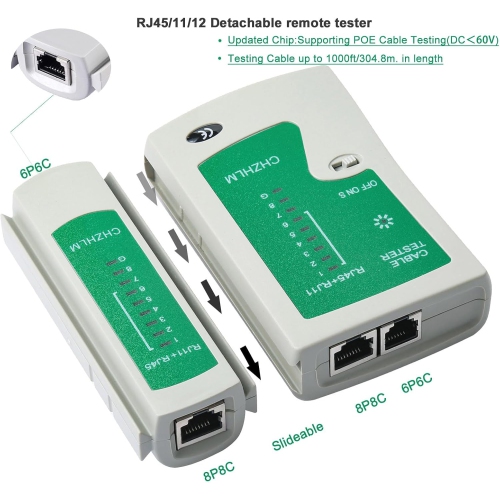
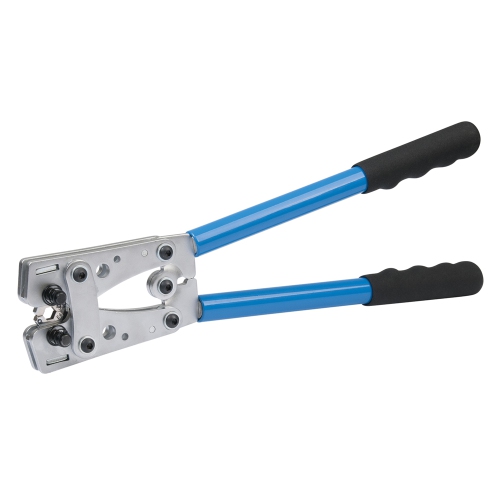
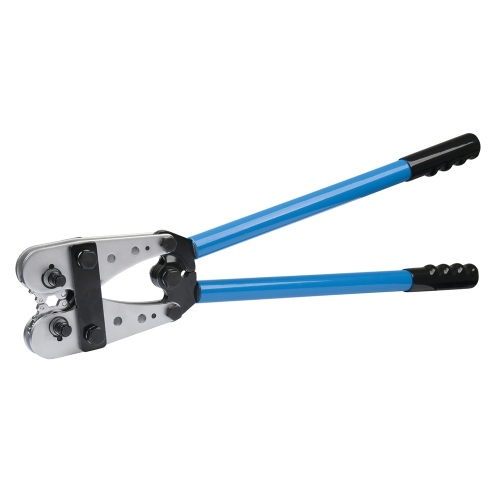
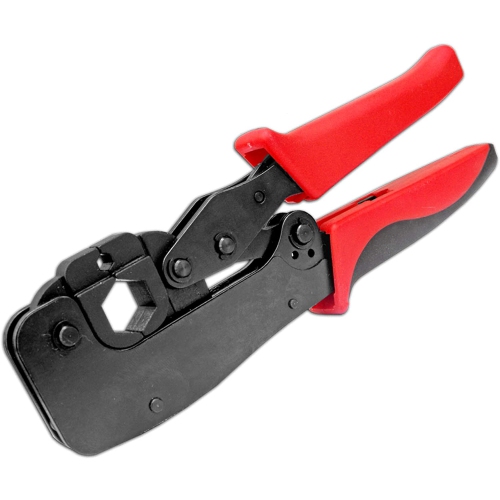
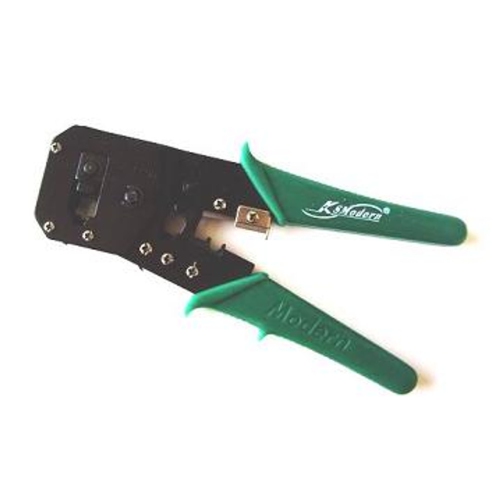
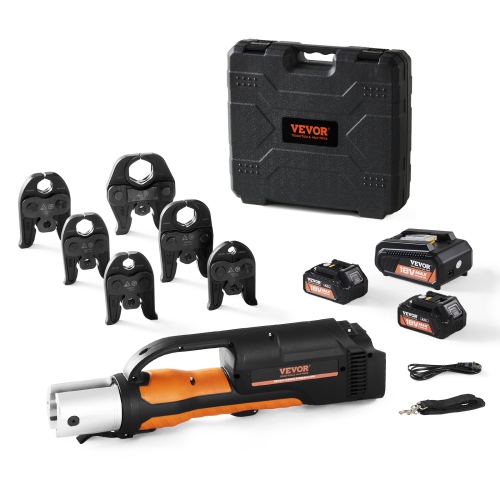
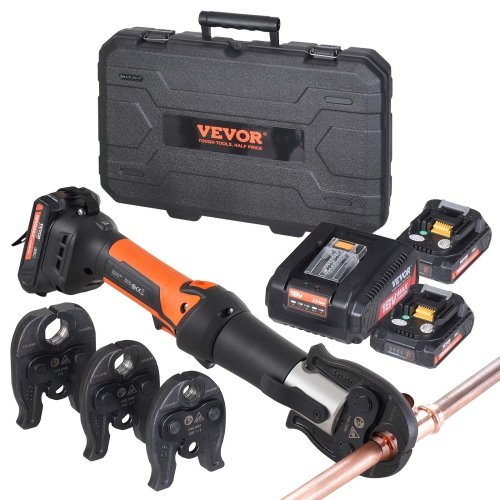
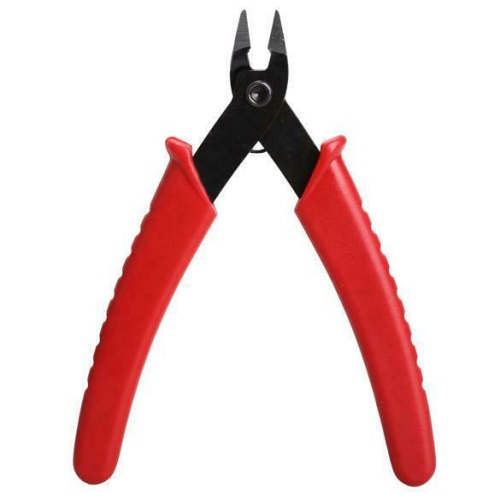

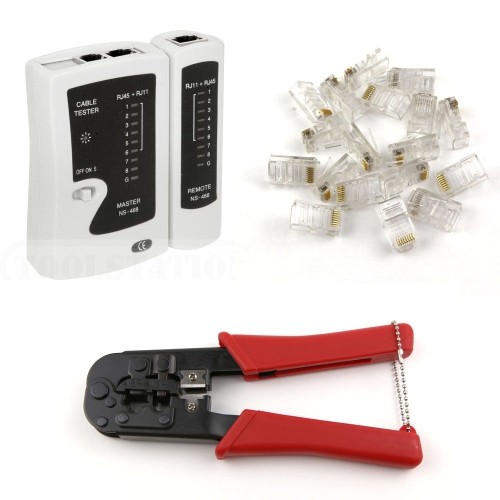
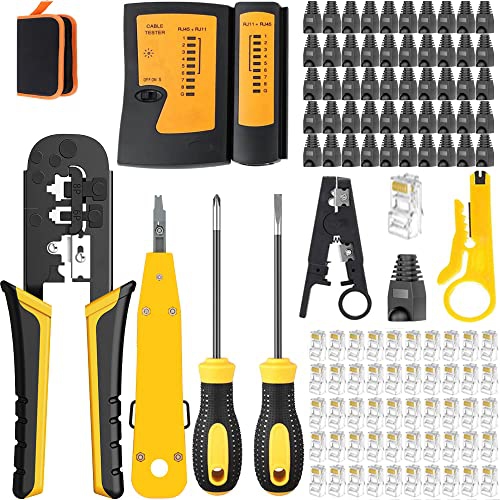
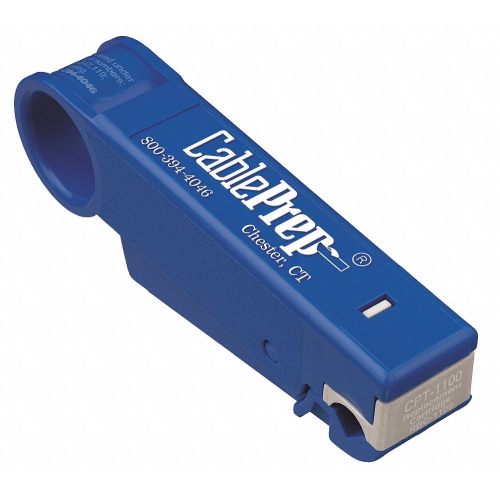
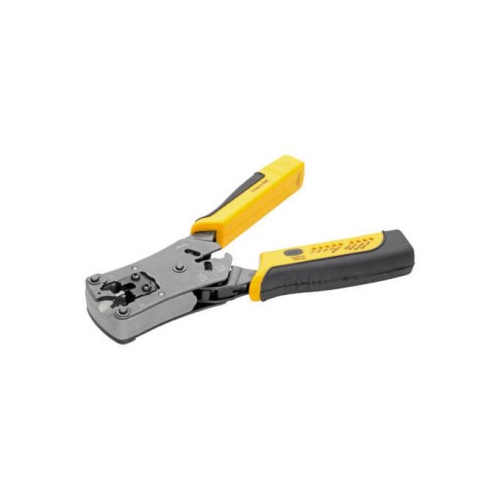
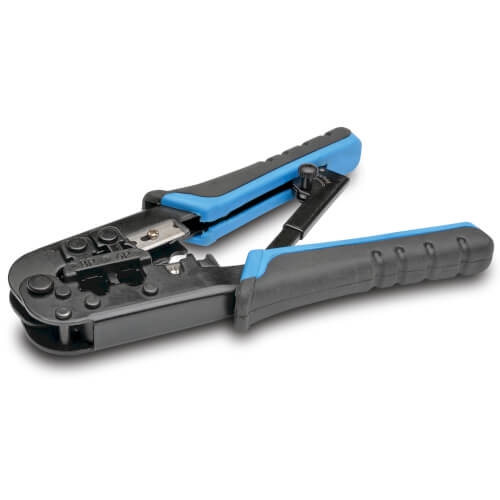
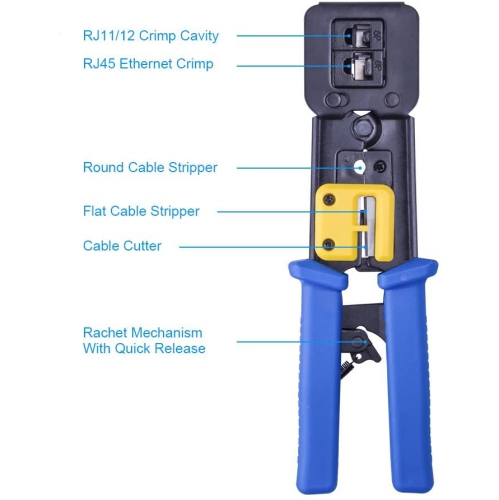
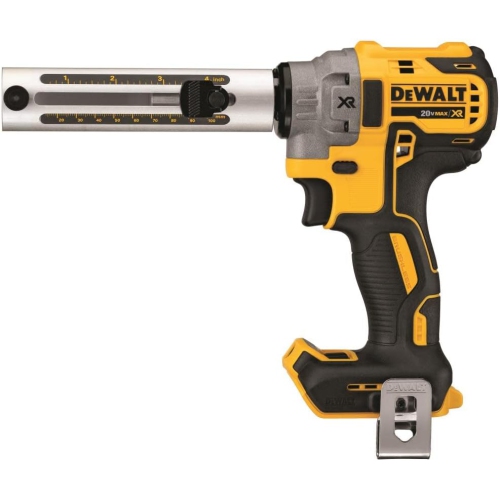

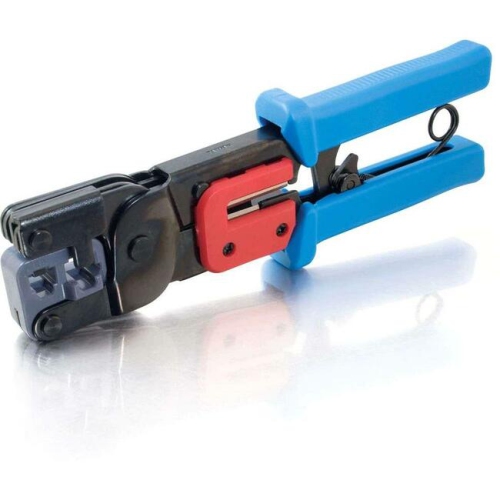
Reliable connections depend on matching wires and terminals
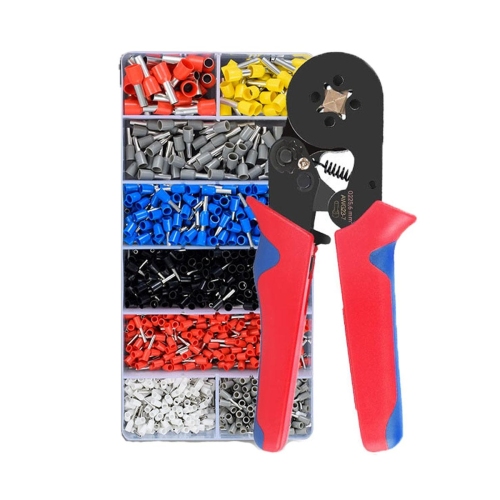
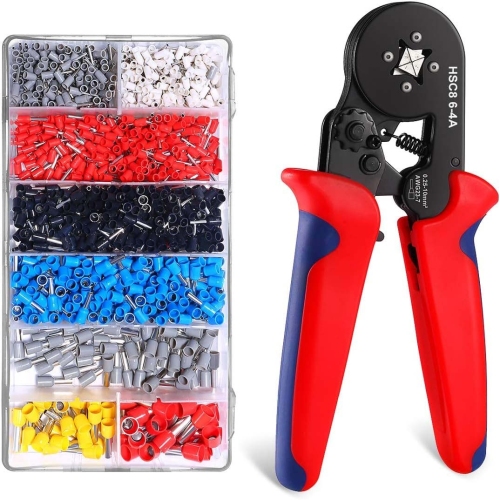
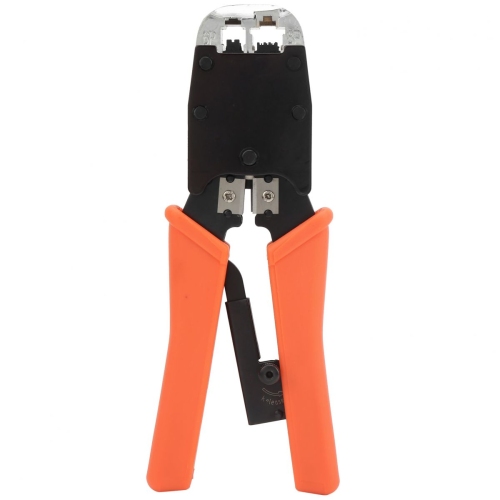
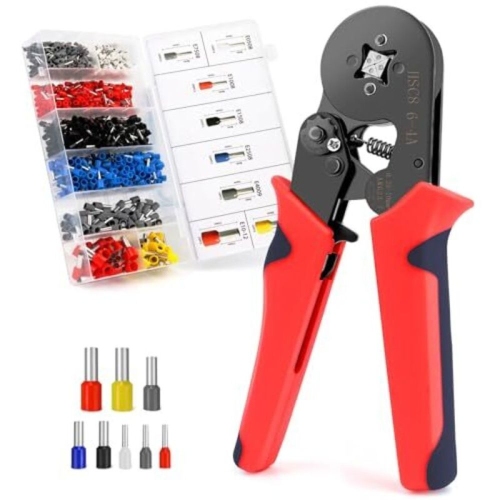
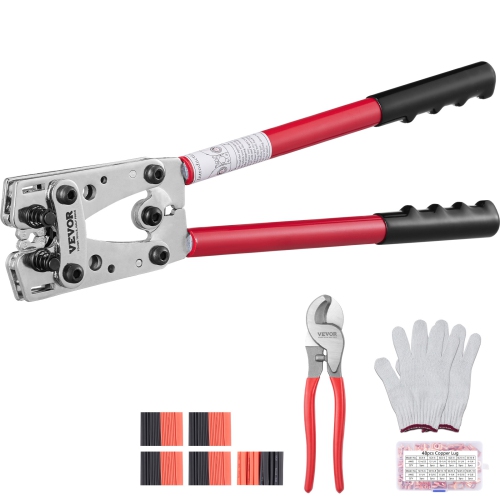
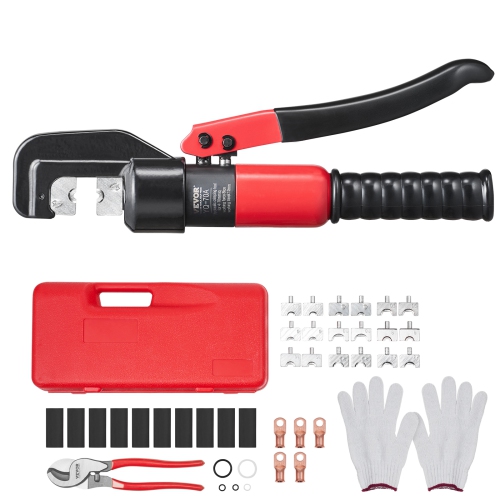
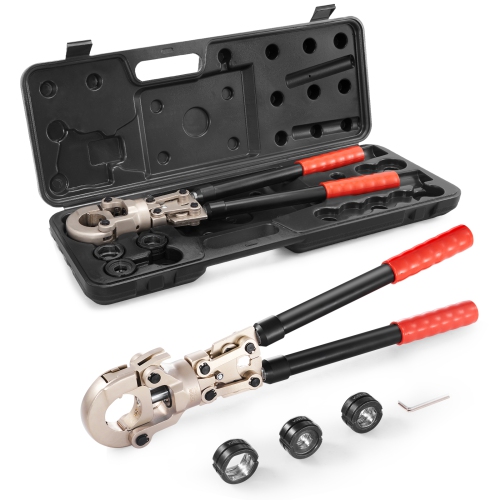
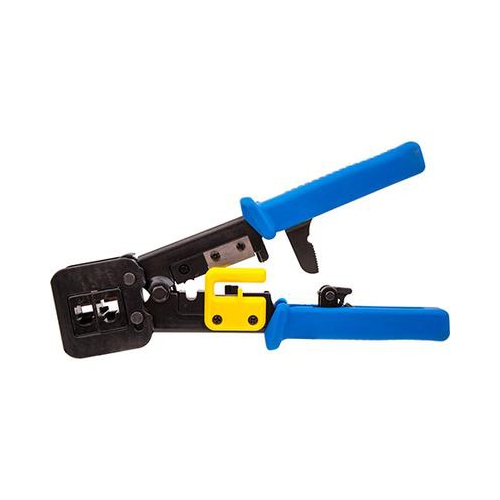
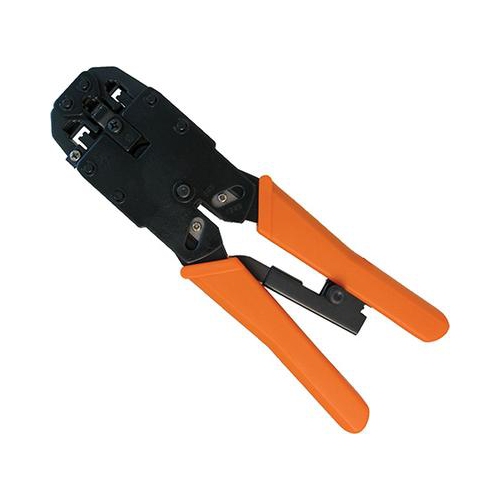
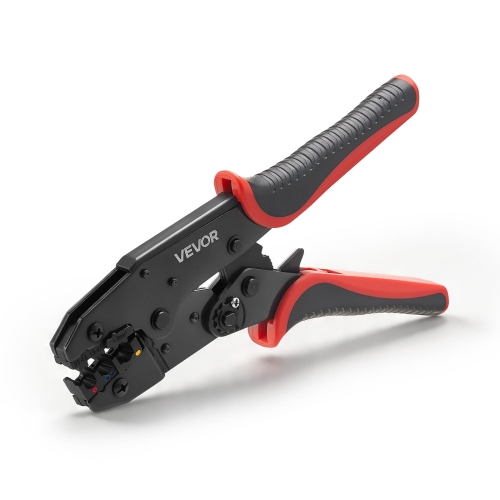
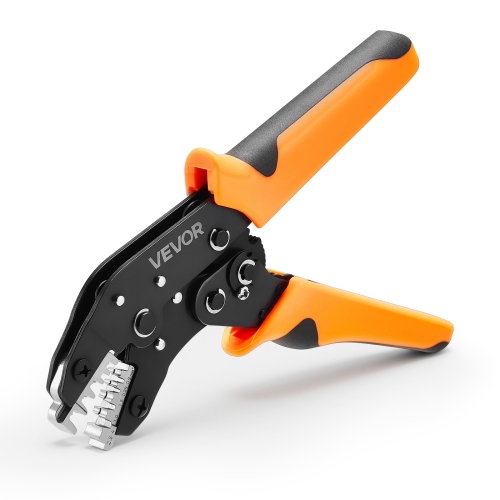
Electrical crimping tools are handheld devices used to join a stripped wire to a connector or terminal by compressing, or deforming, the connector’s metal barrel around the conductor. When the correct tool, connector, and wire size are matched, the result is a firm mechanical connection that supports reliable electrical continuity without soldering. These tools are useful for a wide range of low-voltage wiring tasks, including automotive repairs, trailer and marine wiring, speaker installations, lighting projects, appliance repairs, home workshops, and maintenance around a recreational vehicle. They can also be helpful for technicians, electricians, mechanics, installers, hobbyists, and do-it-yourselfers who regularly work with electrical terminals. A basic crimping tool often combines several functions in one compact frame, such as cutting wire, stripping insulation, and crimping terminals. This style is convenient for occasional repairs and smaller projects, particularly when portability and straightforward operation matter. Pliers-style crimpers rely on hand pressure, so the feel of the handle and the amount of leverage can make a noticeable difference when completing several connections. Ratcheting crimpers add a locking mechanism that holds the jaws closed until a full crimp cycle is completed. This helps apply more consistent pressure and can reduce the chance of releasing the handles too early, which may leave a loose or uneven connection. A full-cycle ratcheting design can be especially useful when making a group of connections with the same terminal type, since each crimp follows a more repeatable sequence. Some tools use colour-coded cavities or clearly marked wire-size ranges to help identify the appropriate position for common insulated terminals. Always check the markings on the tool and the specifications on the connector before starting, as wire gauge and terminal design must correspond for a secure fit. Wire gauge is commonly expressed in AWG, or American Wire Gauge; within this system, a higher number generally indicates a thinner wire. Many general-purpose tools cover common ranges such as 10–22 AWG, but coverage varies by design, and heavier cables may require a dedicated tool with larger dies or greater leverage.
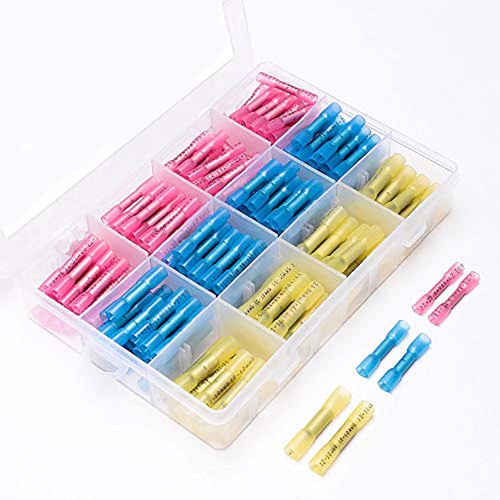
Choosing among electrical crimping tools begins with identifying the connector style and the wire sizes involved. Insulated terminals are commonly used for general-purpose wiring and may include a coloured sleeve that indicates a typical wire range. Heat-shrink terminals combine a crimp barrel with an outer sleeve that can be heated after crimping to help seal and protect the connection, making them useful in areas exposed to moisture, movement, or abrasion. Open-barrel terminals have wings or tabs that fold around the conductor and insulation, and they generally require a specialised crimper with shaped dies rather than a standard insulated-terminal tool. Bootlace ferrules are designed to gather the strands of finely stranded wire before insertion into a screw terminal or clamp, helping the strands stay together during installation. For larger copper lugs and thick conductors, hydraulic or battery-powered crimpers can provide the force needed to form a dependable connection without relying entirely on hand strength. These heavy-duty tools are more suited to professional electrical work, utility applications, battery cables, power systems, and repeated high-force jobs than to small household repairs. Die compatibility also deserves attention: some tools have fixed crimp profiles, while others accept interchangeable dies for different terminals, conductor sizes, or connector materials. A comfortable, non-slip grip can make detailed work easier, while a ratchet-release feature can be valuable when a partially completed crimp needs to be opened safely. Before use, inspect the wire for damaged strands, strip only the amount of insulation recommended for the terminal, and place the conductor fully into the barrel so no bare wire extends beyond the intended area. The terminal should be positioned in the correct die cavity, with the crimp applied to the barrel rather than the insulated sleeve unless the tool is specifically designed for that purpose. Afterward, a gentle pull test can help confirm that the wire is held securely. Disconnect power before beginning any repair, use appropriate eye protection, and follow the connector manufacturer’s instructions for wire preparation and crimp placement. For related components, browse Wire Crimp Connectors to compare terminal styles that match your project.
Electrical crimping tools can be a practical addition to a home repair kit because they take up little room and can be used for jobs that arise unexpectedly, from replacing a damaged trailer-light connection to organizing speaker wires behind an entertainment system. They may also make a thoughtful gift for someone who enjoys restoring vehicles, maintaining a boat, building electronics projects, repairing bicycles with powered accessories, or keeping a well-equipped workshop. The best choice depends less on the number of features than on the connections the recipient is likely to make. Someone handling occasional repairs may appreciate a compact combination tool with cutting and stripping functions, while a person who performs repeated wiring work may prefer a ratcheting model with clearly marked cavities and a comfortable grip. A hobbyist working with several terminal styles may benefit from a tool that accepts interchangeable dies, and a professional or serious installer may need a specialised crimper for larger gauges, open-barrel terminals, ferrules, or heavy-duty lugs. During the cooler months, these tools can be useful for preparing indoor workshop projects, repairing seasonal equipment, or completing vehicle and trailer wiring before outdoor conditions become less comfortable. Their value is in making a clean, repeatable connection when the wire is tucked into a tight panel, routed behind a dashboard, or part of a larger bundle where a loose terminal could cause intermittent operation. Keeping the tool clean, storing it dry, and avoiding use beyond its stated wire and connector range can help maintain accurate crimping action. It is also worth remembering that a crimping tool is not interchangeable with pliers: ordinary pliers may flatten a terminal without producing the controlled compression needed for a reliable electrical connection. Matching the tool to the connector, gauge, and crimp profile is the essential starting point, followed by careful stripping, correct positioning, even pressure, and a final inspection. With those basics in place, electrical crimping tools can provide a practical, approachable way to complete wiring repairs and installations with greater consistency.
Choosing among electrical crimping tools begins with identifying the connector style and the wire sizes involved. Insulated terminals are commonly used for general-purpose wiring and may include a coloured sleeve that indicates a typical wire range. Heat-shrink terminals combine a crimp barrel with an outer sleeve that can be heated after crimping to help seal and protect the connection, making them useful in areas exposed to moisture, movement, or abrasion. Open-barrel terminals have wings or tabs that fold around the conductor and insulation, and they generally require a specialised crimper with shaped dies rather than a standard insulated-terminal tool. Bootlace ferrules are designed to gather the strands of finely stranded wire before insertion into a screw terminal or clamp, helping the strands stay together during installation. For larger copper lugs and thick conductors, hydraulic or battery-powered crimpers can provide the force needed to form a dependable connection without relying entirely on hand strength. These heavy-duty tools are more suited to professional electrical work, utility applications, battery cables, power systems, and repeated high-force jobs than to small household repairs. Die compatibility also deserves attention: some tools have fixed crimp profiles, while others accept interchangeable dies for different terminals, conductor sizes, or connector materials. A comfortable, non-slip grip can make detailed work easier, while a ratchet-release feature can be valuable when a partially completed crimp needs to be opened safely. Before use, inspect the wire for damaged strands, strip only the amount of insulation recommended for the terminal, and place the conductor fully into the barrel so no bare wire extends beyond the intended area. The terminal should be positioned in the correct die cavity, with the crimp applied to the barrel rather than the insulated sleeve unless the tool is specifically designed for that purpose. Afterward, a gentle pull test can help confirm that the wire is held securely. Disconnect power before beginning any repair, use appropriate eye protection, and follow the connector manufacturer’s instructions for wire preparation and crimp placement. For related components, browse Wire Crimp Connectors to compare terminal styles that match your project.
Electrical crimping tools can be a practical addition to a home repair kit because they take up little room and can be used for jobs that arise unexpectedly, from replacing a damaged trailer-light connection to organizing speaker wires behind an entertainment system. They may also make a thoughtful gift for someone who enjoys restoring vehicles, maintaining a boat, building electronics projects, repairing bicycles with powered accessories, or keeping a well-equipped workshop. The best choice depends less on the number of features than on the connections the recipient is likely to make. Someone handling occasional repairs may appreciate a compact combination tool with cutting and stripping functions, while a person who performs repeated wiring work may prefer a ratcheting model with clearly marked cavities and a comfortable grip. A hobbyist working with several terminal styles may benefit from a tool that accepts interchangeable dies, and a professional or serious installer may need a specialised crimper for larger gauges, open-barrel terminals, ferrules, or heavy-duty lugs. During the cooler months, these tools can be useful for preparing indoor workshop projects, repairing seasonal equipment, or completing vehicle and trailer wiring before outdoor conditions become less comfortable. Their value is in making a clean, repeatable connection when the wire is tucked into a tight panel, routed behind a dashboard, or part of a larger bundle where a loose terminal could cause intermittent operation. Keeping the tool clean, storing it dry, and avoiding use beyond its stated wire and connector range can help maintain accurate crimping action. It is also worth remembering that a crimping tool is not interchangeable with pliers: ordinary pliers may flatten a terminal without producing the controlled compression needed for a reliable electrical connection. Matching the tool to the connector, gauge, and crimp profile is the essential starting point, followed by careful stripping, correct positioning, even pressure, and a final inspection. With those basics in place, electrical crimping tools can provide a practical, approachable way to complete wiring repairs and installations with greater consistency.
Top selling and popular products
-
 Your price for this item is $299
 -
 Your price for this item is $229.99
 -
![VIRGIN PUBLISHING Enigma - Mcmxc A.d. - [CD]](https://multimedia.bbycastatic.ca/multimedia/products/500x500/192/19214/19214728.jpeg) Your price for this item is $6.99
Your price for this item is $6.99 -
 Your price for this item is $64.99
 -
 Your price for this item is $37.99
 -
 Your price for this item is $20.99
 -
 Your price for this item is $15.99
 -
 Your price for this item is $150.99
Discover more categories related to Electrical Crimping Tools
Top Collections:
Pokemon Centers, Kindle Devices, Best Budget Office Chairs, Apple iPhones 16, Best Laptops for Writers, iPhone 15 Apple, Canon G7X Cameras, Refurbished Apple Laptops, Alarm Clock, Motorola Razr Phones
Some products may be subject to Environmental Handling Fees
(EHF) depending on your province.
Learn more about EHFs.