Foldable Camping Cots
When it comes to enjoying the great outdoors, comfort and convenience are key factors to consider. Foldable camping cots offer a portable and practical solution for a restful night's sleep while on your outdoor adventures. Whether you're camping, hiking, or simply relaxing in your backyard, these versatile cots provide a comfortable and elevated sleeping surface that can be easily set up and stored away with ease. Explore our selection of foldable camping cots to find the perfect blend of comfort and functionality for your next outdoor excursion.
Sort
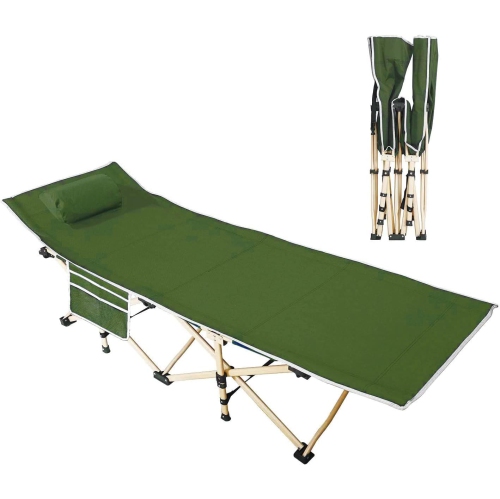
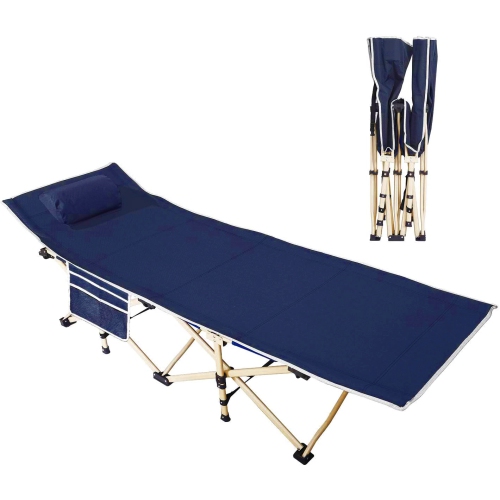
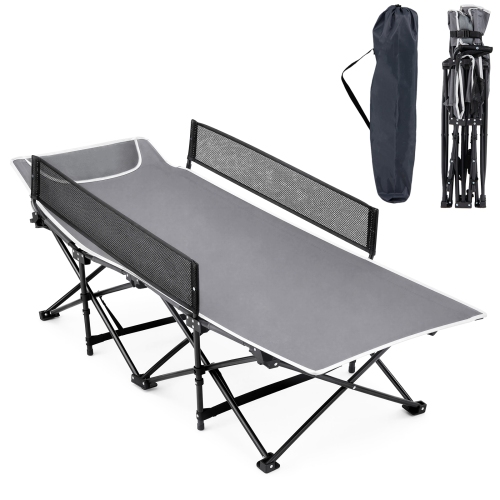
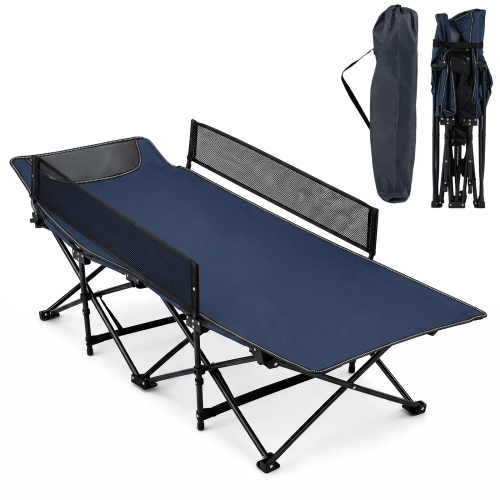
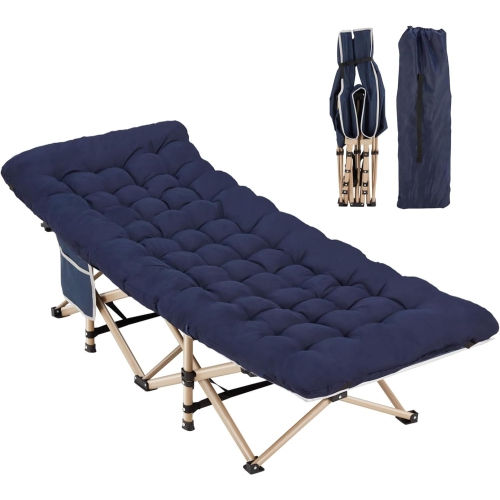


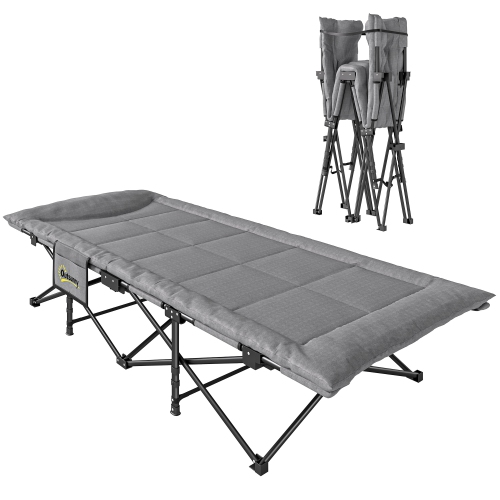

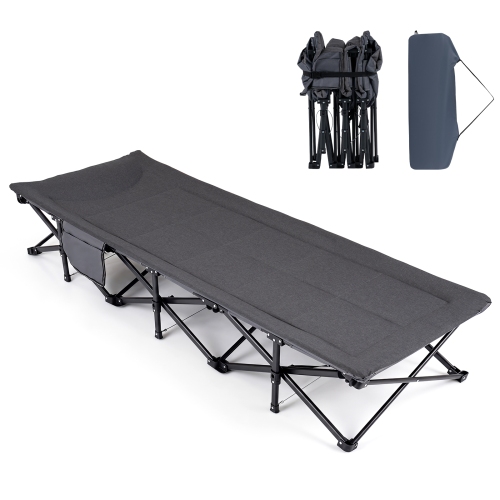


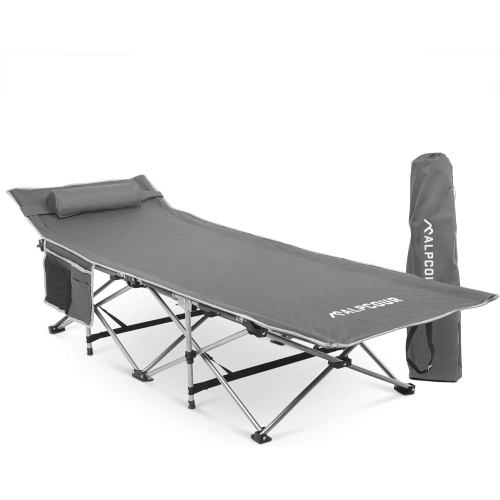
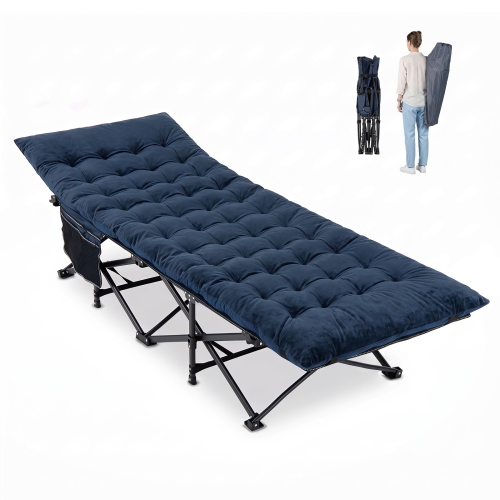

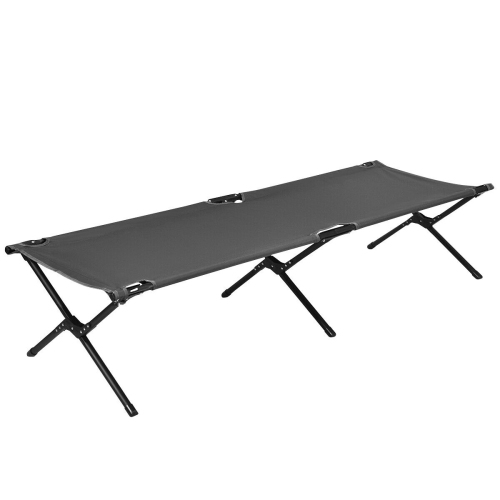
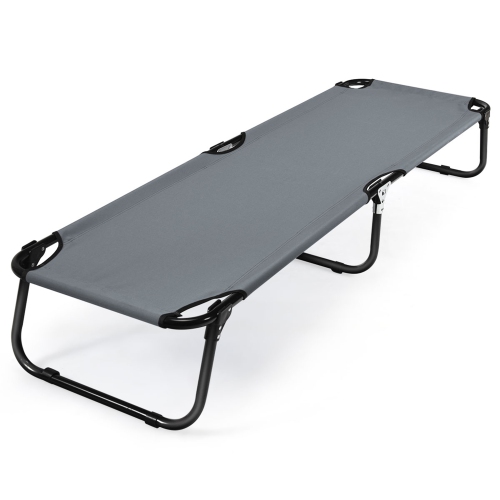
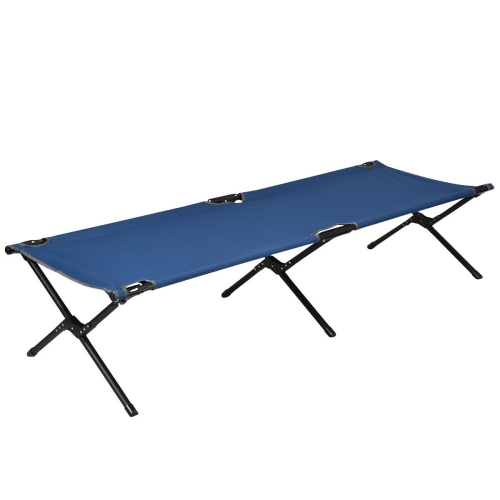


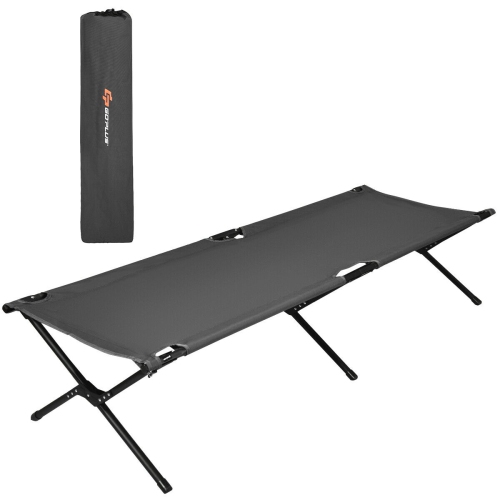


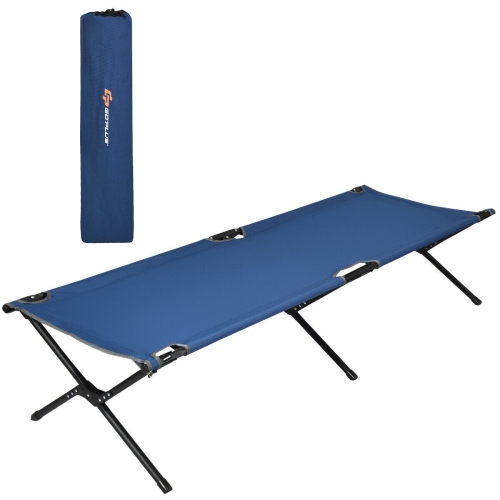
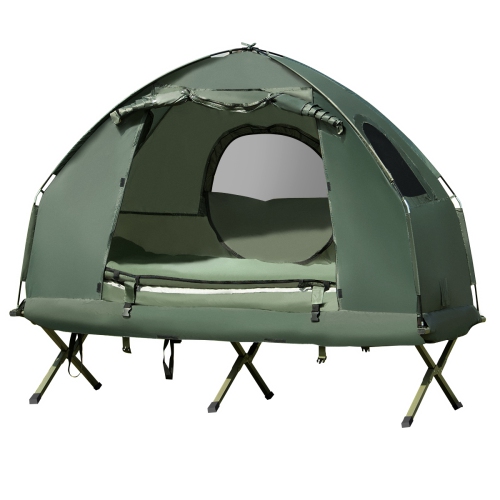

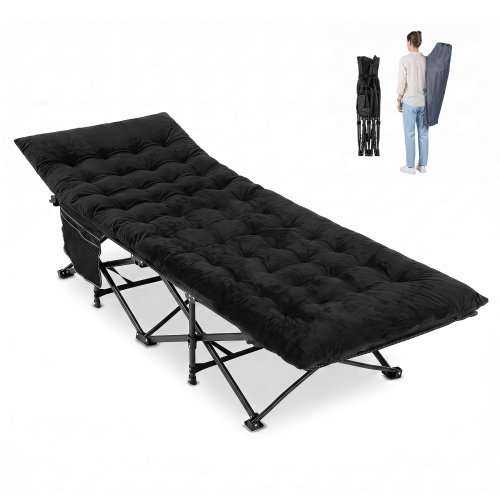


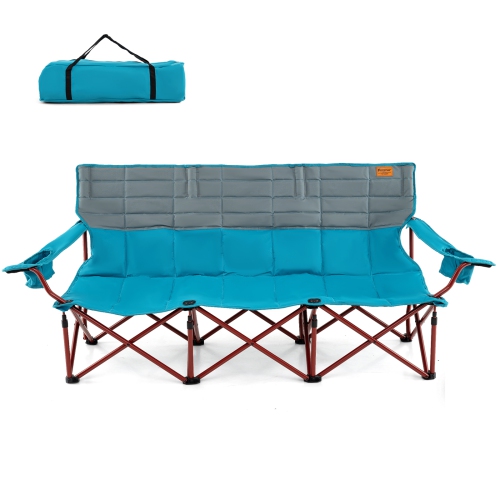
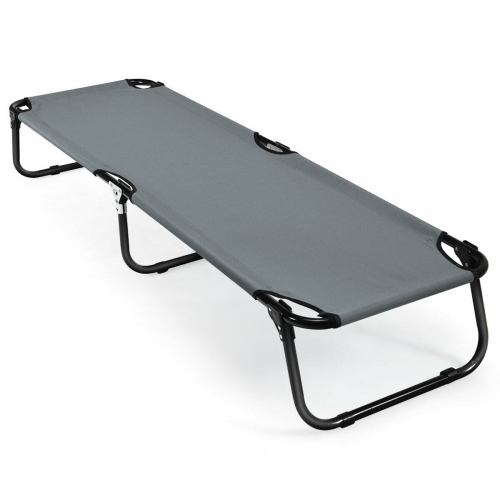

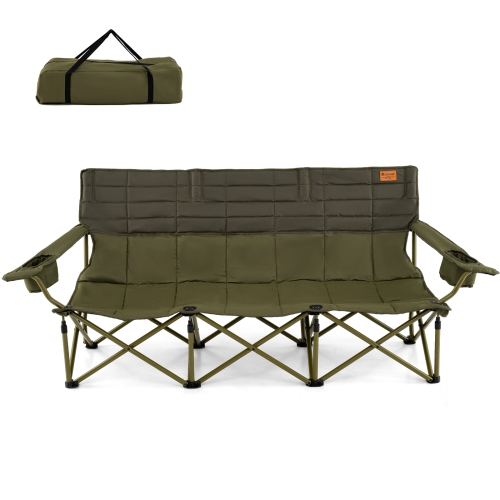

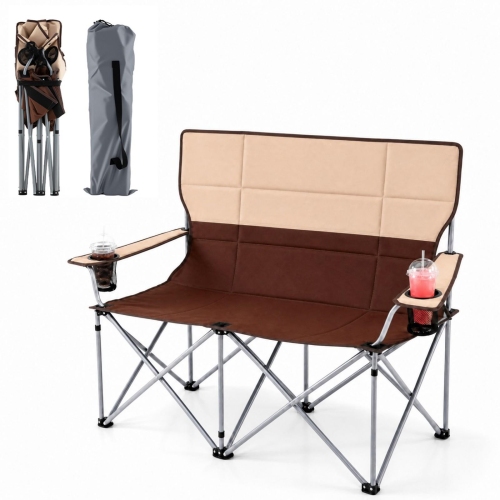
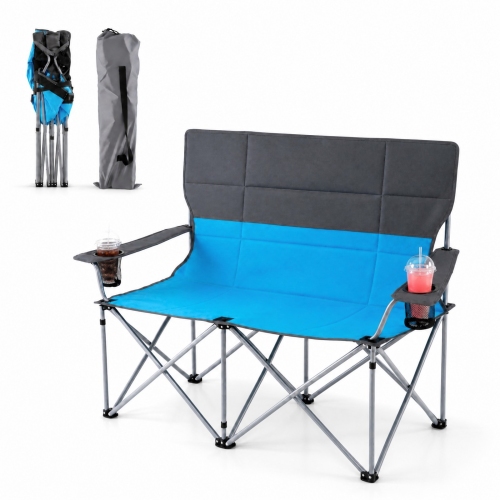
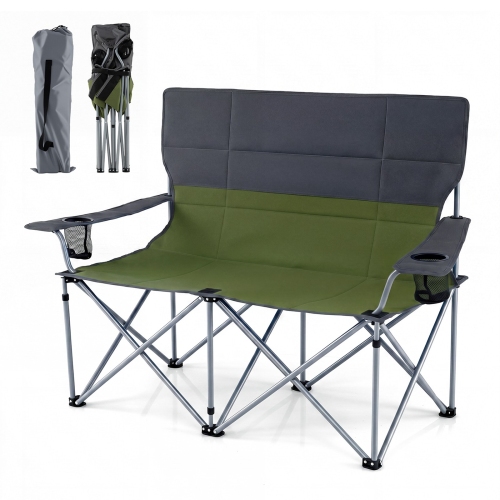
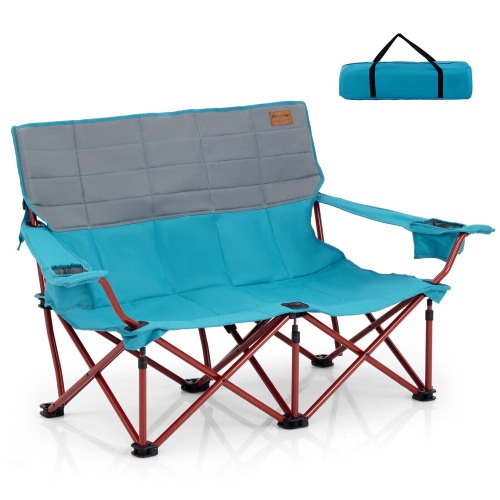

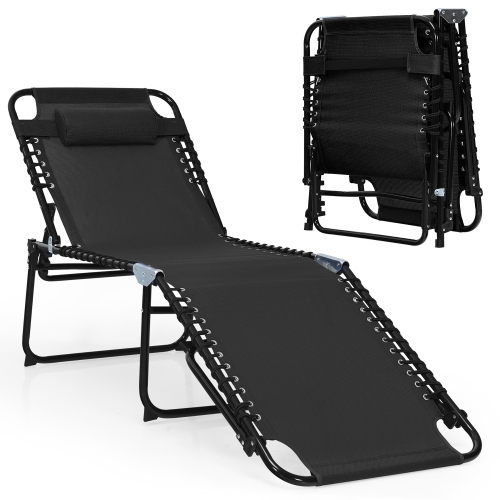
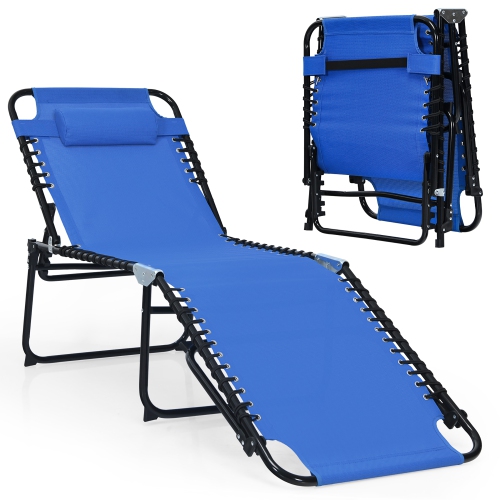


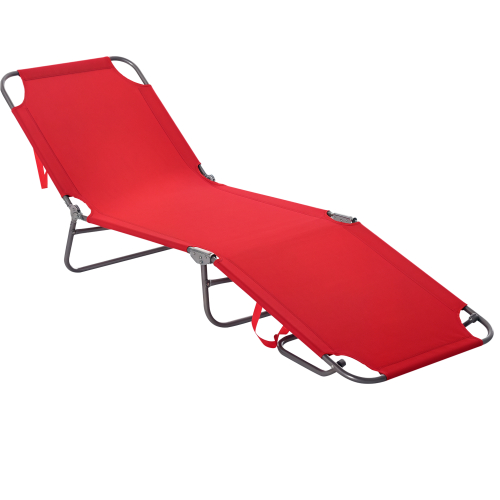
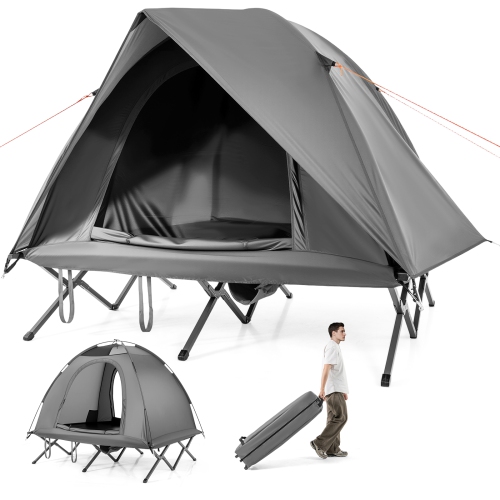


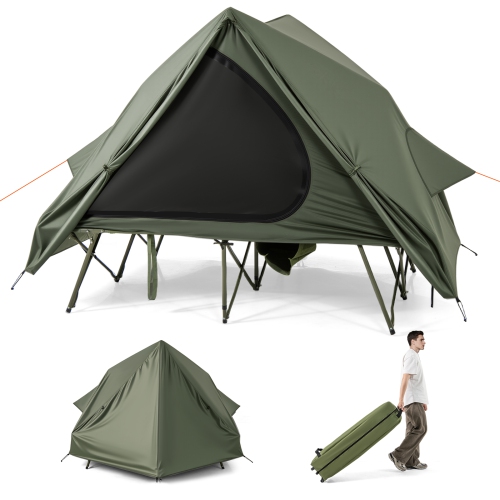

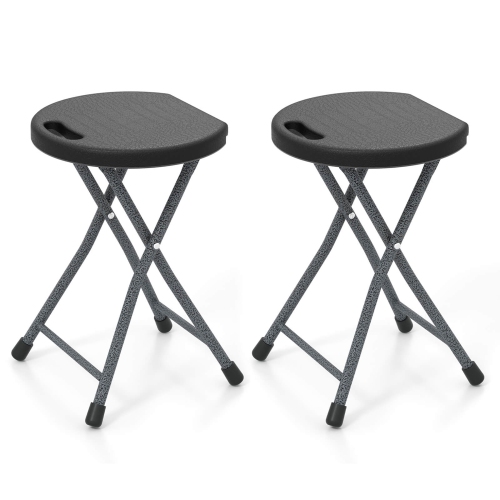
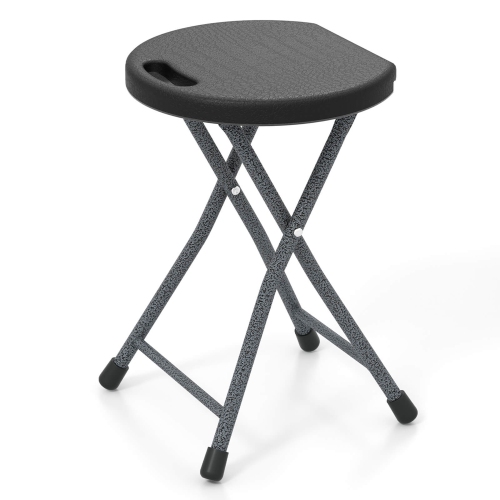
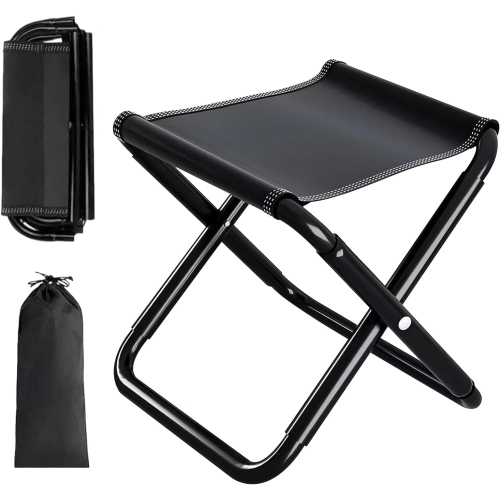
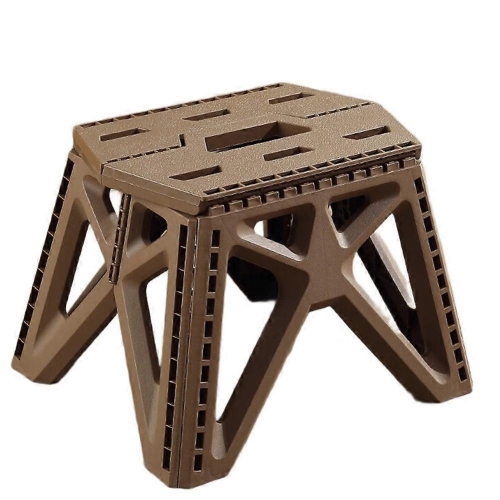
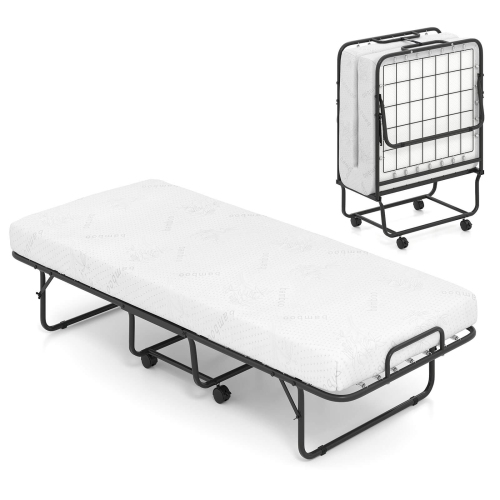

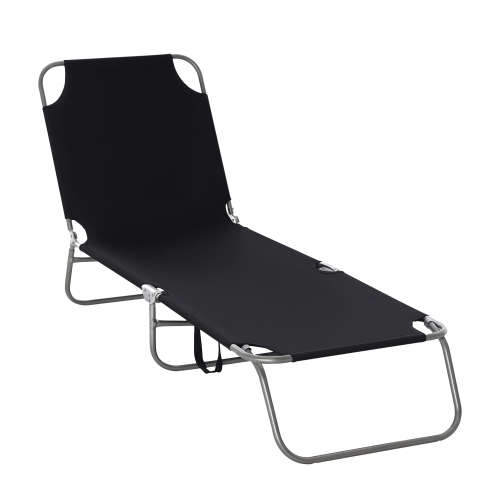

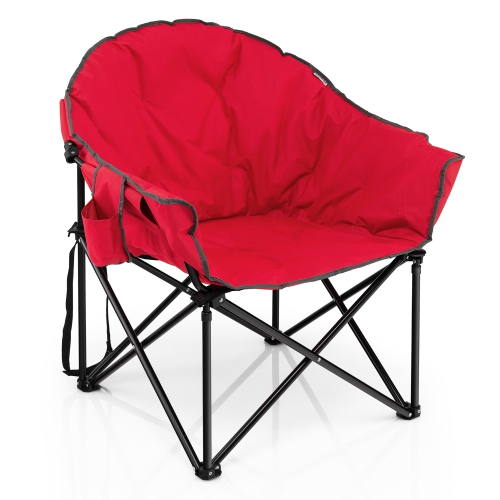


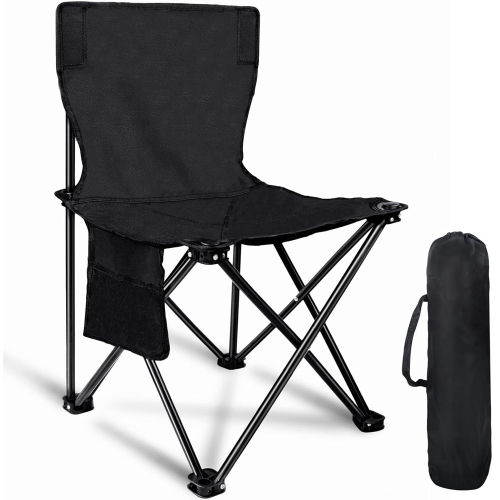
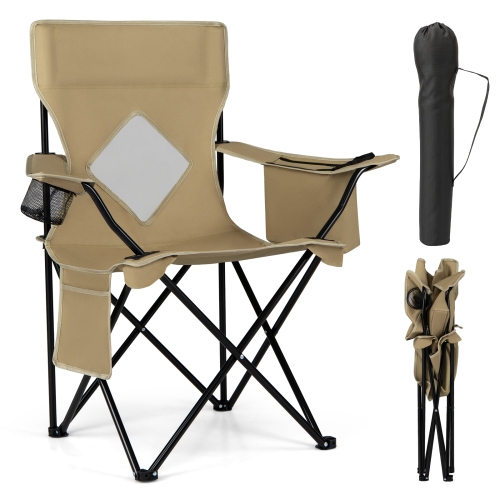


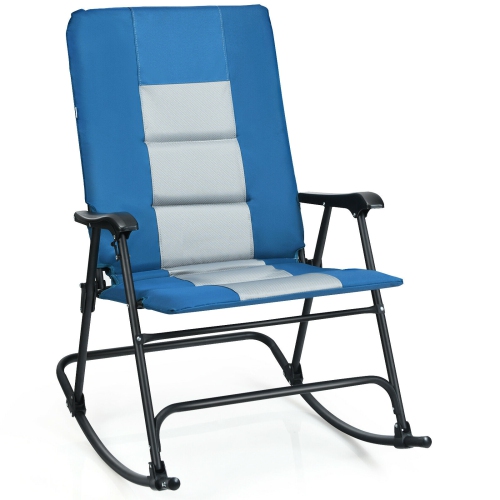
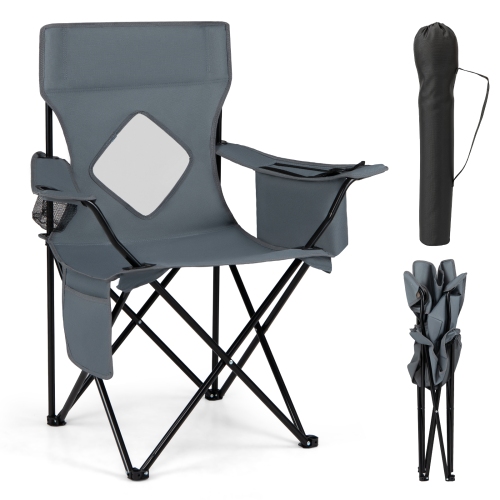
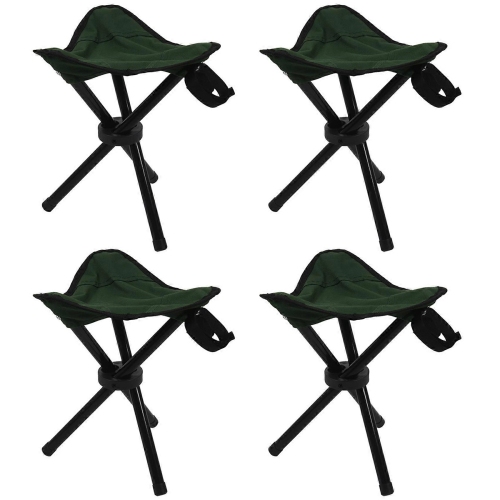
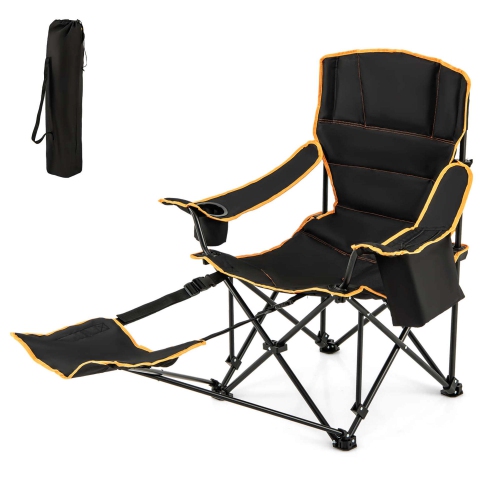
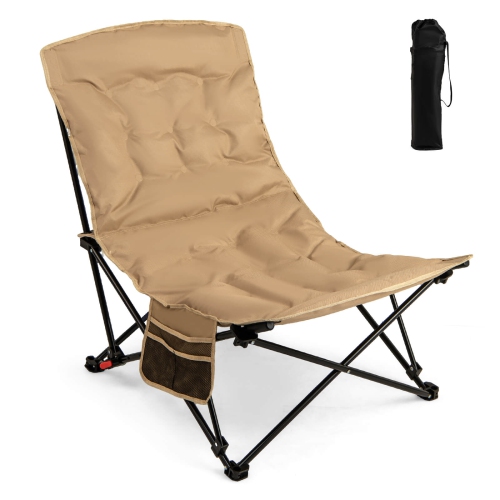


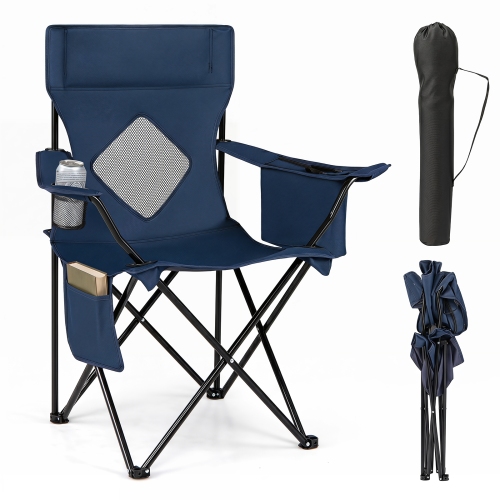


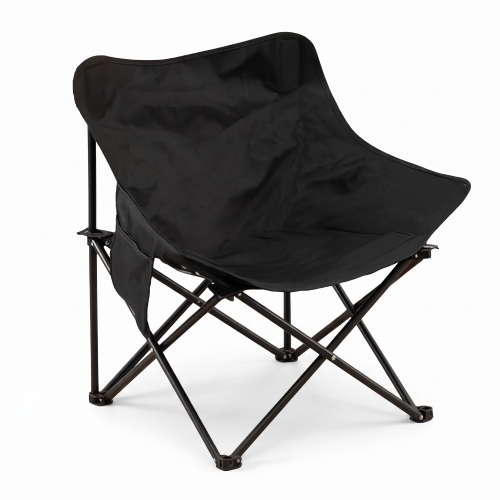

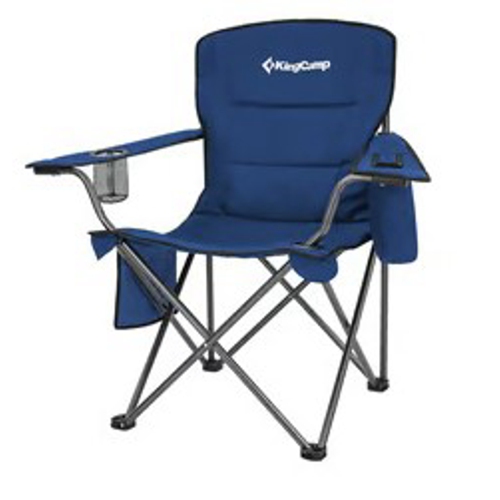
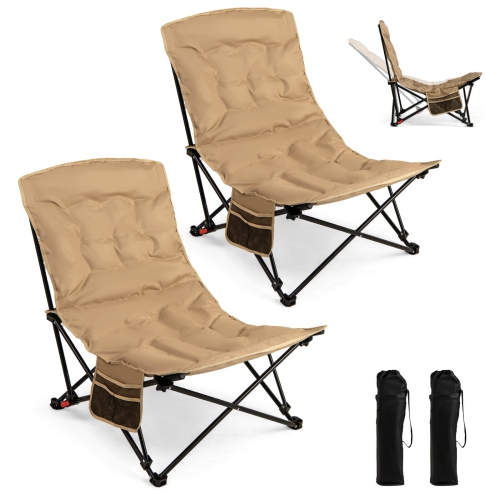
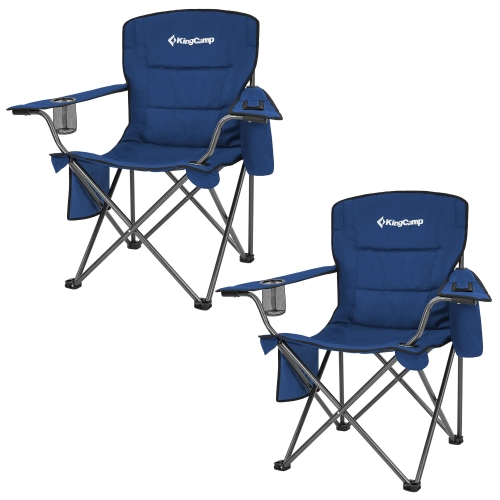

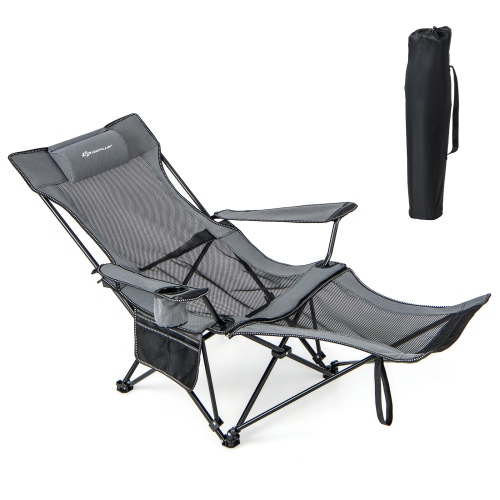
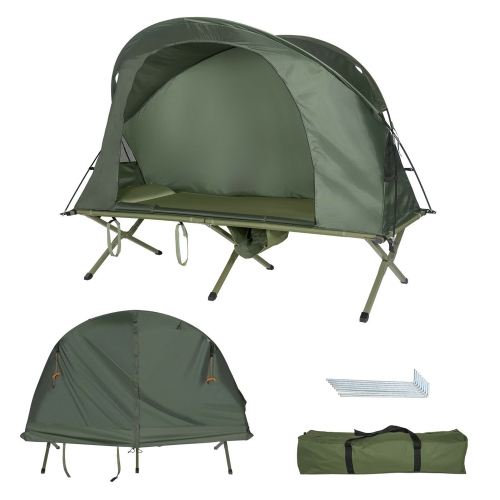

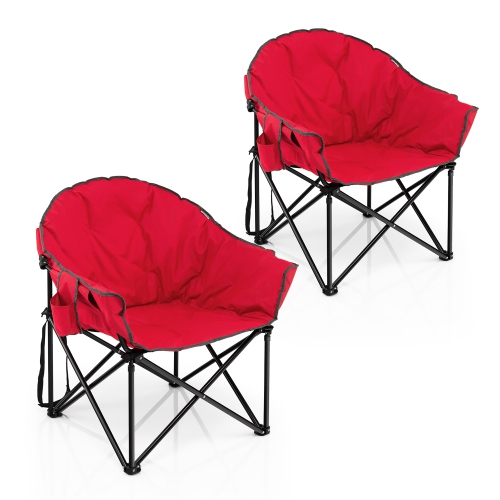
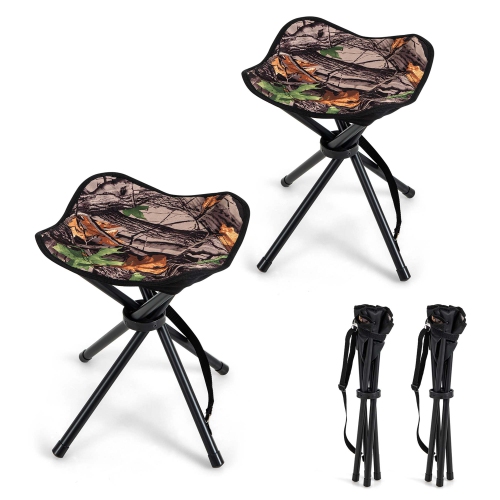
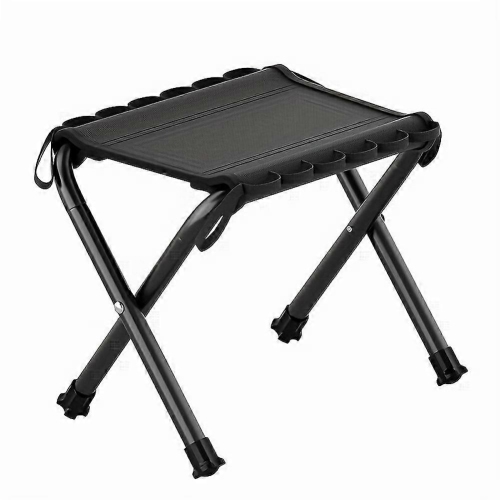

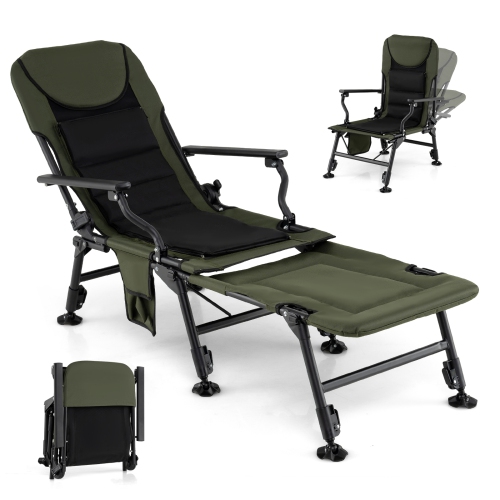
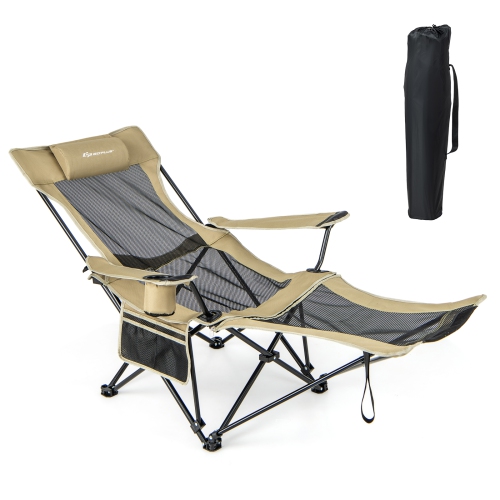

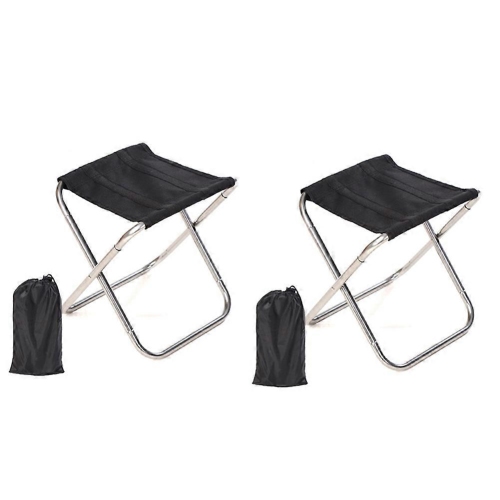
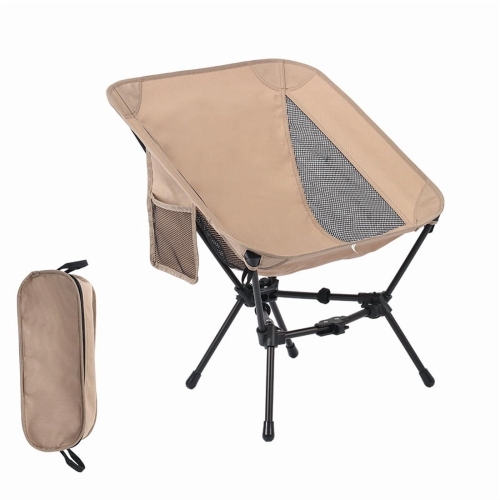

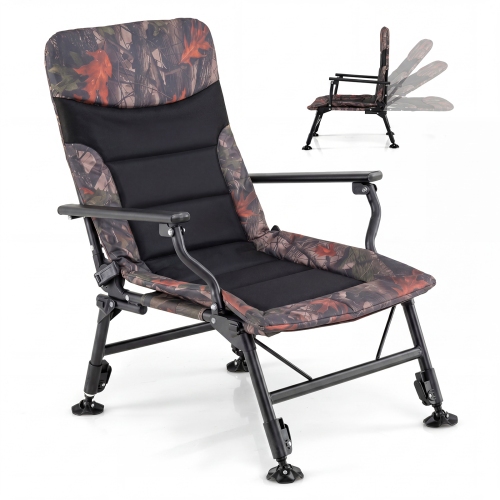

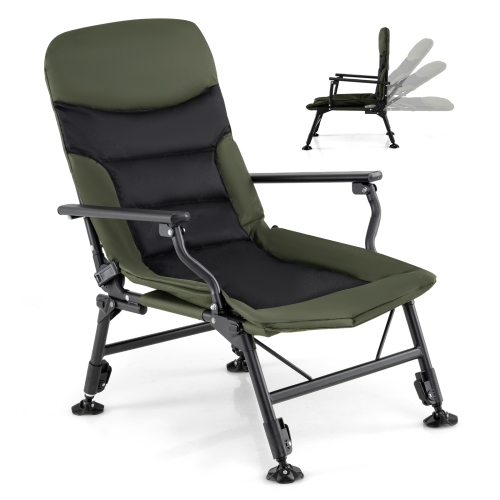
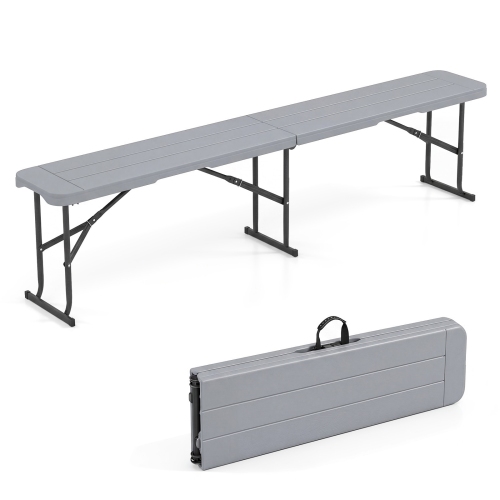
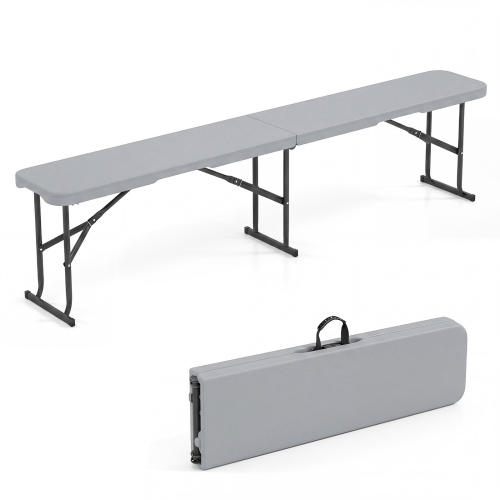


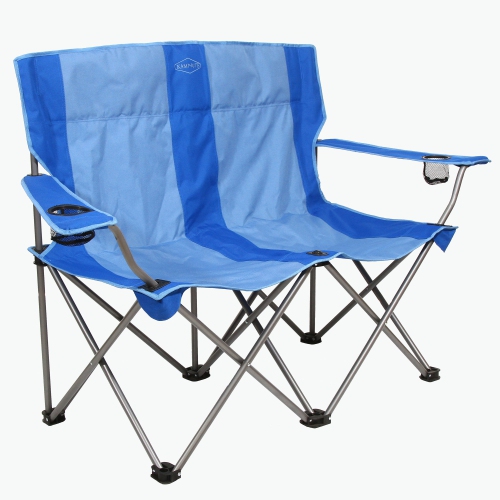
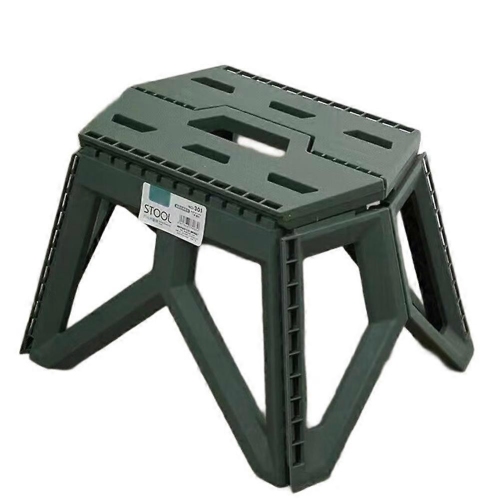
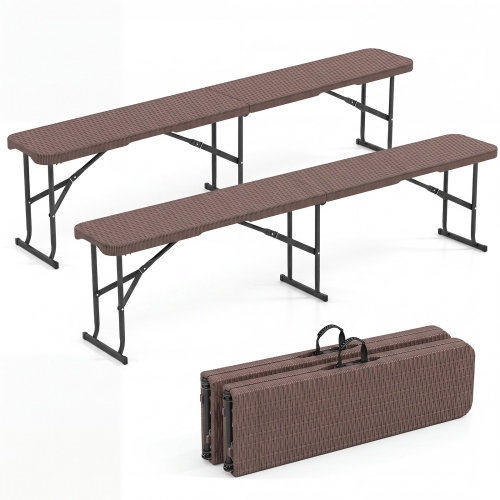
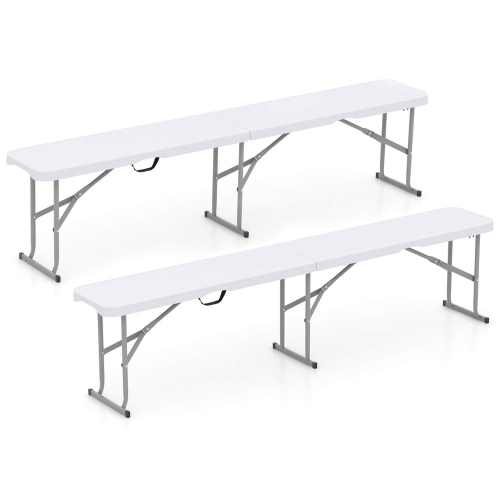

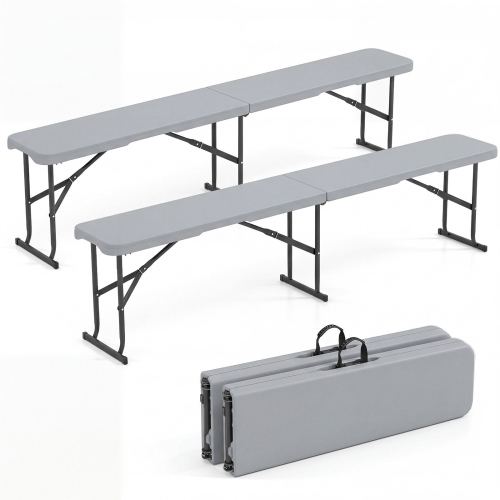
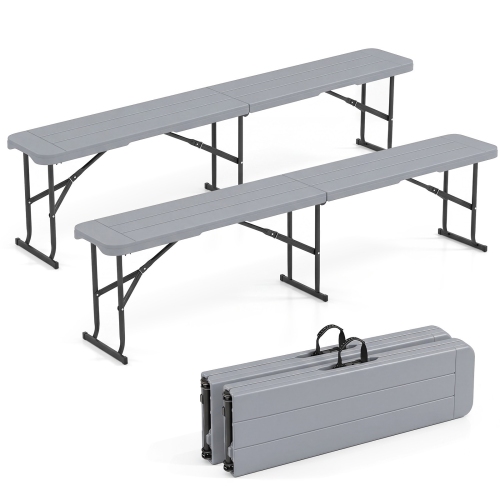
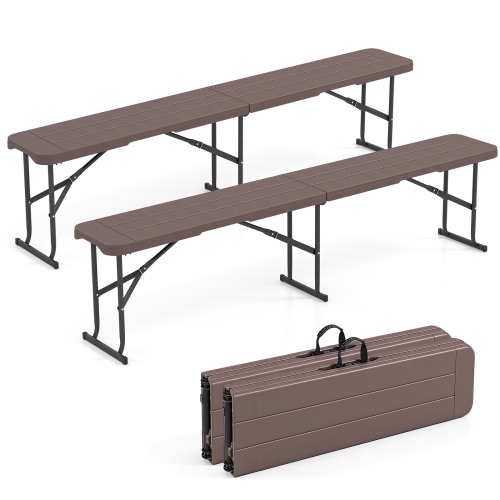
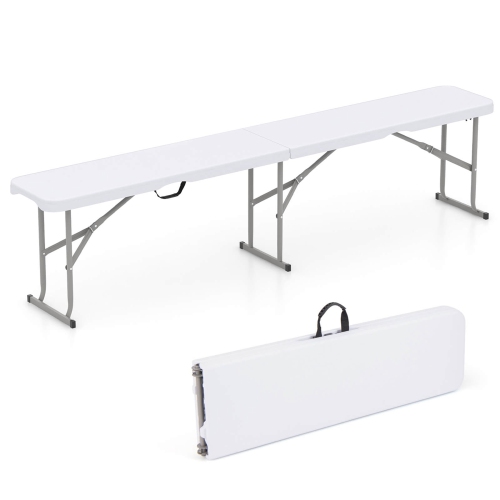
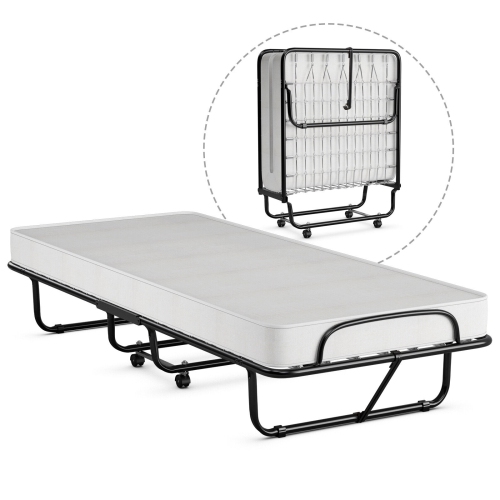
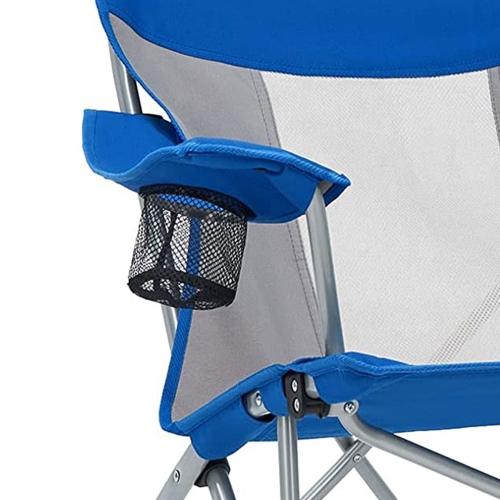
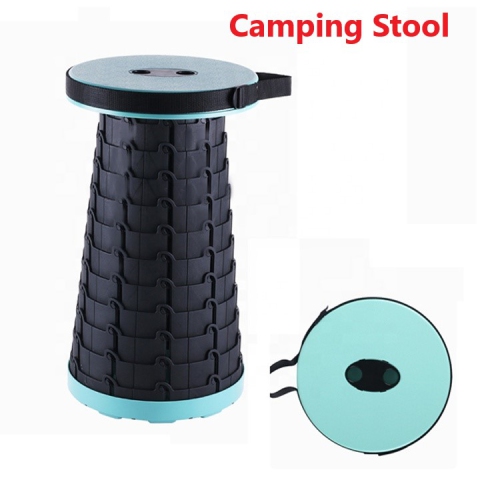

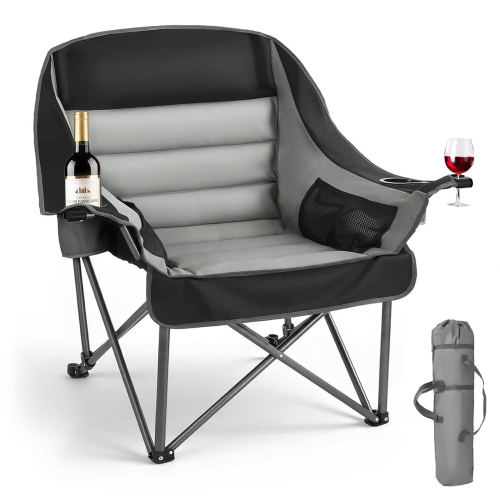
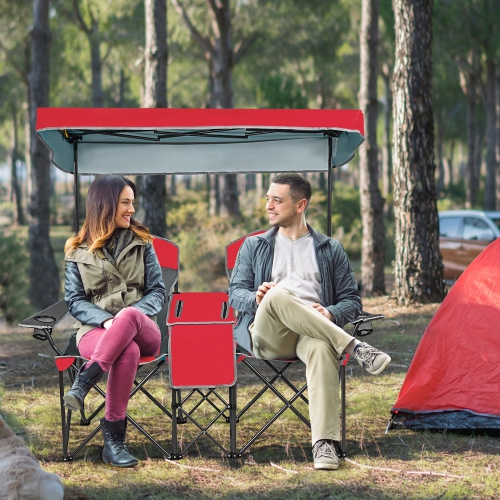

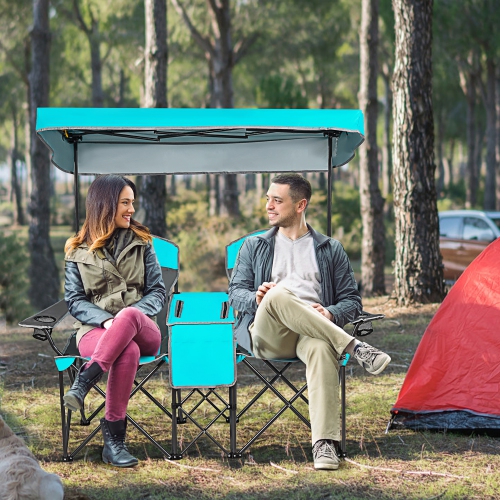
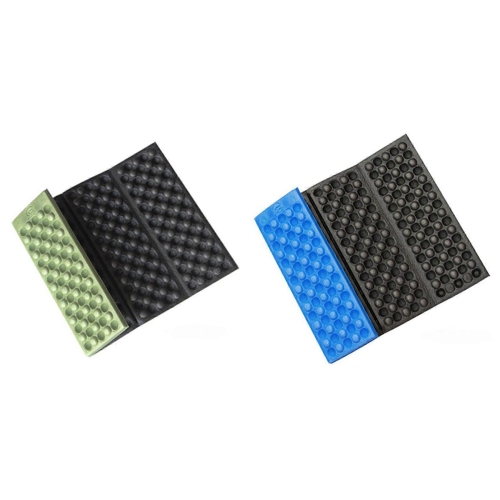

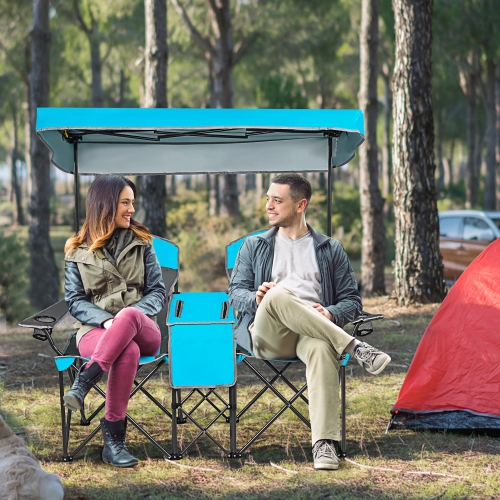
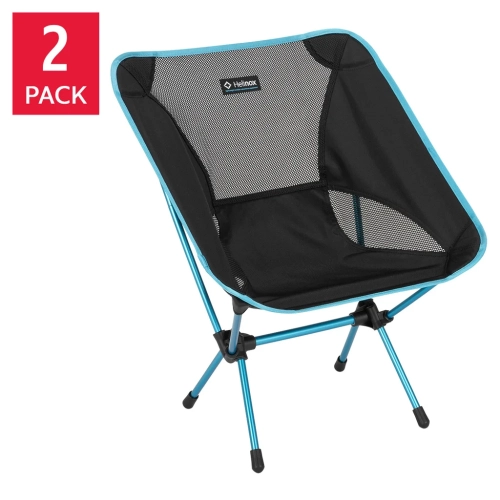
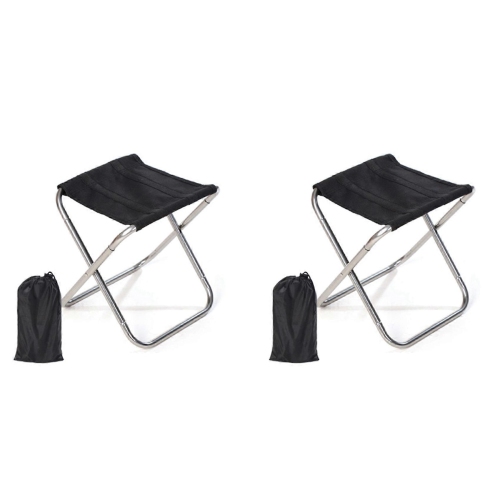
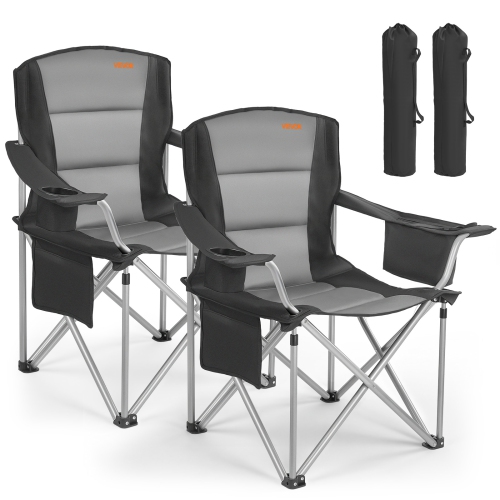

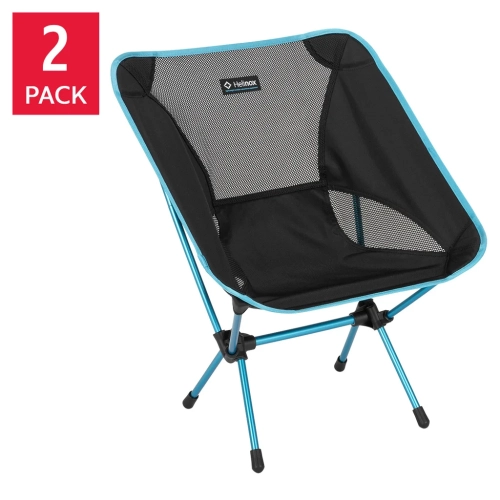

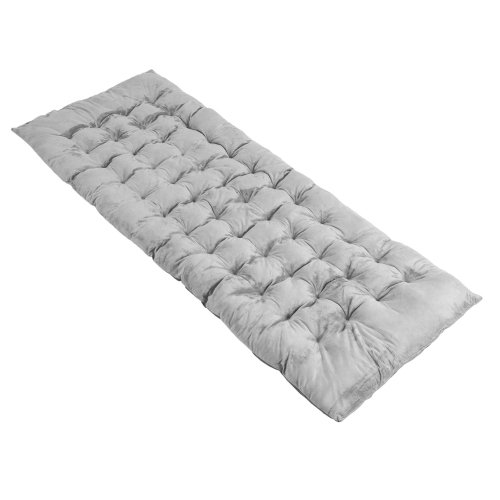
Off-ground comfort that folds away between camping trips
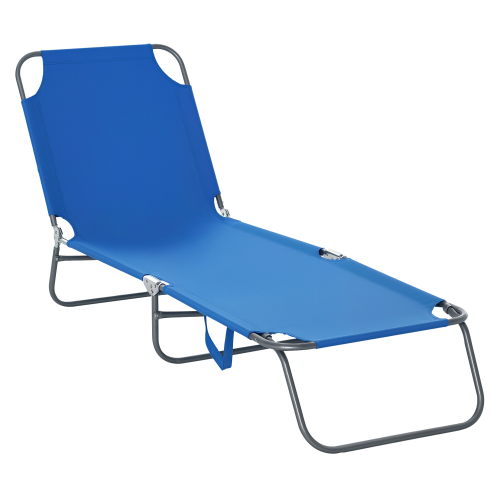
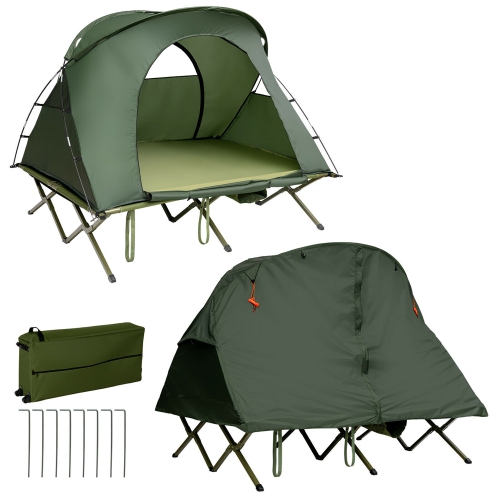
Foldable camping cots are portable beds with raised sleeping surfaces and frames that collapse for transport and storage. Designed to keep sleepers off the ground, they provide a defined place to rest in a tent, at a cabin, or in a suitable indoor space when an extra guest bed is needed. The taut fabric supports the body above small stones, roots, and uneven patches that can make sleeping directly on a tent floor uncomfortable, although the cot itself still needs a firm, level base. For car camping, that raised surface can make a campsite feel more settled: a sleeping bag stays on its own platform, footwear can sit underneath, and getting into bed may involve less crouching than settling onto a ground pad. During the cooler months, however, air moving beneath a cot can draw heat away from the sleeper. An insulated sleeping pad and a sleeping bag suited to the expected overnight temperature remain important; elevation alone does not provide warmth. Folding camping beds suit a range of routines, from weekends at serviced campgrounds to longer stays at a family cottage. They can also be useful for adults hosting overnight visitors, provided the cot is intended for indoor use and fits comfortably in the room. Most substantial folding frames are better matched to vehicle-based trips than long walks into a campsite, where every kilogram matters. Lightweight designs may suit trips with more carrying, but packed dimensions, assembly requirements, and the full weight of the sleep setup are all worth considering together. For someone who regularly packs a vehicle with a tent, cooler, and bedding, a compact carry bag and manageable lifting weight can matter as much as cushioning. A folding cot can also be a practical gift for a frequent camper or cottage visitor when their height, preferred sleeping position, storage space, and usual travel arrangements are known.
Comfort on a foldable camping cot depends on the usable sleeping area, fabric tension, frame layout, and any padding placed on top. Overall dimensions can include rails or fittings, so the space available for shoulders, elbows, and feet may be narrower or shorter than the outer measurements suggest. A taller sleeper needs enough length to stretch out without pressing against an end bar, while someone who turns frequently may appreciate extra width. Side sleepers often benefit from a compatible pad that cushions hips and shoulders, whereas others prefer a firmer, flatter surface. Built-in padding adds softness but can also increase bulk and take longer to dry if it gets damp. Cot height changes the experience, too: a low-profile frame can fit more easily beneath sloping tent walls, while a higher bed may be easier for some adults to sit on before standing. Neither shape guarantees an effortless fit inside a tent. The stated floor area needs to accommodate the cot’s feet as well as its sleeping platform, with clearance for the doorway, neighbouring beds, and tent fabric. Keeping bedding away from damp tent walls helps limit moisture transfer overnight. Weight capacity is another essential distinction, and the manufacturer’s stated limit applies to the particular design rather than to folding cots as a whole. The load calculation should include the sleeper and anything supported on the bed, and a high capacity rating does not mean a cot is designed for two people. Frame geometry, secure joints, and proper placement all contribute to stability. Extra-wide and heavy-duty designs may provide more room or a higher rated capacity, but they usually require more packing space and can weigh more. The Folding Cot page offers a related way to explore this type of portable bed, with intended use and dimensions remaining more useful distinctions than appearance alone.
Materials and construction influence how a camping cot feels to carry, how it stands up to repeated setup, and how much attention it needs between trips. Aluminium frames are often chosen for lower weight, while steel frames commonly trade additional carrying weight for a sturdy structure; actual strength still depends on the complete design and its rated capacity. Polyester and Oxford-weave fabrics are common sleeping-surface materials because they can provide a supportive platform without the thickness of a conventional mattress. A fabric denier figure describes yarn thickness, not the durability of the entire cot, so stitching, reinforcement around attachment points, and the condition of the frame also matter. Hinged fold-out designs keep most components together and can simplify setup after a long drive, while other styles use separate legs or tensioning bars that take more handling. Either approach needs all supports fully seated and any locking mechanisms engaged before use. Fingers should stay clear of folding joints, and children should not treat the frame as climbing or play equipment. Broad feet or manufacturer-approved floor protectors can help distribute pressure on a tent floor, but the cot should never be dragged across the fabric while loaded. Small details can make everyday use more comfortable: a side pocket keeps a torch or glasses within reach, a carry handle helps with the walk from the vehicle, and a storage bag keeps loose components together. After a trip, removing grit from joints and wiping away dirt helps prevent abrasive wear during folding. Cleaning should follow the care label, using mild soap where permitted and avoiding harsh cleaners that could damage coatings or fabric. A cot should be completely dry before it is packed away, especially after nights with heavy condensation or use near wet gear. Regular checks for bent tubing, loose fasteners, frayed seams, and damaged feet help identify problems before the next outing. Stored dry and without heavy objects pressing against its folded frame, a well-matched camping cot can serve as a familiar sleeping space across repeated outdoor stays and occasional nights away from a regular bed.
Top selling and popular products
-
 Your price for this item is $250
-
 Your price for this item is $250
-
 Your price for this item is $78.98
-
 Your price for this item is $79.99
-
 Your price for this item is $133.99
-
 Your price for this item is $211.08
-
 Your price for this item is $266.99
-
 Your price for this item is $49.99
Discover more categories related to Foldable Camping Cots


Top Collections:
Pokemon Centers, Best Cameras for Sports Photography, Kindle Devices, Samsung Galaxy Phones, Canon G7X Cameras, Pokémon 30th Celebration Cards, Refurbished Apple Laptops, iPhone 15 Apple, Laptops for Students, Budget Smartphones
Some products may be subject to Environmental Handling Fees
(EHF) depending on your province.
Learn more about EHFs.