Canadian Made Chairs
Looking for chairs that combine comfort, style, and quality? Look no further than our collection of Canadian-made chairs. Crafted with precision and care by local artisans, these chairs are a testament to the exceptional craftsmanship that Canada is known for. Whether you're looking for a cozy armchair to curl up with a book, a sleek dining chair to elevate your dinner parties, or a modern accent chair to add flair to any room, our Canadian-made chairs have got you covered. Shop from a selection of chairs that are not only designed to impress but also built to last.
Sort


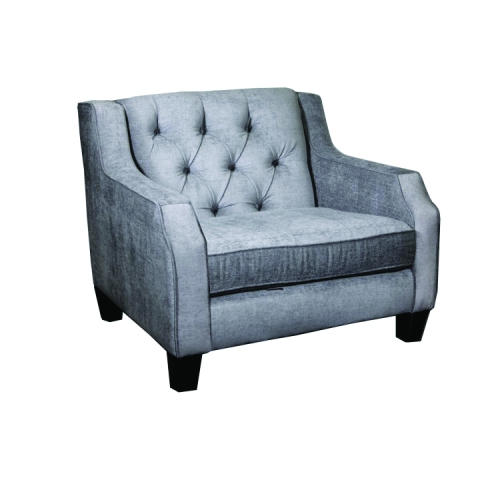
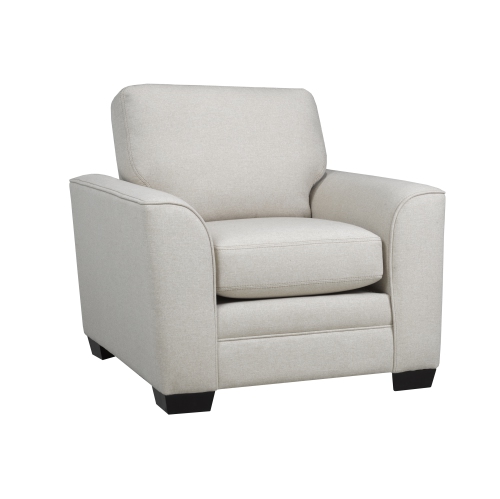

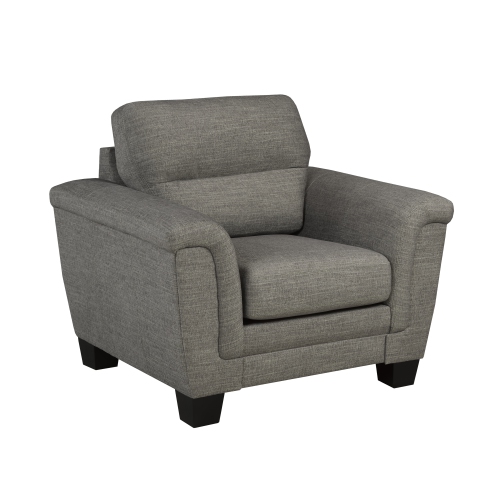


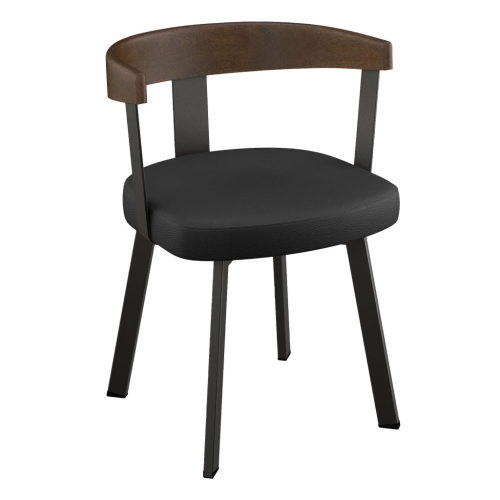
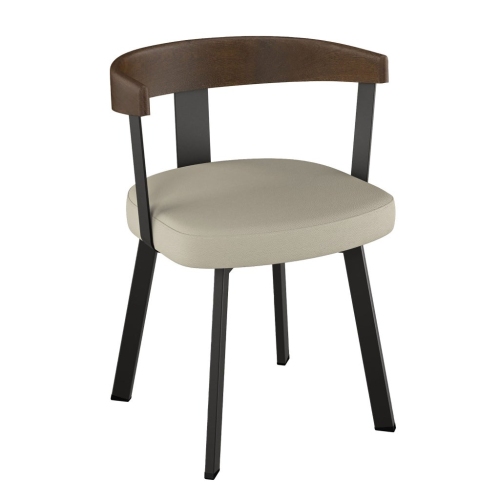
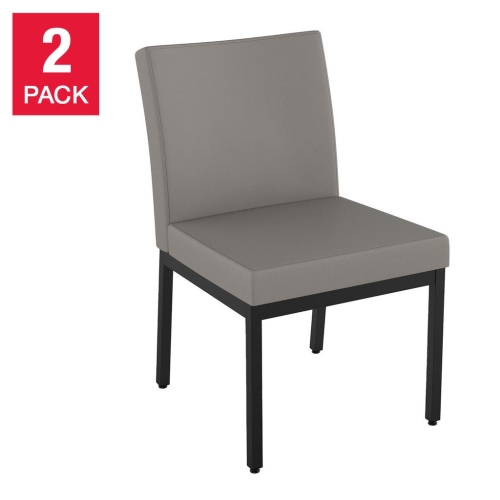
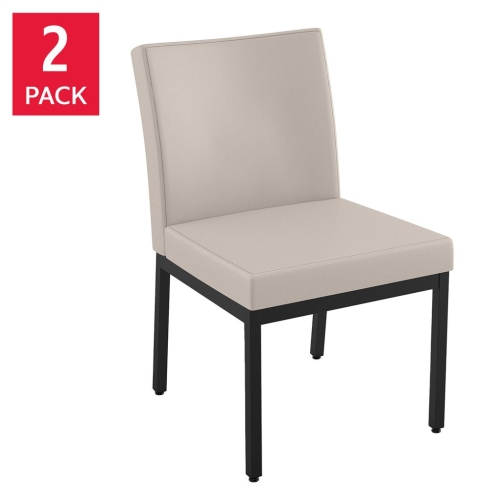
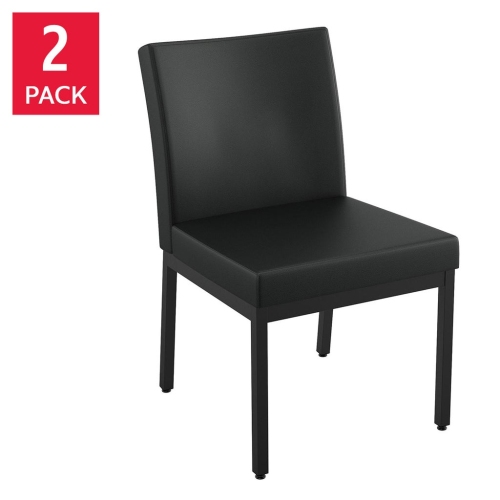
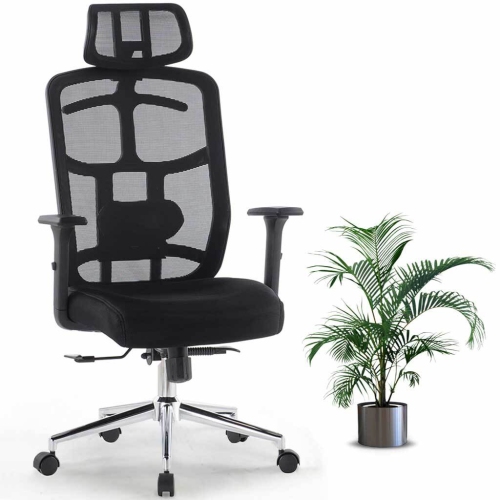
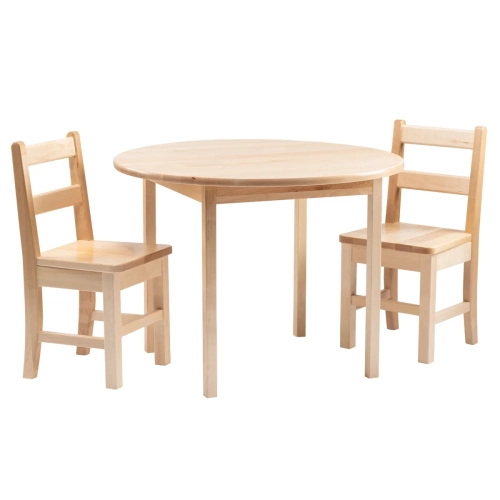
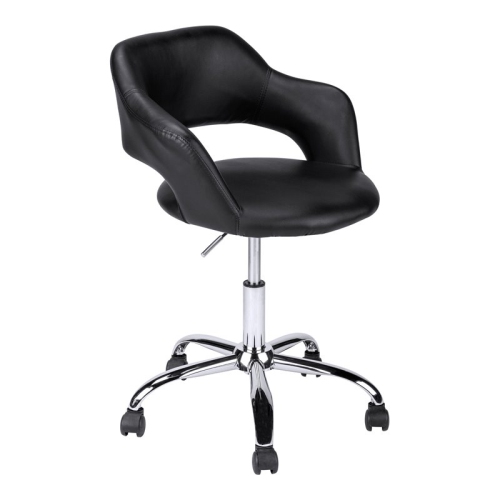
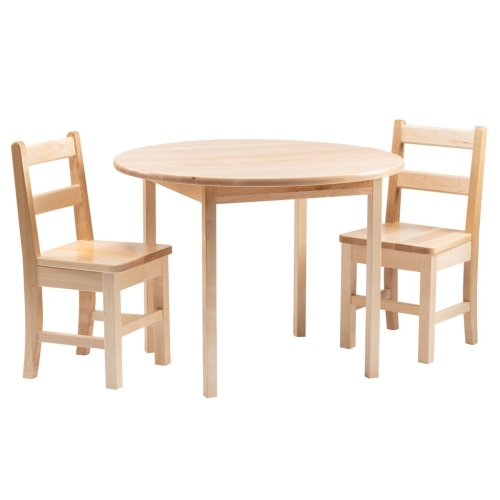
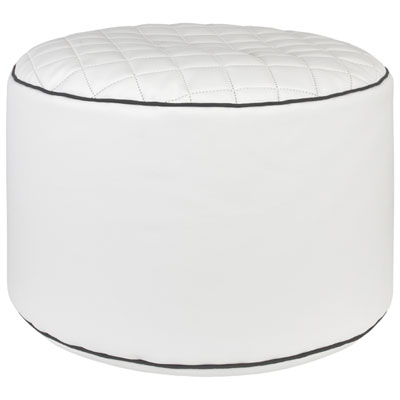
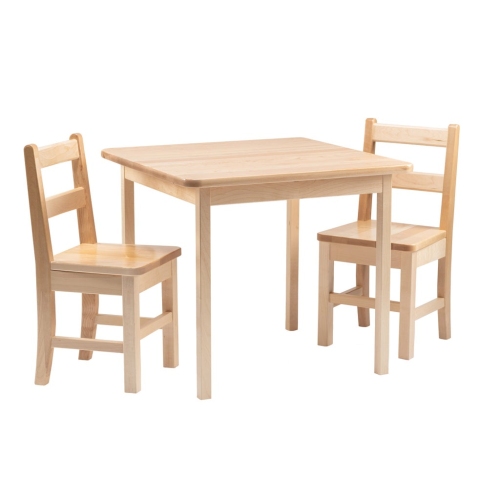

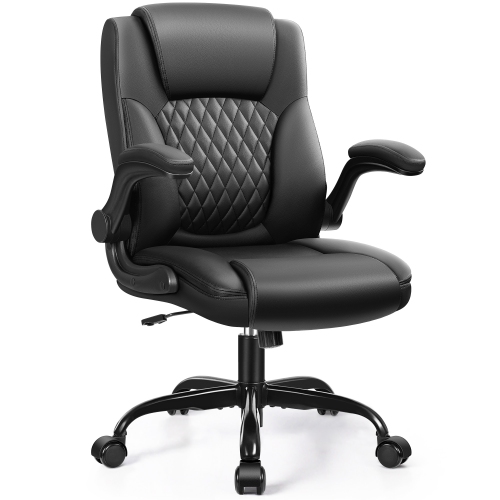
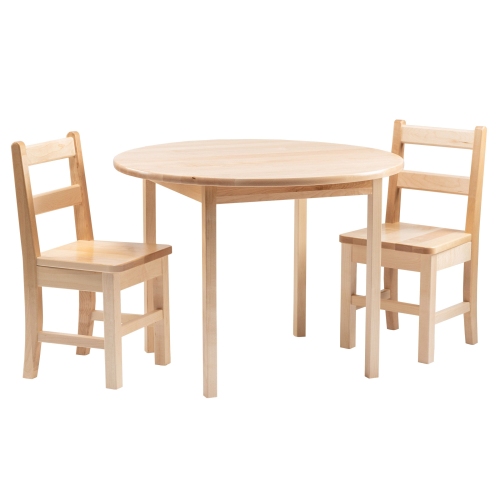

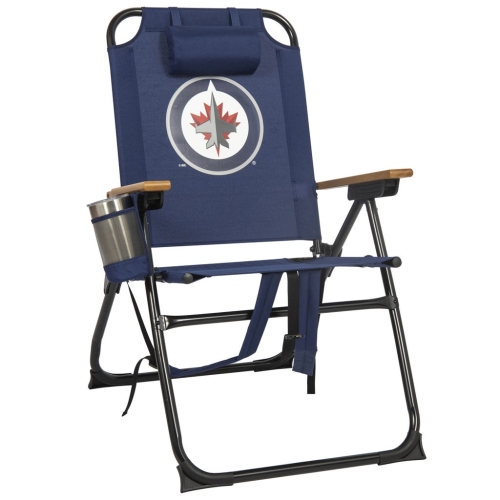


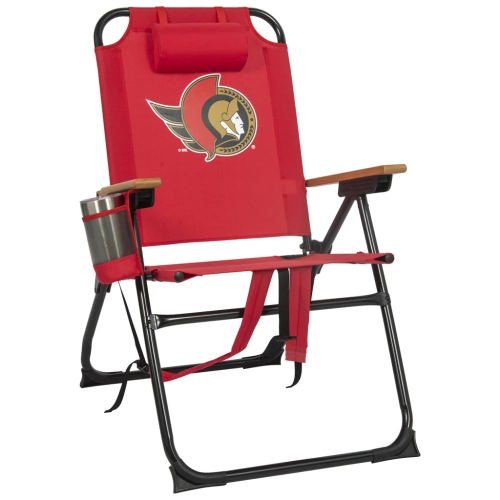

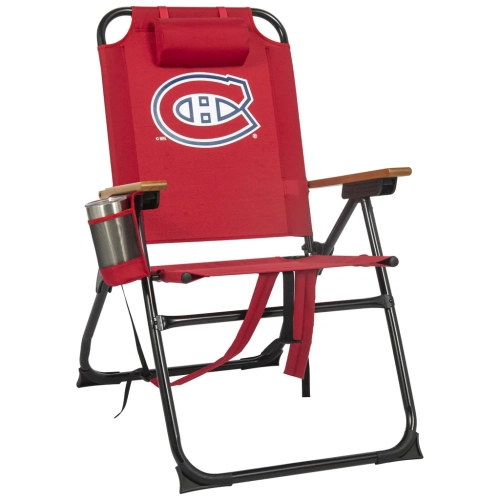
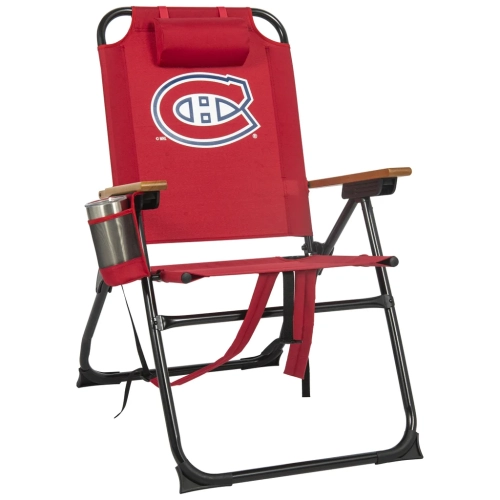

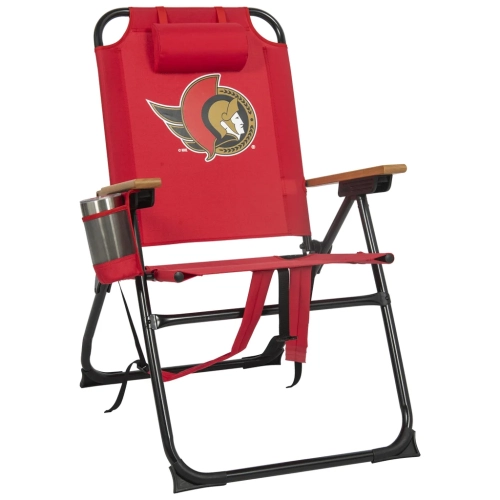
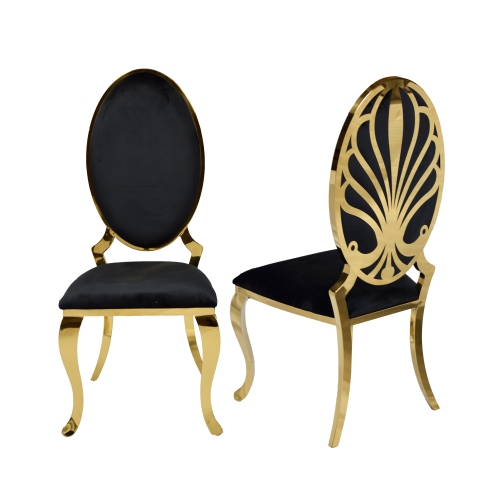
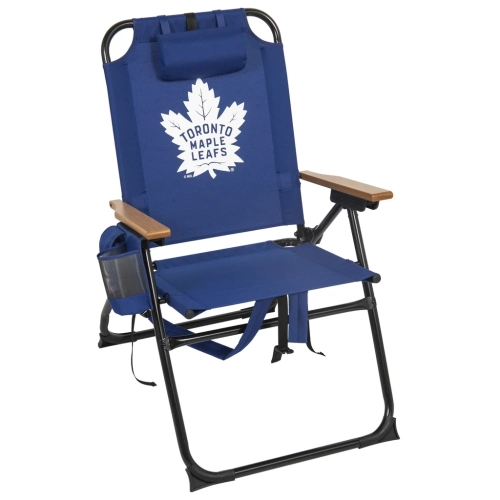
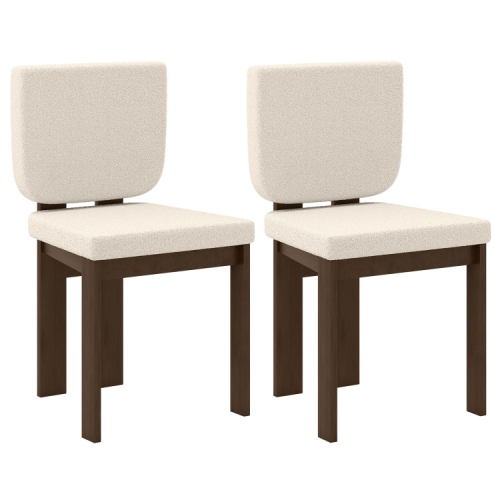



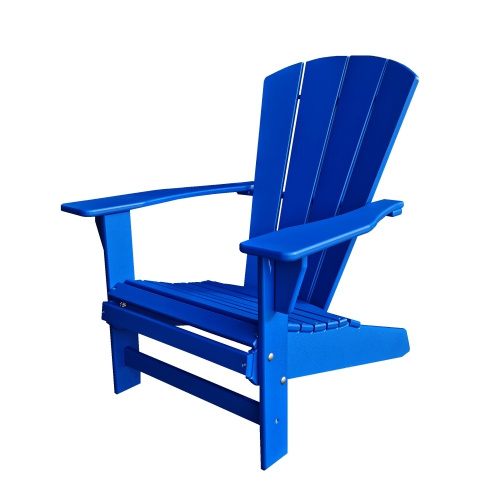

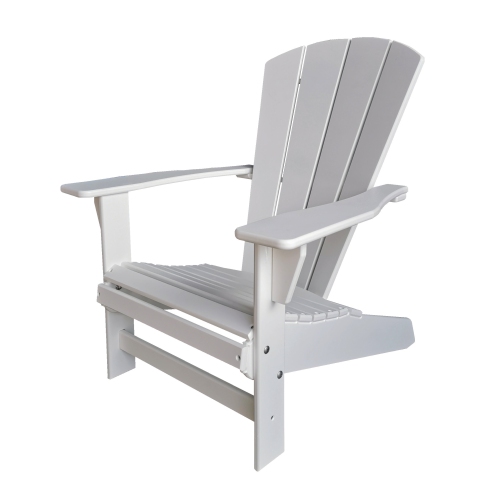
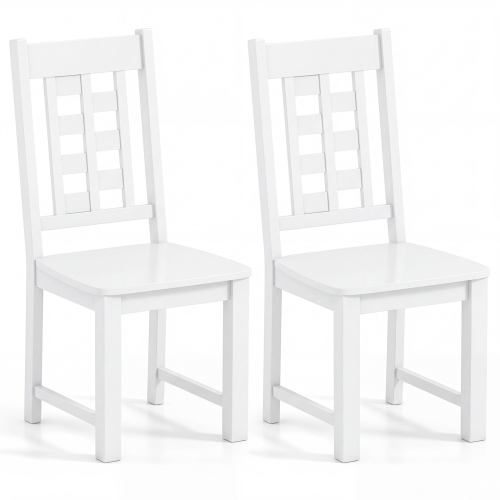

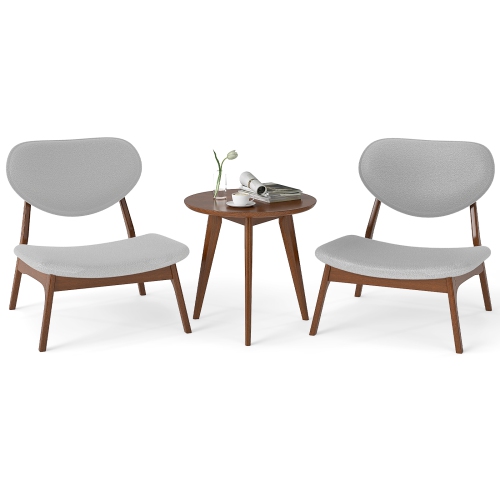
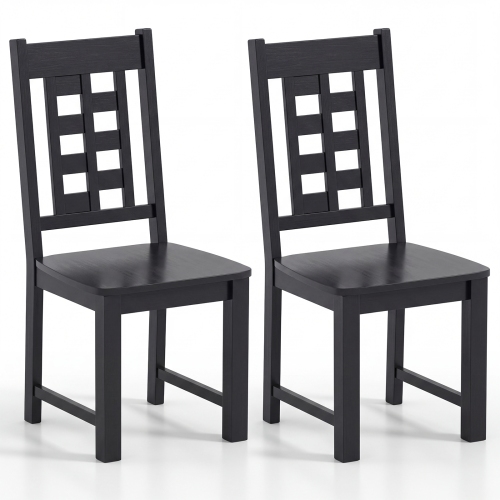
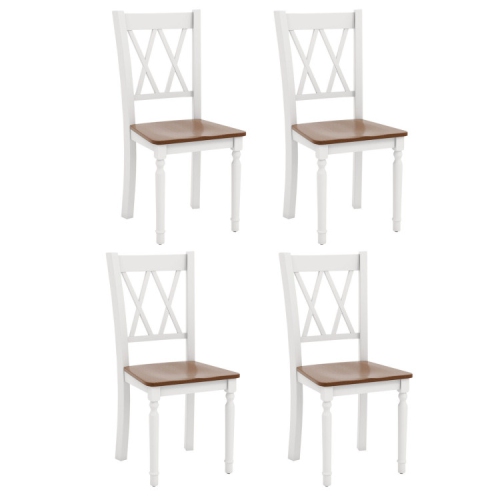
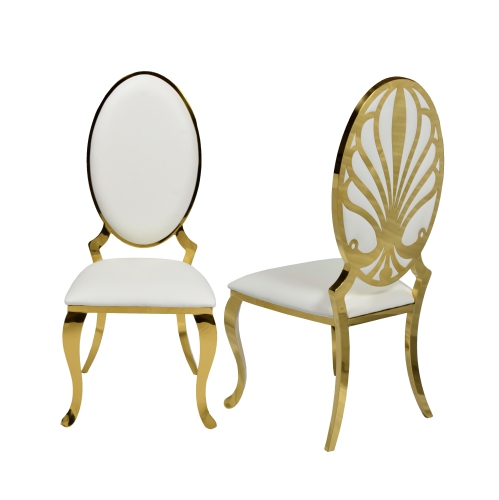
A chair’s comfort goes beyond its country of origin
Canadian-made chairs are chairs manufactured in Canada, with designs suited to dining rooms, living areas, home offices, and other spaces where comfortable seating is part of everyday life. The category can include upholstered accent chairs, wooden dining chairs, adjustable task chairs, and lounge seating, each serving a different purpose. A dining chair needs to work comfortably with a table, while an accent chair might create a reading corner or add another seat beside a sofa. An office chair is designed around a work surface and may offer adjustments that help accommodate different users. Canadian manufacture does not necessarily mean every material or component originates in Canada, and a Canadian retailer’s location alone does not establish where a chair was made. Manufacturer information and country-of-origin details are useful for distinguishing Canadian-made furniture from furniture simply designed or sold in Canada. Beyond origin, the character of a chair comes from its materials, proportions, and construction. Solid wood can bring visible grain and a substantial feel to dining seating, while metal frames can create a slimmer profile. Engineered wood may also be used in structural components, depending on the design. Upholstered chairs combine a supporting frame with padding and a fabric or leather covering, so their feel depends on more than the surface material. Foam density, cushion thickness, suspension, and frame construction all influence how a seat responds to regular use. Higher-density foam is not automatically firmer, since density and firmness describe different properties. Fabric adds texture and colour, while leather has its own finish and care requirements. A tightly woven upholstery fabric may suit a frequently used family room, whereas a textured weave can add depth to a quieter sitting area. Style also changes how a chair fits visually: exposed wooden legs keep the outline light, broad upholstered arms create a fuller silhouette, and a high back draws the eye upward. Canadian-made seating can complement traditional, contemporary, or mid-century-inspired interiors without requiring every piece in a room to match exactly.
A chair’s dimensions matter as much as its appearance, especially when it will be used for meals, work, or long stretches of reading. Seat height affects whether feet rest comfortably on the floor, and seat depth influences how easily someone can sit back without pressure behind the knees. A deep lounge chair may feel inviting to a taller person but leave a shorter user needing an additional cushion for back support. Firmness is equally personal: a softly padded chair can feel relaxed, while a more supportive seat may make it easier to change position or stand up. For dining chairs, the relationship between the seat and the underside of the table determines legroom. Armrests also need enough clearance to tuck beneath the tabletop or apron if that is how the seating will be stored. Overall width becomes important when several chairs share a table, particularly where table legs limit usable space. In a compact condo, a chair with a modest footprint can preserve a clear route between the dining area and kitchen. A larger living room may accommodate a wider armchair, provided there is still room to pass beside it and reach a side table. Reclining designs need clearance for their full range of movement, not just their upright position. Home office chairs have another set of practical considerations. Adjustable seat height, back support, armrests, and seat depth can help align the chair with both the user and the desk, although the available adjustments vary by design. Casters should suit the floor surface, and the base needs space to move without catching on nearby furniture. A chair used at a shared workstation benefits from adjustments that are straightforward to reset between users. For someone who prefers support when getting up, stable armrests and a suitable seat height may be more useful than a very low, soft seat. Stated weight capacity, assembly requirements, and intended use are also worth considering. These details help distinguish occasional seating from a chair meant for repeated daily use, whether it is placed in a busy dining room, a study corner, or a home workspace.
Care and durability depend on how a chair is built, where it is used, and how closely its maintenance follows the manufacturer’s recommendations. Wooden seating benefits from routine dusting with a soft cloth and prompt attention to spills; cleaning products should be compatible with the finish rather than chosen solely because they are suitable for wood in general. Upholstery care varies by fabric, and a cleaning code can indicate whether a water-based product, solvent-based treatment, or professional attention is appropriate. Gentle vacuuming with a suitable attachment helps remove crumbs and dust from seams and cushion edges. Leather coverings may require a designated cleaner, while coated or synthetic coverings can have different instructions despite looking similar. Removable cushion covers are not necessarily machine washable, so the care label remains important. In homes with children or pets, tightly finished seams, accessible cleaning instructions, and a surface suited to frequent use can be more practical than delicate texture alone. Dining chairs may need occasional checks of fasteners where the manufacturer permits tightening, especially after assembly. Task chairs benefit from keeping casters clear of trapped hair and debris so they roll as intended. Durability also involves the parts that are less visible: secure joints, a stable base, appropriate padding, and a covering suited to the chair’s workload. Warranty terms and information about replacement components can help clarify what support accompanies the furniture over time. Indoor and outdoor chairs should not be treated as interchangeable. For patio and balcony seating, explore Outdoor Chairs Canada and consider designs expressly intended for outdoor use, with their own material and care requirements. Within the home, a well-chosen Canadian-made chair can become the place someone reads a few chapters, joins a family meal, or settles into a focused work session. It can also make a thoughtful housewarming gift or a practical addition to a shared home, particularly when the recipient’s space, preferred sitting position, and existing furniture are known. The strongest fit brings together manufacturing origin, everyday comfort, useful dimensions, and care that suits the household.
Top selling and popular products
-
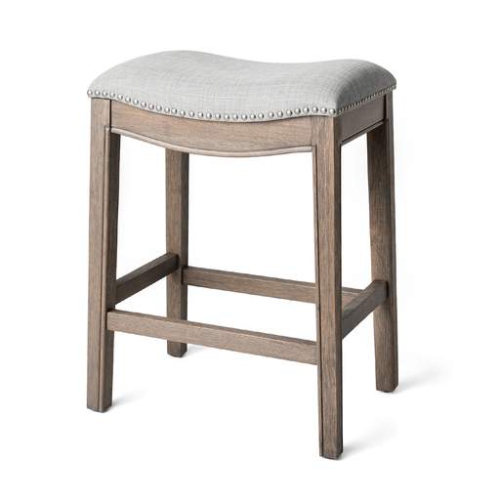 Your price for this item is $224.99
-
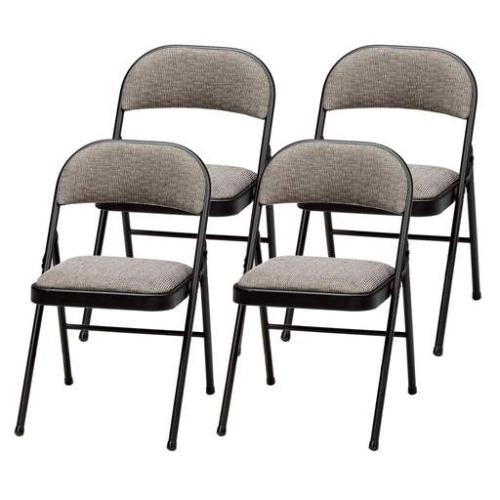 Your price for this item is $363.99
-
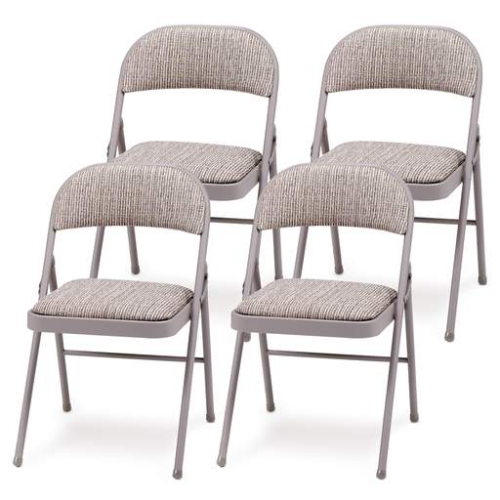 Your price for this item is $398.99
-
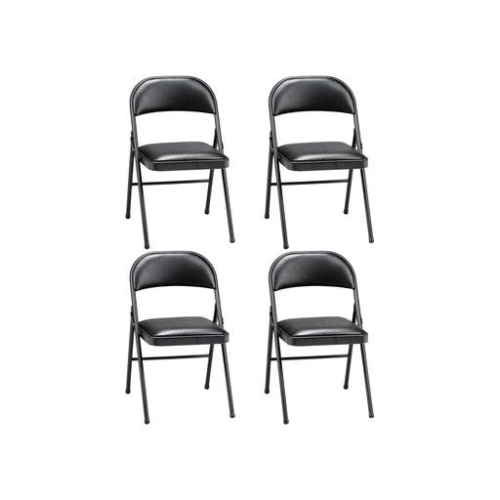 Your price for this item is $389.99
-
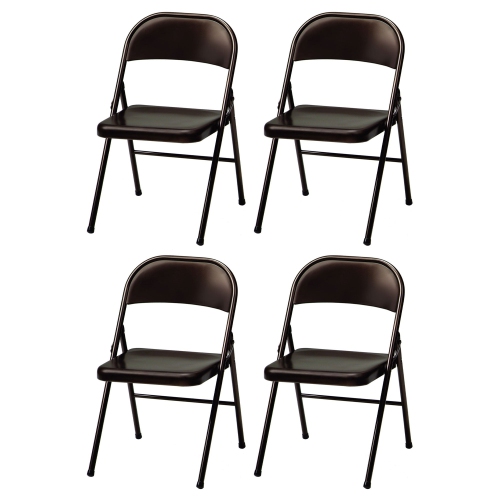 Your price for this item is $212.99
-
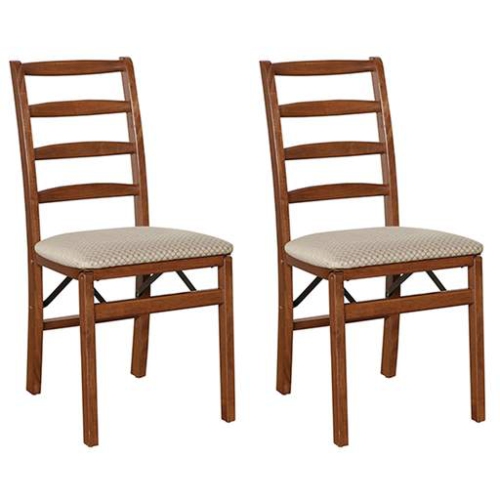 Your price for this item is $308.99
-
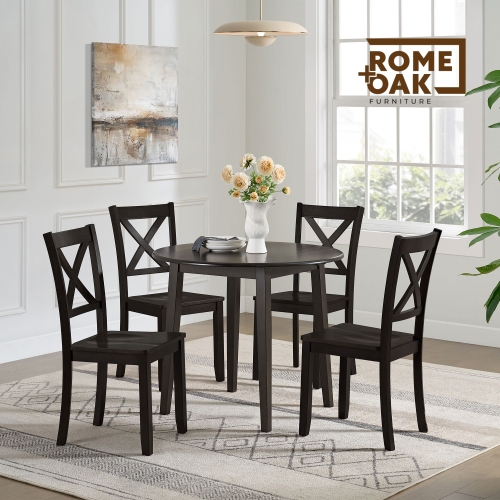 Your price for this item is $411.99
-
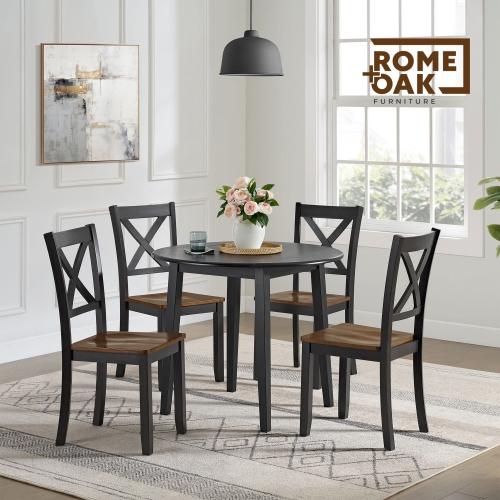 Your price for this item is $422.99
Discover more categories related to Canadian Made Chairs
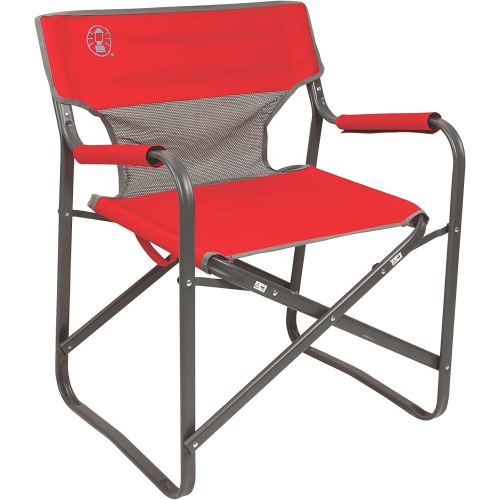
Top Collections:
Best Black Friday Deals This Year, Best Black Friday Deals On Electronics, Kindle Devices, Best Black Friday Deals On Apple Products, Best Budget Office Chairs, Best Cameras for Sports Photography, Dyson Airwrap, Canon G7X Cameras, Best Laptops for Writers, Samsung Galaxy Phones
Some products may be subject to Environmental Handling Fees
(EHF) depending on your province.
Learn more about EHFs.