Canadian Made Mattresses
Looking for a good night's sleep? Look no further than our collection of Canadian made mattresses. Crafted with precision and care, these mattresses are designed to provide you with the ultimate comfort and support. From luxurious memory foam to innovative hybrid designs, we have a wide range of options to suit your sleep preferences. Made right here in Canada, these mattresses are not only of the highest quality but also support local businesses. Discover the perfect mattress for your bedroom and wake up feeling refreshed and rejuvenated every morning.
Sort
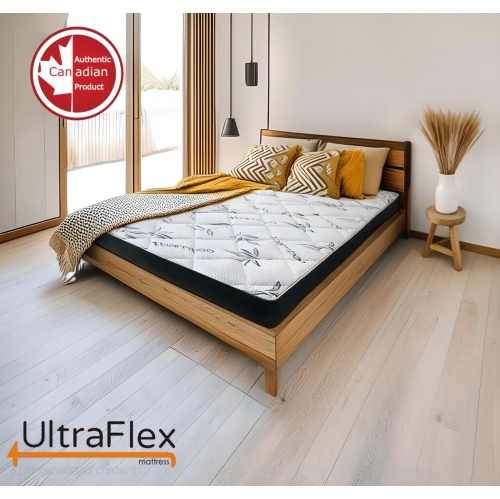
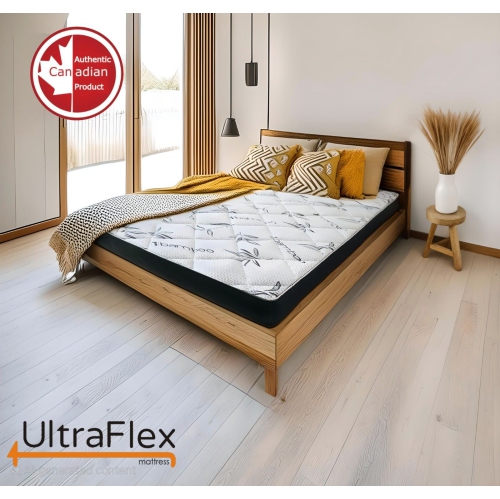
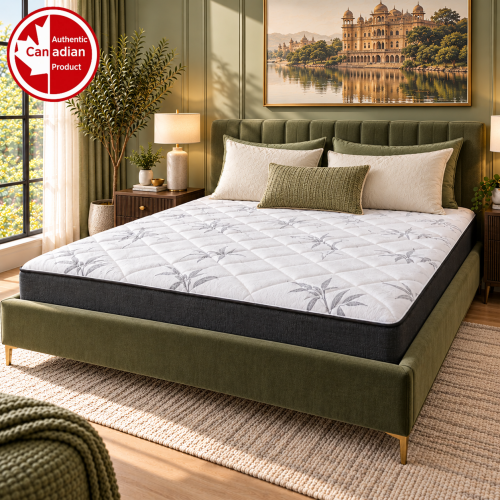

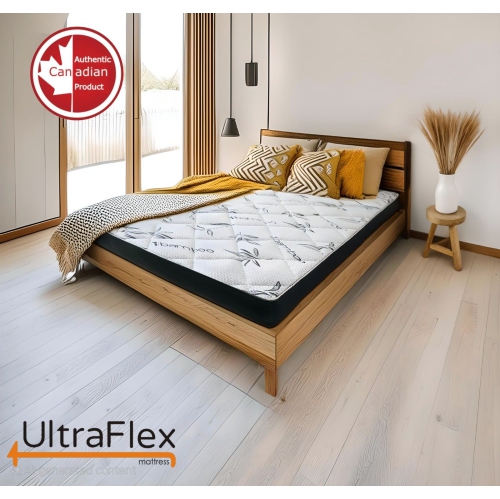
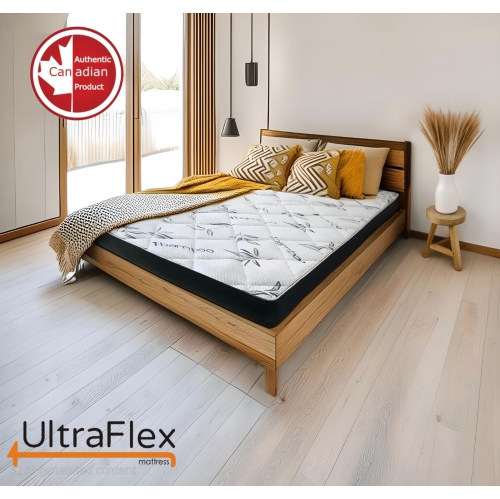
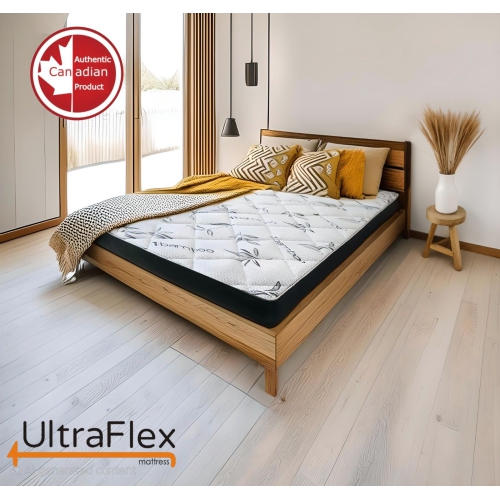
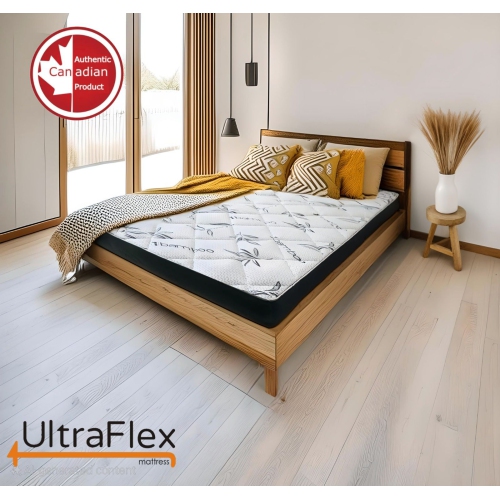
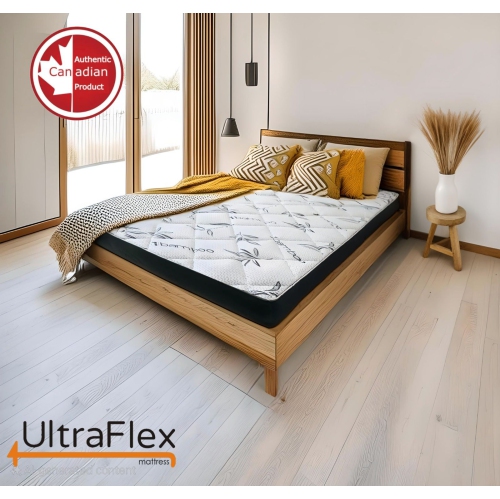
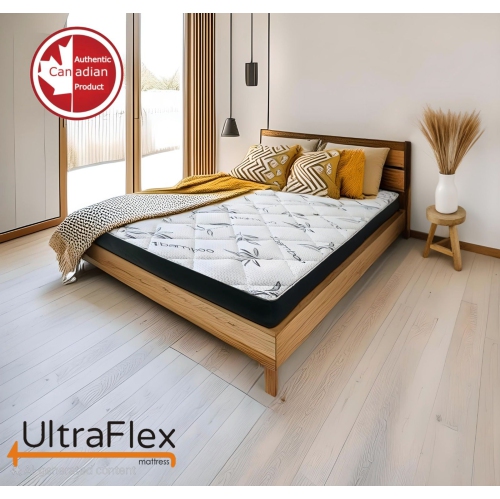
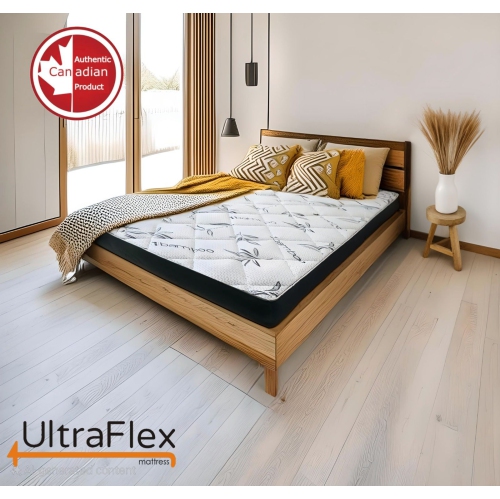
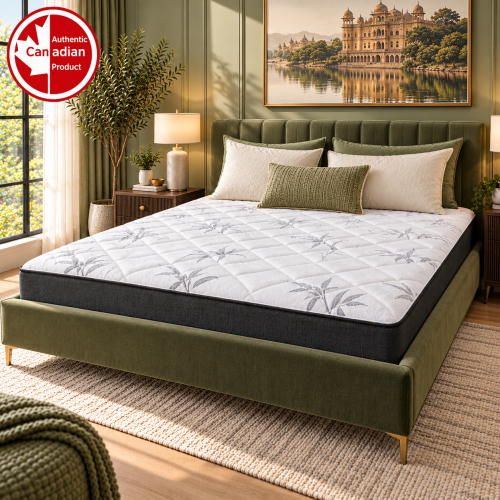
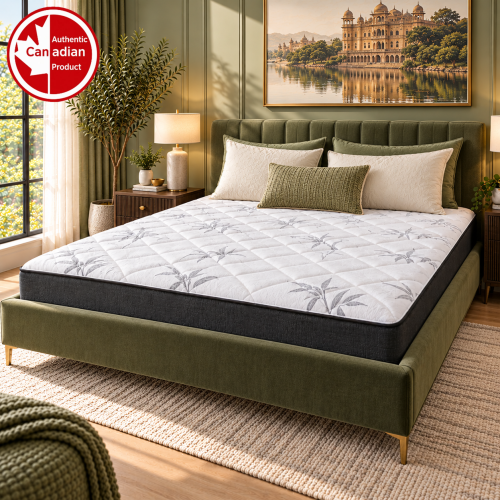


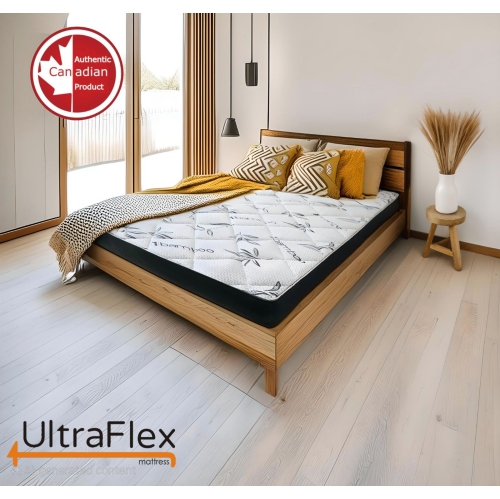
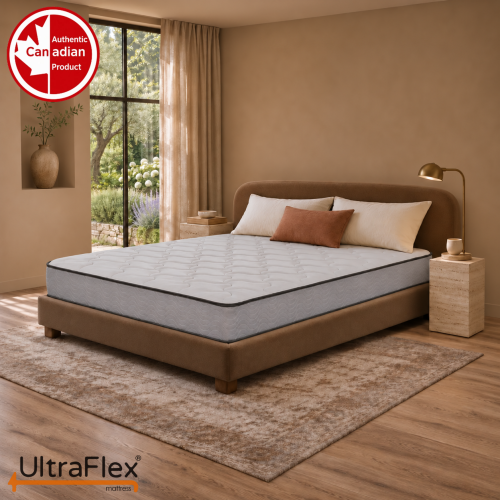
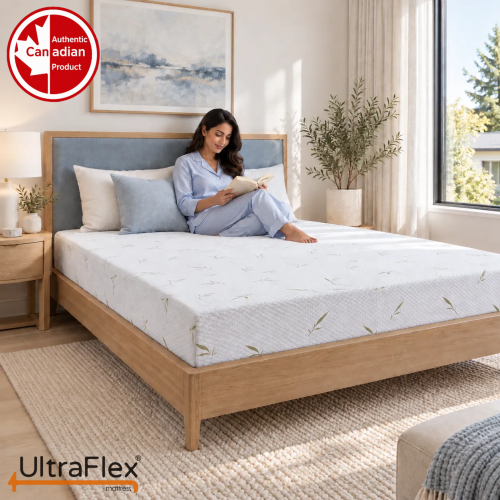
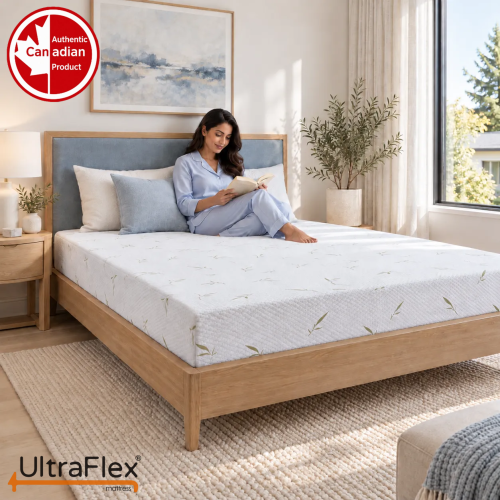
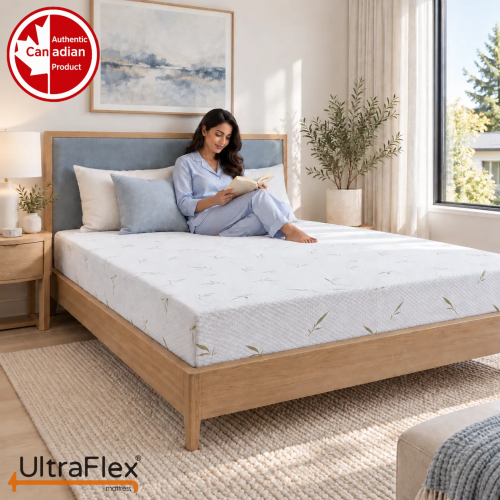
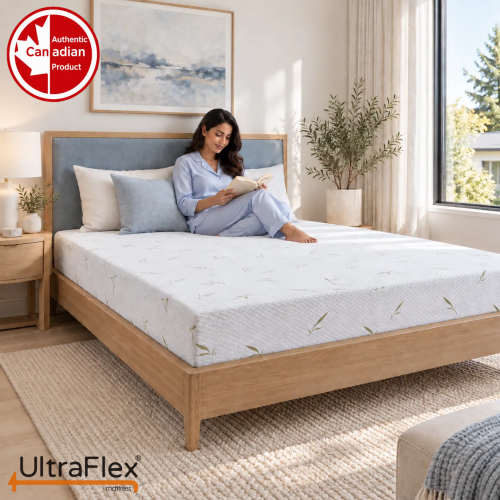
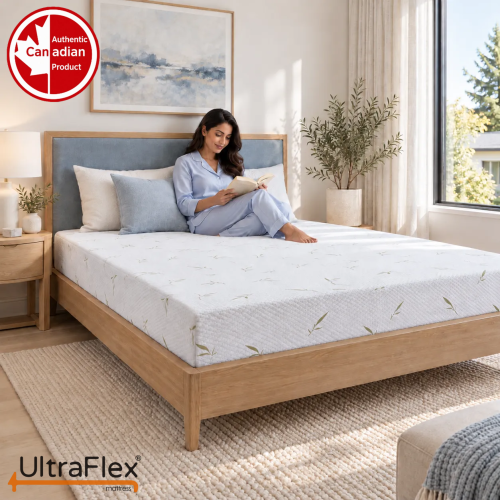
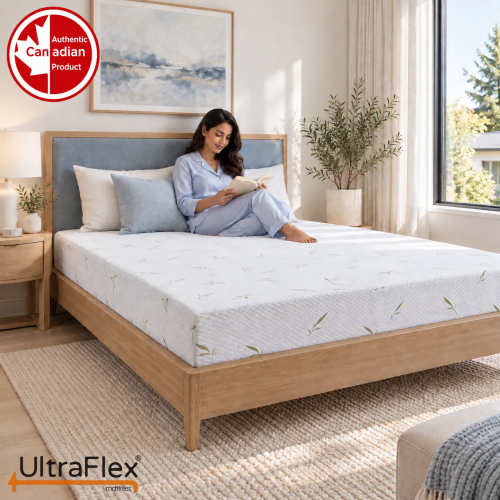
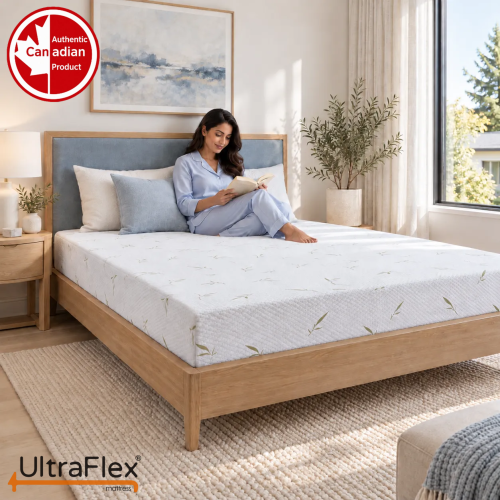
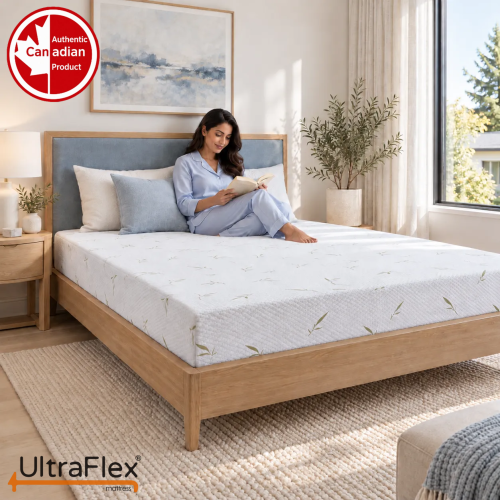
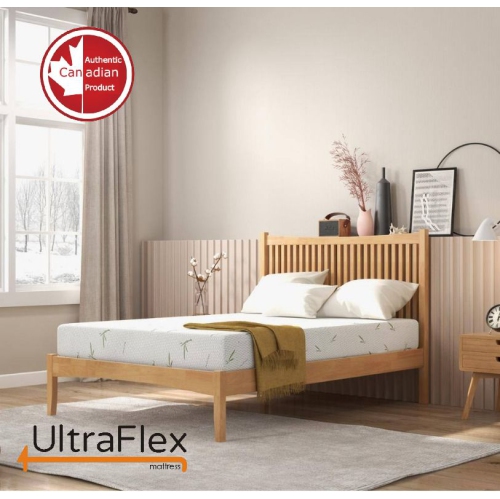
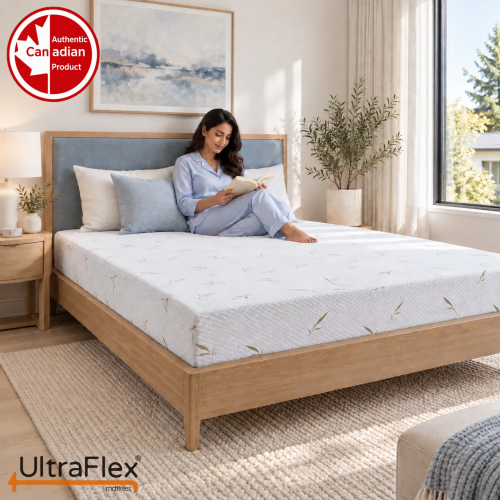
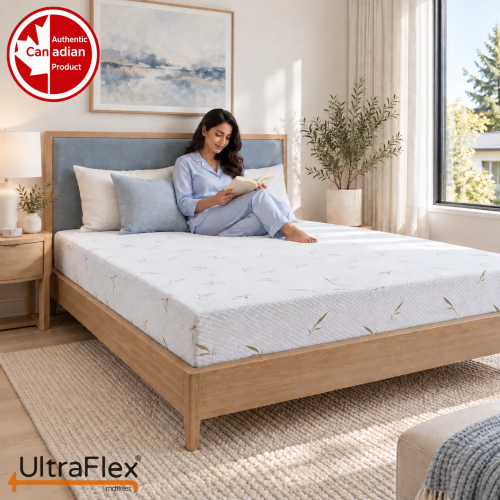
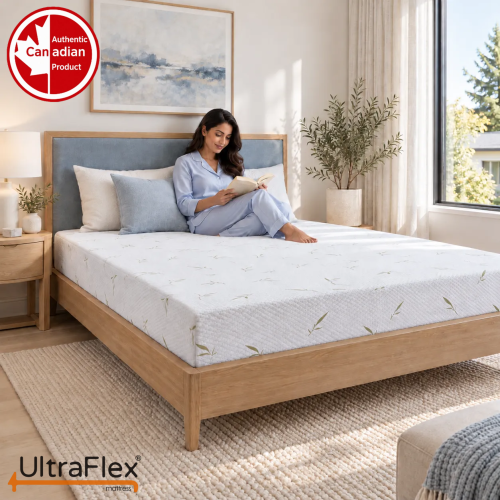
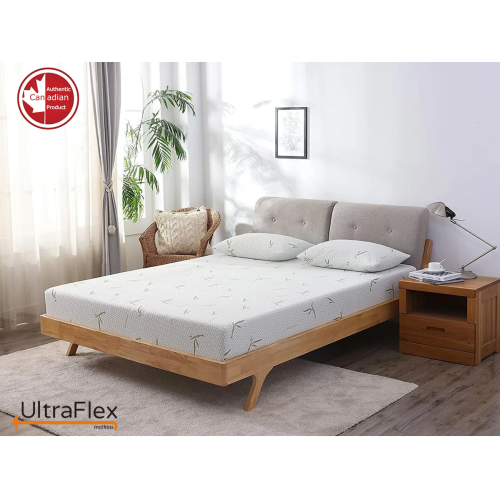
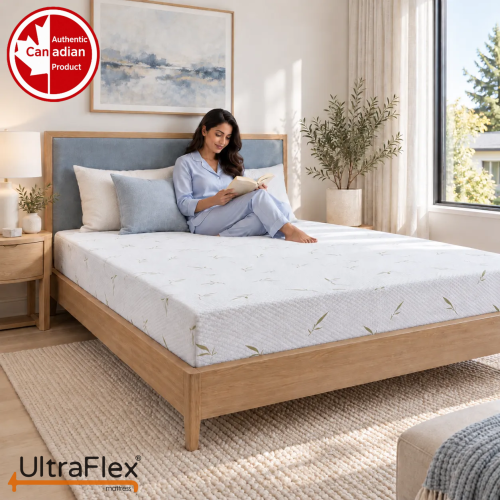
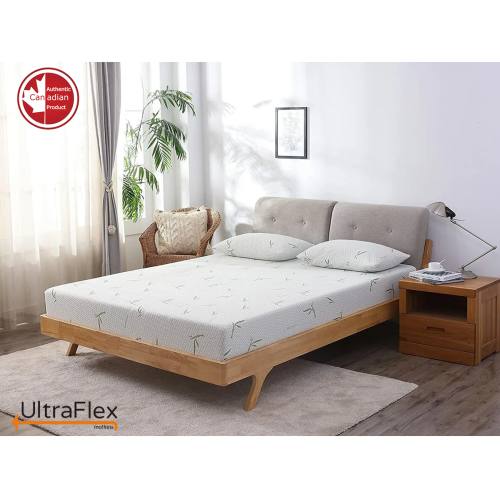
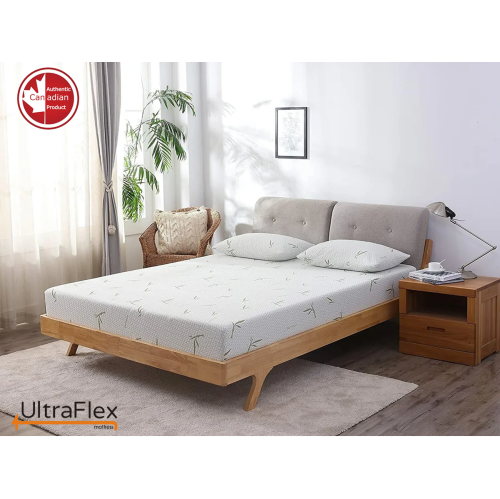
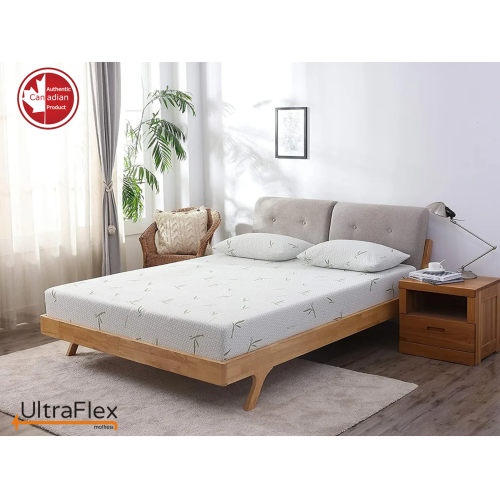
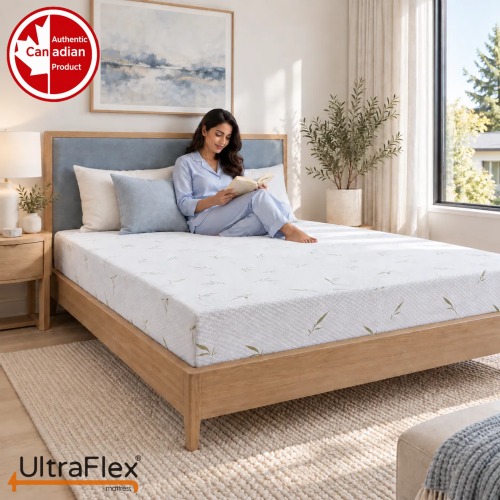
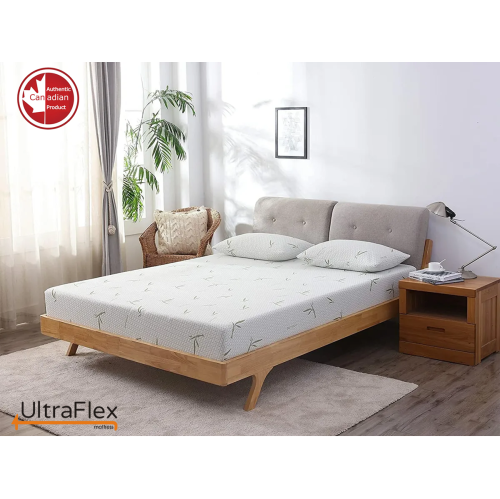
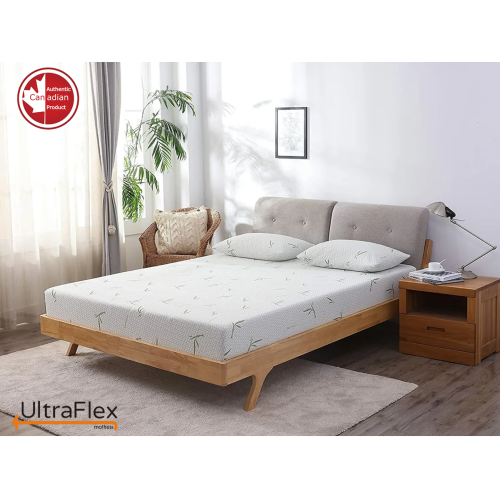
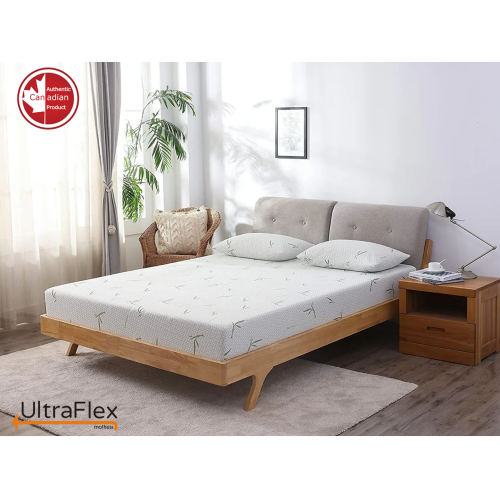
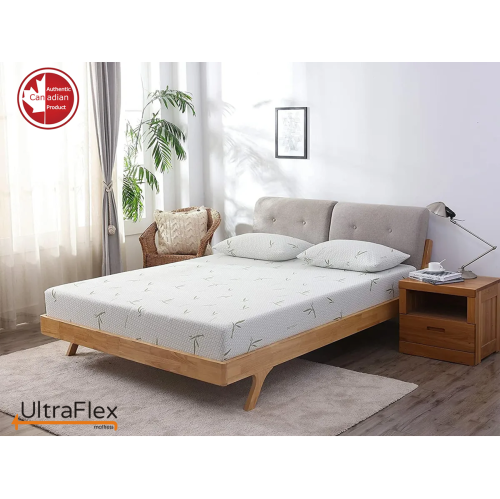
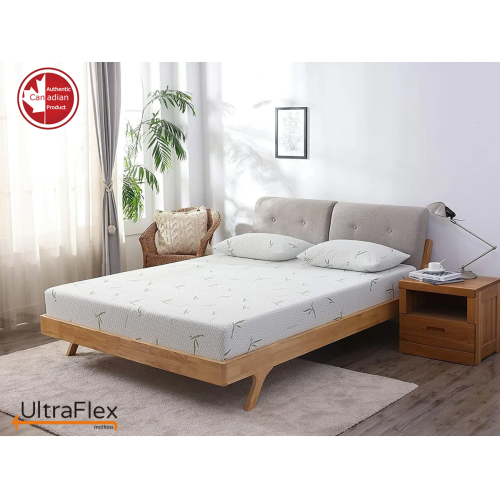
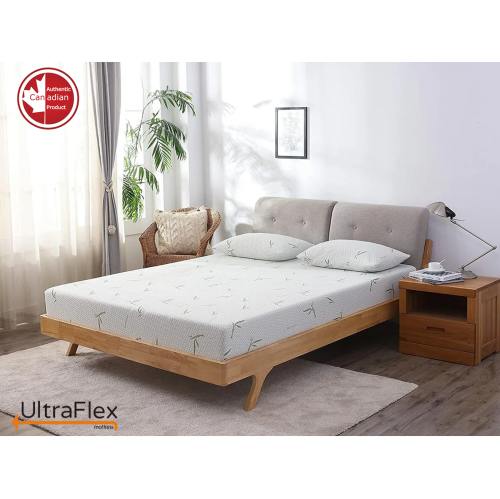
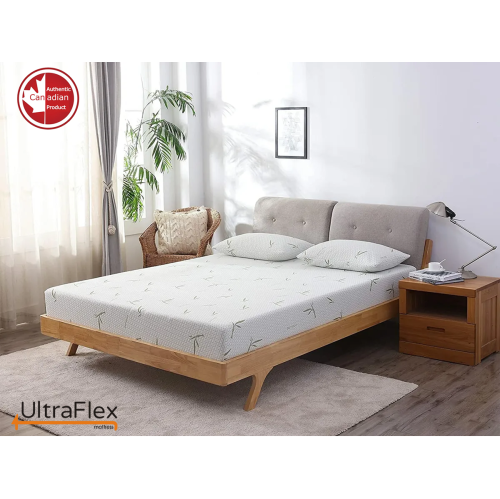
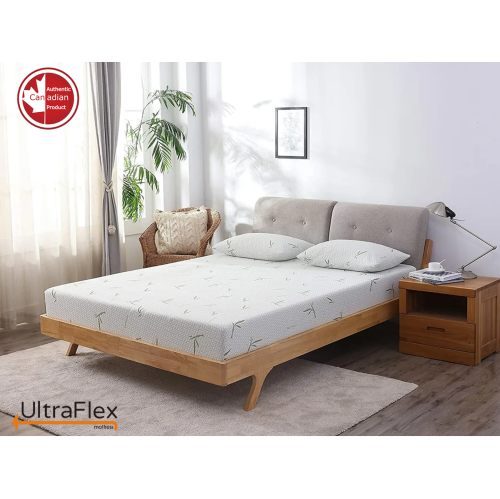
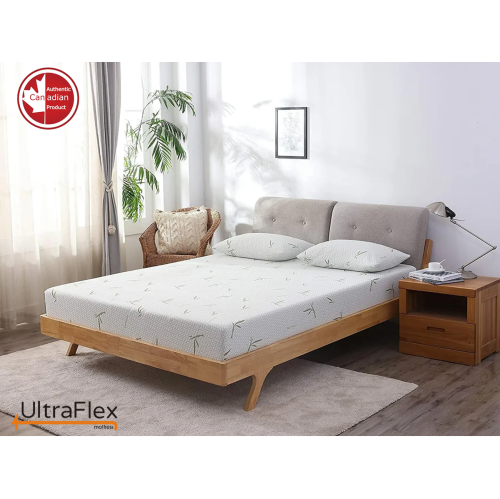
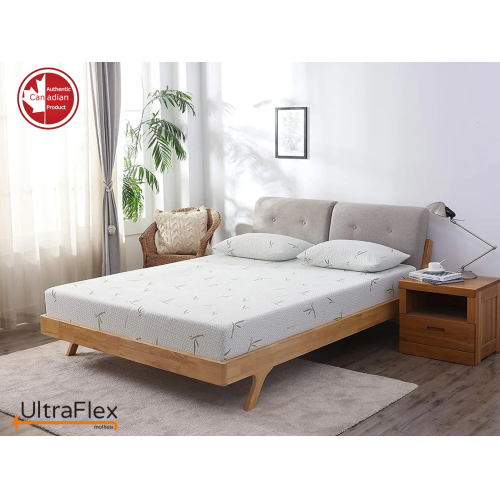
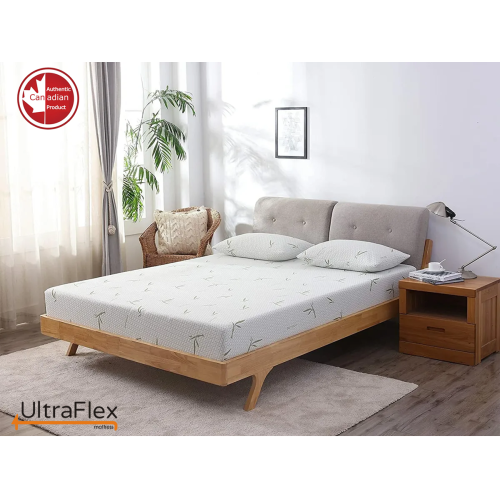
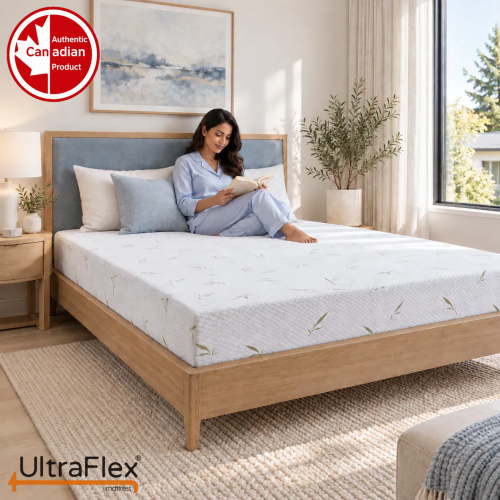
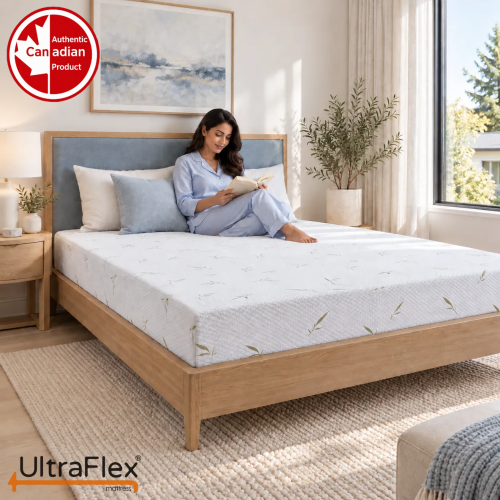
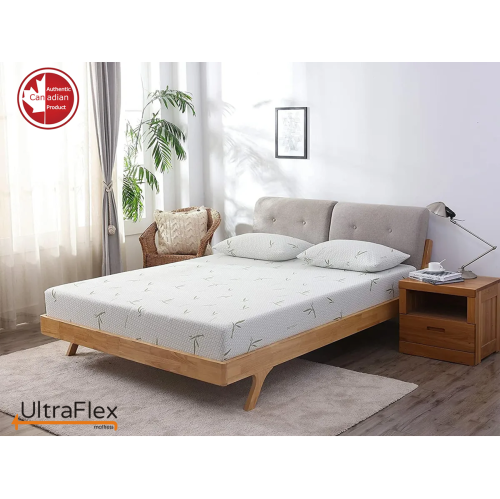
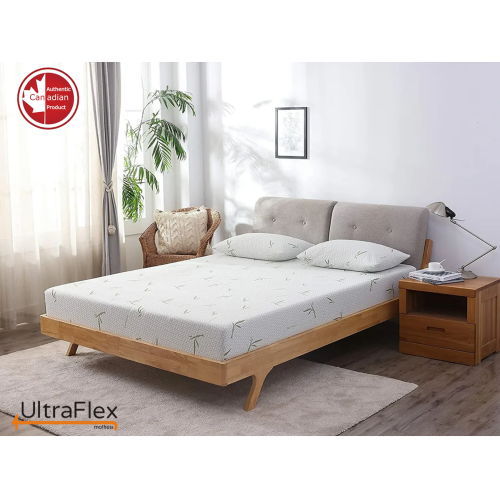

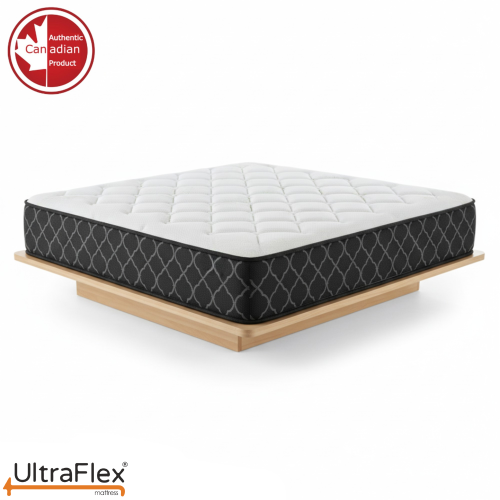
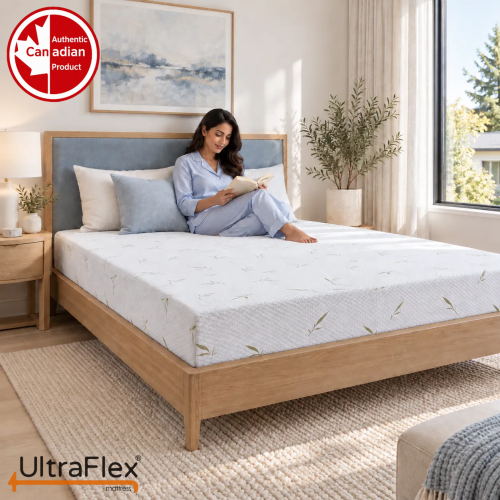

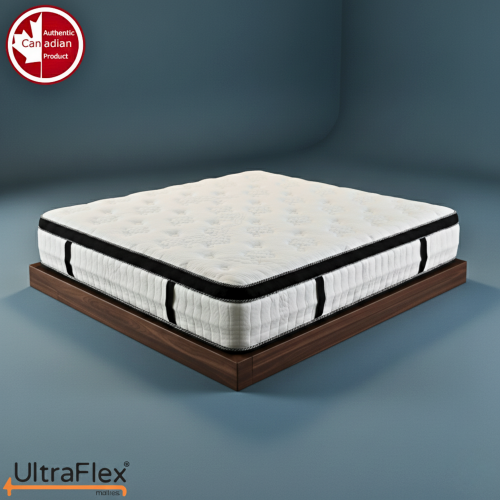



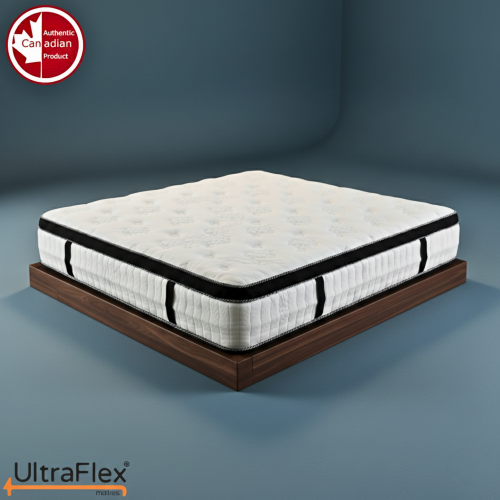
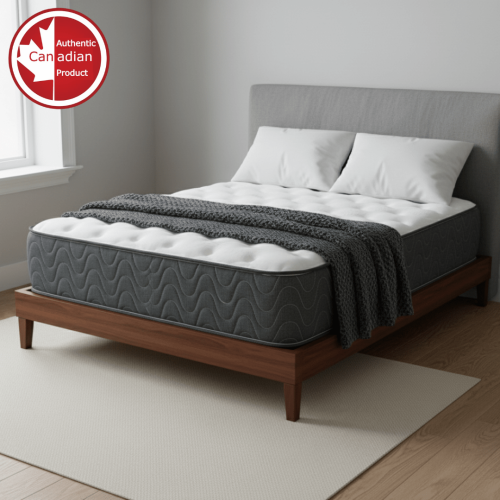
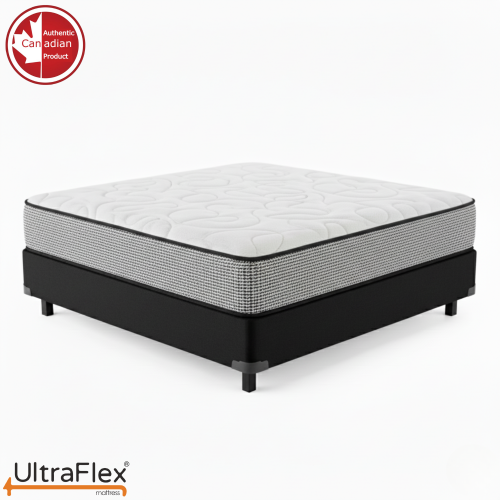
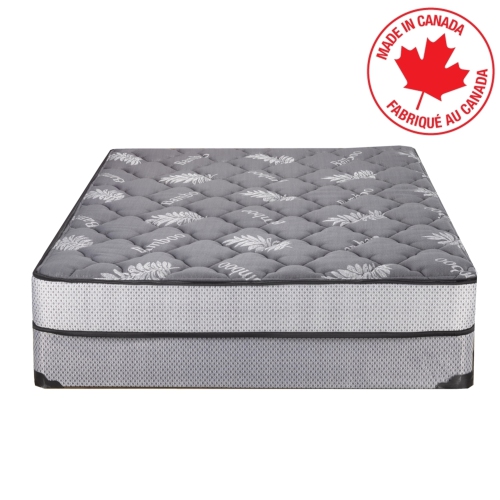
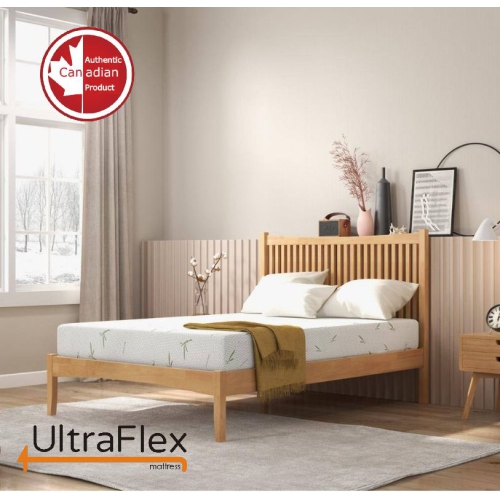
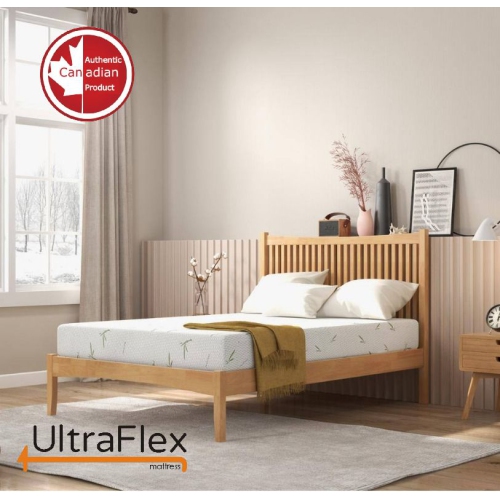
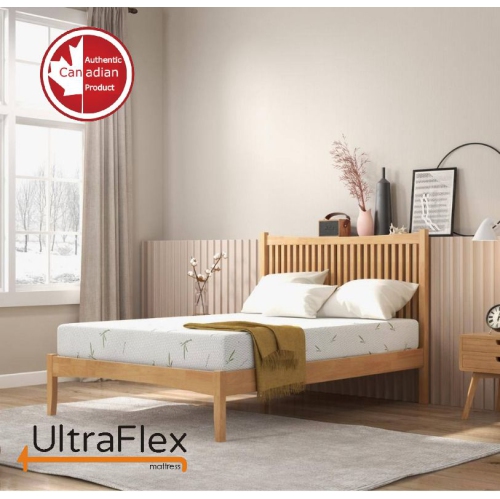
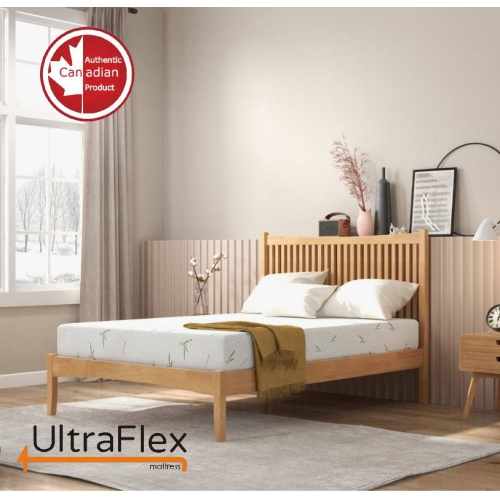
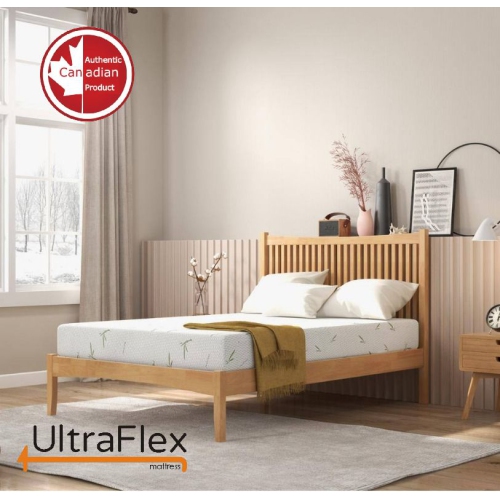
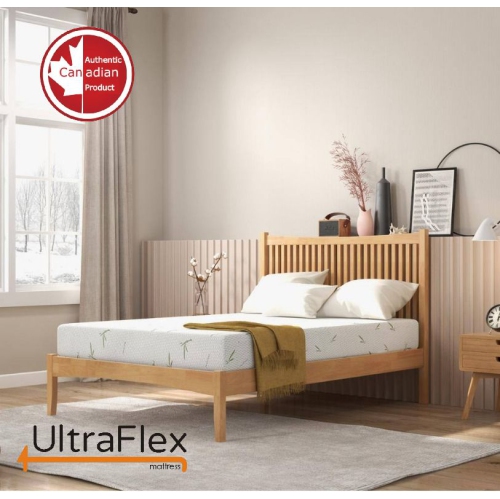
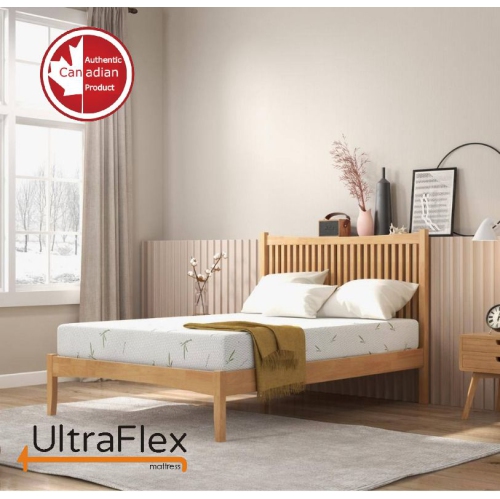
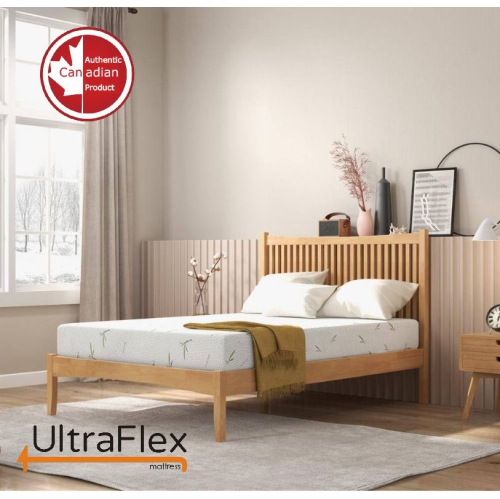
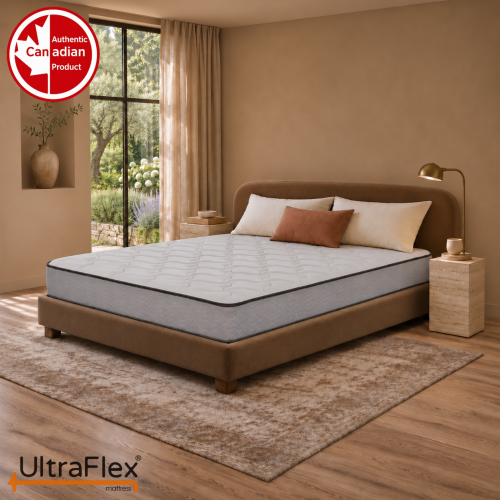
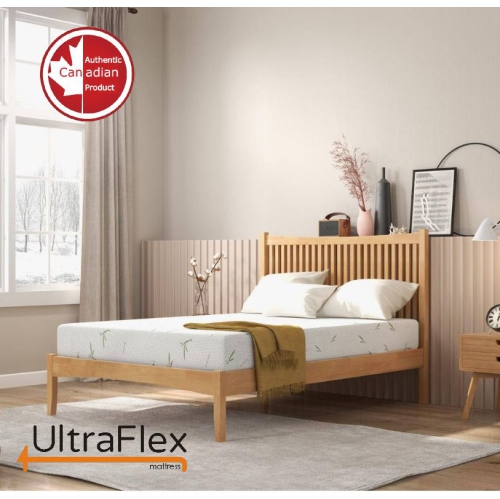
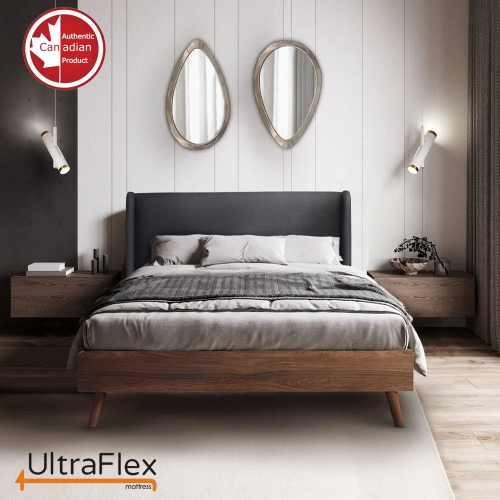
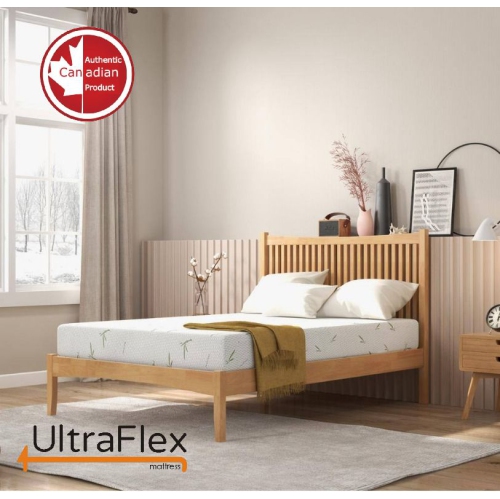
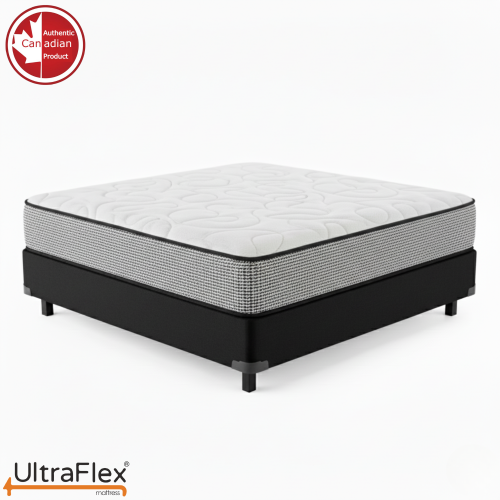
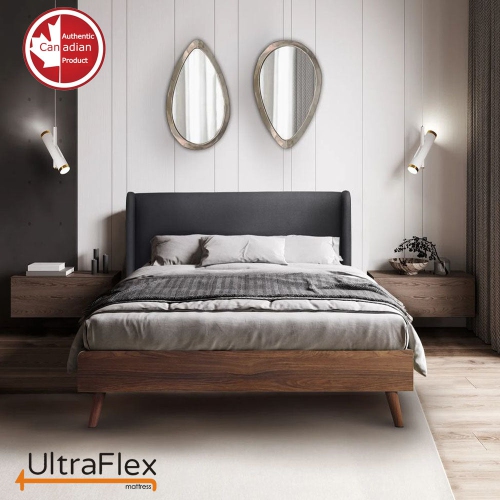






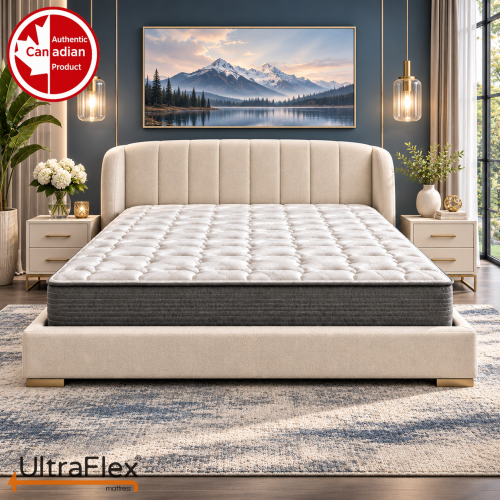
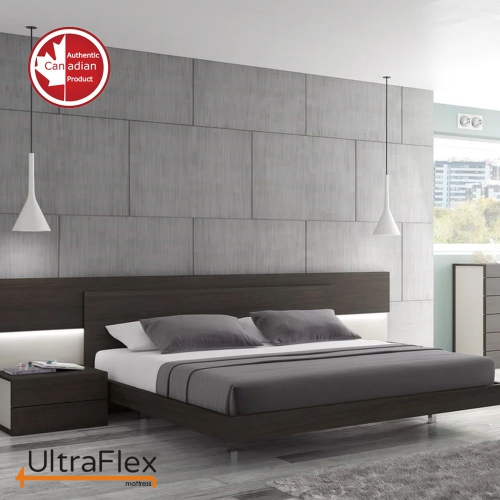
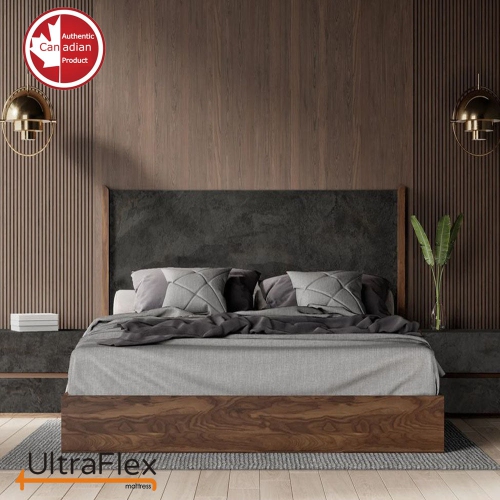

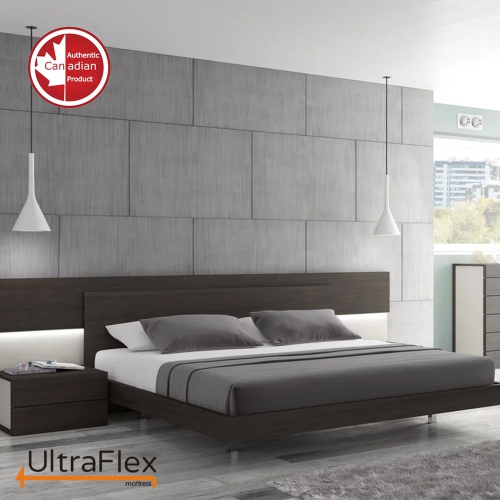

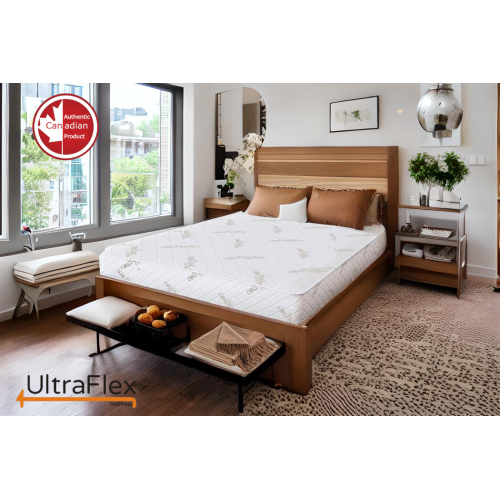

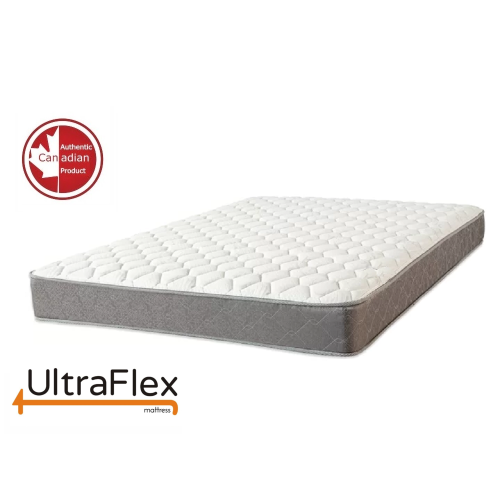
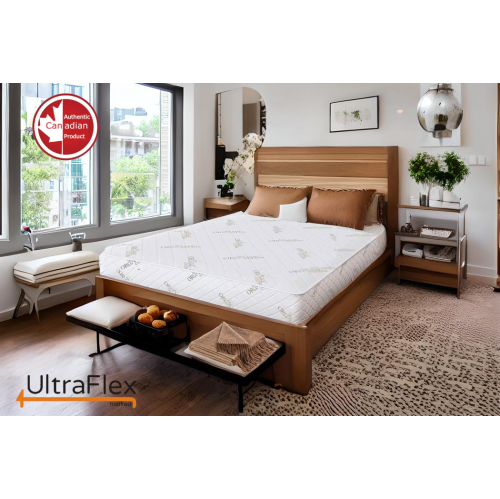
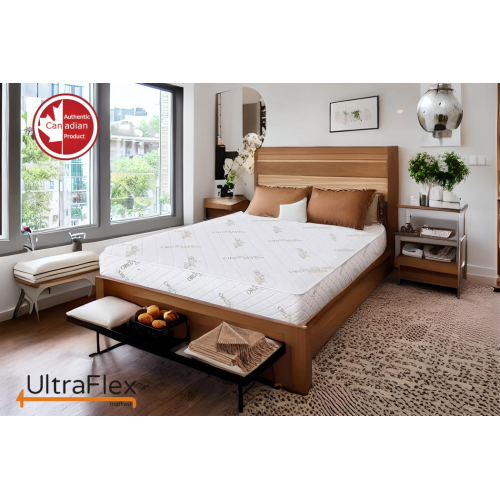
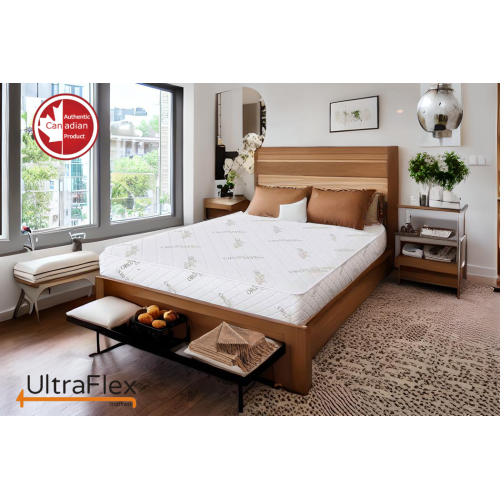
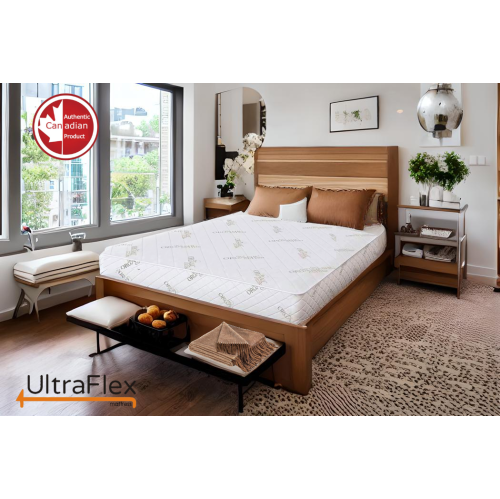

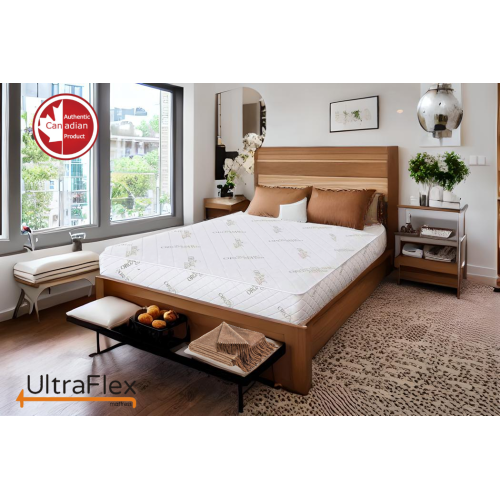
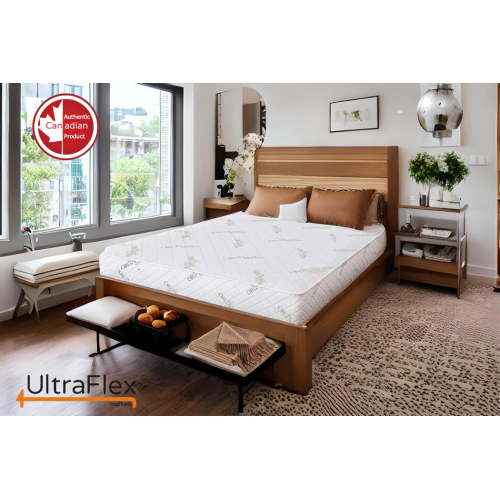
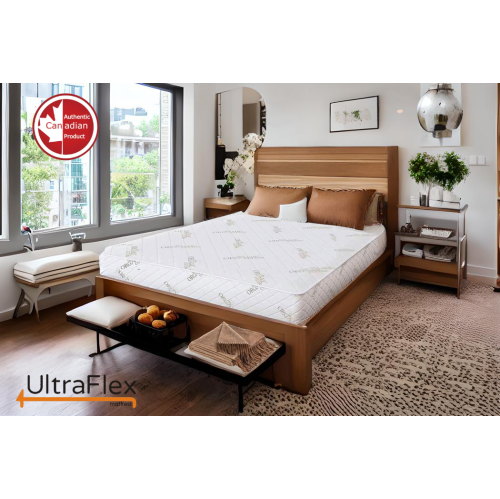
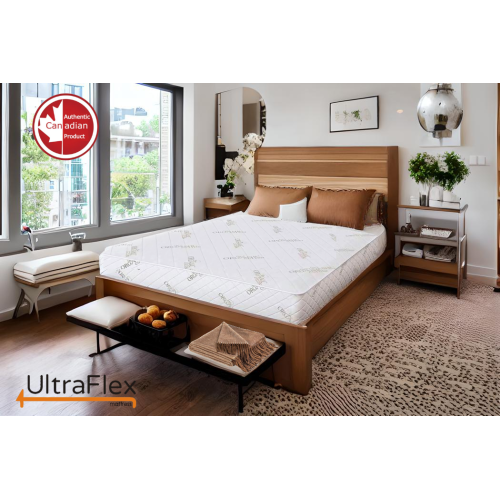


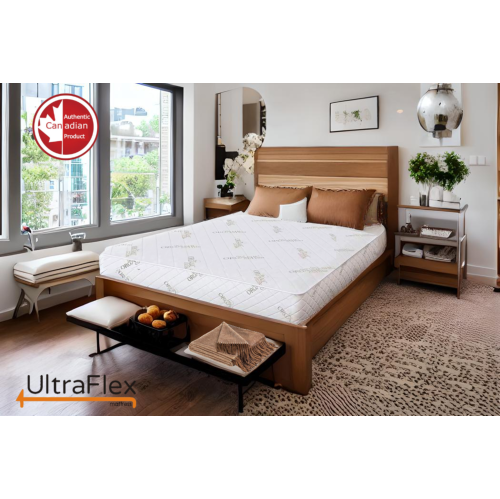
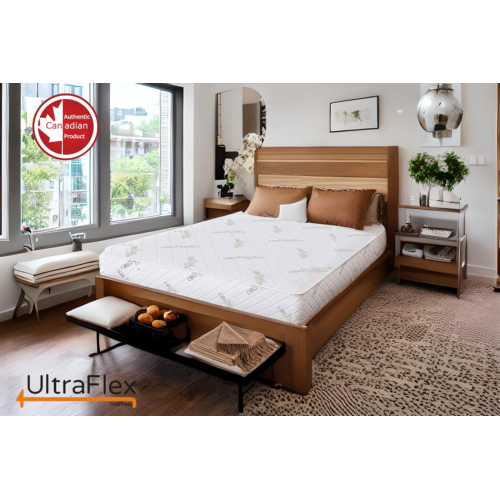

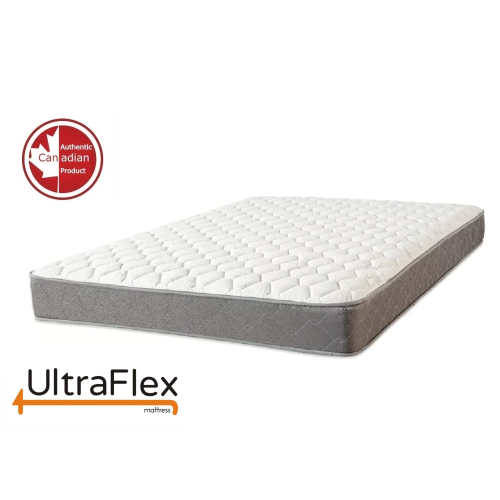



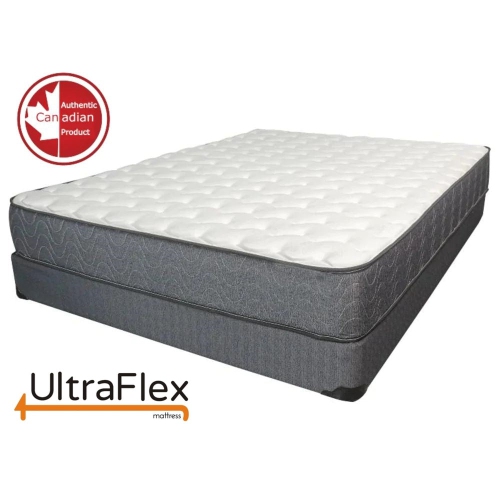
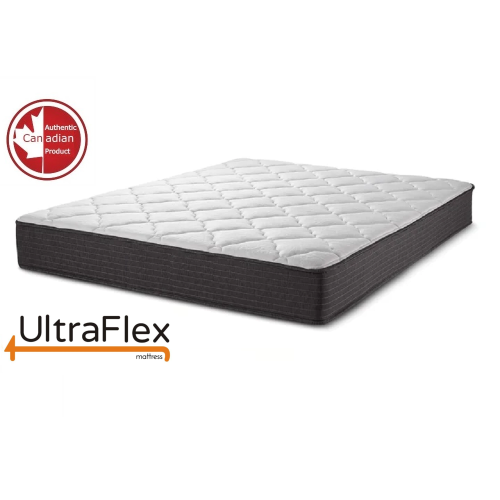
Why mattress comfort goes deeper than the cover
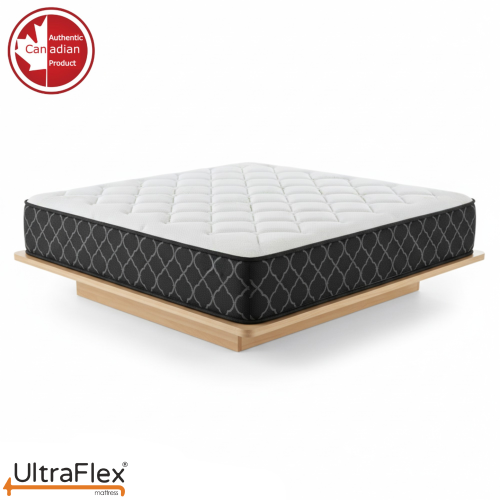
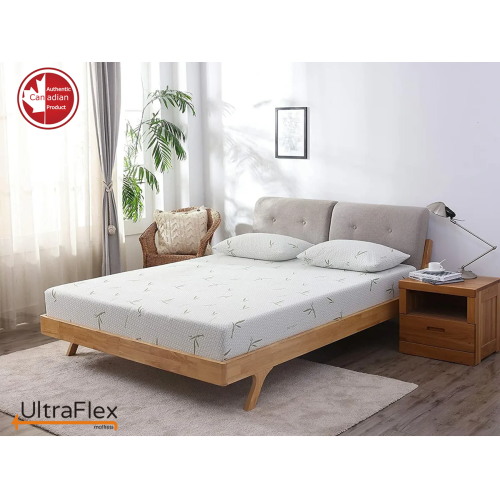
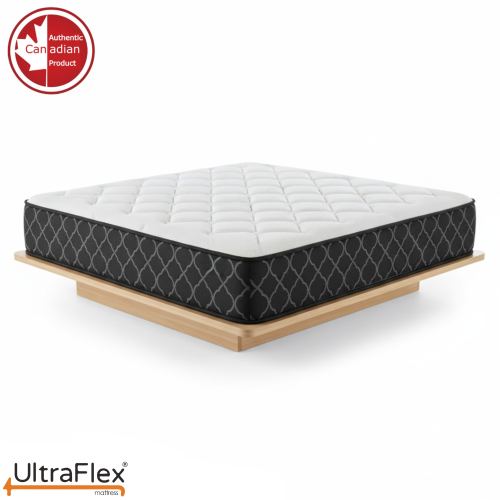
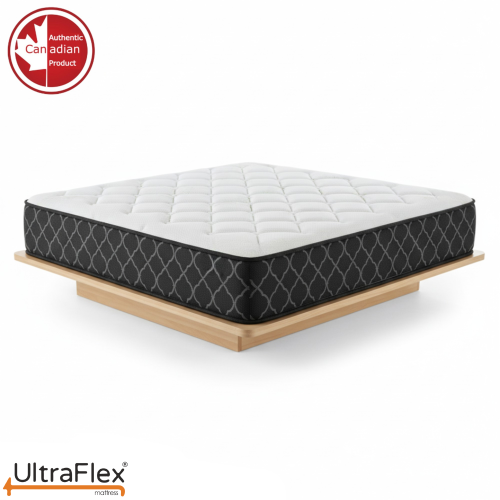
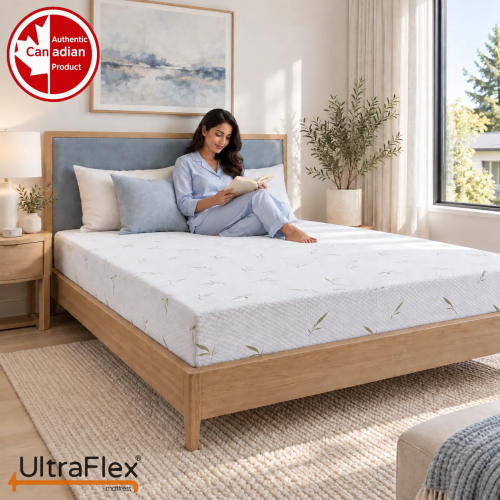
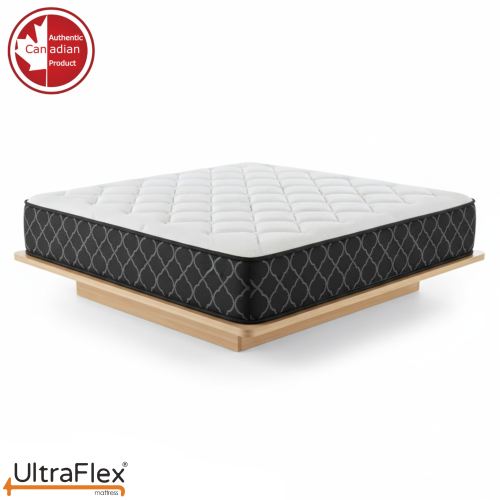
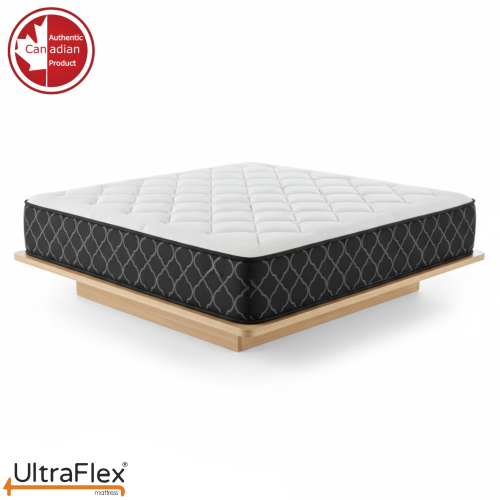
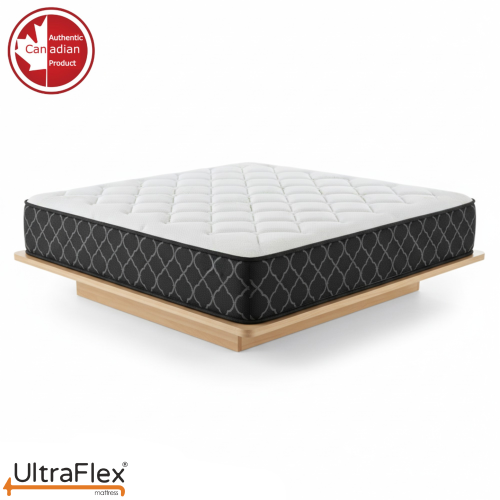
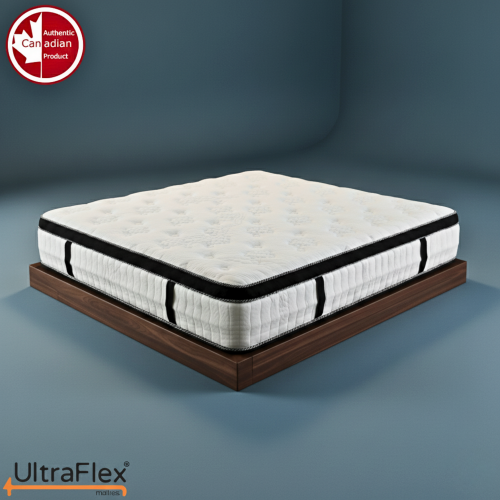
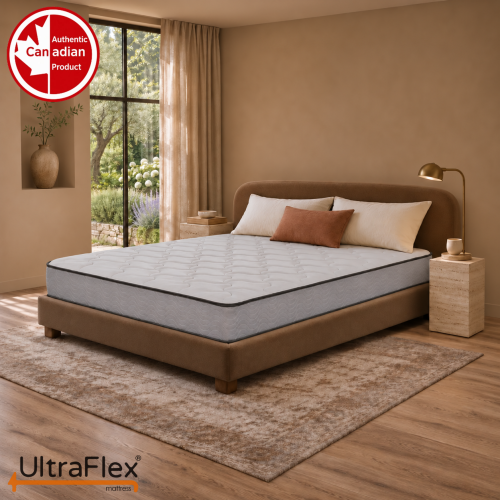
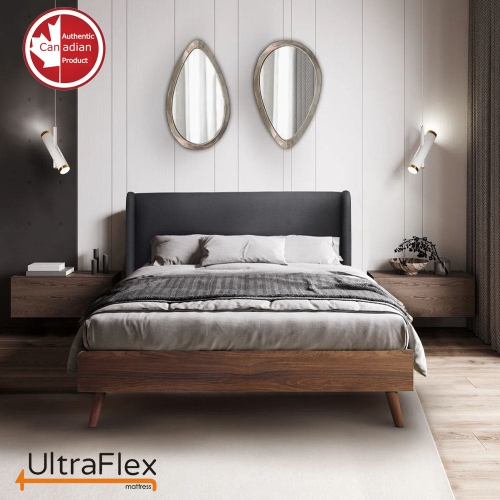
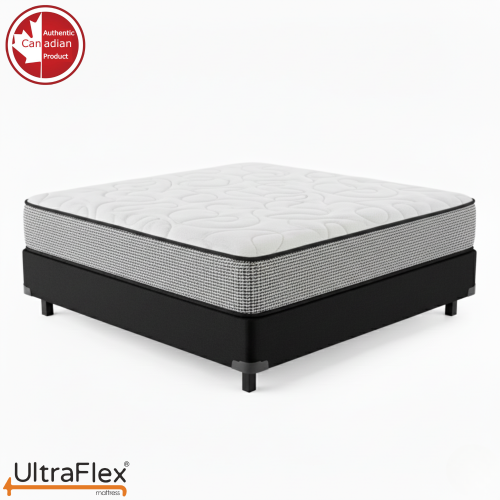
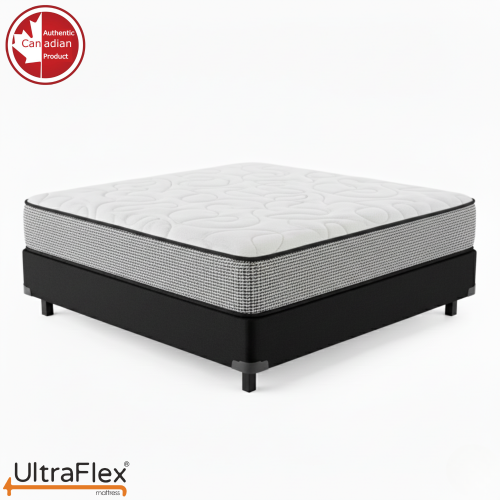
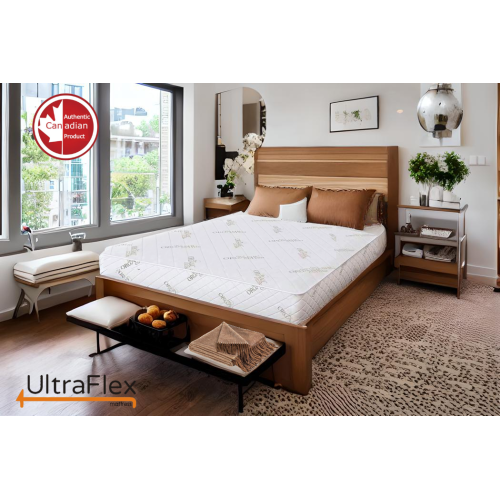
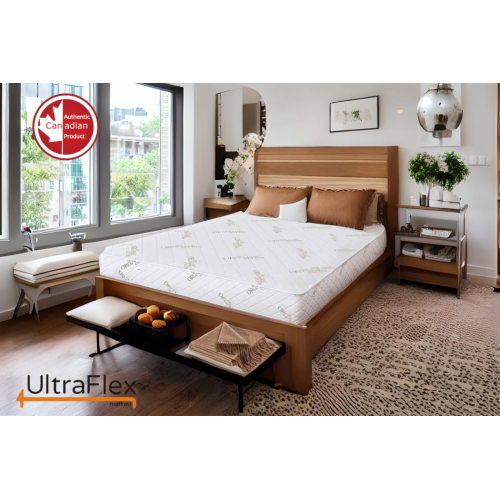
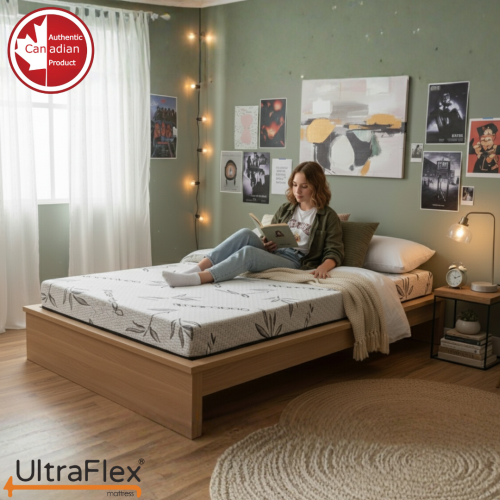
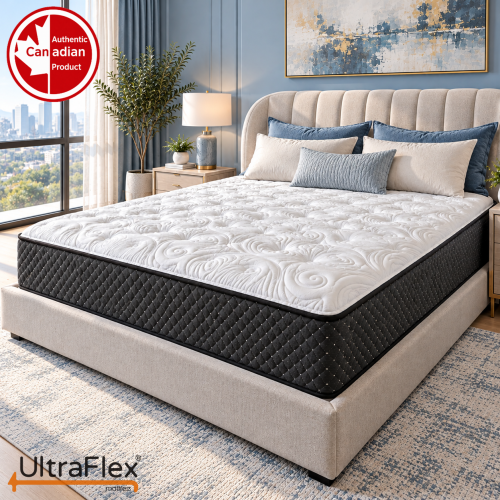
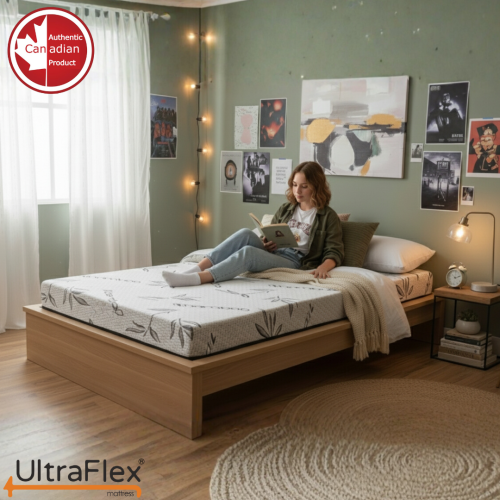
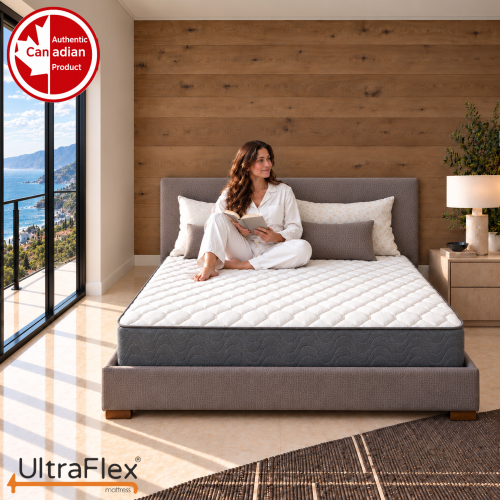
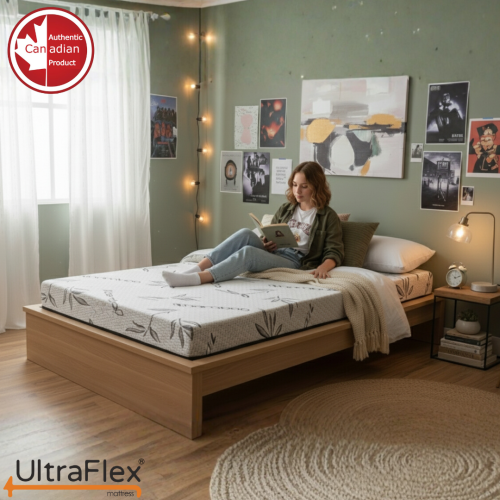
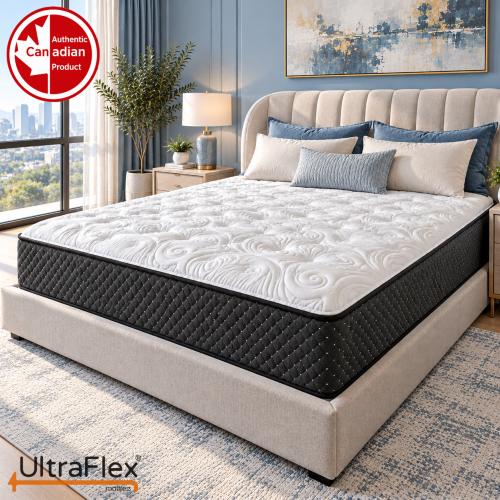
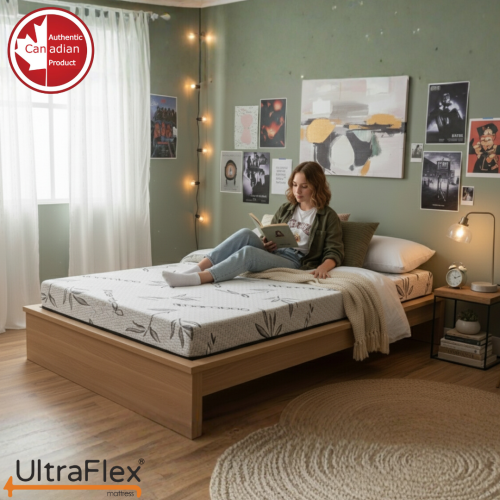
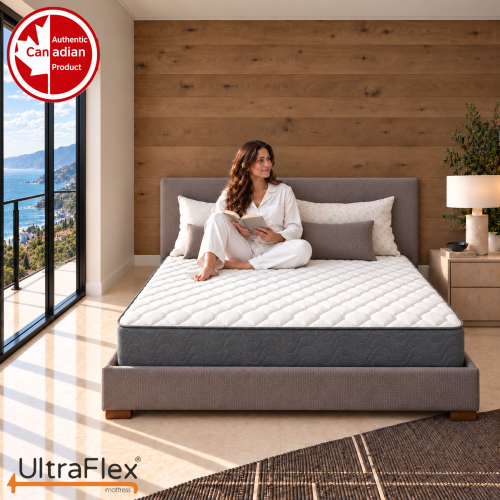
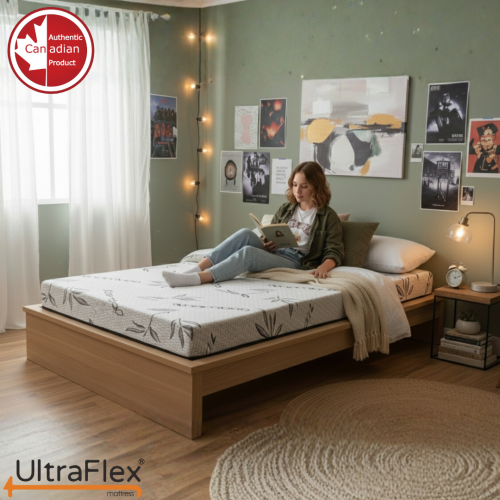
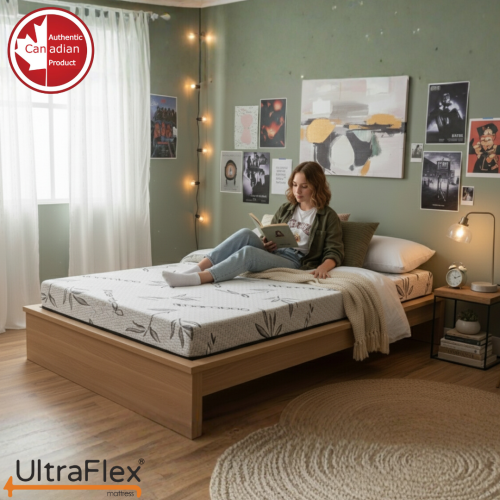
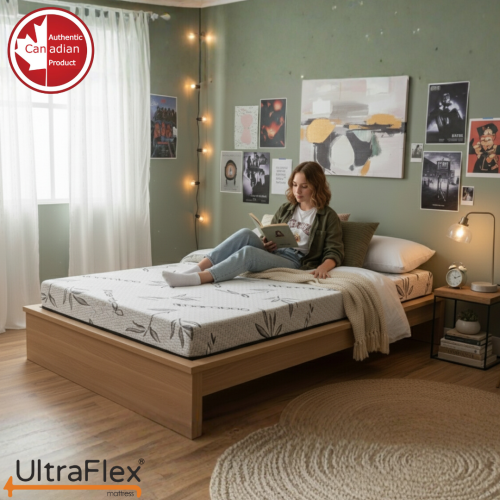
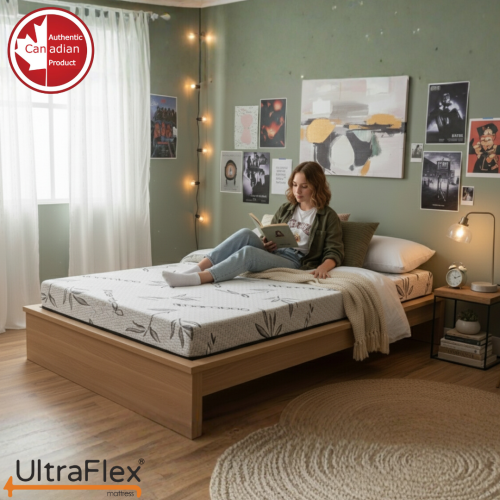
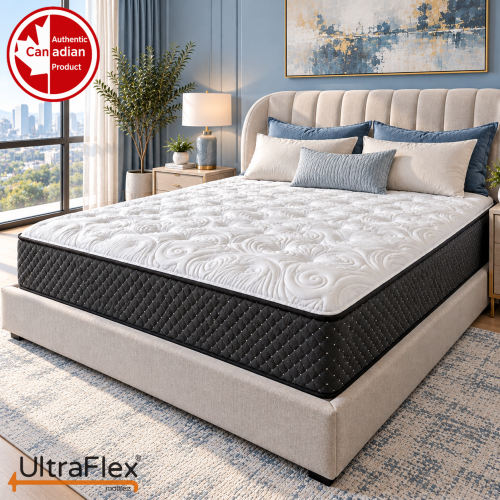
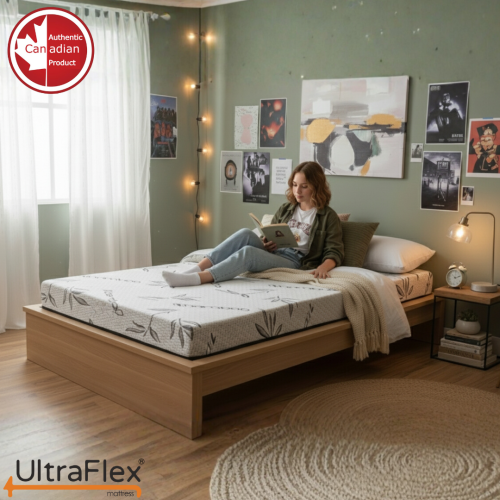
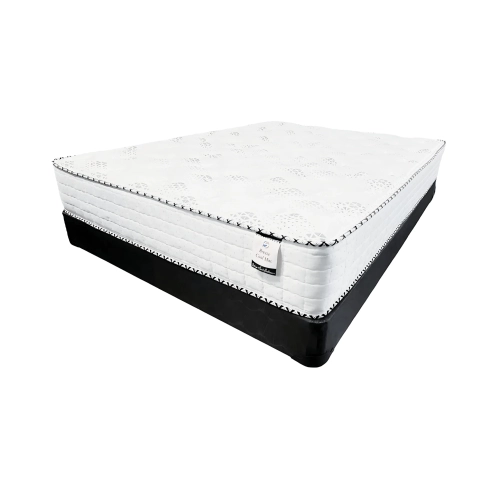
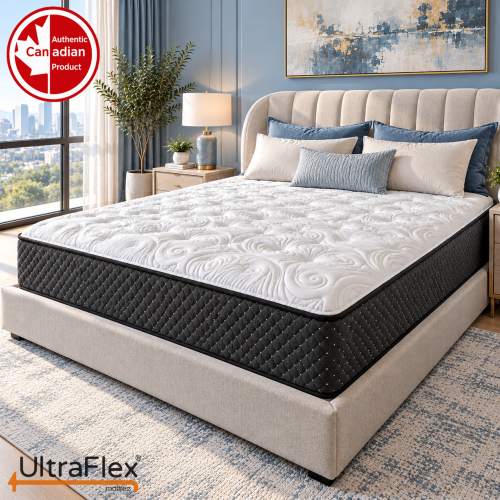
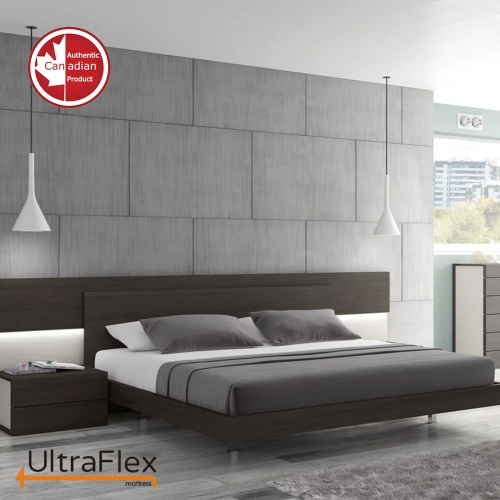
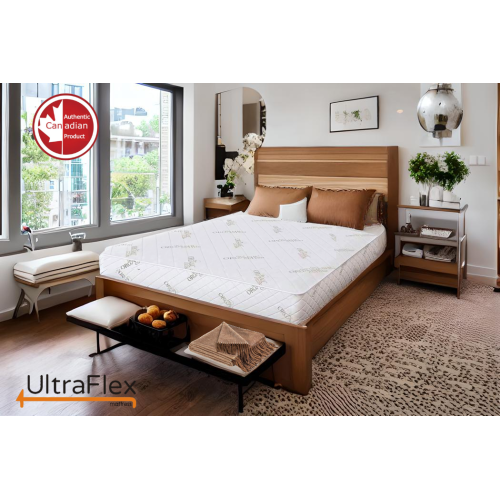
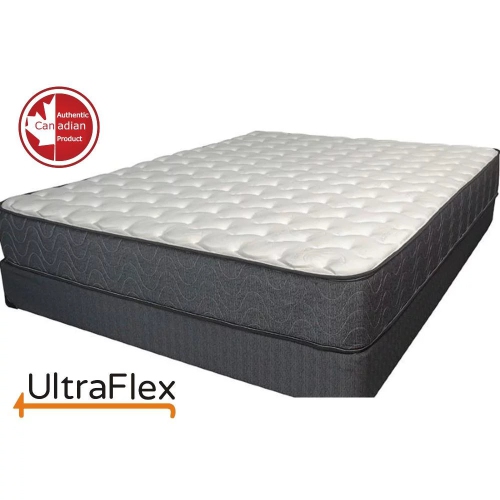
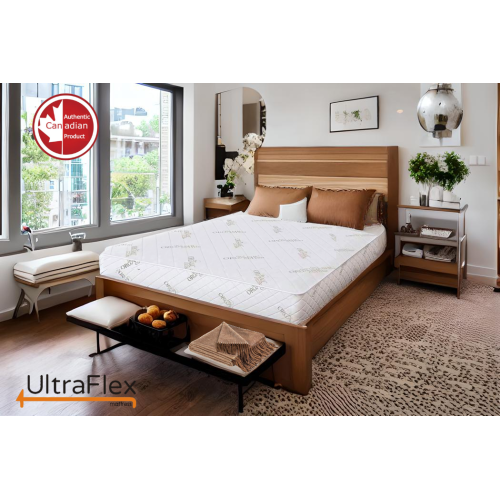
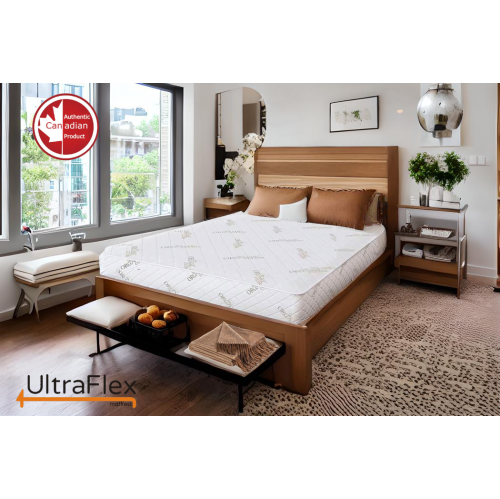
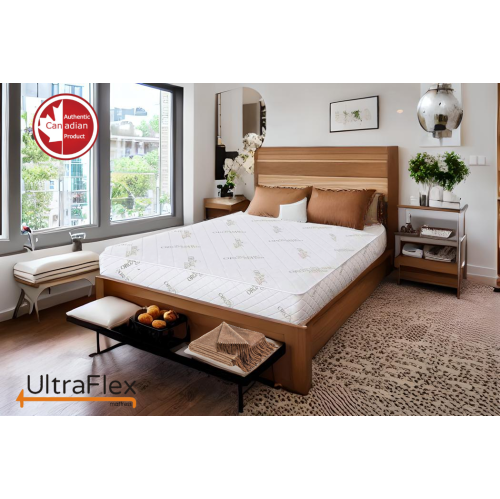
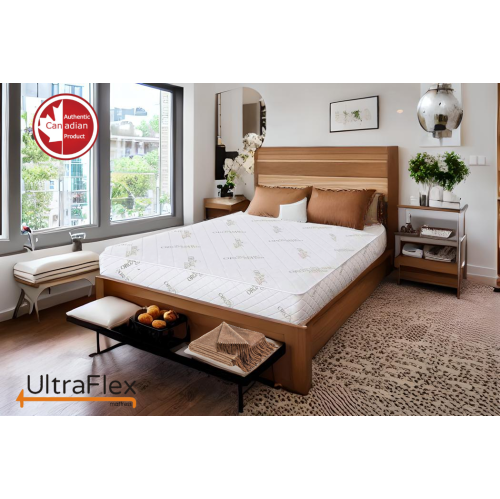
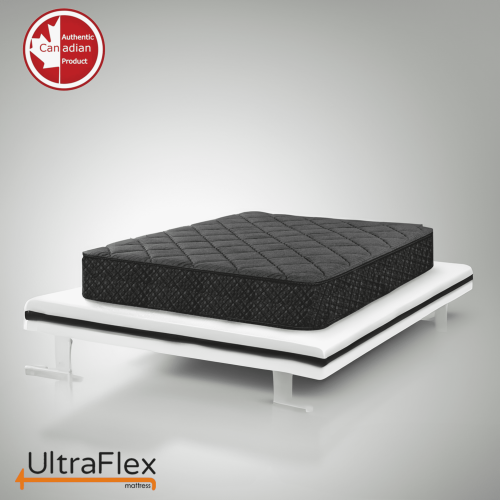
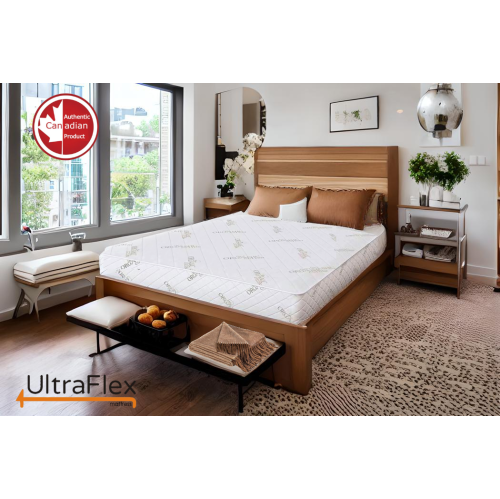
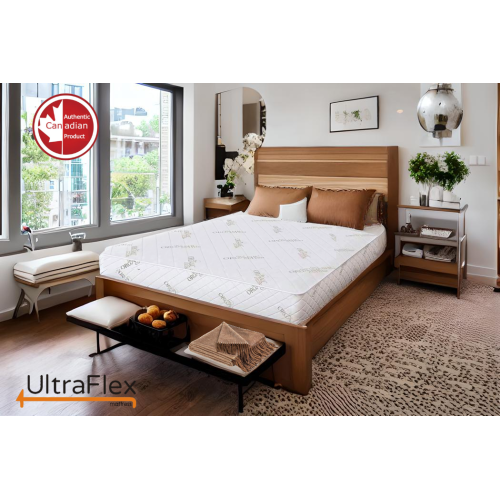
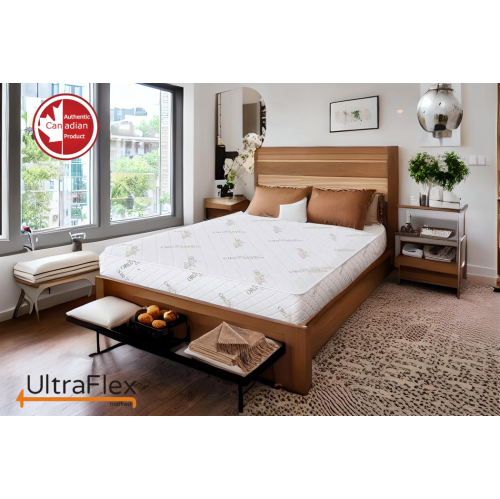
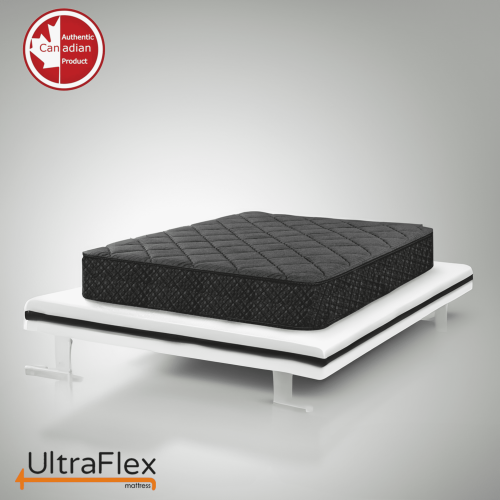
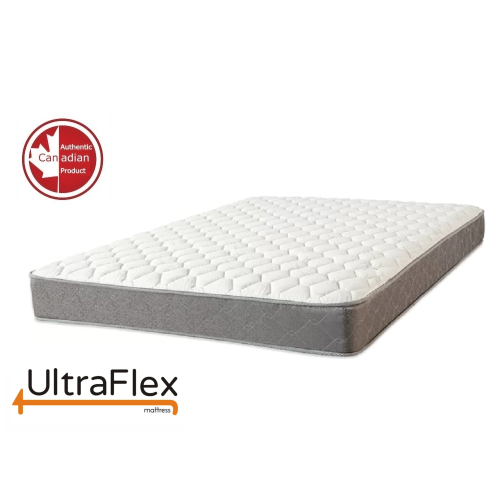
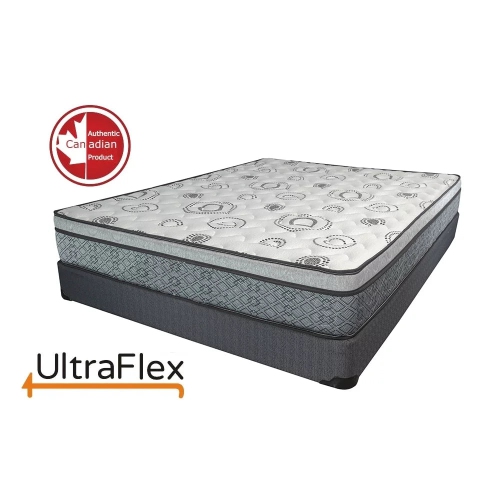
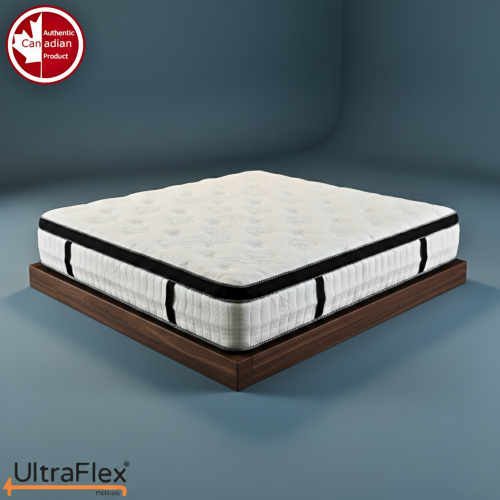
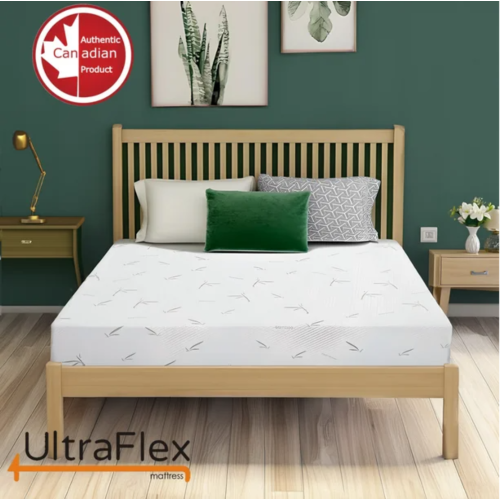
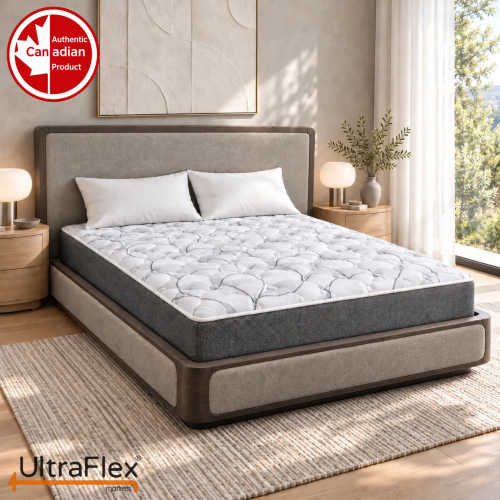
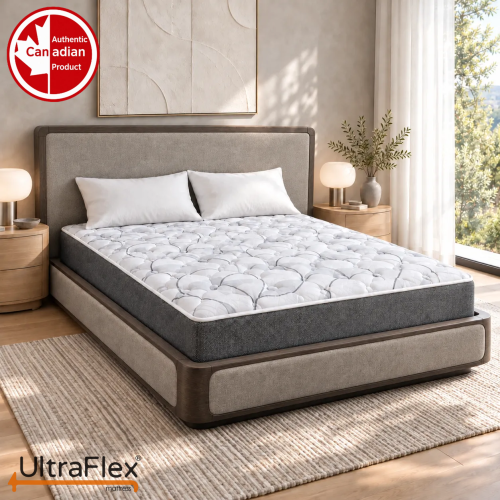
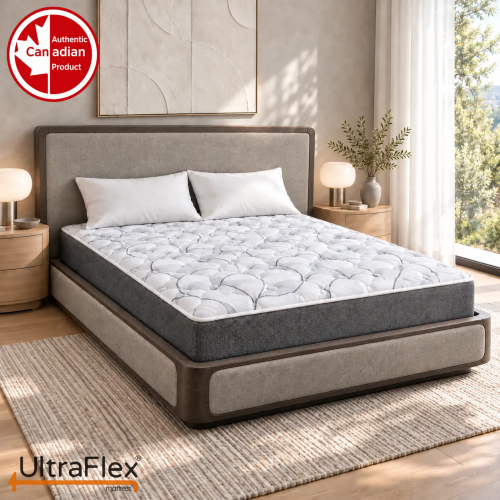
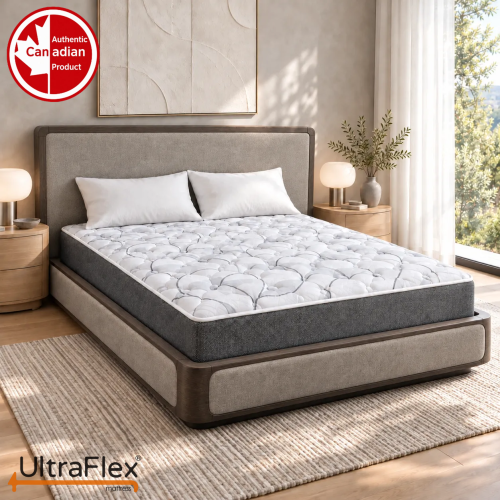
Canadian-made mattresses are manufactured in Canada and include foam, innerspring, hybrid, and latex constructions, giving sleepers a choice of cushioning styles and support systems. Their country of manufacture is one part of the picture; the materials inside, the firmness of the sleep surface, and the way the layers work together have a more direct bearing on how a mattress feels. Memory foam responds to pressure and gradually contours around the body, creating a close, cradling sensation that can appeal to sleepers who prefer less movement across the surface. Other cushioning foams offer a more responsive feel, while latex generally has a buoyant quality that makes changing position easier. Traditional innerspring constructions use a coil support system beneath comfort layers, while hybrid mattresses combine coils with more substantial layers of foam or latex. Individually wrapped coils can compress separately, helping the surface respond to different areas of the body and limiting some movement between sleeping partners. Neither a thicker profile nor a longer list of layers automatically means a better fit: the balance between cushioning and support matters more than appearances alone. A deeply cushioned surface may feel inviting when lying on one side, while a flatter, more responsive surface may suit someone who shifts between positions. For shoppers comparing Canadian Mattresses, manufacturing information helps distinguish where a mattress is made from where it is designed or where the company is based. A Canadian-made mattress may contain imported components, so an origin statement should not be read as a promise that every fibre, foam layer, or spring comes from Canada. Material descriptions, construction details, and clearly stated manufacturing information provide a more useful comparison than broad claims about quality. These details also help separate the feel of the cover from the deeper support beneath it: a soft quilted top can sit over a firm core, and a smooth, tightly finished cover can still conceal substantial cushioning.
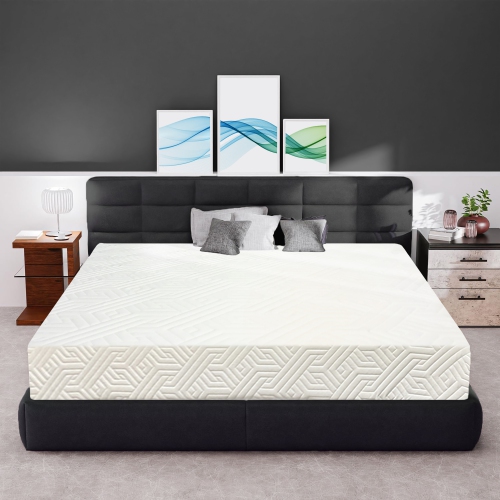
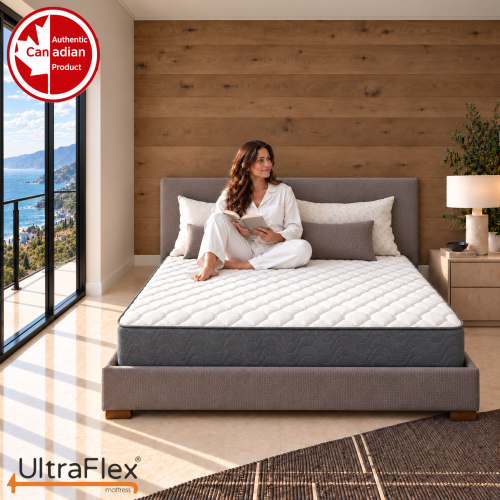
The right fit depends on sleeping position, body size, personal preference, and the space the mattress will occupy. Side sleepers often appreciate enough cushioning for the shoulders and hips to settle into the surface without feeling pressed against it. Back sleepers may prefer a balance that supports the lower back without allowing the pelvis to sink too deeply, while stomach sleepers often find a firmer, less yielding surface more comfortable. These are starting points rather than fixed rules, since two people can experience the same mattress differently. Firmness labels are not standardized across all manufacturers, and firm does not automatically mean supportive, just as soft does not necessarily mean unsupportive. For a shared bed, motion isolation can matter when one person turns frequently or gets up before the other. Edge support becomes noticeable when sitting to put on socks, getting into bed, or sleeping close to the side; a stable perimeter can make more of the surface feel usable. Dimensions deserve the same attention as comfort. A standard queen mattress is commonly about 60 by 80 inches, while a standard king is about 76 by 80 inches, although exact measurements should always be checked. Room layout, doorways, stair turns, and clearance around bedside furniture all affect whether a larger mattress is practical. Mattress height also changes the overall bed height when combined with a frame or foundation, which matters for anyone who prefers to sit with both feet comfortably on the floor. A mattress for an older child, a student's room, or a guest bedroom may need a different balance of space and everyday comfort than one used nightly by two adults. Adjustable bases require a compatible mattress that can flex as intended, and platform beds need the support spacing specified by the mattress manufacturer. Matching the mattress to its base helps preserve its shape and avoids treating the foundation as an afterthought.
Care and construction both influence how a Canadian-made mattress holds up to regular use. A removable cover can simplify cleaning when the manufacturer permits washing, but a zippered cover should not be assumed to be washable or intended for removal. A well-fitted mattress protector adds a separate barrier against spills and everyday marks, while sheets with sufficient pocket depth stay in place without pulling tightly across the corners. Cleaning instructions vary by material, so spot cleaning should follow the care label rather than a general household routine. Excess liquid can be difficult to remove from foam and upholstered layers; allowing any cleaned area to dry fully before replacing bedding helps prevent trapped moisture. Rotation may help distribute wear when recommended, but many layered mattresses are designed with a single sleeping surface and should not be flipped. Support requirements are equally important over time: a damaged foundation, widely spaced slats, or inadequate centre support can allow sagging even when the mattress itself is well constructed. Foam density, coil design, stitching, and the quality of the cover can all contribute to durability, although no single specification predicts exactly how long a mattress will remain comfortable. A regularly used main-bedroom mattress faces different demands from one in a spare room, and changes in comfort can be gradual rather than obvious. Persistent dips, uneven support, or a surface that no longer feels comfortable are more meaningful than judging condition by age alone. For a mattress given as a housewarming or graduation gift, confirming the recipient's preferred feel, bed dimensions, and foundation type helps make a generous gesture practical. Delivery access and the space needed to unpack a compressed mattress are worth considering, too. Once unpacked, any expansion or settling period should follow the manufacturer's directions. Together, thoughtful sizing, suitable support, and straightforward care make it easier to choose a Canadian-made mattress that fits the household's sleeping habits and remains comfortable through everyday use.
Top selling and popular products
-
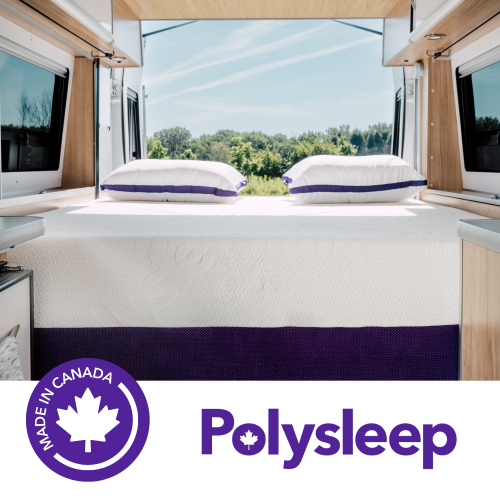 Your price for this item is $1199
-
 Your price for this item is $644
-
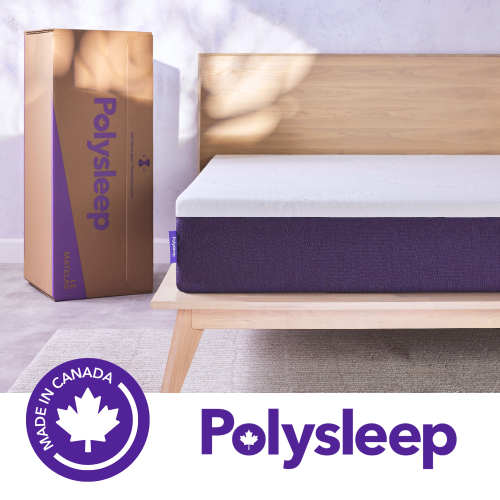 Your price for this item is $696.5
-
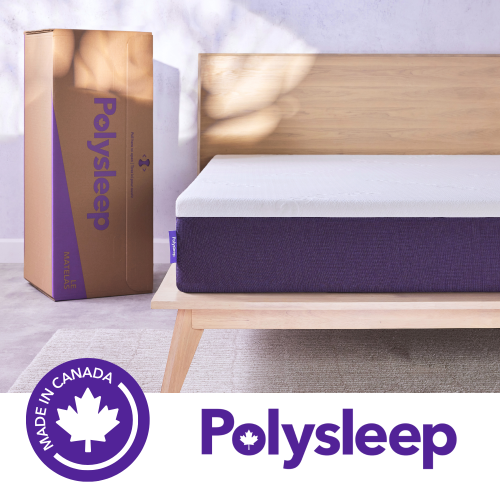 Your price for this item is $591.5
-
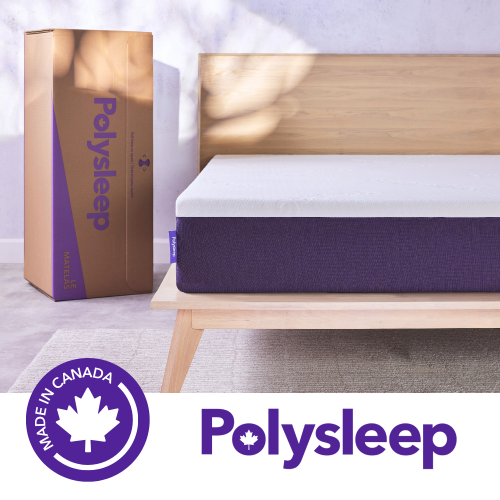 Your price for this item is $906.5
-
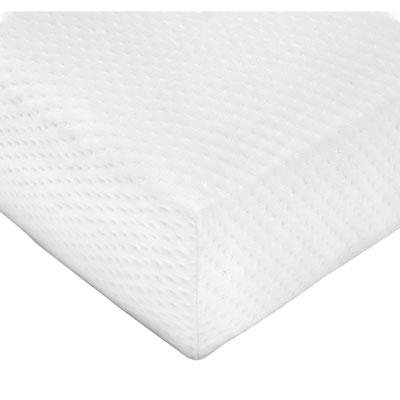 Your price for this item is $159.99
-
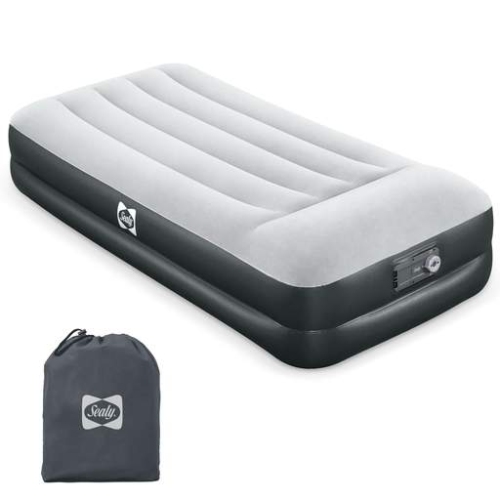 Your price for this item is $133.99
-
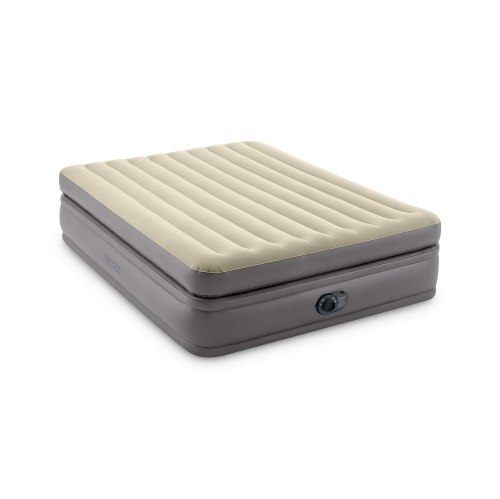 Your price for this item is $239.99
Discover more categories related to Canadian Made Mattresses
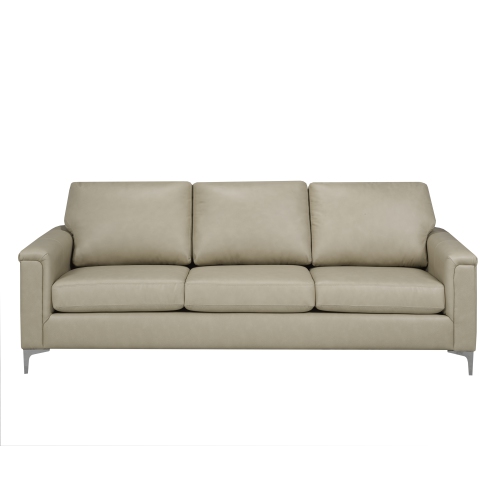
Top Collections:
Best Black Friday Deals This Year, Best Black Friday Deals On Electronics, Kindle Devices, Best Black Friday Deals On Apple Products, Best Budget Office Chairs, Best Cameras for Sports Photography, Dyson Airwrap, Canon G7X Cameras, Best Laptops for Writers, Samsung Galaxy Phones
Some products may be subject to Environmental Handling Fees
(EHF) depending on your province.
Learn more about EHFs.