Canadian Mattresses
Discover a wide selection of high-quality Canadian mattresses designed to provide you with the ultimate comfort and support for a restful night's sleep. Made with premium materials and innovative technologies, these mattresses are crafted right here in Canada to ensure top-notch quality and durability. Whether you prefer memory foam, hybrid, or traditional spring mattresses, you'll find the perfect option to suit your sleeping preferences and needs. Upgrade your bedroom with a Canadian mattress that promises luxurious relaxation and rejuvenation every time you hit the hay.
Sort
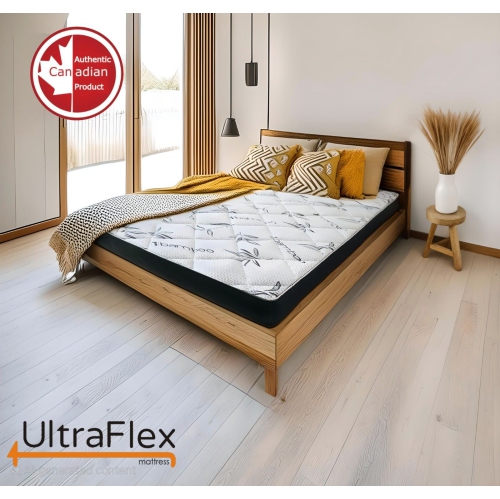

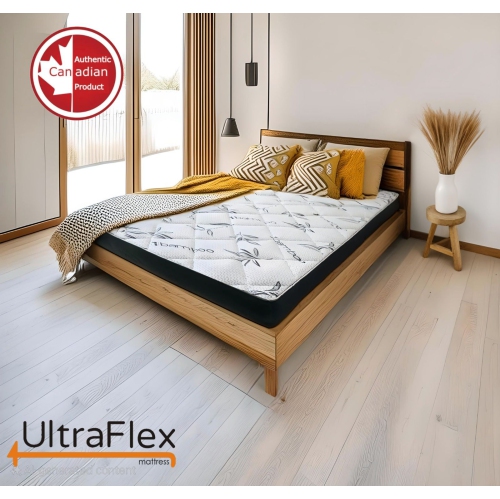
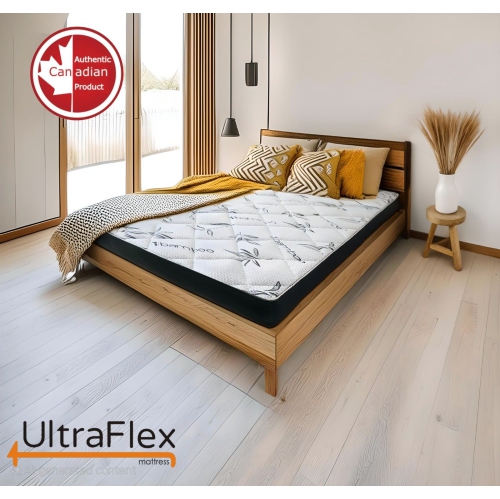
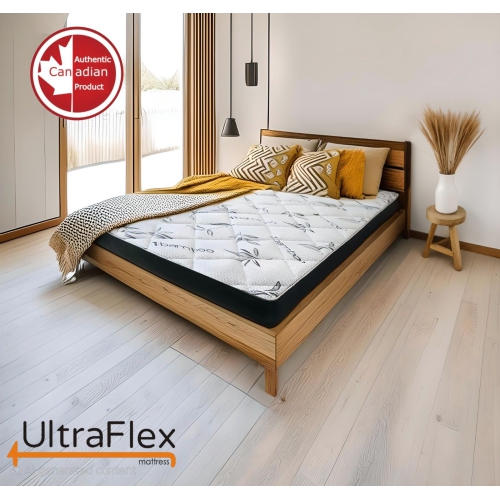

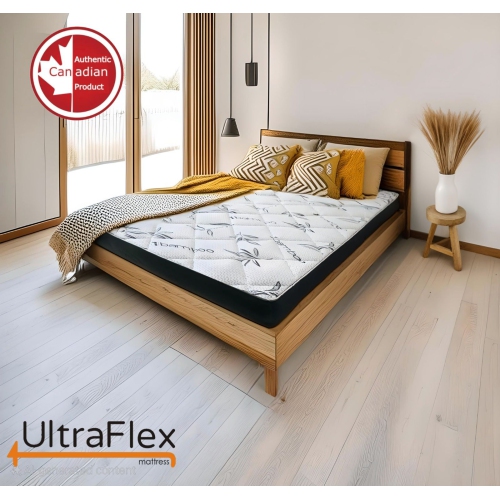
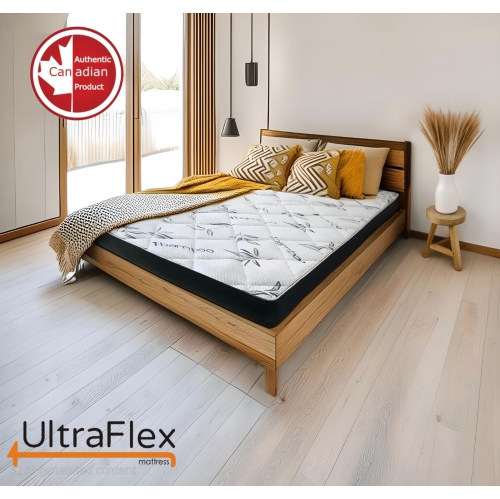

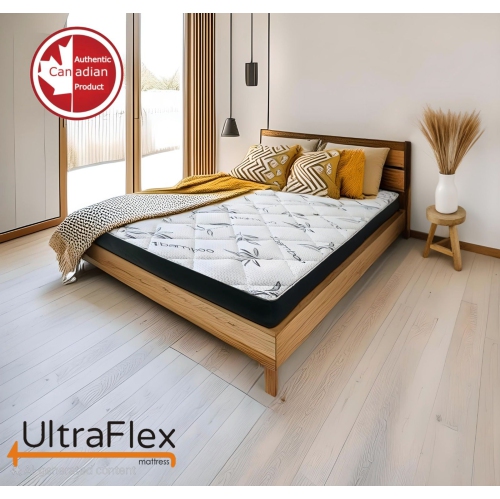
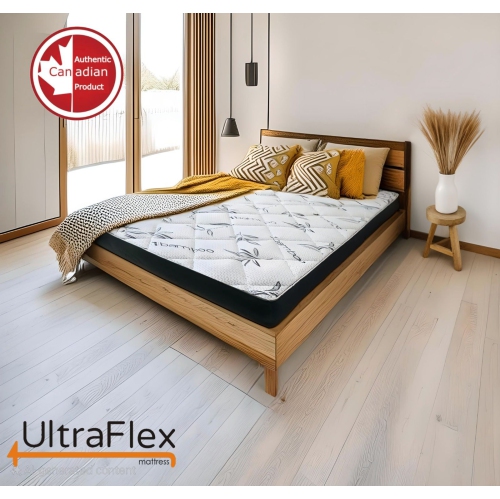
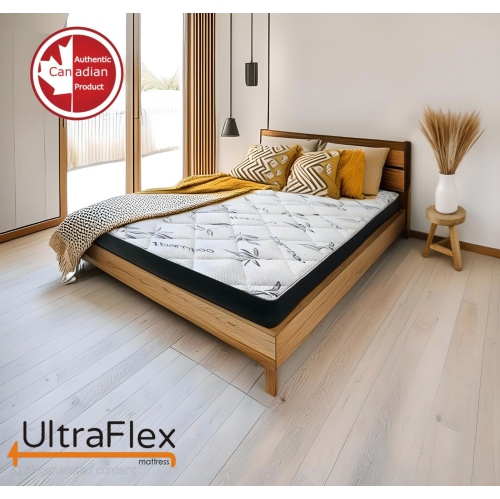
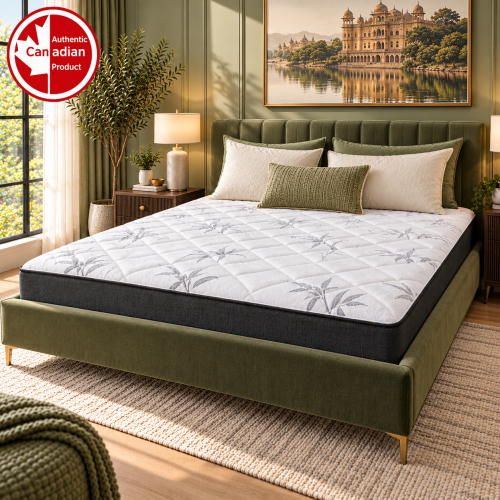

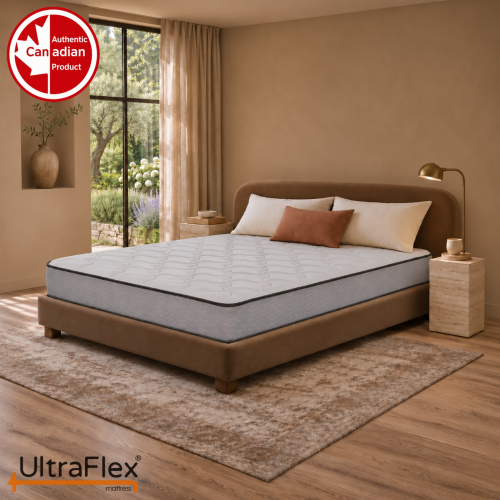




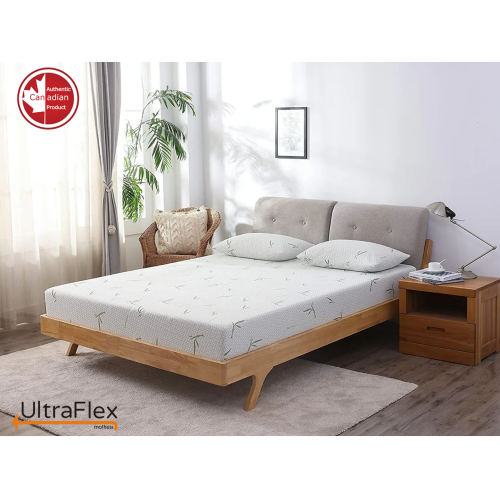
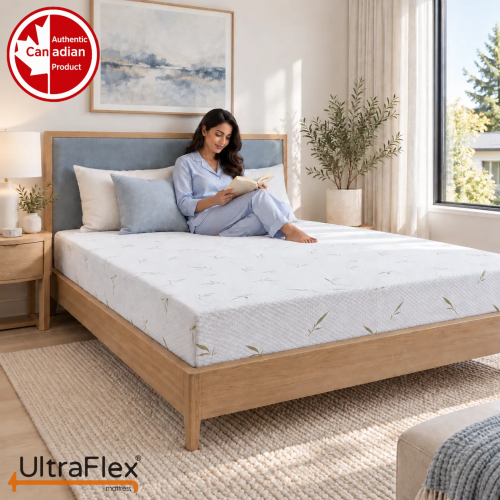
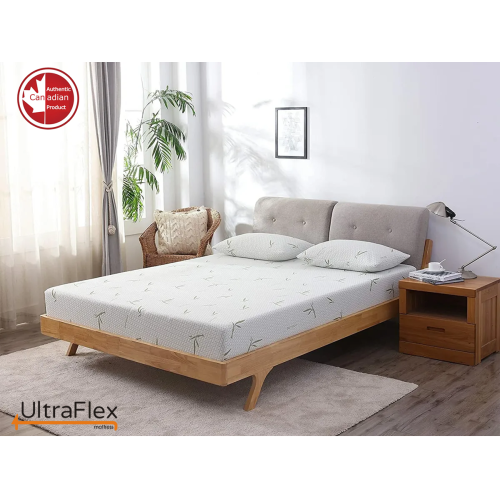
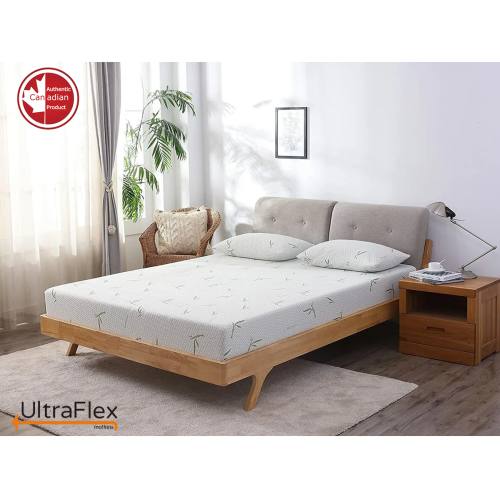
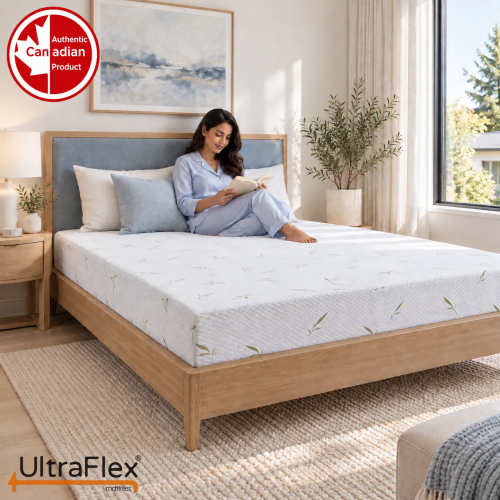
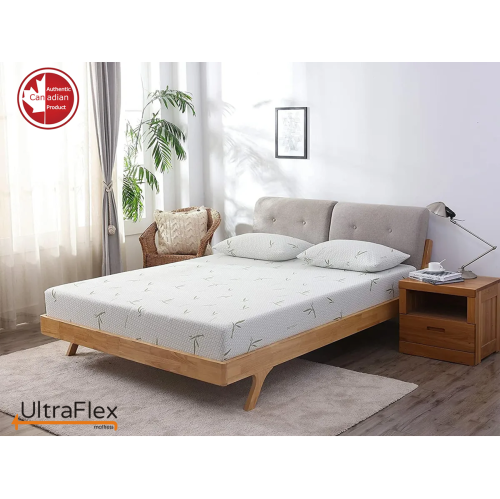
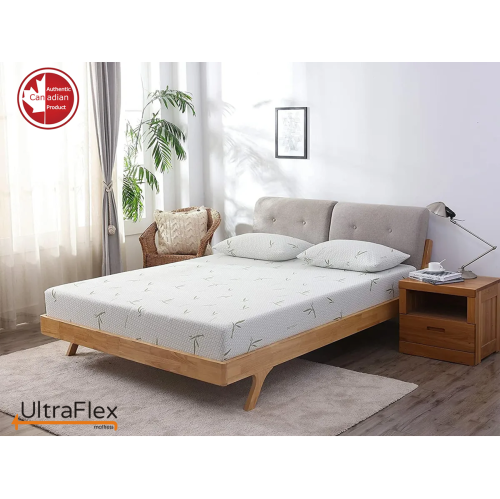
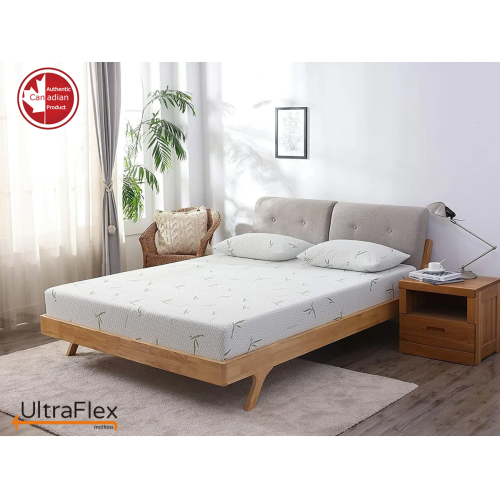
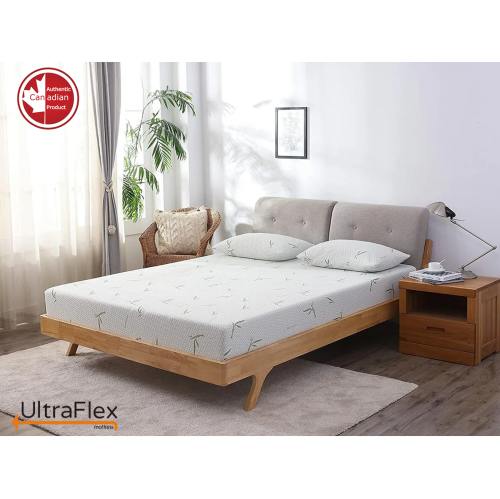
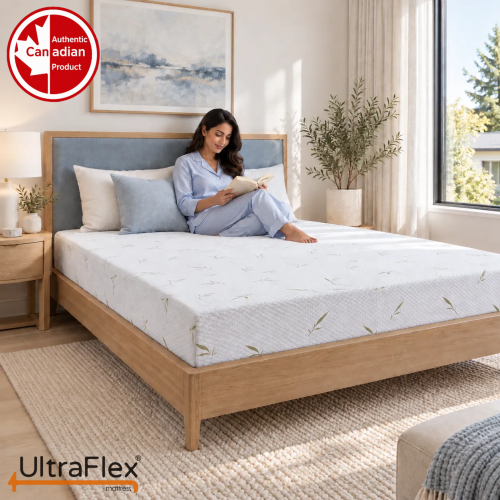
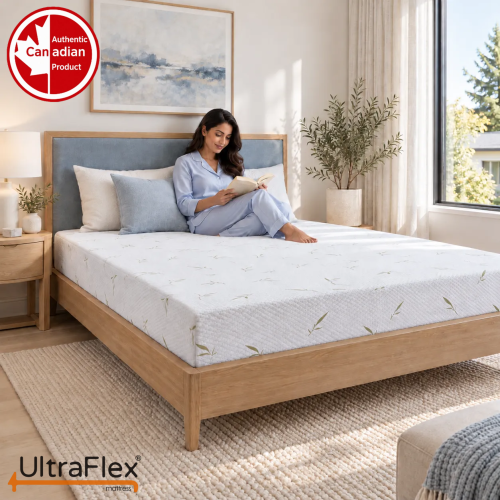
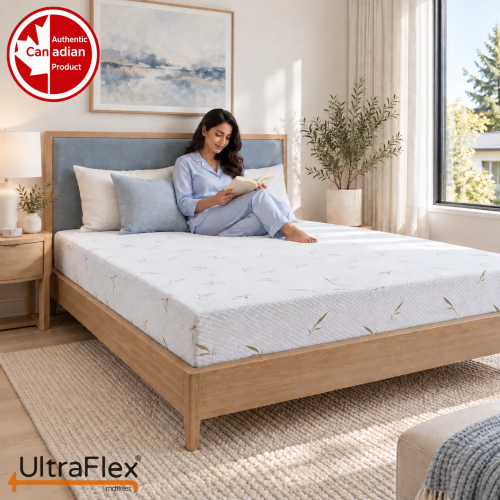
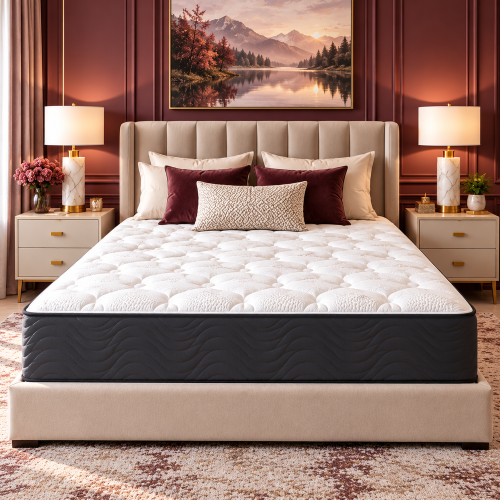
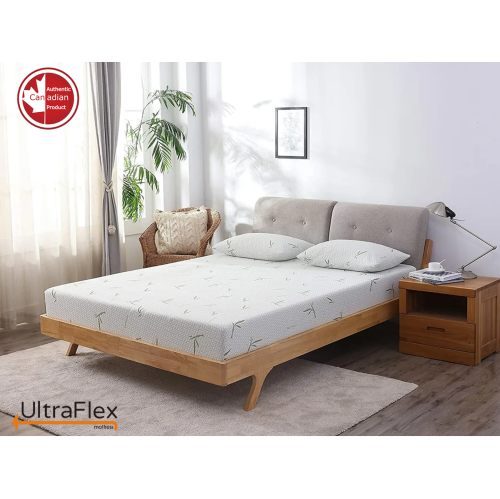
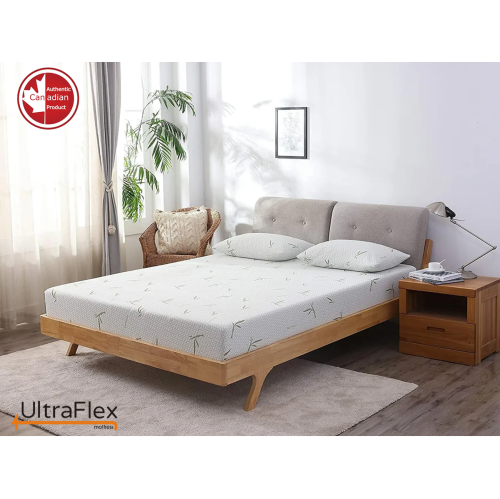
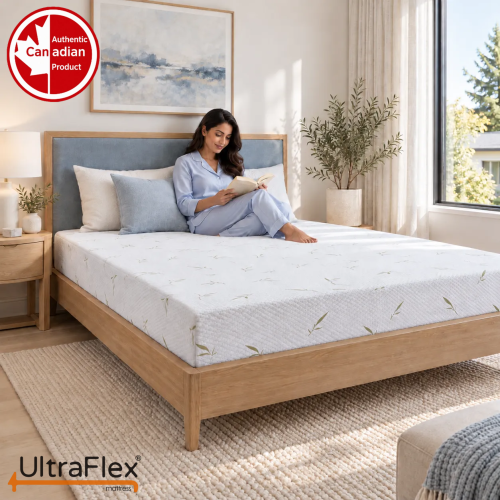
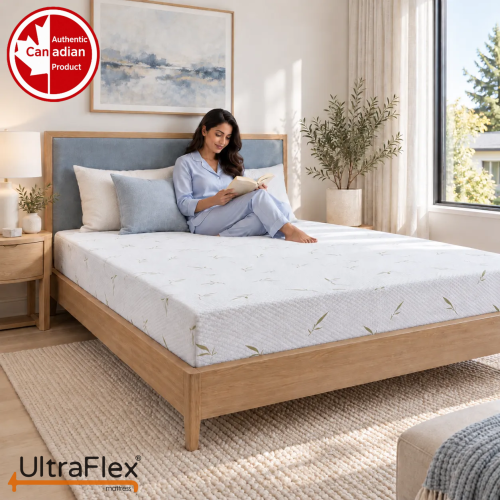
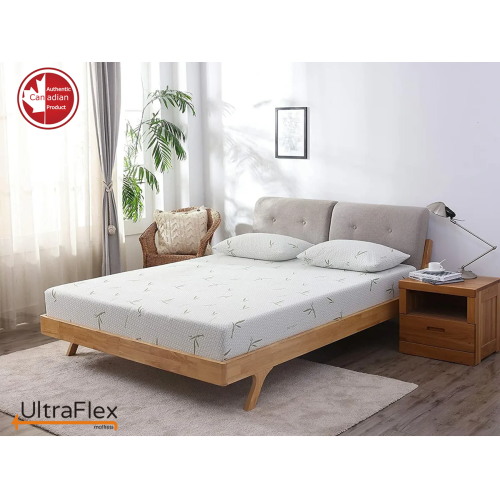
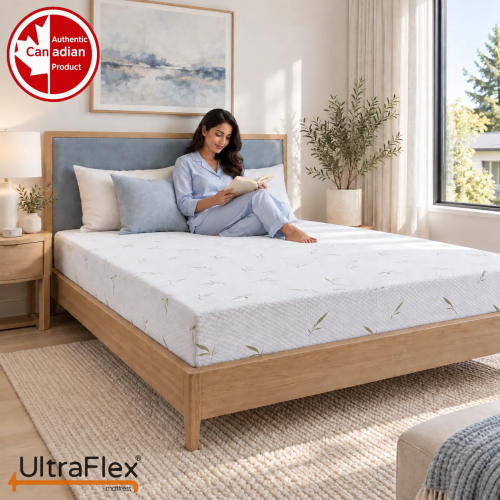
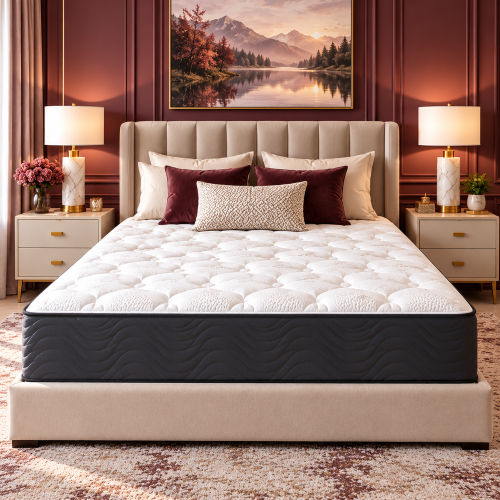

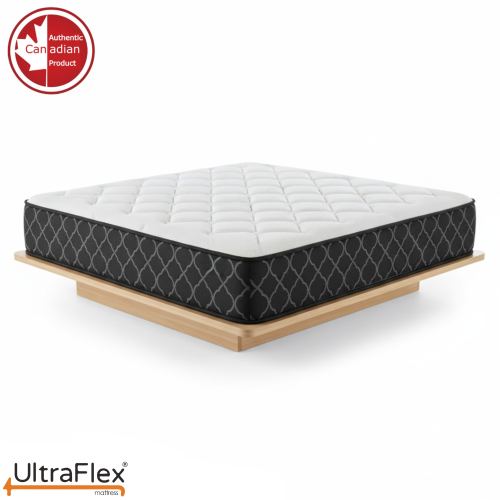
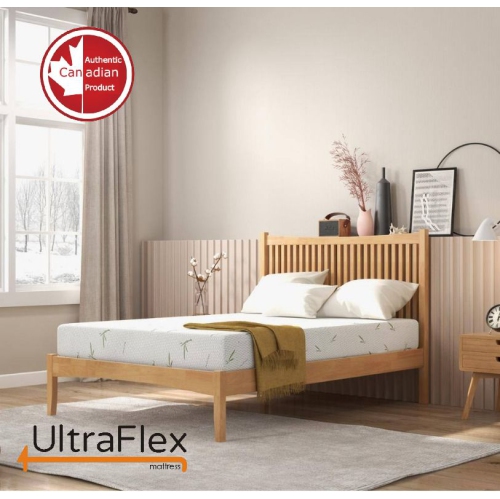
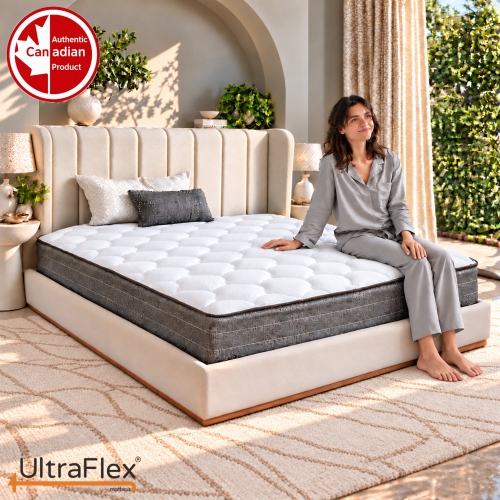
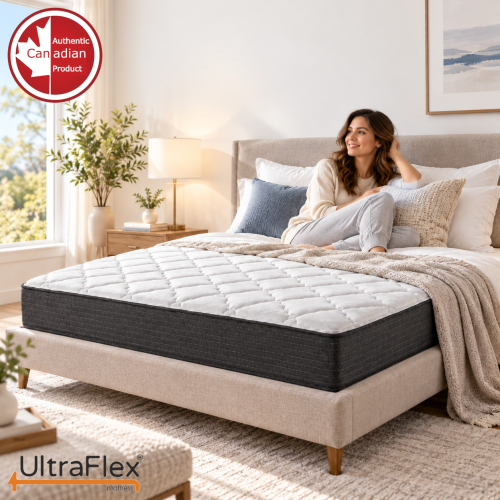
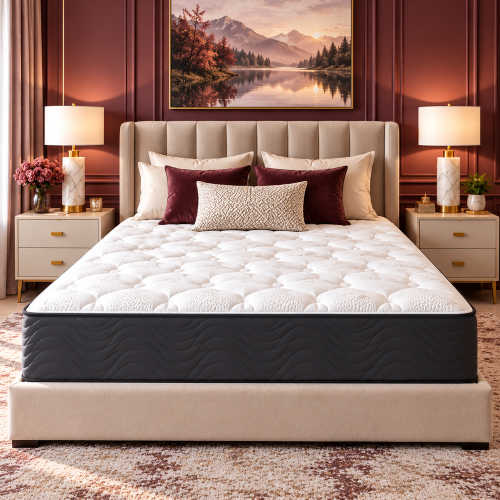
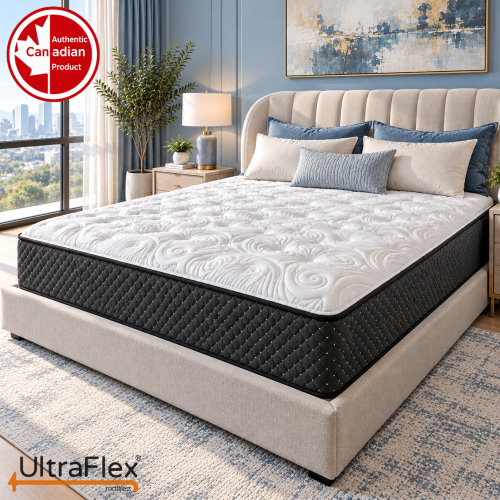



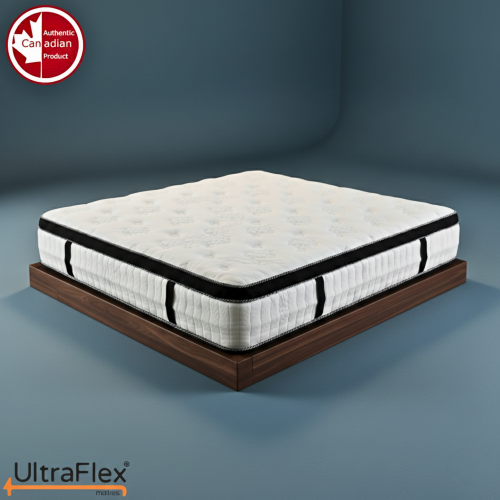

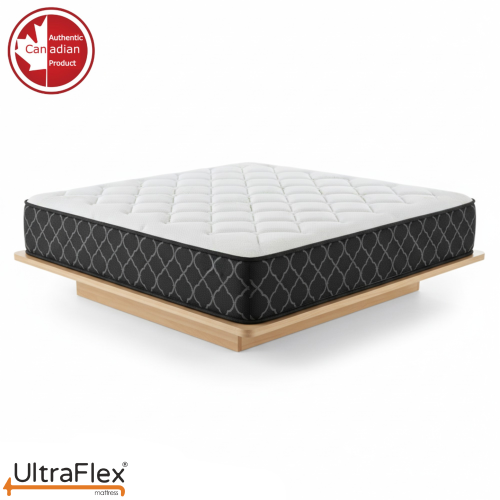
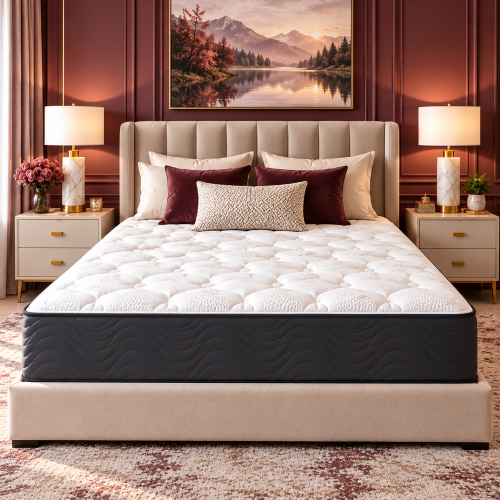
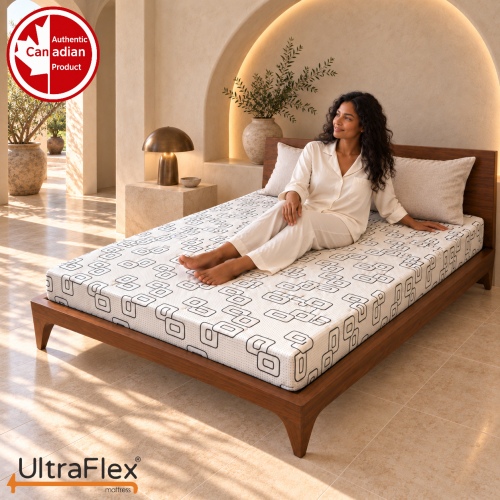
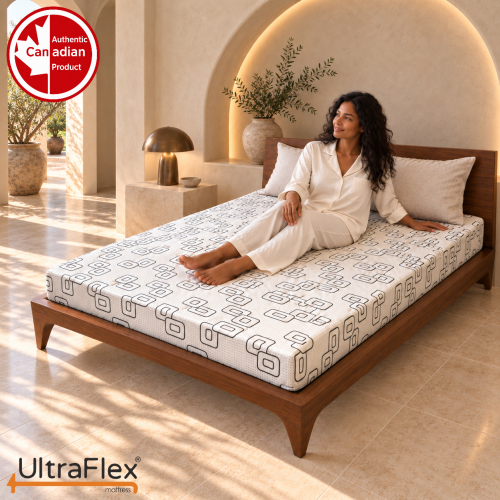
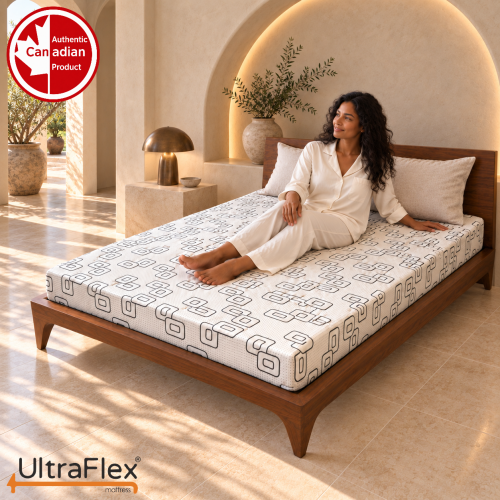



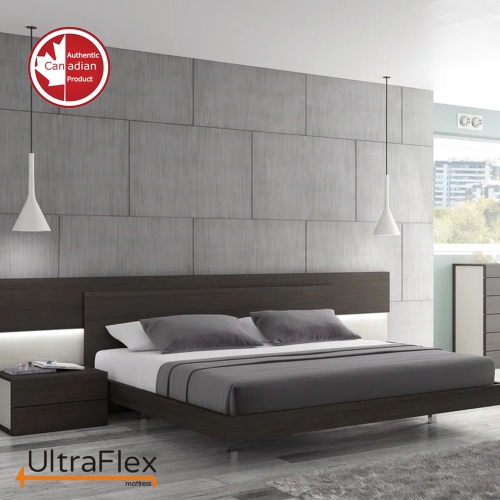
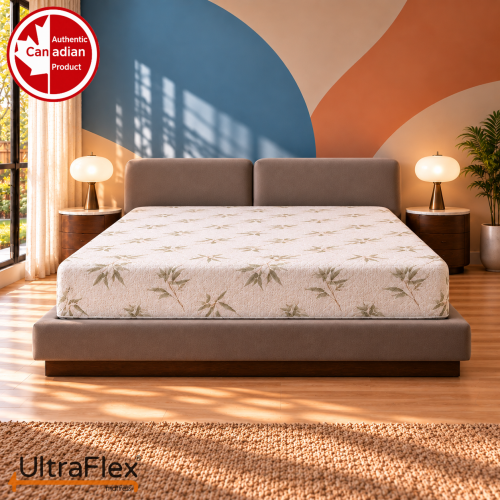
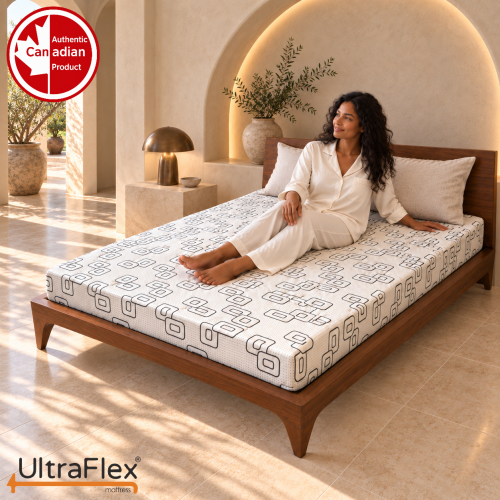



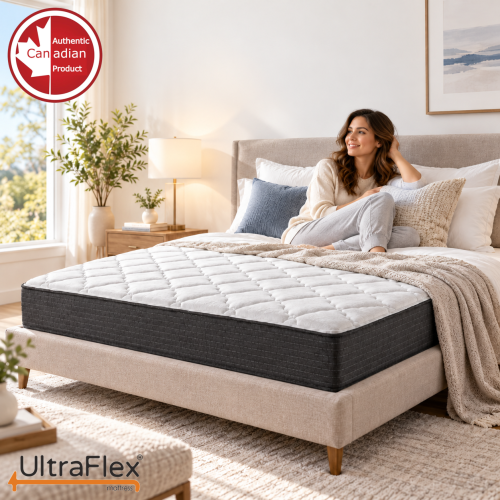
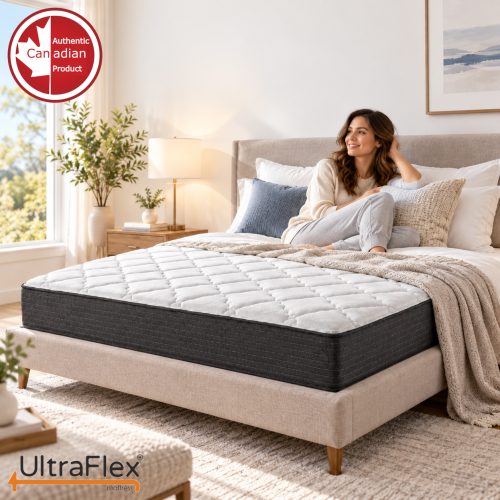

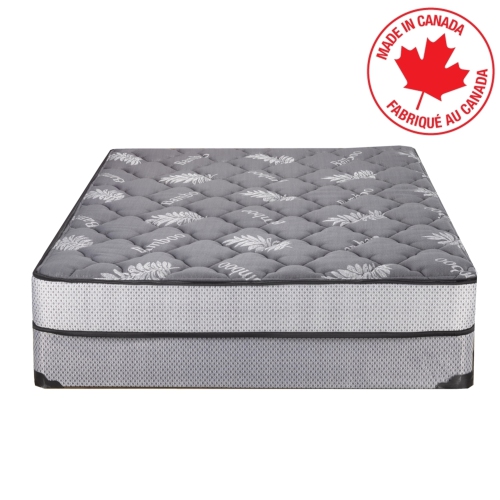
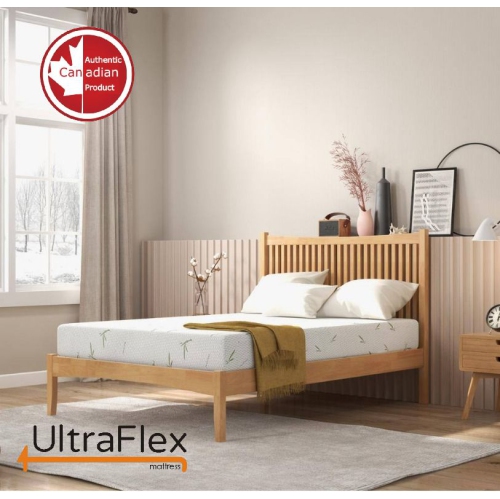
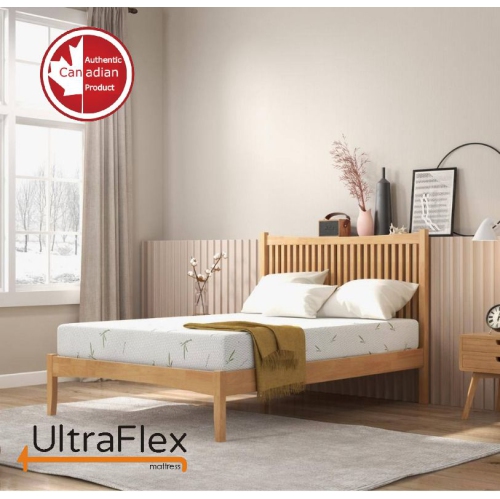

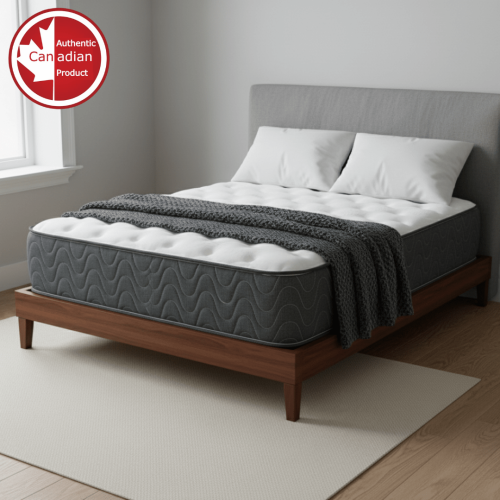
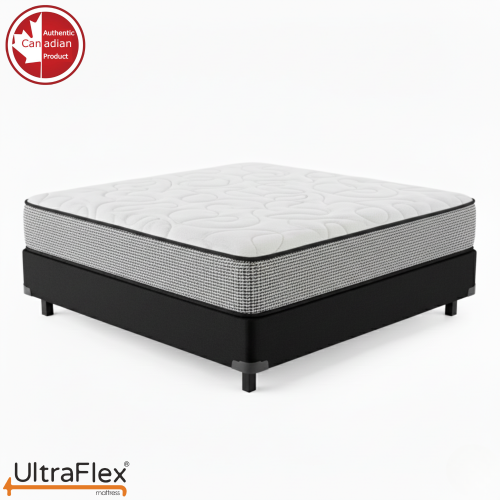
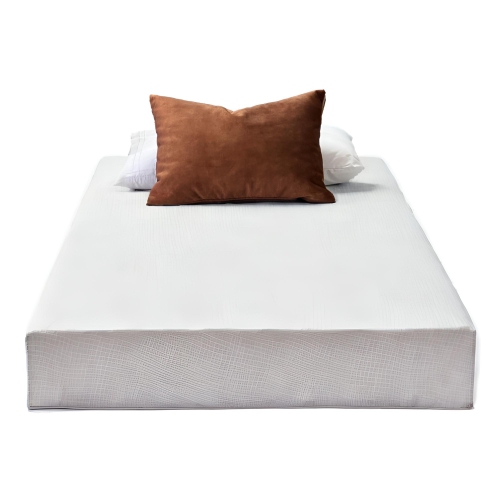
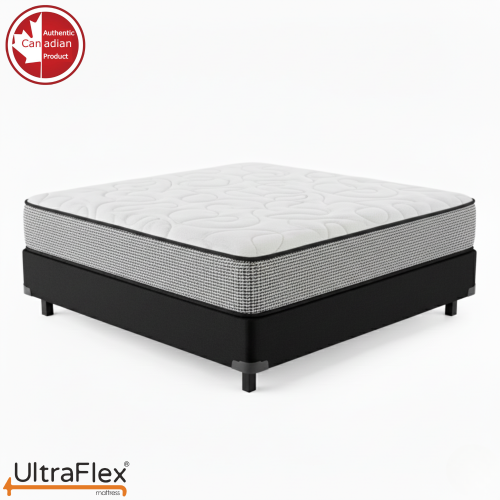

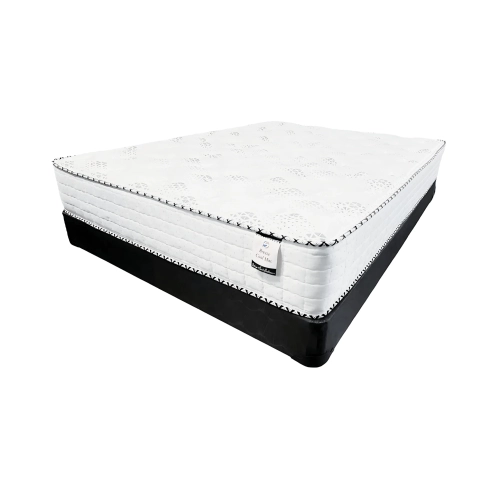
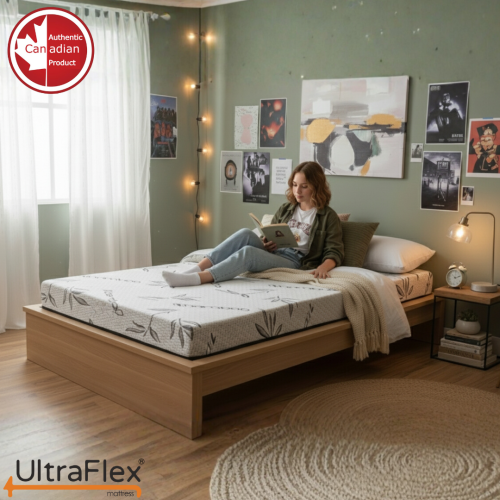
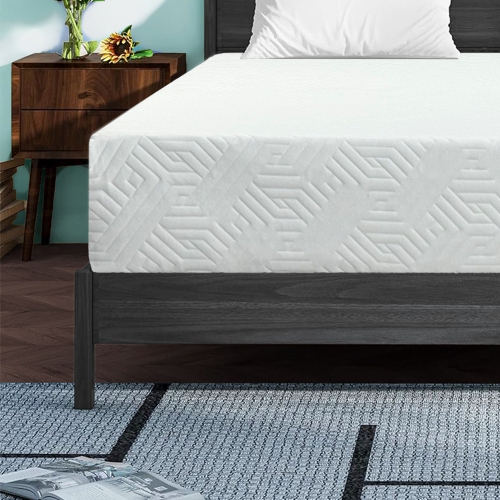
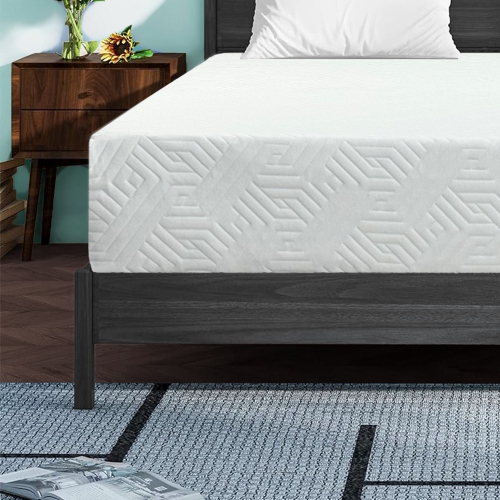




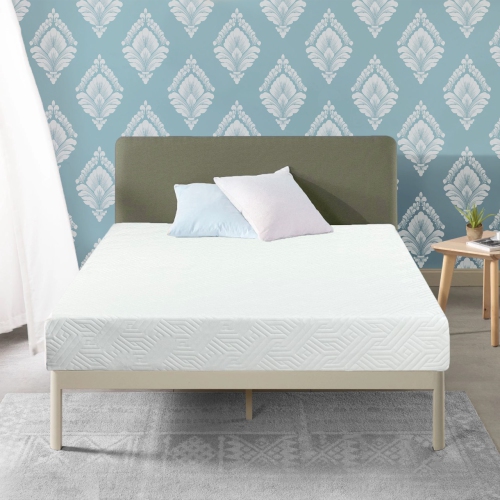
What matters beyond where your mattress is made
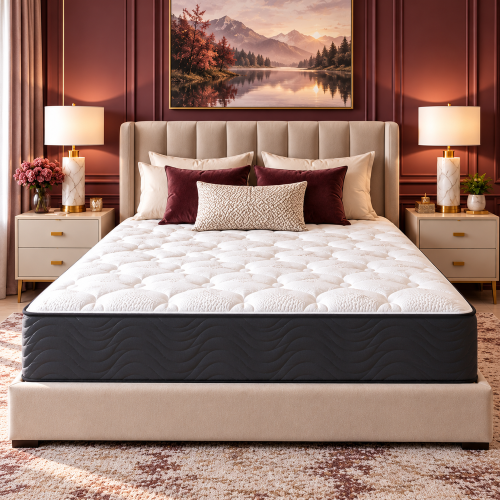
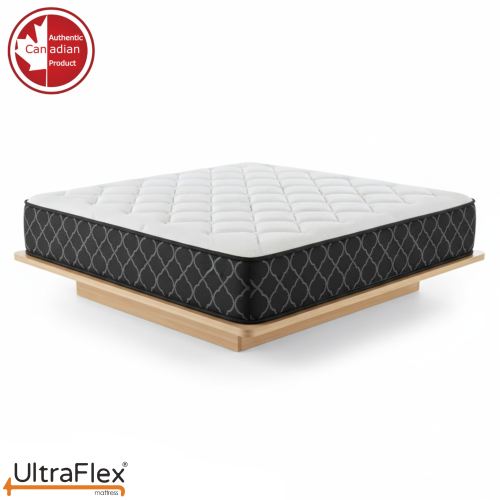
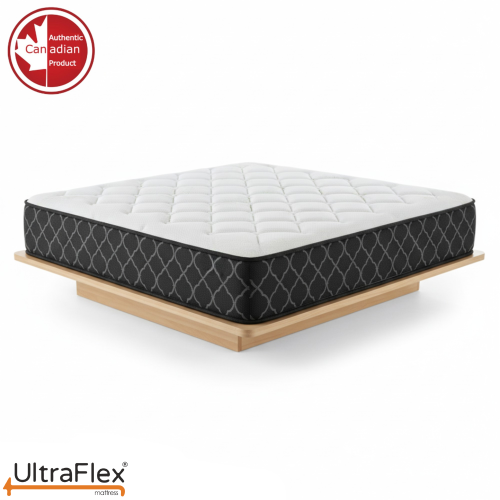
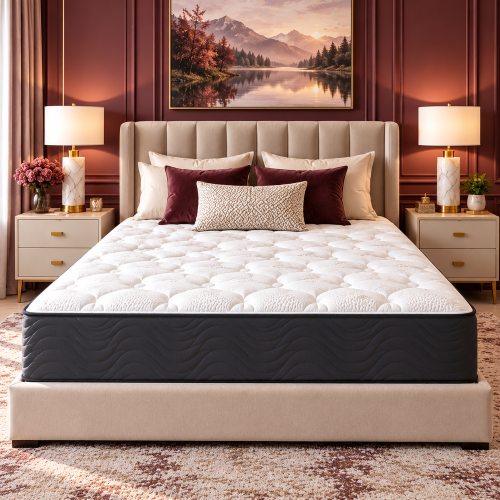
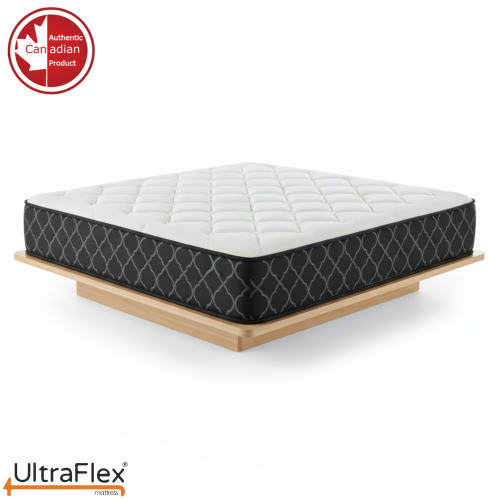
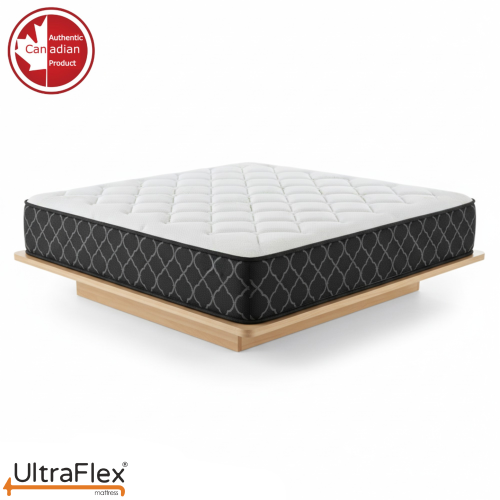
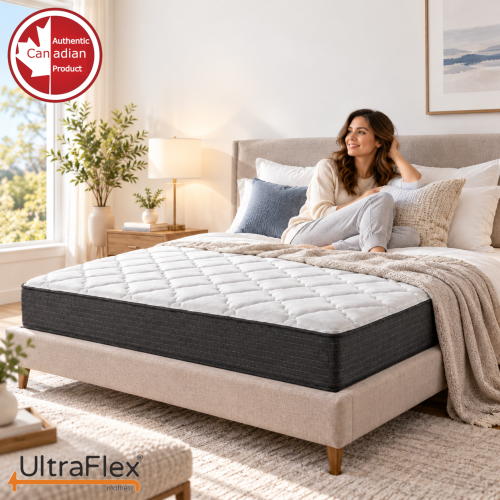
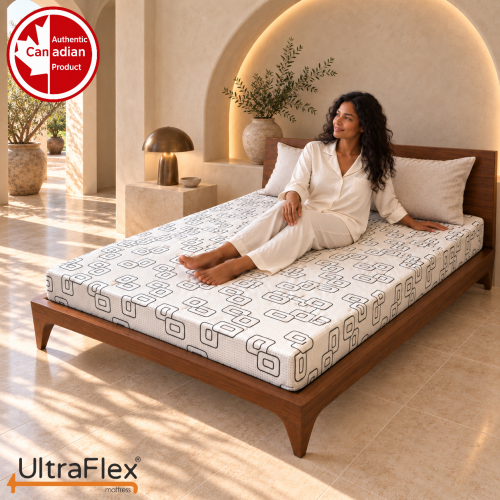
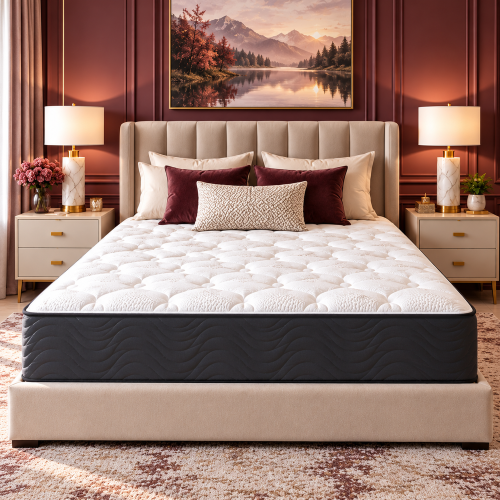
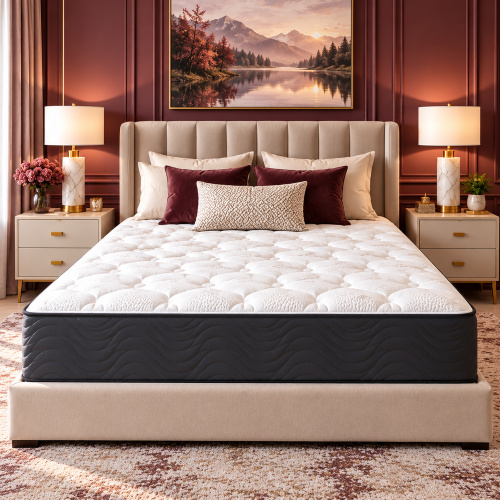
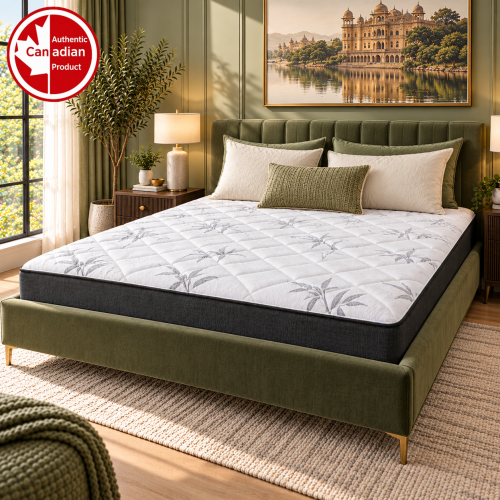
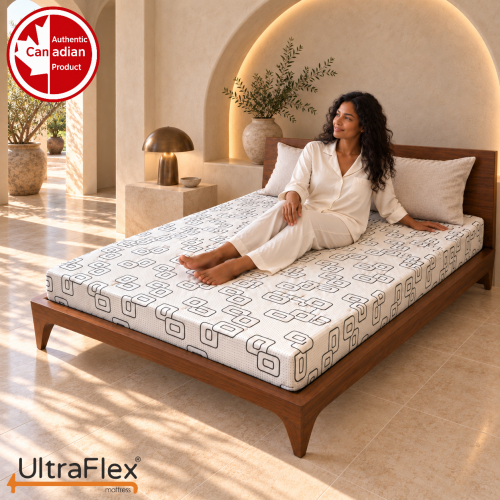
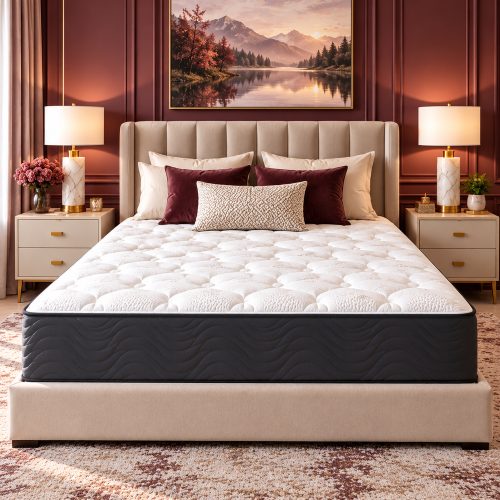
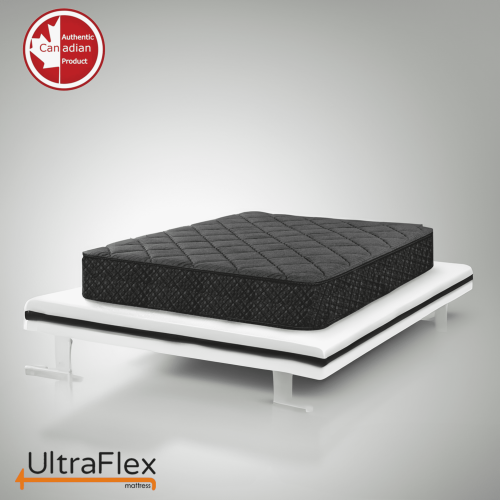
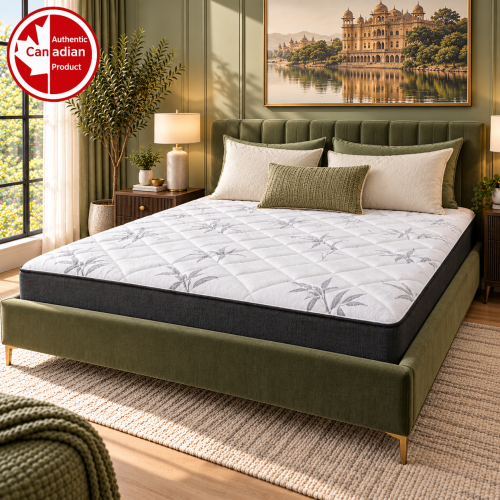
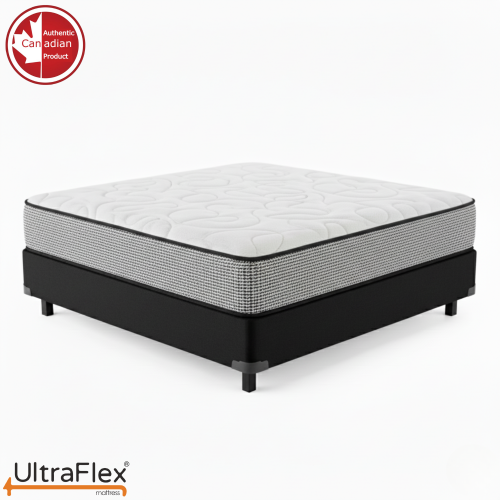
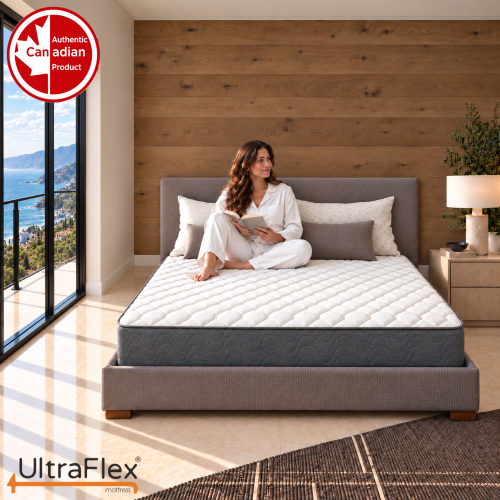
Canadian mattresses bring together a wide range of foam, pocket-coil and hybrid designs for different sleeping positions, bed sizes and comfort preferences. The term may describe mattresses manufactured in Canada or mattresses offered by Canadian companies, so the manufacturing location and the company’s ownership are separate details worth checking when Canadian origin matters. A mattress designed in Canada is not necessarily made here, and product descriptions can help clarify that distinction. Beyond origin, construction has a direct effect on how a mattress feels through a full night’s sleep. Memory foam generally responds gradually to pressure, creating a close-contouring surface that can cushion shoulders and hips. Other types of comfort foam have a quicker response, making it easier to change position without feeling deeply settled into the bed. Latex typically offers a more buoyant feel, while pocket coils compress individually to provide support across different parts of the mattress. Hybrid mattresses combine a coil support system with layers of foam, latex or other cushioning materials, balancing the movement of springs with the comfort of a padded surface. These categories cover many comfort levels: an all-foam mattress is not automatically soft, and a hybrid is not automatically firm. The thickness, density and arrangement of its layers all contribute to the finished feel. Firmness describes the sensation of the sleeping surface, while support describes how well the mattress carries the sleeper’s weight without excessive sinking. Side sleepers often appreciate cushioning around the shoulder and hip, whereas back and stomach sleepers may prefer a surface that keeps the middle of the body from dipping too far. Body weight also changes how a mattress feels, which helps explain why two people can describe the same construction quite differently. For someone who turns frequently, a responsive surface may feel more natural than deep contouring. For a light sleeper sharing a bed, motion isolation can matter more than surface bounce, especially when a partner gets up early or changes position during the night.
Size and fit shape everyday comfort just as much as mattress materials. A twin mattress can suit a child’s room, a compact guest room or a single sleeper with limited floor space, while twin XL adds length without taking up the width of a larger bed. Full, also called double, offers more room for one person to spread out, although two adults may find the sleeping space close. Queen mattresses typically measure 60 by 80 inches, and standard king mattresses typically measure 76 by 80 inches; exact dimensions should still match the bed frame and bedding specifications. A queen can balance shared sleeping space with room for bedside tables, while a king gives couples more separation when one person moves around. The bedroom layout matters beyond the footprint of the mattress itself. Space beside the bed makes dressing, changing sheets and moving through the room easier, and a frame with drawers needs clearance for those drawers to open. Mattress height also affects how the bed works in daily use. A thick mattress on a tall foundation may be awkward for a shorter sleeper, while a very low bed can make standing up more difficult for someone with limited mobility. Stronger edge support can provide a steadier place to sit while putting on socks and can make more of the sleeping surface feel usable. In a shared bed, that edge stability may be particularly noticeable when both sleepers prefer extra personal space. For guest rooms, a broadly comfortable feel and straightforward care may be more useful than a deeply contouring surface chosen for one person’s preferences. Growing children, students furnishing a first bedroom and adults replacing a worn mattress will have different priorities, but all benefit from a size that suits both the sleeper and the room. Delivery access also deserves attention: narrow staircases, tight corners and lift dimensions can affect whether a full-size mattress reaches the bedroom easily. Related styles and comfort options can also be explored through Top Mattresses Canada.
The details beneath the mattress and around its cover influence how well it holds up to regular use. A suitable foundation provides consistent support, whether that means a platform bed, closely spaced slats or another base approved for the mattress construction. Wide gaps between slats can leave sections unsupported, and larger bed sizes may require centre support to prevent the frame from flexing. Compatibility with an adjustable base should be confirmed rather than assumed, since not every mattress is designed to bend repeatedly. The cover and comfort layers also deserve attention. Quilted surfaces can add a cushioned feel, stretch-knit covers allow closer contact with the layers beneath, and breathable materials can support airflow around the sleeping surface. A fitted mattress protector helps limit contact with spills, perspiration and everyday dust without replacing the need for regular cleaning. Care instructions vary, particularly for removable covers: a cover with a zipper is not necessarily intended to be removed or machine washed. Following the care label, addressing spills promptly and allowing cleaned areas to dry fully helps protect the materials inside. Rotation may help distribute wear when the manufacturer recommends it, but many layered mattresses are designed for use on one side and should not be flipped. Durability depends on the quality of the comfort layers, the support system, the foundation and the amount of daily use, rather than thickness alone. A taller mattress is not inherently longer-lasting, and a firm feel does not guarantee that the surface will resist impressions. Persistent sagging, uneven areas or a noticeable loss of support can signal that a mattress is no longer performing as intended. Warranty coverage and any sleep-trial terms are separate considerations, with conditions that can differ for wear, defects and comfort preferences. In daily use, the most suitable Canadian mattress is one whose construction, dimensions and care requirements work together for the person sleeping on it, whether it is used every night in a main bedroom or kept ready for visiting family.
Top selling and popular products
-
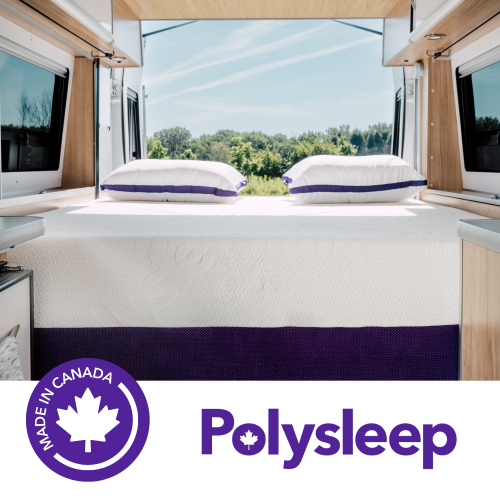 Your price for this item is $1199
-
 Your price for this item is $644
-
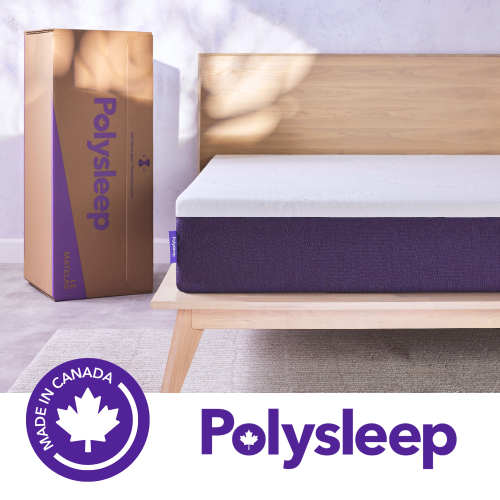 Your price for this item is $696.5
-
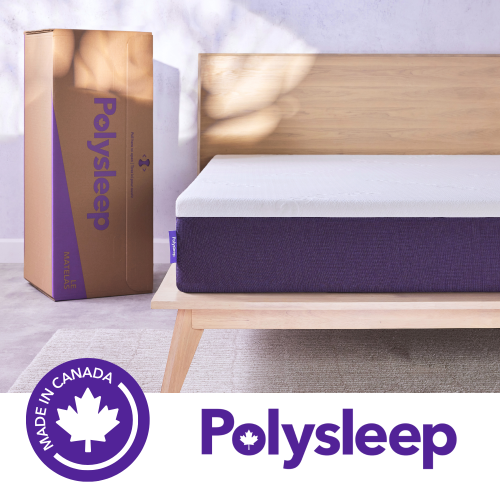 Your price for this item is $591.5
-
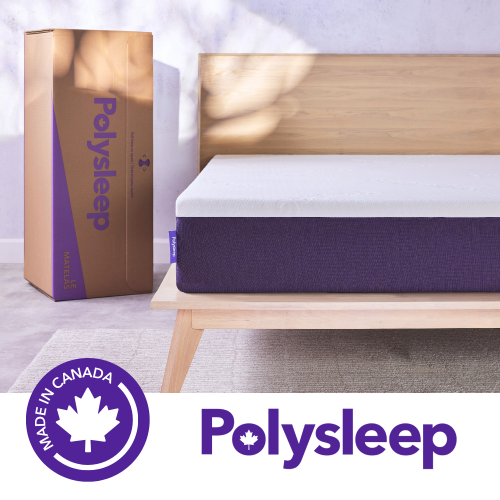 Your price for this item is $906.5
-
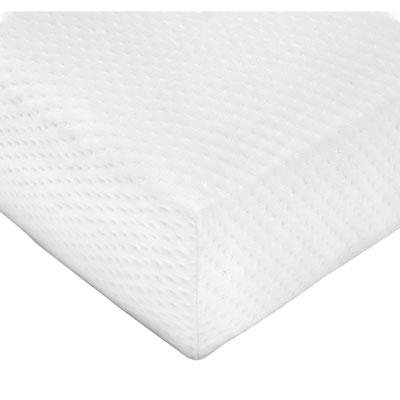 Your price for this item is $159.99
-
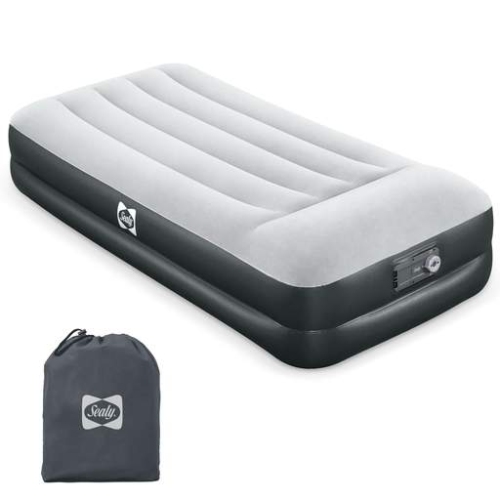 Your price for this item is $133.99
-
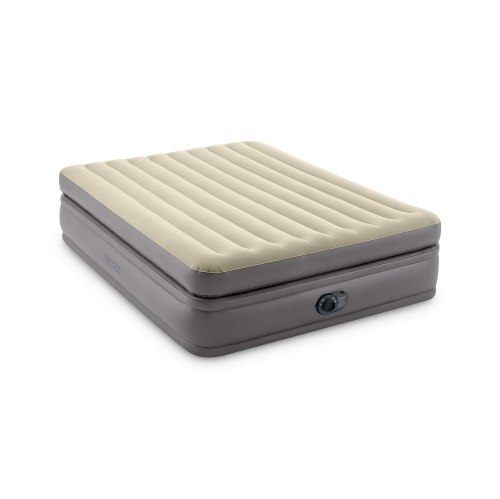 Your price for this item is $239.99
Discover more categories related to Canadian Mattresses
Top Collections:
Best Black Friday Deals This Year, Best Black Friday Deals On Electronics, Kindle Devices, Best Black Friday Deals On Apple Products, Best Budget Office Chairs, Best Cameras for Sports Photography, Dyson Airwrap, Canon G7X Cameras, Best Laptops for Writers, Samsung Galaxy Phones
Some products may be subject to Environmental Handling Fees
(EHF) depending on your province.
Learn more about EHFs.