Carpet Rugs
Transform your living space with the perfect blend of style and comfort by exploring our diverse selection of carpet rugs. Whether you're looking to add a splash of color, introduce texture, or simply create a cozy atmosphere, carpet rugs are an essential element in elevating your home's aesthetic. With a variety of designs, sizes, and materials available, finding the ideal rug to complement your decor has never been easier. Dive into our collection and discover how carpet rugs can effortlessly enhance any room in your home.
Sort

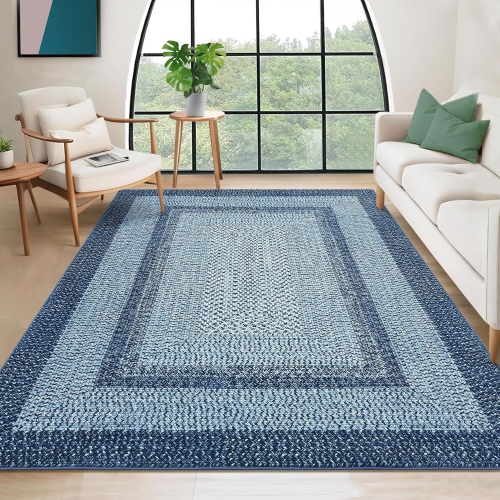
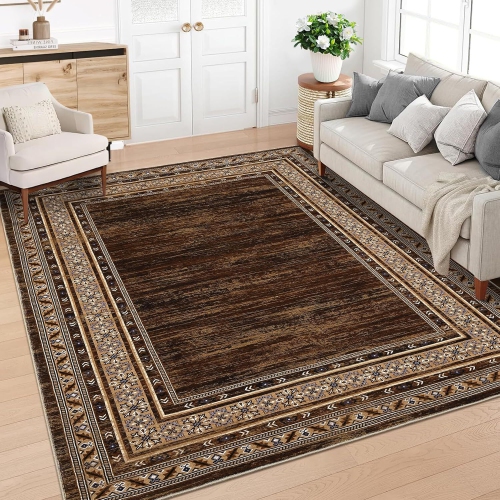
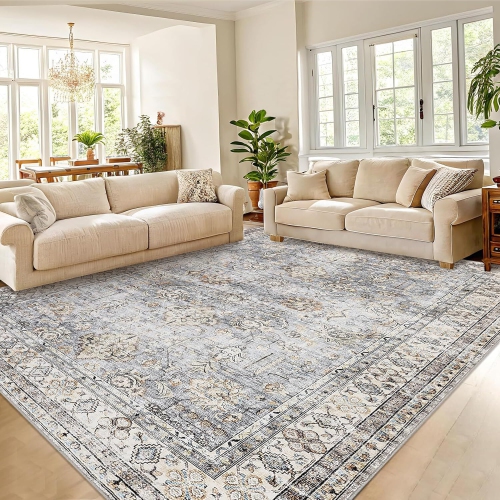
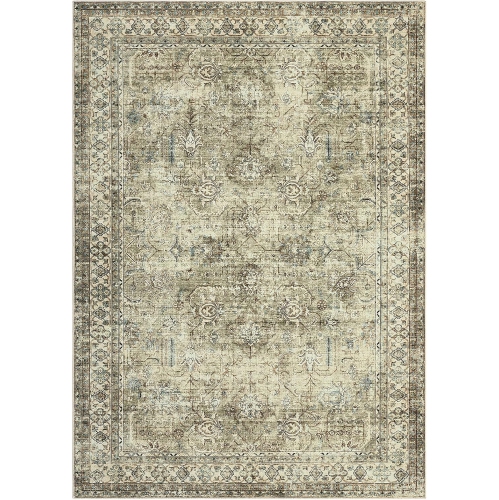



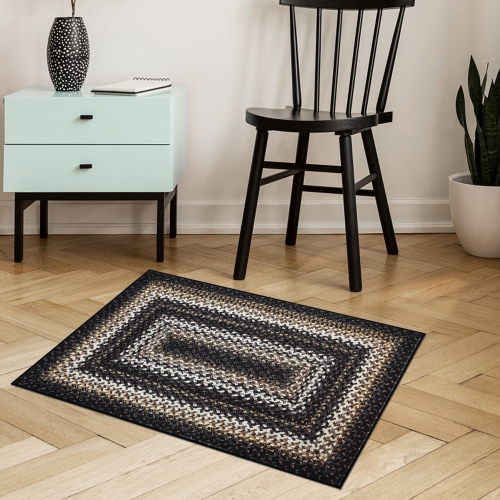
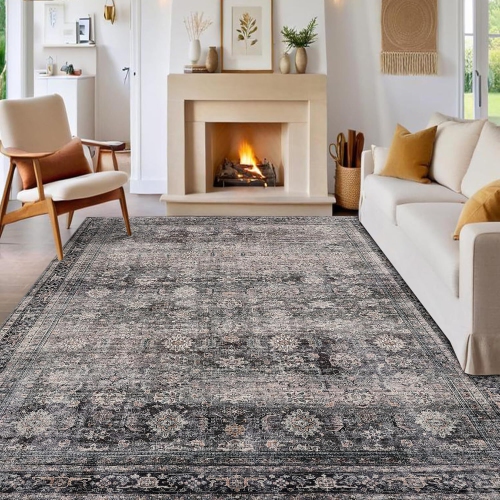
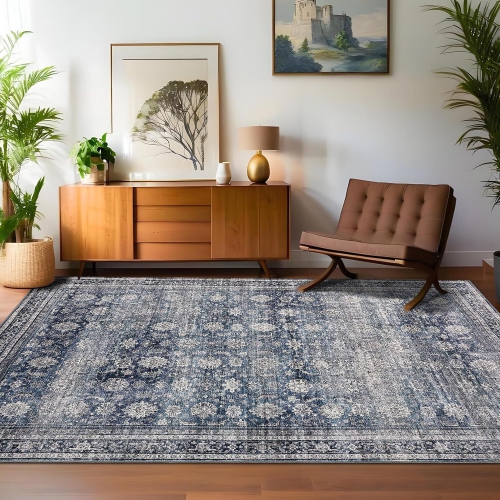
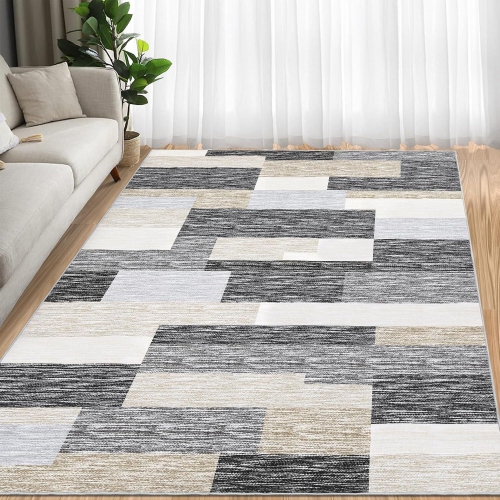
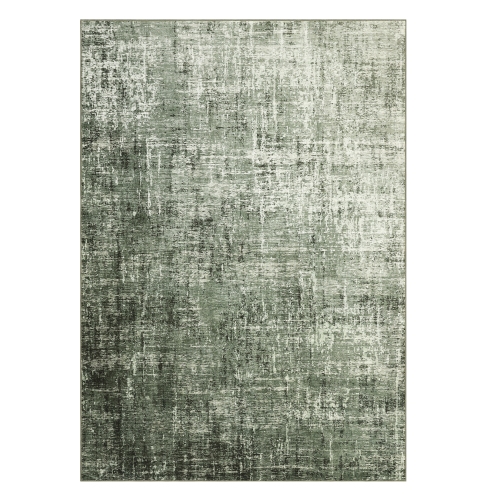
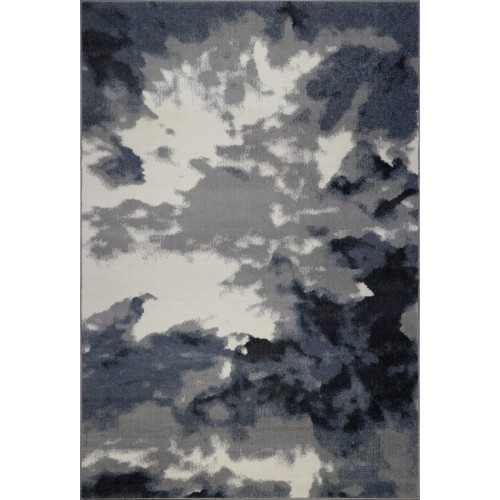
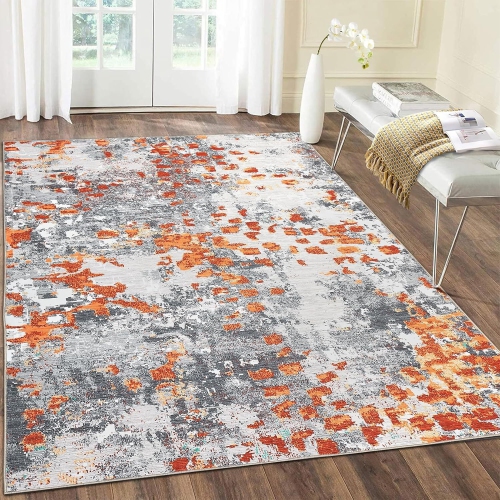
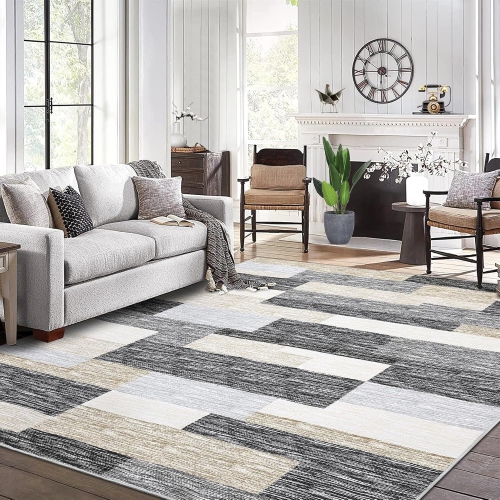
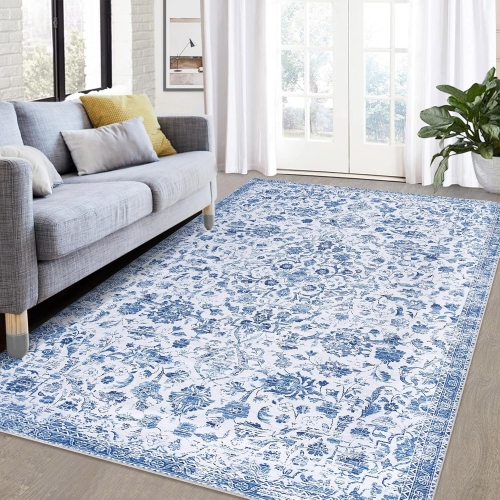
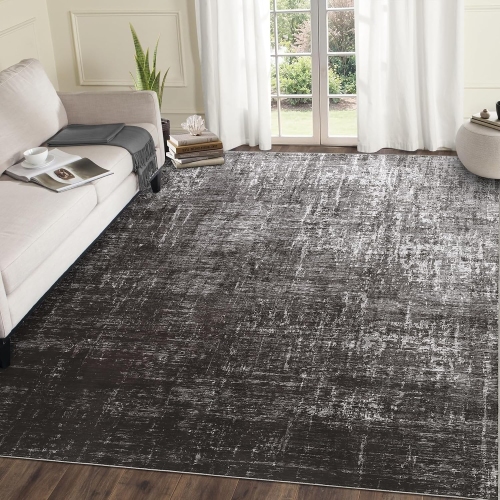
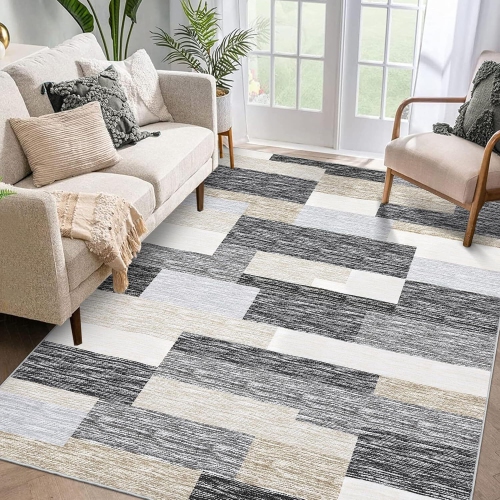
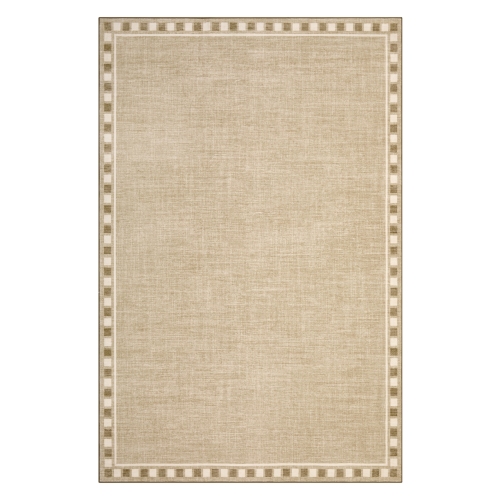

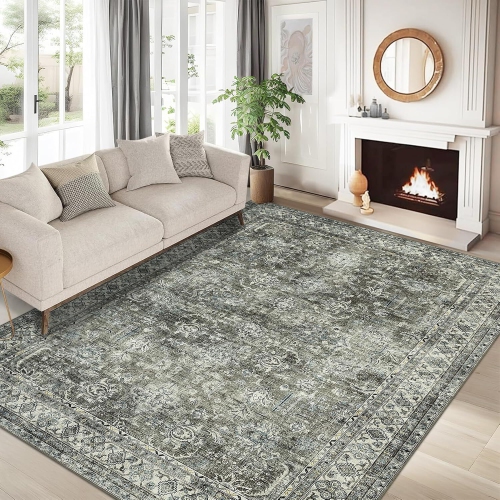
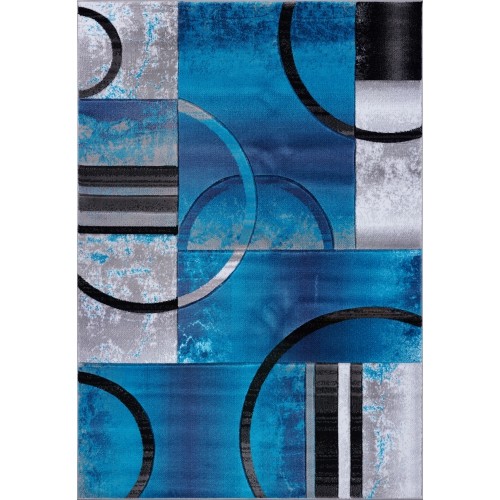
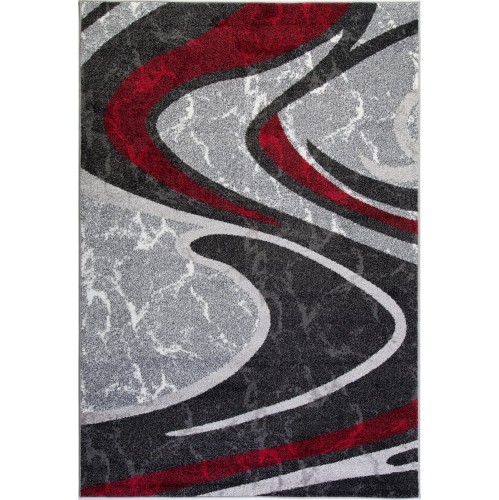
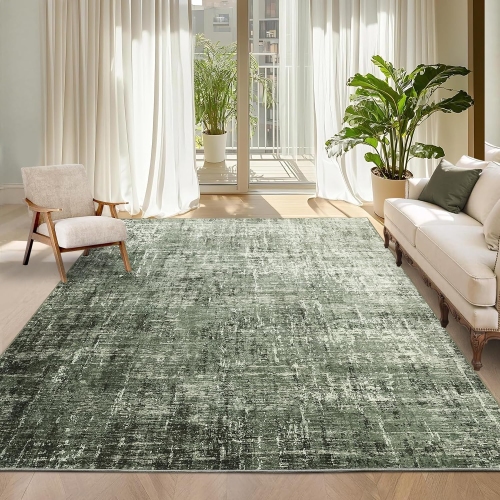

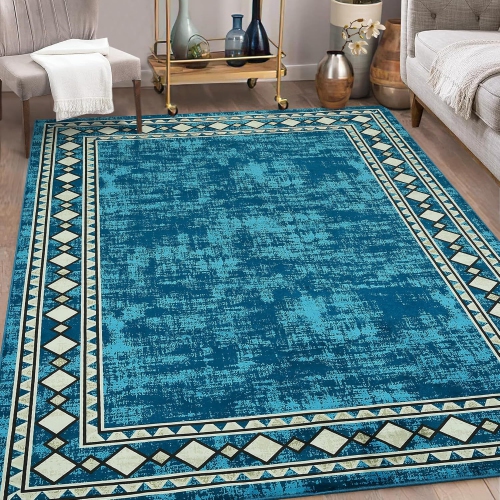

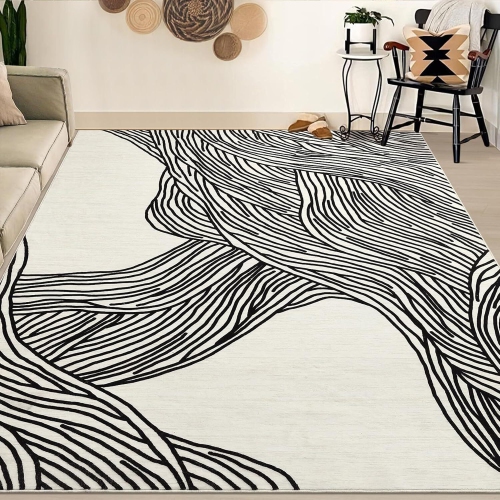
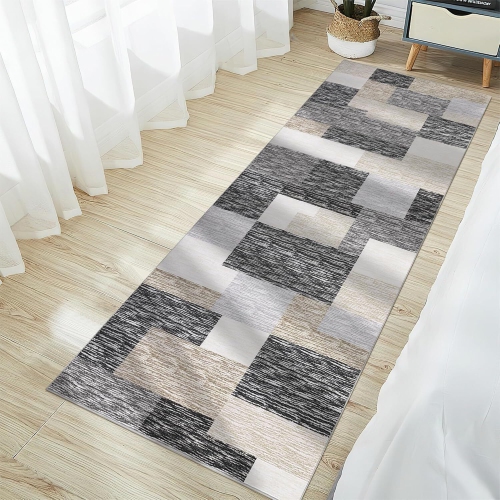
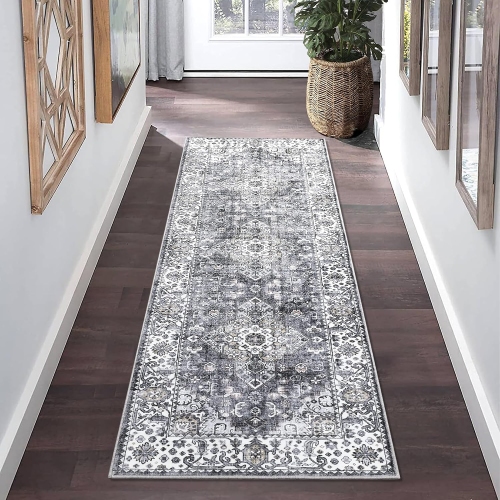
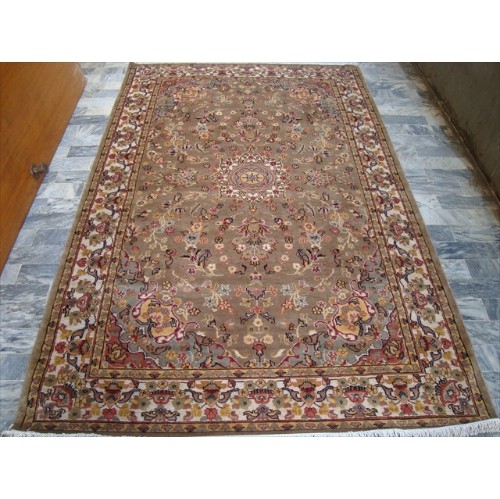
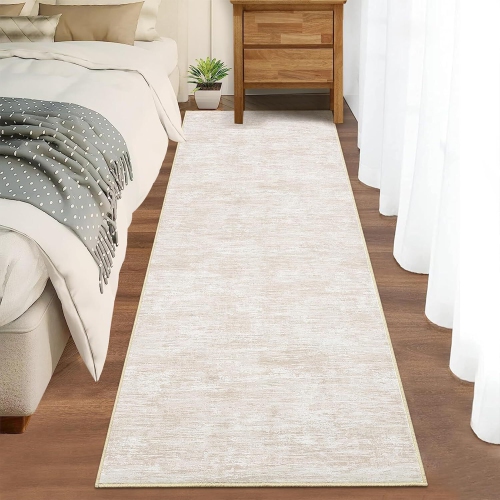
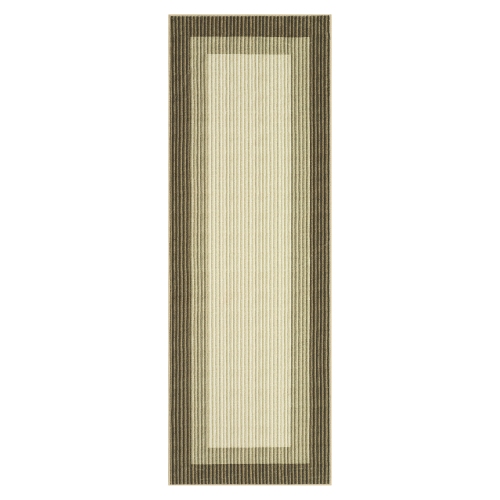
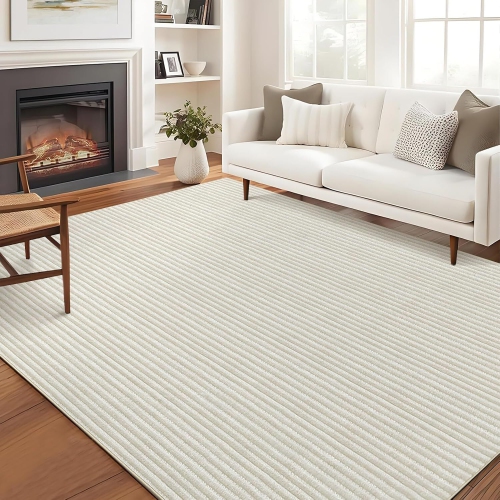
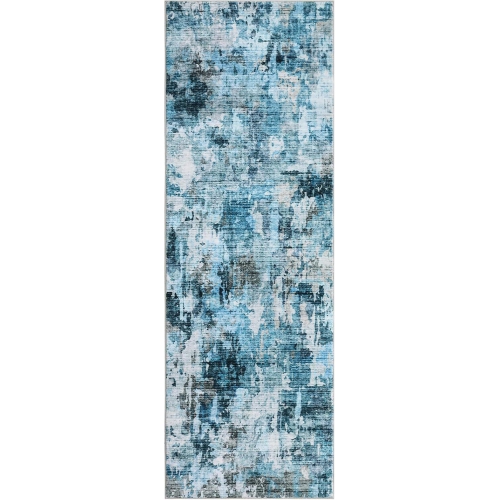
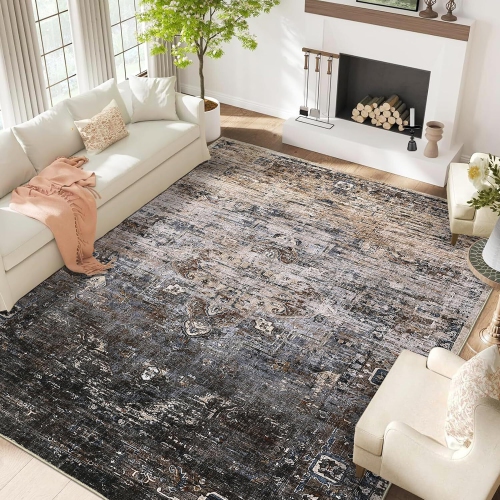
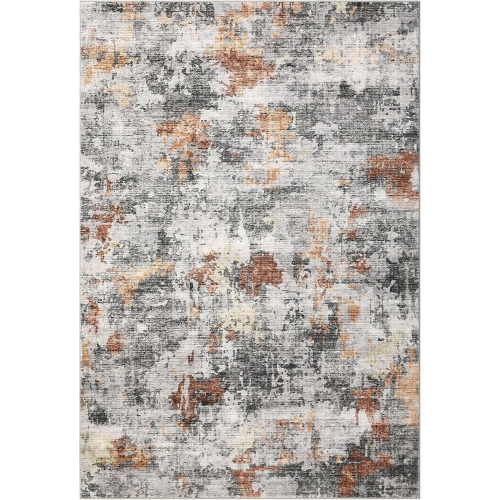

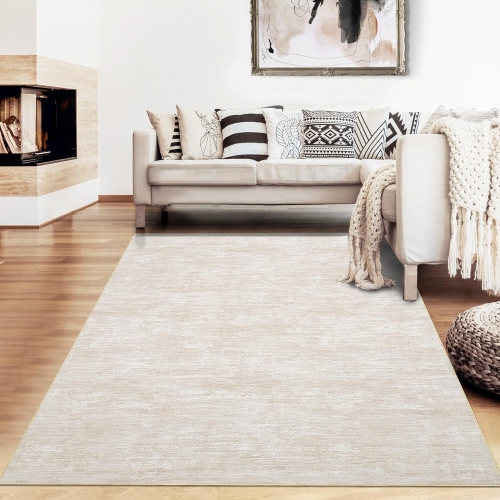
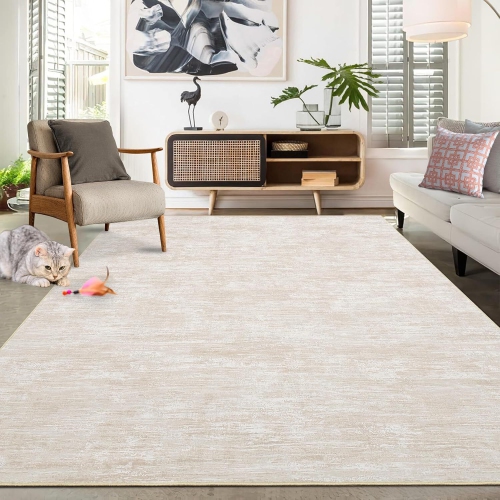

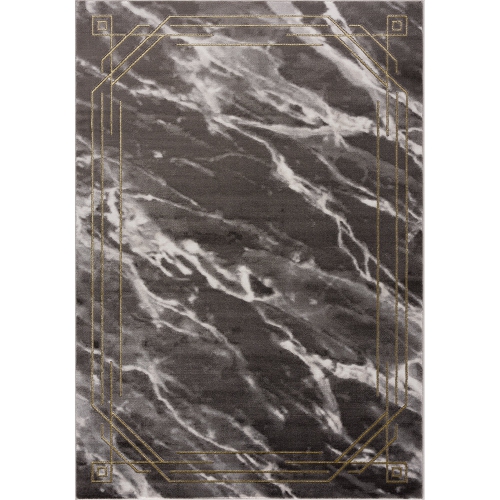
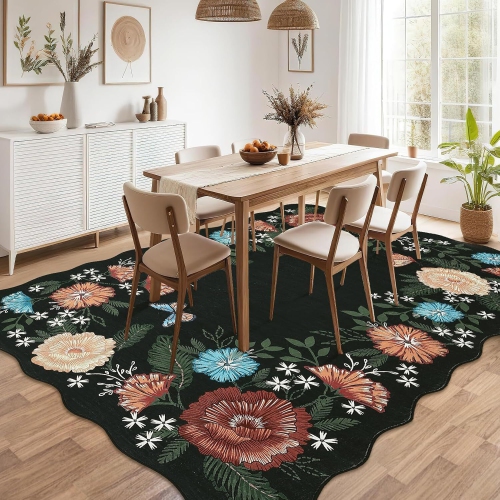
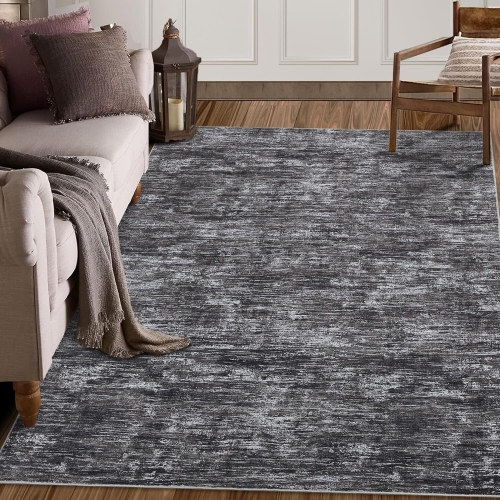
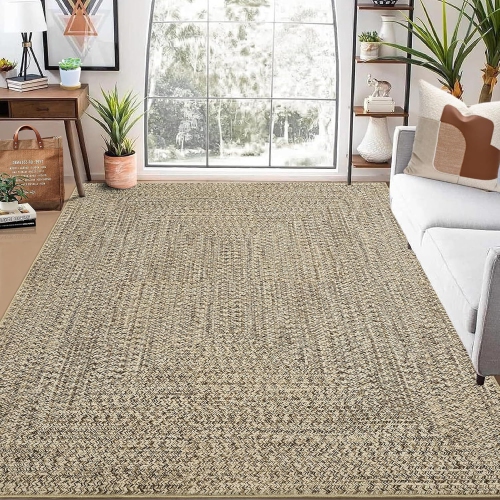
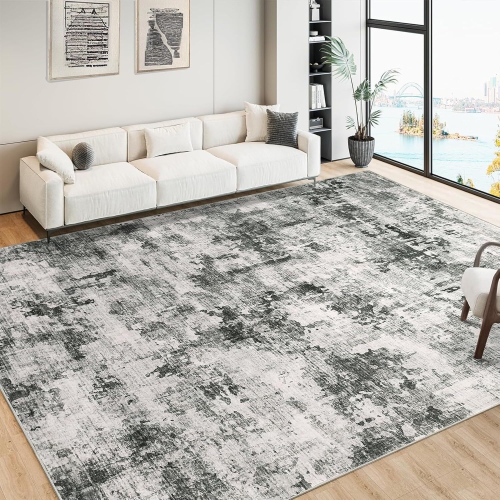
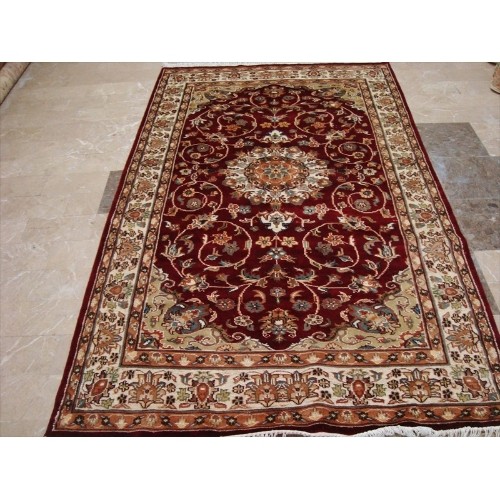
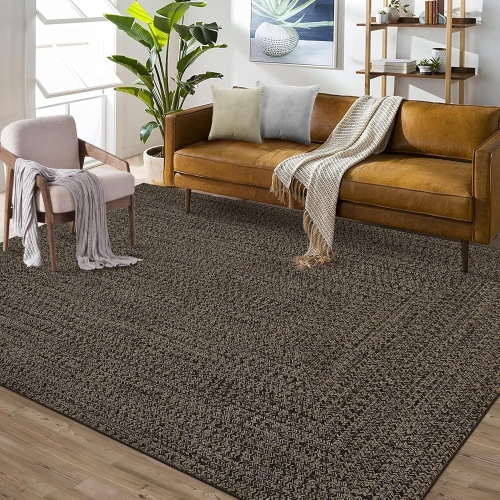
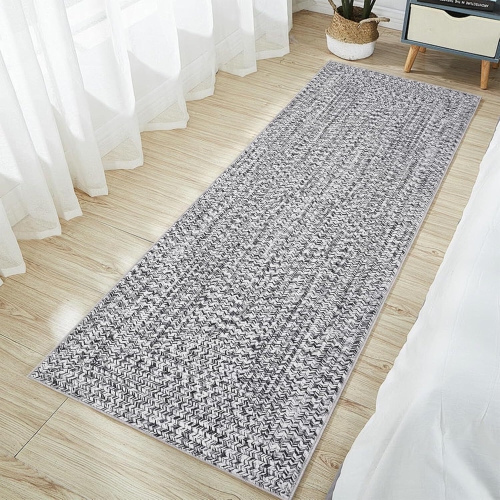
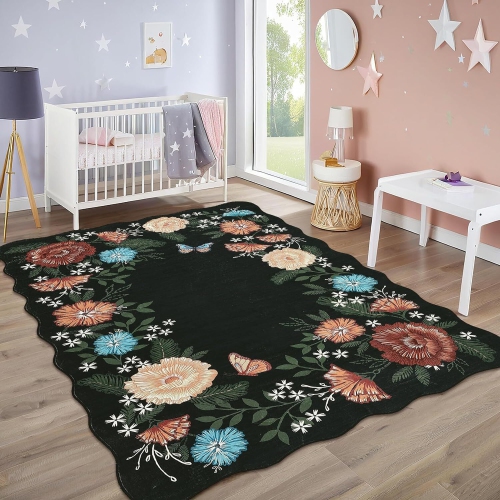
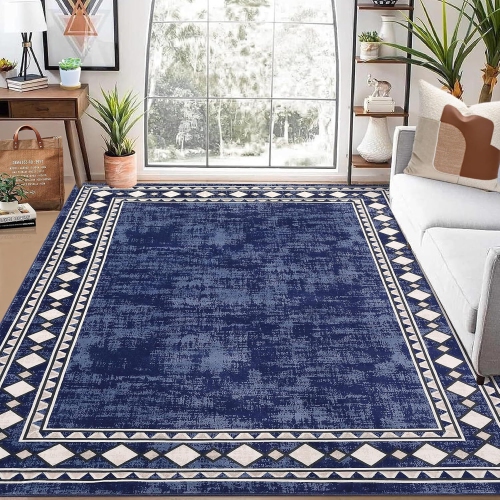
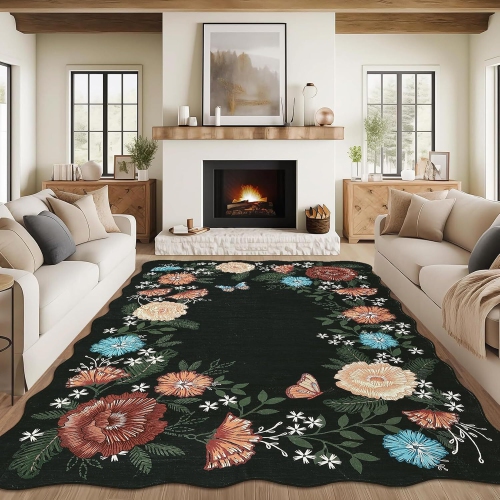
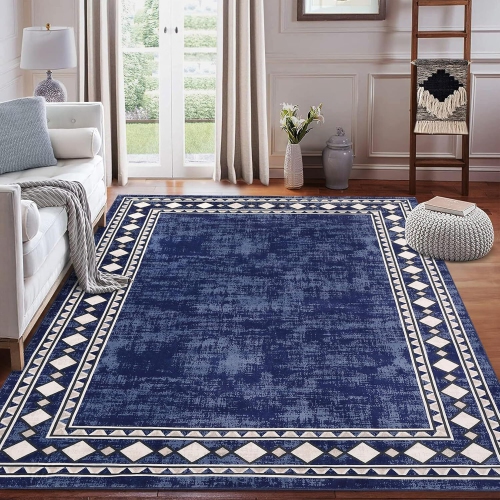
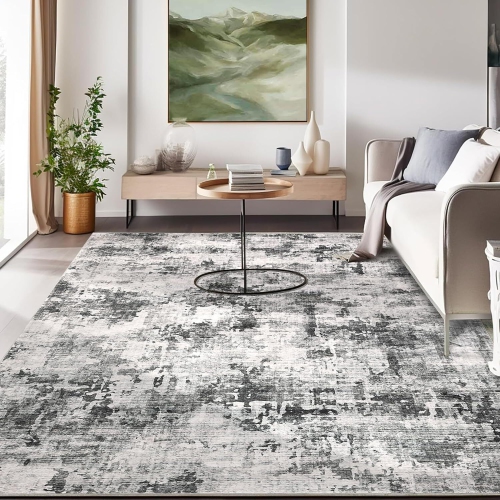

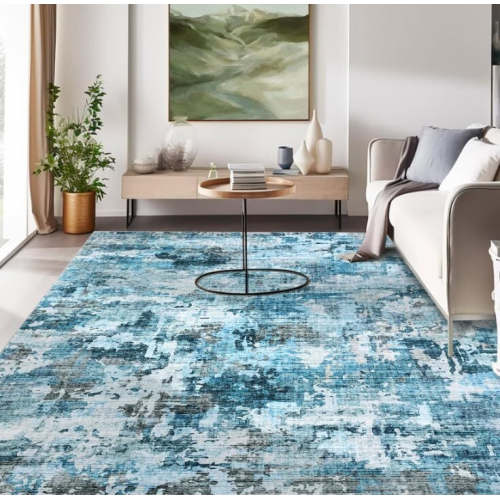
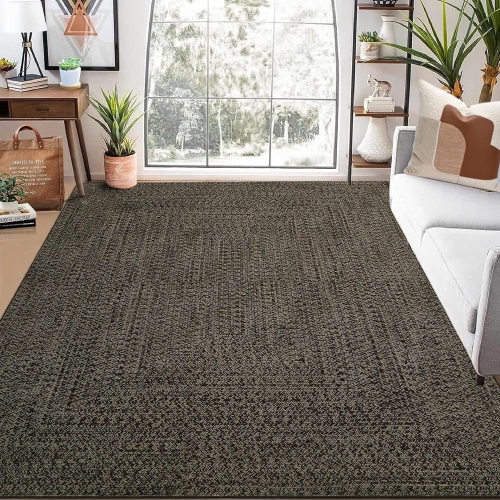



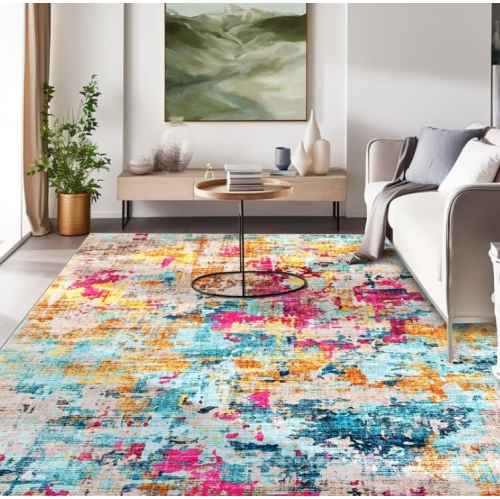
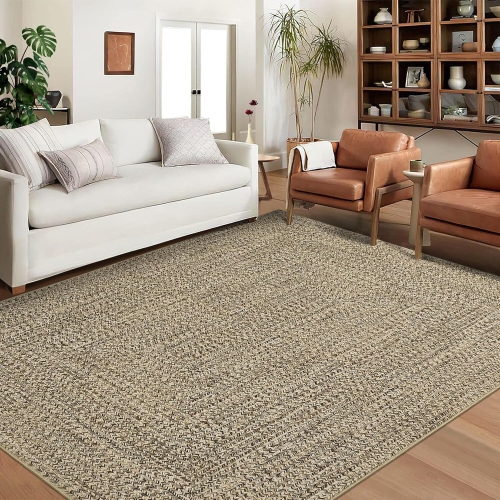
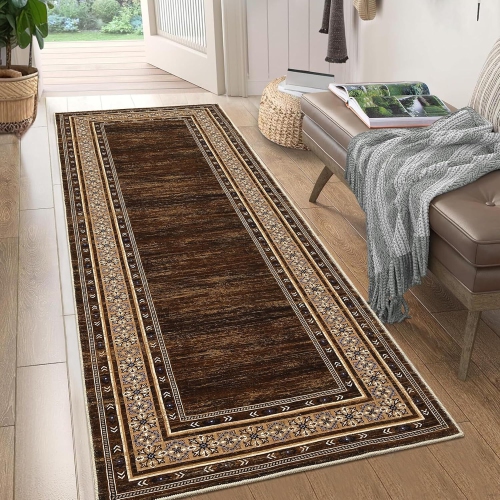
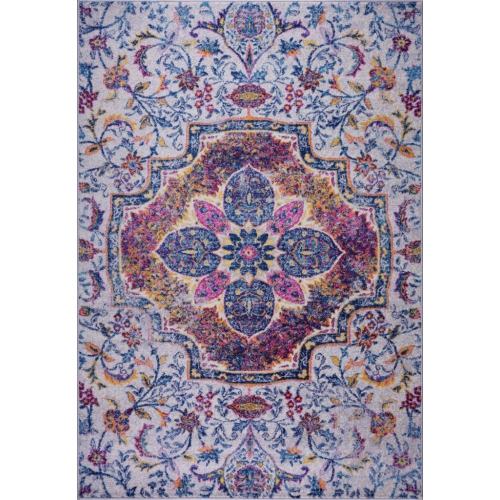
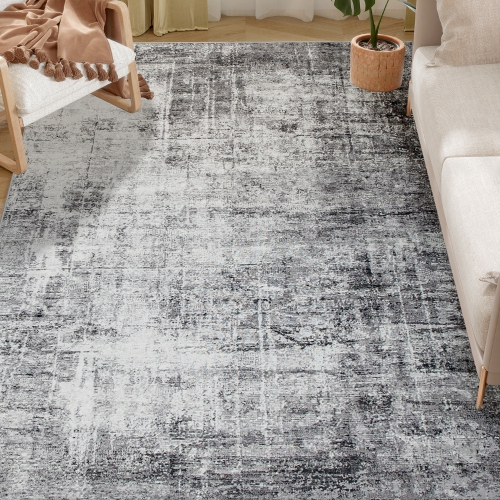
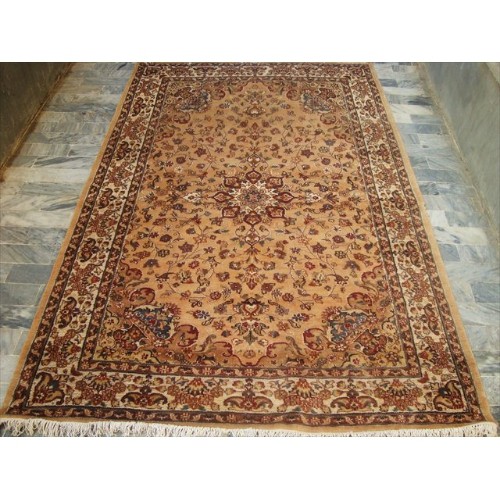
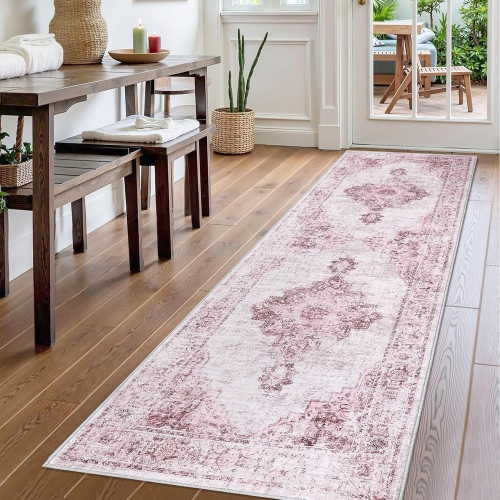

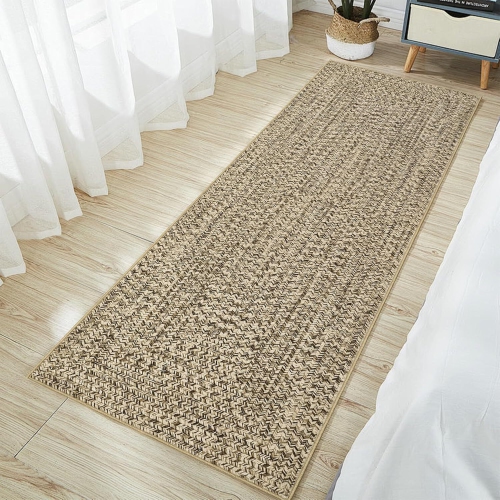
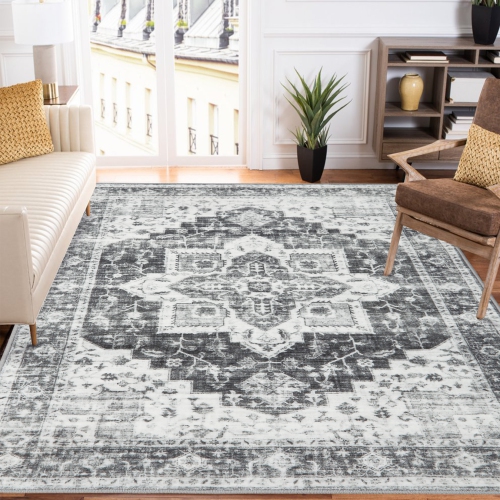
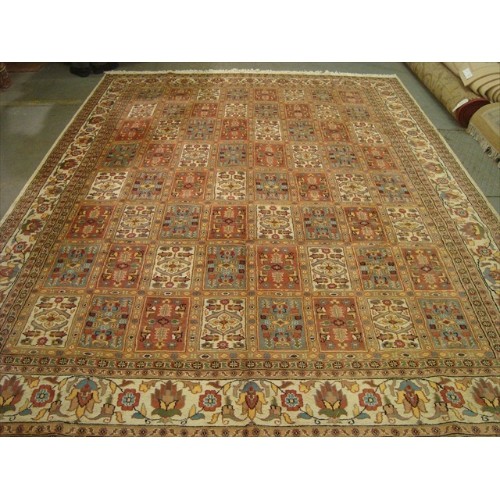
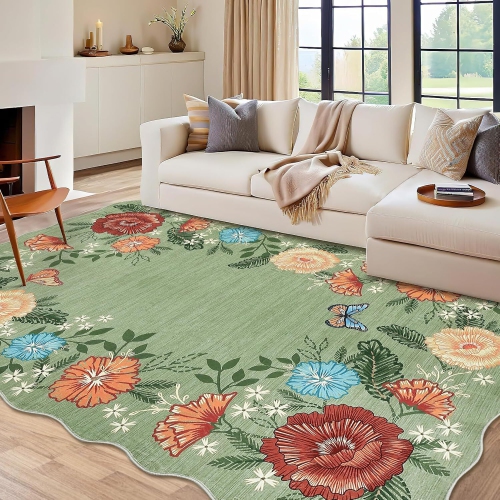
How rug size and placement shape a room
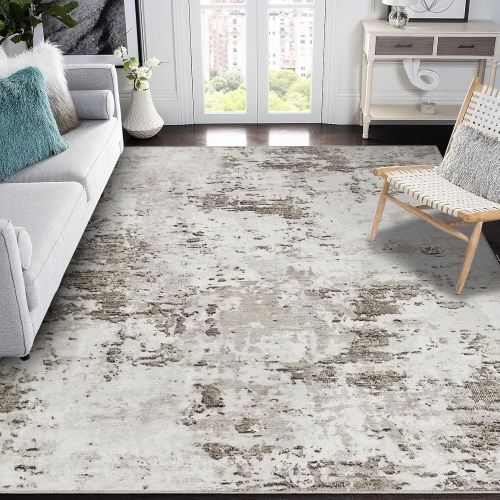
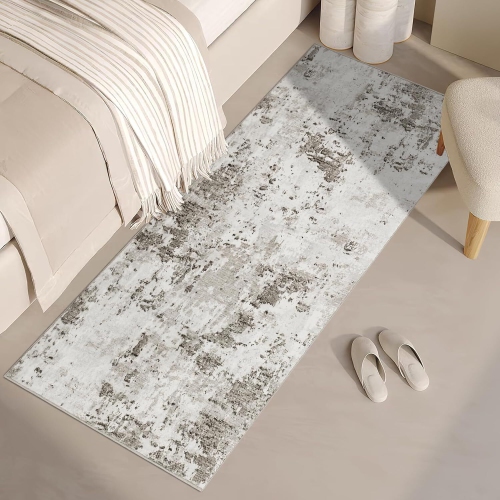
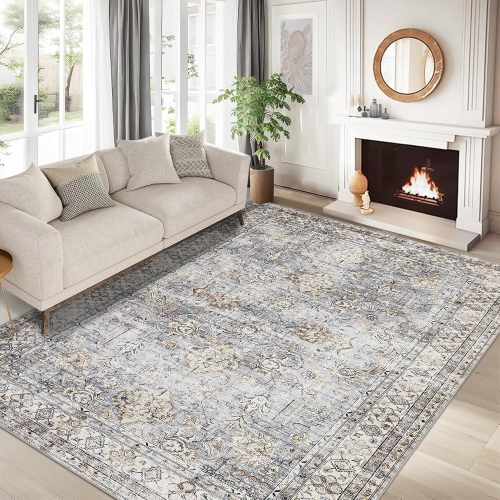
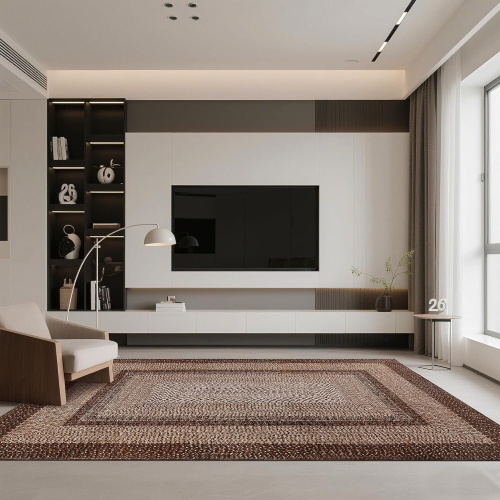
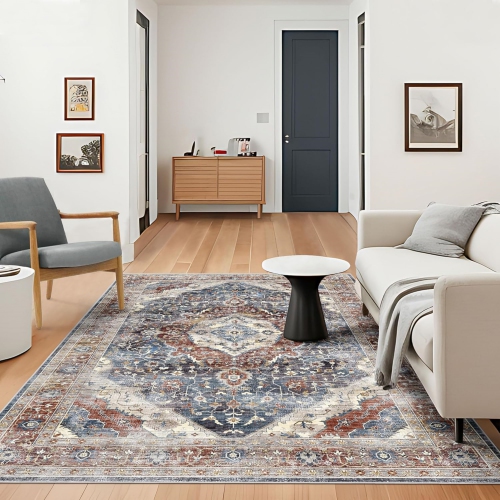
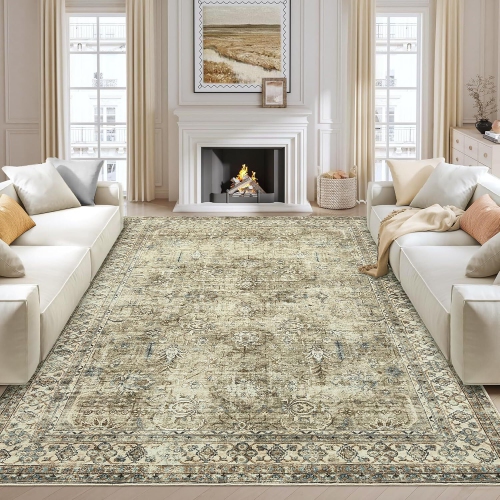
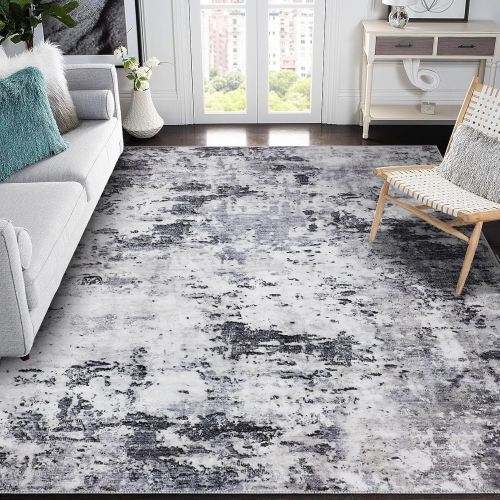
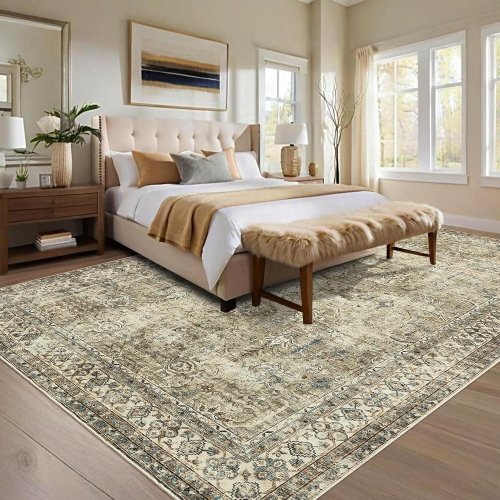
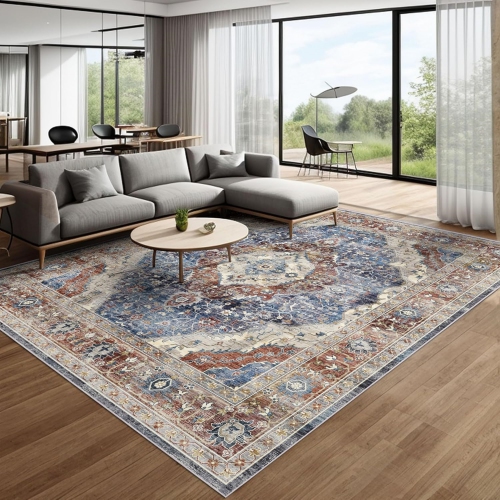
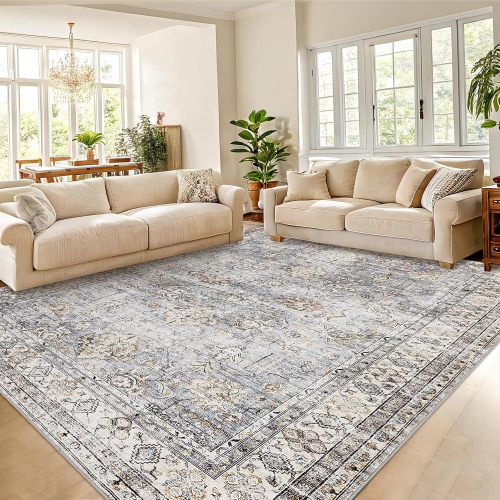
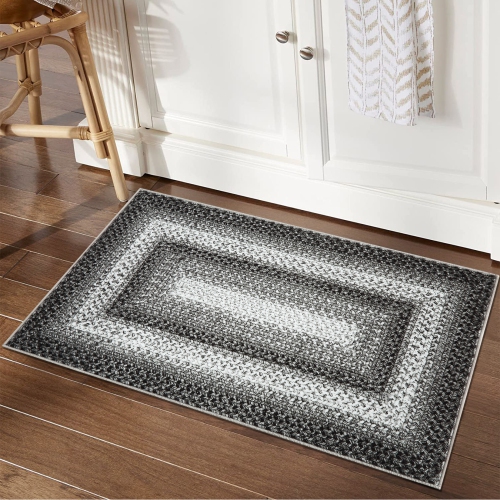
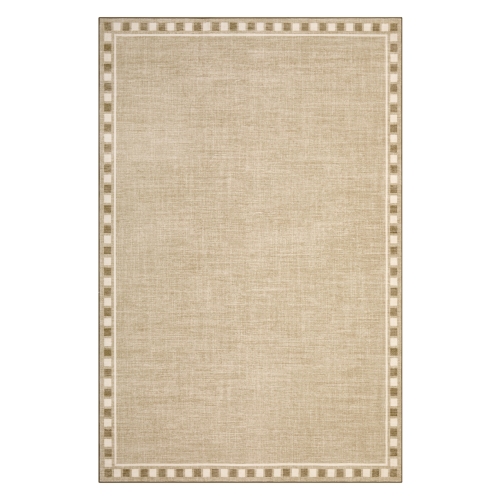
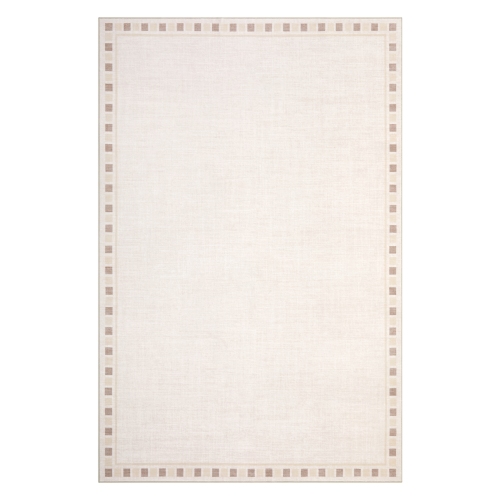
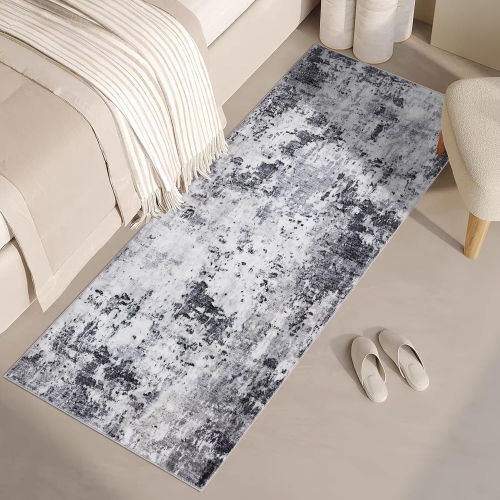
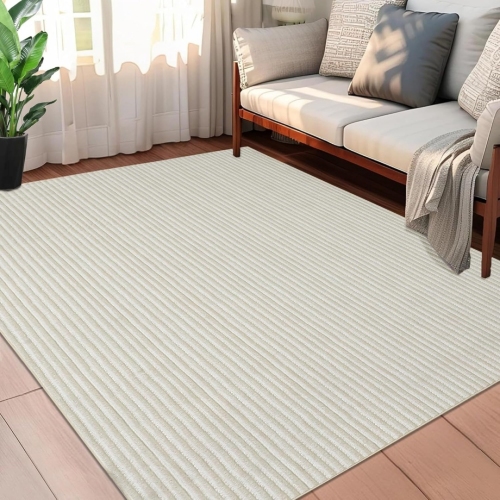
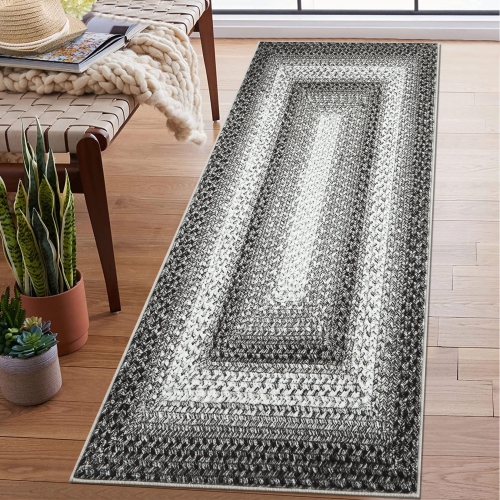
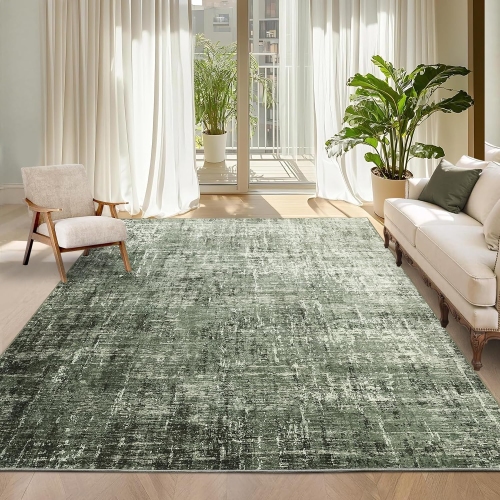
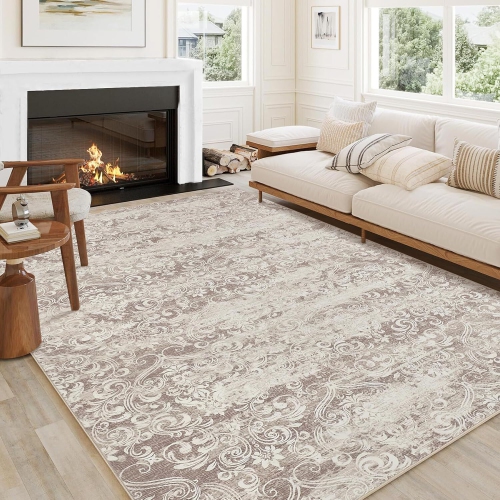
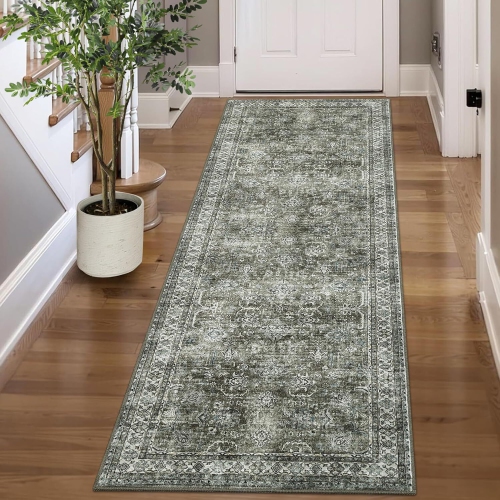
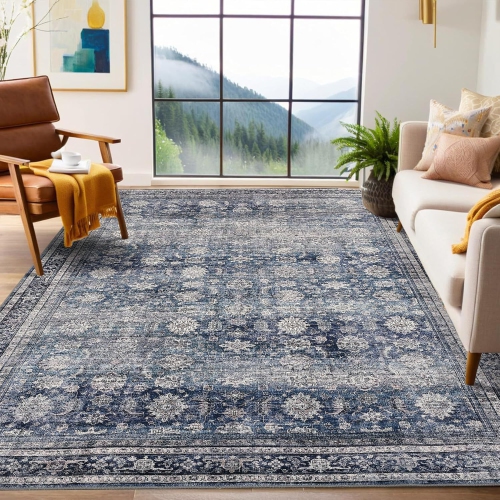
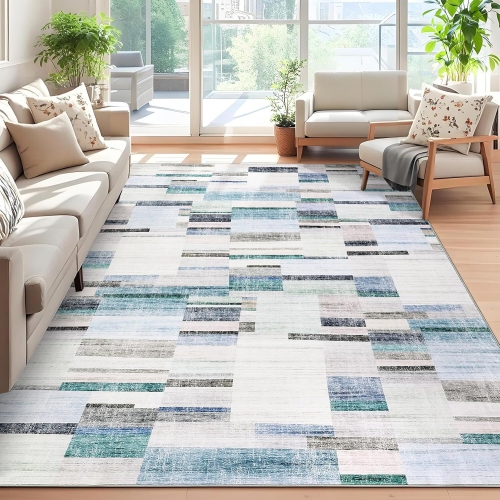
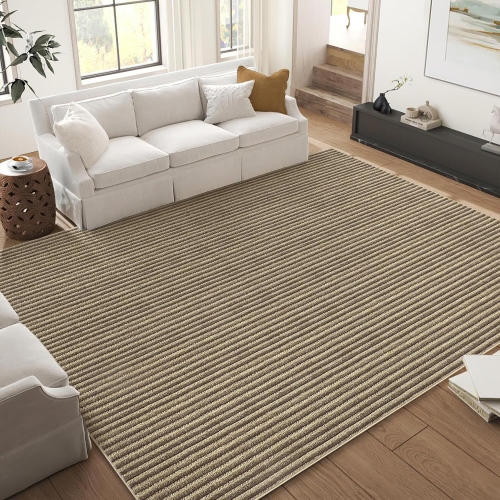
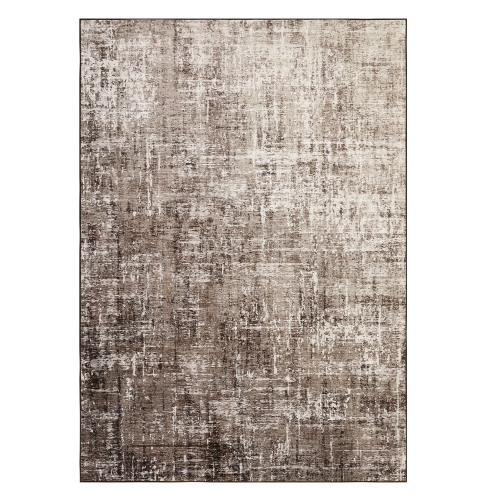
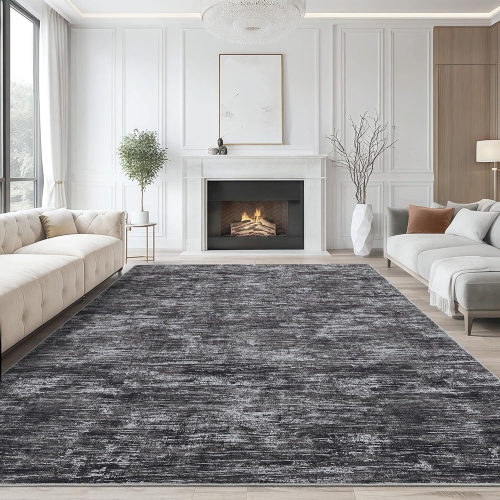
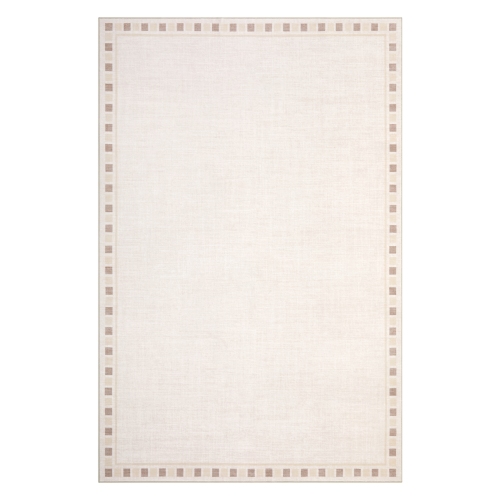
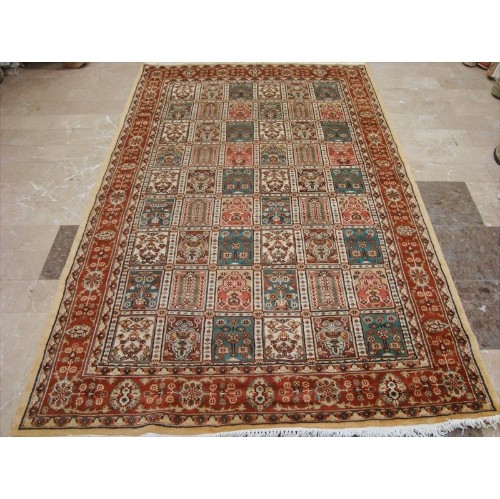
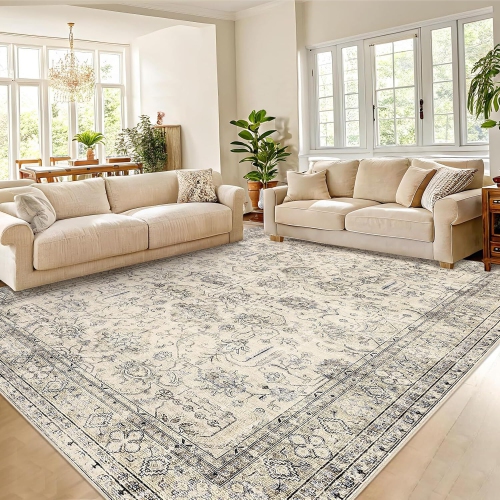
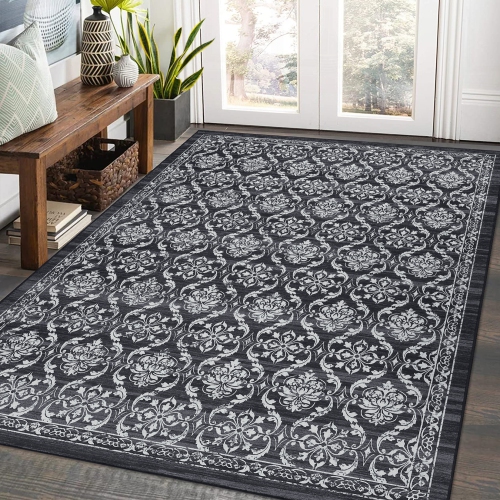
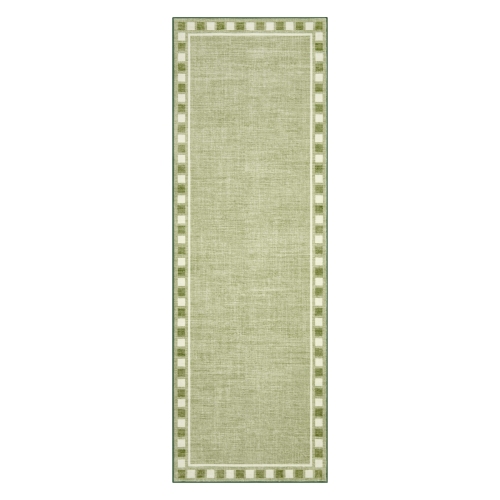
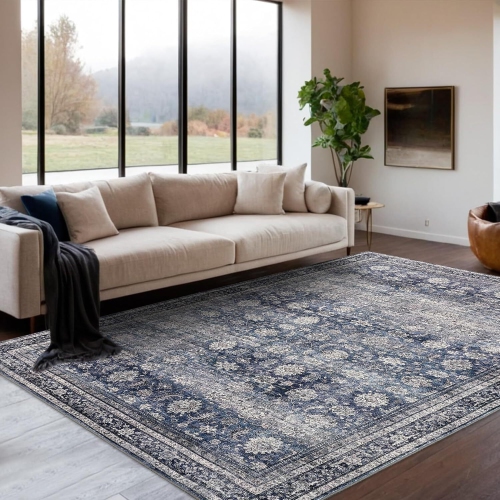
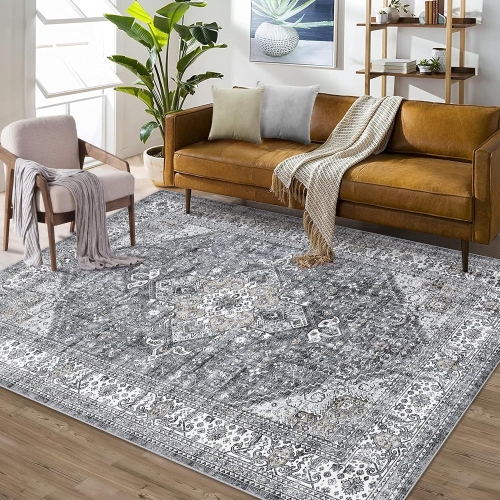
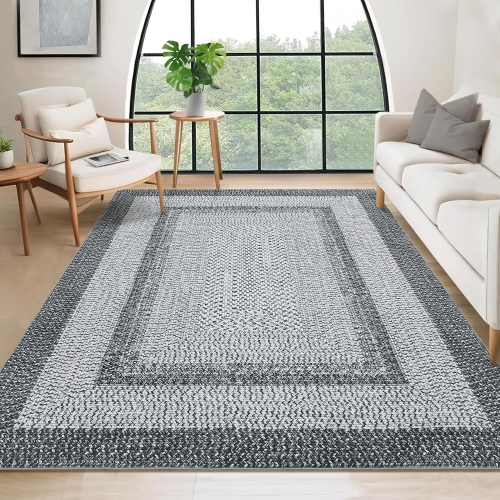
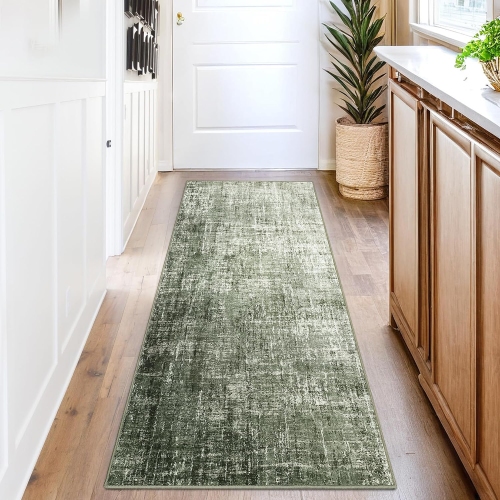
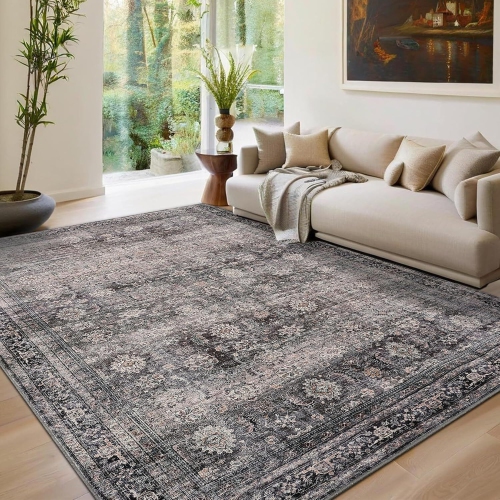
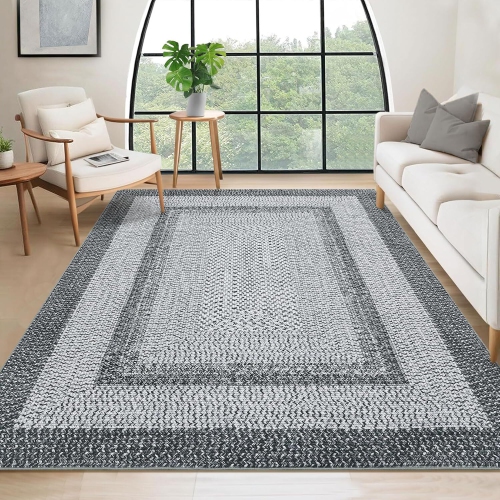
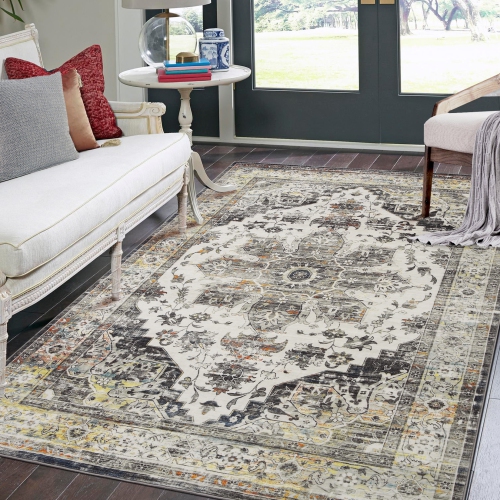
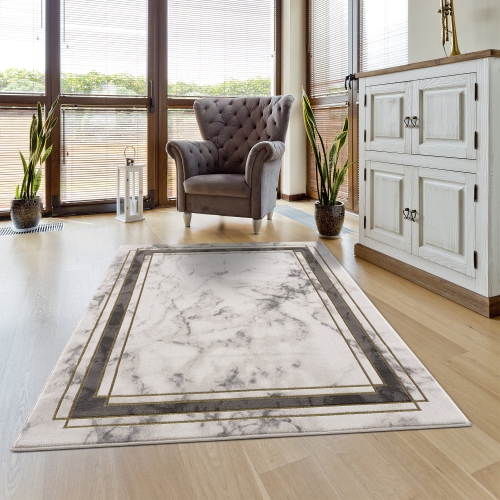
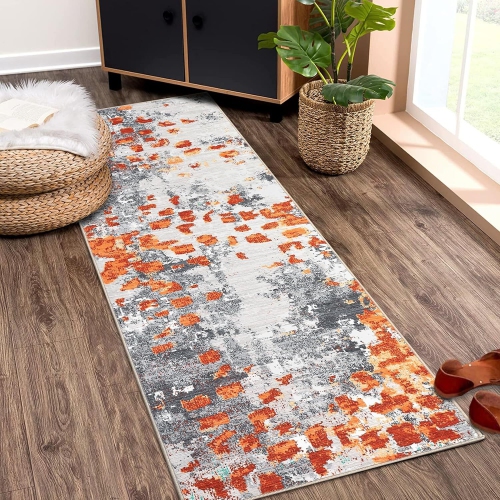
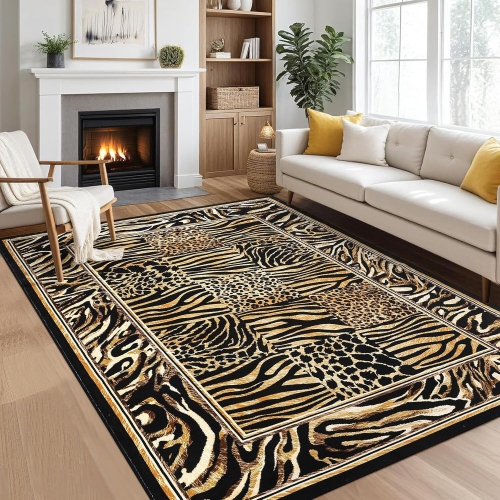
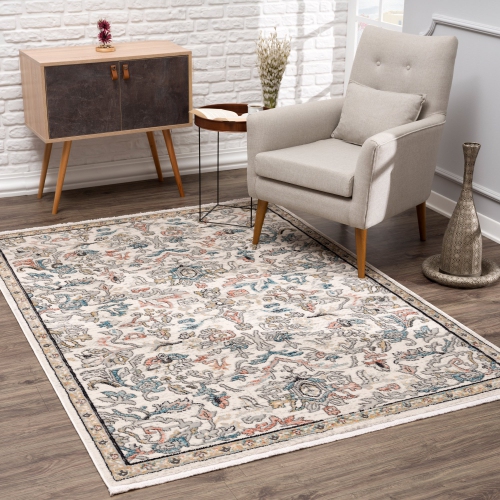
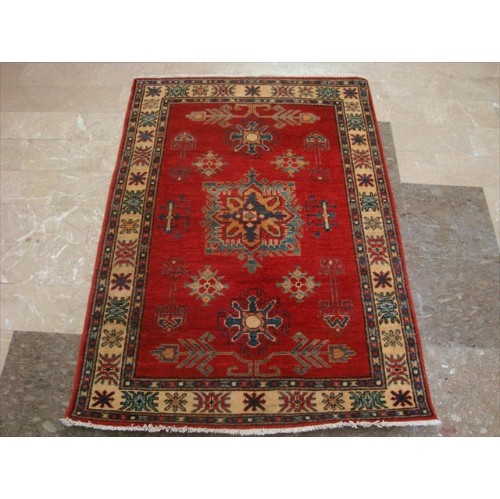
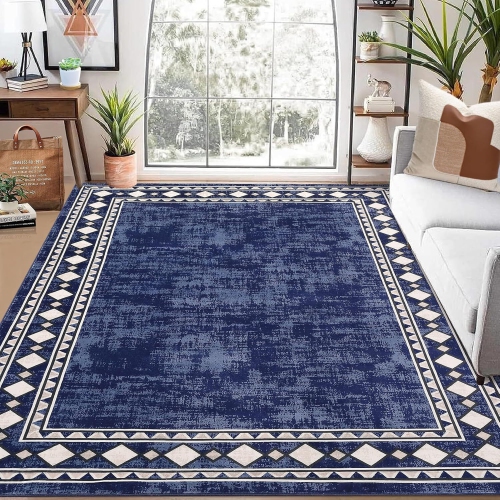
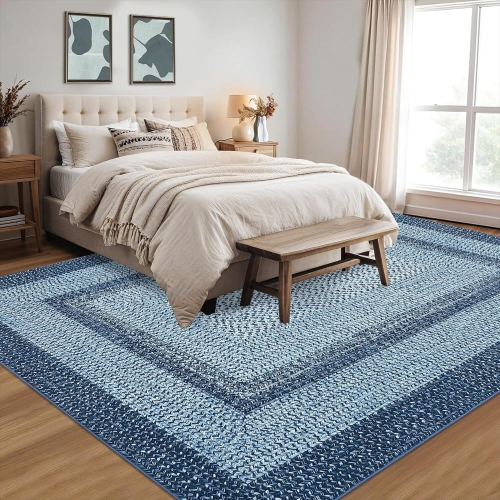
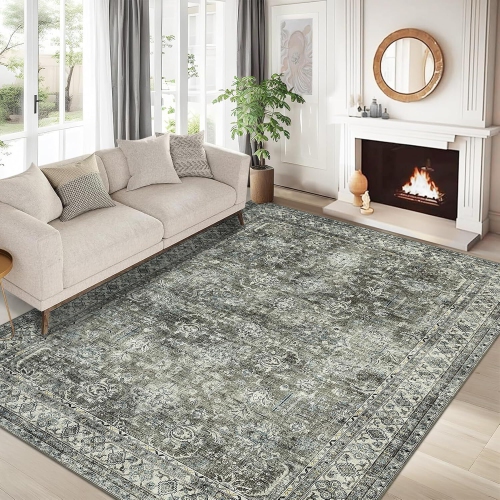
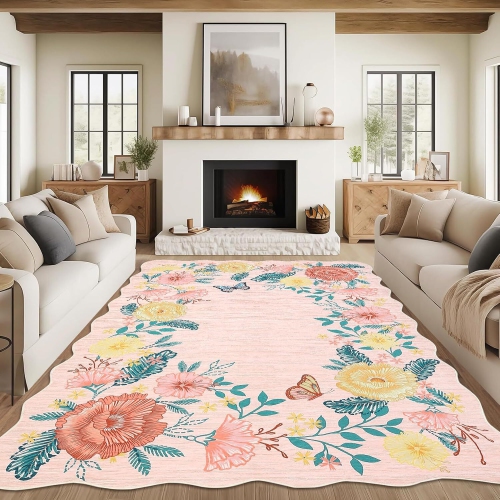
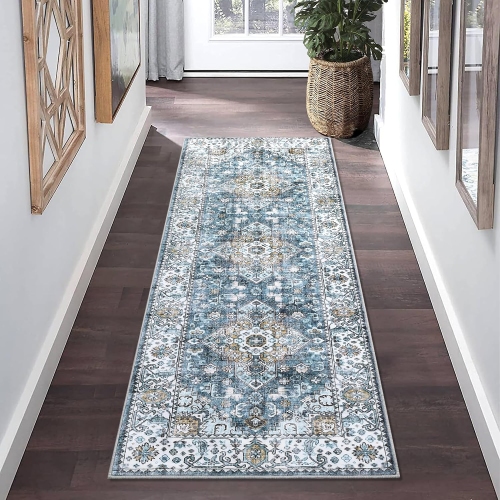
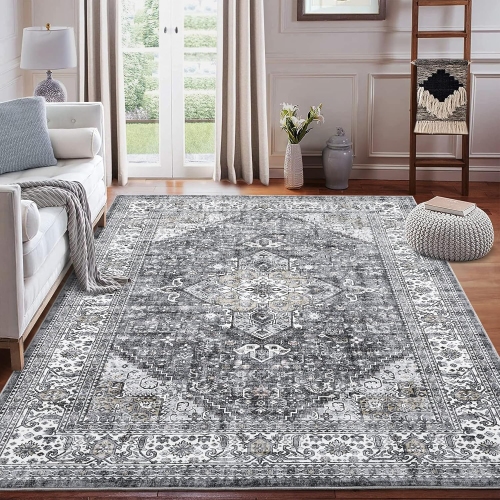
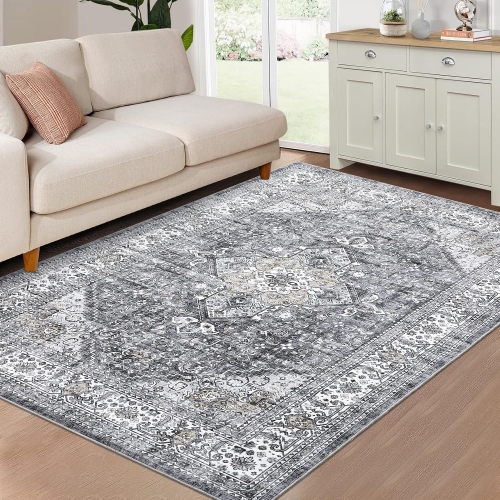
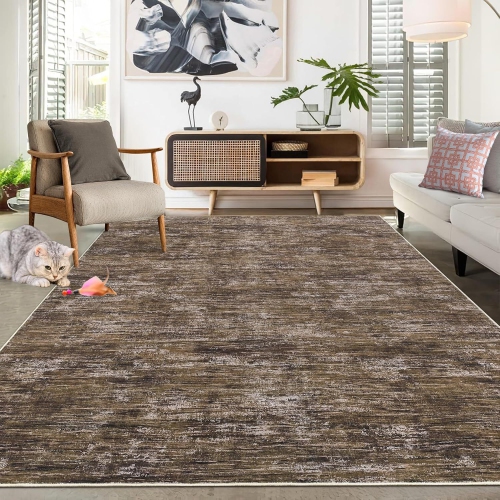
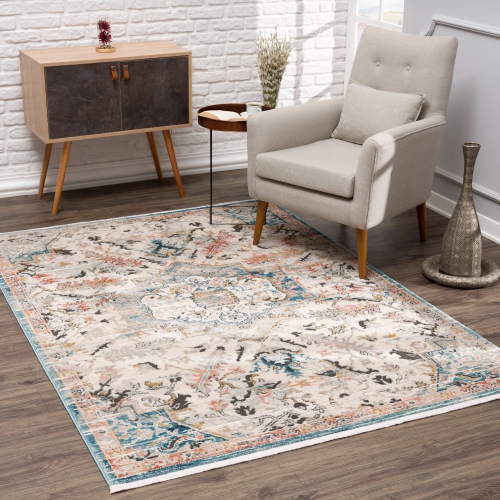
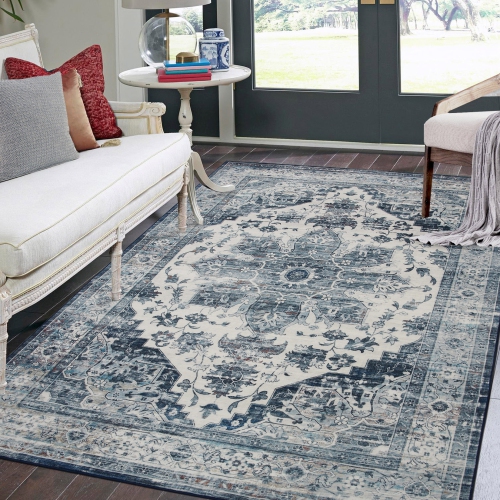
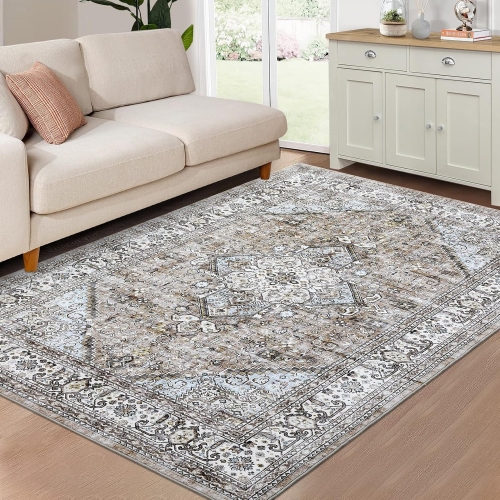
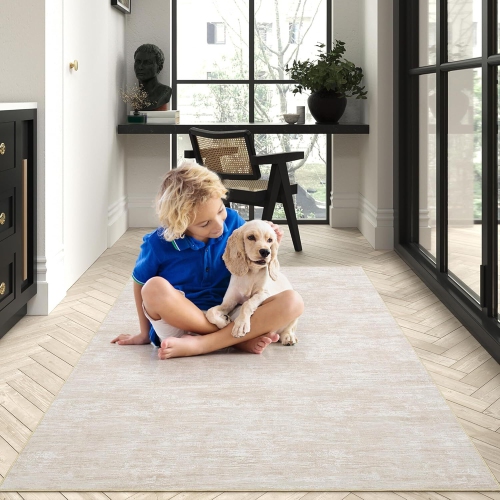
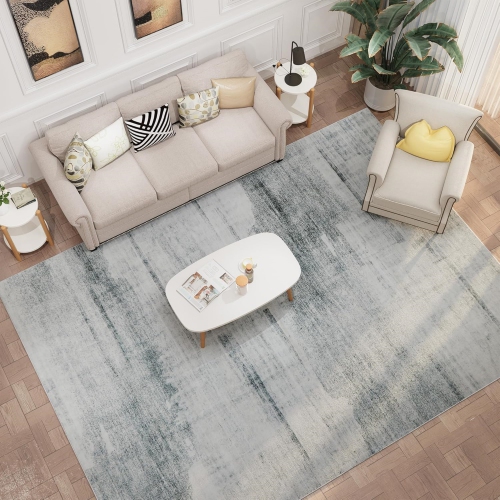
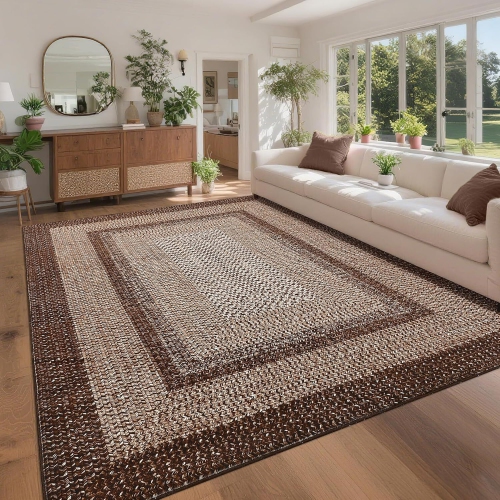
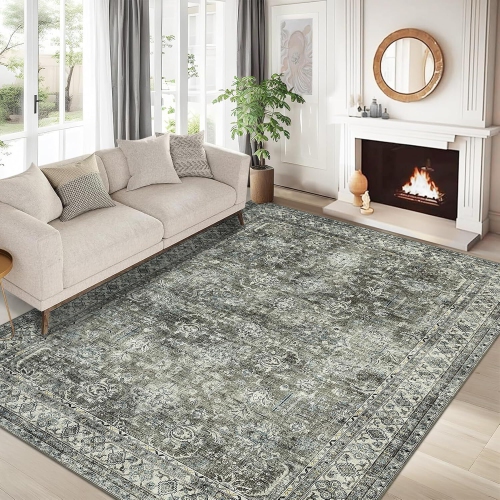
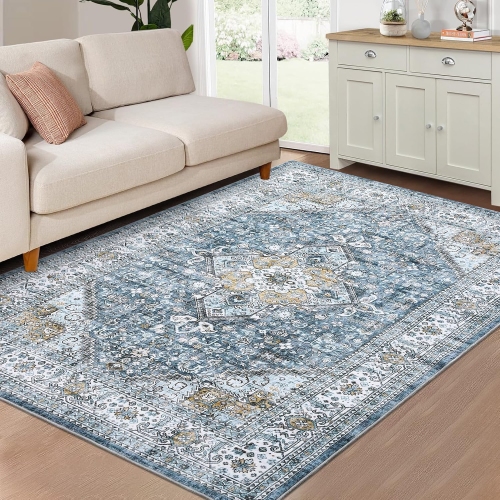
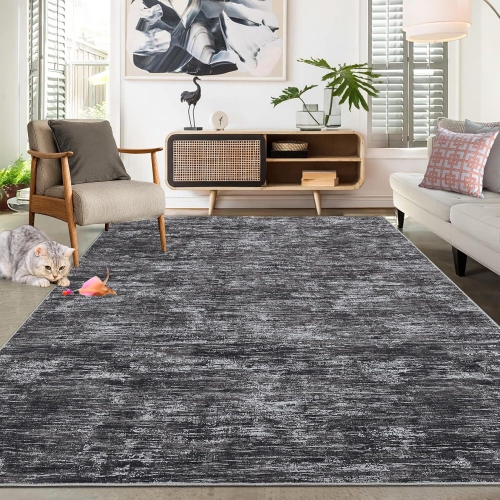
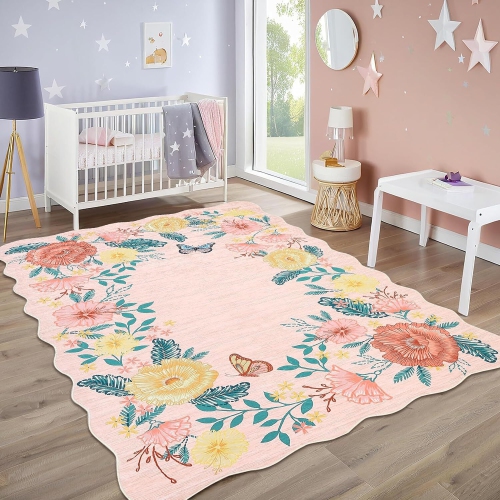
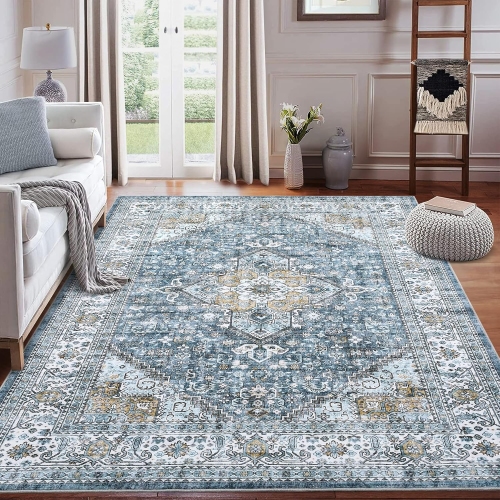
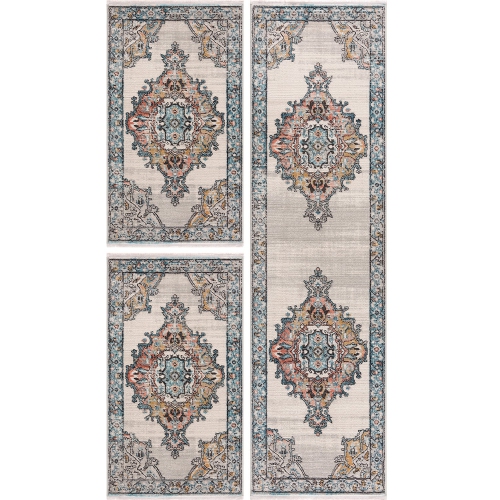
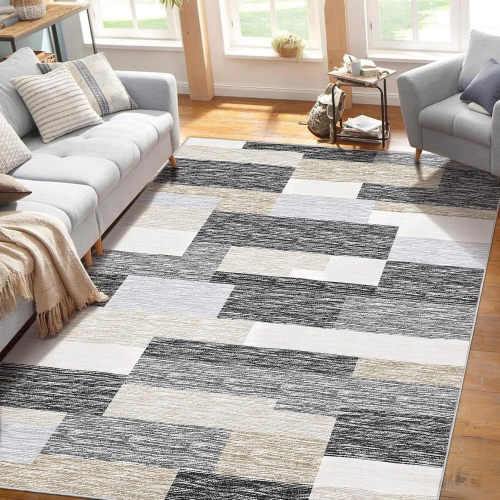
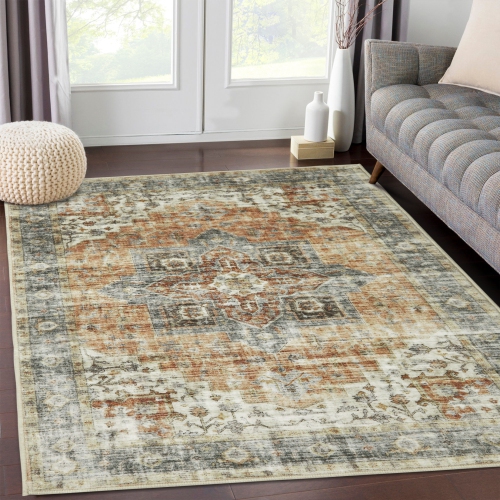
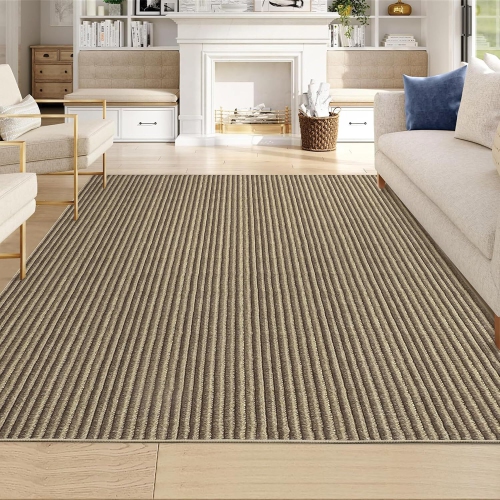
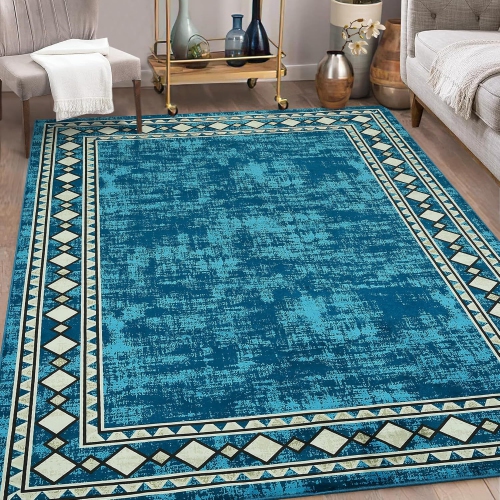
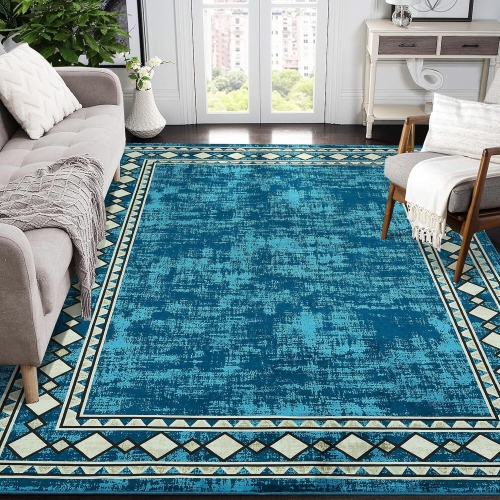
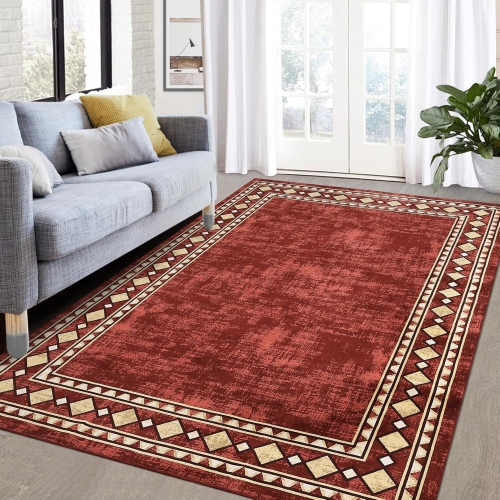
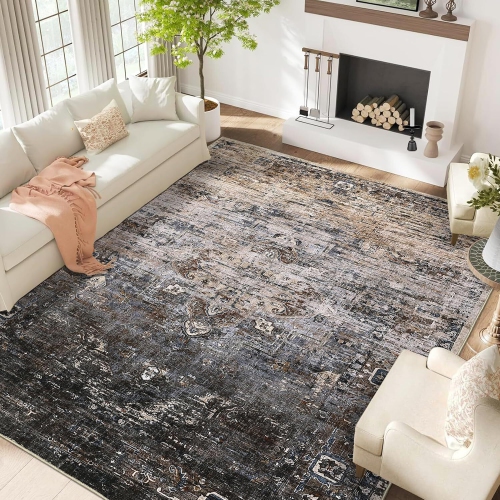
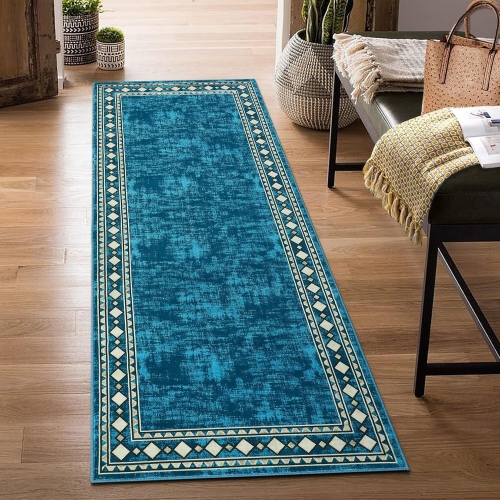
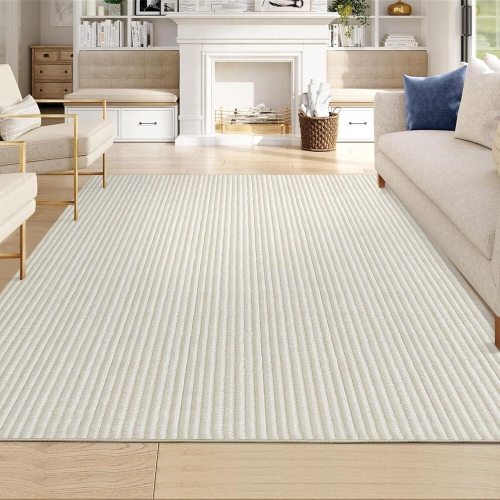
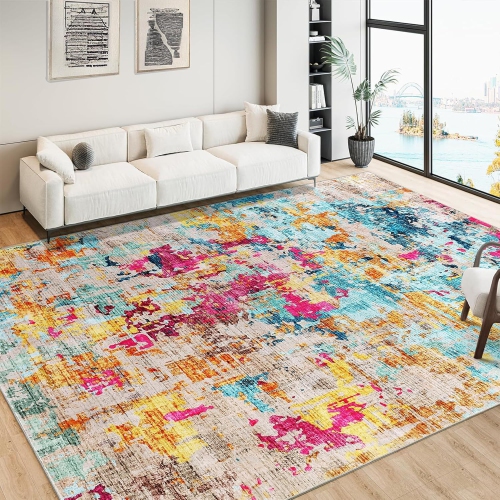
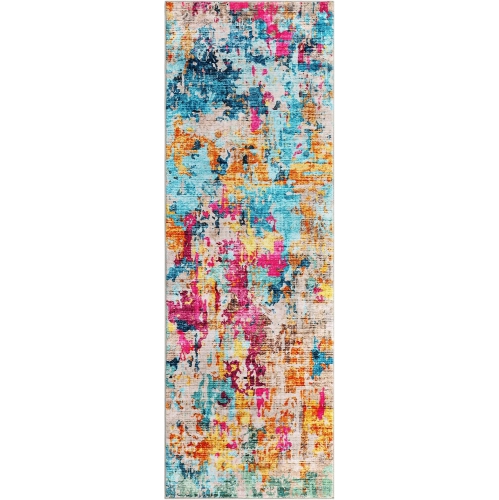
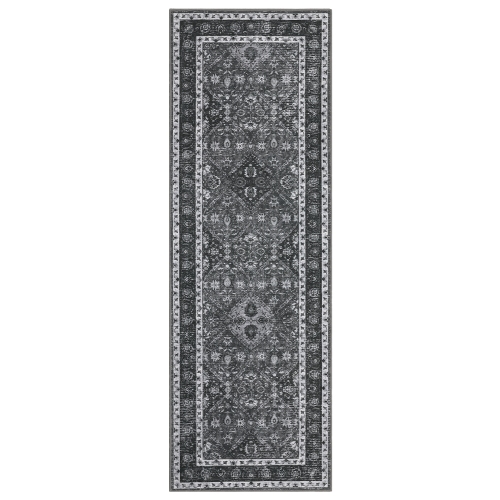
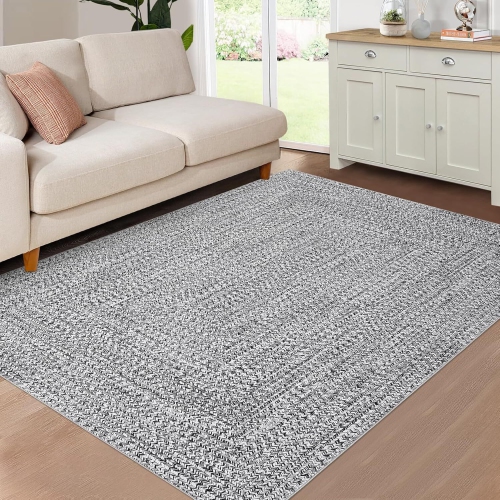
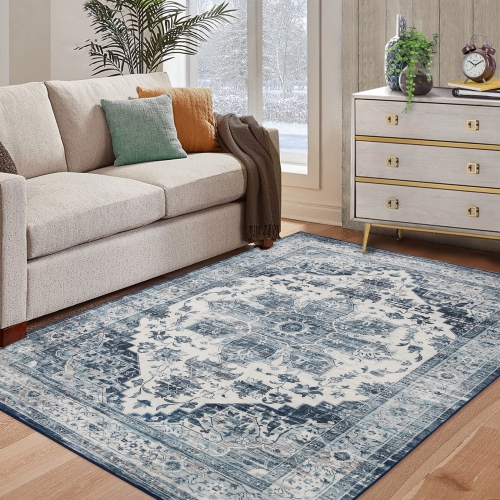
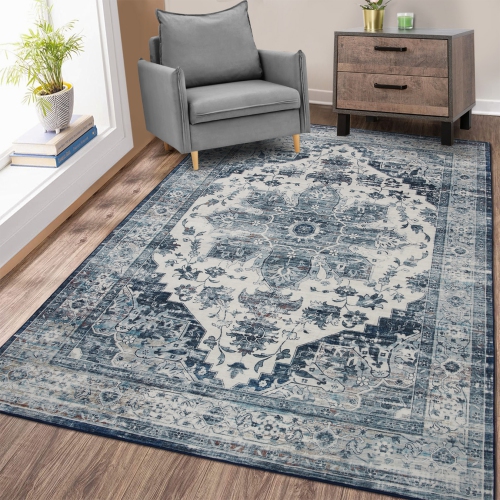
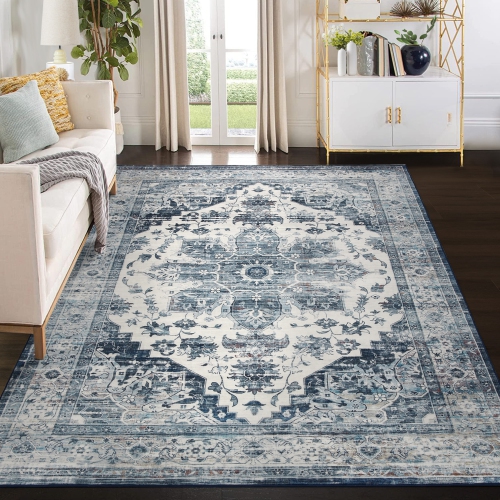
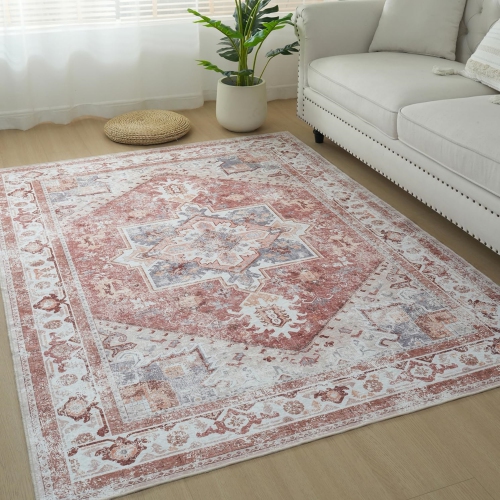
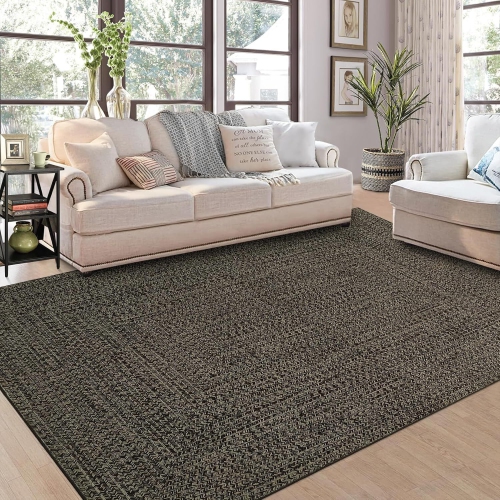
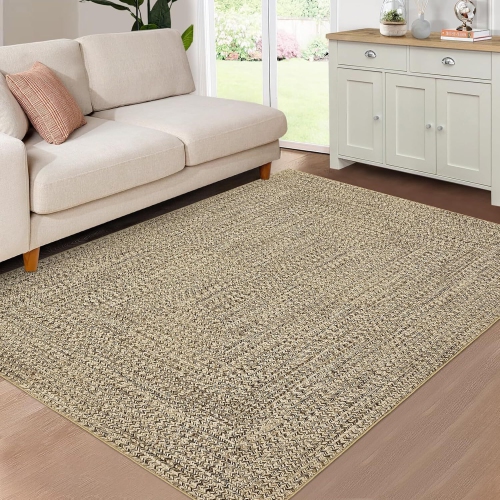
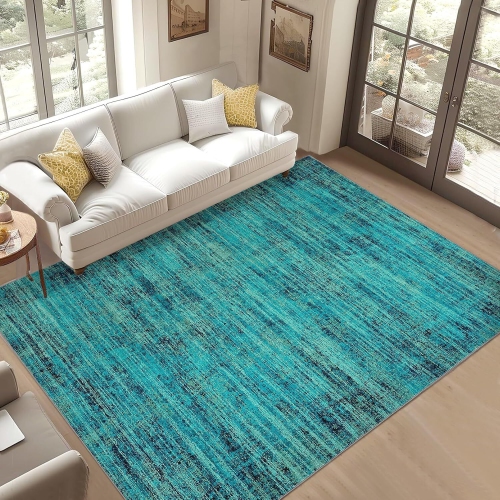
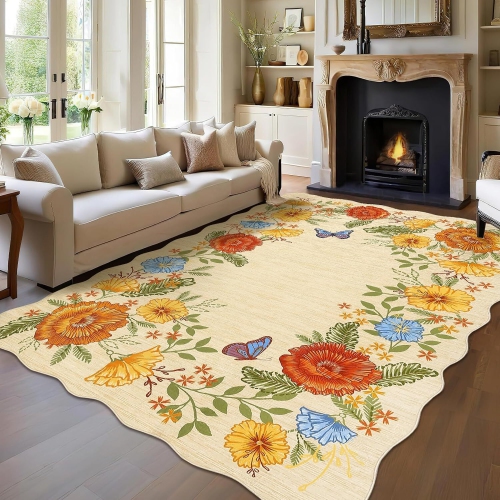
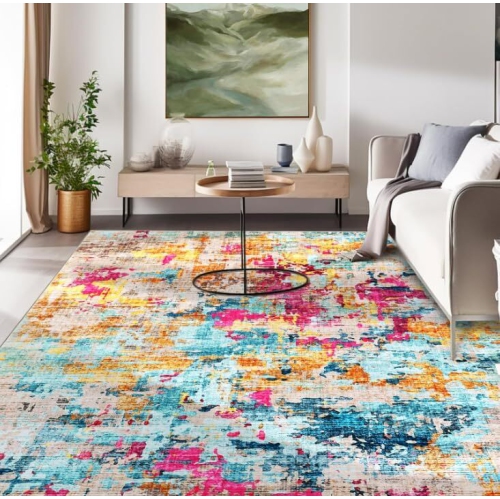
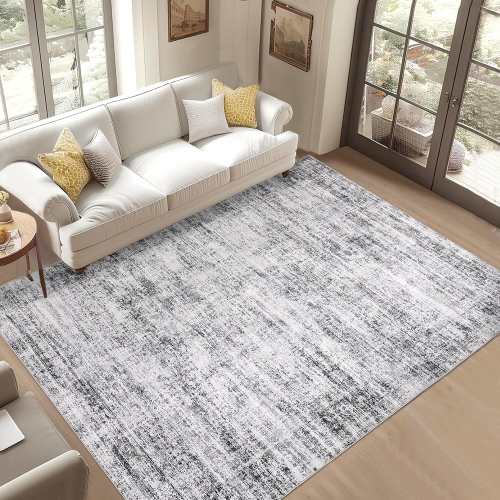
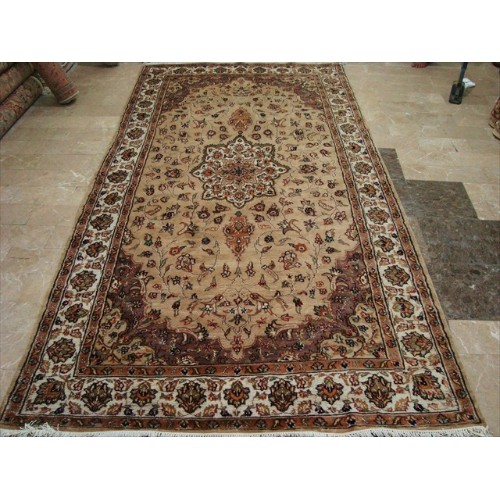
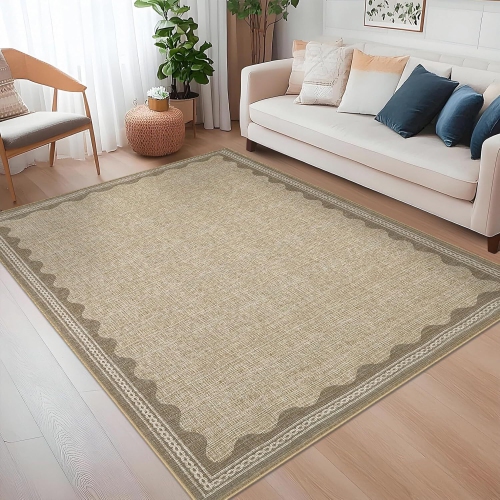
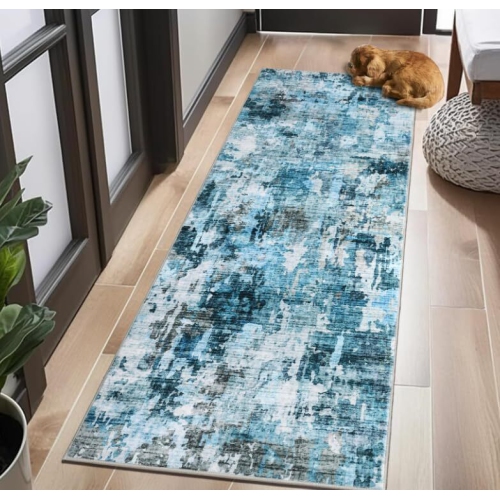
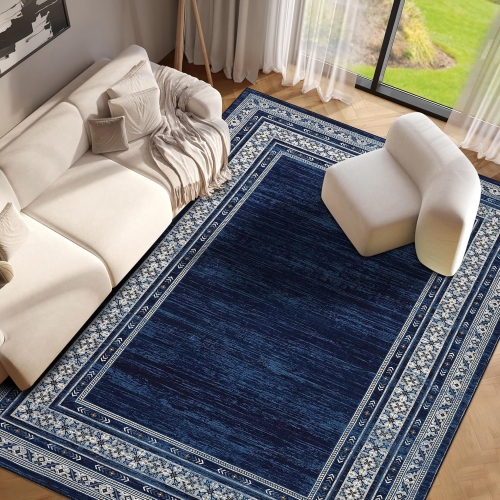
Carpet rugs are textile floor coverings that add softness, colour, and definition to a room without covering the entire floor. Unlike wall-to-wall carpet, which is typically fitted and secured across a room, an area rug is a separate piece that can be positioned beneath furniture, used to define a seating area, or moved when a layout changes. This makes rugs useful in living rooms, bedrooms, dining rooms, hallways, and multipurpose spaces where different activities share the same floor. A broad rectangular rug can bring a sofa and armchairs together visually, while a runner adds a softer surface along a narrow passage. Round rugs work well beneath circular tables or within smaller seating arrangements, especially where another rectangular shape would make the layout feel rigid. The right proportions depend as much on furniture placement as on the room’s overall dimensions. In a living room, having the front legs of the main seating pieces rest on the rug often creates a more connected arrangement than leaving a small rug floating beneath the coffee table. Beneath a dining table, enough coverage for chairs to remain on the rug when pulled back helps prevent their legs from catching an edge. Beside a bed, the rug should extend into the places where feet naturally land rather than disappearing almost entirely beneath the frame. Measuring the intended footprint, including furniture and door clearance, gives a clearer picture than estimating from an empty patch of floor. Painter’s tape can help mark that footprint before committing to a size. Pile height also affects fit: a thick, plush surface may suit a quiet seating corner, while a lower profile is often more practical near doors, beneath dining chairs, or along frequently used routes. Leaving a visible border of flooring around a rug helps distinguish its shape and keeps the arrangement from looking crowded. In open-plan homes, separate rugs can mark out dining and lounging areas without adding partitions or interrupting sightlines.
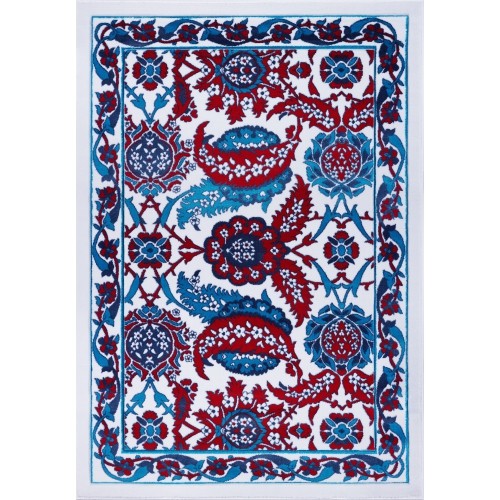
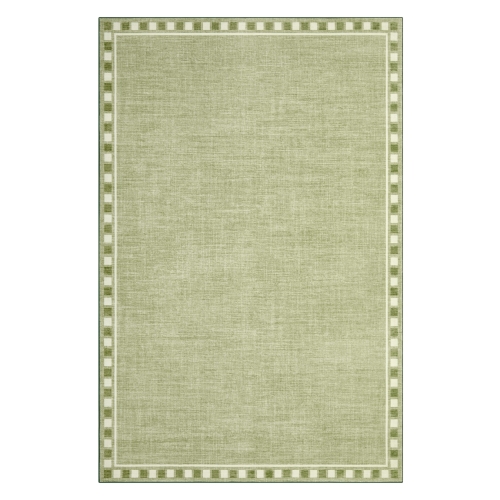
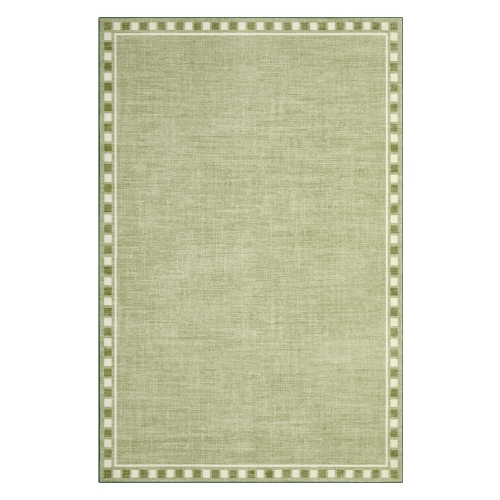
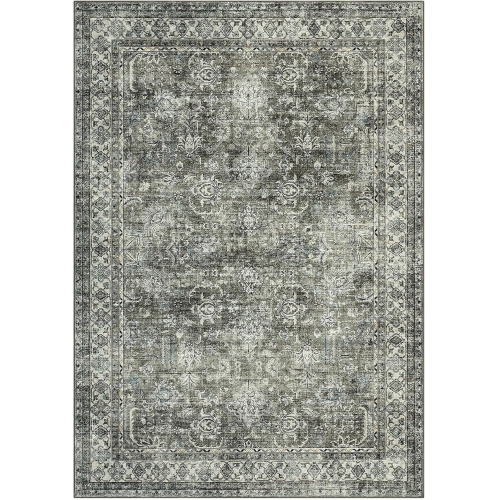
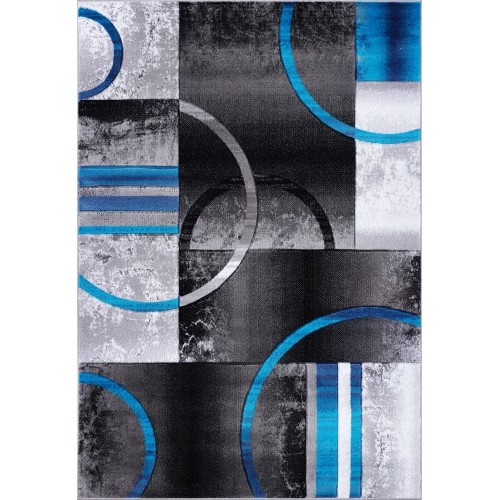
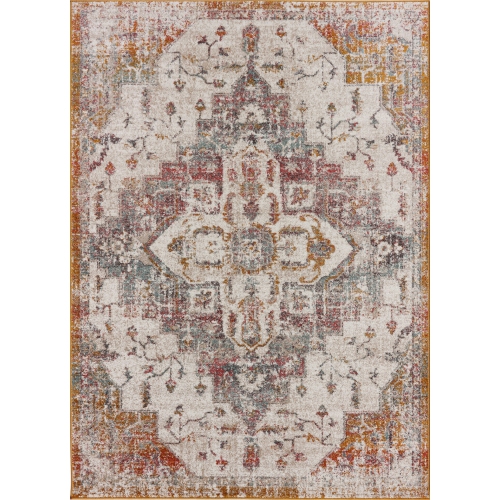
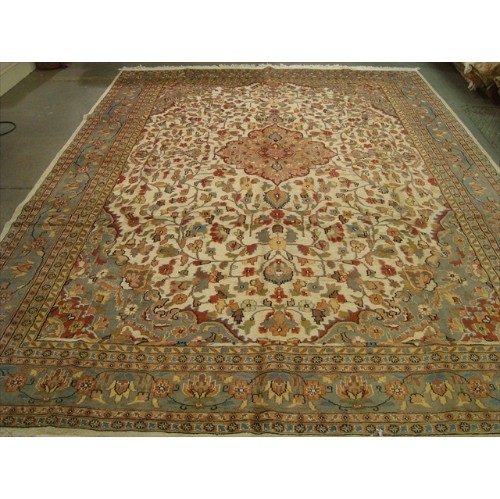
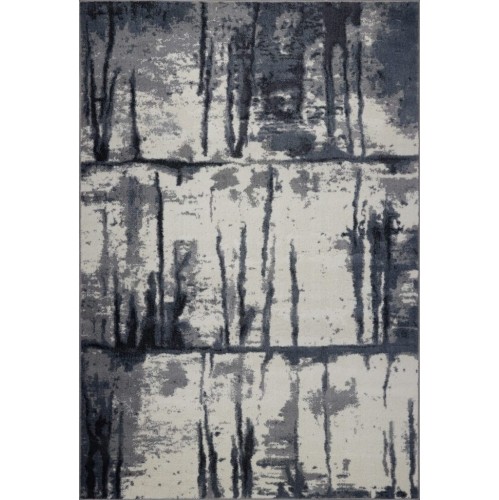
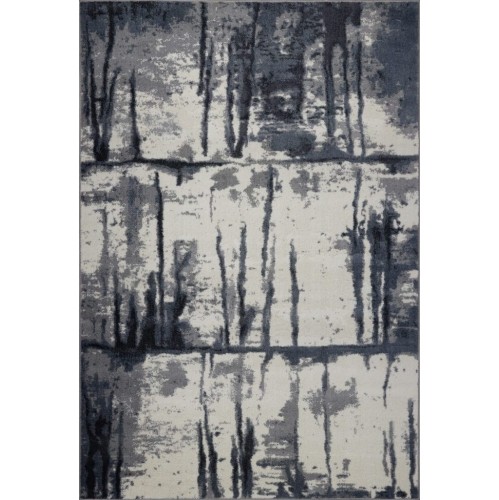
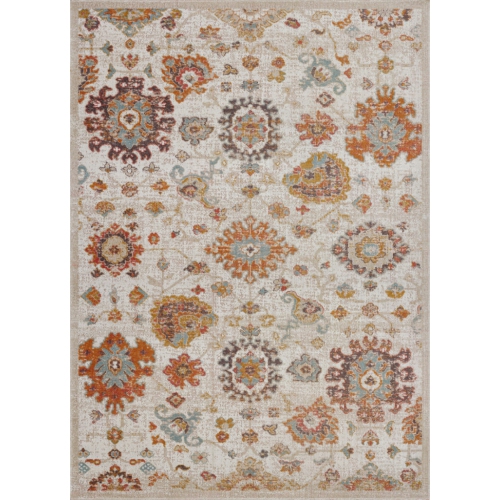
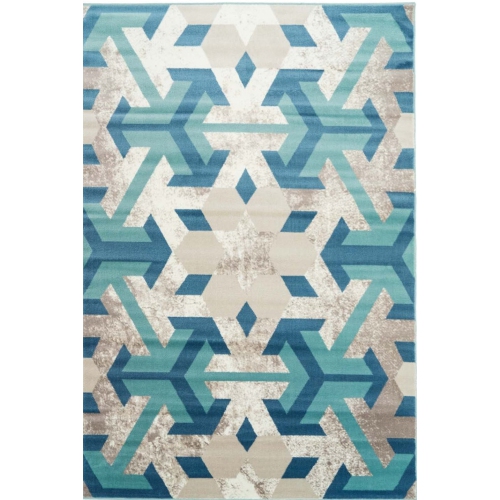
Materials and construction influence how carpet rugs feel underfoot, how they hold their shape, and how much attention they need. Wool is valued for its resilient fibres and substantial feel, although some wool rugs shed loose fibres, particularly early in use, and may require specialist cleaning. Cotton generally has a lighter, more casual character and is often used in flatwoven designs; whether it can be machine washed depends on the individual care label, backing, dimensions, and washing machine capacity. Synthetic fibres offer different combinations of softness, resilience, and stain resistance. Nylon is known for its ability to recover after compression, polypropylene is often used where resistance to many everyday spills is useful, and polyester can provide a soft surface with clear, saturated colour. None of these qualities makes a rug immune to staining or wear, so the fibre description is best considered alongside the construction and intended use. Jute and sisal bring a pronounced woven texture, but their sensitivity to moisture can make them less forgiving around frequent spills or damp footwear. A dense, low-pile rug generally allows chair legs and cleaning tools to move more easily than a deep shag surface. Higher piles create a cushioned feel but can hold crumbs and small debris deeper within the fibres. Looped textures deserve extra consideration in homes with pets whose claws might catch on exposed loops. Pattern and colour also affect everyday practicality: a varied motif can make minor marks less noticeable, while a plain surface puts more emphasis on texture and changes in pile direction. Large patterns need enough visible space to show their design, whereas smaller repeats can remain legible around closely arranged furniture. Existing upholstery, wood tones, artwork, and curtains provide useful starting points when browsing Beautiful Rugs, whether the room calls for a quiet backdrop or a more expressive centrepiece. Coordinating does not require an exact match; repeating one colour can connect different furnishings without making every surface look identical.
Everyday care has a direct effect on how a carpet rug looks and performs over time. Regular vacuuming removes grit before it settles into the pile, but the vacuum setting matters: rotating brush bars can be too aggressive for some delicate fibres, loose weaves, fringes, and high-pile constructions. Following the manufacturer’s cleaning directions helps avoid pulled threads, distorted edges, or damage to the backing. Spills are generally easier to address promptly by blotting with a clean, absorbent cloth rather than rubbing liquid further into the fibres. Any cleaner should be suitable for the material and tested in an inconspicuous area first, since a treatment that works on one fibre may affect another’s colour or texture. A washable label also needs a closer reading; it may apply to a removable top layer rather than the complete rug, and drying instructions can be just as important as washing instructions. Rugs that cannot be washed may need professional cleaning, particularly after a large spill or when soil has worked deep into the pile. Beneath the rug, a compatible pad can improve cushioning, reduce movement, and limit abrasion against the floor. Both the pad and rug backing should be appropriate for the flooring finish, since some materials can cause discolouration or leave residue. Pads should sit within the rug’s edges rather than protruding into a walkway, and curled corners need attention wherever people regularly pass. Households with children or pets may place greater value on easy cleaning and a stable, lower-profile surface, while a bedroom or reading nook may favour a softer pile. In a home office, a flat construction can make movement easier, although rolling chairs may still require a suitable chair mat. Rotating a rug periodically can distribute foot traffic and light exposure more evenly, and checking beneath it during cleaning helps catch trapped grit or moisture. These practical details let a rug contribute to a room’s comfort and character while remaining suited to the way the space is actually used.
Top selling and popular products
-
 Your price for this item is $129.15
-
 Your price for this item is $129.15
-
 Your price for this item is $130.55
-
 Your price for this item is $130.55
-
 Your price for this item is $129.15
-
 Your price for this item is $130.55
-
 Your price for this item is $144.99
-
 Your price for this item is $104.99
Discover more categories related to Carpet Rugs
Top Collections:
Best Black Friday Deals This Year, Best Black Friday Deals On Electronics, Kindle Devices, Pokemon Centers, Best Black Friday Deals On Apple Products, Best Cameras for Sports Photography, Dyson Airwrap, Pokémon 30th Celebration Cards, Apple iPhone 17 Pro, Canon G7X Cameras
Some products may be subject to Environmental Handling Fees
(EHF) depending on your province.
Learn more about EHFs.