Cast Iron Bench Ends
Transform your outdoor space into a charming haven with our collection of cast iron bench ends. Crafted with durability and timeless elegance in mind, these bench ends are the perfect foundation for creating a personalized seating area that complements your unique style. Whether you're looking to add a touch of classic sophistication or a rustic vibe to your garden or patio, our cast iron bench ends offer endless possibilities for creating an inviting and comfortable outdoor retreat. With their sturdy construction and exquisite detailing, these bench ends are designed to withstand the elements while adding a touch of character to any setting.
Sort
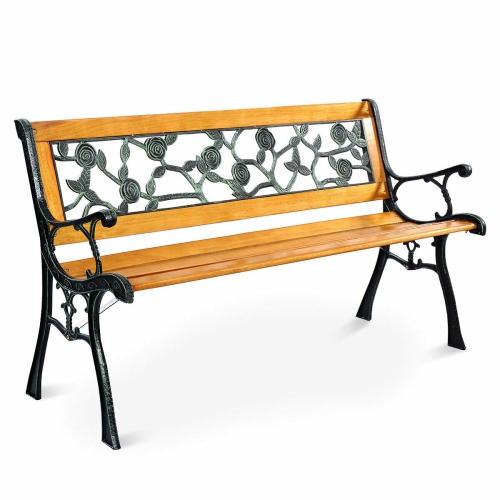
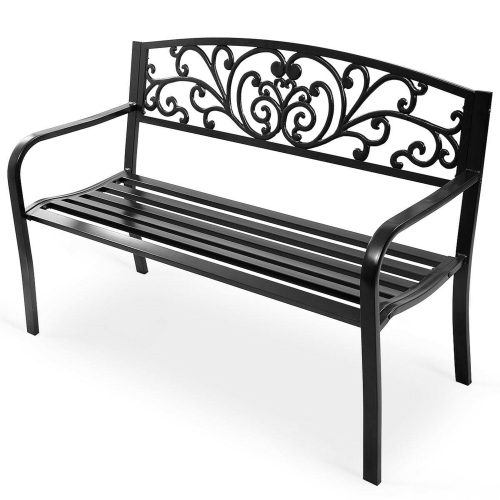
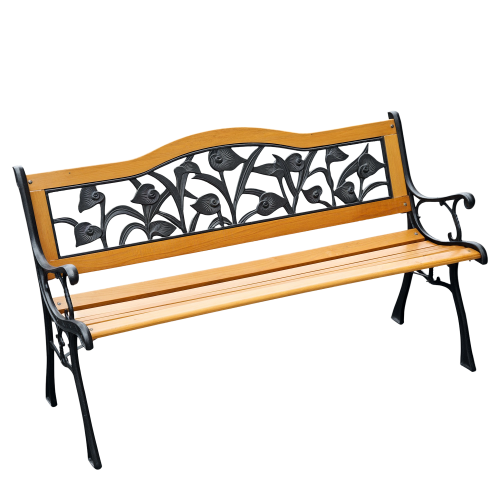
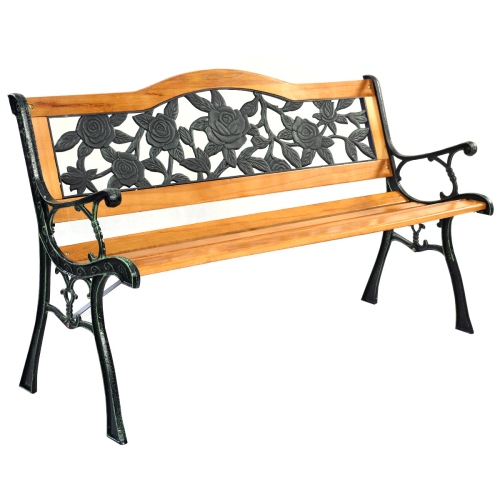
What to know before restoring a classic outdoor bench
Cast iron bench ends are the decorative, load-bearing frames used to create or restore a traditional garden bench. They form the side supports of the seat and back, while the wooden slats provide the sitting surface and backrest. This combination gives a bench a distinctive park-style appearance, with solid metal curves, ornamental details, and warm natural timber working together. Bench ends can be useful for a new DIY build, a replacement project, or the restoration of an older bench whose wooden boards have worn out while the original frames remain structurally sound. They are often chosen for entryways, verandas, gardens, courtyards, pathways, and other outdoor spaces where a practical seat can also contribute to the character of the setting. When looking through available options, pay close attention to the overall shape, height, width, hole placement, and distance between the supports. The ends need to suit the dimensions of the slats you plan to use, and both sides should match so the finished bench sits level and feels balanced. It is helpful to measure an existing frame from several points rather than relying on one dimension, particularly when replacing parts on an older bench. A small difference in the spacing of bolt holes can affect how comfortably the boards fit, while a mismatch in the curve or angle may leave the seat looking uneven. People who enjoy woodworking, furniture restoration, or hands-on home projects may appreciate bench ends as a way to give a tired outdoor bench a new purpose. They can also be a thoughtful gift for someone setting up a garden retreat, improving a cottage property, or collecting pieces for a custom outdoor seating project. For indoor storage during the cooler months, the frames can be kept in a dry workshop, garage, or shed while the rest of the bench is prepared.
The condition of the iron is an important purchase consideration, especially when working with salvaged or previously used frames. Surface rust, flaking paint, and small areas of corrosion do not always mean the parts cannot be used, but deeper pitting, cracks, bent sections, or weakened bolt holes may affect safety and stability. Before assembly, inspect the underside, mounting points, and decorative joints carefully. A wire brush can help remove loose rust and old paint, while abrasive paper or a rotary brush can be used for more detailed preparation. More extensive restoration may involve abrasive blasting or a suitable chemical rust remover, used according to the manufacturer’s directions and with appropriate protective equipment. Once the surface is clean, dry, and free of dust, apply a rust-inhibiting metal primer where required, followed by an exterior-grade metal coating or a direct-to-metal finish designed for outdoor use. Allow each coat to cure fully before handling the frames or fitting the boards. Paint colour can change the character of the finished bench: a dark finish tends to emphasize formal, traditional lines, while a lighter or more contrasting shade can make ornamental details stand out. The wooden slats deserve the same level of attention. Rot-resistant outdoor woods such as cedar, teak, or iroko are common choices, although the final selection depends on appearance, availability, thickness, and the type of finish you prefer. Boards should be straight, smooth, and free of major splits around the fastener locations. Seat slats may need to be ripped, rounded, or bevelled so they sit flush against the castings, while back slats may require angled cuts to follow the frame naturally. Drill pilot holes carefully to reduce the chance of splitting, and use fasteners suited to outdoor furniture and the chosen wood. A dry fit before final tightening is worthwhile; it can reveal a reversed frame, an incorrect slat order, or a hole alignment issue while changes are still easy to make.
A well-planned bench build is as much about comfort as appearance. Consider the finished seat height, the depth from front to back, the angle of the backrest, and the spacing between the boards. A narrow gap allows rain and debris to pass through, but excessive spacing can feel uncomfortable and may weaken the visual proportion of the bench. Rounded edges and lightly softened corners make the seating area more pleasant, particularly for children or anyone who expects to sit for longer periods. The supporting surface should be firm and level, with both cast iron ends resting securely and all fasteners tightened evenly. If the bench will be placed on soil, gravel, paving, or a deck, check for movement after assembly and make sure the location does not leave one side bearing more weight than the other. During the cooler months, occasional checks can help identify loosening hardware, chipped coatings, trapped moisture, or new rust before these issues become more difficult to address. A cover or sheltered position can be useful, although airflow around the metal and wood is still important. For a coordinated outdoor seating area, explore related styles such as Cast Iron Chairs, particularly when a bench is being paired with individual seats around a patio or garden table. Whether the goal is to recreate the inviting look of a public garden seat or to build something with a more personal, handcrafted character, cast iron bench ends provide a strong starting point. With accurate measurements, carefully prepared metal, properly sized slats, and weather-ready finishing, they can help transform separate materials into a sturdy place to pause with a cup of coffee, watch the garden change, or enjoy a quiet conversation outdoors.
The condition of the iron is an important purchase consideration, especially when working with salvaged or previously used frames. Surface rust, flaking paint, and small areas of corrosion do not always mean the parts cannot be used, but deeper pitting, cracks, bent sections, or weakened bolt holes may affect safety and stability. Before assembly, inspect the underside, mounting points, and decorative joints carefully. A wire brush can help remove loose rust and old paint, while abrasive paper or a rotary brush can be used for more detailed preparation. More extensive restoration may involve abrasive blasting or a suitable chemical rust remover, used according to the manufacturer’s directions and with appropriate protective equipment. Once the surface is clean, dry, and free of dust, apply a rust-inhibiting metal primer where required, followed by an exterior-grade metal coating or a direct-to-metal finish designed for outdoor use. Allow each coat to cure fully before handling the frames or fitting the boards. Paint colour can change the character of the finished bench: a dark finish tends to emphasize formal, traditional lines, while a lighter or more contrasting shade can make ornamental details stand out. The wooden slats deserve the same level of attention. Rot-resistant outdoor woods such as cedar, teak, or iroko are common choices, although the final selection depends on appearance, availability, thickness, and the type of finish you prefer. Boards should be straight, smooth, and free of major splits around the fastener locations. Seat slats may need to be ripped, rounded, or bevelled so they sit flush against the castings, while back slats may require angled cuts to follow the frame naturally. Drill pilot holes carefully to reduce the chance of splitting, and use fasteners suited to outdoor furniture and the chosen wood. A dry fit before final tightening is worthwhile; it can reveal a reversed frame, an incorrect slat order, or a hole alignment issue while changes are still easy to make.
A well-planned bench build is as much about comfort as appearance. Consider the finished seat height, the depth from front to back, the angle of the backrest, and the spacing between the boards. A narrow gap allows rain and debris to pass through, but excessive spacing can feel uncomfortable and may weaken the visual proportion of the bench. Rounded edges and lightly softened corners make the seating area more pleasant, particularly for children or anyone who expects to sit for longer periods. The supporting surface should be firm and level, with both cast iron ends resting securely and all fasteners tightened evenly. If the bench will be placed on soil, gravel, paving, or a deck, check for movement after assembly and make sure the location does not leave one side bearing more weight than the other. During the cooler months, occasional checks can help identify loosening hardware, chipped coatings, trapped moisture, or new rust before these issues become more difficult to address. A cover or sheltered position can be useful, although airflow around the metal and wood is still important. For a coordinated outdoor seating area, explore related styles such as Cast Iron Chairs, particularly when a bench is being paired with individual seats around a patio or garden table. Whether the goal is to recreate the inviting look of a public garden seat or to build something with a more personal, handcrafted character, cast iron bench ends provide a strong starting point. With accurate measurements, carefully prepared metal, properly sized slats, and weather-ready finishing, they can help transform separate materials into a sturdy place to pause with a cup of coffee, watch the garden change, or enjoy a quiet conversation outdoors.
Top selling and popular products
-
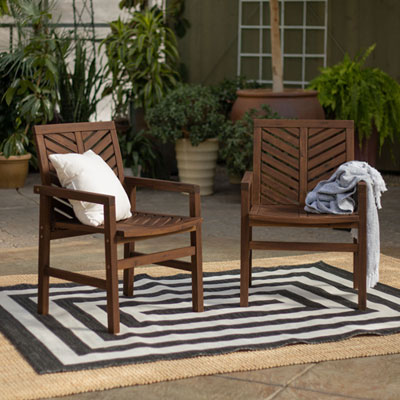 Your price for this item is $604.99
 -
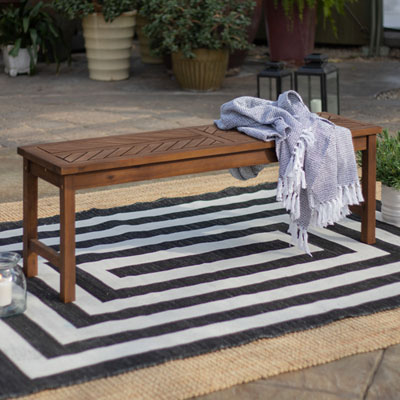 Your price for this item is $371.99
 -
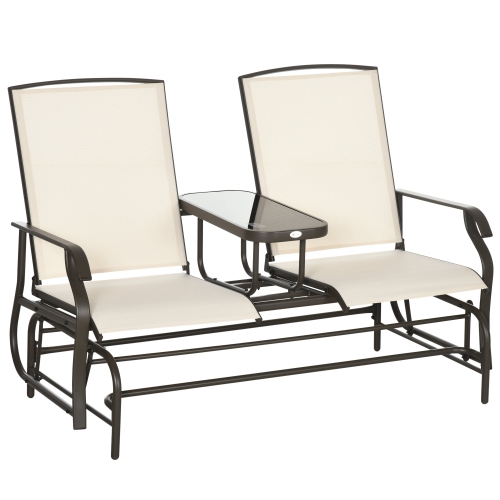 Your price for this item is $209.99
 -
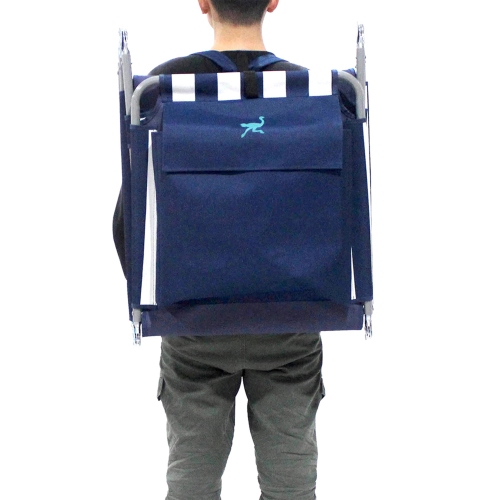 Your price for this item is $174.99
 -
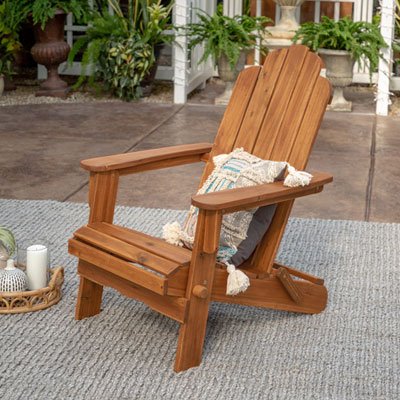 Your price for this item is $461.99
 -
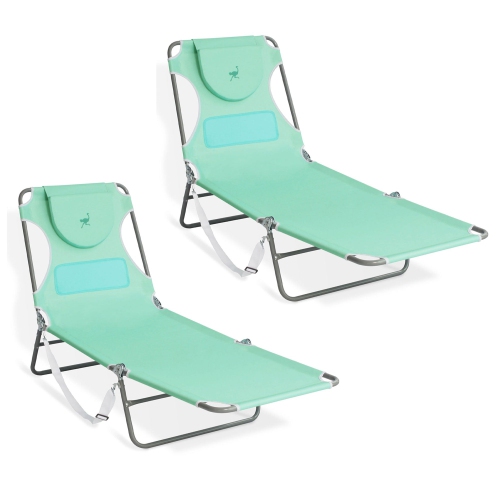 Your price for this item is $335.99
 -
 Your price for this item is $170.99
 -
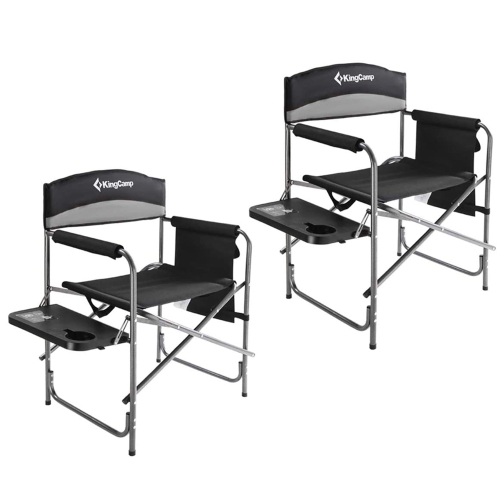 Your price for this item is $205.99
Discover more categories related to Cast Iron Bench Ends
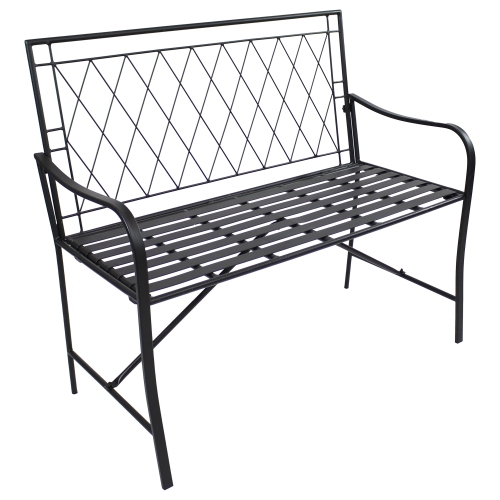

Top Collections:
Pokemon Centers, Best Cameras for Sports Photography, Kindle Devices, Samsung Galaxy Phones, Canon G7X Cameras, Pokémon 30th Celebration Cards, Refurbished Apple Laptops, iPhone 15 Apple, Laptops for Students, Budget Smartphones
Some products may be subject to Environmental Handling Fees
(EHF) depending on your province.
Learn more about EHFs.