Cat Beds Canada
Creating a cozy sanctuary for your feline friend is essential, and finding the perfect cat bed is a great place to start. Whether your cat loves to curl up in a plush nest or stretch out on a spacious lounger, there are countless options available to suit every kitty's preference. From stylish designs that complement your home decor to durable materials that withstand playful antics, discover a wide range of cat beds crafted with comfort and quality in mind. Elevate your pet's naptime experience and provide them with a personal retreat they will adore. Explore the selection of cat beds in Canada and give your furry companion the gift of restful relaxation.
Sort

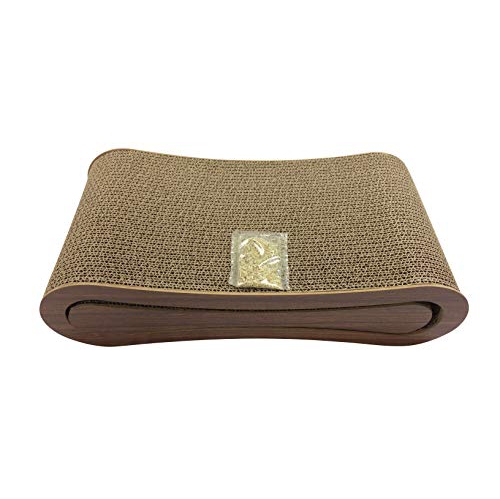
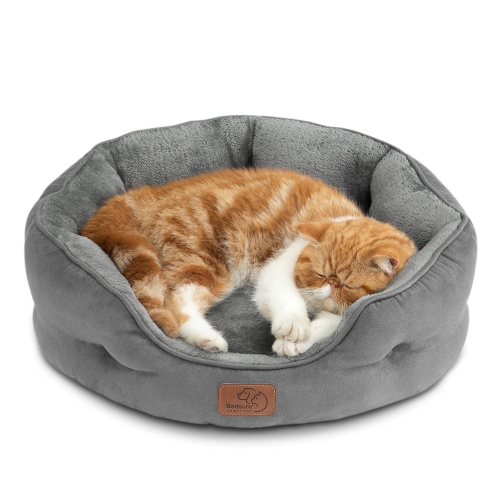
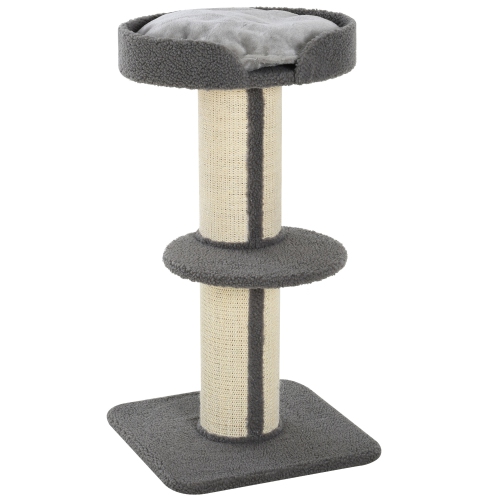

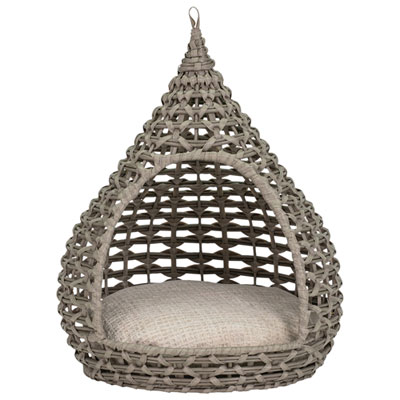












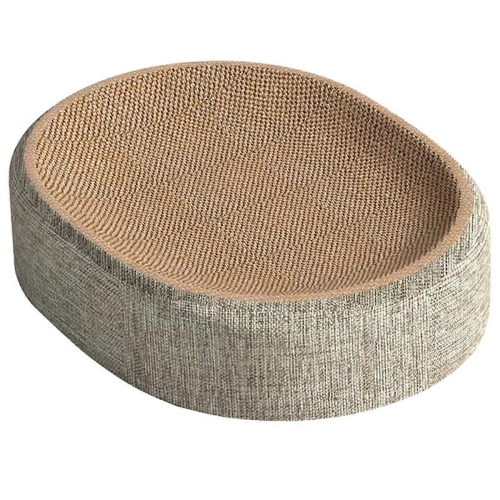
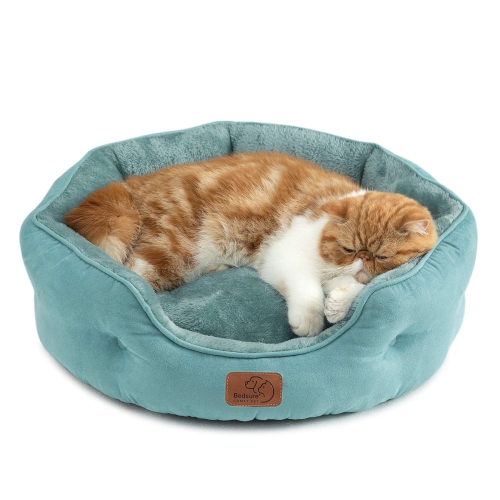


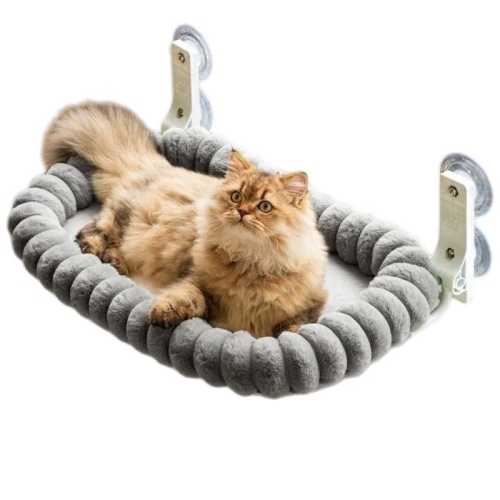

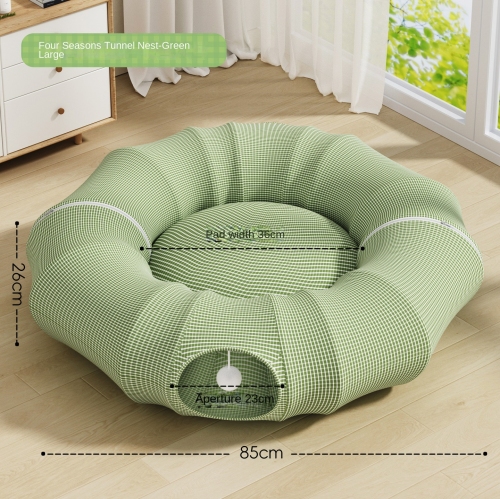






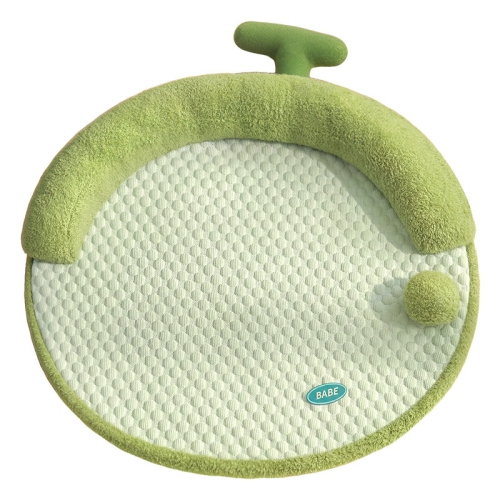

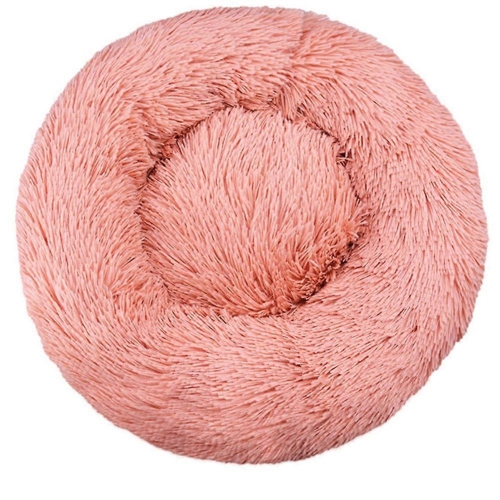

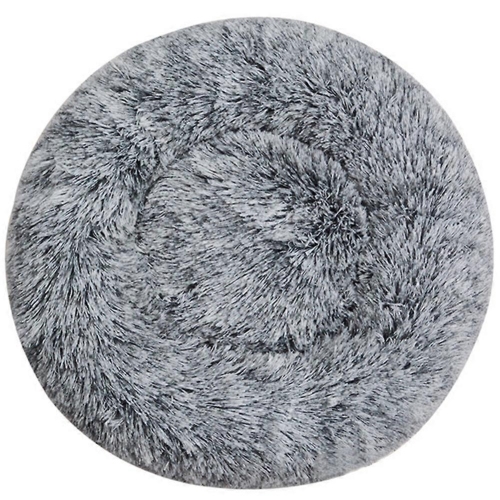
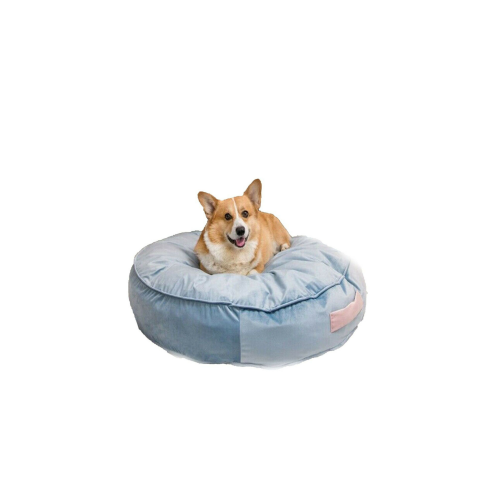
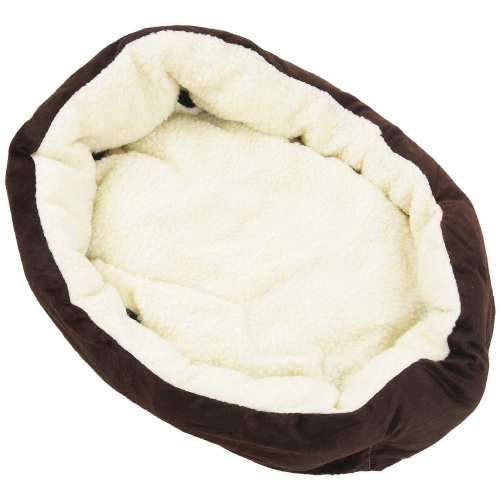
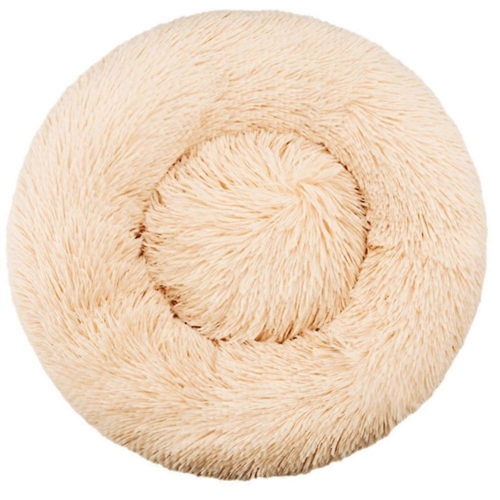


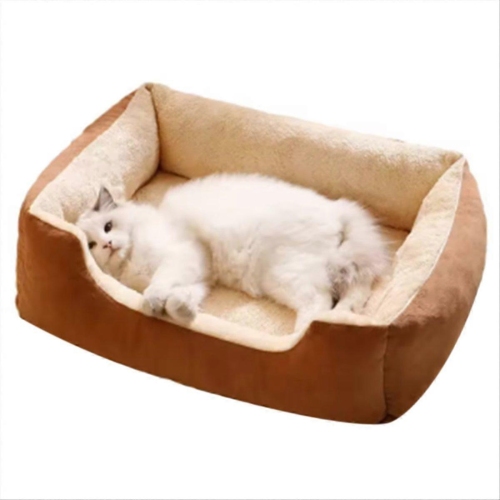

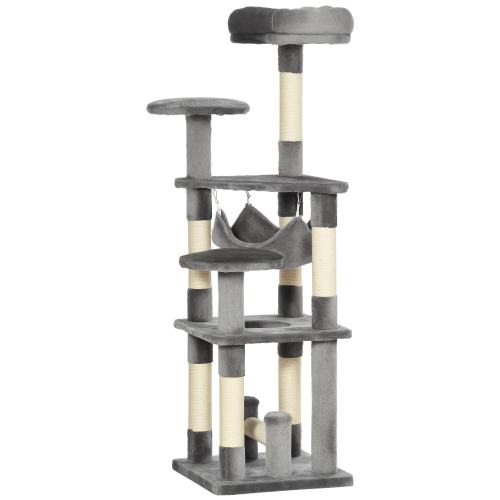











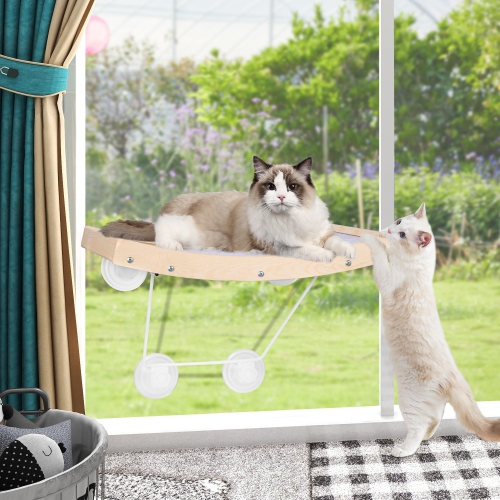


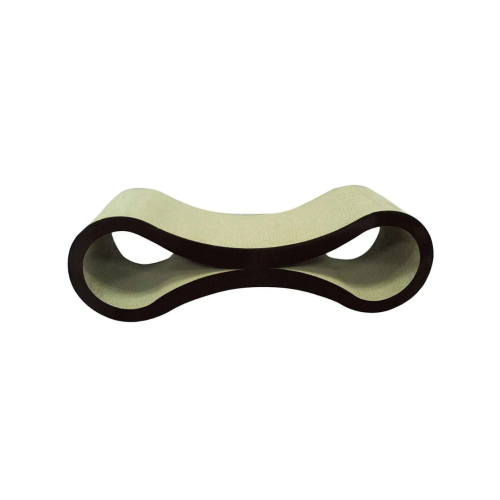


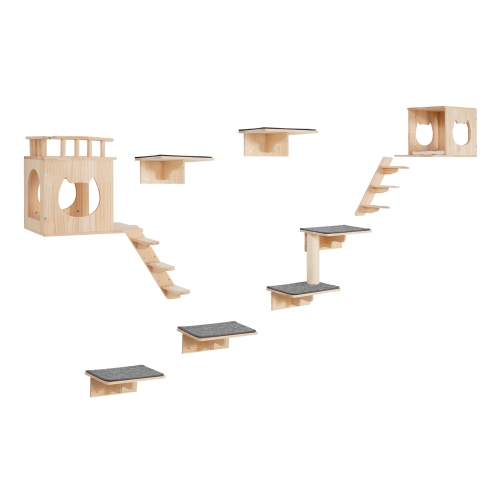
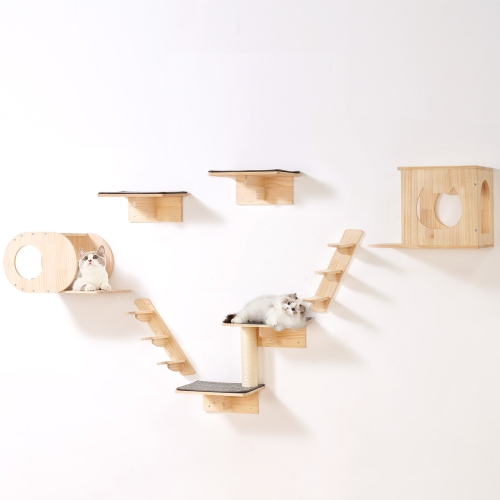

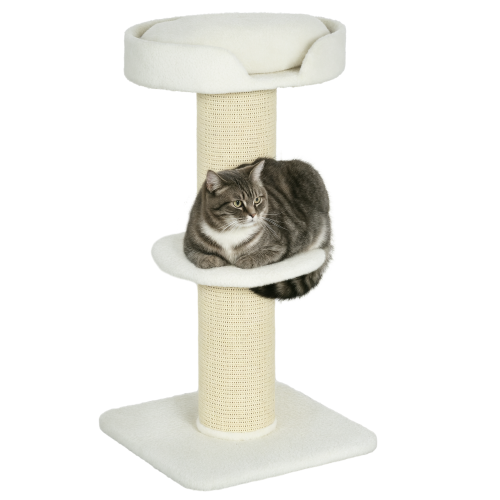
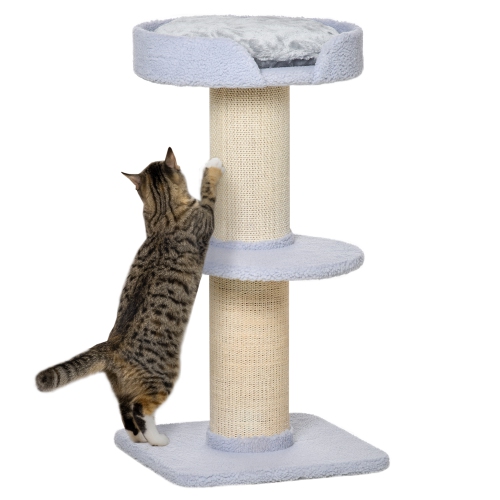


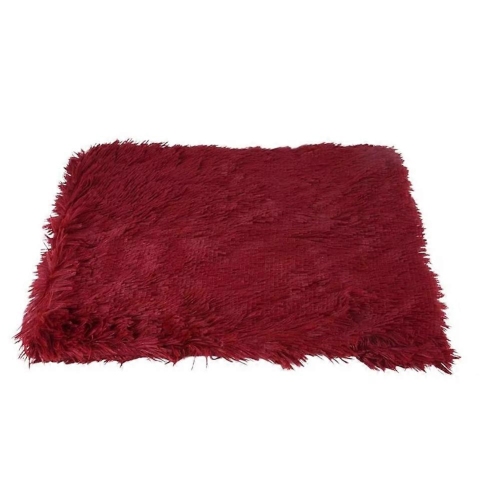
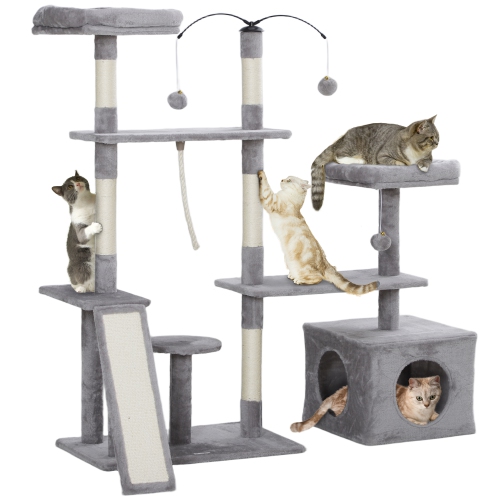

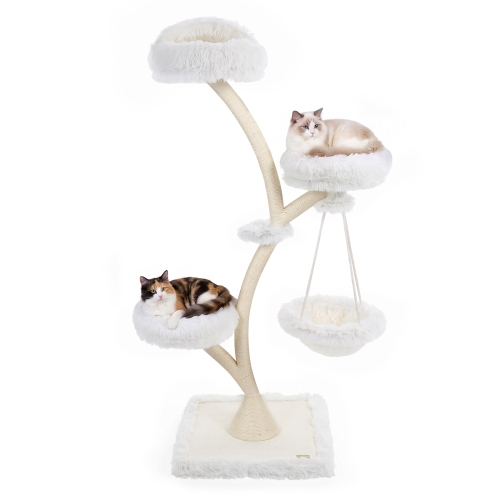

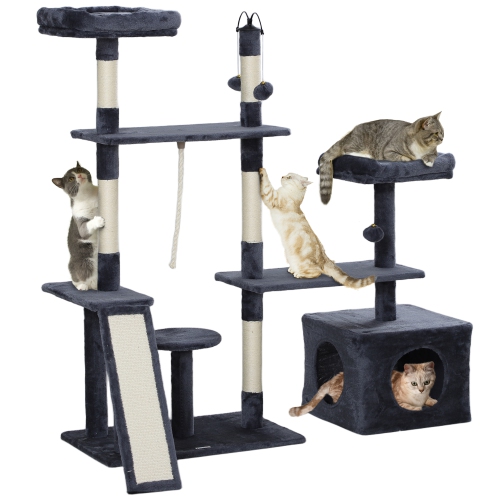

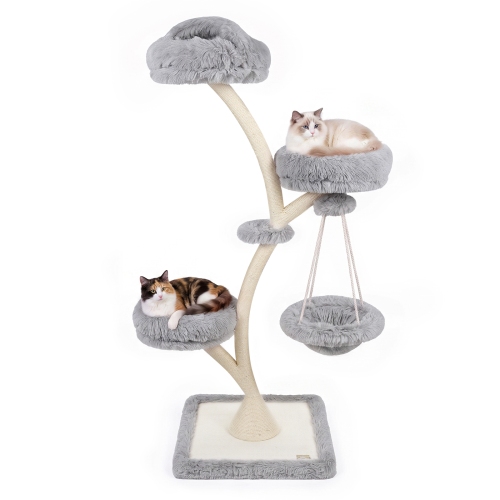
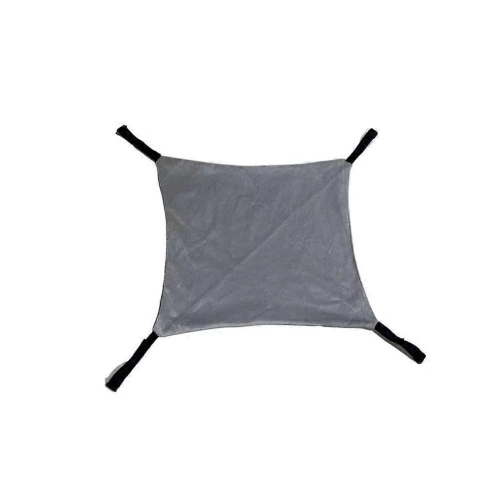










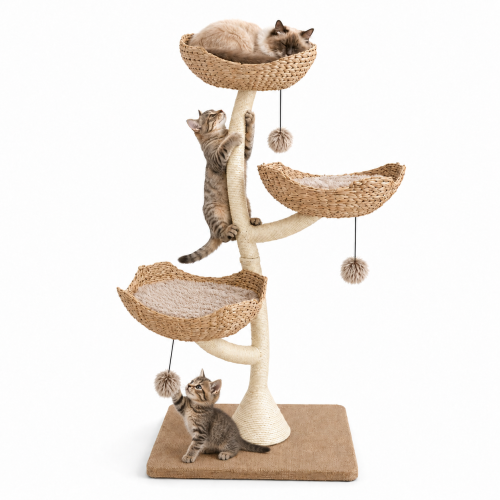
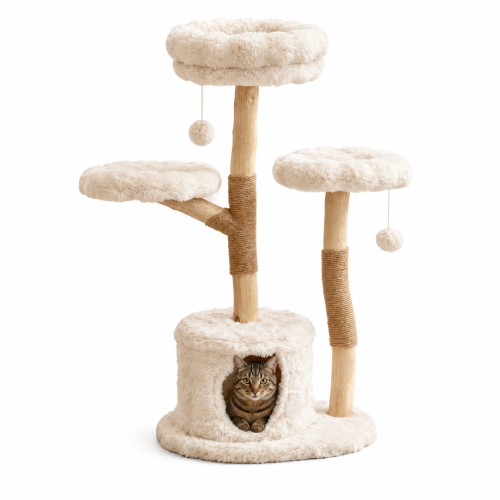

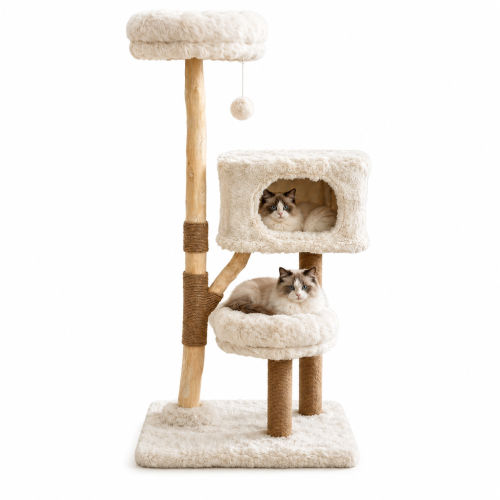
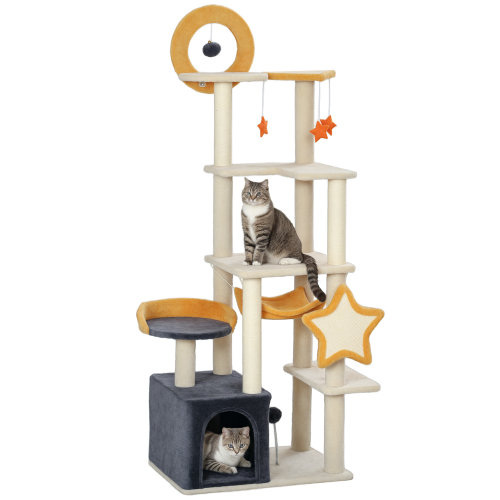







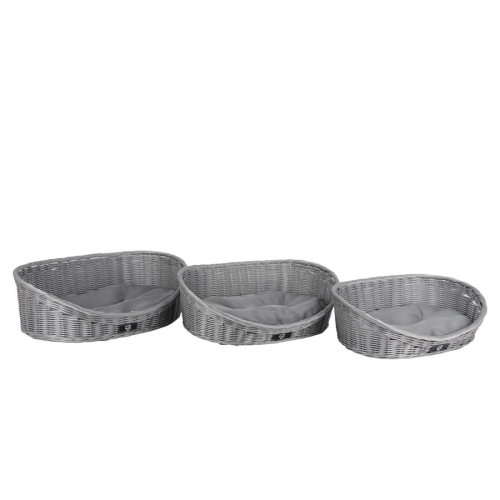
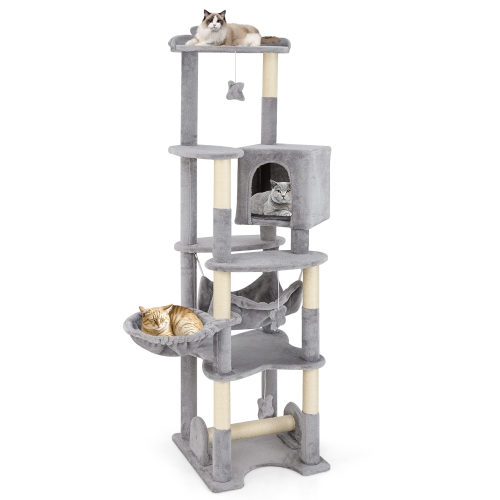
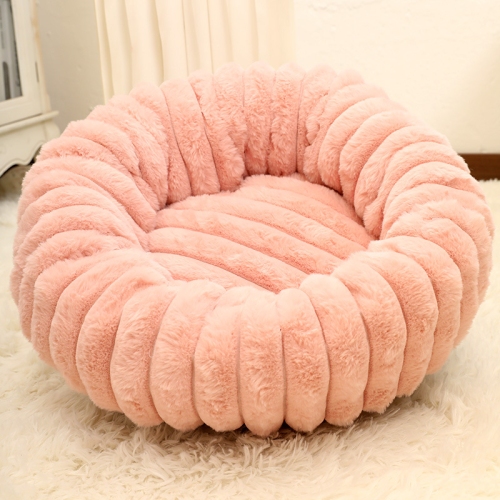


A better bed starts with your cat’s sleeping habits
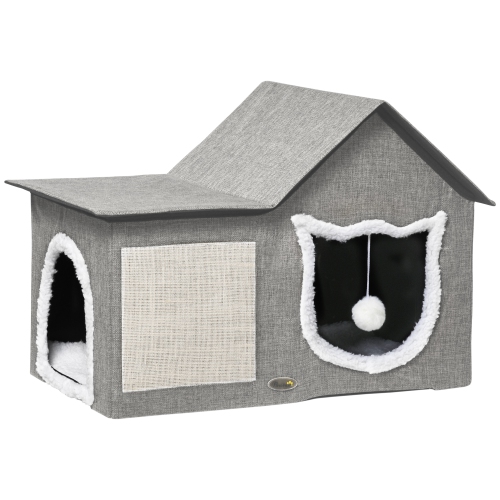
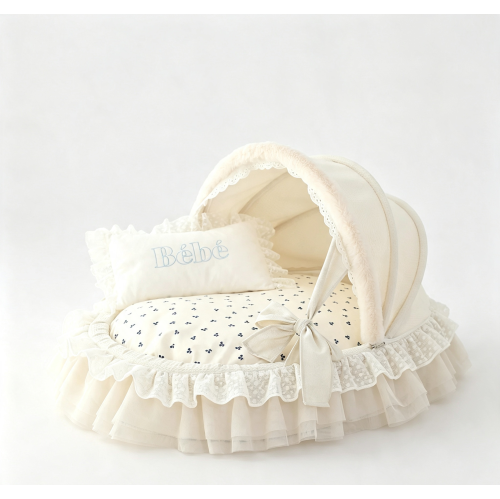
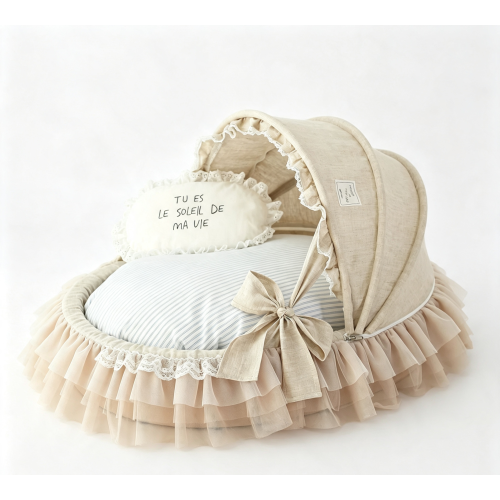
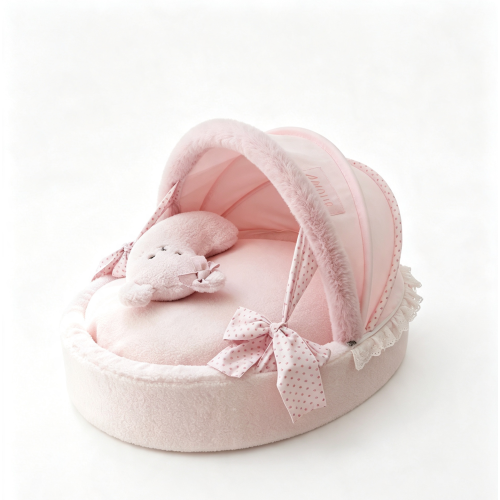
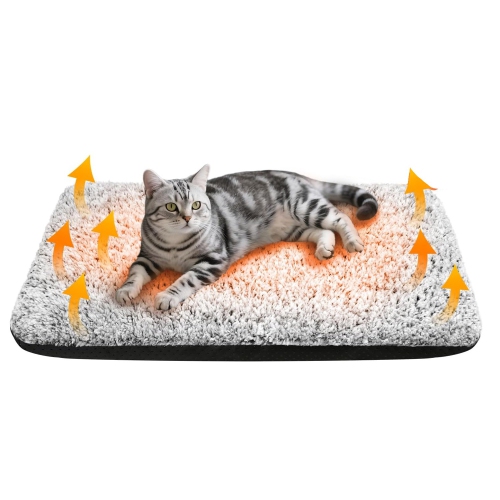
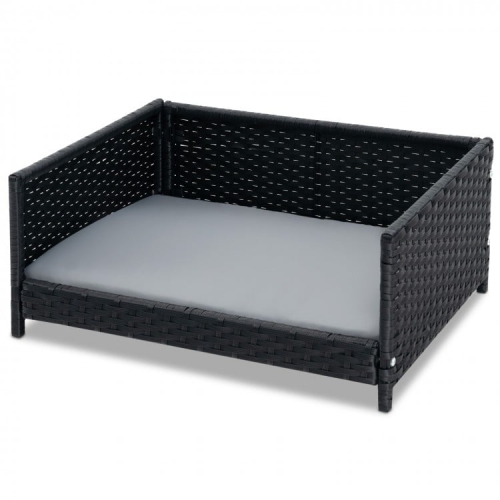
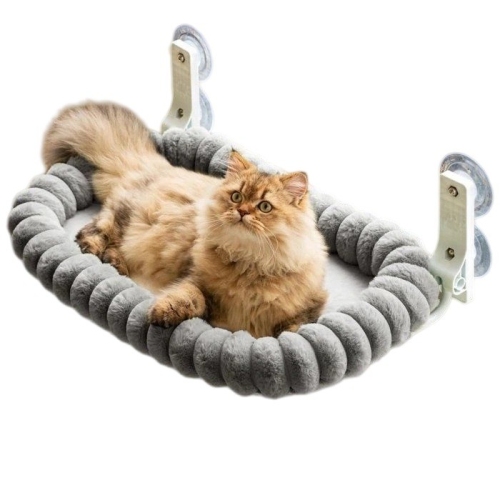
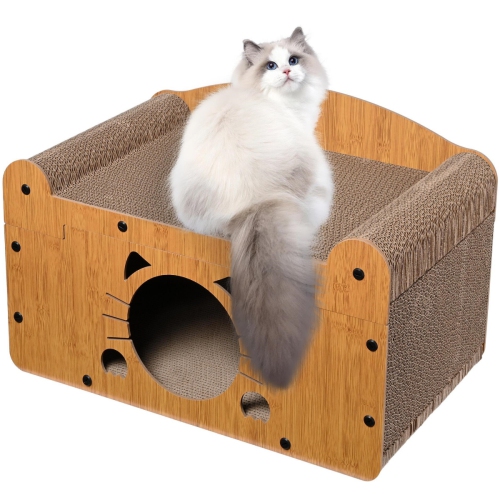
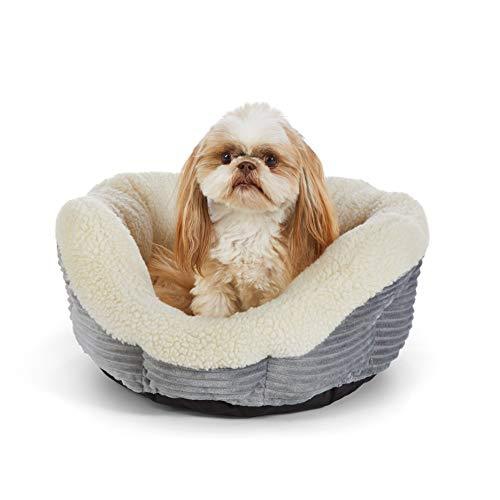
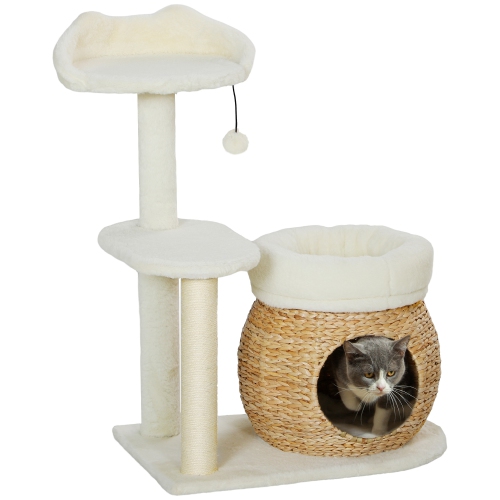
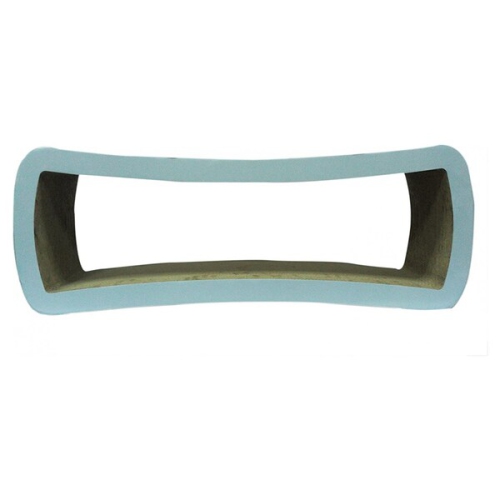
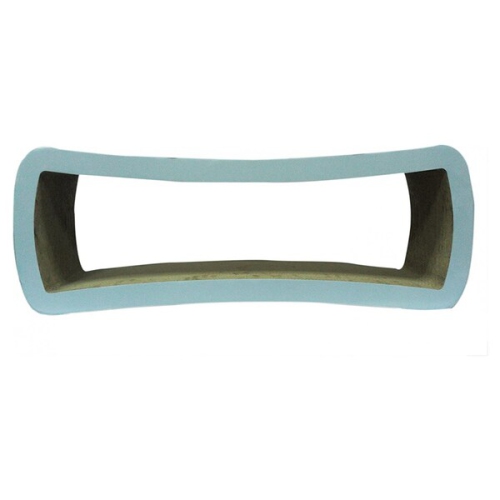
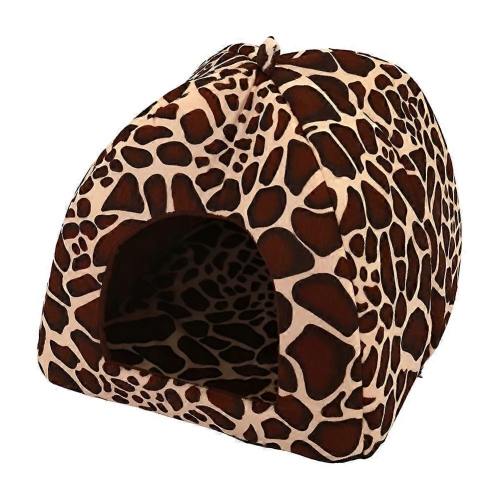
For cat owners in Canada, a well-chosen bed gives a pet a familiar place to curl up, stretch out, or watch the household from a comfortable perch. The best fit depends less on appearance than on how the cat already likes to rest. A cat that tucks its paws beneath its chest may settle into a round bed with a raised rim, while one that sleeps on its side with its legs extended may need a broad, flat cushion. Choosing among Cat Beds often comes down to sleeping style, usable space, accessibility, and how easily the bedding can be cleaned. Bolstered designs provide an edge for resting the head, while cave-style beds offer an enclosed retreat for cats that seek out boxes or sheltered corners. Open mats leave sightlines clear and give cats more freedom to change position. Interior measurements matter more than the outer footprint: thick sides can make a bed look generous while leaving a much smaller sleeping surface. A cat should have room to settle naturally without being pressed against the edges, although a snug shape may suit one that prefers to curl into a tight circle. Measuring the space a cat occupies while resting can give a more useful reference than body weight alone. Large cats generally need both a wider surface and filling that holds its shape under their weight. Kittens benefit from accessible designs without loose decorations, while older cats or those with limited mobility may find a low entrance easier to manage than a deep-sided nest. A cushion that slides away as a cat steps onto it can discourage use, making a stable base especially useful on smooth flooring. Shape and size also affect where a bed belongs in the home, whether that is beside a favourite armchair, beneath a desk, or in a quiet bedroom corner. The aim is a resting place that accommodates the cat’s habits rather than one that requires the cat to adapt to an unfamiliar position.
Materials influence how a cat bed feels, how well it supports daily use, and how much effort goes into keeping it fresh. Plush fabrics offer a soft surface for cats that knead before settling down, while smooth woven covers can make loose hair easier to lift away. Cotton blends, polyester, microfibre, fleece, and felt each have different textures and care requirements, so the fabric label is worth checking alongside the bed’s shape. Closely woven fabric and well-finished seams are useful features for bedding that receives regular pawing and scratching, though no soft bed should be treated as scratch-proof. Loose loops, exposed stuffing, dangling ties, or accessible zipper pulls may be unsuitable for a cat that chews fabric or catches its claws in textured surfaces. Inside the cover, loose fibre filling creates a cushioned feel but may need occasional reshaping. Foam provides a more defined base, and denser foam can help distribute weight without flattening as quickly. Orthopaedic-style beds are generally intended to provide supportive cushioning; they are not a treatment for pain or mobility problems. The balance between softness and support is important because a deeply padded bed may feel inviting but be harder for some cats to step out of. Cleaning arrangements deserve equal attention. A removable, machine-washable cover can simplify care, but that does not necessarily mean the inner cushion or foam insert can also go in the washing machine. Care labels should specify the appropriate washing and drying methods for each component. Beds need to dry completely before use, particularly around thick seams and padded edges where moisture can linger. Regularly removing hair and checking the underside helps prevent a build-up of debris beneath the bed. For cats prone to occasional accidents, a washable outer layer and a protective inner barrier may make routine cleanup more manageable. Secure stitching, a covered fastening, and filling that remains evenly distributed after cleaning all contribute to a bed’s useful life.
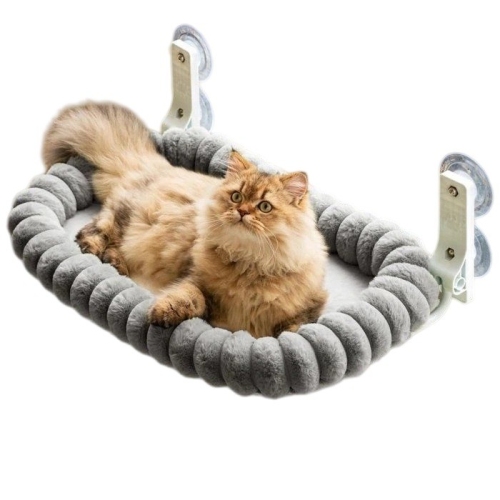
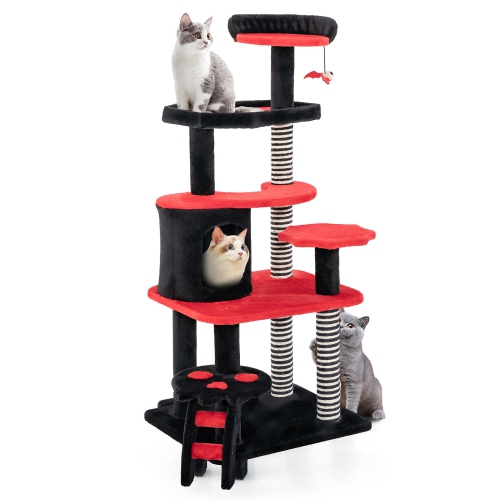
Placement can matter as much as construction, especially for a cat that ignores a new bed but returns faithfully to the same cushion on the sofa. A resting spot near familiar household activity may suit a sociable cat, while a shy cat may prefer a quieter corner with an unobstructed route in and out. Beds work best on a stable surface, away from door swings, busy walkways, and appliances that start unexpectedly. A floor-level bed offers straightforward access, whereas a bed intended for a raised position needs a suitably sized, secure surface and a safe way for the cat to reach it. A loose cushion balanced on a narrow shelf is not a substitute for a properly supported resting area. In a compact condo or apartment, a low-profile mat can fit beside furniture without blocking movement, while a larger room may accommodate a generously padded nest. Homes with more than one cat often benefit from separate resting places, since cats that share a household do not necessarily want to share a bed. Spacing those places apart also gives each cat more choice about how much company to keep. Introducing unfamiliar bedding is usually easier when the cat can investigate at its own pace. A familiar washable blanket laid over the surface may make the texture and scent less unfamiliar, provided it does not obstruct the entrance or create loose folds that interfere with movement. Keeping the bed near an established resting spot can also be more inviting than placing it in a rarely visited room. For a gift, the recipient cat’s size, sleeping habits, and household routine are more useful reference points than colour alone. Neutral upholstery may blend into a living room, but practical details such as a removable cover, a stable underside, and an accessible opening will shape everyday use. A thoughtfully matched cat bed provides a dedicated resting place while fitting comfortably into the routines of both the pet and the people who care for it.
Top selling and popular products
-
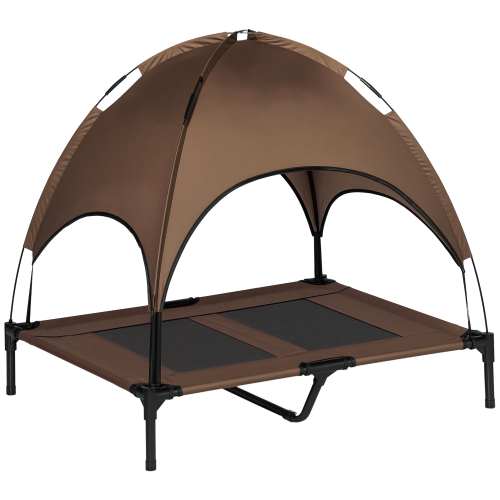 Your price for this item is $56.99
-
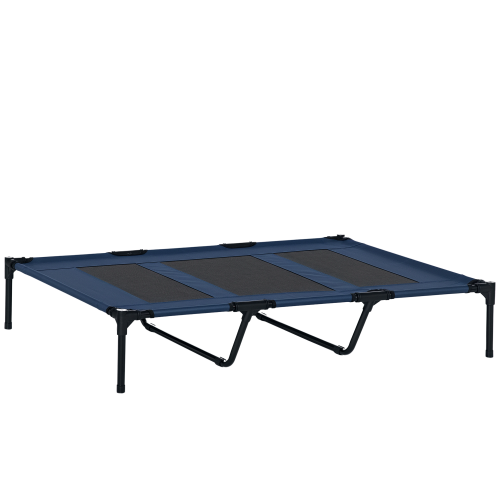 Your price for this item is $55.99
-
 Your price for this item is $402.99
-
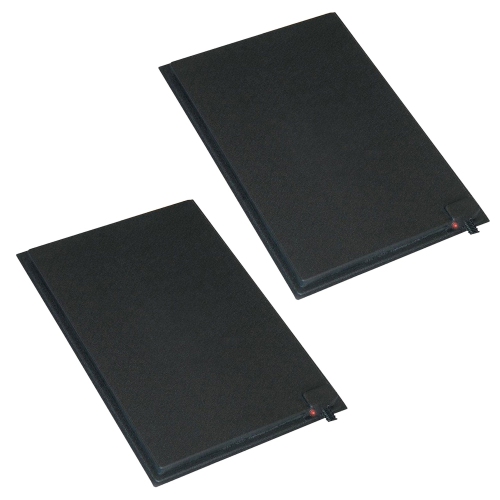 Your price for this item is $193.99
-
 Your price for this item is $271.99
-
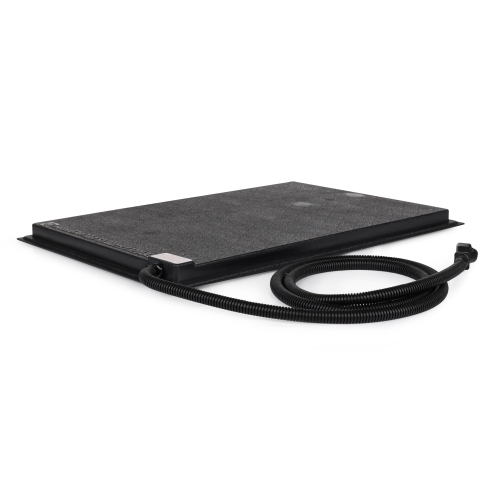 Your price for this item is $155.99
-
 Your price for this item is $179.99
-
 Your price for this item is $24.99
Discover more categories related to Cat Beds Canada

Top Collections:
Pokemon Centers, Best Cameras for Sports Photography, Kindle Devices, Samsung Galaxy Phones, Canon G7X Cameras, Pokémon 30th Celebration Cards, Refurbished Apple Laptops, iPhone 15 Apple, Laptops for Students, Budget Smartphones
Some products may be subject to Environmental Handling Fees
(EHF) depending on your province.
Learn more about EHFs.