Cat Beds
Cat beds are essential for providing your feline friend with a cozy and comfortable place to rest and relax. Whether your cat enjoys curling up in a soft plush bed or prefers the elevated comfort of a hammock-style bed, there are a variety of options to suit their sleeping preferences. From stylish designs that complement your home decor to practical features like machine-washable materials, finding the perfect cat bed to keep your pet content and well-rested is easy with our selection. Discover a range of sizes, shapes, and styles to cater to your cat's needs and preferences, ensuring they have a purr-fect place to call their own.
Sort










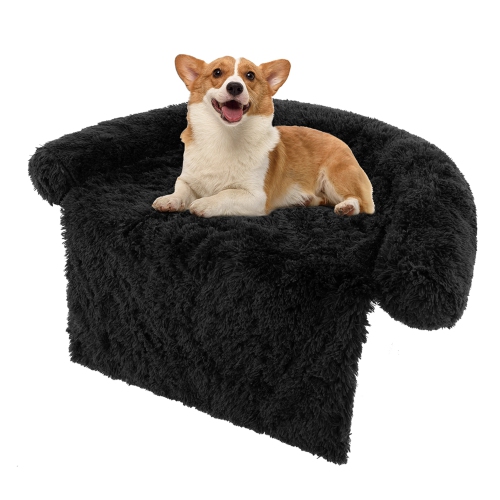
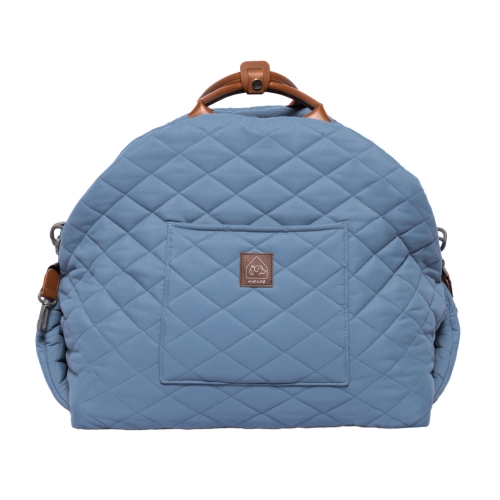
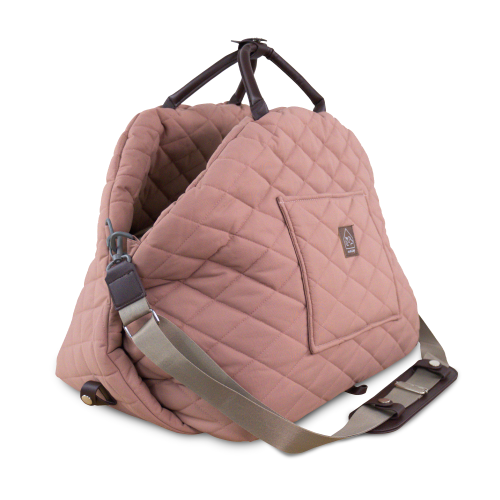
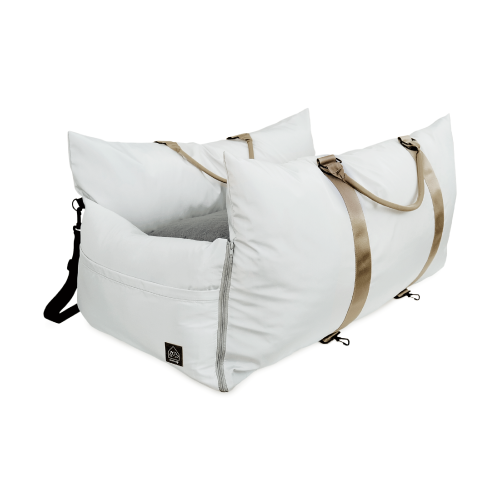
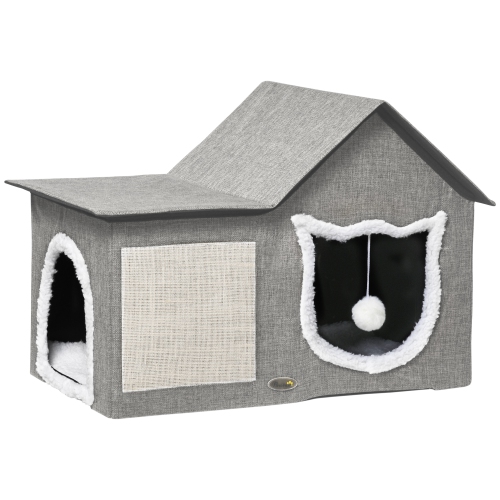
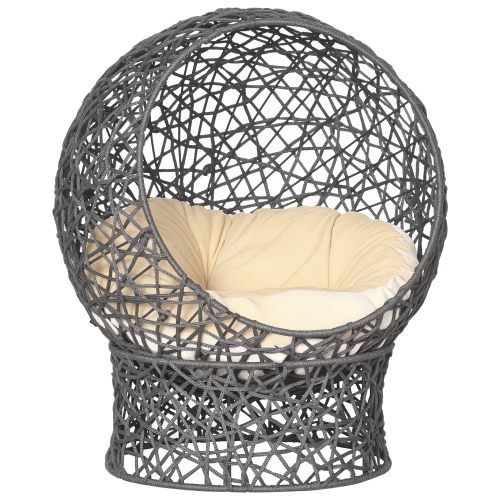

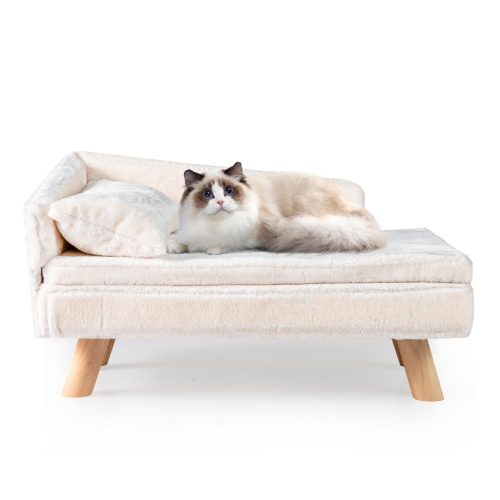
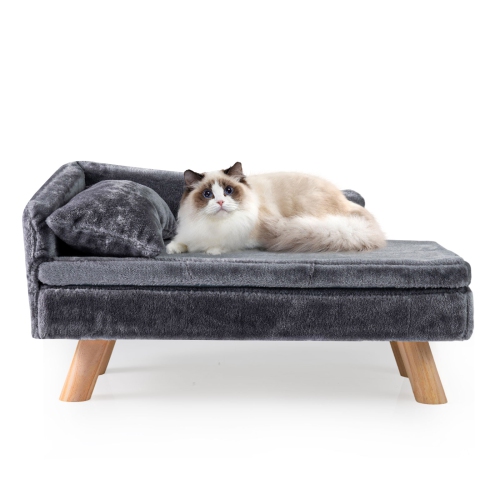











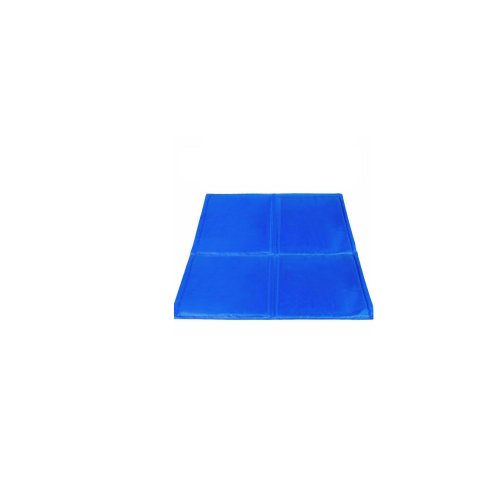
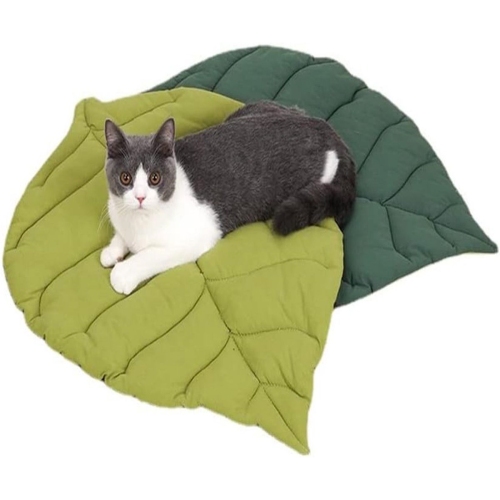
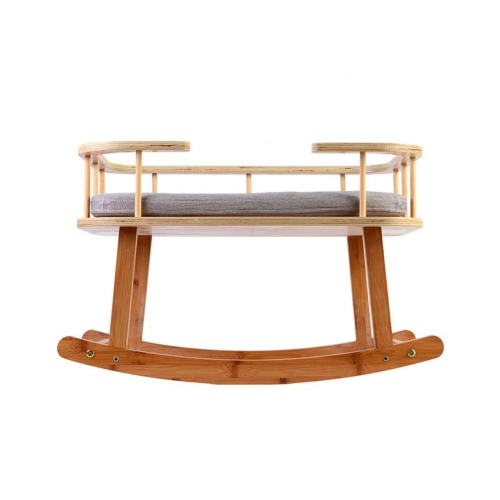
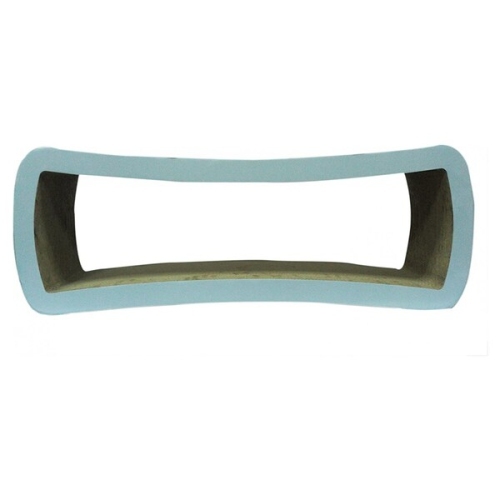
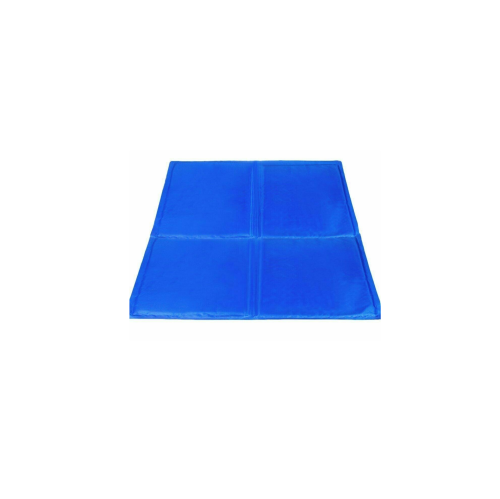
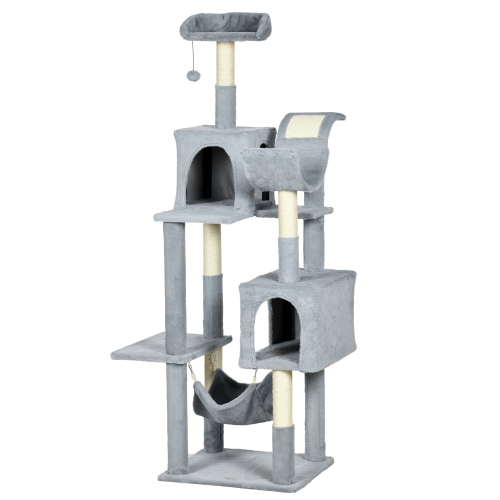
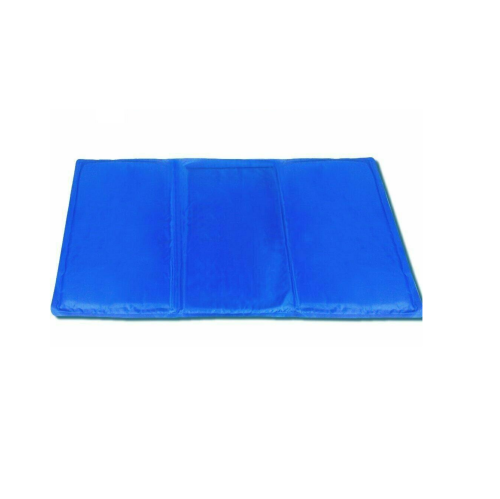
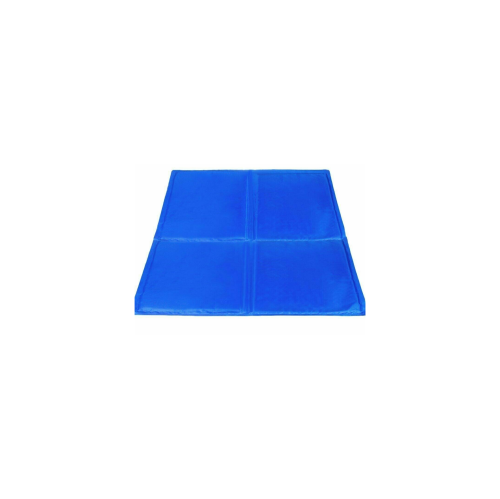


Your cat’s sleeping habits point to a better fit
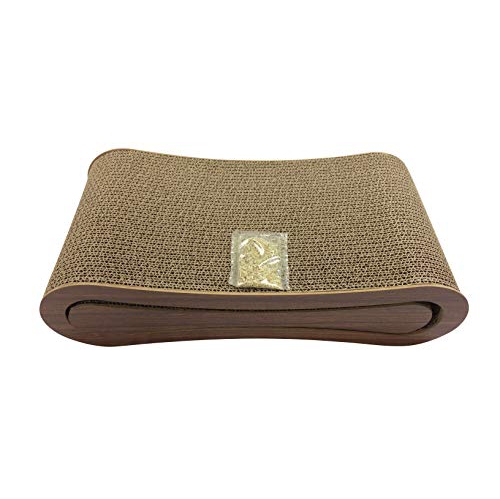
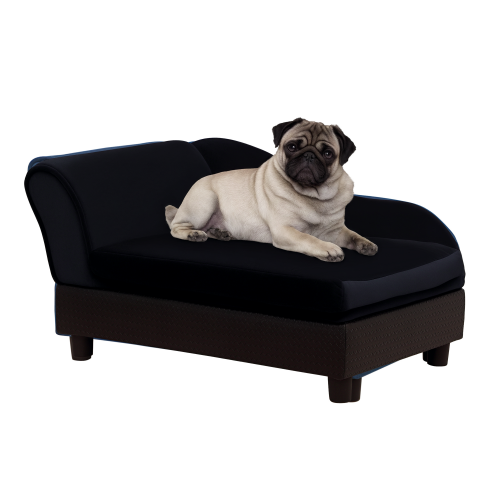
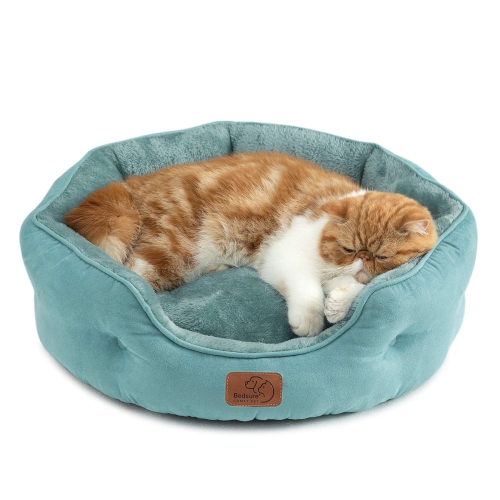
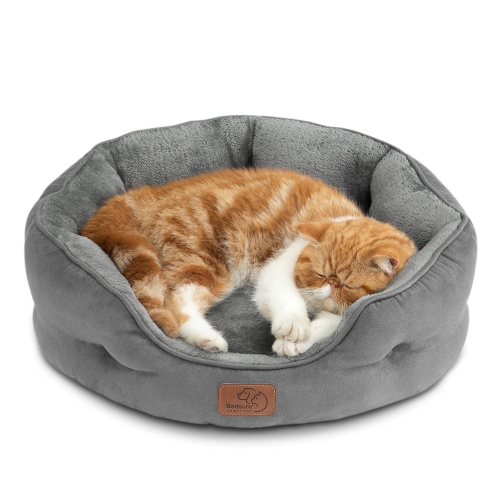
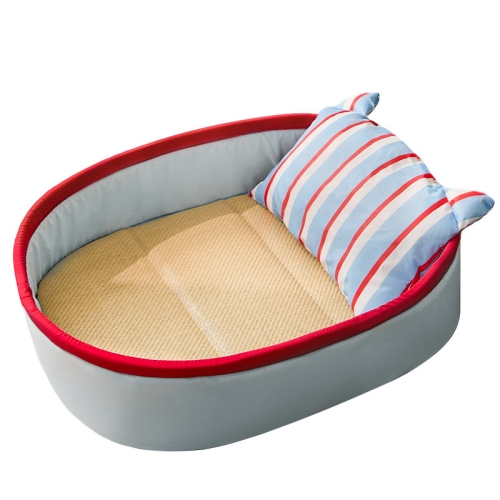
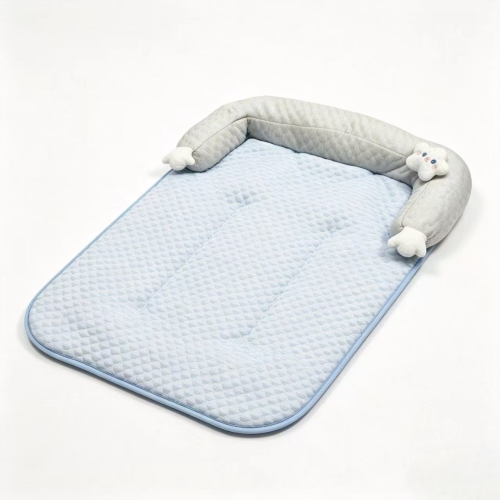
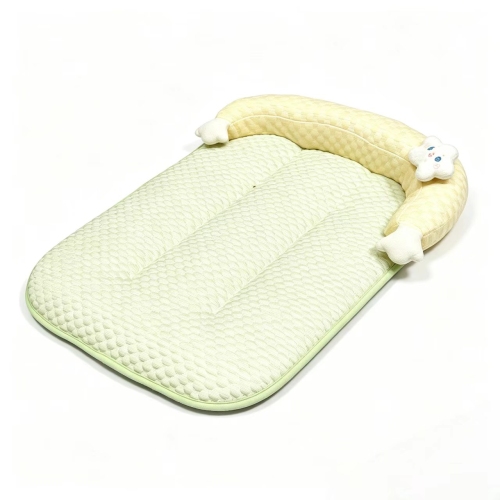
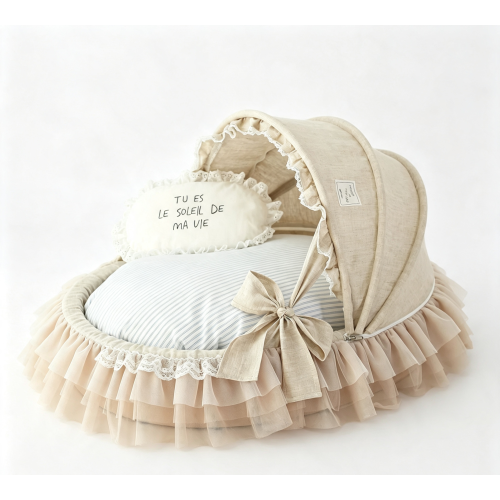
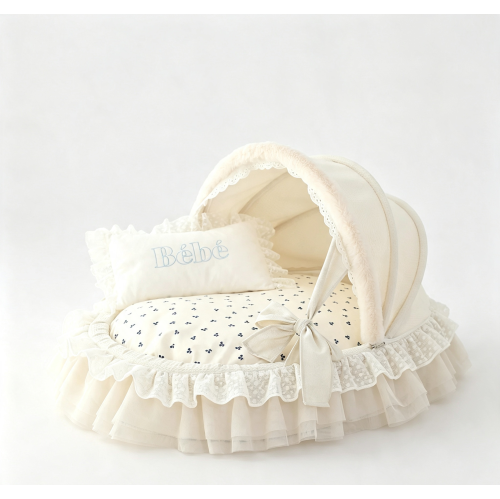
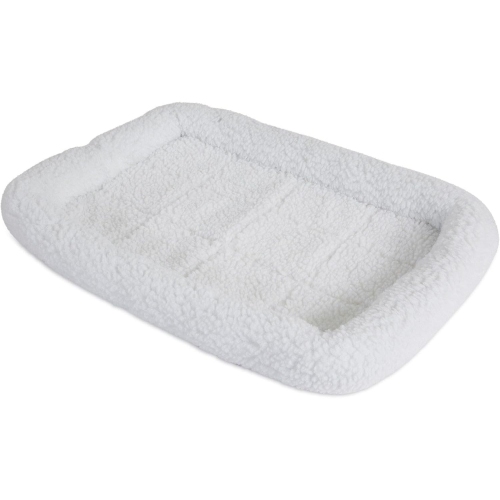
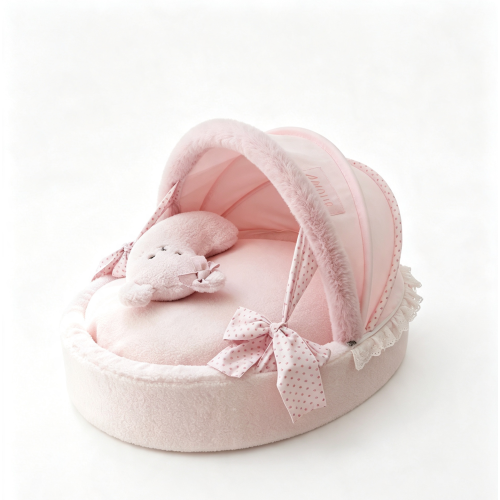
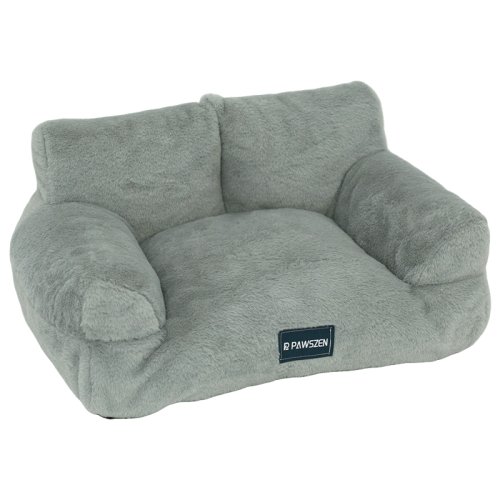
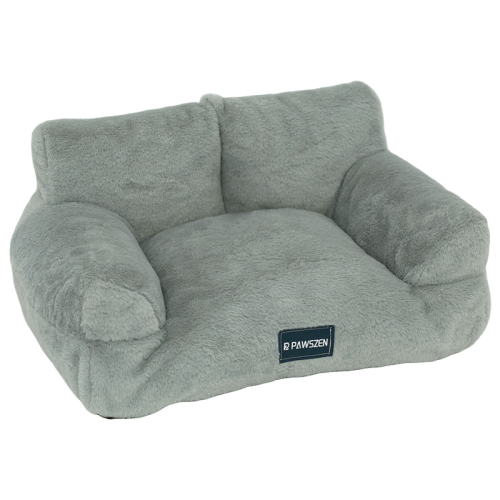
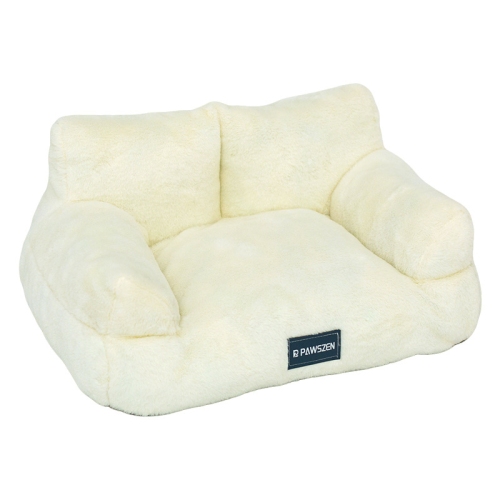
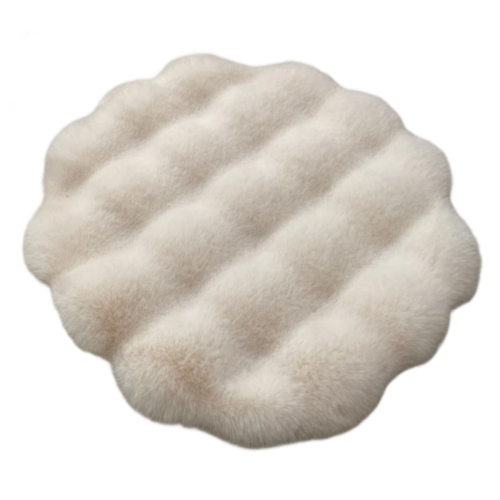
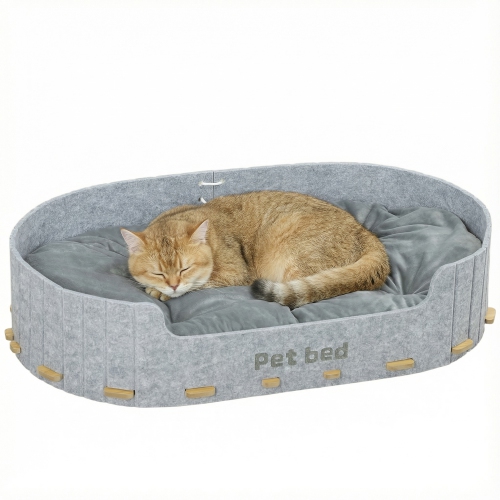
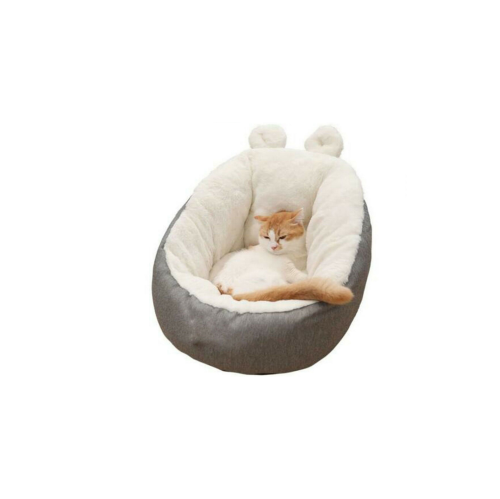
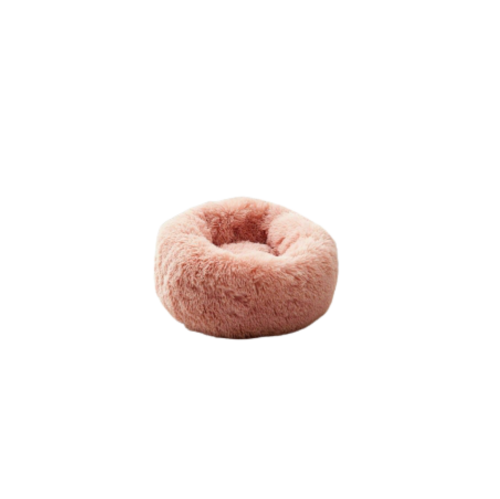
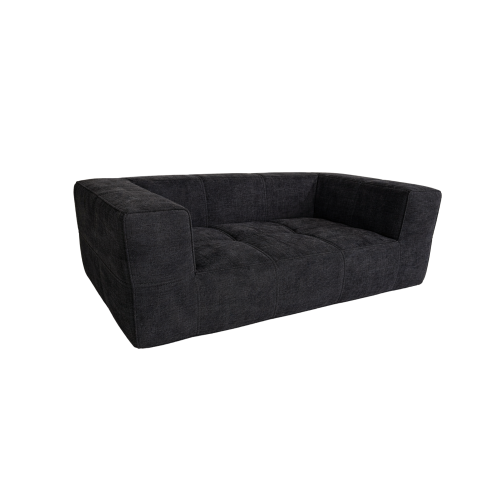
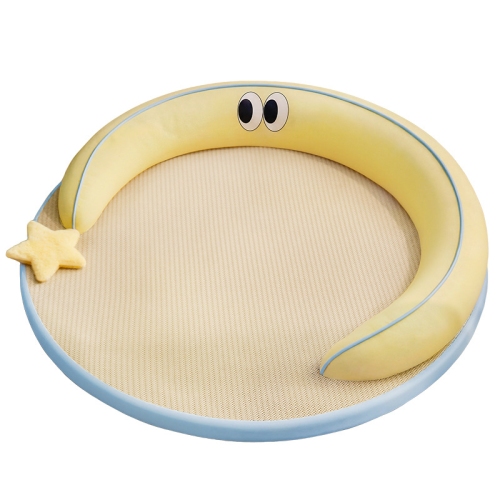
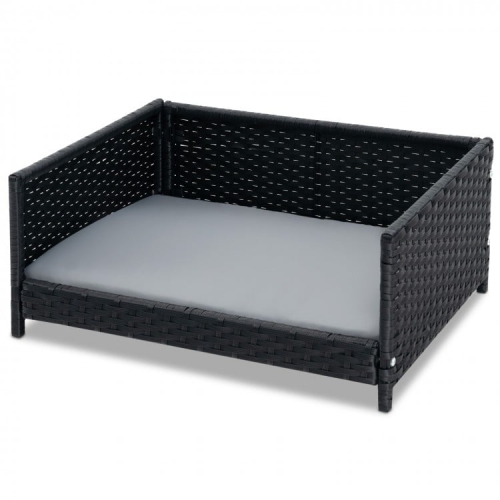
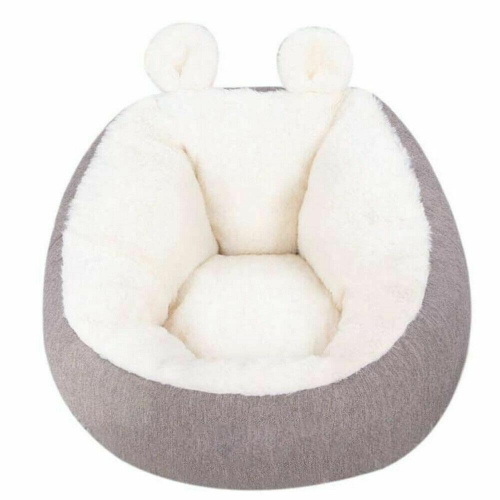
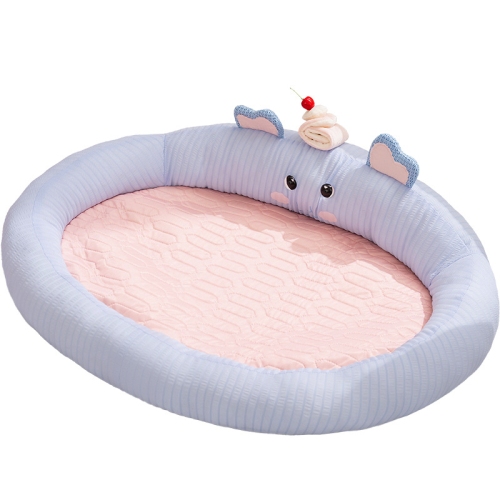
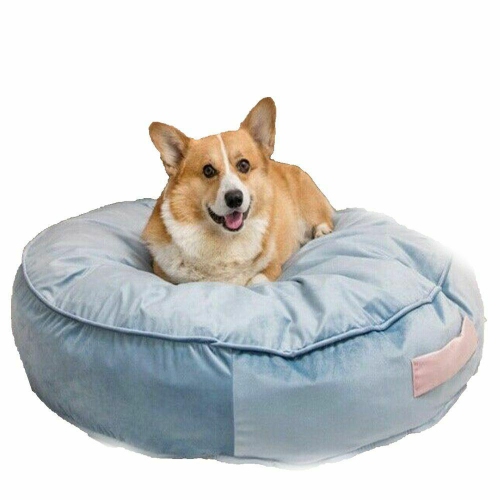
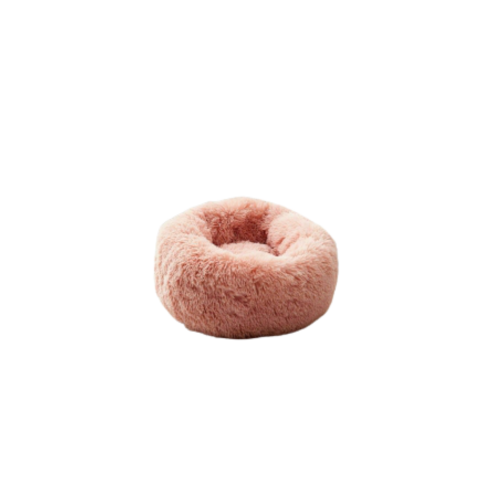
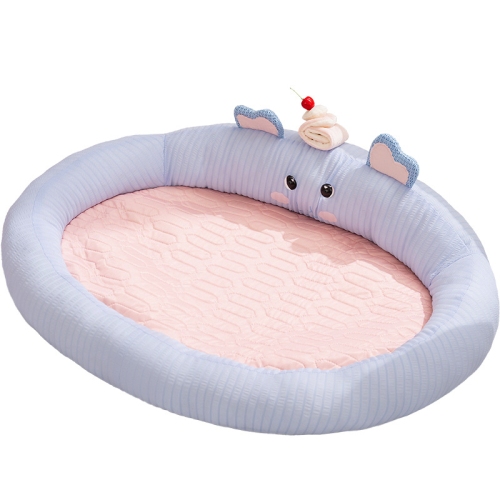
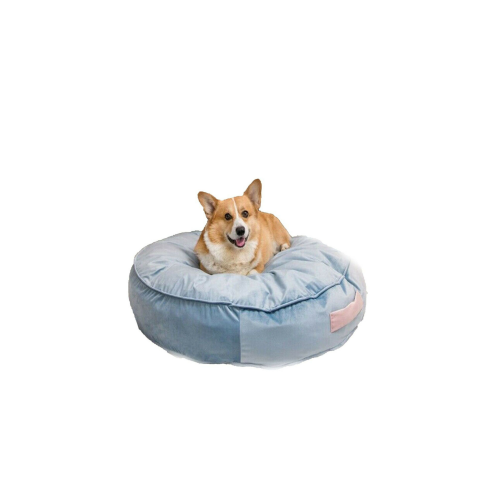
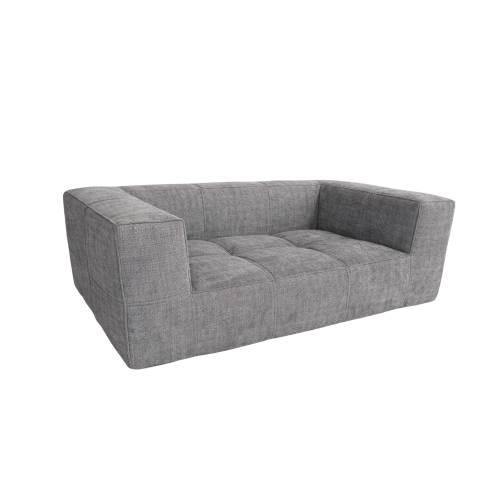
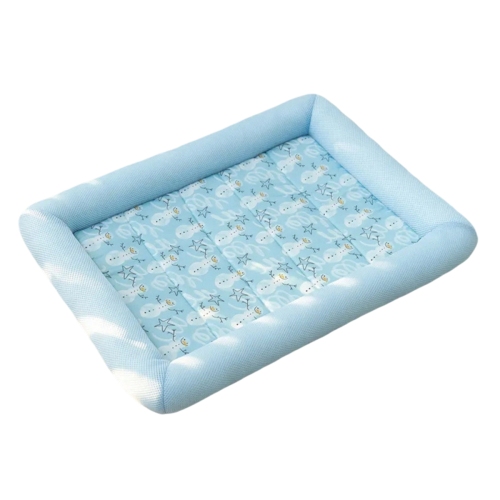
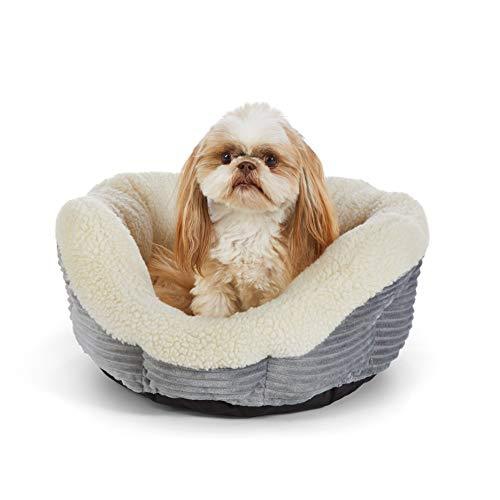
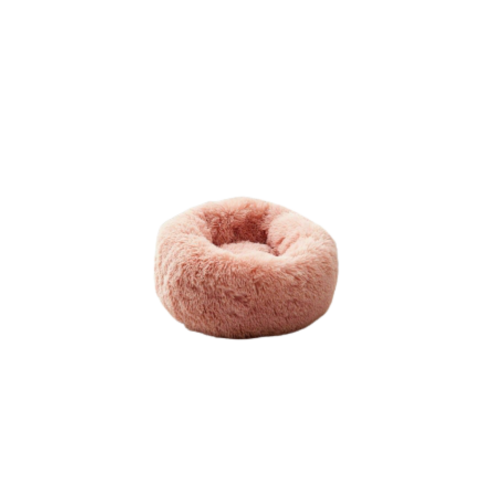
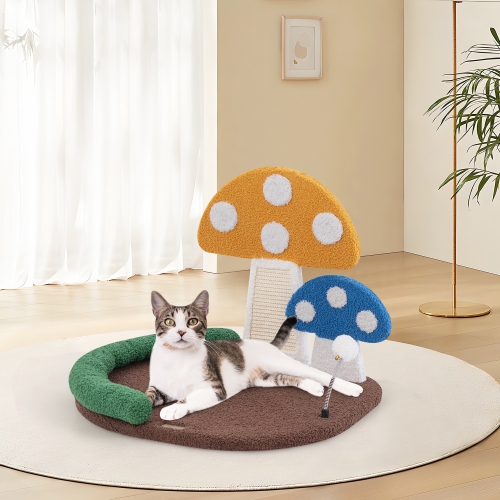
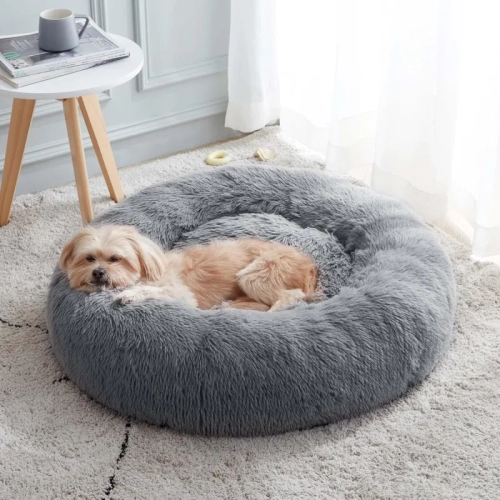
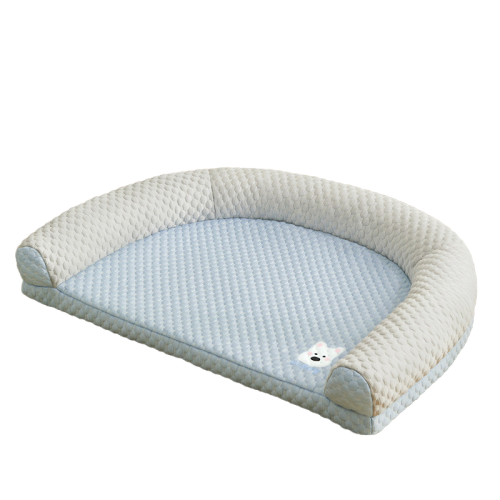
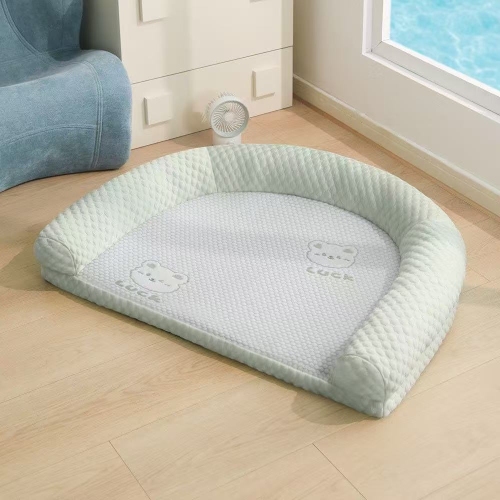
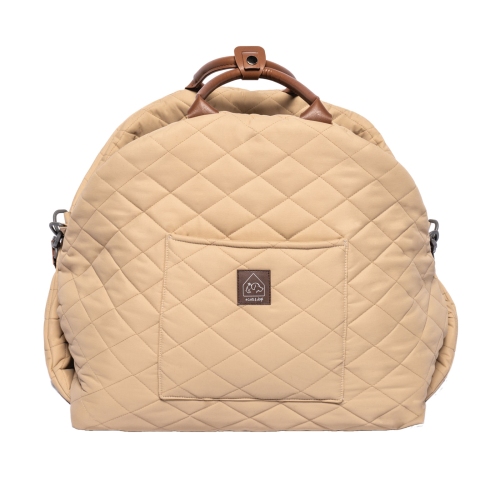
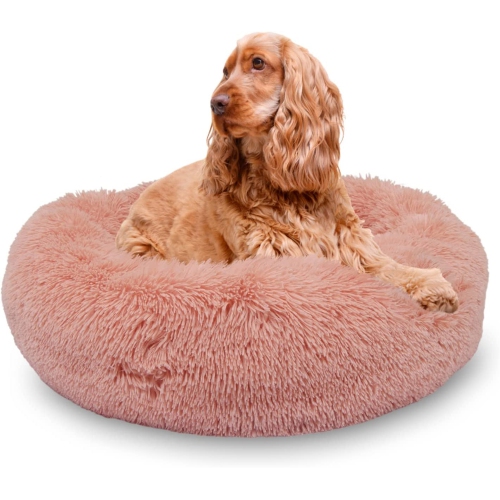
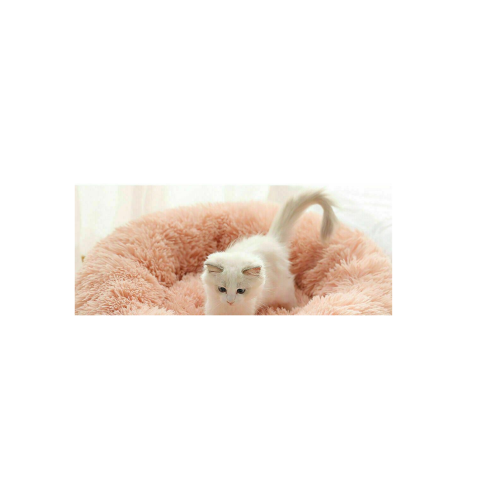
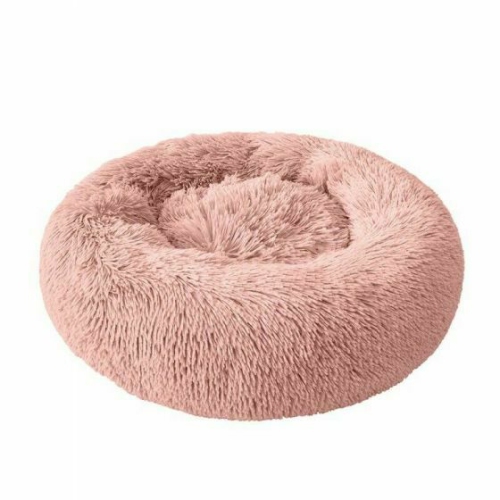
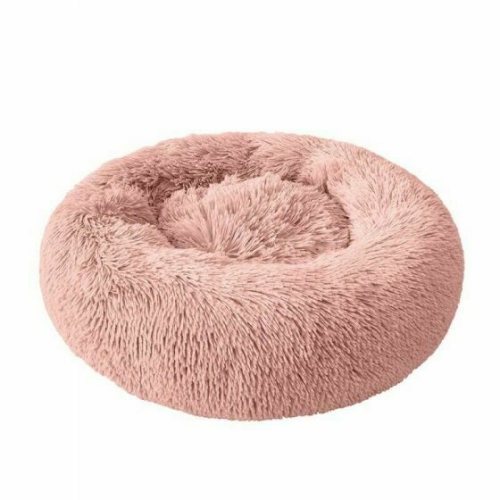
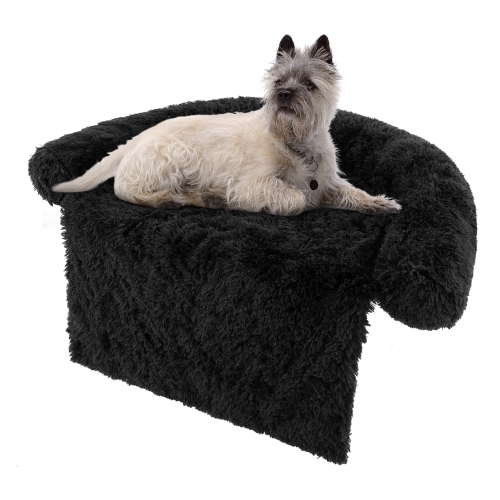
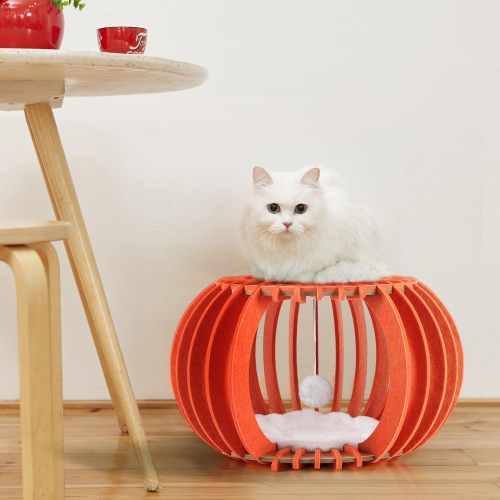
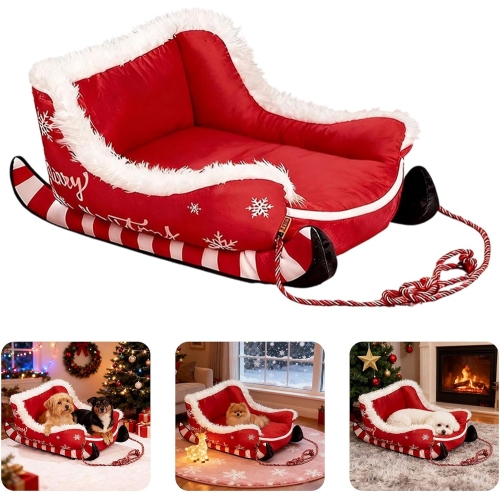
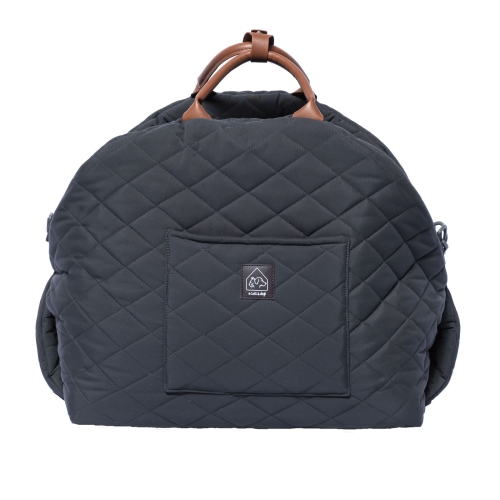
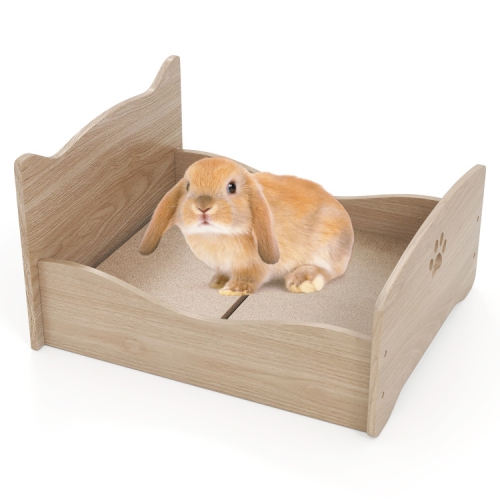
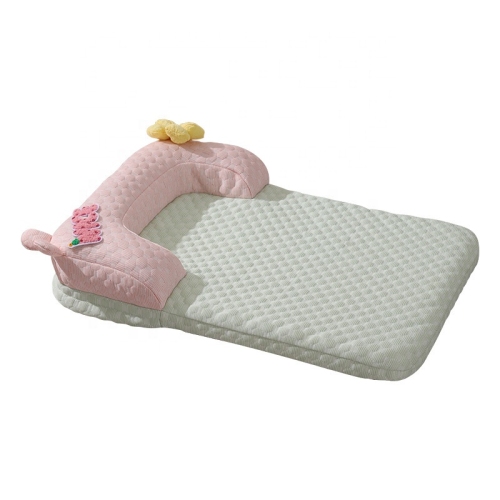
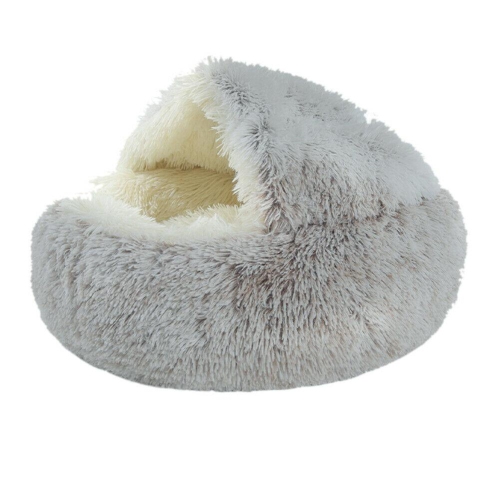
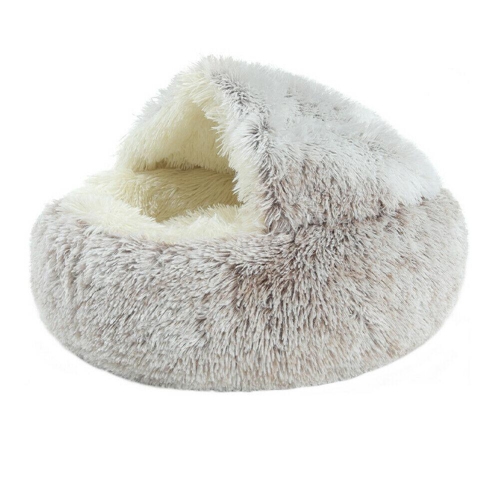
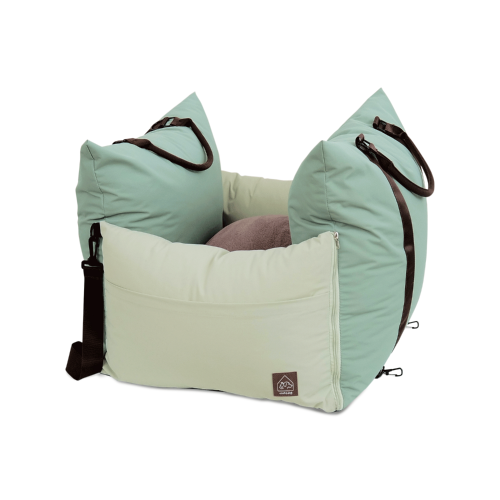
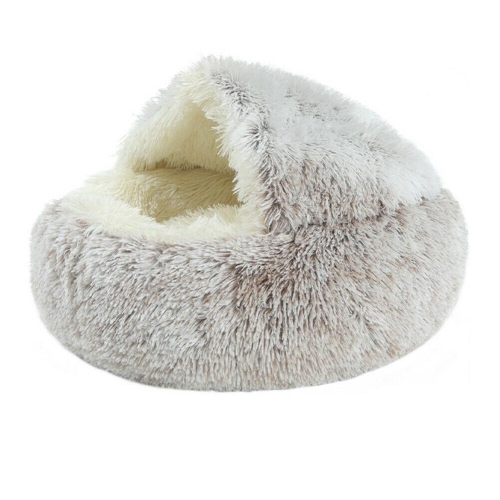
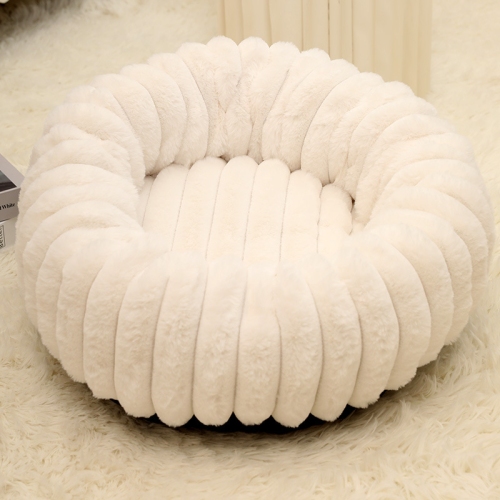
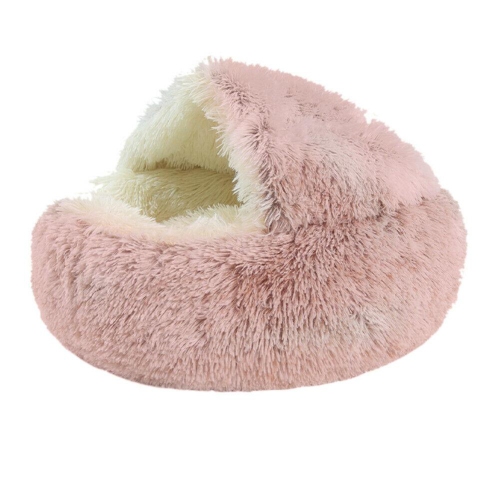
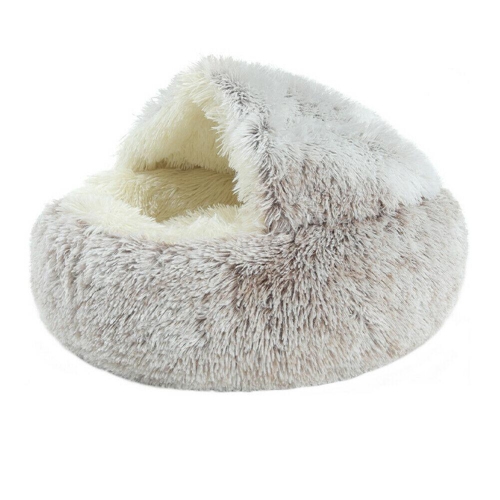
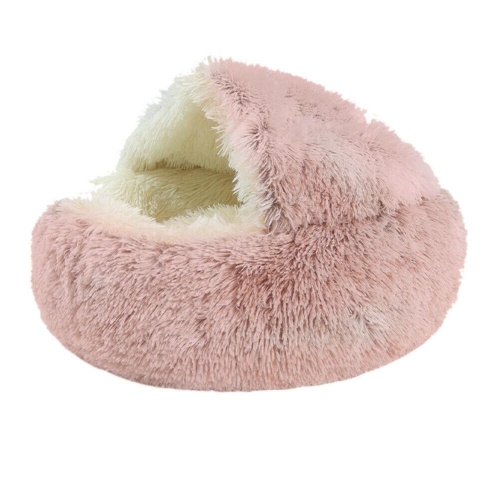
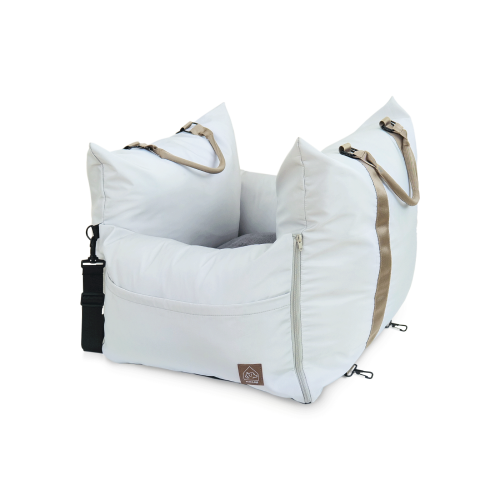
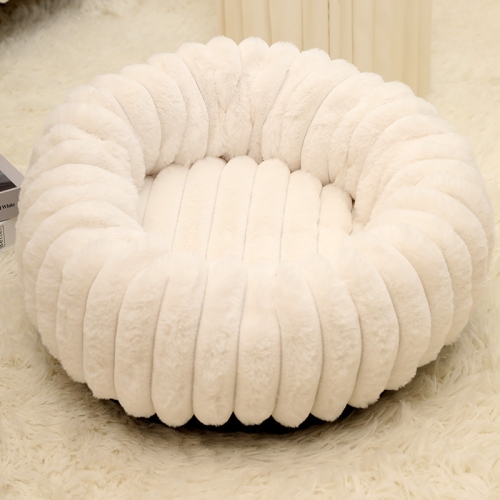
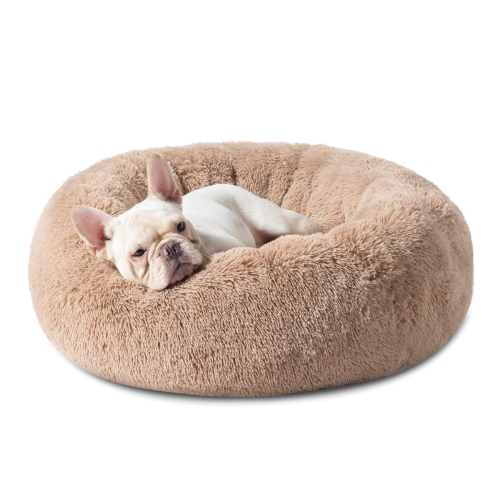
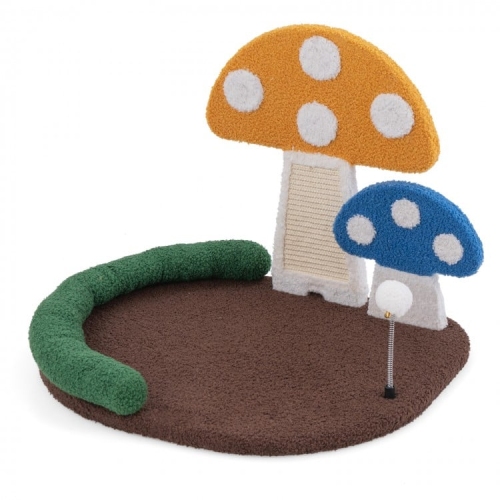
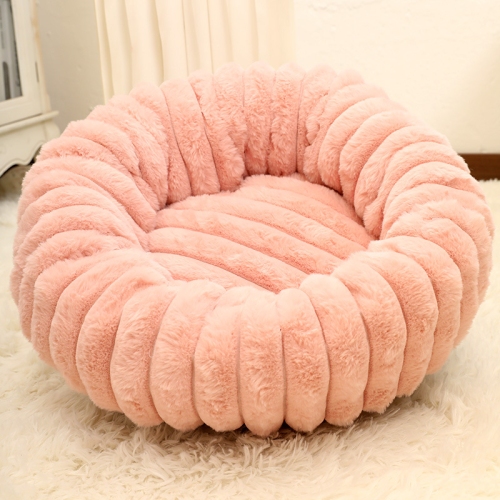
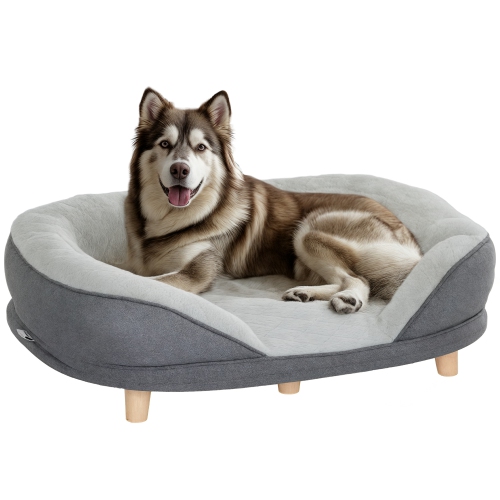
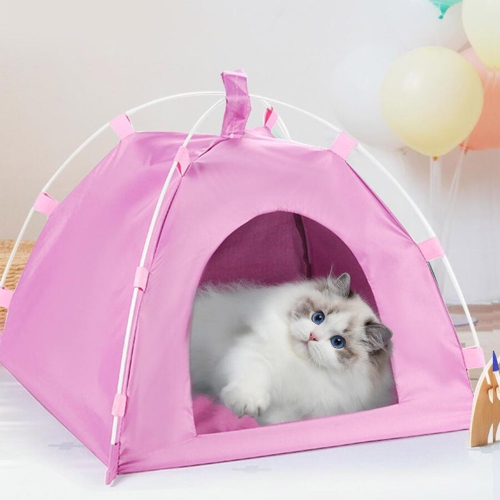
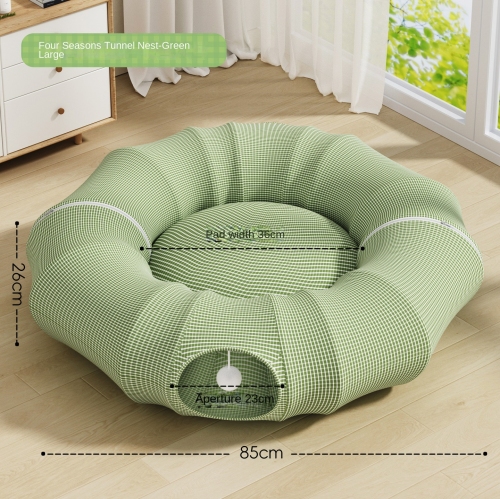
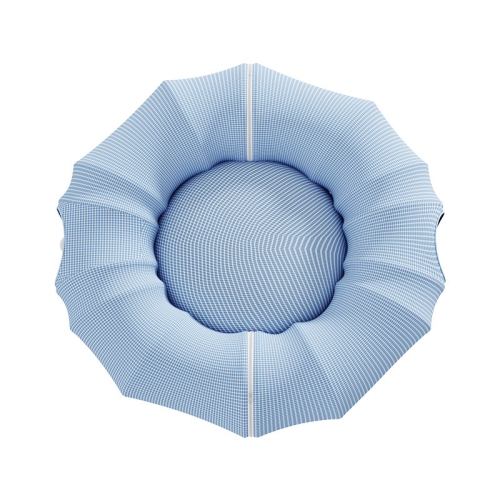
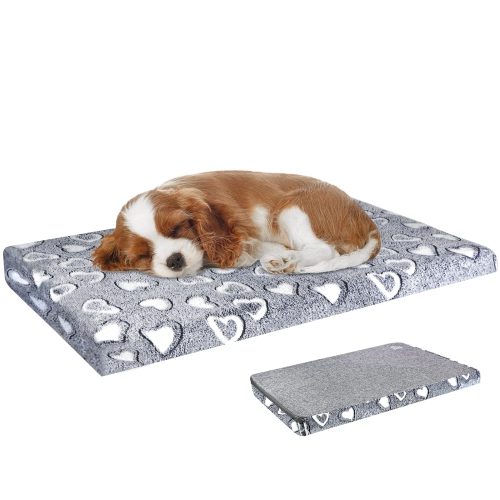
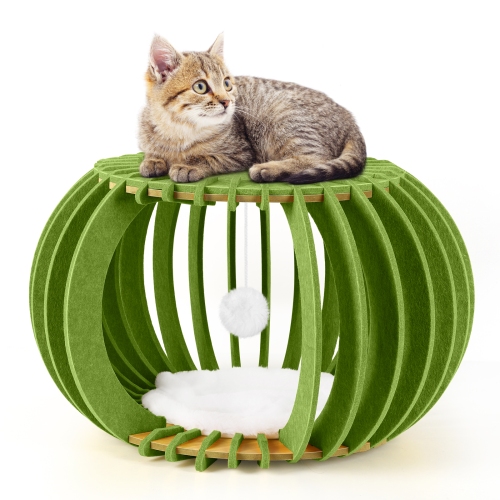
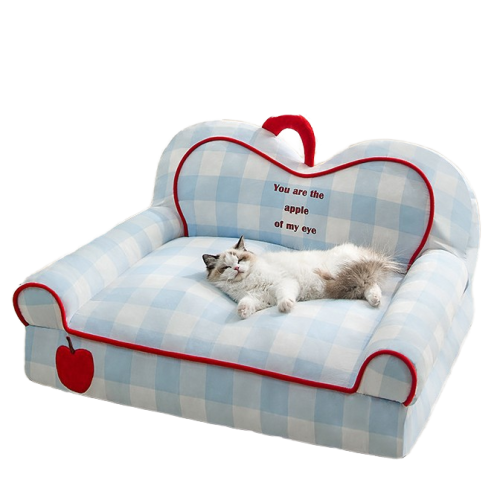
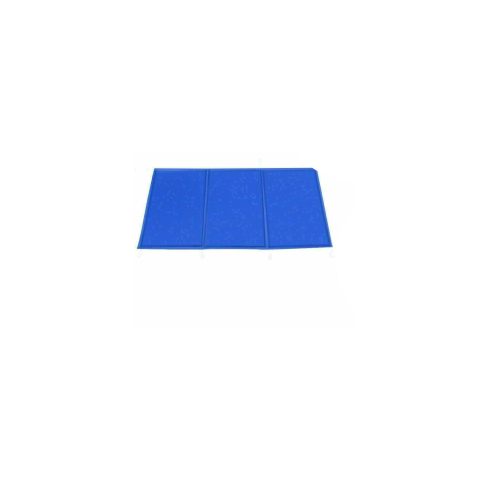
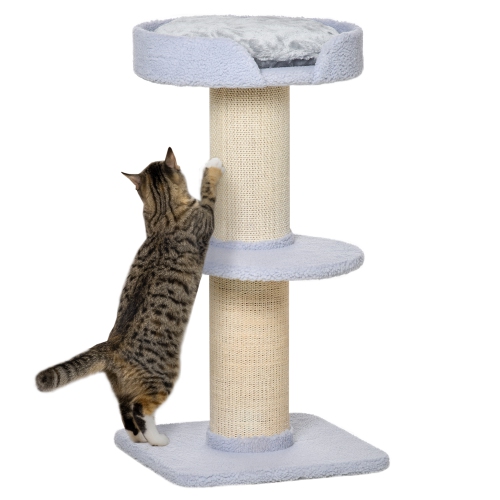
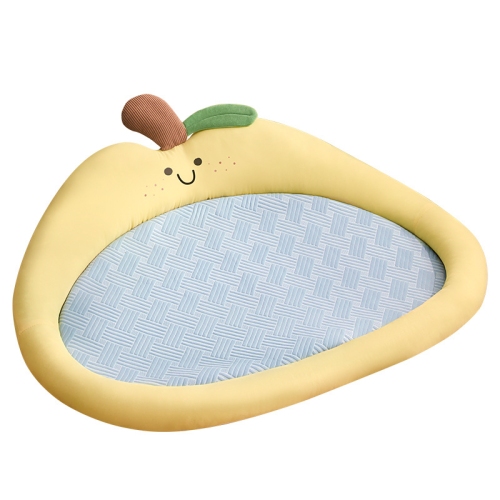
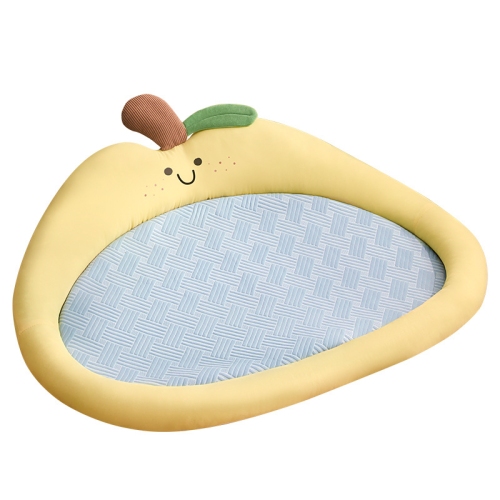
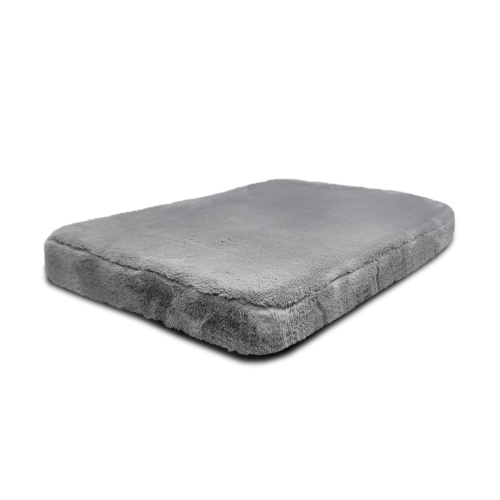
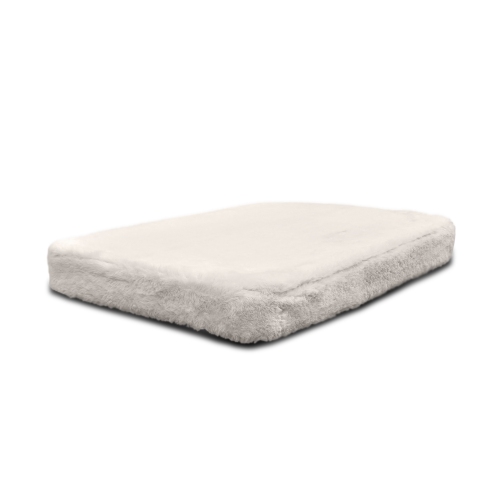
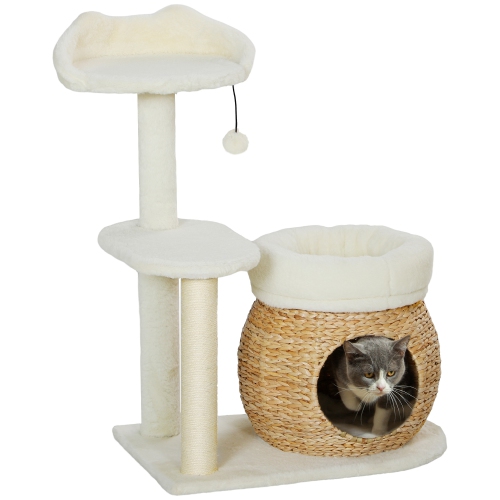
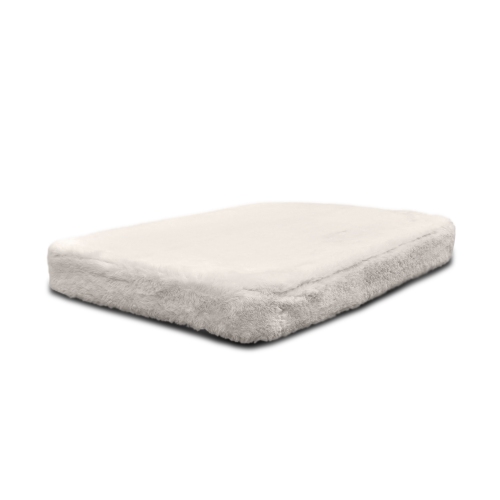
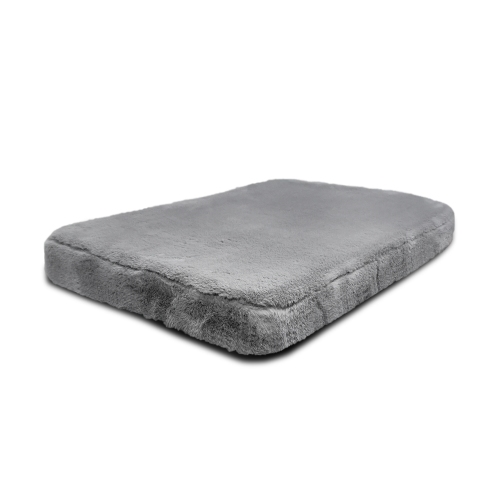
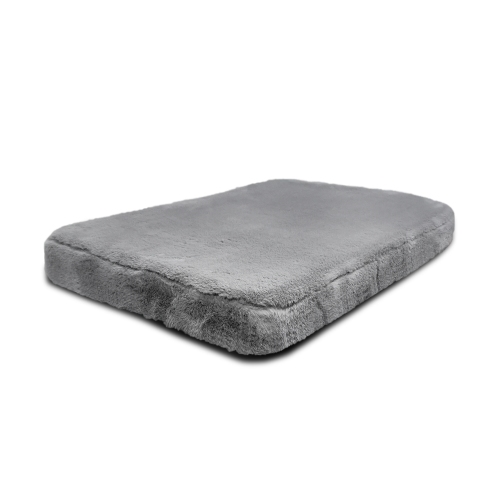
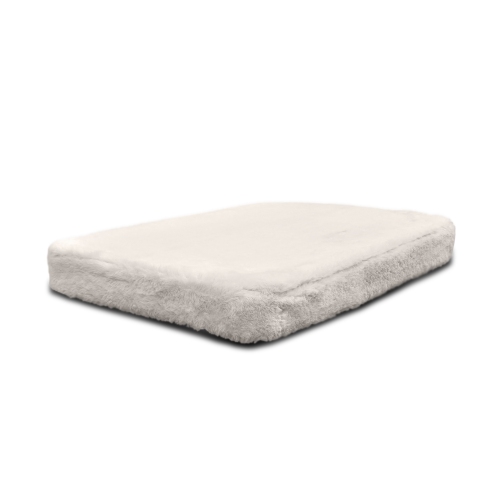
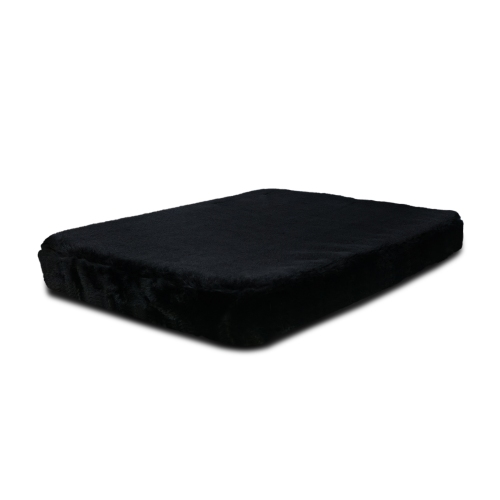
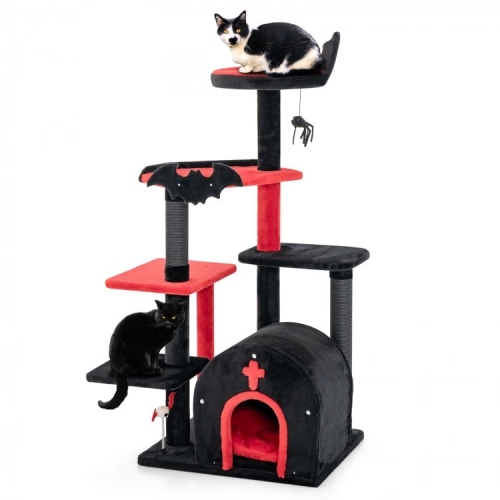
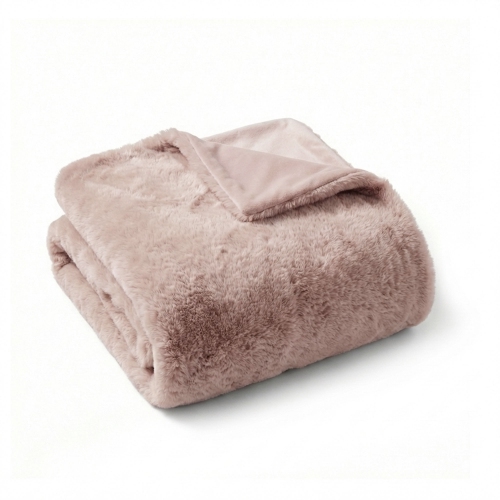
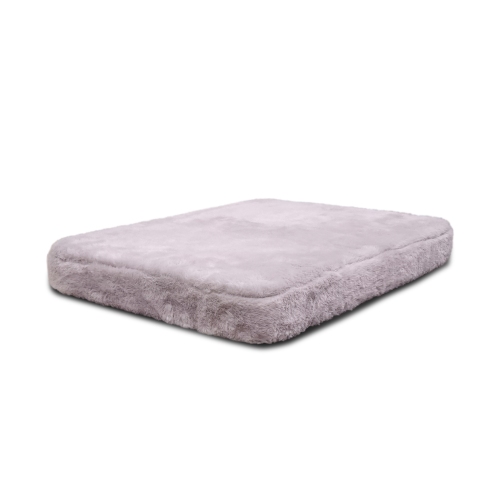
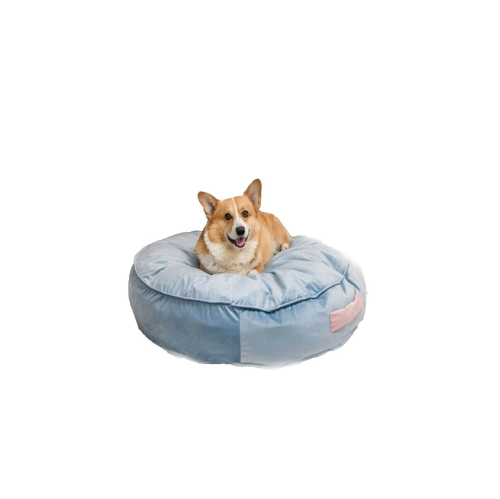
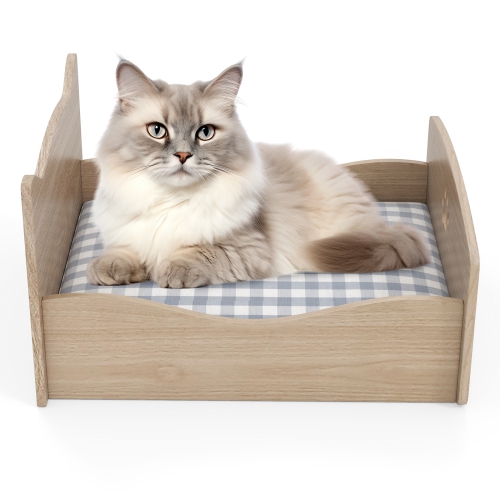
Cat beds give cats a dedicated place to settle, whether that means curling into a soft nest, stretching across a cushion, or disappearing into a covered hideaway. The best fit depends less on appearance than on the way a cat already rests. A cat that sleeps tucked into a tight circle may enjoy a round doughnut bed with a cushioned centre and raised edges, while one that sprawls with its legs extended may be more comfortable on a broad, flat mattress. Bolster cat beds combine an open sleeping area with supportive sides that offer somewhere to rest a chin or lean against. Cat cave beds and hooded designs provide more coverage, making them worth considering for cats that regularly nap inside boxes or beneath furniture. An open bed leaves the surroundings visible and can suit a cat that likes to keep an eye on household activity. Size matters within each style: the usable sleeping area can be smaller than the outer dimensions suggest, especially when thick bolsters surround the cushion. A comfortable fit allows a cat to turn around, change position, and settle without hanging over the edge. For kittens, a manageable entrance and a stable base are useful features; for larger adult cats, generous interior dimensions and cushioning that does not flatten immediately deserve closer attention. Older cats or cats with limited mobility may find a low entrance easier to navigate than a deep, high-sided nest. Cats sharing a home can have entirely different preferences, so separate resting spots often make more sense than one oversized bed. A pair that regularly sleeps together may appreciate a wider cushion, but each cat still benefits from having somewhere to retreat alone. Shape, access, and placement work together: a plush cave is not necessarily appealing to a cat that consistently chooses an exposed perch, just as a narrow hammock may not suit a cat that likes to stretch flat. Familiar sleeping habits offer a practical starting point for comparing cat bed styles.
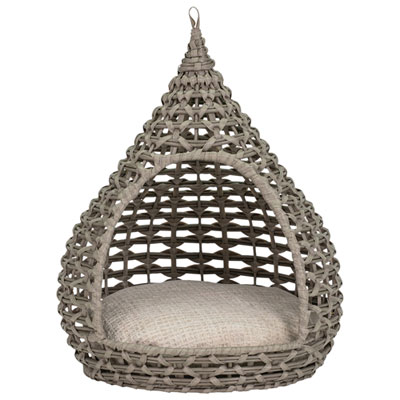
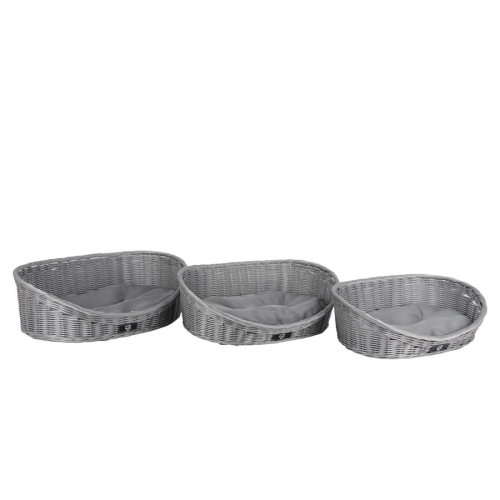
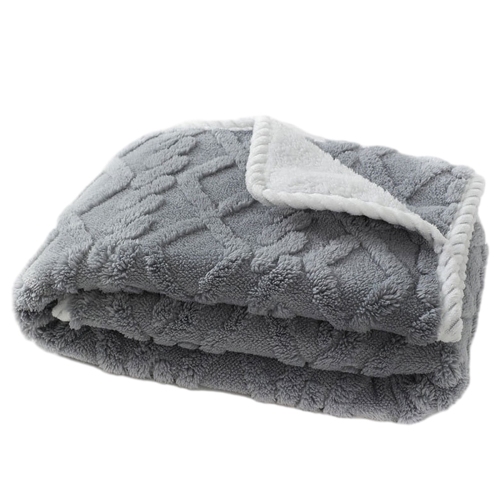
Materials influence how a cat bed feels, how well it holds its shape, and how straightforward it is to clean. Plush fabric, fleece, and faux fur create a soft surface that some cats enjoy kneading before they lie down. Closely woven fabric generally has a smoother feel and may be easier to clear of loose hair than a deep, shaggy pile. Felted wool caves have a more structured, enclosed shape, while woven baskets typically rely on a separate cushion to soften the sleeping area. Cats that catch their claws in loose loops may be better suited to a tightly constructed surface without exposed threads or decorative fringe. Inside the bed, fibre fill offers softness and loft, while foam can provide a more even resting surface. Cushion thickness alone does not tell the whole story; a bed should still offer padding once the cat's weight is on it. For everyday care, removable covers and accessible zippers can make a noticeable difference, particularly in homes with heavy-shedding cats. A machine-washable cover does not necessarily mean the entire bed can go into the washer, and some foam inserts, structured shells, and filled cushions require separate care. The care label determines suitable washing and drying methods, including whether the filling needs reshaping after cleaning. Thorough drying before use helps prevent lingering dampness inside thick padding. Between washes, loose fur can often be lifted with a suitable brush or vacuum attachment, provided the fabric allows it. Durable stitching, reinforced seams, and securely enclosed filling are useful details for cats that knead enthusiastically or dig at their bedding before settling. Non-slip backing can help limit movement on smooth flooring, although the bed still needs a level surface. Colour and texture can complement furniture without being the main deciding factors: a neutral woven bed may blend into a living room, while a simple washable cushion can be practical beside a desk. The most useful balance is a surface the cat accepts, construction that stands up to ordinary use, and a care routine that fits the household.
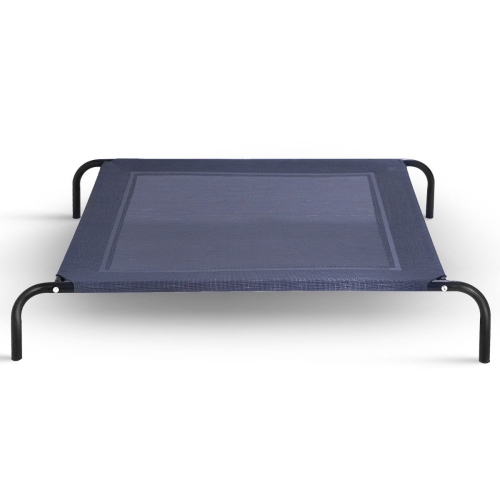
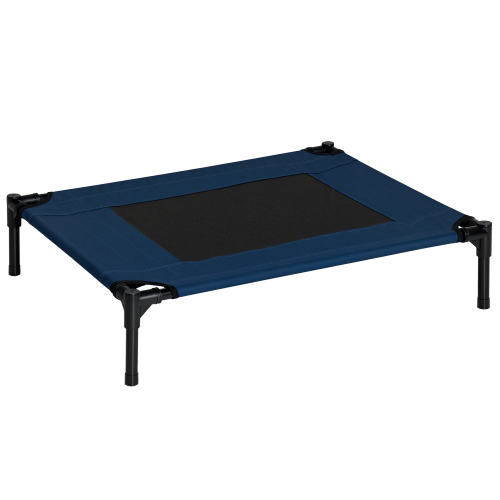
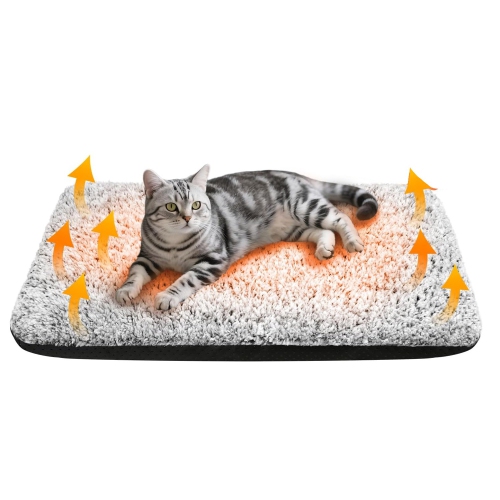
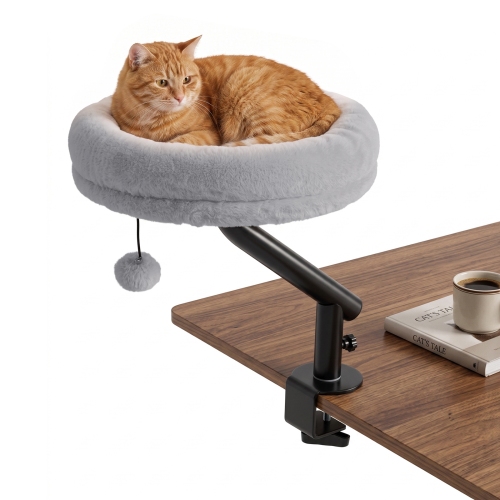
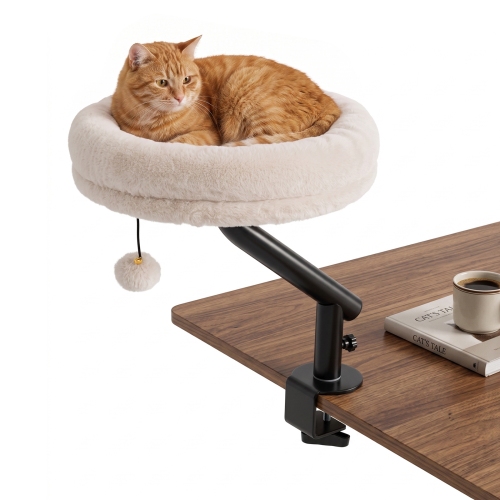
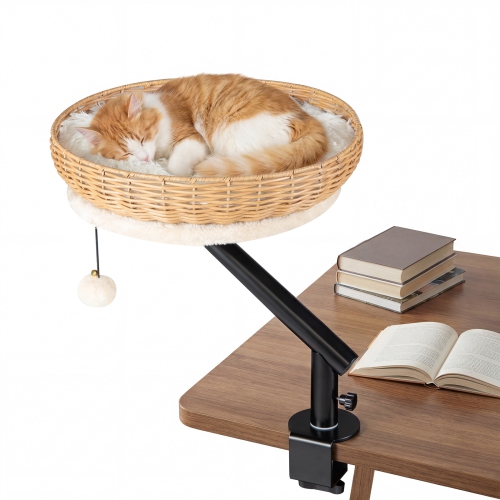
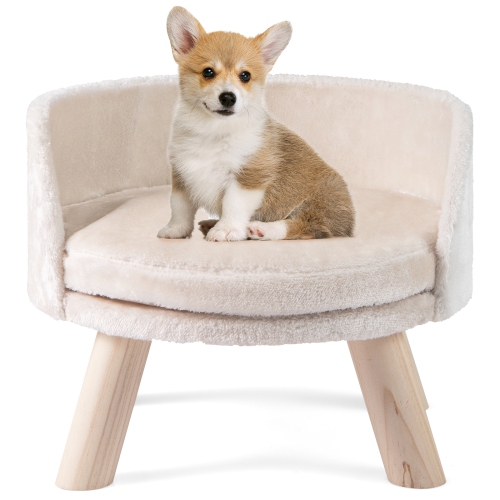
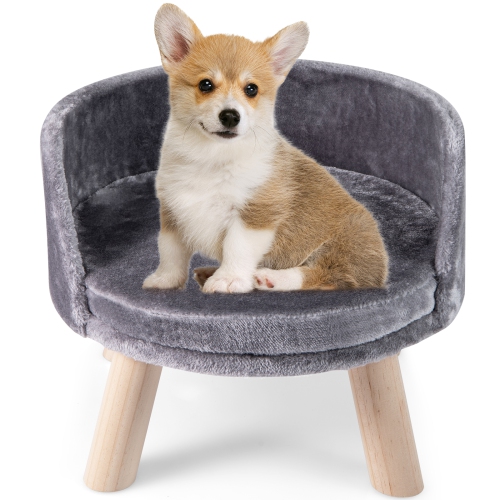
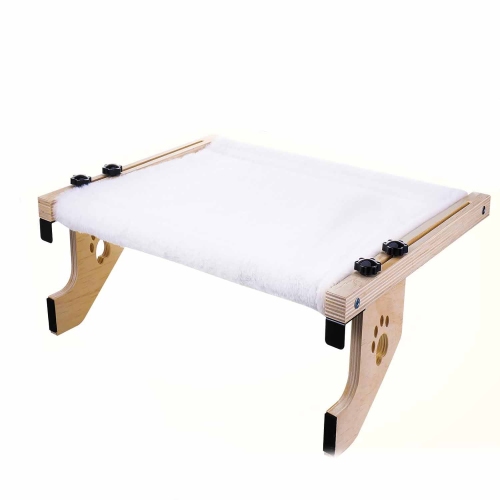
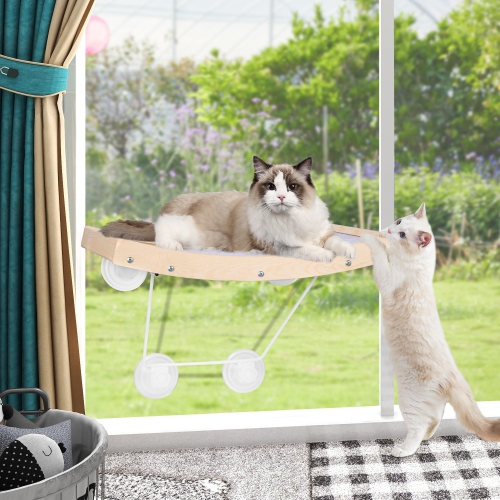
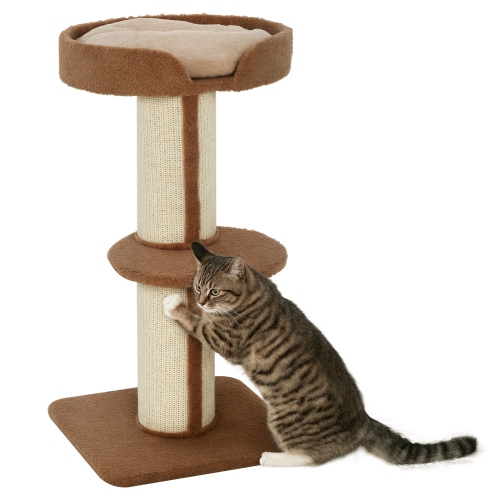
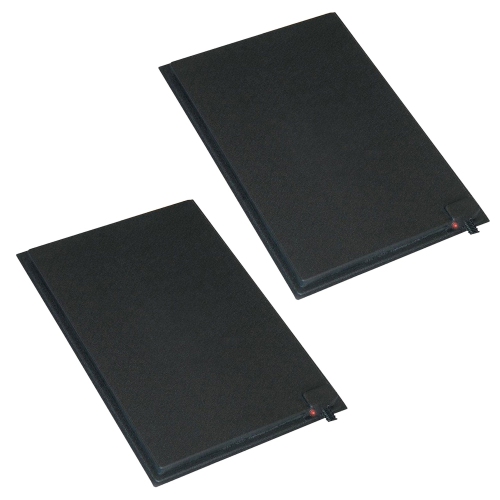
Placement can be just as important as the bed itself. A quiet corner near familiar household activity lets a cat rest without being in the middle of a busy walkway. Some cats prefer a sheltered spot beside a sofa; others choose a raised position where they can watch the room. Elevated cat beds, hammocks, and window perches provide a different resting experience from floor-level cushions, but their suitability depends on secure installation, the stated weight limit, and an accessible route on and off. Window-mounted designs need a compatible surface and attachment checks according to the manufacturer's directions. A bed on furniture should not wobble, slide, or obstruct an opening, and it should not create access to dangling blind cords. For cats that prefer a snug resting surface, self-warming beds may use insulating or reflective layers without an electrical connection. Electrically heated cat beds have different care and placement requirements and should be designed specifically for pets, used as directed, and positioned so the cat can leave freely. Cords need protection from chewing, and electrical components should be kept out of washing unless the manufacturer explicitly permits it. Neither style replaces veterinary advice when a cat seems uncomfortable or has difficulty settling. A familiar, washable blanket may make a new sleeping spot more inviting, provided it does not block the entrance or interfere with the bed's intended use. Cat beds can also be thoughtful gifts for someone welcoming a cat, especially when the cat's size and preferences are known. For households comparing bedding across different small companions, Small Pet Beds provides a related category, though each animal's size, chewing habits, and housing needs remain important distinctions. From compact covered nests to roomy cushions and supported perches, the right cat bed brings together an appropriate fit, manageable care, and a resting place that suits the cat's daily routine.
Top selling and popular products
-
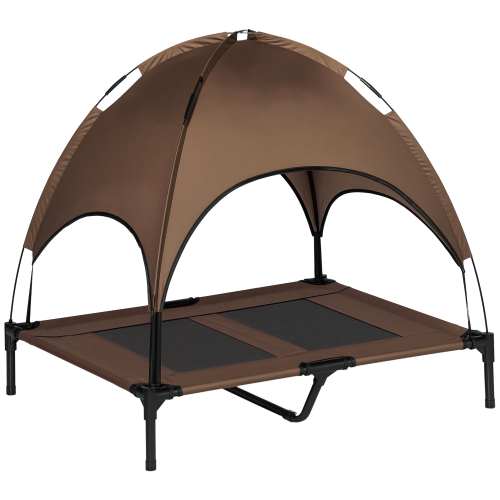 Your price for this item is $59.99
-
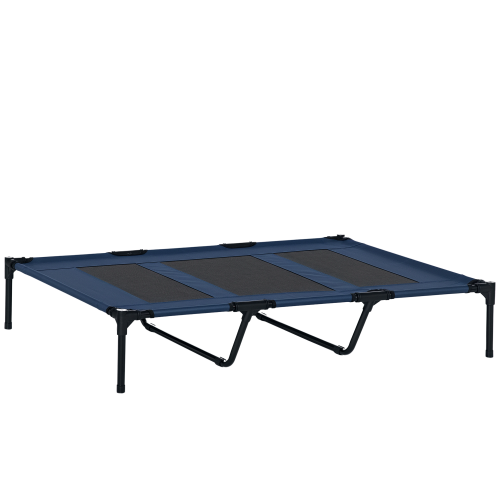 Your price for this item is $55.99
-
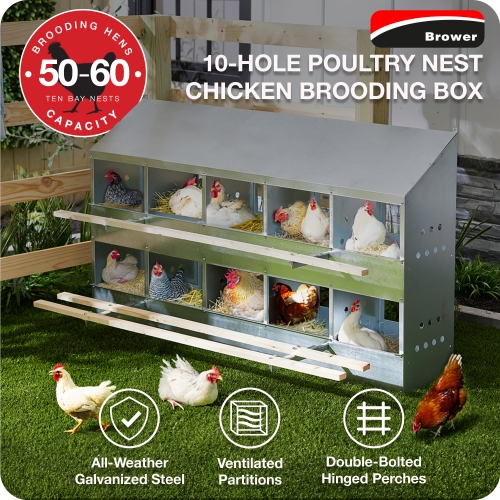 Your price for this item is $503.99
-
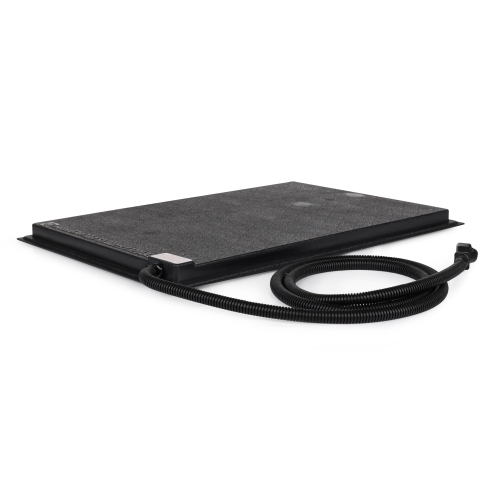 Your price for this item is $176.99
-
 Your price for this item is $257.99
-
 Your price for this item is $359.99
-
 Your price for this item is $55.99
-
 Your price for this item is $24.99
Discover more categories related to Cat Beds

Top Collections:
Best Black Friday Deals This Year, Best Black Friday Deals On Electronics, Kindle Devices, Pokemon Centers, Best Black Friday Deals On Apple Products, Best Cameras for Sports Photography, Dyson Airwrap, Pokémon 30th Celebration Cards, Apple iPhone 17 Pro, Canon G7X Cameras
Some products may be subject to Environmental Handling Fees
(EHF) depending on your province.
Learn more about EHFs.