Cat House Outdoor
Create a cozy and comfortable outdoor sanctuary for your feline friend with our selection of cat houses designed for outdoor use. Whether your cat loves basking in the sun, watching birds from a safe distance, or simply exploring the great outdoors, these cat houses provide the perfect blend of security and freedom. Explore a range of styles and sizes to find the ideal outdoor retreat that will keep your beloved pet happy and content in any weather conditions.
Sort
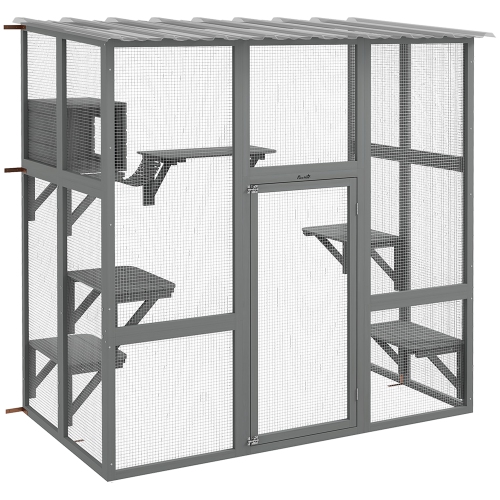
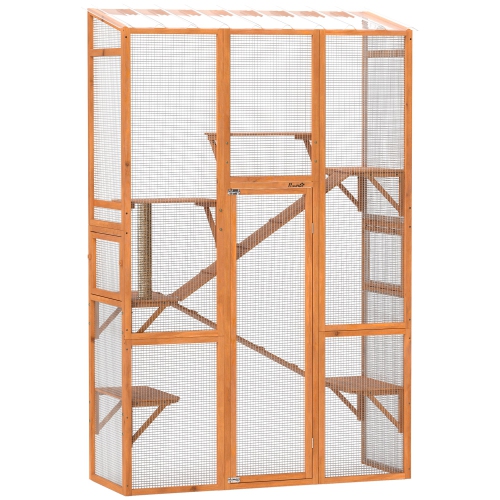
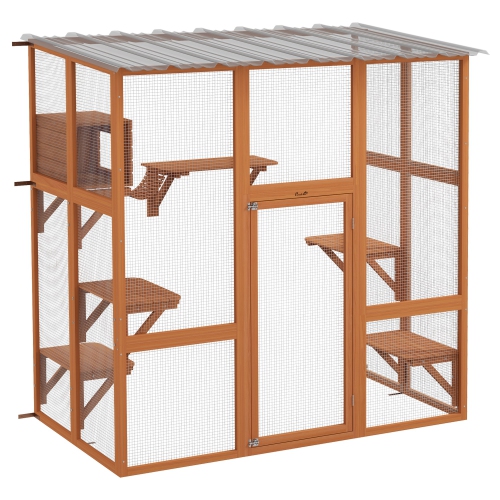
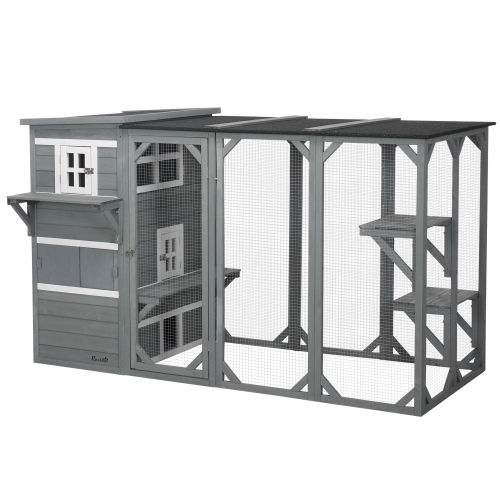
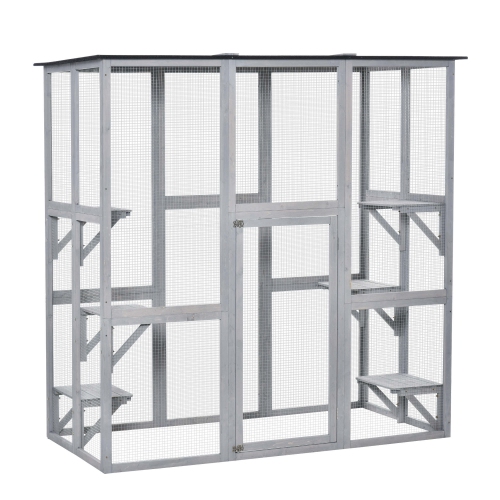
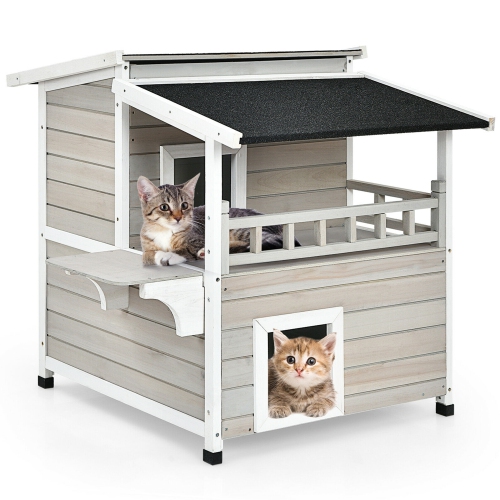
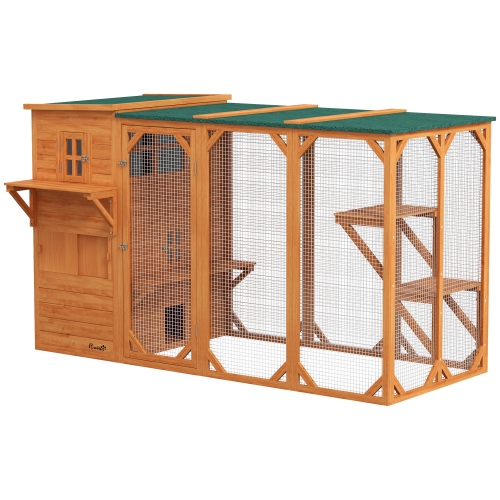
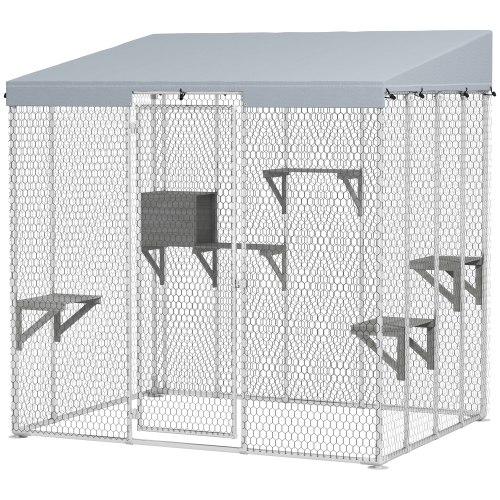
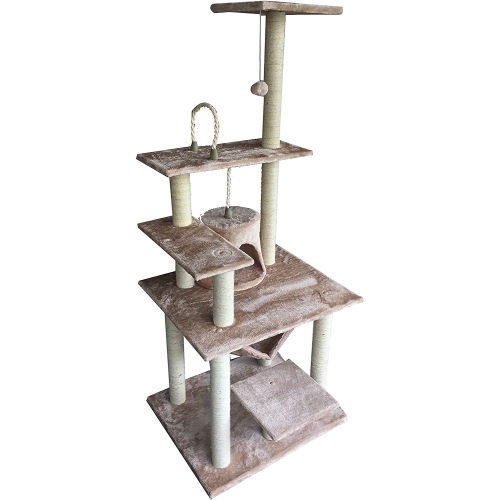
Why raised floors and sheltered entrances matter for cats
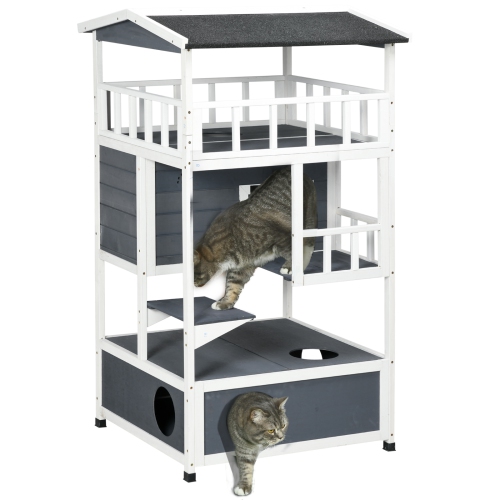
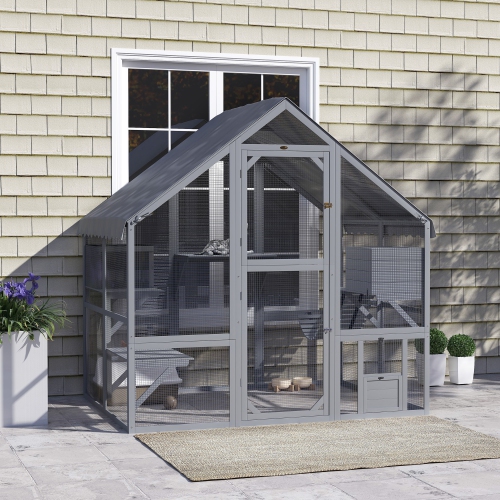
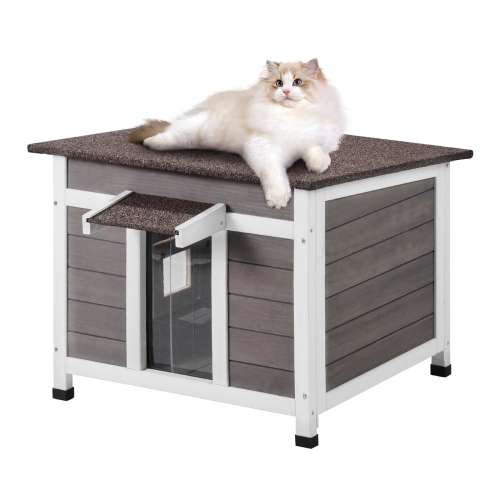
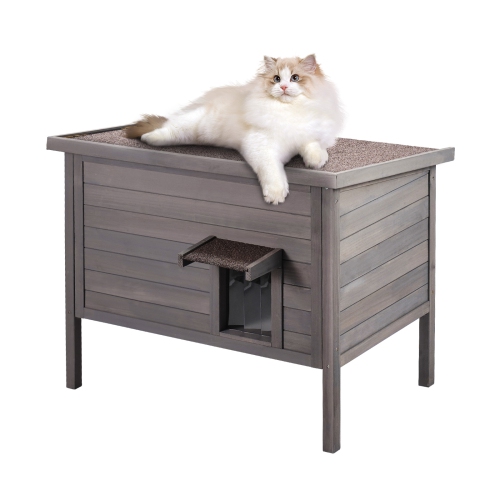
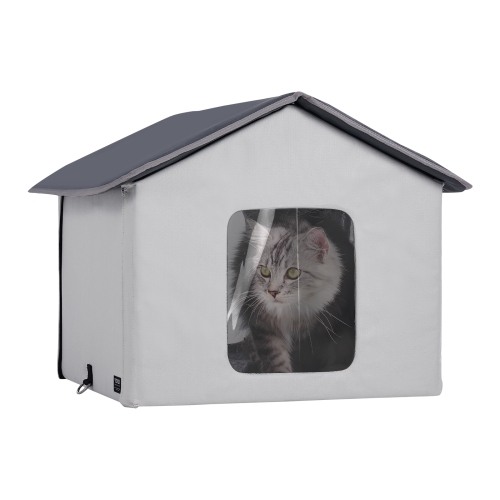
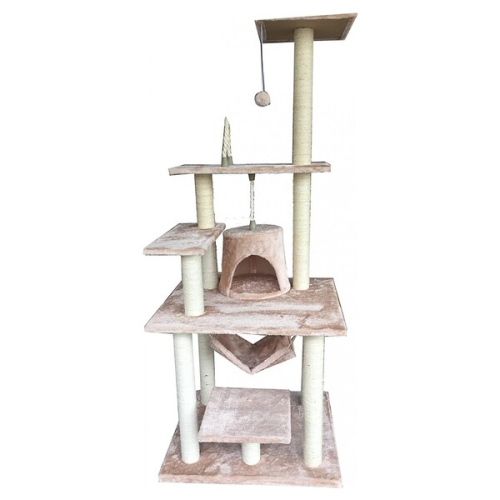
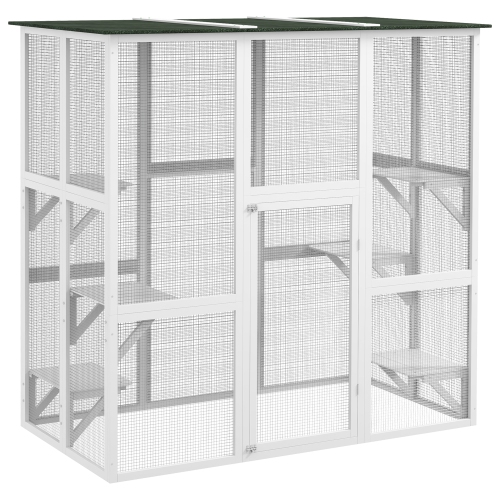
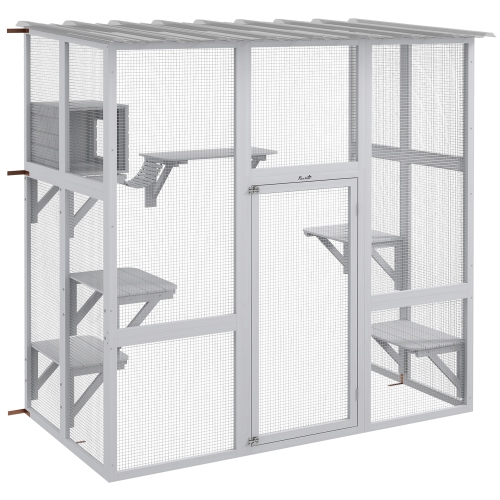
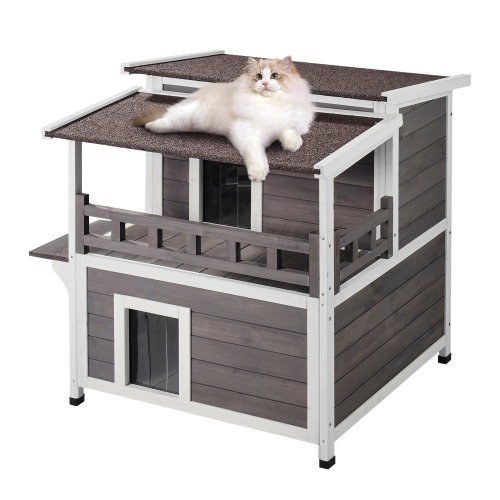
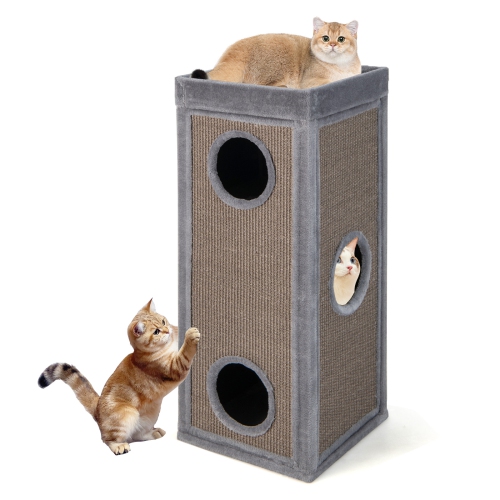
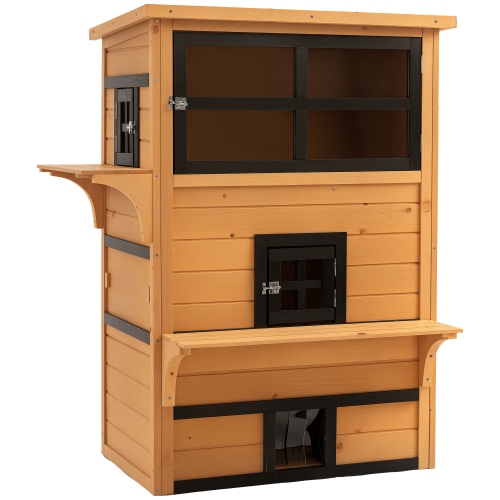
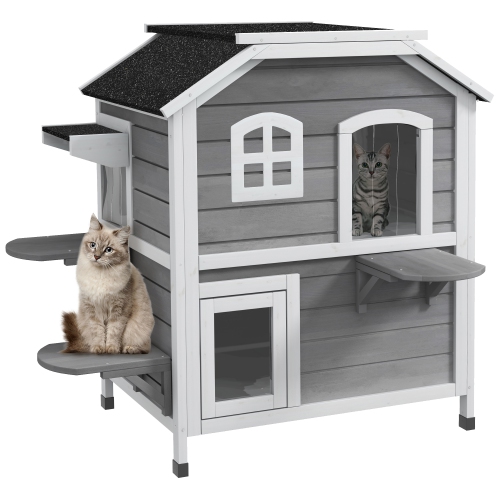
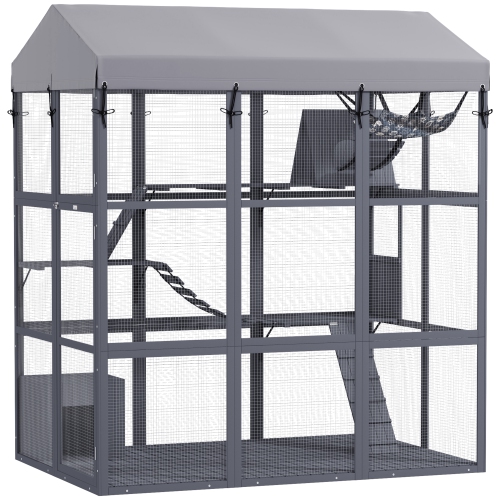
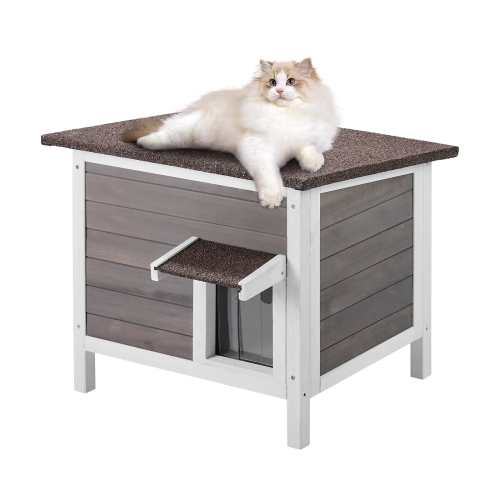
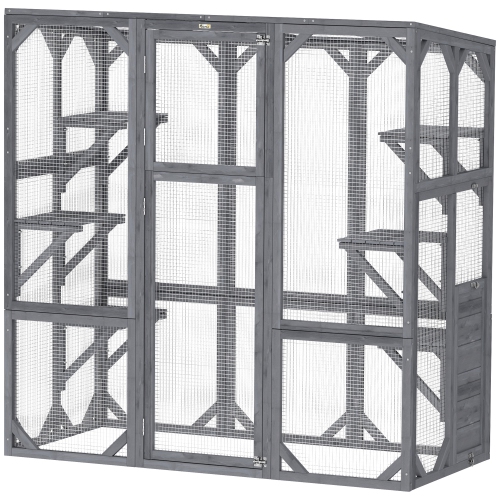
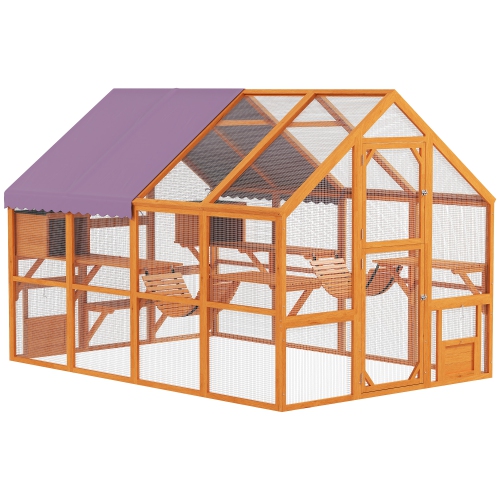
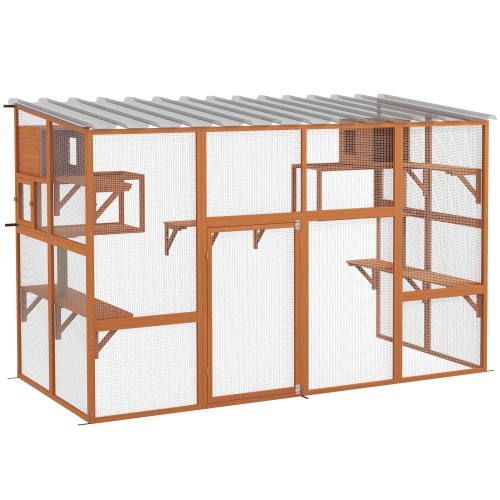
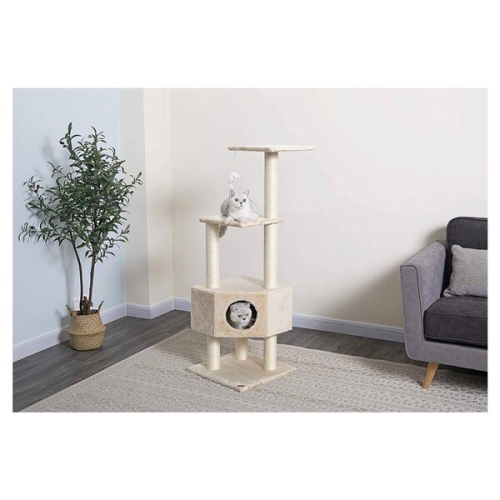
An outdoor cat house gives a cat a sheltered place to rest outside, with protection from rain, wind, and contact with damp ground. Unlike an open pet bed, it has a roof and enclosing walls that create a more secluded resting space on a porch, patio, or other suitable outdoor area. These shelters can serve different purposes: a retreat for a pet during supervised outdoor time, a dry resting spot for a regularly visiting cat, or part of a managed care arrangement for community cats. The right design depends on the cat’s size, habits, and the conditions where the house will sit. A covered porch may call for a different level of weather protection than an exposed backyard. Water-resistant construction helps with splashes and light moisture, while more exposed placements need particular attention to roof coverage, sealed joints, and drainage. A sloped roof encourages water to run off rather than collect, and a raised floor helps separate the sleeping area from wet paving or soil. Insulation slows heat transfer, but an insulated cat house does not generate heat on its own or guarantee a safe temperature in severe cold. A sheltered location remains important, even with thick walls and a covered entrance. For pet cats, an outdoor house is a supplementary resting space rather than a replacement for access to a safe indoor home. It also differs from a containment structure: a house provides shelter, whereas a Cat Enclosure provides a bounded area for outdoor activity when properly assembled and secured. A cat house can sit within an appropriately sized enclosure, giving a cat somewhere to retreat between watching birds and exploring. Keeping that distinction in mind helps match the structure to its intended use, whether the priority is a quiet sleeping nook or shelter within a larger supervised space.
Materials influence how an outdoor cat house handles moisture, how much maintenance it needs, and how easily it can be moved or cleaned. Wooden cat houses offer a rigid structure and may include raised legs, covered entryways, or roof panels that open for access. Their long-term durability depends on the construction, protective finish, and upkeep of exposed edges and joints. Any finish used for repairs should be suitable for the application and fully cured before the cat returns. Moulded plastic surfaces are generally easy to wipe down, though wall thickness, panel connections, and resistance to sunlight vary. Composite construction can reduce some maintenance demands, but resistance to cracking, moisture, or wear should be checked in the stated specifications rather than assumed from the material name. Fabric shelters are often lighter and easier to relocate, making them practical for some covered spaces; their usefulness in exposed locations depends on the outer fabric, frame, seams, and base. Whatever the material, smooth interior surfaces, secure fasteners, and a stable footprint matter for daily use. Interior measurements deserve as much attention as the overall dimensions. A roof overhang or porch can make a house look roomy without adding sleeping space. The enclosed area should let the intended cat enter comfortably, turn around, and lie down naturally without being unnecessarily large when warmth is the priority. A large, loosely enclosed interior is harder to keep warm than a snug, appropriately sized chamber. For two or more cats, physical capacity is only part of the fit: cats that share a sofa indoors may not willingly share a small outdoor shelter. Separate houses can give less confident cats a resting place without competition at the doorway. Entrance size and height also affect usability, particularly for older cats or those with limited mobility. Door flaps can reduce draughts and wind-driven rain, but some cats need time to accept them. A second exit may provide another escape route, although it can also increase draughts and does not make a shelter predator-proof.
Day-to-day practicality often comes down to placement, access for cleaning, and the ability to keep the resting area dry. A level, well-drained position away from vehicle movement and pooling water provides a better foundation than a low corner of the yard. The entrance should face away from prevailing wind where possible, without opening directly onto a fence or wall that blocks the cat’s approach. Lightweight houses may need securing according to their instructions, and a raised platform must be stable enough not to rock when a cat jumps inside. Removable floors or opening roofs make it easier to check corners, clear debris, and inspect bedding without reaching through a small doorway. For an unheated shelter exposed to cold and damp, clean, dry straw is commonly used because it provides loose insulation; hay, towels, and blankets can retain moisture and leave the sleeping space cold. Bedding still needs regular checks and replacement whenever it becomes wet or soiled. Heated cat houses require a different approach to both bedding and placement. Only heating equipment specifically designed for pets and rated for the intended outdoor use belongs in the shelter, with the manufacturer’s directions determining whether anything may cover the heated surface. Household heating pads are not a substitute. Electrical connections need protection from moisture, cords must be positioned to reduce chewing and tripping risks, and an appropriate ground-fault-protected outlet is important. The layout should also allow the cat to move away from the heated area. Even a heated shelter needs frequent checks and cannot be assumed to protect a cat through every weather condition. For households helping community cats, a local rescue group or veterinarian can offer advice suited to the cats and location. As a gift for a cat owner or caregiver, an outdoor cat house is most useful when its footprint, cleaning access, and power requirements suit the receiving home. Those practical details help turn a sheltered box into a resting place that is comfortable for the cat and manageable for the person caring for it.
Materials influence how an outdoor cat house handles moisture, how much maintenance it needs, and how easily it can be moved or cleaned. Wooden cat houses offer a rigid structure and may include raised legs, covered entryways, or roof panels that open for access. Their long-term durability depends on the construction, protective finish, and upkeep of exposed edges and joints. Any finish used for repairs should be suitable for the application and fully cured before the cat returns. Moulded plastic surfaces are generally easy to wipe down, though wall thickness, panel connections, and resistance to sunlight vary. Composite construction can reduce some maintenance demands, but resistance to cracking, moisture, or wear should be checked in the stated specifications rather than assumed from the material name. Fabric shelters are often lighter and easier to relocate, making them practical for some covered spaces; their usefulness in exposed locations depends on the outer fabric, frame, seams, and base. Whatever the material, smooth interior surfaces, secure fasteners, and a stable footprint matter for daily use. Interior measurements deserve as much attention as the overall dimensions. A roof overhang or porch can make a house look roomy without adding sleeping space. The enclosed area should let the intended cat enter comfortably, turn around, and lie down naturally without being unnecessarily large when warmth is the priority. A large, loosely enclosed interior is harder to keep warm than a snug, appropriately sized chamber. For two or more cats, physical capacity is only part of the fit: cats that share a sofa indoors may not willingly share a small outdoor shelter. Separate houses can give less confident cats a resting place without competition at the doorway. Entrance size and height also affect usability, particularly for older cats or those with limited mobility. Door flaps can reduce draughts and wind-driven rain, but some cats need time to accept them. A second exit may provide another escape route, although it can also increase draughts and does not make a shelter predator-proof.
Day-to-day practicality often comes down to placement, access for cleaning, and the ability to keep the resting area dry. A level, well-drained position away from vehicle movement and pooling water provides a better foundation than a low corner of the yard. The entrance should face away from prevailing wind where possible, without opening directly onto a fence or wall that blocks the cat’s approach. Lightweight houses may need securing according to their instructions, and a raised platform must be stable enough not to rock when a cat jumps inside. Removable floors or opening roofs make it easier to check corners, clear debris, and inspect bedding without reaching through a small doorway. For an unheated shelter exposed to cold and damp, clean, dry straw is commonly used because it provides loose insulation; hay, towels, and blankets can retain moisture and leave the sleeping space cold. Bedding still needs regular checks and replacement whenever it becomes wet or soiled. Heated cat houses require a different approach to both bedding and placement. Only heating equipment specifically designed for pets and rated for the intended outdoor use belongs in the shelter, with the manufacturer’s directions determining whether anything may cover the heated surface. Household heating pads are not a substitute. Electrical connections need protection from moisture, cords must be positioned to reduce chewing and tripping risks, and an appropriate ground-fault-protected outlet is important. The layout should also allow the cat to move away from the heated area. Even a heated shelter needs frequent checks and cannot be assumed to protect a cat through every weather condition. For households helping community cats, a local rescue group or veterinarian can offer advice suited to the cats and location. As a gift for a cat owner or caregiver, an outdoor cat house is most useful when its footprint, cleaning access, and power requirements suit the receiving home. Those practical details help turn a sheltered box into a resting place that is comfortable for the cat and manageable for the person caring for it.
Top selling and popular products
-
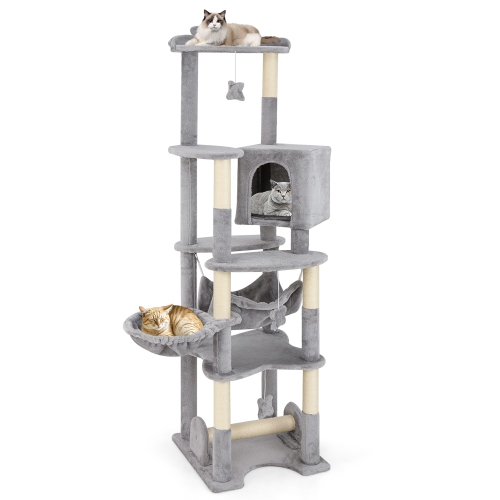 Your price for this item is $105.99
 -
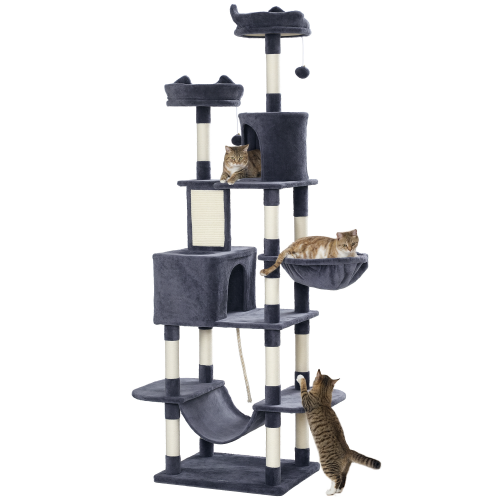 Your price for this item is $99.99
 -
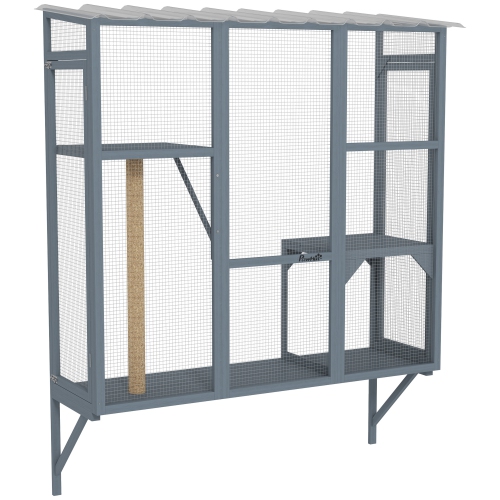 Your price for this item is $266.99
 -
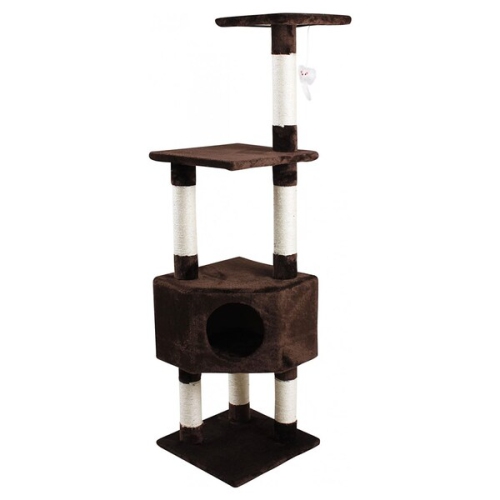 Your price for this item is $58.69
 -
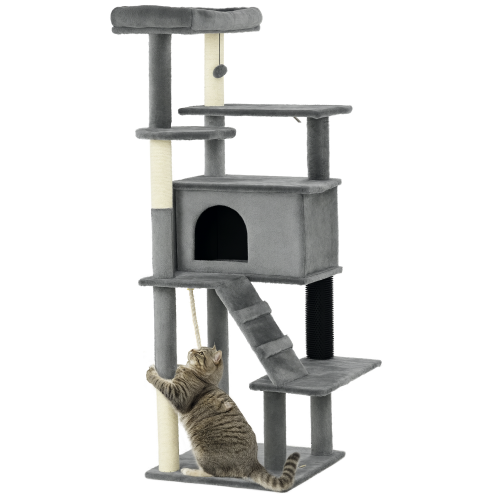 Your price for this item is $73.99
 -
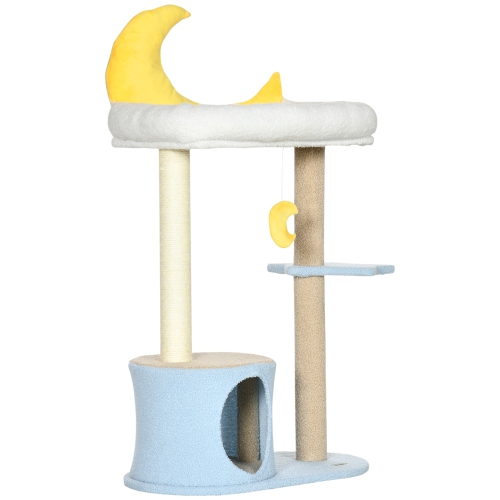 Your price for this item is $67.99
 -
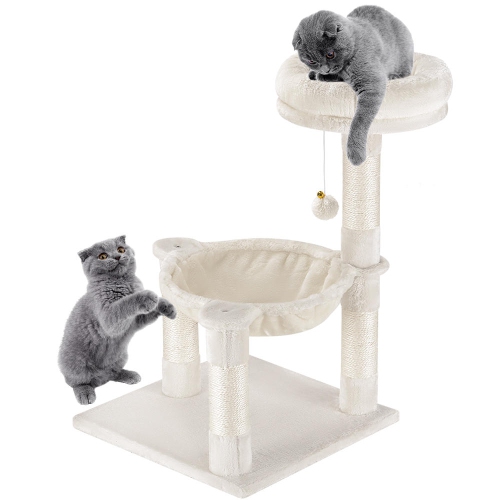 Your price for this item is $36.99
 -
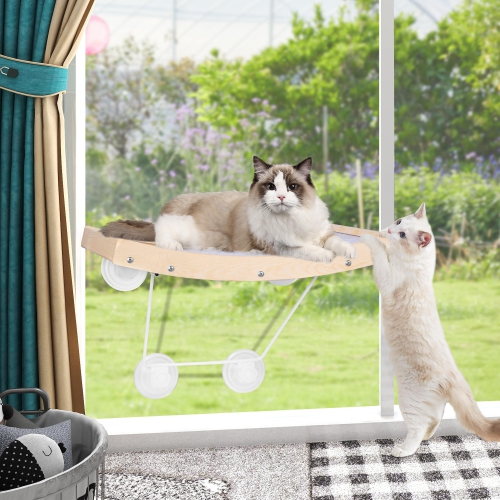 Your price for this item is $49.99
Discover more categories related to Cat House Outdoor
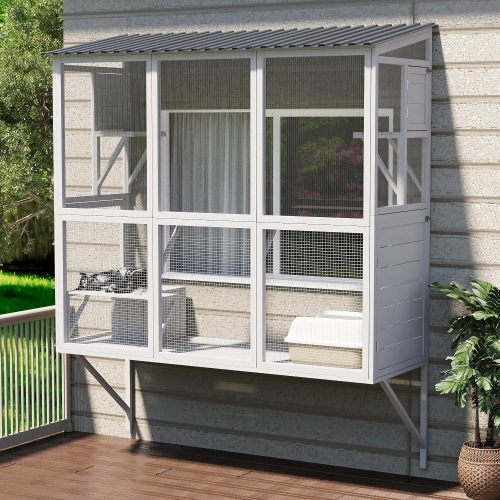
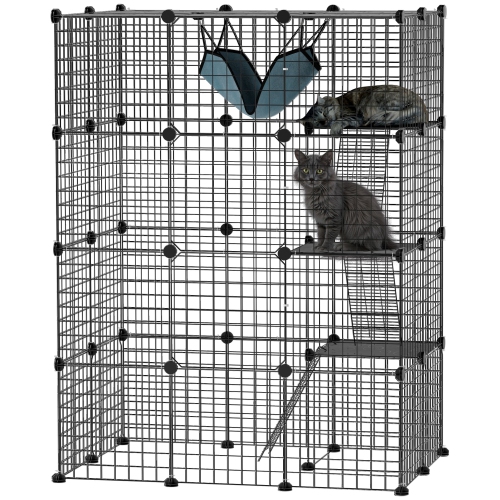
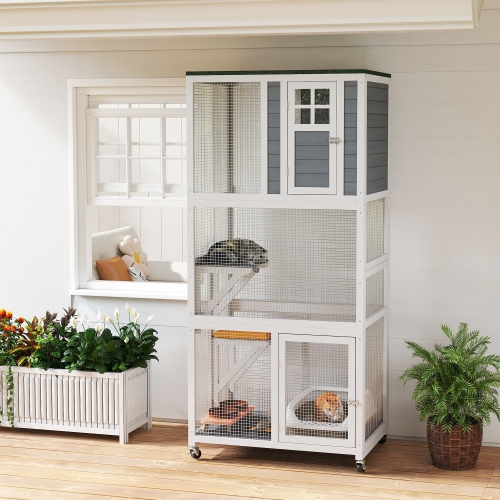
Top Collections:
Pokemon Centers, Kindle Devices, Best Budget Office Chairs, Apple iPhones 16, Canon G7X Cameras, iPhone 15 Apple, Alarm Clock, Refurbished Apple Laptops, Flip Phones, Best Laptops for Writers
Some products may be subject to Environmental Handling Fees
(EHF) depending on your province.
Learn more about EHFs.