Feral Cat Houses
For cat lovers looking to provide a cozy and safe shelter for their outdoor feline friends, our selection of feral cat houses offers the perfect solution. These durable and weather-resistant shelters are designed to keep stray or feral cats warm and protected from the elements year-round. Whether you're looking to offer a comfortable resting spot for community cats in your neighborhood or provide a secure refuge for a stray cat in need, our range of feral cat houses offers a variety of options to suit different preferences and budgets.
Sort
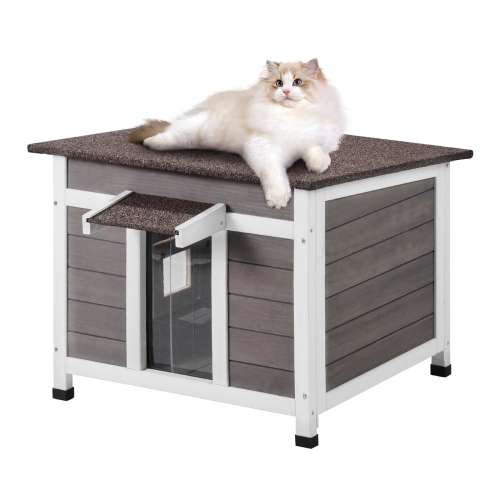
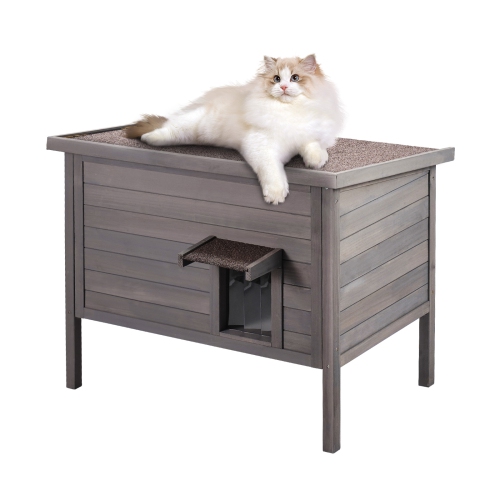
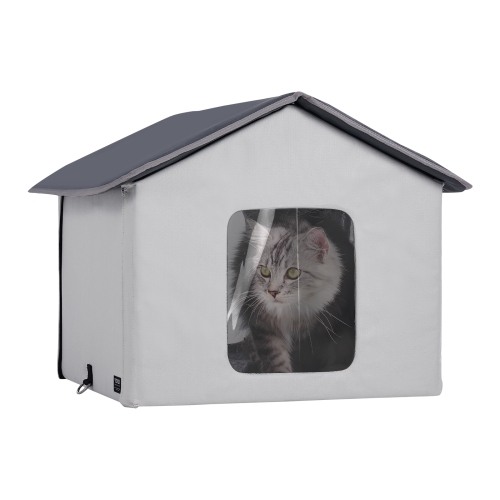
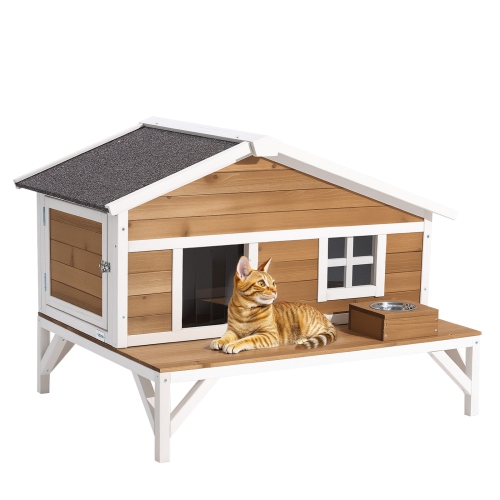
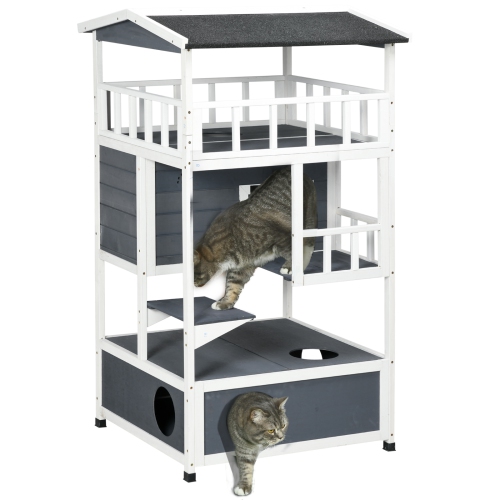
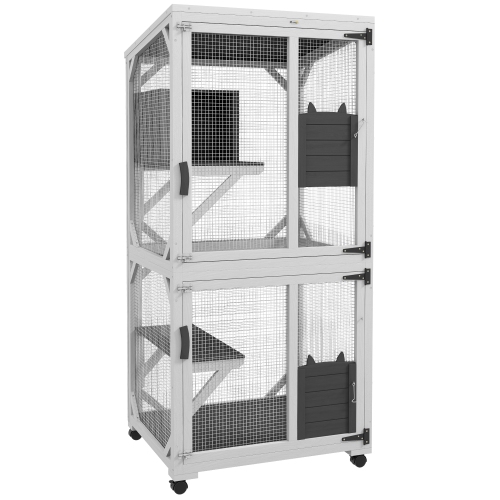
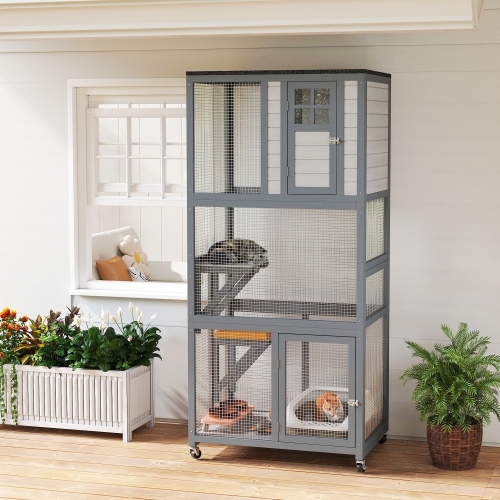
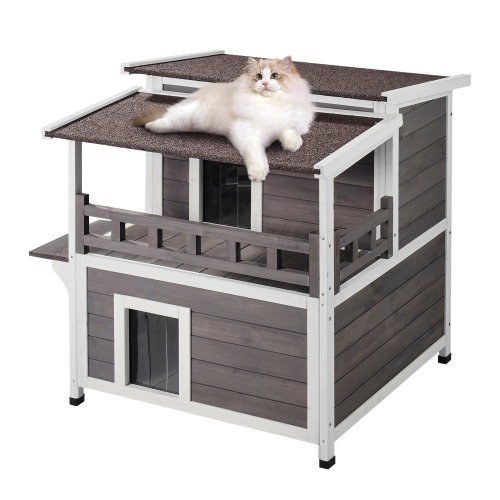
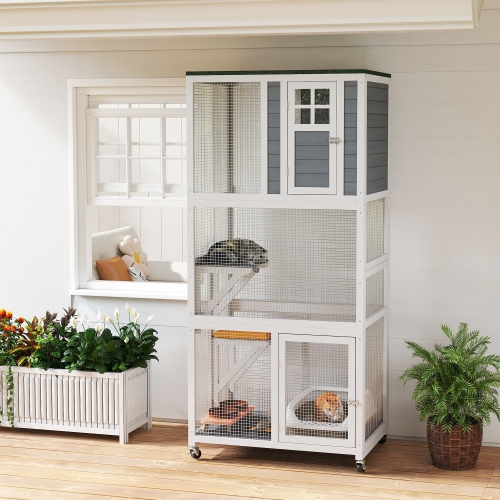
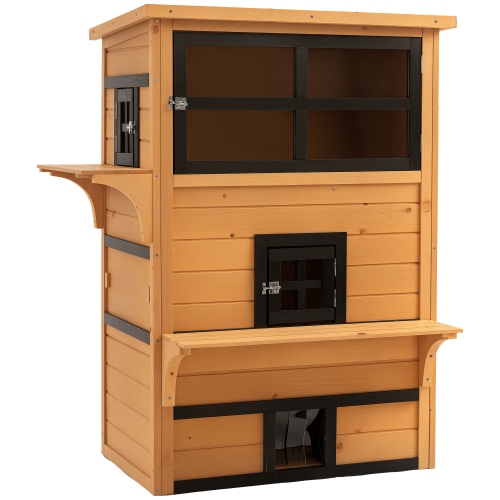
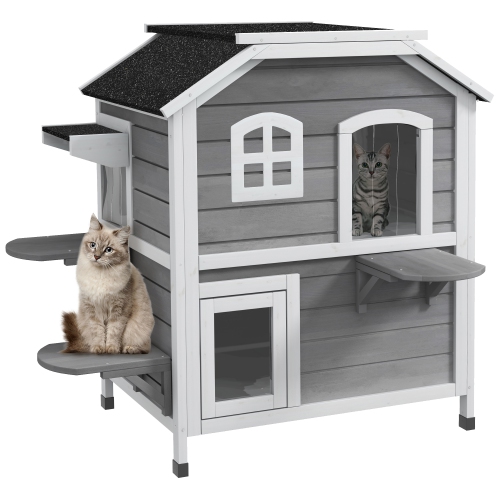
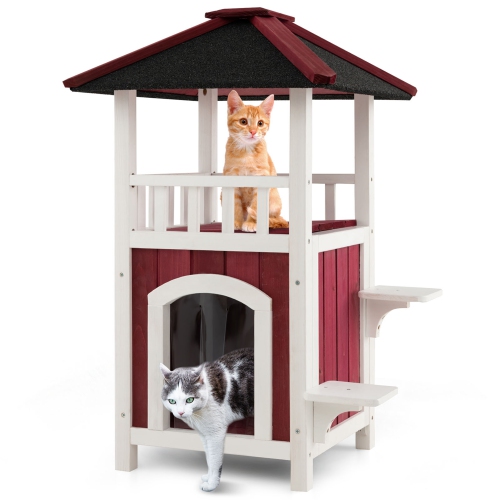
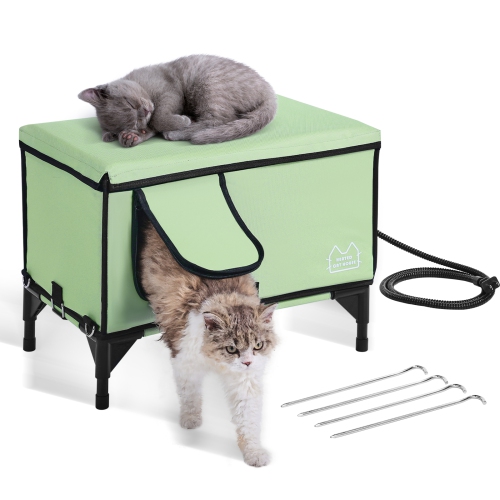
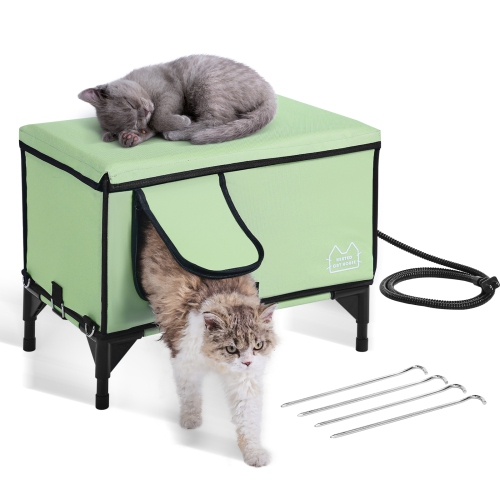
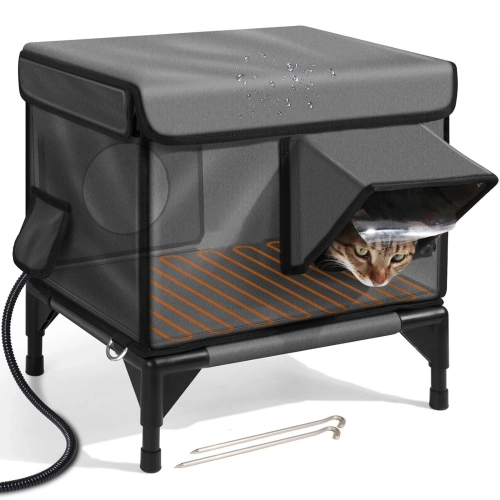
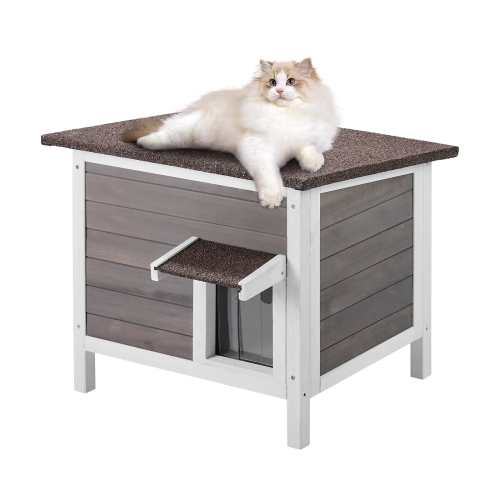
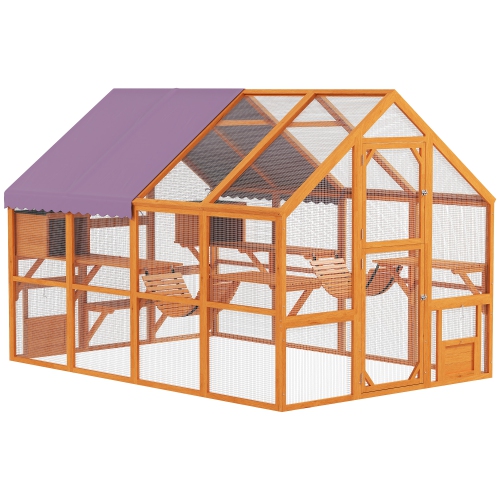
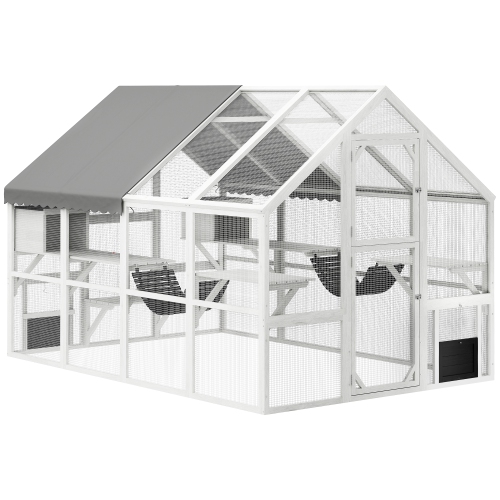
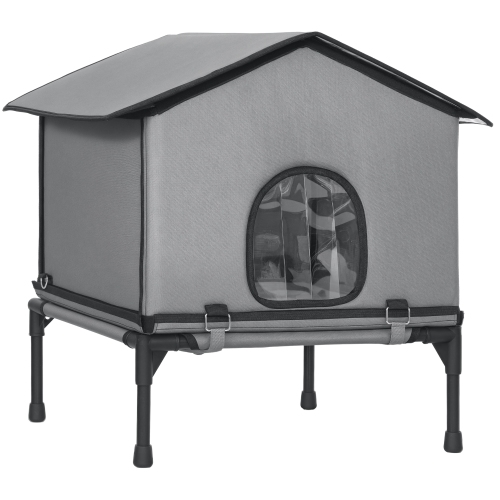
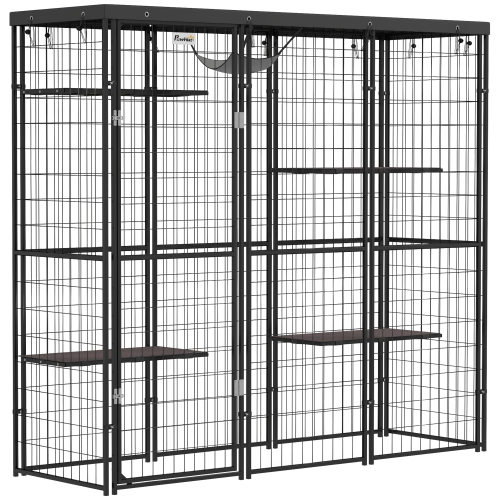
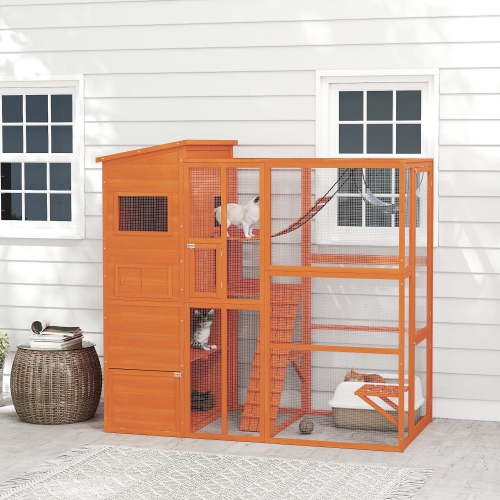
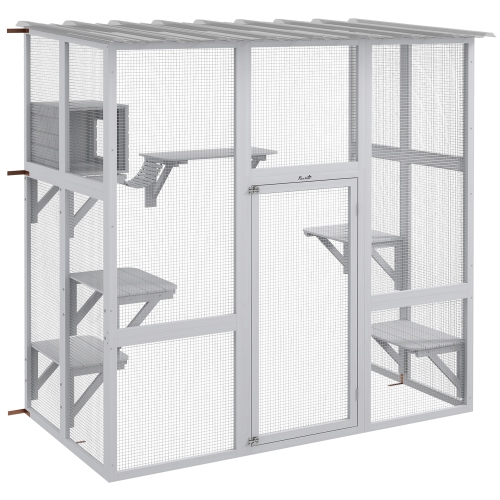
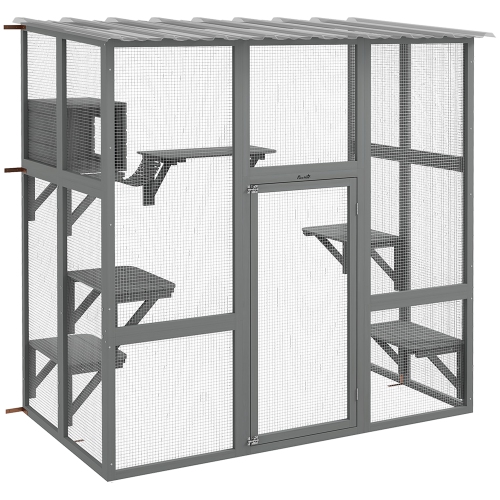
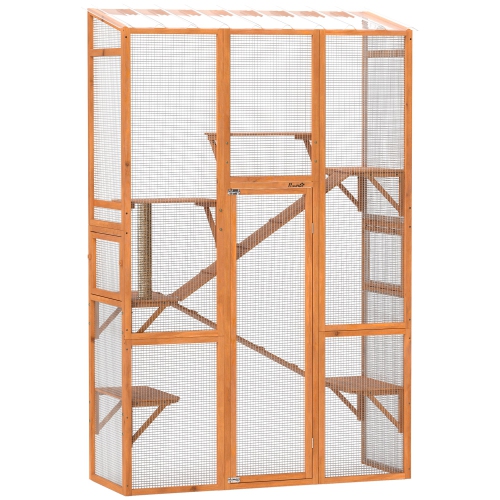
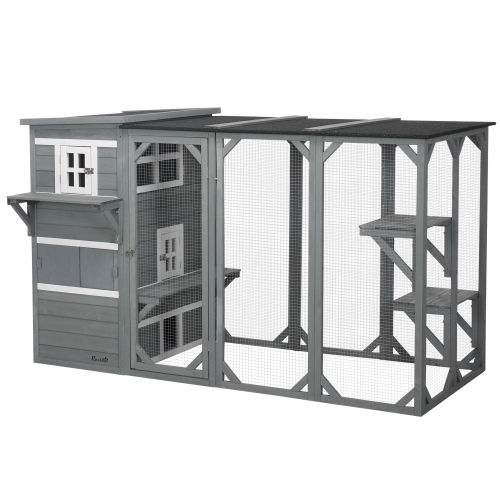
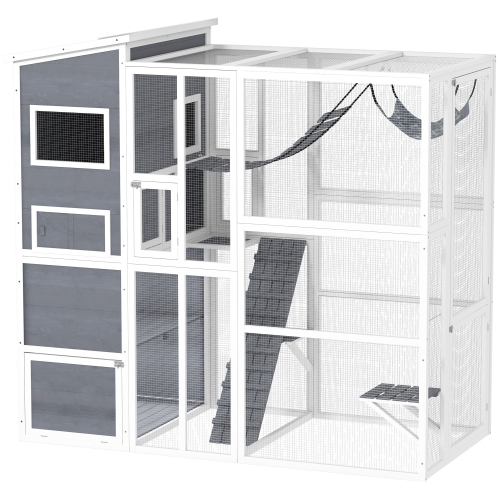

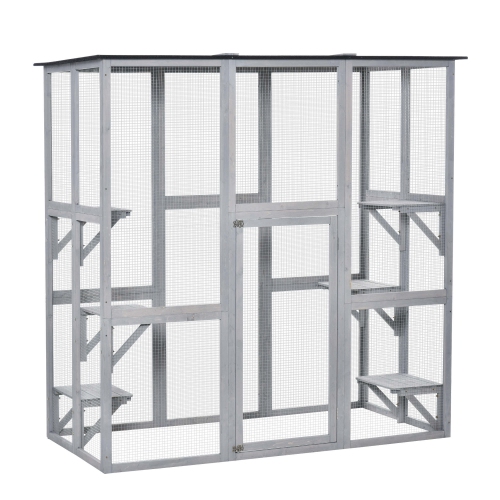
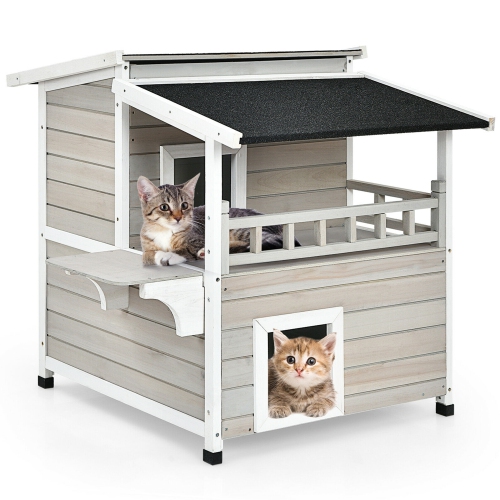
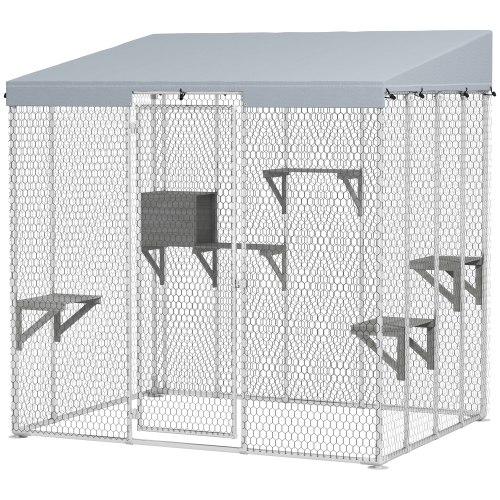
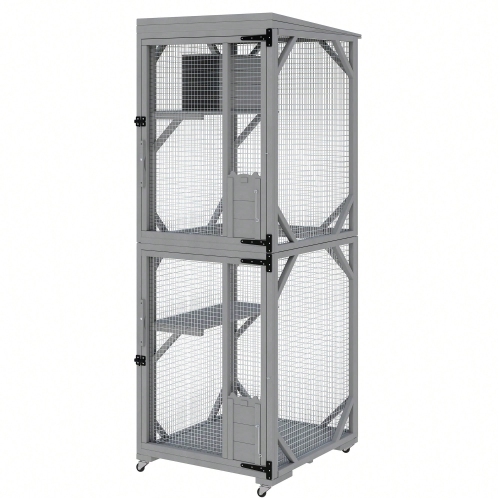
Practical shelter features that help community cats weather the seasons
Feral cat houses provide a practical, sheltered place for community cats that spend much of their time outdoors. These cats may live near farms, industrial areas, laneways, parks, garages, or residential neighbourhoods, often relying on a network of caring people for food, water, and protection. A dedicated outdoor shelter can help shield them from wind, rain, snow, and freezing temperatures while giving them a quiet space to rest between meals and during periods of poor weather. The most effective designs are compact rather than oversized, allowing a cat’s body heat to warm the interior more easily. Look for a snug sleeping area with a low, sheltered entrance that helps reduce drafts, along with sturdy construction that can handle regular outdoor use. A raised floor or legs are also useful because they lift the shelter away from damp ground, puddles, and snow. During the warmer part of the year, a well-ventilated house can offer welcome shade and a familiar retreat; as the weather cools, insulation and protection from prevailing wind become increasingly important. If several cats share the same territory, a larger structure may suit their routine, although some cats prefer separate shelters because they are cautious around other animals. Shoppers comparing Outdoor Cat Houses for Multiple Cats can consider whether the cats typically sleep together, how much room is available, and whether more than one entrance would make the shelter feel safer.
Placement has a major effect on how useful a feral cat house becomes. Set it in a quiet, low-traffic location close to the cats’ usual resting or feeding area, but not directly beside food, water, or a busy walkway. Positioning the entrance away from strong wind and heavy rain can make the interior noticeably more comfortable, while a discreet location near a fence, shed, porch, or other cover may help cats feel protected. The shelter should sit firmly on a level surface and be slightly elevated to reduce the chance of water entering from below. Two small entry points placed on different sides can provide an escape route if a cat feels cornered by a dog, raccoon, or another animal. Keep the openings large enough for the intended cats but not unnecessarily wide, since a smaller opening helps retain warmth and limits drafts. Interior bedding deserves particular attention: clean, dry straw is generally a better choice than hay because straw repels moisture and allows cats to burrow without becoming damp. Blankets, towels, and fabric bedding can absorb condensation or rain and may become cold when wet, so they require frequent checking and replacement if used. An insulated shelter with a removable or accessible roof makes it easier to inspect the sleeping area, refresh the bedding, and check for signs of moisture, damage, or unwanted visitors. Heated outdoor houses can provide additional warmth during severe cold, but any heating element should be designed for outdoor animal use, kept dry, and used according to the manufacturer’s instructions. Cords should be protected from chewing and arranged so they do not create a tripping or pulling hazard.
Feral cat houses can be useful for anyone supporting a colony, including homeowners, caretakers, rural property owners, rescue volunteers, and community groups. They may also be a thoughtful practical gift for someone who regularly feeds neighbourhood cats or looks after animals near a cottage, barn, workshop, or garden shed. Before choosing a shelter, measure the intended placement area and consider how it will be moved, cleaned, and secured. A lightweight house can be convenient when the location changes, while a heavier or anchored design may be preferable in exposed areas where wind is a concern. Materials should be durable enough for outdoor conditions and easy to wipe clean, with seams and openings that do not allow water to collect. Check the shelter regularly through the cooler months, especially after heavy rain, strong winds, or snowfall. Clear blocked entrances, remove wet bedding, brush away accumulated snow, and make sure the roof and base remain stable. It is also helpful to introduce a new shelter gradually by placing it near an established route and adding a small amount of clean straw rather than forcing a cat inside. Some cats investigate immediately, while others may take several days to accept an unfamiliar object. Keeping the surrounding area calm and maintaining a consistent feeding routine can encourage use. With the right size, dry bedding, protected placement, and dependable construction, a feral cat house becomes more than a simple outdoor structure: it offers community cats a familiar refuge where they can conserve energy, avoid harsh weather, and rest with greater security throughout changing seasons.
Placement has a major effect on how useful a feral cat house becomes. Set it in a quiet, low-traffic location close to the cats’ usual resting or feeding area, but not directly beside food, water, or a busy walkway. Positioning the entrance away from strong wind and heavy rain can make the interior noticeably more comfortable, while a discreet location near a fence, shed, porch, or other cover may help cats feel protected. The shelter should sit firmly on a level surface and be slightly elevated to reduce the chance of water entering from below. Two small entry points placed on different sides can provide an escape route if a cat feels cornered by a dog, raccoon, or another animal. Keep the openings large enough for the intended cats but not unnecessarily wide, since a smaller opening helps retain warmth and limits drafts. Interior bedding deserves particular attention: clean, dry straw is generally a better choice than hay because straw repels moisture and allows cats to burrow without becoming damp. Blankets, towels, and fabric bedding can absorb condensation or rain and may become cold when wet, so they require frequent checking and replacement if used. An insulated shelter with a removable or accessible roof makes it easier to inspect the sleeping area, refresh the bedding, and check for signs of moisture, damage, or unwanted visitors. Heated outdoor houses can provide additional warmth during severe cold, but any heating element should be designed for outdoor animal use, kept dry, and used according to the manufacturer’s instructions. Cords should be protected from chewing and arranged so they do not create a tripping or pulling hazard.
Feral cat houses can be useful for anyone supporting a colony, including homeowners, caretakers, rural property owners, rescue volunteers, and community groups. They may also be a thoughtful practical gift for someone who regularly feeds neighbourhood cats or looks after animals near a cottage, barn, workshop, or garden shed. Before choosing a shelter, measure the intended placement area and consider how it will be moved, cleaned, and secured. A lightweight house can be convenient when the location changes, while a heavier or anchored design may be preferable in exposed areas where wind is a concern. Materials should be durable enough for outdoor conditions and easy to wipe clean, with seams and openings that do not allow water to collect. Check the shelter regularly through the cooler months, especially after heavy rain, strong winds, or snowfall. Clear blocked entrances, remove wet bedding, brush away accumulated snow, and make sure the roof and base remain stable. It is also helpful to introduce a new shelter gradually by placing it near an established route and adding a small amount of clean straw rather than forcing a cat inside. Some cats investigate immediately, while others may take several days to accept an unfamiliar object. Keeping the surrounding area calm and maintaining a consistent feeding routine can encourage use. With the right size, dry bedding, protected placement, and dependable construction, a feral cat house becomes more than a simple outdoor structure: it offers community cats a familiar refuge where they can conserve energy, avoid harsh weather, and rest with greater security throughout changing seasons.
Top selling and popular products
-
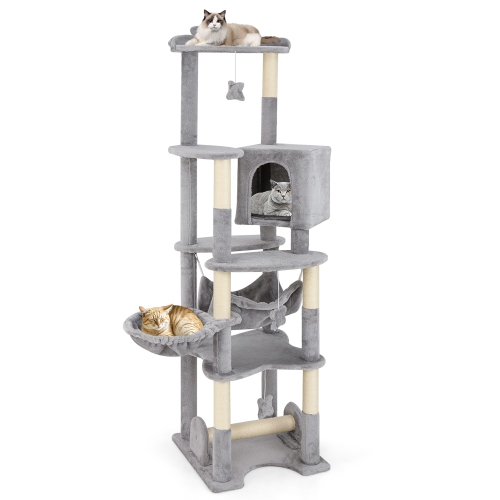 Your price for this item is $105.99
 -
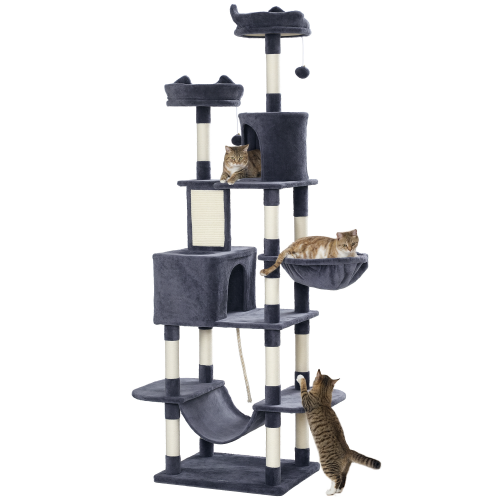 Your price for this item is $99.99
 -
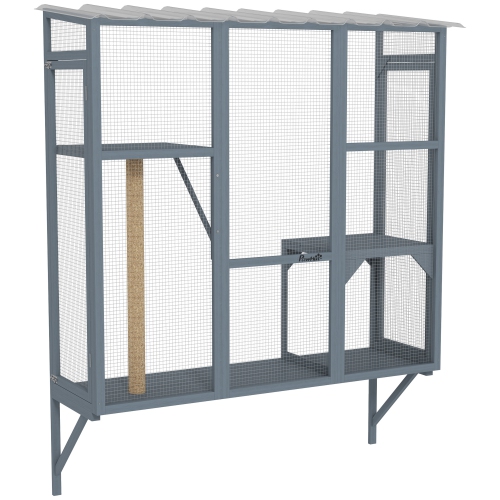 Your price for this item is $266.99
 -
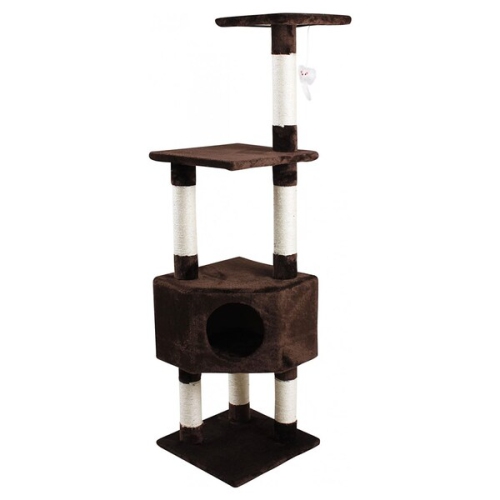 Your price for this item is $58.69
 -
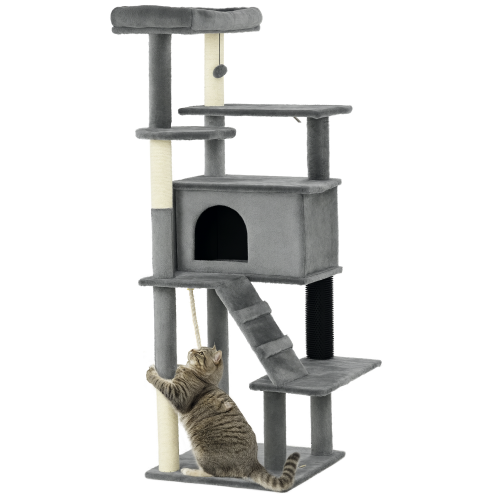 Your price for this item is $73.99
 -
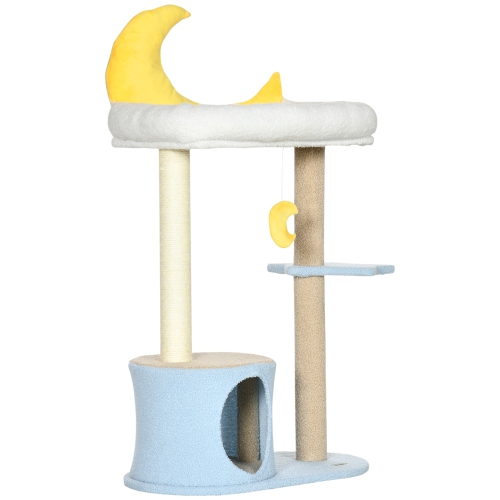 Your price for this item is $67.99
 -
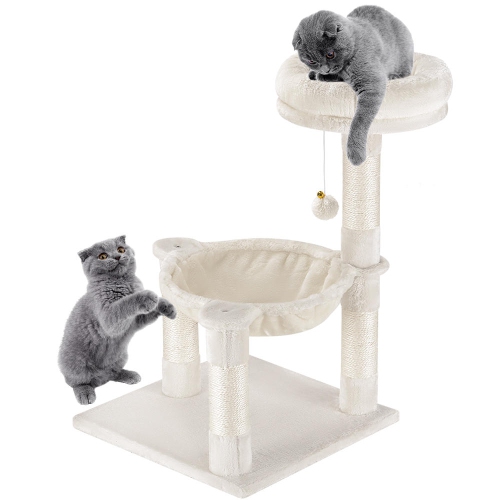 Your price for this item is $36.99
 -
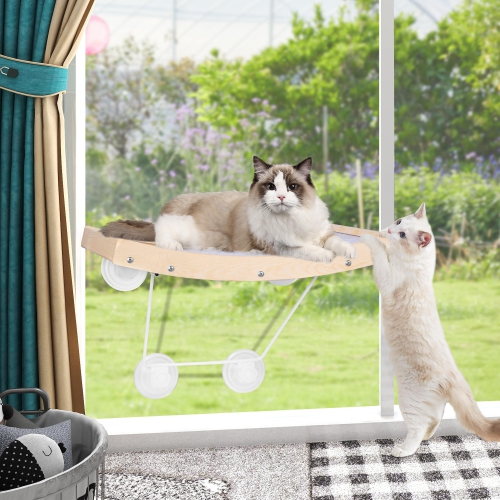 Your price for this item is $49.99
Discover more categories related to Feral Cat Houses
Top Collections:
Pokemon Centers, Kindle Devices, Best Budget Office Chairs, Apple iPhones 16, Canon G7X Cameras, iPhone 15 Apple, Alarm Clock, Refurbished Apple Laptops, Flip Phones, Best Laptops for Writers
Some products may be subject to Environmental Handling Fees
(EHF) depending on your province.
Learn more about EHFs.