Weatherproof Cat House
Looking for a cozy and protective shelter for your furry feline friend? Our weatherproof cat houses are designed to provide a safe and comfortable outdoor space for your beloved pet. Constructed with durable materials, these cat houses are built to withstand various weather conditions, keeping your cat dry and warm during rainy days or cool and shaded on sunny afternoons. Whether your cat enjoys lounging outdoors or needs a secure spot to retreat to, our selection of weatherproof cat houses offers the perfect solution for your pet's outdoor needs.
Sort
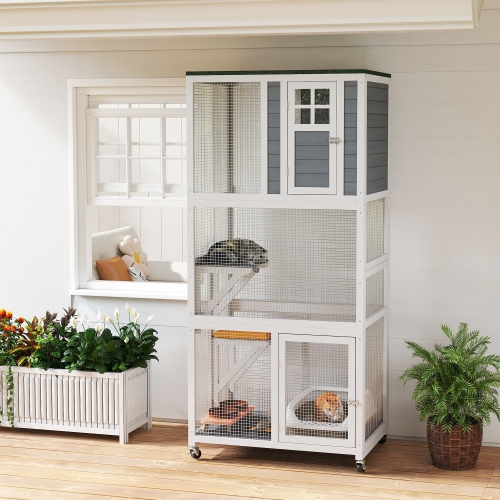

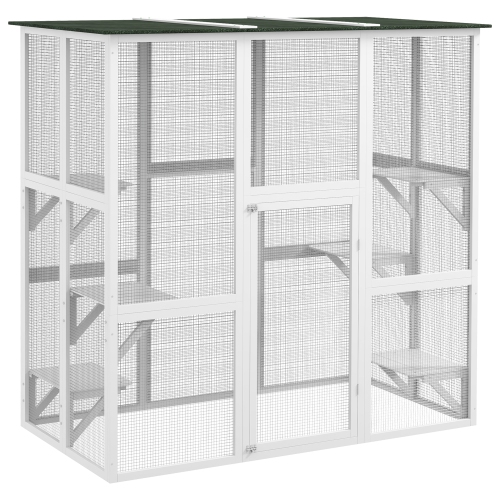
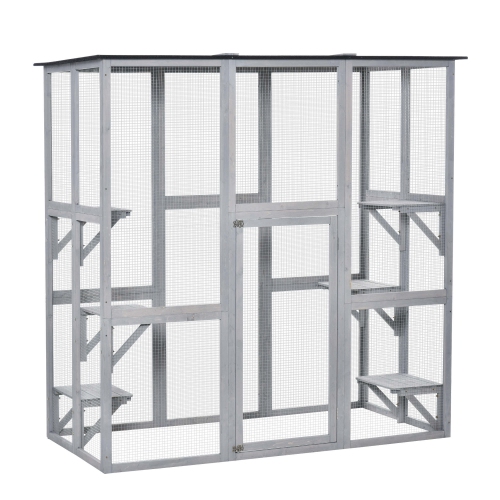
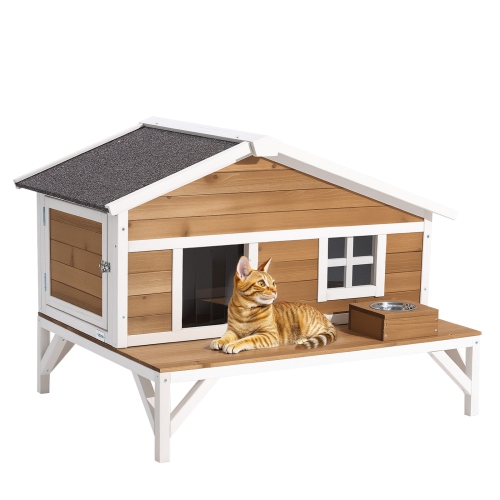
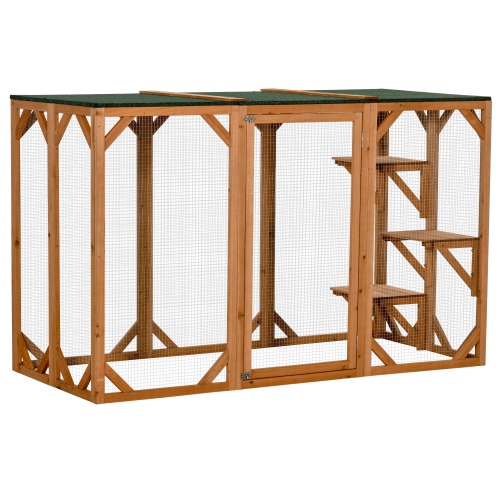
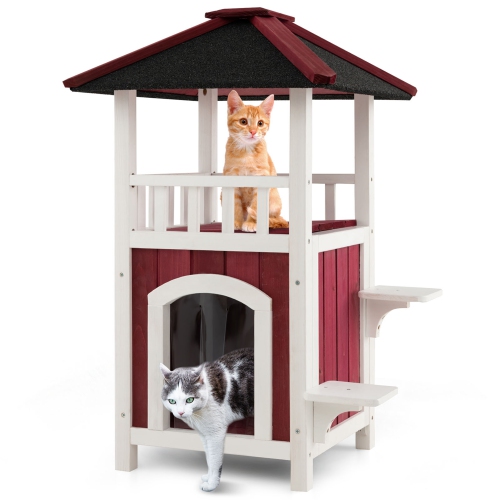
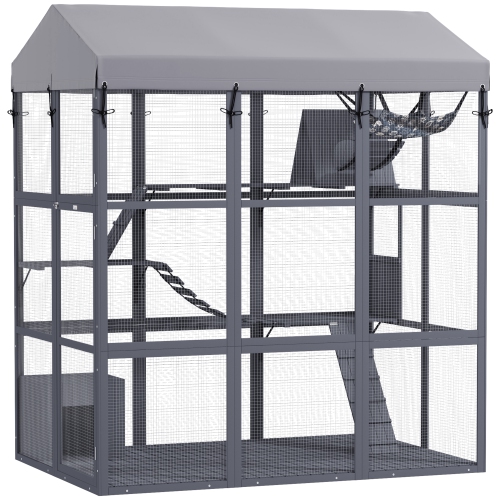
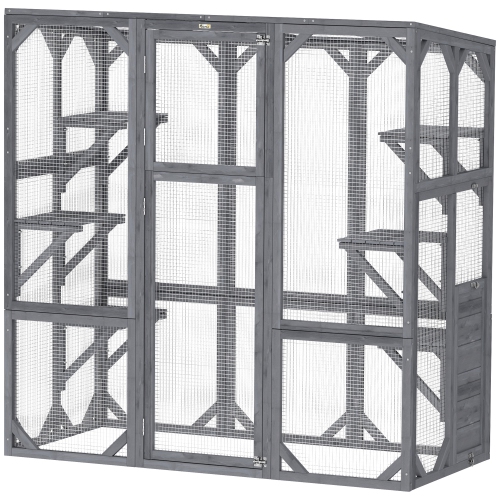
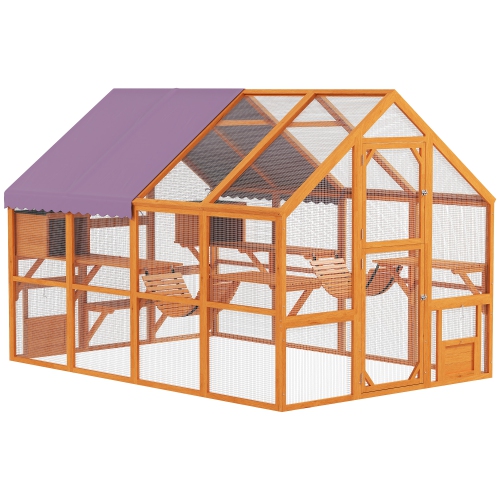
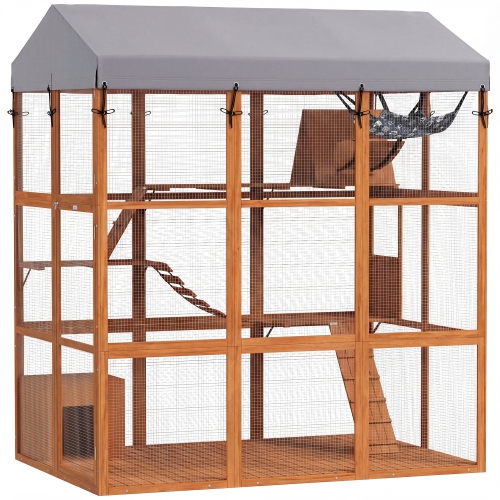
Features that help outdoor cats stay warm, dry, and secure
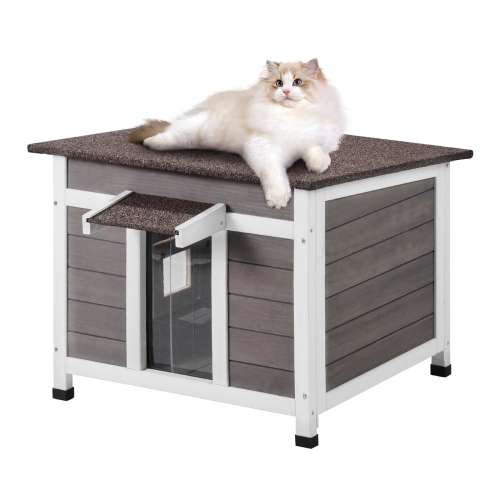
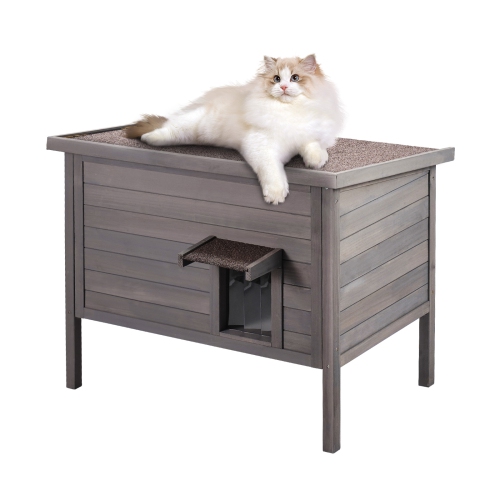
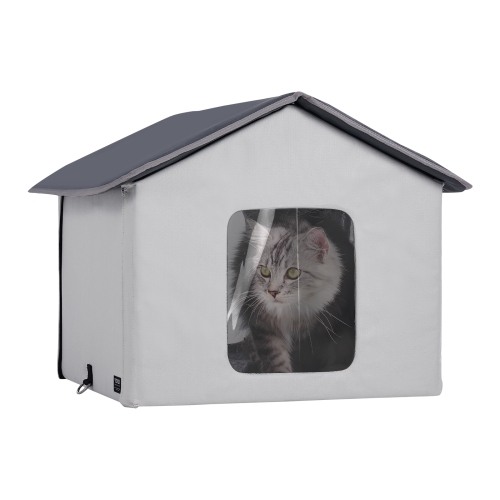
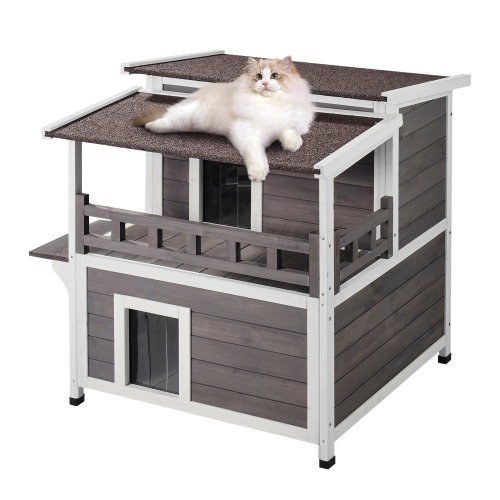
A weatherproof cat house provides a sheltered, comfortable place for outdoor cats to rest when rain, wind, damp ground, and cooler temperatures make the outdoors less inviting. It can be useful for a household cat that spends time in the yard, a community cat that needs a dependable refuge, or a neighbourhood cat that has adopted your porch as a favourite stopping point. Look for a structure made with water-resistant or waterproof materials, including treated wood, coated fabric, sealed panels, or other finishes designed for outdoor conditions. A sloped roof helps water run off rather than collect overhead, while an asphalt or similarly weather-resistant roof covering can add another layer of protection. An elevated base is equally important: raised feet or legs keep the floor away from puddles, wet grass, melting frost, and cold surfaces, helping the interior stay drier. Size matters as well. The sleeping area should give a cat enough room to turn around and settle comfortably, but an oversized shelter may be harder to keep warm. A cat-sized doorway can help retain body heat, and flexible vinyl or PVC door flaps can reduce drafts while still allowing easy access. For cats that may need to make a quick escape, particularly feral or nervous cats, a shelter with two exits can provide a sense of security and reduce the risk of an animal being cornered by another cat or a predator. Place the house in a quiet, sheltered location close to where the cat already spends time, with the entrance turned away from prevailing wind and heavy foot traffic. A covered porch, balcony, garage entrance, or protected corner of a yard can offer added shielding, although the shelter should still be easy to reach for inspection and cleaning.
Insulation is one of the most useful features to consider as the weather cools. Insulated walls, a lined floor, and a well-fitted roof help slow the loss of body heat, while a raised design keeps cold from transferring directly through the base. Some outdoor cat houses have room for a low-wattage, pet-safe heated pad or include a heating option made for supervised outdoor use. If choosing a heated shelter, check that the heating component is intended for pets, follow the operating instructions carefully, and keep cords protected from chewing, moisture, and snow. Heating should complement, not replace, good construction: a warm pad cannot make up for a leaking roof, an open draft, or a floor sitting in standing water. Ventilation also deserves attention. The house should block wind and precipitation without becoming sealed and stuffy, and removable panels or openings can make it easier to air out the interior. A washable liner or removable floor helps with routine upkeep, especially when a cat tracks in mud or wet leaves. For unheated shelters, moisture-resistant bedding is preferable to materials that absorb water and remain damp. Straw is commonly used in outdoor cat shelters because it can help provide warmth while allowing moisture to move away; blankets, towels, and hay can become wet, cold, and difficult to dry. Check the interior regularly for dampness, damage, pests, or compressed bedding, and clear away debris around the entrance so cats can come and go without obstruction. A stable, heavy design is helpful in exposed areas, while secure fastenings and a sturdy roof reduce the chance of the shelter shifting during strong wind. When comparing an outdoor shelter with an Outdoor Dog House, focus on the intended animal, doorway dimensions, insulation, and the amount of interior space rather than assuming a larger structure will offer better protection.
A weatherproof cat house can also be a thoughtful gift for someone who cares for a community cat colony, supports a rescue group, or has a cat that enjoys supervised outdoor time. It is especially practical for people who already provide food and water outdoors but need a dedicated resting space that is easier to maintain than a temporary box or improvised cover. Multi-level designs, sheltered balconies, and separate sleeping areas may suit cats that like to climb, observe their surroundings, or share an outdoor space without sleeping side by side. For a single cat, a compact, enclosed shelter may feel more secure and be simpler to keep warm. For several cats, consider whether the layout includes enough room and more than one route out, as crowded spaces can lead to tension. Appearance may also matter when the house will sit beside a home, on a balcony, or near a front entrance, but weather resistance and safety should remain the priorities. Before setting it up, inspect every edge, fastener, flap, and cable, and make sure the structure is stable on its chosen surface. Introduce a household cat gradually by placing familiar toys or treats nearby, while a community cat may need time to investigate the shelter on its own. Avoid moving it frequently once cats begin using it, since a consistent location helps them recognize it as a reliable refuge. During warmer conditions, choose a spot with shade and check that the interior does not become excessively hot; during cooler months, make sure the entry remains clear and the floor stays dry. With the right combination of a raised base, waterproof roof, insulated construction, weather-resistant doorway, and easy-care interior, a weatherproof cat house can give outdoor cats a dependable place to rest through changing conditions.
Insulation is one of the most useful features to consider as the weather cools. Insulated walls, a lined floor, and a well-fitted roof help slow the loss of body heat, while a raised design keeps cold from transferring directly through the base. Some outdoor cat houses have room for a low-wattage, pet-safe heated pad or include a heating option made for supervised outdoor use. If choosing a heated shelter, check that the heating component is intended for pets, follow the operating instructions carefully, and keep cords protected from chewing, moisture, and snow. Heating should complement, not replace, good construction: a warm pad cannot make up for a leaking roof, an open draft, or a floor sitting in standing water. Ventilation also deserves attention. The house should block wind and precipitation without becoming sealed and stuffy, and removable panels or openings can make it easier to air out the interior. A washable liner or removable floor helps with routine upkeep, especially when a cat tracks in mud or wet leaves. For unheated shelters, moisture-resistant bedding is preferable to materials that absorb water and remain damp. Straw is commonly used in outdoor cat shelters because it can help provide warmth while allowing moisture to move away; blankets, towels, and hay can become wet, cold, and difficult to dry. Check the interior regularly for dampness, damage, pests, or compressed bedding, and clear away debris around the entrance so cats can come and go without obstruction. A stable, heavy design is helpful in exposed areas, while secure fastenings and a sturdy roof reduce the chance of the shelter shifting during strong wind. When comparing an outdoor shelter with an Outdoor Dog House, focus on the intended animal, doorway dimensions, insulation, and the amount of interior space rather than assuming a larger structure will offer better protection.
A weatherproof cat house can also be a thoughtful gift for someone who cares for a community cat colony, supports a rescue group, or has a cat that enjoys supervised outdoor time. It is especially practical for people who already provide food and water outdoors but need a dedicated resting space that is easier to maintain than a temporary box or improvised cover. Multi-level designs, sheltered balconies, and separate sleeping areas may suit cats that like to climb, observe their surroundings, or share an outdoor space without sleeping side by side. For a single cat, a compact, enclosed shelter may feel more secure and be simpler to keep warm. For several cats, consider whether the layout includes enough room and more than one route out, as crowded spaces can lead to tension. Appearance may also matter when the house will sit beside a home, on a balcony, or near a front entrance, but weather resistance and safety should remain the priorities. Before setting it up, inspect every edge, fastener, flap, and cable, and make sure the structure is stable on its chosen surface. Introduce a household cat gradually by placing familiar toys or treats nearby, while a community cat may need time to investigate the shelter on its own. Avoid moving it frequently once cats begin using it, since a consistent location helps them recognize it as a reliable refuge. During warmer conditions, choose a spot with shade and check that the interior does not become excessively hot; during cooler months, make sure the entry remains clear and the floor stays dry. With the right combination of a raised base, waterproof roof, insulated construction, weather-resistant doorway, and easy-care interior, a weatherproof cat house can give outdoor cats a dependable place to rest through changing conditions.
Top selling and popular products
-
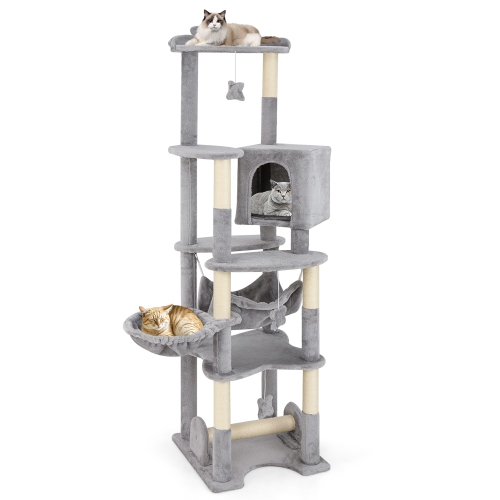 Your price for this item is $105.99
 -
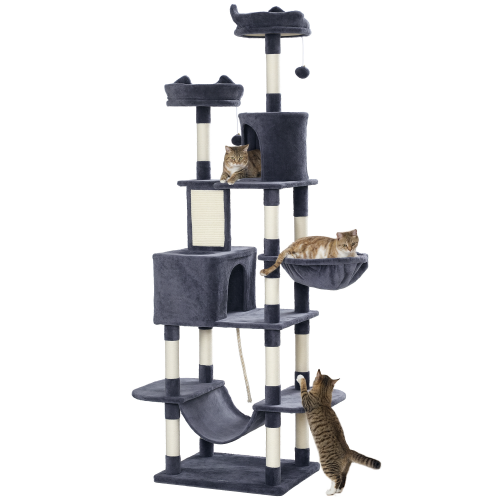 Your price for this item is $99.99
 -
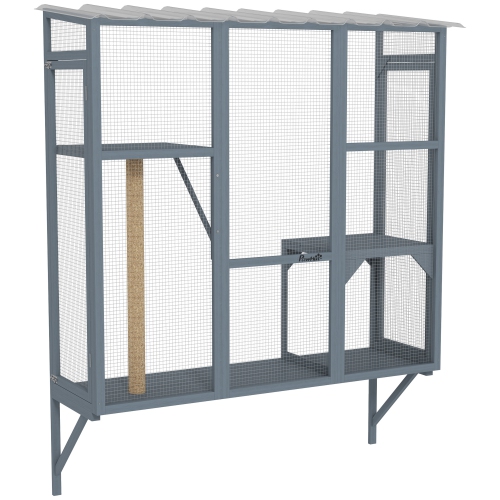 Your price for this item is $266.99
 -
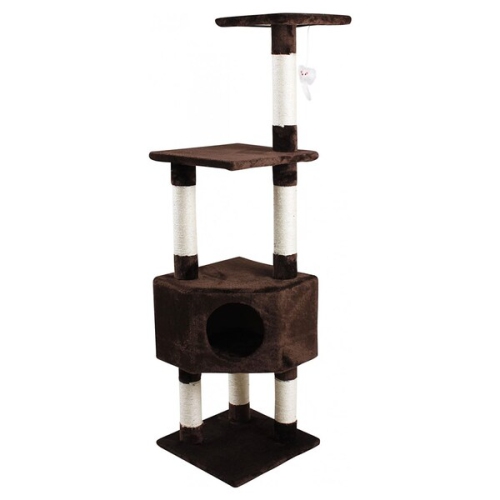 Your price for this item is $58.69
 -
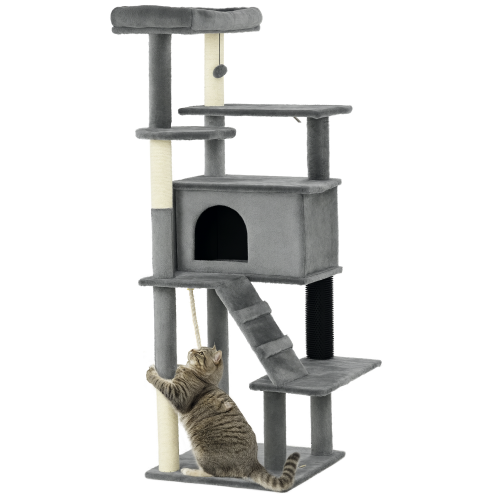 Your price for this item is $73.99
 -
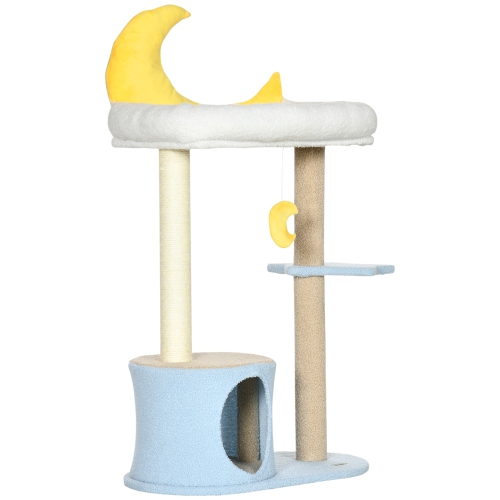 Your price for this item is $67.99
 -
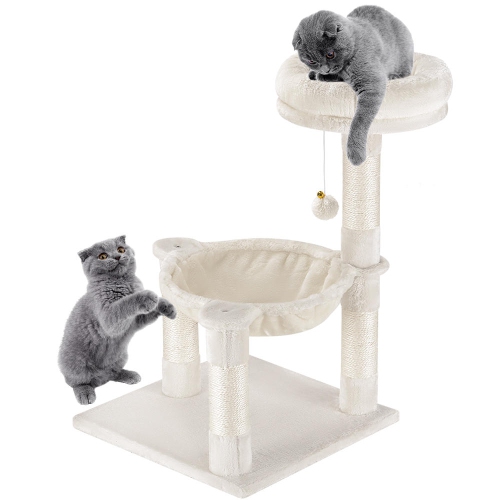 Your price for this item is $36.99
 -
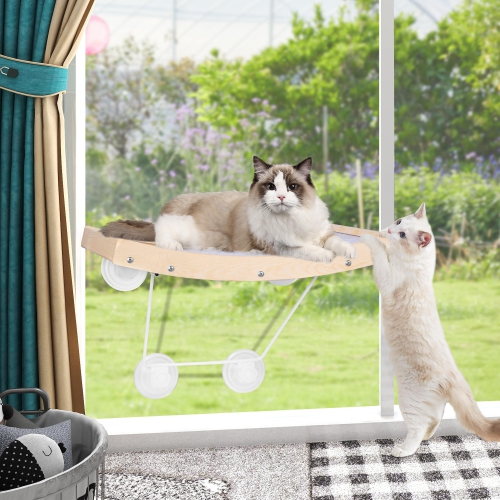 Your price for this item is $49.99
Discover more categories related to Weatherproof Cat House
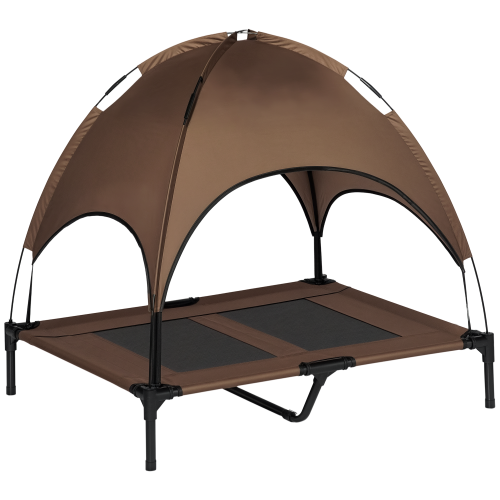

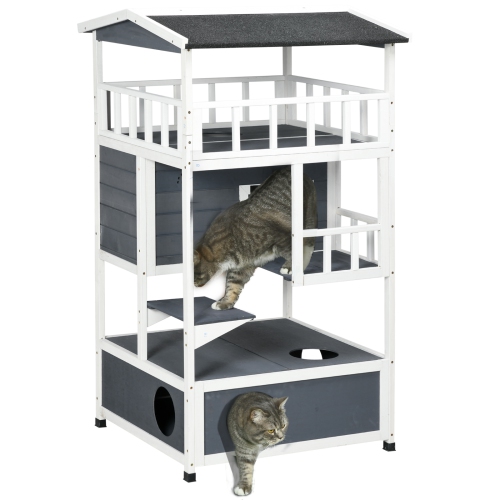
Top Collections:
Pokemon Centers, Kindle Devices, Best Budget Office Chairs, Apple iPhones 16, Canon G7X Cameras, iPhone 15 Apple, Alarm Clock, Refurbished Apple Laptops, Flip Phones, Best Laptops for Writers
Some products may be subject to Environmental Handling Fees
(EHF) depending on your province.
Learn more about EHFs.