Cat Nail Clippers
Keeping your feline friend's claws in tip-top shape is essential for their overall health and wellbeing. With our wide selection of cat nail clippers, you can easily maintain your pet's nails at home, saving both time and money on frequent trips to the groomer. Designed with precision and safety in mind, our cat nail clippers offer a comfortable grip and sharp blades to ensure a smooth and hassle-free trimming experience. Whether you have a feisty kitten or a laid-back senior cat, our range of cat nail clippers will help you keep their claws perfectly trimmed and prevent any potential scratching mishaps around the house.
Sort


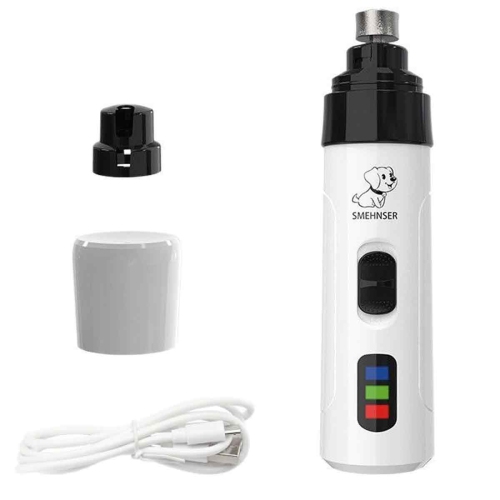
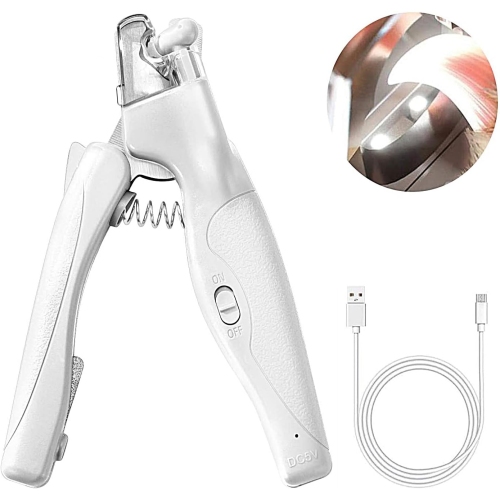
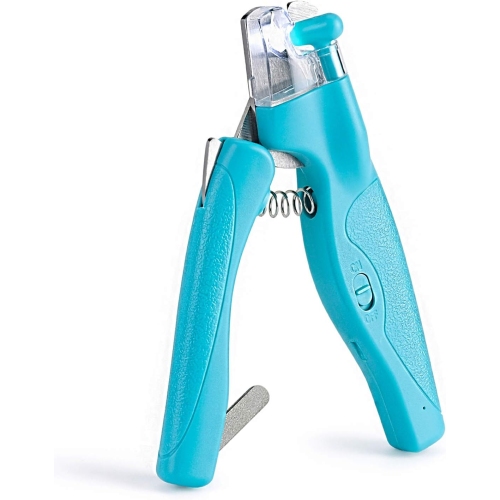
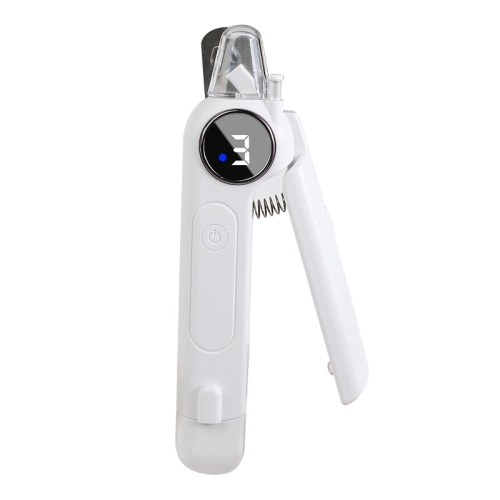

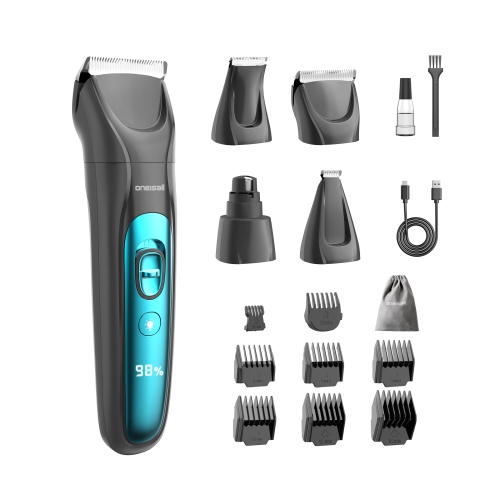
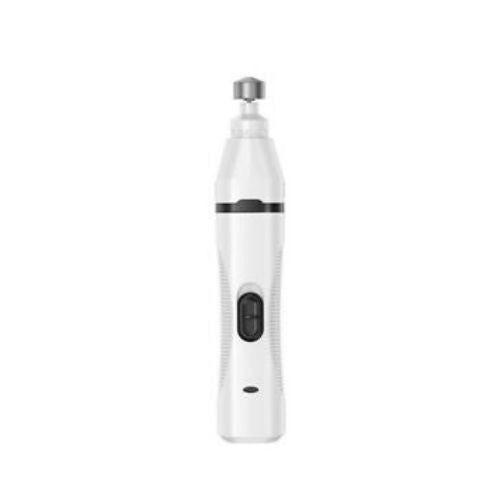
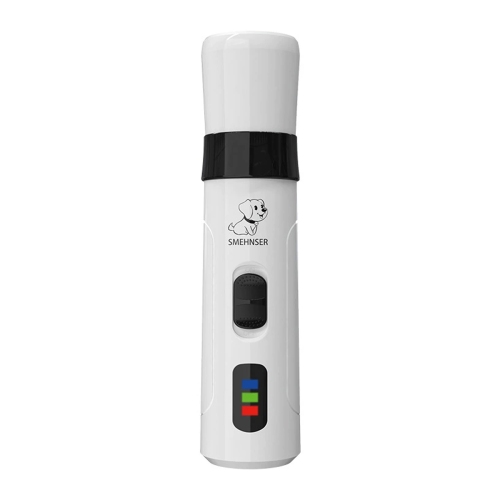
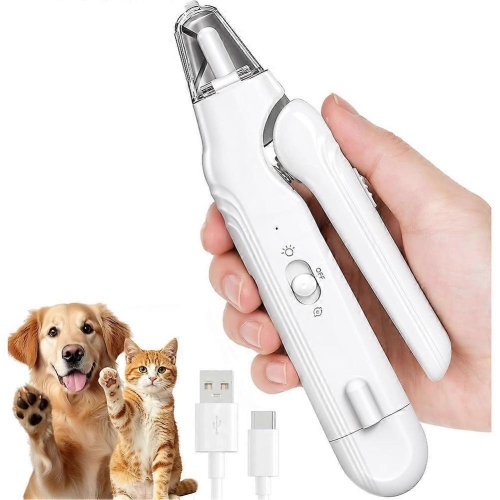
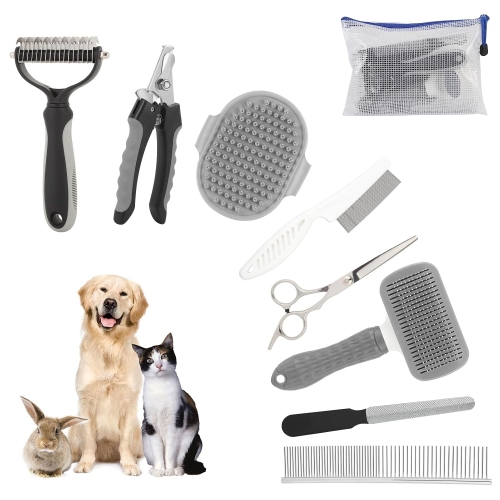
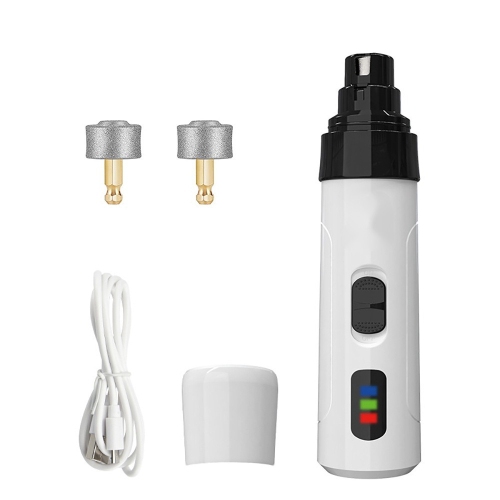
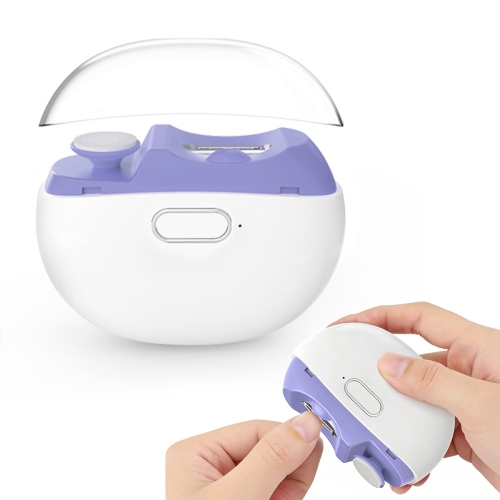
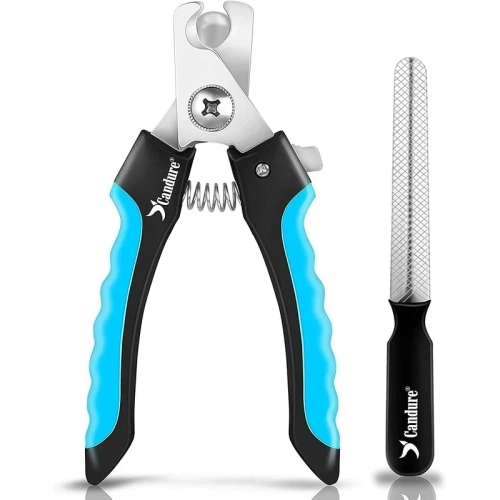
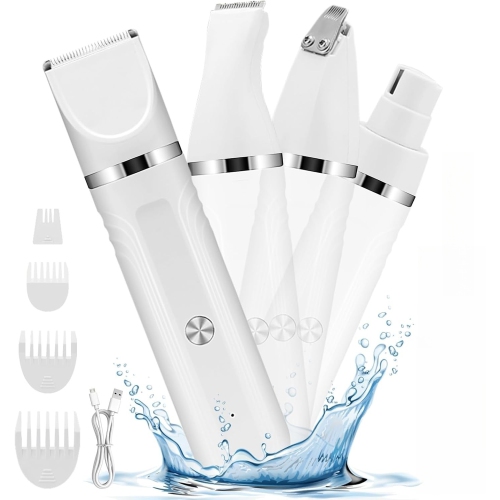
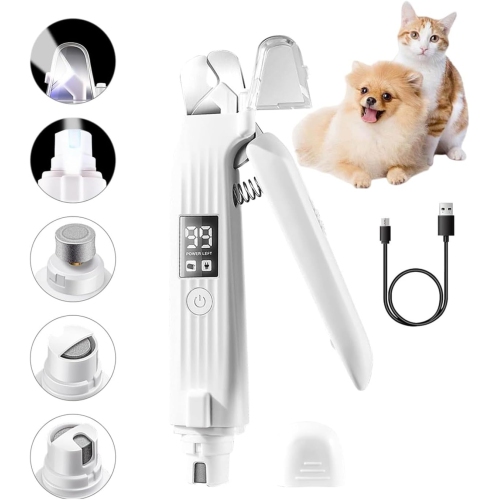
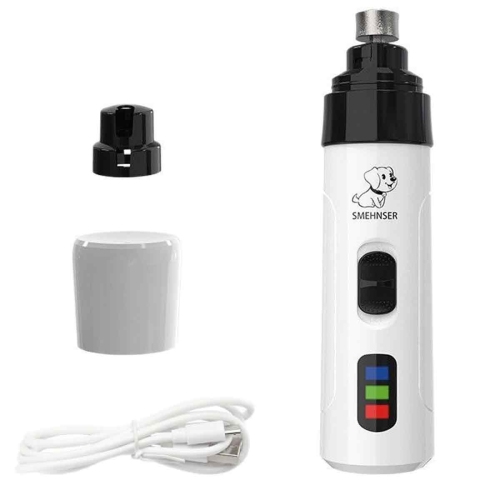
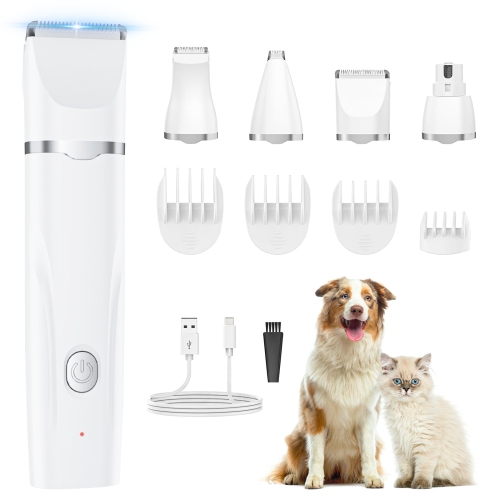







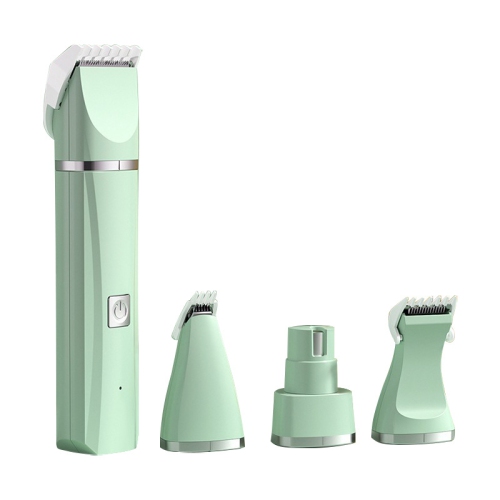


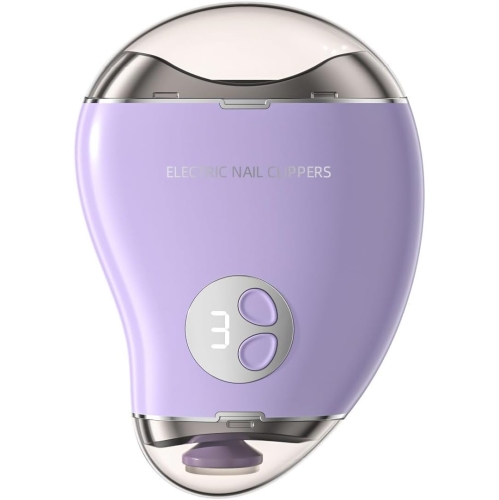
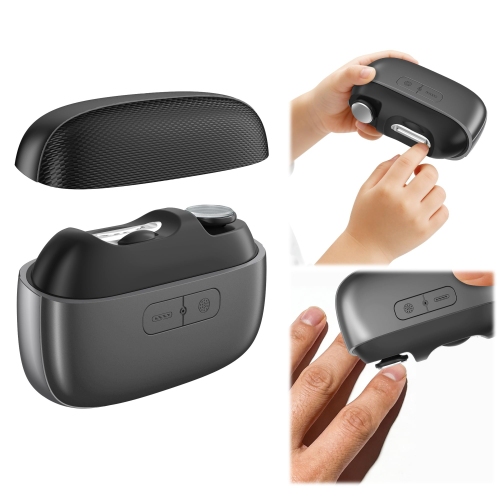


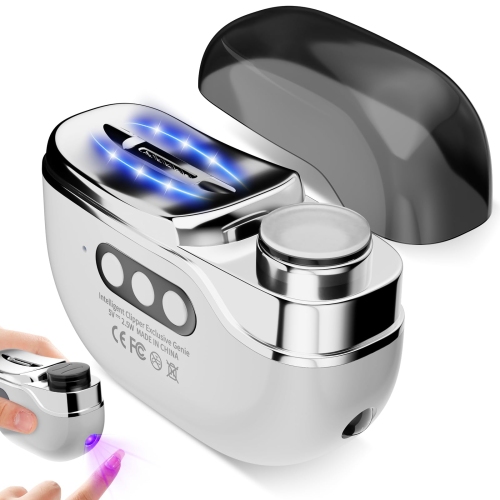






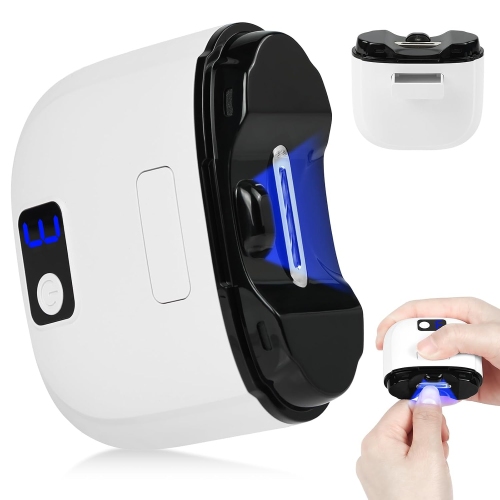
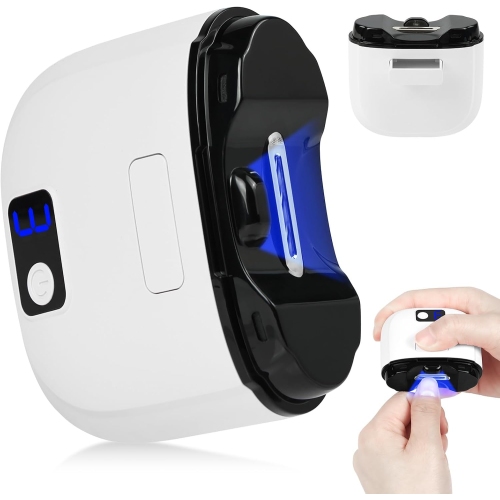
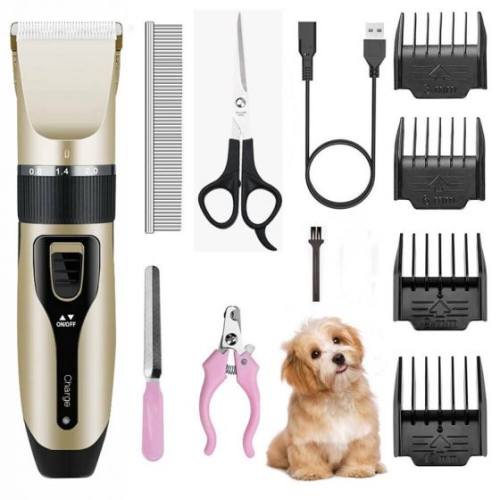


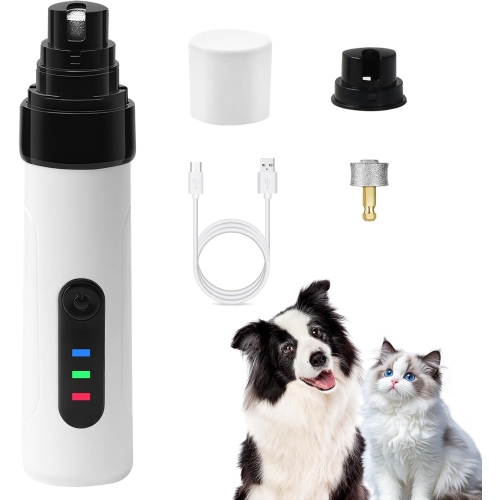


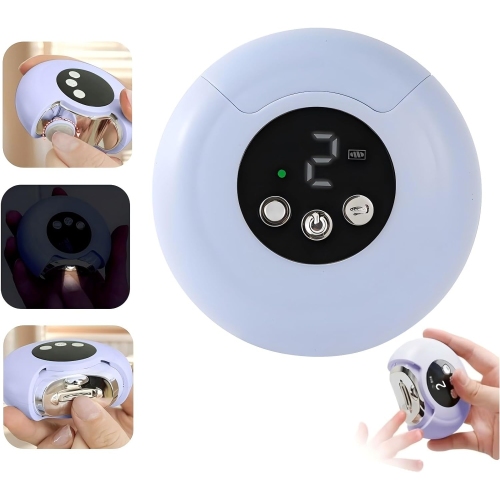


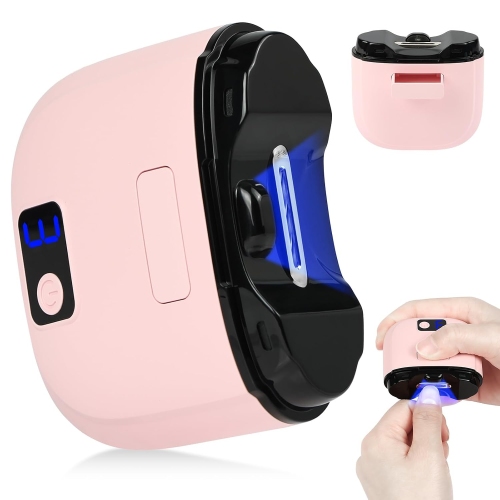


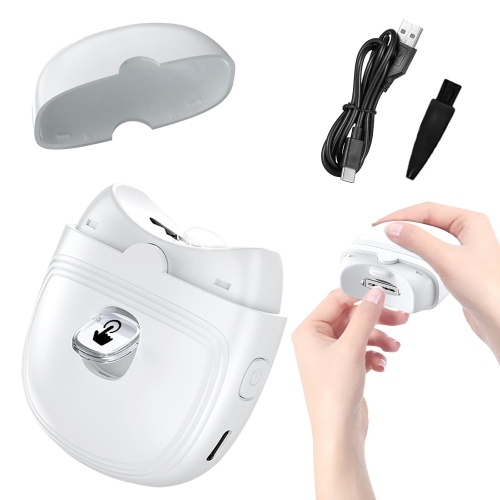









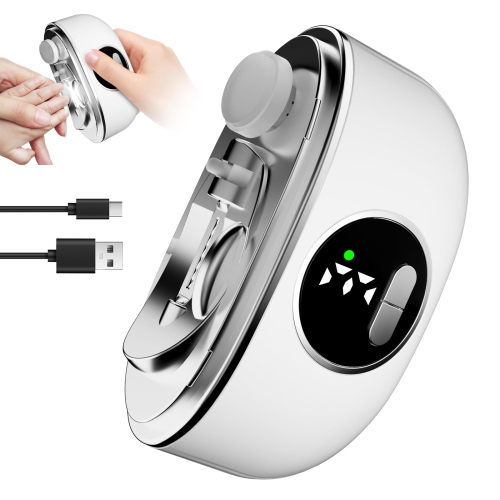

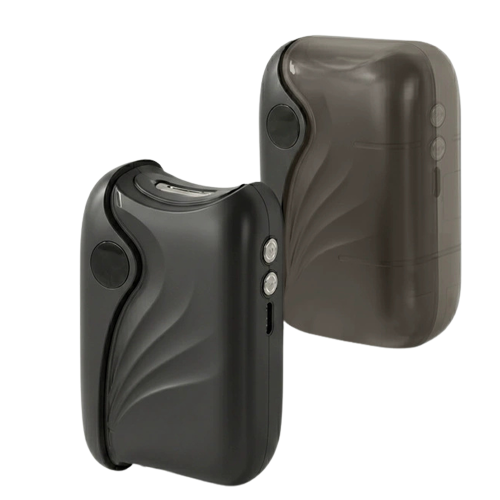
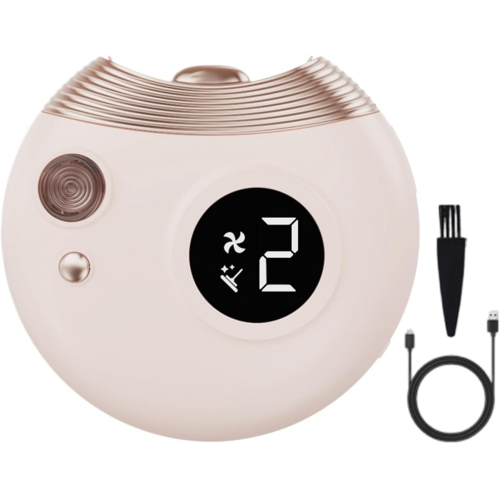
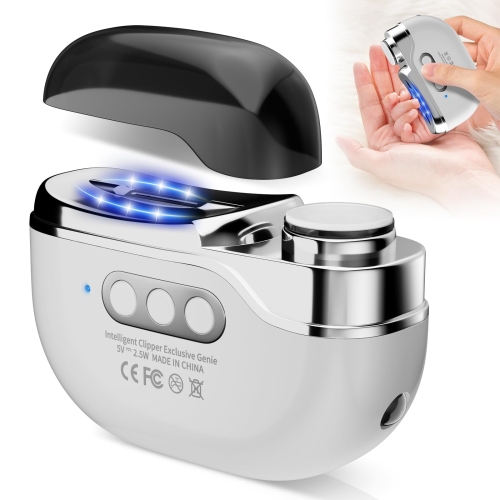
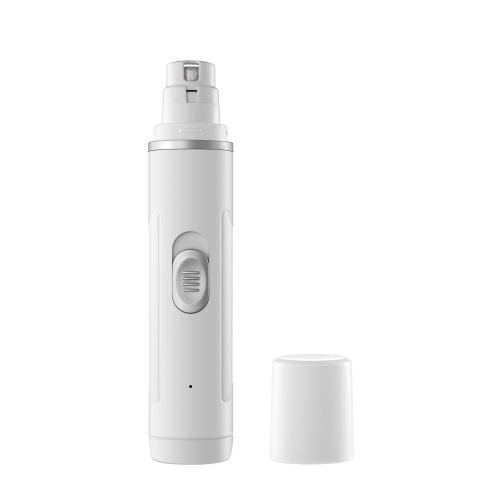
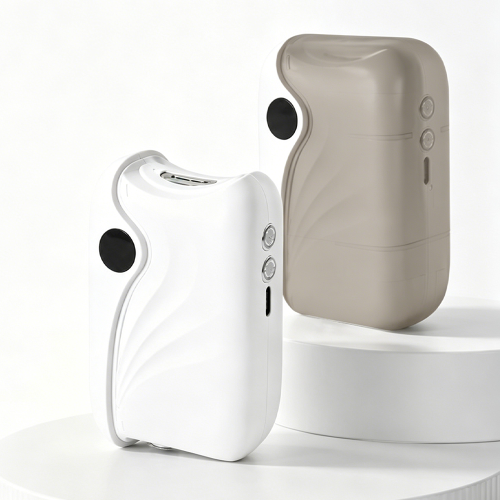
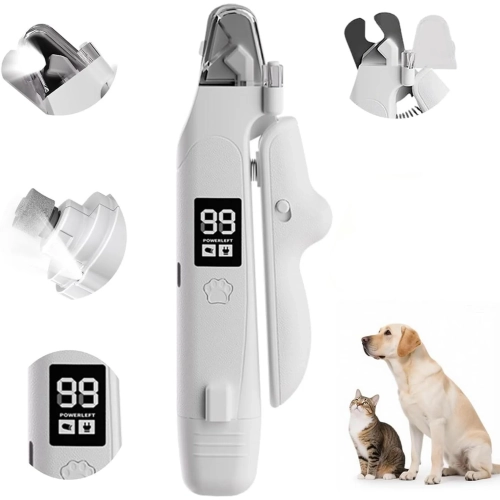


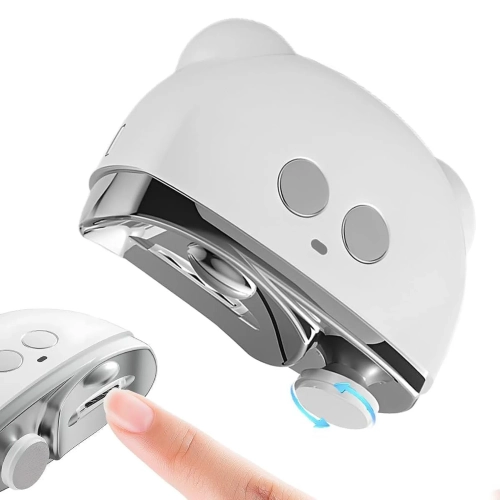

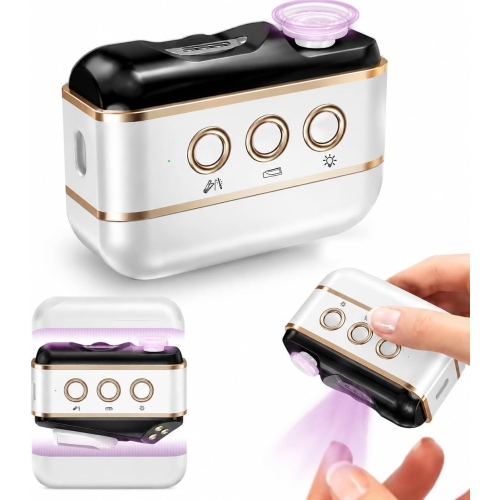

Why blade size and grip matter for claw trimming
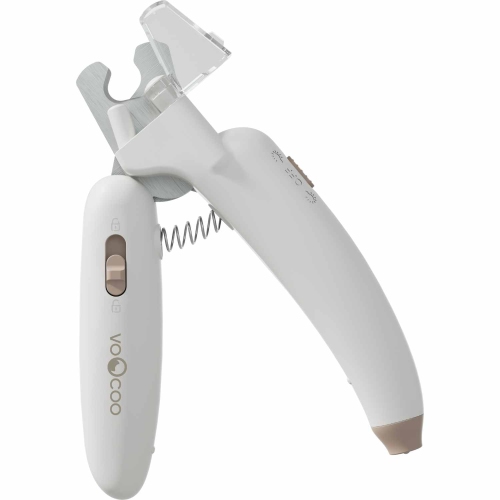
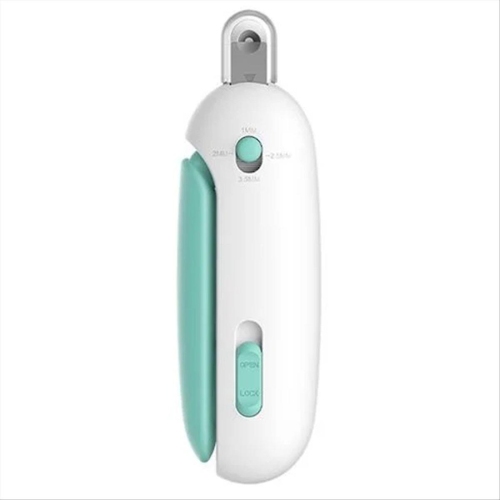
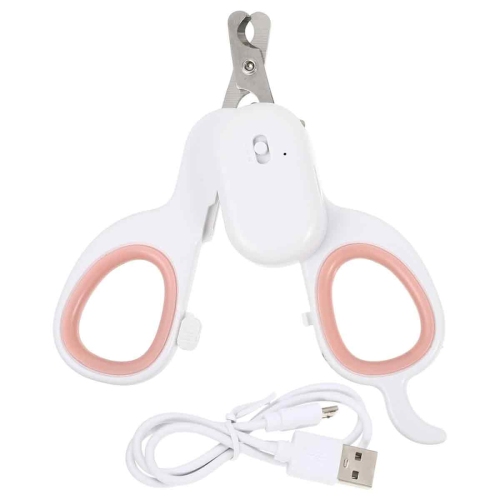
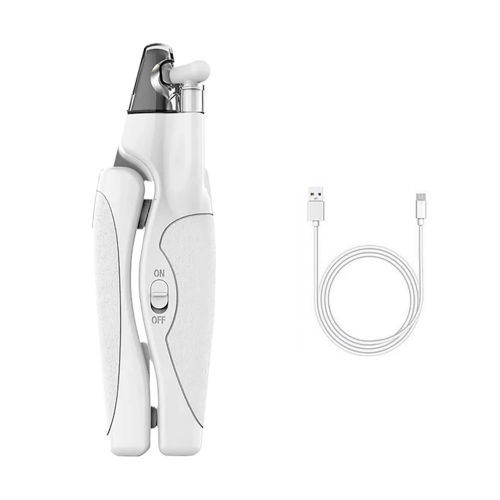
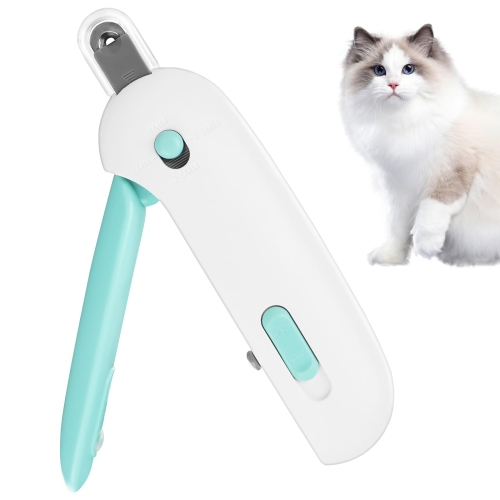
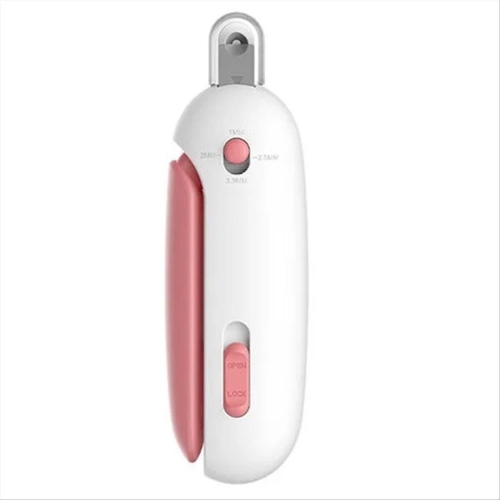
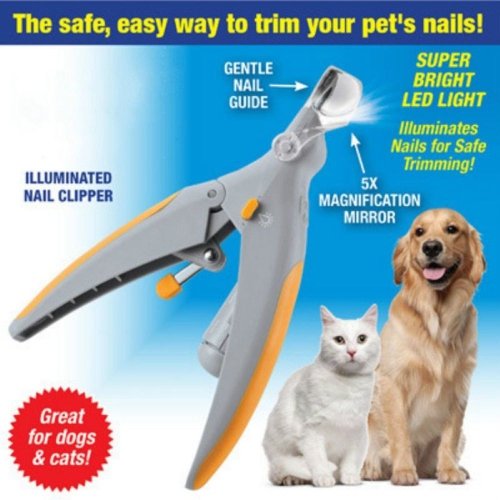
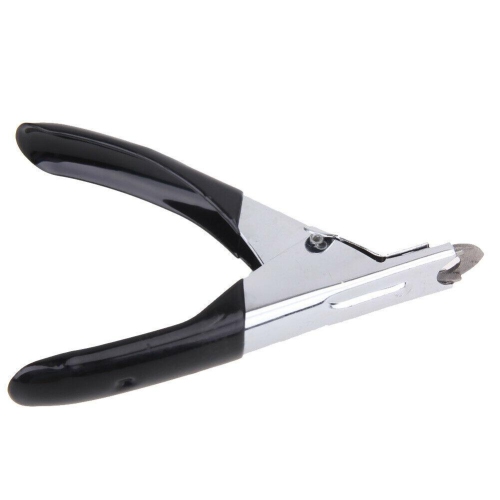
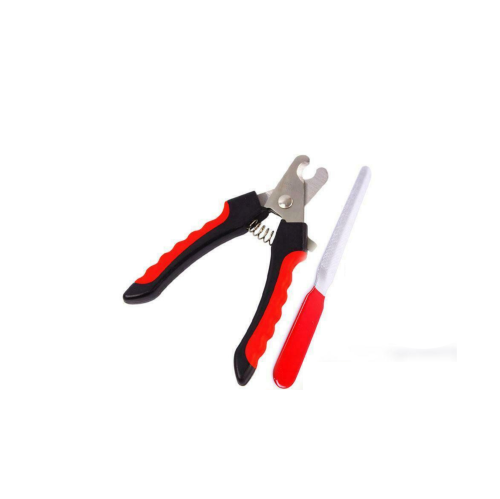
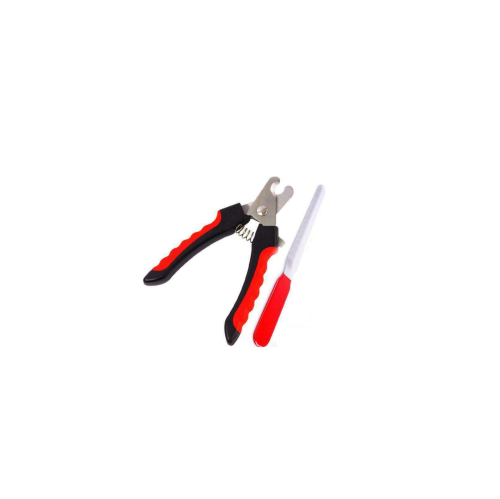
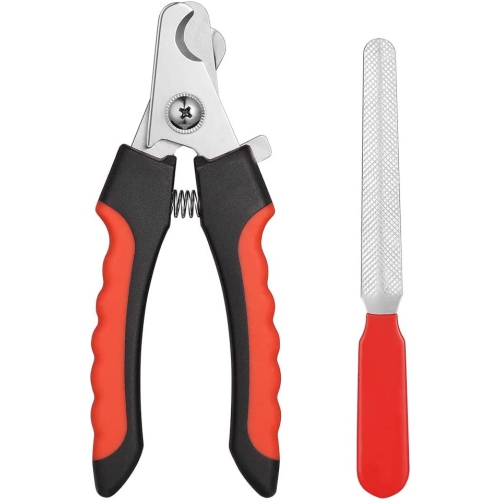
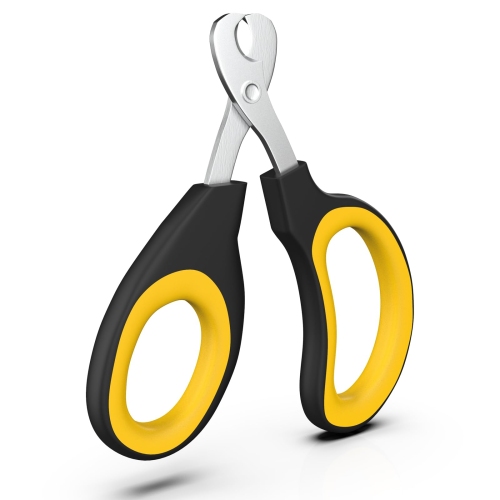
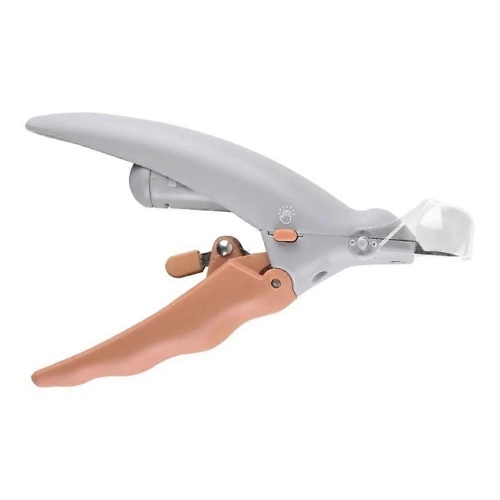
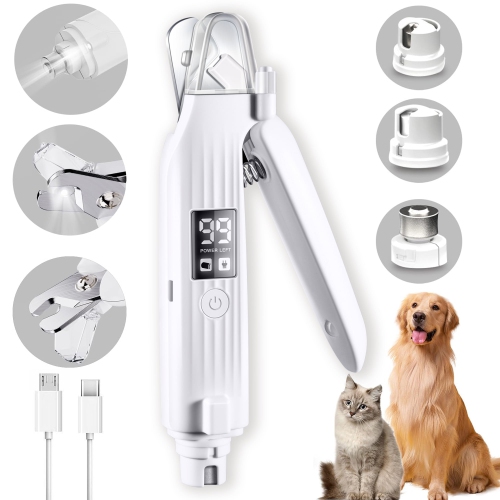
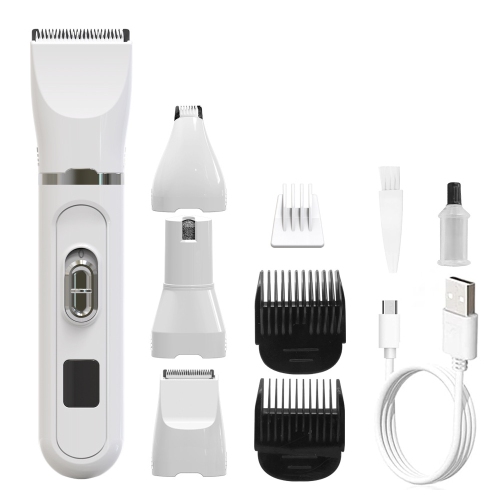
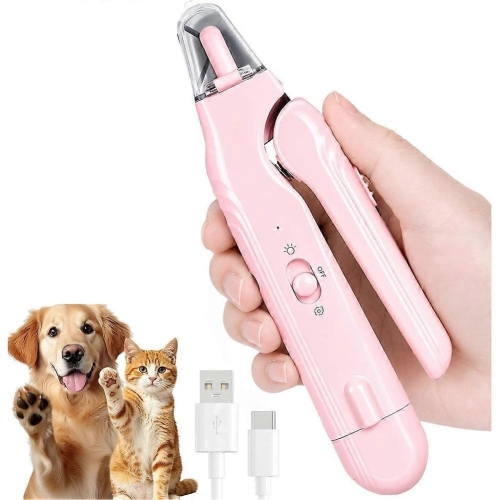
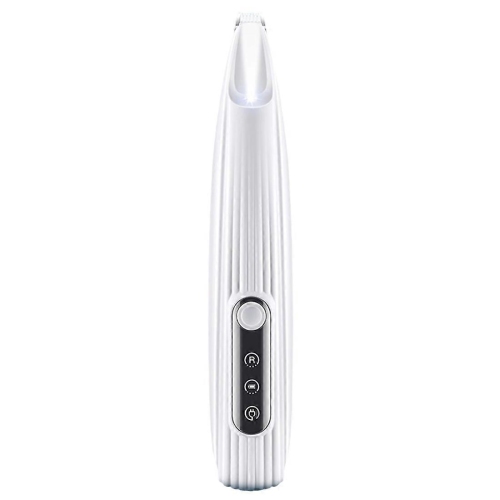
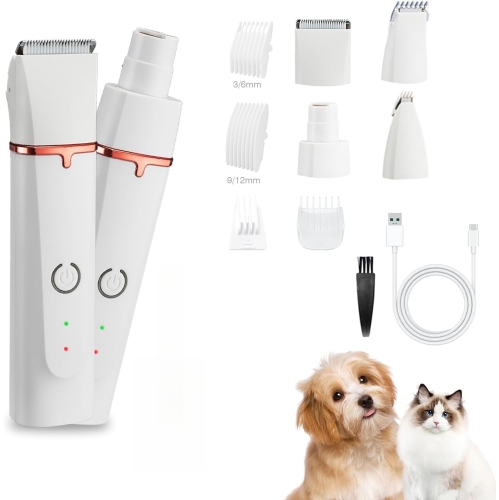
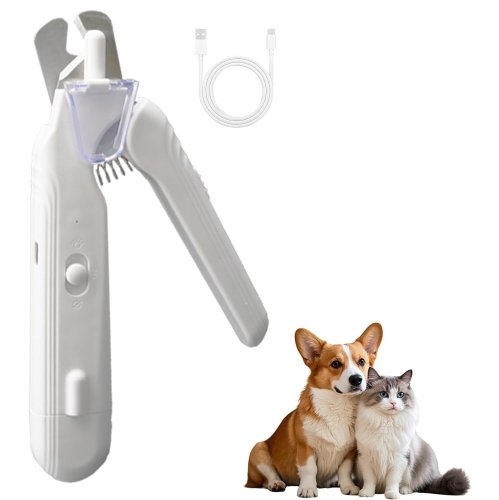
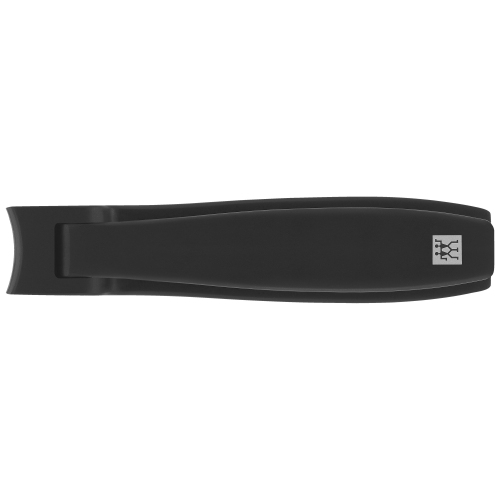
Cat nail clippers are grooming tools designed to shorten the sharp tips of a cat’s claws with a controlled cut. Their compact cutting heads help make small claws easier to see and position, while handles sized for a steady grip support careful trimming. Scissor-style and plier-style clippers with sharp stainless-steel blades are common choices for cats because they offer control without the bulk of tools intended for much larger animals. Scissor-style cat nail clippers have finger loops and a familiar opening-and-closing motion, making them a practical option for small claws and precise adjustments. Plier-style designs typically have longer handles and may include a spring that reopens the blades between cuts, which can suit someone who finds small finger loops uncomfortable. Neither shape is automatically the right fit for every household: the size of the cat’s claws, the user’s hand comfort, and the visibility around the cutting edge all matter. A kitten’s fine claw calls for a different sense of scale than the thicker claw of a large adult cat. Compact blades can help keep the claw tip visible, but handles should still provide enough room for a comfortable hold. Cat claw trimmers are useful for routine care when sharp tips catch on blankets, clothing, or upholstered furniture, although trimming does not replace scratching posts or other appropriate scratching surfaces. Cats scratch to stretch, mark territory, and help shed the outer layers of their claws, so keeping the tips shorter supports rather than removes that natural behaviour. These tools can be a thoughtful, practical gift for a new cat owner, especially when chosen to match their comfort with grooming and their cat’s size. For an experienced owner, a comfortable grip or clearer view of the cutting area may matter more than extra features. The most useful design is one that makes a small, deliberate cut feel manageable without requiring an awkward wrist angle or excessive hand pressure.
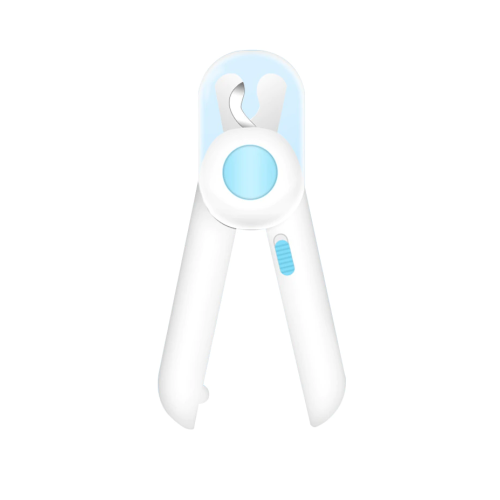
Blade material, alignment, and handle construction help distinguish cat nail clippers that look similar at first glance. Stainless steel is widely used for cutting blades because it resists corrosion and can provide a durable edge, but the material alone does not guarantee a clean cut. The blades should meet evenly, and the hinge should move smoothly without side-to-side looseness. A sharp, well-aligned edge is intended to cut through the claw tip rather than compress or splinter it; a tool that begins pulling, crushing, or leaving ragged edges needs attention or replacement. Curved or notched cutting edges can help position a claw, while a narrow head may leave more room to see exactly where the blades will close. Handle fit is just as important as blade shape. Finger loops that pinch, slippery surfaces, or handles that spread too widely can make a short grooming session harder than it needs to be. Textured grips and soft-touch coverings may improve comfort, particularly when one hand is supporting a paw and the other is controlling the clipper. Spring-assisted handles can reduce the effort of reopening the tool, though spring resistance and handle width still need to suit the user. Some designs include a safety stop behind the blades or a lock for storage. A safety stop limits how much claw can enter the cutting area, but it cannot identify the quick and should never be treated as a guarantee against cutting too deeply. A storage lock serves a different purpose by keeping the blades closed when the clippers are put away. Durability also depends on care: nail fragments and surface residue can collect near the hinge, and moisture left on metal parts can shorten the tool’s useful life. Cleaning according to the manufacturer’s directions, drying thoroughly, and storing the clippers in a clean, dry place help protect both the cutting edge and moving parts. A protective cover or closed, locked position also helps keep exposed blades away from curious paws and fingers.
The intended use of cat nail clippers is modest, regular maintenance of the claw tips, not removal of large sections of nail. Each claw contains a quick with blood vessels and nerves, so visibility and restraint are essential. On a light-coloured claw, the quick often appears pink; the clear, pointed tip beyond it is the part generally trimmed, with a margin left well away from the quick. Dark claws, unusual nail shapes, and cats that will not comfortably allow paw handling can make that boundary difficult to judge. In those situations, a veterinarian or qualified groomer can provide help rather than relying on a clipper’s guard or trying to finish an entire paw at once. Overgrown claws that curl towards the paw pad, damaged nails, swelling, or signs of pain also warrant veterinary attention. For everyday grooming, a quiet handling experience often matters as much as the tool itself. A cat resting comfortably on a familiar lap may tolerate a brief look at one paw better than a prolonged session involving restraint. Small amounts of progress, with breaks and rewards, can be more manageable than trimming every claw in one sitting. Low-effort handles and an unobstructed view of the blade can support that measured approach, but no clipper can compensate for sudden movement or a distressed cat. Adult and senior cats may have different grooming needs, and claw growth, activity, and scratching habits influence how often attention is needed rather than a single schedule applying to every pet. In homes with both cats and dogs, separate tools may make sense when claw size and thickness differ substantially; Dog Nail Clippers are another category to consider for canine grooming needs. Matching each tool to the animal’s claws and the handler’s grip keeps the focus on control. For cat owners, the strongest combination remains straightforward: sharp, properly aligned blades, comfortable handles, a suitable cutting-head size, and a design that leaves the claw clearly visible.
Top selling and popular products
-
 Your price for this item is $13.3
-
 Your price for this item is $349.99
-
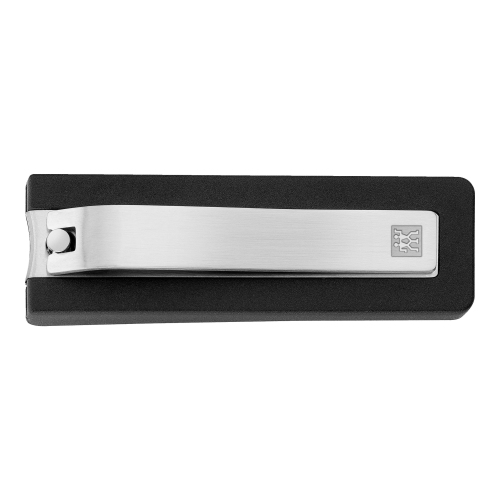 Your price for this item is $67
-
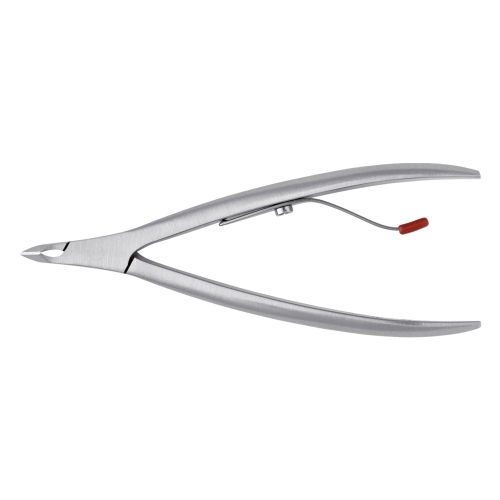 Your price for this item is $120
-
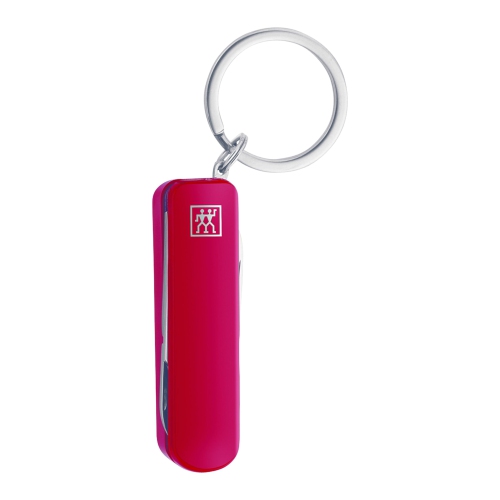 Your price for this item is $42
-
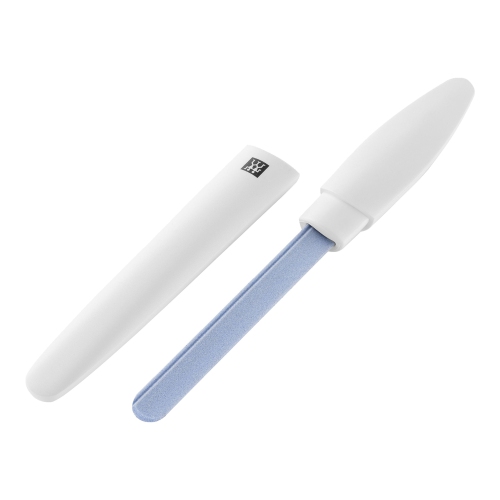 Your price for this item is $35
-
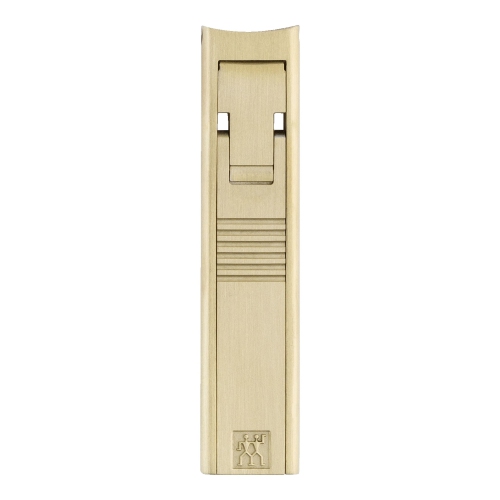 Your price for this item is $80
-
 Your price for this item is $33
Discover more categories related to Cat Nail Clippers

Top Collections:
Pokemon Centers, Best Cameras for Sports Photography, Kindle Devices, Samsung Galaxy Phones, Canon G7X Cameras, Pokémon 30th Celebration Cards, Refurbished Apple Laptops, iPhone 15 Apple, Laptops for Students, Budget Smartphones
Some products may be subject to Environmental Handling Fees
(EHF) depending on your province.
Learn more about EHFs.