Dog Nail Clippers
Keeping your furry friend's nails trimmed is an essential part of their grooming routine. With our selection of dog nail clippers, you can easily maintain your pet's nails from the comfort of your own home. Designed with precision and safety in mind, these clippers are perfect for dogs of all sizes and breeds. From small to large dogs, we have the right tool to help you keep your pup's nails in tip-top shape. Say goodbye to expensive trips to the groomer and hello to hassle-free nail maintenance with our range of dog nail clippers.
Sort
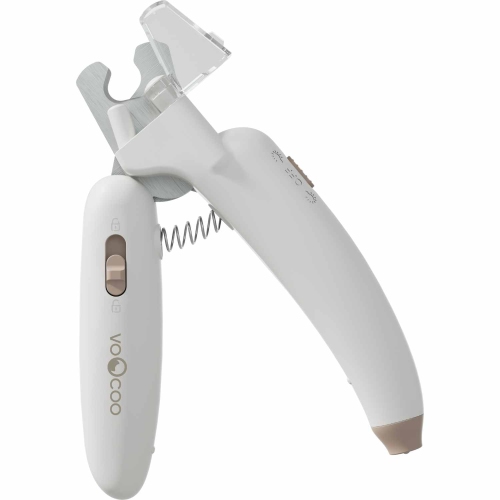

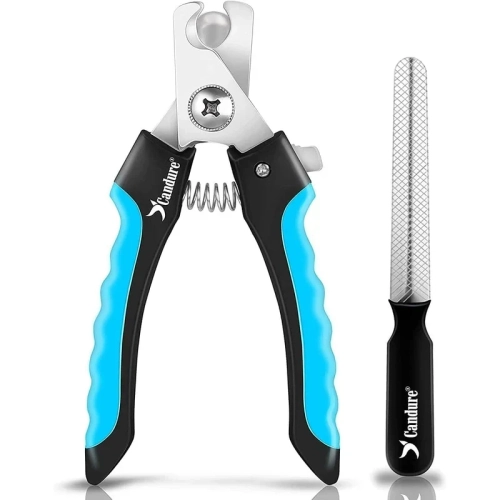
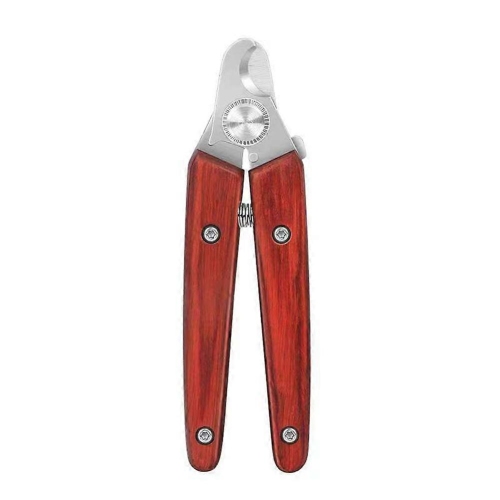
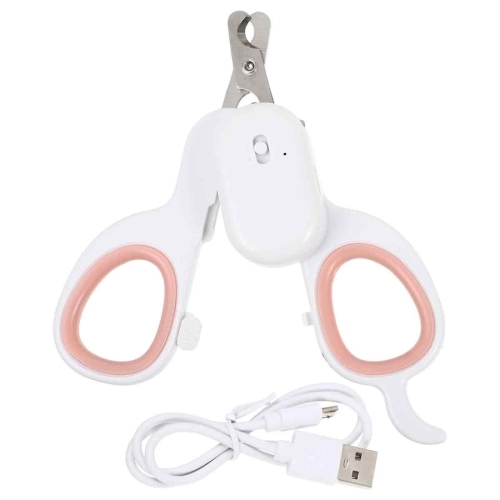
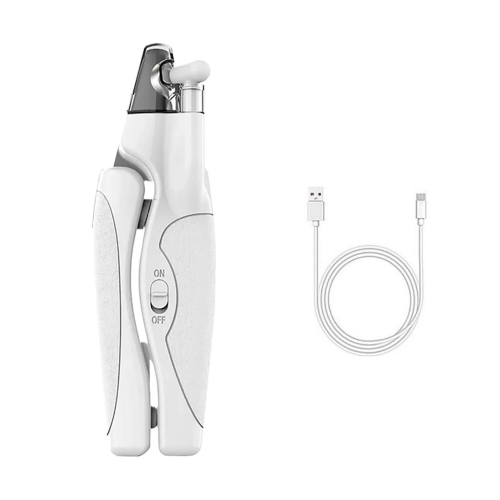
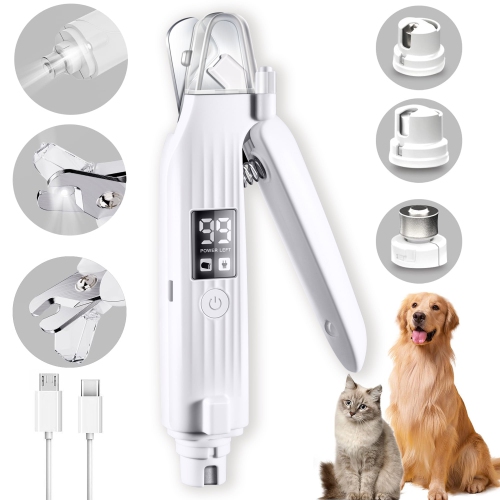
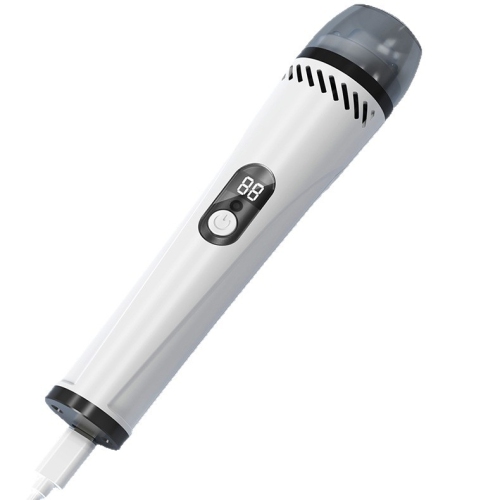
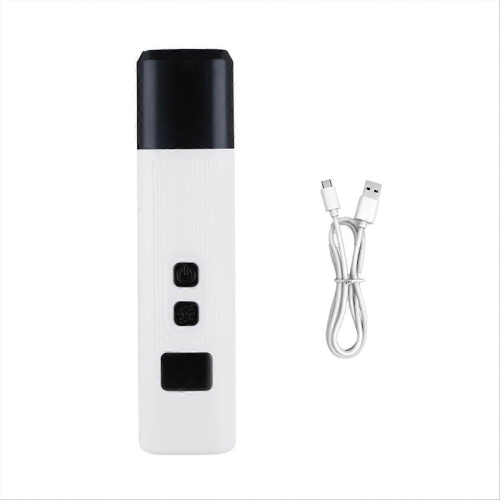
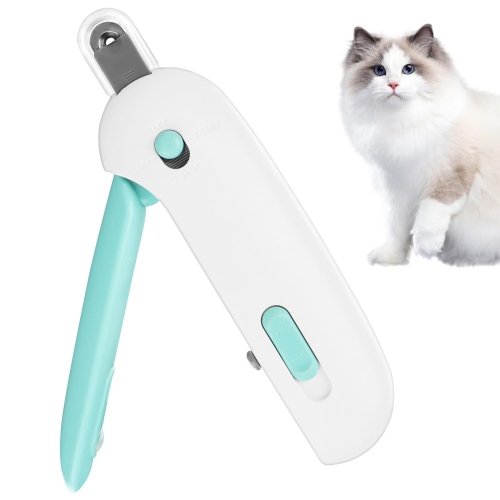
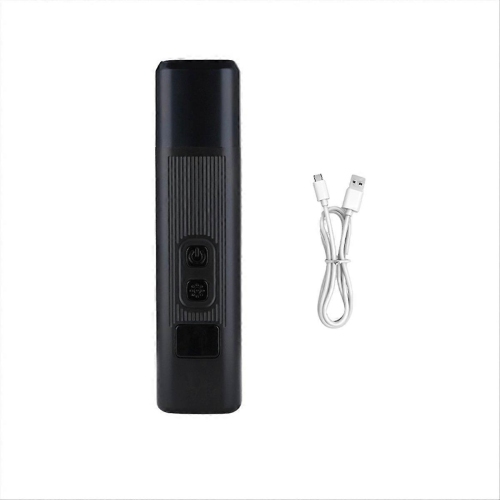
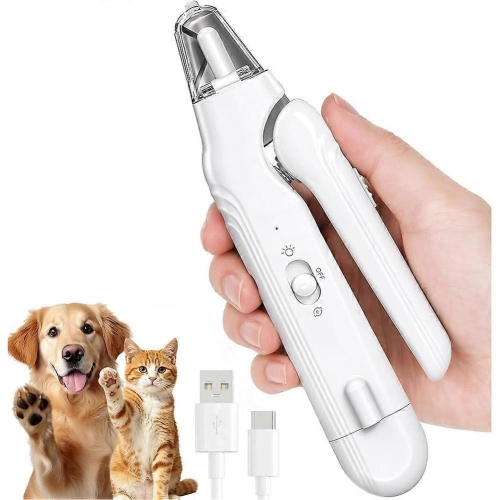
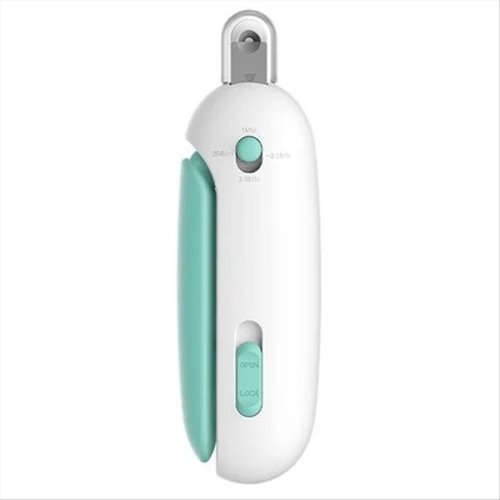
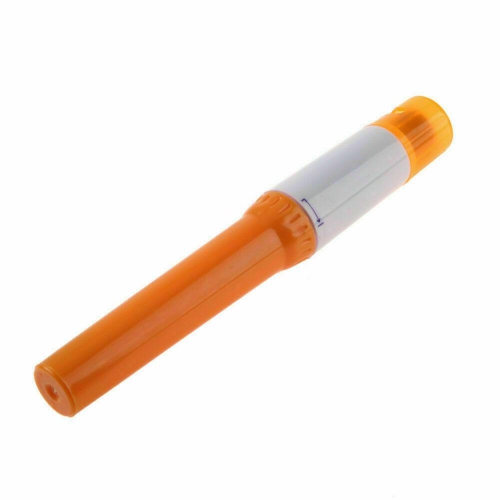
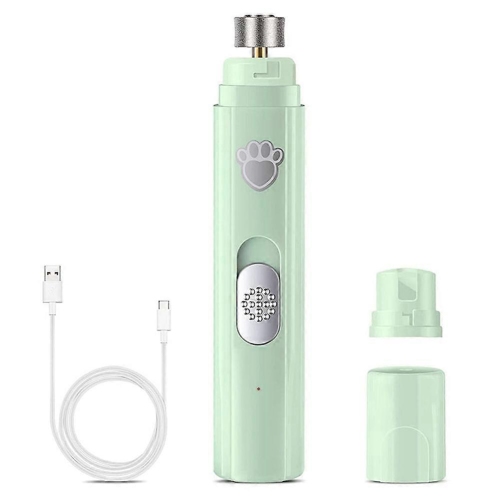
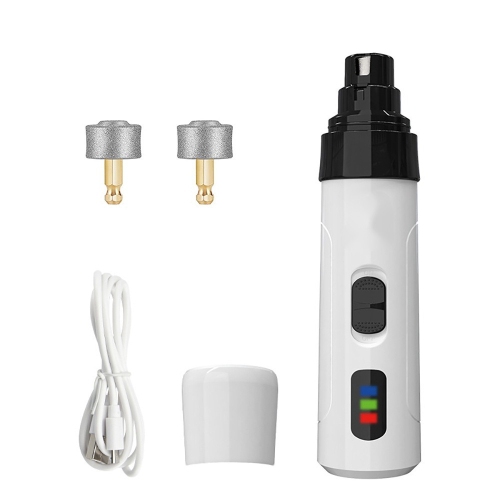
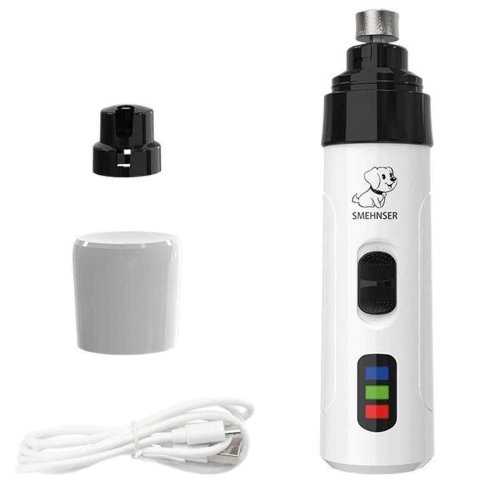
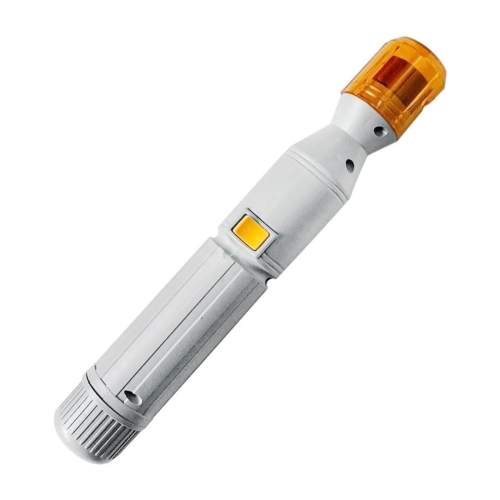
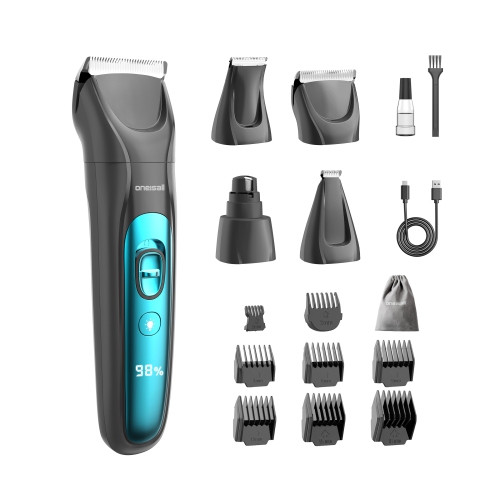
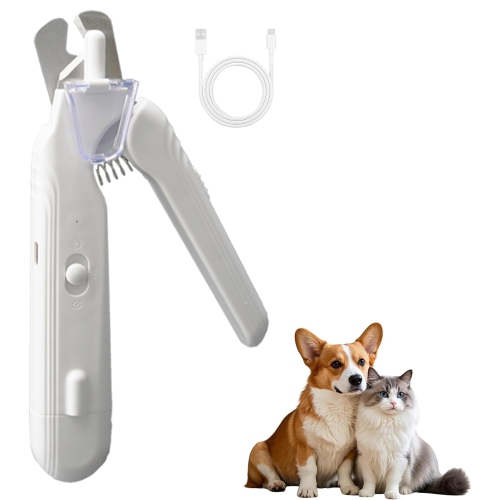
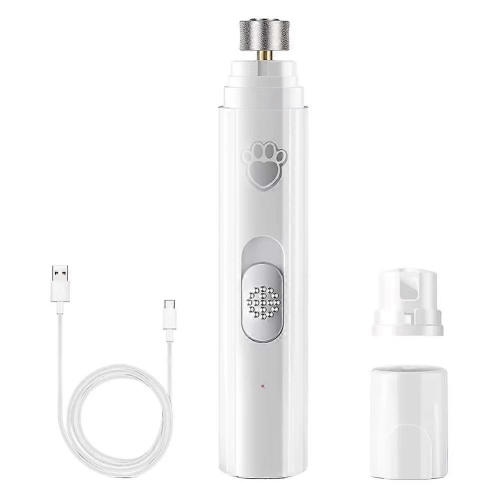
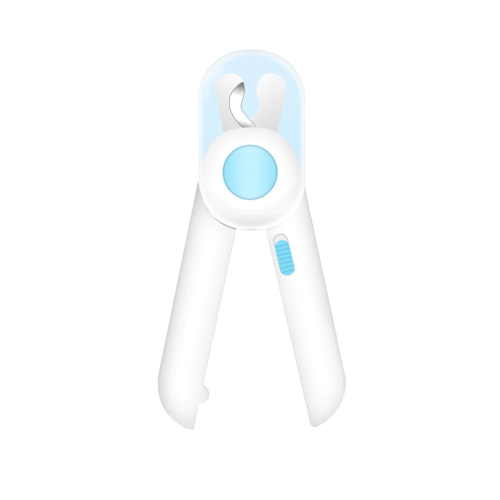
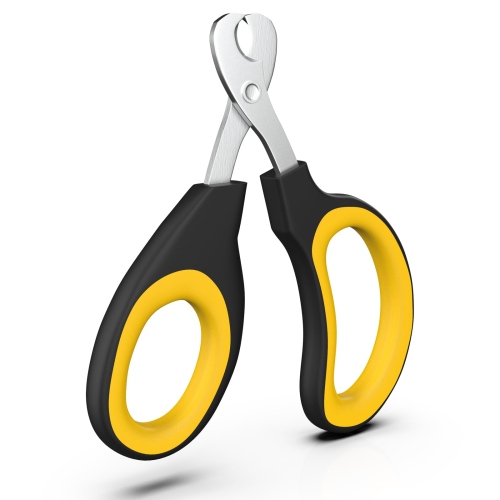
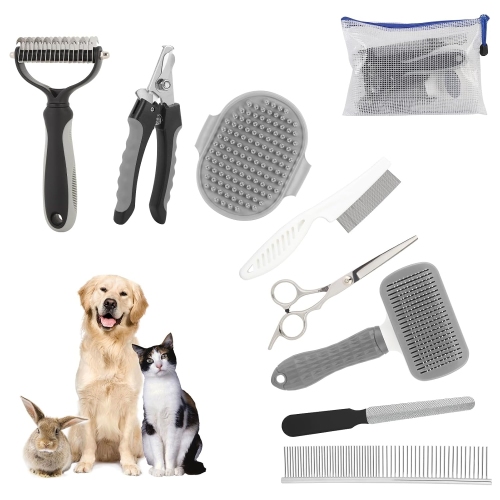
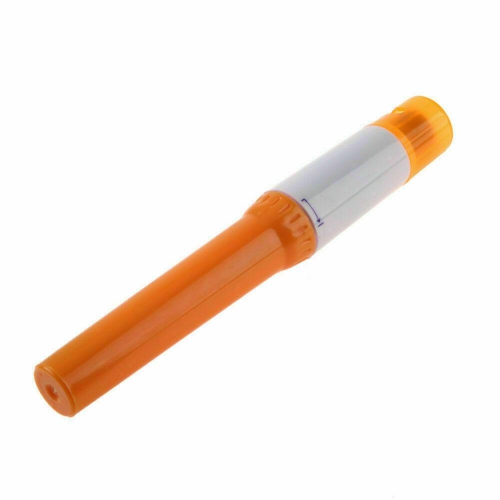
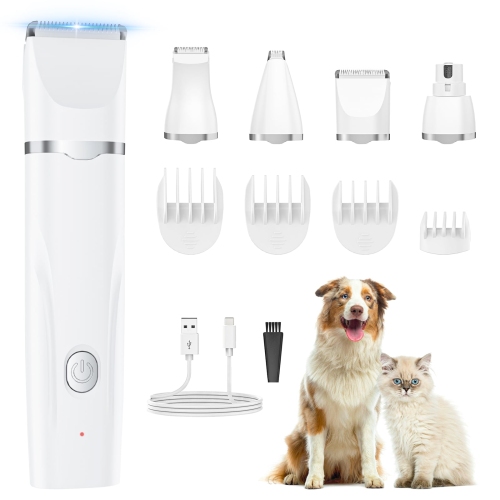
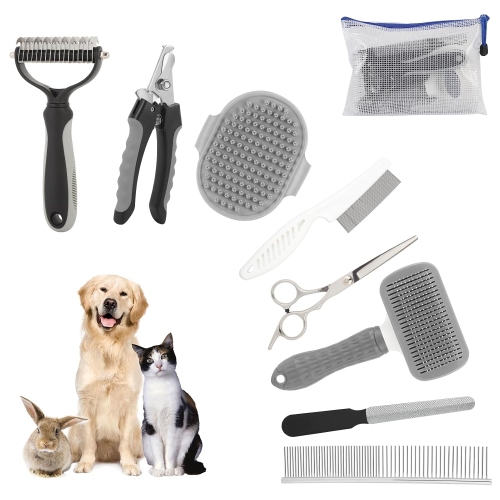

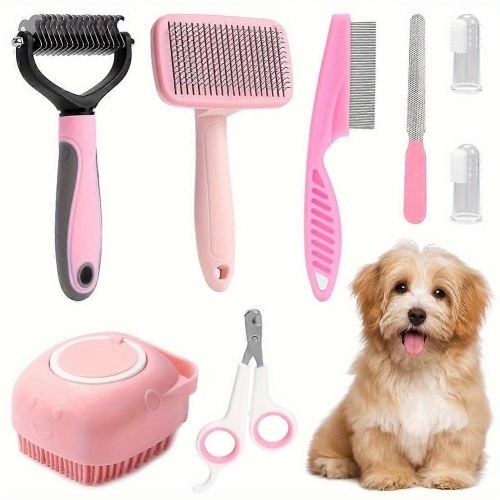
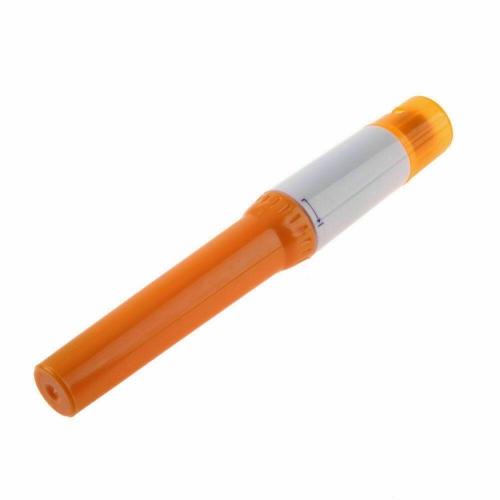
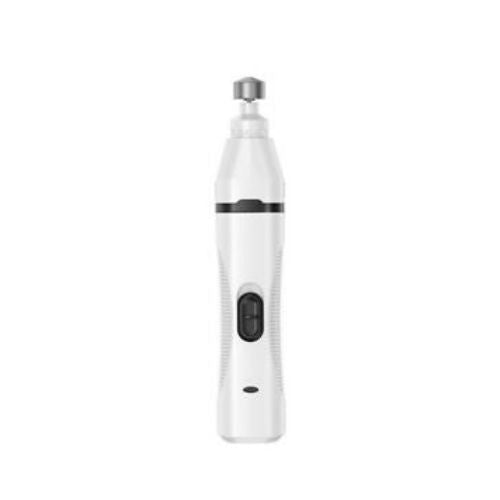
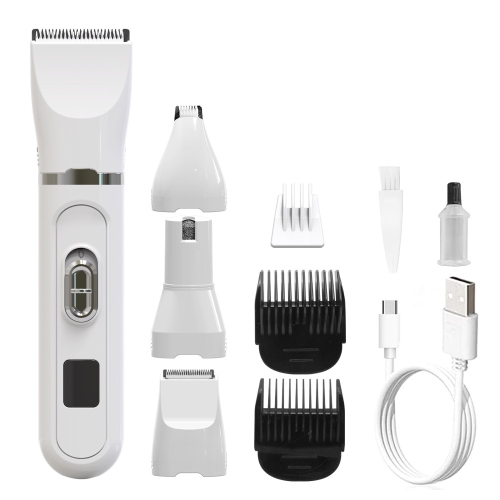
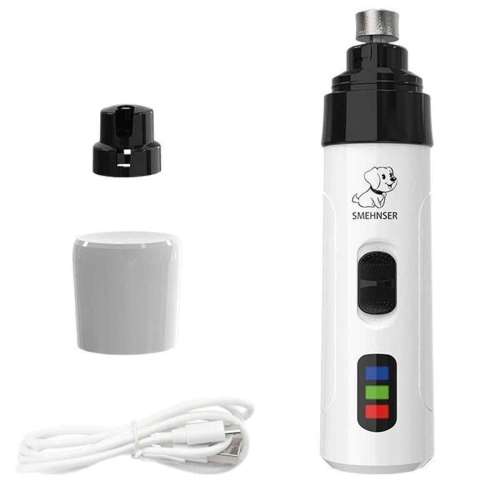
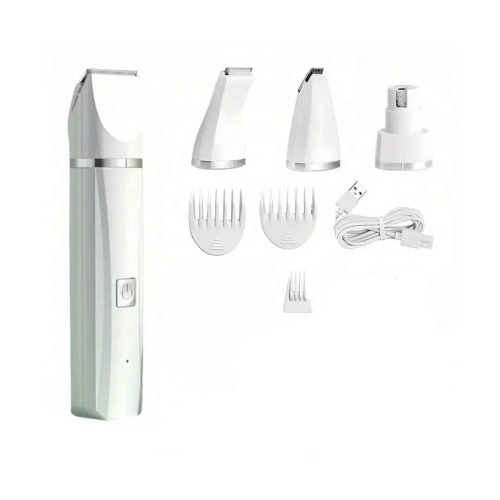
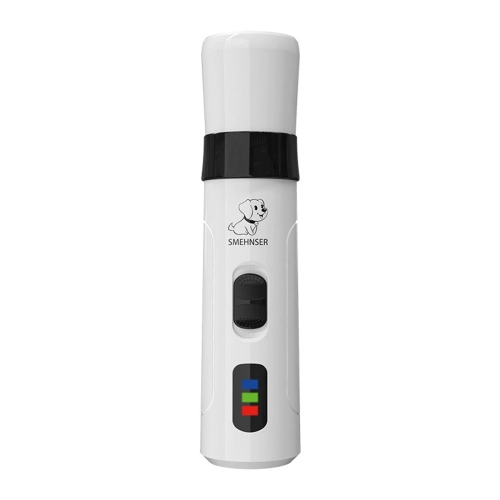
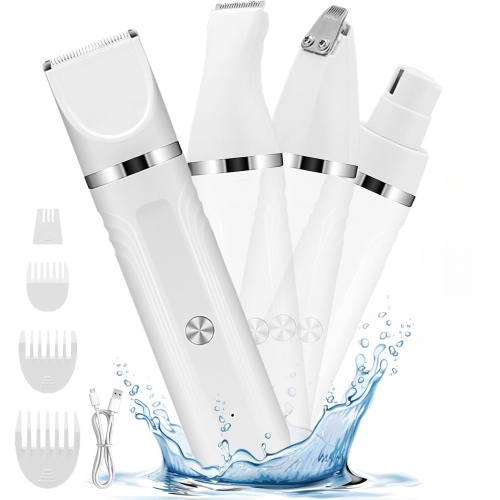
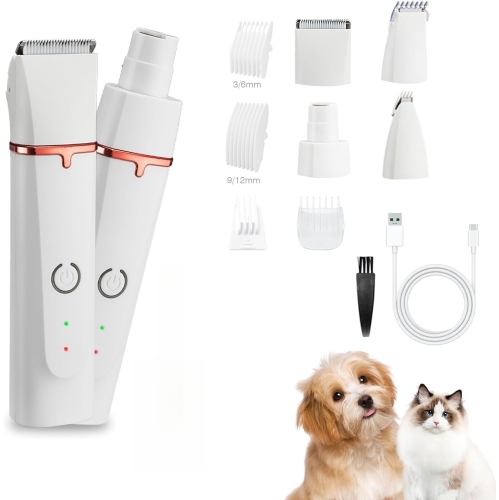
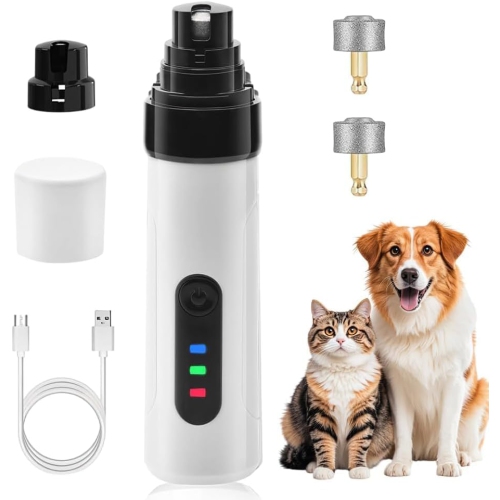
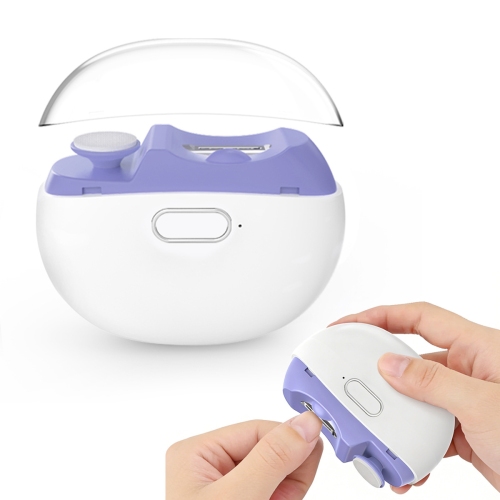
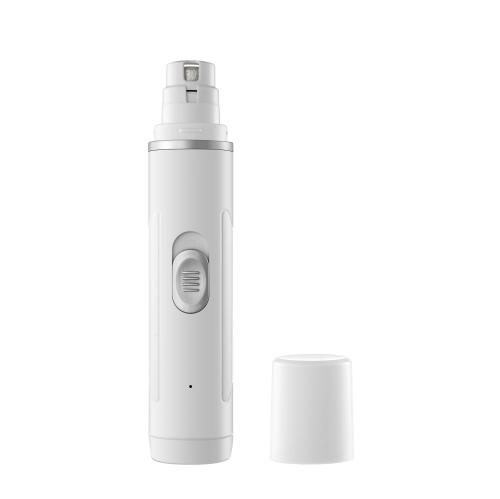
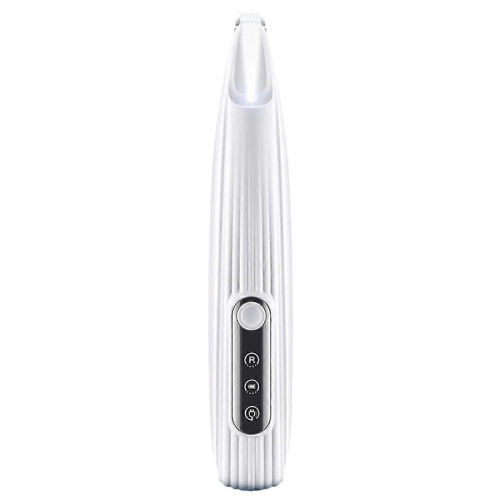
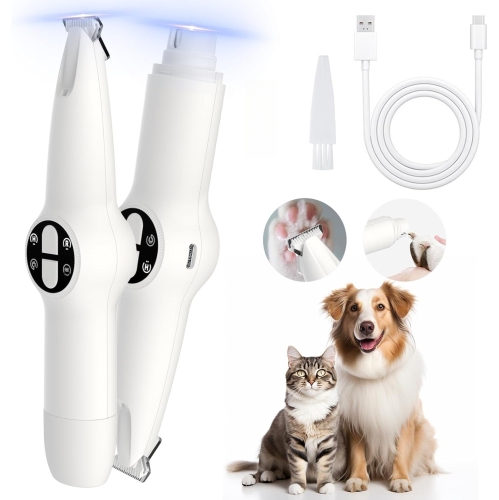
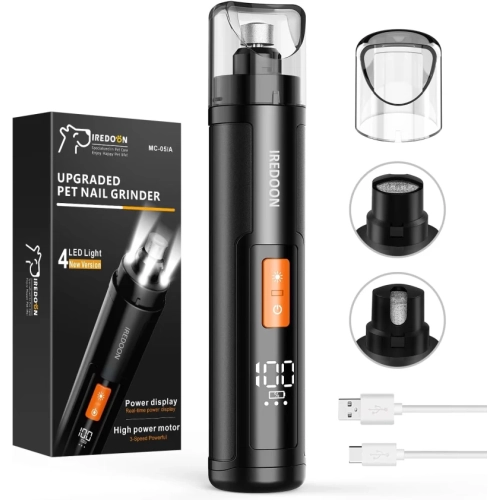
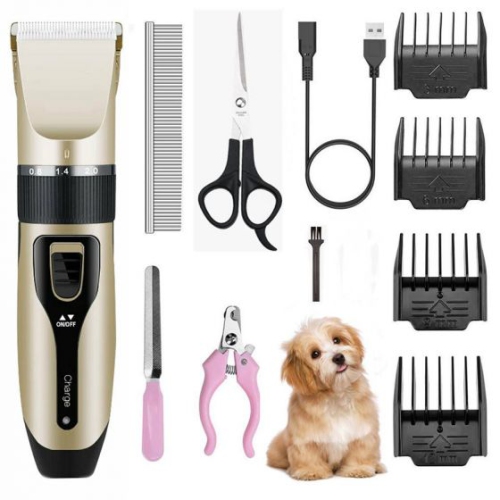
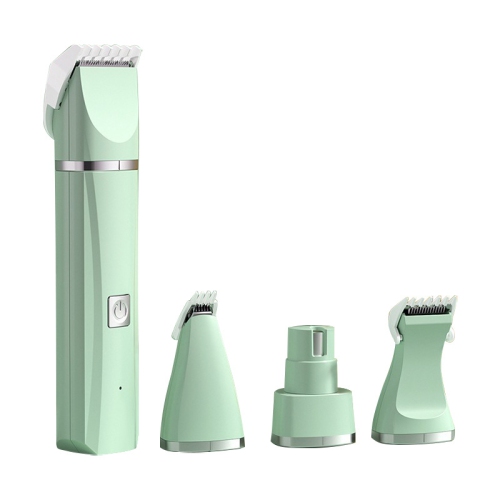
The right tools support calmer at-home nail care
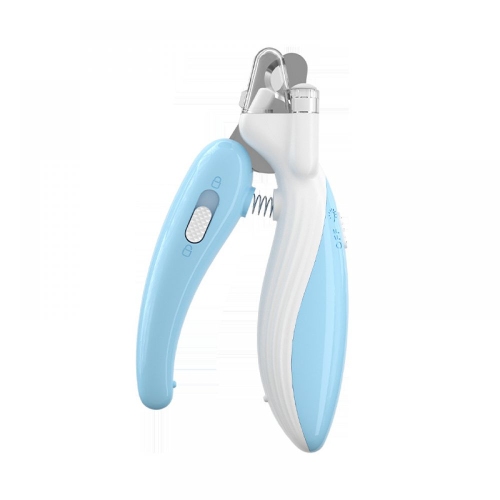
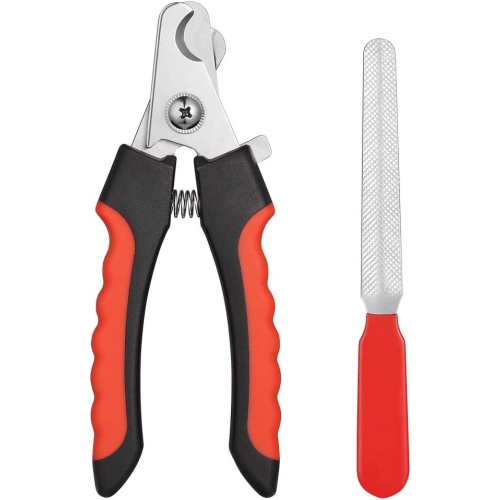
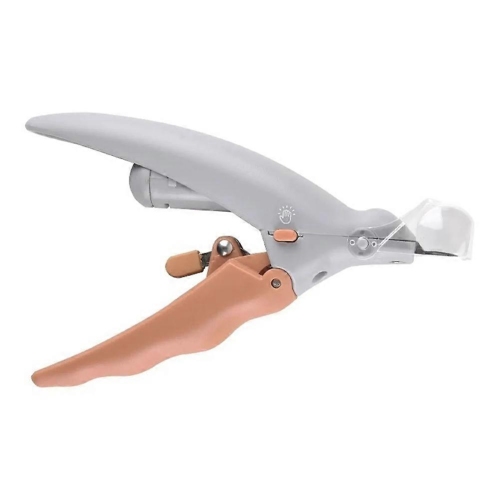
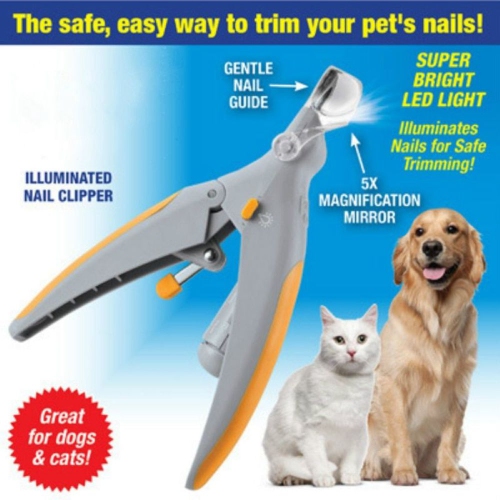
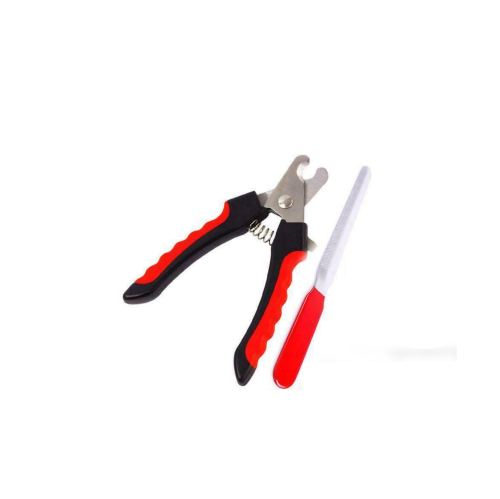
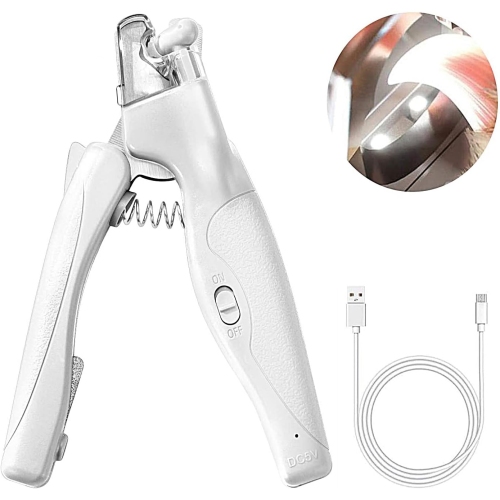
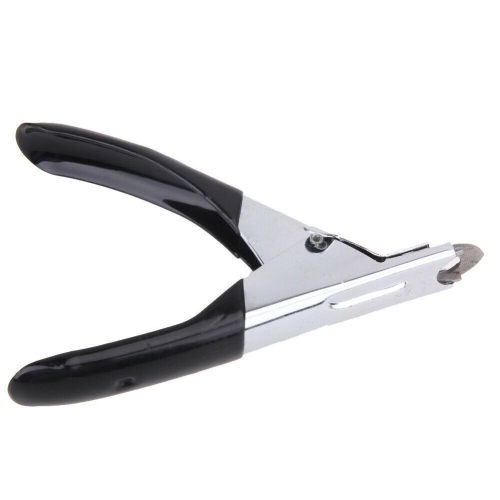
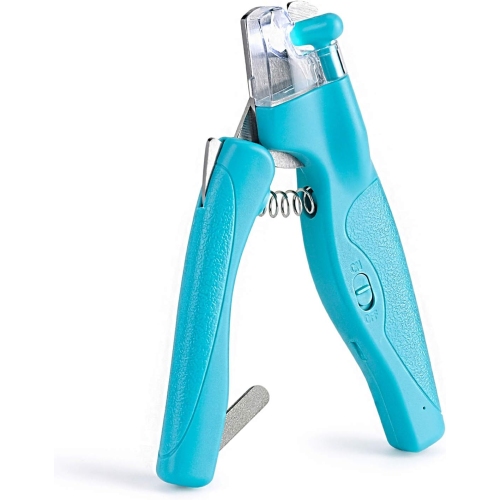
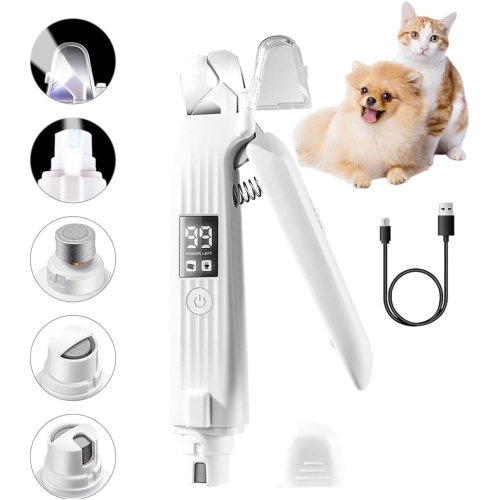
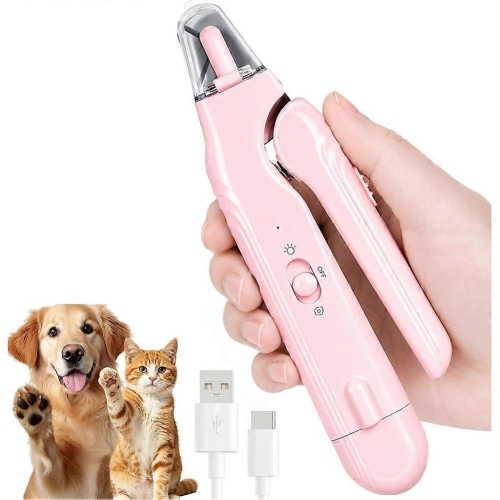
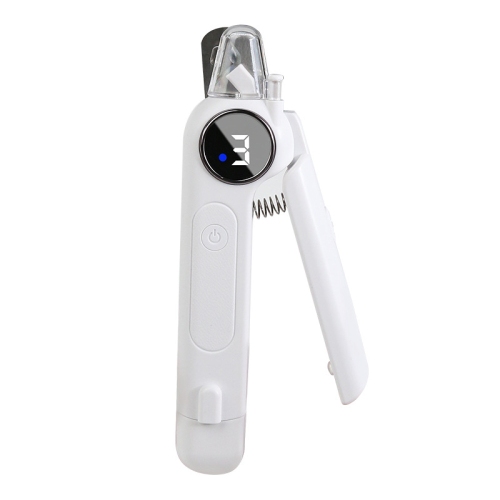
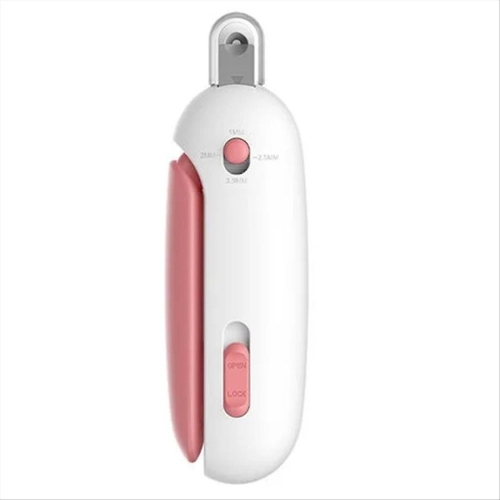
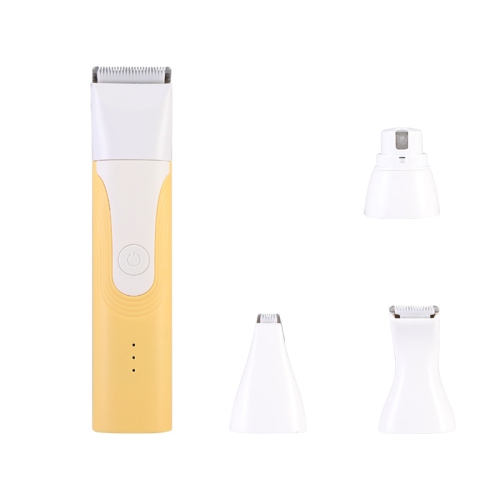
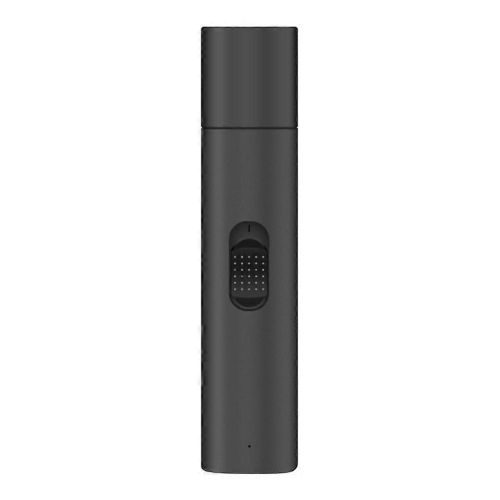
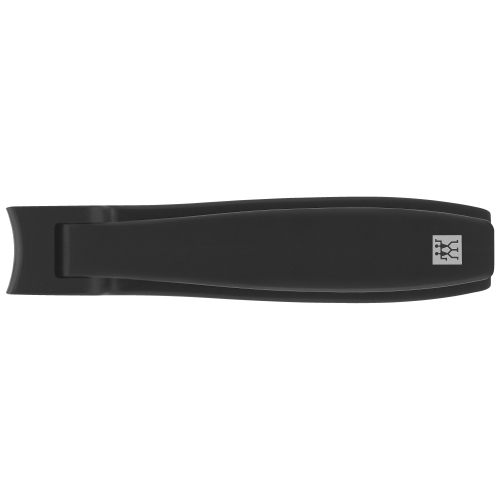
Dog nail clippers are useful grooming tools for keeping a dog’s nails at a comfortable length between professional appointments. Long nails can catch on carpet, blankets, and outdoor surfaces, while also changing the way a dog places its feet when walking or standing. Regular trimming can help support comfortable movement and make routine handling less stressful over time. The best dog nail clippers depend on the dog’s size, nail thickness, and temperament. Scissor- or plier-style clippers are a popular choice for medium and large dogs, particularly those with thick, strong nails. Their handles provide leverage and control, allowing you to make a firm, clean cut without repeatedly squeezing the tool. Guillotine-style clippers have a small opening that holds the nail while a sliding blade cuts through it, making them compact and convenient for smaller dogs or lighter grooming needs. A nail grinder uses a rotating abrasive surface to gradually file the nail rather than cutting it all at once. This can be helpful for dogs that tolerate a slow filing motion better than the pressure of a clipper, although some dogs need time to become comfortable with the sound and vibration. Look for a comfortable, non-slip handle that feels secure in your hand, especially if your dog moves suddenly. A safety guard or adjustable quick stop can help limit how much nail enters the cutting area, which may be reassuring for first-time groomers. Blade quality, opening size, ease of cleaning, and storage are also worth considering. If you care for more than one pet, choose a tool that suits the largest dog’s nails and use it carefully for smaller dogs, rather than assuming one style will be ideal for every animal. Dog nail clippers can also make a thoughtful gift for a new dog owner, a family welcoming a puppy, or anyone who regularly handles grooming at home. They pair naturally with other practical pet-care supplies and can be especially useful for people whose dogs spend time both indoors and outdoors. For cat-specific grooming needs, explore Cat Nail Clippers, as cat claws and handling requirements are different from a dog’s nails.
A calm approach is just as important as the type of dog nail clippers you choose. Begin by letting your dog see and sniff the tool without attempting to trim. Touch the paws gently, handle one toe at a time, and offer a small, high-value treat so the experience feels familiar and rewarding. Some dogs are comfortable having several nails trimmed in one session, while others do better with one or two nails followed by a break. Choose a well-lit area where you can see the nail clearly and your dog has a stable footing. Hold the paw gently but securely, separating the toe you are working on from the others. On clear or white nails, the quick is usually visible as a pinkish area inside the nail; trim only the clear tip and leave space before the quick. The quick contains blood vessels and nerves, so cutting into it can cause pain and bleeding. Dark nails require extra patience because the quick is harder to see. Make small cuts from the tip, checking the centre of the freshly trimmed surface as you go. A lighter, chalky appearance may be followed by a darker central spot as you approach the quick, which is a signal to stop. Never rush through a dark nail simply to match the length of the others. Keep styptic powder nearby in case the quick is nicked; cornstarch may also be used as a temporary alternative when appropriate, but a pet first-aid supply designed to help stop minor nail bleeding is preferable. Apply gentle pressure according to the product directions and contact a veterinarian if bleeding does not stop or the injury appears significant. If you use a grinder, introduce it gradually by turning it on away from your dog before bringing it near the paw. File in brief intervals to avoid heat buildup, and pause often to check the nail and your dog’s comfort. A grinder can smooth sharp edges after clipping, but it still requires care around the quick, paw pads, and surrounding fur.
The most successful home grooming routine is predictable, brief, and tailored to the individual dog. Puppies may need several gentle practice sessions before their first full trim, while older dogs may have stiff joints, sensitive paws, or years of uneasiness around grooming tools. Dogs that have had a painful nail-trimming experience can benefit from rebuilding trust slowly, using treats, praise, and plenty of pauses rather than forcing the session. A second person can help by offering rewards or keeping the dog relaxed, but the paw should never be restrained so tightly that the dog struggles or panics. Trim after a walk or play session if your dog is naturally calmer then, and keep the tool within easy reach so grooming does not become a rushed task. Outdoor activity, indoor flooring, and the dog’s natural nail growth all affect how often trimming is needed. Nails should be checked regularly, including the dewclaws, which may not wear down through ordinary walking. A clicking sound on hard floors, nails touching the ground while the dog stands, snagging on fabrics, or changes in gait can indicate that a trim is due. However, dogs vary, and a veterinarian or professional groomer can demonstrate a safe technique if you are unsure about nail anatomy, tool choice, or your dog’s response. With the right dog nail clippers, good lighting, steady handling, and positive reinforcement, nail care can become an ordinary part of life rather than a dramatic event. During the cooler months, when some dogs spend more time indoors and may naturally wear down their nails less through outdoor activity, regular checks can be particularly helpful. A few calm minutes at a time can keep paws comfortable and help your dog associate grooming with reassurance, patience, and a well-earned treat.
A calm approach is just as important as the type of dog nail clippers you choose. Begin by letting your dog see and sniff the tool without attempting to trim. Touch the paws gently, handle one toe at a time, and offer a small, high-value treat so the experience feels familiar and rewarding. Some dogs are comfortable having several nails trimmed in one session, while others do better with one or two nails followed by a break. Choose a well-lit area where you can see the nail clearly and your dog has a stable footing. Hold the paw gently but securely, separating the toe you are working on from the others. On clear or white nails, the quick is usually visible as a pinkish area inside the nail; trim only the clear tip and leave space before the quick. The quick contains blood vessels and nerves, so cutting into it can cause pain and bleeding. Dark nails require extra patience because the quick is harder to see. Make small cuts from the tip, checking the centre of the freshly trimmed surface as you go. A lighter, chalky appearance may be followed by a darker central spot as you approach the quick, which is a signal to stop. Never rush through a dark nail simply to match the length of the others. Keep styptic powder nearby in case the quick is nicked; cornstarch may also be used as a temporary alternative when appropriate, but a pet first-aid supply designed to help stop minor nail bleeding is preferable. Apply gentle pressure according to the product directions and contact a veterinarian if bleeding does not stop or the injury appears significant. If you use a grinder, introduce it gradually by turning it on away from your dog before bringing it near the paw. File in brief intervals to avoid heat buildup, and pause often to check the nail and your dog’s comfort. A grinder can smooth sharp edges after clipping, but it still requires care around the quick, paw pads, and surrounding fur.
The most successful home grooming routine is predictable, brief, and tailored to the individual dog. Puppies may need several gentle practice sessions before their first full trim, while older dogs may have stiff joints, sensitive paws, or years of uneasiness around grooming tools. Dogs that have had a painful nail-trimming experience can benefit from rebuilding trust slowly, using treats, praise, and plenty of pauses rather than forcing the session. A second person can help by offering rewards or keeping the dog relaxed, but the paw should never be restrained so tightly that the dog struggles or panics. Trim after a walk or play session if your dog is naturally calmer then, and keep the tool within easy reach so grooming does not become a rushed task. Outdoor activity, indoor flooring, and the dog’s natural nail growth all affect how often trimming is needed. Nails should be checked regularly, including the dewclaws, which may not wear down through ordinary walking. A clicking sound on hard floors, nails touching the ground while the dog stands, snagging on fabrics, or changes in gait can indicate that a trim is due. However, dogs vary, and a veterinarian or professional groomer can demonstrate a safe technique if you are unsure about nail anatomy, tool choice, or your dog’s response. With the right dog nail clippers, good lighting, steady handling, and positive reinforcement, nail care can become an ordinary part of life rather than a dramatic event. During the cooler months, when some dogs spend more time indoors and may naturally wear down their nails less through outdoor activity, regular checks can be particularly helpful. A few calm minutes at a time can keep paws comfortable and help your dog associate grooming with reassurance, patience, and a well-earned treat.
Top selling and popular products
-
 Your price for this item is $52.99
 -
 Your price for this item is $159.99
 -
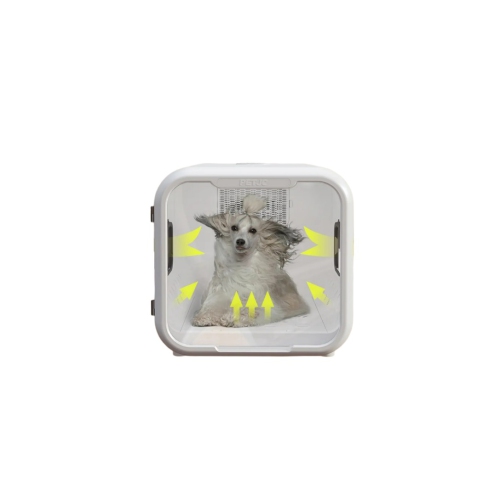 Your price for this item is $329.99
 -
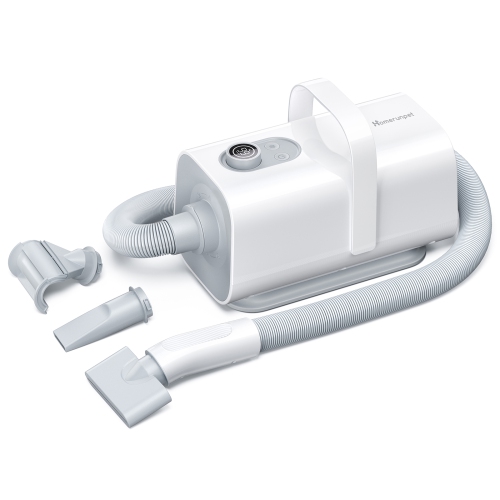 Your price for this item is $189.99
 -
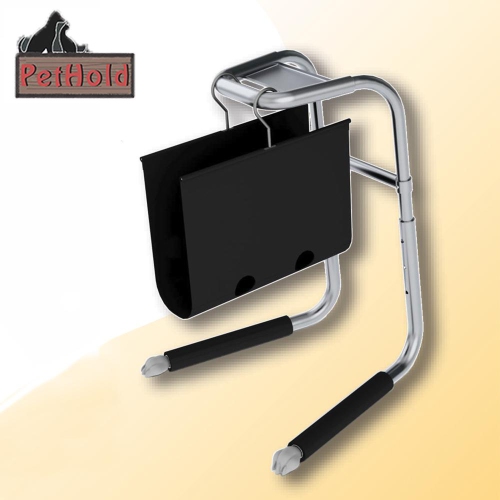 Your price for this item is $115
 -
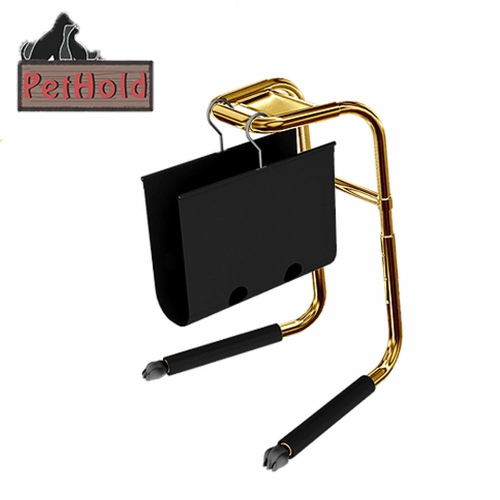 Your price for this item is $125
 -
 Your price for this item is $46.99
 -
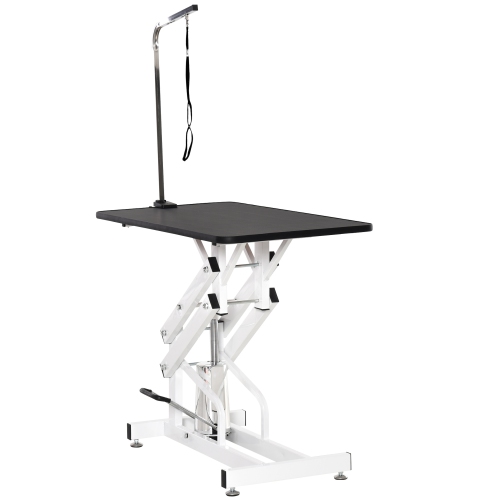 Your price for this item is $329.99
Discover more categories related to Dog Nail Clippers
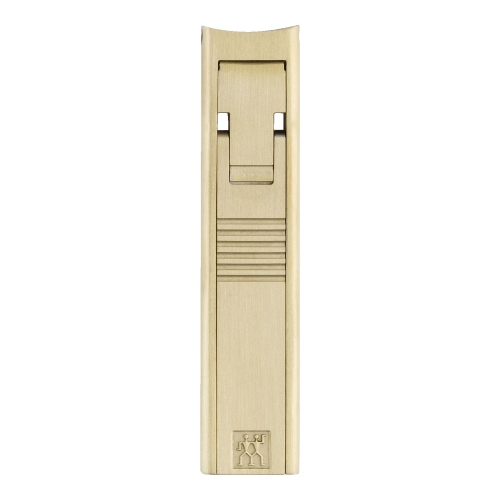
Top Collections:
Pokemon Centers, Best Cameras for Sports Photography, Kindle Devices, Samsung Galaxy Phones, Canon G7X Cameras, Pokémon 30th Celebration Cards, Refurbished Apple Laptops, iPhone 15 Apple, Laptops for Students, Budget Smartphones
Some products may be subject to Environmental Handling Fees
(EHF) depending on your province.
Learn more about EHFs.