Cat Scratchers
Cat scratchers are essential items for cat owners looking to provide their furry friends with a designated space to satisfy their natural scratching instincts. Not only do cat scratchers help protect furniture and carpets from damage, but they also promote healthy scratching behavior and provide cats with a fun and stimulating activity. Whether you have a playful kitten or a senior cat, finding the right cat scratcher can make a significant difference in your pet's overall well-being. Explore our selection of cat scratchers to find the perfect option for your feline companion.
Sort
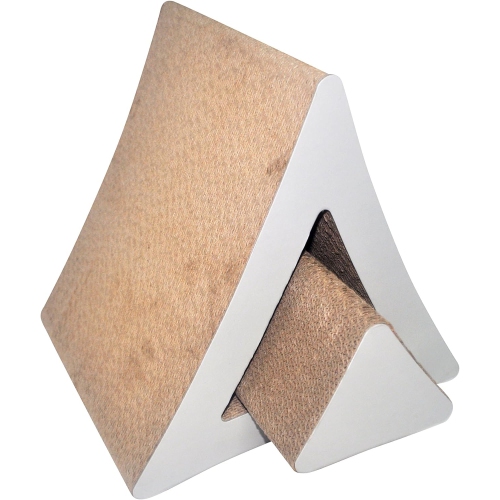
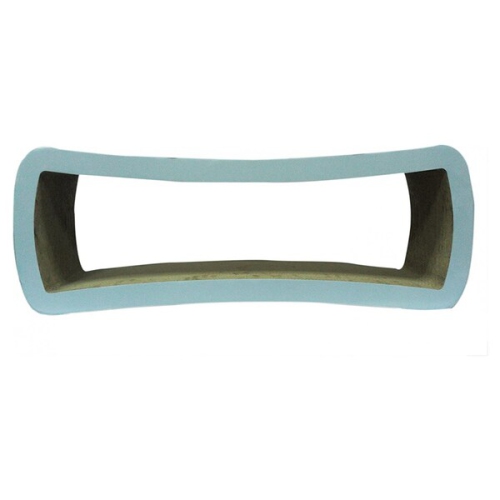
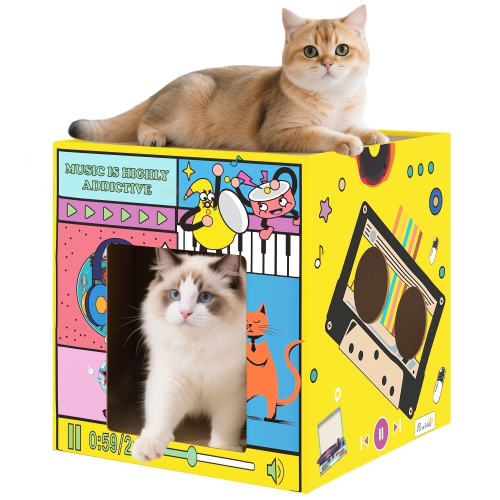

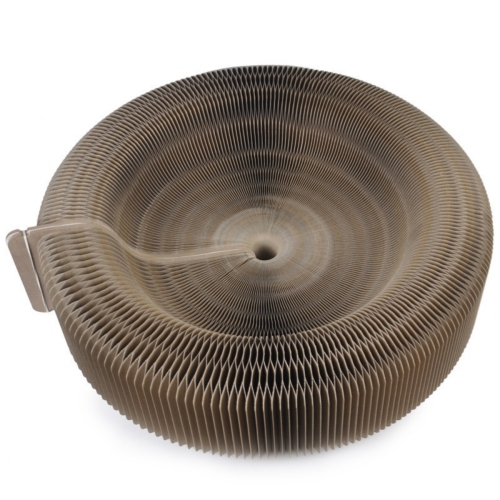



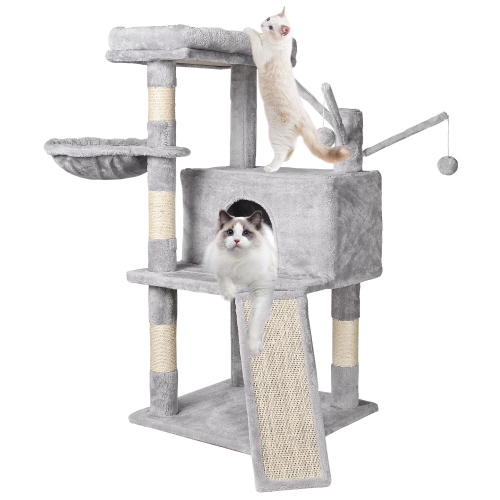
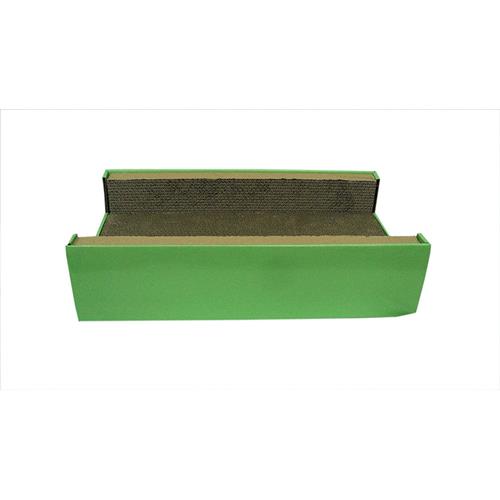
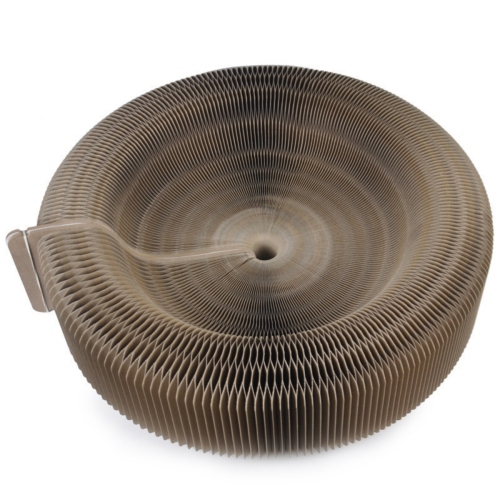
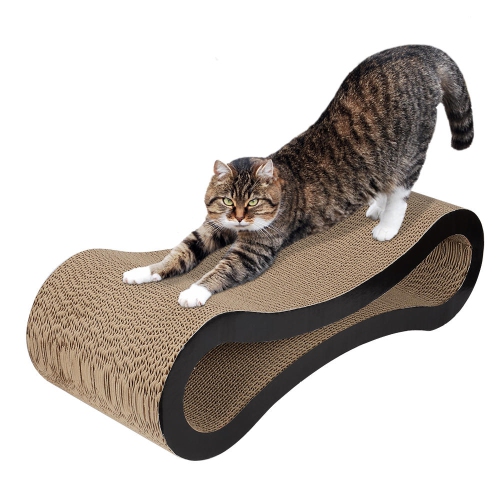

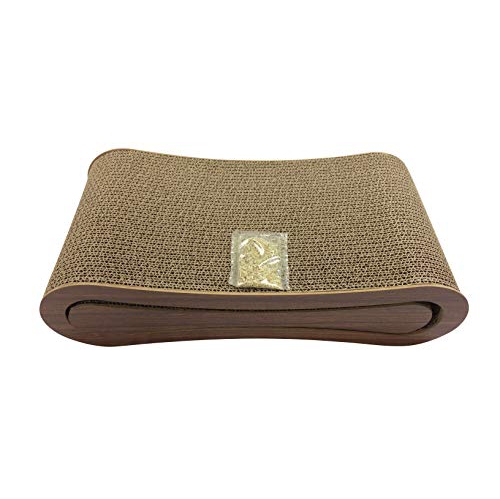

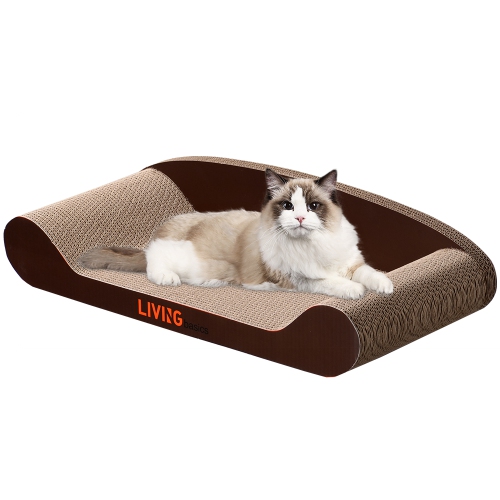

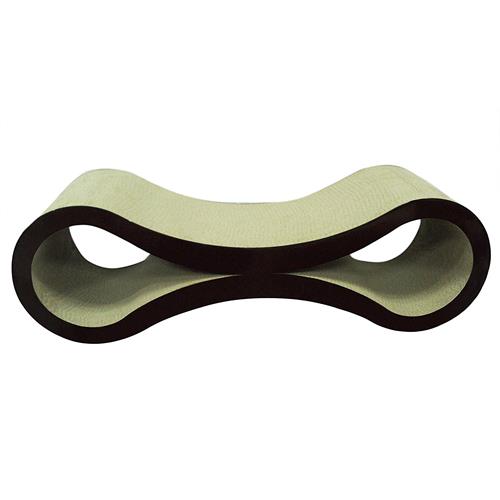
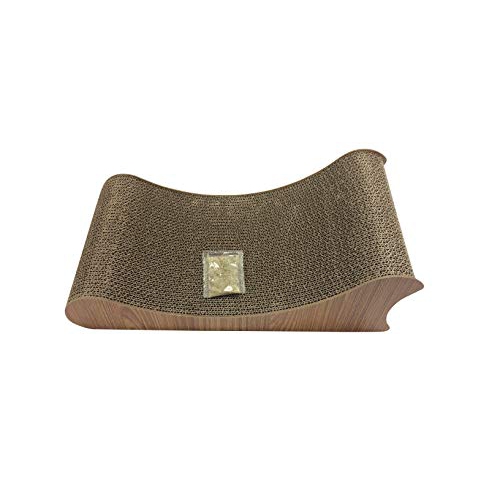





















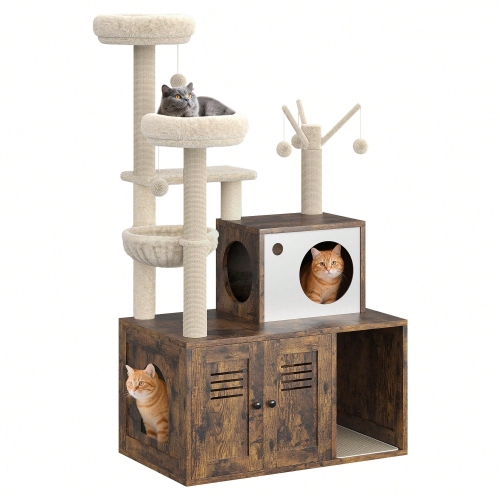


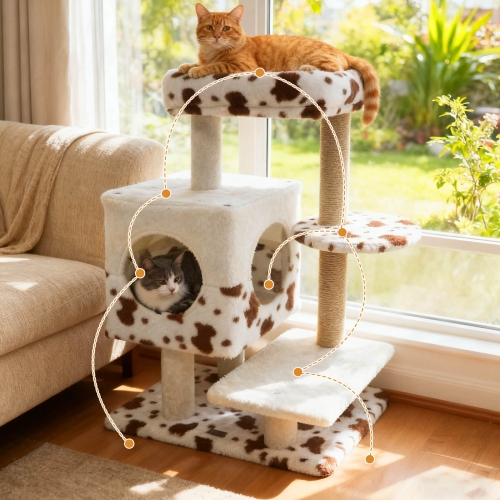


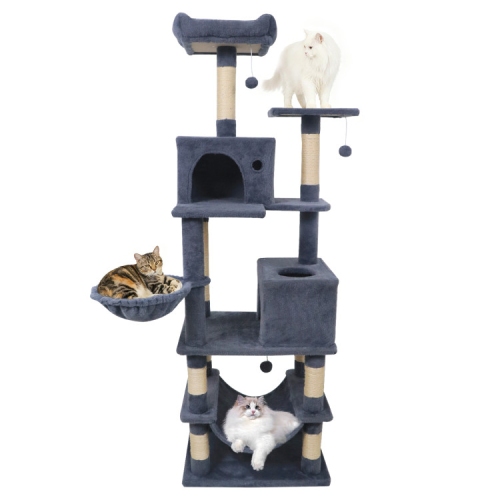




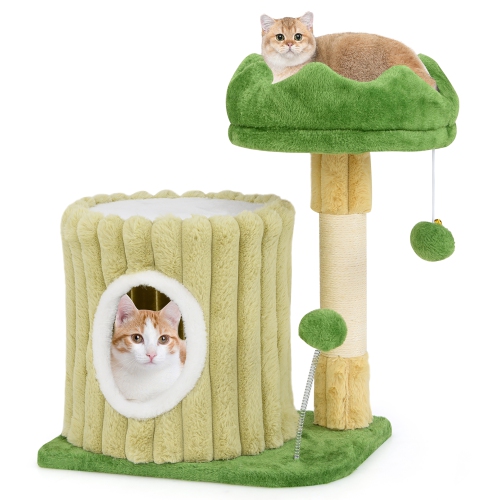


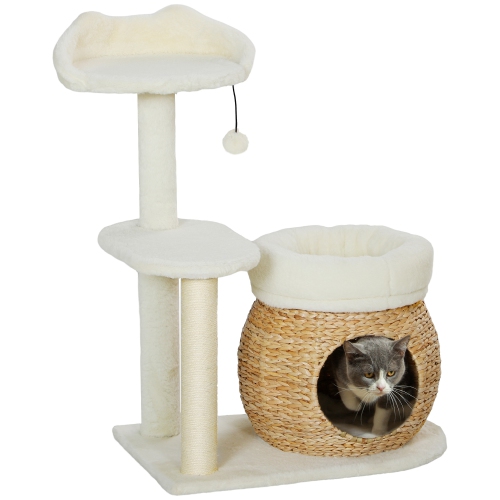

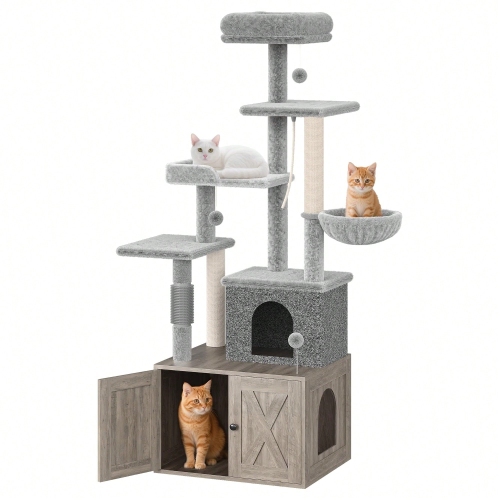
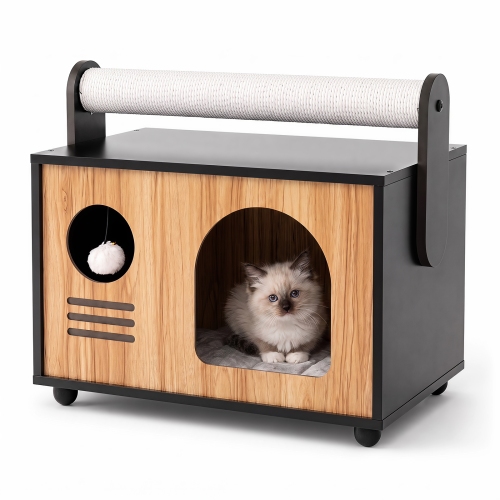

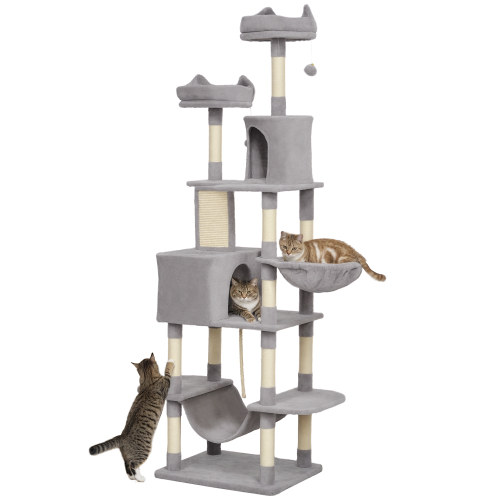
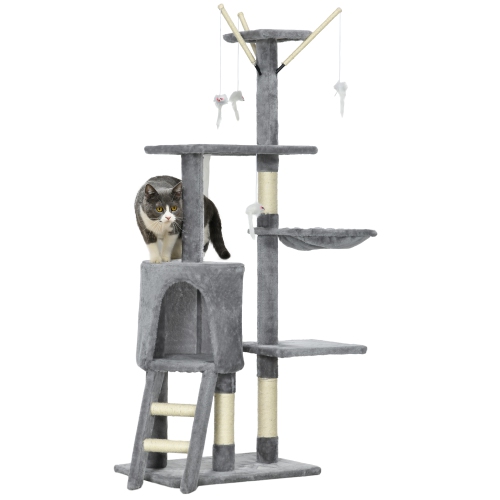
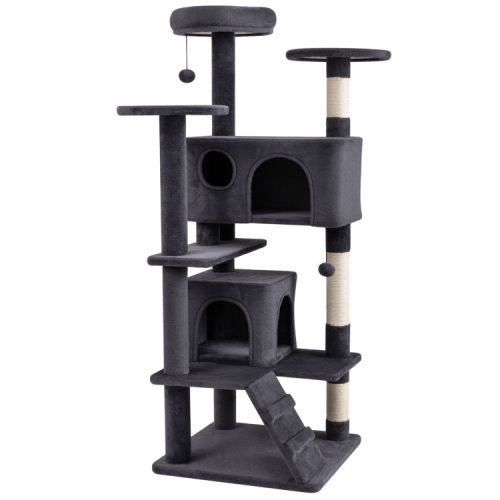
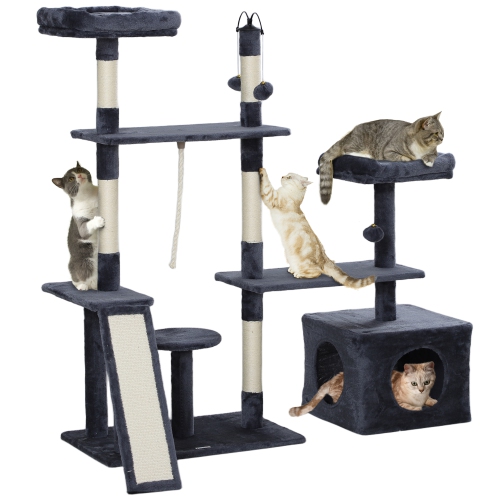


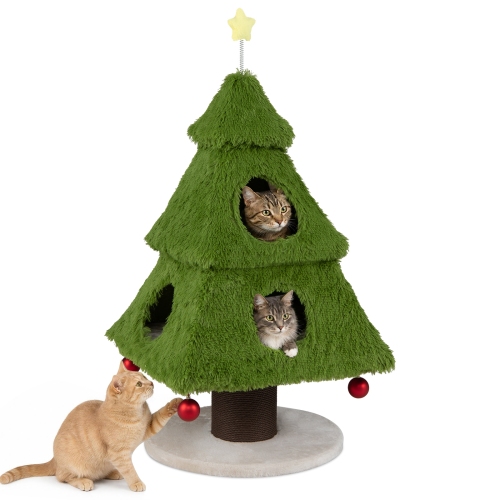
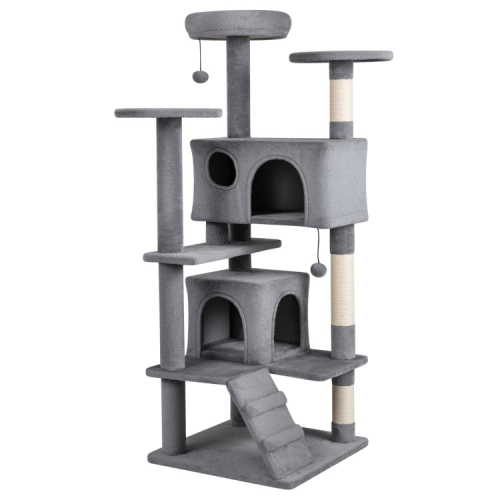
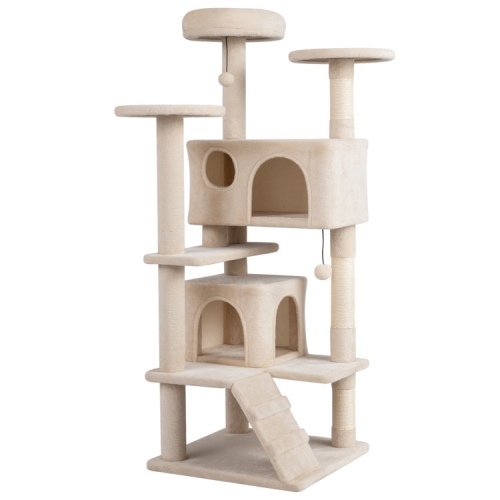

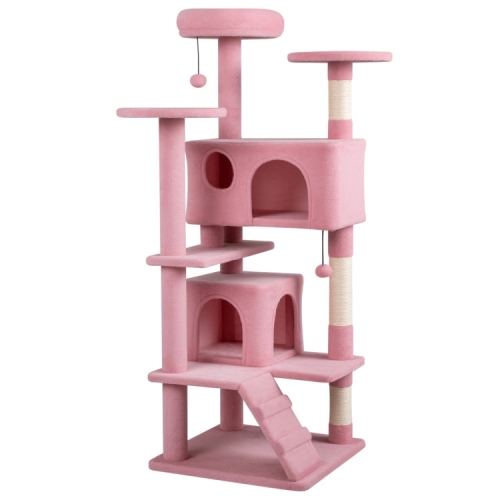
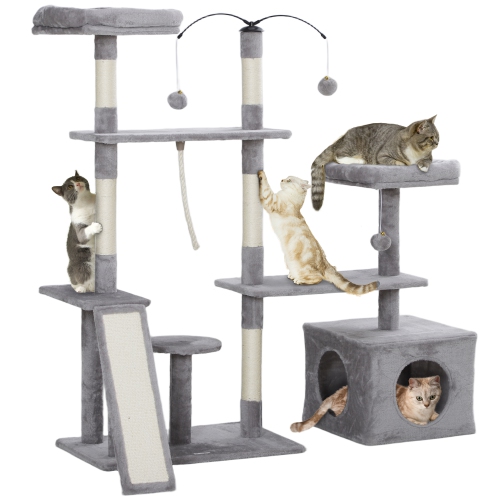
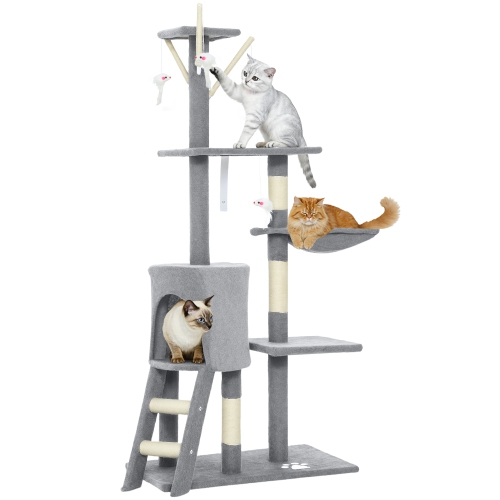
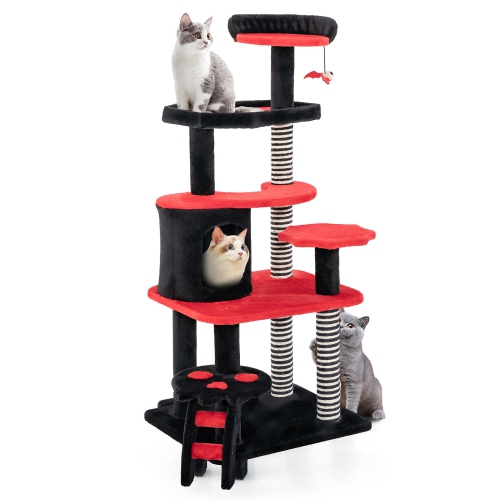
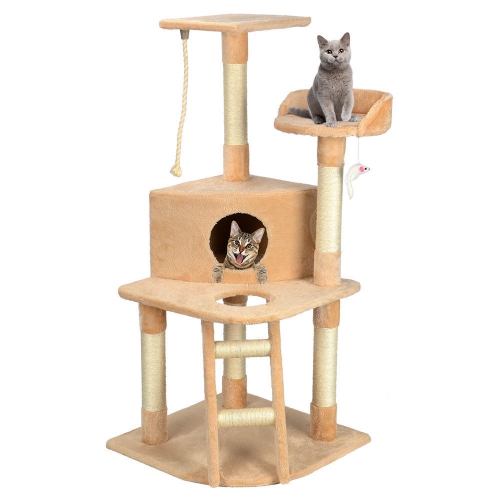

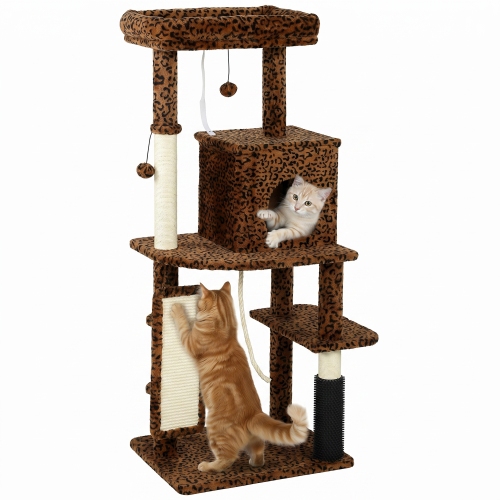
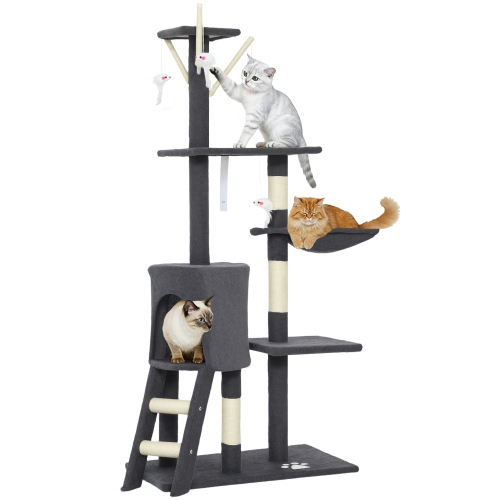
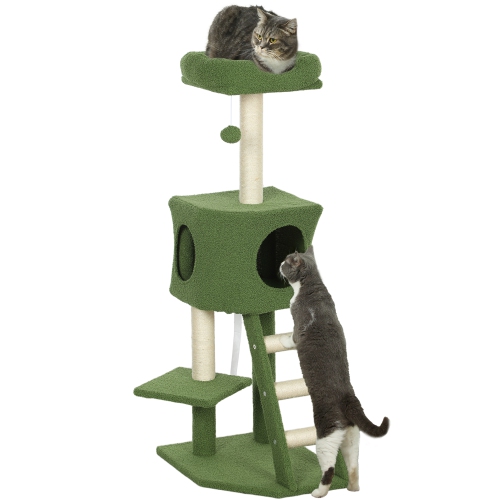
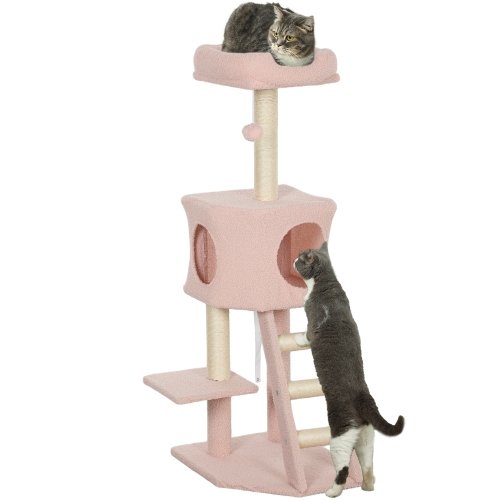

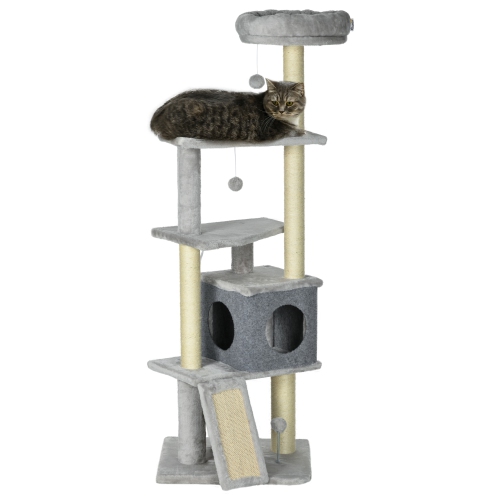
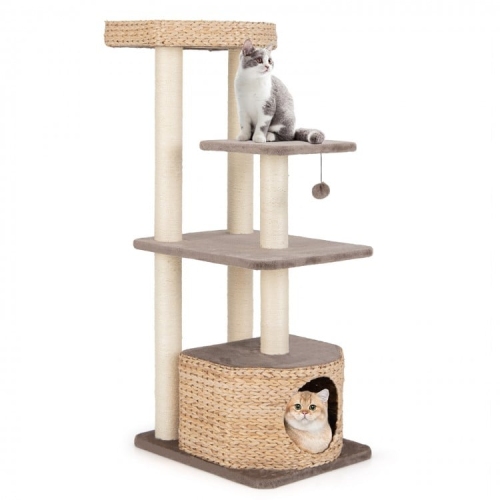
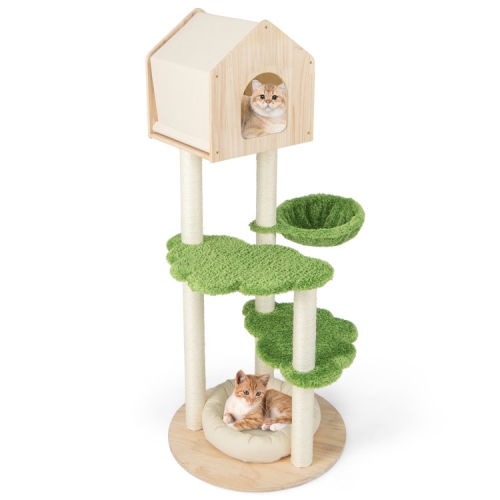

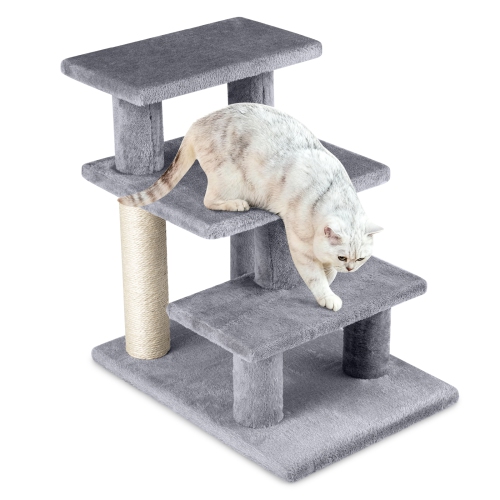

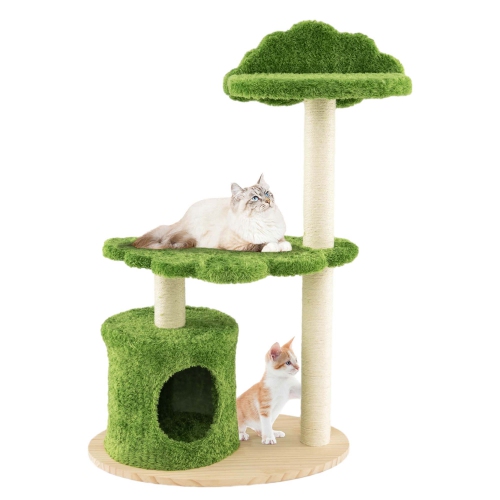
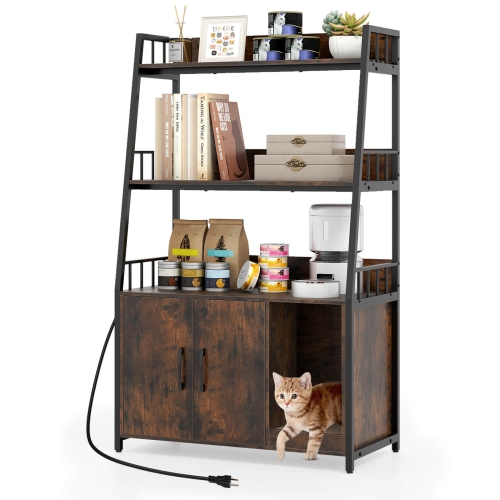

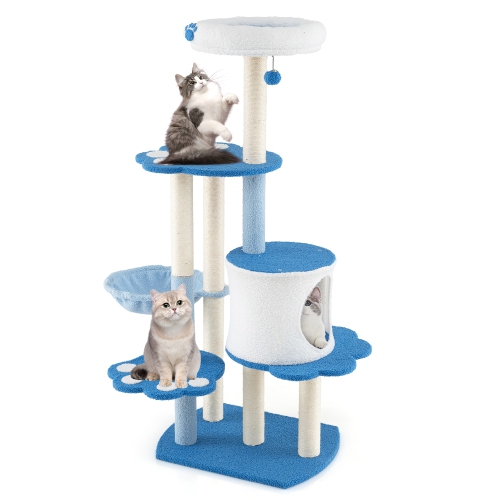
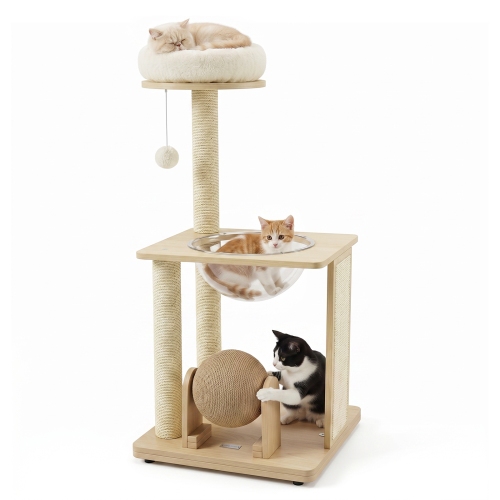
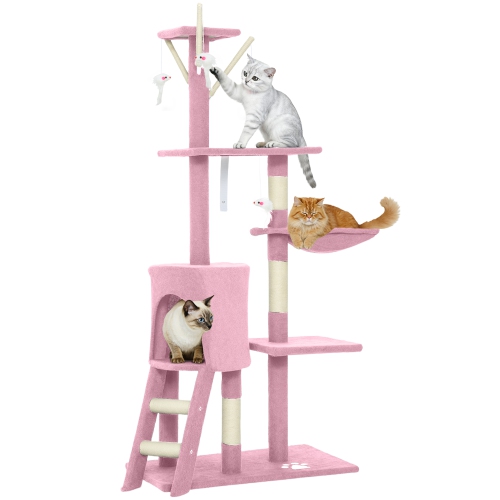
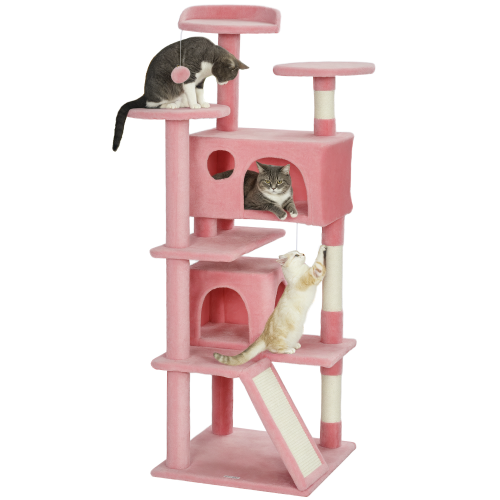
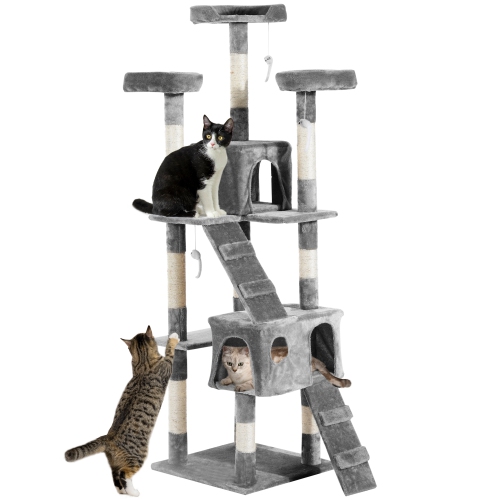

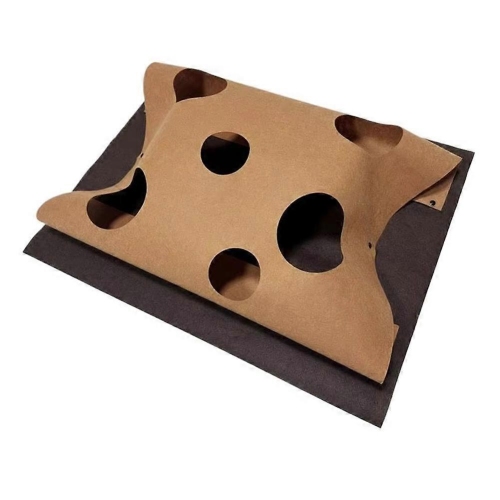






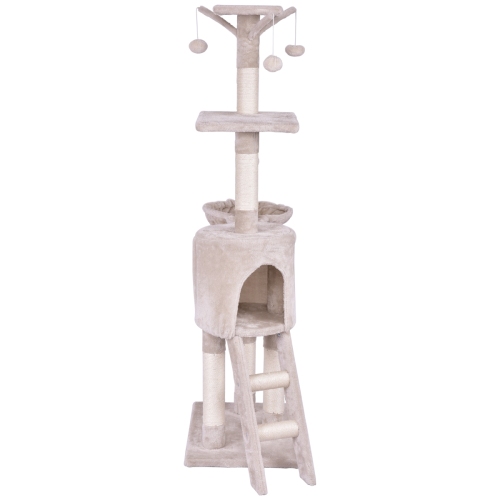

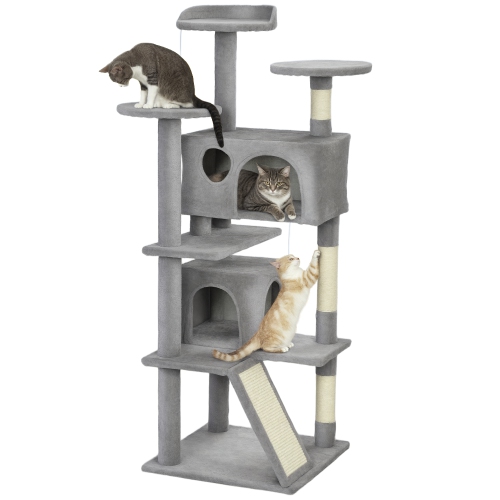

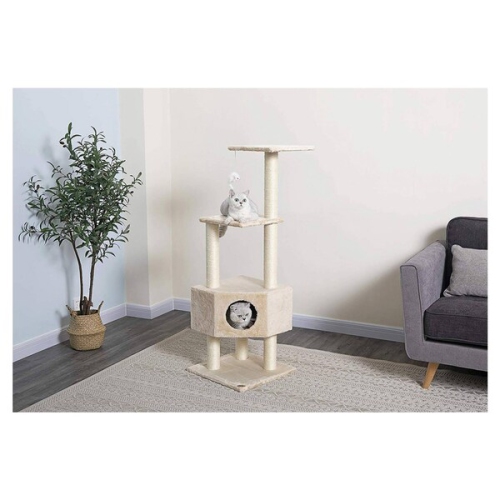
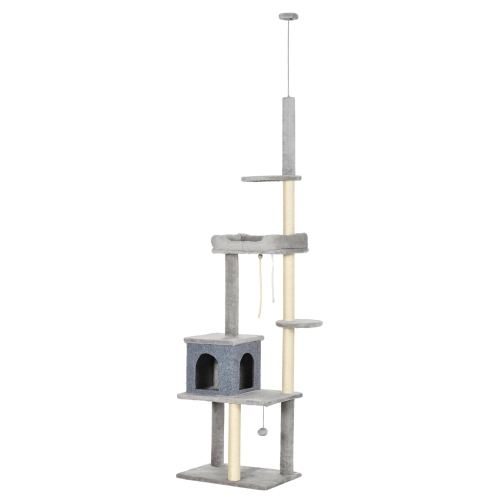
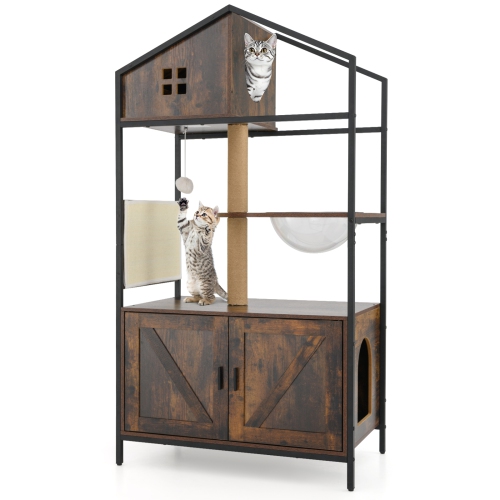
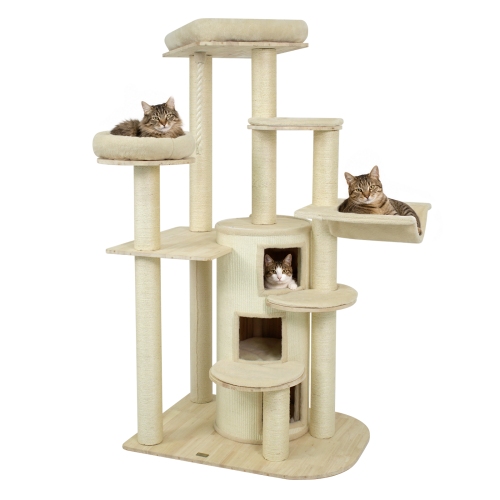
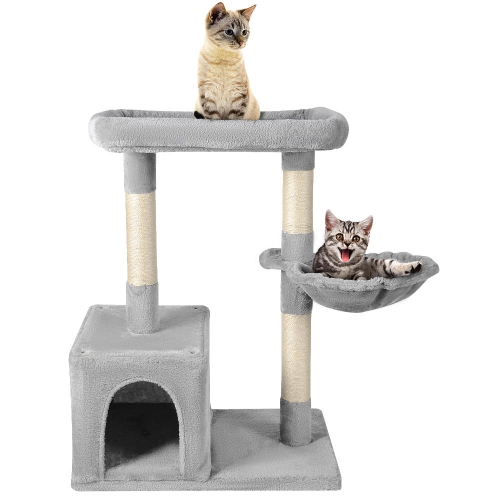
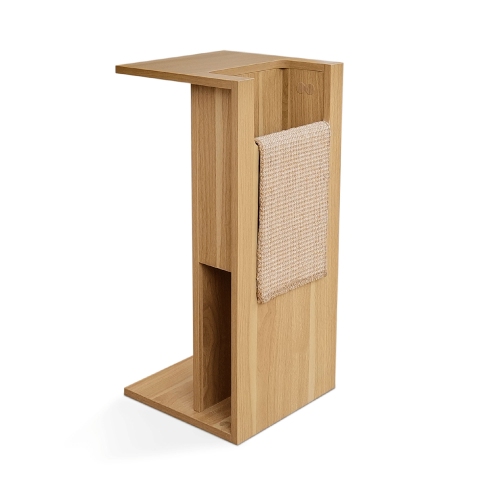

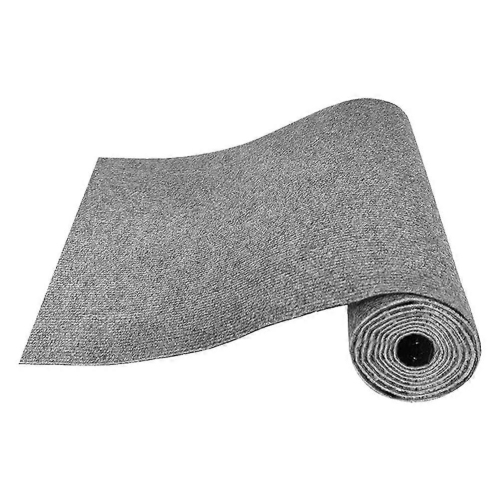

Your cat’s scratching habits point to the right surface
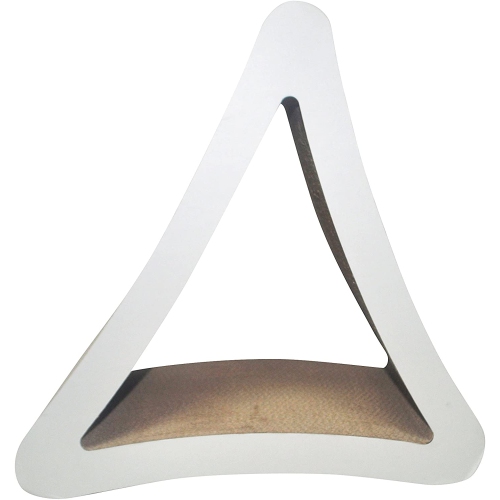
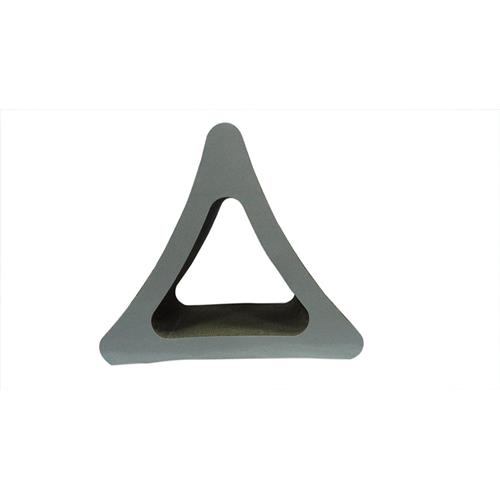
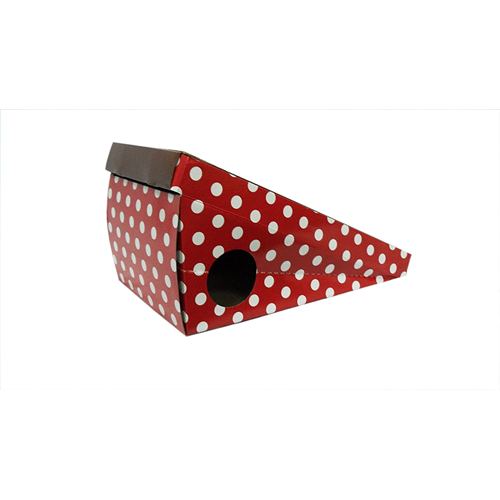
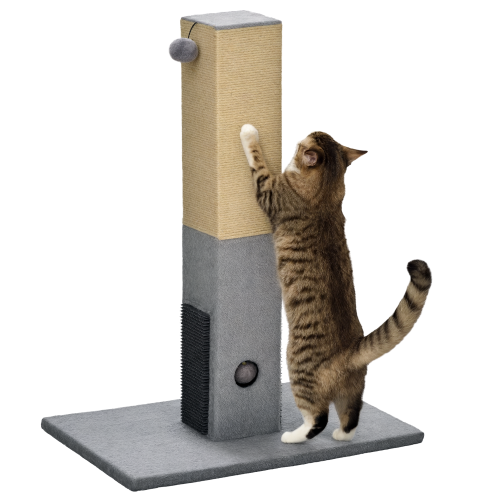
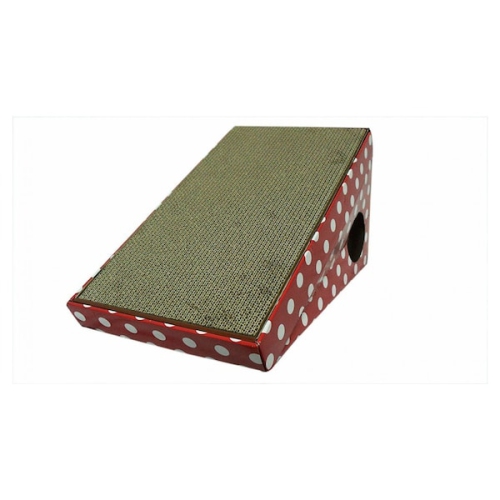
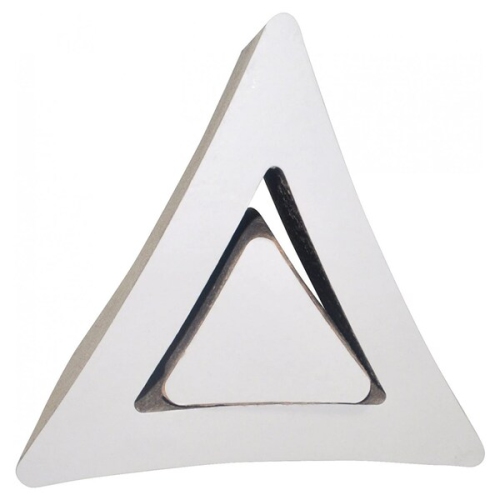
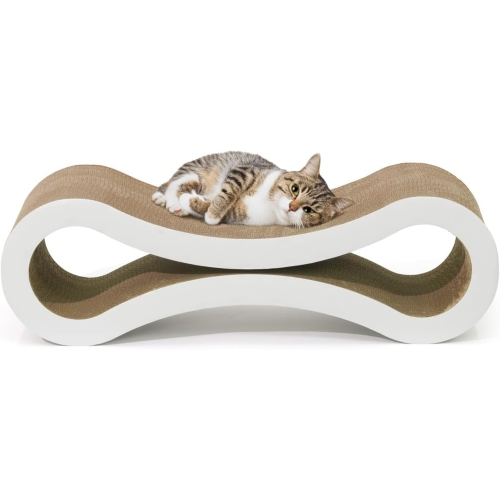
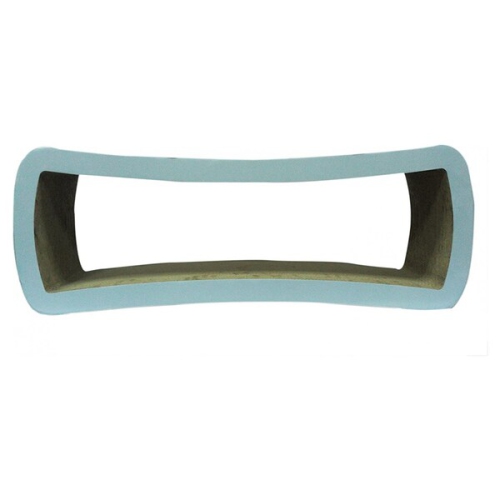
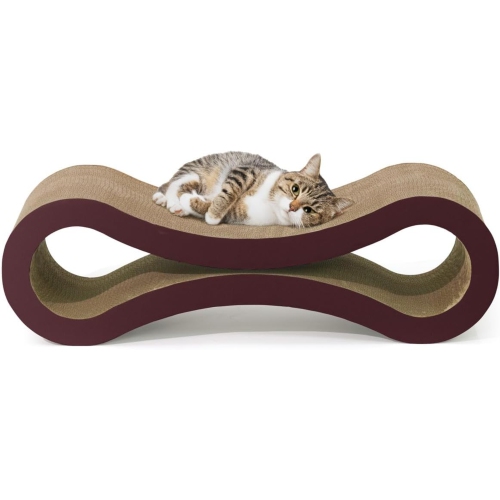
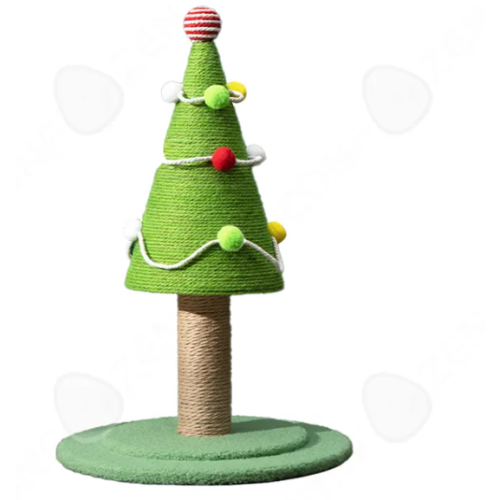
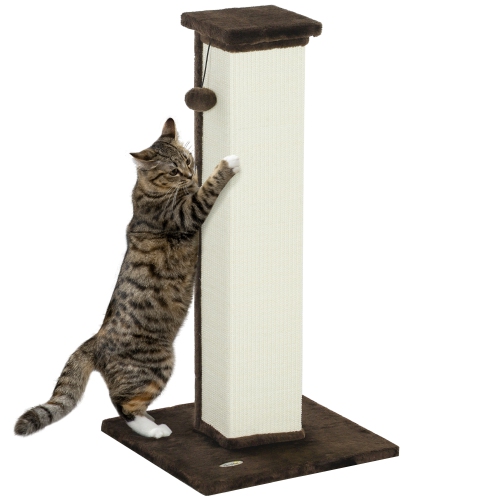
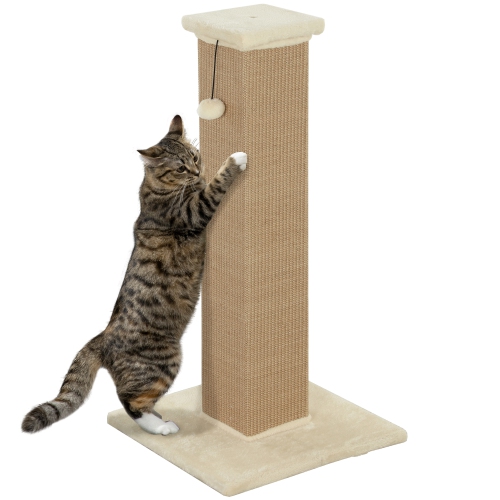
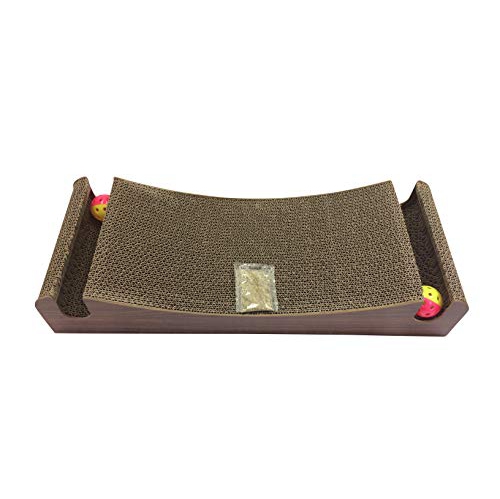
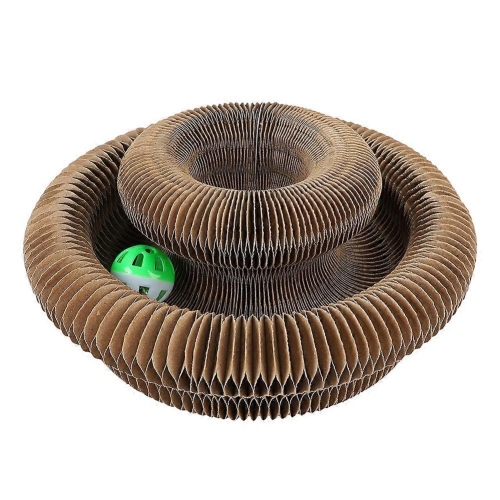
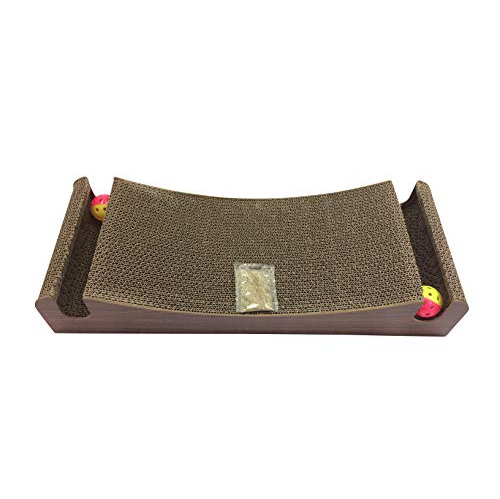
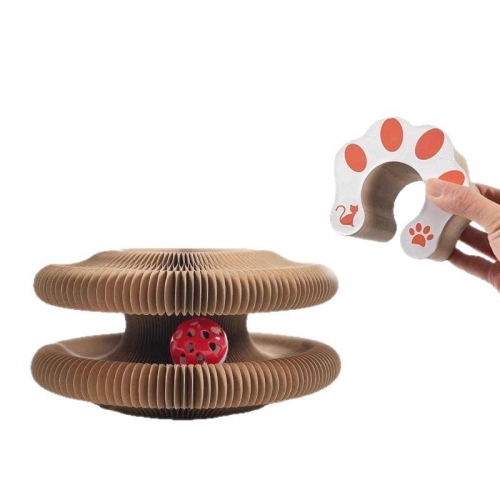
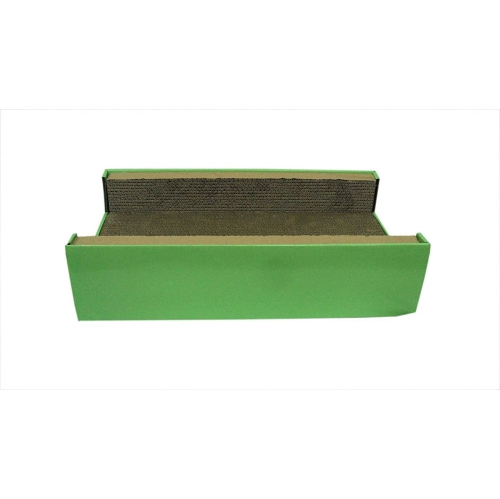
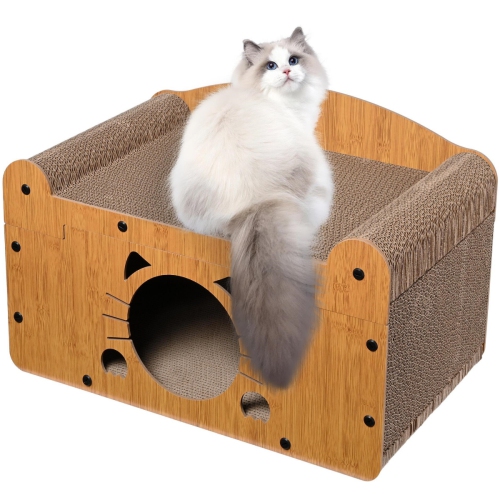
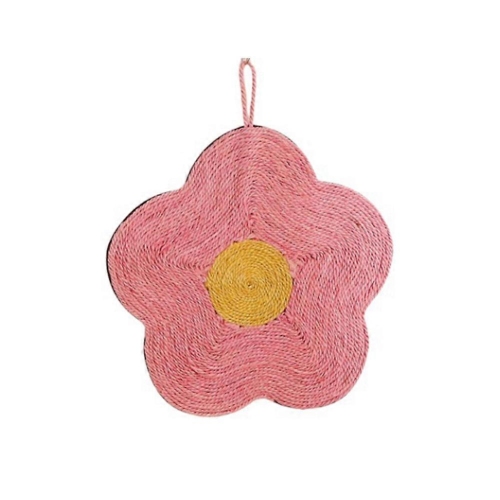
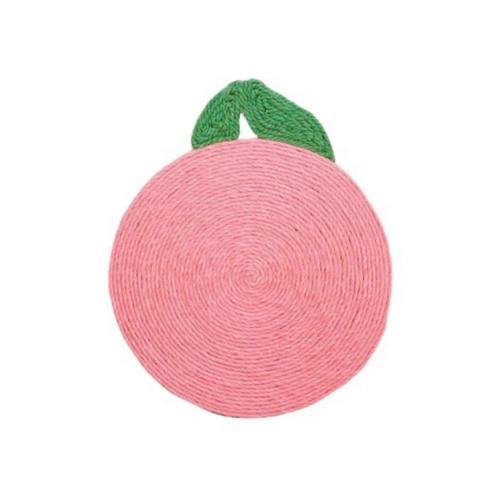
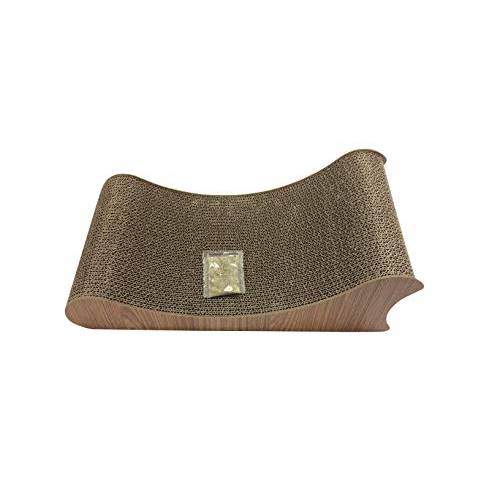
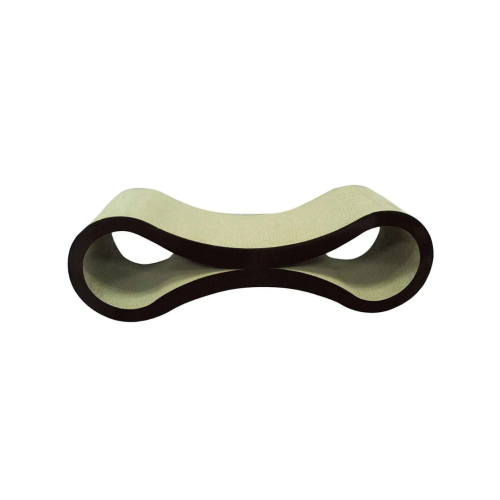
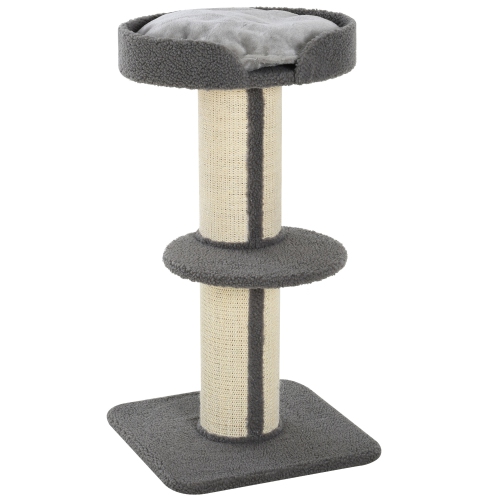
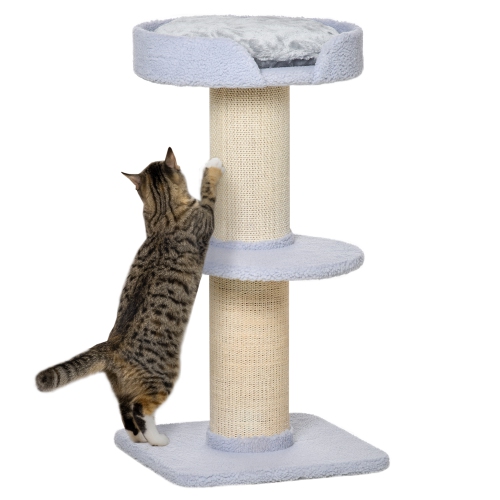
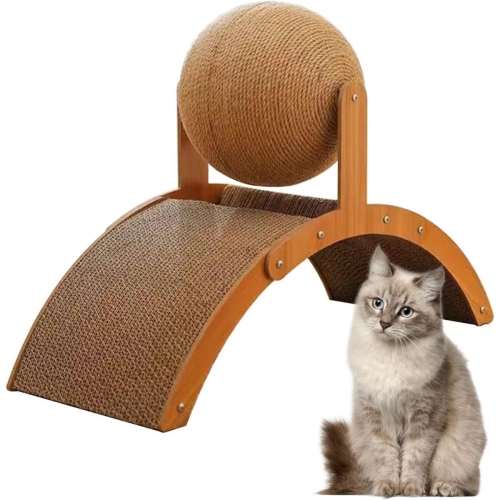
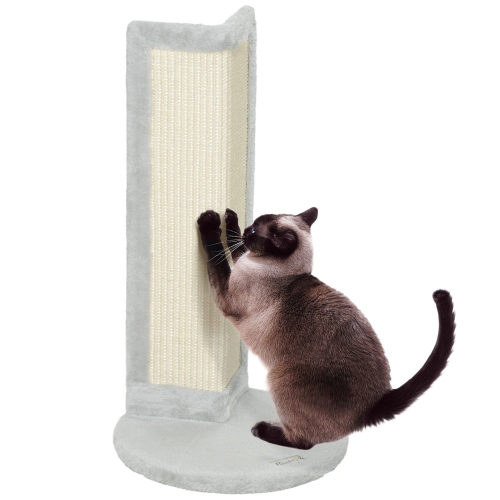
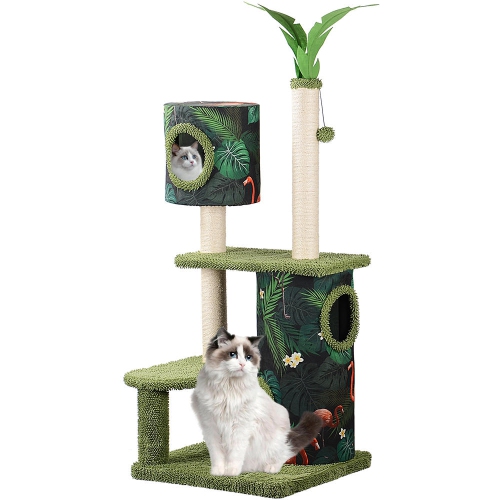
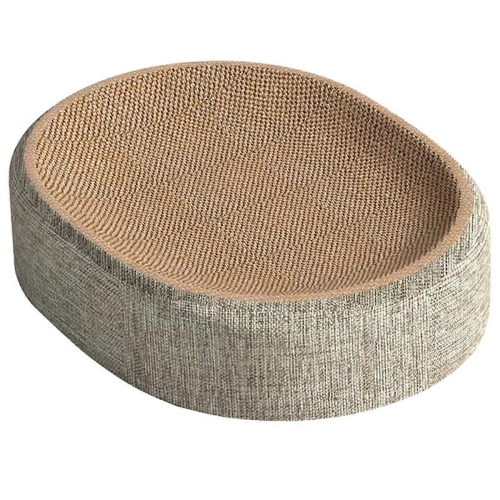
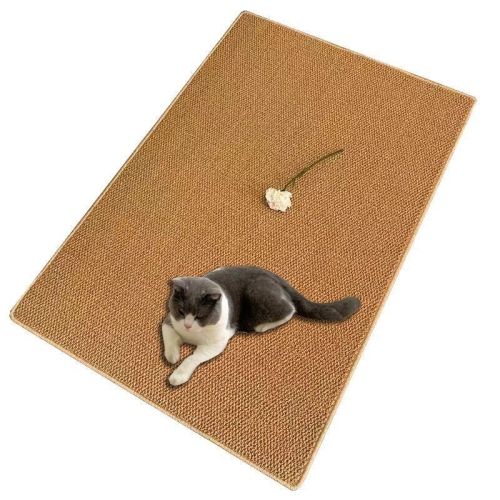
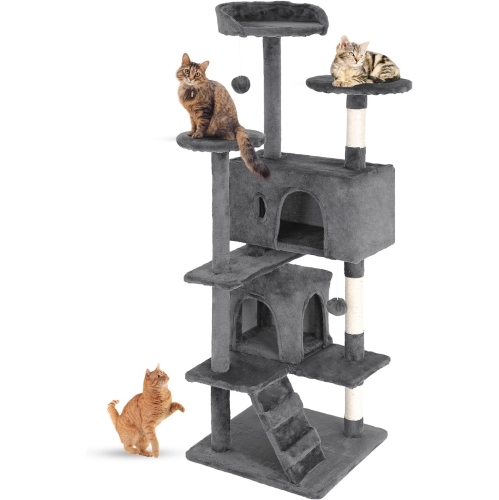
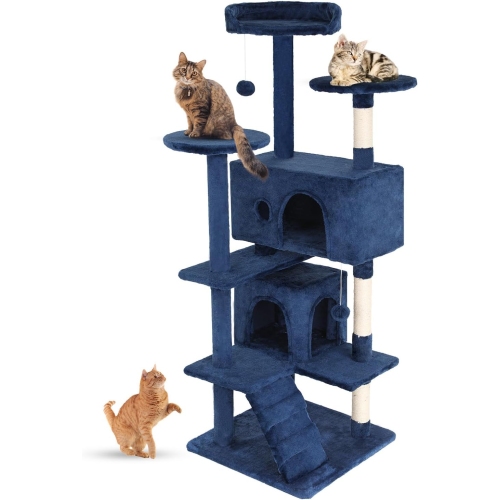
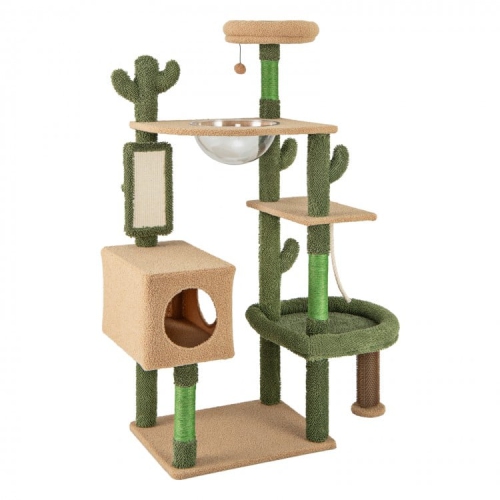
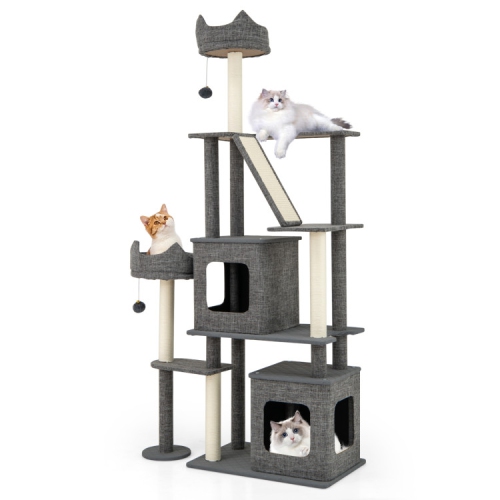
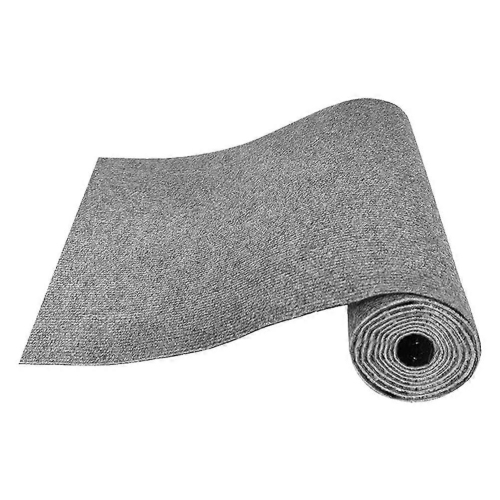
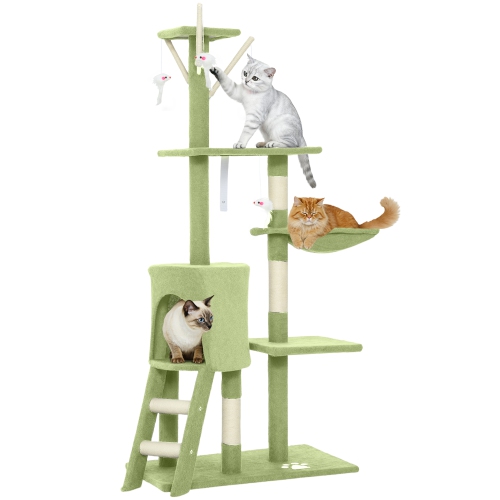
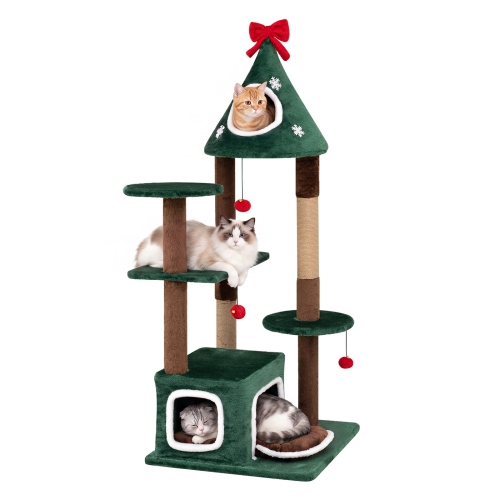
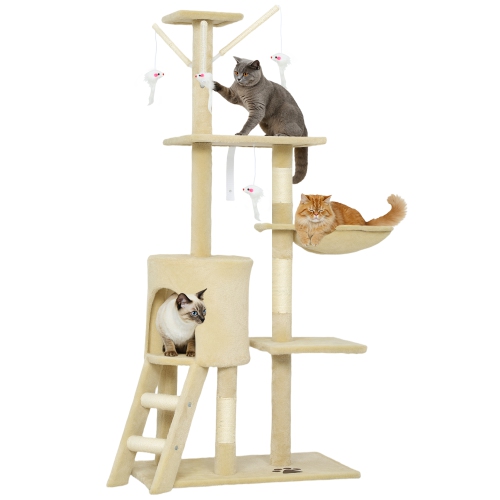
Cat scratchers give cats a dedicated place to stretch, work their claws, and leave the visual and scent markings that are part of normal feline behaviour. Scratching also helps loosen the outer layers of the claws, making a satisfying scratching surface a practical part of an indoor cat’s space. The most suitable shape depends on how a cat already likes to scratch: vertical posts suit cats that reach upward, horizontal pads suit those that rake their claws across the floor, and angled scratchers offer a position between the two. A cat that stretches along the arm of a sofa may take naturally to a tall, upright surface, while one that scratches a rug may prefer a broad, flat pad. Vertical scratching posts need enough usable height for the cat to extend its body without running out of texture halfway through a stretch. Horizontal designs need sufficient length and width for comfortable footing, especially when a larger cat stands on the surface while scratching. Curved loungers combine a scratching area with a resting spot, giving cats a place to settle after a few vigorous pulls. L-shaped designs provide both upright and floor-level surfaces, while wall-mounted scratchers can add useful scratching space where floor room is limited. Corner styles may suit locations near furniture, although placement alone does not guarantee that a cat will stop scratching a favourite chair. Stability matters across every format: a wide, substantial base or secure mounting helps prevent sliding, rocking, and tipping when a cat leans into a stretch. For households with several cats, more than one scratching location can make access easier and reduce competition around a single post. Different orientations can also accommodate different preferences within the same home. The goal is a surface that feels secure under the paws and fits the way each cat moves, rather than a shape chosen solely to fill an empty corner.
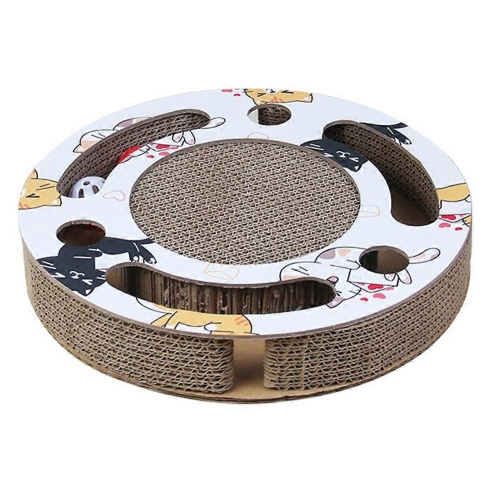
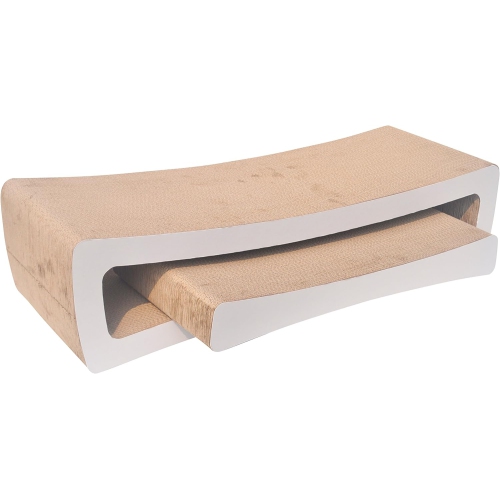
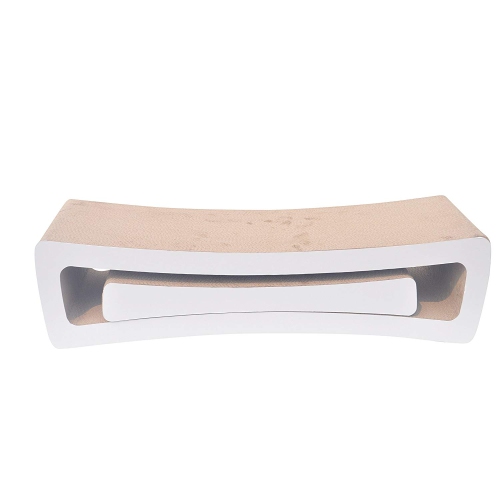
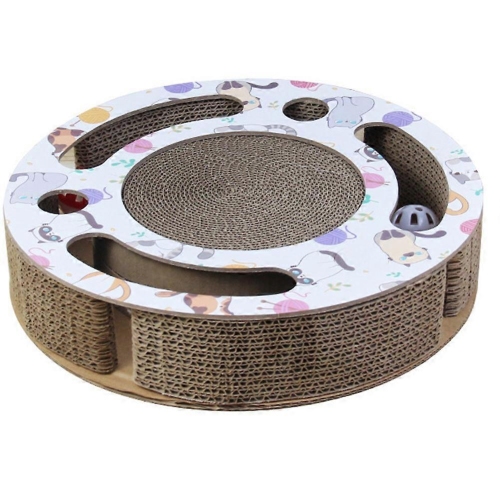
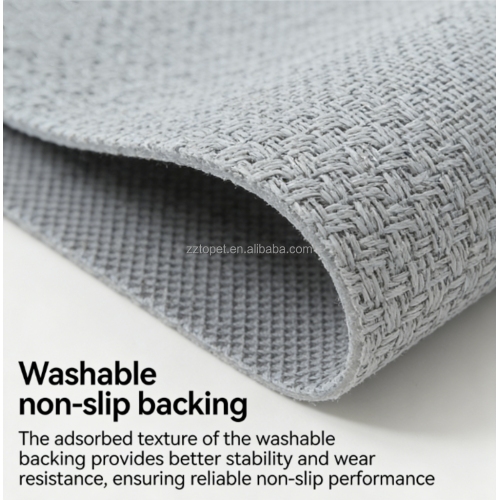
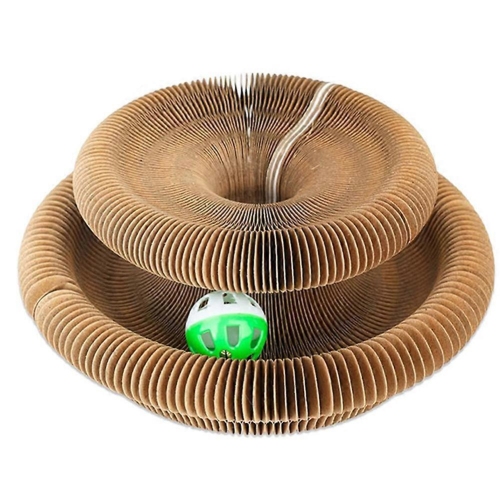
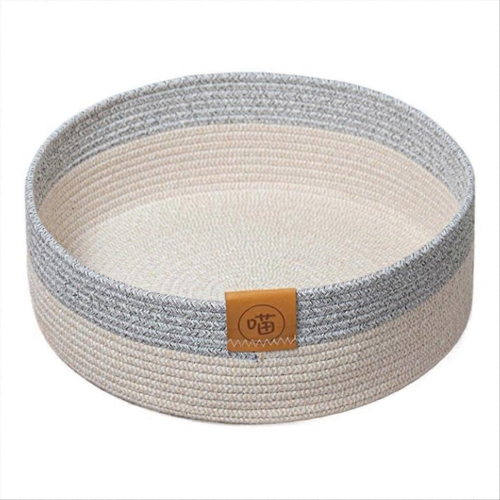
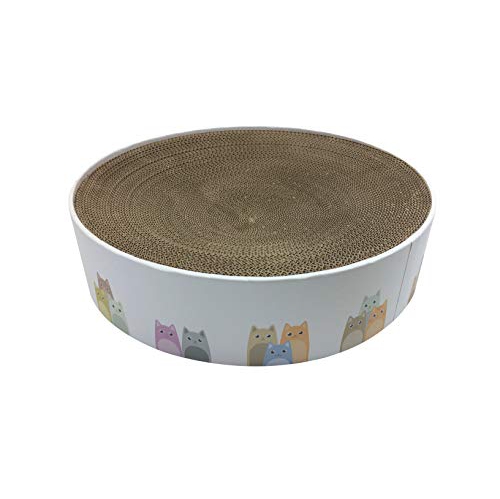
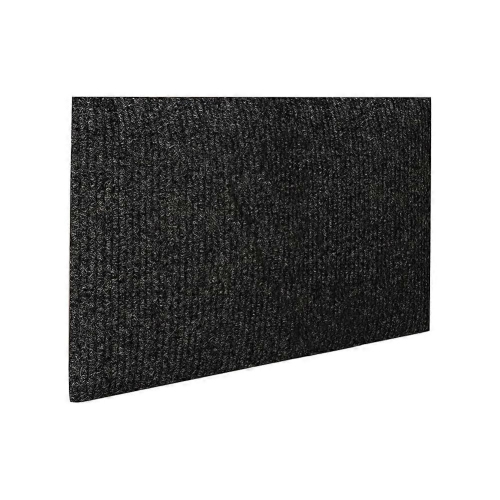
Materials influence the feel, durability, and everyday upkeep of cat scratchers. Sisal rope creates a ridged surface that claws can grip, while woven sisal fabric offers a more continuous scratching area with fewer pronounced grooves. Both can tolerate repeated use, but their lifespan depends on construction, scratching intensity, and the number of cats using the surface. Tight wrapping, firmly attached fabric, and secure edges help a scratcher hold together under regular pulling. Corrugated cardboard provides a different sensation, with layers that catch the claws and gradually break down as cats scratch. Flat pads, curved beds, and shaped loungers often use this material, and some designs have reversible surfaces or replaceable inserts that extend the useful life of the frame. Cardboard fragments are a normal part of wear, so these styles work particularly well where loose pieces can be swept or vacuumed easily. Carpet-covered surfaces offer another texture, although a cat that already scratches household carpet may respond better to a clearly different material. Plush coverings can make adjoining platforms and resting areas comfortable, but the main scratching surface still needs enough texture to give claws a satisfying purchase. Wood or engineered-wood supports can provide structure, with overall sturdiness depending on the base, joints, and assembly rather than the covering alone. A heavy base is useful only when the post itself remains firmly connected. Rounded edges, well-finished surfaces, and covered fasteners are worthwhile details wherever paws and bodies make contact. In shared living areas, neutral colours and simple shapes can blend with furniture, while a low-profile pad may slide neatly beside a sofa without dominating the room. Appearance has its place, but exposed scratching area and secure footing are more important than decorative trim. A compact design that stays put and offers the preferred texture can be more useful than a larger structure with only a small section available for scratching.
Age, mobility, and household routines also shape how well a cat scratcher fits into daily life. Kittens benefit from stable, accessible surfaces that let them explore scratching without climbing high or balancing on a narrow edge; Kitten Scratchers focus on options suited to that early stage. A growing cat may eventually need more scratching height or a larger base, while an older cat may find a low horizontal pad or gentle incline easier to reach. Large adult cats need room for both a full stretch and a comfortable stance, especially on scratchers that double as loungers. Placement can be as important as size. A post near a favourite sleeping spot gives a cat somewhere to stretch after a nap, and a scratcher beside an established scratching location is easier to notice than one tucked away in an unused room. Enough surrounding clearance allows the cat to approach, turn, and brace comfortably without bumping into furniture. Catnip may encourage interest in cats that respond to it, but a familiar location and appealing texture remain important. Routine care is generally straightforward: loose cardboard can be cleared away, fabric surfaces vacuumed, and washable components cleaned according to their care instructions. Saturating cardboard or rope can damage the material, so cleaning methods should match the construction. Regular checks for loose fittings, exposed staples, detached pieces, and long frayed strands help identify when repairs or replacement are needed. Wall-mounted designs also need secure fixings suited to the wall surface, along with periodic checks that the mount has not loosened. Visible wear is expected, but a scratcher should remain stable and free from parts that could catch a claw or be swallowed. As a gift for a cat owner, a scratcher is most useful when its size, texture, and footprint match the cat and the home. A well-matched scratching surface supports everyday feline habits while giving household furnishings a welcome alternative.
Top selling and popular products
-
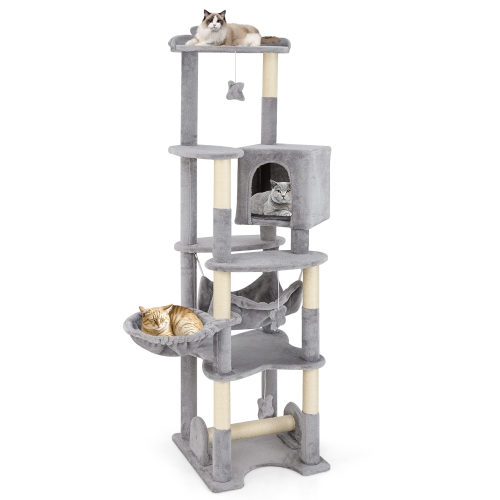 Your price for this item is $105.99
-
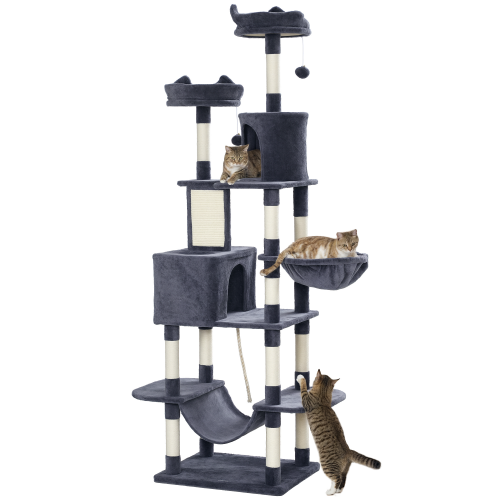 Your price for this item is $99.99
-
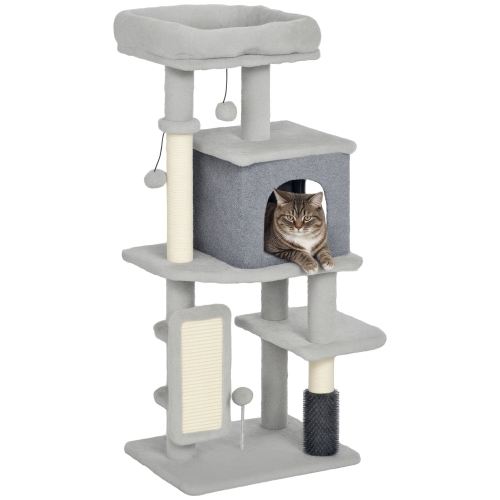 Your price for this item is $62.99
-
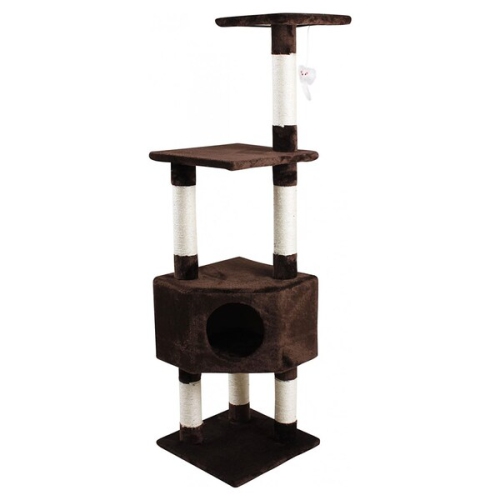 Your price for this item is $58.69
-
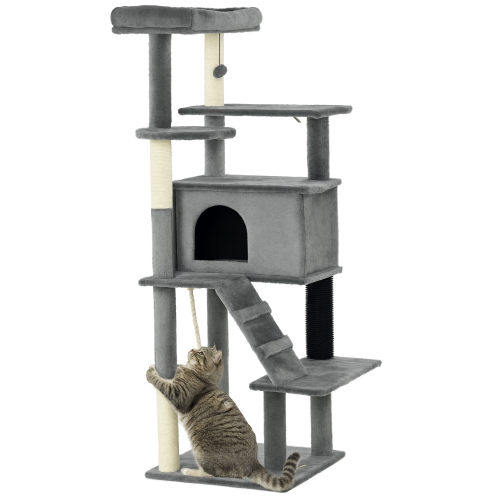 Your price for this item is $73.99
-
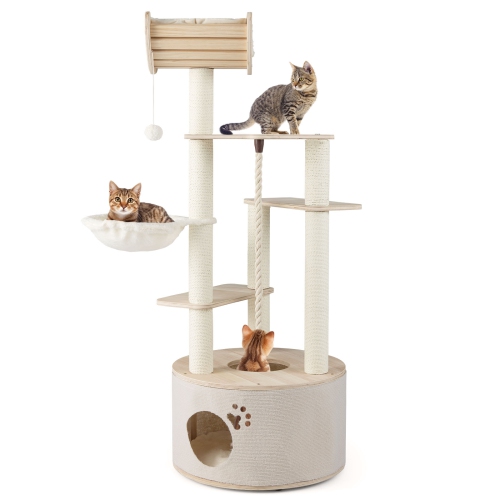 Your price for this item is $159.99
-
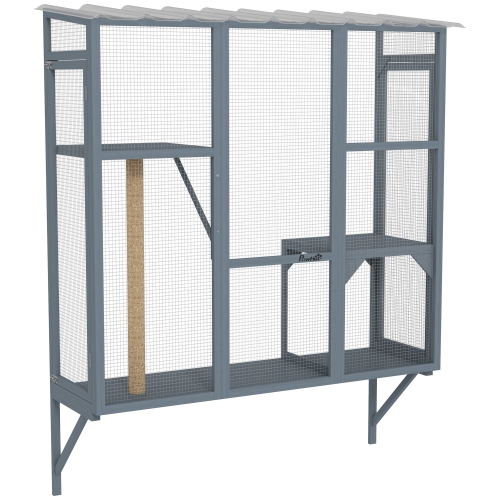 Your price for this item is $279.99
-
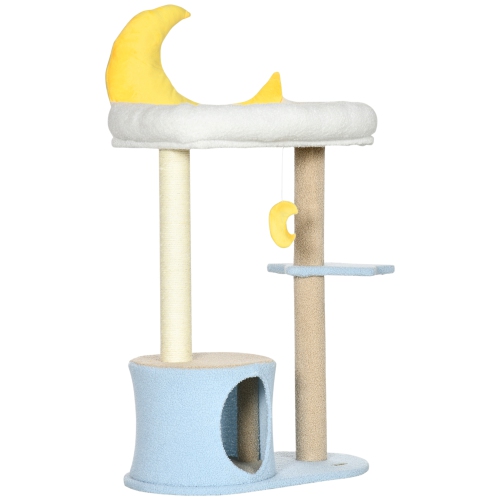 Your price for this item is $67.99
Discover more categories related to Cat Scratchers
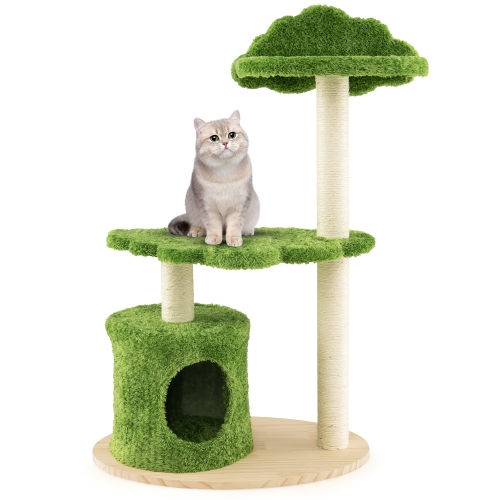
Top Collections:
Pokemon Centers, Kindle Devices, Best Budget Office Chairs, Canon G7X Cameras, Apple iPhones 16, Samsung Galaxy Phones, Refurbished Apple Laptops, Laptops for Students, iPhone 15 Apple, Budget Smartphones
Some products may be subject to Environmental Handling Fees
(EHF) depending on your province.
Learn more about EHFs.