Cat Scratch Toys
If you're looking to keep your feline friend entertained and save your furniture from their sharp claws, you've come to the right place. Our selection of cat scratch toys offers a variety of options to satisfy your kitty's natural scratching instincts while providing them with hours of fun and exercise. From scratching posts to interactive toys, these products are designed to keep your cat mentally stimulated and physically active. Say goodbye to scratched-up sofas and hello to happy, healthy cats with our range of cat scratch toys.
Sort

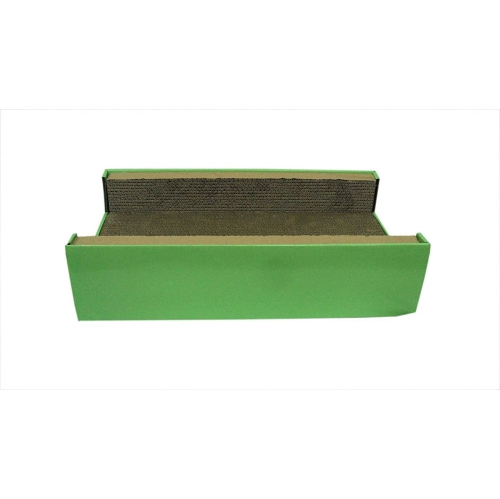
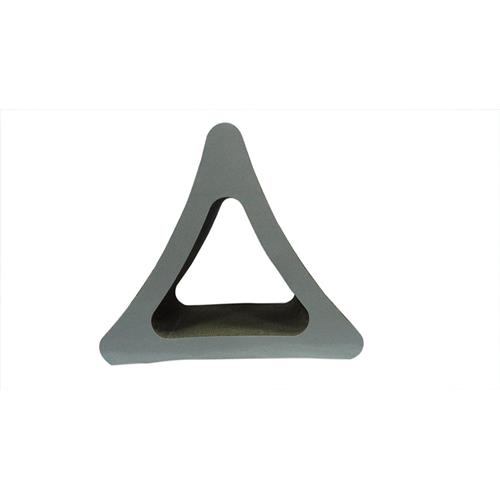
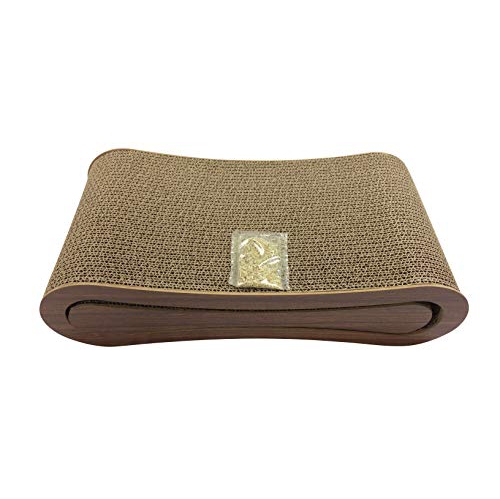

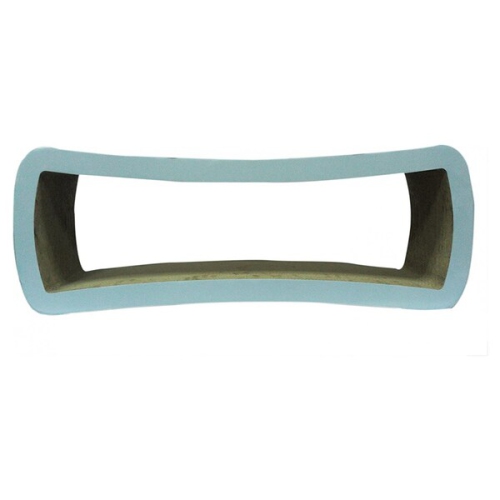






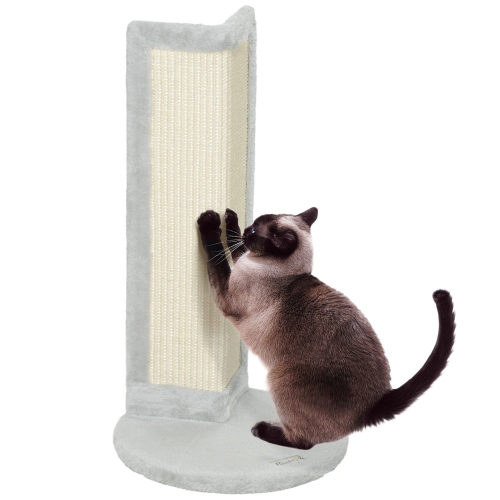
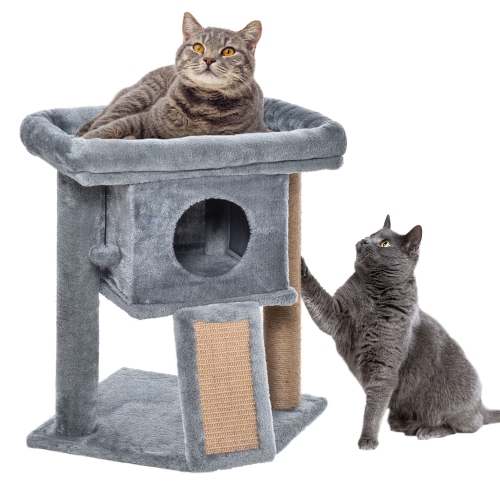
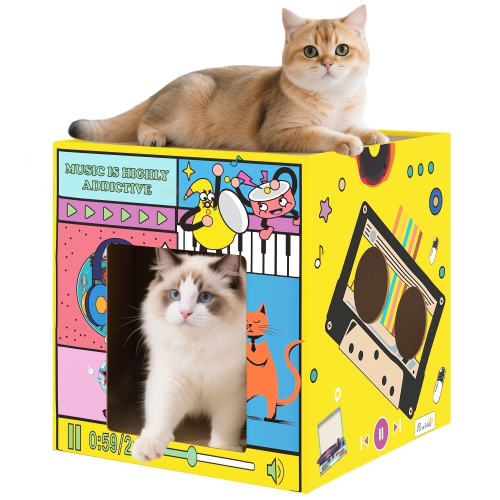
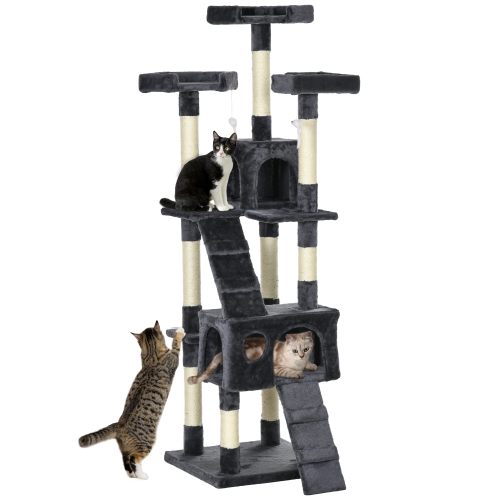



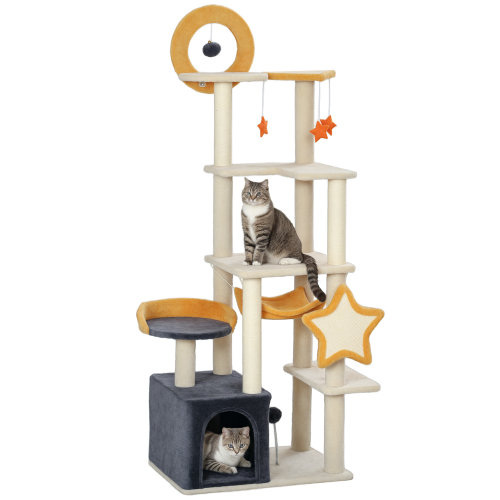
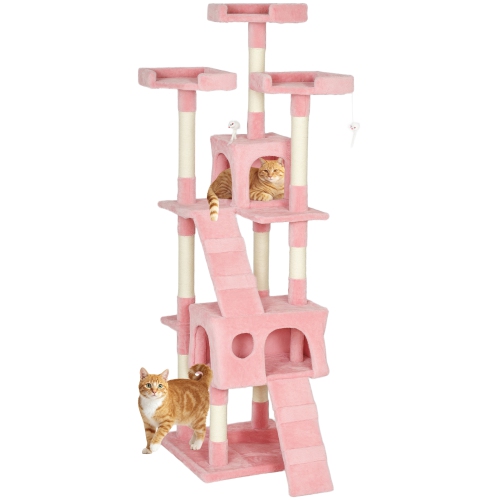


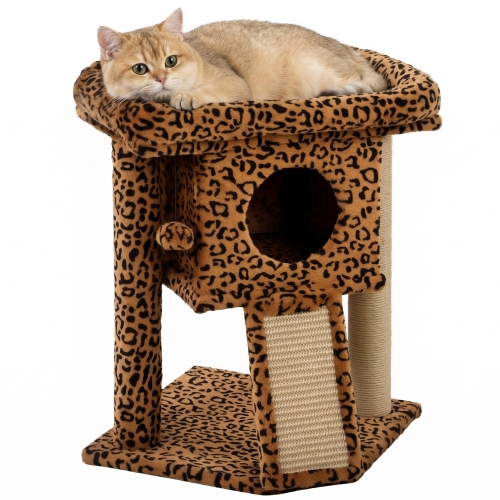
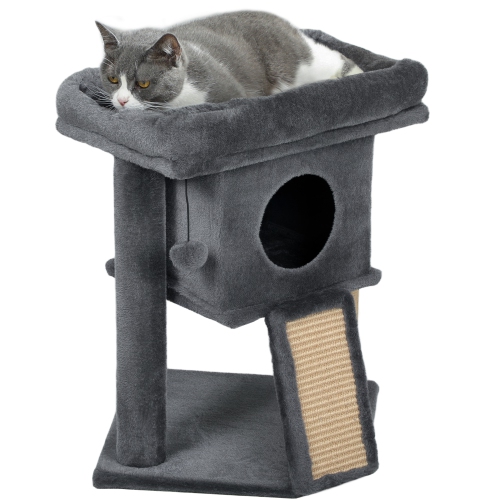

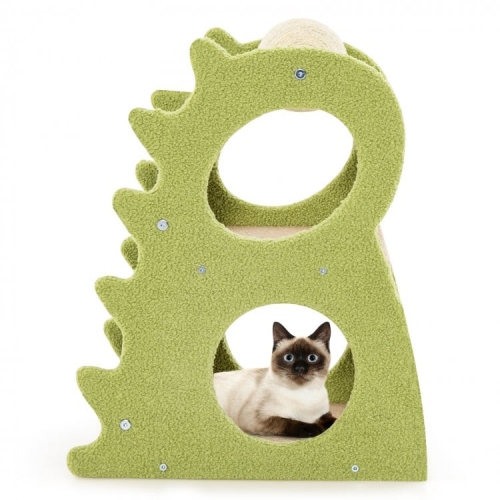
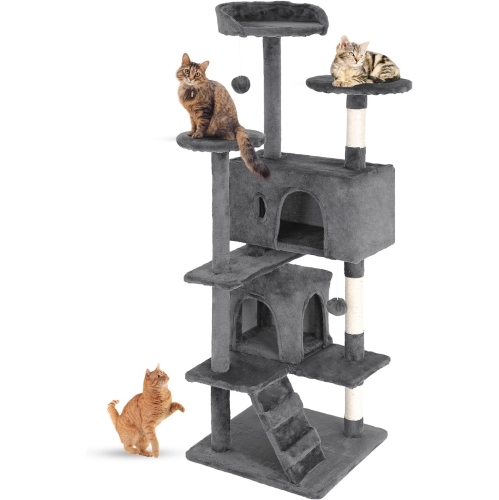
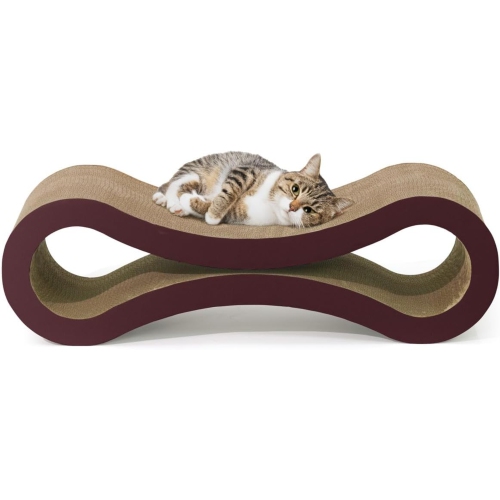

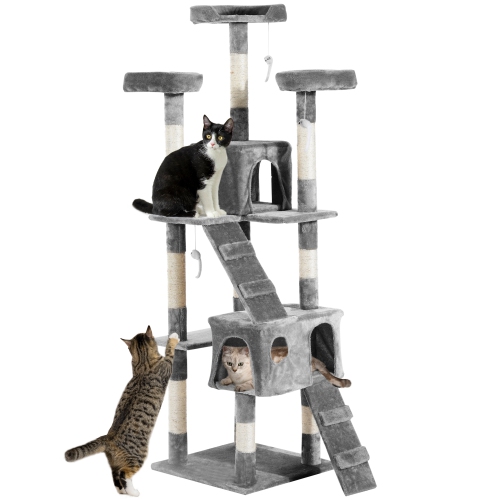







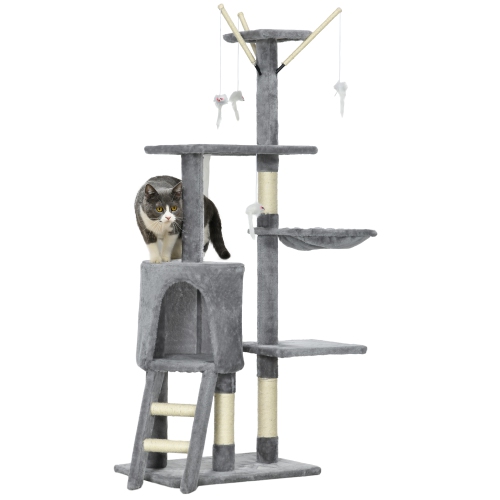

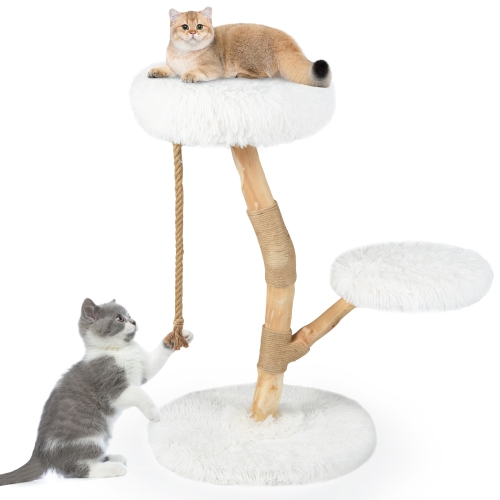
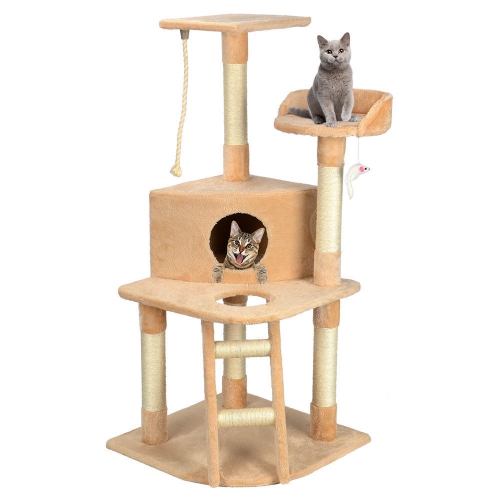

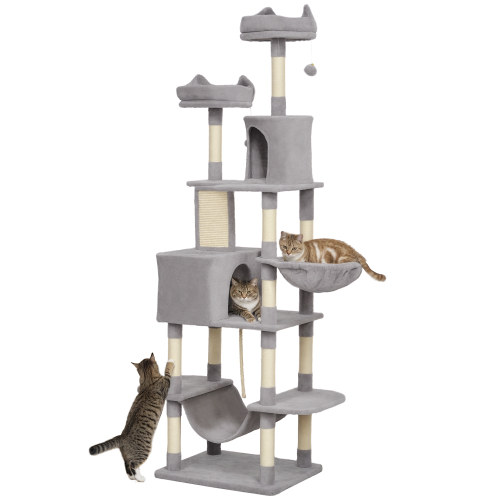

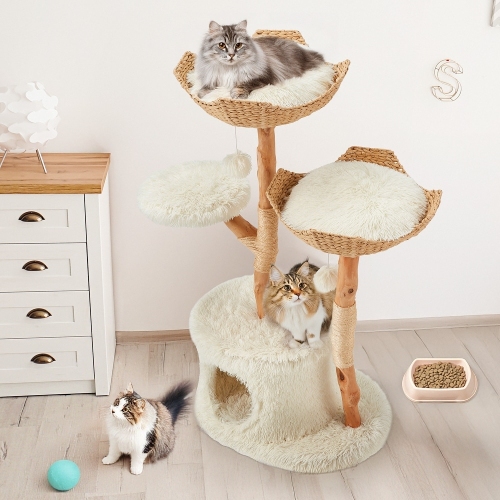

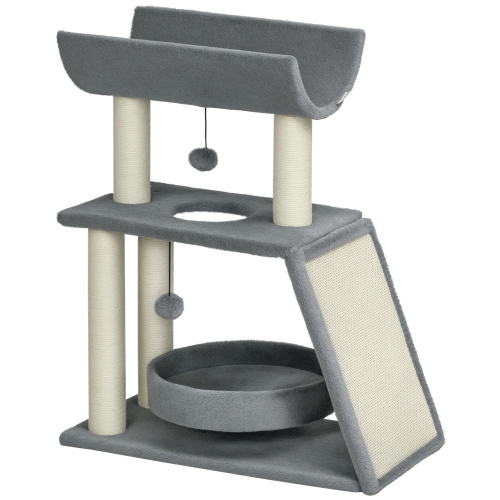
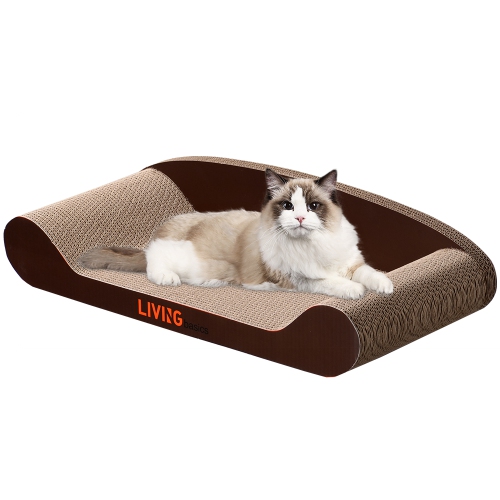
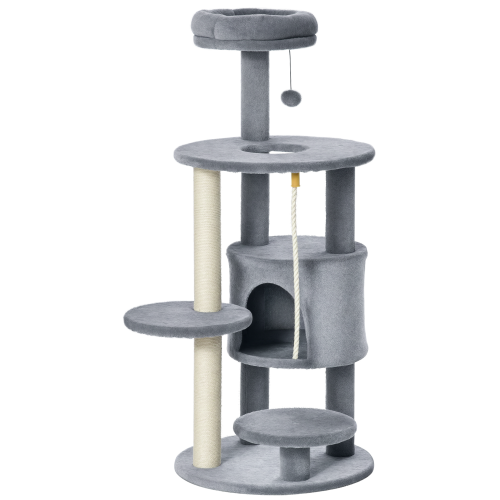
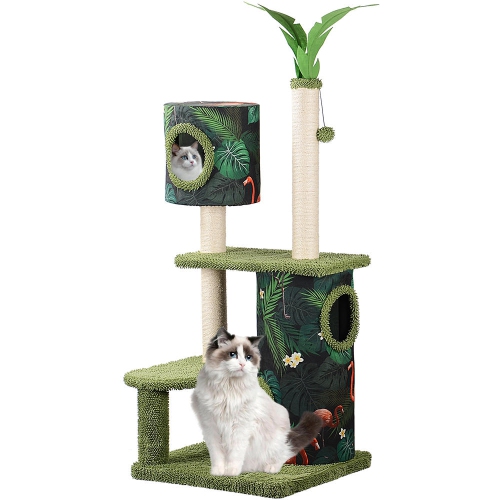
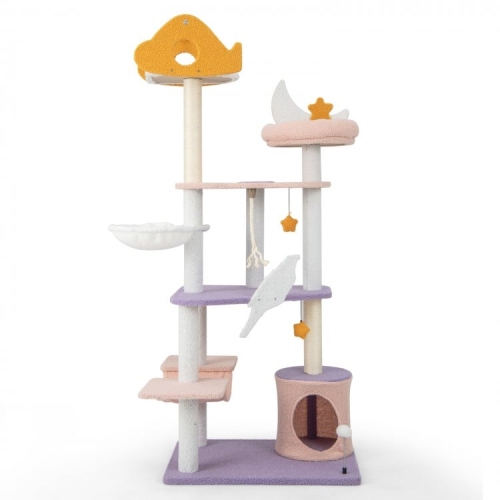


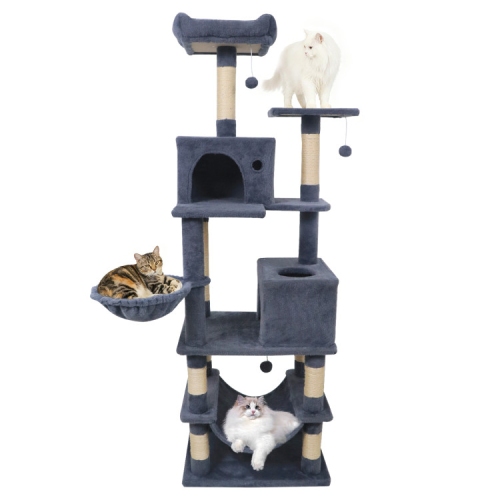
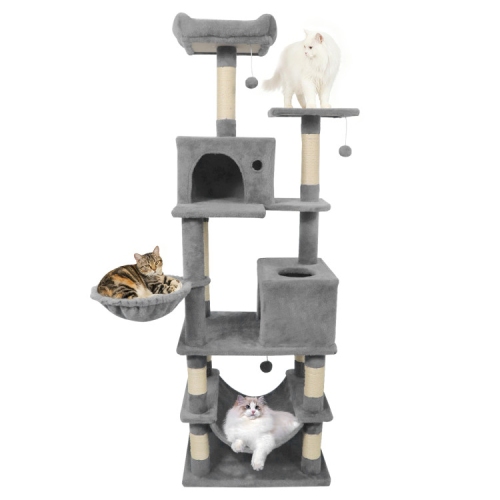



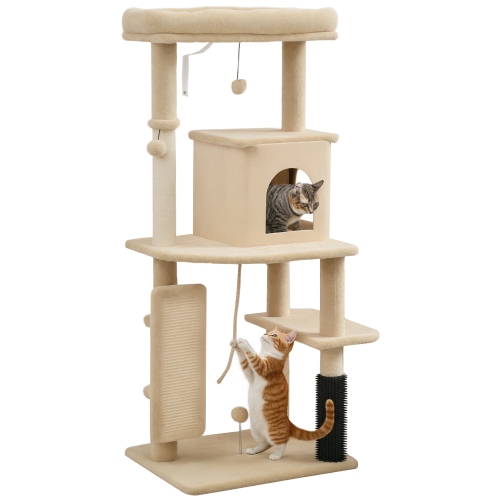


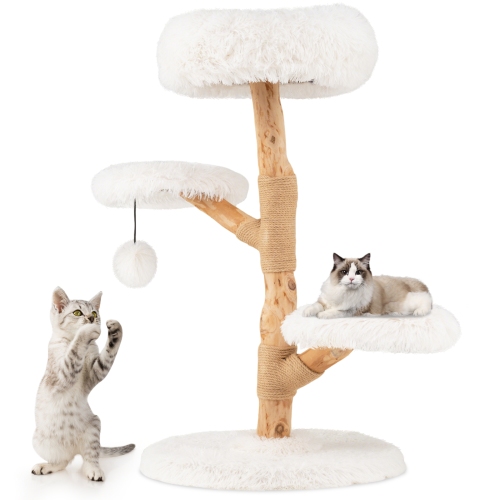
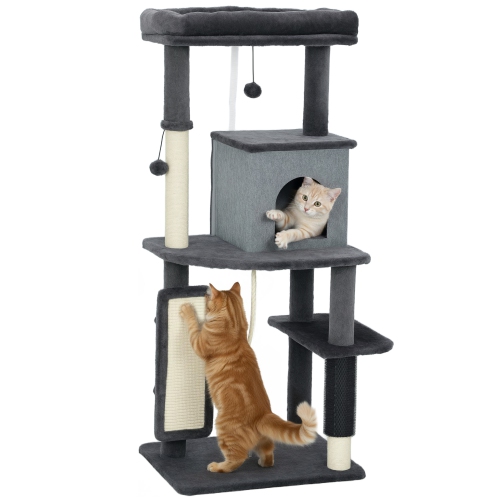
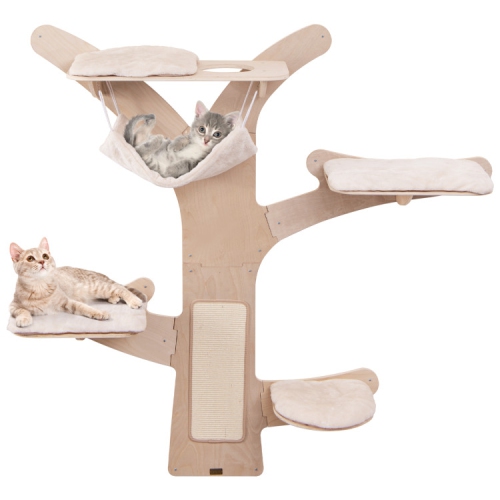
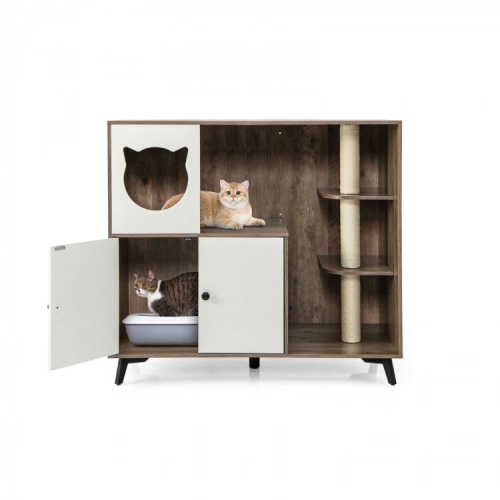


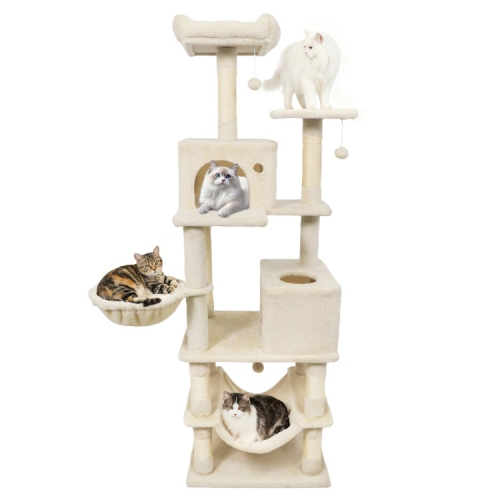


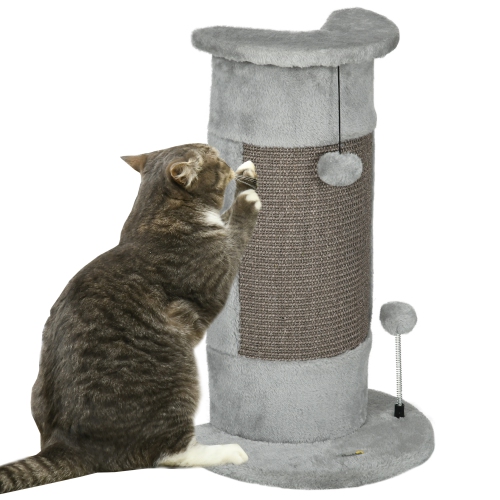


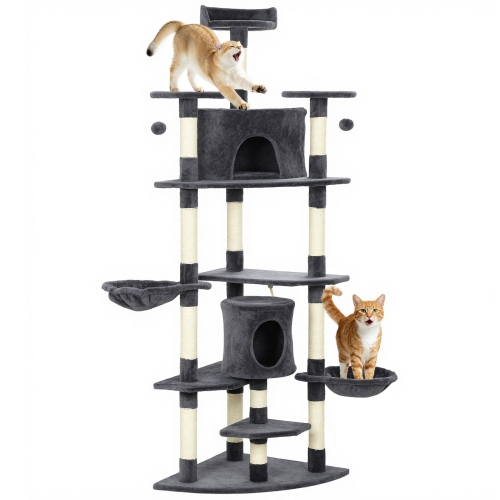


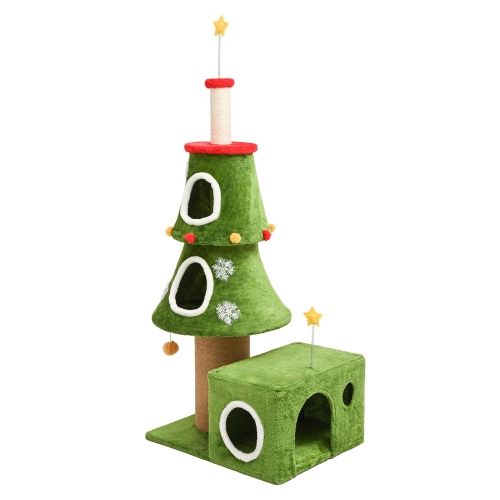

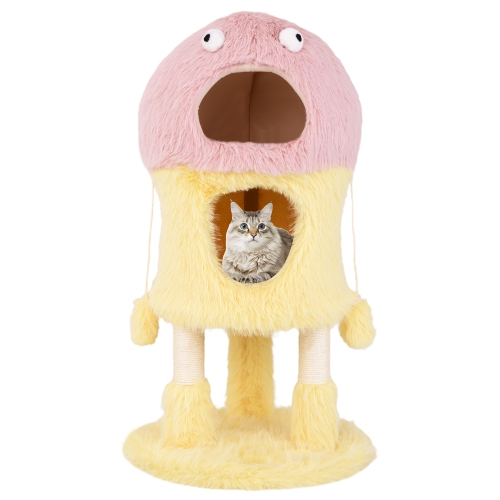


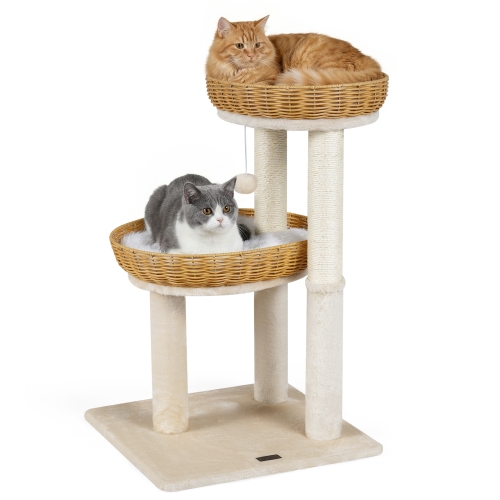

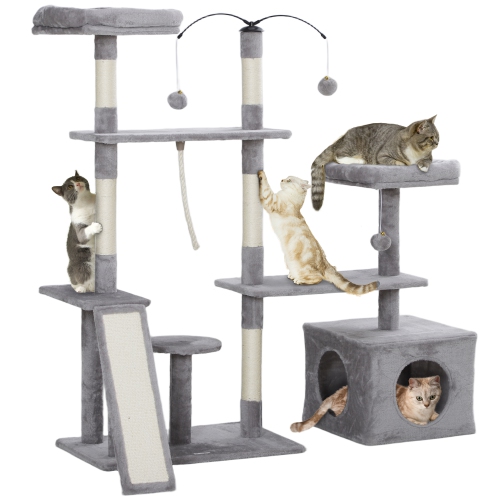


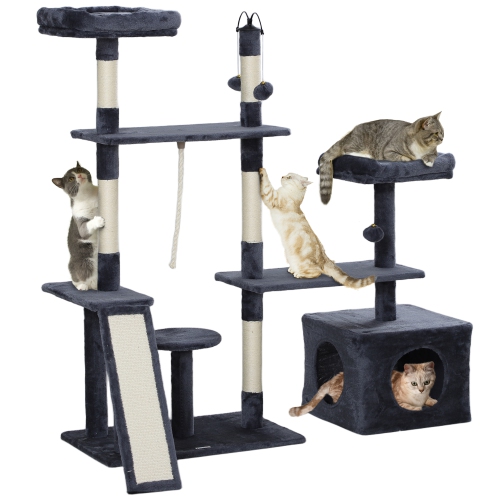
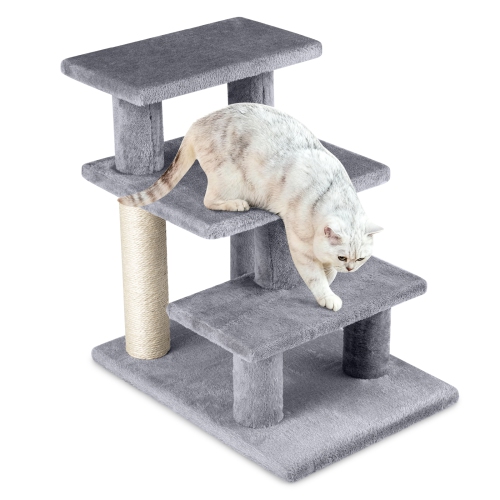
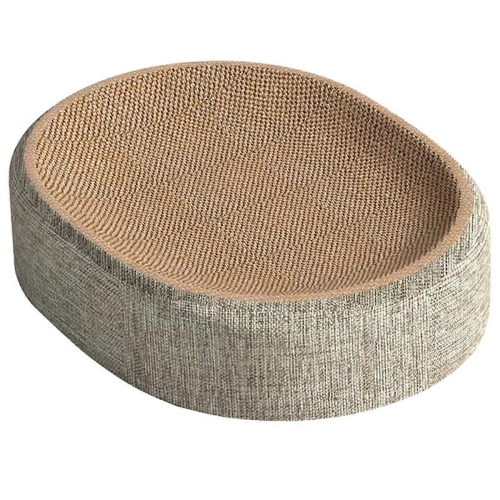


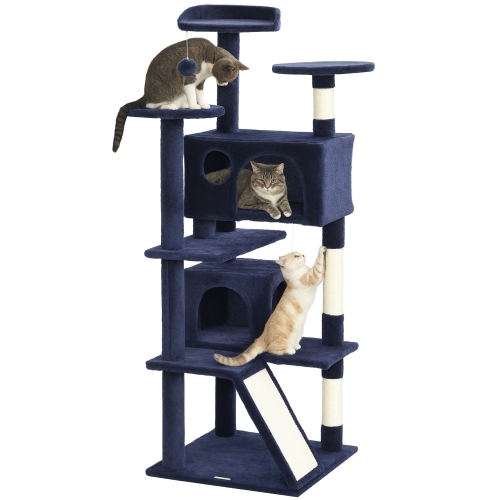


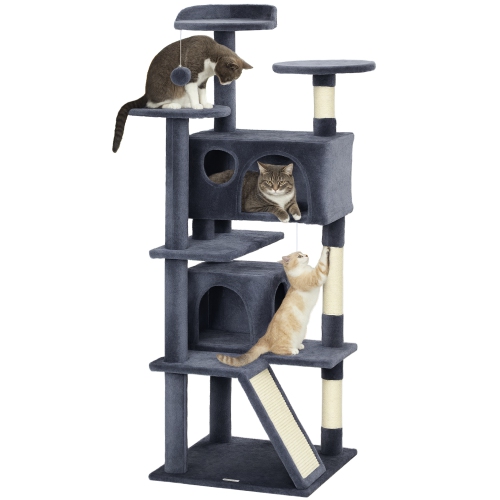
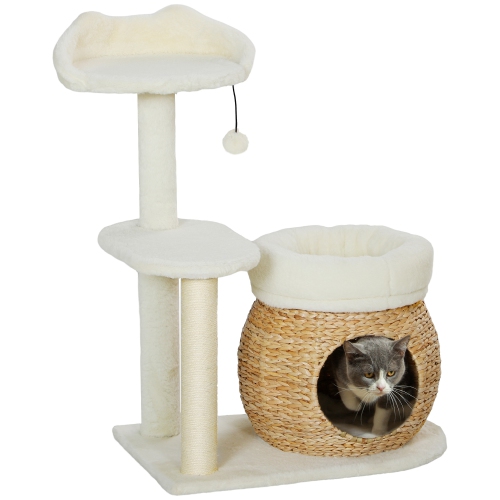
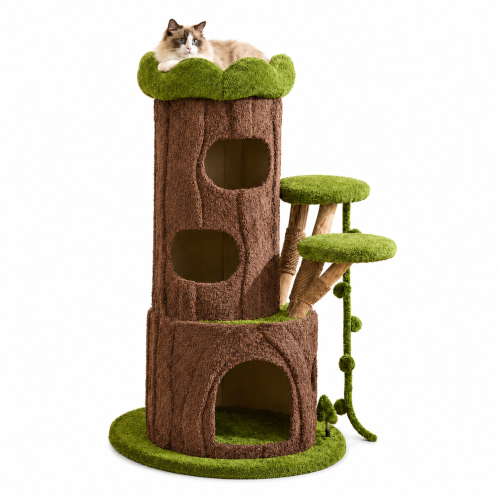
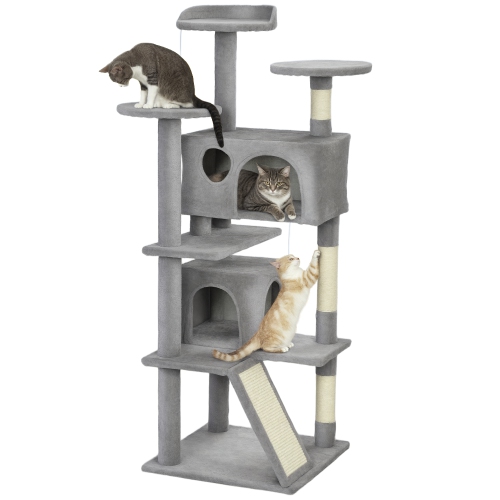


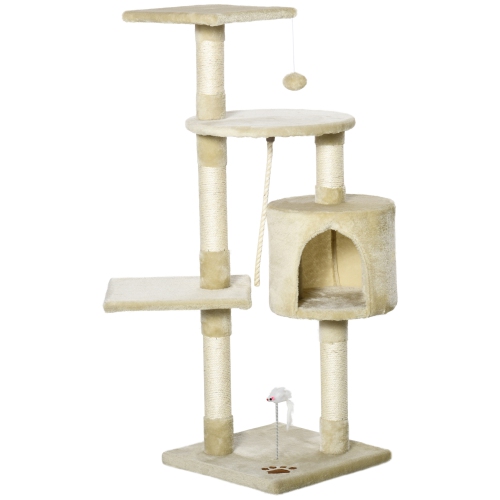


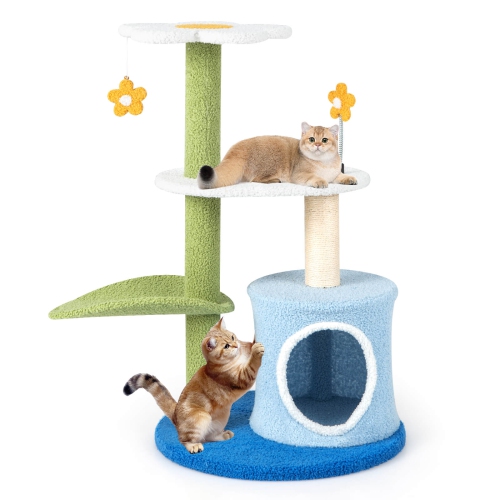


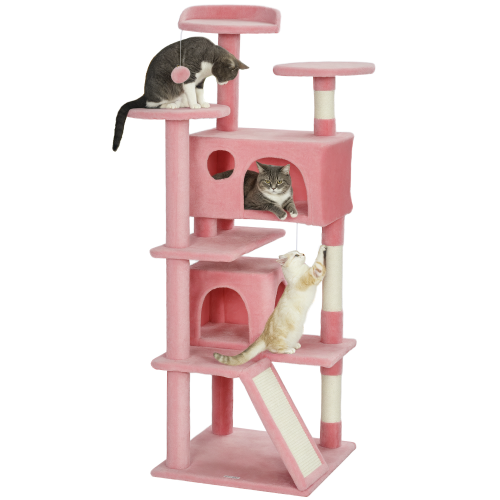
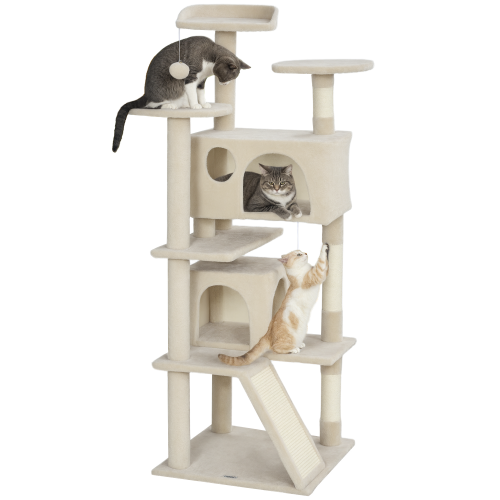

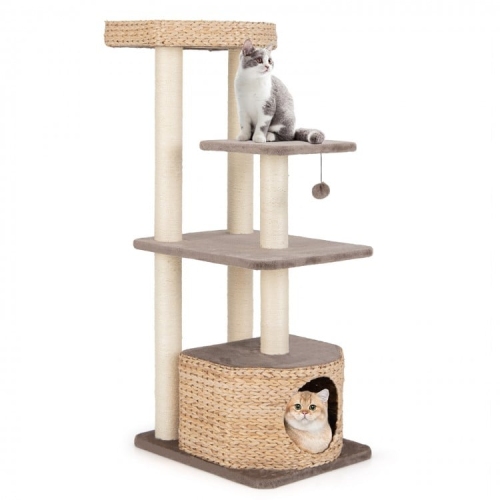

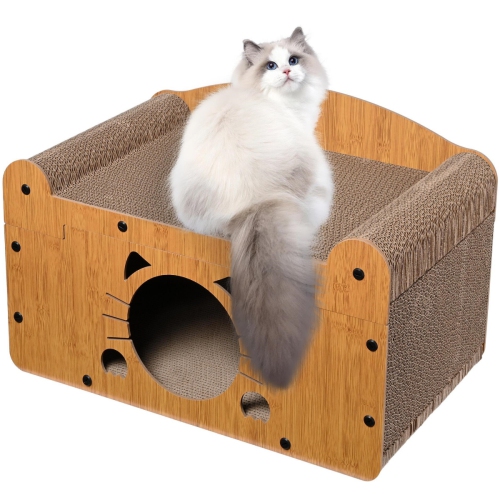
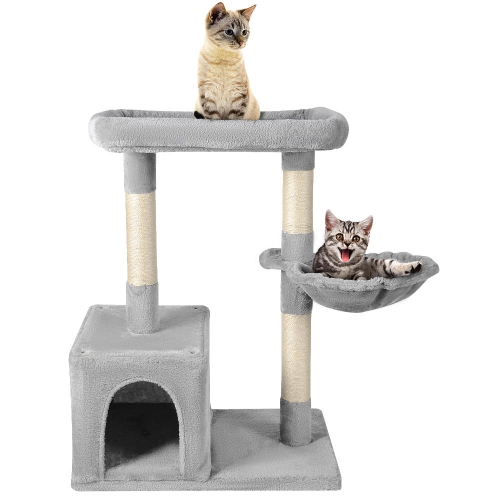


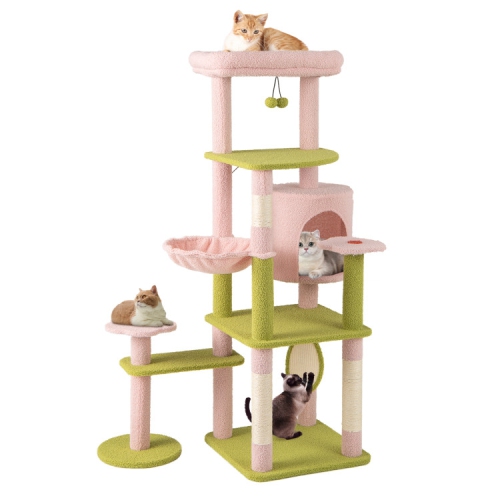

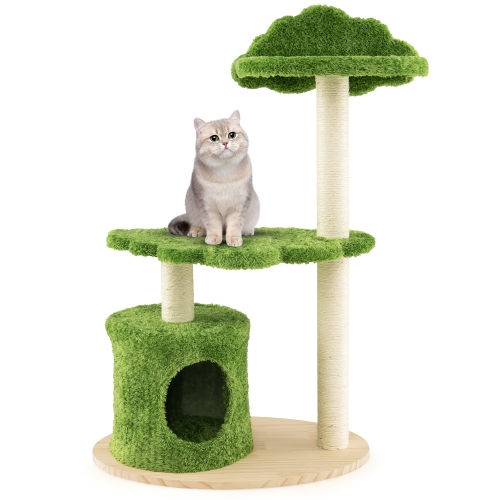

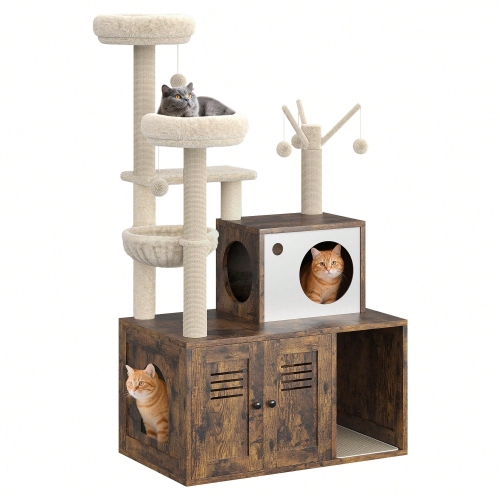


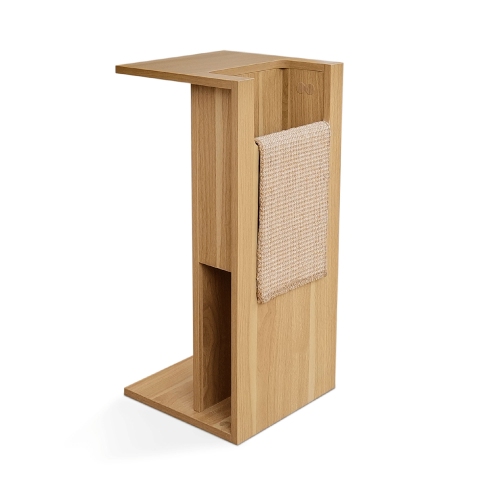
Why scratching angles and textures matter to your cat
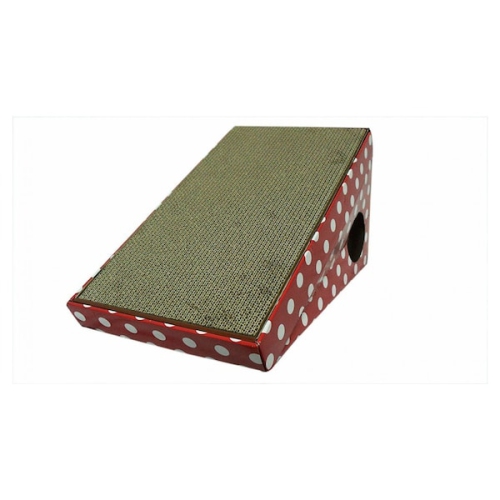
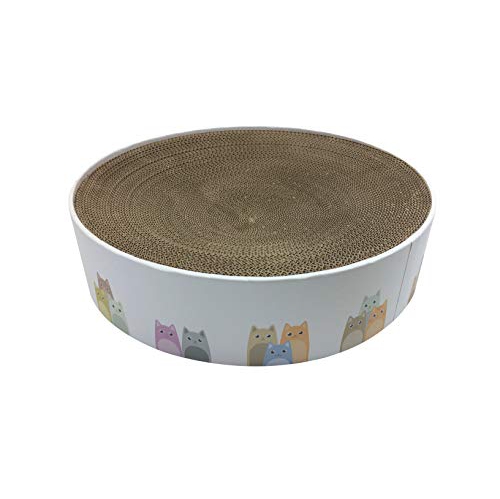
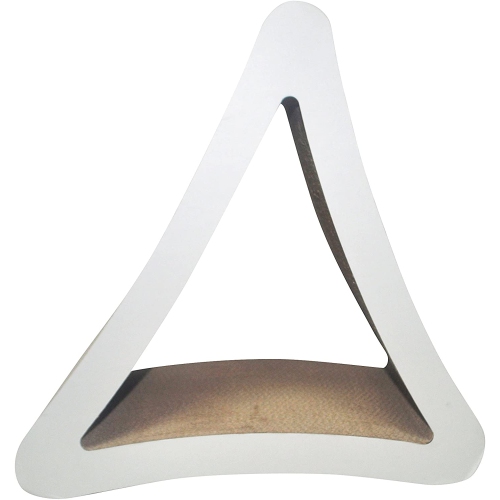
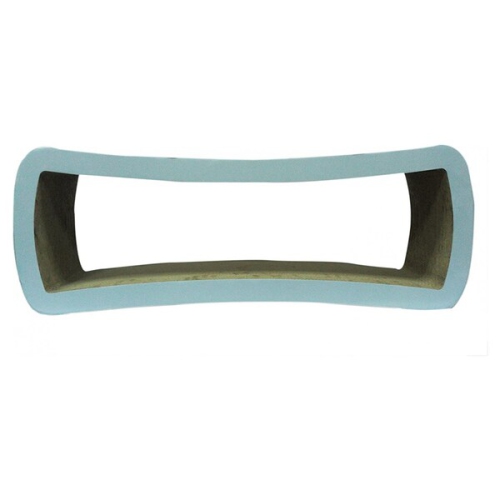
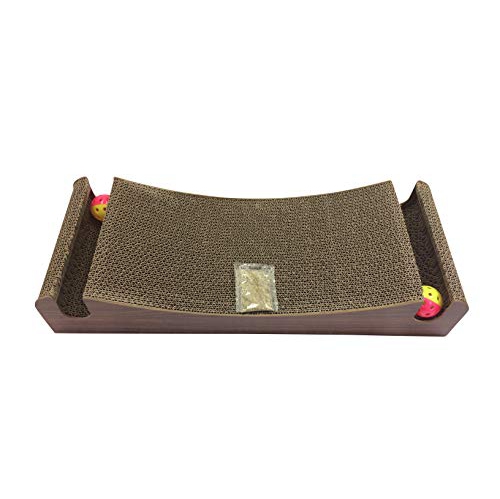
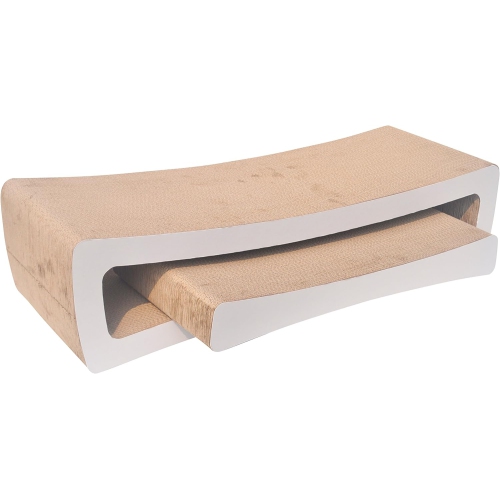
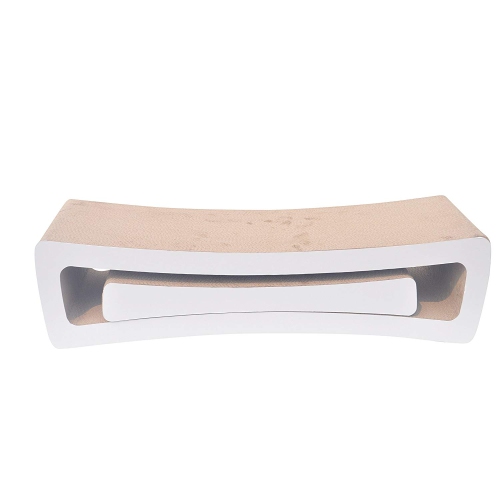
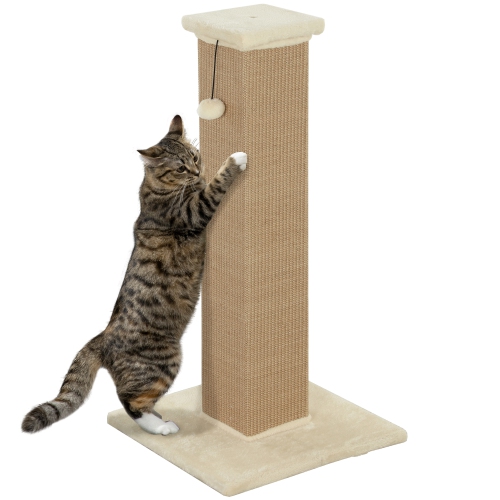
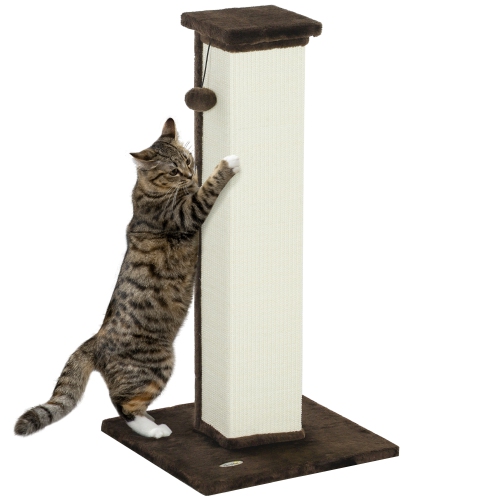
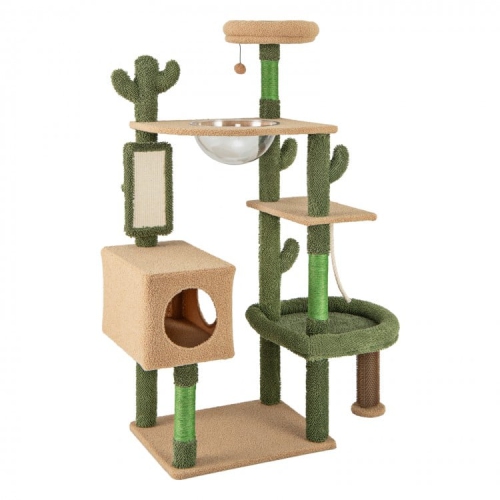
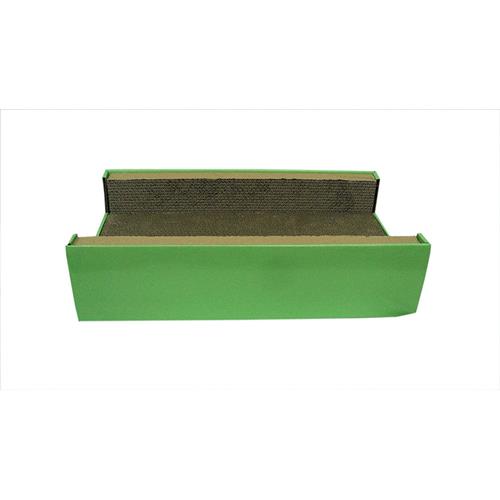
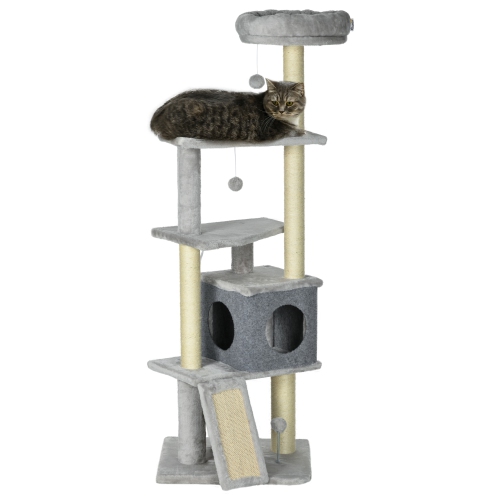
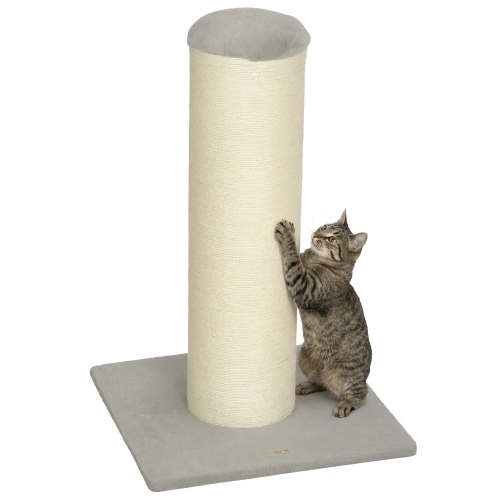
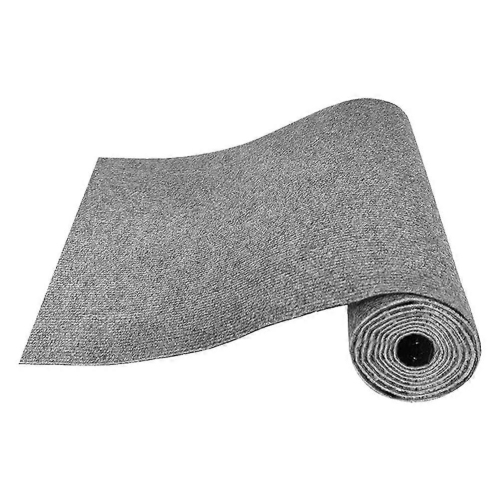
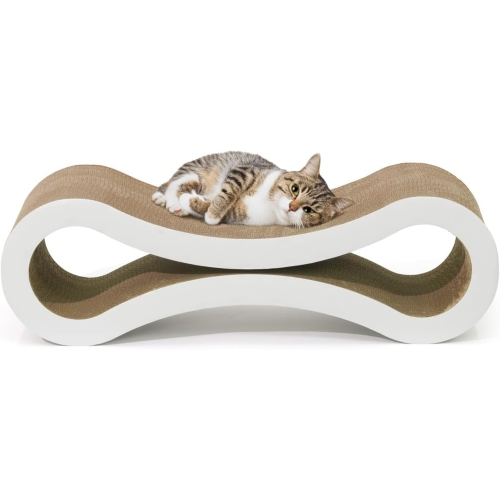
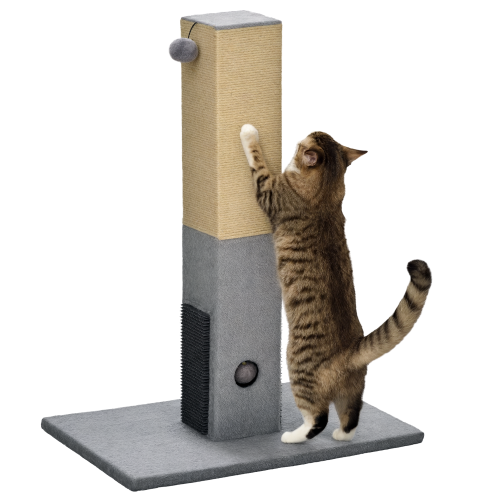
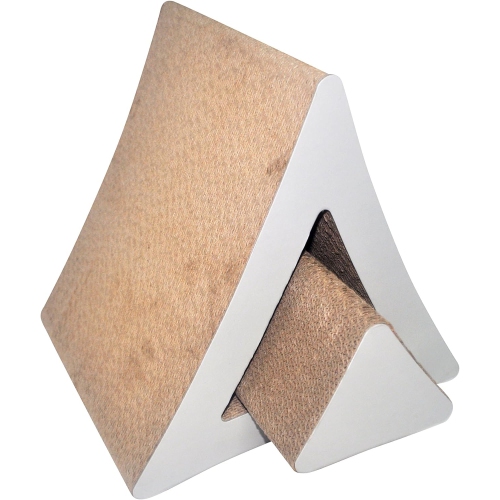
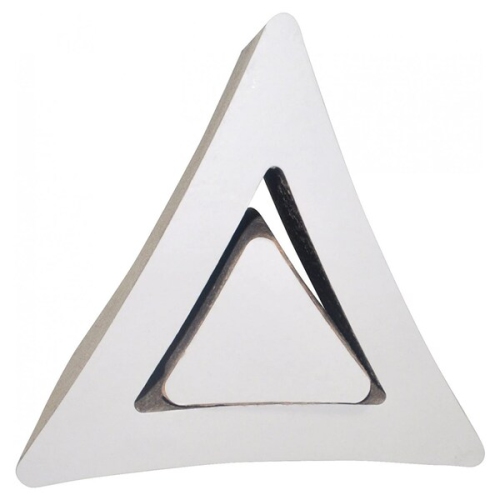
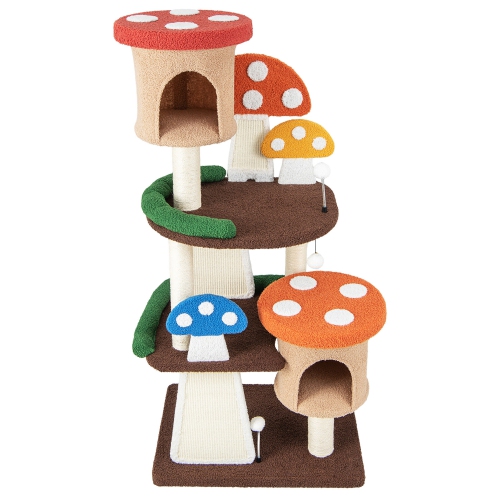
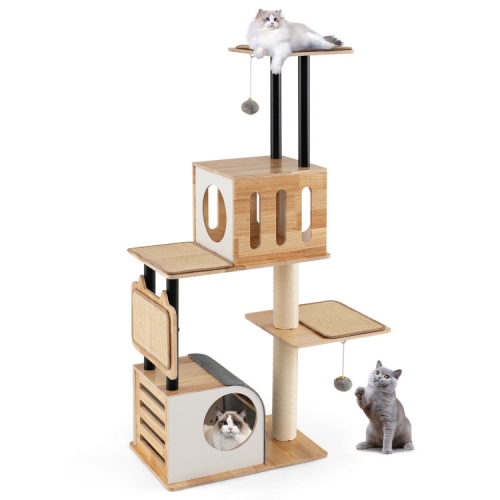
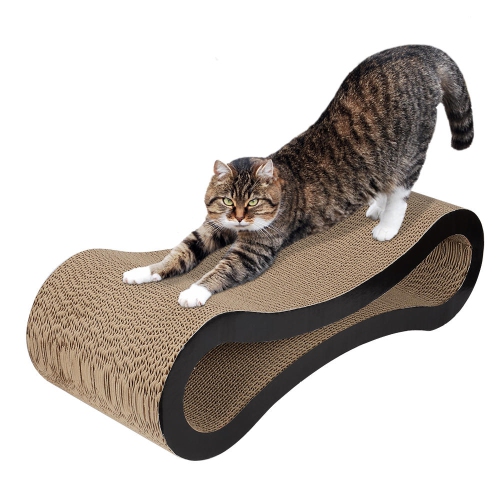
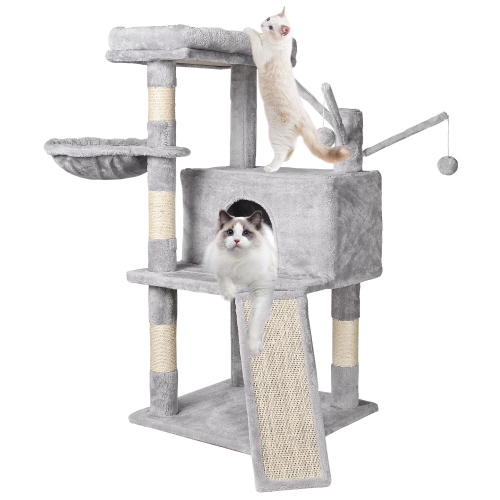
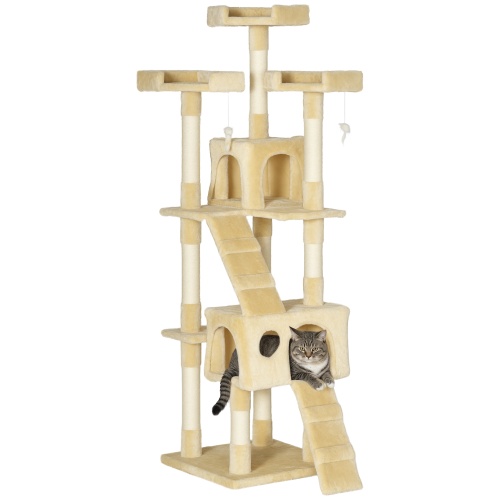
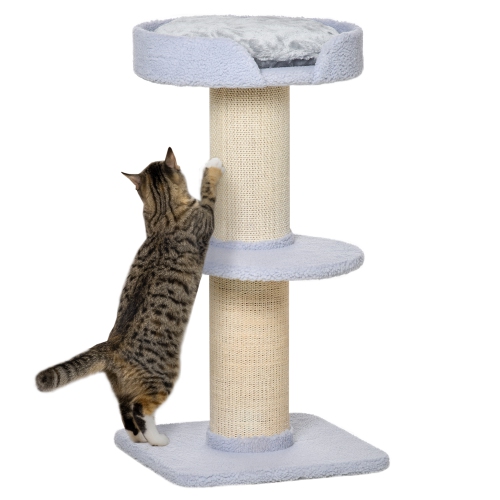
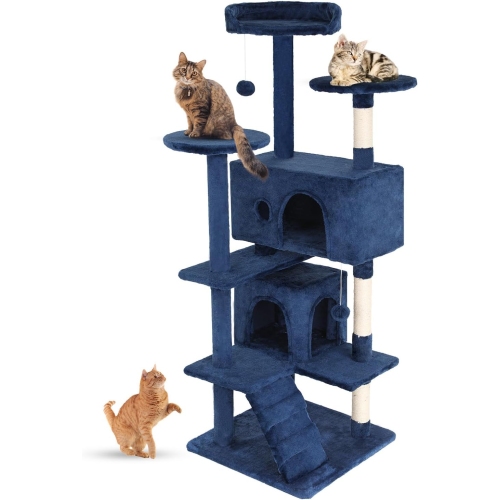
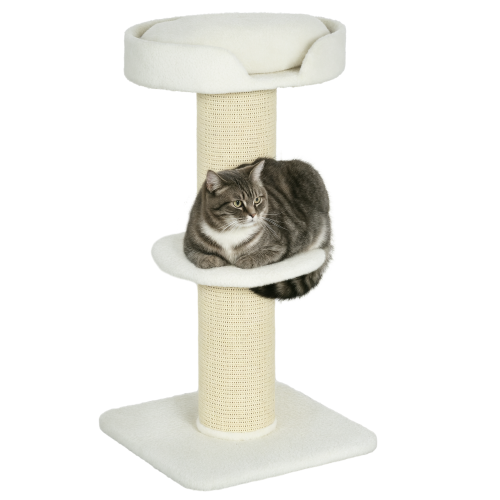
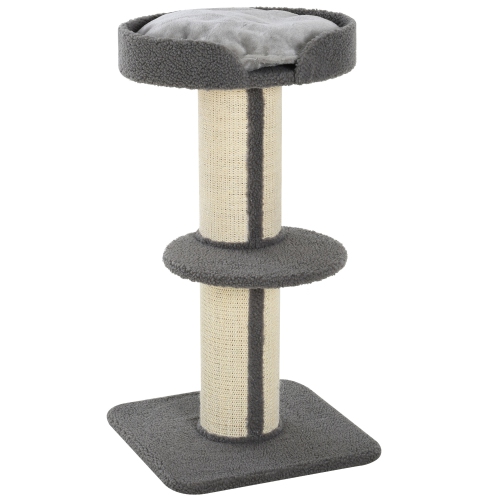
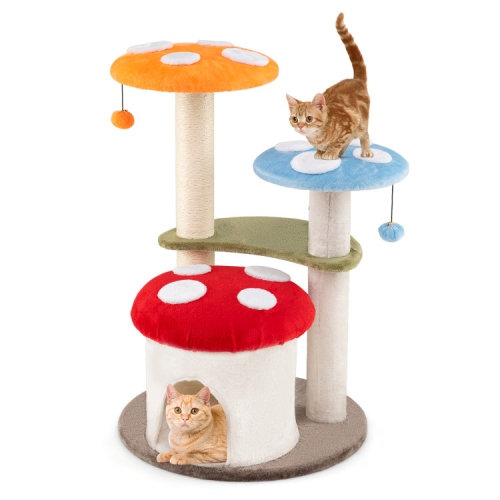
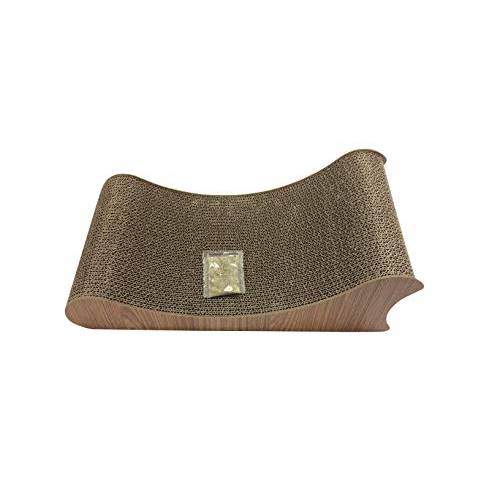
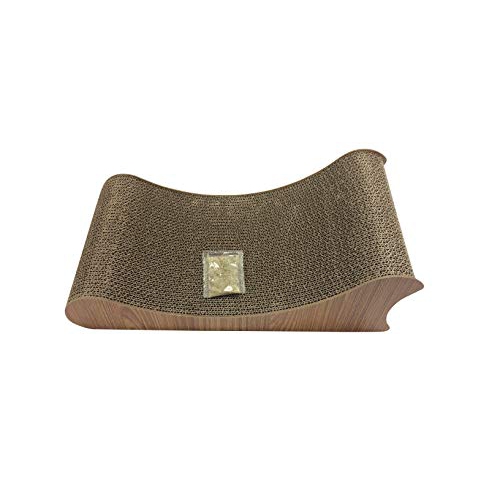
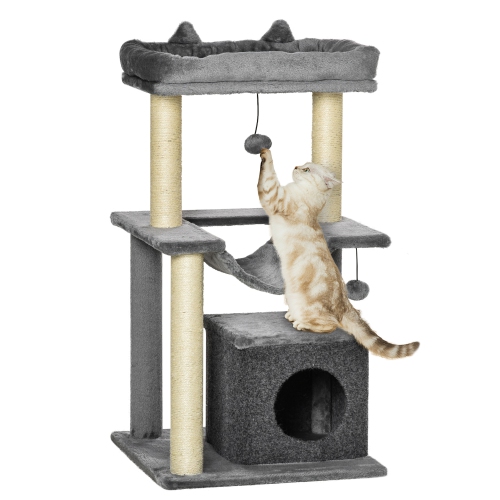
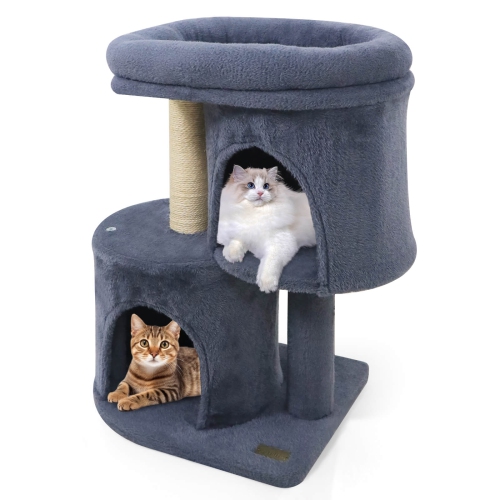
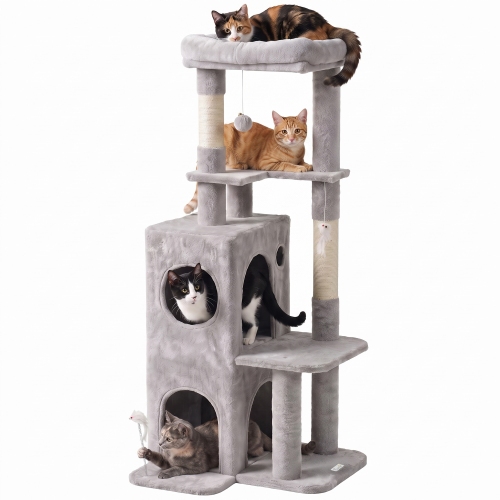
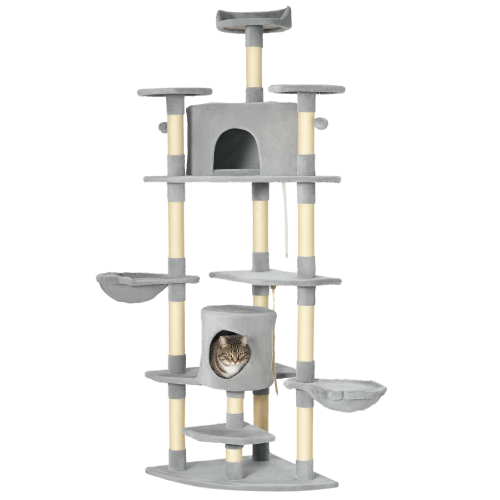
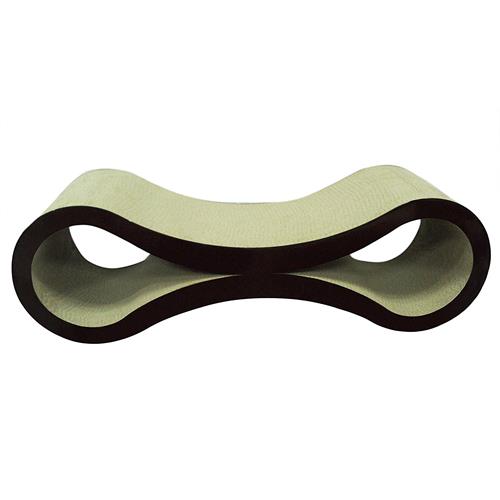
Cat scratch toys give cats a place to stretch, work their claws, and turn a familiar corner of the home into a spot for everyday play. Scratching is a normal feline behaviour: it helps cats shed the outer layers of their claws and leave both visible marks and scent signals from glands in their paws. A satisfying scratching surface can also help redirect attention away from a sofa arm or rug, although the best match depends on how an individual cat likes to scratch. Some cats lean into a tall surface with their front paws extended, while others prefer to crouch over a flat pad and pull against it. Cat scratch toys range from simple textured mats to scratch-and-play designs that pair a scratching area with a rolling ball, curved tunnel, or lounging surface. Corrugated cardboard offers a texture that claws can catch and pull through, making it a common choice for horizontal pads and curved loungers. Sisal rope and woven sisal provide a firmer surface, often suited to repeated scratching on upright or angled structures. Jute, carpet, and fabric-covered sections offer different textures, though a soft plush covering is generally more useful for resting than for sustained claw work. A cat that already scratches a doormat may favour a flat, coarse surface, while one that reaches up a chair leg may respond better to a stable upright design. For cats that enjoy scratching at full reach, Cat Scratching Posts provide a dedicated vertical option alongside flatter scratch toys. The distinction between a scratcher and a scratch toy is often the added opportunity for play: a textured centre gives paws somewhere to grip, while a ball channel around the edge invites batting and chasing. That combination can suit indoor cats that enjoy short bursts of activity between naps, without requiring a large play area. Offering more than one texture or scratching angle can help accommodate preferences that a single surface does not satisfy.
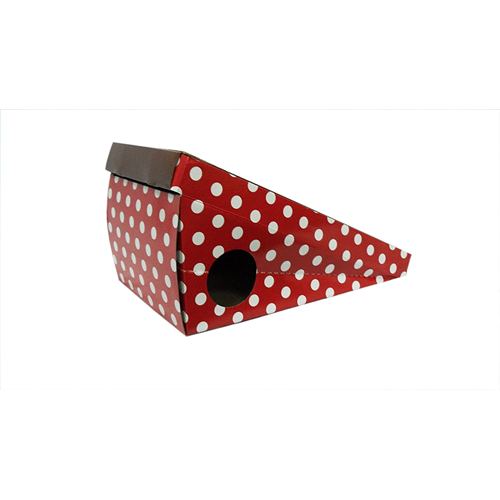
Size, stability, and layout matter as much as texture when choosing cat scratch toys for a particular pet. An upright scratching surface should offer enough usable height for the cat to extend comfortably without having to hunch, and its base should resist tipping or rocking under a strong pull. A horizontal scratcher needs enough surface area for the cat to plant its paws securely; a narrow pad that slides across the floor may be less appealing than one that stays put. Larger cats generally need a broader footprint and sturdier construction, especially when a toy includes a platform or curved section intended for lounging. For kittens, an easy-to-reach pad with a stable base can make scratching and batting accessible without a difficult climb. Older cats or those with limited mobility may prefer a low-profile surface that does not require jumping, though individual comfort and veterinary advice should shape choices when movement is painful. In a compact living room, a scratch-and-play pad can combine two activities in one footprint, provided there is still space around it for the cat to turn and stretch. A curved cardboard surface may double as a resting place, while an angled scratcher offers a different body position from a flat mat or straight post. Interactive features should match the way the cat plays. A ball held inside a track can encourage repeated pawing, whereas a dangling attachment invites reaching and swatting and needs closer supervision. Balls and other components should be appropriately sized, securely attached or enclosed as designed, and checked for damage. Strings, feathers, and loose pieces should not be left accessible if a cat chews or swallows them. In homes with several cats, separate scratching spots can give each pet room to use a preferred surface without crowding. A scratch toy can also make a thoughtful gift for a cat-owning household when it suits the pet’s size, habits, and available floor space, rather than being chosen for appearance alone.
Everyday usefulness comes down to where a cat scratch toy sits, how well it holds up, and how easily it can be kept clean. A scratcher placed beside a favourite sleeping spot gives a cat somewhere to stretch after waking; one near a frequently targeted sofa corner offers an alternative close to where scratching already happens. Tucking it behind furniture may keep it out of sight, but it also makes it less convenient for the cat. On smooth flooring, a suitable non-slip backing or secure base can reduce movement, while the underside should be checked for rough edges that might mark the floor. Introducing a new scratch toy is usually easier when the cat can approach it freely. Praise, a small treat after use, or nearby interactive play can help build a positive association without forcing the cat’s paws against the surface. If the toy is compatible with catnip, a small amount may attract interest, although not every cat responds to it. Wear is part of the purpose of a scratcher, so a heavily used surface is not necessarily a sign of poor quality. Cardboard gradually sheds small pieces and can be tidied with regular sweeping or vacuuming around the base. It should generally be kept dry, as soaking can weaken its structure. Rope and woven surfaces need periodic checks for unravelling, exposed fasteners, or sections that have pulled away from the support. Fabric areas can collect fur and dust, and cleaning should follow the care directions rather than assuming the entire toy is washable. Replaceable scratching inserts can extend the useful life of a sound frame, while reversible pads may provide another usable face when their construction allows it. Any toy should be repaired or replaced when it becomes unstable or develops sharp edges, exposed staples, or loose parts that could be swallowed. With a suitable scratching angle, comfortable dimensions, and a dependable base, cat scratch toys can earn a lasting place in a pet’s daily routine, supporting natural scratching alongside play, stretching, and rest.
Top selling and popular products
-
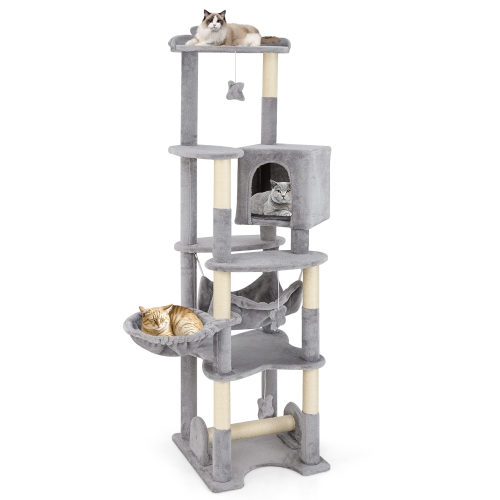 Your price for this item is $105.99
-
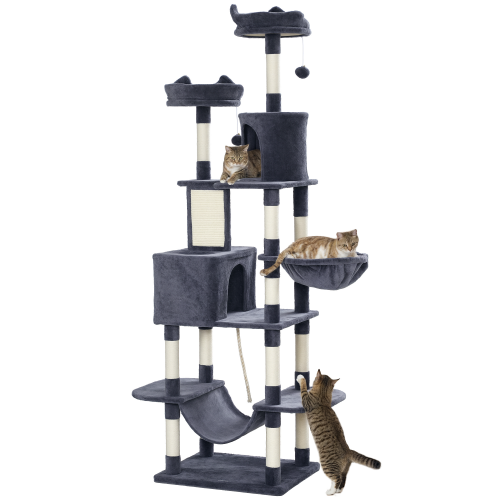 Your price for this item is $99.99
-
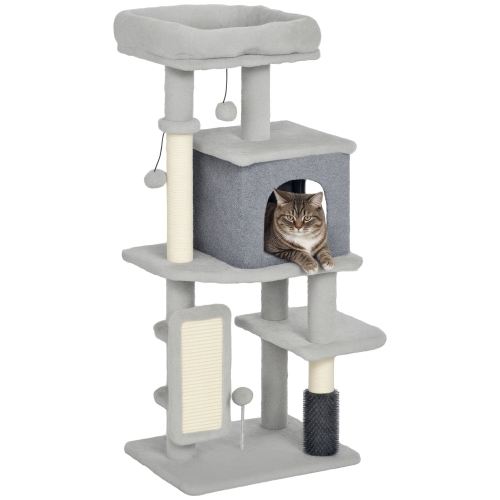 Your price for this item is $62.99
-
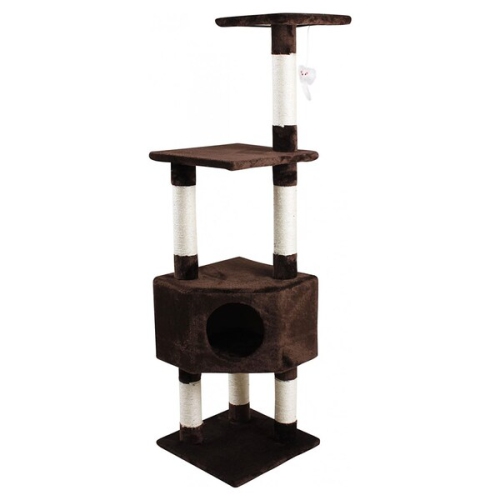 Your price for this item is $58.69
-
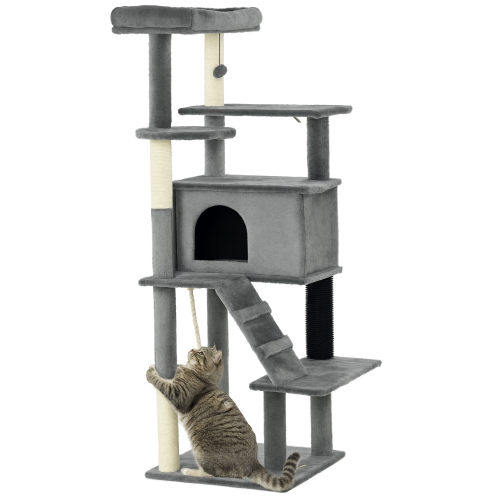 Your price for this item is $73.99
-
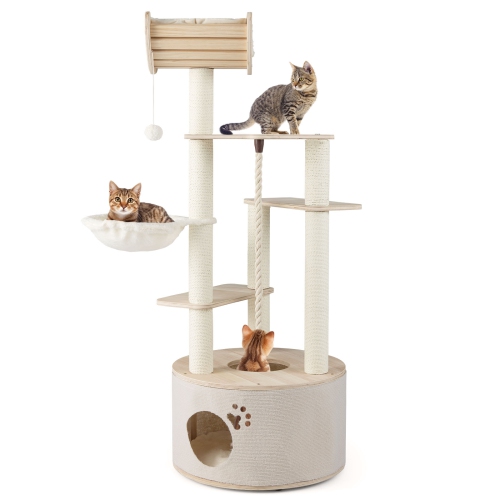 Your price for this item is $159.99
-
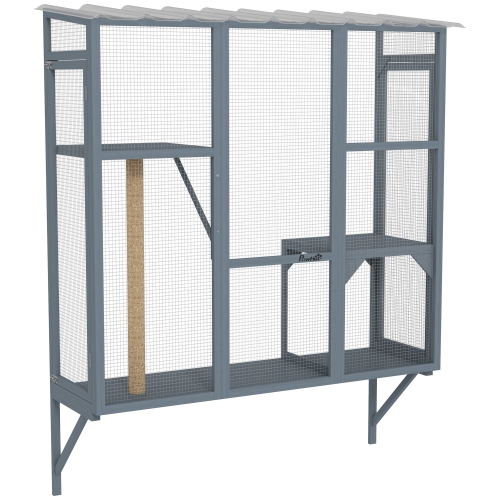 Your price for this item is $279.99
-
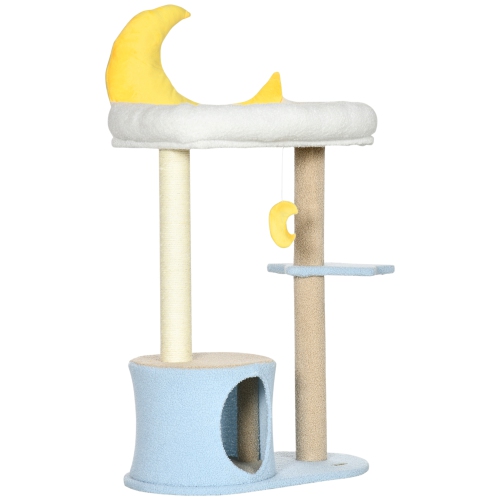 Your price for this item is $67.99
Discover more categories related to Cat Scratch Toys
Top Collections:
Pokemon Centers, Kindle Devices, Best Budget Office Chairs, Canon G7X Cameras, Apple iPhones 16, Samsung Galaxy Phones, Refurbished Apple Laptops, Laptops for Students, iPhone 15 Apple, Budget Smartphones
Some products may be subject to Environmental Handling Fees
(EHF) depending on your province.
Learn more about EHFs.