Cat Scratcher Trees
Transform your home into a feline paradise with our diverse selection of cat scratcher trees. Designed to provide endless entertainment and comfort for your furry friend, these structures offer a perfect blend of playtime fun and relaxation. Whether your cat loves to climb, scratch, or nap, you'll find the ideal solution that complements your living space while keeping your pet engaged. Explore our collection and discover how cat scratcher trees can enhance your pet's environment and well-being.
Sort
Where a satisfying scratch meets a comfortable perch
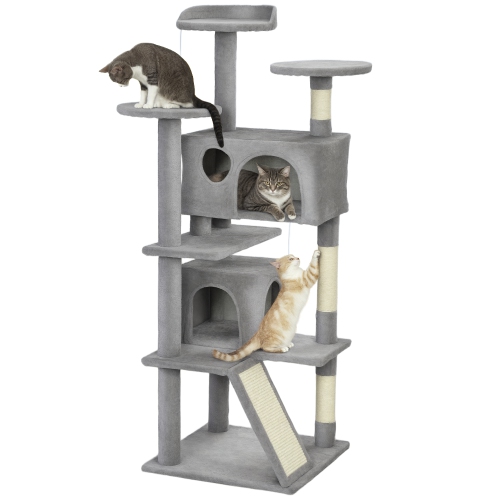
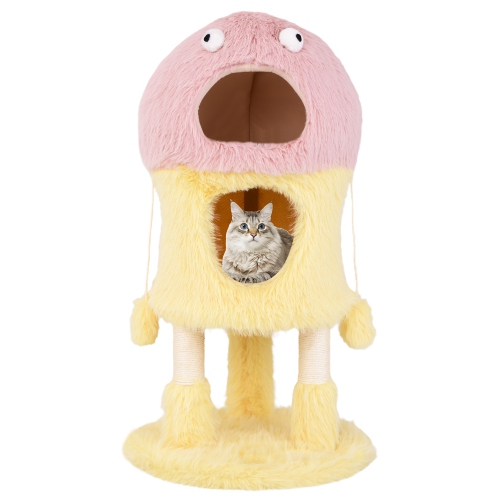
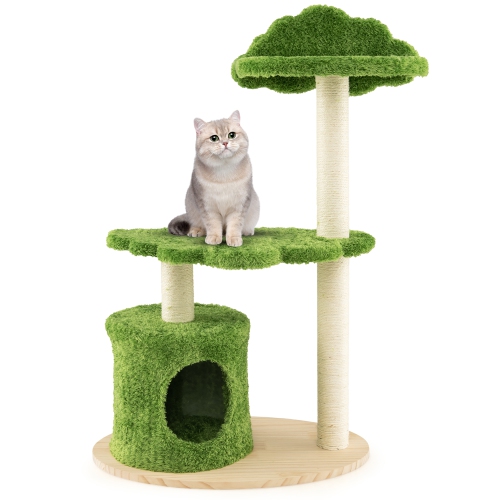
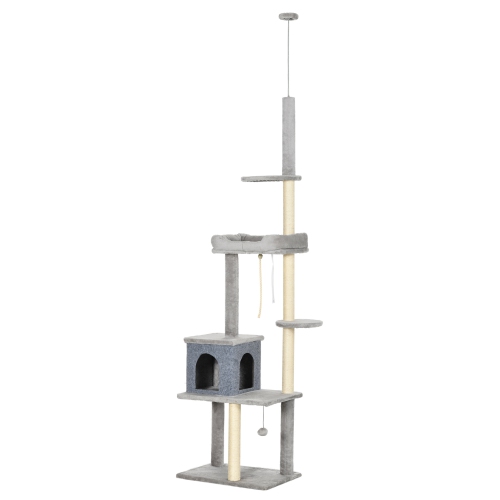
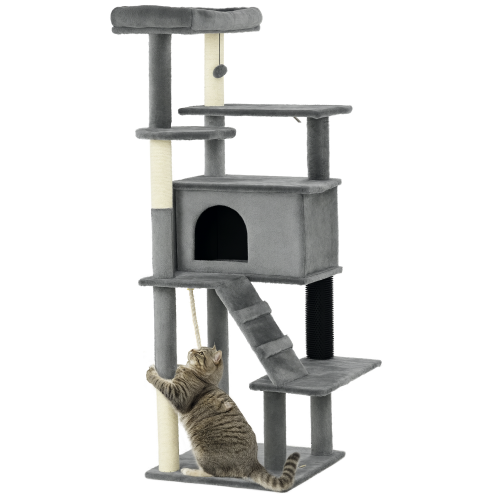
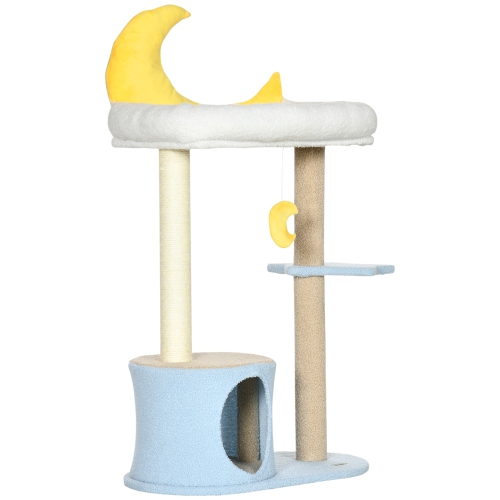
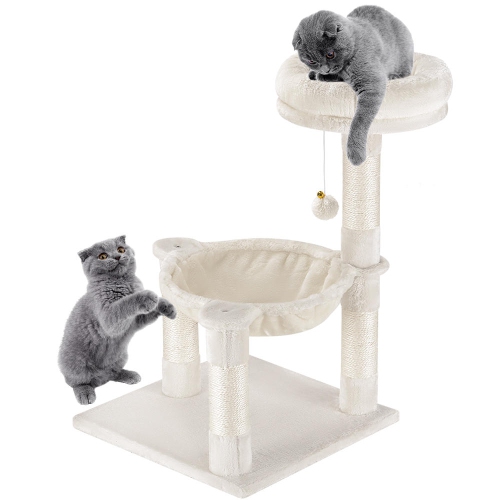
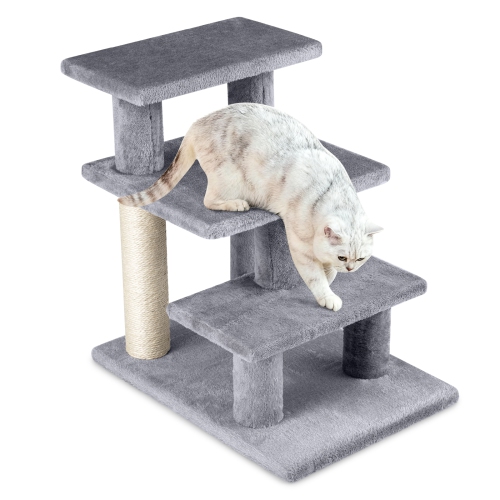
Cat scratcher trees combine scratching surfaces, climbing platforms, and resting spots in a single piece of cat furniture. They give cats somewhere to stretch, work their claws, survey a room, and settle down without moving between separate accessories. Scratching is a normal feline behaviour that helps cats shed the outer layers of their claws and mark familiar territory through scent and visible marks. A well-positioned scratching tree provides an appealing outlet for that behaviour, although individual cats may still prefer different textures or scratching angles. Some enjoy reaching high against a vertical post, while others favour a sloped panel or a horizontal surface near the floor. Compared with standalone Cat Scratchers, trees typically add elevated space and may include enclosed hideaways, padded ledges, hammocks, or several connected levels. Compact designs with a low platform can suit a smaller room or a cat that prefers staying close to the ground. Taller cat towers offer more climbing routes and lookout points for cats that regularly seek the top of a bookcase or the back of a sofa. In a home with more than one cat, several generously spaced resting areas can give each animal a place to pause without having to share a single perch. Separate routes up and down may also make the structure easier to share, particularly when one cat likes to lounge while another wants to play. A hideaway adds a sheltered retreat, while an open platform suits a cat that likes to keep an eye on household activity. The most useful combination depends on the cat’s habits: a keen climber may use every level, but a dedicated scratcher needs accessible posts with enough uninterrupted surface for a satisfying stretch. These everyday preferences matter more than the number of accessories attached to the frame, especially when a simpler layout leaves more room to move comfortably.
Materials influence how a cat scratching tree feels, how it wears, and how easily it fits into everyday cleaning. Sisal rope gives posts a coarse, textured surface that many cats enjoy gripping, while woven sisal panels provide a broader scratching area with a different feel under the paws. Carpet-covered sections offer another texture, though a cat’s response will depend on its established preferences. Plush fabric can soften sleeping platforms and the inside of cubbies, but it serves a different purpose from a dedicated scratching surface. Exposed wood or wood-based panels provide firmer surfaces that may be easier to wipe, depending on their finish and care requirements. For durability, the construction beneath the covering matters as much as the fabric itself. Securely fastened posts, well-supported platforms, and firmly attached scratching material help the structure stand up to repeated climbing and scratching. A broad, substantial base contributes to stability, but height, platform placement, assembly, and the cat’s movements all affect how steady a tree feels. Tall structures may require an anti-tip attachment, and any supplied anchoring hardware should be installed as directed. Fit also involves more than the overall height listed in the dimensions. A large adult cat needs a platform deep and wide enough to lie down comfortably, a hideaway opening it can pass through without squeezing, and supports rated for its weight. In a shared tree, the total weight capacity and any limits for individual platforms are both relevant. The scratching section should allow a full stretch without a shelf interrupting the movement. Kittens may find closely spaced, lower platforms easier to explore, while cats with limited mobility may benefit from short transitions and accessible resting spots. A lower tree is not automatically suitable for every older cat; the spacing, footing, and ease of entry are equally important. For the room itself, the usable footprint includes projecting ledges, ramps, and the space needed for a cat to approach, jump, and land, not just the dimensions of the base.
Placement helps turn a scratching tree from an unfamiliar object into part of a cat’s daily routine. A spot near a favourite resting area can put the scratching surface within reach after a nap, when many cats naturally stretch. Positioning a tree near furniture that already attracts scratching can offer a nearby alternative, rather than asking the cat to seek out a quiet corner it rarely visits. A window-side perch can provide a view, provided the structure sits securely and remains clear of blind cords, unsecured screens, and objects that could be knocked over. Busy walkways, unstable flooring, and tight spaces that block access to lower posts can make an otherwise suitable tree less practical. Appearance matters in a shared living space, too: neutral upholstery can sit quietly beside a sofa, while wood-look finishes and simpler frames may blend with other furniture. Colour and finish are worth considering alongside the visibility of shed fur and the ease of reaching each surface for cleaning. Regular vacuuming removes loose hair from fabric-covered platforms and enclosed spaces, and removable cushions or covers can simplify care when their instructions permit washing. Spot-cleaning methods should follow the material’s care directions, with cleaned surfaces allowed to dry fully before use. Periodic checks for loose fasteners, wobbling platforms, exposed staples, and worn scratching coverings help identify areas that need attention. Frayed fibres and damaged hanging toys should not remain where a cat could pull them free and swallow them. Replaceable scratching sections or cushions can be useful when one favourite spot wears faster than the rest of the structure. Cats may also need time to investigate a new tree; familiar bedding on a resting platform, praise, or a nearby play session can encourage exploration without forcing contact. For someone welcoming a cat into the household, a scratcher tree can be a thoughtful gift when the animal’s size, habits, and available floor space are known. A design that accommodates those details can become an everyday place for scratching, stretching, watching, and sleeping.
Materials influence how a cat scratching tree feels, how it wears, and how easily it fits into everyday cleaning. Sisal rope gives posts a coarse, textured surface that many cats enjoy gripping, while woven sisal panels provide a broader scratching area with a different feel under the paws. Carpet-covered sections offer another texture, though a cat’s response will depend on its established preferences. Plush fabric can soften sleeping platforms and the inside of cubbies, but it serves a different purpose from a dedicated scratching surface. Exposed wood or wood-based panels provide firmer surfaces that may be easier to wipe, depending on their finish and care requirements. For durability, the construction beneath the covering matters as much as the fabric itself. Securely fastened posts, well-supported platforms, and firmly attached scratching material help the structure stand up to repeated climbing and scratching. A broad, substantial base contributes to stability, but height, platform placement, assembly, and the cat’s movements all affect how steady a tree feels. Tall structures may require an anti-tip attachment, and any supplied anchoring hardware should be installed as directed. Fit also involves more than the overall height listed in the dimensions. A large adult cat needs a platform deep and wide enough to lie down comfortably, a hideaway opening it can pass through without squeezing, and supports rated for its weight. In a shared tree, the total weight capacity and any limits for individual platforms are both relevant. The scratching section should allow a full stretch without a shelf interrupting the movement. Kittens may find closely spaced, lower platforms easier to explore, while cats with limited mobility may benefit from short transitions and accessible resting spots. A lower tree is not automatically suitable for every older cat; the spacing, footing, and ease of entry are equally important. For the room itself, the usable footprint includes projecting ledges, ramps, and the space needed for a cat to approach, jump, and land, not just the dimensions of the base.
Placement helps turn a scratching tree from an unfamiliar object into part of a cat’s daily routine. A spot near a favourite resting area can put the scratching surface within reach after a nap, when many cats naturally stretch. Positioning a tree near furniture that already attracts scratching can offer a nearby alternative, rather than asking the cat to seek out a quiet corner it rarely visits. A window-side perch can provide a view, provided the structure sits securely and remains clear of blind cords, unsecured screens, and objects that could be knocked over. Busy walkways, unstable flooring, and tight spaces that block access to lower posts can make an otherwise suitable tree less practical. Appearance matters in a shared living space, too: neutral upholstery can sit quietly beside a sofa, while wood-look finishes and simpler frames may blend with other furniture. Colour and finish are worth considering alongside the visibility of shed fur and the ease of reaching each surface for cleaning. Regular vacuuming removes loose hair from fabric-covered platforms and enclosed spaces, and removable cushions or covers can simplify care when their instructions permit washing. Spot-cleaning methods should follow the material’s care directions, with cleaned surfaces allowed to dry fully before use. Periodic checks for loose fasteners, wobbling platforms, exposed staples, and worn scratching coverings help identify areas that need attention. Frayed fibres and damaged hanging toys should not remain where a cat could pull them free and swallow them. Replaceable scratching sections or cushions can be useful when one favourite spot wears faster than the rest of the structure. Cats may also need time to investigate a new tree; familiar bedding on a resting platform, praise, or a nearby play session can encourage exploration without forcing contact. For someone welcoming a cat into the household, a scratcher tree can be a thoughtful gift when the animal’s size, habits, and available floor space are known. A design that accommodates those details can become an everyday place for scratching, stretching, watching, and sleeping.
Top selling and popular products
-
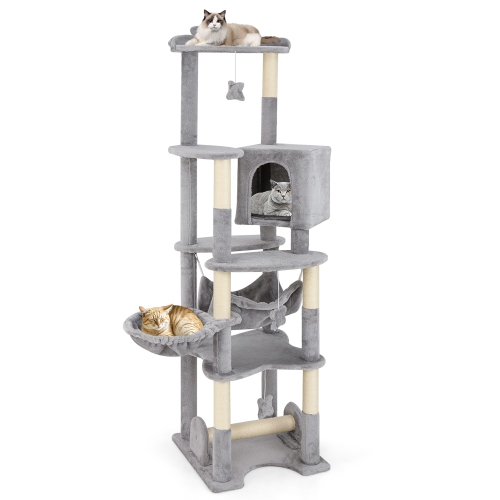 Your price for this item is $105.99
 -
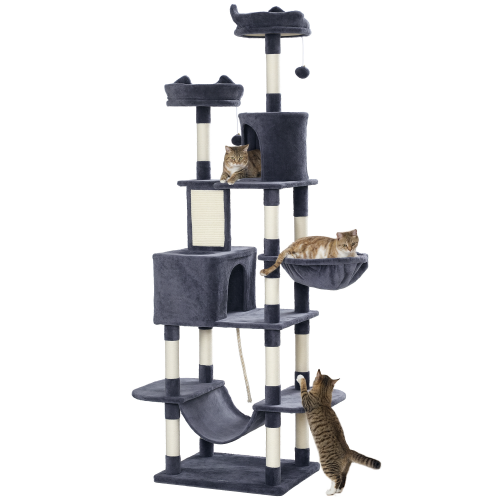 Your price for this item is $99.99
 -
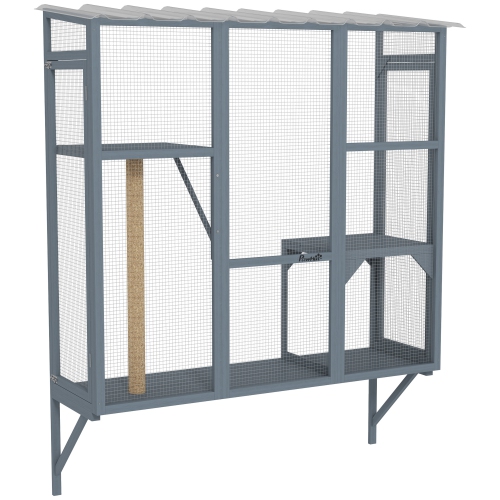 Your price for this item is $266.99
 -
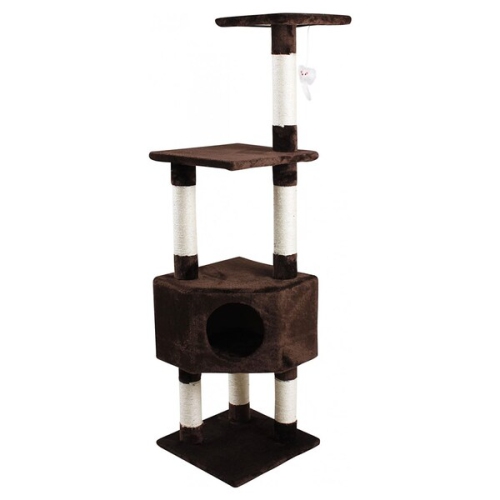 Your price for this item is $58.69
 -
 Your price for this item is $73.99
 -
 Your price for this item is $67.99
 -
 Your price for this item is $36.99
 -
 Your price for this item is $59.99
Discover more categories related to Cat Scratcher Trees
Top Collections:
Pokemon Centers, Kindle Devices, Best Budget Office Chairs, Apple iPhones 16, Best Laptops for Writers, iPhone 15 Apple, Canon G7X Cameras, Refurbished Apple Laptops, Alarm Clock, Motorola Razr Phones
Some products may be subject to Environmental Handling Fees
(EHF) depending on your province.
Learn more about EHFs.