Center Tables With Drawers
Center Table With Drawers offers a stylish and practical addition to any living space, blending form and function for everyday convenience. Perfect for organizing essentials while complementing your decor, these tables provide accessible storage solutions without compromising on design. Whether you're looking to keep your living room tidy or add a touch of elegance, a center table with drawers is an excellent choice for enhancing both organization and style in your home.
Sort

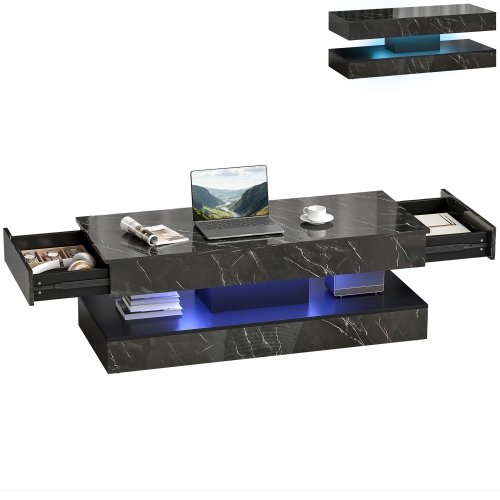

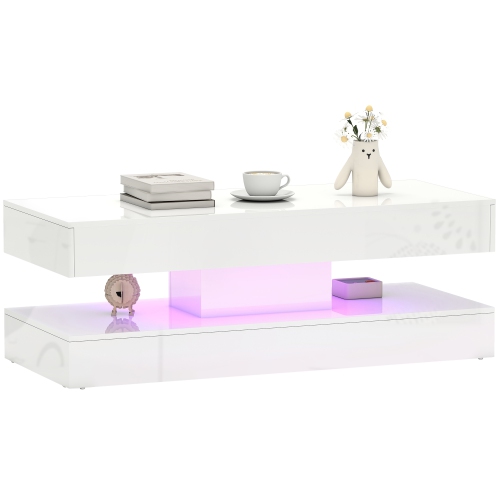
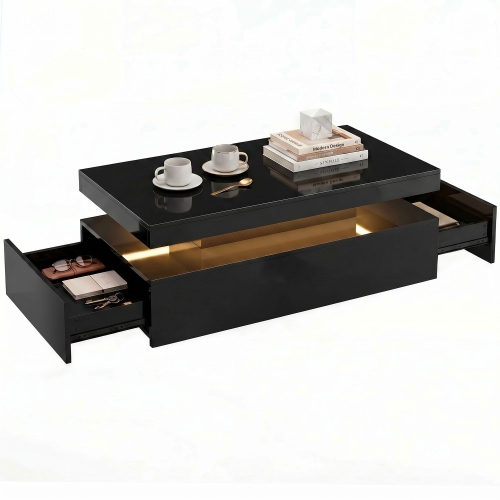
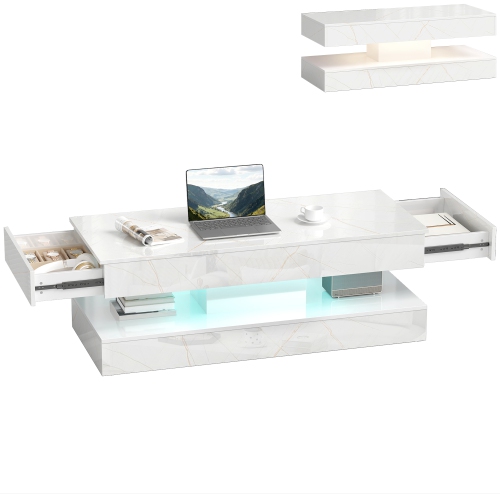
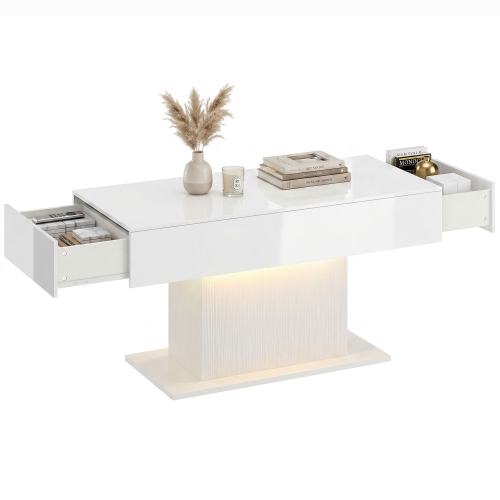
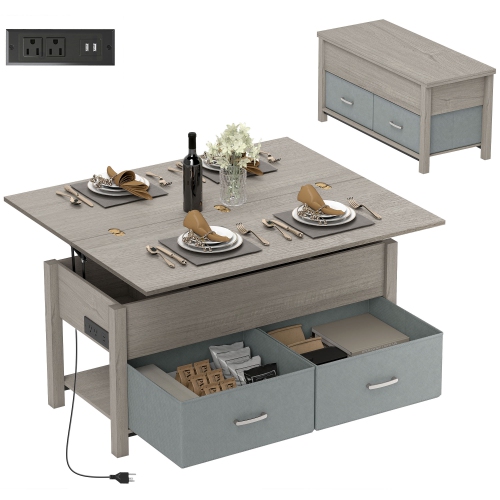
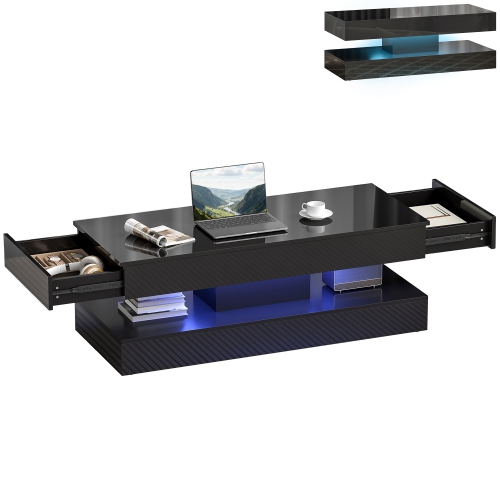
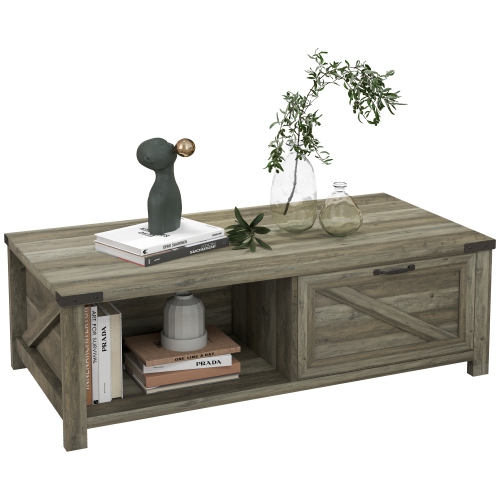

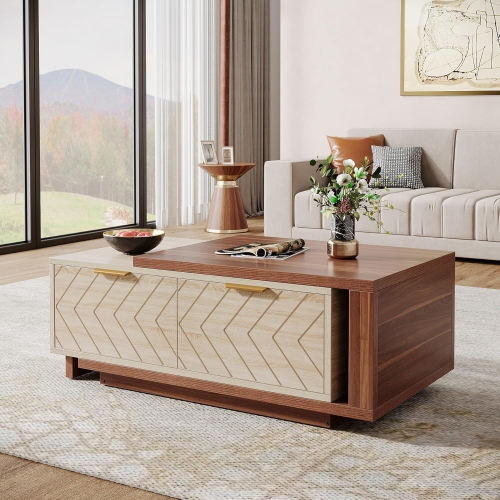
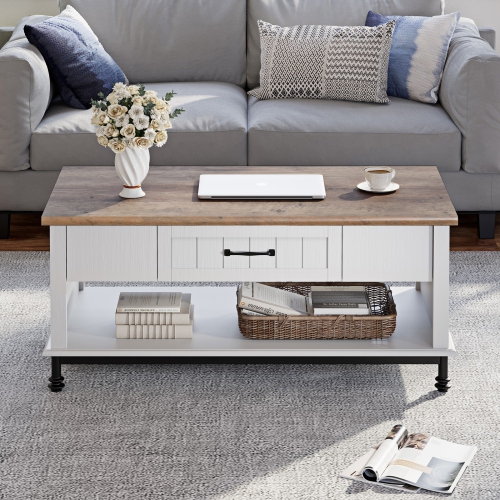
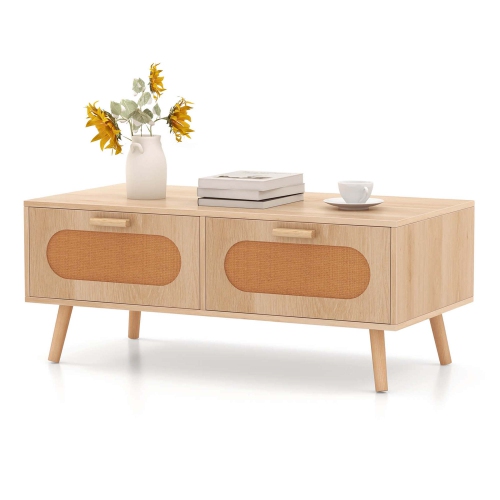
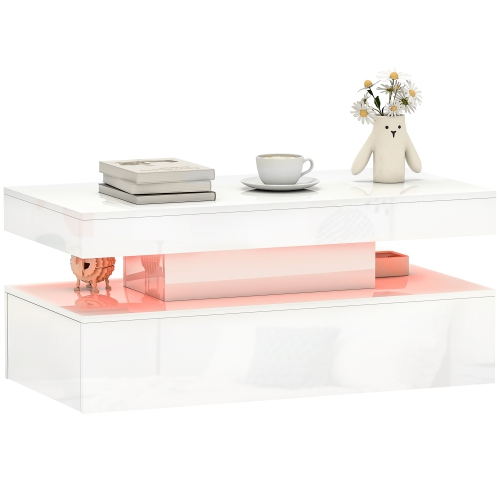
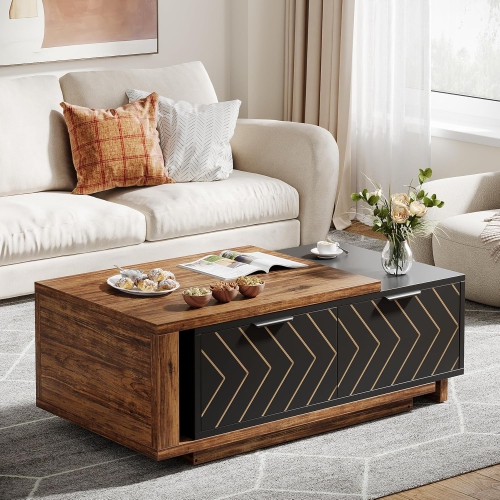
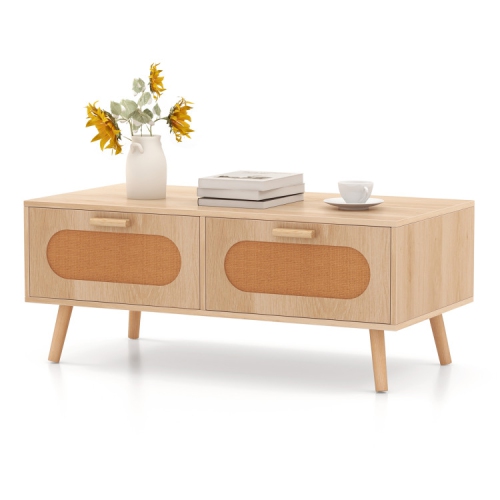
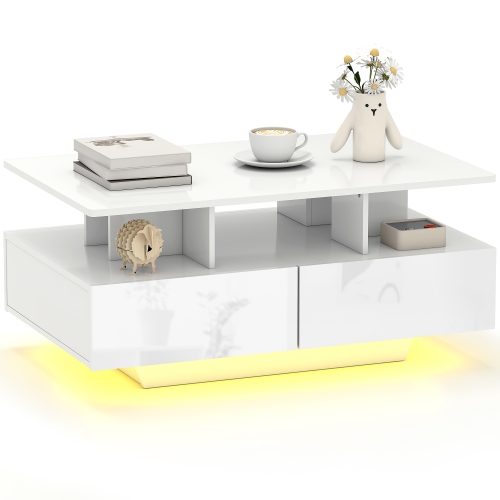

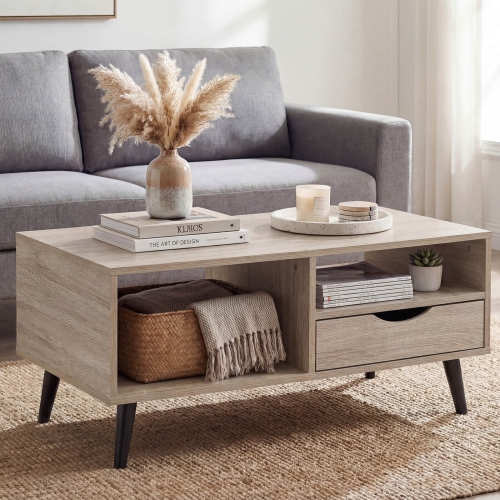
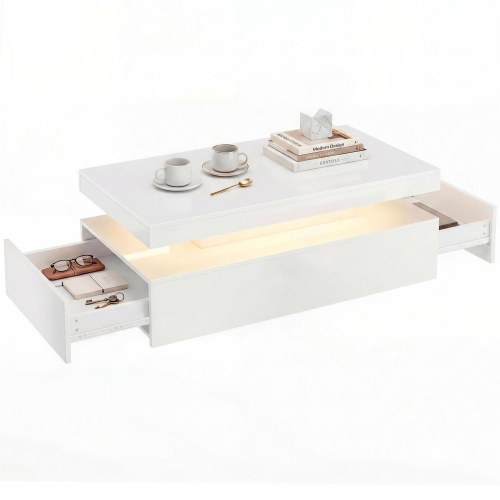
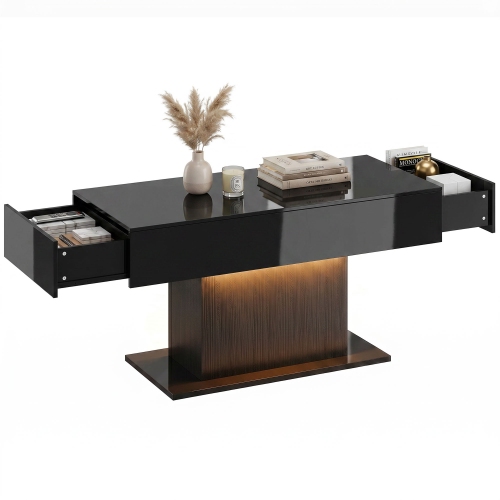
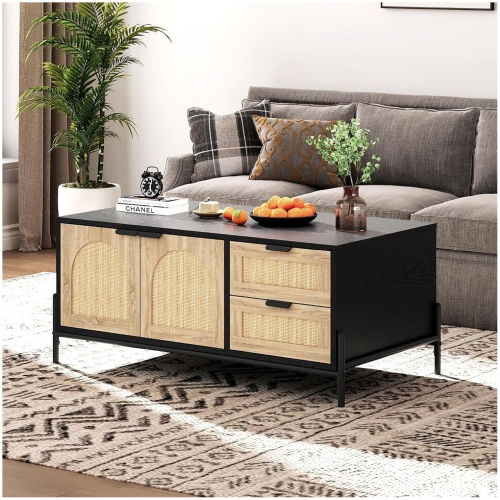
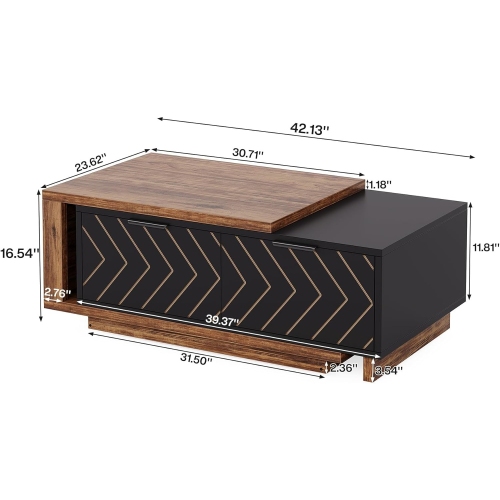
Everyday essentials tucked away within reach of the sofa
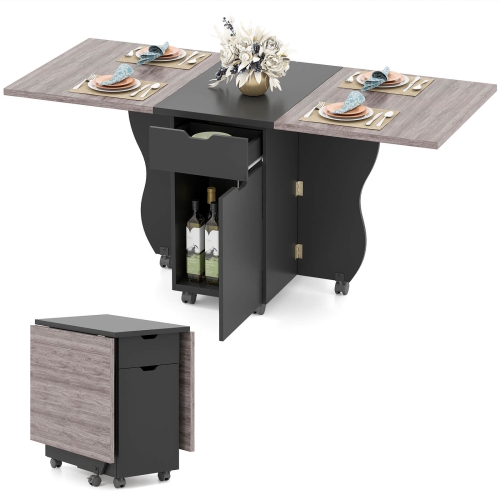
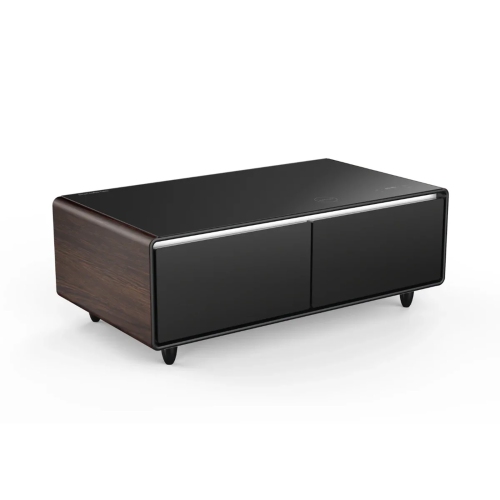
Centre tables with drawers are coffee tables that combine a surface for everyday use with enclosed storage beneath it. Positioned in front of a sofa or between lounge chairs, they keep remotes, coasters, reading glasses, and other small essentials close at hand without leaving everything on display. This makes them useful in living rooms where the same space serves several purposes: a place to chat with visitors, settle in for a film, or spread out a board game. Drawer layouts influence how that storage works. A single wide drawer can accommodate larger accessories, while several smaller drawers make it easier to separate charging cables from stationery and television controls. Designs that pair drawers with an open shelf offer both concealed storage and an accessible spot for books or a serving tray. Shape and proportions matter just as much as capacity. Rectangular centre tables often suit longer sofas, while square shapes can feel balanced beside a sectional or within a generous seating arrangement. Round and oval tables soften the outline of a room and remove projecting tabletop corners, although their drawer interiors may be smaller or shaped differently from those in rectangular designs. A table approximately half to two-thirds the length of the sofa is a useful starting proportion, with the final fit depending on the seating layout. The tabletop generally feels comfortable when it sits close to the height of the sofa cushions. Space around the table needs to accommodate both movement and storage access: a drawer facing the sofa must open without pressing into someone’s knees, and drawers on opposite sides need clearance in both directions. In a compact condo, a shallow table with accessible drawers may work better than a deeper design with storage that is awkward to reach. Measuring the full footprint, including projecting handles and the space needed to extend a drawer, gives a clearer picture than tabletop dimensions alone. Nearby recliners, ottomans, and cabinet doors also need room to move.
Material and construction affect a centre table’s appearance, weight, care requirements, and ability to stand up to daily use. Solid wood brings visible grain and natural variation, with finishes ranging from pale tones to deeper browns. Wood veneer provides a real-wood surface over a supporting core, while engineered wood with laminate or melamine surfaces can offer a consistent colour or a wood-look finish. These materials have different care needs, so the finish and manufacturer’s directions matter more than appearance alone. A surface described as scratch-resistant still benefits from coasters, protective pads, and careful handling. Water should not be left sitting around seams or edges, particularly on wood-based panels. Glass tops create a lighter visual impression and leave the base or lower shelf visible, but fingerprints and dust can be more noticeable. Tempered glass is designed to break differently from ordinary glass, though it can still be damaged and should not be treated as unbreakable. Metal frames can give a table a slim profile, while stone-look surfaces introduce pattern without necessarily having the same composition or care requirements as natural stone. For day-to-day upkeep, a soft cloth and a cleaner suited to the surface are usually more appropriate than abrasive pads or harsh cleaning products. Drawer construction deserves attention alongside the tabletop. Smooth-running slides, secure handles, and a well-supported drawer bottom help make frequently used storage pleasant to access. Weight limits apply separately to the tabletop, shelves, and drawers, so a deep compartment is not automatically suitable for heavy objects. Stable legs and firmly secured joints also matter when a drawer is pulled open. Visually, recessed pulls and flat fronts create a quieter outline, while raised handles, framed drawer fronts, and visible wood grain add detail. A high-gloss finish reflects light and makes fingerprints more apparent; a textured or matte surface produces a more subdued effect. Repeating one existing finish in the room can help the table feel connected to the seating, flooring, and media furniture without requiring an exact match.
The most useful storage arrangement reflects what actually happens around the sofa. In a film-focused living room, separate spaces for remotes, headphones, and charging accessories reduce the familiar search between cushions. In a shared household, assigning a drawer to each person can keep everyday belongings from spreading across the tabletop. For people who enjoy puzzles, crafts, or handwritten notes, a drawer can hold small supplies between sessions, provided its internal dimensions suit them. Drawer dividers and low organizers help stop loose accessories from sliding to the back, but they need enough clearance for the drawer to close smoothly. Internal measurements are especially important for books, game boxes, or tablets, since decorative fronts and thick side panels can make the usable space smaller than expected. A combination of enclosed drawers and an open shelf can also suit households that want frequently used reading material visible while keeping cables and small accessories tucked away. Some centre-table designs add lift-top sections, integrated lighting, or USB charging connections. These features serve different purposes: a lift-top can bring a surface closer to seated height, lighting adds an accent, and charging connections place power nearer to the seating area. Each also introduces practical considerations, including moving-part clearance, access to a suitable outlet, and the need to route cords away from walking paths. Drawers alone should not be assumed to provide ventilation for electronics or secure storage for medicines, batteries, or other objects that need to be kept away from children. Rounded corners may reduce sharp projections, but stable construction, suitable placement, and attention to pinch points remain important in family spaces. Coordinating a centre table with other tables with drawers can repeat a wood tone, handle shape, or leg profile across the room without making every piece identical. Whether the room is used mainly for conversation, shared entertainment, or quiet reading, an appropriately sized centre table provides a dependable landing place while keeping the small necessities of daily life within reach.
Top selling and popular products
-
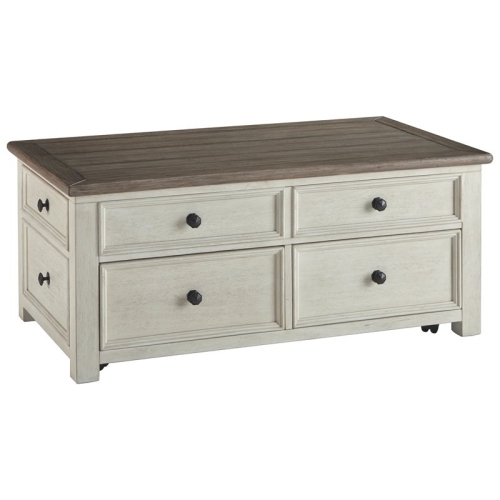 Your price for this item is $949
-
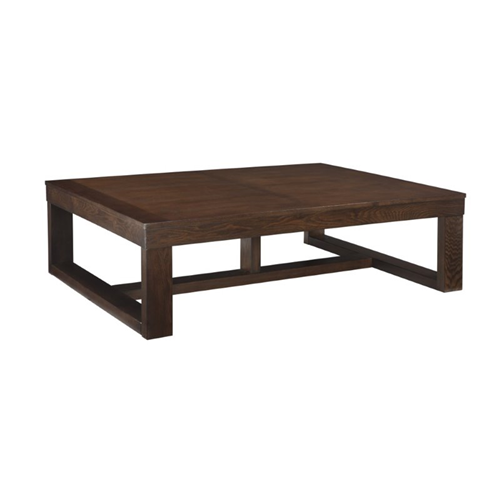 Your price for this item is $449
-
 Your price for this item is $649
-
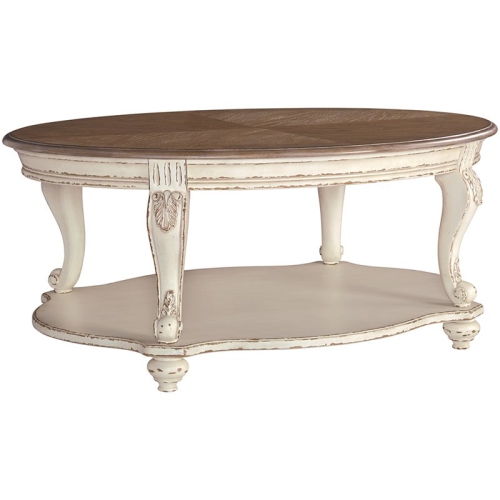 Your price for this item is $599
-
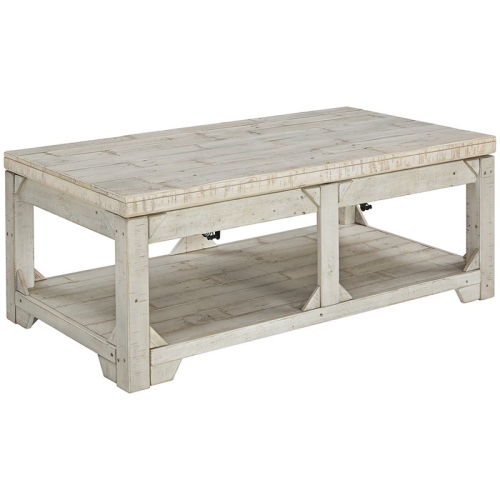 Your price for this item is $549
-
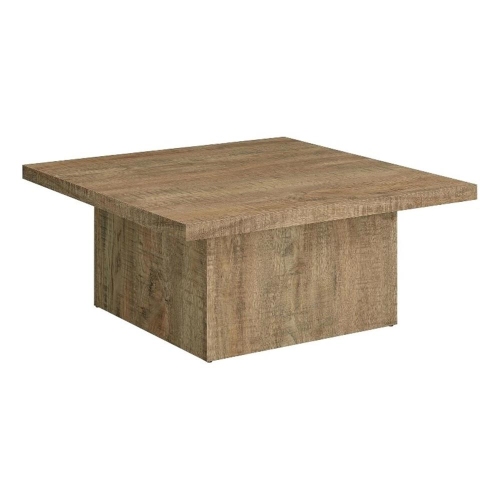 Your price for this item is $376.99
-
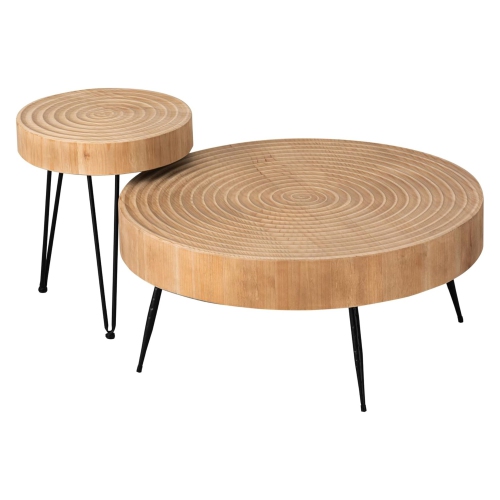 Your price for this item is $473.99
-
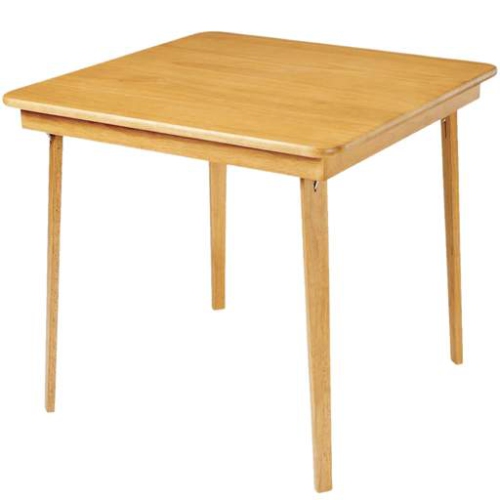 Your price for this item is $329.99
Discover more categories related to Center Tables With Drawers

Top Collections:
Best Black Friday Deals This Year, Best Black Friday Deals On Electronics, Kindle Devices, Pokemon Centers, Best Black Friday Deals On Apple Products, Best Cameras for Sports Photography, Dyson Airwrap, Pokémon 30th Celebration Cards, Apple iPhone 17 Pro, Canon G7X Cameras
Some products may be subject to Environmental Handling Fees
(EHF) depending on your province.
Learn more about EHFs.