Ceramic Baking Dishes
Baking enthusiasts, get ready to take your culinary creations to the next level with these ceramic baking dishes. Whether you're whipping up a delicious casserole, baking a mouthwatering lasagna, or simply roasting vegetables to perfection, these versatile dishes are a must-have in any kitchen. Crafted from high-quality ceramic materials, they offer excellent heat distribution and retention, resulting in even cooking results every time.
Sort


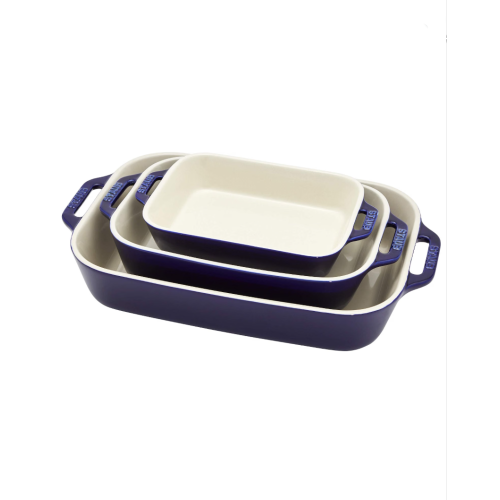


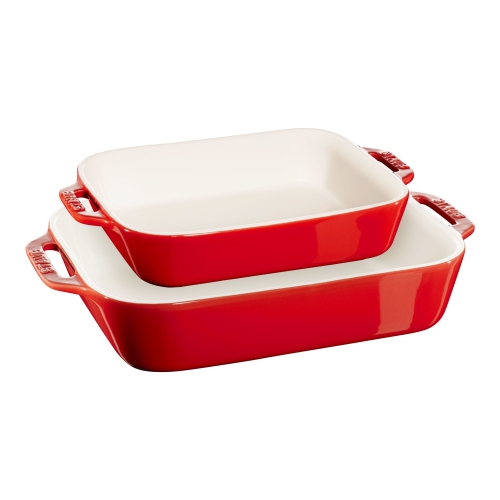
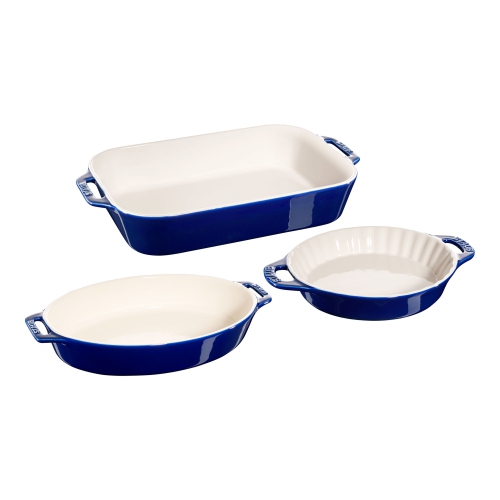


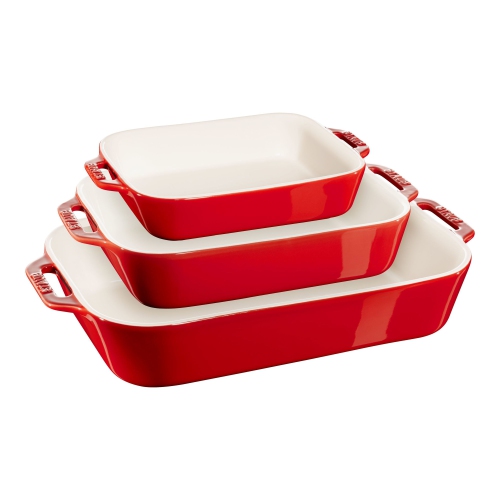












Heat that lasts from oven to table
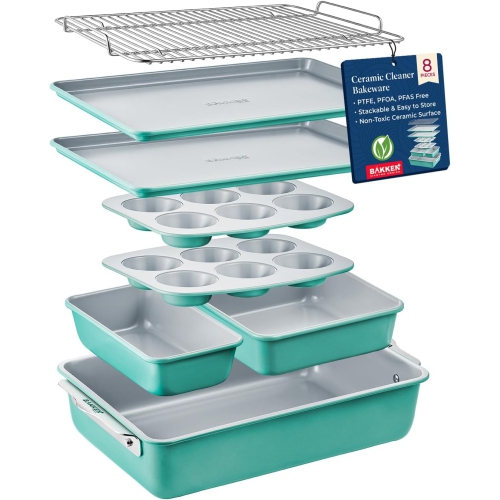
Ceramic baking dishes are ovenware made from fired clay, often finished with a glazed surface, and used for casseroles, roasted vegetables, baked pasta, fruit crumbles, and other oven-cooked meals. Their ability to retain heat makes them useful for food that goes straight from the oven to the table, where a lasagne or potato gratin can stay warm while everyone settles in. That heat retention also means food may continue cooking after the dish leaves the oven, something worth allowing for with custards, eggs, and other delicate recipes. Ceramic bakeware includes stoneware and porcelain, with differences in weight, thickness, finish, and permitted uses depending on how each piece is made. Thicker dishes often feel substantial and hold heat well, while thinner designs may be easier to lift and pass around the table. Neither appearance nor weight alone establishes durability or heat resistance; the manufacturer’s stated oven limits and care directions are the important reference points. A glazed interior usually makes serving and cleaning easier, although it should not be assumed to perform like a non-stick coating. Greasing or lining may still be appropriate for a particular recipe, especially when neat slices or easy release matter. Ceramic baking dishes also differ from metal pans with a ceramic-based coating: the former have a fired-clay body, while the latter rely on a metal base and have different heating and care characteristics. For recipes developed around metal bakeware, results can change when ceramic is substituted, so checking doneness rather than relying only on the stated baking time helps. Oven-safe ceramic is well suited to many moist, layered dishes, but it is not automatically the best match for every recipe. Its appeal lies in combining practical baking performance with a serving surface that looks at home beside everyday dinnerware, whether holding a bubbling family supper or a small baked dessert.
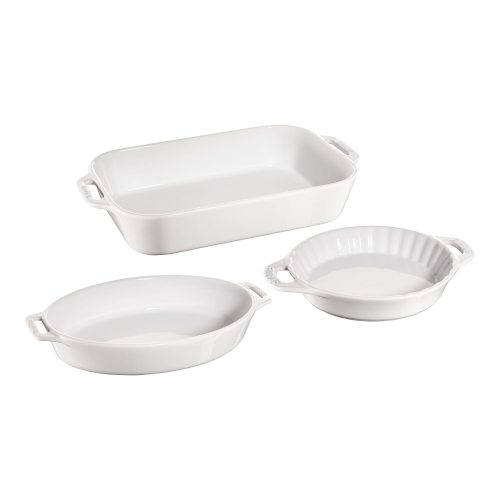
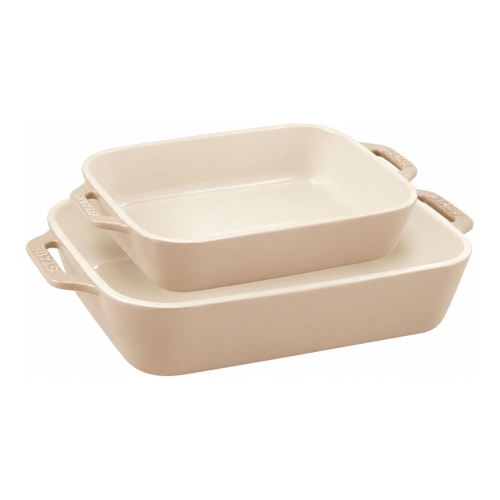
Size and shape affect both how a recipe cooks and how comfortably a dish fits into everyday routines. A rectangular ceramic baking dish is a familiar choice for layered pasta and larger casseroles, while square dishes suit smaller bakes and round or oval shapes work well for gratins, cobblers, and vegetables. A recipe calling for a 9 x 13 inch pan needs a dish with comparable usable dimensions and sufficient depth, not simply one with similar outside measurements. Wide rims and handles can add considerably to the overall footprint, so oven space, cupboard shelves, and the area available on a trivet all matter. In a countertop oven, clearance around the sides and above the food can be particularly important. Capacity is another useful comparison: two dishes with the same length and width can hold different amounts if their walls slope differently or one is deeper. A shallow dish exposes more surface for browning, while a deeper one accommodates generous layers and sauces, provided there is enough headroom to prevent bubbling food from spilling over. Handles should offer a secure grip with oven mitts, especially when a dish is full, and the combined weight of ceramic and food deserves consideration for anyone who finds heavy cookware difficult to lift. Lids can be useful for covered baking or storing leftovers, but their heat limits may differ from those of the dish itself. A storage lid should never be treated as oven-safe without clear confirmation. For households that regularly cook different portion sizes, Ceramic Bakeware Sets offer a coordinated approach to preparing a main course, side dish, and dessert. Nesting shapes can simplify storage, though leaving a protective layer between glazed surfaces helps prevent scuffs. These practical details also make ceramic bakeware a thoughtful housewarming or wedding gift, particularly when the size suits the recipient’s household and cooking habits. A compact dish may see more use in a one-person kitchen than an oversized casserole, while someone who often hosts meals may appreciate roomier proportions and comfortable handles.
Care and safe handling help ceramic baking dishes remain useful over time. Oven, microwave, dishwasher, freezer, and broiler compatibility are separate features, not benefits that apply automatically to every ceramic dish. Clear manufacturer labelling is especially important for decorative finishes, metallic details, and lids made from another material. Food-contact safety also depends on the glaze and manufacturing standards, so bakeware intended for food preparation is a better choice than pottery made only for display. Claims such as lead-free or non-toxic should be supported by the maker rather than inferred from the word ceramic. Even sturdy oven-safe dishes can be damaged by thermal shock, which happens when a rapid temperature change creates stress in the material. Moving a hot dish onto a cold or wet surface, adding cold liquid to very hot ceramic, or transferring a frozen dish directly into a hot oven can cause cracking unless that use is expressly permitted. A dry, heat-resistant trivet provides a suitable resting place after baking and protects the table from retained heat. Direct contact with a stovetop burner, barbecue flame, or broiler should likewise be avoided unless the dish is specifically rated for it. Once the bakeware has cooled, warm water, mild dish soap, and a non-abrasive sponge are usually a sensible starting point for cleaning. Softening baked-on sauce before washing is gentler on the glaze than scraping aggressively with metal utensils. Dishwasher-safe pieces may offer convenient cleanup, but rack placement and contact with other dishes can still affect chipping and wear. Care directions may also limit soaking, particularly where unglazed areas can absorb water. Before each use, checking for chips, cracks, or a changing glaze surface helps identify damage that could make a dish unsuitable for cooking. With appropriate use, careful storage, and cleaning that respects the finish, ceramic bakeware can handle the familiar rhythm of preparing, baking, serving, and putting away everyday meals.
Top selling and popular products
-
 Your price for this item is $129.99
-
 Your price for this item is $64.99
-
 Your price for this item is $69.99
-
 Your price for this item is $69.99
-
 Your price for this item is $129.99
-
 Your price for this item is $69.99
-
 Your price for this item is $49.99
-
 Your price for this item is $49.99
Discover more categories related to Ceramic Baking Dishes
Top Collections:
Best Black Friday Deals This Year, Best Black Friday Deals On Electronics, Kindle Devices, Pokemon Centers, Best Black Friday Deals On Apple Products, Best Cameras for Sports Photography, Dyson Airwrap, Pokémon 30th Celebration Cards, Apple iPhone 17 Pro, Canon G7X Cameras
Some products may be subject to Environmental Handling Fees
(EHF) depending on your province.
Learn more about EHFs.