Chain Link Fences for Dogs
Keep your furry friends safe and secure with chain link fences for dogs, designed to provide reliable boundaries for your outdoor space. Whether you’re setting up a play area in the backyard or creating a dedicated spot for exercise, these versatile fencing solutions offer peace of mind while allowing your pets to enjoy the outdoors. Explore a range of sizes and styles to find the perfect fit for your home and your dog’s needs.
Sort
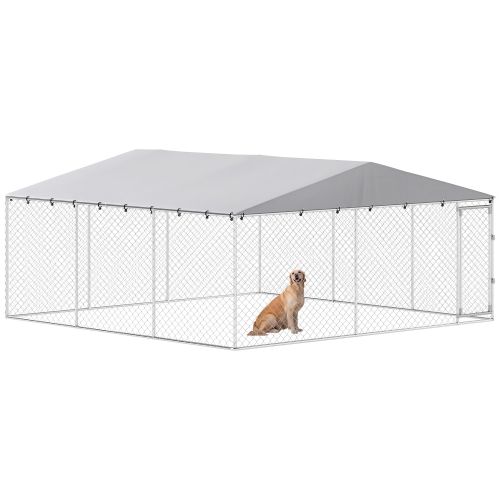
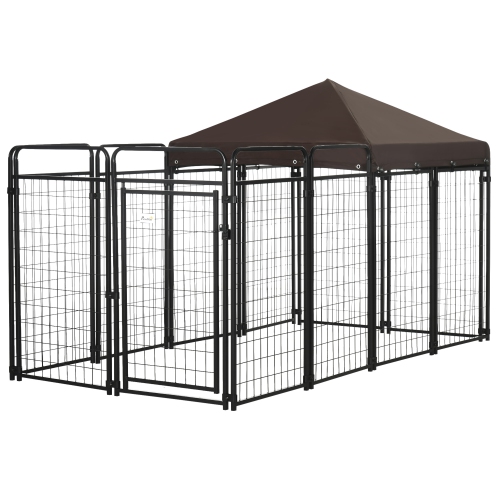
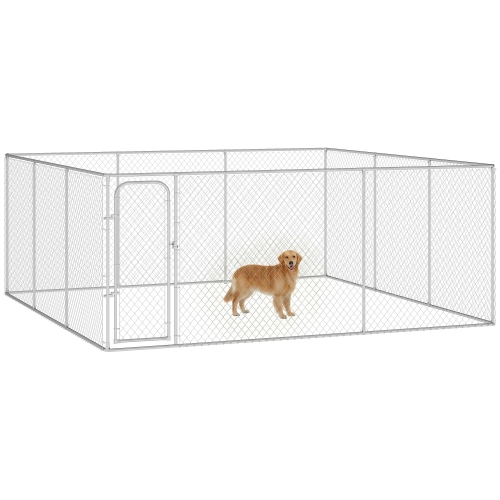
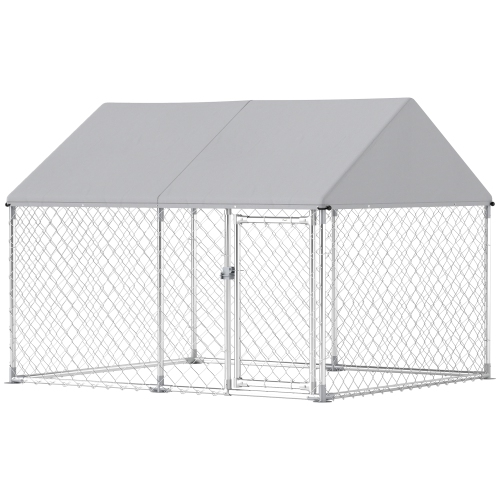
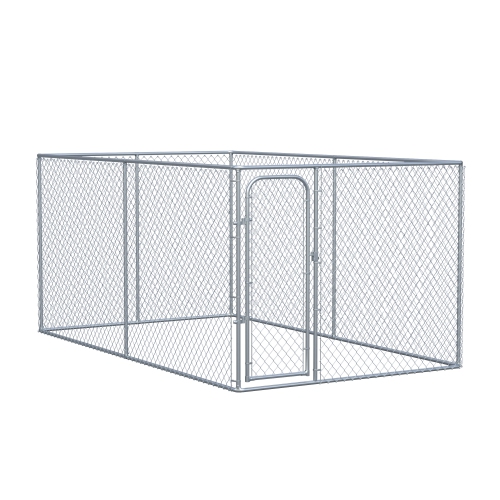
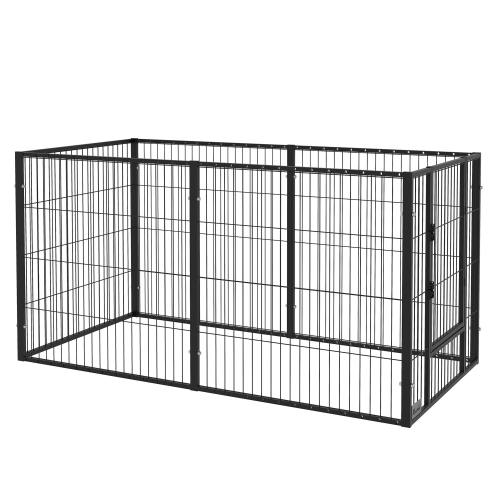
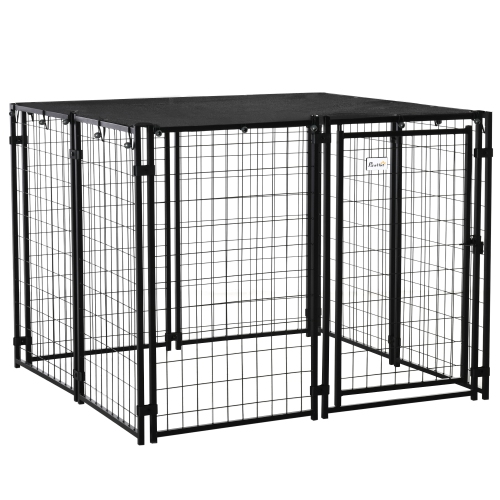
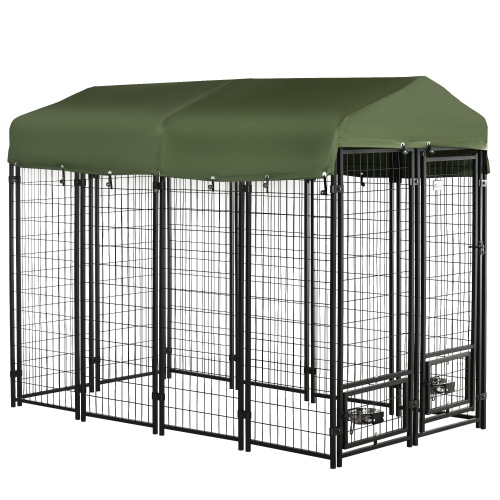
Key considerations for a secure chain link dog enclosure
Chain link fences for dogs provide a practical way to create a defined outdoor area while allowing pets to see their surroundings. A properly planned enclosure can be used as a full-yard boundary, a dedicated dog run, a temporary exercise area, or a smaller outdoor kennel attached to a home, garage, or other sheltered space. The open mesh gives dogs visibility and airflow, which can help them feel less confined than they might behind a solid barrier, while the steel construction offers a sturdy boundary for everyday activity. When comparing options, begin by measuring the available space and considering how your dog behaves outdoors. A calm small dog may need a different setup than a tall, energetic dog that jumps, leans, paws, or repeatedly tests the perimeter. Fence height, mesh opening, post strength, gate design, and the overall stability of the enclosure should all match the dog’s size and temperament. Smaller openings can help prevent paws, collars, and curious noses from becoming caught, while a taller fence may be appropriate for dogs that can clear a lower barrier. Galvanized steel is commonly chosen for outdoor fencing because it is durable and well suited to changing conditions, including rain, wind, and temperature swings. Coated finishes may provide a different appearance and feel, so it is worth checking the material and finish details before making a selection. A chain link dog fence can also be useful for households with more than one pet, especially when a defined area makes outdoor routines easier to manage. It can give dogs room to stretch, sniff, and play while helping keep them away from gardens, driveways, pools, roads, or other areas that are not suitable for unsupervised access.
The ground connection is just as important as the mesh itself. Dogs that enjoy digging may work beneath an otherwise secure fence, particularly at corners, gates, and areas where the soil is loose. For a more secure installation, the lower edge can be buried approximately 6 to 12 inches underground where local conditions and regulations permit, or it can be reinforced with a suitable base board or other barrier designed to discourage lifting and tunnelling. Before digging, check for underground utility lines and consider the soil type, drainage, frost movement, and any municipal requirements that apply to your property. The fence fabric should be installed securely in relation to the posts and framework so that an active dog pushes against the stronger structural components rather than pulling the mesh away from its supports. A bottom rail can add firmness along the base and help reduce spaces where a dog might squeeze underneath, while properly tensioned fabric helps prevent loose sections that can bow or flap. Pay particular attention to corners, transitions, and the area around the gate. Gates should close fully and use a latch that cannot be easily nudged open by a dog’s nose or paw; an added secondary latch may be useful for especially clever or determined pets. Walk around the planned enclosure at the dog’s eye level and look for sharp wire ends, protruding hardware, narrow gaps, climbable objects, and nearby items that could be used as a step. A water bowl, shelter, raised bed, or outdoor furniture should be positioned so it does not allow a dog to climb over the fence. Regular checks are worthwhile after strong wind, heavy rain, frost, or ground movement, since even a small gap or loosened connection can become a problem quickly.
These fences suit many living situations, from suburban yards and rural properties to seasonal homes and rental spaces where a permanent boundary may not be practical. Modular panels and kennel-style layouts can help create a defined area without enclosing the entire property, while larger perimeter installations may give dogs more room to move and make outdoor supervision more comfortable during the warmer part of the year. During cooler months, an enclosure should be paired with appropriate shelter, dry bedding, fresh water, and a routine suited to the dog’s breed, age, coat, and health; a fence is a boundary, not a substitute for supervision or protection from harsh conditions. Visibility is one of chain link’s most useful features, but some dogs become more excited when they can see pedestrians, wildlife, neighbouring pets, or passing vehicles. If visual distractions lead to barking, pacing, or repeated charging at the fence, consider arranging the dog’s activity area away from busy sightlines or explore Chain Link Fence Privacy Solutions for ways to create a calmer section without losing the benefits of a structured enclosure. Before purchasing, confirm the finished dimensions, included hardware, gate placement, compatibility between panels and posts, and whether installation tools or additional supports are needed. It is also helpful to leave enough room for a person to enter safely, clean the area, refill water, and assist the dog if necessary. With careful measurements and attention to the lower edge, corners, latch, and surrounding environment, chain link fences for dogs can support a dependable outdoor routine for active pets, growing puppies, senior companions, and families that want a clearly defined space for safe play.
The ground connection is just as important as the mesh itself. Dogs that enjoy digging may work beneath an otherwise secure fence, particularly at corners, gates, and areas where the soil is loose. For a more secure installation, the lower edge can be buried approximately 6 to 12 inches underground where local conditions and regulations permit, or it can be reinforced with a suitable base board or other barrier designed to discourage lifting and tunnelling. Before digging, check for underground utility lines and consider the soil type, drainage, frost movement, and any municipal requirements that apply to your property. The fence fabric should be installed securely in relation to the posts and framework so that an active dog pushes against the stronger structural components rather than pulling the mesh away from its supports. A bottom rail can add firmness along the base and help reduce spaces where a dog might squeeze underneath, while properly tensioned fabric helps prevent loose sections that can bow or flap. Pay particular attention to corners, transitions, and the area around the gate. Gates should close fully and use a latch that cannot be easily nudged open by a dog’s nose or paw; an added secondary latch may be useful for especially clever or determined pets. Walk around the planned enclosure at the dog’s eye level and look for sharp wire ends, protruding hardware, narrow gaps, climbable objects, and nearby items that could be used as a step. A water bowl, shelter, raised bed, or outdoor furniture should be positioned so it does not allow a dog to climb over the fence. Regular checks are worthwhile after strong wind, heavy rain, frost, or ground movement, since even a small gap or loosened connection can become a problem quickly.
These fences suit many living situations, from suburban yards and rural properties to seasonal homes and rental spaces where a permanent boundary may not be practical. Modular panels and kennel-style layouts can help create a defined area without enclosing the entire property, while larger perimeter installations may give dogs more room to move and make outdoor supervision more comfortable during the warmer part of the year. During cooler months, an enclosure should be paired with appropriate shelter, dry bedding, fresh water, and a routine suited to the dog’s breed, age, coat, and health; a fence is a boundary, not a substitute for supervision or protection from harsh conditions. Visibility is one of chain link’s most useful features, but some dogs become more excited when they can see pedestrians, wildlife, neighbouring pets, or passing vehicles. If visual distractions lead to barking, pacing, or repeated charging at the fence, consider arranging the dog’s activity area away from busy sightlines or explore Chain Link Fence Privacy Solutions for ways to create a calmer section without losing the benefits of a structured enclosure. Before purchasing, confirm the finished dimensions, included hardware, gate placement, compatibility between panels and posts, and whether installation tools or additional supports are needed. It is also helpful to leave enough room for a person to enter safely, clean the area, refill water, and assist the dog if necessary. With careful measurements and attention to the lower edge, corners, latch, and surrounding environment, chain link fences for dogs can support a dependable outdoor routine for active pets, growing puppies, senior companions, and families that want a clearly defined space for safe play.
Top selling and popular products
-
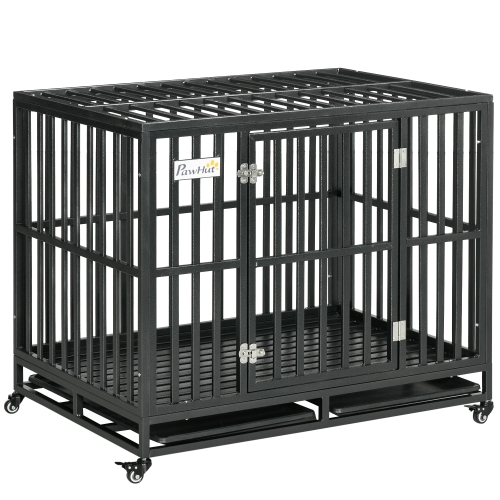 Your price for this item is $229.99
 -
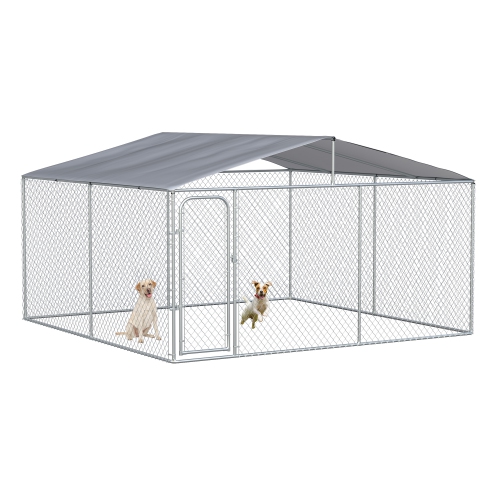 Your price for this item is $559.99
 -
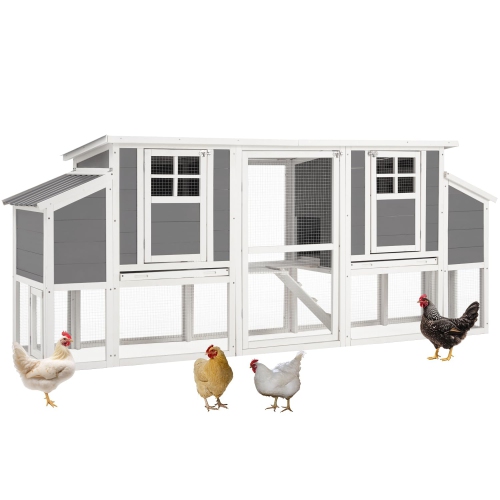 Your price for this item is $399.99
 -
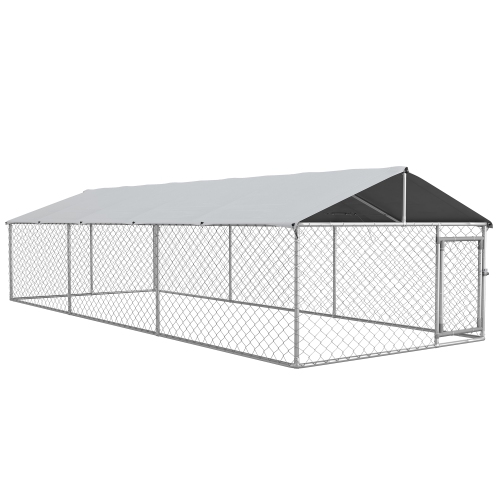 Your price for this item is $499.99
 -
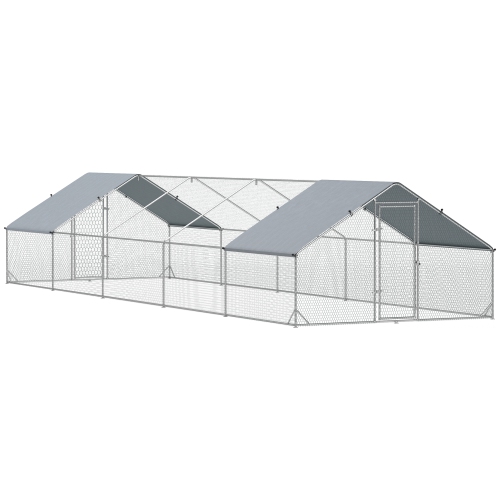 Your price for this item is $479.99
 -
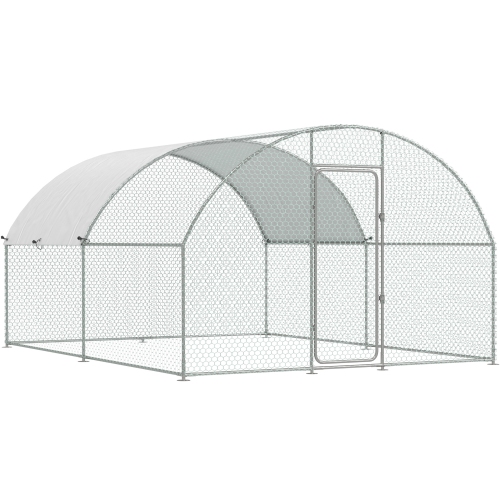 Your price for this item is $227.99
 -
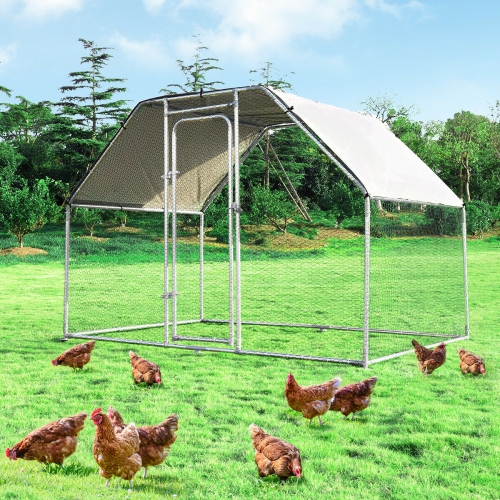 Your price for this item is $419.99
 -
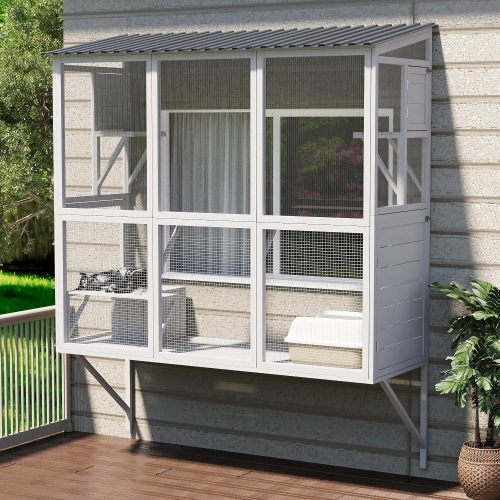 Your price for this item is $279.99
Discover more categories related to Chain Link Fences for Dogs

Top Collections:
Pokemon Centers, Kindle Devices, Best Budget Office Chairs, Apple iPhones 16, Canon G7X Cameras, iPhone 15 Apple, Alarm Clock, Refurbished Apple Laptops, Flip Phones, Best Laptops for Writers
Some products may be subject to Environmental Handling Fees
(EHF) depending on your province.
Learn more about EHFs.