Posture Chairs
Posture chairs are important for maintaining good health and proper body alignment. These chairs are designed to support the spine and help maintain a natural posture while sitting. Whether in the home or office, posture chairs can help reduce stress on the body and promote better circulation.
Sort




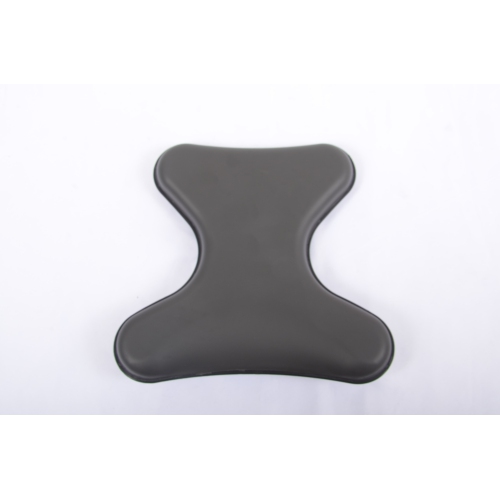
Why chair fit matters more than shape
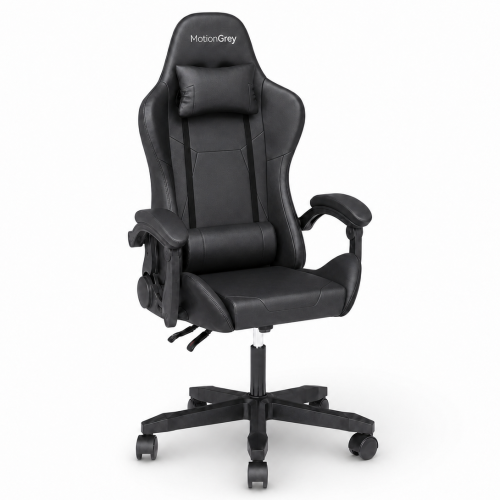
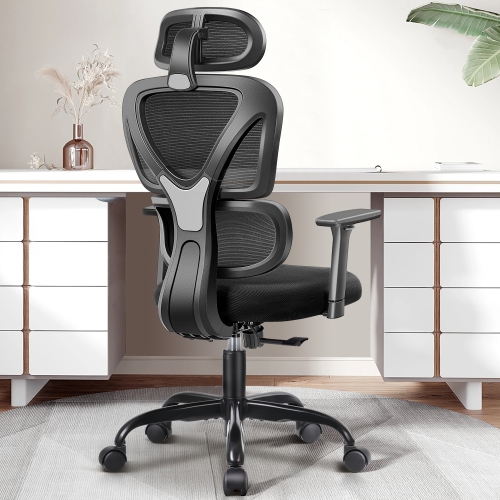
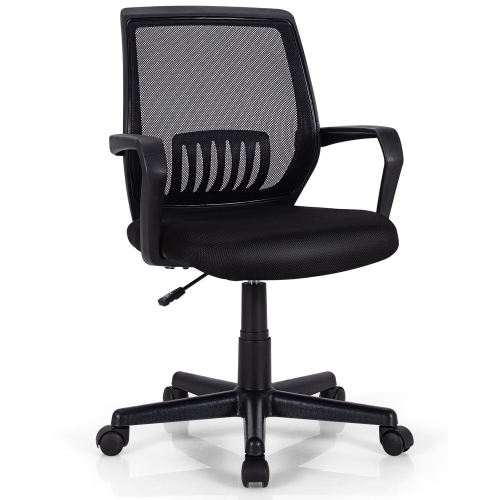
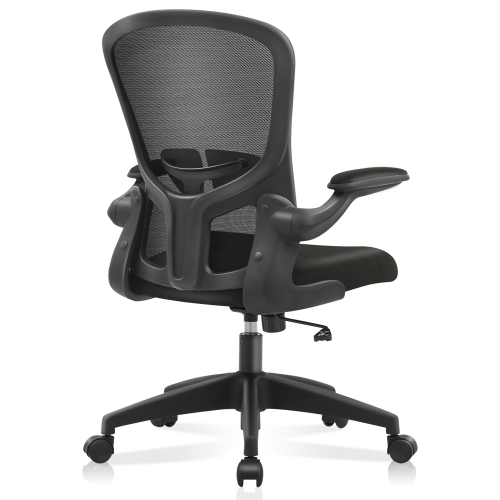
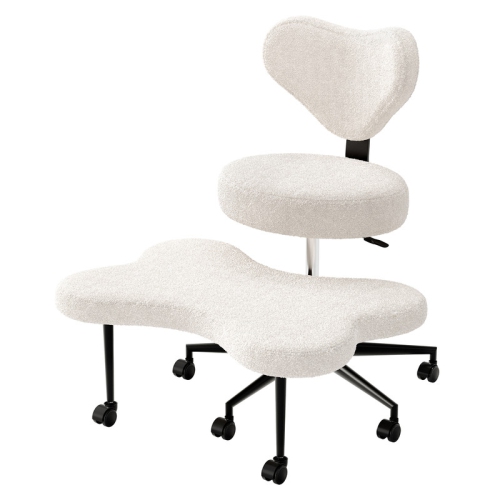
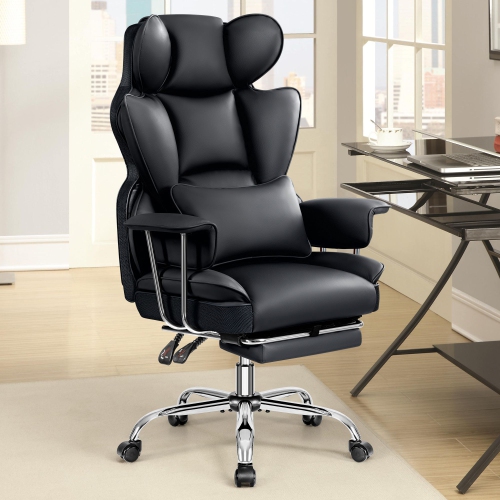
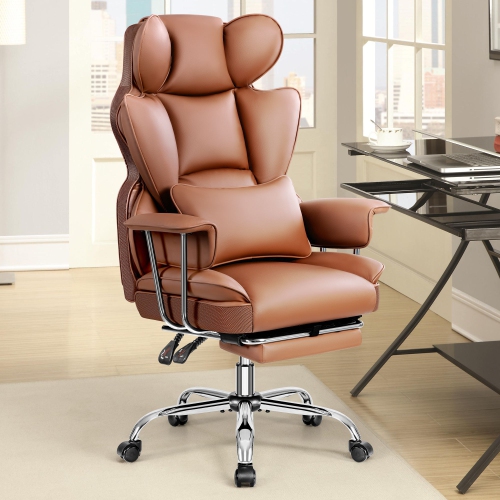
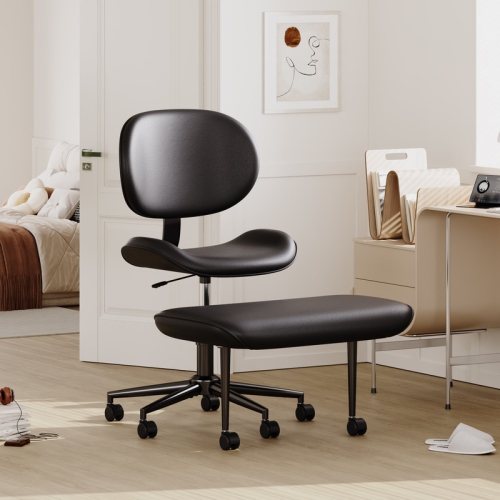
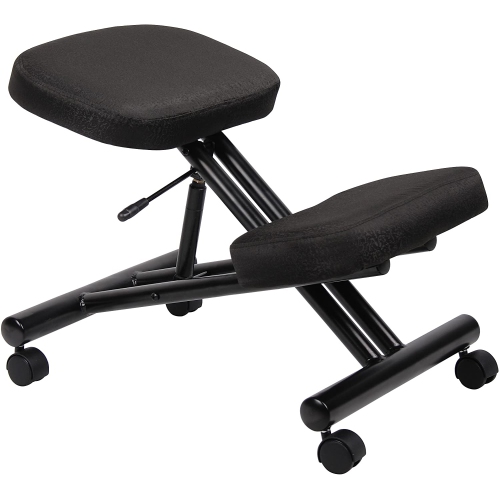
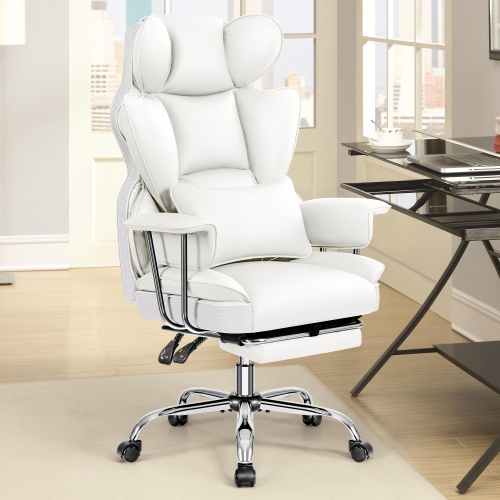
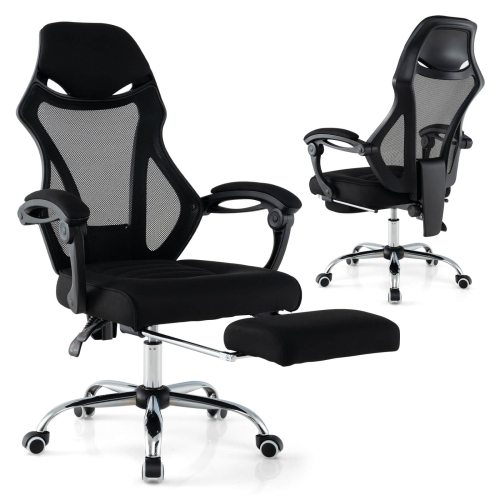
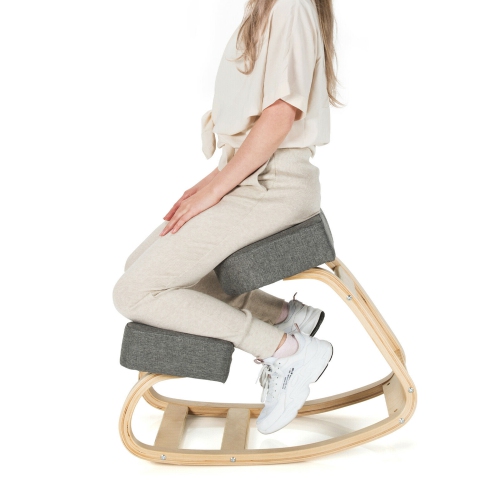
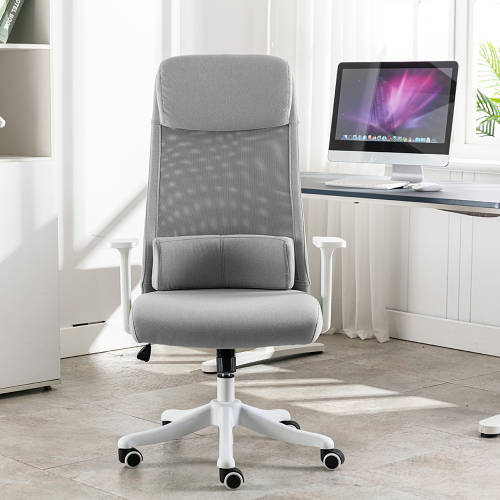
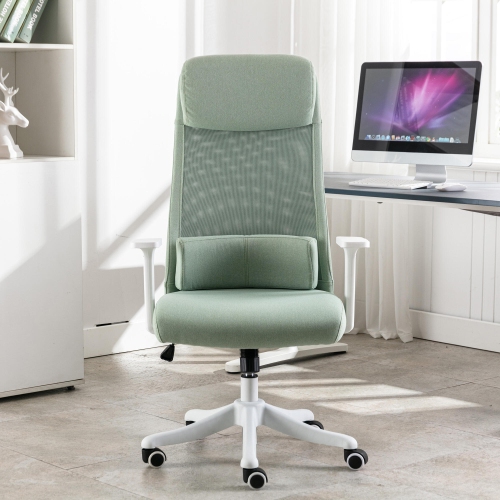
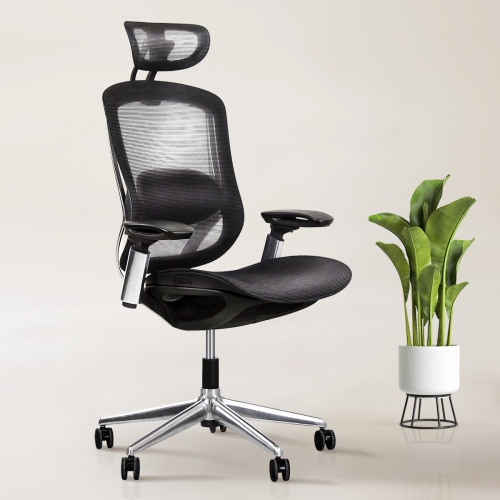
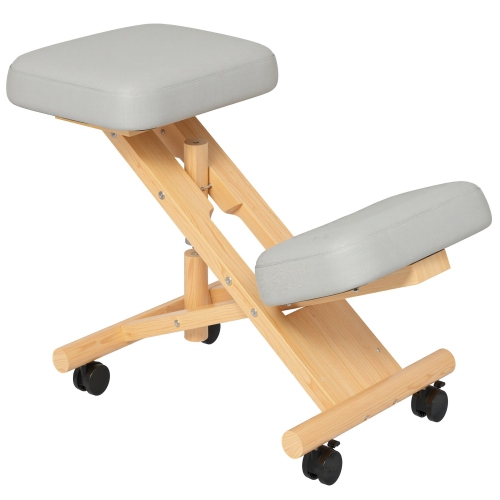
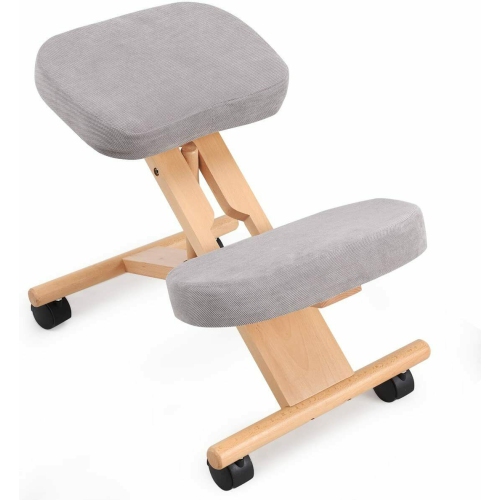
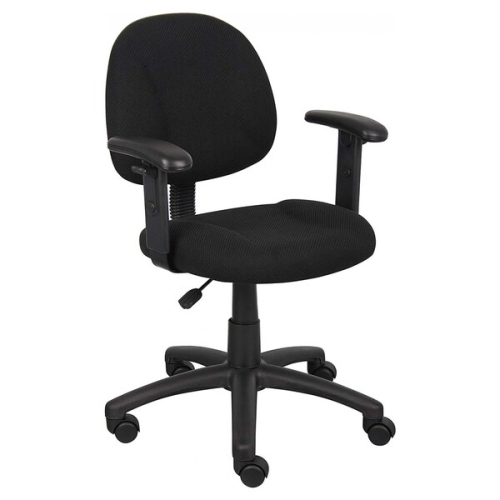
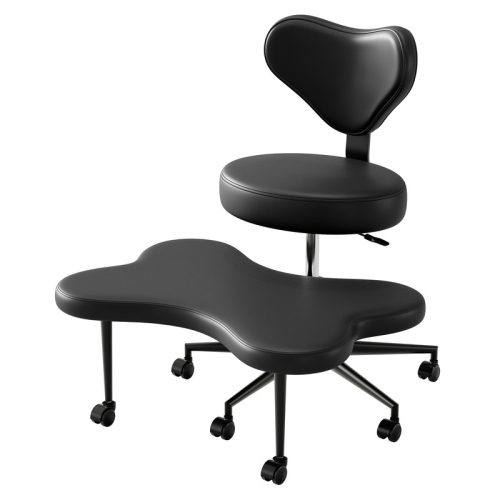
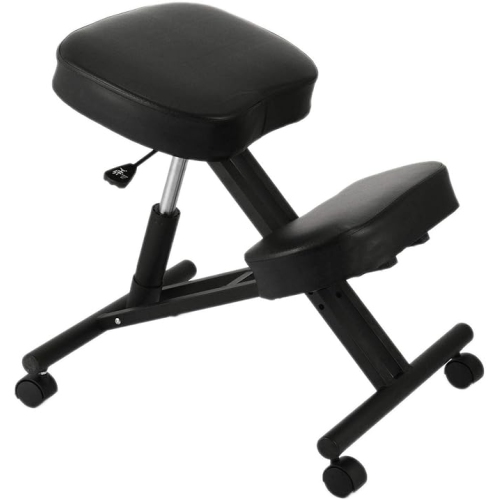
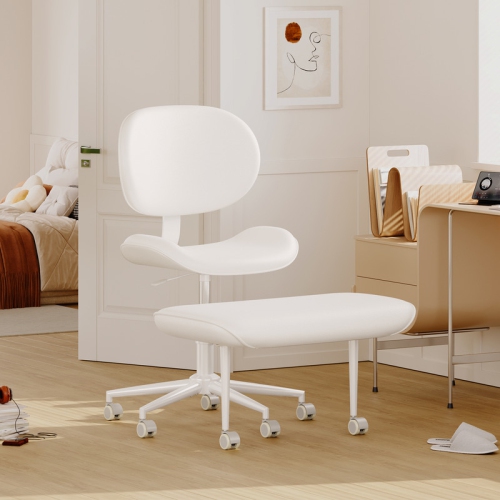
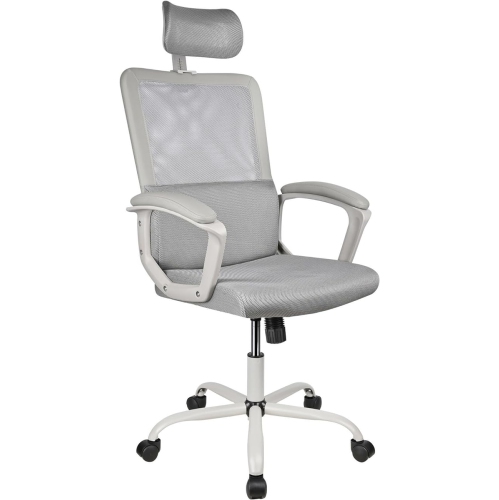
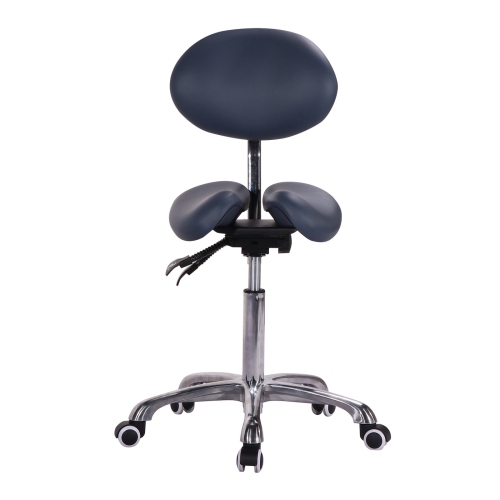
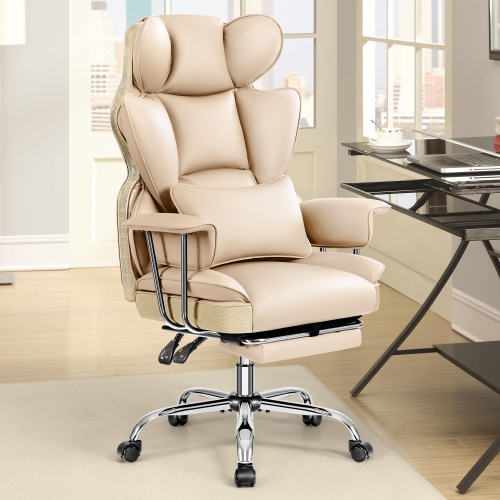
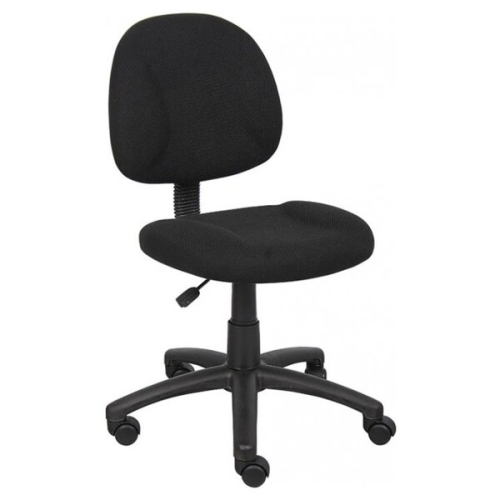
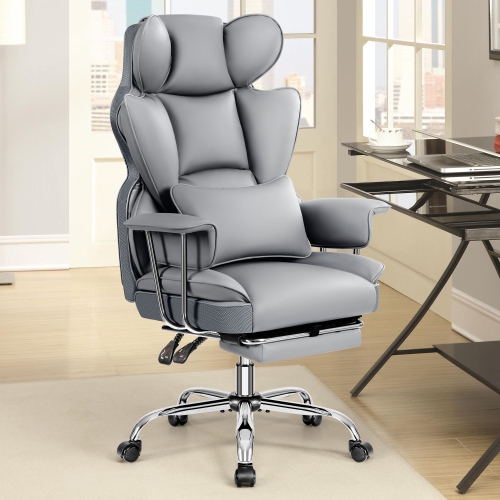
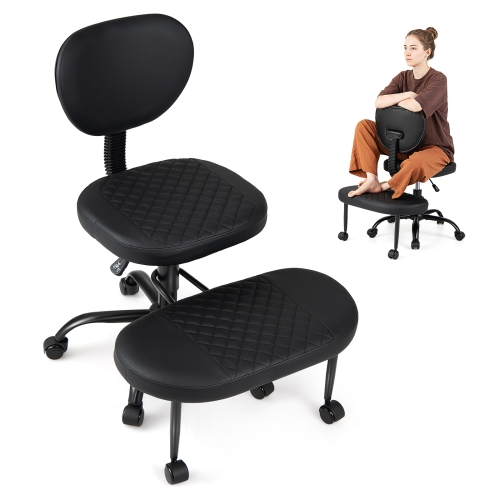
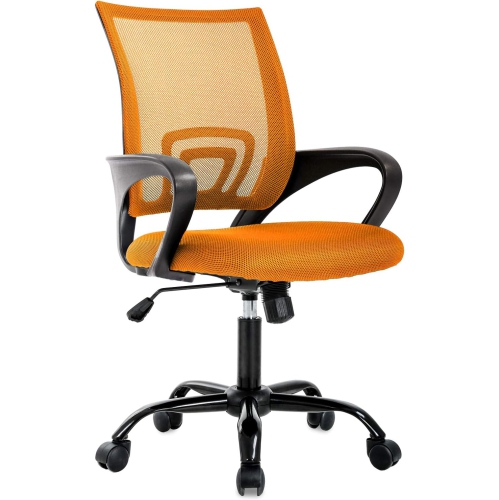
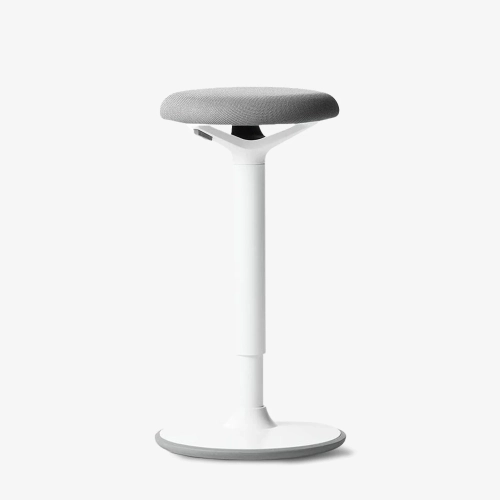
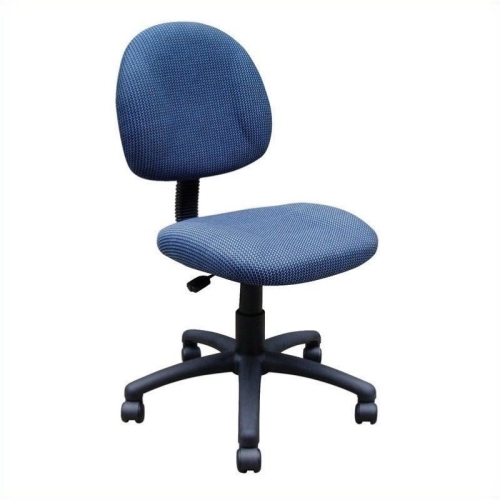
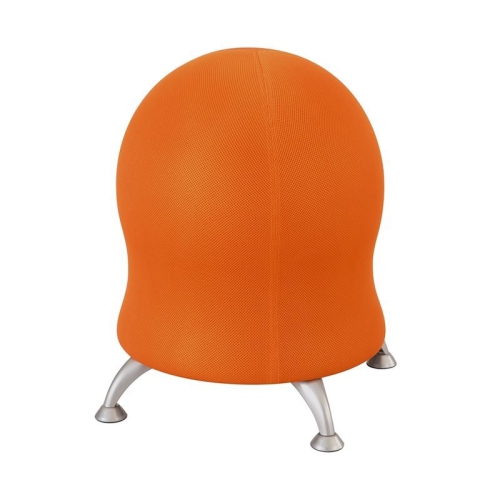
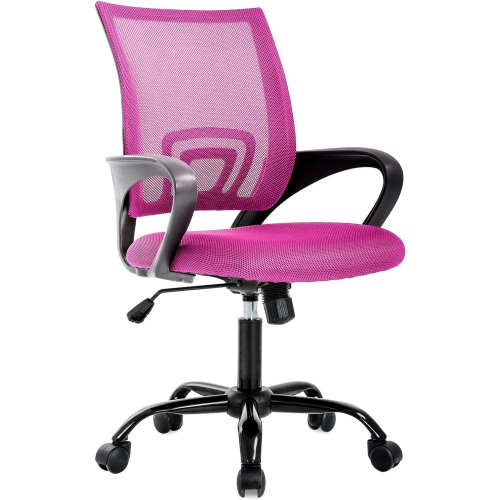
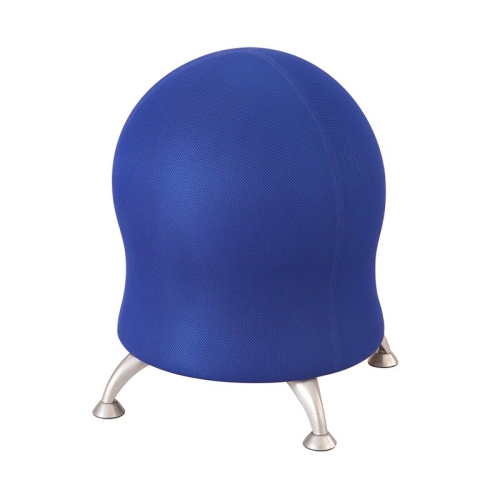
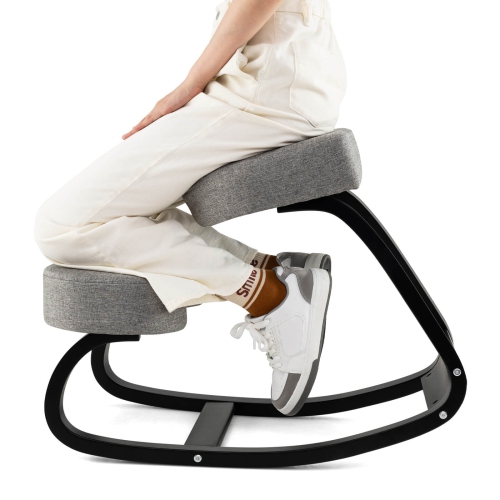
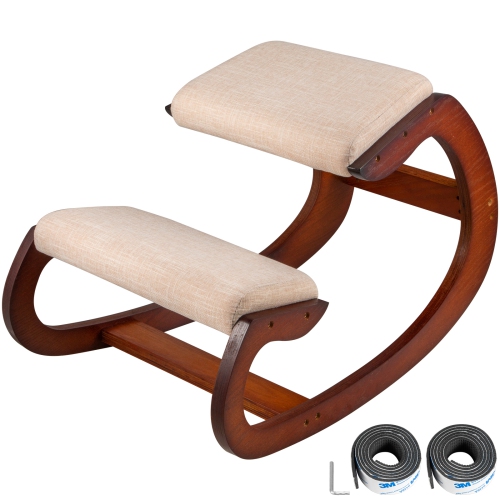
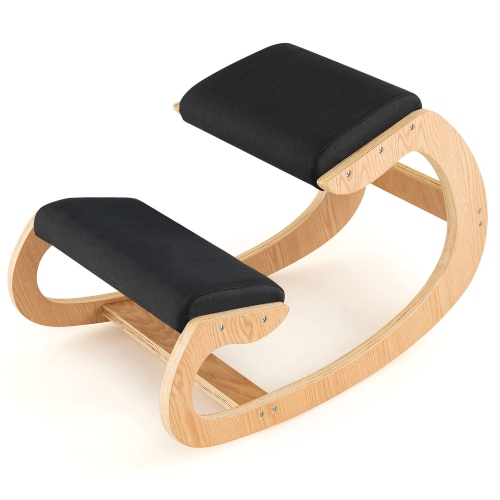
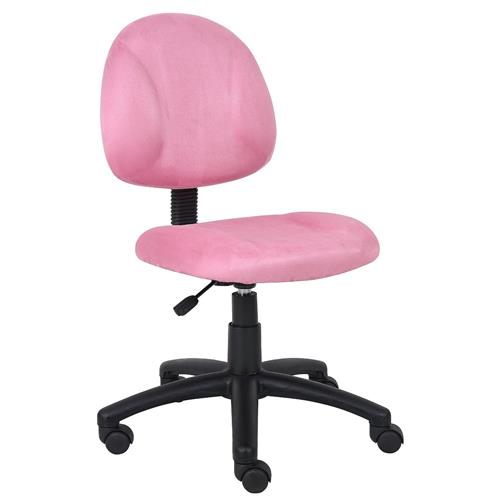
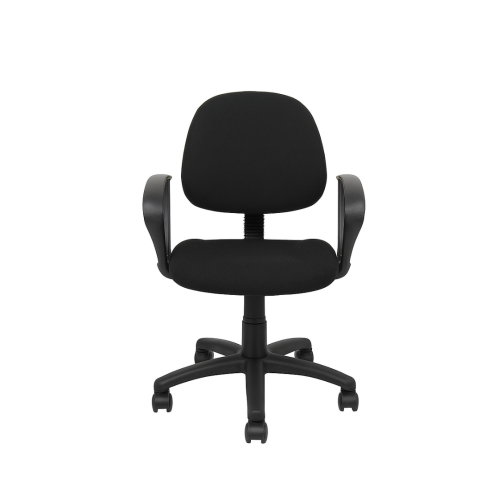
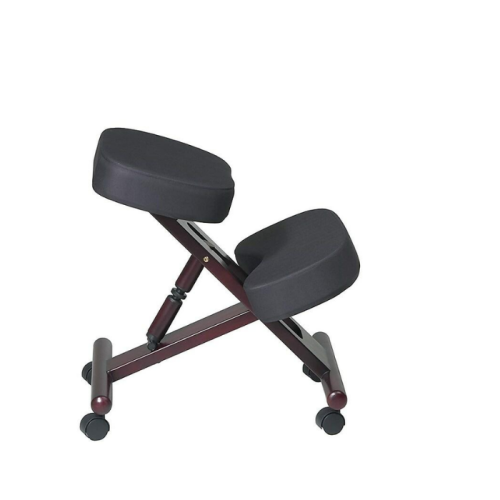
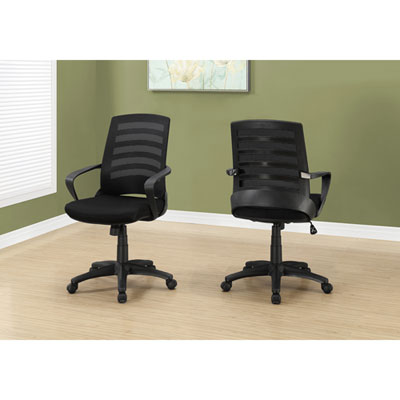
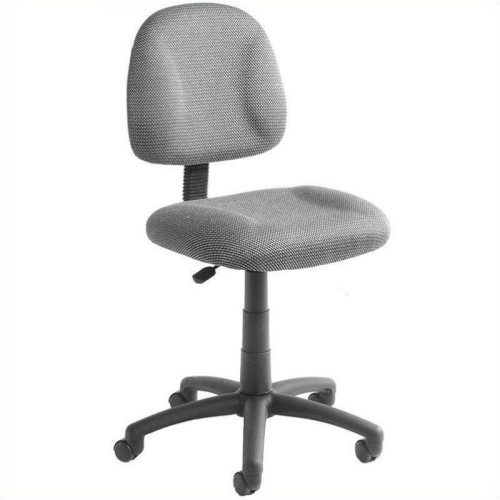
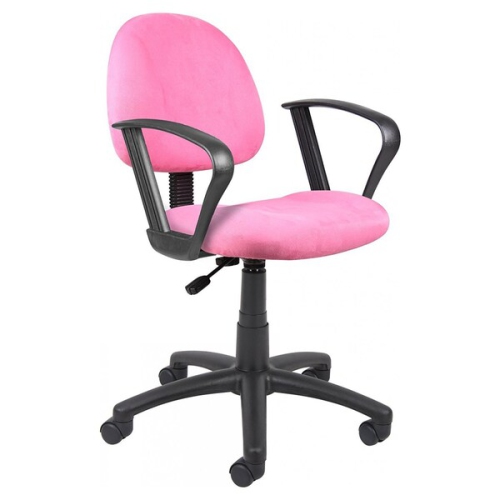
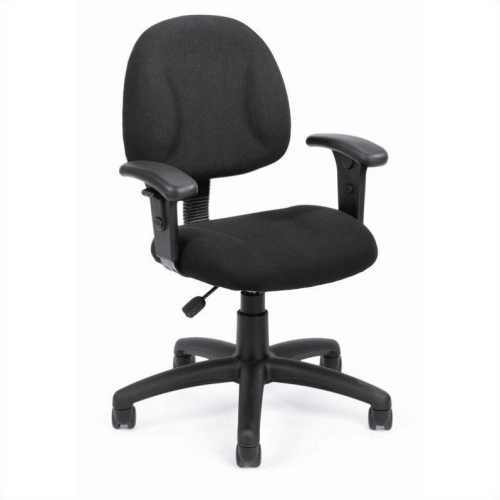
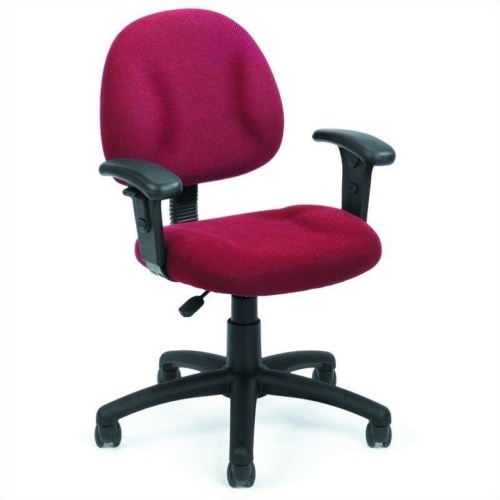
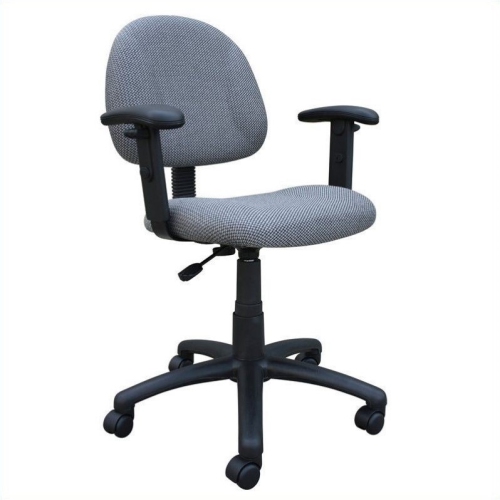
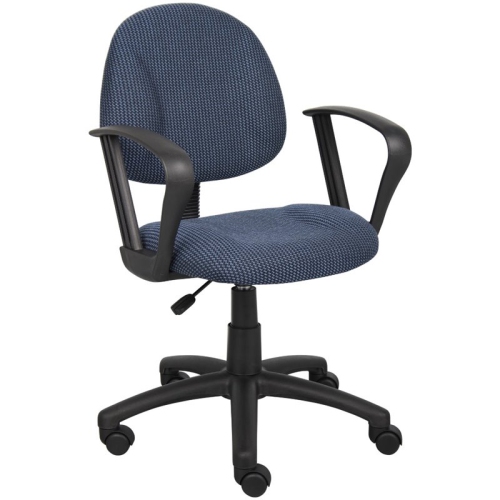
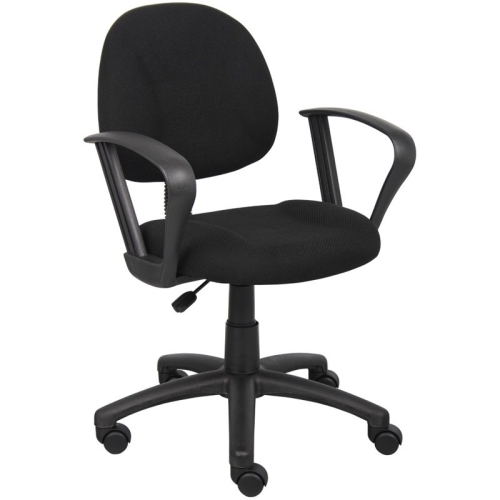
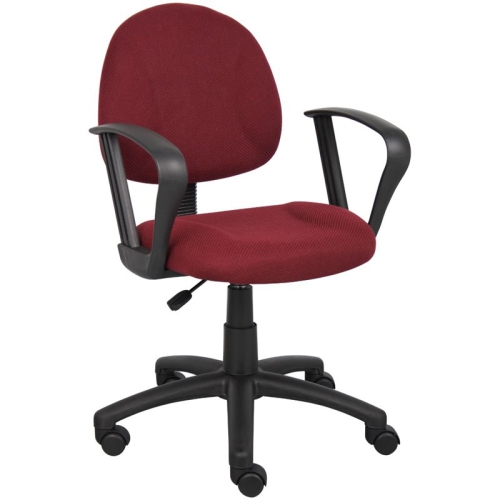
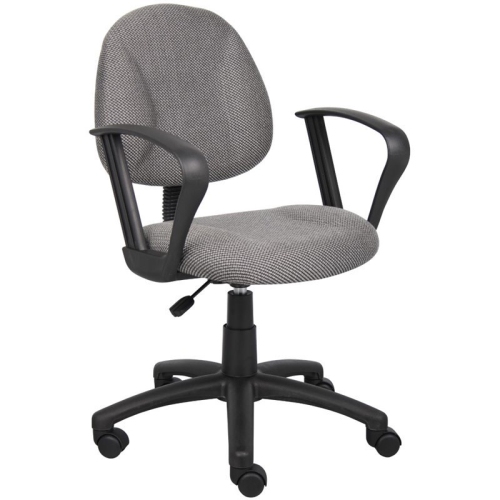
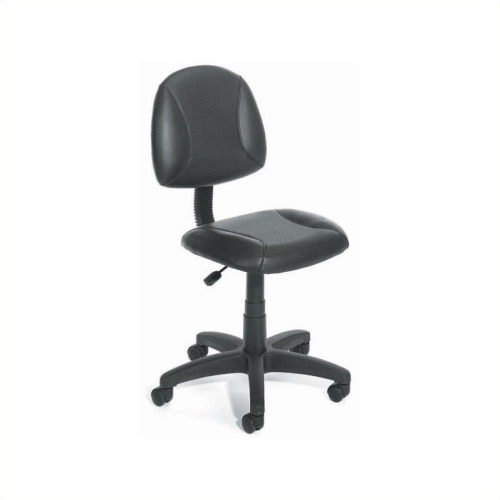
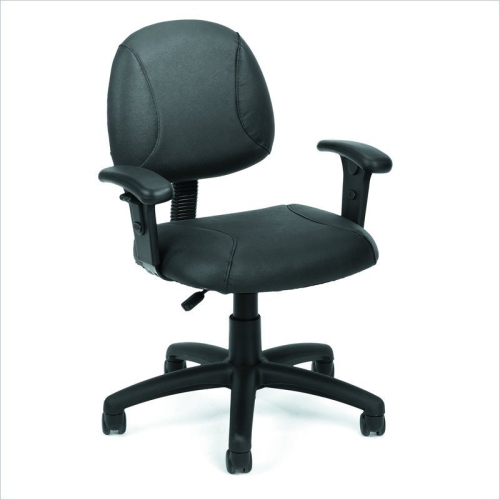
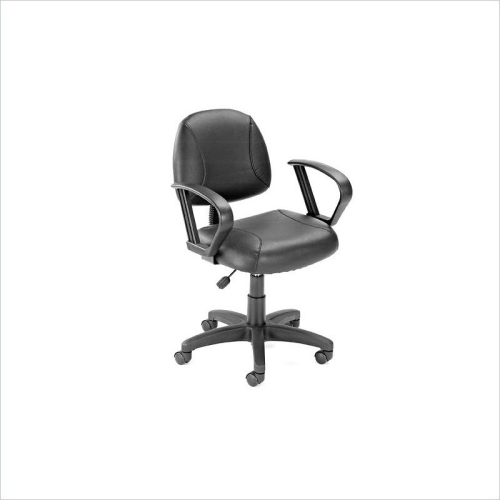
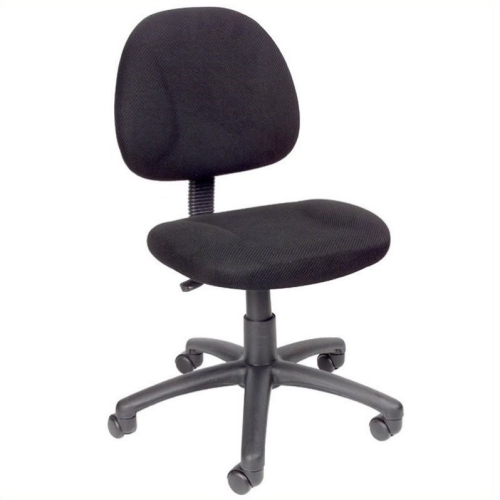
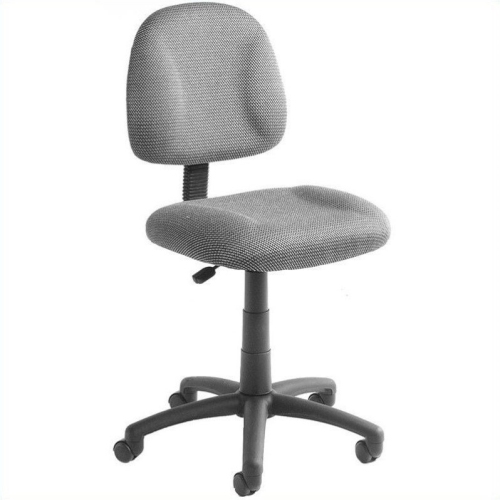
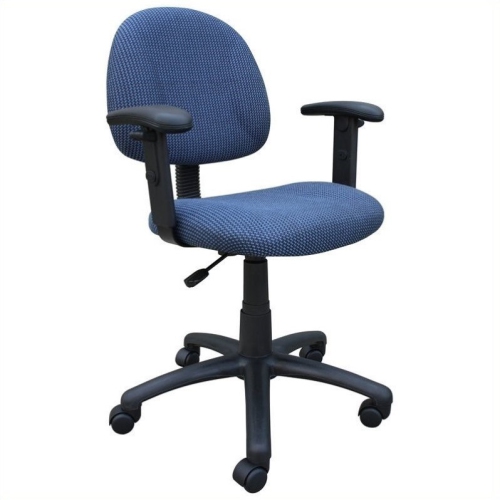
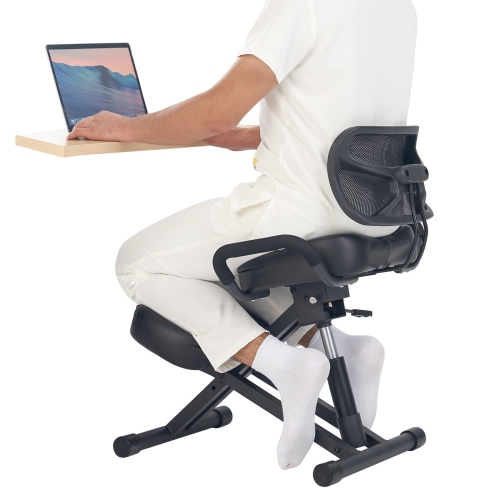
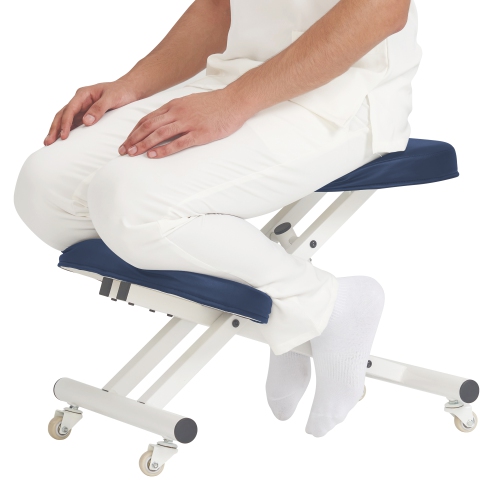
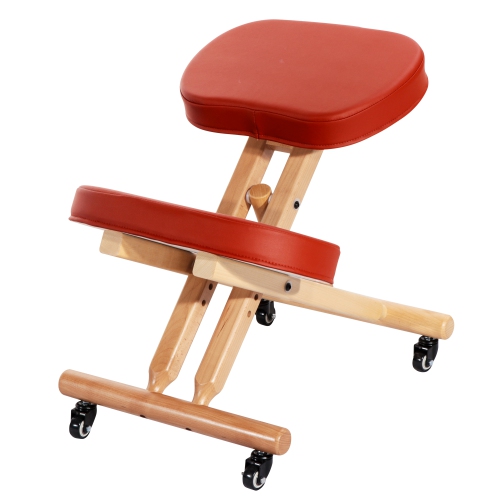
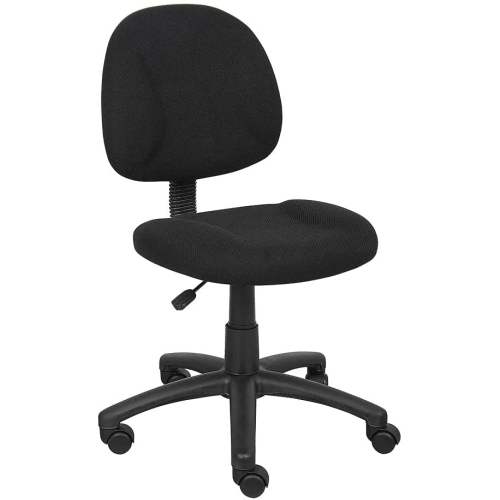
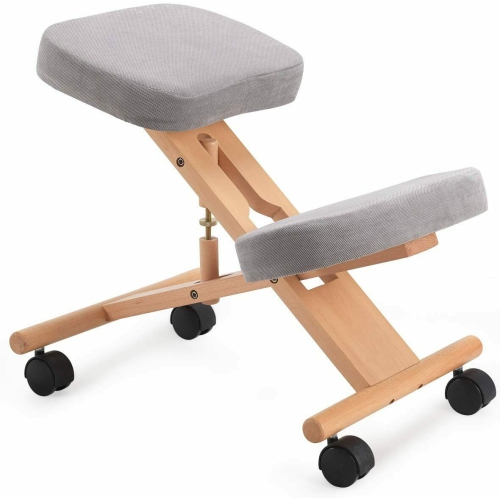
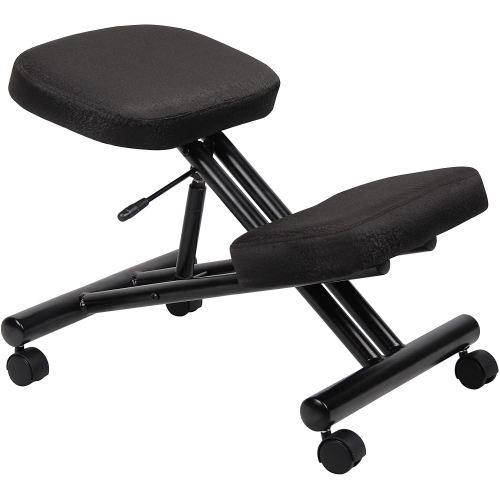
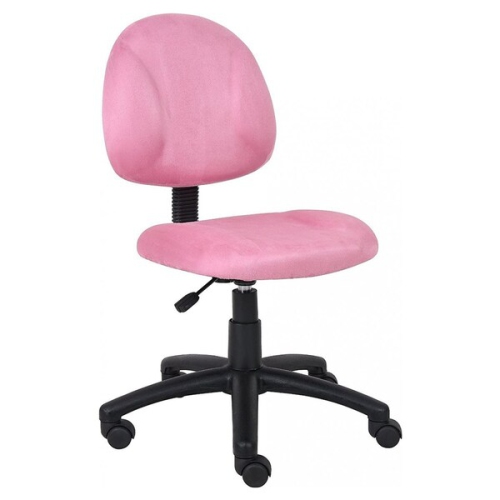
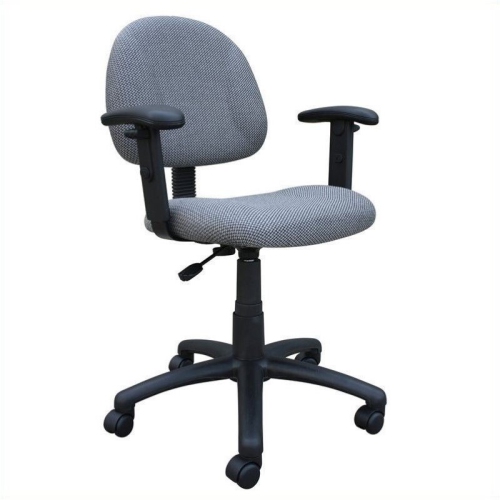
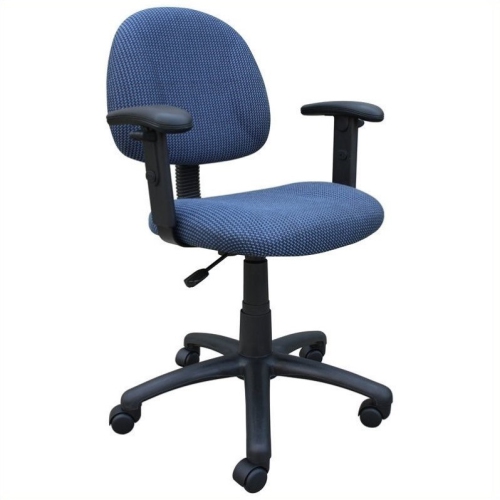
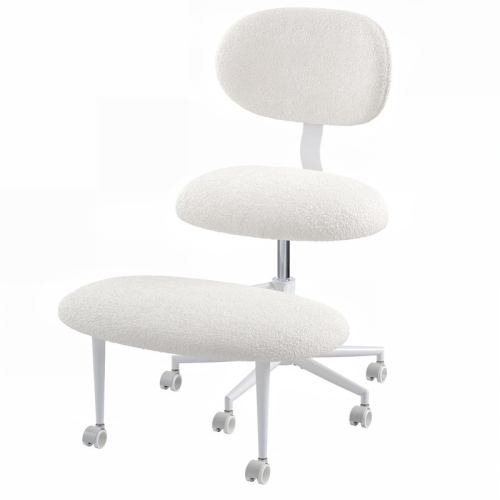
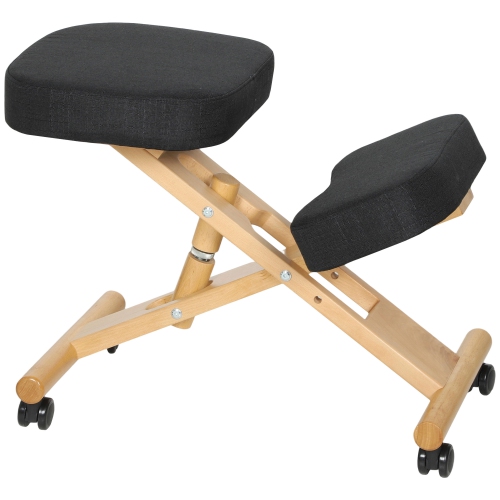
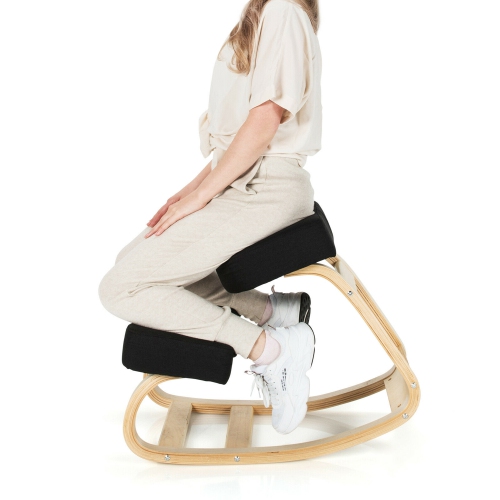
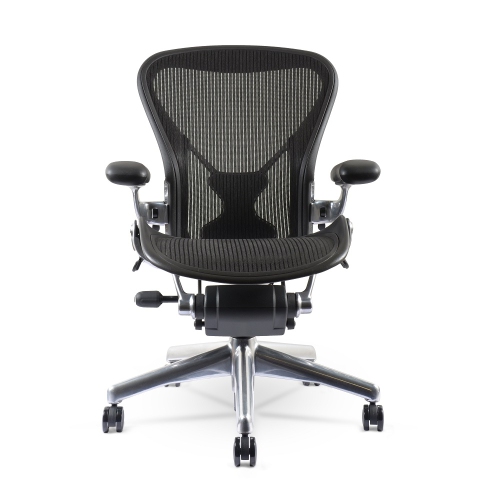
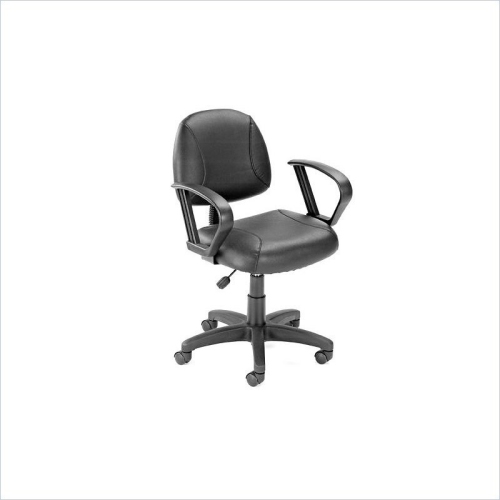
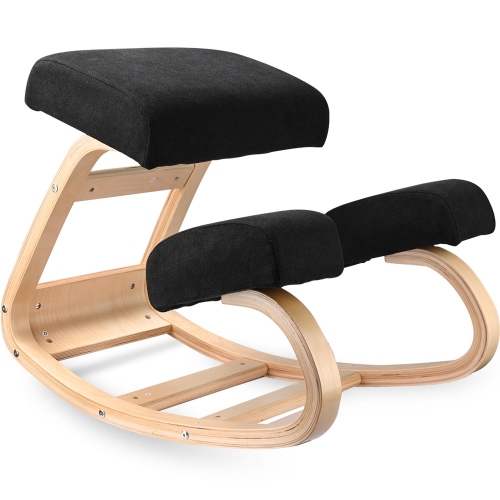
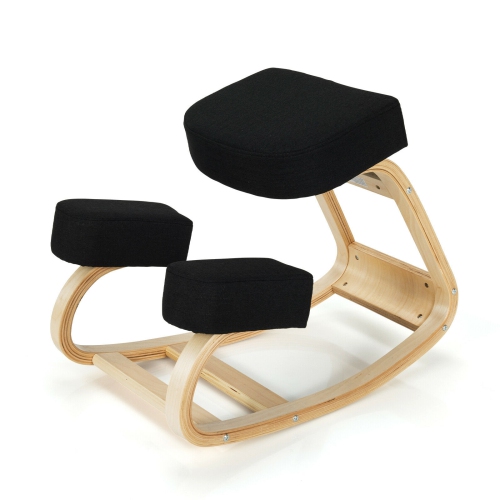
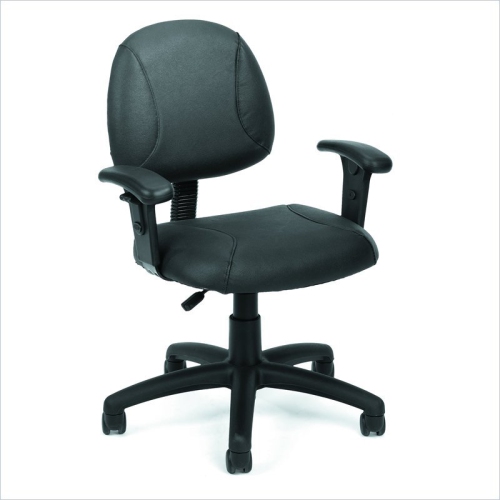
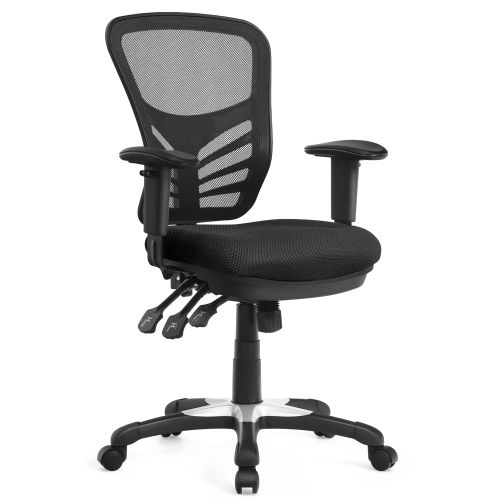
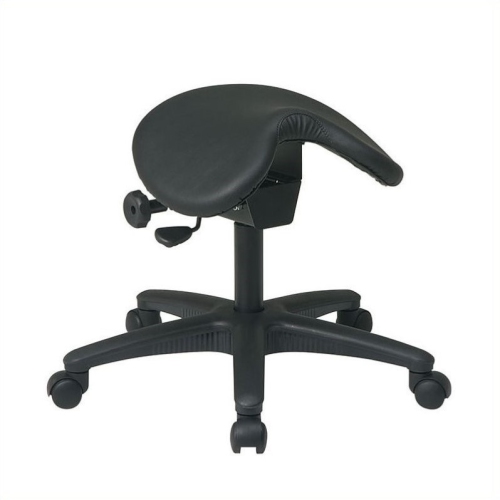
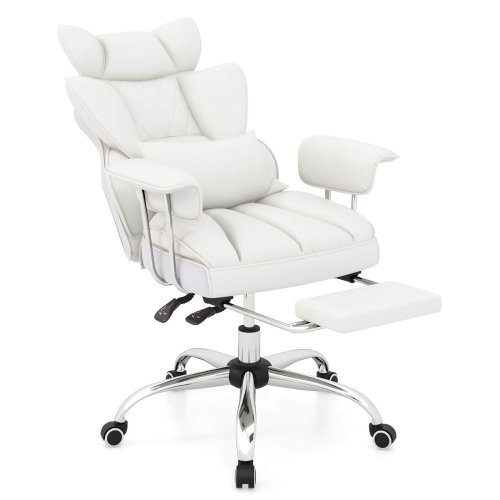
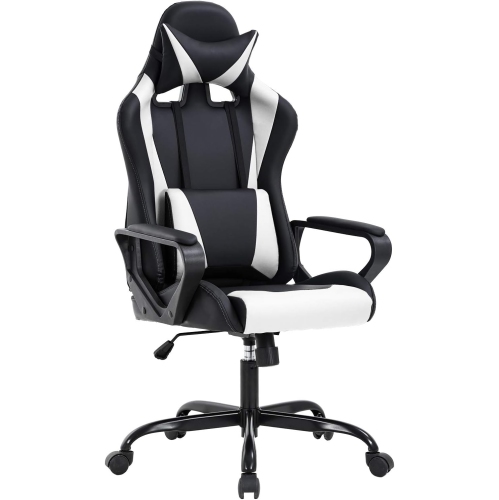
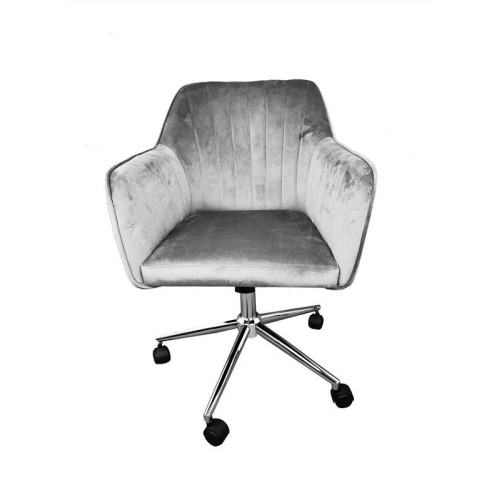
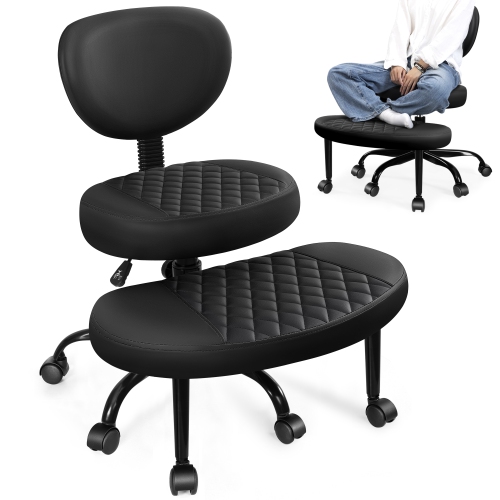
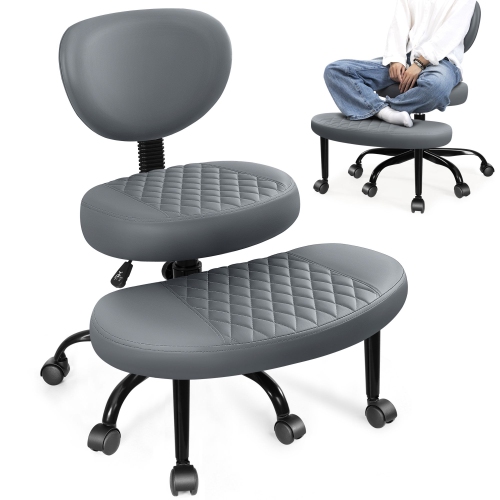
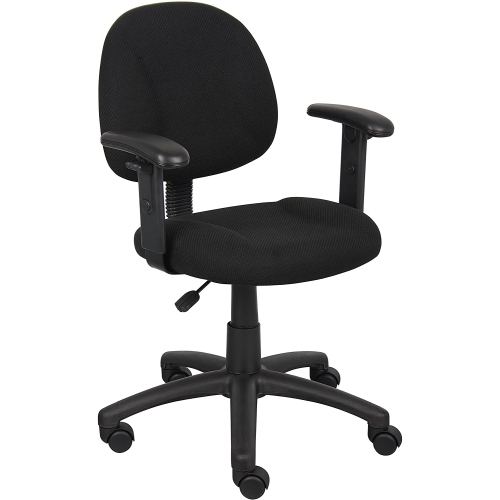
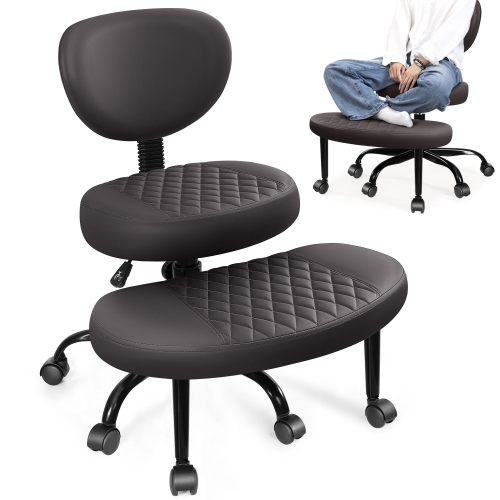
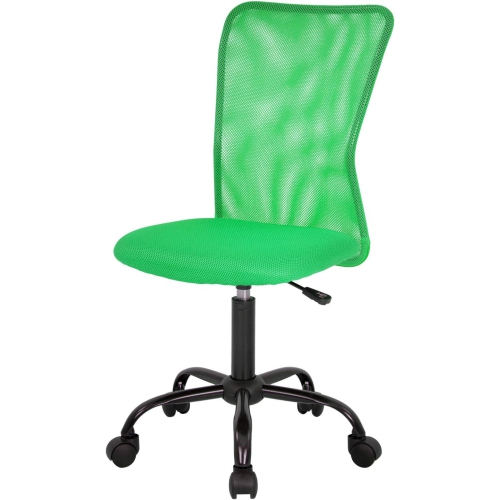
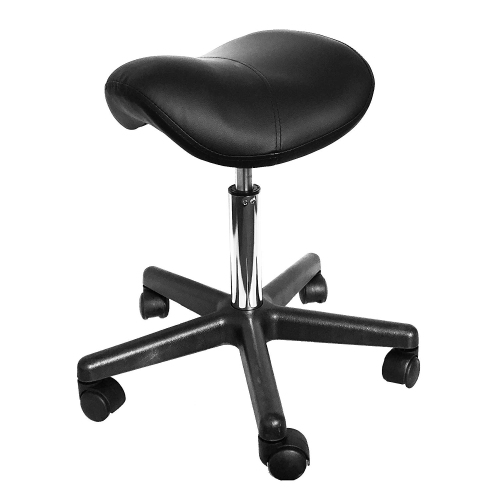
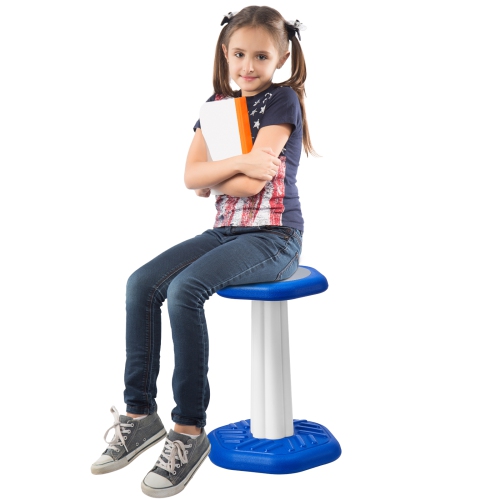
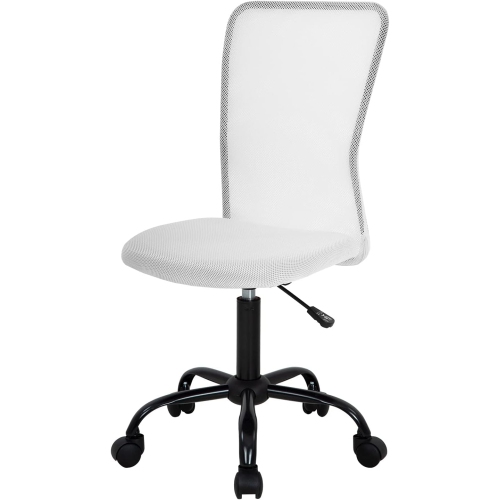
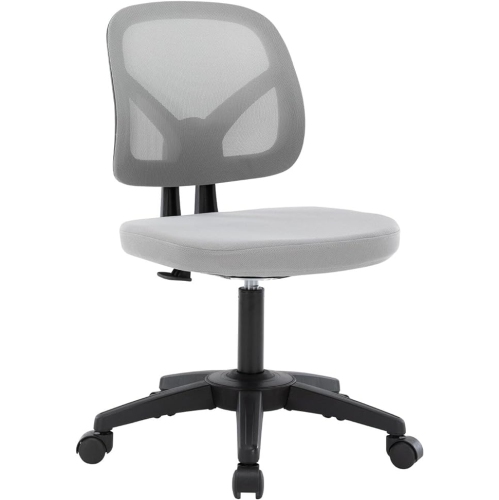
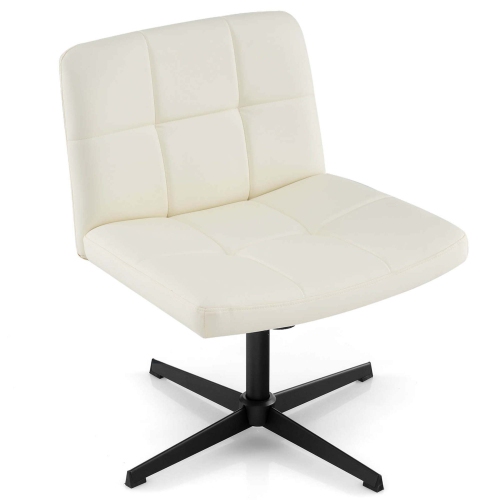
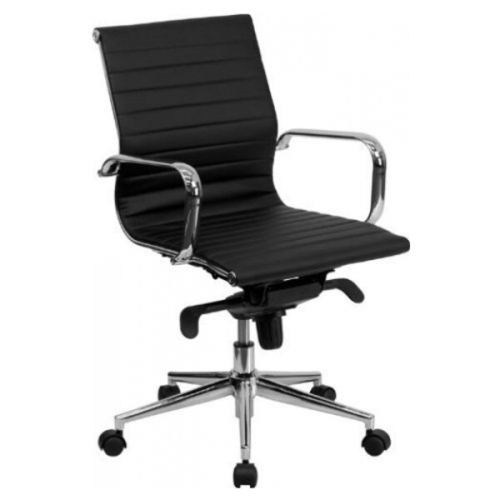
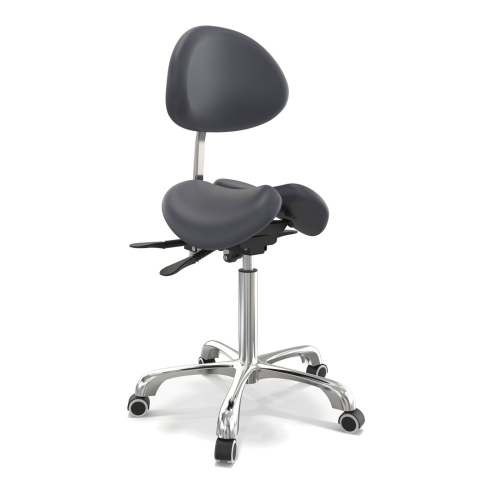
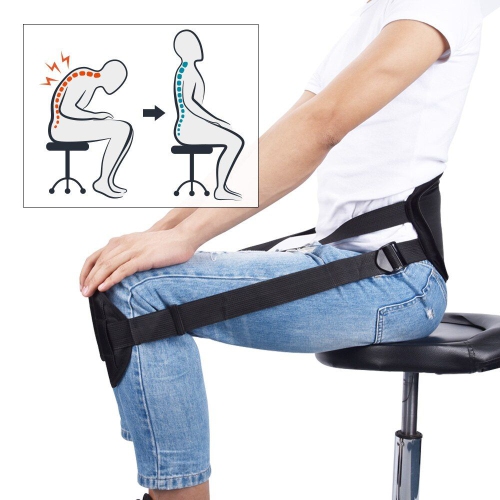
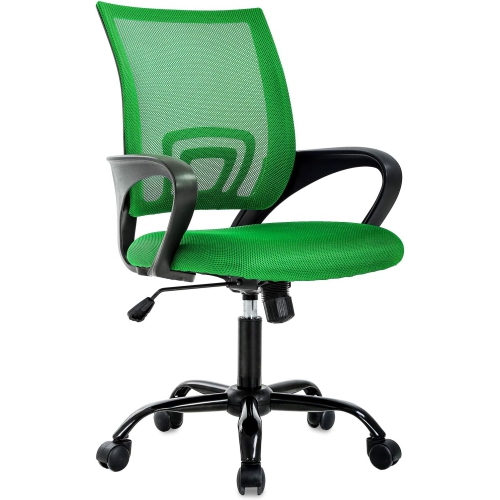
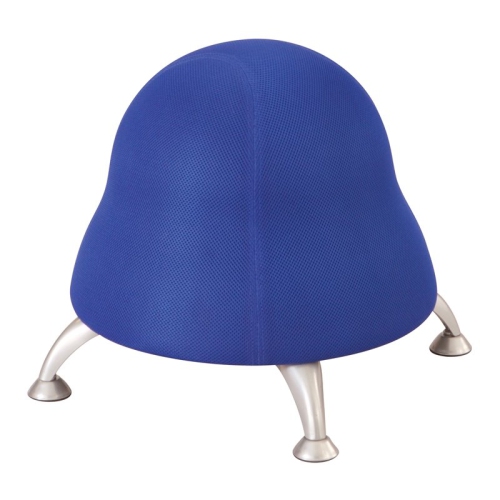
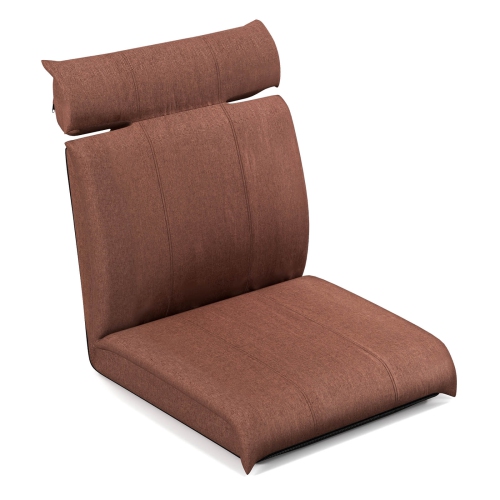
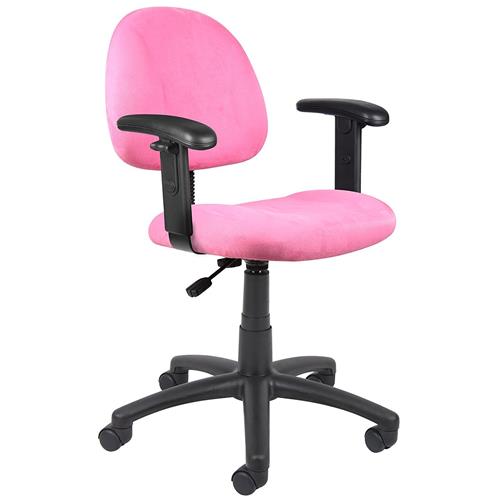
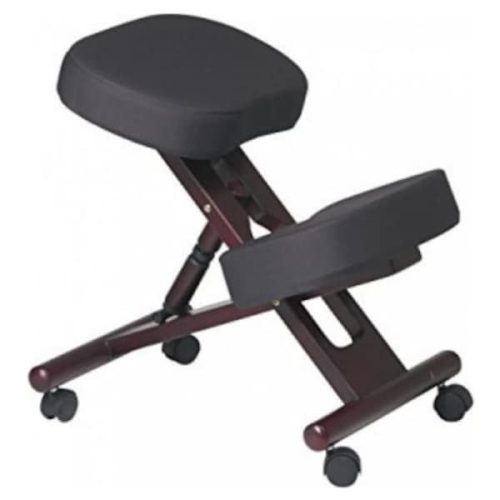
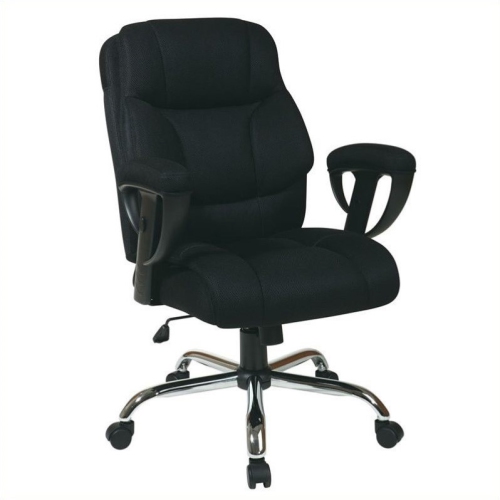
Posture chairs are seating options designed to support a comfortable working position through features such as adjustable seat height, lumbar support, a tilted seat, or a base that allows gentle movement. The term covers several designs rather than one fixed chair shape, including ergonomic task chairs, kneeling chairs, and active sitting or leaning stools. Each supports the body differently, so the most useful features depend on the work being done and how the chair fits its user. A traditional ergonomic office chair typically combines a backrest with seat and arm adjustments, making it a practical choice for computer work, studying, and other seated tasks. Lumbar support helps support the natural inward curve of the lower back, while an adjustable backrest or recline mechanism allows changes in position throughout the day. For a closer focus on seating with lower-back support, Back Support Chairs include designs suited to desk-based activities. Kneeling chairs use a forward-sloping seat and padded shin rests to create a more open angle between the torso and thighs. Despite the name, body weight should be shared between the seat and shin pads rather than concentrated on the knees. These chairs may suit shorter periods of reading, writing, or focused desk work, particularly for people who like an alternative to a conventional seat. Active stools and leaning stools offer another approach, with some designs allowing small shifts in balance or providing partial support at a height-adjustable desk. They generally offer less back support than a full task chair and serve a different purpose. No posture chair can guarantee spinal alignment, prevent slouching, or resolve back pain on its own. Its value lies in making a suitable position easier to find and allowing enough variation that the user is not locked into the same pose. A chair that feels supportive during a video call may need a different adjustment for typing, sketching, or reading a document.
Fit matters more than a chair’s silhouette or the number of features listed. In a conventional seated position, the seat height should allow feet to rest securely on the floor or a footrest, with shoulders relaxed and forearms comfortably positioned near desk height. Seat depth is equally important: the back should reach the backrest without the front edge pressing into the backs of the knees. A small gap behind the knees helps provide clearance, while sufficient seat width leaves room to shift position without feeling squeezed between the armrests. Taller users may need a deeper seat and a higher backrest, whereas shorter users often benefit from a shallower seat or a seat-depth adjustment. Lumbar support is most useful when it meets the lower back at a comfortable height rather than pushing against the pelvis or the middle of the back. Adjustable armrests can support the forearms during desk work, but they should not force the shoulders upward or stop the chair from moving close enough to the desk. For someone alternating between a keyboard and handwritten notes, easy-to-reach controls can make small changes less disruptive. Recline tension also affects comfort: too much resistance makes leaning back difficult, while too little can feel unstable. With kneeling chairs, the relationship between seat height, seat angle, and shin-pad position deserves particular attention, as does the ease of sitting down and standing up. People with knee sensitivity or limited mobility may find that style less suitable. A leaning stool needs an appropriate working surface height and a stable base; it is not necessarily a direct replacement for a chair at a standard desk. Overall dimensions matter in shared rooms and compact workspaces, where a wide base or projecting shin rest can obstruct a walkway. Check the stated weight capacity, adjustment ranges, and intended use rather than assuming every posture chair suits a full workday. For persistent pain or an existing condition, individual advice from a qualified healthcare professional is more useful than broad comfort claims.
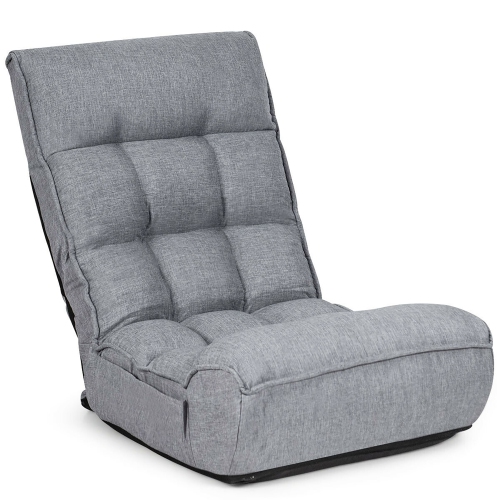
Materials and construction shape how a posture chair feels after repeated use and how much attention it needs. Mesh backrests allow airflow and can offer a lightly flexible feel, though their support depends on tension, frame shape, and the design of the lumbar section. Upholstered backrests and seats provide a more cushioned surface, with woven fabrics offering texture and a broad choice of colours for home offices, study corners, and shared work areas. Leather and synthetic upholstery have different care requirements, so cleaning methods should follow the material-specific instructions. Seat padding should feel supportive without allowing the user to sink so deeply that changing position becomes difficult. On kneeling chairs, padding quality is particularly noticeable at the shin rests, where compressed foam or a poorly placed edge can become uncomfortable. Metal and wood frames can both provide durable support when well constructed; stable joints, a suitable load rating, and a dependable adjustment mechanism matter more than appearance alone. For rolling chairs, casters should be appropriate for the floor surface, and a compatible chair mat can help protect flooring and improve movement where needed. Fixed-base and rocking designs need enough clear space to function without striking nearby furniture. Routine care is straightforward but worthwhile: remove dust from upholstery and crevices, clear hair and debris from casters, blot spills promptly, and use only approved cleaning products. Periodic checks of accessible fasteners and moving parts can help identify looseness or wear before it affects stability. Posture chairs can be useful for remote workers, students, hobbyists, and anyone setting up a dedicated place for regular desk tasks, but each activity places different demands on seating. Detailed craft work may call for freedom of arm movement, while long stretches of screen work often make backrest adjustment especially valuable. As a gift, a posture chair is best chosen with the recipient’s measurements, workspace, and preferences in mind rather than as a surprise based on looks alone. Whatever the design, supportive seating works best alongside a well-positioned screen, a keyboard within comfortable reach, and regular opportunities to stand, walk, and change position.
Fit matters more than a chair’s silhouette or the number of features listed. In a conventional seated position, the seat height should allow feet to rest securely on the floor or a footrest, with shoulders relaxed and forearms comfortably positioned near desk height. Seat depth is equally important: the back should reach the backrest without the front edge pressing into the backs of the knees. A small gap behind the knees helps provide clearance, while sufficient seat width leaves room to shift position without feeling squeezed between the armrests. Taller users may need a deeper seat and a higher backrest, whereas shorter users often benefit from a shallower seat or a seat-depth adjustment. Lumbar support is most useful when it meets the lower back at a comfortable height rather than pushing against the pelvis or the middle of the back. Adjustable armrests can support the forearms during desk work, but they should not force the shoulders upward or stop the chair from moving close enough to the desk. For someone alternating between a keyboard and handwritten notes, easy-to-reach controls can make small changes less disruptive. Recline tension also affects comfort: too much resistance makes leaning back difficult, while too little can feel unstable. With kneeling chairs, the relationship between seat height, seat angle, and shin-pad position deserves particular attention, as does the ease of sitting down and standing up. People with knee sensitivity or limited mobility may find that style less suitable. A leaning stool needs an appropriate working surface height and a stable base; it is not necessarily a direct replacement for a chair at a standard desk. Overall dimensions matter in shared rooms and compact workspaces, where a wide base or projecting shin rest can obstruct a walkway. Check the stated weight capacity, adjustment ranges, and intended use rather than assuming every posture chair suits a full workday. For persistent pain or an existing condition, individual advice from a qualified healthcare professional is more useful than broad comfort claims.
Materials and construction shape how a posture chair feels after repeated use and how much attention it needs. Mesh backrests allow airflow and can offer a lightly flexible feel, though their support depends on tension, frame shape, and the design of the lumbar section. Upholstered backrests and seats provide a more cushioned surface, with woven fabrics offering texture and a broad choice of colours for home offices, study corners, and shared work areas. Leather and synthetic upholstery have different care requirements, so cleaning methods should follow the material-specific instructions. Seat padding should feel supportive without allowing the user to sink so deeply that changing position becomes difficult. On kneeling chairs, padding quality is particularly noticeable at the shin rests, where compressed foam or a poorly placed edge can become uncomfortable. Metal and wood frames can both provide durable support when well constructed; stable joints, a suitable load rating, and a dependable adjustment mechanism matter more than appearance alone. For rolling chairs, casters should be appropriate for the floor surface, and a compatible chair mat can help protect flooring and improve movement where needed. Fixed-base and rocking designs need enough clear space to function without striking nearby furniture. Routine care is straightforward but worthwhile: remove dust from upholstery and crevices, clear hair and debris from casters, blot spills promptly, and use only approved cleaning products. Periodic checks of accessible fasteners and moving parts can help identify looseness or wear before it affects stability. Posture chairs can be useful for remote workers, students, hobbyists, and anyone setting up a dedicated place for regular desk tasks, but each activity places different demands on seating. Detailed craft work may call for freedom of arm movement, while long stretches of screen work often make backrest adjustment especially valuable. As a gift, a posture chair is best chosen with the recipient’s measurements, workspace, and preferences in mind rather than as a surprise based on looks alone. Whatever the design, supportive seating works best alongside a well-positioned screen, a keyboard within comfortable reach, and regular opportunities to stand, walk, and change position.
Top selling and popular products
-
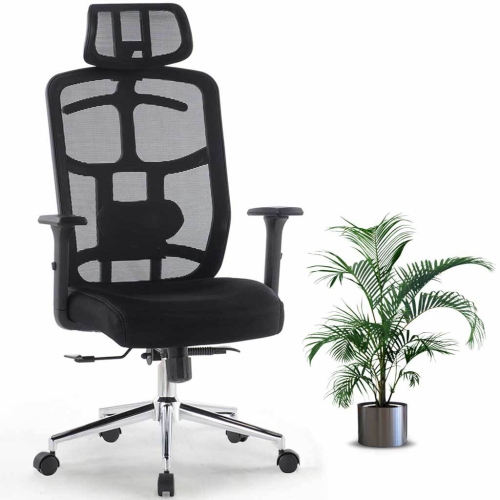 Your price for this item is $114.99
 -
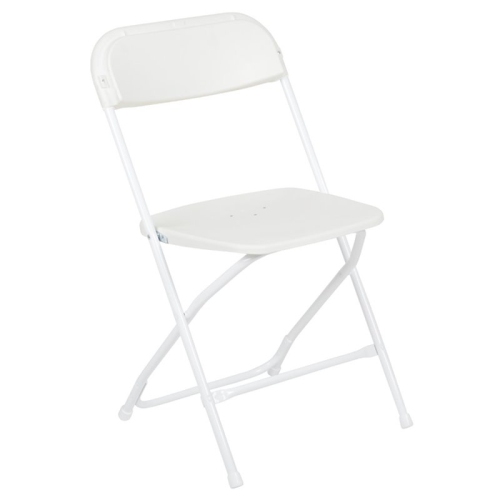 Your price for this item is $123
 -
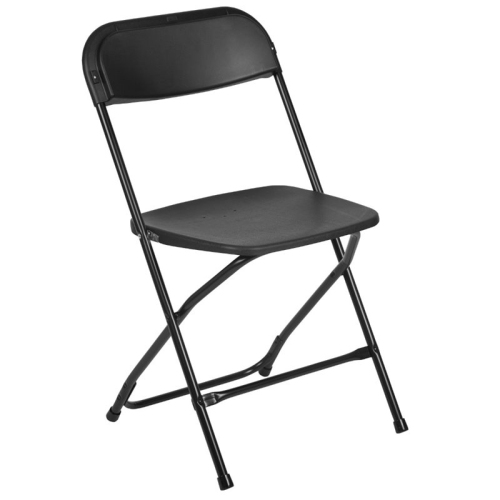 Your price for this item is $139.99
 -
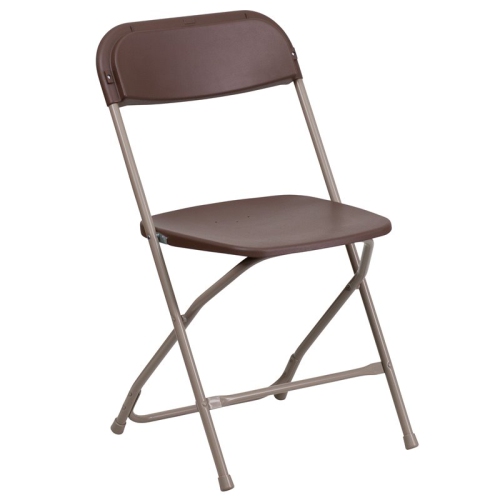 Your price for this item is $139.99
 -
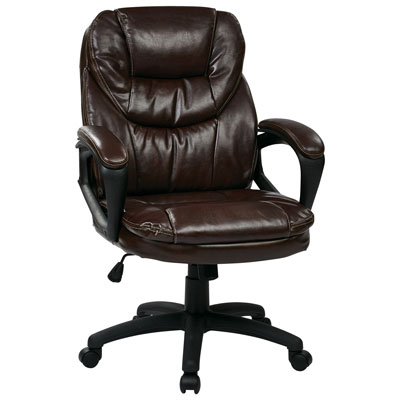 Your price for this item is $203.98
 -
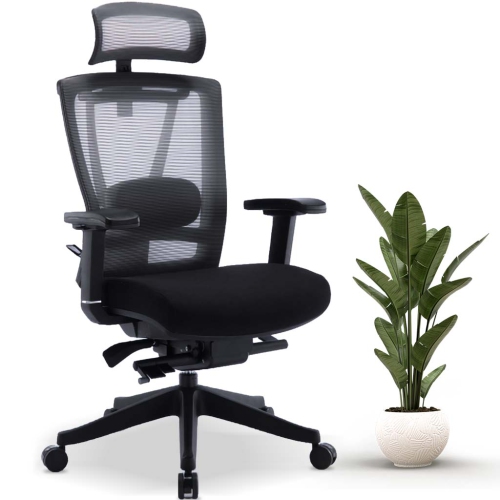 Your price for this item is $379.99
 -
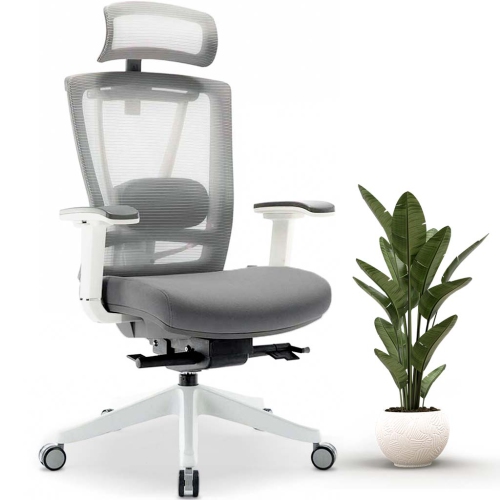 Your price for this item is $379.99
 -
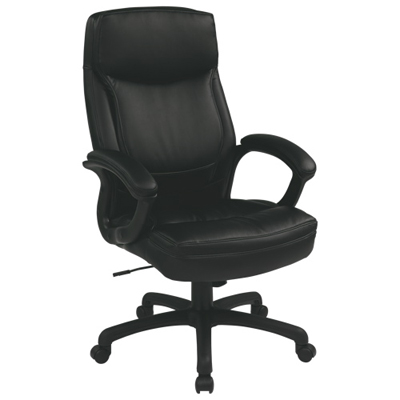 Your price for this item is $594.99
Discover more categories related to Posture Chairs
Top Collections:
Pokemon Centers, Kindle Devices, Best Budget Office Chairs, Apple iPhones 16, Best Laptops for Writers, iPhone 15 Apple, Canon G7X Cameras, Refurbished Apple Laptops, Alarm Clock, Motorola Razr Phones
Some products may be subject to Environmental Handling Fees
(EHF) depending on your province.
Learn more about EHFs.