Chairs With Steel Legs
Chairs are a staple of modern living, but they can be a bit of a pain to move. Steel legs are a great option for those looking for a chair that won't wobble or move when you sit in it. If you're looking for something more sturdy and less wobbly, check out these chairs with steel legs.
Sort


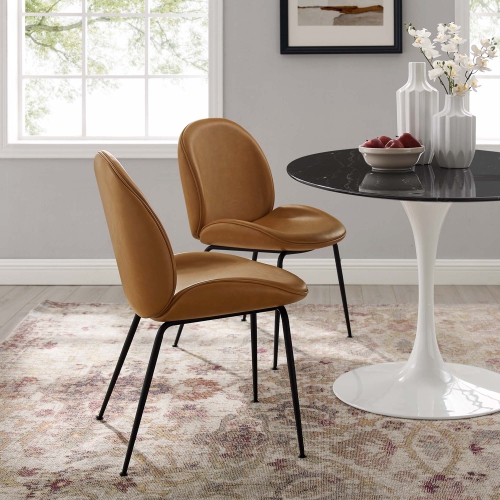
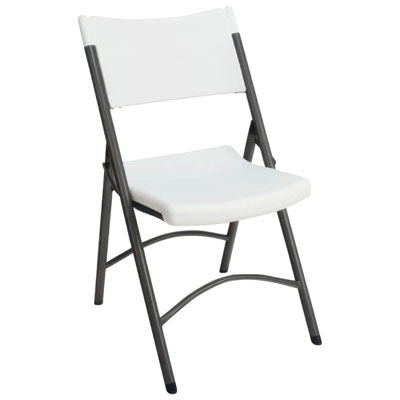
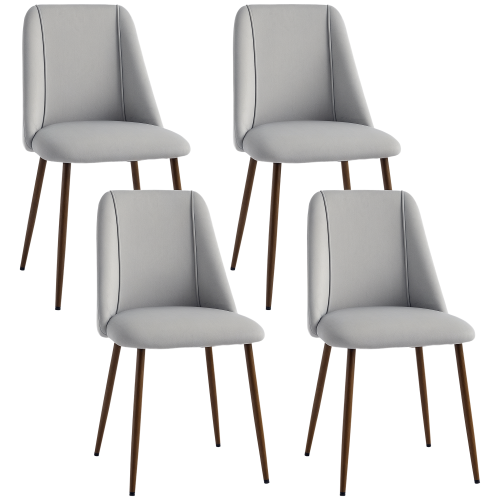


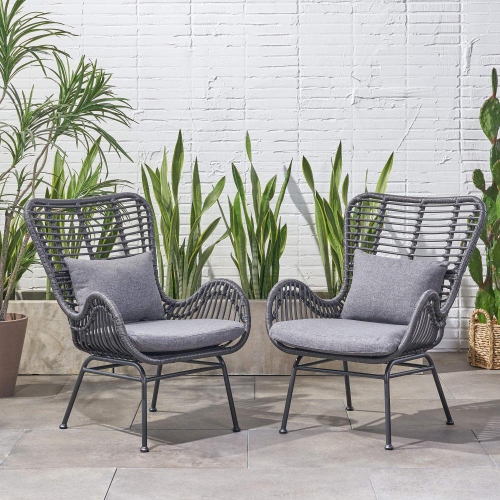

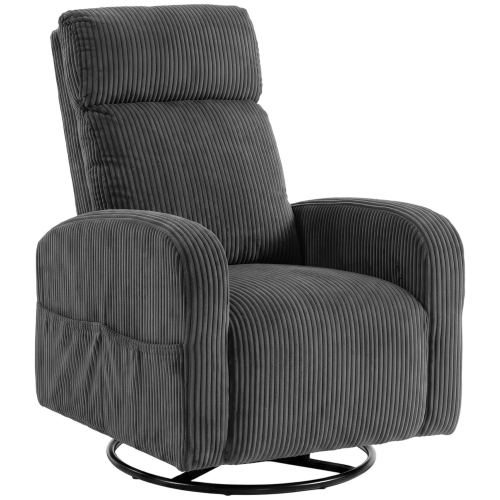


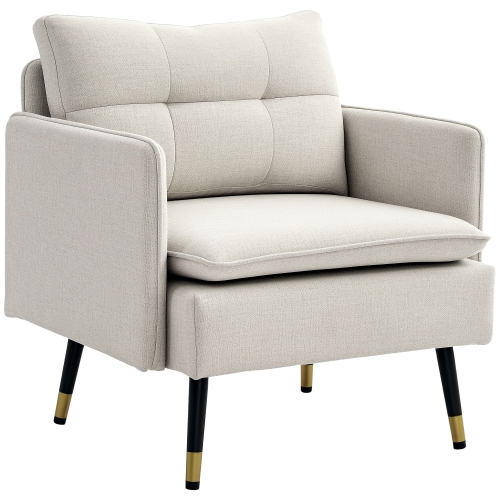


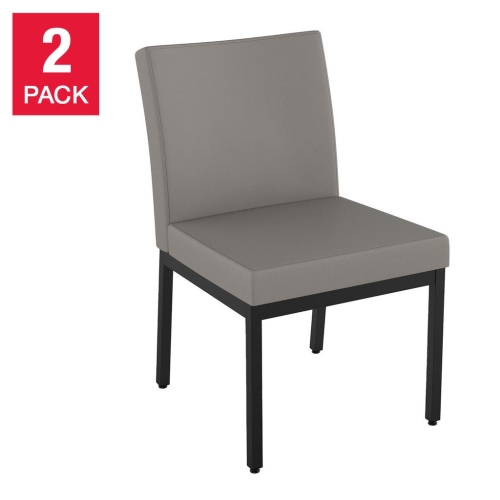
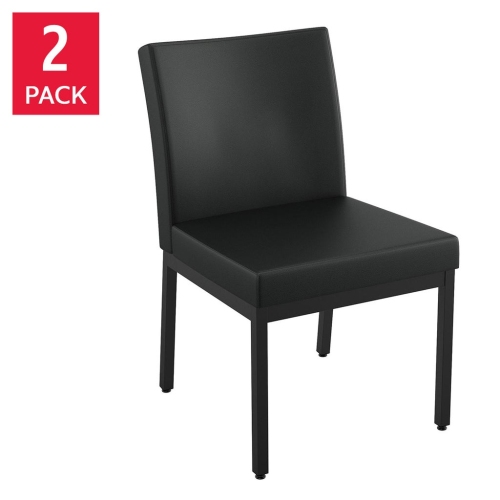





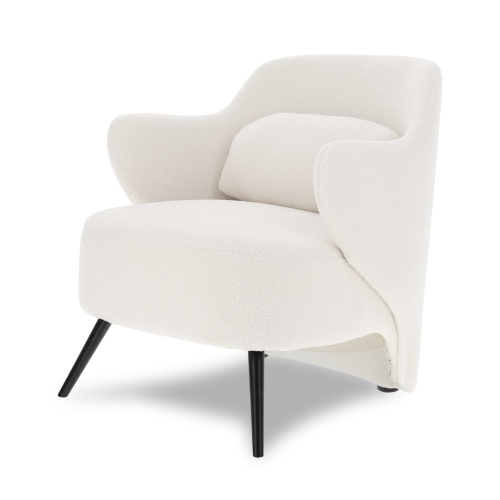

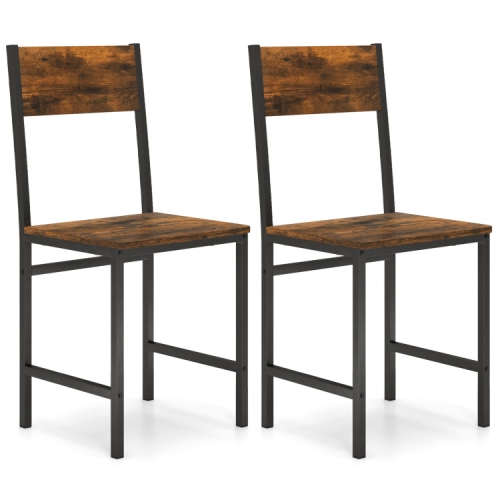


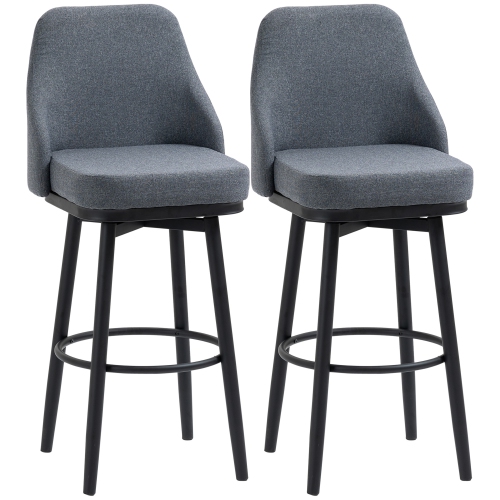


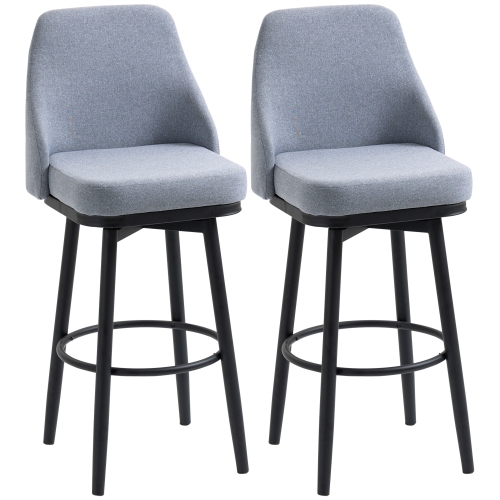
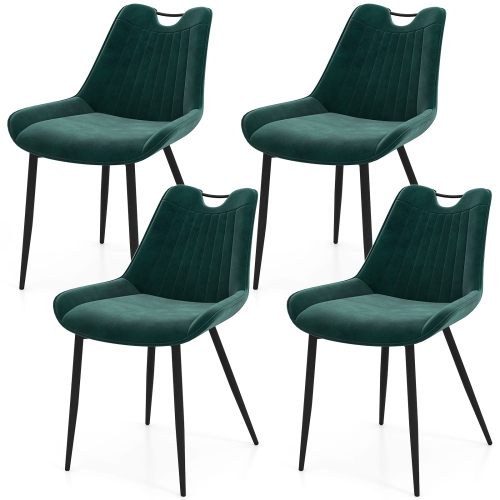
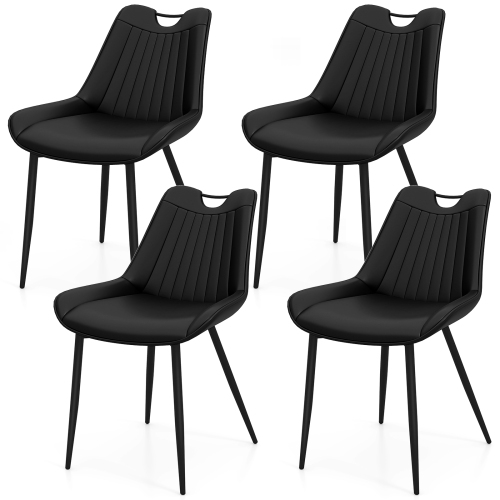
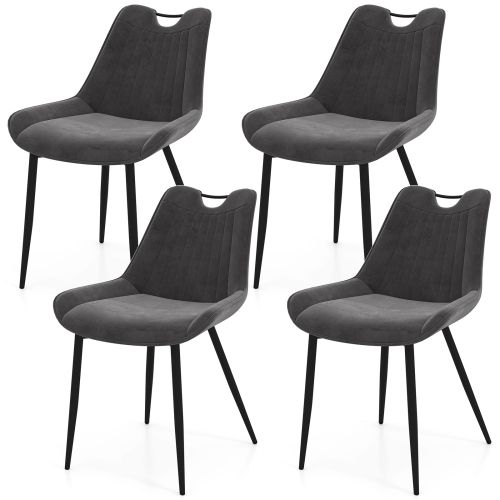
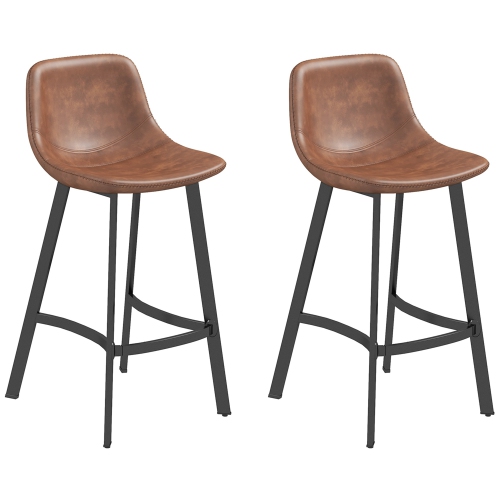
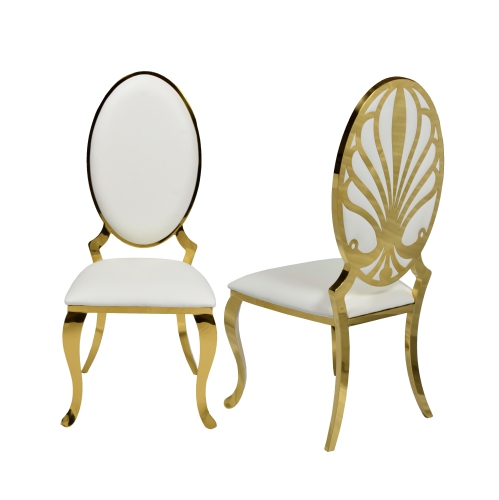
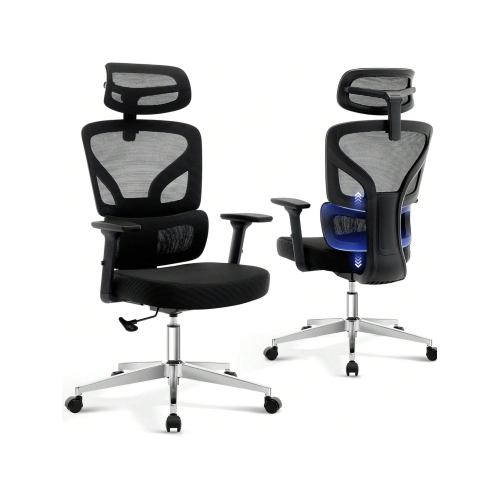
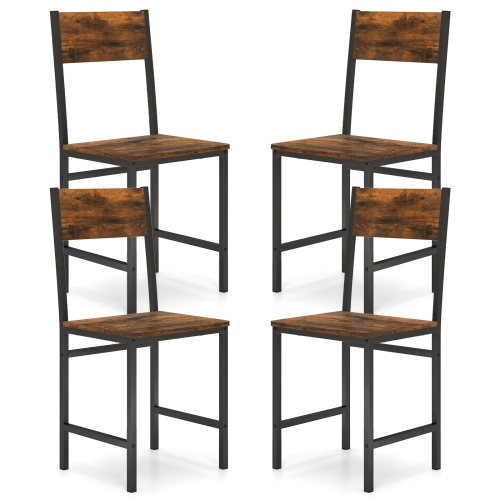
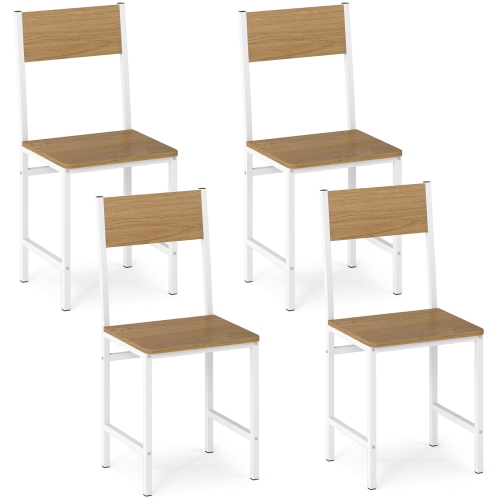
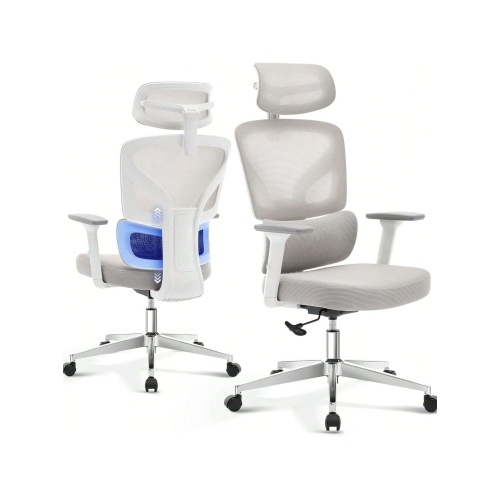
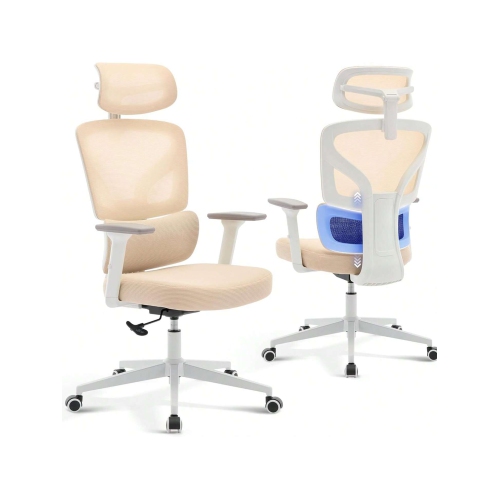
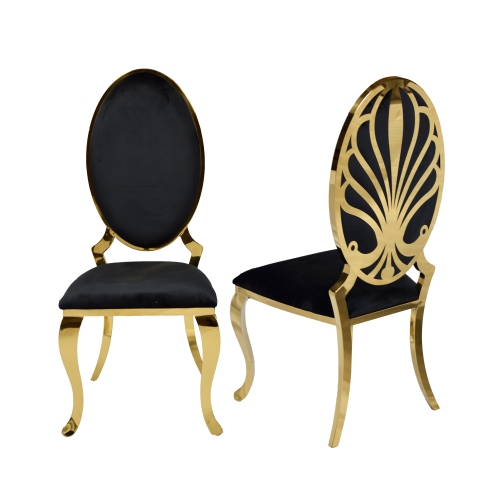
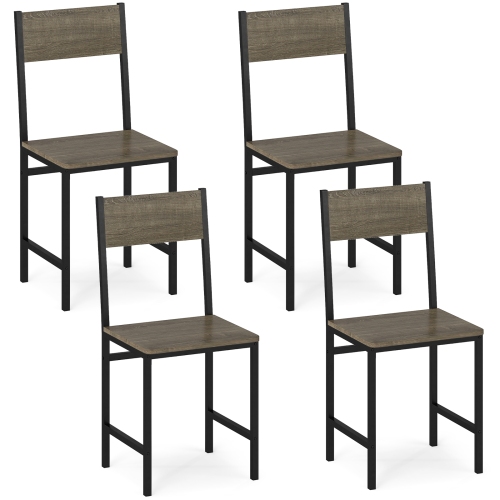
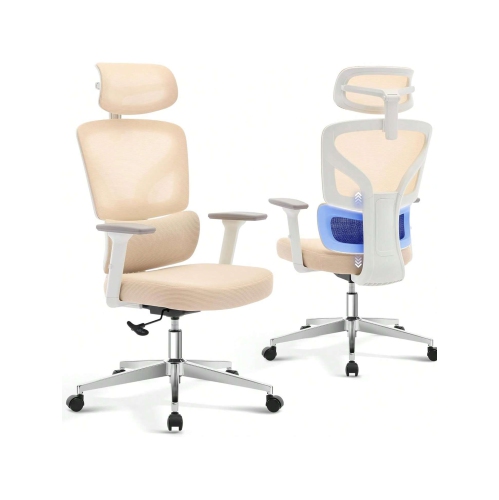
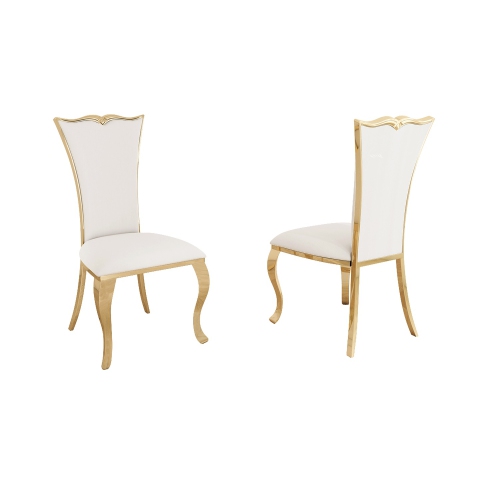
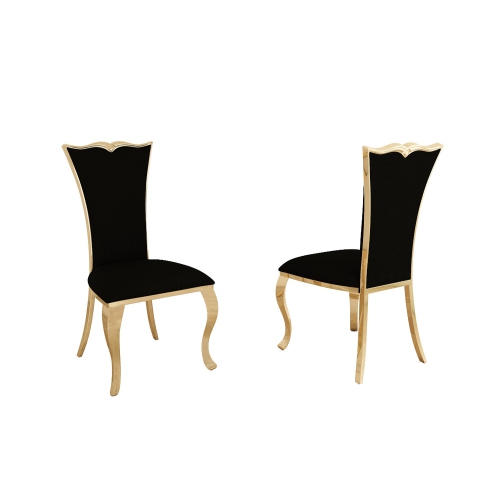
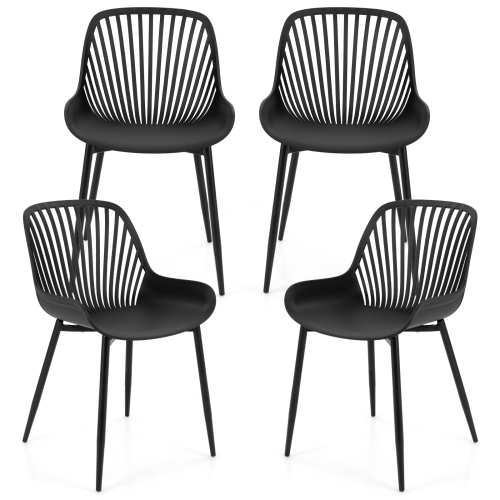

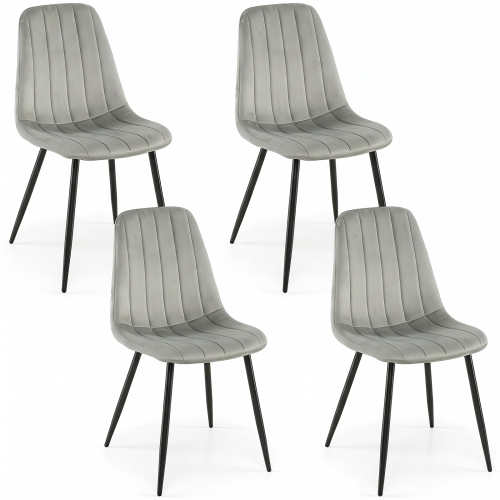



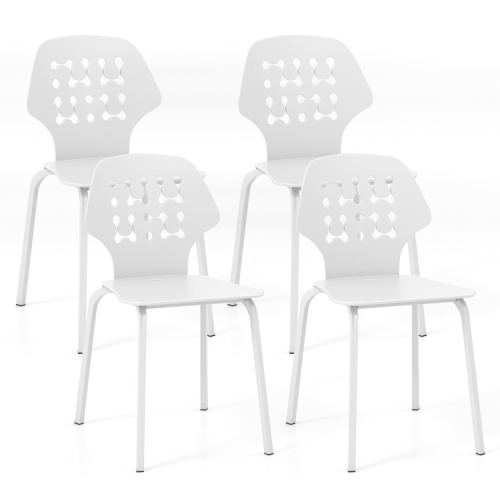

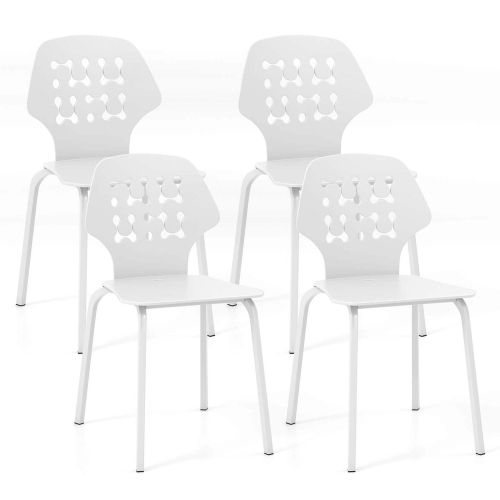

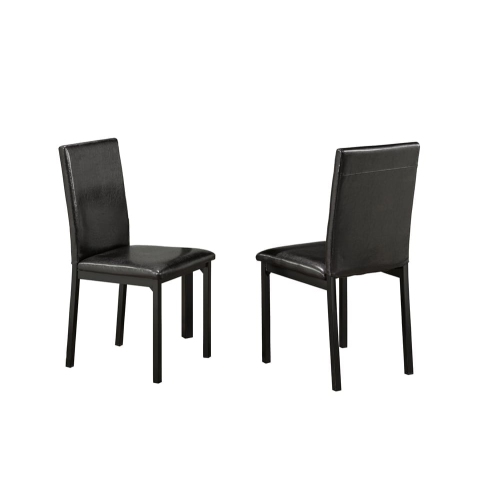
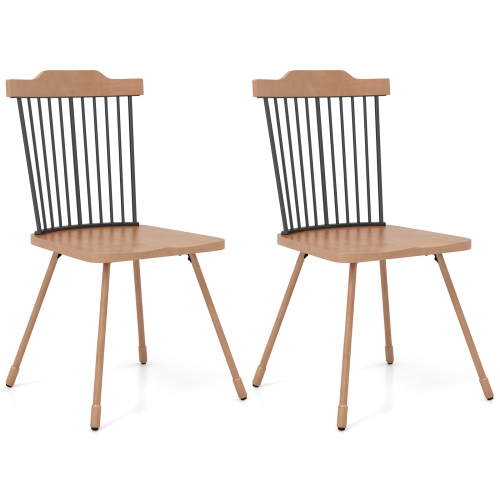

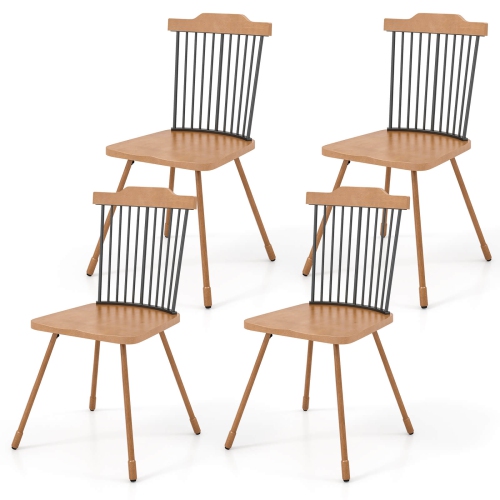
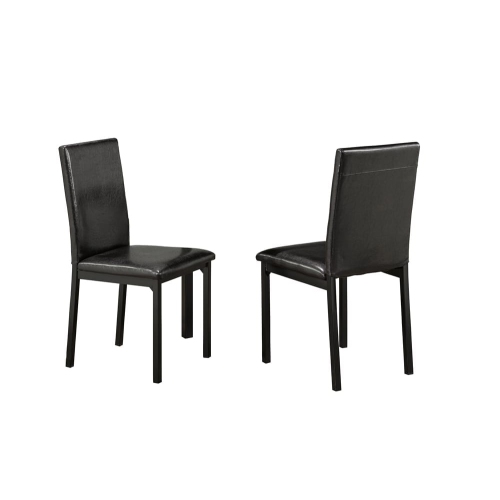
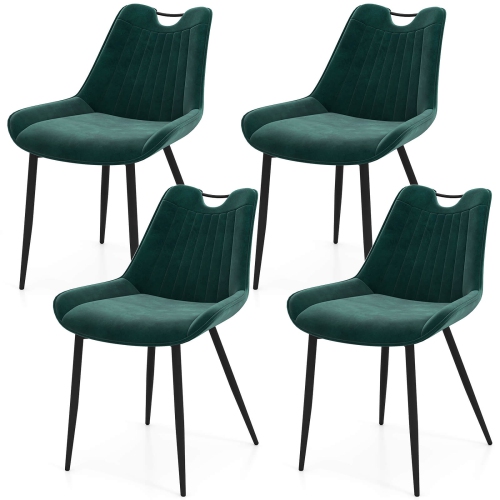

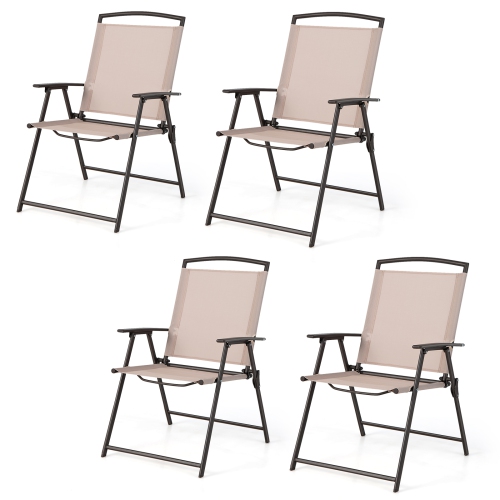
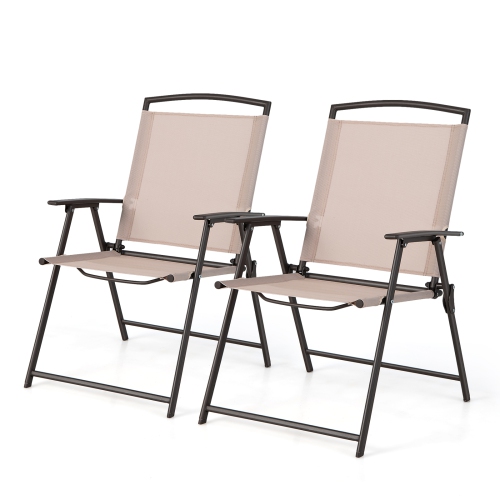
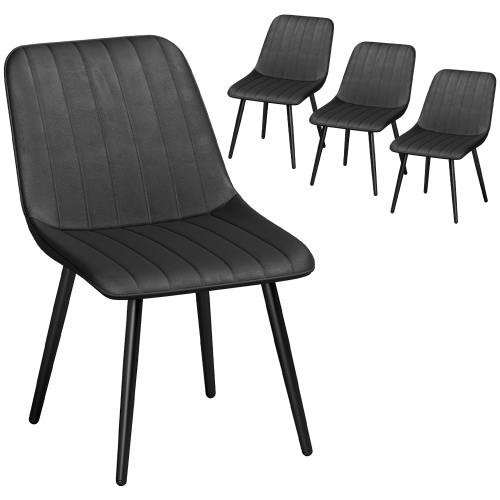

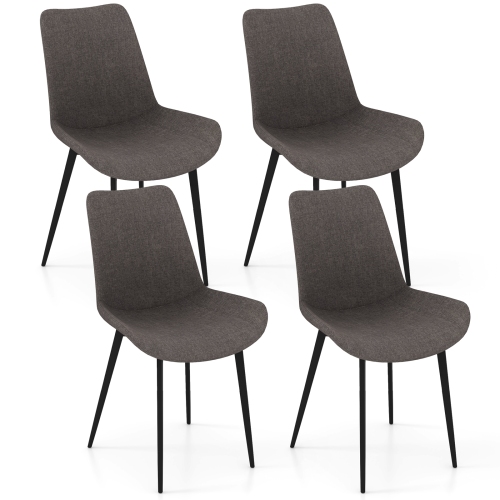

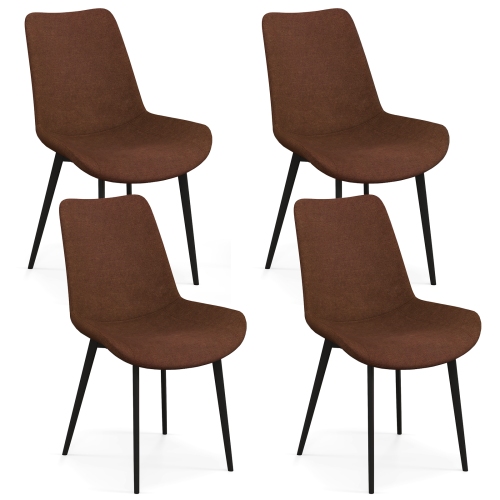


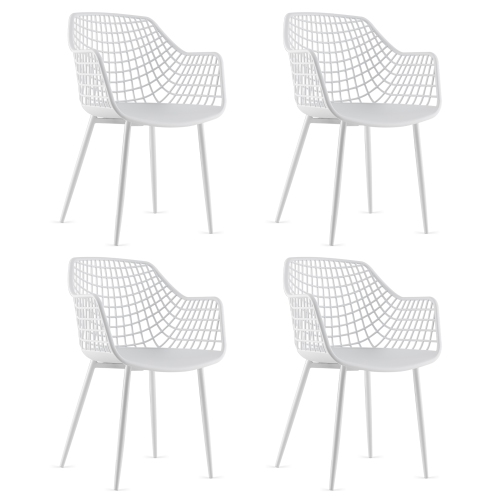
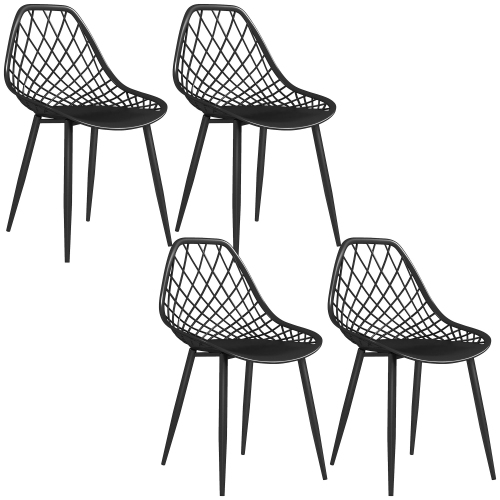

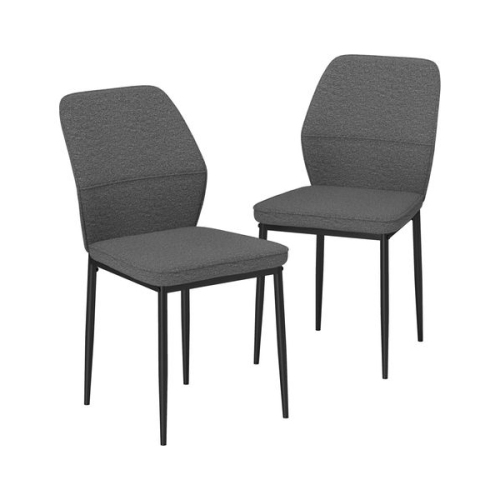
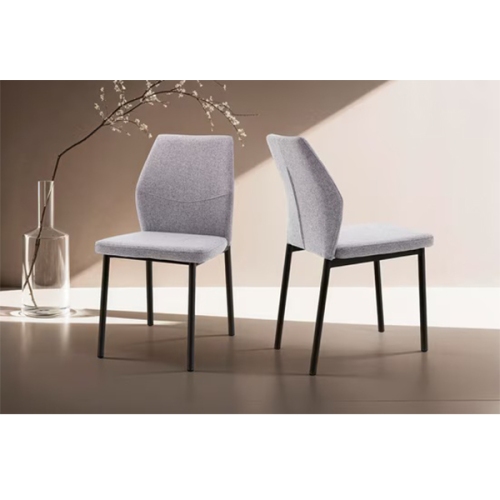
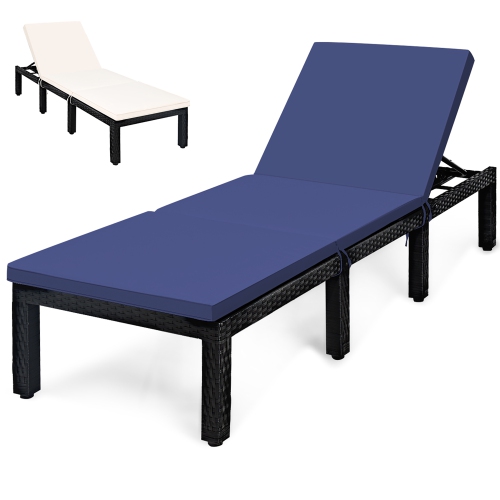
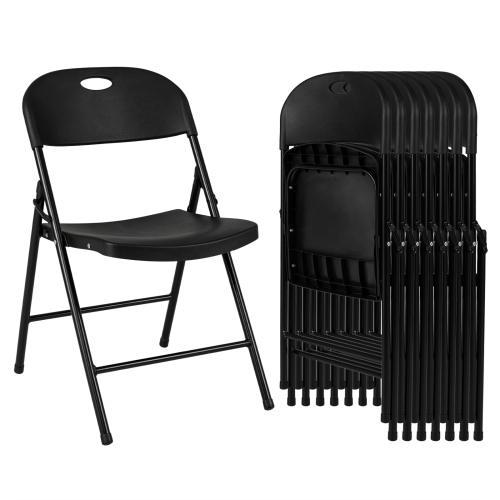
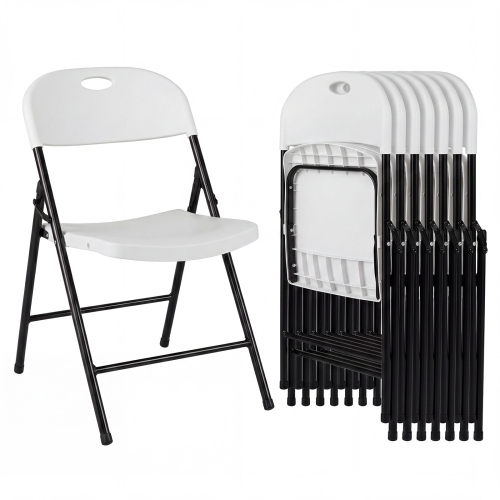


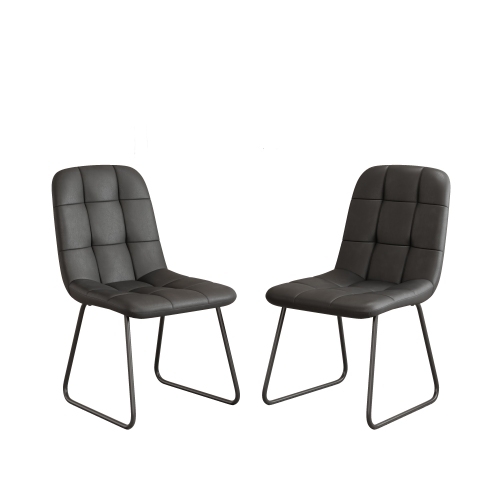
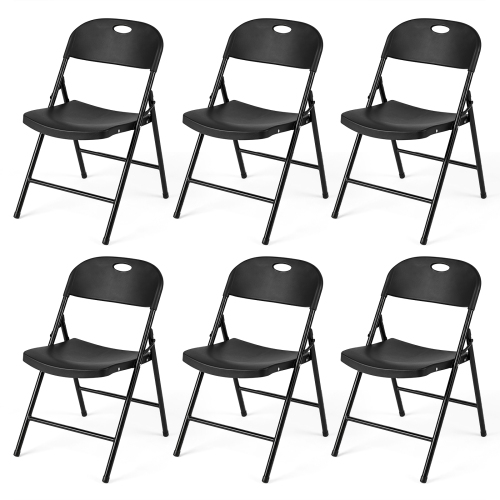
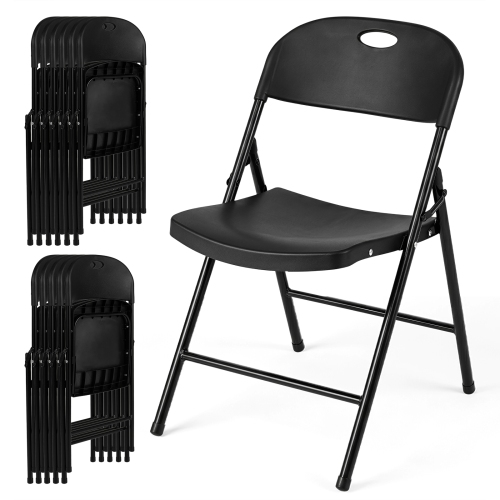
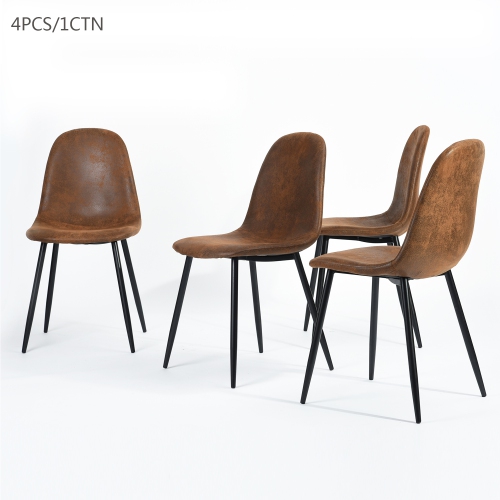
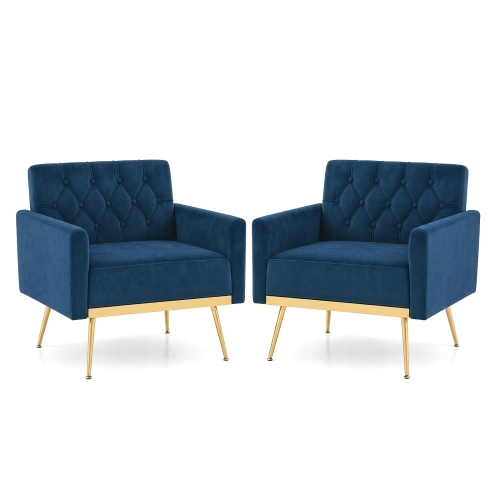
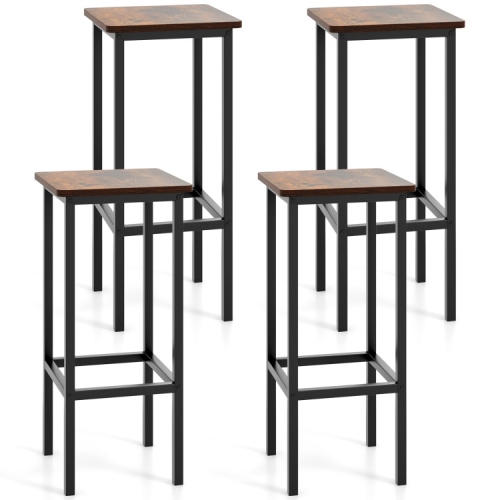
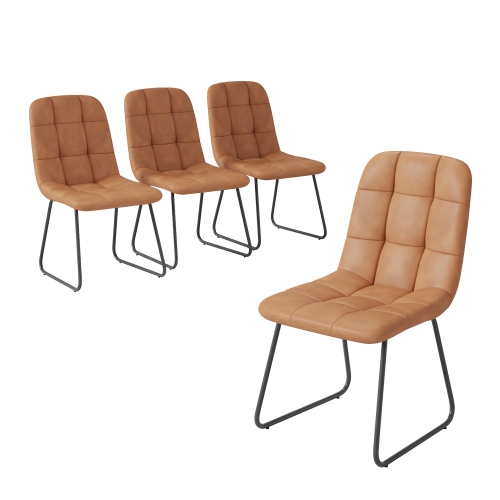
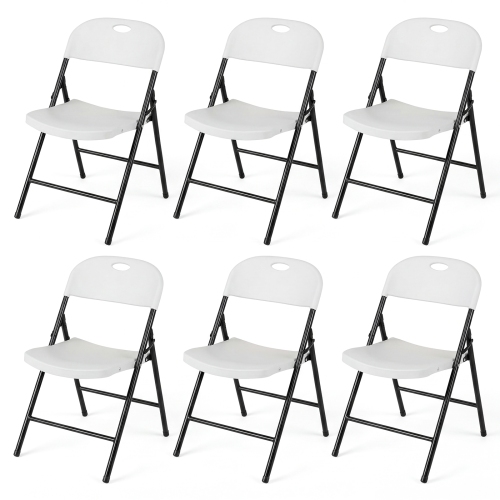
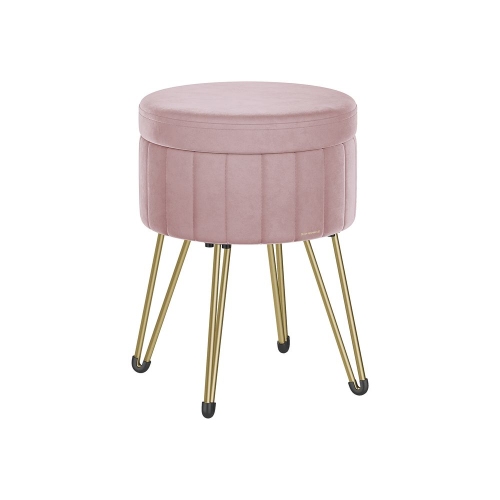
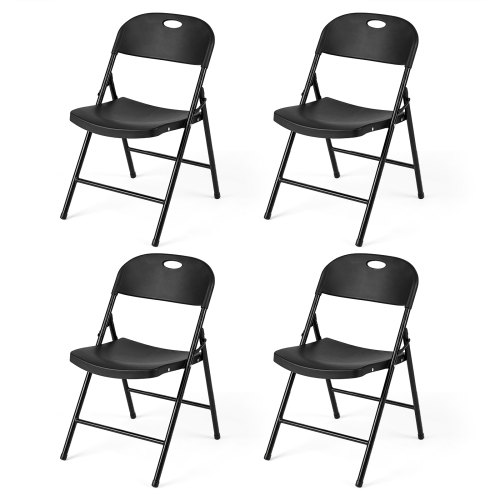
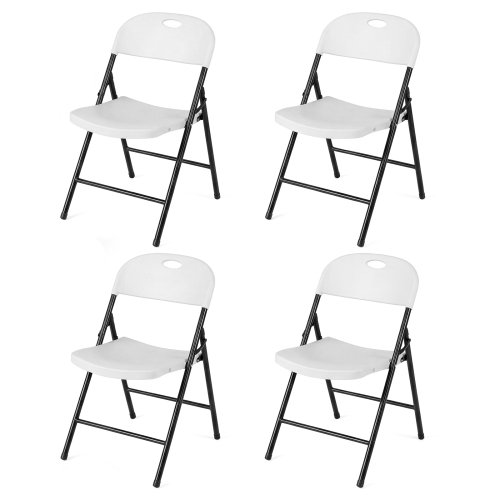
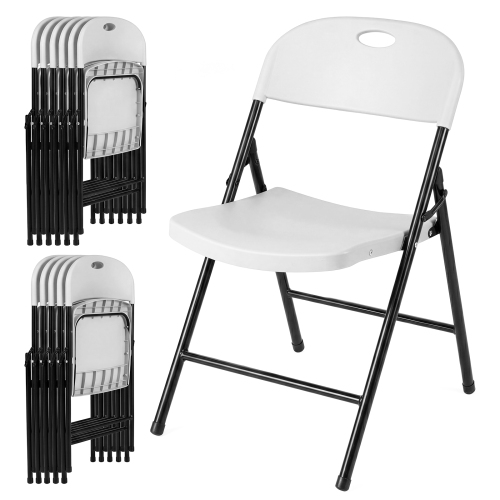
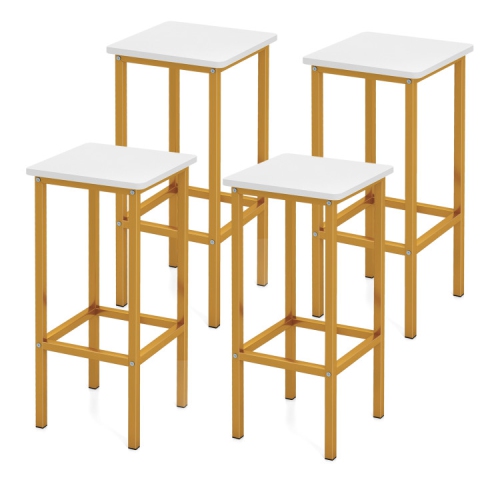
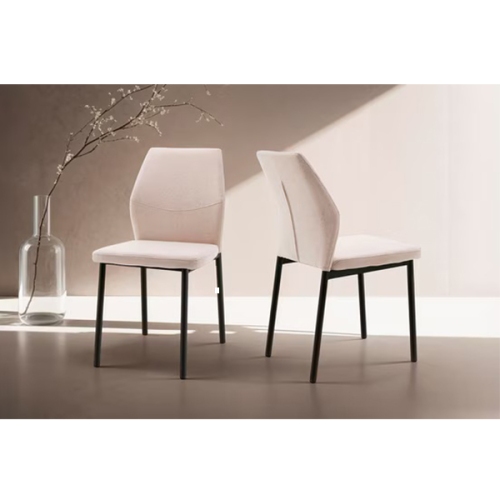
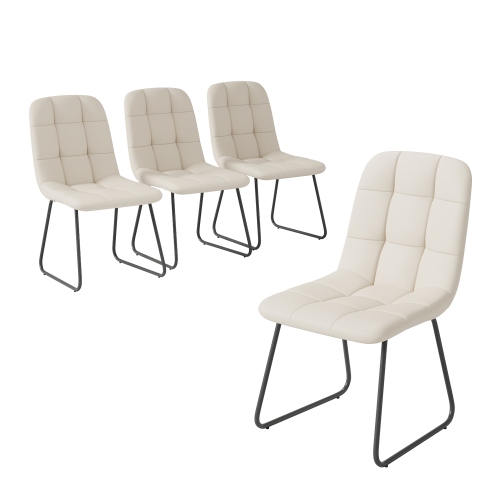

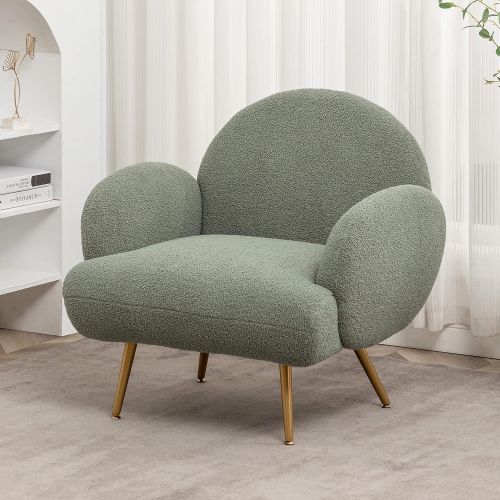

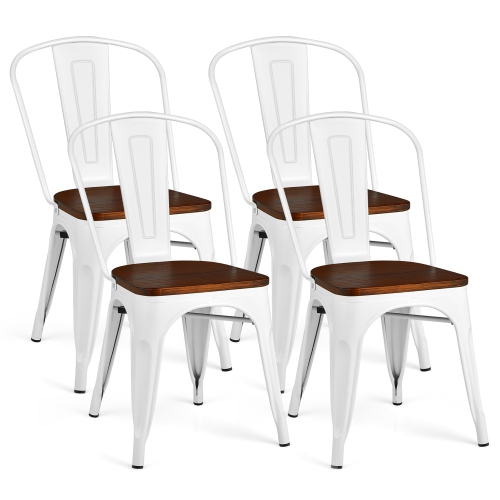


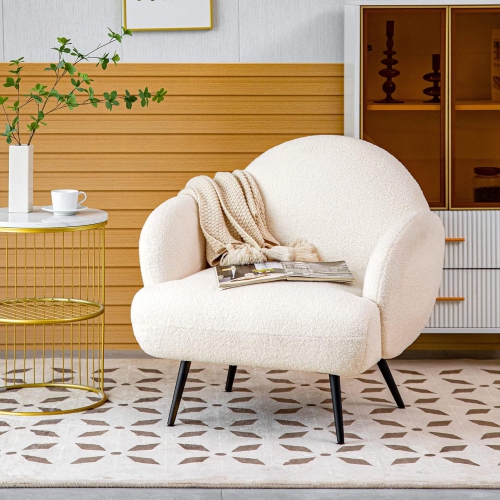
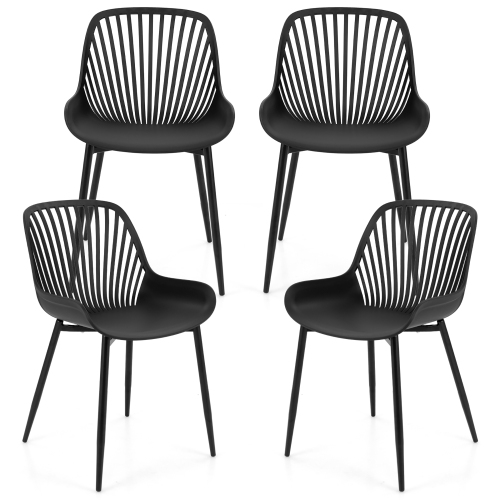


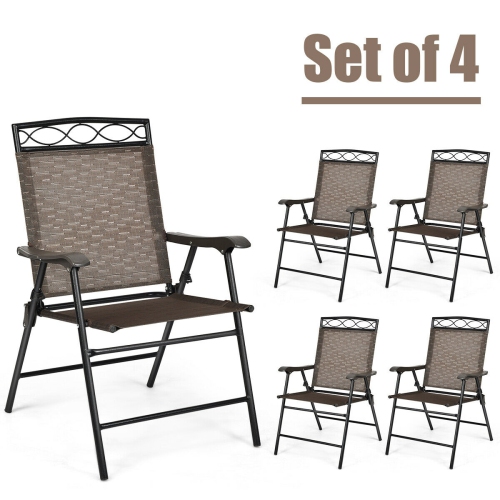

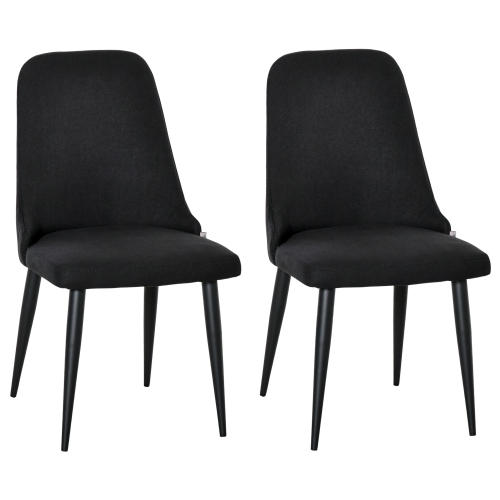

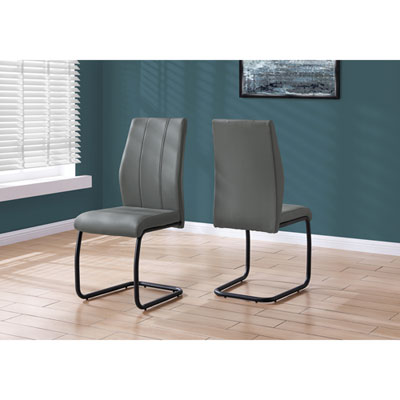


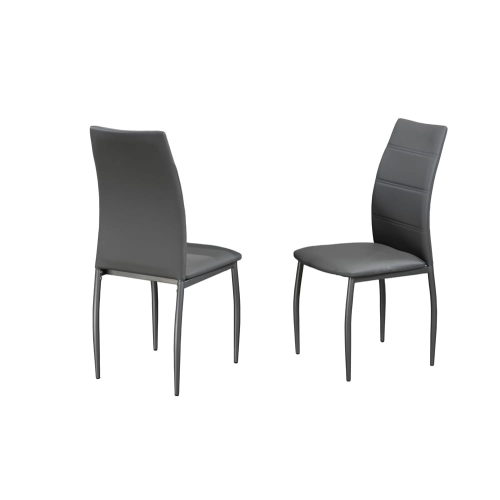

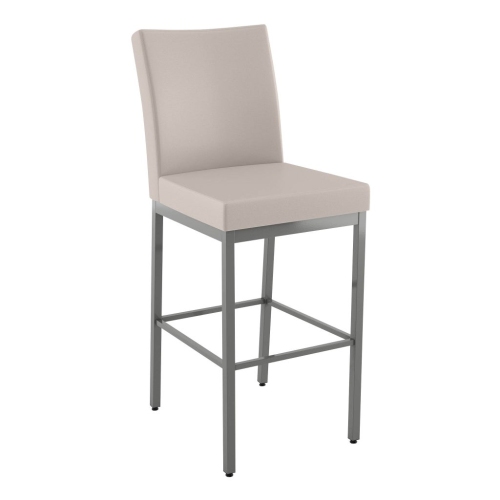


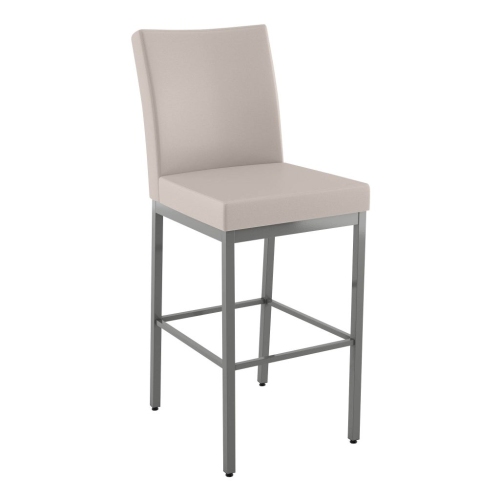


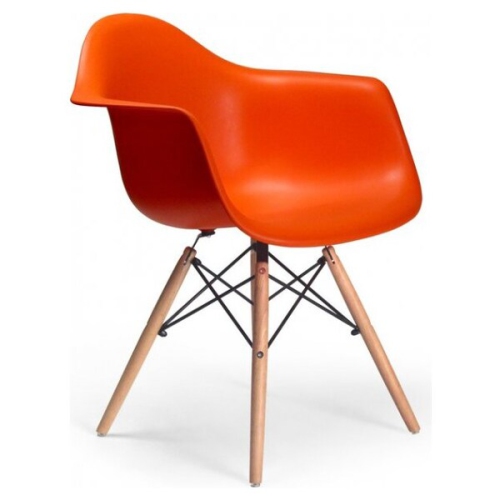

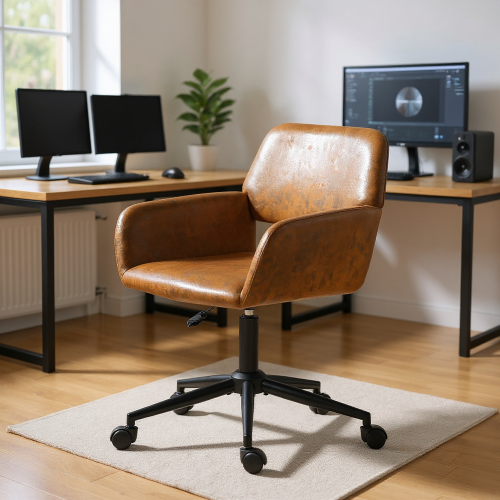


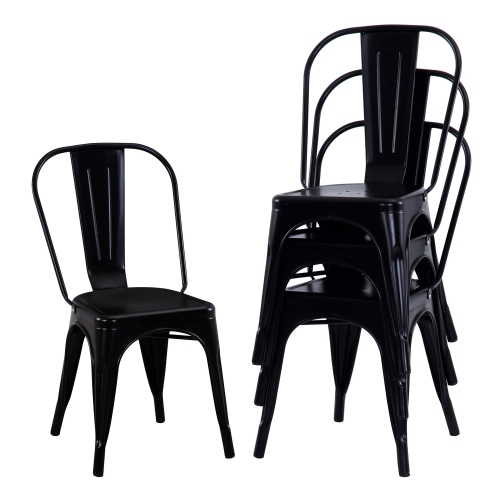


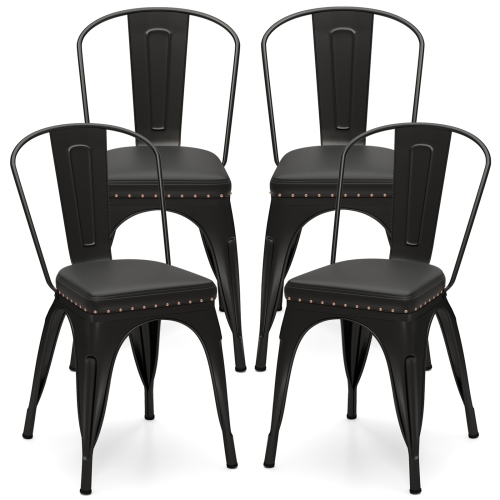


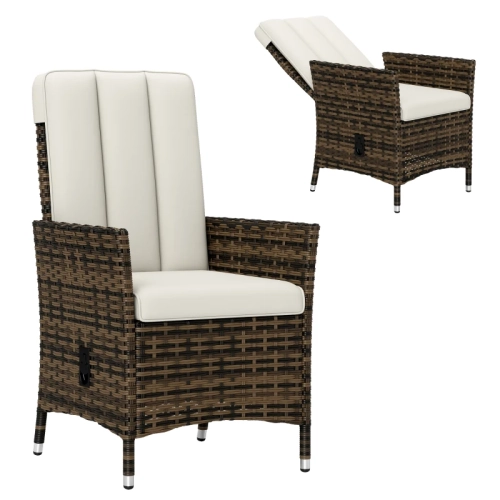


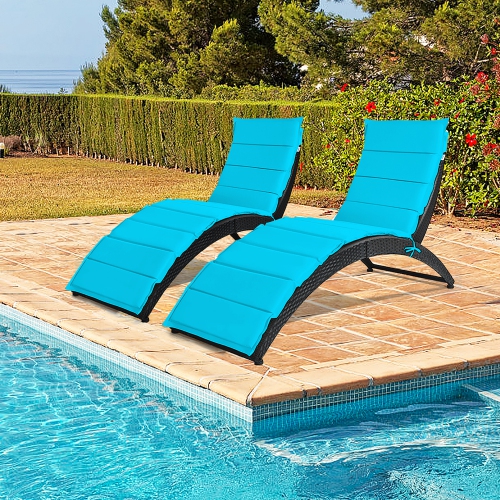

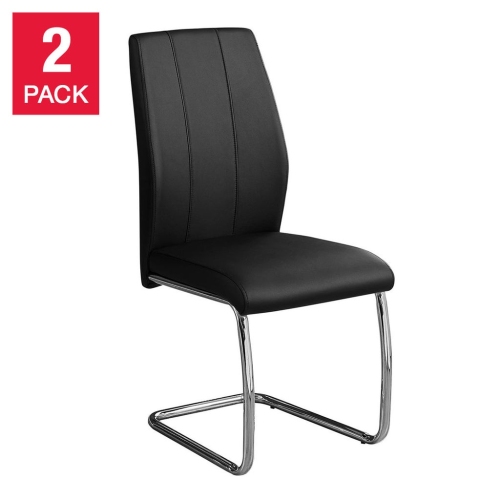


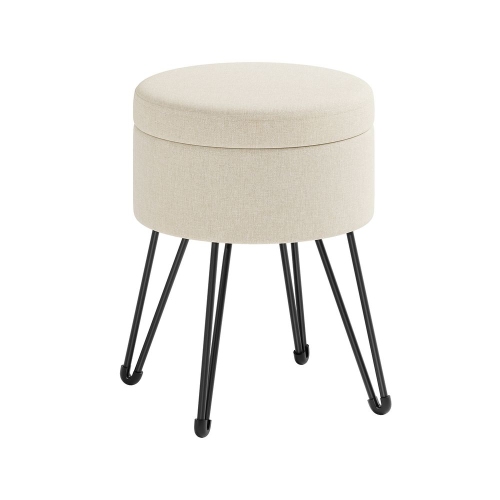


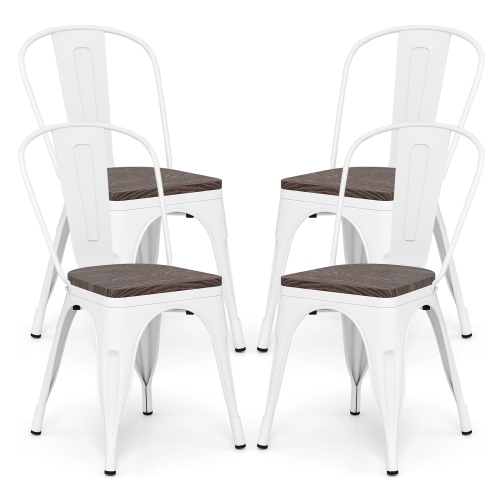


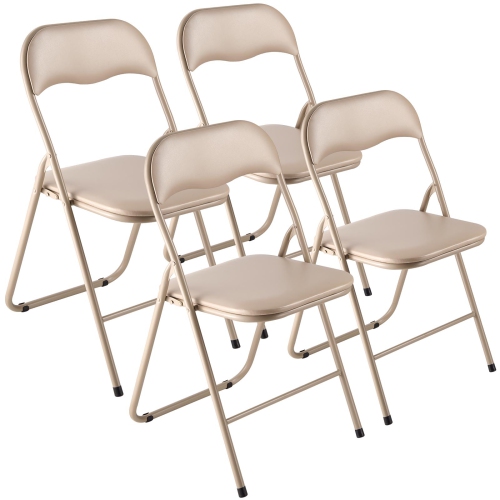

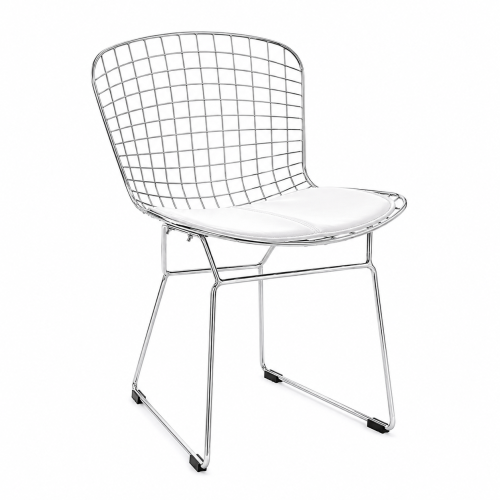
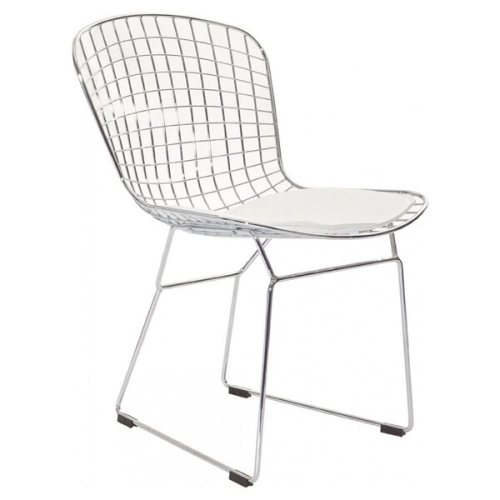




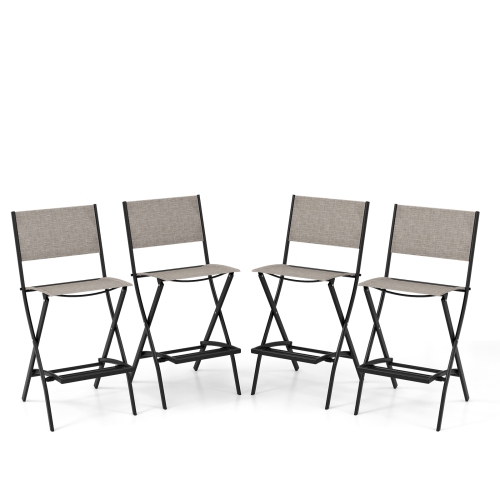
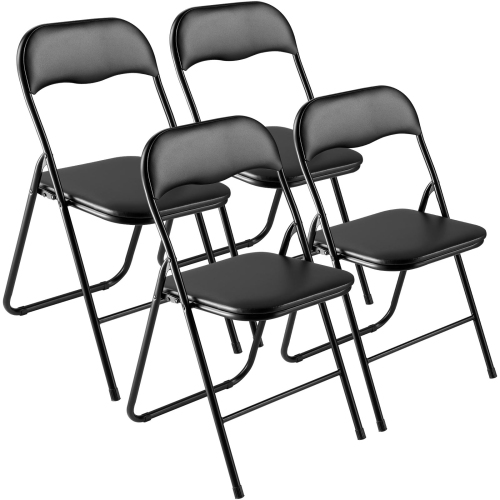
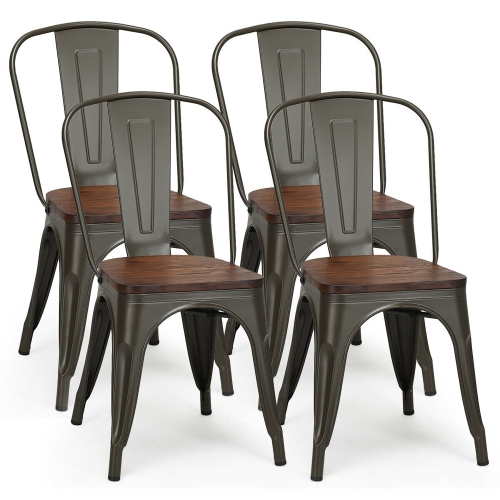


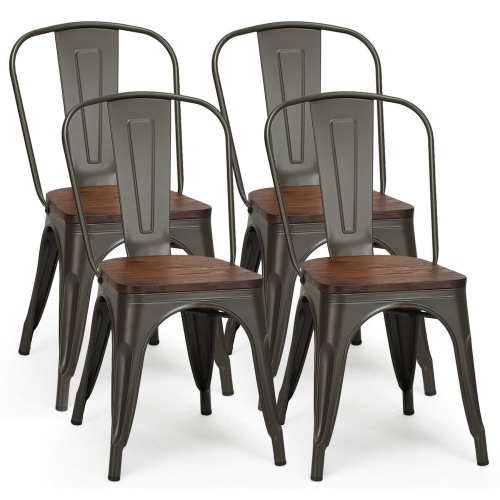
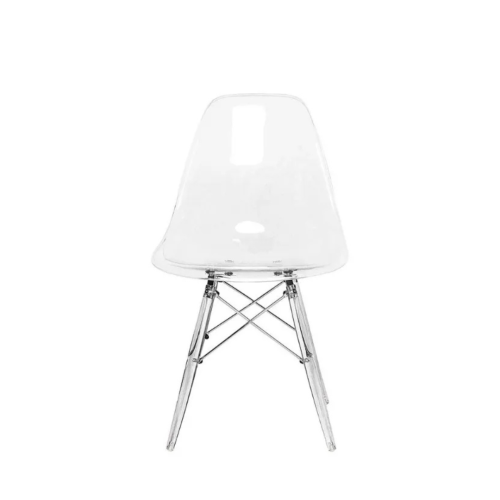

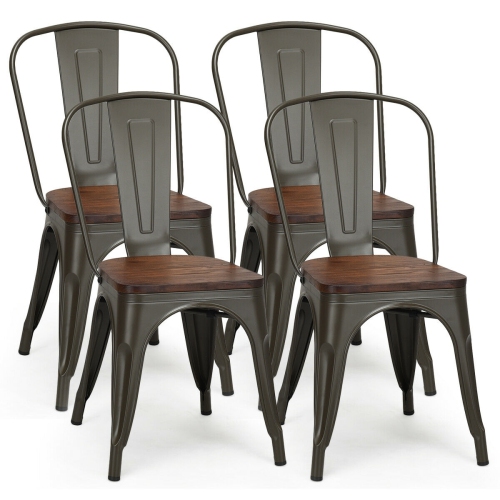
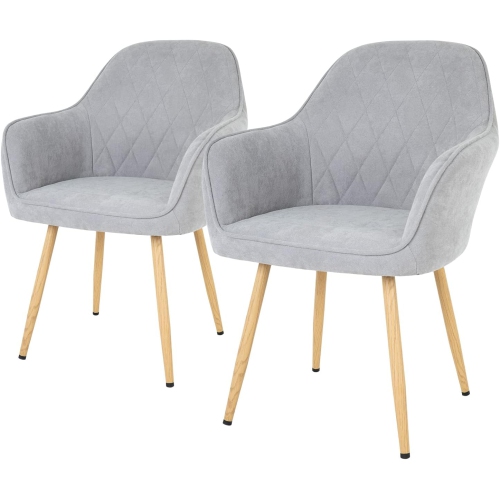


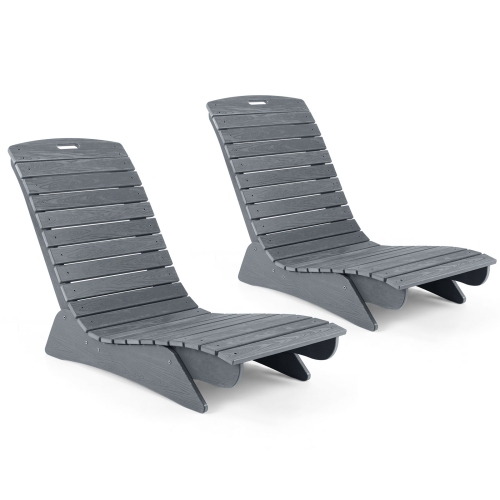
There’s more to comfortable seating than steel legs
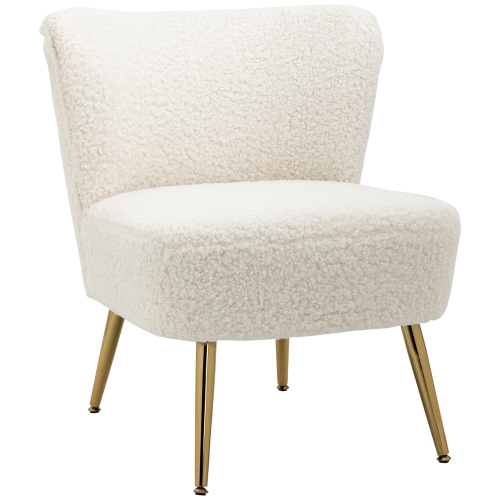
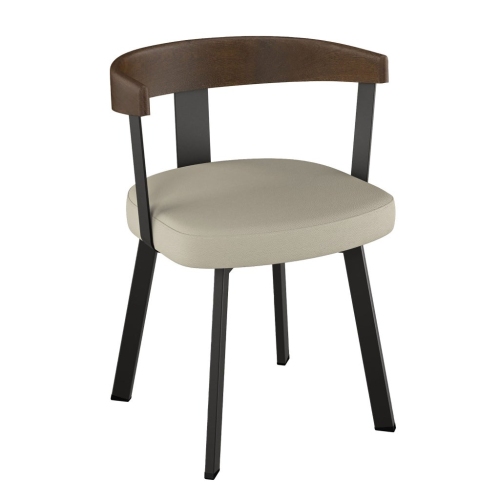
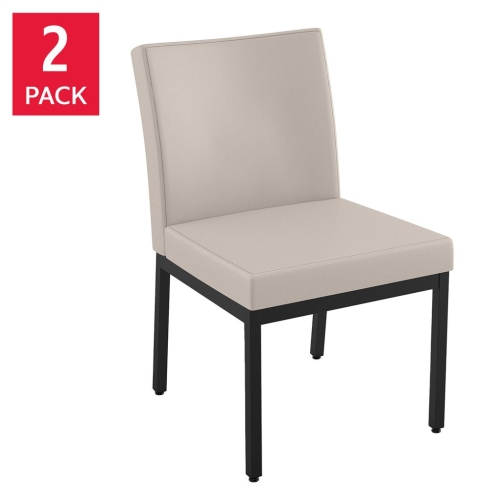
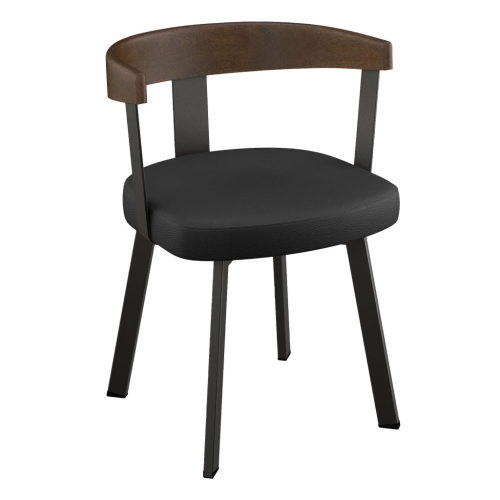
Chairs with steel legs pair a strong metal base with seating surfaces that can suit dining rooms, kitchens, home offices, and multipurpose living spaces. Their appeal comes from the balance between visual lightness and structural support: slender legs can leave more floor visible beneath a table, while a well-built frame provides a steady foundation for everyday sitting. Steel-legged chairs are not limited to an industrial look. Matte black legs create a crisp outline against pale wood and neutral upholstery, polished finishes bring a brighter accent to glass tables, and softly curved frames work comfortably alongside rounded furniture. The seat material has just as much influence on the overall character. Wood seats bring visible grain and a firm sitting surface; moulded plastic offers a smooth profile that is generally straightforward to wipe down; and upholstered seats add cushioning for meals that stretch into conversation. Fabric can soften the appearance of a metal frame, while leather and synthetic leather have distinct textures and care requirements. For a busy breakfast nook, a simple seat with few seams can make crumbs and spills easier to manage. In a dining room used for longer gatherings, a padded backrest and a generously shaped seat may matter more. During the cooler months, upholstered seating can also add a welcoming touch to spaces where people spend more time indoors. Steel is one option within the broader category of Metal Leg Chairs, which can include other metal types with different weights, finishes, and construction characteristics. The material name alone does not establish a chair’s strength or comfort. Leg geometry, frame thickness, joinery, seat support, and the manufacturer’s stated weight capacity all contribute to how a chair performs. A steel base can be durable, but its construction and suitability for the intended setting are more useful measures than appearance alone. That distinction matters whether the chair will be used for a quick morning coffee, daily family dinners, or occasional seating beside a desk.
Fit determines whether chairs with steel legs feel like a natural part of a room or become an obstacle every time someone sits down. Seat height needs to work with the underside of the table, not just its top surface. For many dining arrangements, roughly 10 to 12 inches between the seat and the tabletop provides a useful starting point, though a deep table apron can reduce usable thigh space. Armrests need their own clearance if the chairs are expected to slide fully beneath the table. Width matters beyond the seat cushion: angled steel legs, curved backs, and outward-reaching arms can occupy more space than they first appear to. Around a compact round table, a narrow footprint may help neighbouring chairs sit comfortably without their legs overlapping. Along a rectangular table, adequate elbow room makes shared meals more relaxed and reduces contact between chair frames. Space behind the seating is equally important, especially where someone needs to walk past while another person remains seated. Seat depth and backrest shape affect comfort for different users. A deep seat may suit a taller adult but leave a shorter person sitting forward without back support, while a pronounced front edge can press behind the knees. Cushions should feel supportive rather than simply thick, and a slightly shaped back can make a noticeable difference during longer periods of sitting. For a small apartment, armless chairs often tuck away neatly, and designs specifically made to stack can simplify storage when floor space serves several purposes. Steel construction does not automatically mean a chair is lightweight, so overall weight is worth considering when seating moves frequently between rooms. A dining-style chair can work for occasional paperwork or a guest workspace, but a steel base is not a substitute for the adjustability and support needed for prolonged desk use. Households with children, frequent visitors, or people who need arm support may each place different value on wipeable surfaces, easy handling, stable footing, and an accessible seat height.
Durability depends on how the steel legs, seat, and connecting hardware hold up together under the demands of the room. Welded joints and bolted connections can both be effective when properly designed and assembled; neither should be judged by looks alone. For chairs that require assembly, evenly tightened hardware and correct alignment help the frame sit as intended, and periodic checks can catch loosened fasteners before movement becomes more pronounced. A wobble can also come from an uneven floor, so adjustable glides, where fitted, may help establish stable contact. Floor protection deserves attention with steel-legged seating. Plastic or rubber caps can separate metal ends from flooring, but they do not guarantee a scratch-free surface, particularly when grit collects underneath. Compatible felt pads may be useful on hard floors, provided they fit securely and are kept clean. Lifting a chair rather than dragging it helps protect both the flooring and the leg finish. Powder coating provides a protective surface over steel, while plated or polished finishes have their own maintenance needs; all can show damage if exposed to unsuitable cleaners or repeated abrasion. A soft cloth and a manufacturer-approved cleaning method are generally preferable to abrasive pads, and damp metal should be dried after cleaning. Chips that expose the underlying steel deserve attention because moisture can encourage rust. Steel legs alone do not make a chair suitable for a patio or balcony: outdoor seating needs an explicit outdoor-use designation, appropriate protective finishes, and seat materials designed for those conditions. Upholstery care is equally material-specific, with fabric cleaning codes and leather care instructions taking priority over a general household cleaning routine. For shared dining areas, smooth surfaces and accessible joints can make everyday upkeep less fiddly, while textured fabrics may need more frequent vacuuming to clear crumbs from seams. As a housewarming gift or a contribution to a first apartment, seating is most useful when the recipient’s table measurements, room layout, and preferred materials are already known. The lasting appeal of chairs with steel legs lies in that practical match: a frame suited to daily use, a seat that feels comfortable, and proportions that let the room function naturally.
Top selling and popular products
-
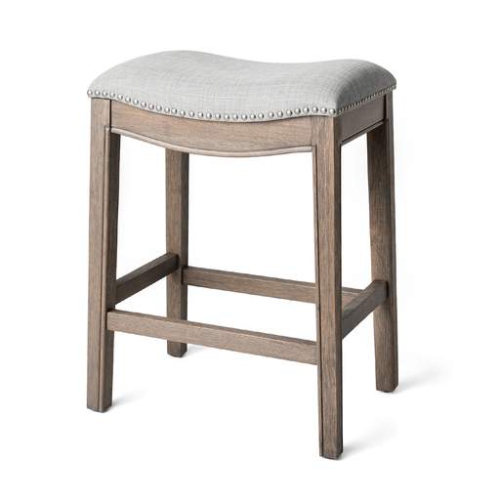 Your price for this item is $227.99
-
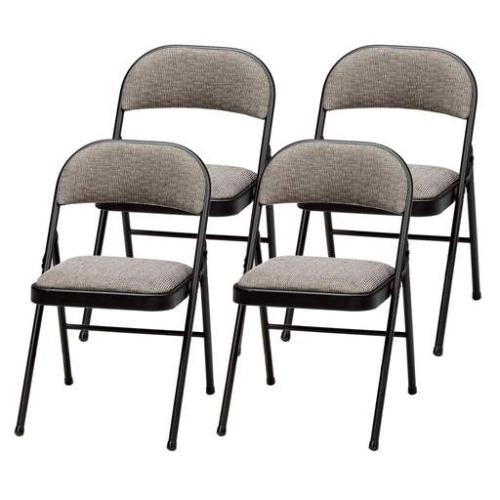 Your price for this item is $363.99
-
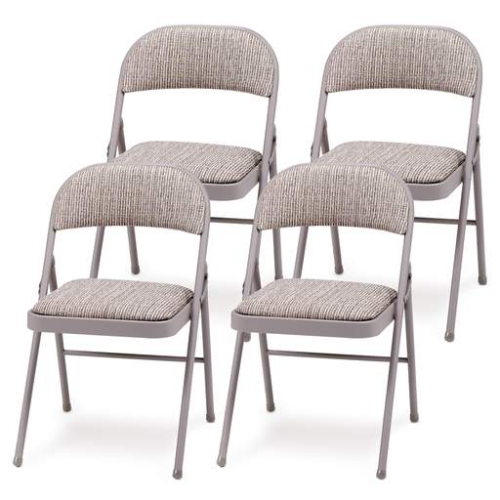 Your price for this item is $398.99
-
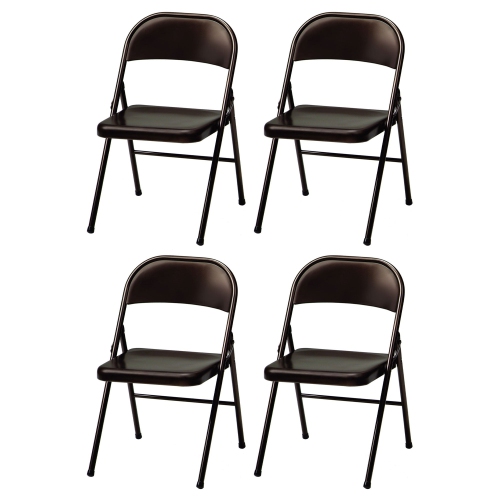 Your price for this item is $212.99
-
 Your price for this item is $364.99
-
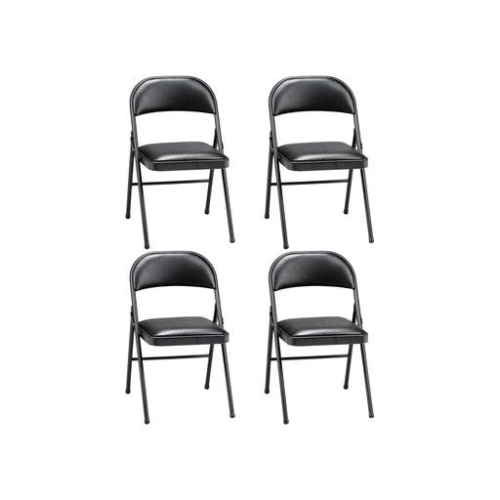 Your price for this item is $376.99
-
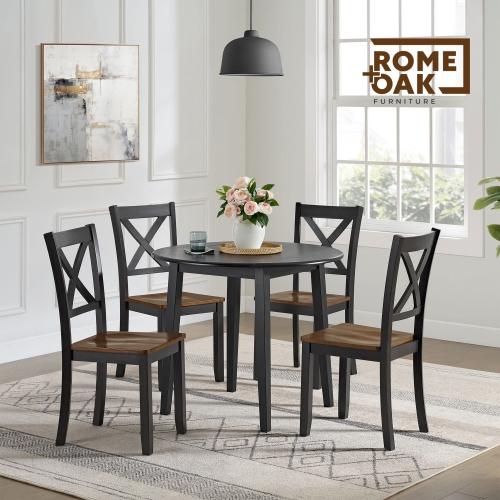 Your price for this item is $423.99
-
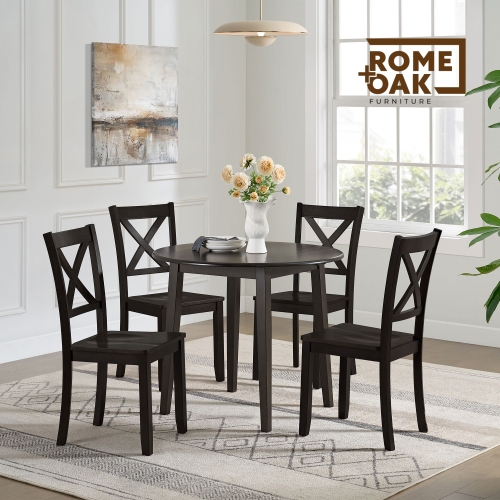 Your price for this item is $403.99
Discover more categories related to Chairs With Steel Legs
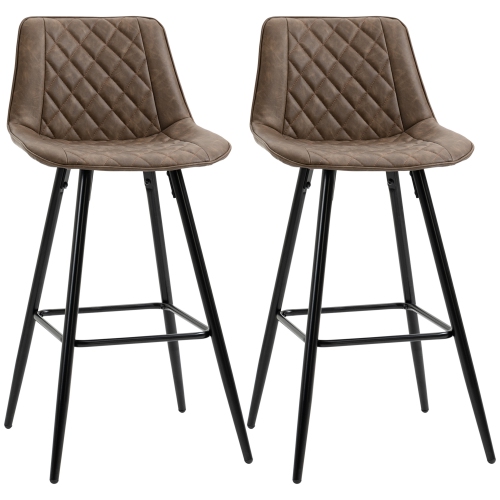

Top Collections:
Best Black Friday Deals This Year, Best Black Friday Deals On Electronics, Kindle Devices, Pokemon Centers, Best Black Friday Deals On Apple Products, Best Cameras for Sports Photography, Dyson Airwrap, Pokémon 30th Celebration Cards, Apple iPhone 17 Pro, Canon G7X Cameras
Some products may be subject to Environmental Handling Fees
(EHF) depending on your province.
Learn more about EHFs.