Charcoal Grills With Smoker
Looking to take your outdoor cooking skills to the next level? Look no further than these charcoal grills with a smoker. These appliances offer the convenience of a traditional charcoal grill with the added benefit of a smoker, allowing you to cook up delicious smoked meats and vegetables. Whether you are an experienced chef or just getting started in the art of outdoor cooking, these grills are sure to make your next meal a hit.
Sort
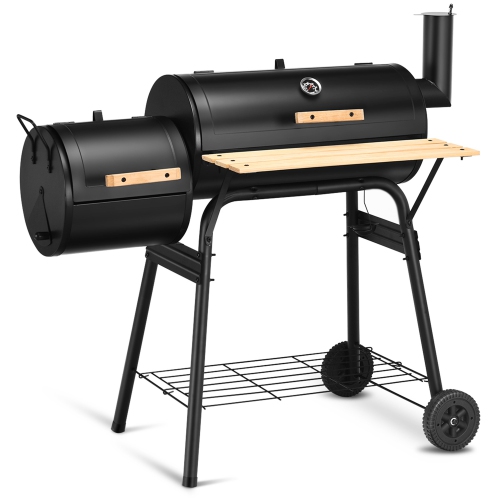

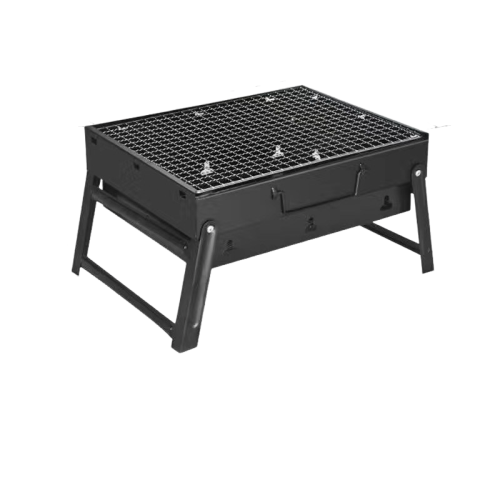
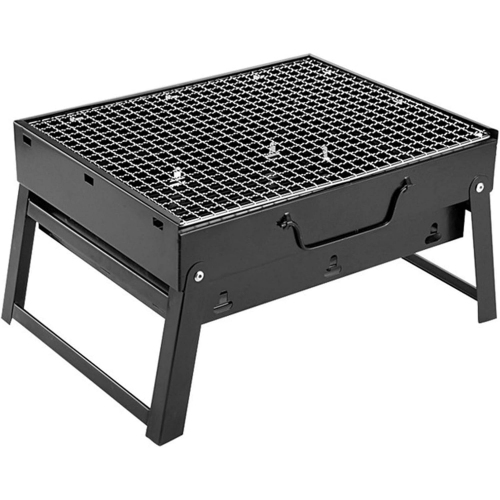


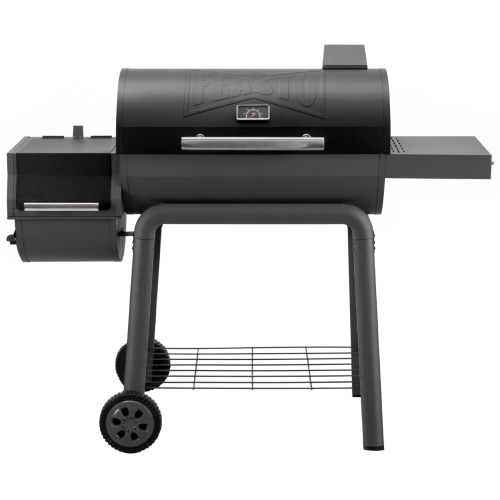


From seared steaks to slow-smoked pulled pork
Charcoal grills with a smoker combine direct-heat grilling and low-and-slow barbecue cooking in one outdoor appliance. Charcoal supplies the heat, while suitable wood chunks or chips can add smoke flavour to everything from pork shoulder and ribs to mushrooms and firm tofu. The main difference between grilling and smoking is how the food receives heat: grilling places it closer to hot coals for browning and searing, while smoking uses gentler, indirect heat with the lid closed. A grill designed for both methods gives a household room to prepare a quick batch of burgers or settle into a longer cook for tender brisket. Several designs support this versatility. Offset combinations have a firebox beside the main cooking chamber, allowing heat and smoke to travel around the food rather than placing it directly over the fire. Barrel-style grills may support smoking through a two-zone charcoal arrangement, with the fuel on one side and the food on the other. Kamado-style grills use a thick ceramic body and adjustable vents to retain heat; an appropriate heat deflector separates the food from the coals for indirect cooking. Some gravity-fed charcoal designs use a hopper to supply fuel and a digitally controlled fan to regulate airflow, helping maintain a selected cooking temperature. Vertical combinations arrange cooking racks above the fuel, although their ability to grill directly depends on the design. For shoppers whose main interest is dedicated low-and-slow cooking, Charcoal Smokers offer another way to explore that cooking style. A combination grill and smoker is particularly useful when both a deeply browned steak and smoke-infused pulled pork belong on the household menu. It suits cooks who enjoy tending a charcoal fire, experimenting with different woods, and adjusting their approach to the meal rather than relying on a single cooking method. The appeal is as much about flexibility as flavour: one cooking station can handle fast grilling, slower roasting, and longer smoking sessions when equipped for those tasks.
Cooking space matters in more ways than the total grate area. A wide, uninterrupted surface is useful for a full rack of ribs, while enough clearance beneath the lid accommodates a whole chicken or a larger roast. Multiple racks can increase capacity, but the distance between them determines whether taller cuts fit comfortably. When smoking with a two-zone setup, part of the grate sits above the coals, so the usable indirect cooking area is smaller than the total cooking surface. For a couple preparing a few skewers and vegetables, a compact chamber may be sufficient; frequent hosts may appreciate room to separate different foods without crowding them. The overall footprint also includes the firebox, side shelves, handles, and space needed to open the lid. A suitable outdoor location needs a stable, non-combustible surface and the clearances specified by the manufacturer. Charcoal appliances must never be used indoors or in enclosed spaces such as garages because they produce carbon monoxide. Within that practical footprint, construction affects how the grill feels and performs. Thick steel helps moderate heat fluctuations, while ceramic holds heat effectively but adds considerable weight and needs protection from impacts. Porcelain-enamelled surfaces can simplify cleaning when their coating remains intact. Cast-iron grates retain heat well for searing and need care against rust; stainless steel grates offer corrosion resistance and straightforward brushing, though their performance also depends on thickness and construction. A well-fitting lid, sound hinges, and properly seated dampers help make airflow adjustments more predictable. Adjustable intake vents and exhaust dampers are central to charcoal cooking because airflow influences how strongly the fuel burns. An adjustable charcoal tray can change the distance between food and coals during direct grilling, while a heat deflector or a separate firebox supports indirect cooking. These details are often more meaningful than sheer size, especially for someone moving between quick meals and longer barbecue sessions.
Day-to-day convenience becomes especially noticeable over a long cook. An accessible fuel door or firebox makes it easier to add charcoal without removing food, and a removable ash pan simplifies cleanup once everything has cooled completely. Ash can restrict airflow as it builds up, so a design that separates it from burning fuel helps the fire breathe. A lid thermometer provides a useful general reading, but temperatures can differ across the chamber and between the lid and cooking grate. A grate-level probe gives a clearer picture of the heat surrounding the food, while a separate food probe checks internal temperature without relying on appearance alone. Digital controls and connected monitoring can make tracking a cook more convenient where those features are included, but fuel supply, safe placement, and periodic checks still matter. Side shelves provide a landing spot for a tray of prepared vegetables or clean utensils, and sturdy wheels help with repositioning a fully cooled grill on a suitable surface. Locking wheels or a stable base are valuable once it is in place. Care requirements are worth considering alongside those conveniences. Food residue should be removed using tools suited to the grate material, grease buildup needs regular attention, and cooled ash should be emptied according to the manufacturer’s directions. Ash can hold moisture against metal, so leaving it in the firebox between uses can contribute to corrosion. Cast-iron surfaces may require a light coating of cooking oil, while ceramic interiors and coated surfaces need cleaning methods appropriate to their finish. A correctly fitted cover protects a clean, dry grill during storage, and routine checks of seals, fasteners, and vents help keep it working as intended. For a housewarming or milestone gift, a charcoal grill with smoking capability is best suited to someone with an appropriate outdoor cooking space and an interest in hands-on barbecue. The most satisfying fit balances manageable upkeep, useful cooking capacity, and the level of fire control the cook enjoys, whether the usual meal is grilled vegetables and chicken thighs or a slowly smoked roast shared around a full table.
Top selling and popular products
-
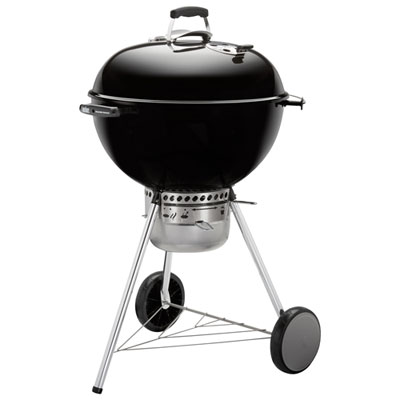 Your price for this item is $359.99
-
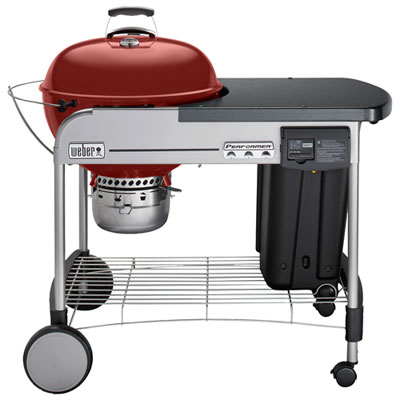 Your price for this item is $709.99
-
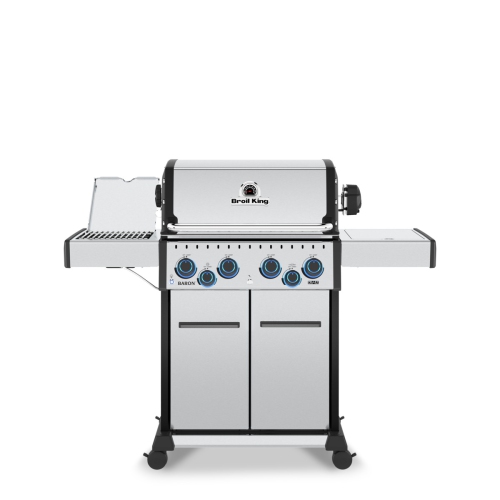 Your price for this item is $1499
-
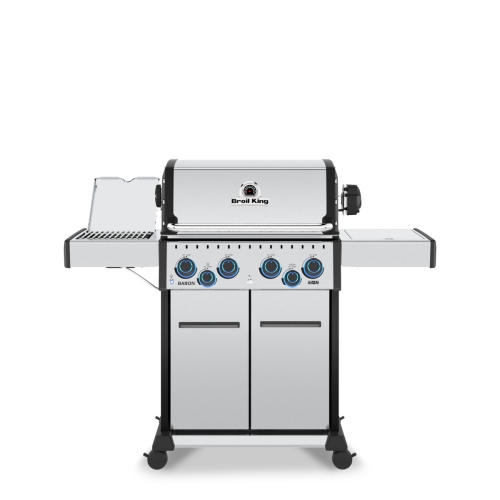 Your price for this item is $1559
-
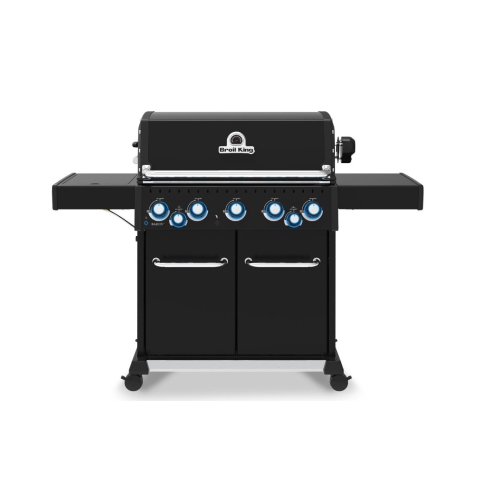 Your price for this item is $2374.99
-
 Your price for this item is $1299
-
 Your price for this item is $1099
-
 Your price for this item is $1359
Discover more categories related to Charcoal Grills With Smoker


Top Collections:
Pokemon Centers, Kindle Devices, Best Budget Office Chairs, Canon G7X Cameras, Apple iPhones 16, Samsung Galaxy Phones, Refurbished Apple Laptops, Laptops for Students, iPhone 15 Apple, Budget Smartphones
Some products may be subject to Environmental Handling Fees
(EHF) depending on your province.
Learn more about EHFs.