Vertical Charcoal Smokers
Looking to elevate your outdoor cooking game? Vertical charcoal smokers are a great way to add flavor and tenderness to your favorite meats. These smokers are designed to cook food slowly and evenly, allowing for a more flavorful and juicy end result. Here are some great options available.
Sort






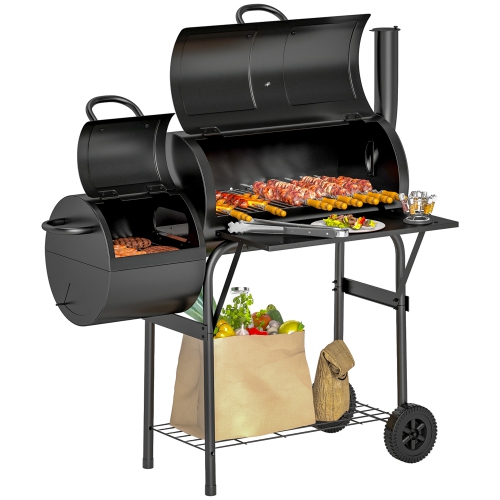

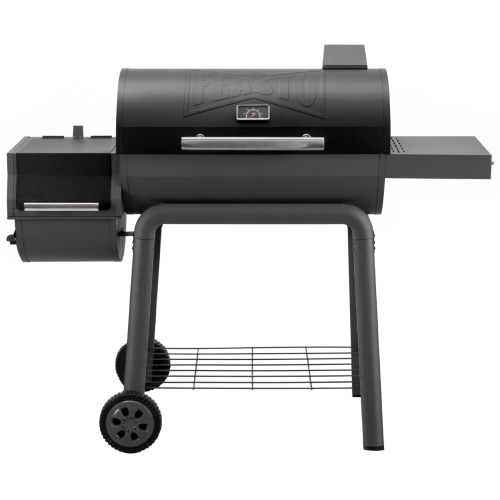


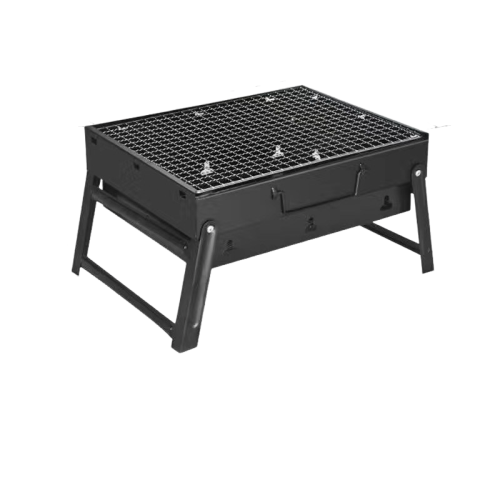


Slow-cooked barbecue with a smaller backyard footprint
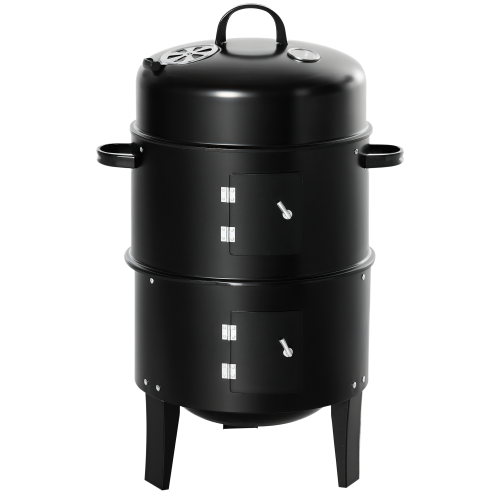
Vertical charcoal smokers are upright outdoor cookers that use a charcoal fire beneath stacked cooking racks to surround food with rising heat and smoke. Their tall shape creates room for slow-cooked barbecue without requiring the wide cooking chamber of a traditional offset smoker. Charcoal supplies the heat, while suitable hardwood chunks or chips add smoke flavour; adjustable intake and exhaust vents help control airflow through the cooker. This arrangement suits foods that benefit from a long, steady cook, including pork shoulder, beef brisket, ribs, and whole chickens, as well as shorter sessions with vegetables or fish. Within the broader family of Vertical Smokers, charcoal models appeal to cooks who enjoy tending a live fire and adjusting the results through fuel choice, airflow, and cooking time. Common designs include rounded bullet smokers, rectangular cabinet smokers, and upright drum smokers. A bullet smoker typically has a charcoal bowl at the base, a centre section holding the cooking racks, and a domed lid. Many include a water pan between the fire and the food to help moderate heat and catch drippings. Cabinet designs use a front-opening door and several rack positions, making it easier to see and reach food arranged at different heights. Some have a separate lower door for adding charcoal or checking the water pan without opening the main cooking chamber. Drum smokers generally use a deep charcoal basket beneath a roomy upright chamber, with racks or hanging systems depending on the design. These shapes share a compact ground footprint, but usable capacity varies considerably. A tall chamber may accommodate several smaller cuts while still being too narrow for a long rack of ribs laid flat. Cooking grate diameter, rack width, and the space between levels are therefore more useful than overall height alone when judging whether a smoker fits the meals planned for it.
Materials and construction influence how a vertical charcoal smoker handles repeated cooking sessions, cleaning, and movement around an outdoor cooking area. Steel bodies are common, with porcelain-enamel, painted, or powder-coated finishes depending on the component and design. Porcelain-enamel surfaces are generally straightforward to wipe clean, although chips can expose the steel underneath. Stainless steel cooking grates resist rust but still need regular cleaning, while plated grates benefit from gentle tools that do not damage their surface. Heavier construction can help moderate heat fluctuations, though thickness alone does not determine performance: lid fit, door alignment, and adjustable vents also matter. Gaps around poorly fitting doors can let extra air reach the charcoal, making a low cooking temperature harder to maintain. Secure latches and replaceable seals, where fitted, can support more predictable control over longer cooks. Practical fit extends beyond the smoker’s listed dimensions. The cooking area needs a stable, non-combustible surface, the clearances specified by the manufacturer, and enough room to lift the lid or swing a cabinet door fully open. A compact smoker still requires safe separation from railings, walls, overhead structures, and other combustible materials. Charcoal smokers belong outdoors and must never be operated in a garage, tent, or enclosed space because burning charcoal produces carbon monoxide. For households planning a backyard cooking setup, sturdy legs, comfortable handles, and locking wheels can make positioning more manageable, but the cooker should only be moved when fully cool. Access is another everyday consideration. Removing an upper rack to reach food below can be awkward when both levels are full, whereas a front-loading chamber may simplify checking several trays. Removable ash pans, accessible charcoal baskets, and water pans that lift out without complicated disassembly make cleanup less cumbersome. A fitted cover can help protect the exterior between uses, provided the smoker is completely cool and dry before covering. Dry storage for charcoal also helps keep fuel ready for consistent lighting.
The appeal of a vertical charcoal smoker is as much about the cooking experience as the finished food: a dark crust on a pork shoulder, tender ribs that slice cleanly, or chicken with a measured touch of hardwood smoke. It suits patient home cooks, barbecue enthusiasts, and hosts who like preparing a main dish over several hours rather than cooking everything just before serving. It can also make a thoughtful gift for someone who already enjoys charcoal grilling and has an appropriate outdoor space, particularly when the chamber size matches their usual portions. A couple cooking one roast at a time may value easy handling and a modest charcoal basket, while someone feeding a larger gathering may need wider racks and room to separate several cuts. Total cooking area tells only part of that story: a whole chicken needs vertical clearance, and a broad brisket needs enough width to sit without pressing against the chamber walls. Temperature can differ between rack levels, so food placement and occasional rotation may affect the results. A built-in thermometer offers a useful reference, but a probe positioned near the food gives a clearer picture of cooking conditions at that rack; a separate food probe helps confirm safe internal temperatures. Charcoal briquettes tend to offer a relatively uniform size and predictable burn, while lump charcoal varies more in shape and may require different basket arrangements. Fuel choice should follow the smoker manufacturer’s recommendations. Adding more wood does not automatically improve flavour, and a clean-burning fire with suitable airflow generally produces a more balanced result than a heavily smouldering one. Water pans, where included, need attention during extended cooks and do not replace temperature monitoring. Separate fuel access can reduce disruption, although opening any door or lid releases heat and may change airflow. After cooking, closing the vents as directed helps extinguish the charcoal; ashes should be removed only once fully cold and placed in a suitable metal container. Cleaning grease from grates and pans, clearing ash from air passages, and checking fasteners and finishes help preserve reliable operation. These practical details distinguish a smoker that simply has enough rack space from one that feels comfortable to use, maintain, and return to for the next batch of barbecue.
Top selling and popular products
-
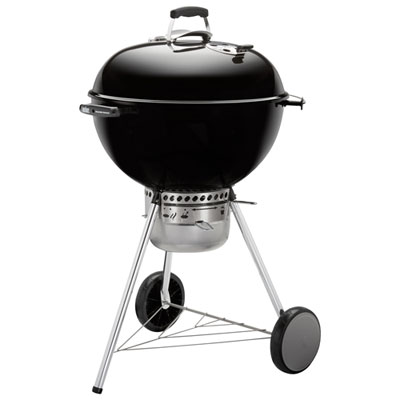 Your price for this item is $359.99
-
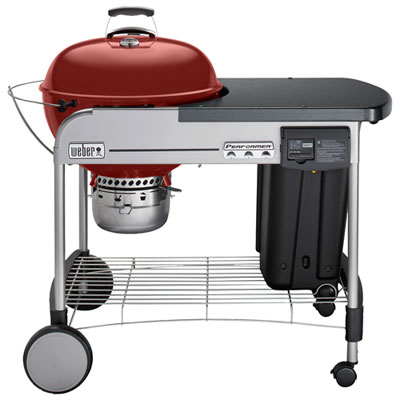 Your price for this item is $709.99
-
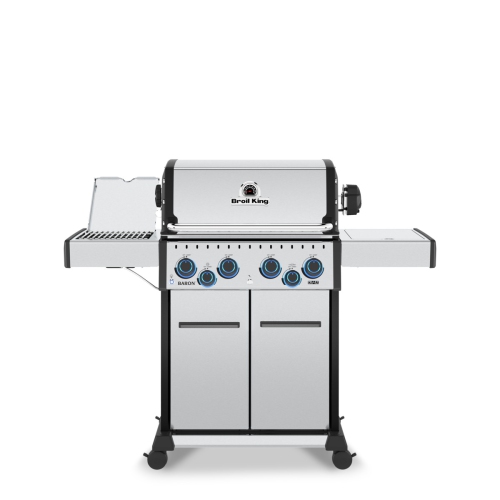 Your price for this item is $1499
-
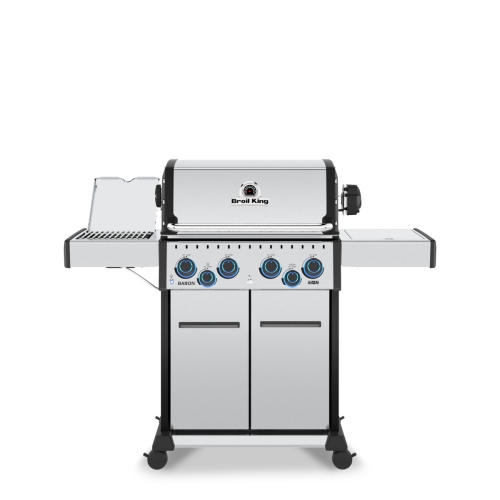 Your price for this item is $1559
-
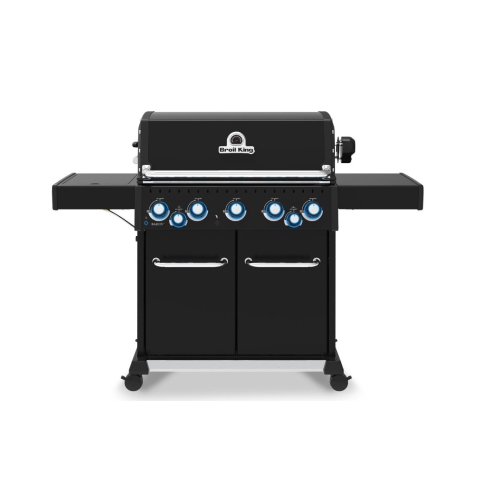 Your price for this item is $2374.99
-
 Your price for this item is $1299
-
 Your price for this item is $1359
-
 Your price for this item is $1099
Discover more categories related to Vertical Charcoal Smokers

Top Collections:
Pokemon Centers, Kindle Devices, Best Budget Office Chairs, Canon G7X Cameras, Apple iPhones 16, Samsung Galaxy Phones, Refurbished Apple Laptops, Laptops for Students, iPhone 15 Apple, Budget Smartphones
Some products may be subject to Environmental Handling Fees
(EHF) depending on your province.
Learn more about EHFs.