Chef's Knife Sets
Whether you're a professional chef or a passionate home cook, a high-quality chef's knife set is an essential tool in almost any kitchen. With their sharp blades and ergonomic designs, these versatile sets are designed to handle a variety of cutting tasks with precision and ease. From chopping vegetables to slicing through meat, a reliable chef's knife set can make all the difference in your culinary creations.
Sort
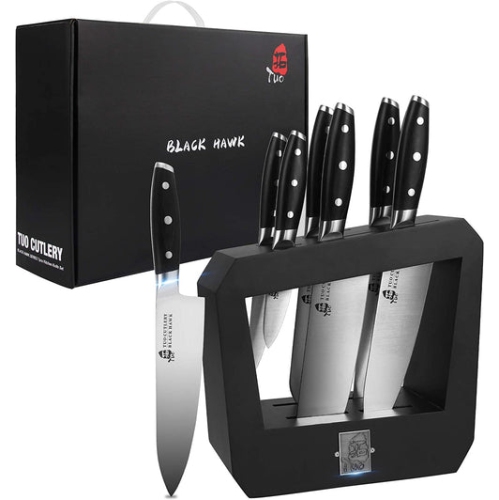
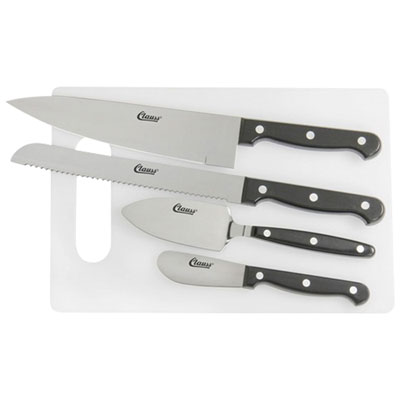
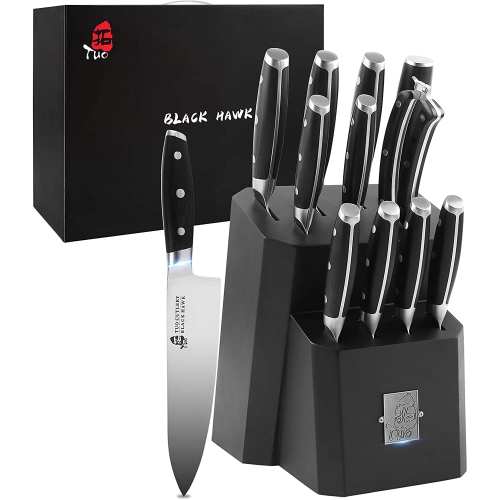
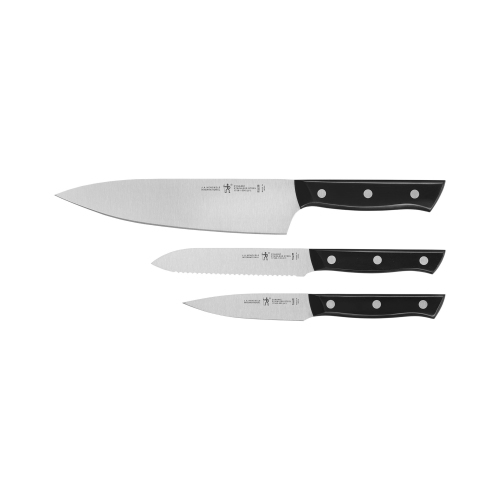























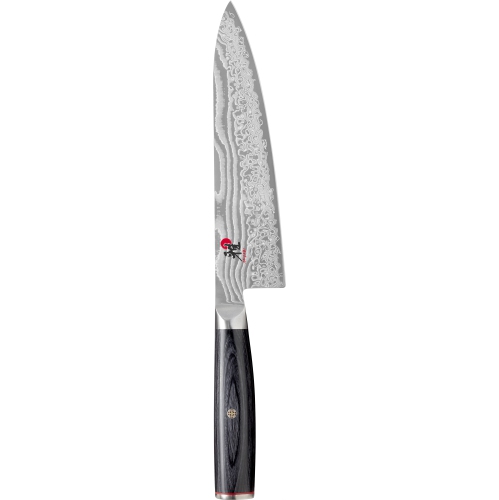
Why the right blades matter more than piece count
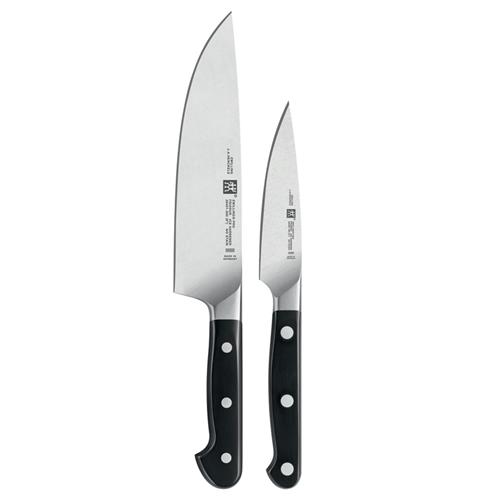
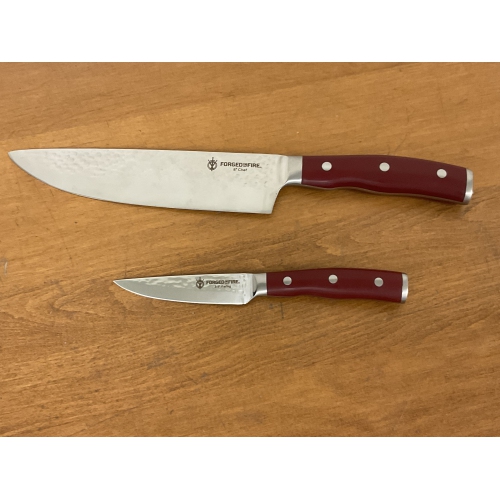
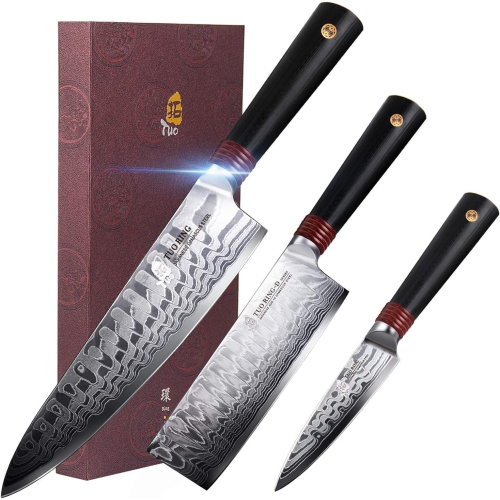
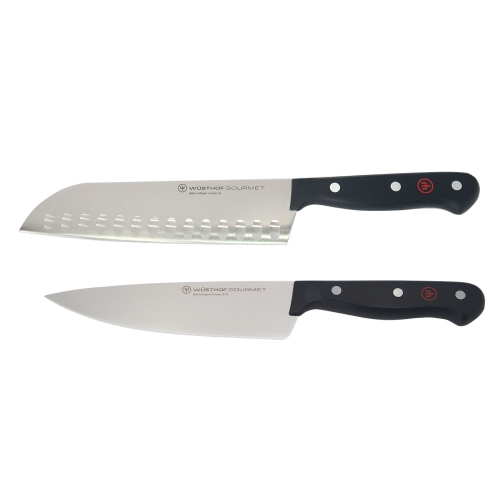
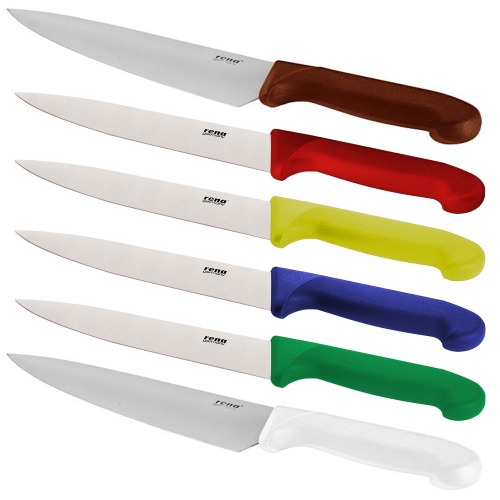
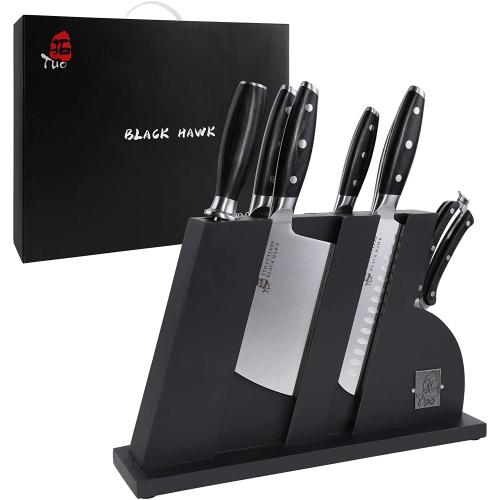
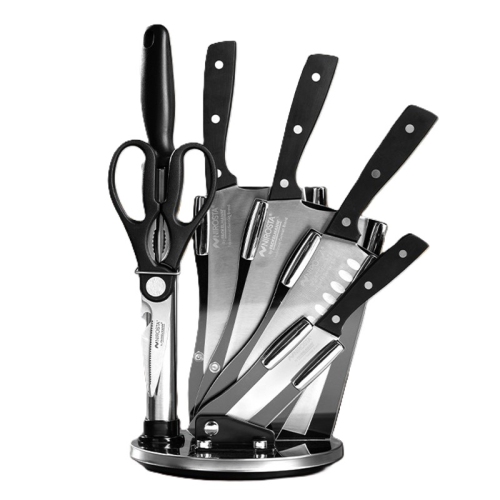
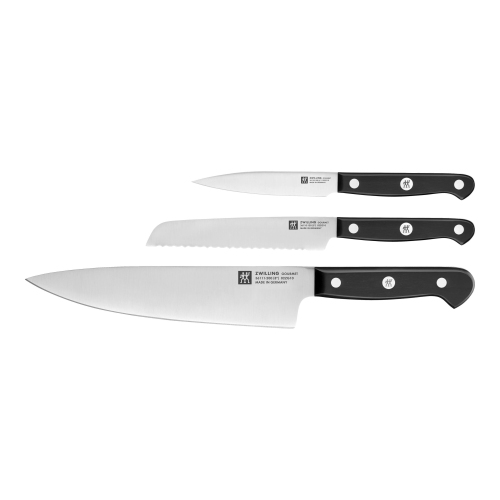
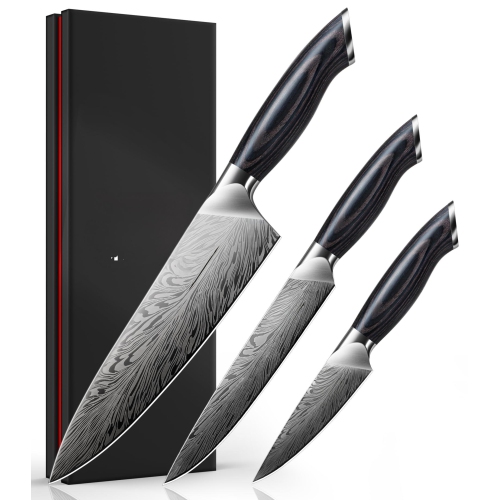
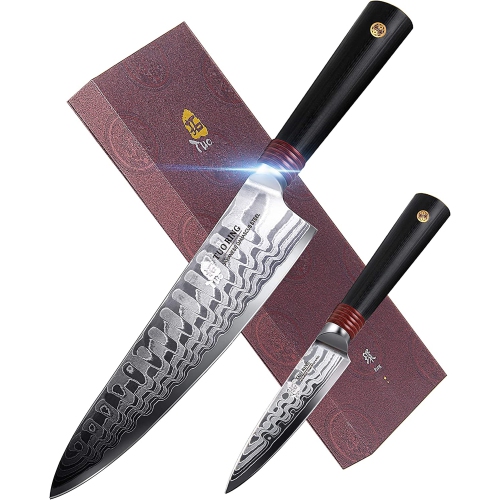
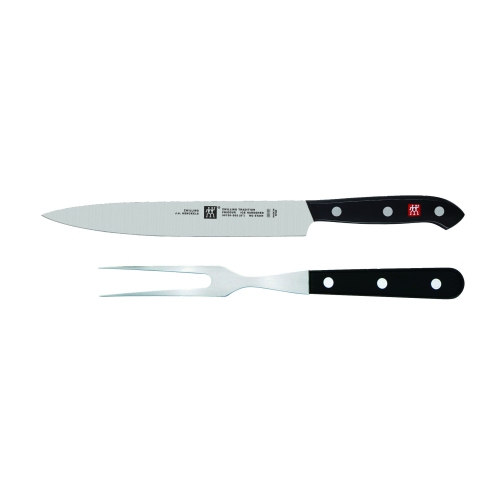
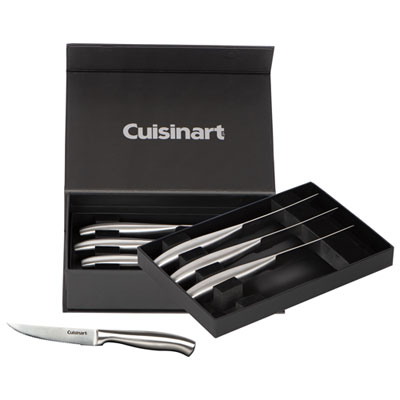
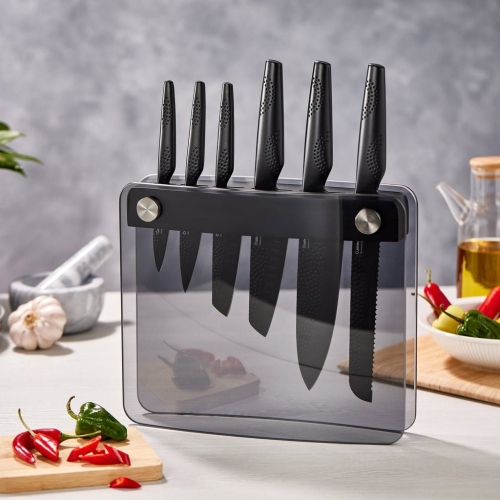
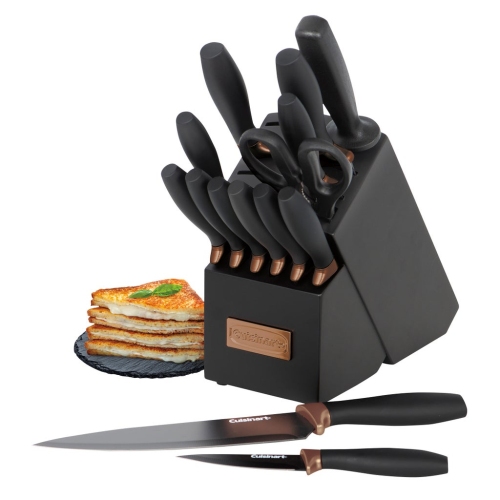
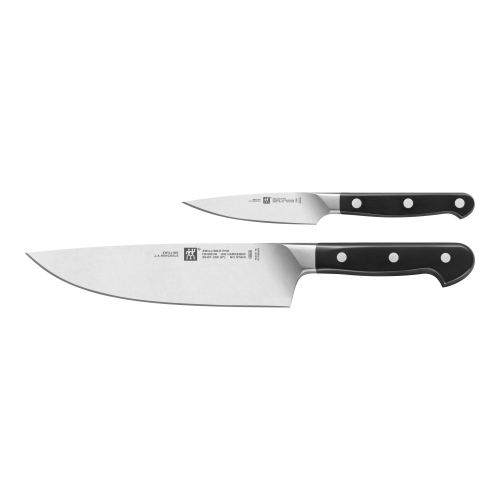
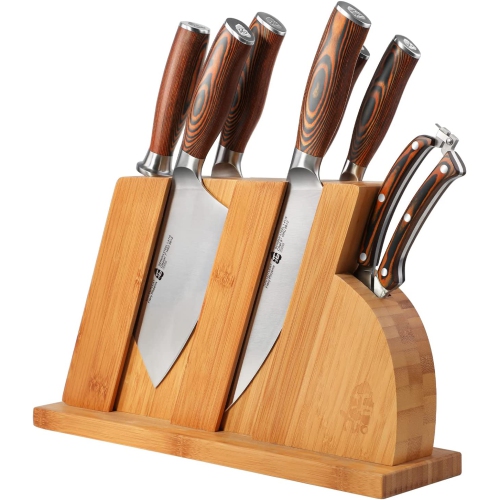
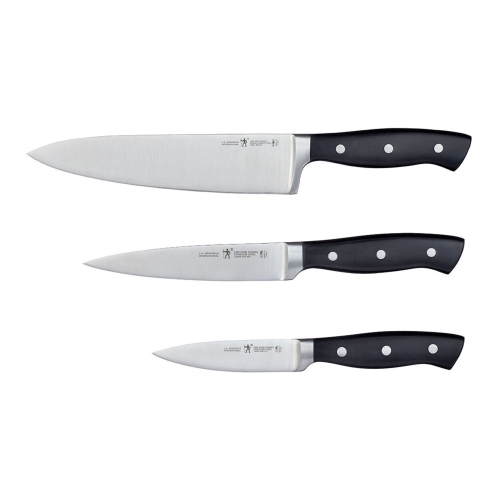
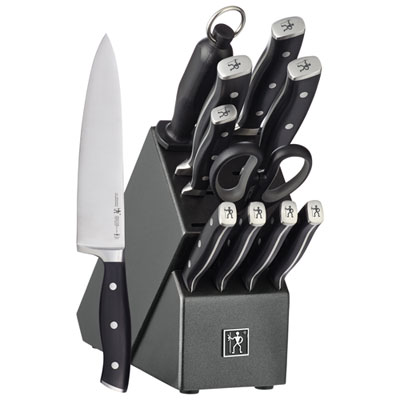
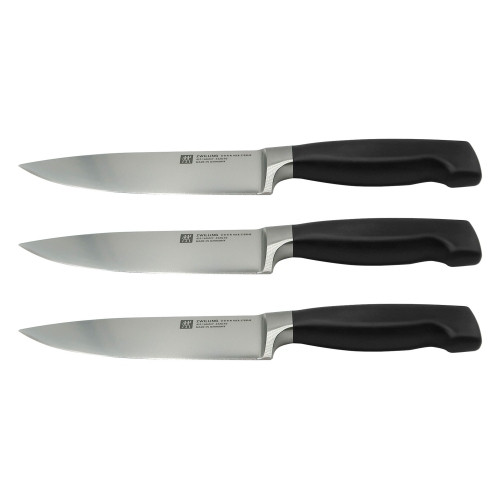
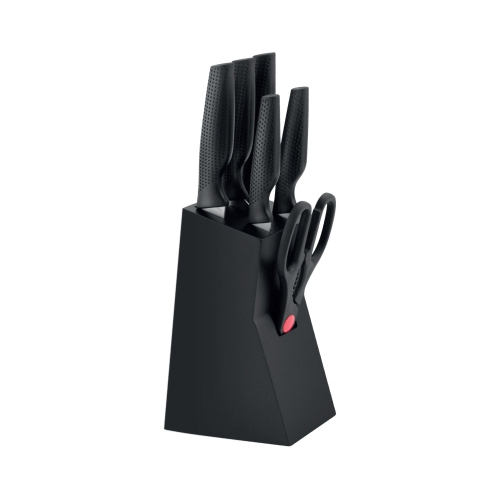
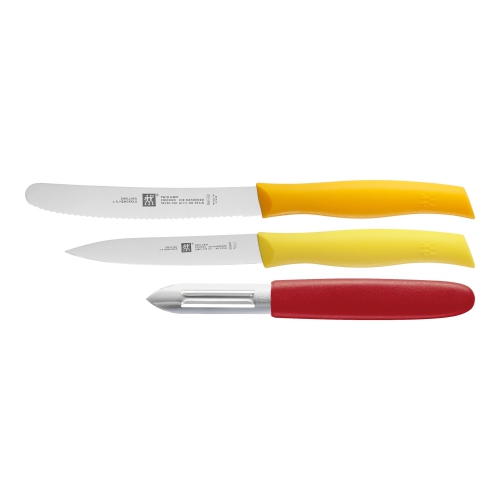
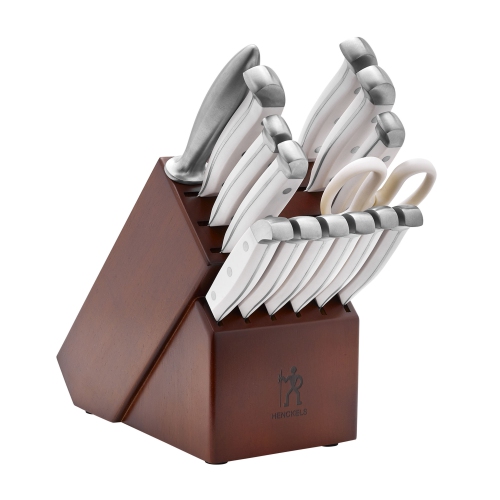
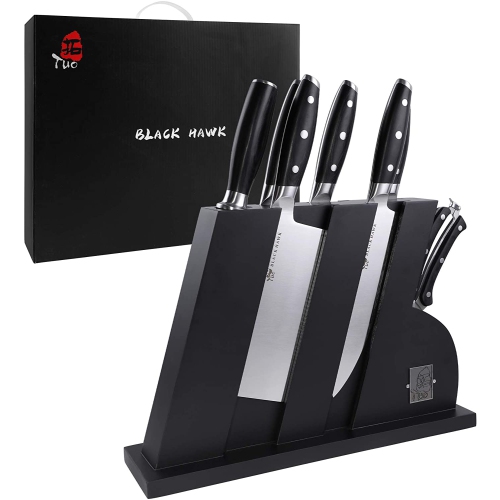
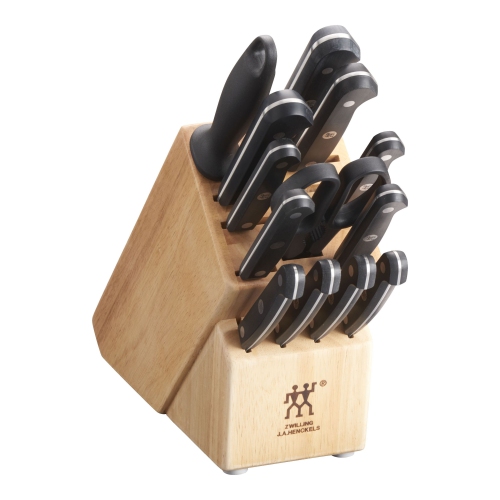
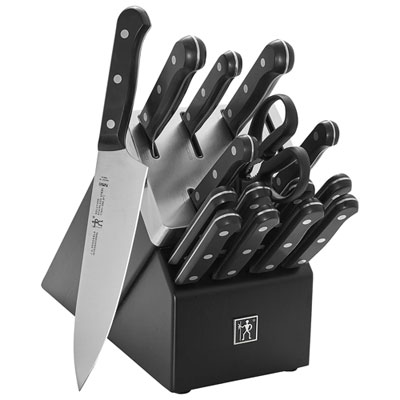
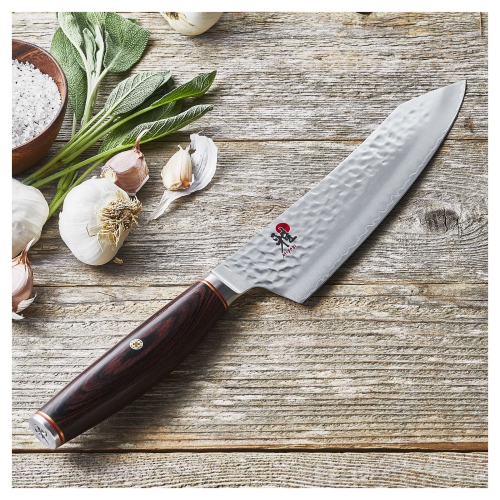
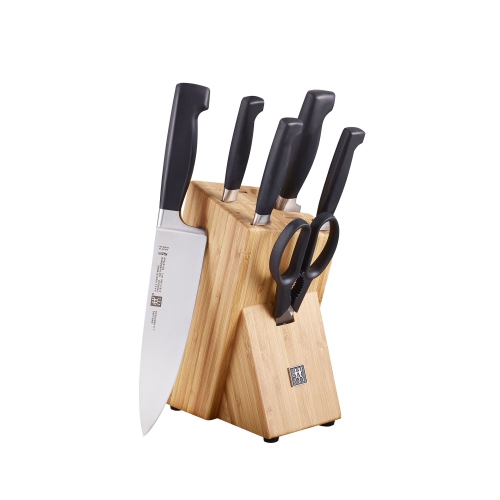
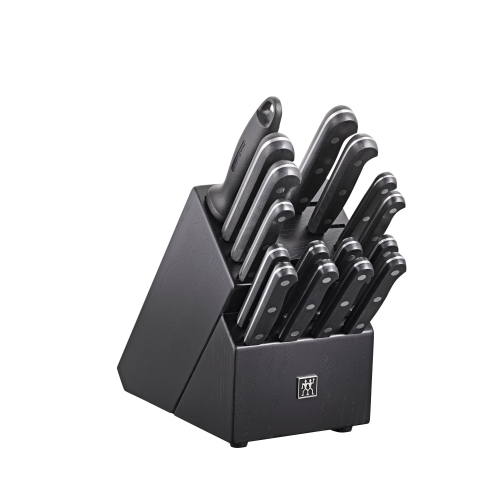
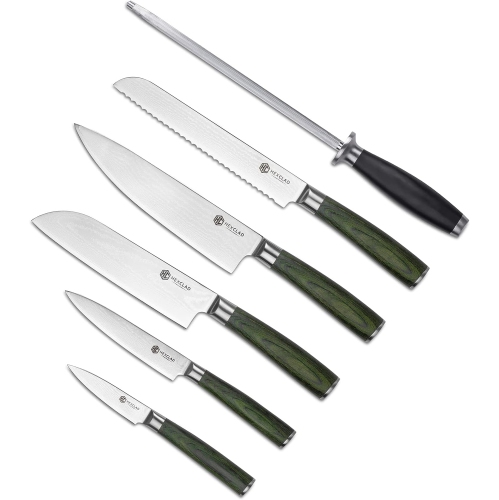
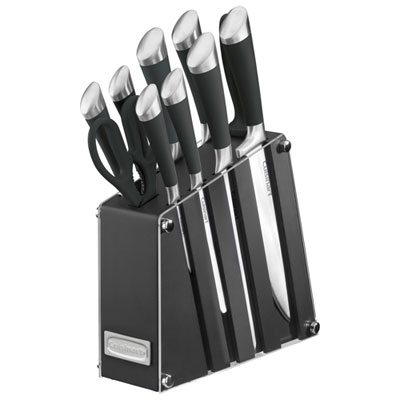
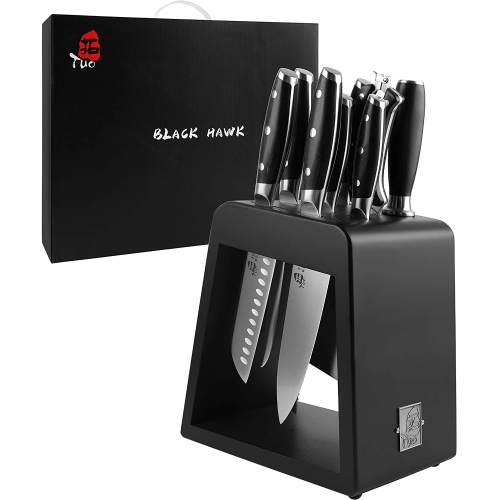
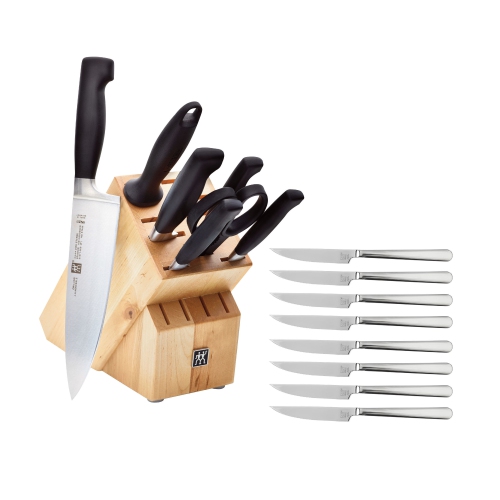
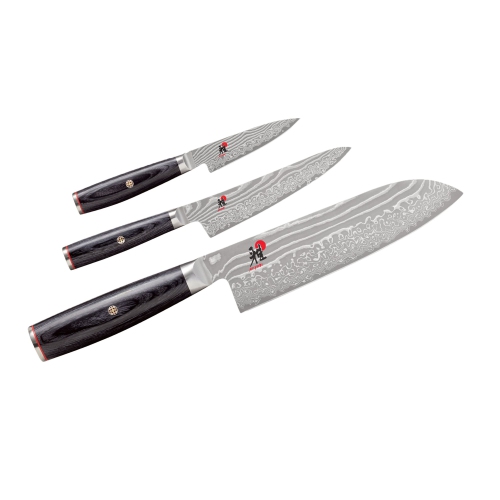
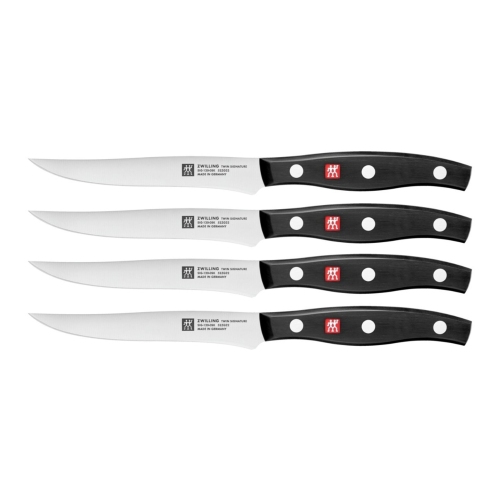
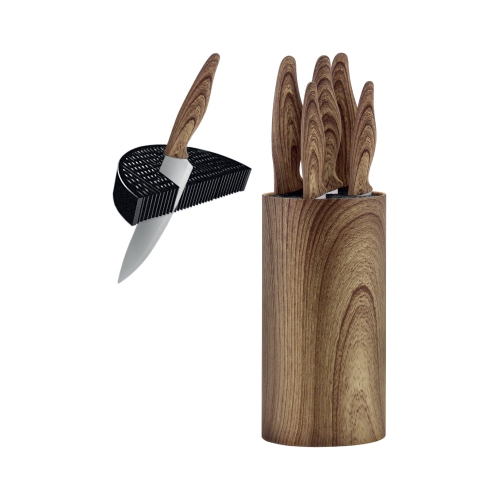
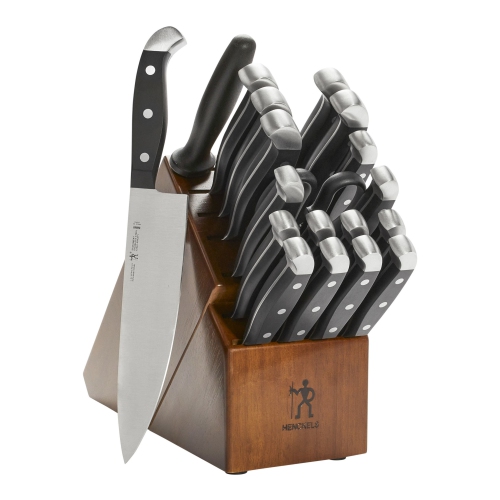
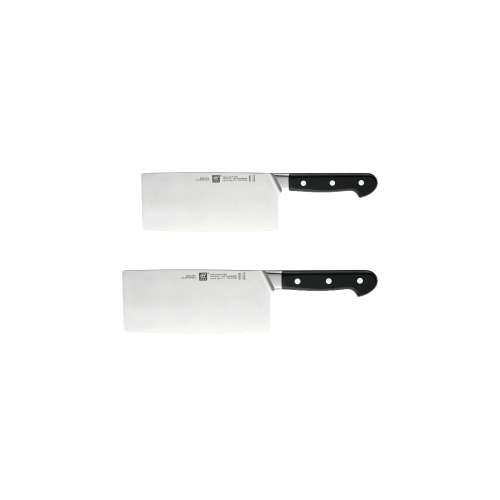
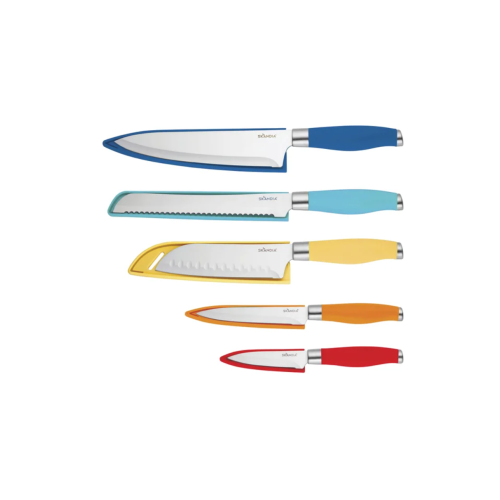
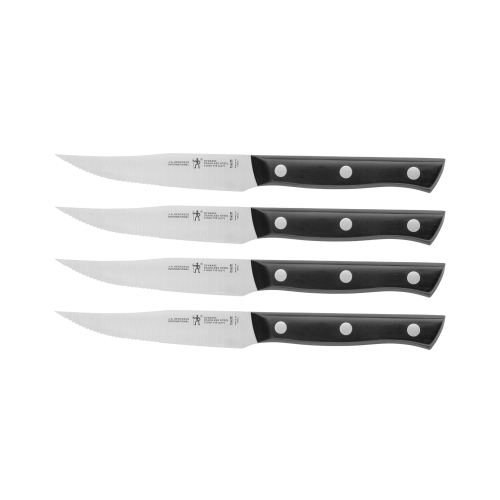
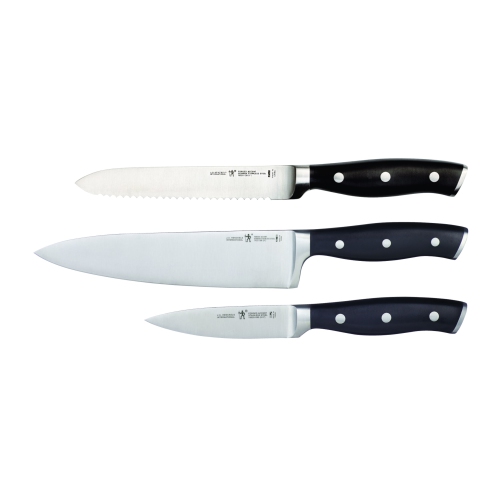
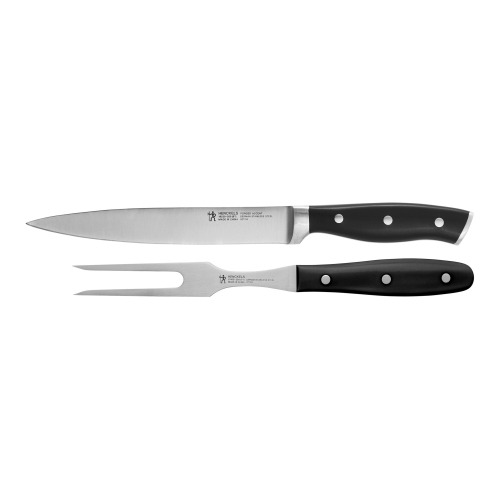
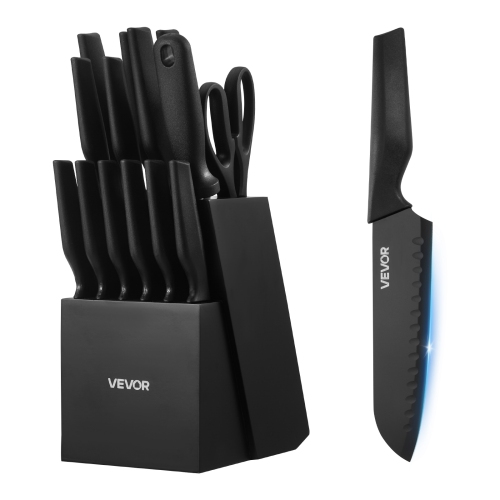
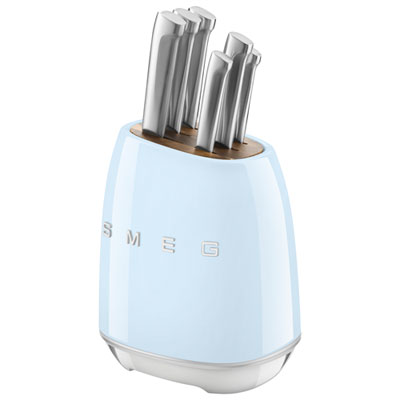
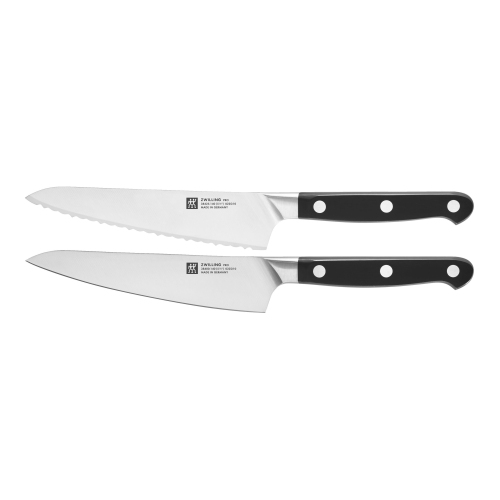
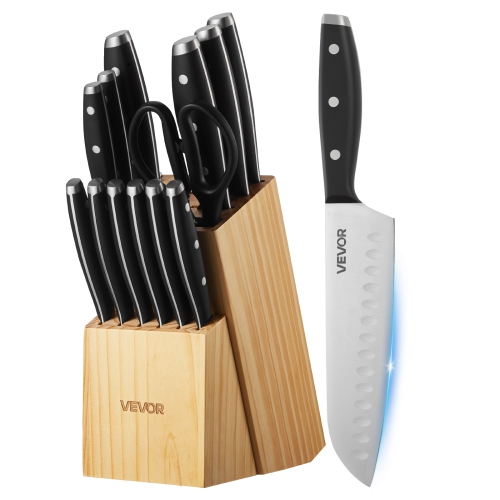
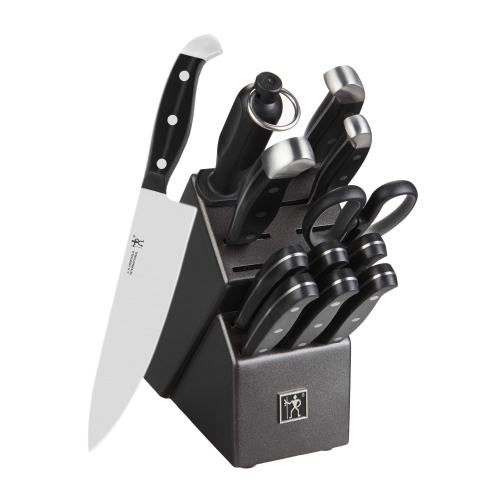
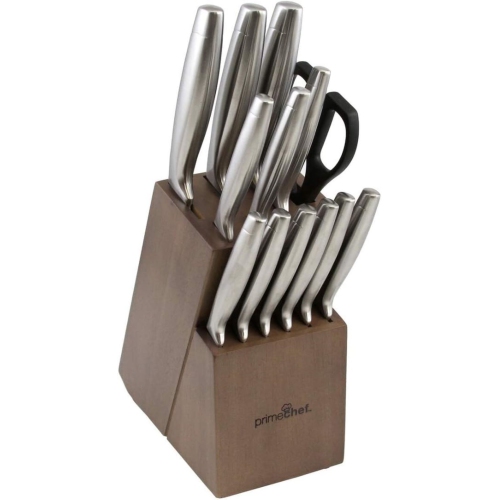
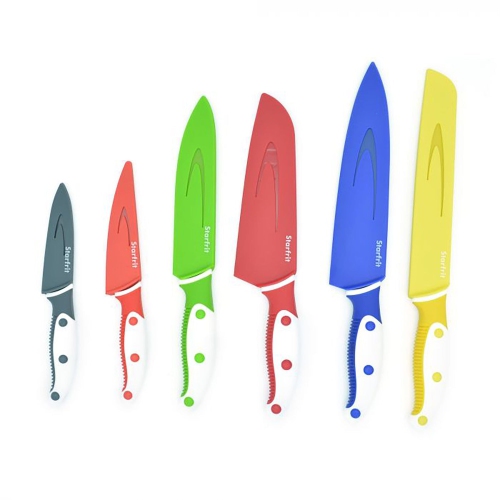
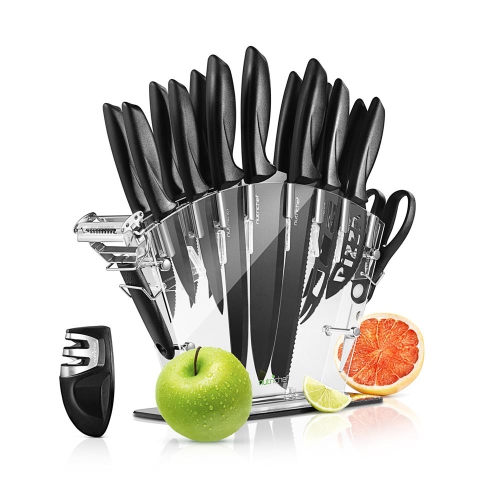
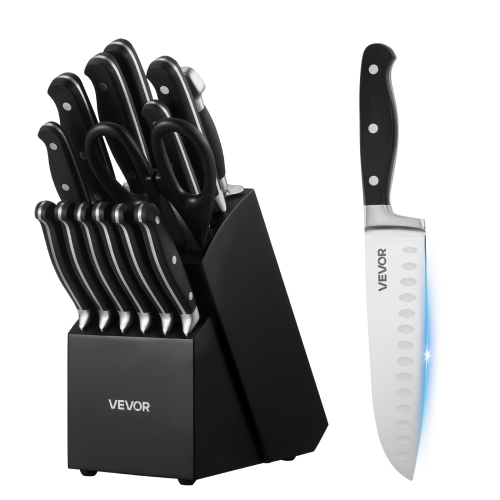
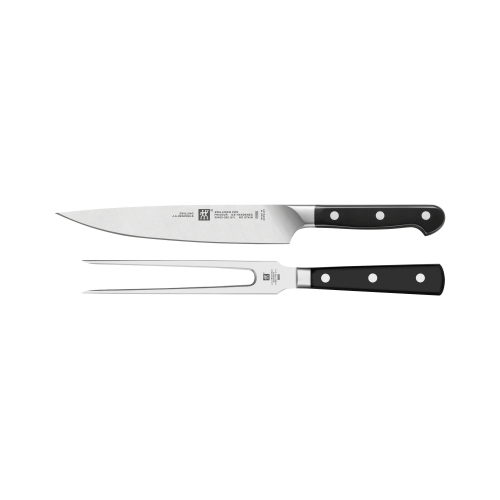
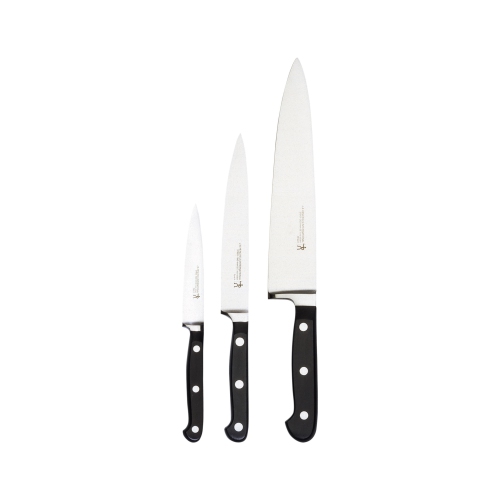
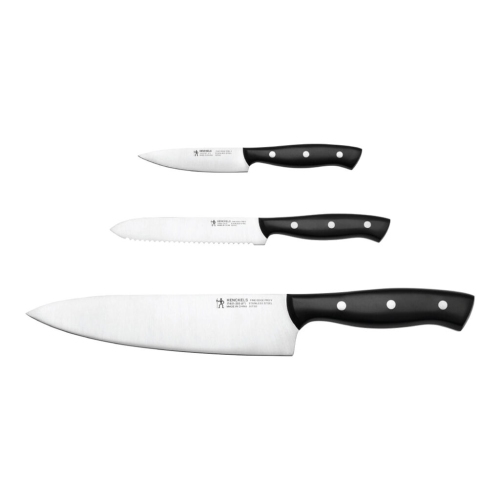
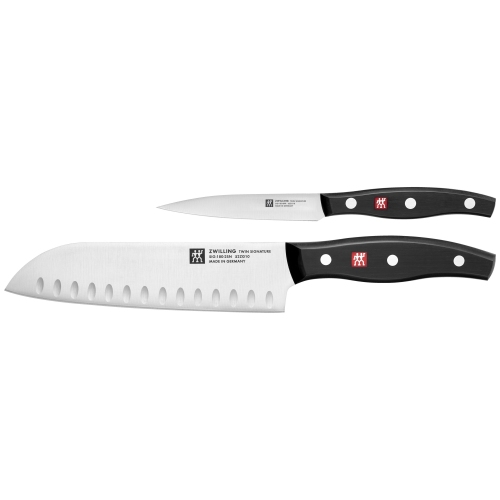
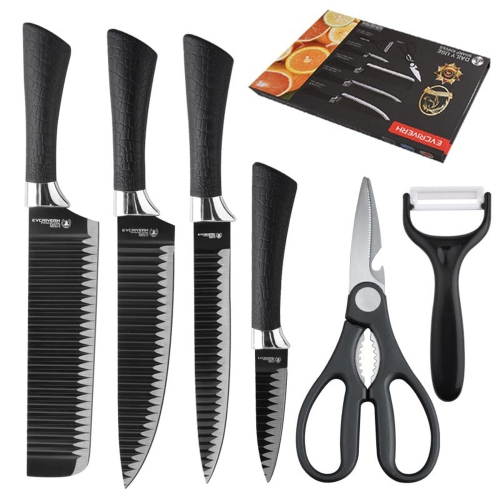
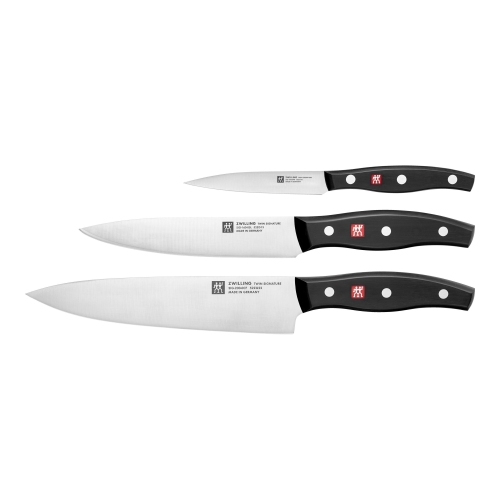
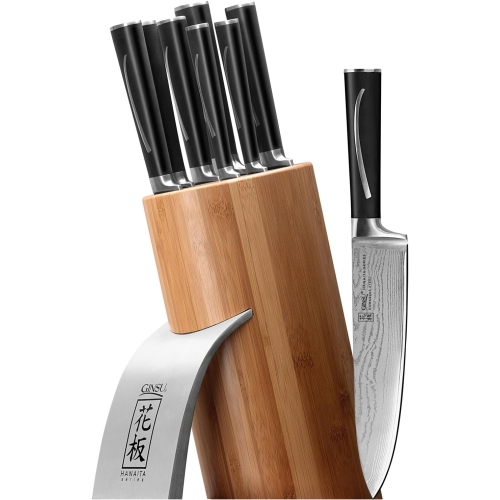
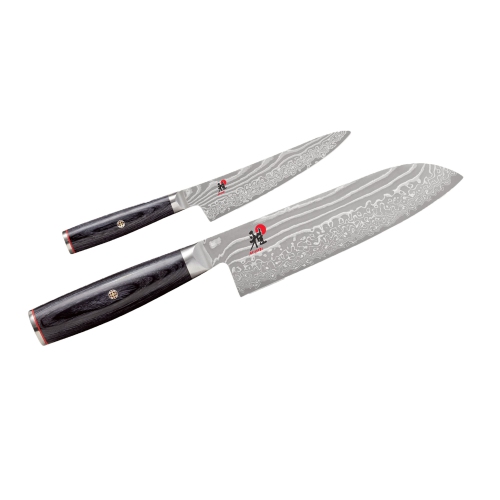
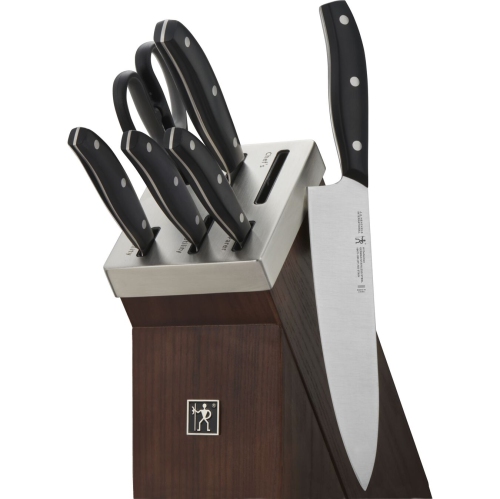
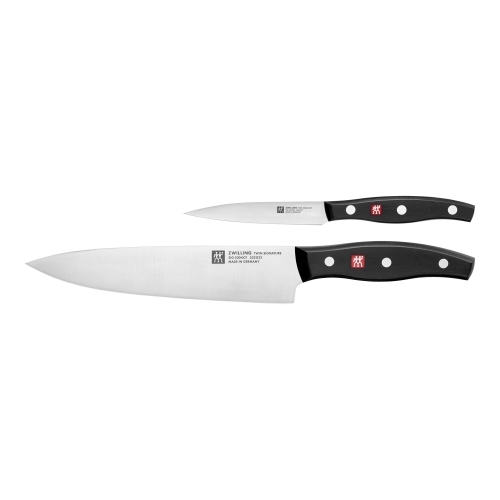
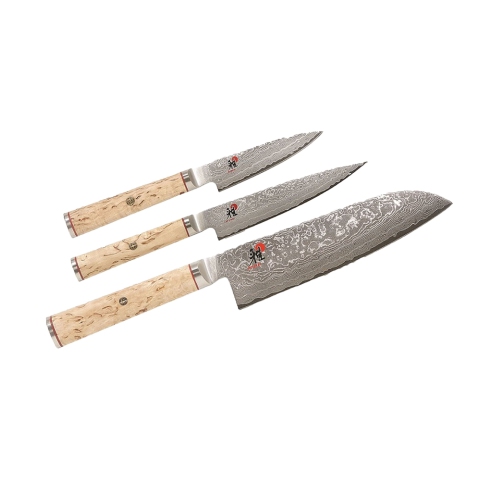
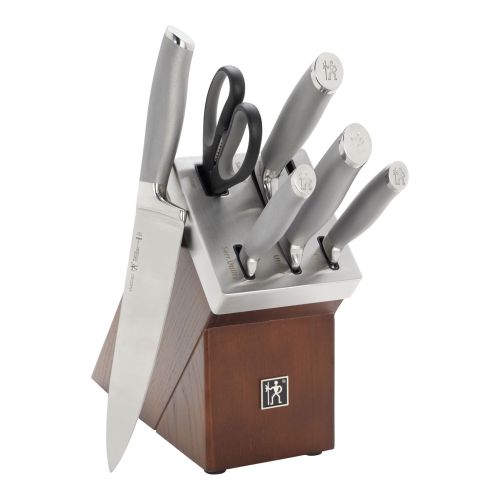
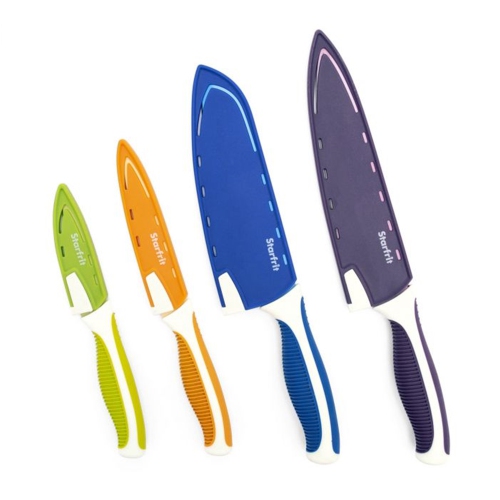
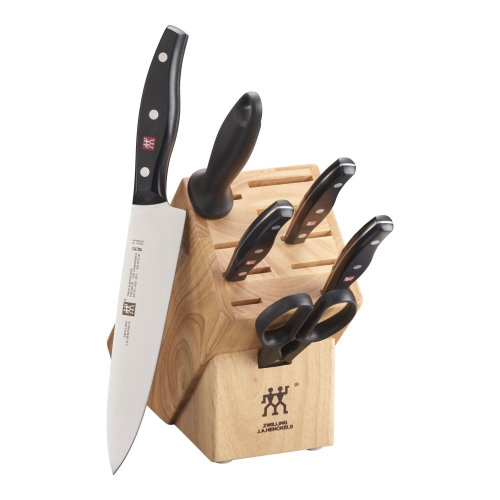
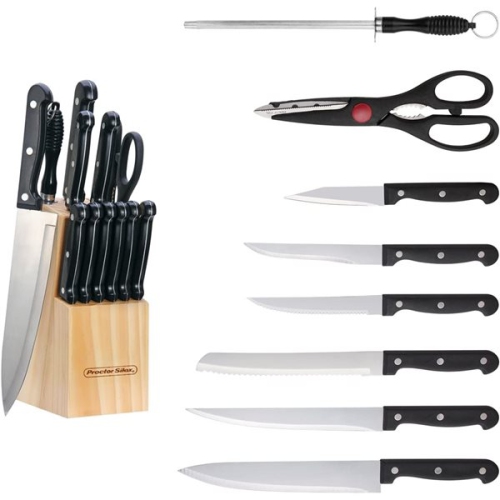
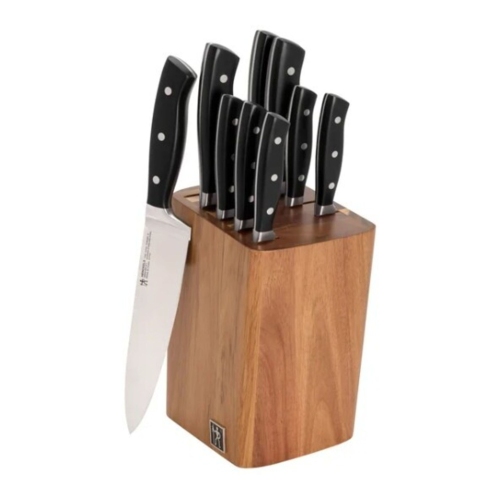
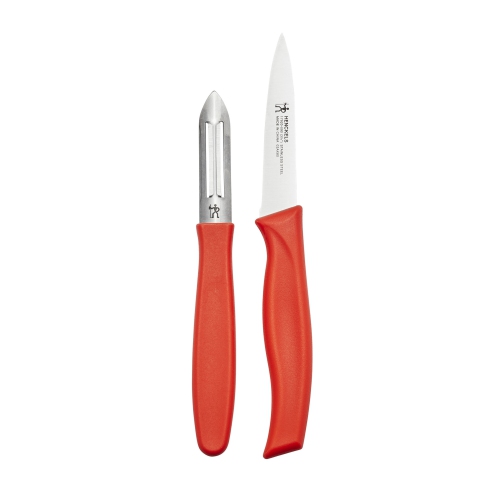
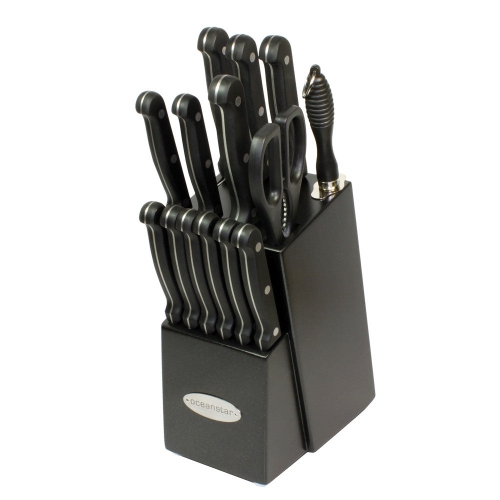
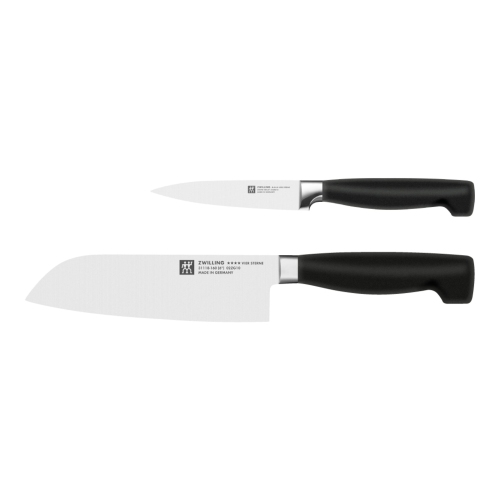
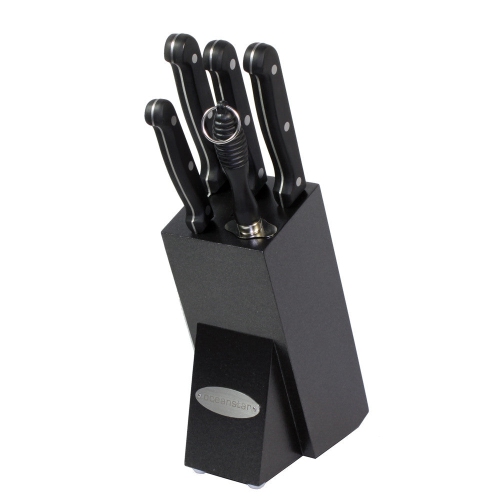
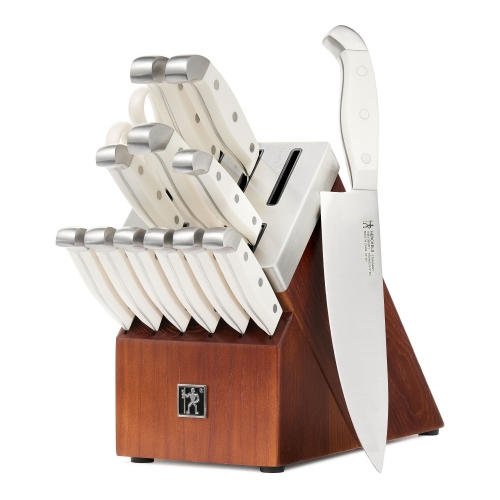
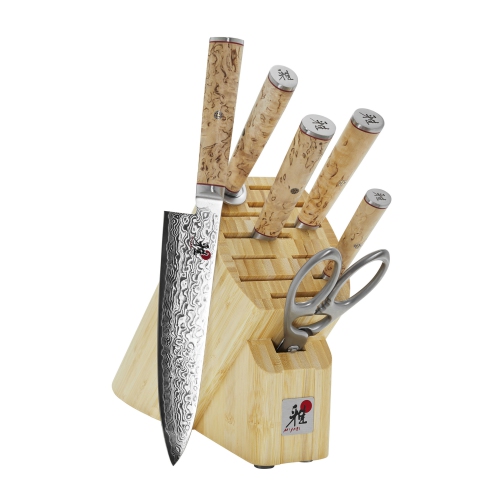
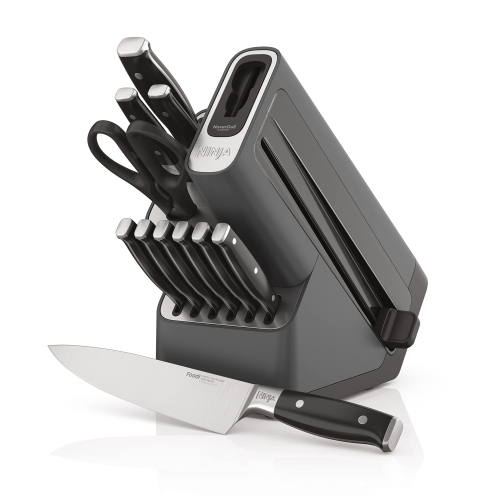
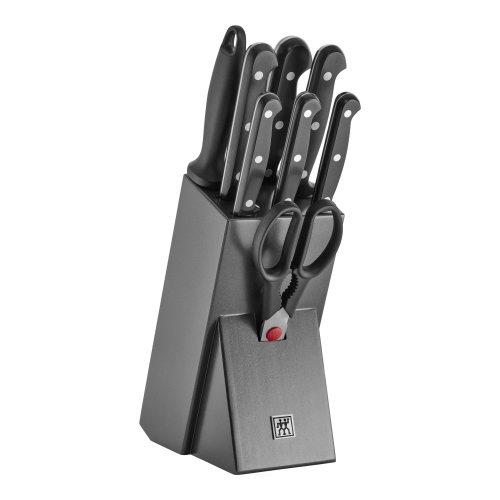
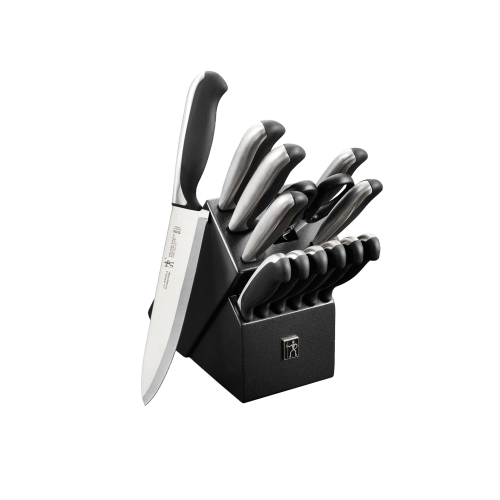
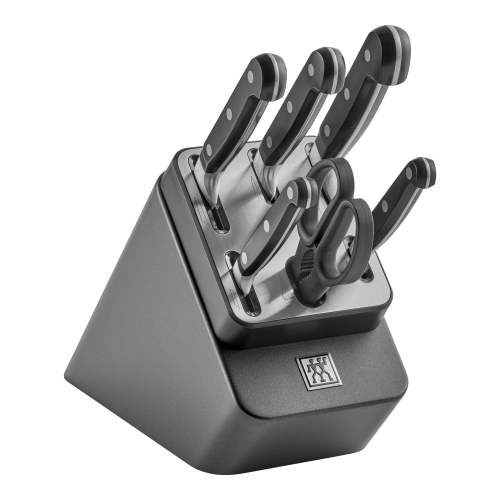
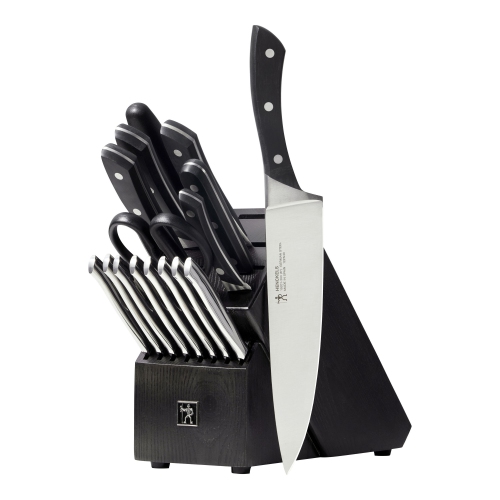
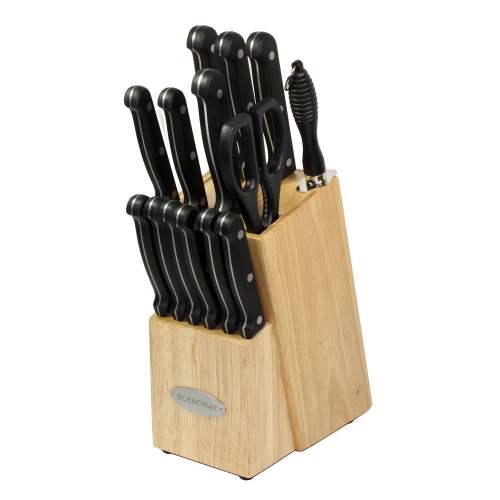
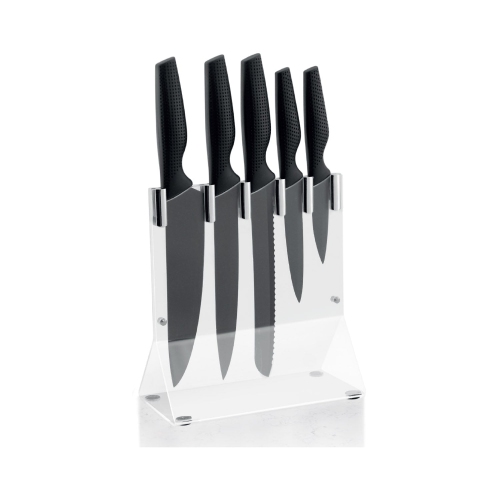
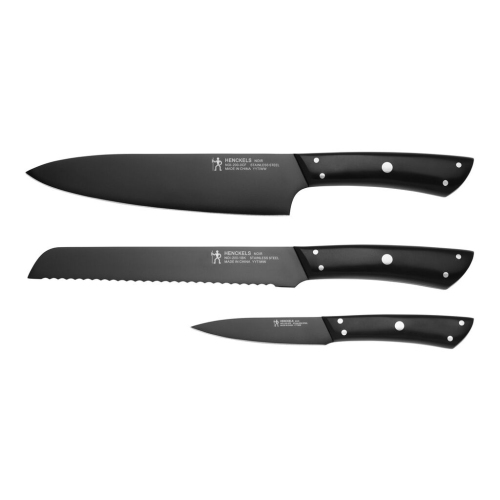
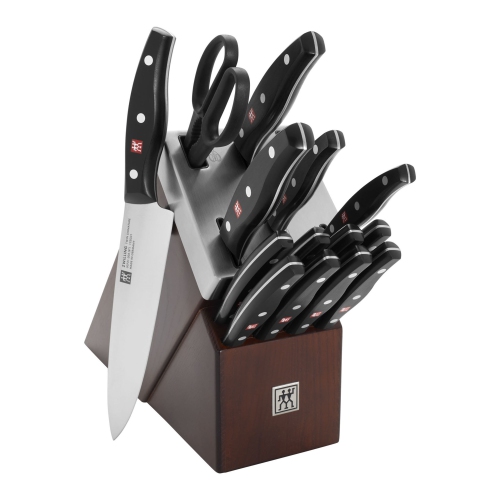
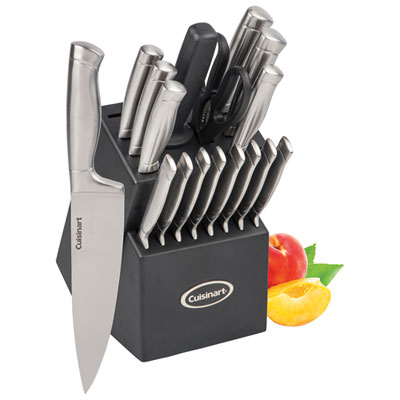
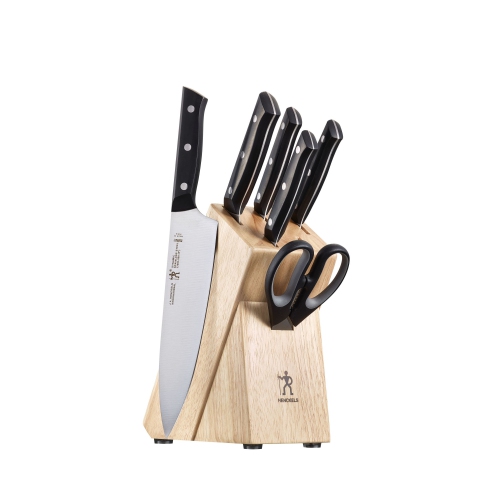
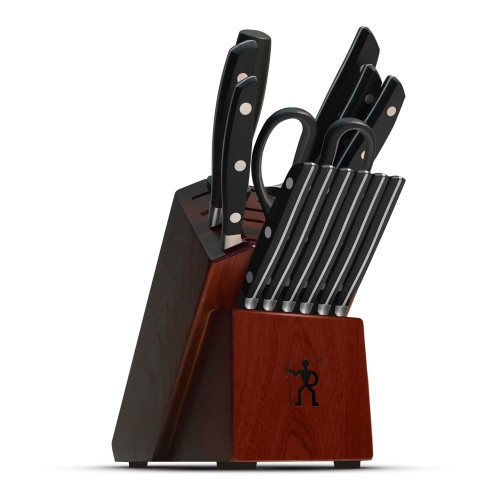
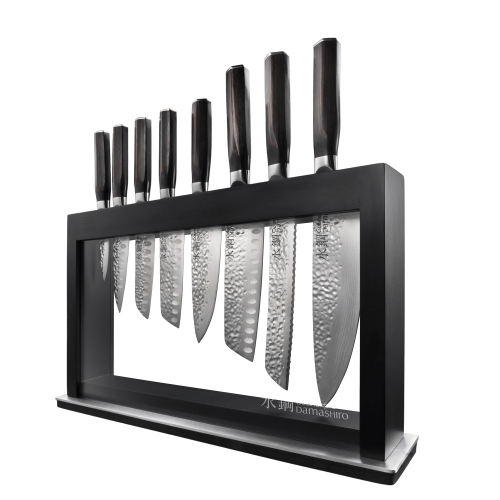
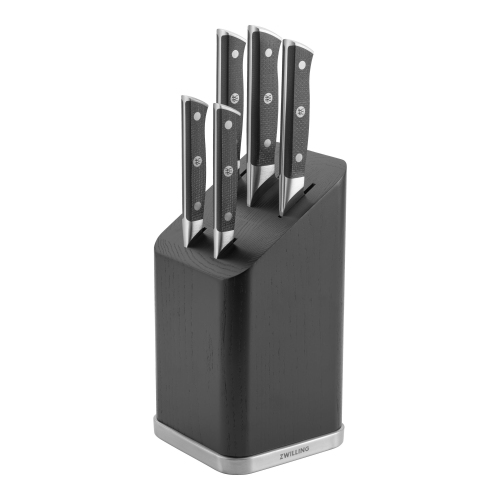
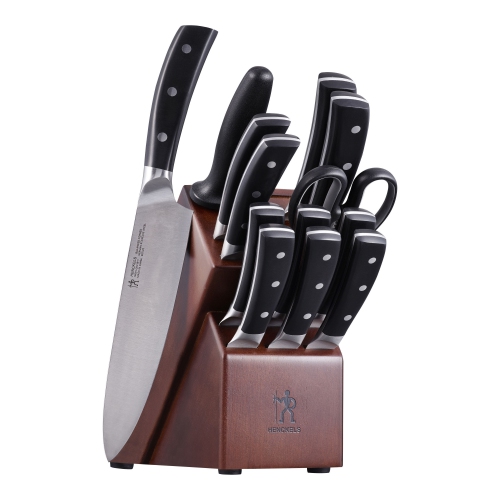
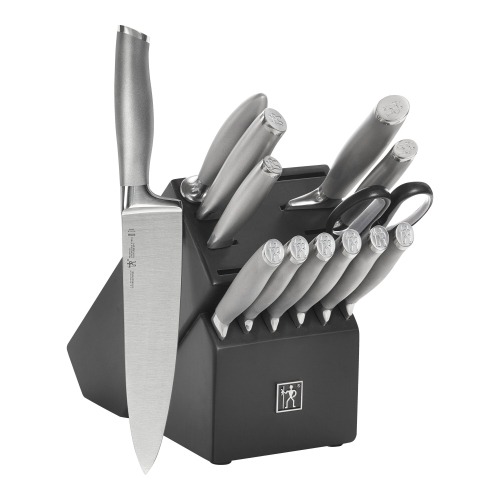
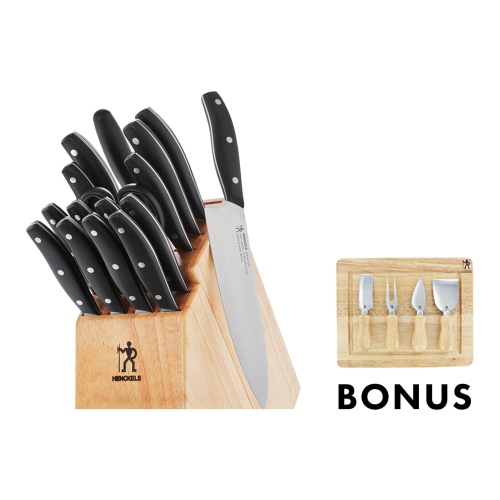
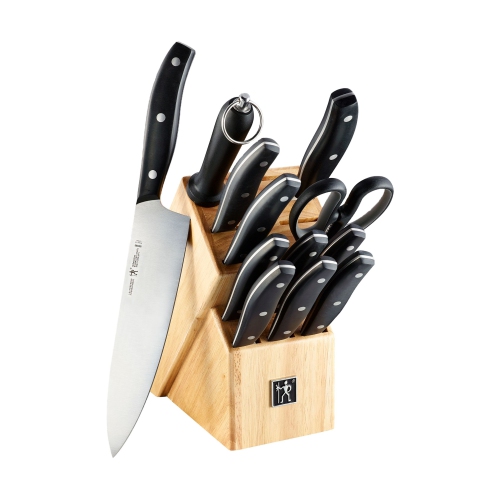
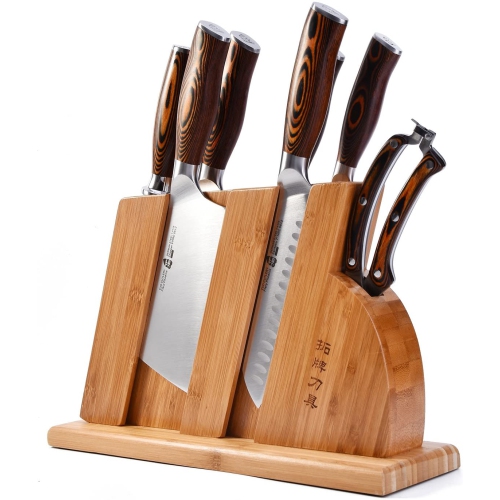
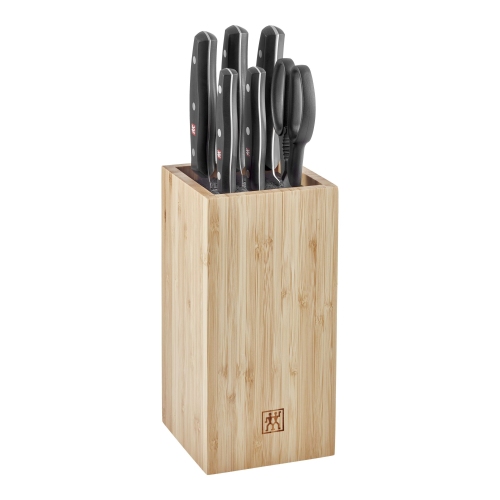
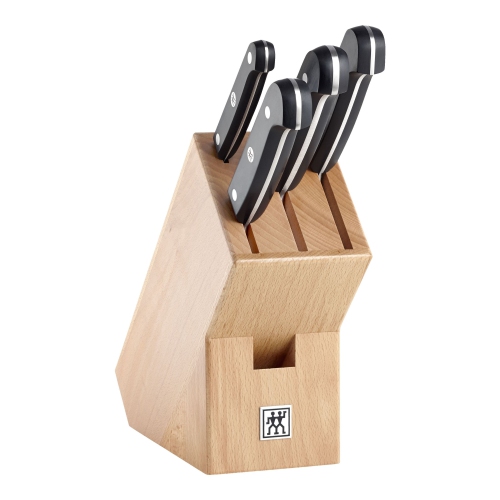
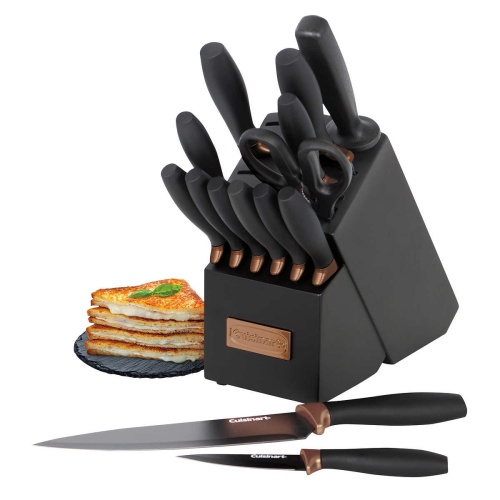
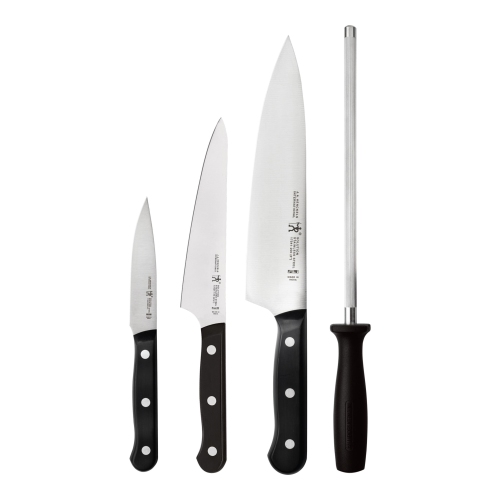
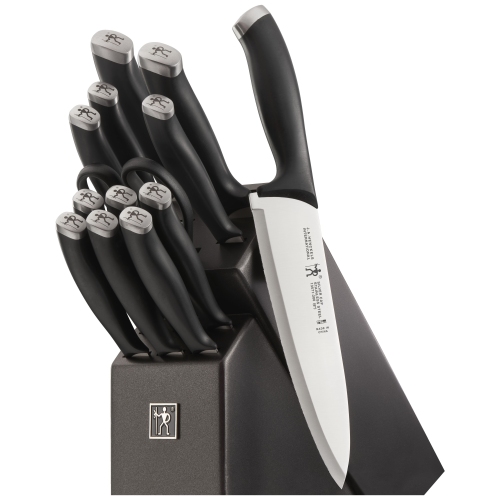
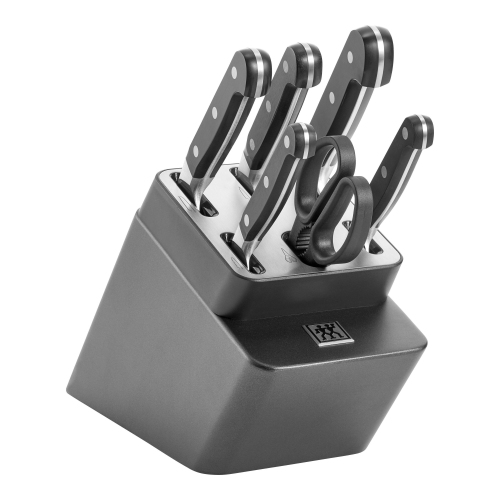
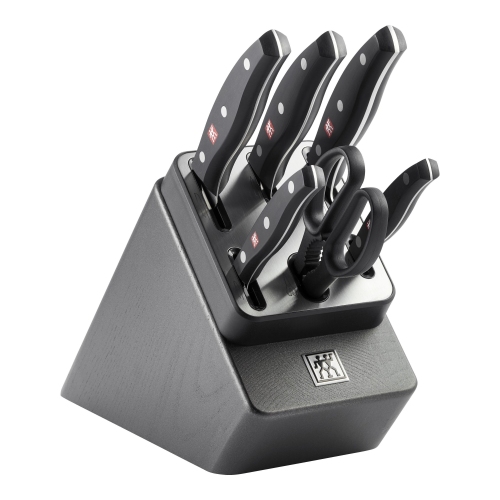
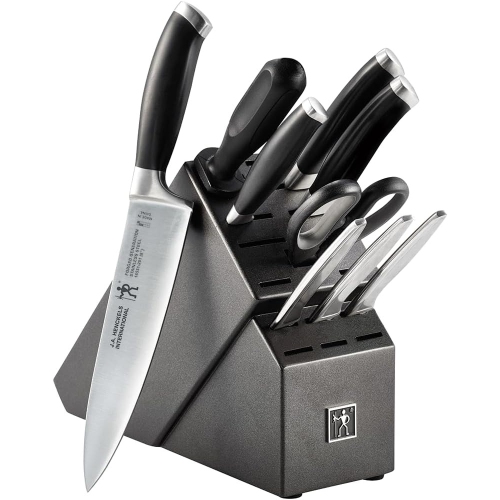
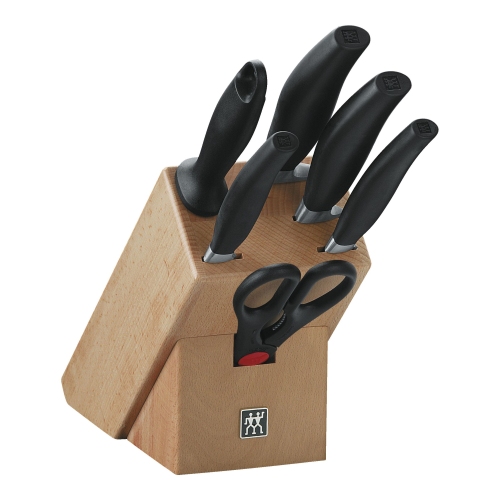
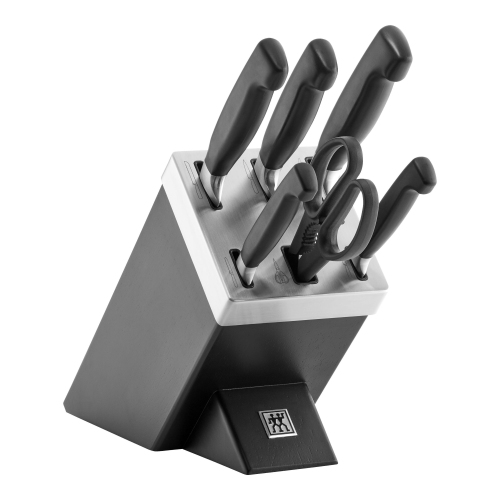
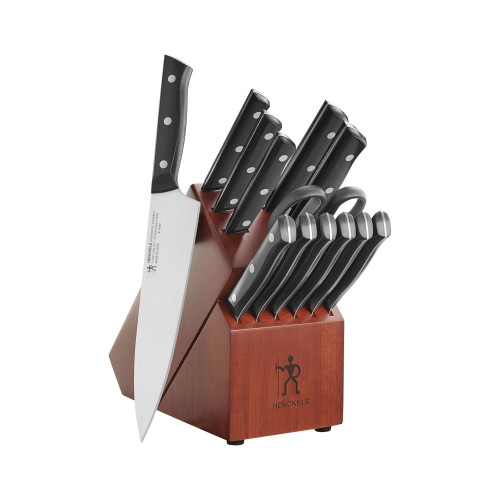
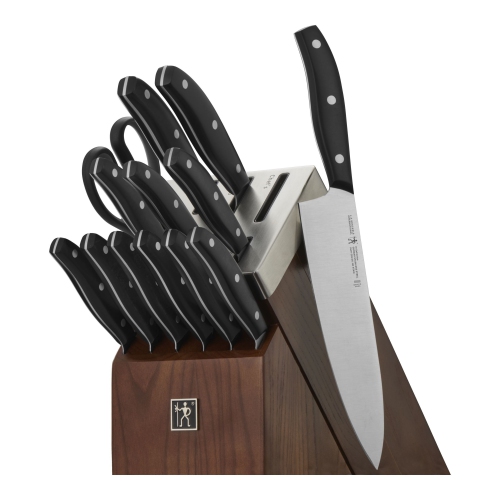
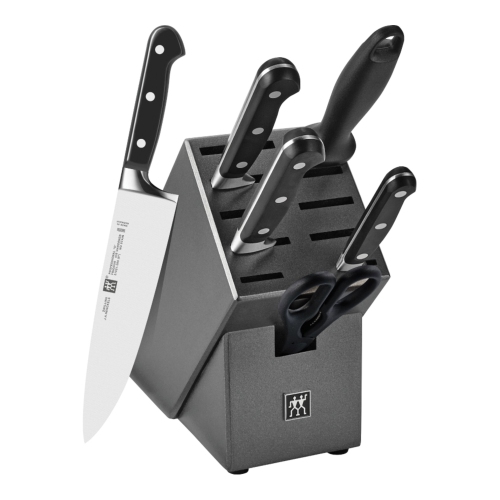
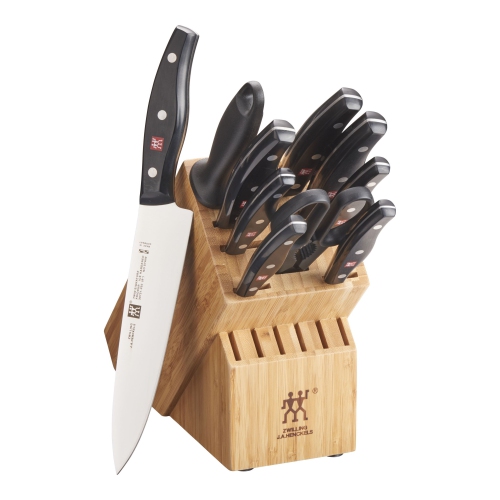
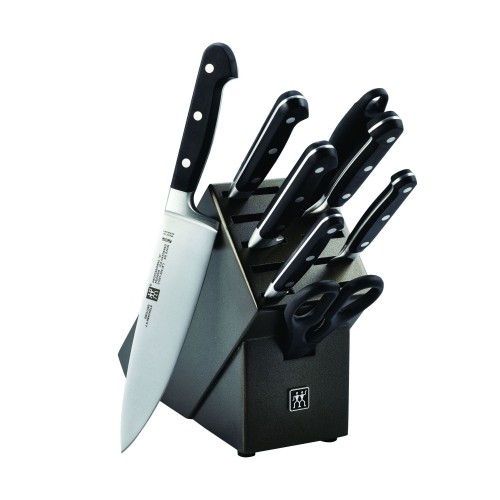
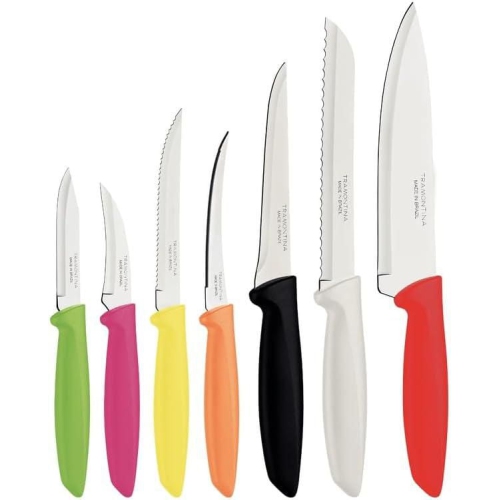
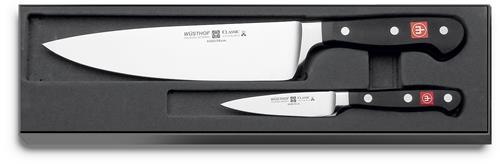
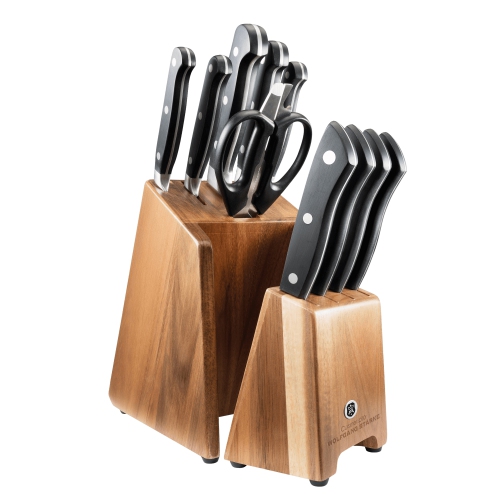
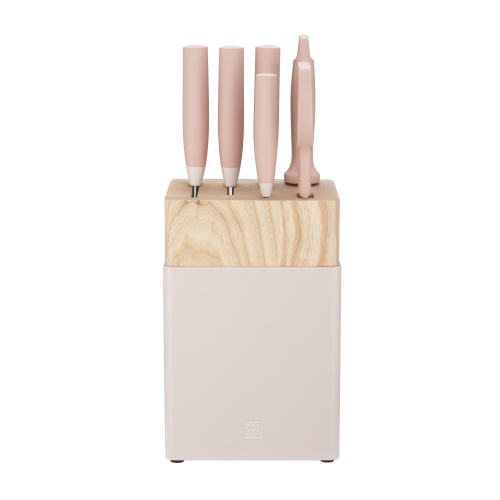
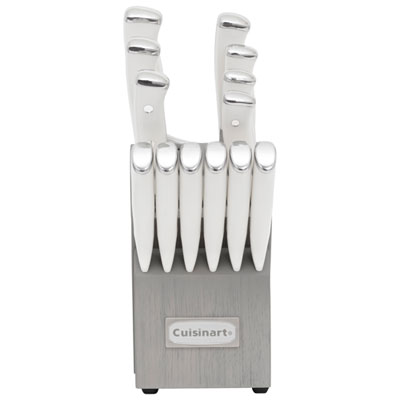
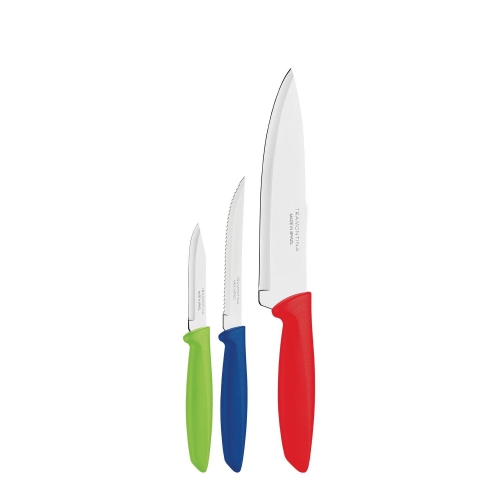
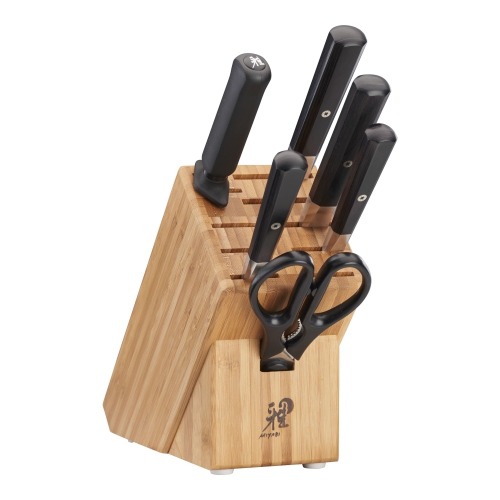
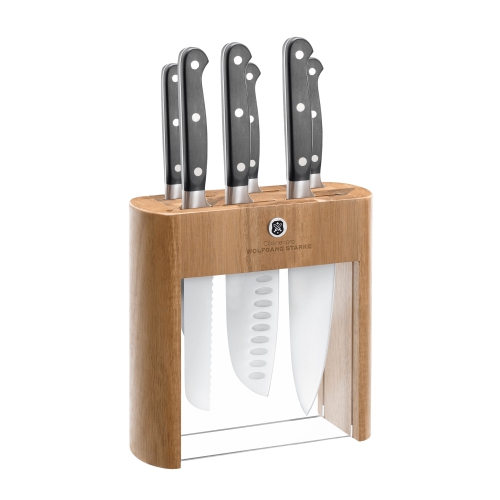
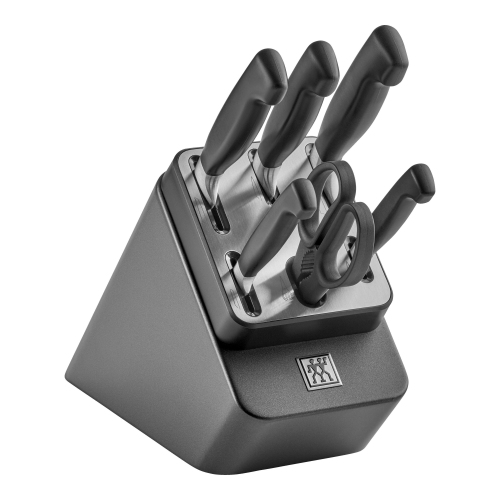
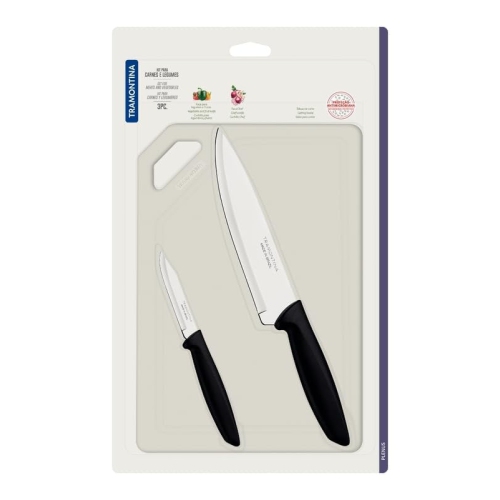
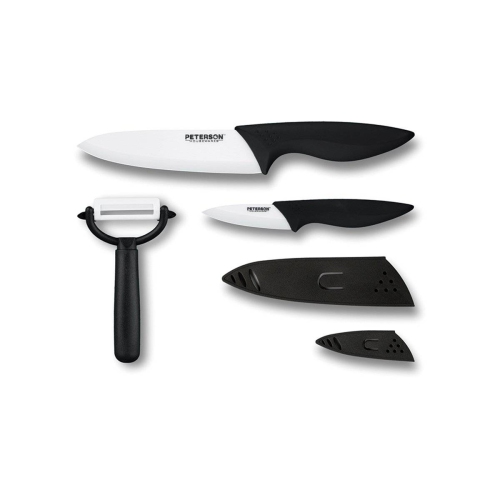
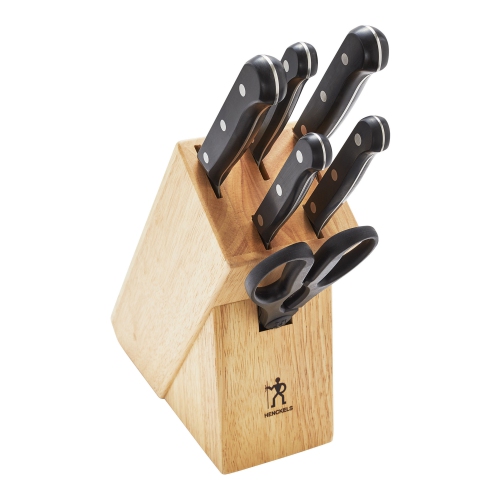
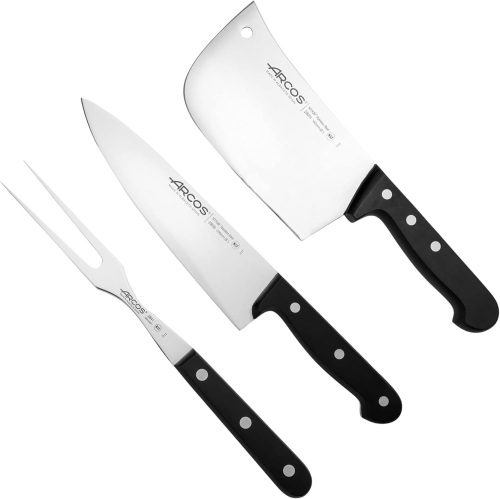
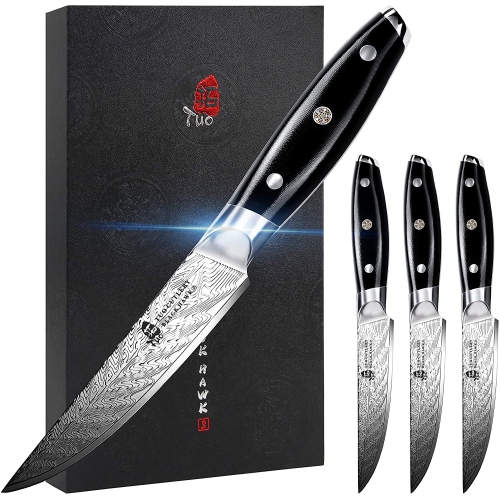
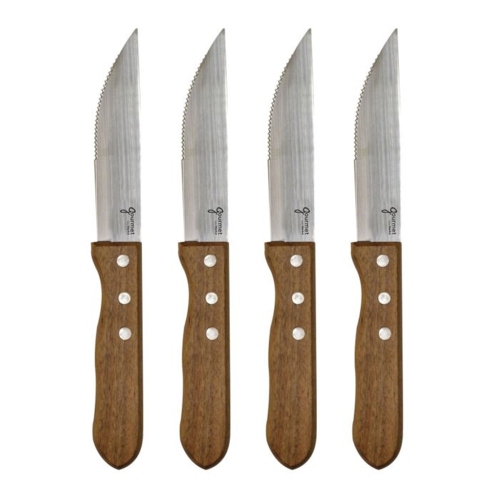
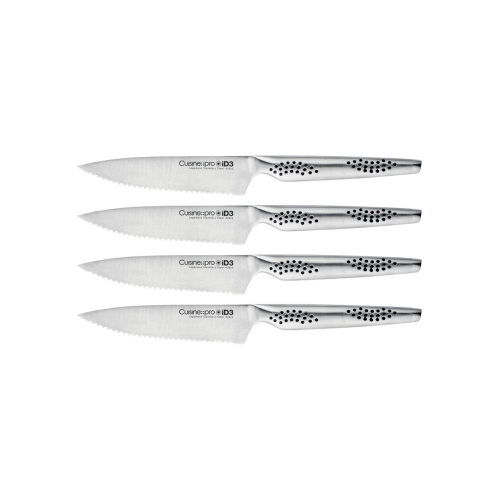
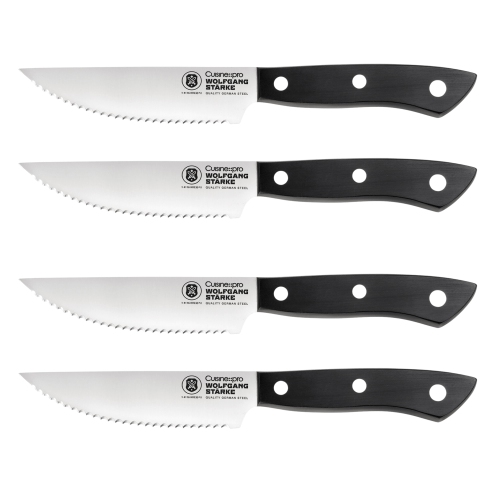
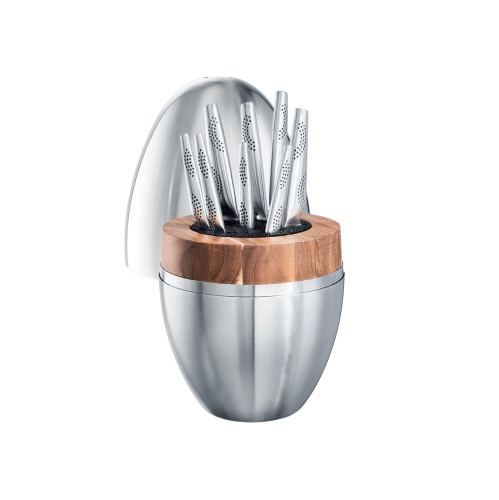
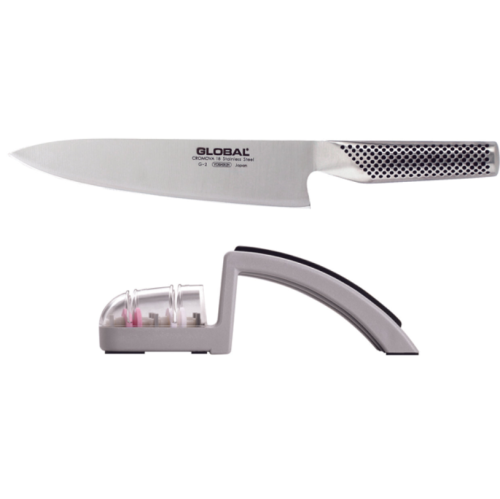
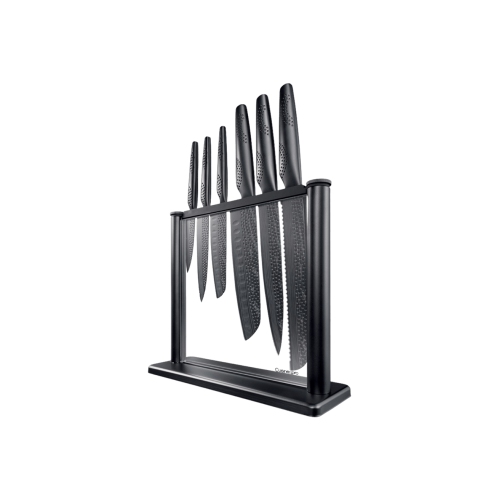
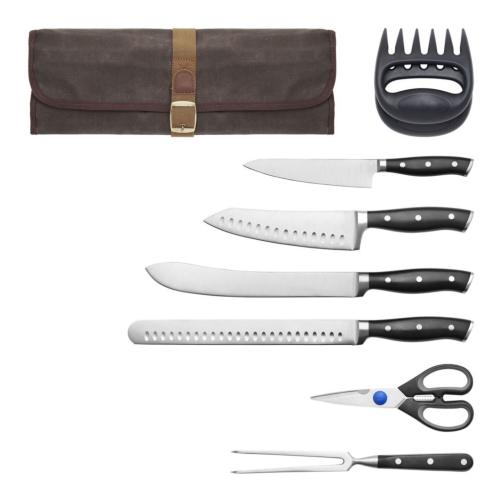
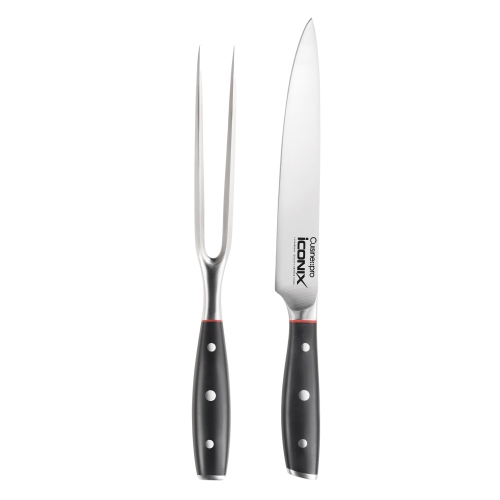
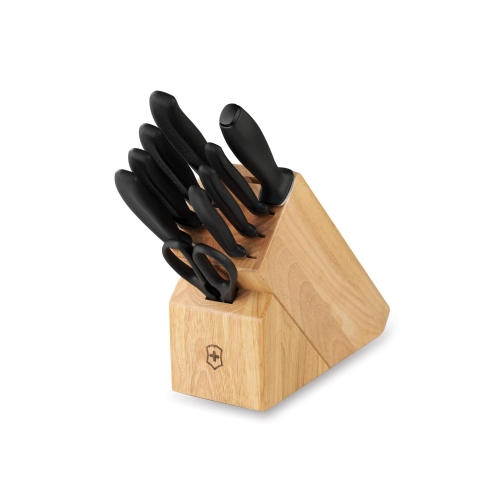
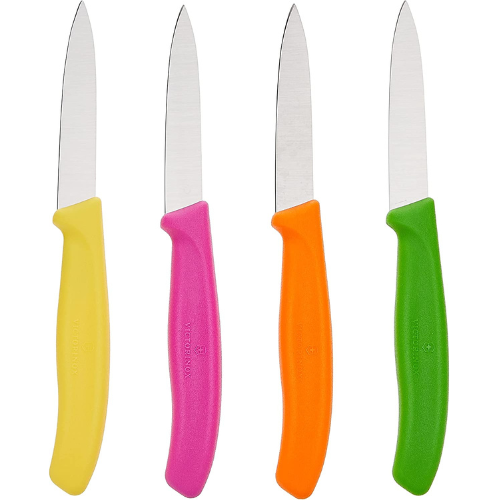
Chef’s knife sets bring together complementary blades for everyday food preparation, with a versatile chef’s knife at the centre of the collection. Its broad blade handles chopping vegetables, mincing herbs, slicing boneless meat, and transferring prepared ingredients from board to bowl. The supporting knives give smaller or more specialized tasks their own tools: a paring knife offers control when trimming strawberries or peeling an apple, while a serrated bread knife cuts through a crusty loaf without flattening the soft interior. Some sets also include a utility knife for work that falls between those sizes, a carving knife for thin slices of cooked meat, or kitchen shears for tasks suited to scissors. This mix matters more than the overall piece count, since a set’s stated total may include a storage block, blade guards, shears, or a honing tool rather than knives alone. A compact selection can cover most cooking routines, while a broader assortment may suit households that prepare varied meals or have several people cooking together. For someone who makes soups, stir-fries, and tray-baked dinners, the chef’s knife is likely to do most of the work; someone who regularly serves homemade bread will also appreciate a capable serrated blade. Blade length influences how each knife feels in use. An 8-inch chef’s knife is a familiar all-purpose size, while a shorter blade can feel easier to manoeuvre on a small cutting board. Longer blades provide more cutting length for large ingredients but require sufficient board space and a comfortable grip. The shape also affects the cutting motion: a curved edge supports rocking cuts, while a flatter profile suits more of an up-and-down action. Within the broader range of Kitchen Knife Sets, chef-focused assortments emphasize preparation tasks rather than table settings. Their usefulness comes from giving each cook a manageable group of blades with distinct roles, not simply filling a block with tools that overlap.
Blade material, construction, and handle fit influence both cutting performance and the attention a chef’s knife set needs over time. Stainless steel is widely used because it resists corrosion and is generally straightforward to maintain, although it still benefits from prompt washing and drying. High-carbon stainless steel combines stain resistance with the potential for a keen, durable edge, but the steel formulation and heat treatment matter more than that description alone. Carbon steel blades can take a fine edge and may develop a patina with use; they also need particular care around moisture and acidic ingredients. Harder steel can retain an edge well, though thin, hard edges may be less forgiving of twisting, impacts, or contact with bones. Toughness, edge retention, and ease of sharpening are related trade-offs rather than a simple ranking of quality. Forged knives are shaped from heated steel and often have a substantial feel, while stamped knives are cut from sheet steel and can offer a lighter construction. Either approach can produce a useful kitchen tool when the blade geometry, finish, and handle are well executed. A full tang, where the blade steel extends through the handle, can contribute to a solid feel, but it is not the only measure of strength or balance. Handle materials range from moulded synthetics to wood and wood composites, each with different textures and care requirements. Smooth joins, rounded edges, and a shape that does not press into the palm become noticeable during a long session of dicing onions or preparing vegetables for several meals. Balance is personal: some cooks prefer more weight toward the blade, while others favour a lighter knife that feels nimble. A comfortable pinch grip, with the thumb and forefinger holding the blade just ahead of the handle, also depends on how that area is finished. Terms such as Japanese-style or Western-style offer clues about blade profiles and construction traditions, but the actual dimensions, edge shape, and care requirements provide a clearer picture of everyday suitability.
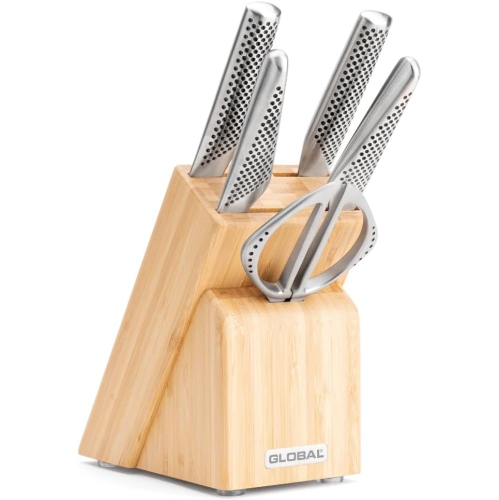
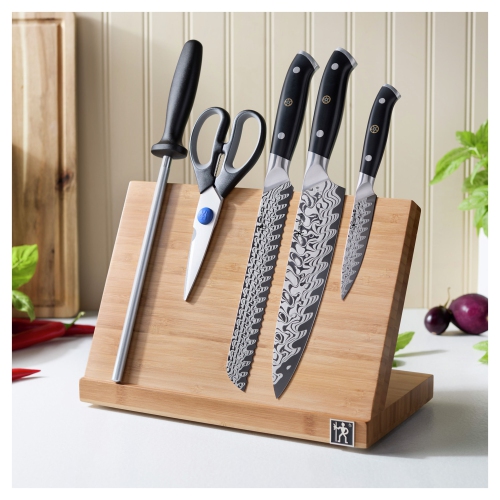
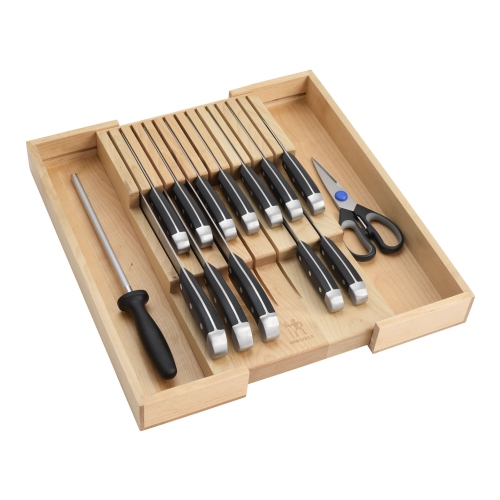
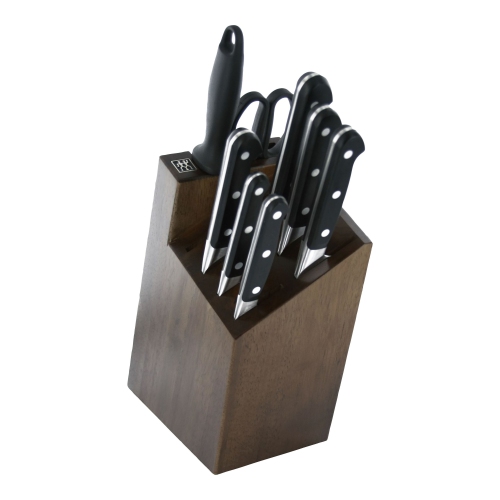
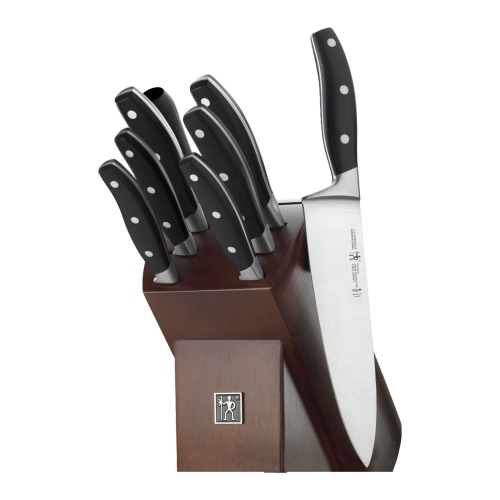
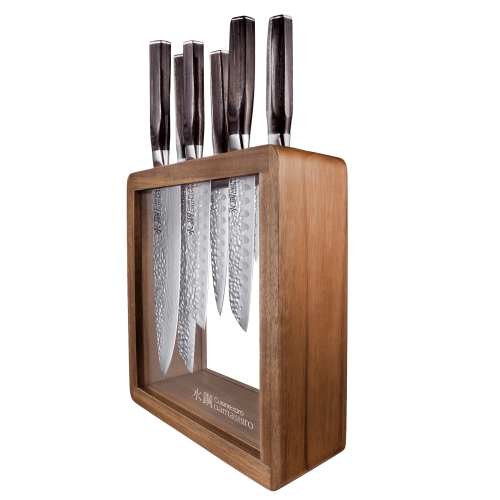
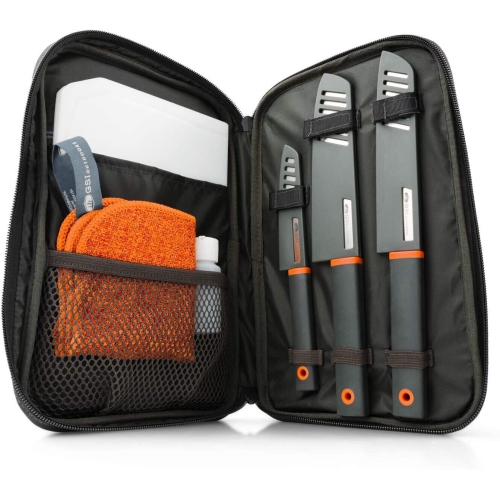
Storage and maintenance help a chef’s knife set remain dependable through repeated use. A countertop block keeps knives close to the preparation area, but its footprint needs to suit the kitchen, and its slots should accommodate the included blades without forcing them into place. An in-drawer organizer keeps the counter clear while separating edges, and individual blade guards can protect knives stored without a block. Magnetic storage offers another option when securely installed in a suitable position away from children’s reach. Whatever the arrangement, knives should be clean and completely dry before storage, especially in enclosed slots where moisture can linger. Handwashing with mild dish soap, followed by careful drying, is generally gentler on blades and handles than a dishwasher’s heat, detergent, and movement; the manufacturer’s care directions remain important for each material. Leaving a knife loose in a sink can hide the edge beneath water or dishes, while loose drawer storage allows blades to knock against other utensils. Cutting surfaces matter as well. Wood and suitable plastic boards are kinder to fine edges than glass, stone, or ceramic surfaces. Most chef’s knives are intended for controlled food preparation rather than chopping through bones, cutting frozen food, or prying open packaging. Even a well-made blade will gradually lose its cutting edge, and honing and sharpening serve different purposes. A honing tool can help maintain an edge between sharpenings, while sharpening removes metal to restore the cutting bevel. Compatibility matters, particularly for very hard blades and serrated edges, which may require different methods or professional attention. For daily cooking, a well-maintained knife needs less force to pass through an onion or a ripe tomato, helping the cook work with greater control. Chef’s knife sets can be practical gifts for a first home, a wedding, or someone developing a serious interest in cooking, especially when the assortment matches the recipient’s habits and storage space. A smaller, thoughtfully chosen set may suit a compact kitchen better than a large block, while an enthusiastic home cook may value a wider selection of complementary blades. Comfortable handling, clearly defined uses, and manageable care requirements make the set a useful part of the kitchen long after the first meal.
Top selling and popular products
-
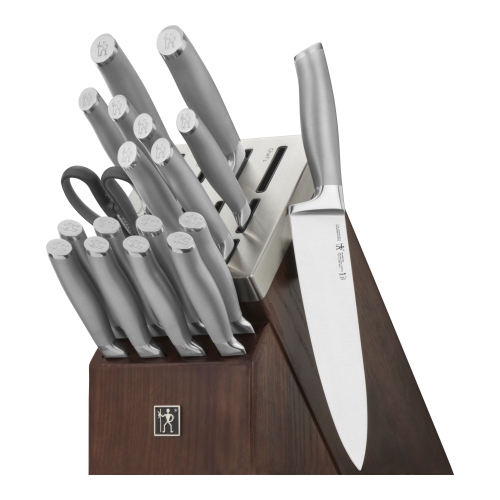 Your price for this item is $489.99
-
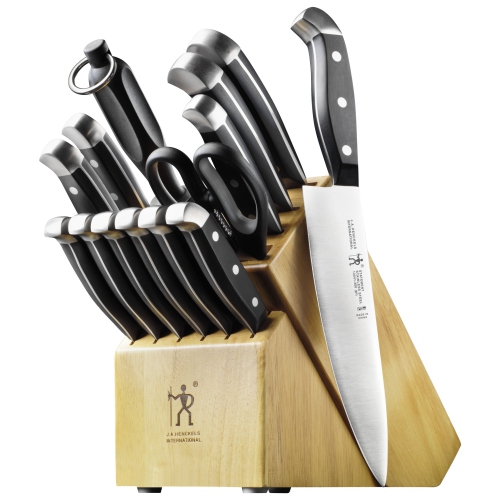 Your price for this item is $179.99
-
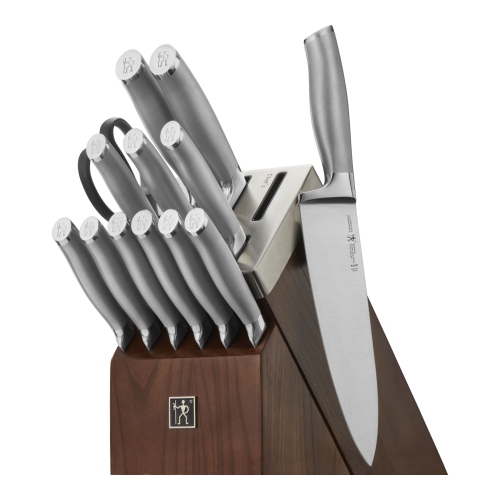 Your price for this item is $299.99
-
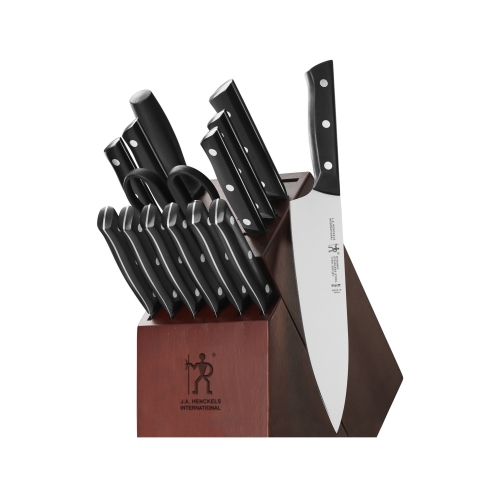 Your price for this item is $214.99
-
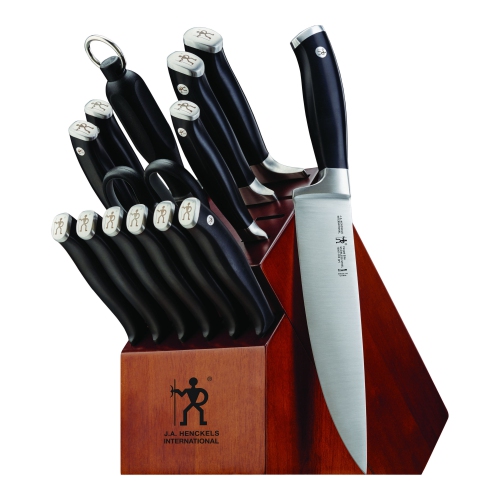 Your price for this item is $219.99
-
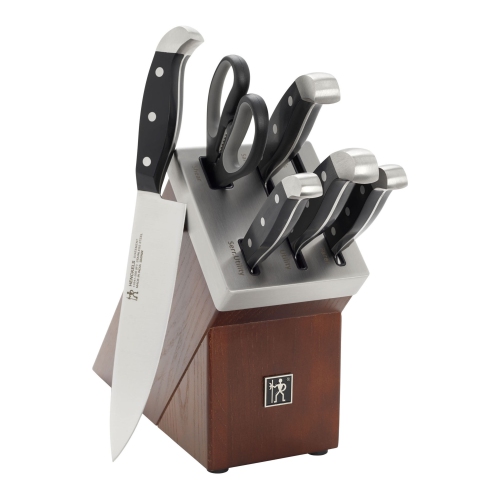 Your price for this item is $179.99
-
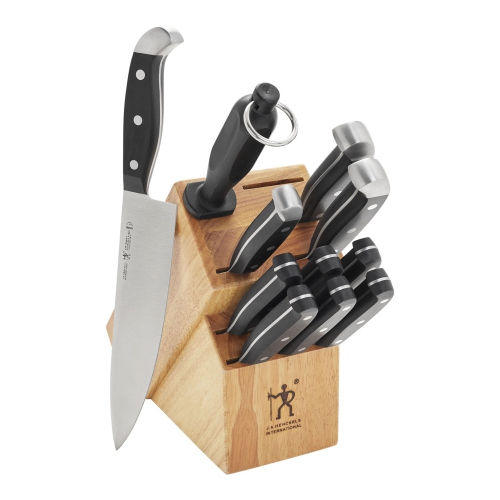 Your price for this item is $179.99
-
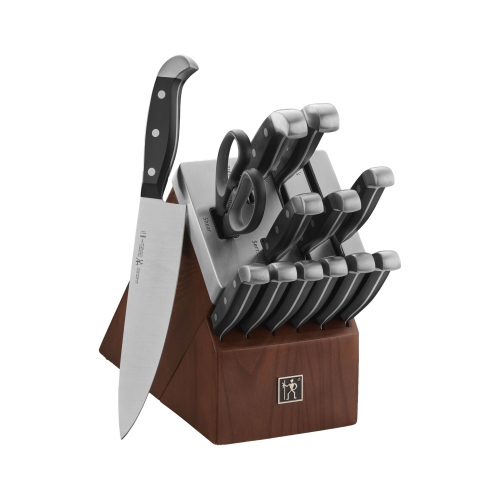 Your price for this item is $279.99
Discover more categories related to Chef's Knife Sets
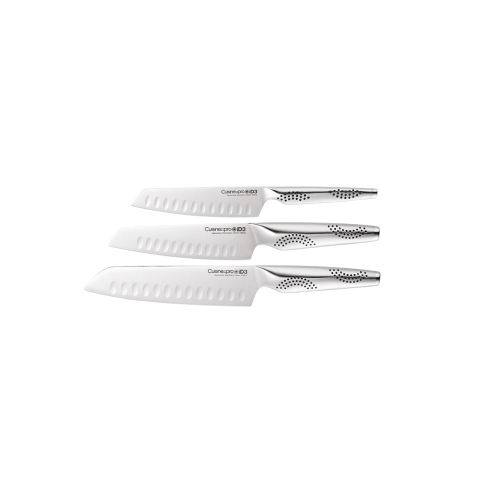
Top Collections:
Pokemon Centers, Kindle Devices, Best Budget Office Chairs, Canon G7X Cameras, Apple iPhones 16, Samsung Galaxy Phones, Refurbished Apple Laptops, Laptops for Students, iPhone 15 Apple, Budget Smartphones
Some products may be subject to Environmental Handling Fees
(EHF) depending on your province.
Learn more about EHFs.