Chicken Runs With Roof
When it comes to keeping your feathered friends safe and secure, a chicken run with a roof is an essential addition to your backyard setup. These versatile structures provide protection from predators, harsh weather conditions, and give your chickens the freedom to roam without wandering off. Whether you're a seasoned poultry keeper or just starting out, a chicken run with a roof offers peace of mind while ensuring your flock stays happy and healthy.
Sort
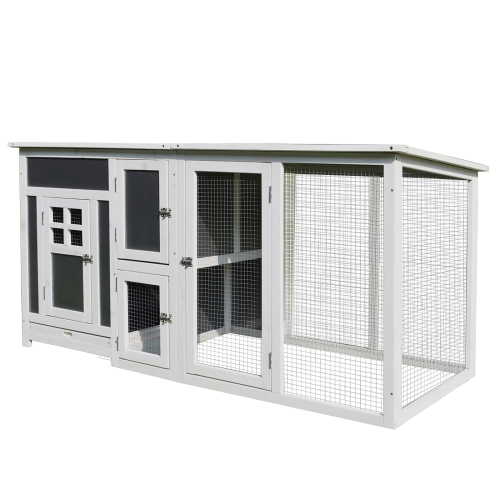
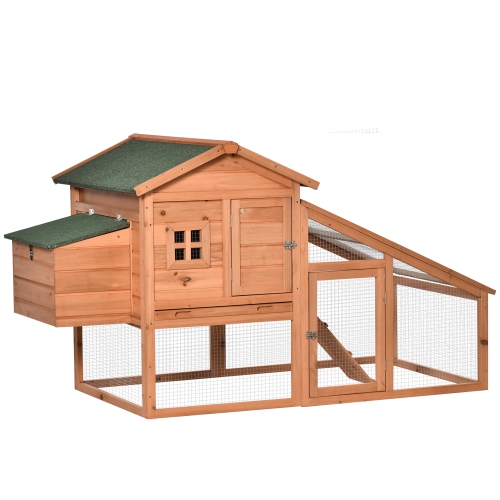
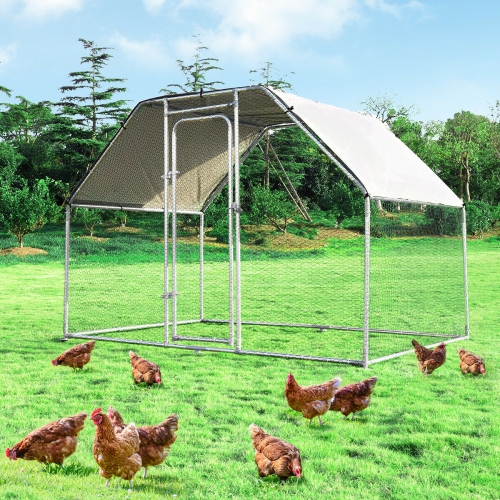
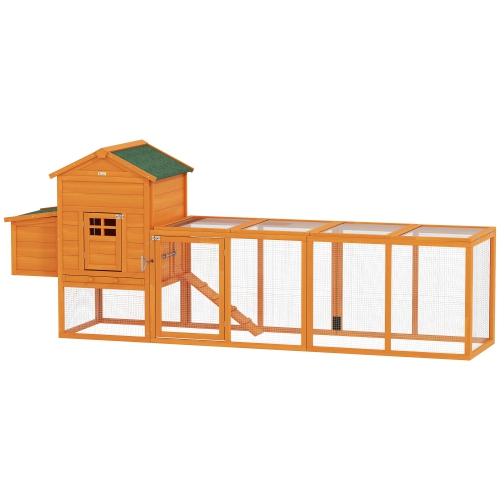
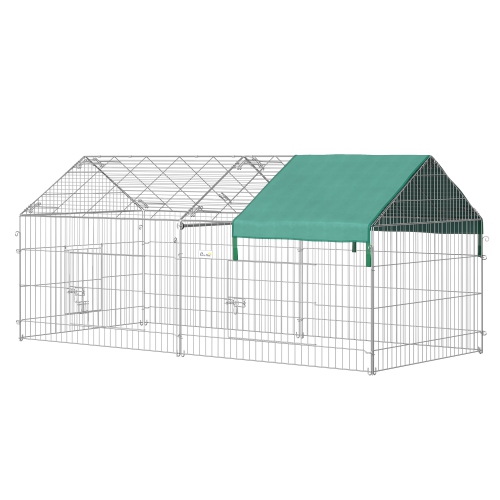
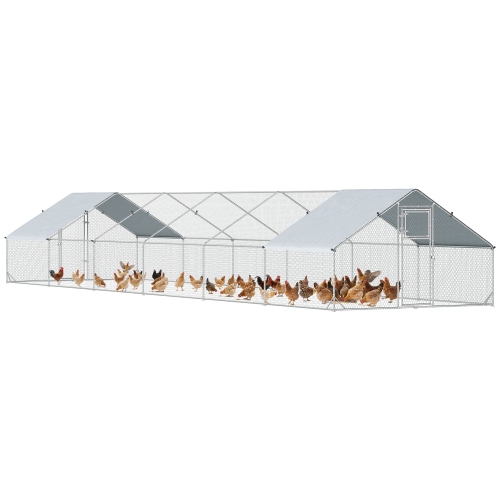
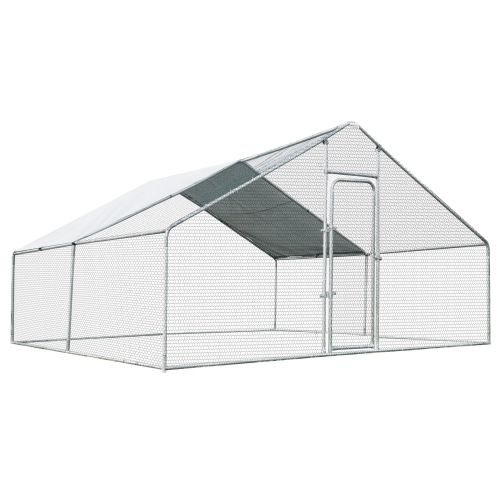
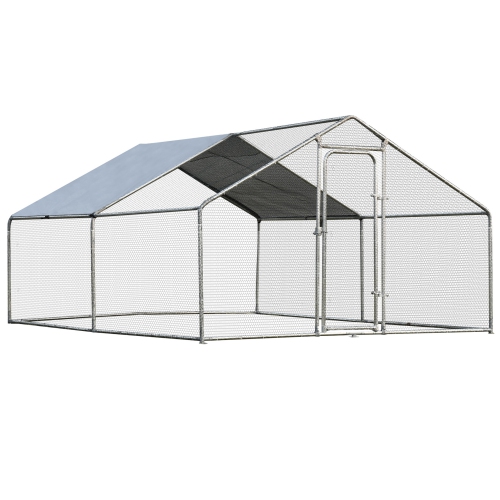
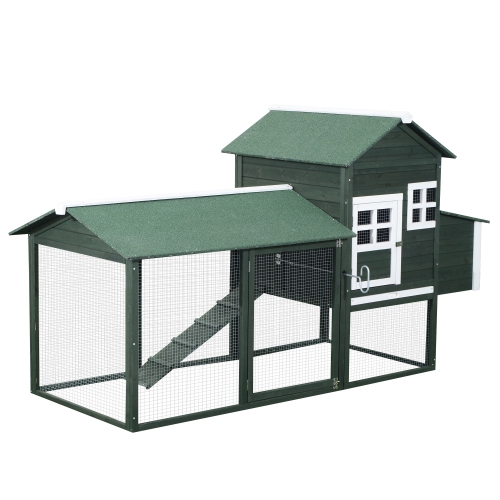
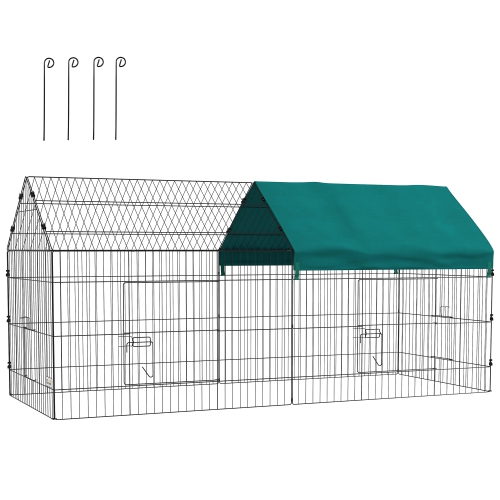
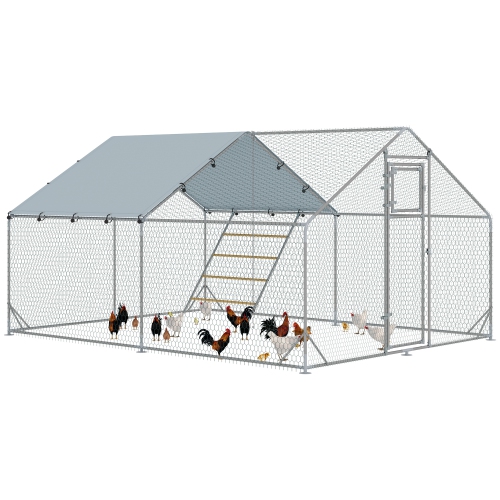
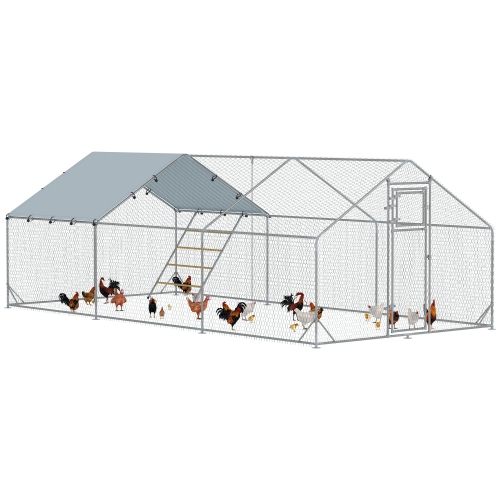
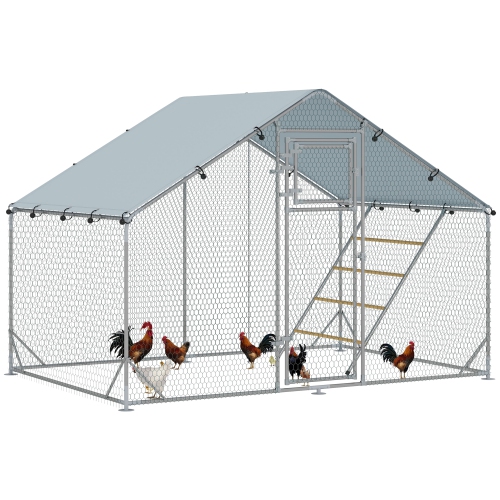
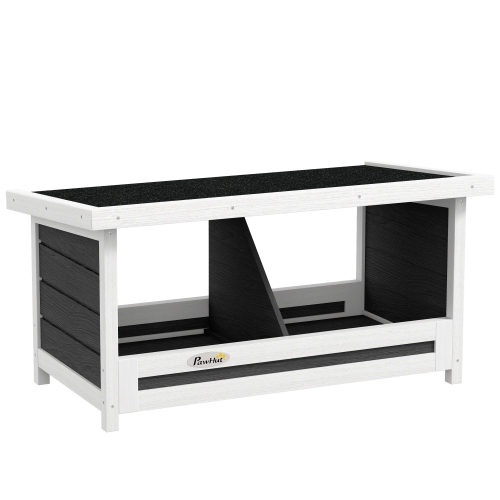
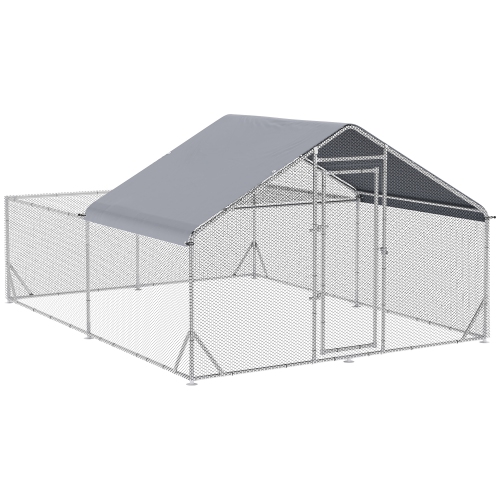
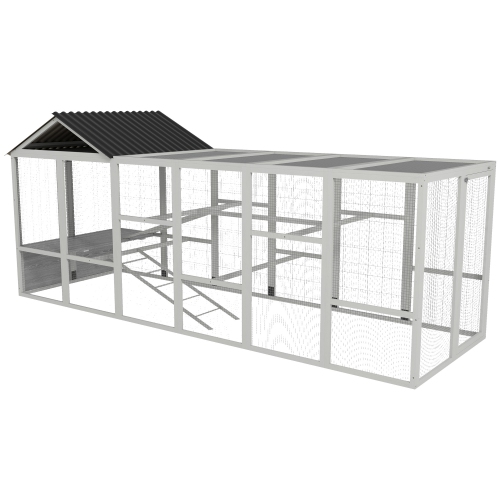
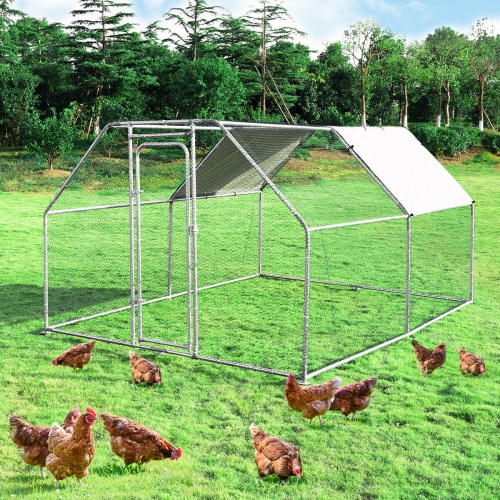
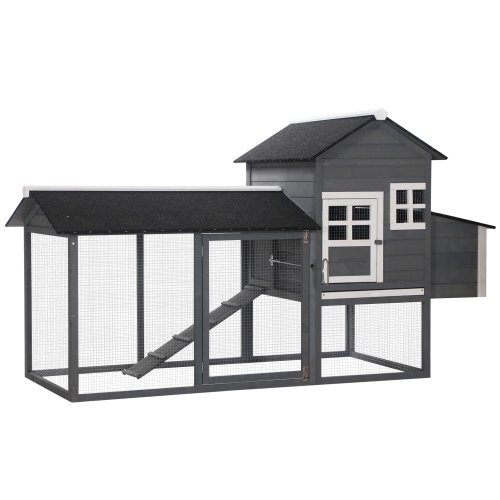
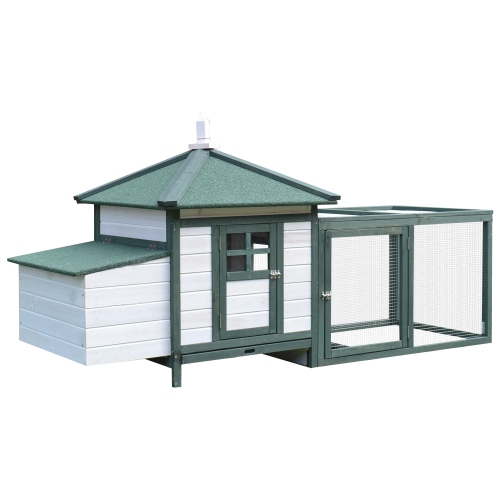

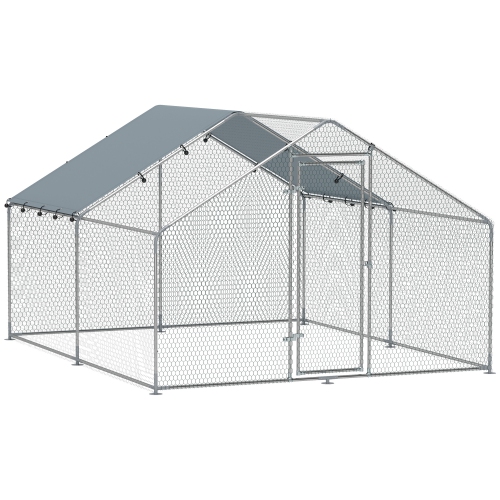
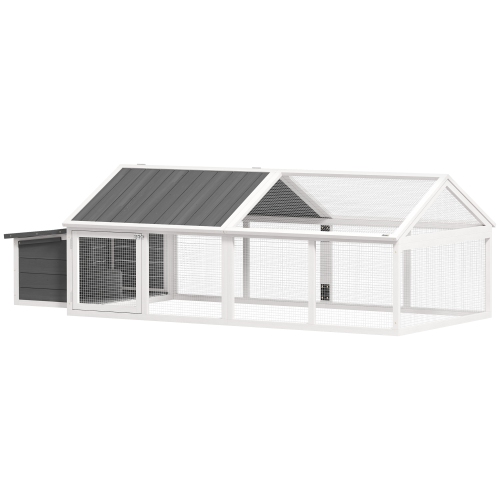
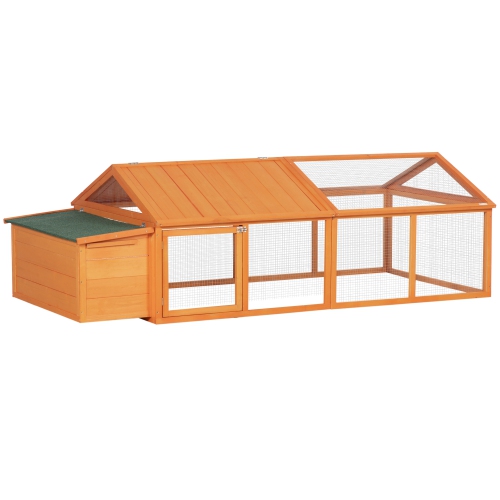
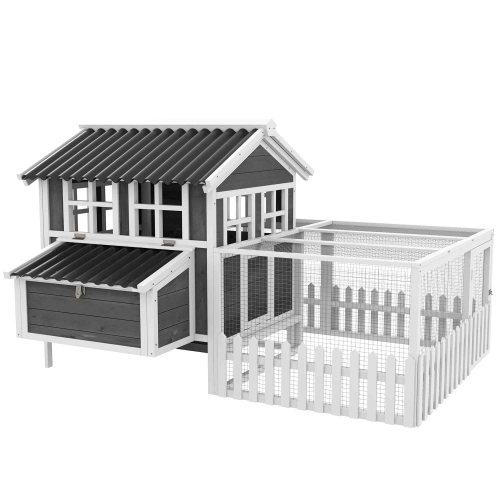
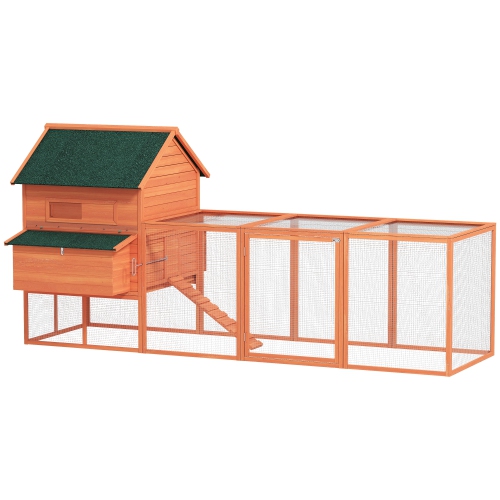
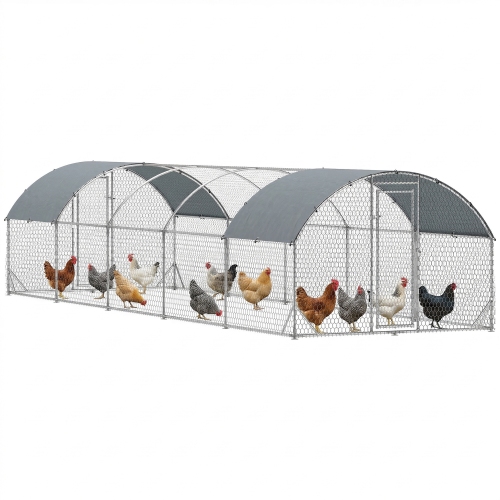
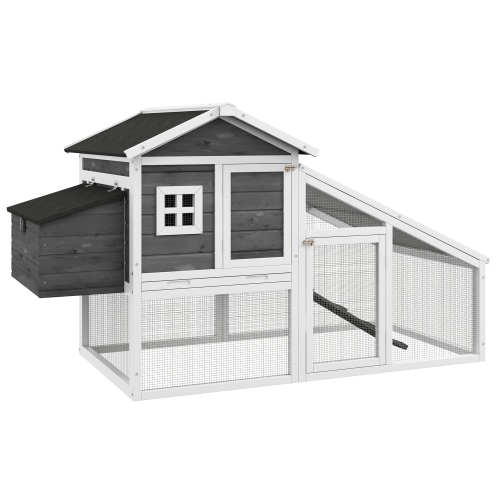
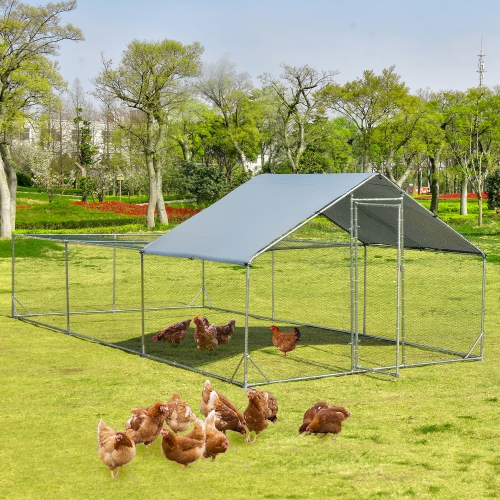
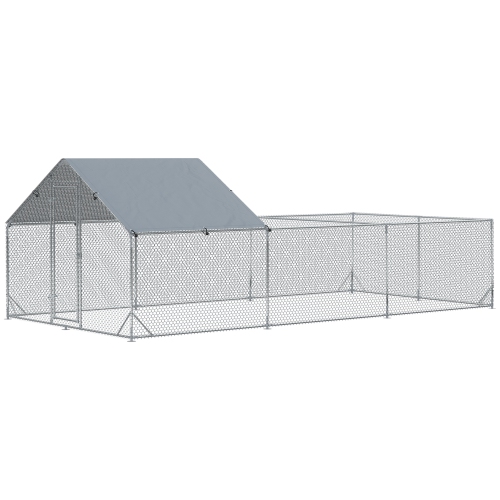
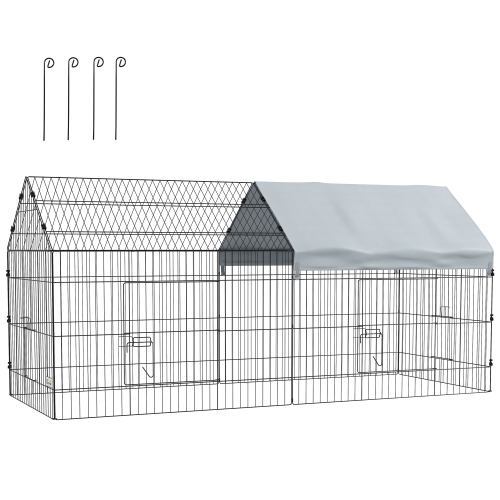
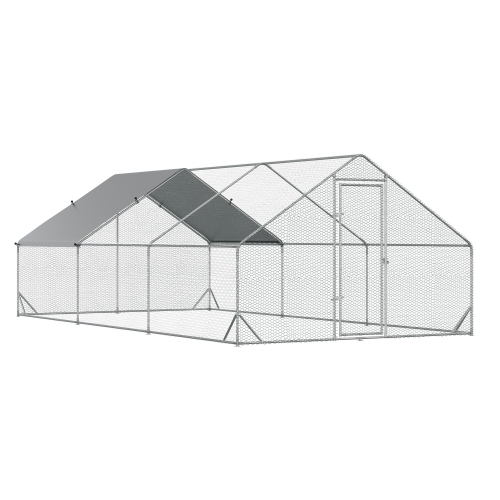
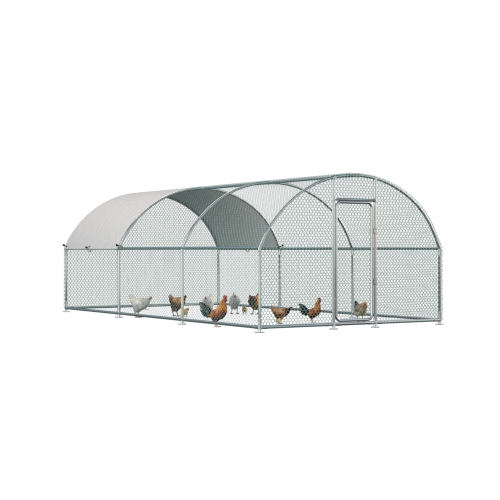
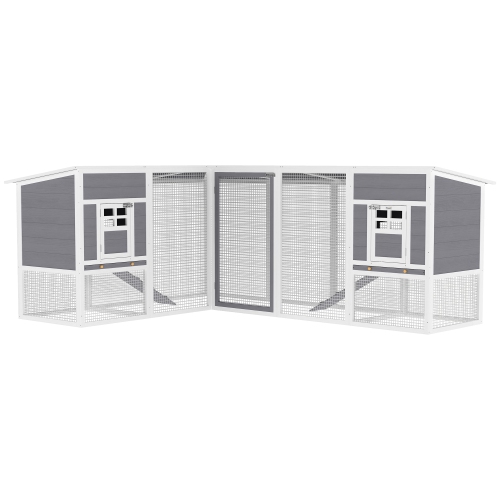
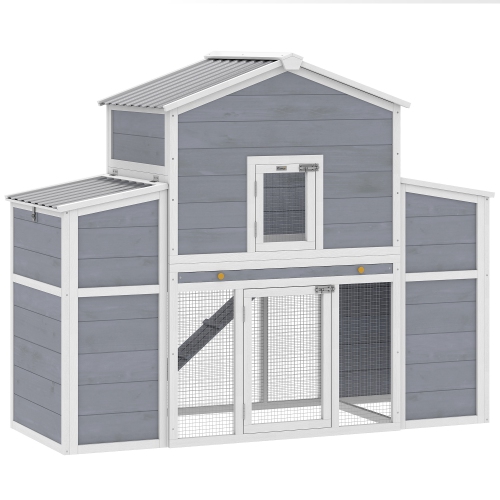
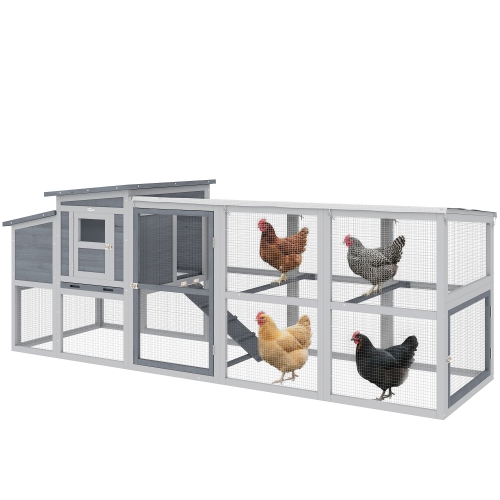
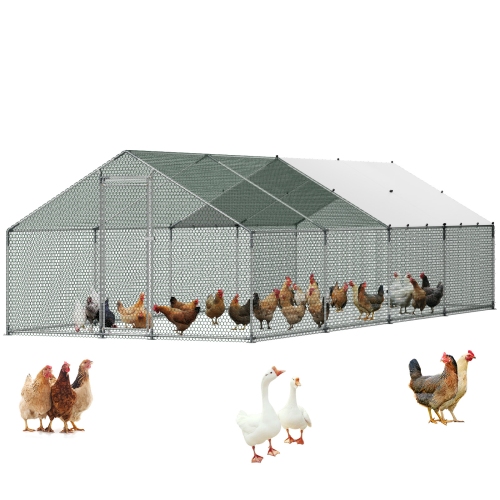
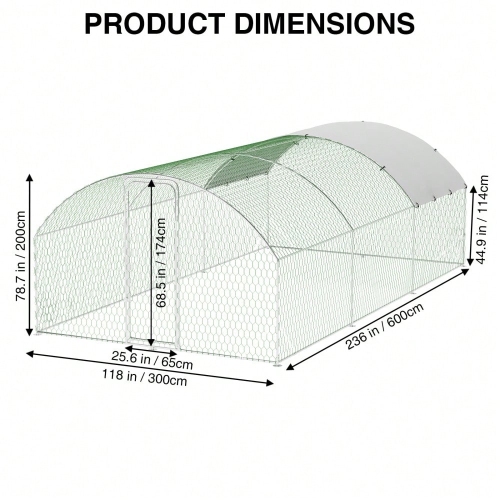
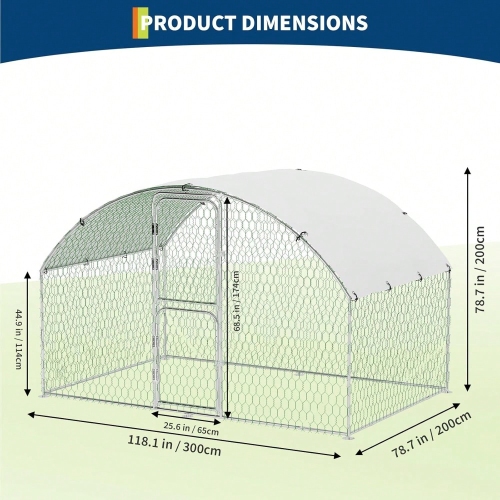
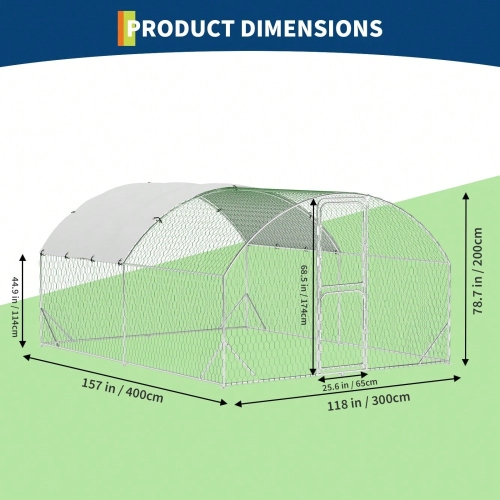
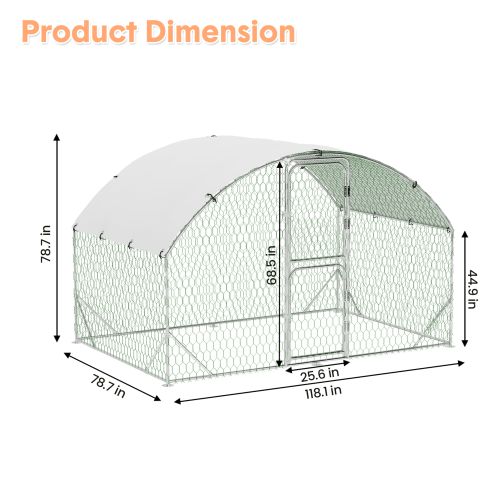
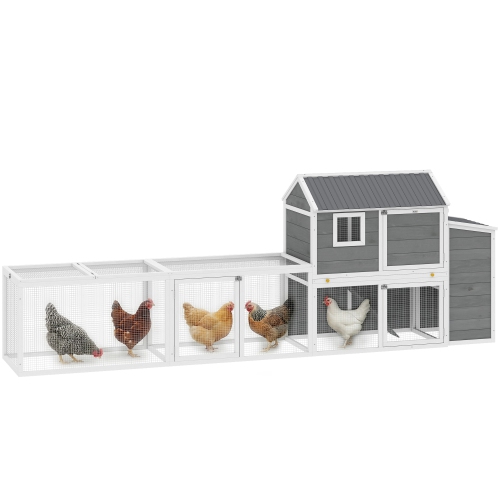
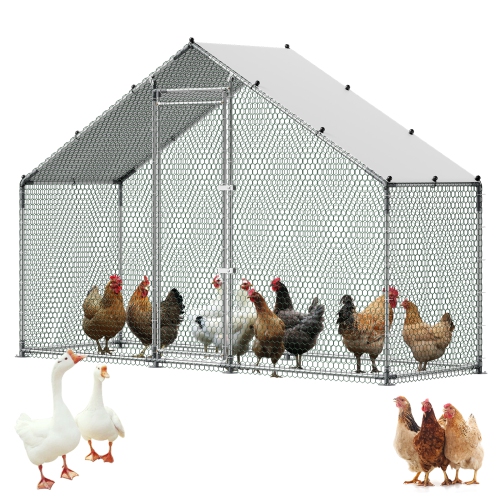
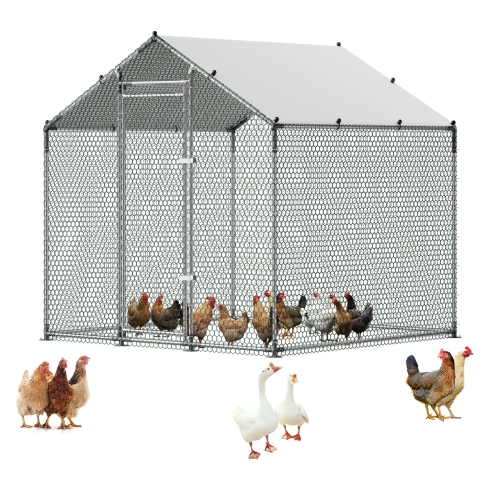
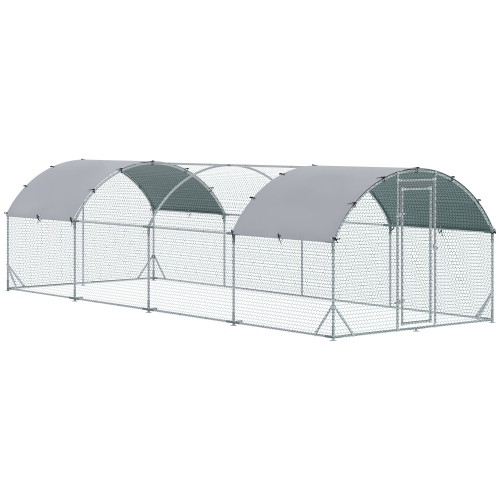
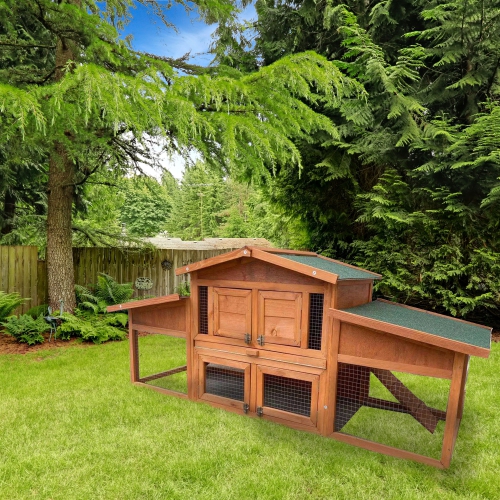
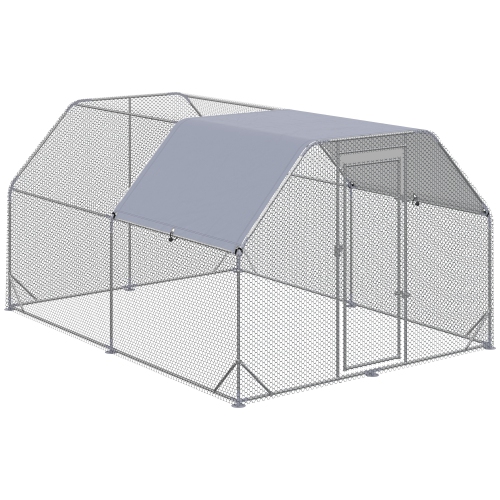
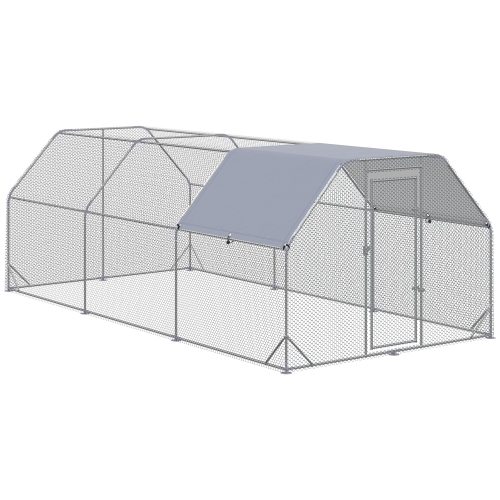
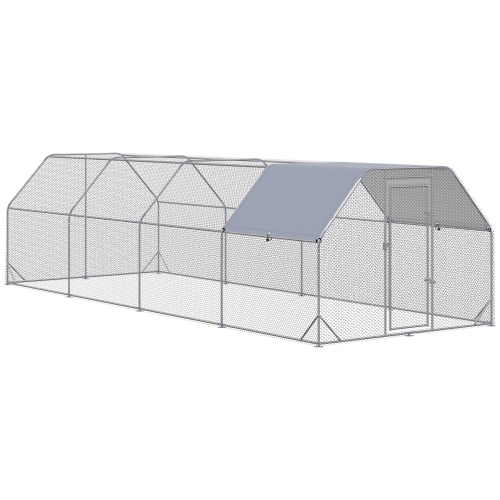
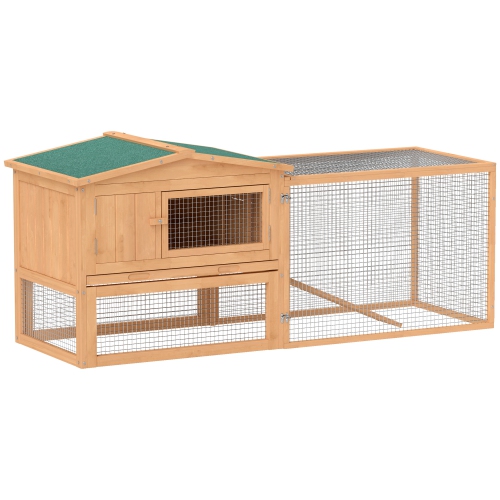
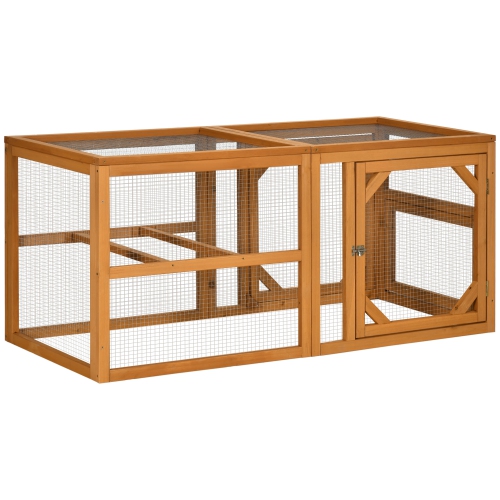
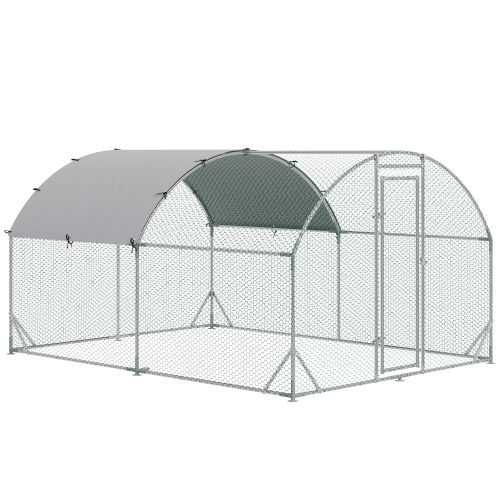
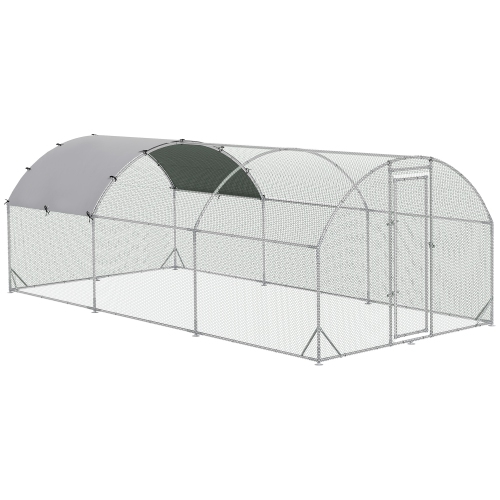
A drier, safer outdoor space for backyard hens
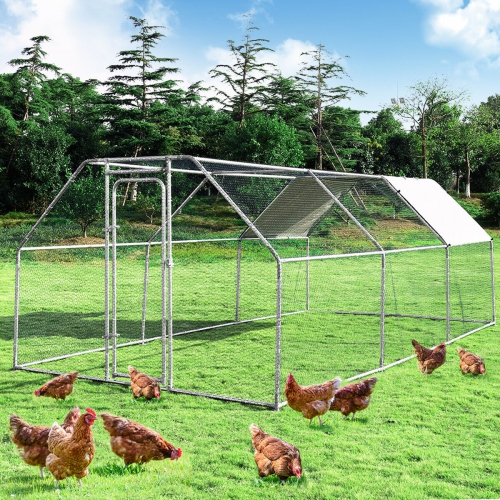
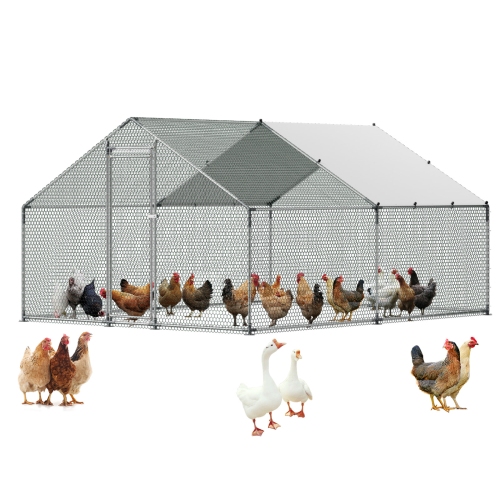
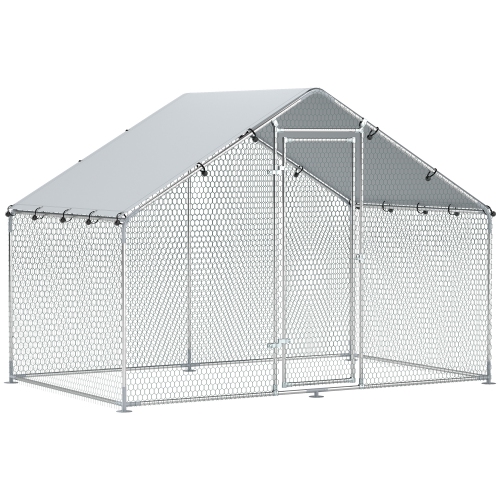
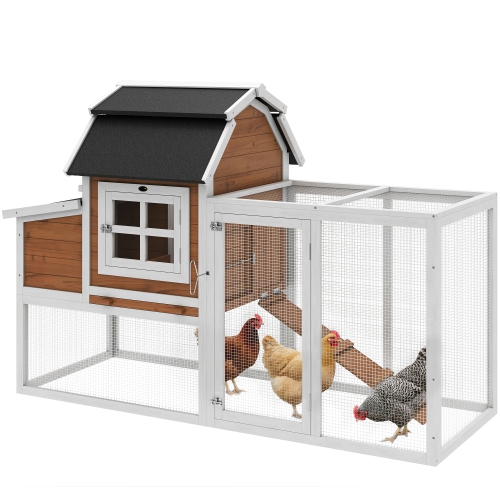
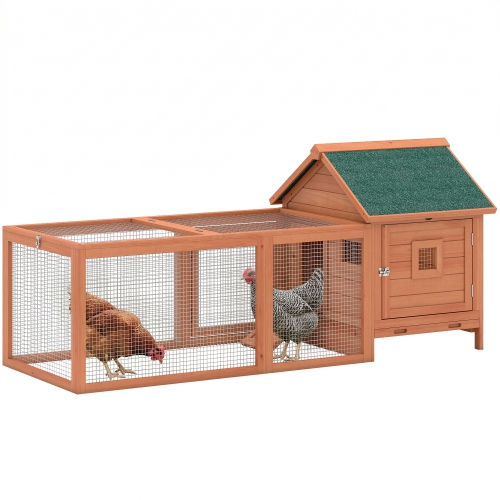
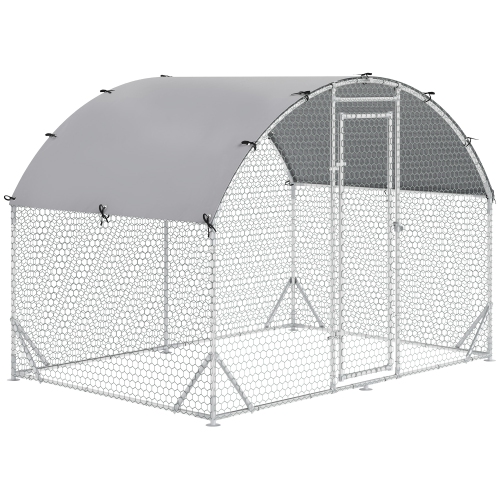
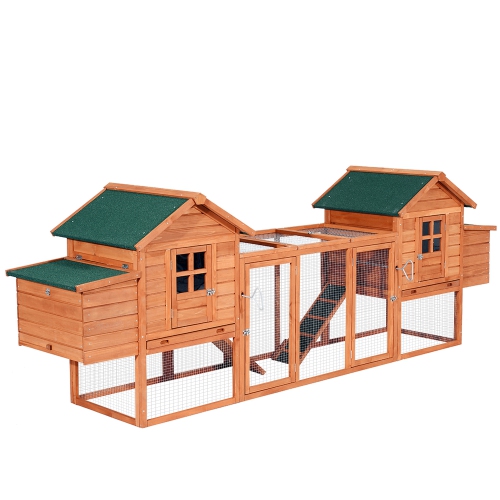
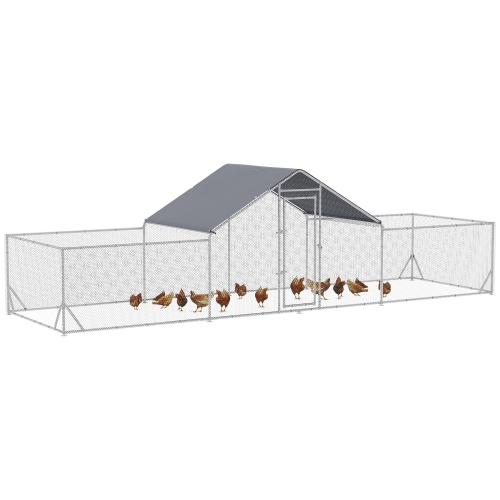
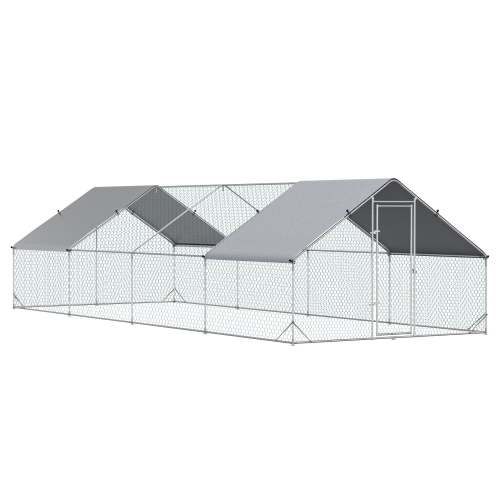
A chicken run with a roof creates a more comfortable, manageable outdoor area where hens can move, scratch, dust-bathe and forage while staying protected from changing weather. A covered top helps keep rain and melting snow from turning the ground into a muddy stretch of puddles, and it gives chickens shade when the sun is strong. Keeping the run drier also helps bedding, feed and droppings stay cleaner, which can make everyday care more pleasant and reduce the amount of wet litter that needs to be replaced. During the cooler months, a roof can help prevent persistent dampness around the flock, although it should always be paired with good ventilation to avoid trapped humidity and condensation. A covered run is also an important part of a broader predator-resistant setup. It can deter hawks and owls from swooping down into the enclosure, while a properly secured mesh structure helps address threats from climbing and digging animals. The roof alone is not a complete barrier, so look for a design with strong side panels, reliable doors and fastening points that can be anchored firmly to the ground. A secure latch is particularly useful because clever predators can sometimes manipulate simple closures. For a complete backyard arrangement, a covered run can be placed beside a suitable Chicken Coop, giving the flock a sheltered sleeping area and a separate space for daytime activity.
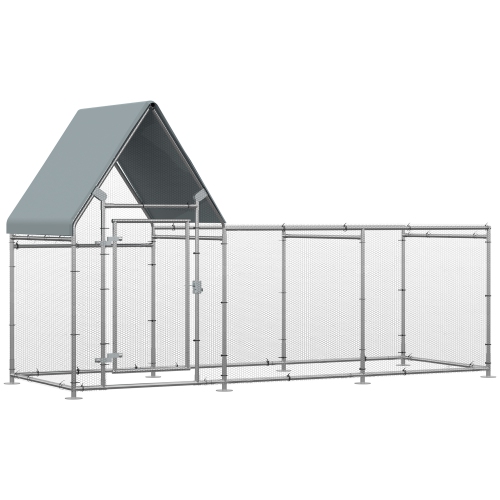
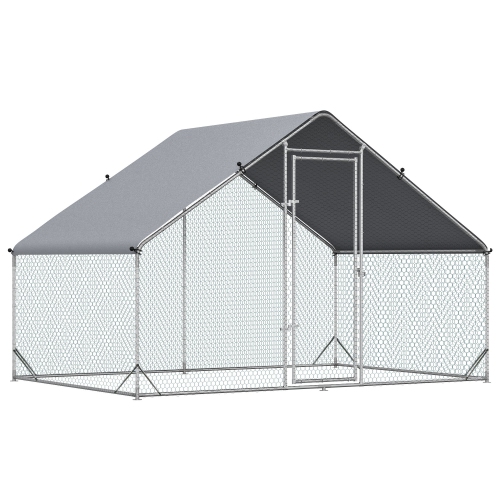
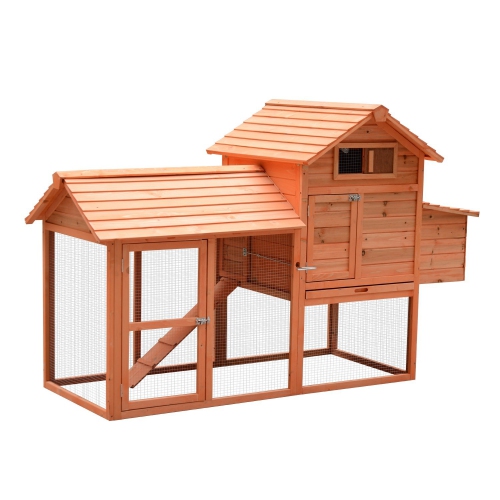
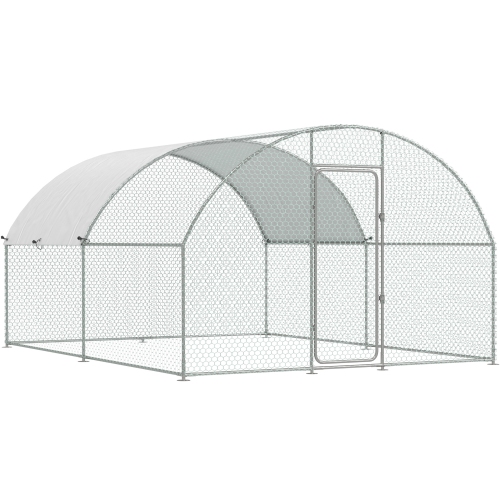
When choosing a chicken run with a roof, start with the number and size of the birds, then consider how much room they need to move naturally without crowding. A compact enclosure may suit a small backyard flock or provide supervised outdoor time, while a larger walk-in run can be more comfortable for multiple hens and easier for people to clean, refill feeders and collect eggs inside. Measure the available area carefully, including clearance for doors, nearby fences and access routes for assembly. Pre-made metal runs can be convenient for households that want a ready-to-assemble enclosure, while wood or steel frame designs may suit owners planning a more permanent installation or a custom footprint. The roof material affects light, airflow, durability and maintenance. A tarp or polyethylene canopy is lightweight and practical, and can often be secured over a frame to provide quick protection from rain and sun. Corrugated plastic or polycarbonate panels allow daylight into the run while directing water away, making them useful during darker, wetter conditions. Corrugated metal panels offer a sturdy option for a fixed structure, but exposed edges should be covered or positioned safely so they cannot injure birds or people. Whichever roof you select, check that water can drain away from the entrance and that the structure will not collect heavy snow or sag under strong rainfall. Slightly sloping the roof can help water run off rather than pool overhead. Make sure the enclosure has enough ventilation along the sides and beneath the roof, since fresh air is essential even when the flock needs protection from drafts and precipitation.
These enclosures can be useful for first-time chicken keepers, families introducing children to responsible animal care, hobby farmers and experienced backyard flock owners who want a tidier, more dependable outdoor area. They may also be a practical gift for someone setting up a small homestead, provided the recipient has appropriate space, local permission and the time to care for chickens every day. Before purchasing, check municipal bylaws, property rules and any requirements related to animal housing in your area. Consider the run’s height as well as its floor dimensions: a walk-in model is easier to inspect and clean, while a lower profile may fit beneath a balcony, along a garden boundary or beside an existing shelter. The ground underneath deserves attention too. Level, well-drained soil helps prevent standing water, while a secure base or buried mesh can make it harder for digging predators to enter. Place the run where the flock can receive natural light and observe household activity, but avoid an exposed location that is constantly hit by wind. In warmer conditions, shade and airflow are priorities; during wet or cooler weather, a dry roof, protected feeding area and clean litter become increasingly valuable. Inspect the frame, roof fasteners, mesh and hinges regularly, especially after high winds or heavy precipitation. Remove wet bedding, keep feed protected from moisture and make sure water containers remain stable and clean. With the right size, secure construction, suitable roof material and thoughtful placement, a chicken run with a roof can provide a safer, drier and more enjoyable outdoor environment for backyard hens across changing seasons.
When choosing a chicken run with a roof, start with the number and size of the birds, then consider how much room they need to move naturally without crowding. A compact enclosure may suit a small backyard flock or provide supervised outdoor time, while a larger walk-in run can be more comfortable for multiple hens and easier for people to clean, refill feeders and collect eggs inside. Measure the available area carefully, including clearance for doors, nearby fences and access routes for assembly. Pre-made metal runs can be convenient for households that want a ready-to-assemble enclosure, while wood or steel frame designs may suit owners planning a more permanent installation or a custom footprint. The roof material affects light, airflow, durability and maintenance. A tarp or polyethylene canopy is lightweight and practical, and can often be secured over a frame to provide quick protection from rain and sun. Corrugated plastic or polycarbonate panels allow daylight into the run while directing water away, making them useful during darker, wetter conditions. Corrugated metal panels offer a sturdy option for a fixed structure, but exposed edges should be covered or positioned safely so they cannot injure birds or people. Whichever roof you select, check that water can drain away from the entrance and that the structure will not collect heavy snow or sag under strong rainfall. Slightly sloping the roof can help water run off rather than pool overhead. Make sure the enclosure has enough ventilation along the sides and beneath the roof, since fresh air is essential even when the flock needs protection from drafts and precipitation.
These enclosures can be useful for first-time chicken keepers, families introducing children to responsible animal care, hobby farmers and experienced backyard flock owners who want a tidier, more dependable outdoor area. They may also be a practical gift for someone setting up a small homestead, provided the recipient has appropriate space, local permission and the time to care for chickens every day. Before purchasing, check municipal bylaws, property rules and any requirements related to animal housing in your area. Consider the run’s height as well as its floor dimensions: a walk-in model is easier to inspect and clean, while a lower profile may fit beneath a balcony, along a garden boundary or beside an existing shelter. The ground underneath deserves attention too. Level, well-drained soil helps prevent standing water, while a secure base or buried mesh can make it harder for digging predators to enter. Place the run where the flock can receive natural light and observe household activity, but avoid an exposed location that is constantly hit by wind. In warmer conditions, shade and airflow are priorities; during wet or cooler weather, a dry roof, protected feeding area and clean litter become increasingly valuable. Inspect the frame, roof fasteners, mesh and hinges regularly, especially after high winds or heavy precipitation. Remove wet bedding, keep feed protected from moisture and make sure water containers remain stable and clean. With the right size, secure construction, suitable roof material and thoughtful placement, a chicken run with a roof can provide a safer, drier and more enjoyable outdoor environment for backyard hens across changing seasons.
Top selling and popular products
-
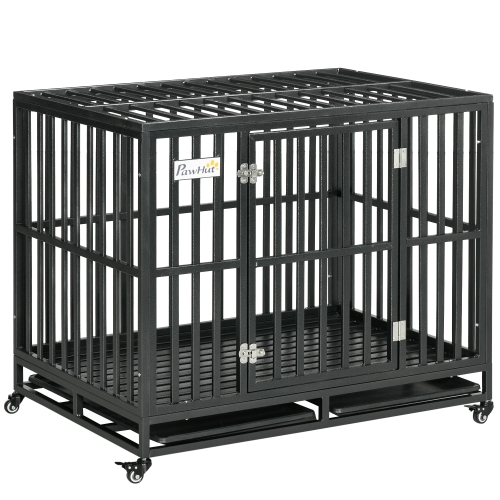 Your price for this item is $229.99
 -
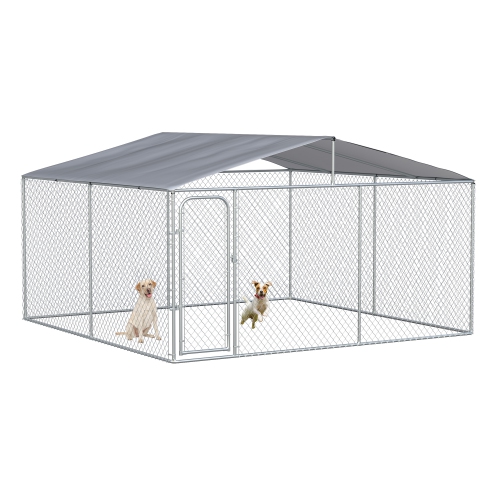 Your price for this item is $499.99
 -
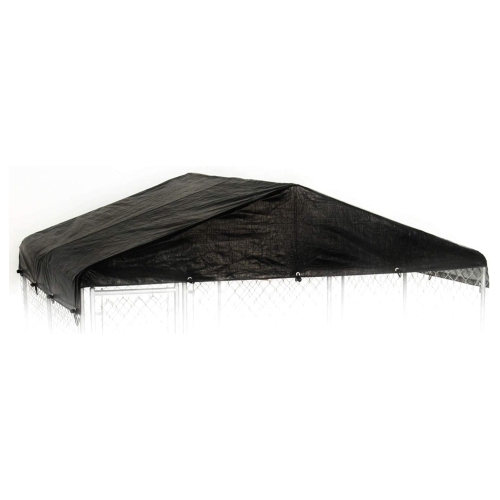 Your price for this item is $702.99
 -
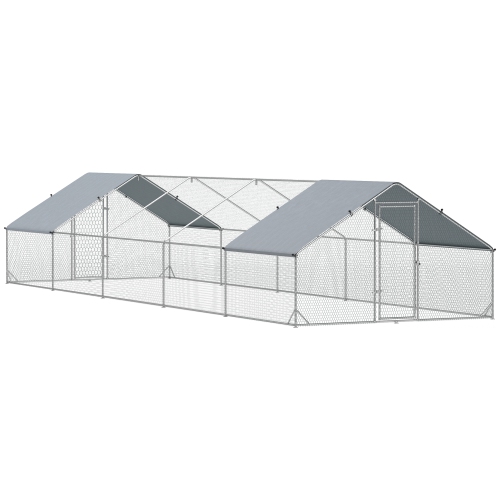 Your price for this item is $479.99
 -
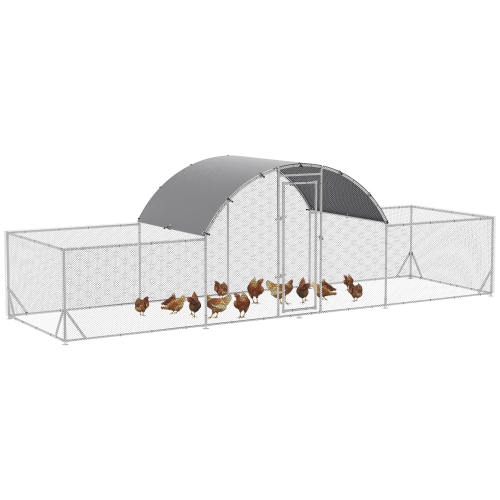 Your price for this item is $216.99
 -
 Your price for this item is $239.99
 -
 Your price for this item is $164.99
 -
 Your price for this item is $269.99
Discover more categories related to Chicken Runs With Roof
Top Collections:
Pokemon Centers, Budget 4K TVs, Best Budget Office Chairs, Kindle Devices, Canon G7X Cameras, Apple iPhones 16, iPhone 15 Apple, Laptops for Business Work, Xiaomi Phones, Flip Phones
Some products may be subject to Environmental Handling Fees
(EHF) depending on your province.
Learn more about EHFs.