Metal Chicken Coop
If you're looking for a sturdy and reliable home for your feathered friends, look no further than this collection of metal chicken coops. Designed with durability in mind, these coops provide a safe and secure environment for your chickens to roam and lay eggs. Whether you have a small backyard flock or a larger operation, our selection of metal chicken coops offers a range of sizes and features to suit your needs. With their strong construction and easy maintenance, these coops are built to last, ensuring the comfort and well-being of your chickens for years to come. Explore this assortment today and find the perfect metal chicken coop for your flock.
Sort

Why a chicken run still needs separate shelter
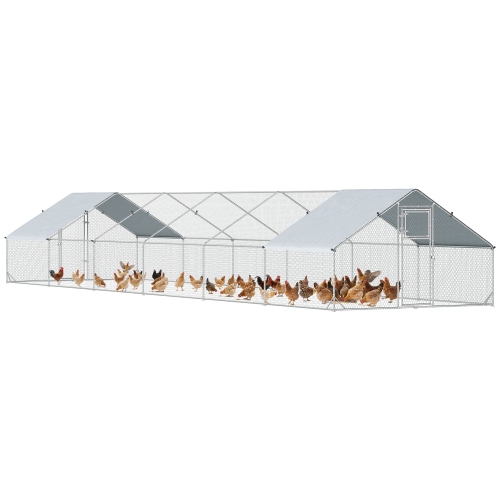
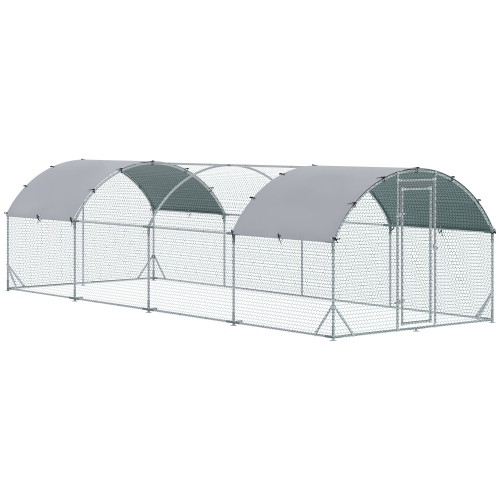
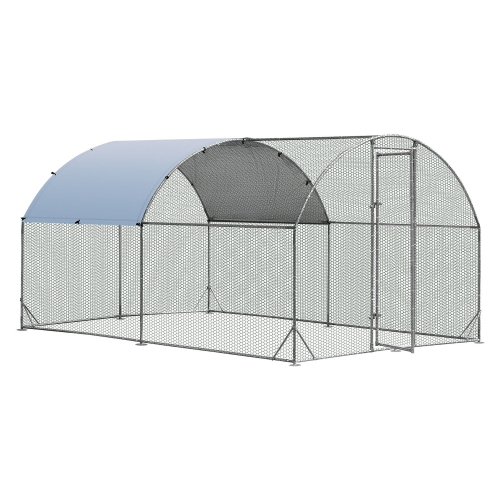
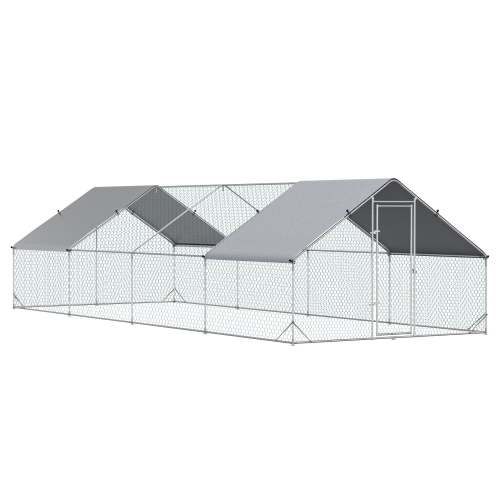
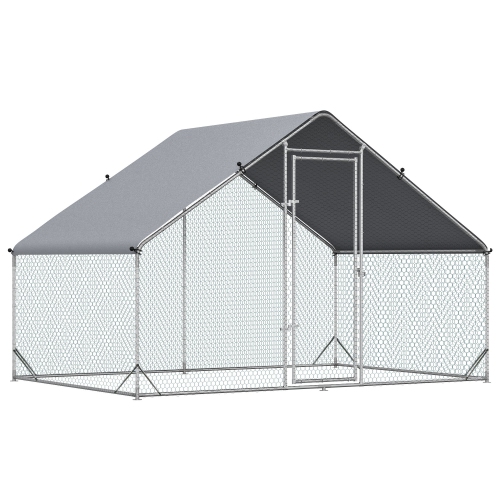
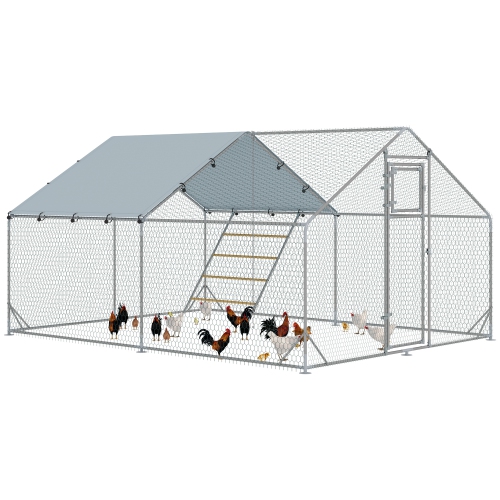
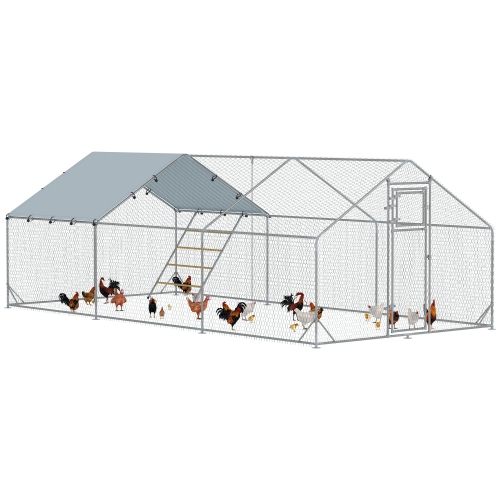
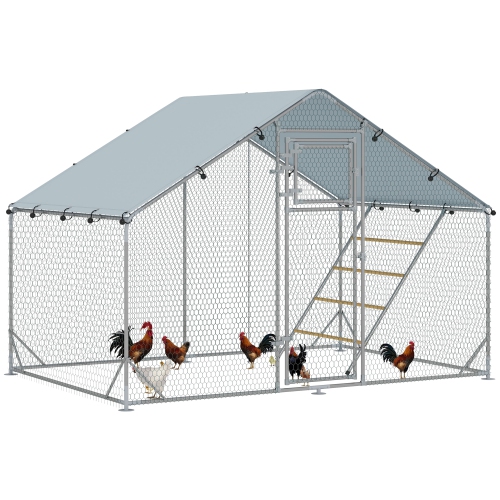
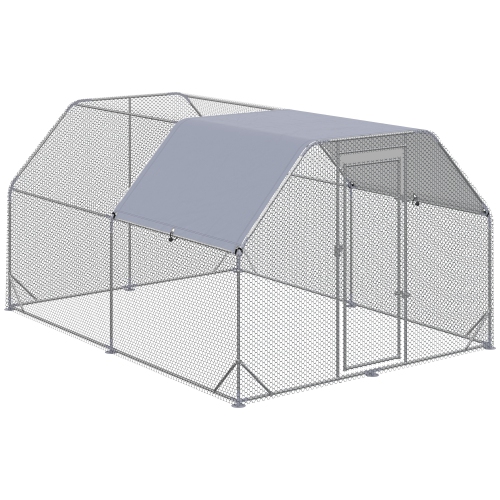
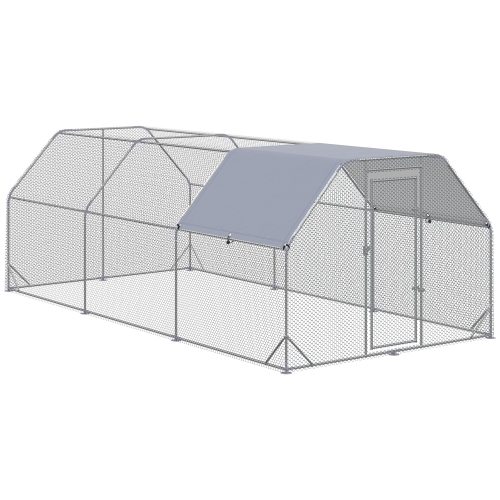
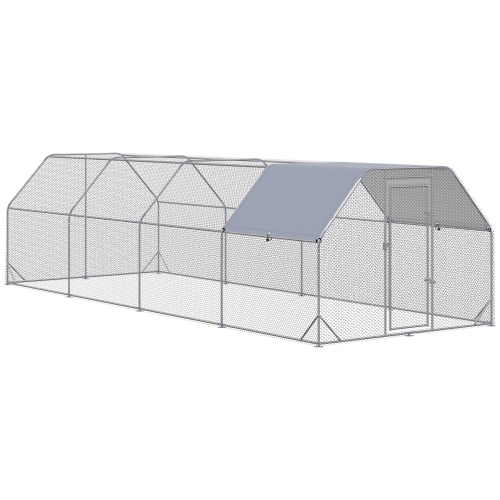
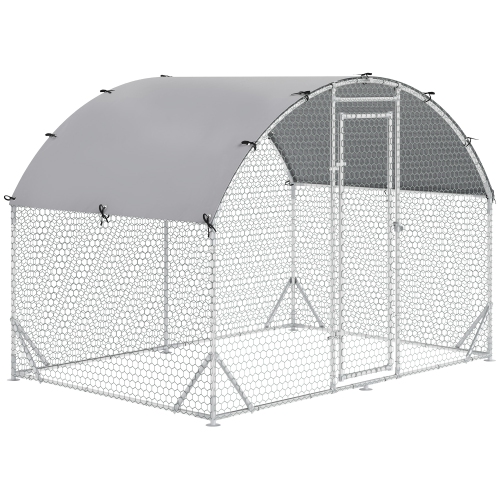
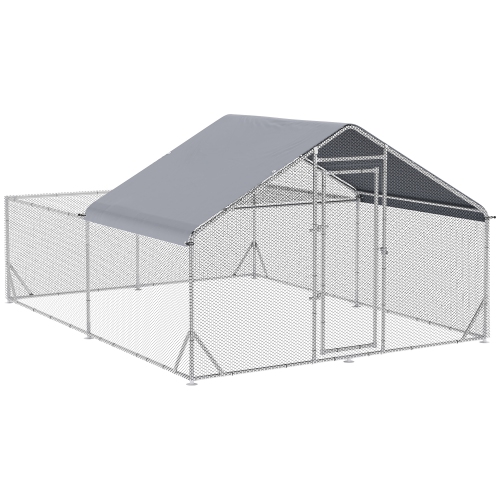
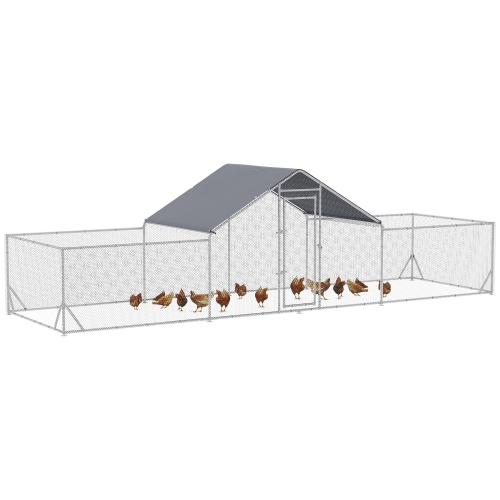
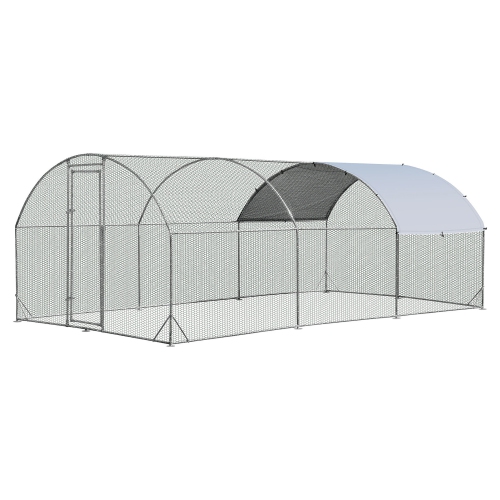
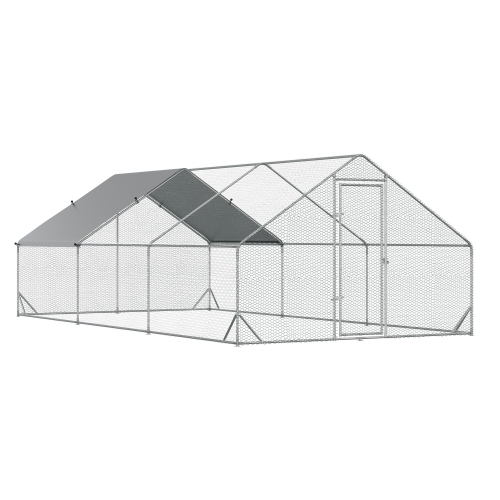
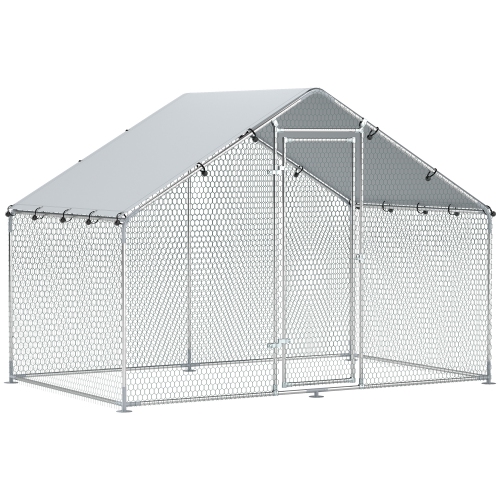
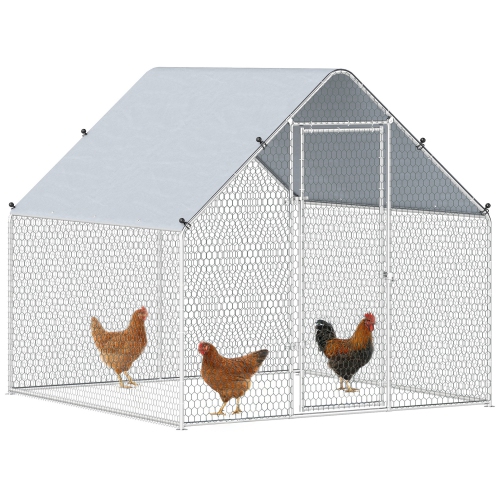
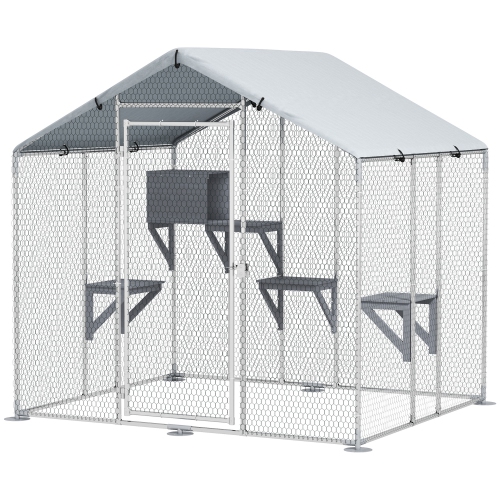
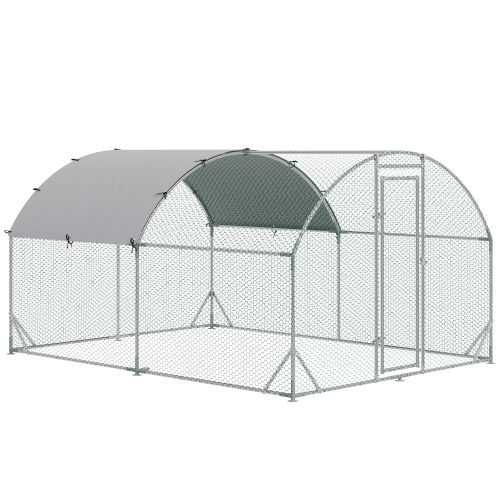
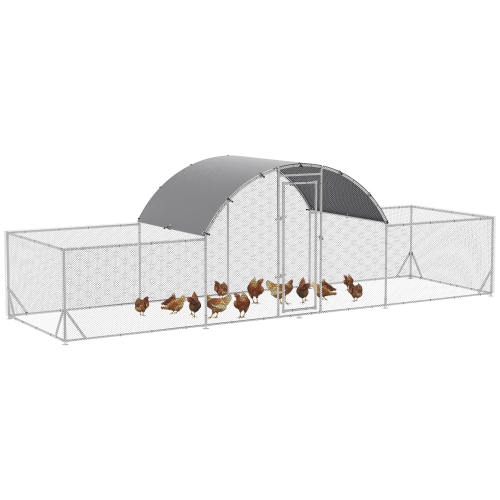
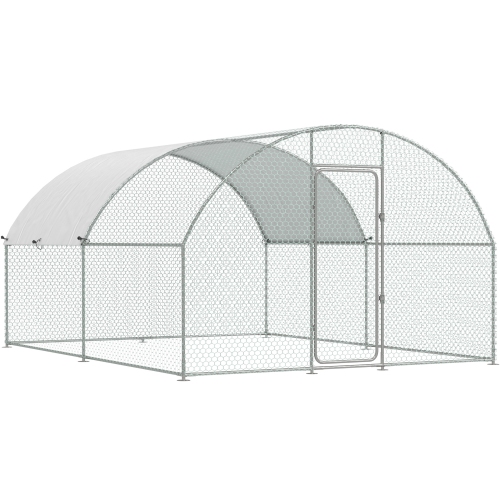
Metal chicken coops are poultry enclosures built around metal framing, usually with wire-mesh sides that keep a flock within a defined outdoor space. Many have a walk-in design, giving keepers room to carry feed, refill water containers, collect scattered bedding, and check on birds without crouching through a small access door. The term can describe either a complete housing structure or an enclosed run, and that distinction matters: a mesh-sided run provides space for daytime activity, but it does not automatically include the enclosed sleeping quarters, laying boxes, and roosting perches chickens need. A practical setup often pairs a metal run with a separate shelter, connected so birds can move between the two without crossing an unprotected gap. For a broader view of housing styles, the Chicken Coop collection brings the overall category into focus. Metal designs can suit backyard egg keepers, hobby farms, and households expanding an existing poultry area, provided the layout matches both the flock and the property. Rectangular footprints can make good use of space beside an established shelter, while wider enclosures offer more flexibility for separating feeding, drinking, and scratching areas. A tall centre section is useful for an adult carrying a bucket, although the doorway and sloping edges may offer less clearance than the maximum height suggests. Door placement is just as important as overall size. An entrance facing a clear path makes daily access easier, whereas a door opening against a fence or directly into a feeder can turn a simple chore into an awkward squeeze. The most useful arrangement leaves room to enter, close the gate securely, and move around without stepping over equipment or crowding the birds. Visibility through the mesh also makes it easier to notice a tipped waterer, an empty feeder, or a hen lingering apart from the flock before entering the enclosure.
The durability of a metal chicken coop depends on its frame, mesh, connections, and protective finish rather than on the word “metal” alone. Galvanized steel has a zinc coating that helps resist corrosion, but it is not rust-proof, especially where the coating has been damaged or at exposed cut edges. Painted or powder-coated parts also benefit from careful handling during assembly so their finish remains intact. Frame tube dimensions, wall thickness, bracing, and joint design all contribute to rigidity; a large footprint does not necessarily mean a stronger structure. Securely fitted connectors help keep the enclosure square, while suitable anchoring helps prevent movement. The right anchoring method depends on the base and the manufacturer’s requirements, whether the enclosure sits over soil, a prepared perimeter, or another approved surface. Mesh deserves close attention because it serves a different purpose from the frame. Lightweight poultry wire can help contain chickens, but it should not be assumed to stop determined predators. Properly secured welded hardware cloth with openings appropriate to the birds and local risks can offer a stronger barrier, though the complete installation still matters. Gaps beside hinges, loose mesh along the bottom rail, and poorly attached roof panels can undermine otherwise sturdy materials. Chicks may need a separate protected setup because openings suitable for adult hens can be too large for them. Gates should close flush and have latches that cannot be easily nudged open; an additional locking clip may be useful where compatible with the hardware. Ground-level protection, such as an appropriately installed mesh apron, can help discourage digging beneath the perimeter. Covered roof sections may provide shade and shelter from rain, but a fabric cover is not equivalent to a solid roof or an enclosed henhouse. Cover material, attachment points, drainage, and any stated load limits need to match the intended use. Neither a metal frame nor a covered top alone establishes that a structure is suitable for year-round housing in every Canadian location.
Size is best judged by usable space and the flock’s daily routine, not by a headline bird count. Breed, adult size, flock behaviour, time spent confined, and access to additional outdoor space all affect how an enclosure functions. A run that appears roomy when empty can feel much smaller after adding a shelter, feeder, waterer, dust-bathing area, and perches. Birds need room to move away from one another, and a timid hen should be able to reach food without being trapped in a narrow corner by more assertive flock members. Separate feeding points can help in some layouts, but they cannot make up for insufficient space. The surrounding property matters too: local bylaws may govern whether chickens are permitted, flock limits, setbacks, and placement of poultry structures. Once installed, everyday care is easier when the entrance accommodates cleaning tools and the interior has no inaccessible pockets where droppings and spilled feed accumulate. Ground surfaces should support drainage and a manageable cleaning routine, with bedding or other footing selected for the housing arrangement. Metal framing does not absorb waste in the same way as untreated timber, but joints, mesh intersections, and bottom rails still collect debris. Regular removal of soiled material, cleaning with products suitable for poultry housing, and drying where practical help keep the structure serviceable. Feed is better kept in a separate secure container than left exposed around the run, where spills can attract pests. Routine checks should include loose fasteners, bent mesh, sharp wire ends, damaged coatings, and gate alignment. A latch that once closed smoothly may need adjustment if the base settles, and any replacement mesh should be attached without leaving protruding ends within reach of birds or hands. For households sharing poultry chores, a straightforward entrance, reachable fittings, and a clear walking route make the enclosure more comfortable to use. A well-matched metal chicken coop supports those ordinary moments: carrying in fresh water, watching hens scratch through their allotted space, and closing a properly fitted gate after the daily checks.
The durability of a metal chicken coop depends on its frame, mesh, connections, and protective finish rather than on the word “metal” alone. Galvanized steel has a zinc coating that helps resist corrosion, but it is not rust-proof, especially where the coating has been damaged or at exposed cut edges. Painted or powder-coated parts also benefit from careful handling during assembly so their finish remains intact. Frame tube dimensions, wall thickness, bracing, and joint design all contribute to rigidity; a large footprint does not necessarily mean a stronger structure. Securely fitted connectors help keep the enclosure square, while suitable anchoring helps prevent movement. The right anchoring method depends on the base and the manufacturer’s requirements, whether the enclosure sits over soil, a prepared perimeter, or another approved surface. Mesh deserves close attention because it serves a different purpose from the frame. Lightweight poultry wire can help contain chickens, but it should not be assumed to stop determined predators. Properly secured welded hardware cloth with openings appropriate to the birds and local risks can offer a stronger barrier, though the complete installation still matters. Gaps beside hinges, loose mesh along the bottom rail, and poorly attached roof panels can undermine otherwise sturdy materials. Chicks may need a separate protected setup because openings suitable for adult hens can be too large for them. Gates should close flush and have latches that cannot be easily nudged open; an additional locking clip may be useful where compatible with the hardware. Ground-level protection, such as an appropriately installed mesh apron, can help discourage digging beneath the perimeter. Covered roof sections may provide shade and shelter from rain, but a fabric cover is not equivalent to a solid roof or an enclosed henhouse. Cover material, attachment points, drainage, and any stated load limits need to match the intended use. Neither a metal frame nor a covered top alone establishes that a structure is suitable for year-round housing in every Canadian location.
Size is best judged by usable space and the flock’s daily routine, not by a headline bird count. Breed, adult size, flock behaviour, time spent confined, and access to additional outdoor space all affect how an enclosure functions. A run that appears roomy when empty can feel much smaller after adding a shelter, feeder, waterer, dust-bathing area, and perches. Birds need room to move away from one another, and a timid hen should be able to reach food without being trapped in a narrow corner by more assertive flock members. Separate feeding points can help in some layouts, but they cannot make up for insufficient space. The surrounding property matters too: local bylaws may govern whether chickens are permitted, flock limits, setbacks, and placement of poultry structures. Once installed, everyday care is easier when the entrance accommodates cleaning tools and the interior has no inaccessible pockets where droppings and spilled feed accumulate. Ground surfaces should support drainage and a manageable cleaning routine, with bedding or other footing selected for the housing arrangement. Metal framing does not absorb waste in the same way as untreated timber, but joints, mesh intersections, and bottom rails still collect debris. Regular removal of soiled material, cleaning with products suitable for poultry housing, and drying where practical help keep the structure serviceable. Feed is better kept in a separate secure container than left exposed around the run, where spills can attract pests. Routine checks should include loose fasteners, bent mesh, sharp wire ends, damaged coatings, and gate alignment. A latch that once closed smoothly may need adjustment if the base settles, and any replacement mesh should be attached without leaving protruding ends within reach of birds or hands. For households sharing poultry chores, a straightforward entrance, reachable fittings, and a clear walking route make the enclosure more comfortable to use. A well-matched metal chicken coop supports those ordinary moments: carrying in fresh water, watching hens scratch through their allotted space, and closing a properly fitted gate after the daily checks.
Top selling and popular products
-
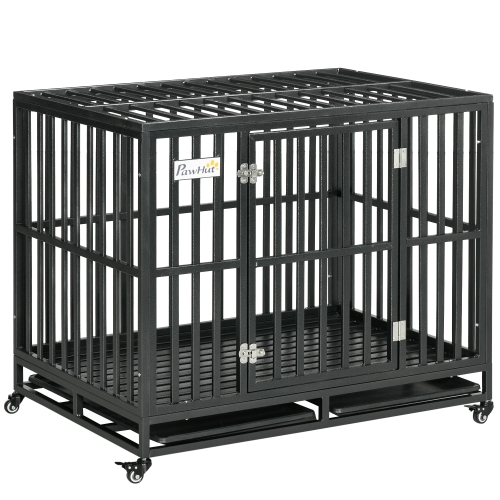 Your price for this item is $229.99
 -
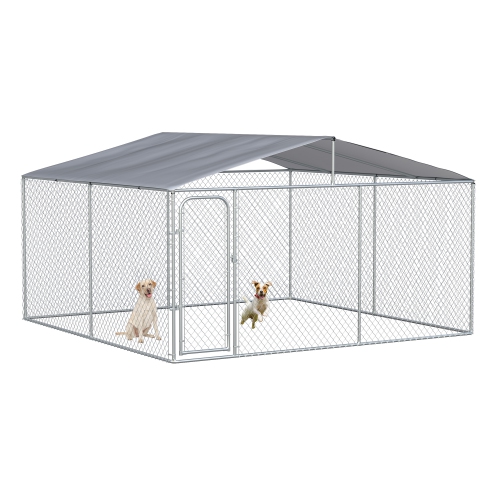 Your price for this item is $499.99
 -
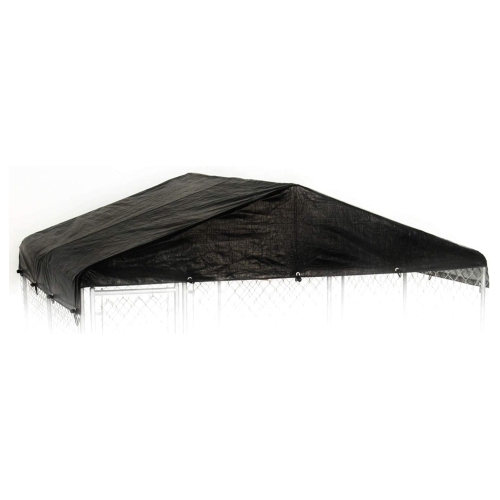 Your price for this item is $702.99
 -
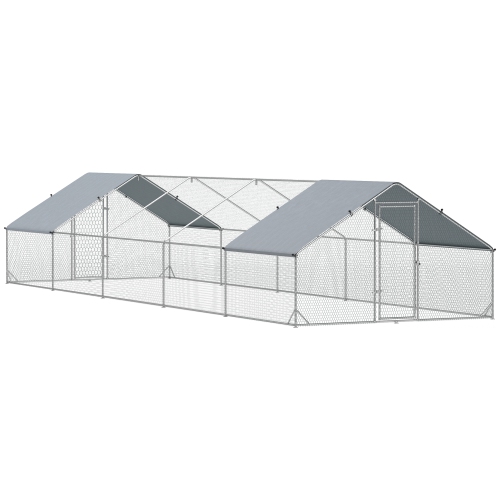 Your price for this item is $479.99
 -
 Your price for this item is $216.99
 -
 Your price for this item is $239.99
 -
 Your price for this item is $269.99
 -
 Your price for this item is $279.99
Discover more categories related to Metal Chicken Coop
Top Collections:
Pokemon Centers, Budget 4K TVs, Best Budget Office Chairs, Kindle Devices, Canon G7X Cameras, Apple iPhones 16, iPhone 15 Apple, Laptops for Business Work, Xiaomi Phones, Flip Phones
Some products may be subject to Environmental Handling Fees
(EHF) depending on your province.
Learn more about EHFs.