Chicken Coop
Create a cozy and comfortable space for your feathered friends with our selection of chicken coops. Whether you're a seasoned farmer or just starting your backyard flock, our range of chicken coops offers the perfect housing solution for your poultry. From compact designs ideal for urban settings to spacious options suitable for larger flocks, our collection ensures that your chickens have a secure and well-ventilated home. Discover a variety of styles and features to suit your needs, ensuring that your chickens are happy, healthy, and safe.
Sort
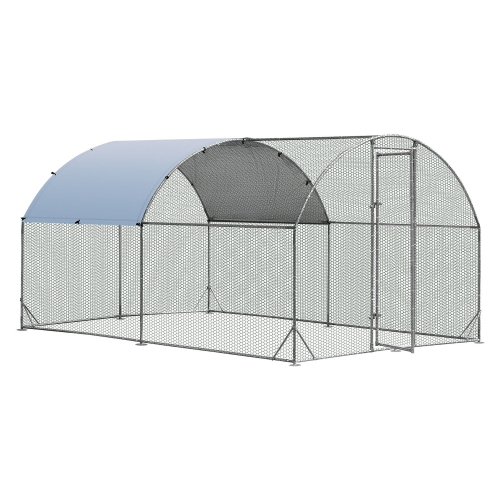
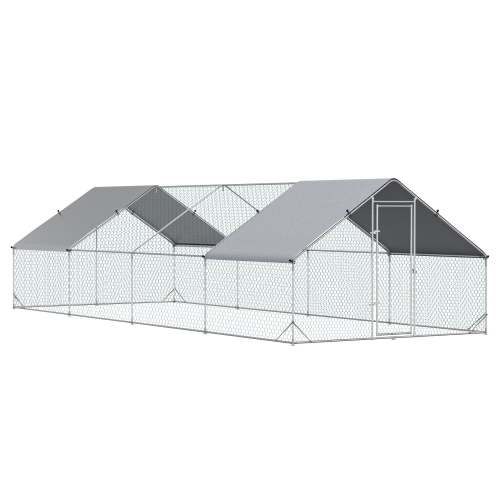
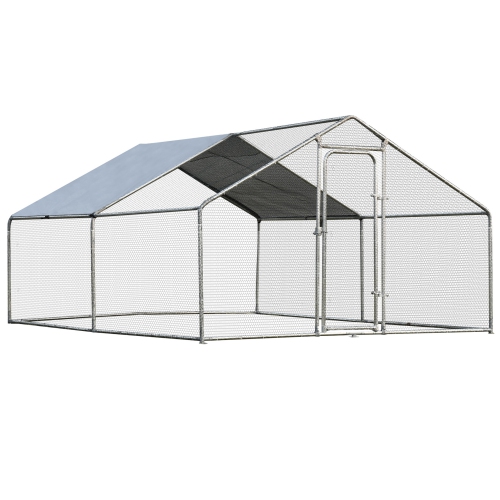
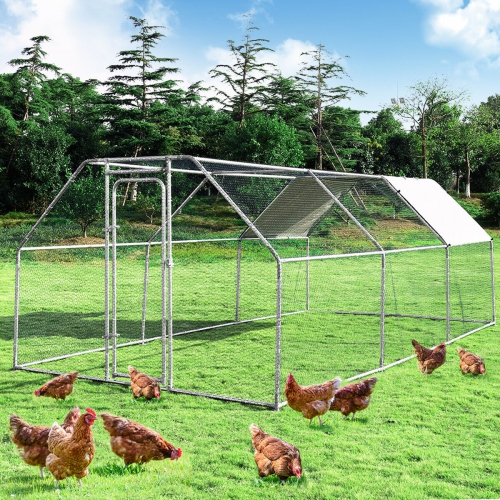
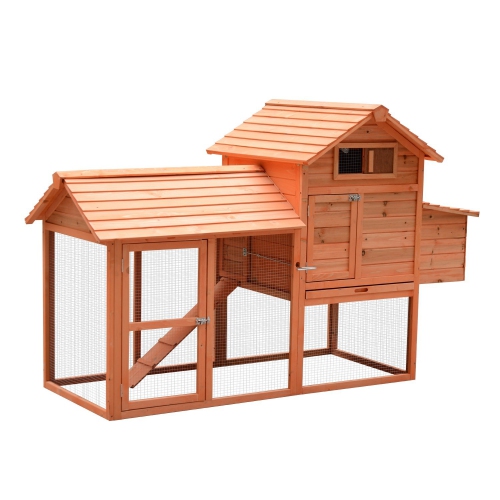
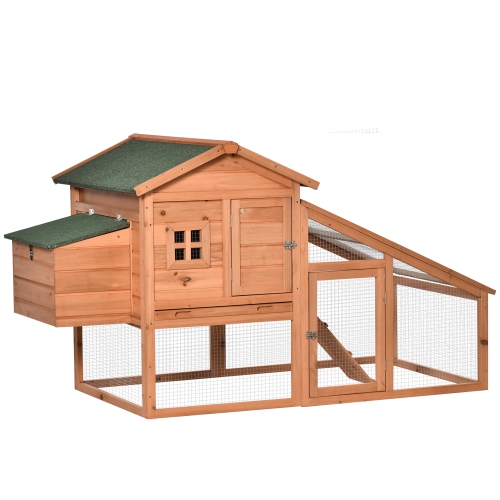
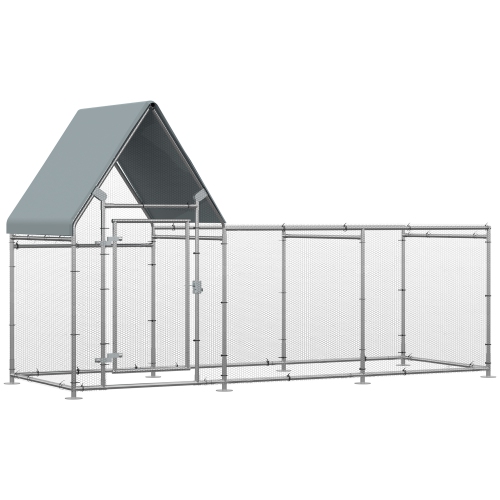
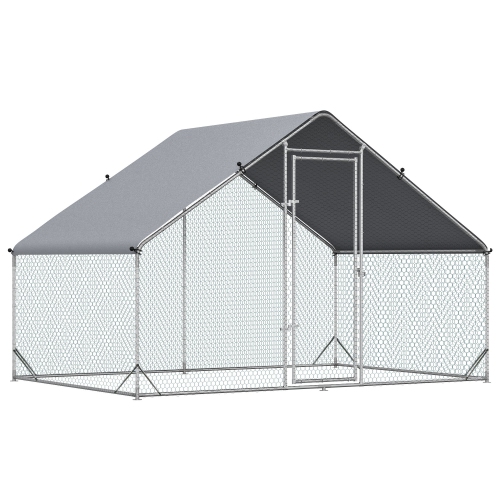
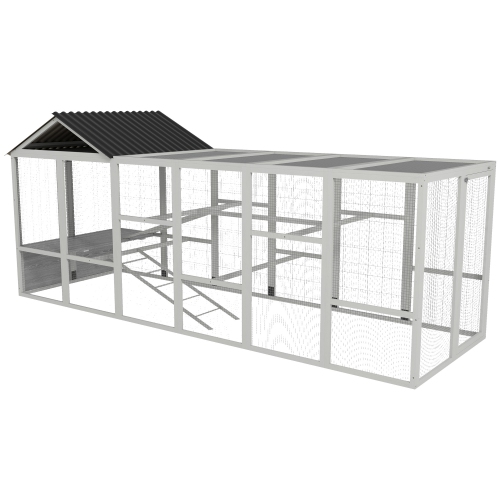
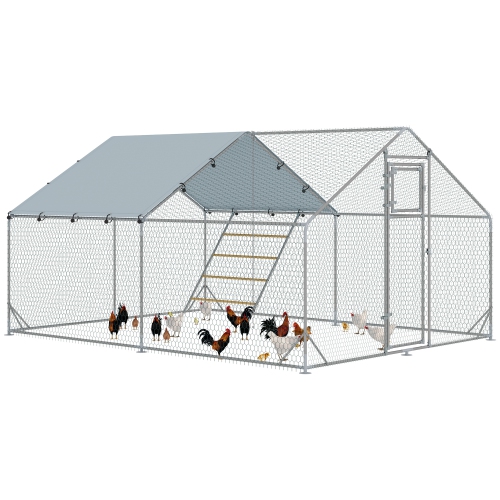
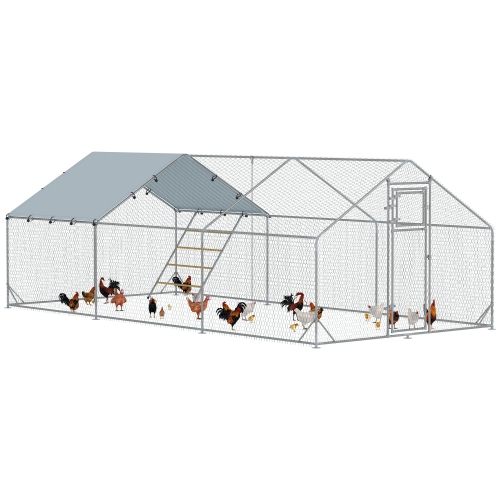
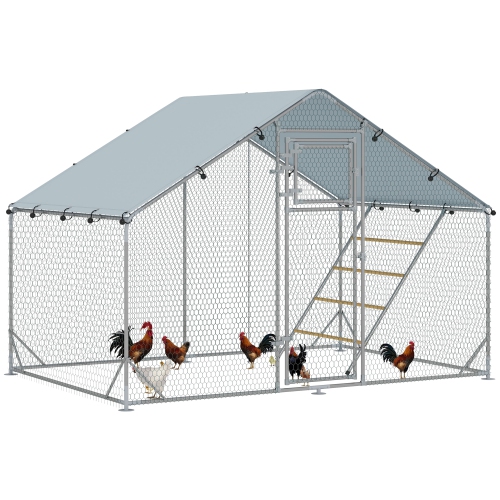
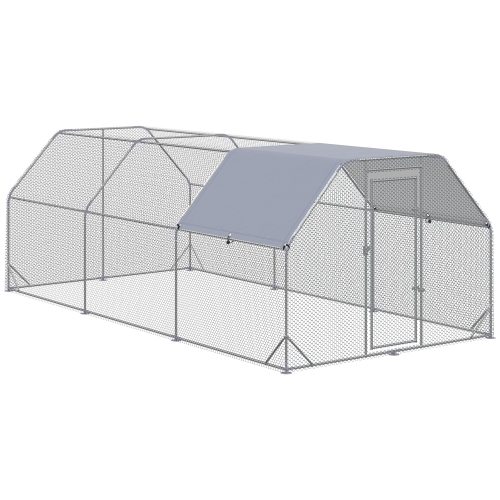
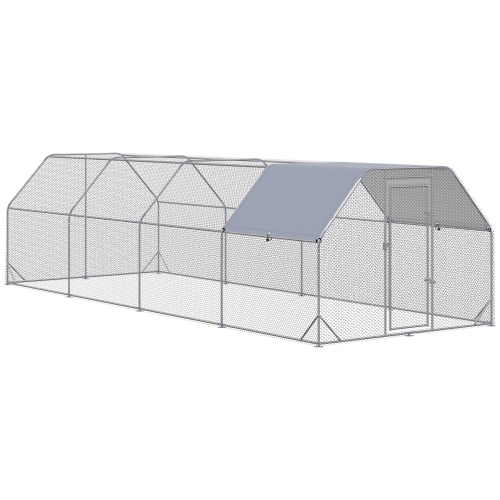
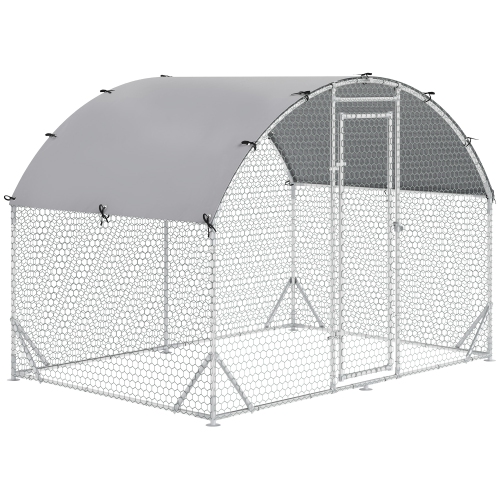
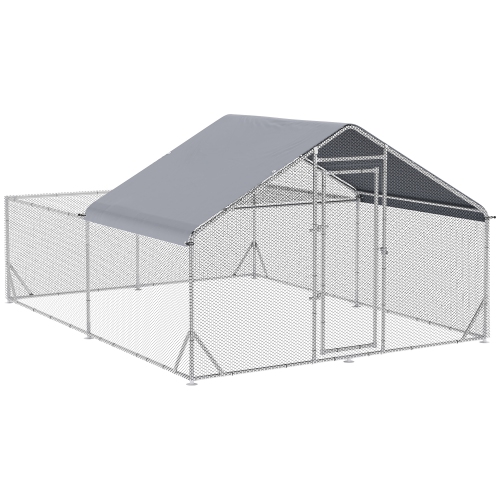
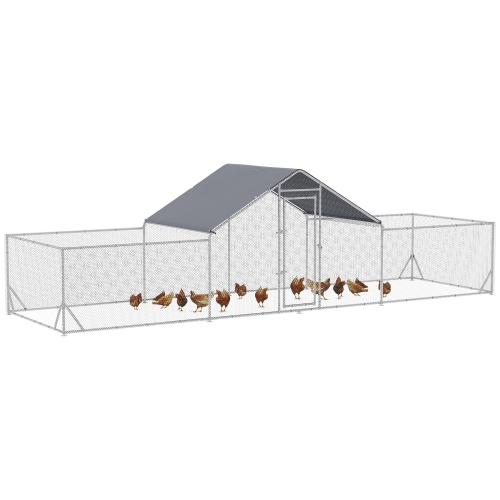
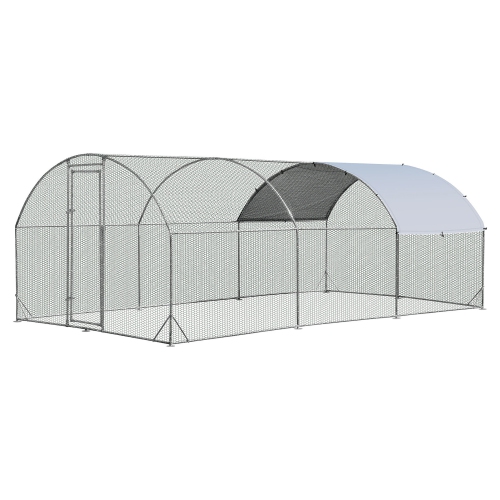

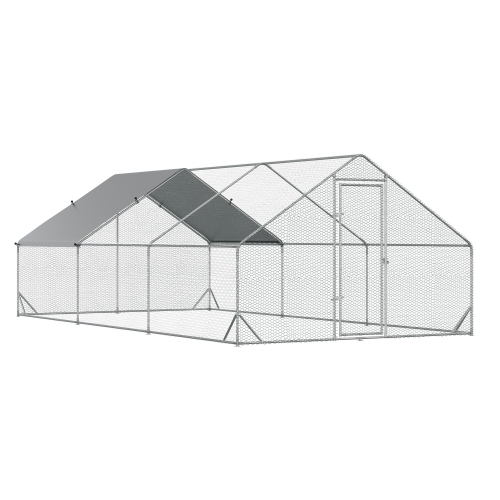
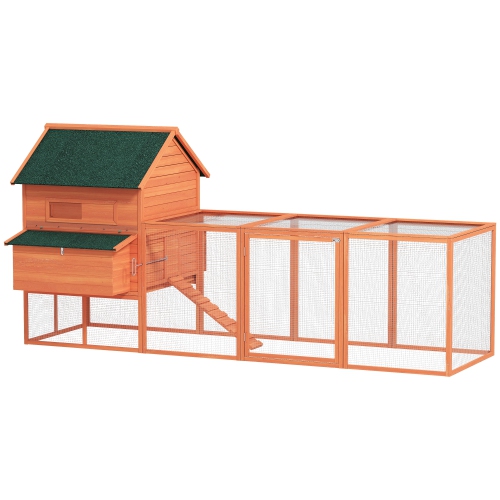
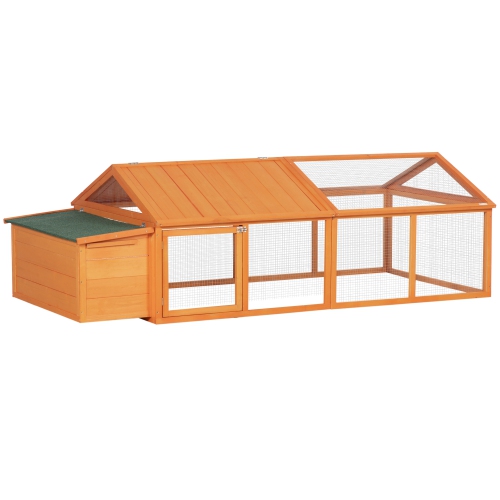
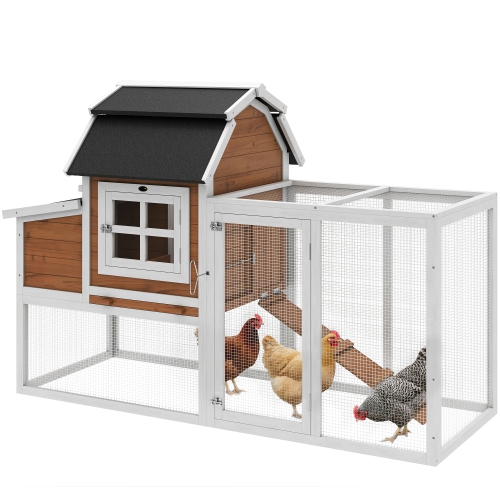
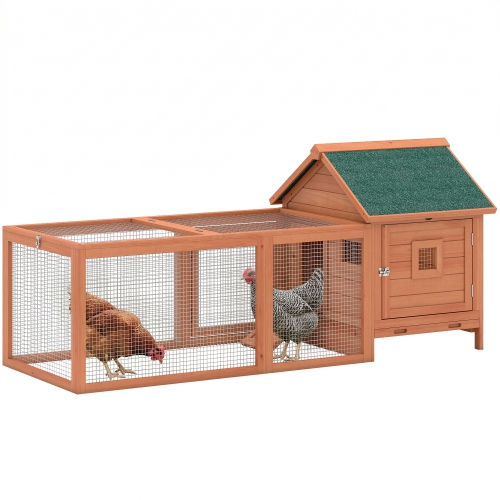
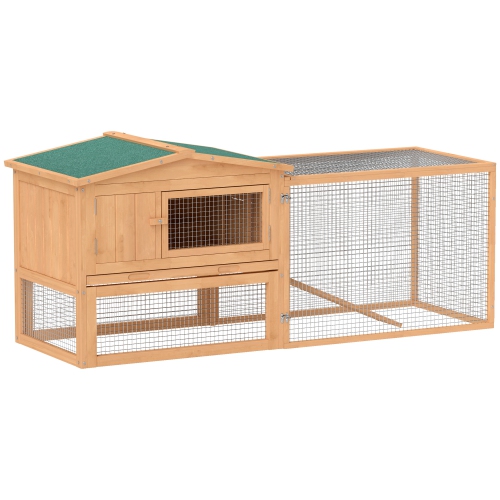
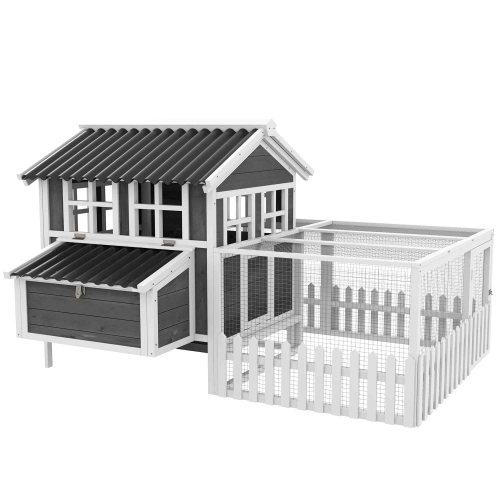
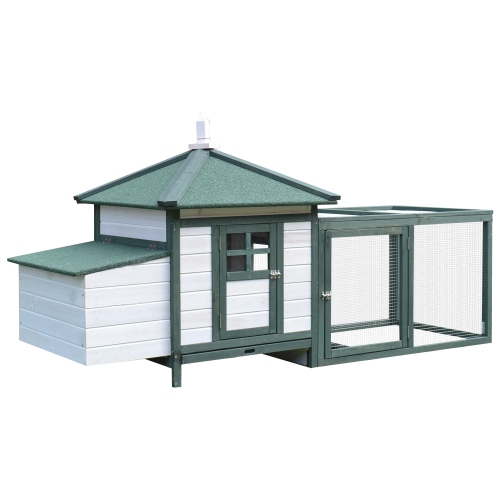
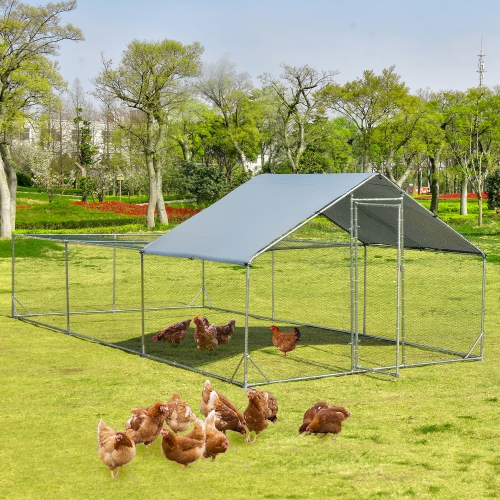
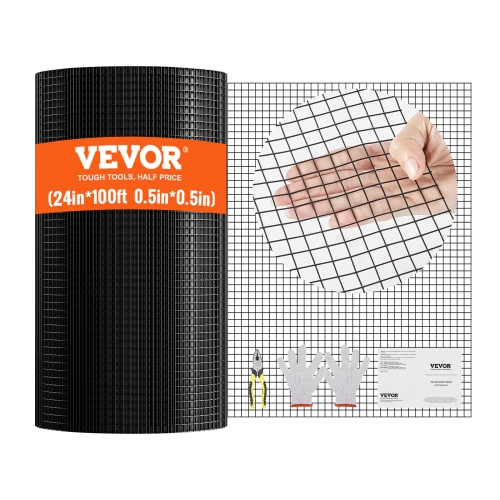

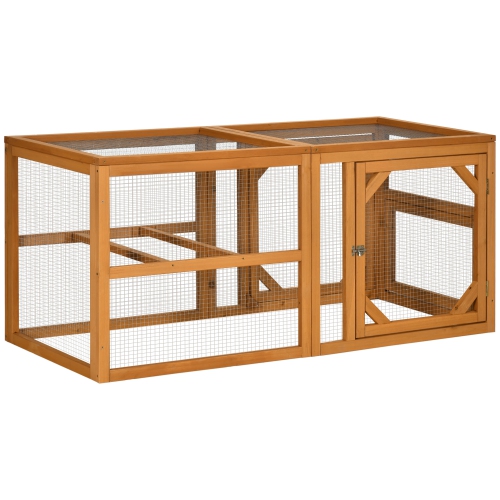
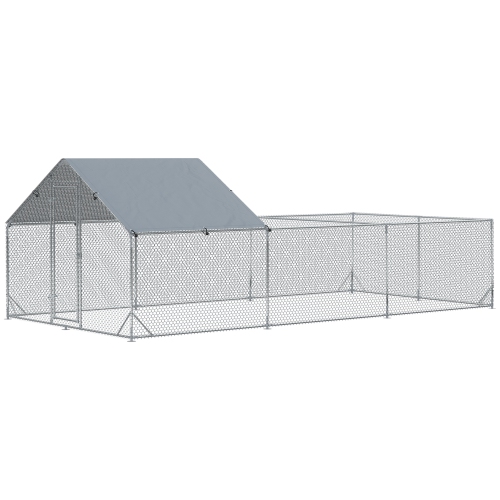
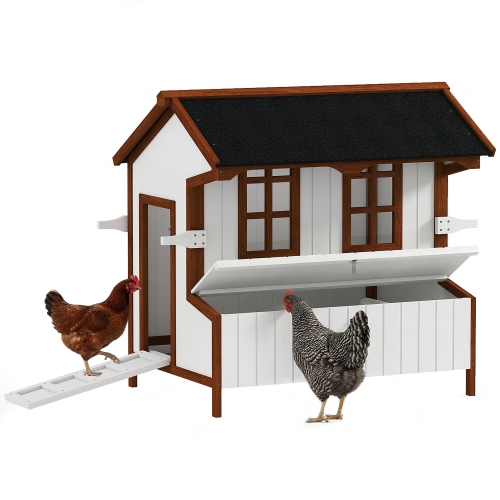
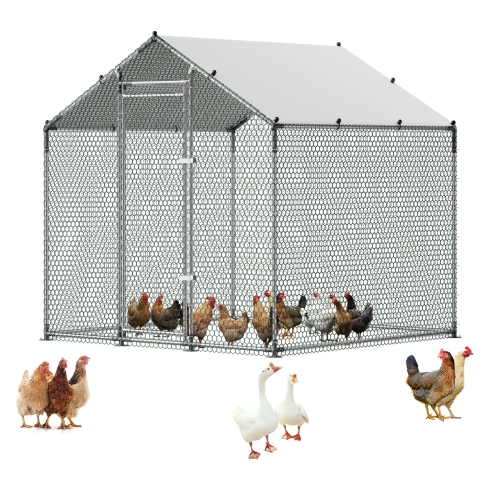
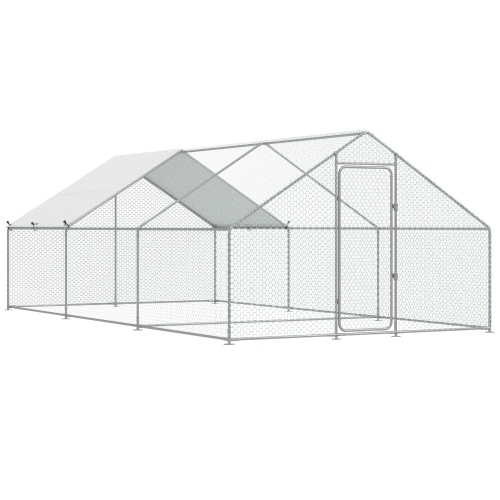
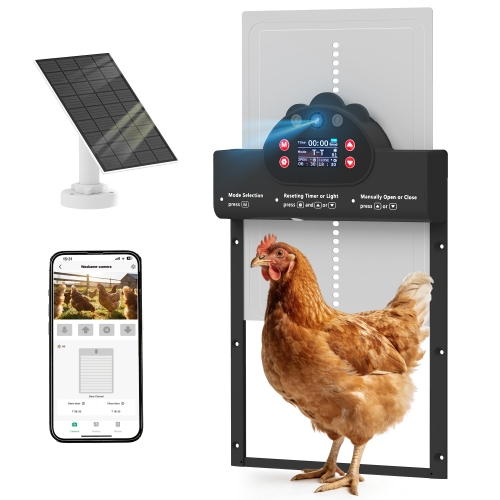
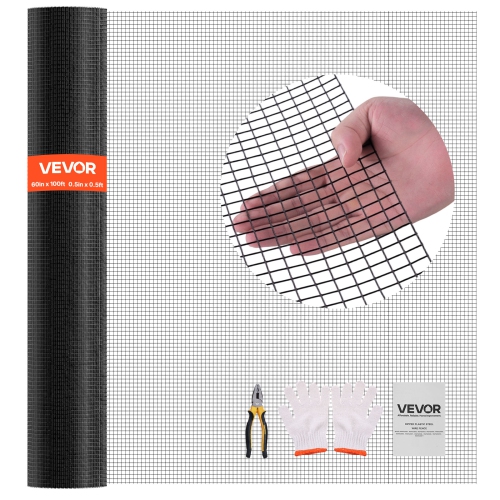

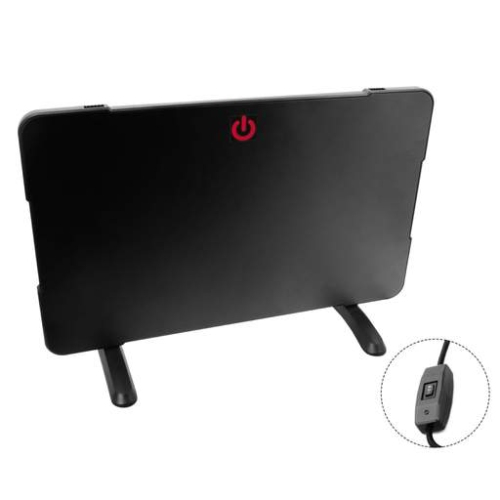
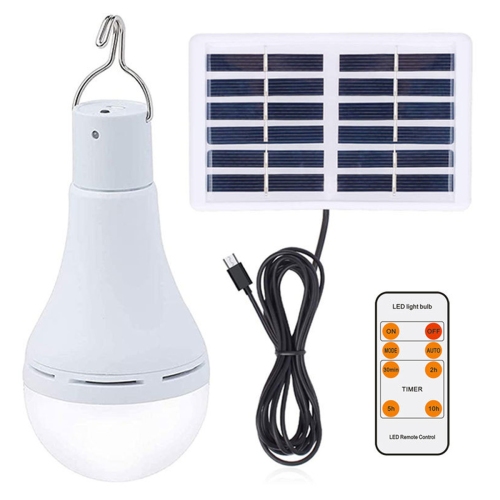

The essentials of a secure, comfortable home for hens
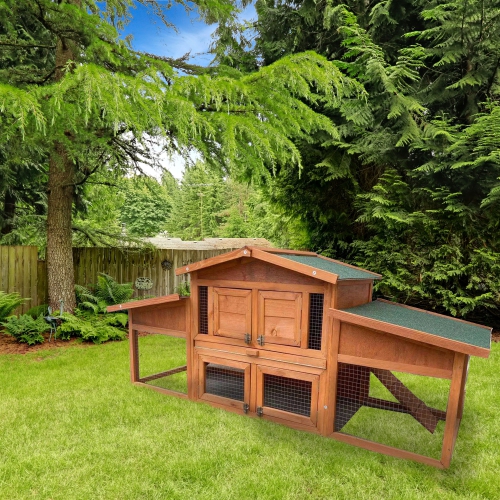
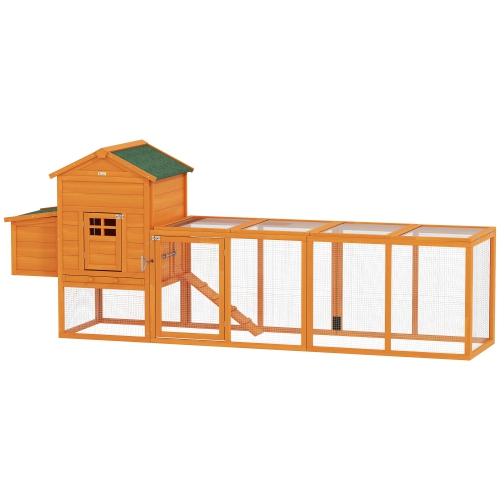
A chicken coop provides chickens with a secure, sheltered place to sleep, lay eggs, and take refuge from rain, wind, snow, and predators. For backyard keepers, choosing the right coop starts with the number of birds and the space available in the yard. As a general guide, allow at least 3 to 4 square feet of indoor floor space per chicken, along with 8 to 10 square feet of outdoor run space per bird. A flock of six hens, for example, needs a minimum of about 24 square feet inside the coop and 48 to 60 square feet in its outdoor run, with additional room helpful if the birds will spend extended periods indoors during poor weather. A well-designed coop should include elevated roosting bars where chickens can sleep comfortably off the floor, secure nesting boxes for laying eggs, and enough access points for routine cleaning and feeding. One nesting box for every three to four hens is a practical starting point, although extra boxes can help prevent crowding when several hens want to lay at the same time. Look for construction that feels sturdy, with smooth surfaces that are easy to wipe down and doors that close firmly. A raised floor can help keep bedding dry, while a roof with adequate overhang helps direct rain away from entrances and walls. Whether you are setting up a small backyard flock or expanding an established chicken-keeping area, the coop should make everyday care straightforward from the first morning inspection to the evening lockup.
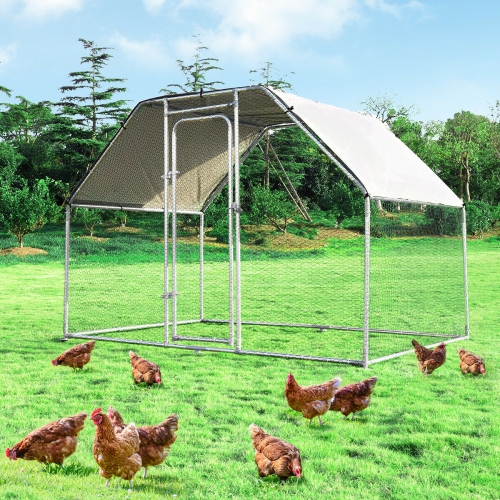
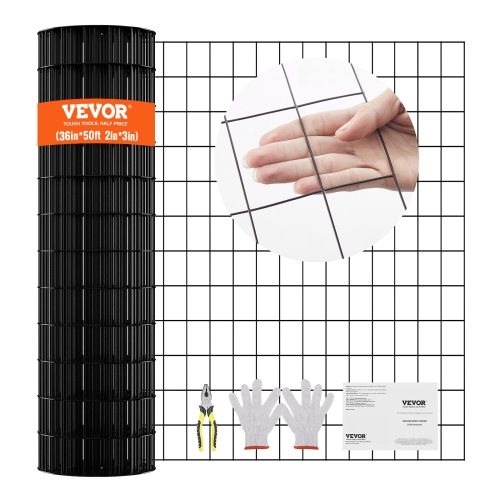
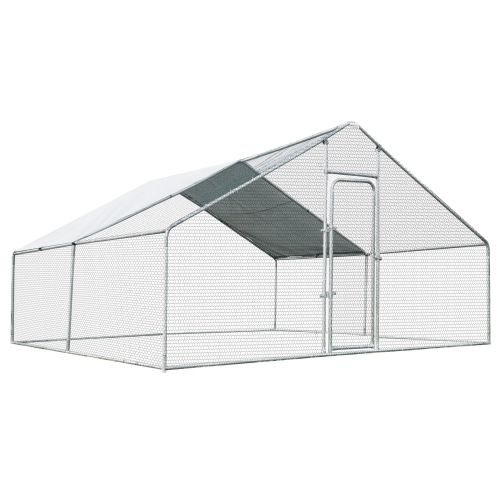
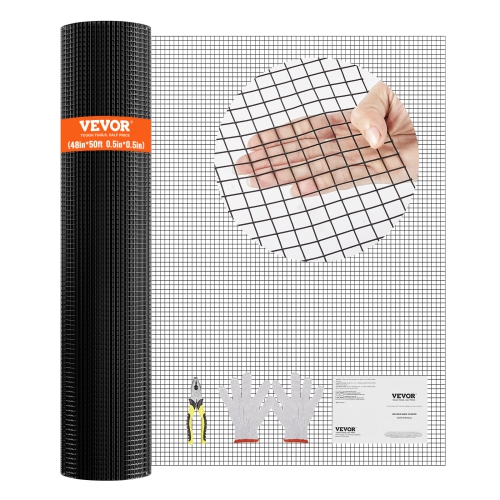
Ventilation is one of the most important features to consider when comparing chicken coops. Chickens produce moisture as they breathe, and damp bedding can contribute to unpleasant odours and an unhealthy environment. Vents positioned high on the walls allow warm, moist air to escape without creating a cold draft directly across the roosting area. Openings should be covered with high-strength hardware cloth rather than relying on lightweight chicken wire, which may not stop determined predators. Secure latches are equally important, particularly for coops in areas where raccoons, foxes, coyotes, skunks, or other wildlife may be present. A good enclosure should have doors and access panels that can be fastened tightly, with mesh fixed firmly to the frame instead of simply stapled where it can be pulled loose. Consider how the coop will be positioned: a level location with good drainage is preferable, and some shade can help keep the interior more comfortable as the weather warms. During cooler months, protection from prevailing wind and driving rain becomes more important, but the coop should still have sufficient airflow. The outdoor area also deserves careful planning. A covered run, such as the options found in Chicken Runs With Roof, can give birds room to scratch, peck, and move around while providing added protection from precipitation and overhead threats. Check the size, access, mesh strength, roof design, and compatibility with the coop before making a selection, and leave enough clearance to open doors, collect eggs, change bedding, and refill food and water without awkward reaching.
Chicken coops can suit first-time keepers, families introducing children to daily animal care, hobby farmers, and experienced poultry owners who need a dependable home for a small flock. They can also be a thoughtful gift for someone with suitable outdoor space and a genuine interest in keeping hens, although the recipient should already be prepared for the ongoing responsibilities involved. Chickens need fresh water, appropriate feed, clean bedding, regular health checks, and protection every night, so a coop is best viewed as the foundation of a complete setup rather than a standalone purchase. Before choosing one, measure the intended location and compare the interior dimensions with the mature size and number of birds you plan to keep. Pay attention to door width, removable trays or panels, nesting-box access, and whether the design can be assembled and maintained comfortably. A coop that looks compact in a listing may feel difficult to clean if the openings are small or the roofline is low. Think about the daily rhythm, too: collecting warm eggs in the early morning, checking bedding after a wet spell, and securing the doors before dusk are much easier when the layout is practical. Local bylaws, property rules, and animal-care requirements may also affect where a coop can be placed and how many hens are permitted. With the right amount of space, reliable ventilation, predator-resistant construction, and a protected run, a chicken coop can create a calm, orderly home for backyard chickens through changing weather and the seasons ahead.
Ventilation is one of the most important features to consider when comparing chicken coops. Chickens produce moisture as they breathe, and damp bedding can contribute to unpleasant odours and an unhealthy environment. Vents positioned high on the walls allow warm, moist air to escape without creating a cold draft directly across the roosting area. Openings should be covered with high-strength hardware cloth rather than relying on lightweight chicken wire, which may not stop determined predators. Secure latches are equally important, particularly for coops in areas where raccoons, foxes, coyotes, skunks, or other wildlife may be present. A good enclosure should have doors and access panels that can be fastened tightly, with mesh fixed firmly to the frame instead of simply stapled where it can be pulled loose. Consider how the coop will be positioned: a level location with good drainage is preferable, and some shade can help keep the interior more comfortable as the weather warms. During cooler months, protection from prevailing wind and driving rain becomes more important, but the coop should still have sufficient airflow. The outdoor area also deserves careful planning. A covered run, such as the options found in Chicken Runs With Roof, can give birds room to scratch, peck, and move around while providing added protection from precipitation and overhead threats. Check the size, access, mesh strength, roof design, and compatibility with the coop before making a selection, and leave enough clearance to open doors, collect eggs, change bedding, and refill food and water without awkward reaching.
Chicken coops can suit first-time keepers, families introducing children to daily animal care, hobby farmers, and experienced poultry owners who need a dependable home for a small flock. They can also be a thoughtful gift for someone with suitable outdoor space and a genuine interest in keeping hens, although the recipient should already be prepared for the ongoing responsibilities involved. Chickens need fresh water, appropriate feed, clean bedding, regular health checks, and protection every night, so a coop is best viewed as the foundation of a complete setup rather than a standalone purchase. Before choosing one, measure the intended location and compare the interior dimensions with the mature size and number of birds you plan to keep. Pay attention to door width, removable trays or panels, nesting-box access, and whether the design can be assembled and maintained comfortably. A coop that looks compact in a listing may feel difficult to clean if the openings are small or the roofline is low. Think about the daily rhythm, too: collecting warm eggs in the early morning, checking bedding after a wet spell, and securing the doors before dusk are much easier when the layout is practical. Local bylaws, property rules, and animal-care requirements may also affect where a coop can be placed and how many hens are permitted. With the right amount of space, reliable ventilation, predator-resistant construction, and a protected run, a chicken coop can create a calm, orderly home for backyard chickens through changing weather and the seasons ahead.
Top selling and popular products
-
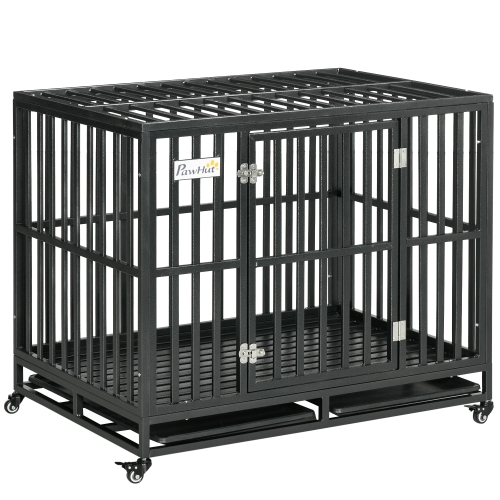 Your price for this item is $229.99
 -
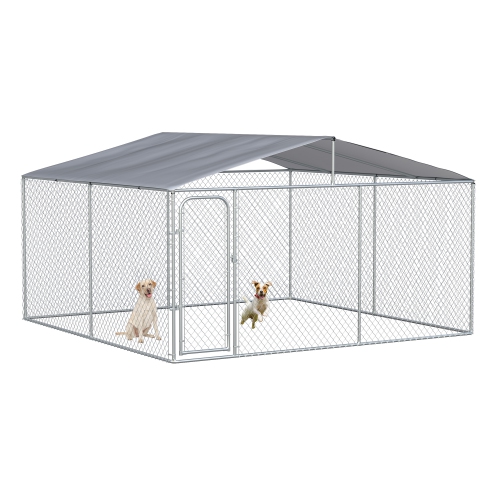 Your price for this item is $499.99
 -
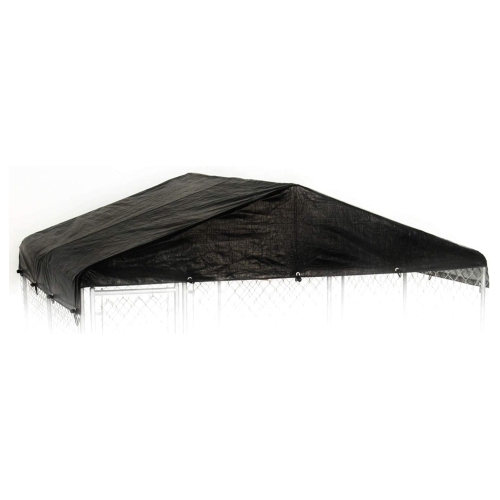 Your price for this item is $702.99
 -
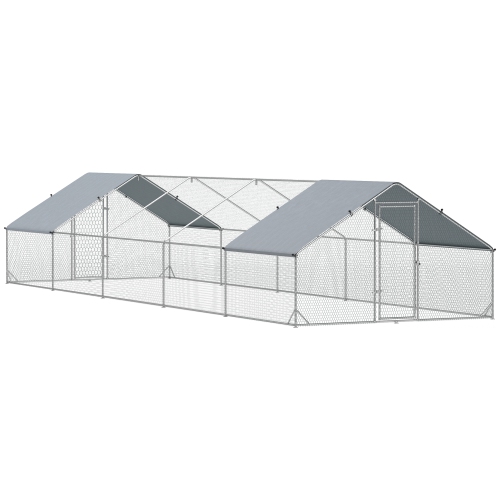 Your price for this item is $479.99
 -
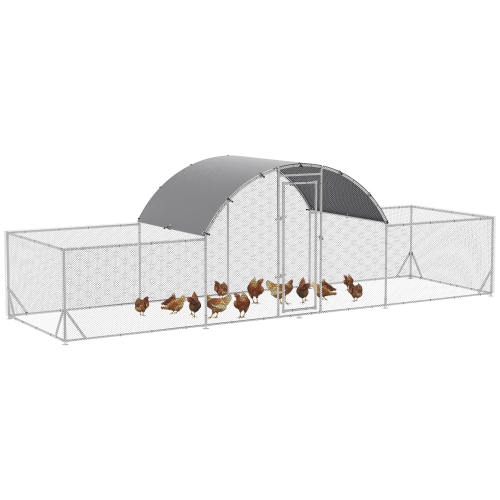 Your price for this item is $216.99
 -
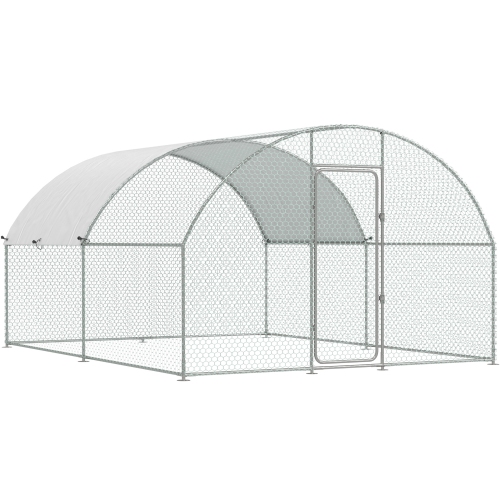 Your price for this item is $239.99
 -
 Your price for this item is $164.99
 -
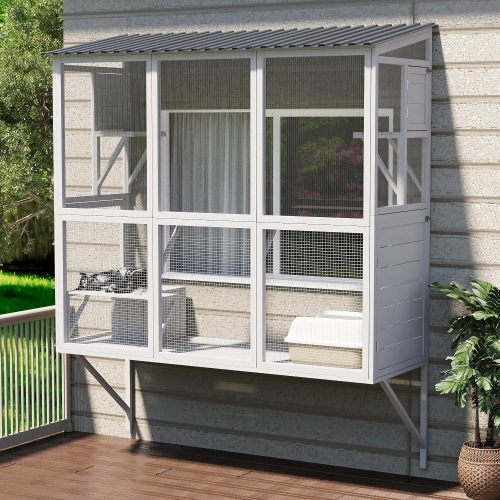 Your price for this item is $269.99
Discover more categories related to Chicken Coop
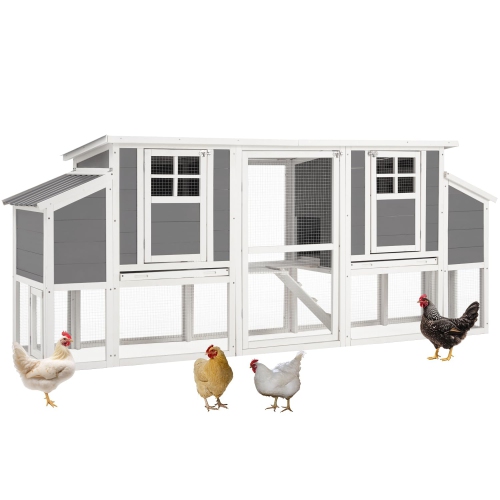
Top Collections:
Pokemon Centers, Budget 4K TVs, Best Budget Office Chairs, Kindle Devices, Canon G7X Cameras, Apple iPhones 16, iPhone 15 Apple, Laptops for Business Work, Xiaomi Phones, Flip Phones
Some products may be subject to Environmental Handling Fees
(EHF) depending on your province.
Learn more about EHFs.