Christmas Baking Pans
Get ready to create festive treats with the perfect selection of Christmas baking pans. Whether you’re planning to bake classic cookies, holiday breads, or decorative cakes, having the right pans makes it easy to bring your favorite seasonal recipes to life. Explore a wide variety of shapes and sizes designed to help you spread holiday cheer and enjoy delicious results with every batch. Find the ideal Christmas baking pans to make your celebrations extra special this year.
Sort
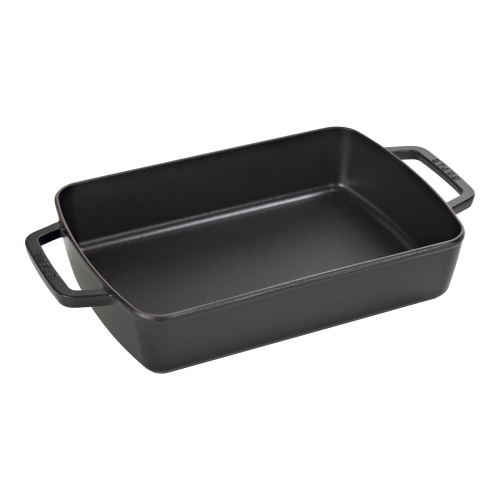
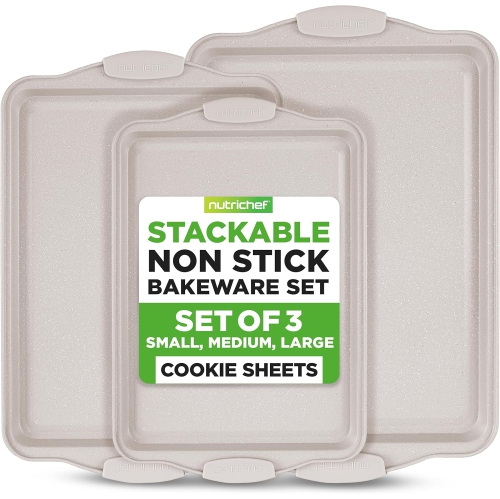
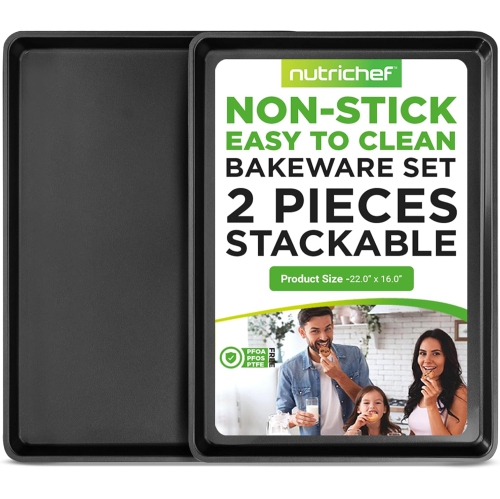
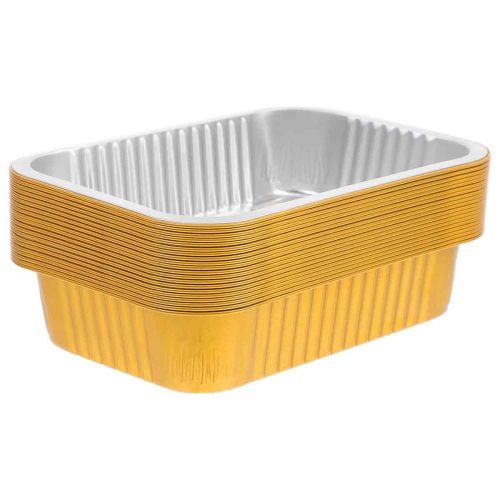
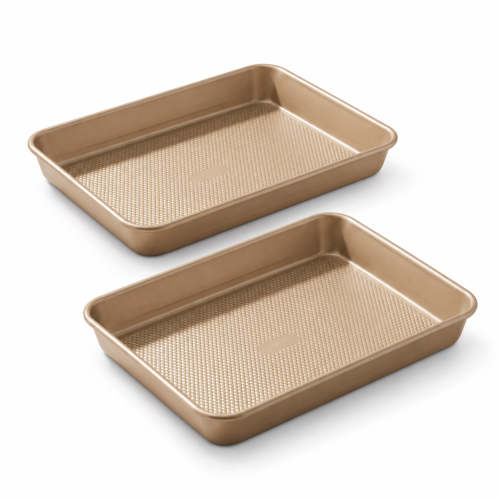
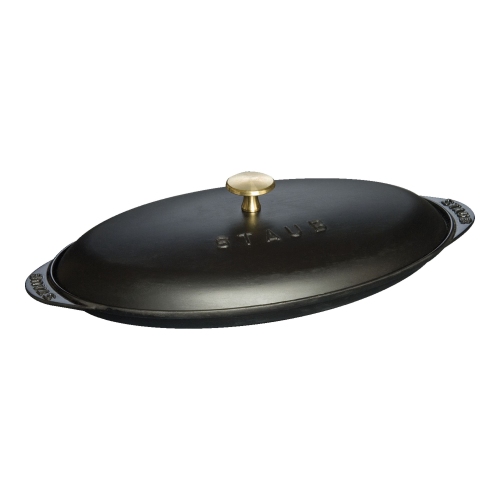

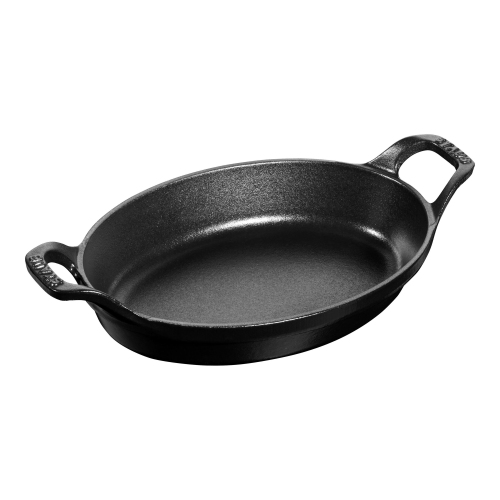

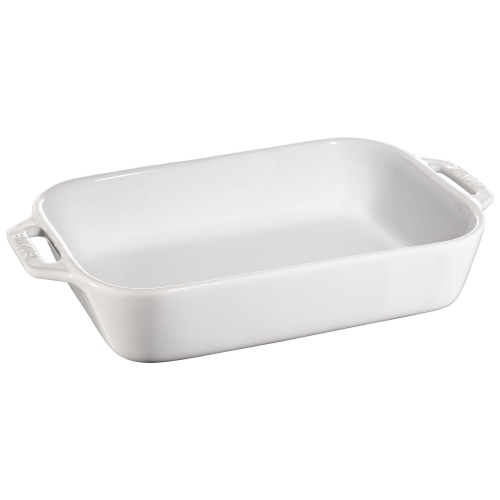
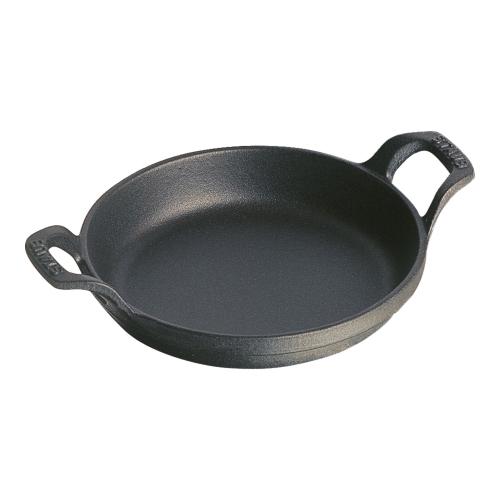

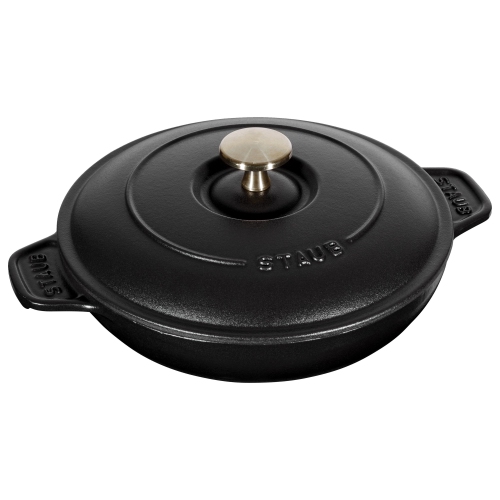
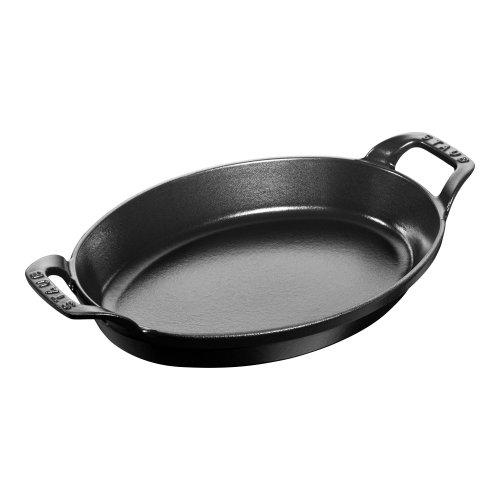
How pan shape and material affect holiday baking
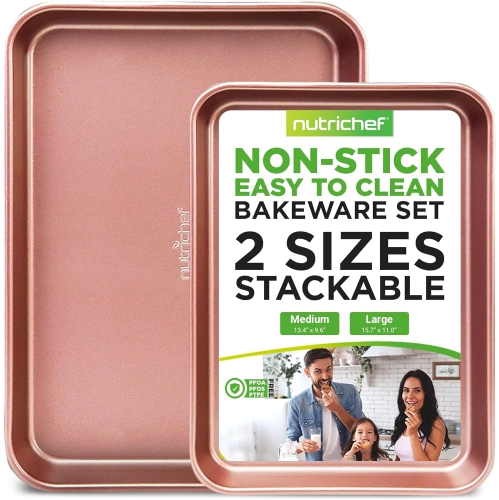
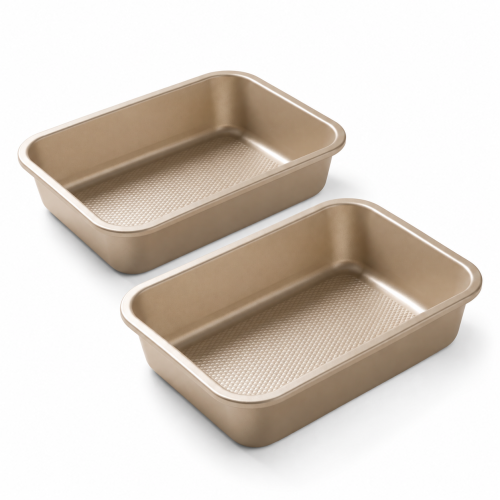
Christmas baking pans include shaped cake moulds, cookie sheets, loaf pans, muffin pans, and oven-safe bakers for holiday desserts. Each shape suits a different kind of baking, from crisp gingerbread biscuits and shortbread to cranberry-orange loaves and cakes finished with a dusting of icing sugar. Festive moulds can turn cake batter into trees, stars, snowflakes, or gingerbread houses, making the shape itself part of the presentation. Simple round, square, and rectangular pans are equally useful for Christmas baking, especially for layered cakes, brownies, bars, and tray bakes that need to be divided into tidy portions. A shallow sheet gives cookies room to spread, while a deeper loaf pan supports taller quick breads with a tender centre. Miniature cavities make individually portioned treats for dessert platters, classroom celebrations where permitted, and homemade gift boxes. For a cookie exchange, several matching sheets can help keep batches consistent; for a family gathering, a larger cake or shareable bake may be a better fit. Pan dimensions matter as much as the festive design. The outside measurements, including handles and extended rims, need to fit the oven rack with space around the sides for heat to circulate. Interior dimensions and batter capacity determine whether a recipe will fill the pan properly, particularly with detailed moulds or unusually shaped cavities. A pan that looks similar in size to a standard cake tin may hold a different amount of batter. Using the recipe’s recommended size, or a manufacturer’s tested recipe for a specialty shape, helps prevent overflowing edges and an underbaked centre. For smaller ovens, compact pans can be easier to position and lift without crowding the cavity. The most useful choice is one that matches both the finished treat and the way it will be served, whether that means neat slices, individual cakes, or a centrepiece brought whole to the table.
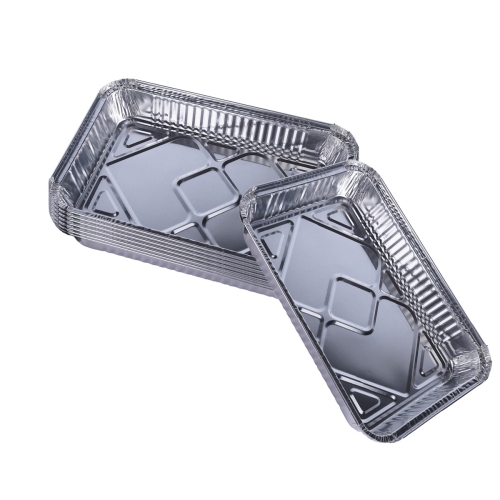
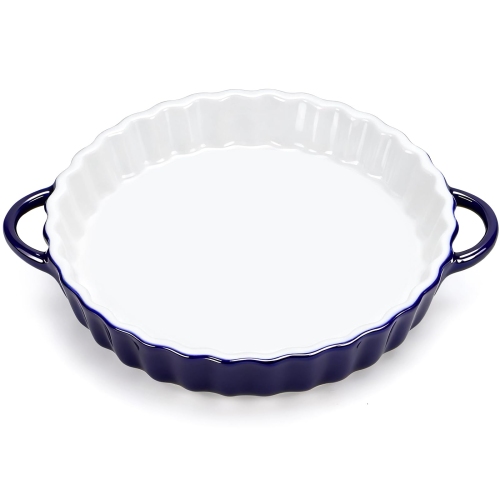
Material affects how Christmas baking pans heat, brown, release, and stand up to repeated use. Light-coloured aluminum heats readily and is a familiar choice for cookies, cakes, and quick breads where even browning matters. Heavier cast aluminum can capture fine details in shaped cake moulds, although the finished pattern still depends on suitable batter and thorough preparation. Steel pans offer a sturdy feel, and their baking performance varies with thickness, finish, and construction. Dark metal surfaces generally brown the areas touching the pan more quickly than light-coloured surfaces, so a pale shortbread recipe may behave differently when moved between them. Non-stick coatings can make release and cleanup easier, but they still need the preparation specified by the pan maker and the recipe. Silicone bakeware is flexible, which can help when removing small cakes or intricate shapes, though browning may be lighter than with metal. Flexible moulds often need a rigid baking sheet underneath for steady handling, with the support positioned before filling. Oven-safe ceramic bakers suit desserts intended to travel from oven to table, including fruit crumbles and other spoonable holiday bakes. Ceramic generally heats more slowly than metal and retains heat after removal, so it is not always a direct substitute for a metal cake pan. Decorative finishes alone do not establish oven suitability; the stated temperature limit and care directions matter. Disposable foil pans can be practical for baking that will be given away without arranging the return of a dish. Their light construction benefits from firm support during filling and transport, and a baking sheet can make lifting easier when the manufacturer permits that use. Across materials, a rolled rim, stable base, and comfortable grip can make a noticeable difference when moving a filled pan. Temperature ratings should also account for coatings, handles, and lids, since not every component is designed for the same heat or cooking method.
The details that make a pan festive can also influence preparation and care. Deep grooves and narrow points need particular attention when greasing, because a small patch of stuck cake can obscure a star tip or the roofline of a gingerbread house. Depending on the pan and recipe, butter and flour, baking spray containing flour, or another recommended preparation may be appropriate. Parchment is useful in many flat-bottomed pans, especially when lifting out brownies or shortbread for clean cutting, but it cannot reproduce the fine contours of an intricate mould. Allowing a cake to rest for the recommended time before turning it out helps balance release with the need for enough structure to hold its shape. Cookie sheets should cool between batches when the recipe calls for a cool surface; placing dough on a hot sheet can encourage early spreading. After baking, gentle washing and thorough drying help keep pans ready for the next batch. Abrasive pads and metal utensils can scratch coated surfaces, while prolonged soaking may be unsuitable for certain metals or finishes. Dishwasher suitability varies, so the care label is more useful than assuming that every metal or silicone pan can be washed the same way. Ceramic bakeware also needs protection from sudden temperature changes, such as moving a hot dish onto a cold or wet surface. Storage deserves some thought when choosing large character moulds or pans used mainly at Christmas: their shapes may not stack neatly, and a soft separator can protect finishes when nesting is permitted. For someone who bakes throughout the year, versatile baking pans in familiar shapes can be a thoughtful gift, while a detailed festive mould may appeal to a baker who enjoys decorating and presentation. A manageable size, suitable weight, and straightforward care routine make either choice easier to use. Families baking together may appreciate clear, simple shapes that children can help decorate once cooled, while an experienced baker might favour sharper moulded detail for a lightly glazed cake that needs little additional decoration.
Top selling and popular products
-
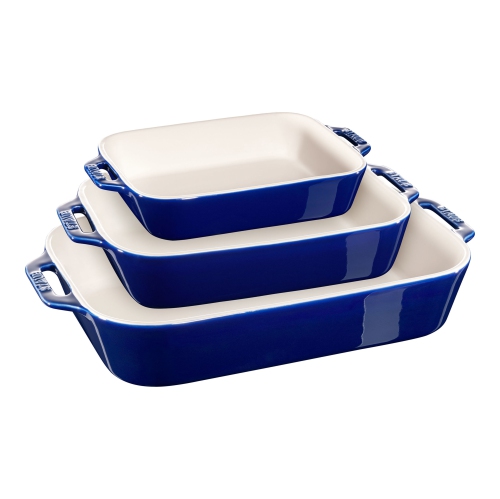 Your price for this item is $129.99
-
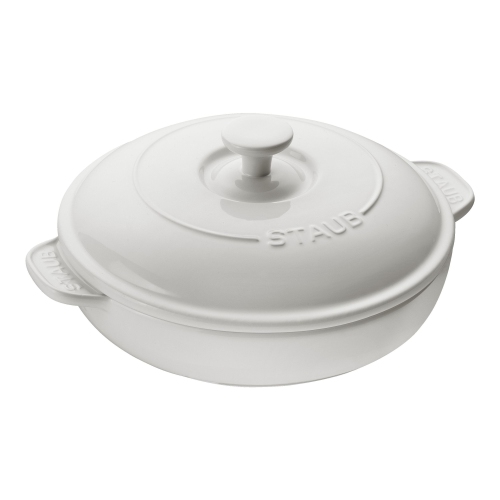 Your price for this item is $64.99
-
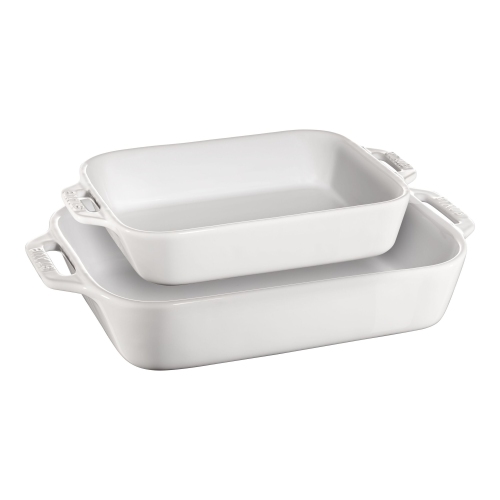 Your price for this item is $69.99
-
 Your price for this item is $69.99
-
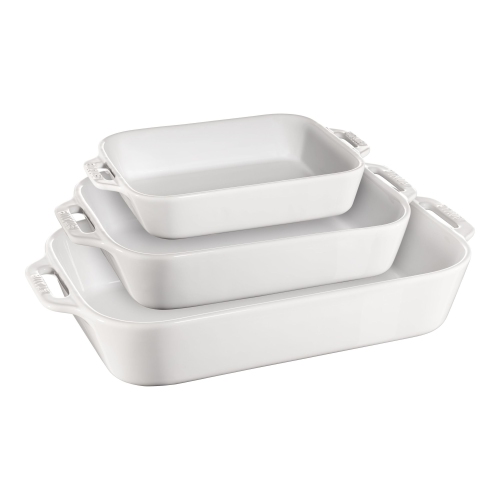 Your price for this item is $129.99
-
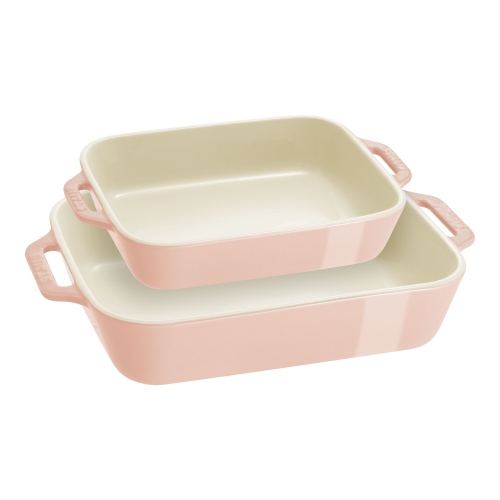 Your price for this item is $69.99
-
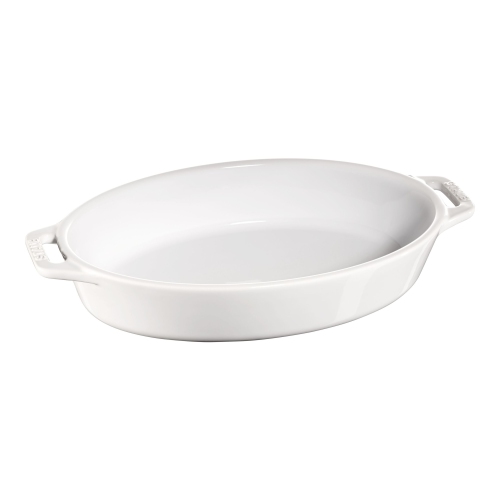 Your price for this item is $49.99
-
 Your price for this item is $49.99
Discover more categories related to Christmas Baking Pans
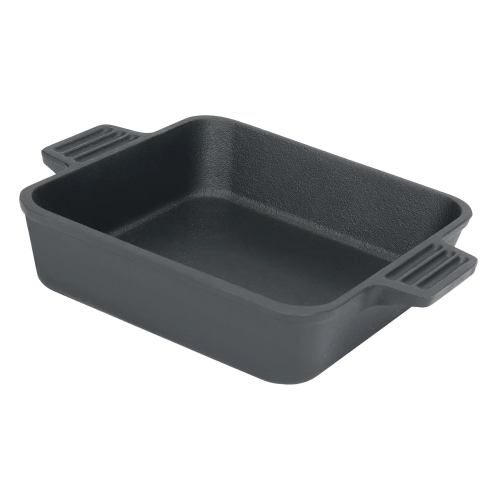

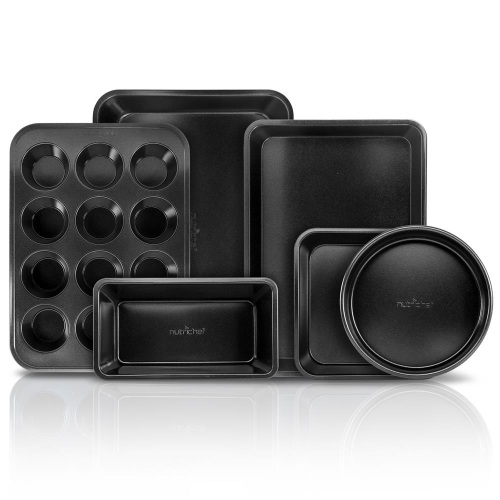
Top Collections:
Best Black Friday Deals This Year, Best Black Friday Deals On Electronics, Kindle Devices, Pokemon Centers, Best Black Friday Deals On Apple Products, Best Cameras for Sports Photography, Dyson Airwrap, Pokémon 30th Celebration Cards, Apple iPhone 17 Pro, Canon G7X Cameras
Some products may be subject to Environmental Handling Fees
(EHF) depending on your province.
Learn more about EHFs.