Christmas Tree Alternatives
Looking for a unique twist on holiday decor this season? Explore our collection of Christmas tree alternatives that offer a fresh and stylish approach to festive home embellishments. From modern and minimalist designs to eco-friendly options, these innovative alternatives provide creative ways to infuse the spirit of the holidays into your living space. Whether you're short on space, looking to switch things up, or simply want to stand out from the traditional evergreen crowd, our assortment of Christmas tree alternatives is sure to inspire your seasonal decorating endeavors.
Sort


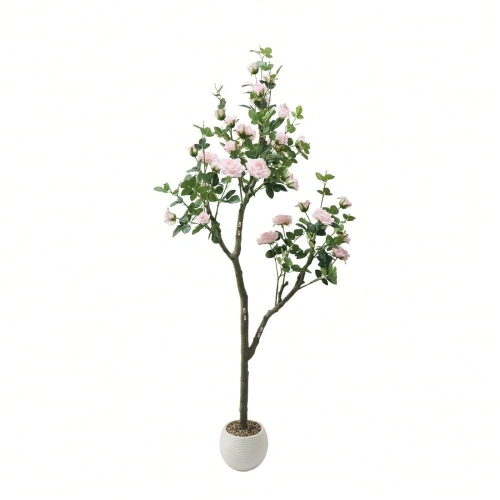
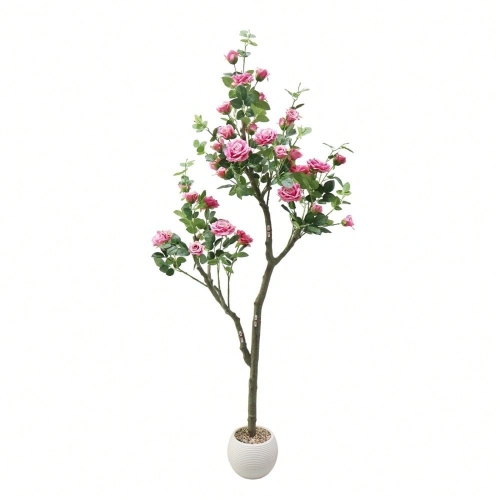
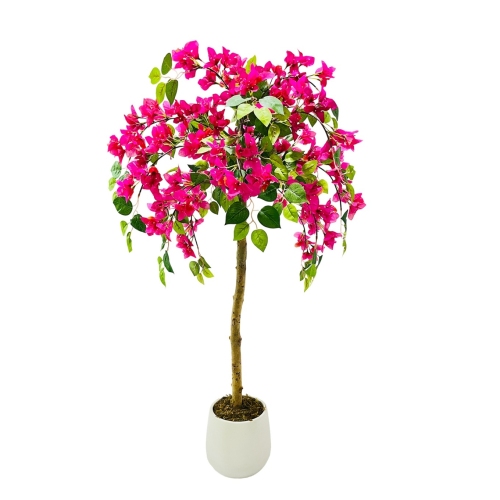


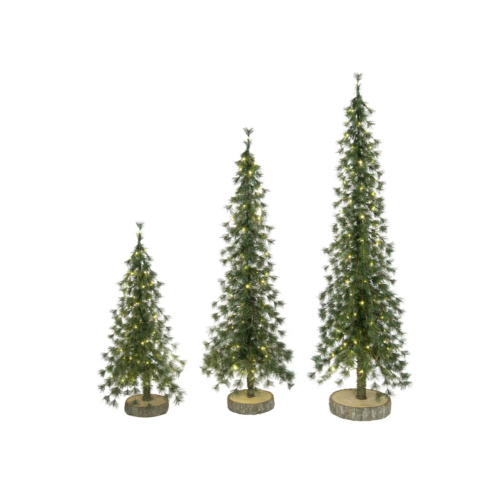






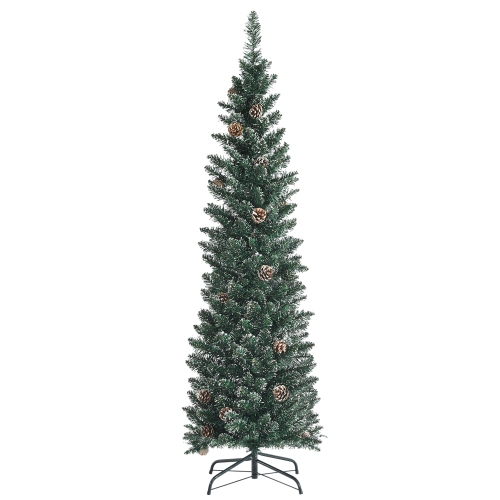
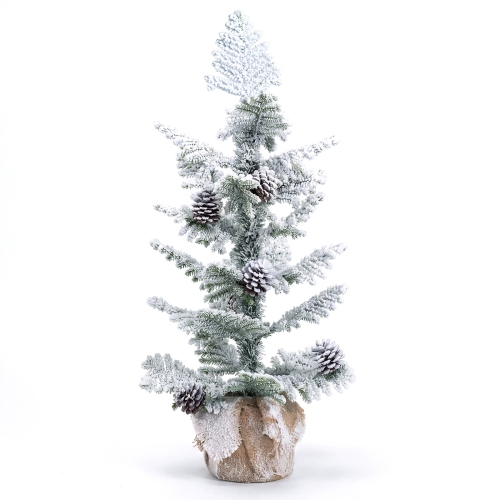

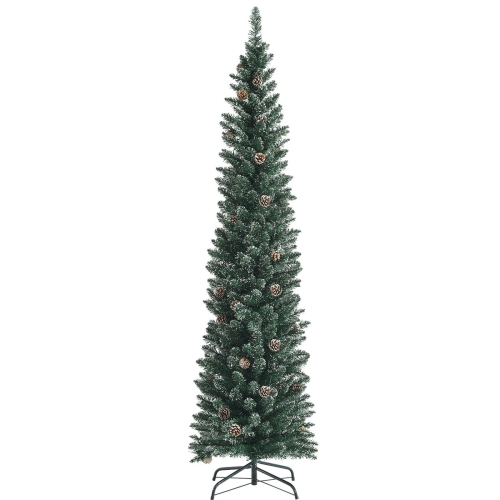
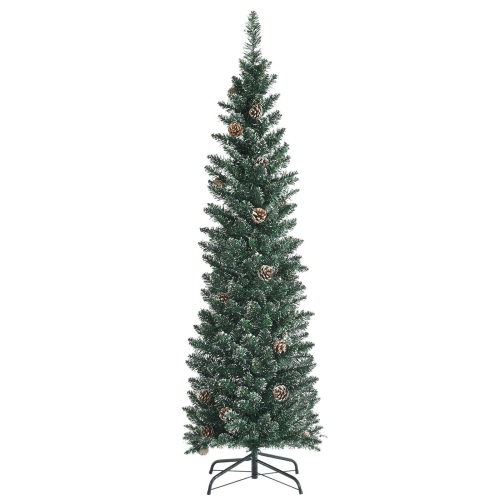
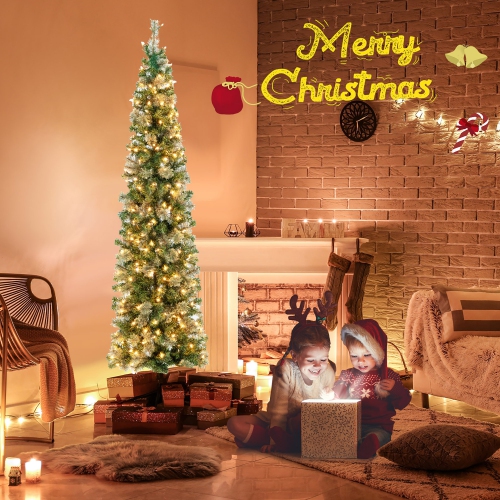
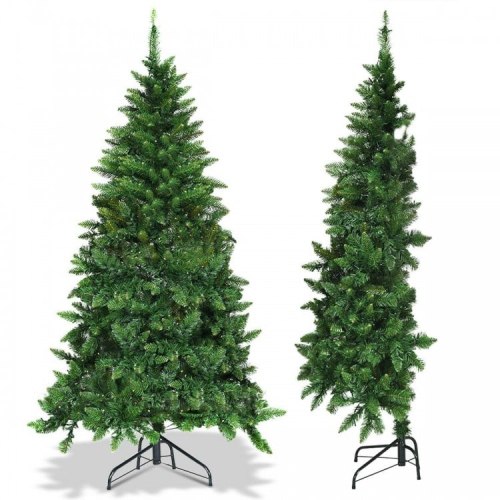

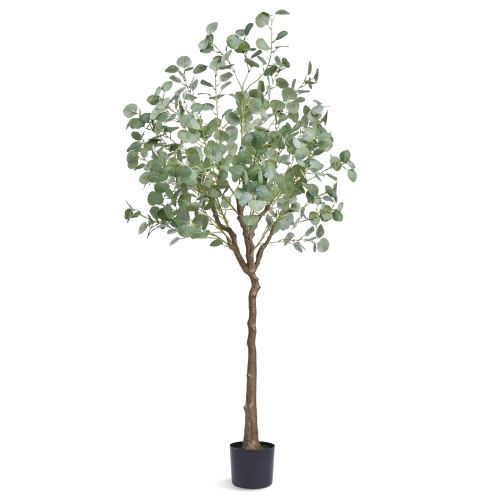
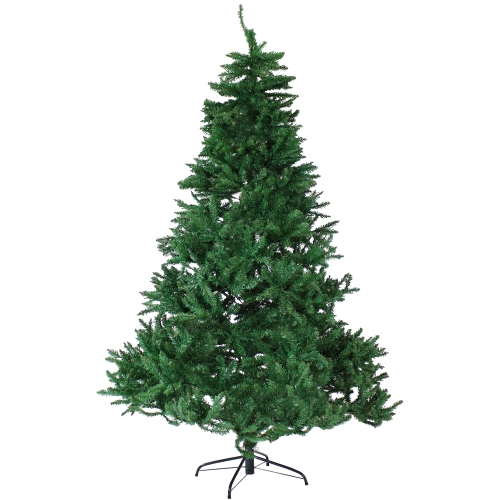
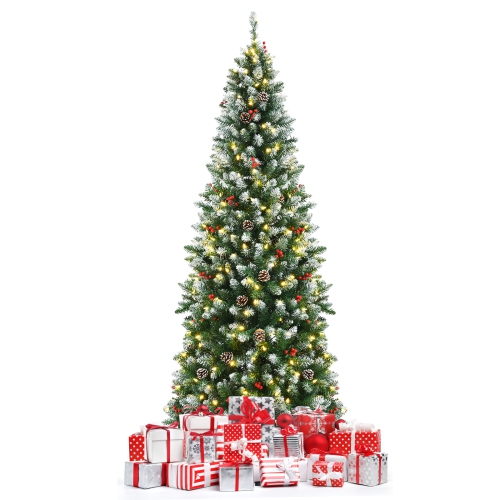
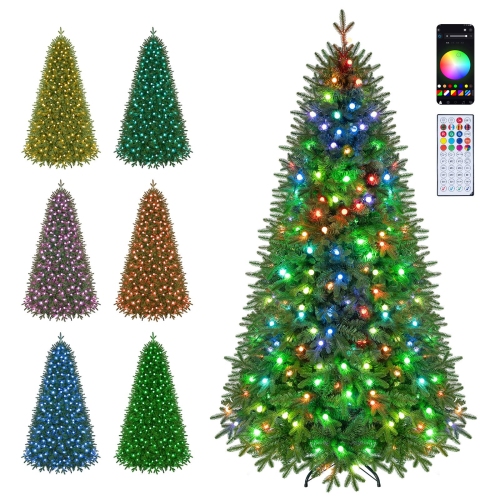

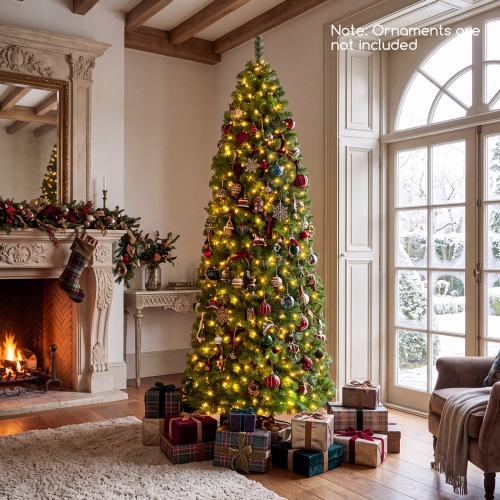

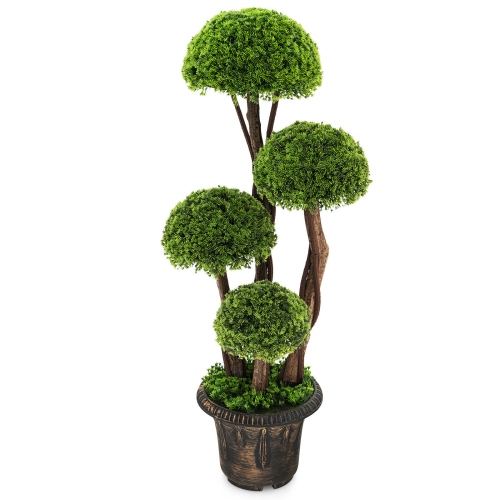

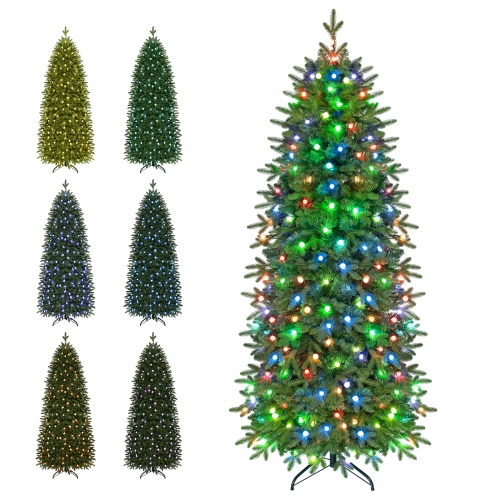
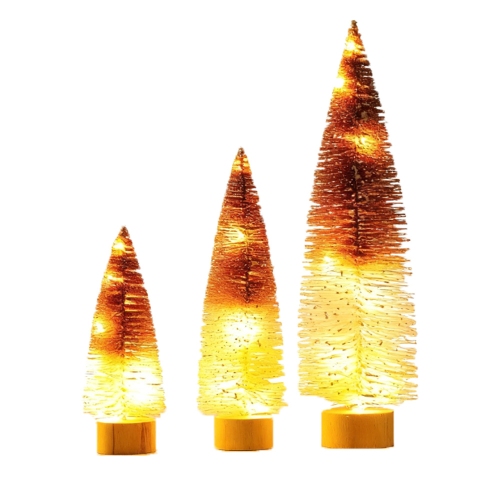
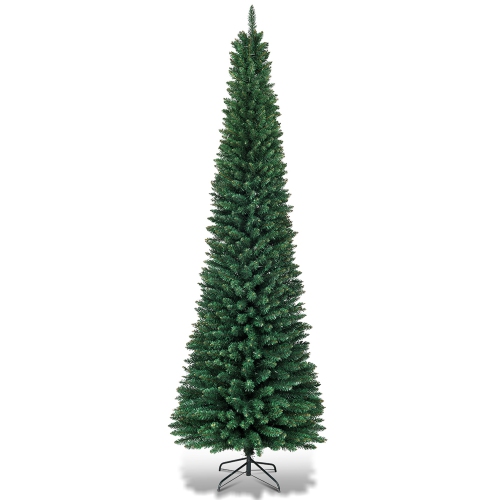
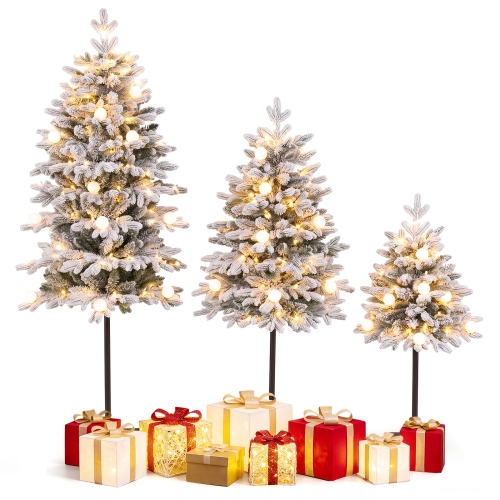


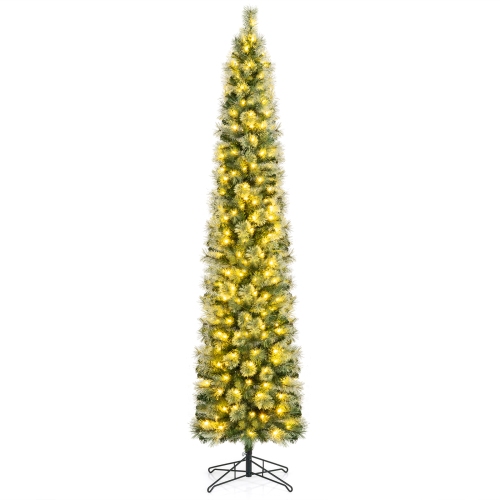


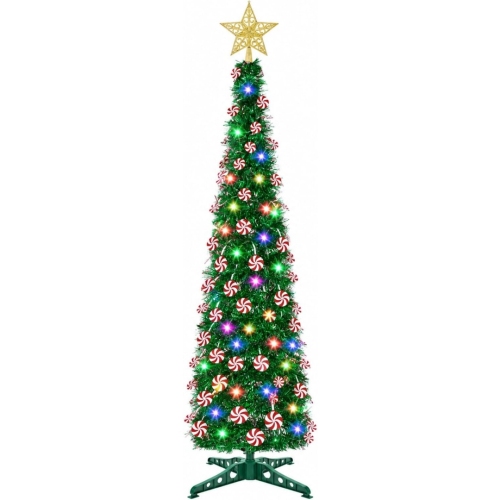


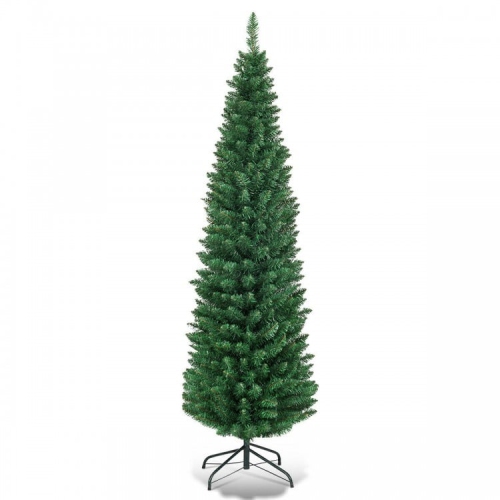
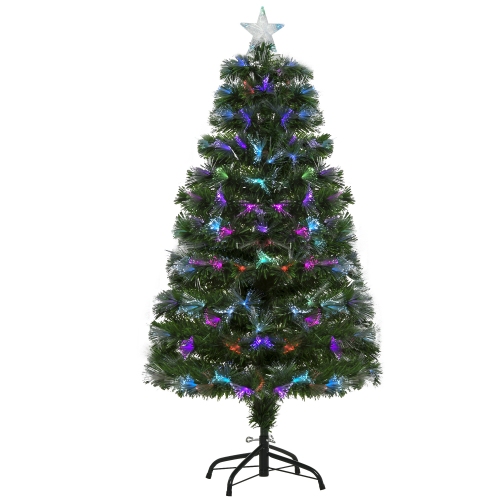


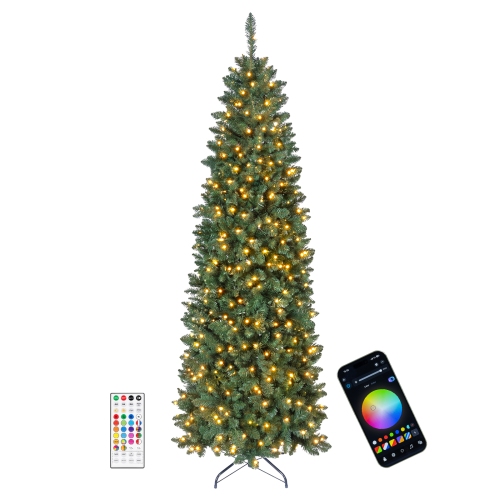
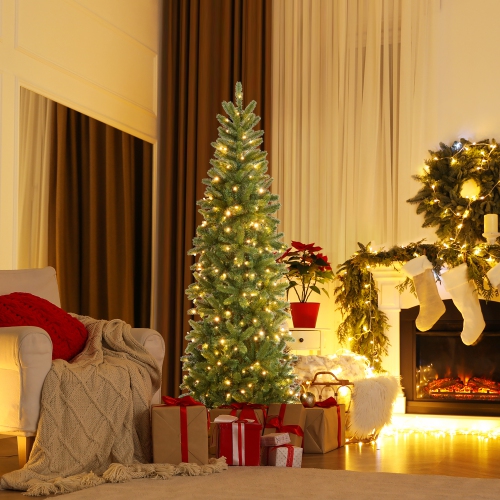

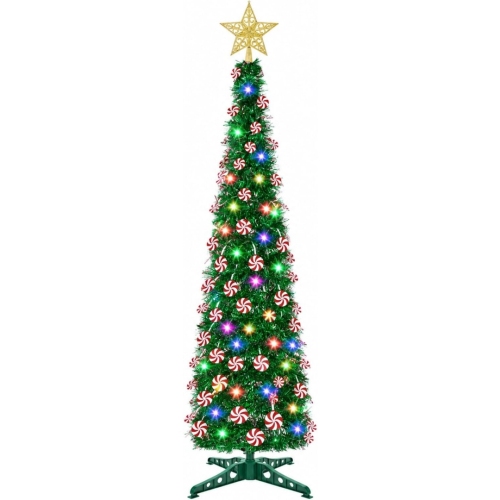


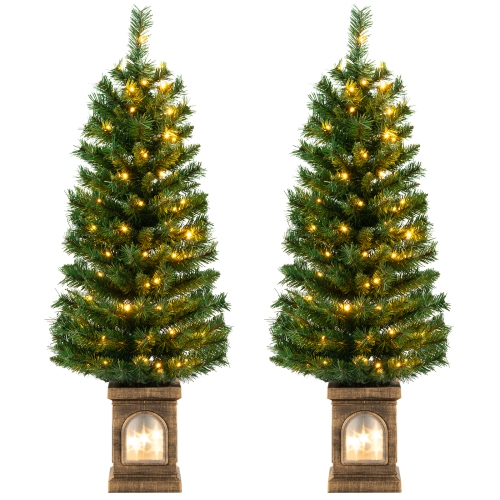
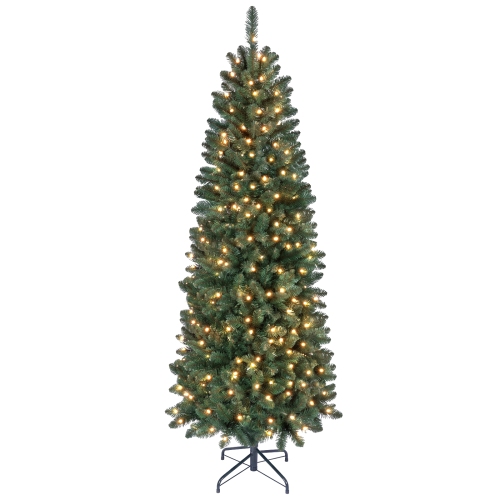

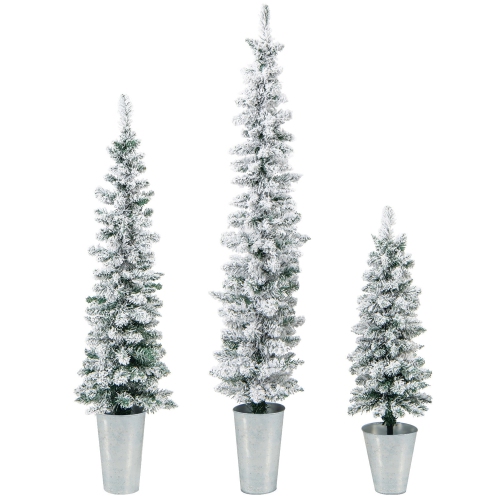

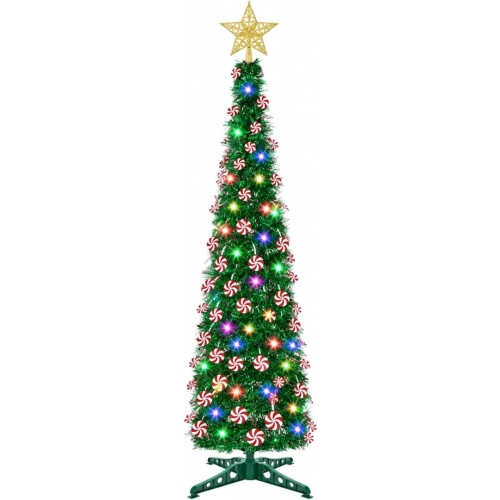






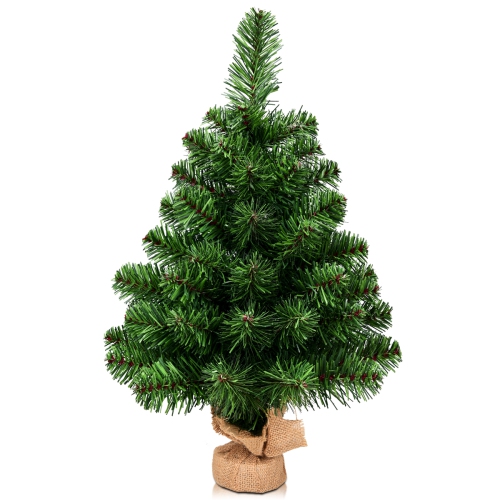


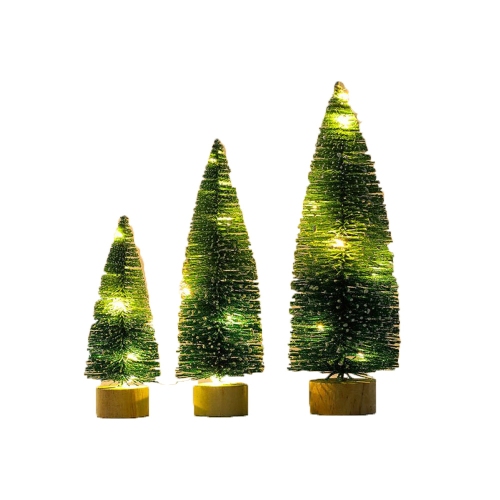
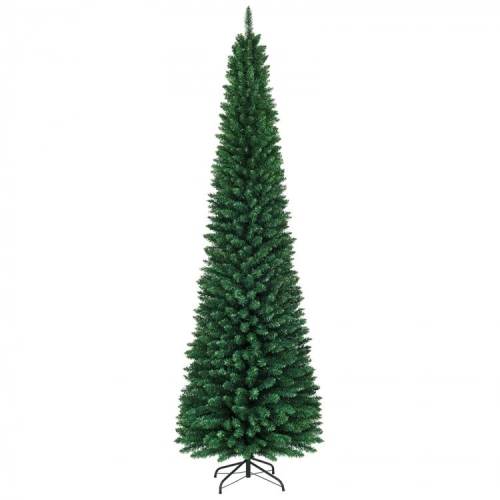


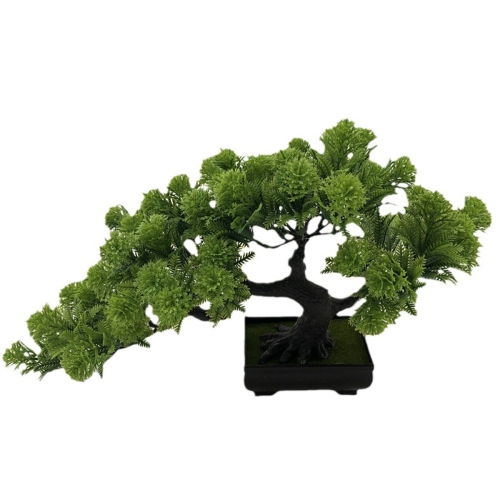
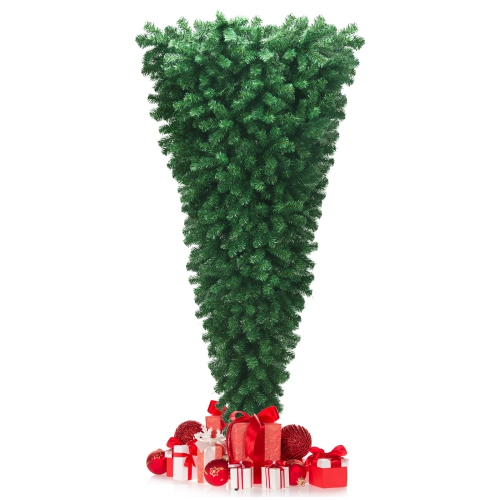
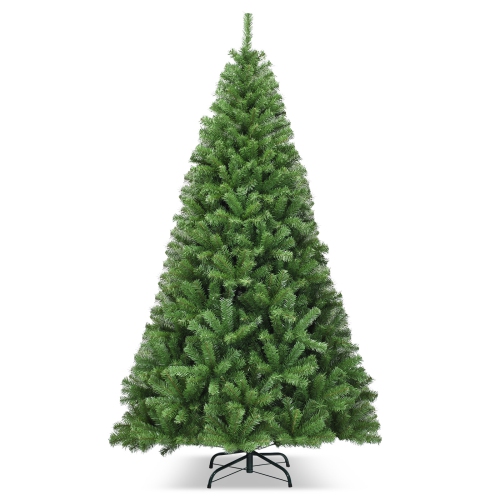
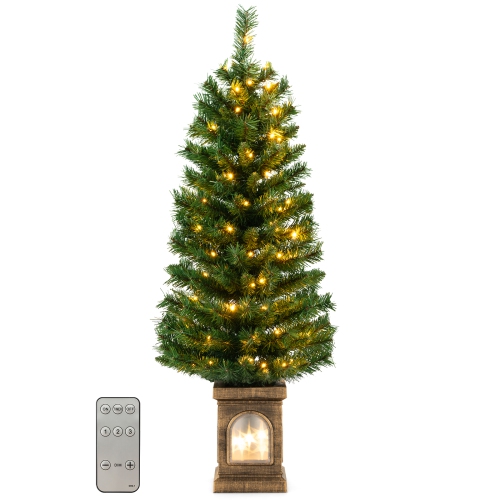
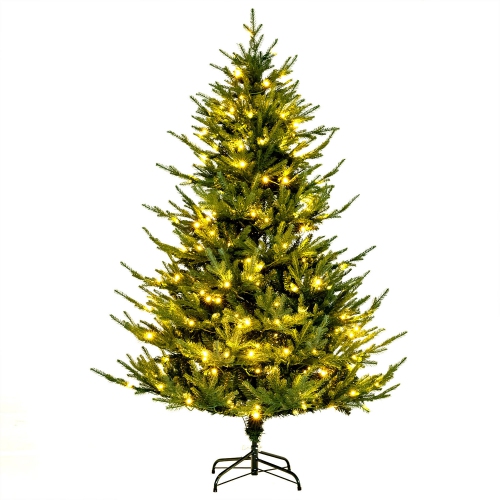

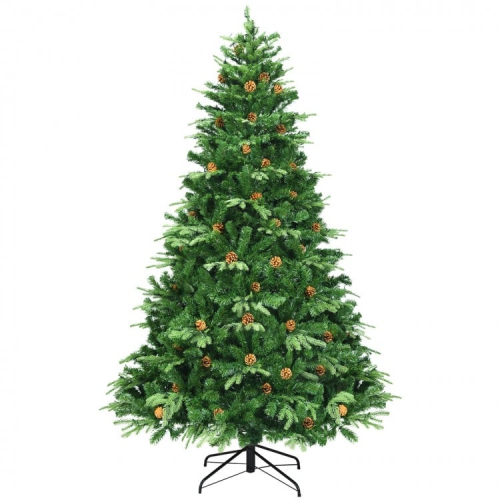

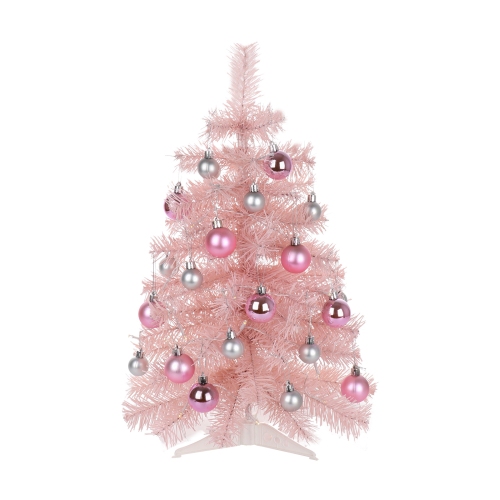
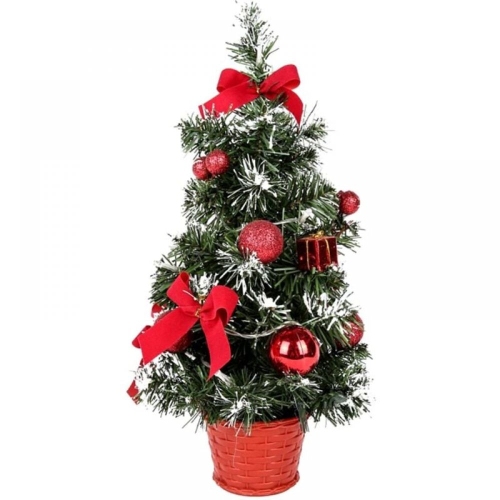

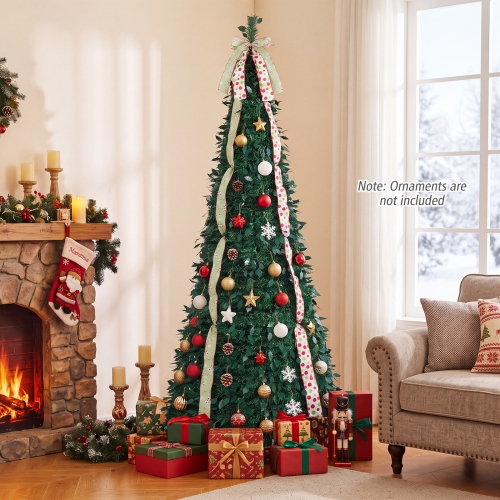


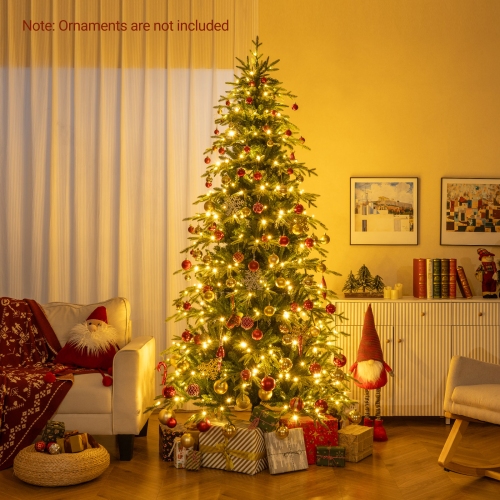


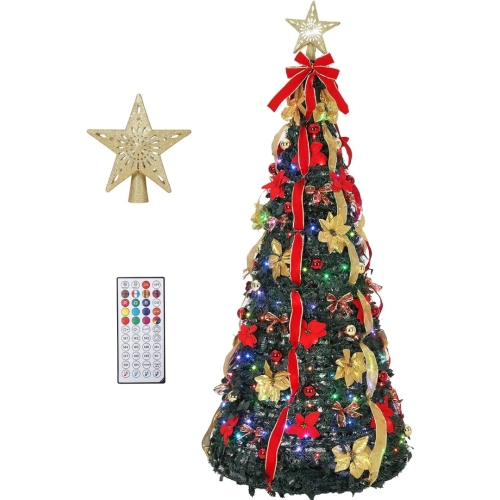


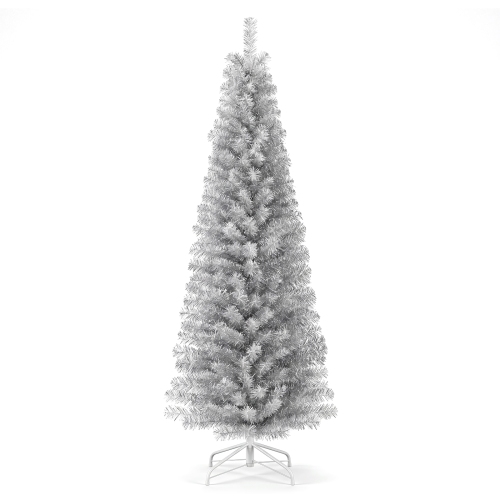


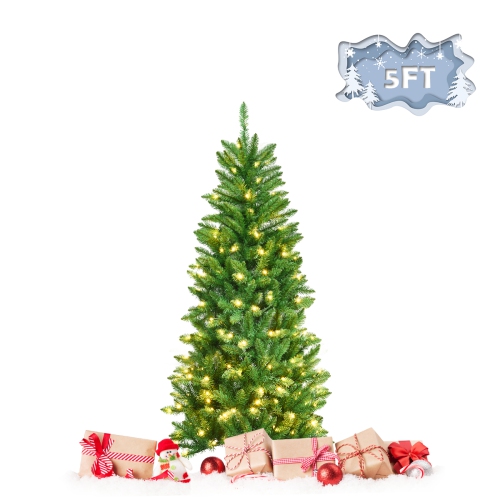

Christmas sparkle with more room for everyday living
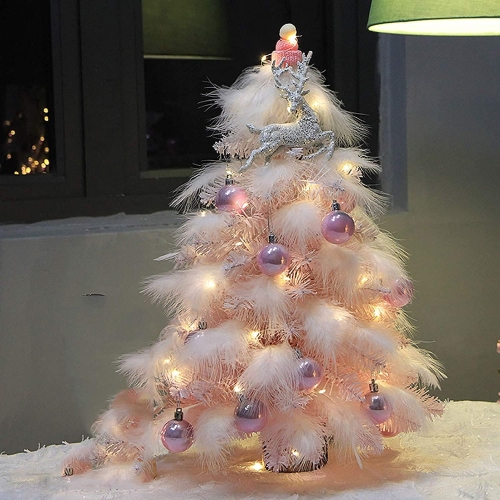
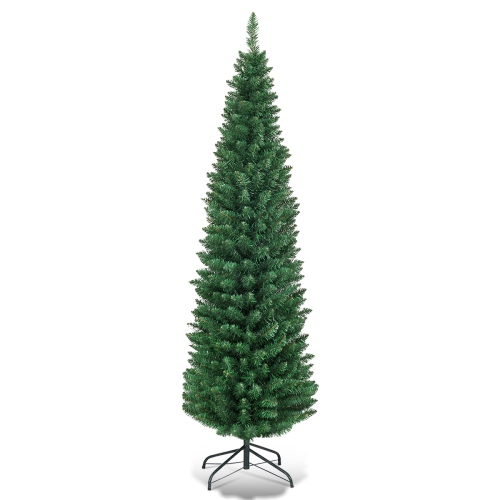
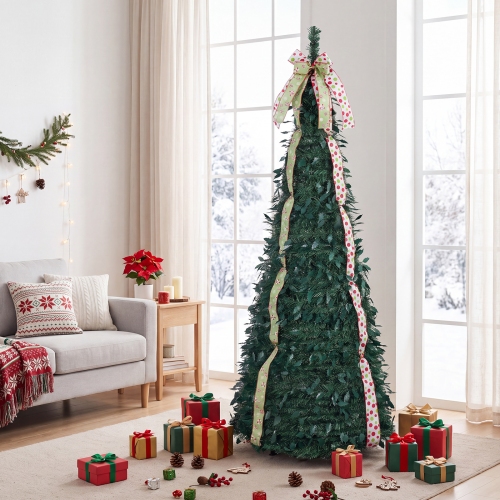
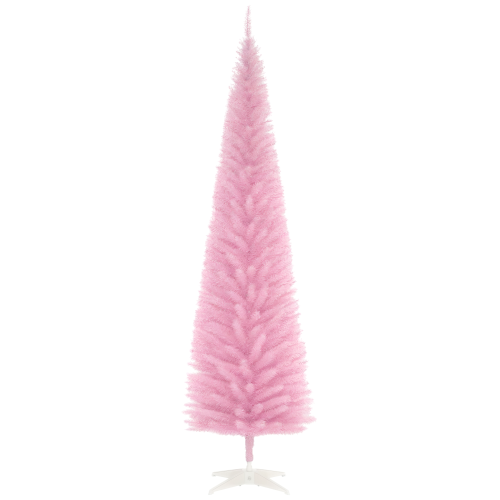
Christmas tree alternatives bring the shape, sparkle, and ornament display of a traditional tree into spaces where a full canopy of branches may not be the right fit. Wall-mounted trees, flat-backed designs, tabletop trees, wooden branch displays, and metal ornament stands can all create a festive focal point with a different footprint. For a condo living room, a narrow entryway, or a shared home office, the appeal is often practical: a tree-shaped display can leave room for seating, keep a walkway clear, or sit above a console rather than occupy the floor. Wall displays range from triangular arrangements of lights to tiered branches suspended horizontally, while freestanding alternatives include open frames and sculptural cones. Half trees and flat-backed trees offer a more familiar evergreen appearance while sitting close to a wall. They still project into the room, so their depth matters just as much as their height. Tabletop versions suit shelves, sideboards, and desks, bringing Christmas details into rooms that do not need a large centrepiece. Foldable paper trees add volume and colour without the visual weight of dense foliage, while bare wooden or metal frames let ornaments take centre stage. The most useful distinction is whether the display needs to hold a collection of decorations or simply suggest a tree through its outline, texture, and lighting. A family with treasured hanging ornaments may prefer accessible branches or hooks, whereas someone furnishing a small apartment may favour a lighted silhouette with very little assembly. For shoppers who prefer the familiar appearance of evergreen branches, Artificial Trees offer another approach to a Christmas display without a cut tree. Alternatives need not replace every part of a familiar celebration, either. A compact tree on a dining room sideboard can complement a larger display elsewhere, and a wall-mounted arrangement can give a guest room its own welcoming glow. Their versatility makes them useful for both a main Christmas display and smaller seasonal touches throughout the home.
Materials influence how Christmas tree alternatives look, what they can support, and how well they stand up to repeated handling. Wooden designs often have visible grain and a matte finish that works comfortably beside woven baskets, upholstered furniture, and simple glass ornaments. Smooth edges and secure joints are worth attention, particularly on tiered or folding structures that will be assembled each year. Metal frames create a lighter visual outline and can leave generous space between hanging decorations, making them well suited to showcasing distinctive shapes. Their capacity depends on the construction, base, and individual hanging points rather than the material alone; a slender wire frame is not interchangeable with a substantial ornament stand. Paper and cardboard trees bring crisp folds and soft texture to a mantel or tabletop, but moisture, crushing, and frequent handling can shorten their useful life. They generally work best as decorative forms rather than supports for hanging ornaments unless specifically designed for that purpose. Textile wall hangings offer another soft, low-profile look, with care needs that depend on the fabric, backing, and any attached embellishments. Intended use matters as much as style. A display positioned in a busy hallway needs a different footprint from one placed in an unused corner, and a dining table centrepiece should leave comfortable room for serving dishes and conversation. On shelves, the full base should rest securely on the surface without an overhang. For wall-mounted designs, the combined weight of the structure, lights, and ornaments must suit the mounting hardware and wall surface. Adhesive hooks are not suitable for every finish or load, and removal can affect paint or wallpaper. In rental homes, mounting requirements deserve particular attention. Homes with young children or curious pets also benefit from stable bases, secured cords, and decorations placed beyond easy reach. An elevated display may free up floor space, but it still needs secure positioning, especially where a dangling ornament or loose cord could invite a tug.
Lighting and ornament choices give an alternative Christmas tree much of its character. Warm white lights create a gentle glow against wood and pale walls, while coloured lights can make a simple outline feel playful and familiar. Pre-lit designs keep the overall arrangement consistent, although the power source, cord length, and access to controls affect where they can comfortably sit. Battery-powered lighting can suit a shelf without a nearby outlet, provided the battery compartment remains accessible and securely closed. Plug-in displays need a practical route to an outlet without cords crossing doorways or becoming trapped beneath furniture. LED lights generally produce less heat than incandescent styles, but all lighting should be used according to its instructions and kept clear of materials it is not intended to touch. Indoor decorations should stay indoors unless their rating specifically permits outdoor use; a covered porch still exposes a display to moisture and temperature changes. With an open-frame tree, ornament spacing becomes part of the finished look. A few larger decorations can create a strong silhouette, while smaller, lightweight ornaments suit delicate branches and narrow hanging points. Balanced placement helps keep a freestanding structure steady, though the stated load limits remain the deciding factor. These displays can also make thoughtful gifts for someone settling into a first apartment, downsizing, or creating Christmas traditions in a smaller home. A compact design with straightforward assembly and manageable storage is often easier to accommodate than a large statement piece. After the celebrations, gentle cleaning and careful packing help preserve the finish and shape. Wood and metal generally benefit from dusting with a soft cloth, while paper designs need dry handling and protection from compression. Integrated lights should be disconnected before cleaning, and electrical components should never be immersed. Fully dry pieces, separated ornaments, and loosely gathered light strands are easier to unpack next time. Fold-flat construction, removable branches, and protective storage sleeves can make a meaningful difference when the display shares a cupboard with everyday household essentials.
Top selling and popular products
-
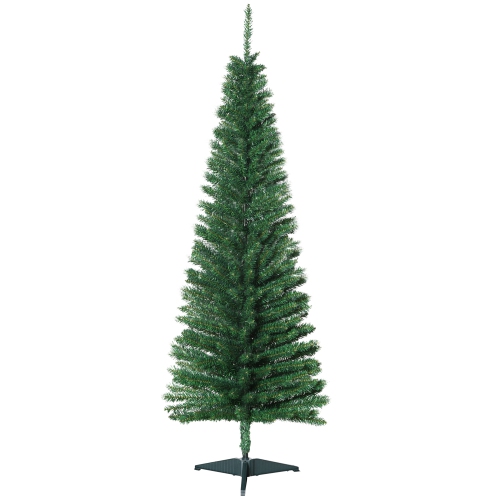 Your price for this item is $44.99
-
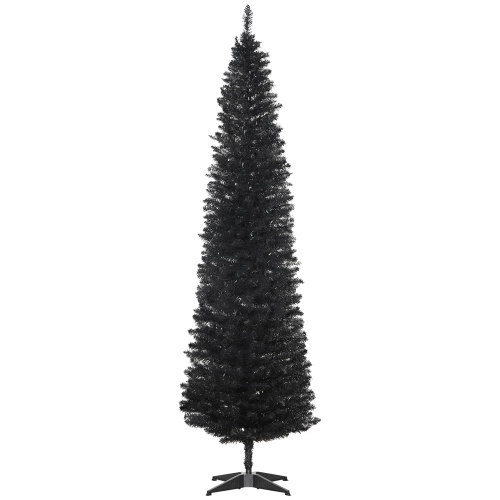 Your price for this item is $79
-
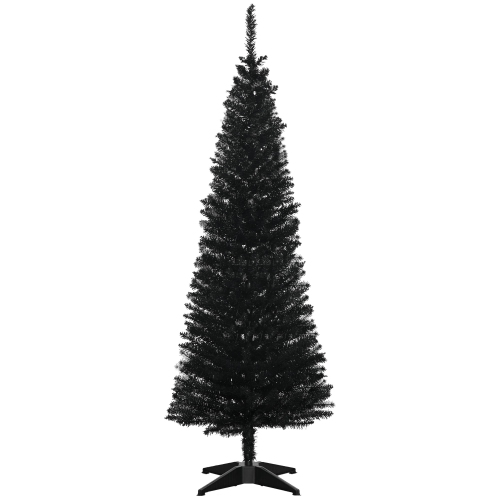 Your price for this item is $51.99
-
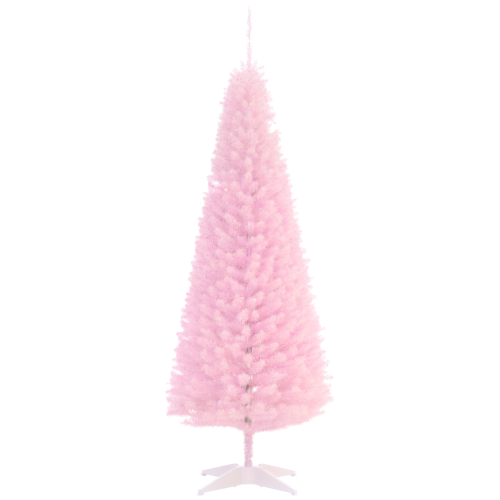 Your price for this item is $44.99
-
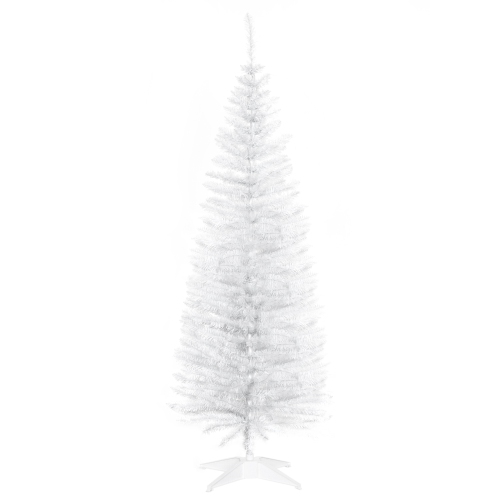 Your price for this item is $49.99
-
 Your price for this item is $130.99
-
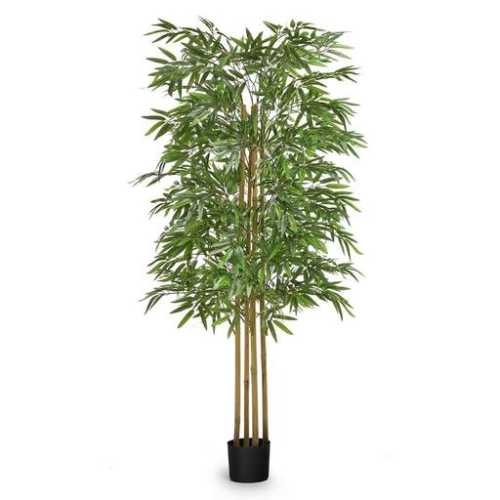 Your price for this item is $173.99
-
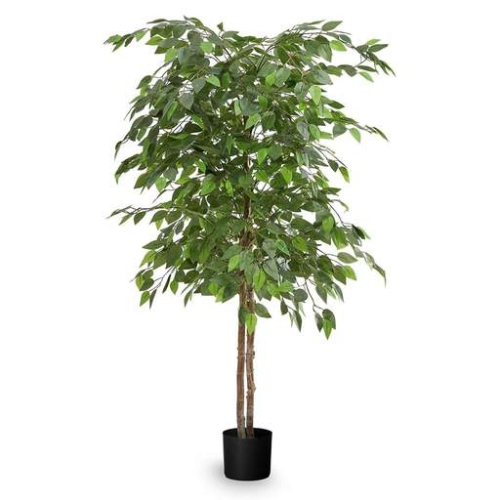 Your price for this item is $131.99
Discover more categories related to Christmas Tree Alternatives


Top Collections:
Pokemon Centers, Kindle Devices, Best Cameras for Sports Photography, Pokémon 30th Celebration Cards, Canon G7X Cameras, Samsung Galaxy Phones, iPhone 15 Apple, Best Black Friday Deals On Electronics, Jackery Power Stations, Solar Generators for Home
Some products may be subject to Environmental Handling Fees
(EHF) depending on your province.
Learn more about EHFs.