Circular Bookshelf
Add a unique and stylish touch to your home decor with our circular bookshelves. Whether you're a bookworm or simply looking for an innovative storage solution, our bookshelves have something to offer for every style and taste. Explore our wide range of options and discover the perfect circular bookshelf to complement your home today!
Sort
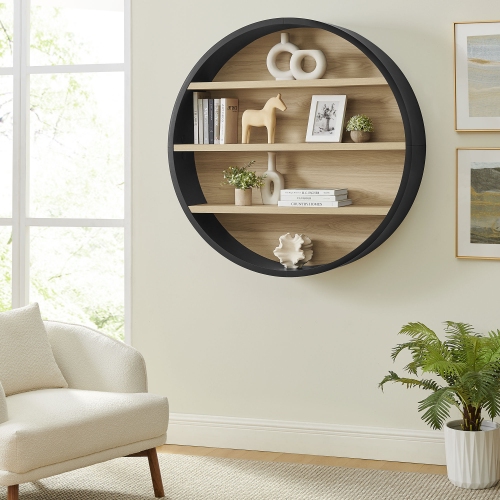
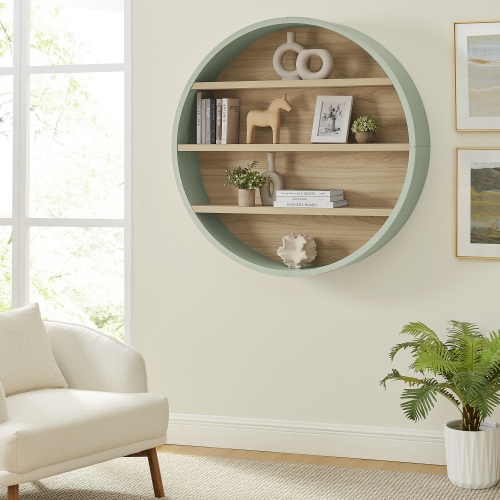
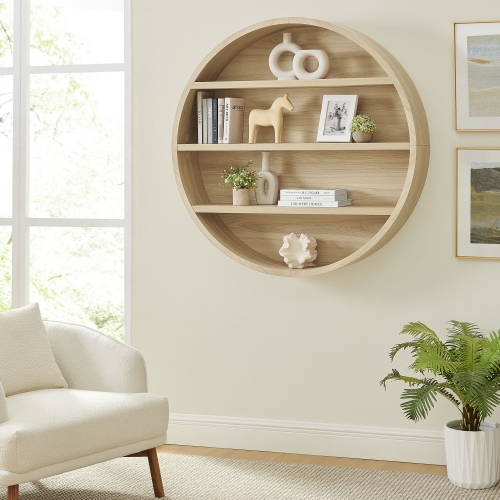
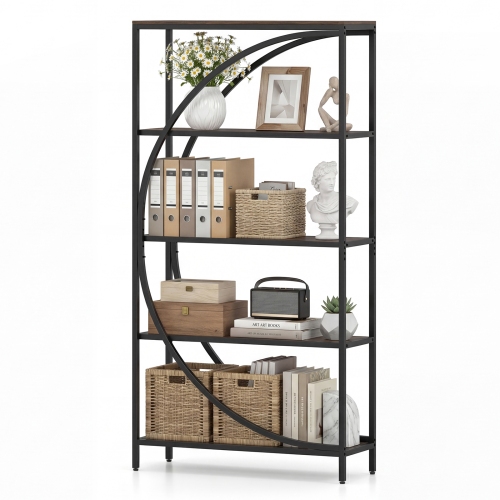
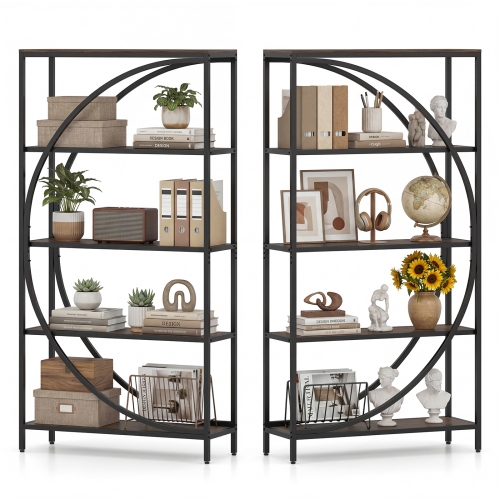
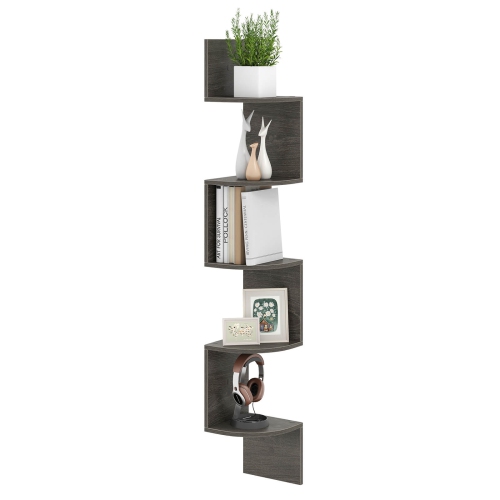
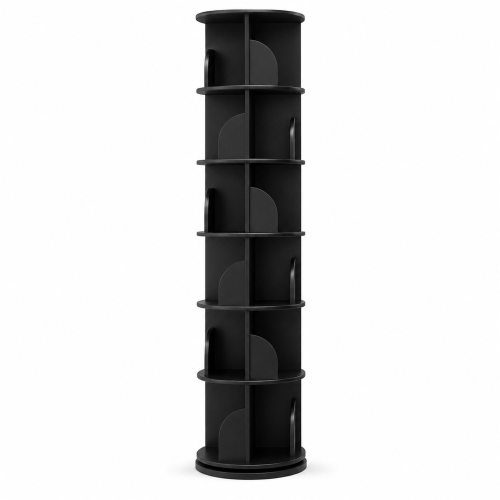
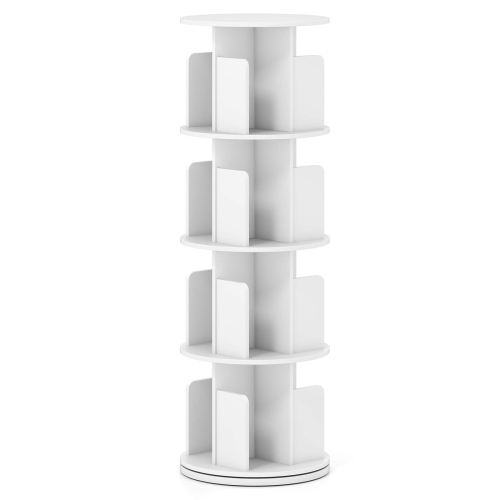


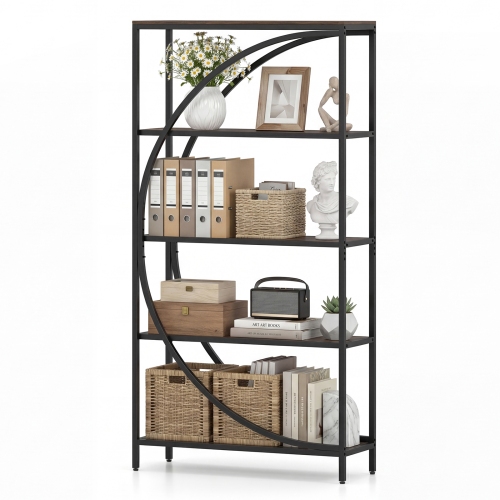


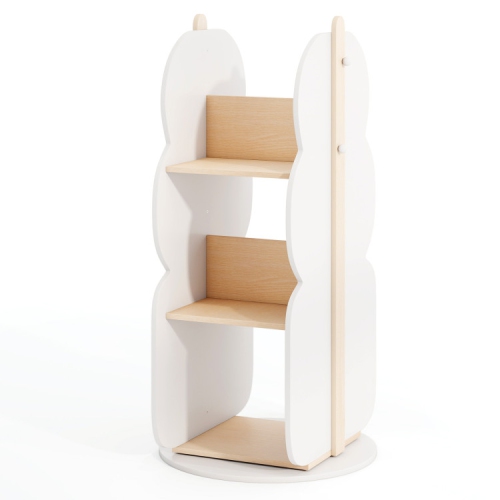
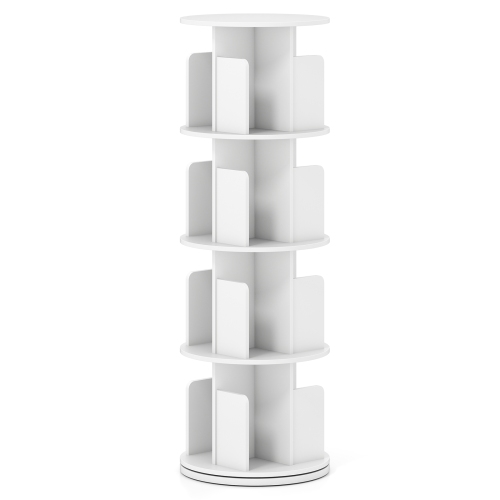


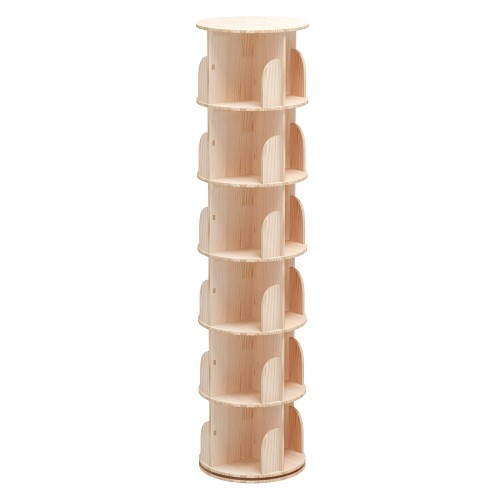
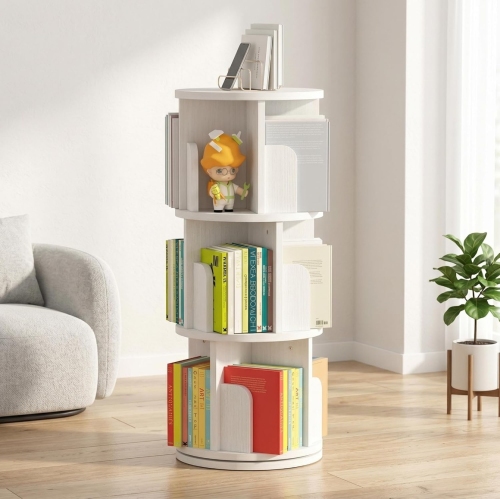


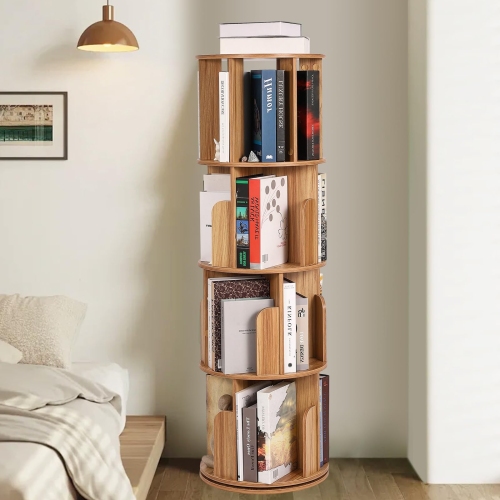
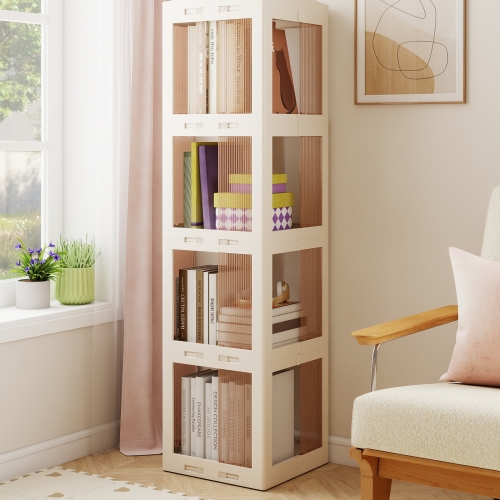
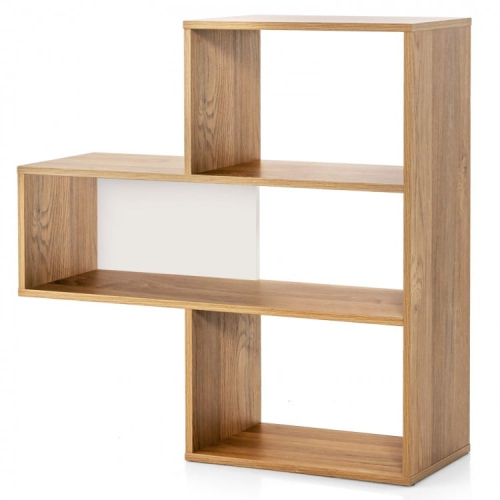
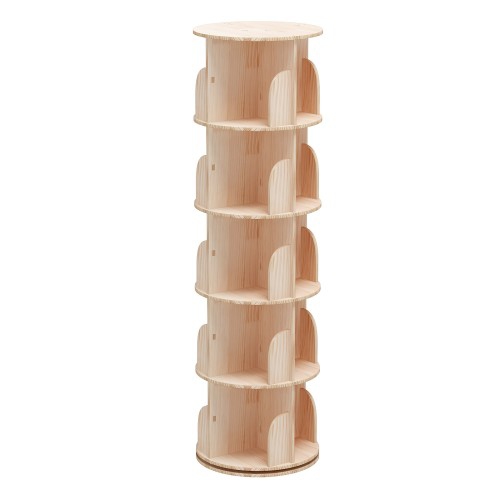
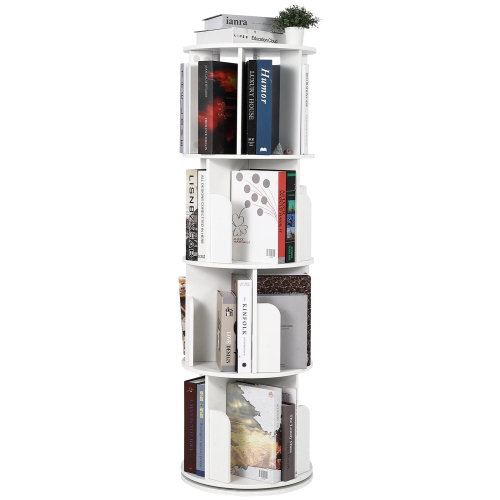
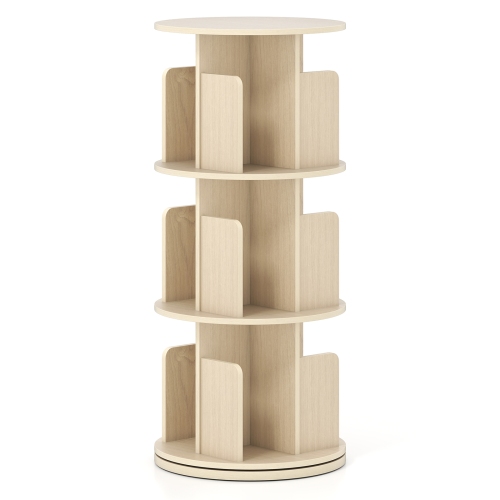
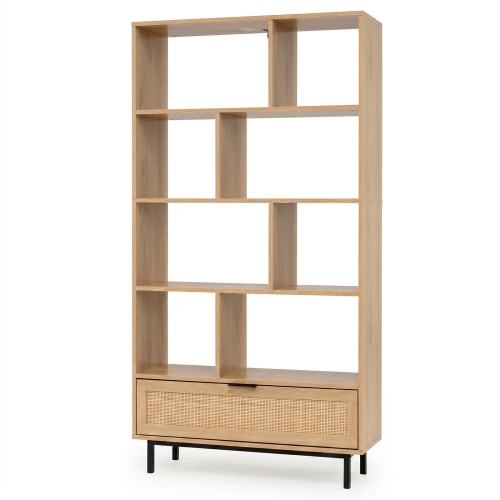
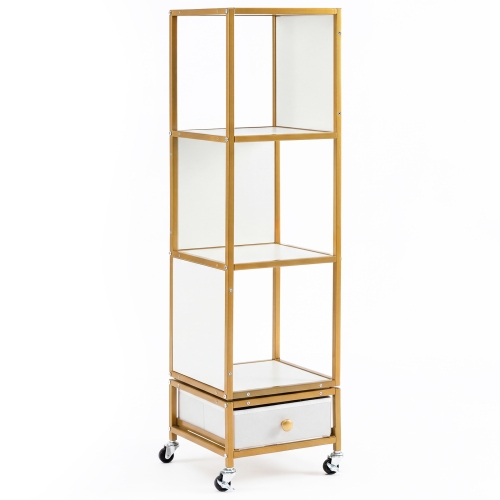
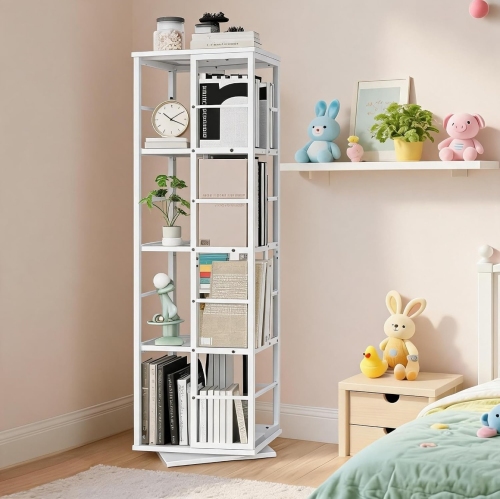
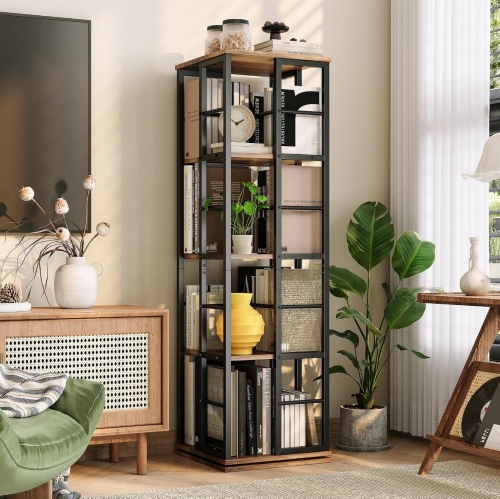
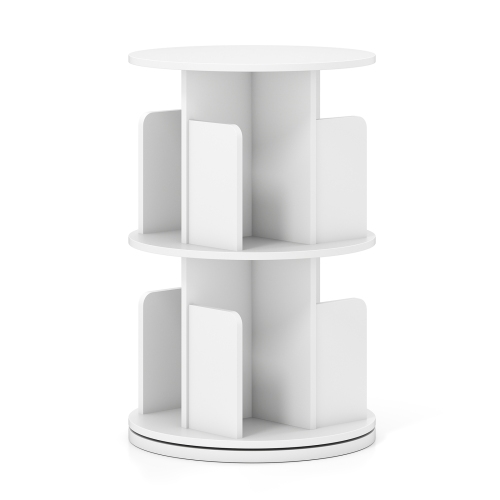
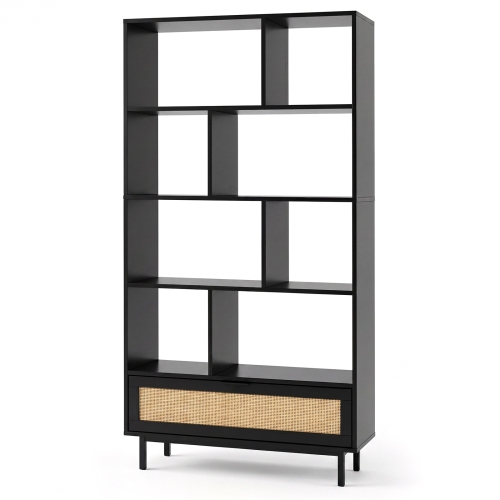
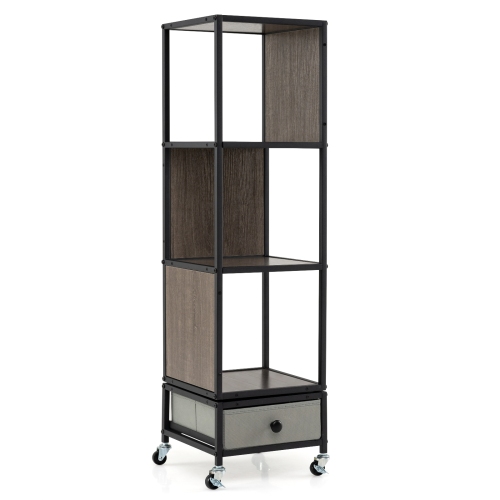
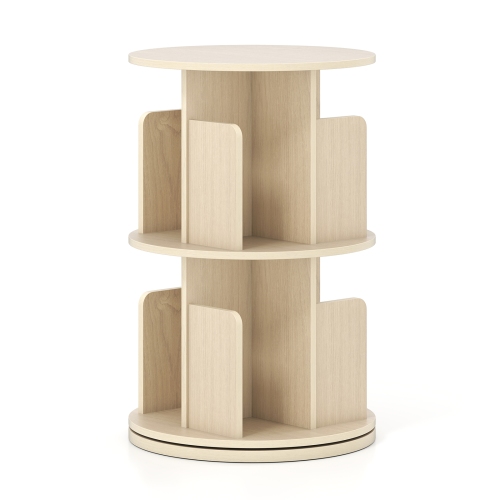


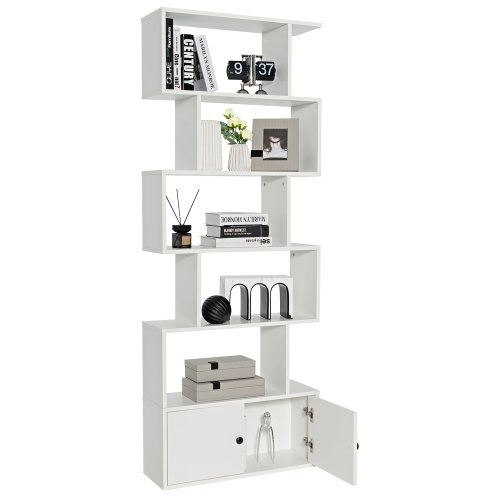
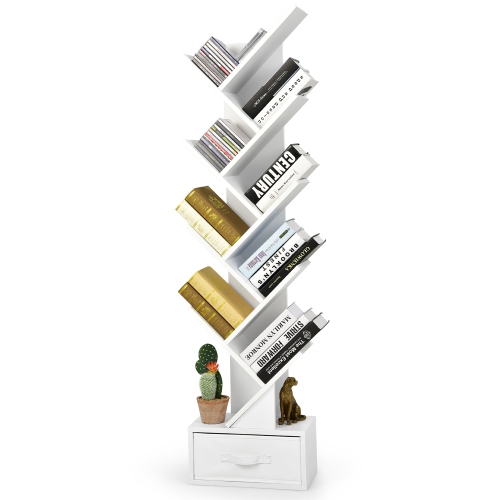

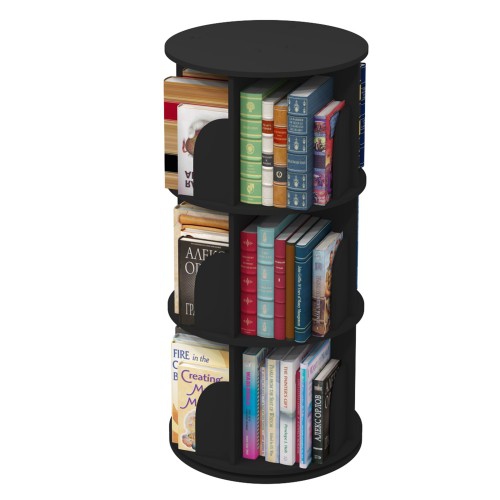

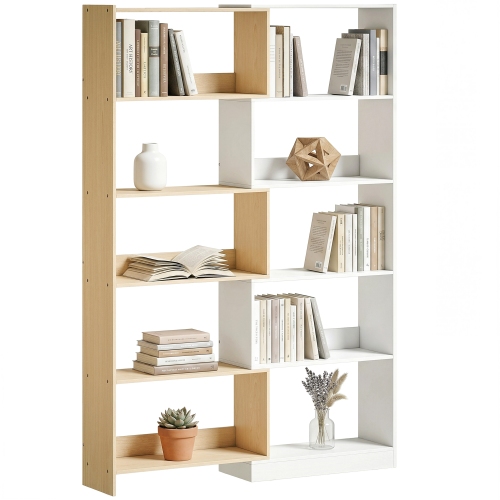
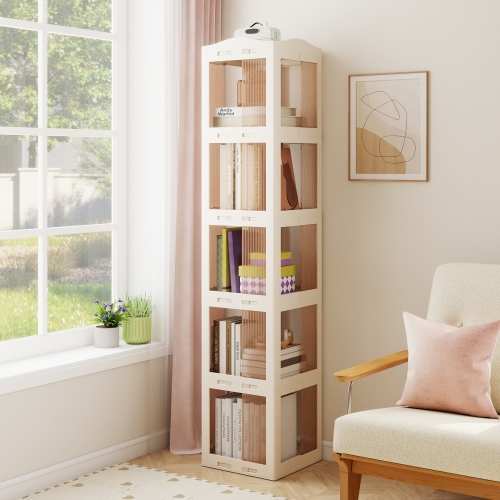
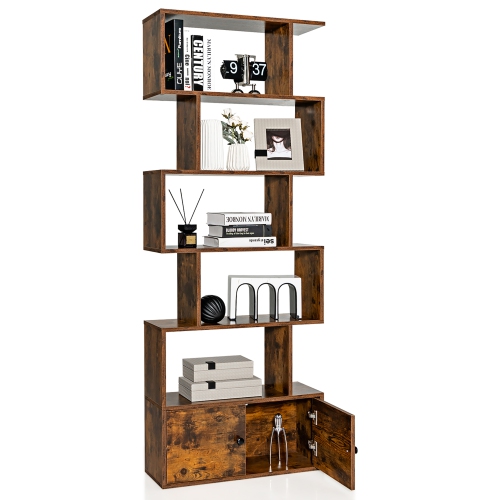
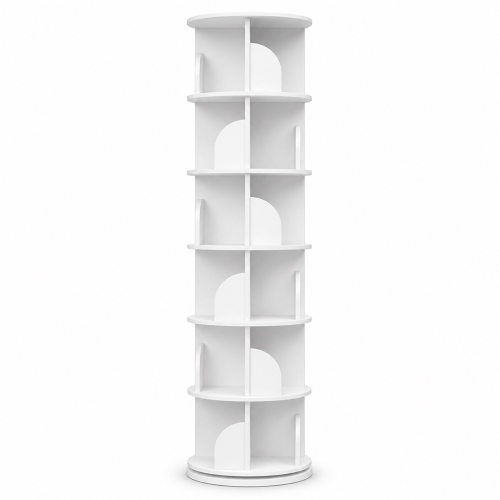


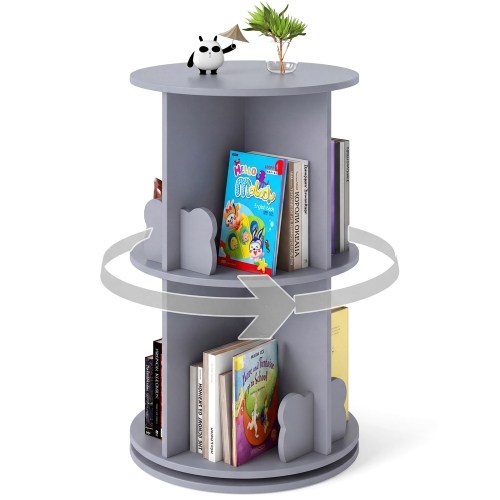

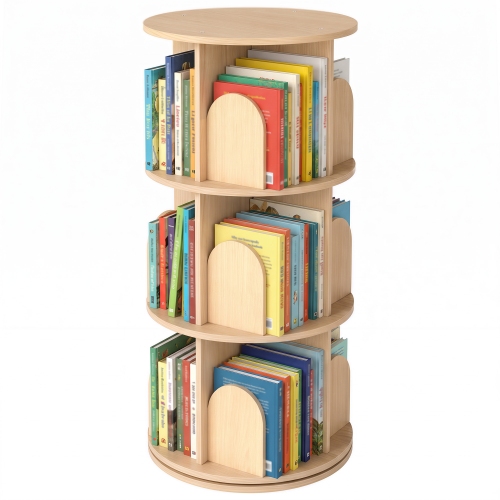
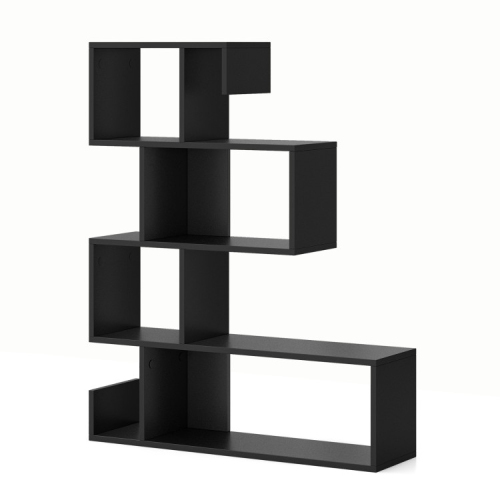

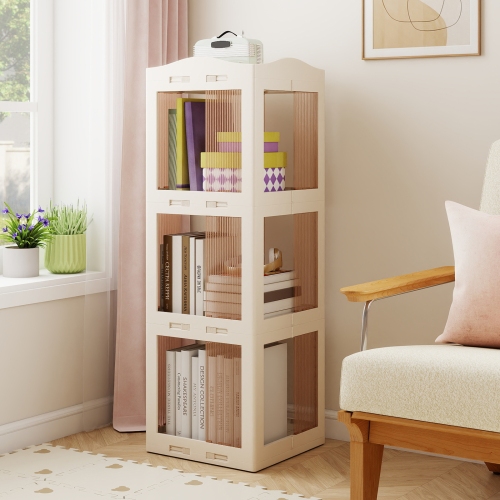


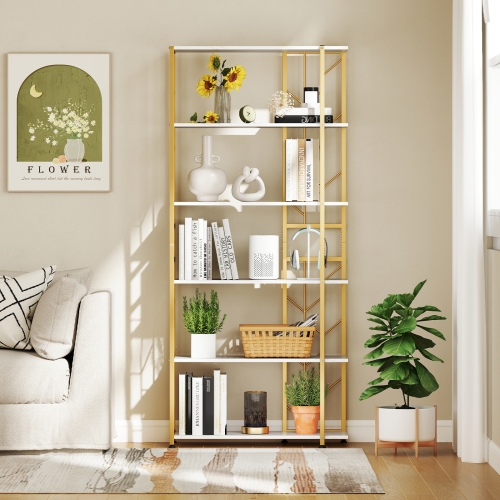
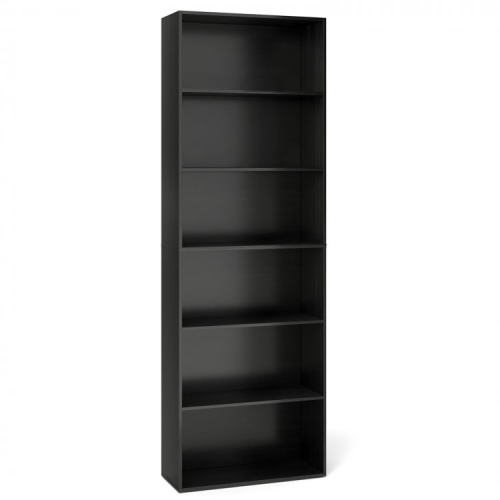
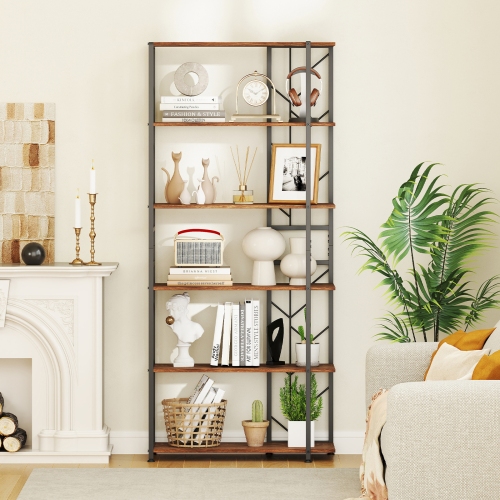

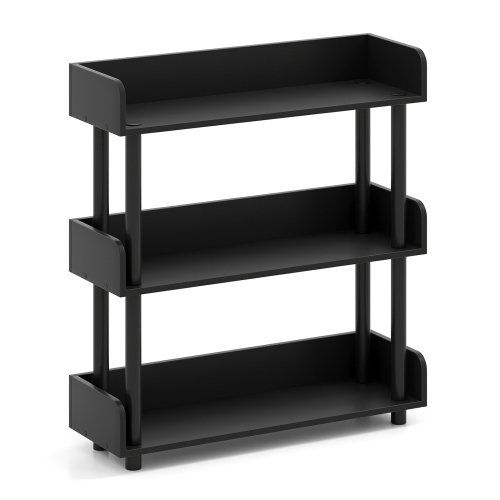
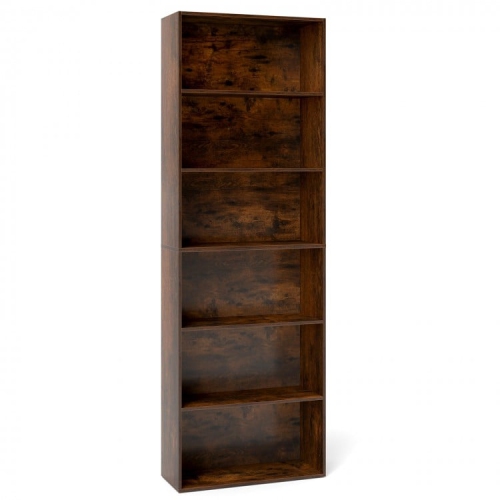
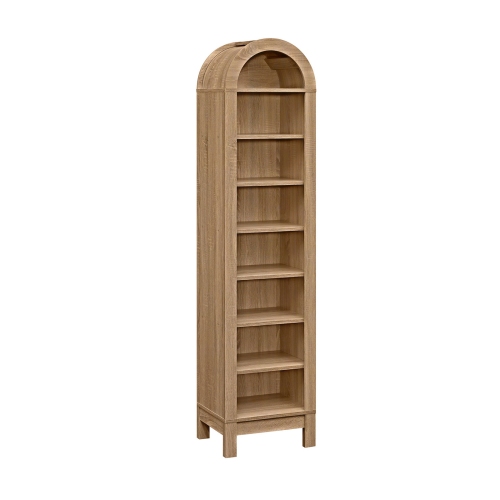
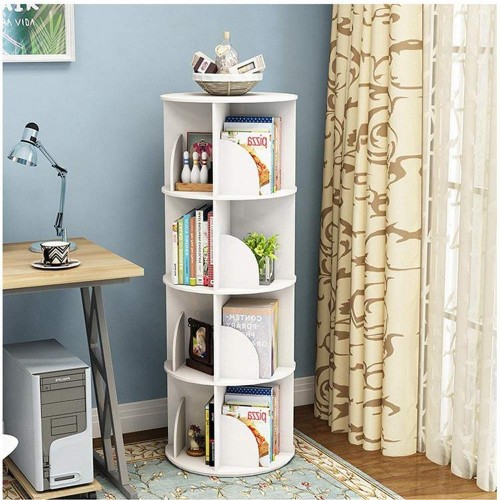


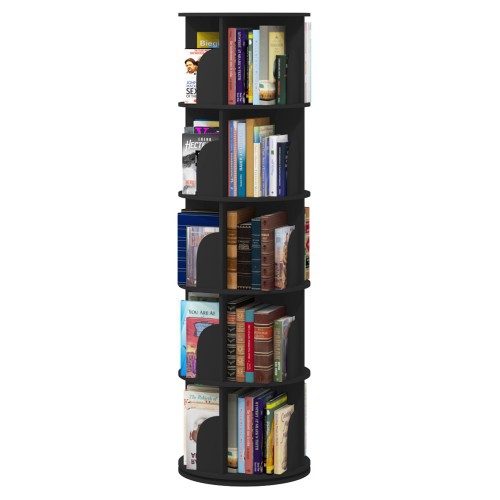
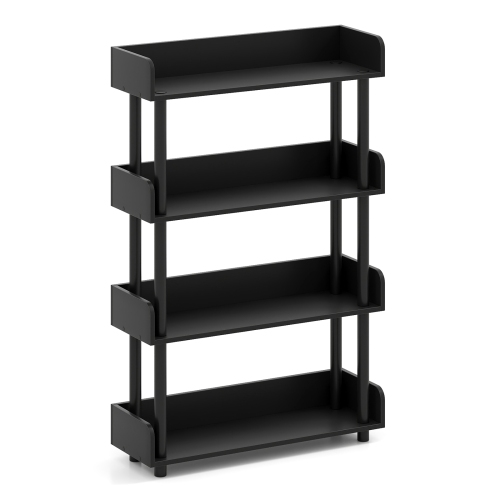
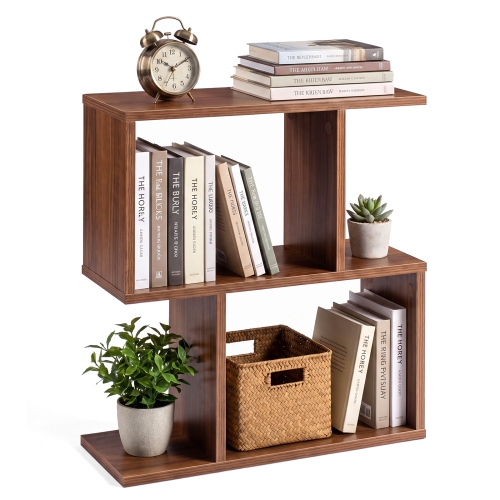
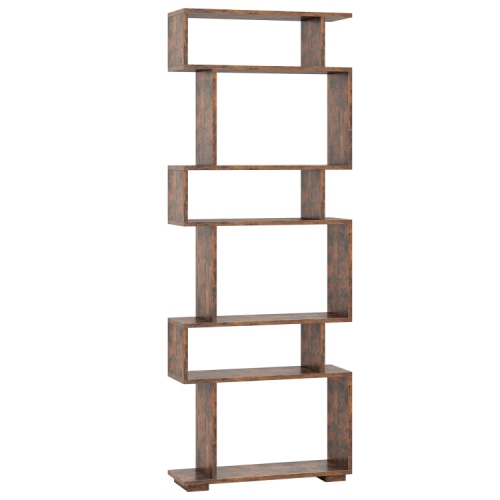
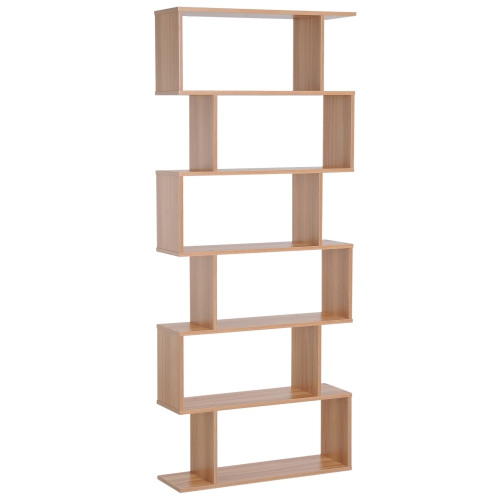
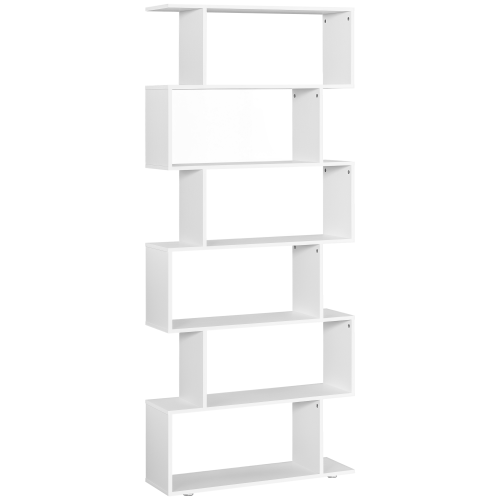
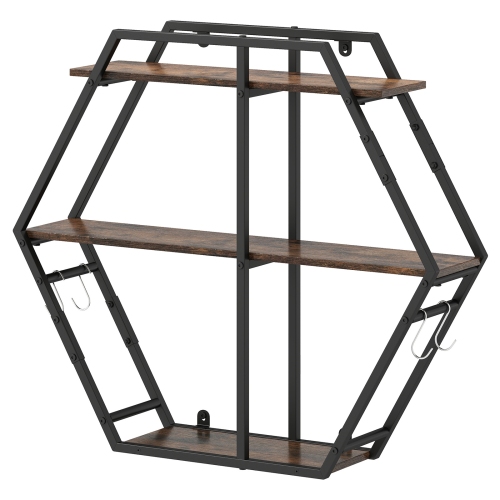

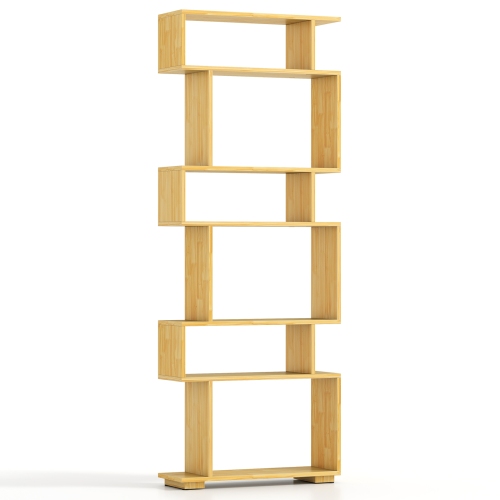

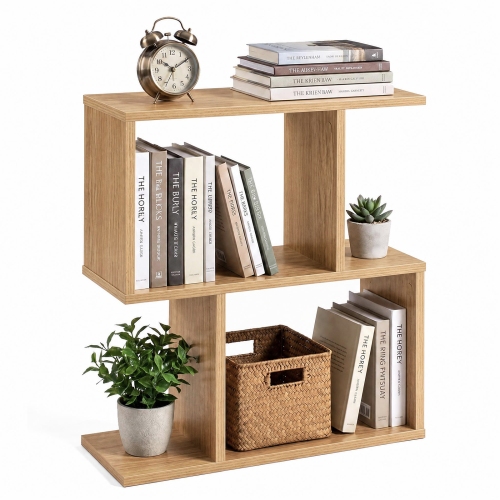
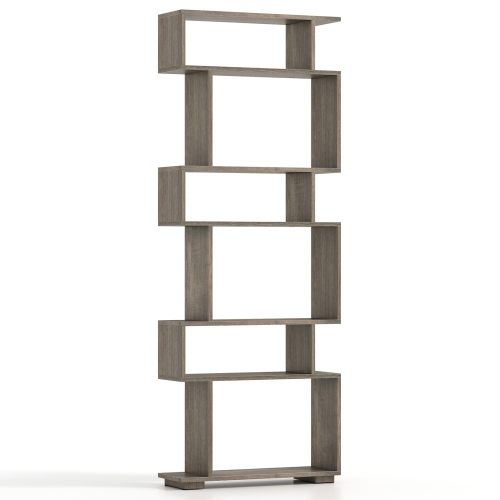
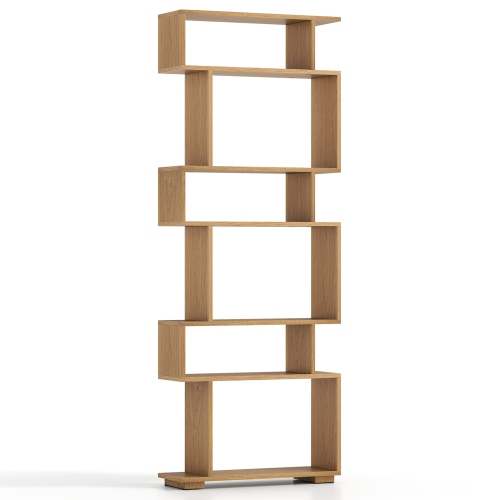
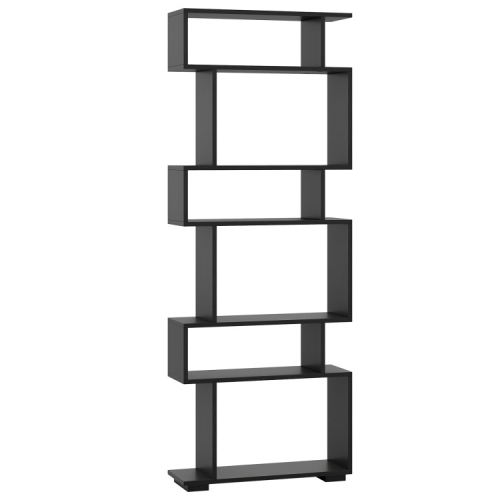
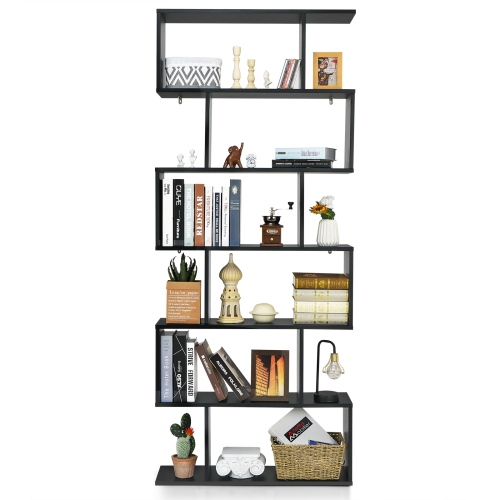
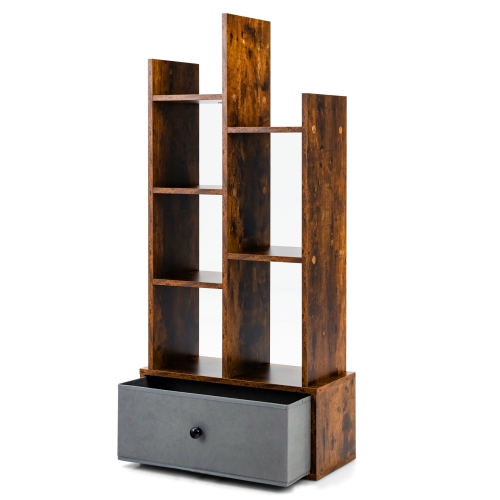
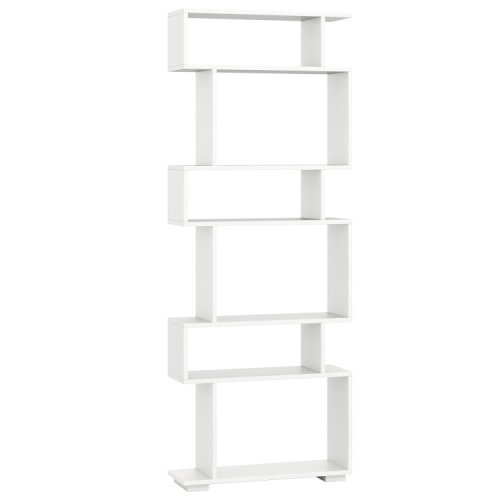
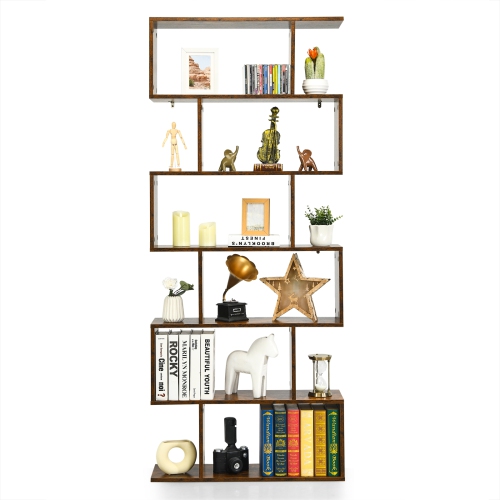

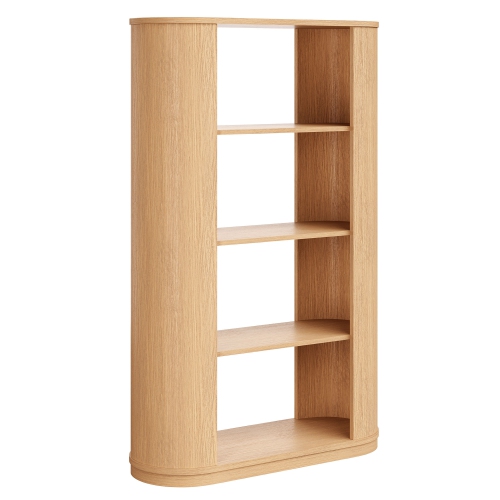
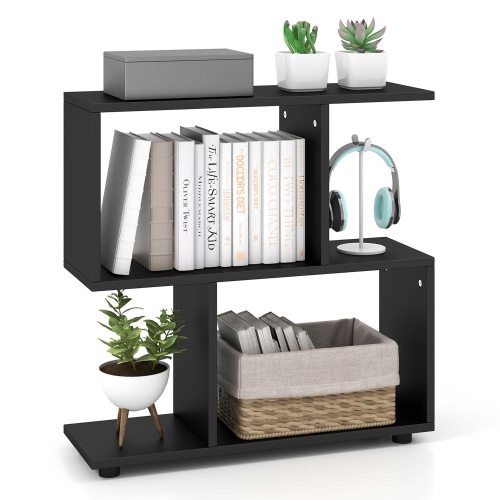
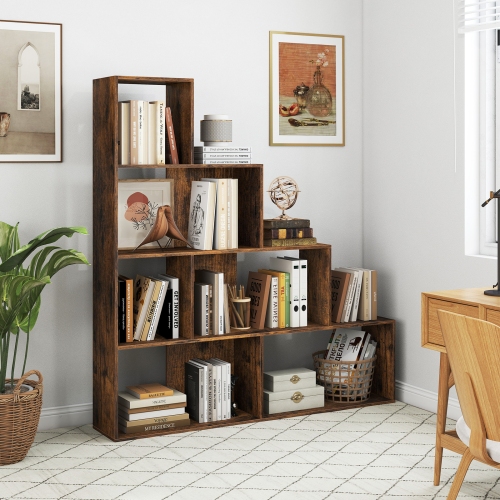
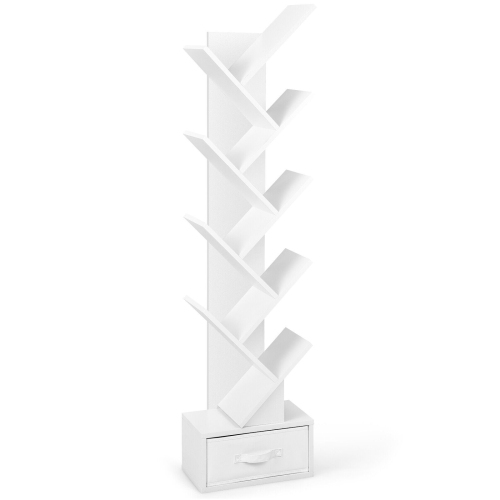
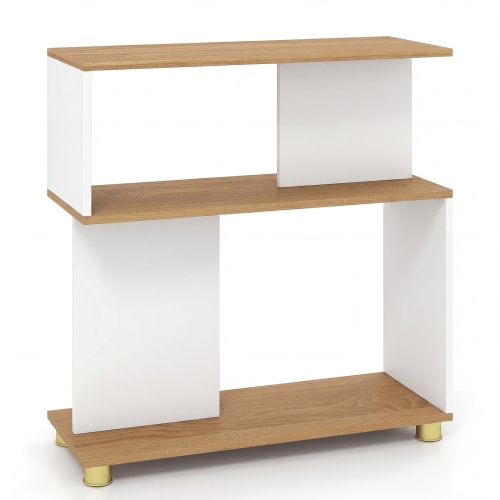
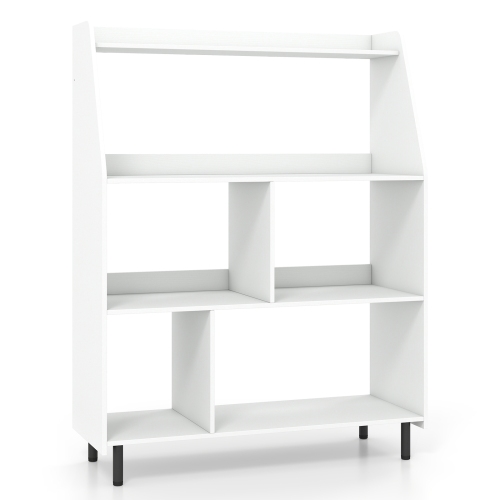
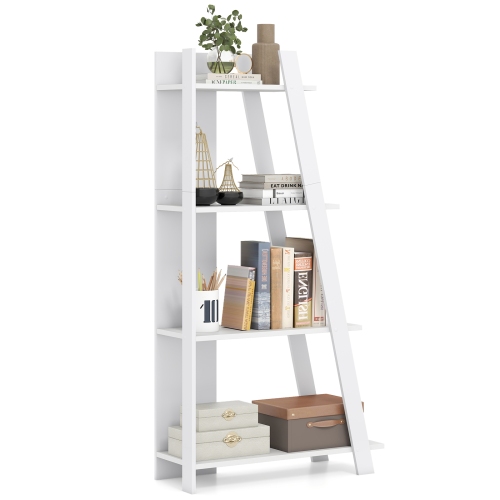

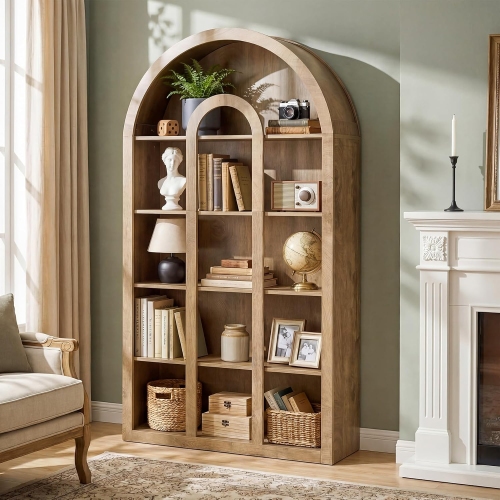

Rounded book storage does not always mean rotating shelves
A circular bookshelf brings rounded lines to book storage, whether its shape comes from a ring-shaped frame, a round base, or shelves arranged around a central column. The term covers several designs with different uses: a rotating bookshelf provides access to compartments around a vertical tower, while a circular wall shelf frames a smaller collection within a fixed outline. Some floor-standing circular bookcases remain stationary, so a round shape does not necessarily mean the shelf turns. Rotating designs may offer a full 360-degree turn, allowing books on different sides to move within reach without someone walking around the unit. That arrangement can suit a reading nook, home office, or shared living room where storage needs to stay within a relatively compact footprint. A wall-mounted circle serves a different purpose, combining modest storage with a strong visual shape above a desk or beside a reading chair. Within the circle, horizontal shelves create places for paperbacks, small framed photographs, and favourite keepsakes, although the curved edges can limit usable space near the sides. For a larger book collection, shelf depth, compartment height, and supported weight matter more than the outer diameter alone. A tall art book needs more clearance than a paperback novel, and a row of hardcovers places greater demands on a shelf than a few lightweight display pieces. Circular bookshelves can soften the appearance of a room filled with rectangular furniture while still giving reading material a defined home. An open frame allows the wall colour to show through, while solid dividers create more distinct compartments for organizing books by subject, reader, or size. For readers comparing a round tower with other upright formats, Standing Book Shelves offer another way to explore floor-standing storage. The useful distinction is how the shelving holds and presents the collection: a rotating tower brings different sections forward, while a fixed circular frame keeps its contents visible from one main viewing position.
Materials and construction influence both the appearance of a circular bookshelf and how it stands up to everyday use. Solid wood can bring visible grain and natural variation, while engineered wood with a veneer or laminated finish can provide a more uniform surface. Metal frames often create a slimmer outline, though shelf strength still depends on the complete construction, including the joints, supports, and shelf material. Plastic components can make a unit lighter to handle, but their supported loads and care requirements vary by design. A substantial-looking outer ring is not, by itself, proof that the shelves can carry a dense collection of books. Published weight limits, including any limits for individual tiers or compartments, are more useful measures. On rotating units, the base and turning mechanism deserve particular attention because they support the loaded tower as well as its movement. Smooth turning, securely fitted dividers, and a stable base all contribute to comfortable daily use. Fit also involves more than measuring an empty patch of floor. A rotating bookshelf needs clearance around its moving parts and any books that extend beyond the shelf edges; placing it tightly against a wall may prevent it from turning freely. Nearby curtains, chair arms, charging cables, and cabinet doors can also interfere with access. In a narrow room, the space needed to approach the shelf and remove a book matters as much as the footprint. Wall-mounted designs require a suitable mounting surface and hardware matched to both the wall construction and the expected load, following the manufacturer's installation directions. The supporting capacity of the wall and fixings is just as important as the stated capacity of the shelf. For floor-standing designs, a level position and assembly according to the supplied instructions help maintain stability. Any specified anti-tip measures remain important, particularly in homes with children or pets. A circular silhouette is a visual feature, not a substitute for secure installation or appropriate loading.
Everyday use helps determine which circular bookshelf layout will feel most practical over time. In a home office, separate compartments can keep reference books, notebooks, and reading material within reach without spreading them across the desk. Beside a comfortable chair, a smaller unit can hold the books being read most often, leaving a larger bookcase for the rest of the collection. In a shared household, dividing shelves by reader can make a rotating tower easier to navigate, provided everyone can reach their section comfortably. Children's reading spaces benefit from accessible shelf heights and compartments that fit picture books without forcing the covers to bend. A bookshelf should never serve as climbing equipment, and rounded edges do not remove the need for supervision and proper securing. For anyone who finds overhead reaching uncomfortable, frequently used books are better placed at an accessible height rather than on the top tier. Lower compartments may suit heavier volumes when that arrangement is consistent with the manufacturer's loading instructions. Keeping books within the boundaries of rotating shelves helps prevent them from catching on furniture as the unit turns. Care is usually straightforward, but it should match the materials and finish: a soft cloth removes dust from exposed surfaces, and any cleaning product should be suitable for the shelf rather than chosen solely for convenience. Excess moisture can damage some wood-based panels or finishes, so spills should be addressed promptly and surfaces dried as directed. Potted plants need watertight protection underneath to keep moisture away from both shelving and books. Rotating bases also need a clear surrounding area, with loose objects kept away from the mechanism; maintenance or lubrication should only follow the manufacturer's directions. Over time, checking accessible fasteners and watching for wobbling, sagging, or changes in movement can help identify a problem before further loading. As a housewarming gift or a thoughtful choice for an avid reader, a circular bookshelf works best when its dimensions, finish, and storage layout suit the recipient's home. Its lasting appeal comes from that balance of distinctive shape and useful storage: books remain easy to find, favourite objects have room to stand out, and the shelf fits naturally into daily life.
Top selling and popular products
-
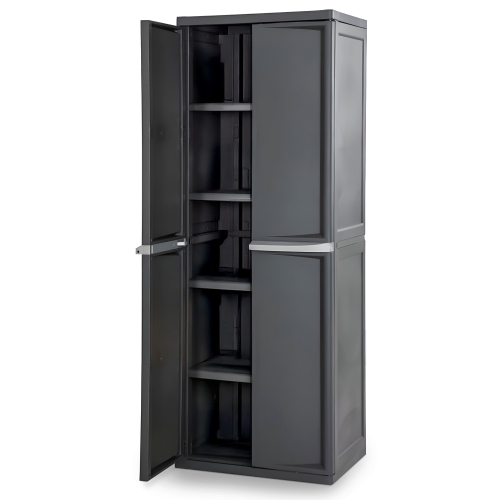 Your price for this item is $412.99
-
 Your price for this item is $1530.99
-
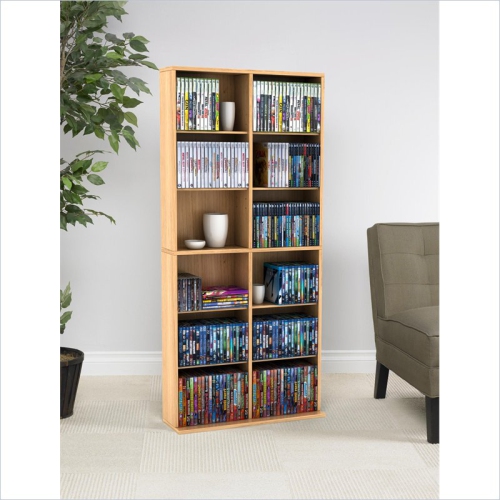 Your price for this item is $234.68
-
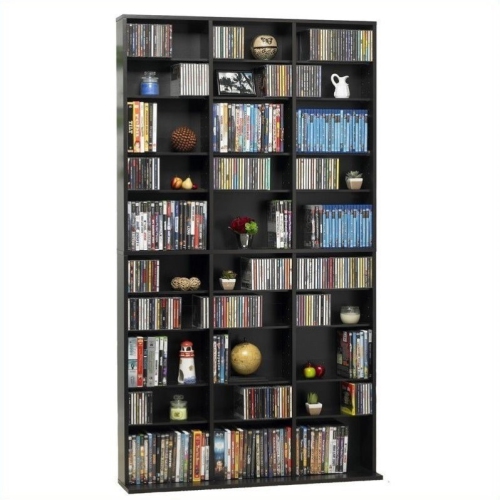 Your price for this item is $365.38
-
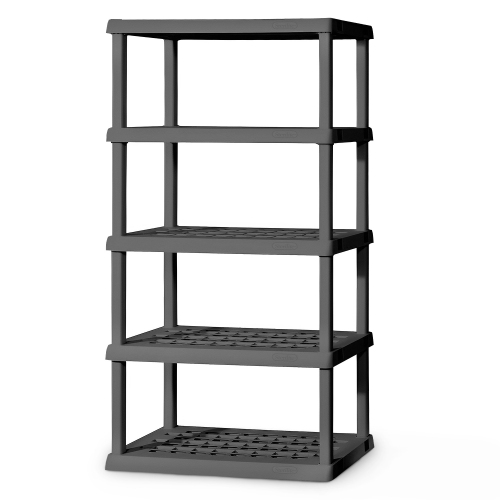 Your price for this item is $320.99
-
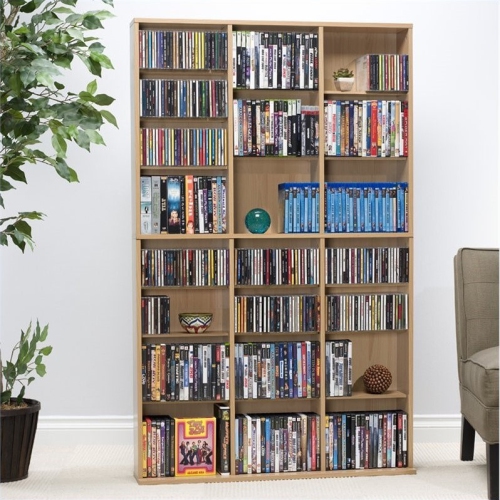 Your price for this item is $295.84
-
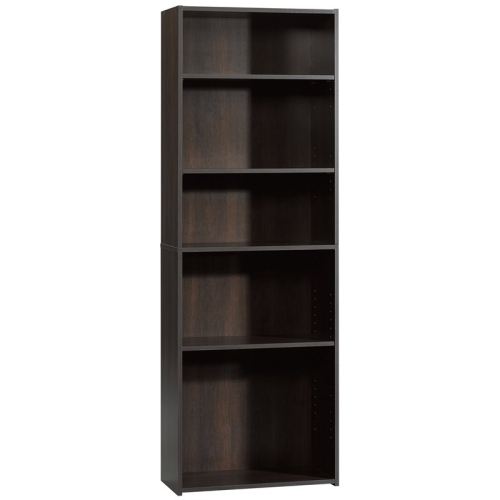 Your price for this item is $227.8
-
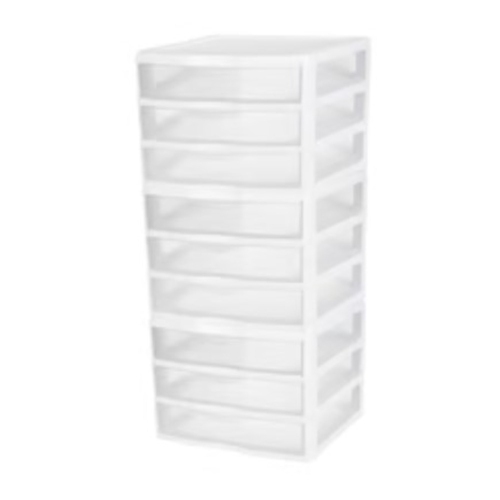 Your price for this item is $127.99
Discover more categories related to Circular Bookshelf

Top Collections:
Pokemon Centers, Best Cameras for Sports Photography, Kindle Devices, Samsung Galaxy Phones, Canon G7X Cameras, Pokémon 30th Celebration Cards, Refurbished Apple Laptops, iPhone 15 Apple, Laptops for Students, Budget Smartphones
Some products may be subject to Environmental Handling Fees
(EHF) depending on your province.
Learn more about EHFs.