Unique Bookshelves
Upgrade your home decor with our collection of unique bookshelves that combine functionality with style. Whether you're a book lover looking to display your literary treasures or simply in need of extra storage space, our selection offers a variety of designs to suit any taste and space. From sleek modern designs to rustic and vintage-inspired pieces, these bookshelves are not only practical but also add a touch of personality to any room. Explore our range of innovative and eye-catching bookshelves to find the perfect piece that complements your home's aesthetic.
Sort
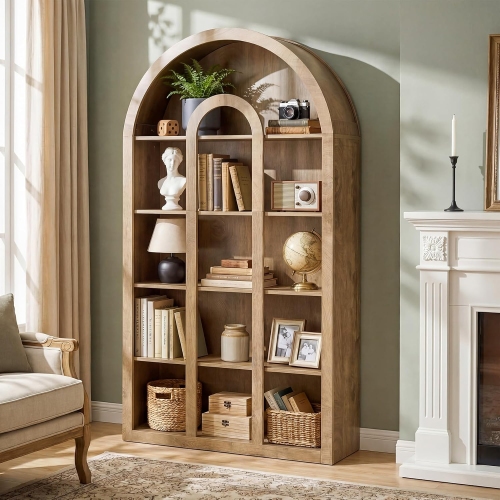


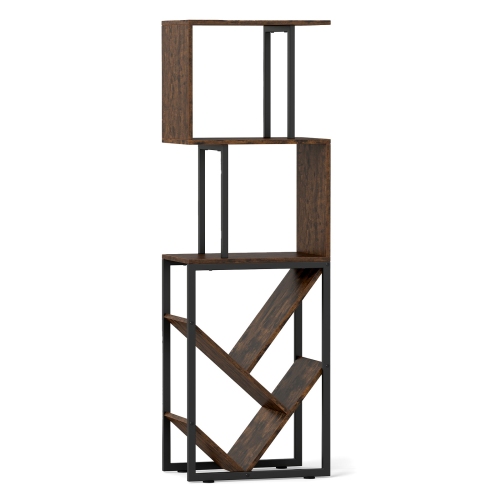
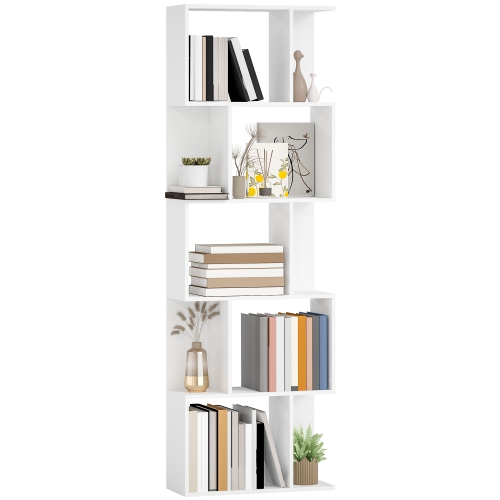
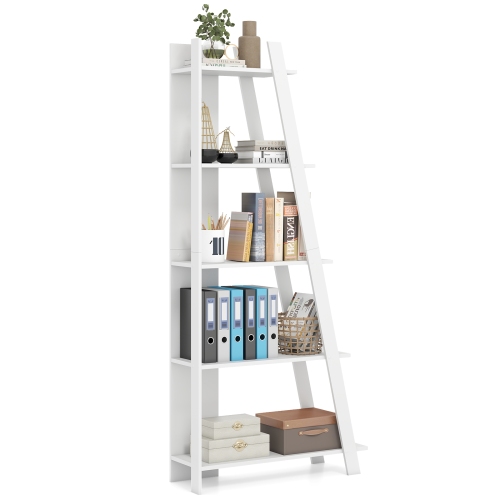

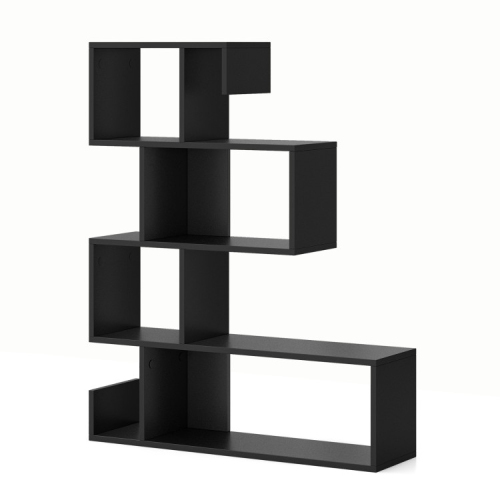
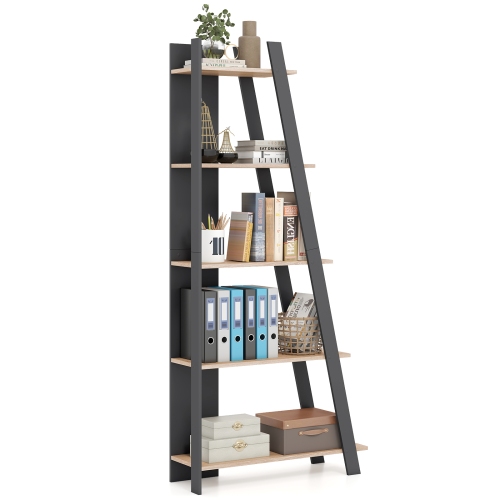
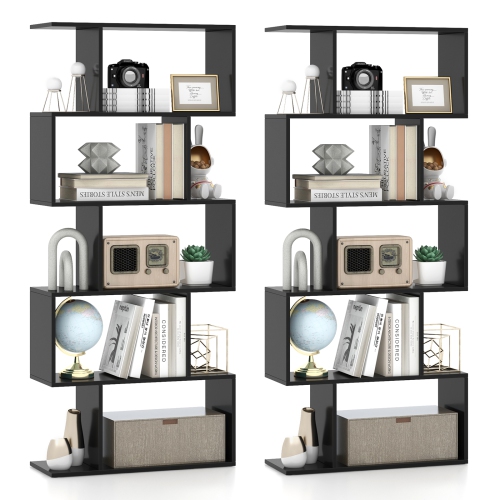
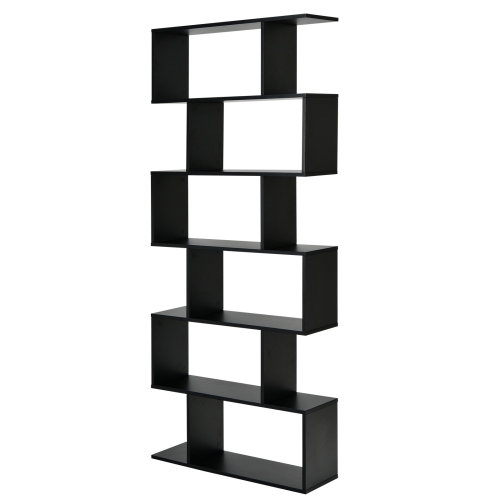

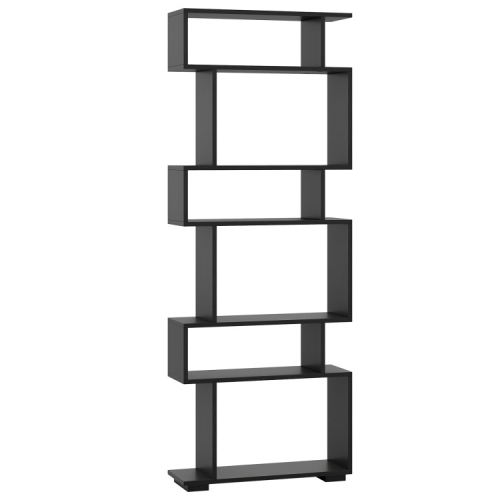
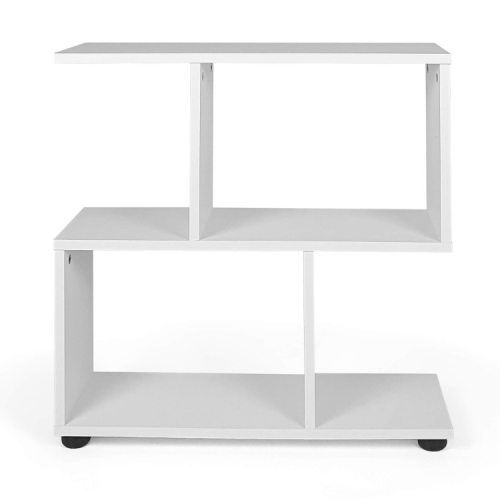
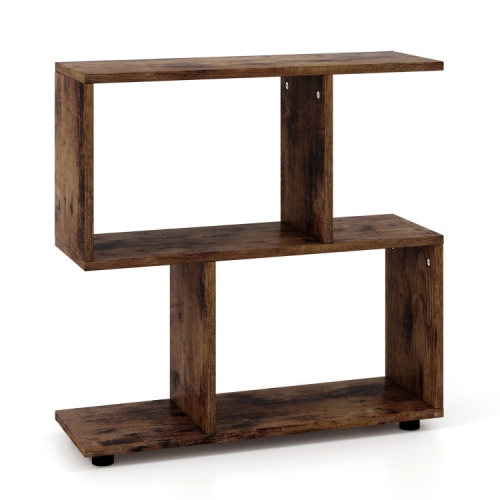
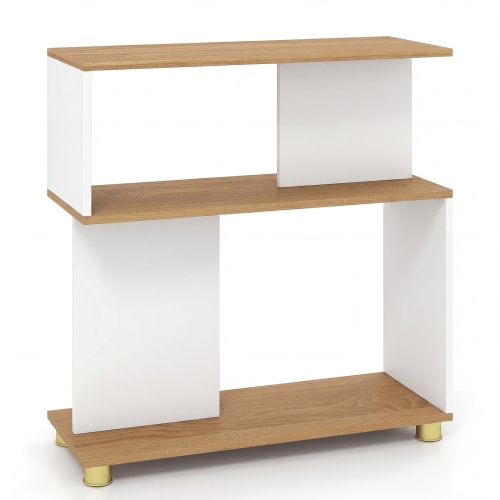
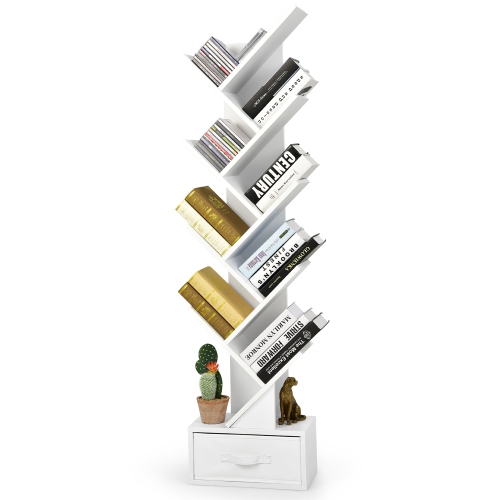
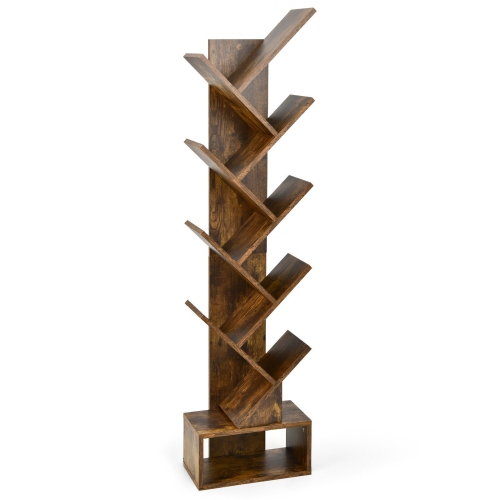
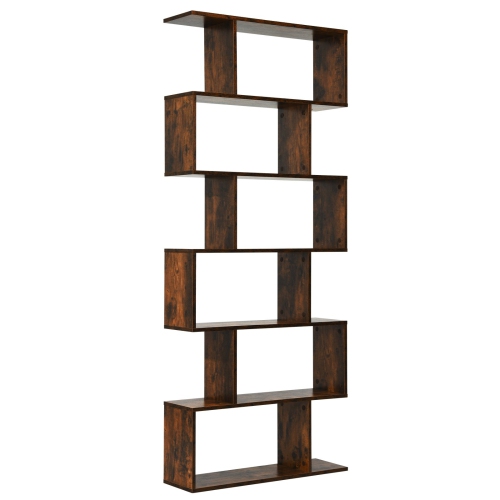
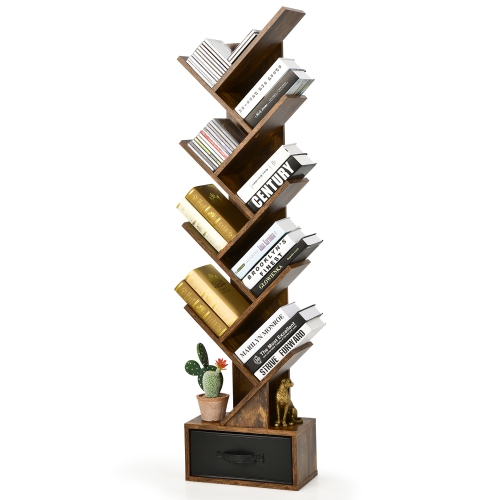
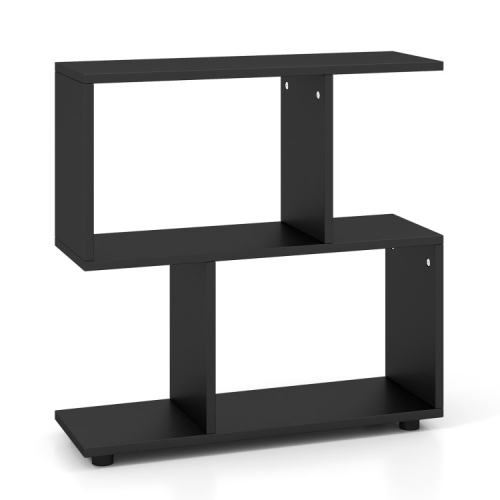
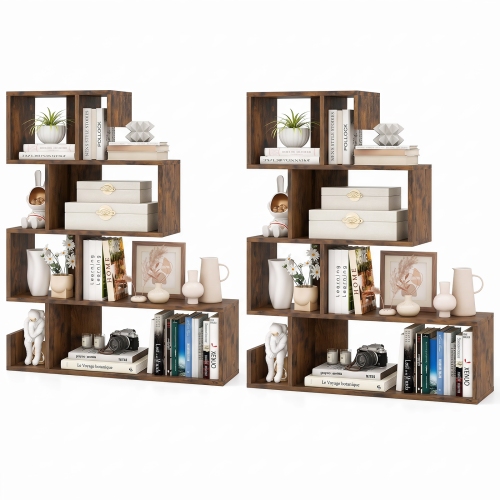
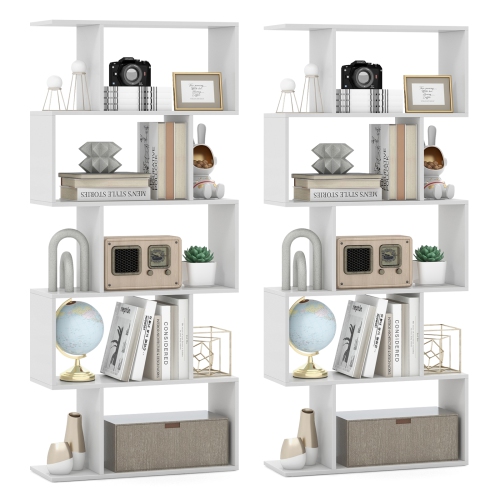

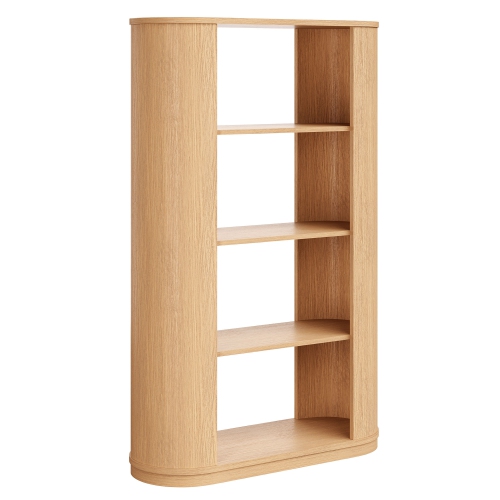

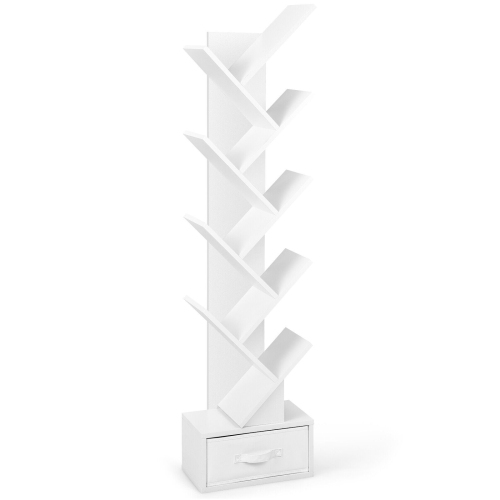
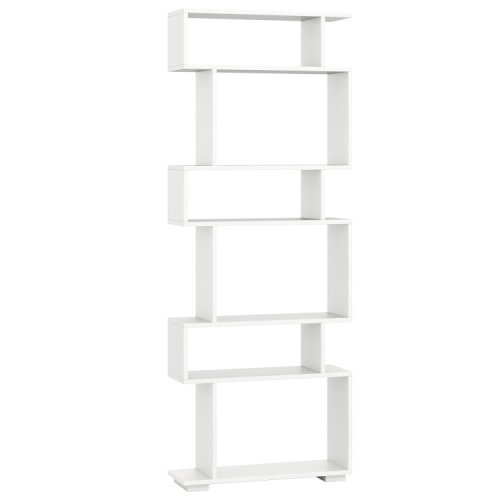
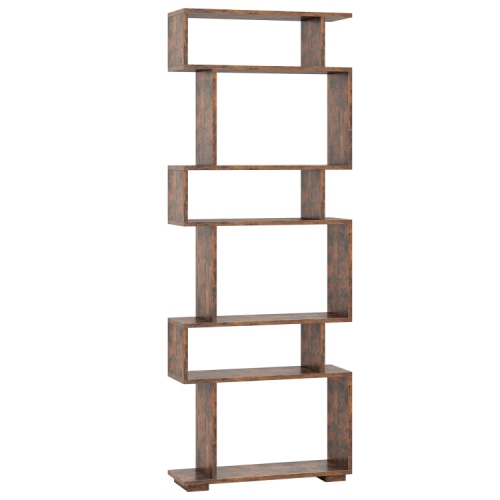
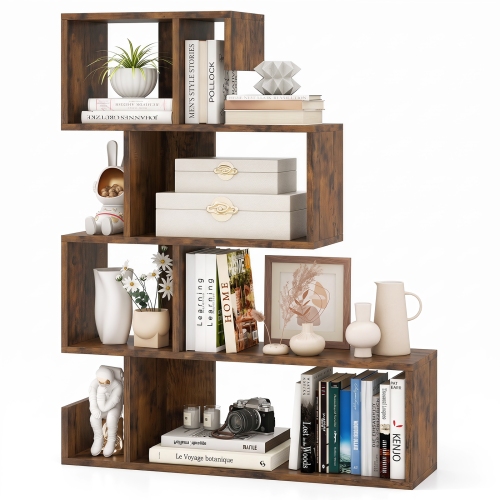
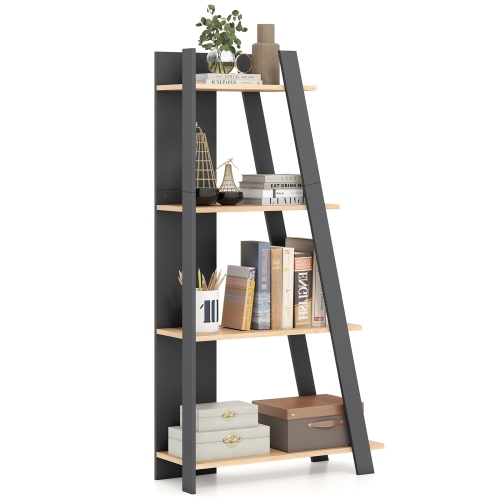


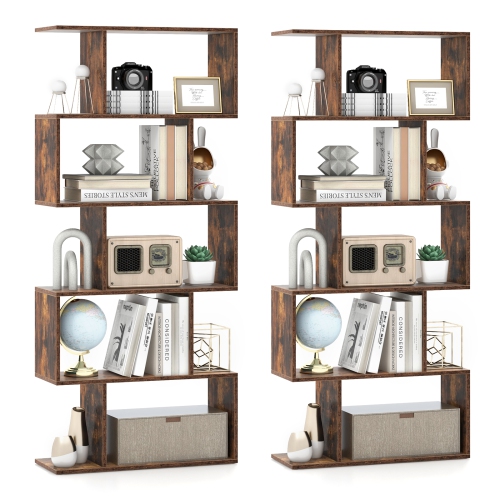


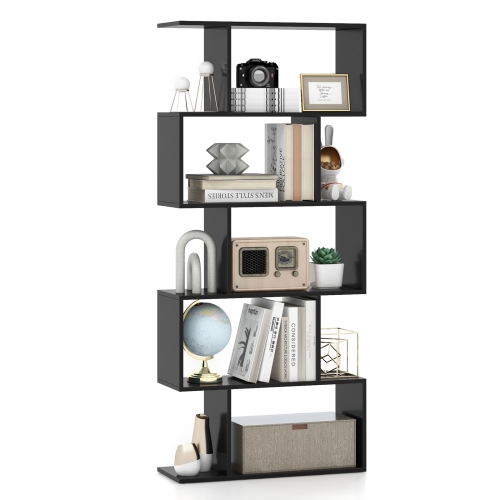

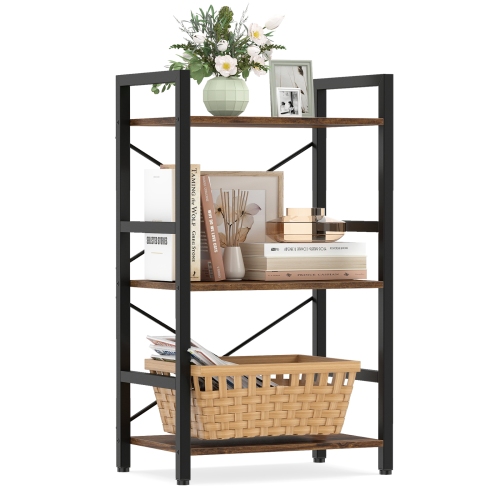
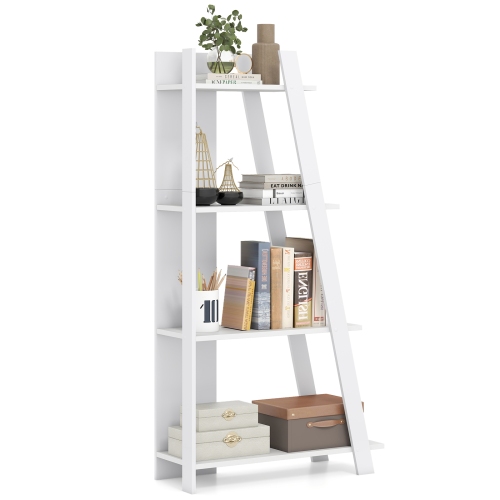
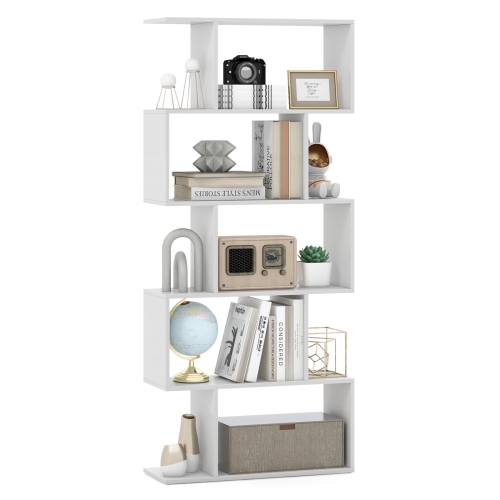
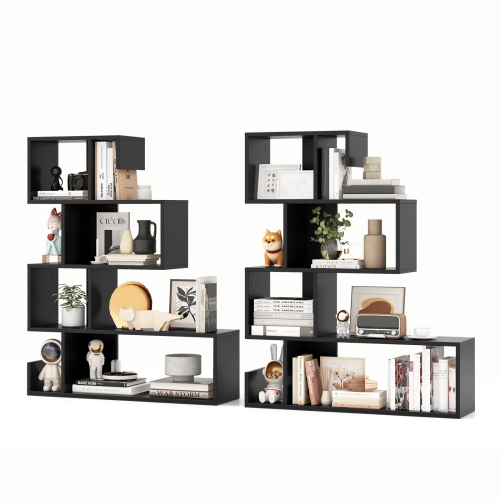

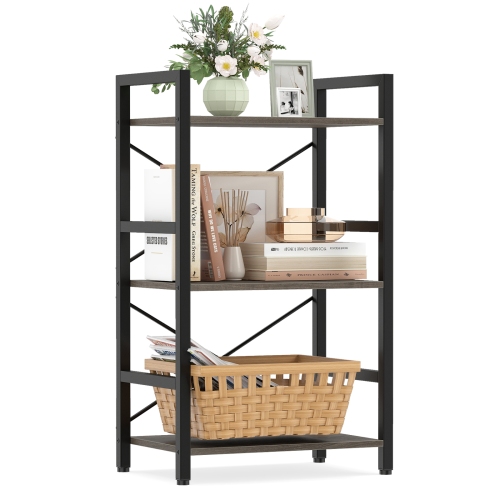
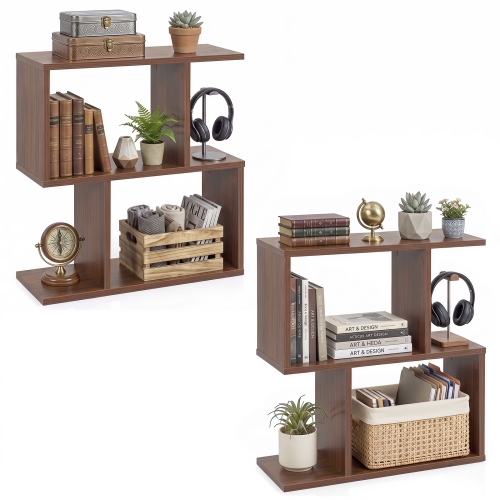
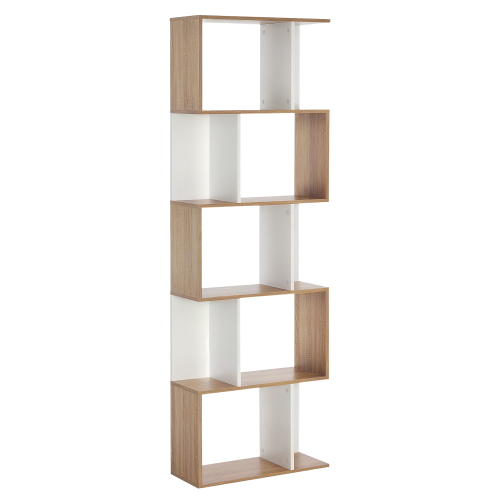
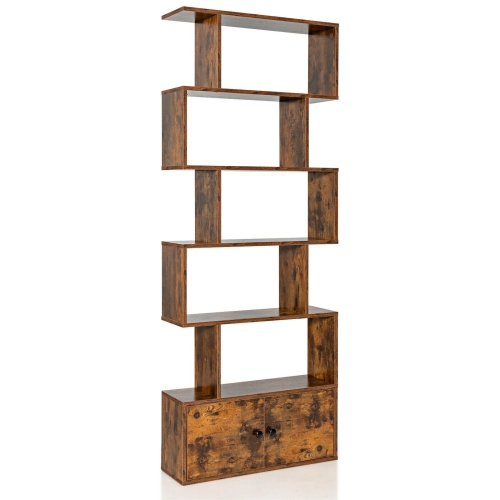
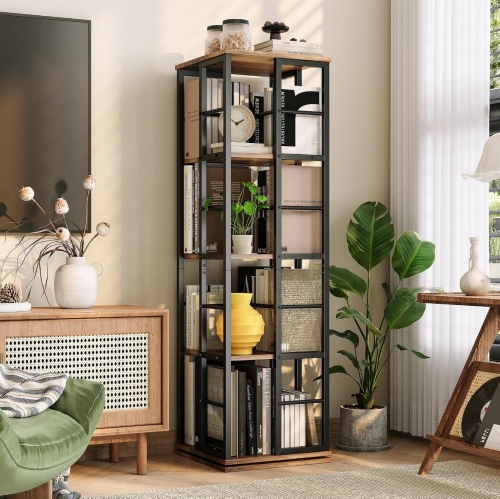
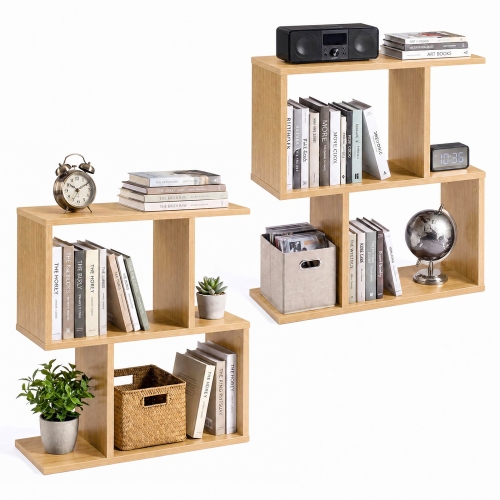
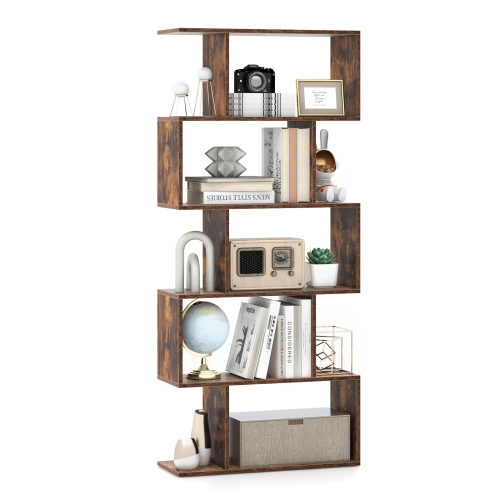

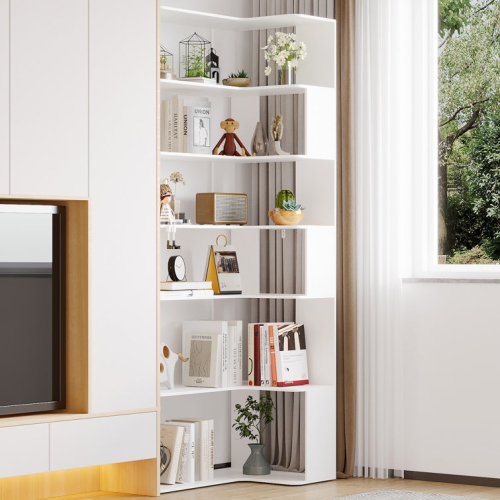


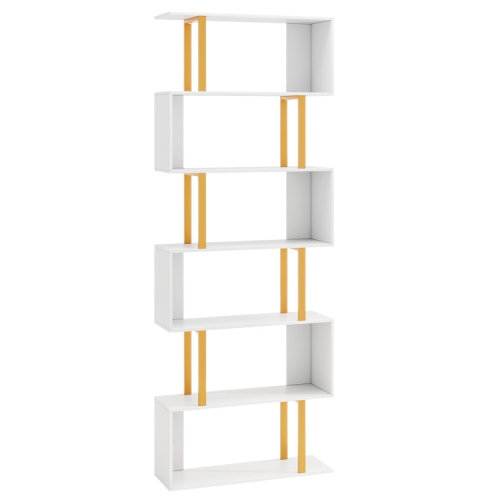
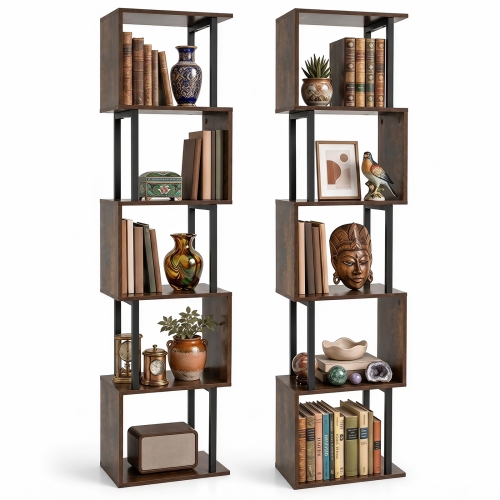
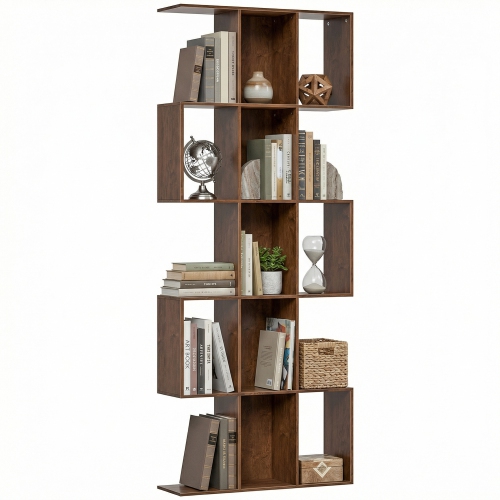
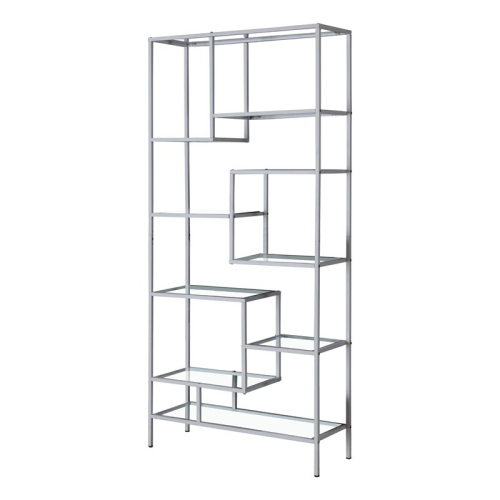
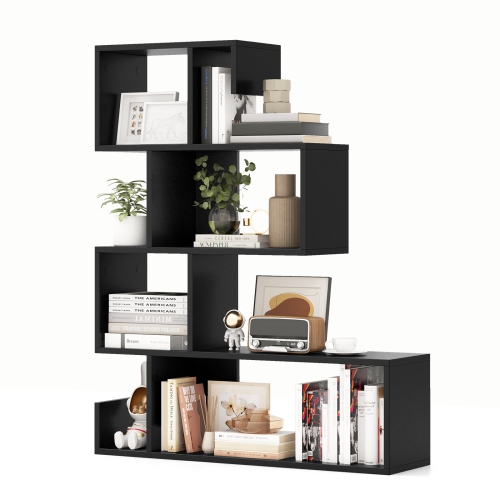

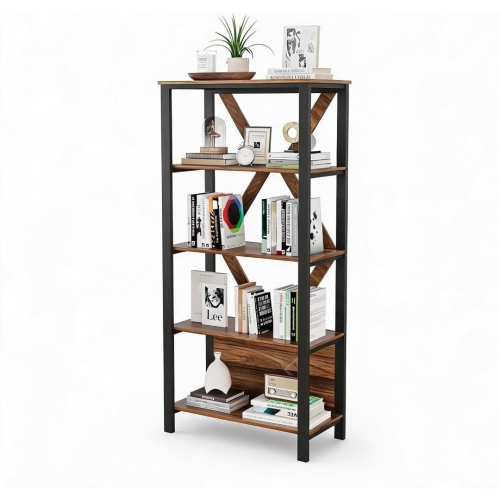
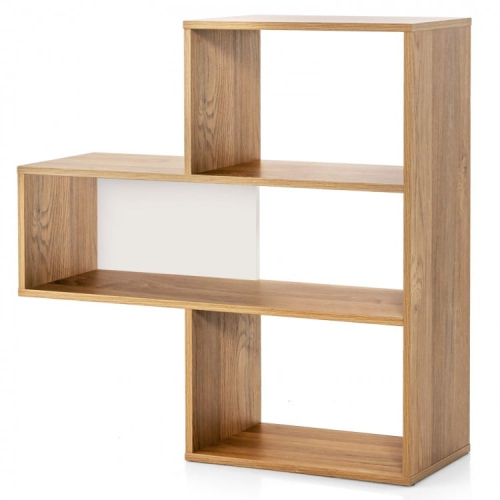

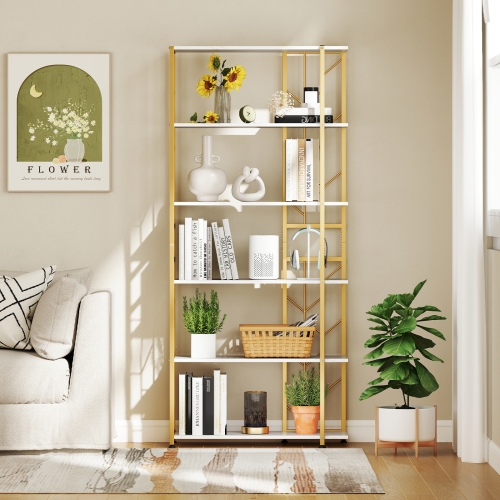

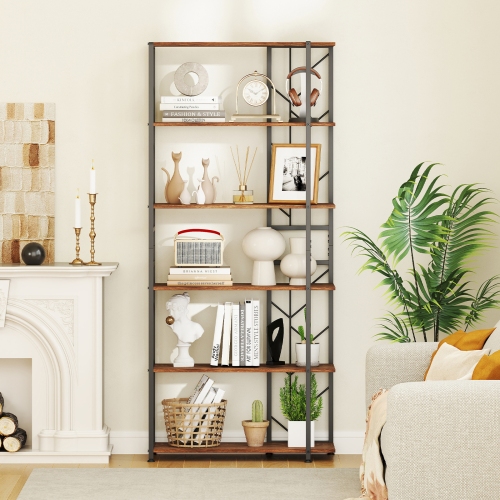


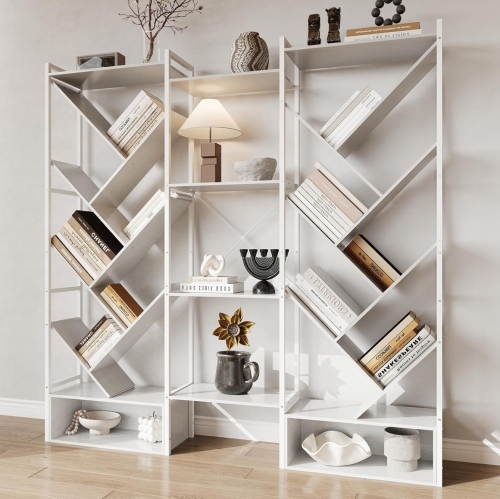
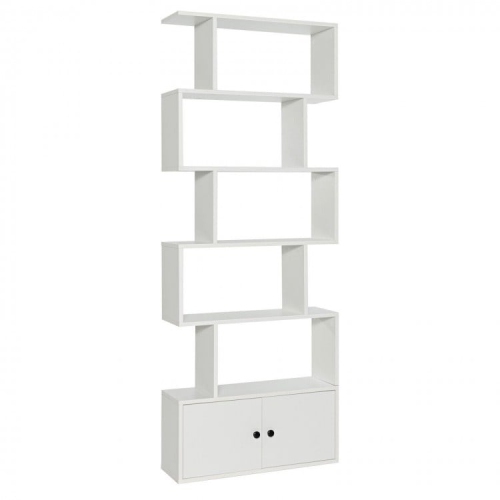
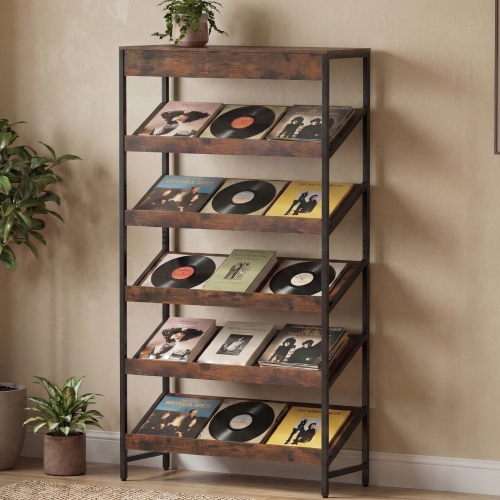


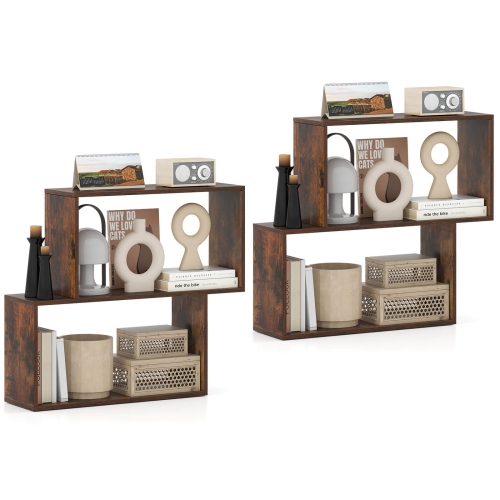
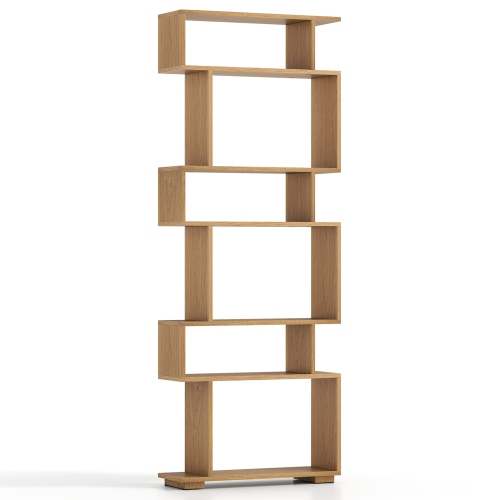
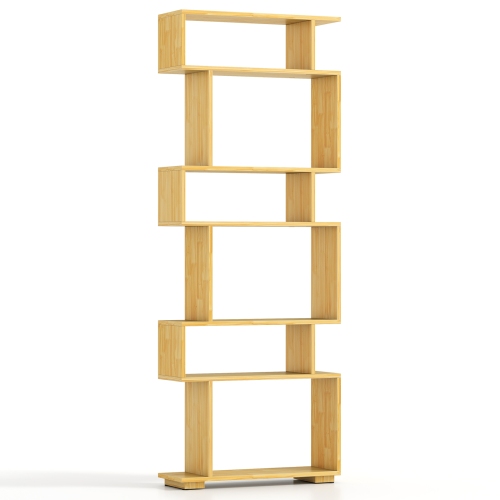
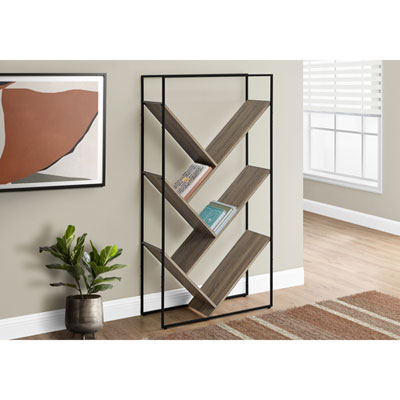
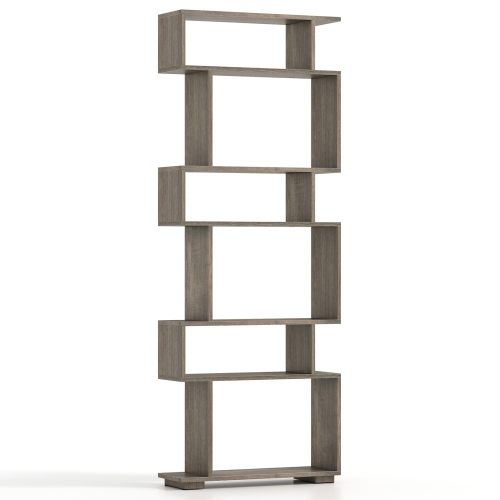
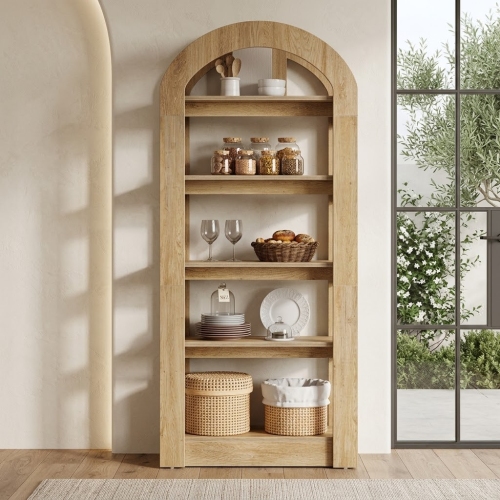
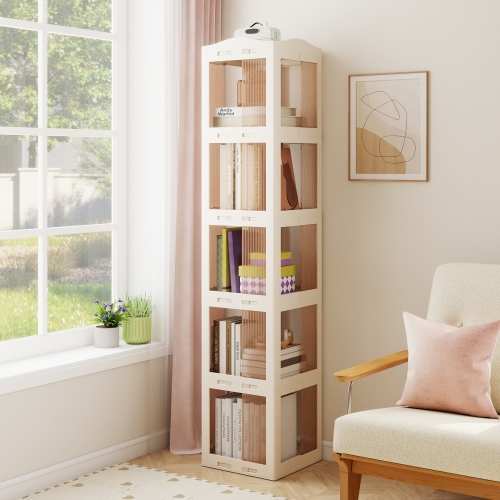


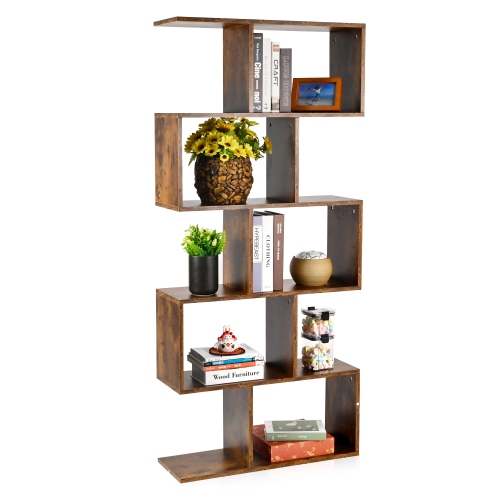
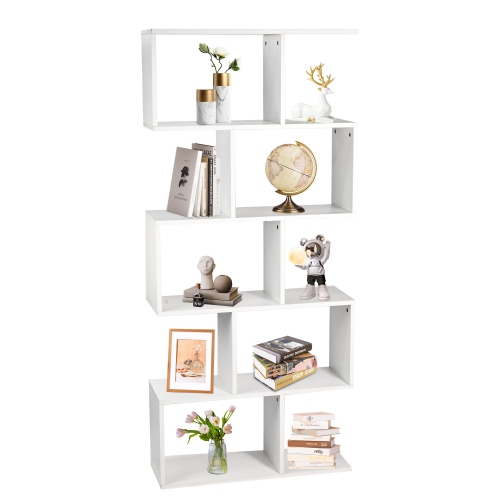

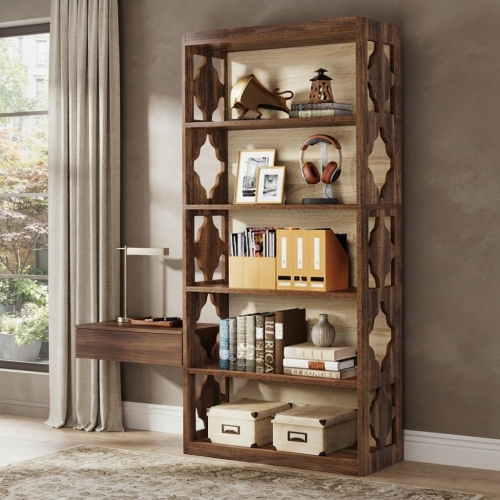

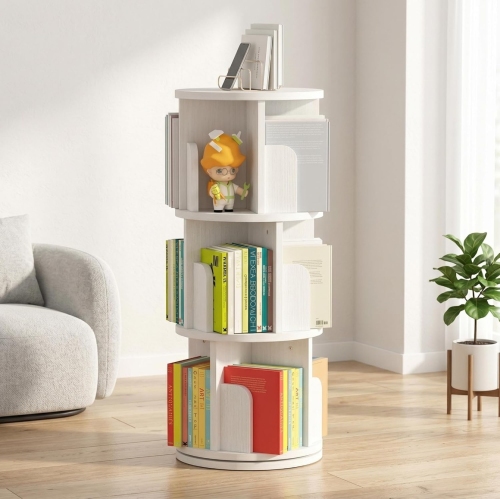
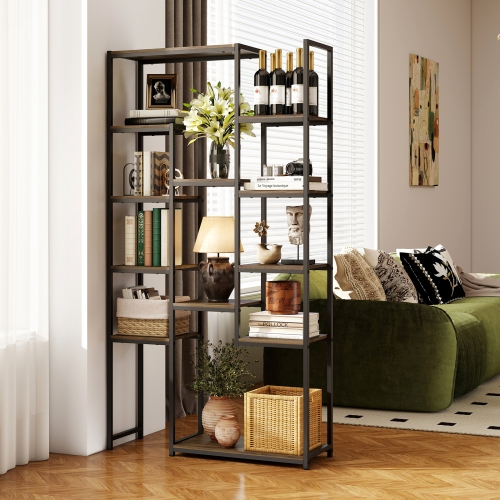
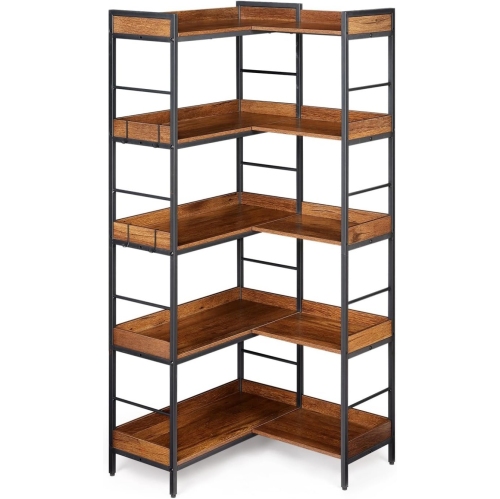
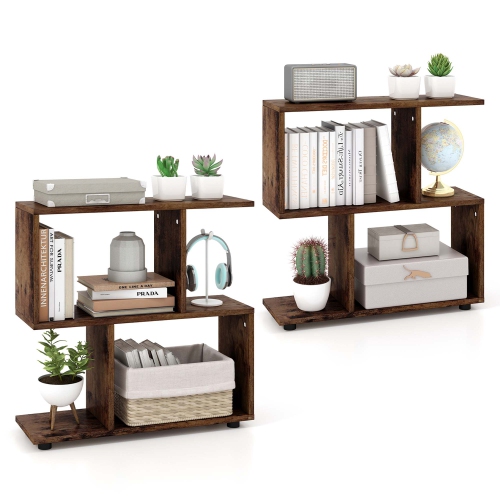
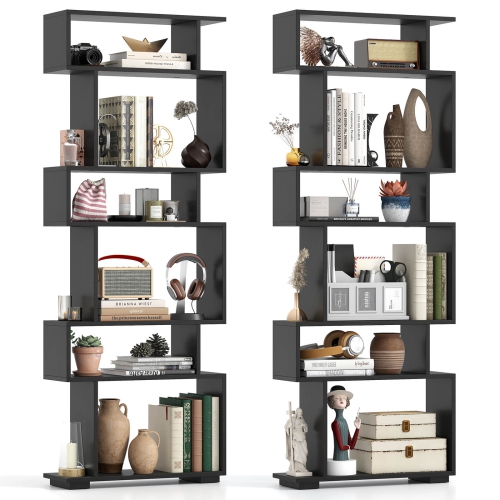
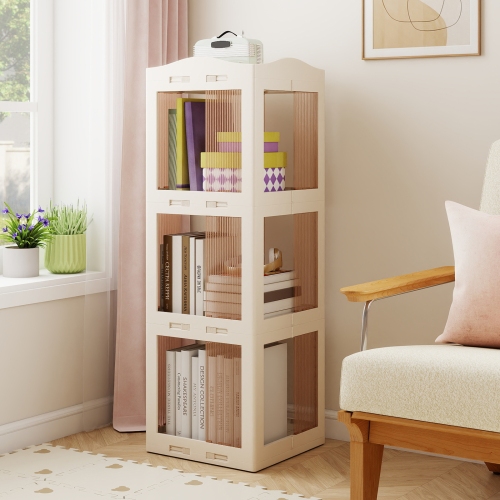
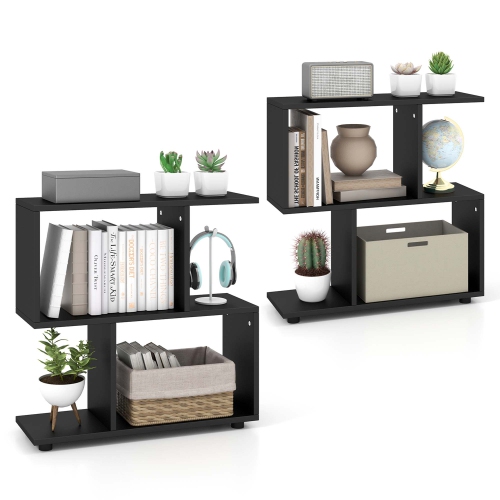


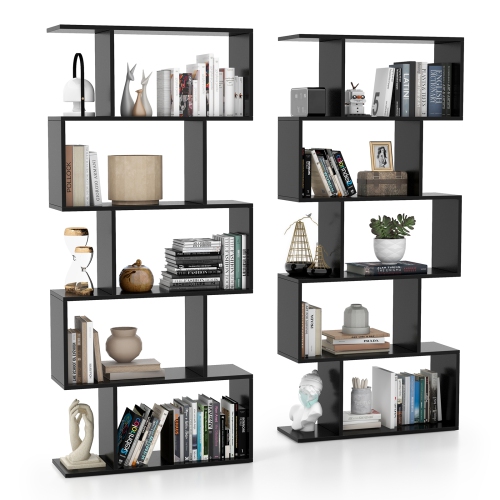
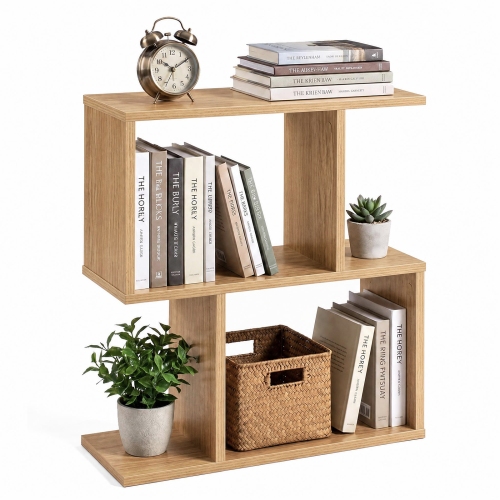

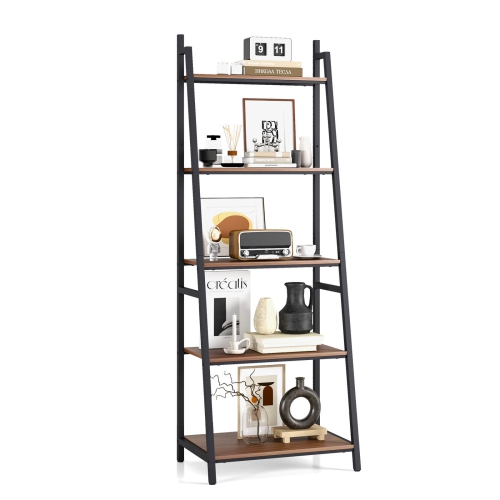
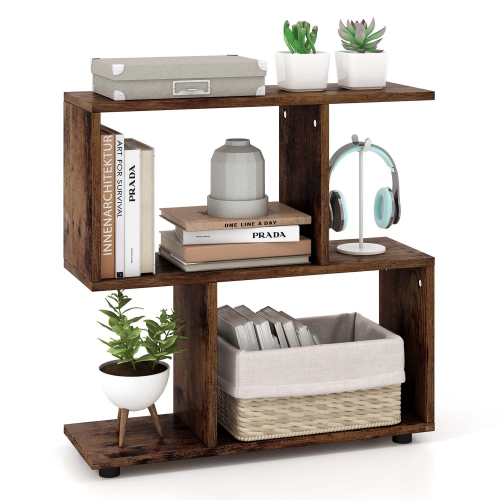


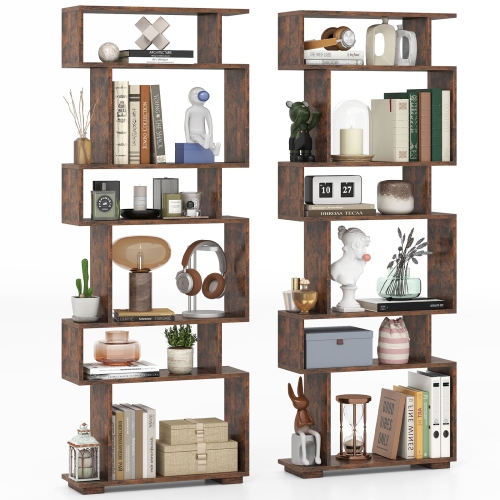
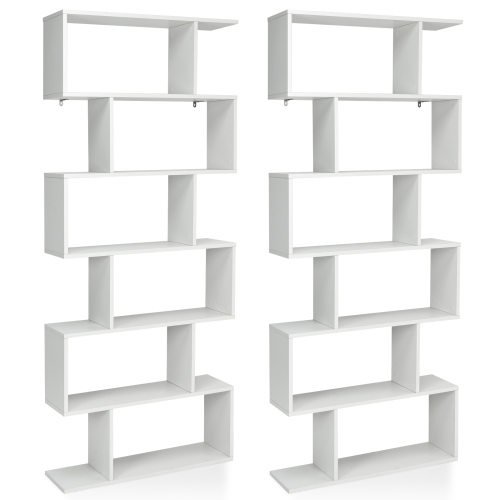

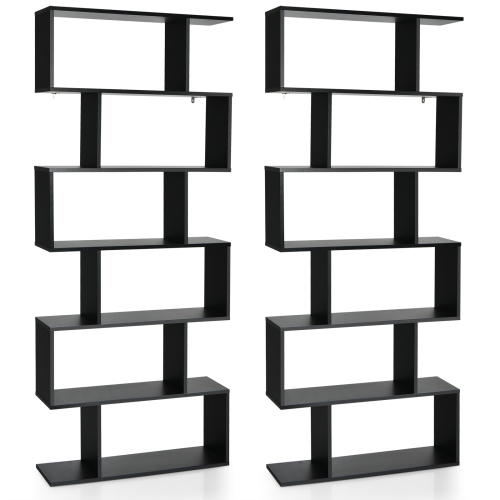


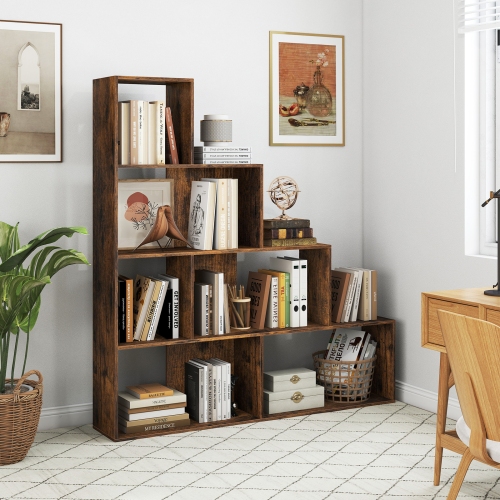
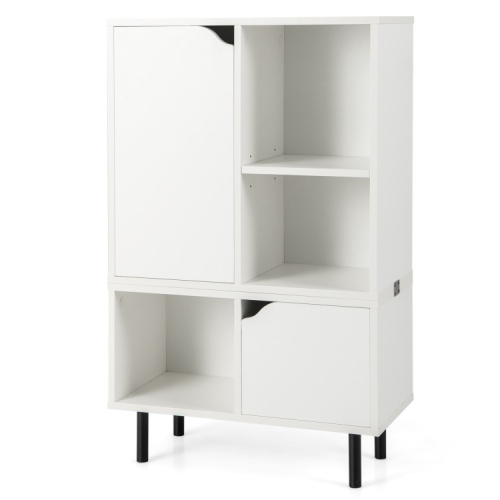

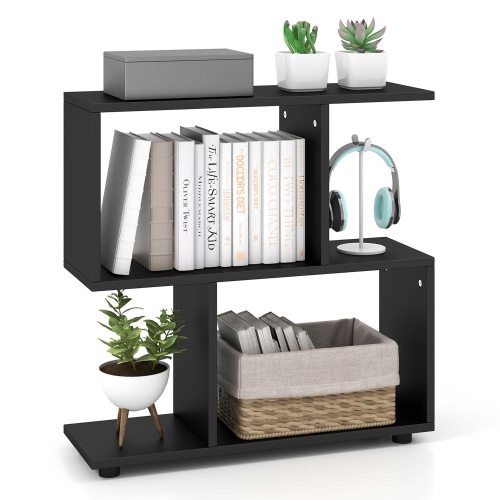
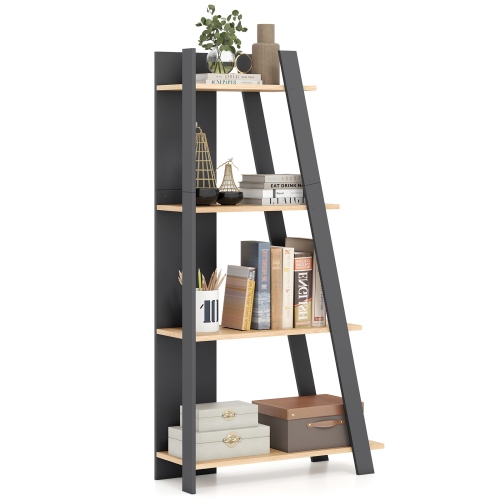

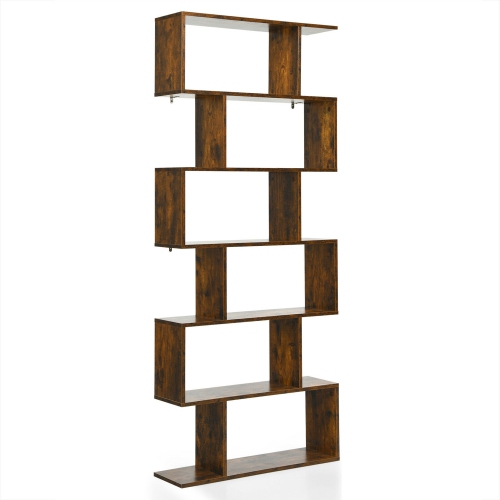

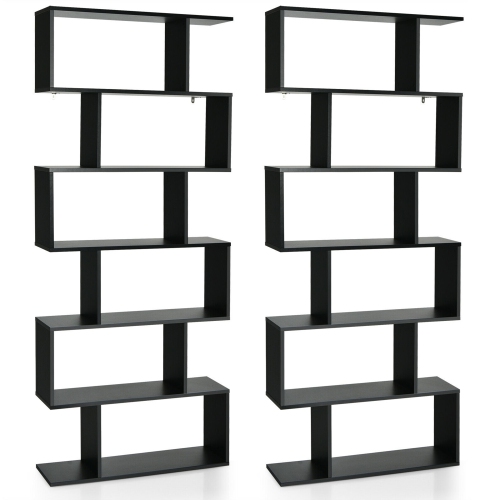
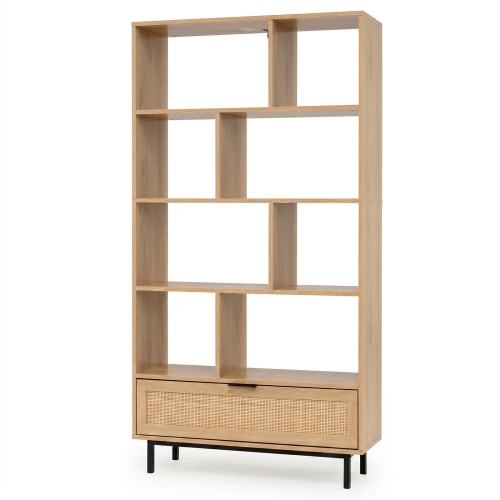
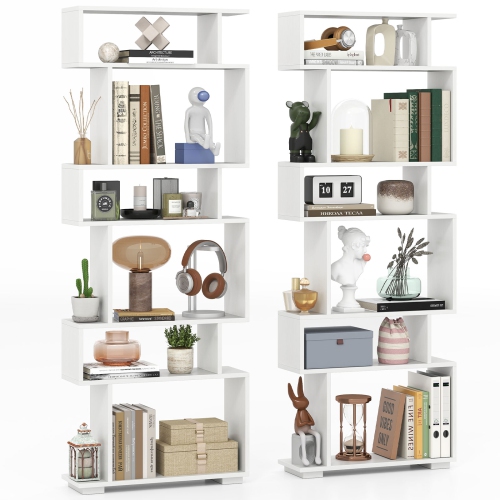
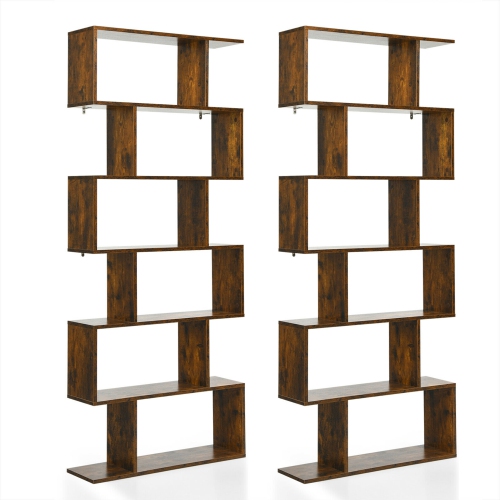
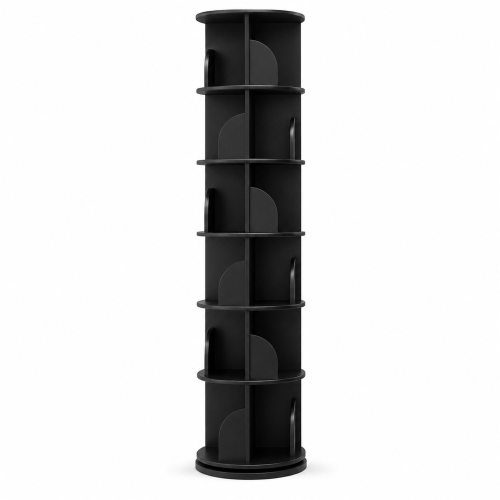
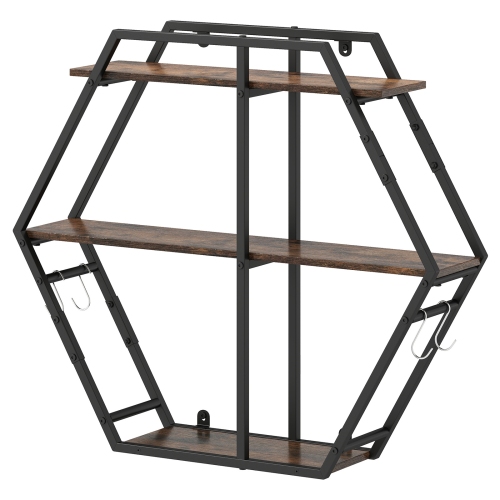

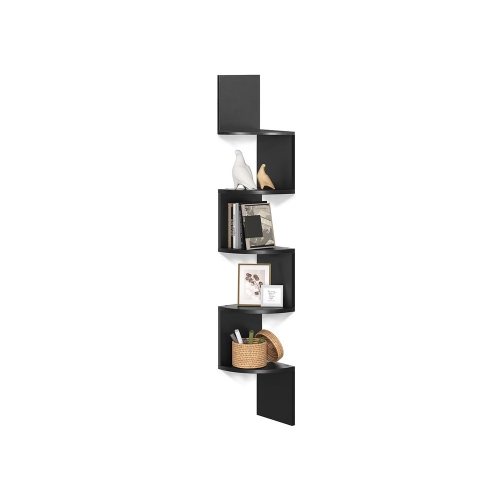
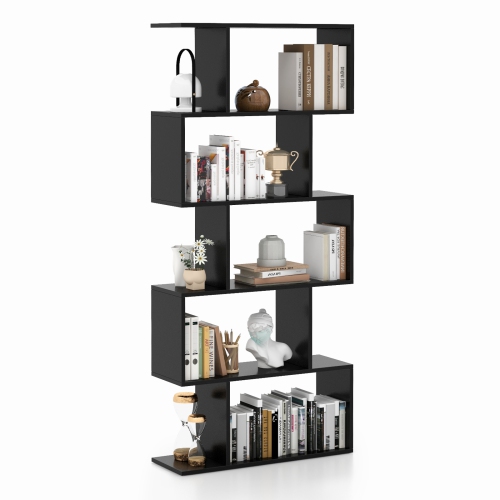
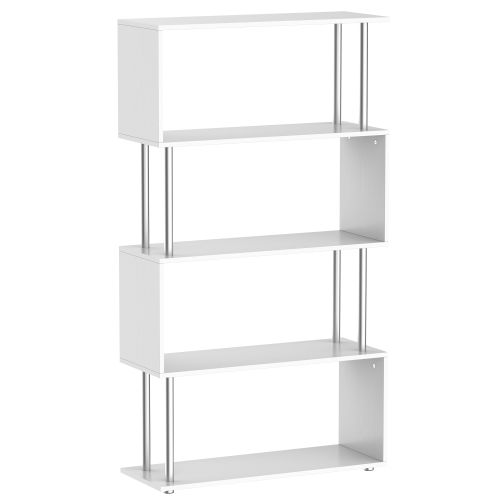
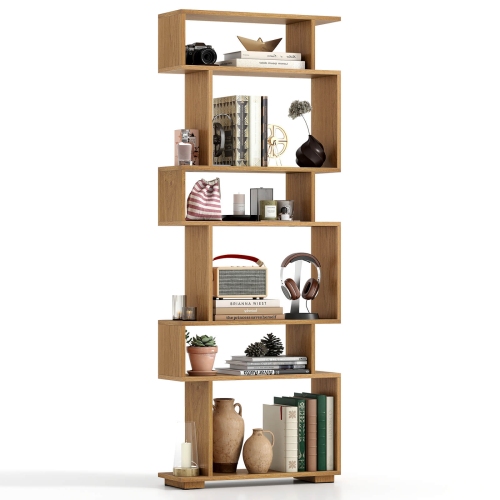
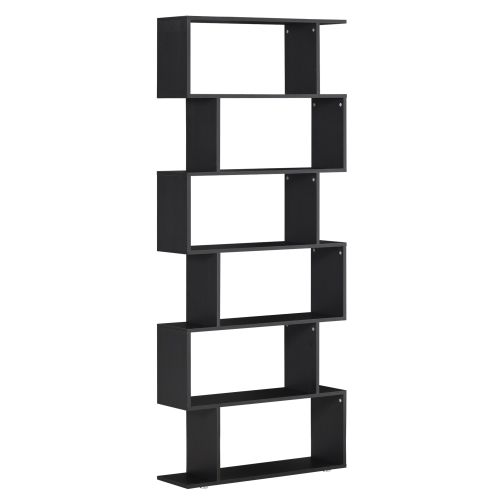
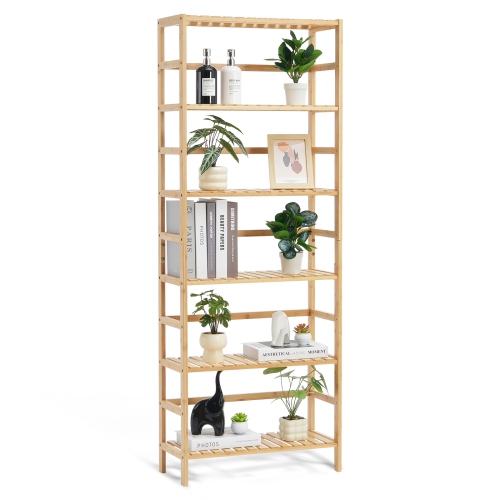
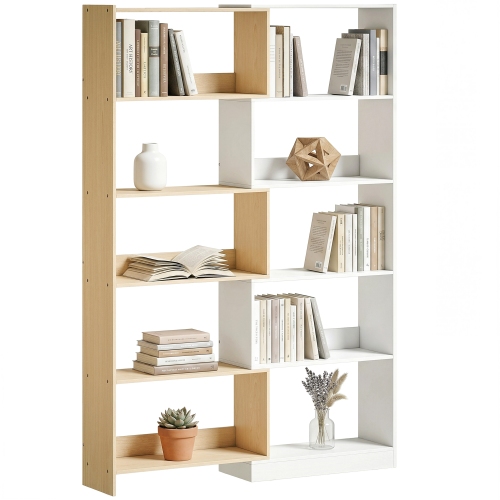
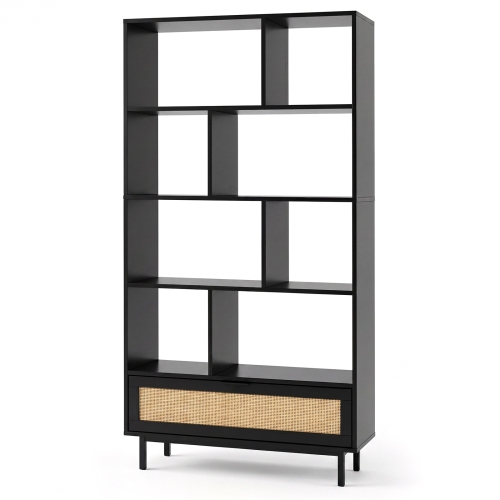


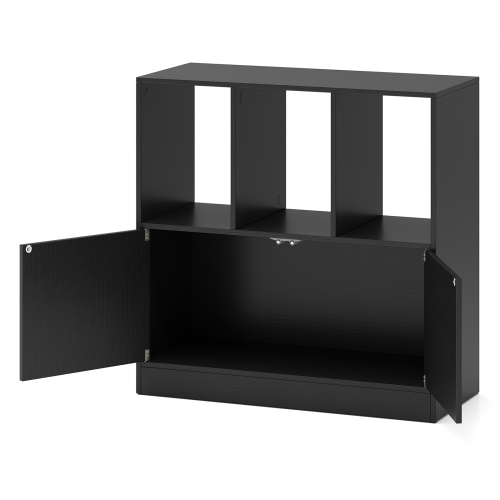
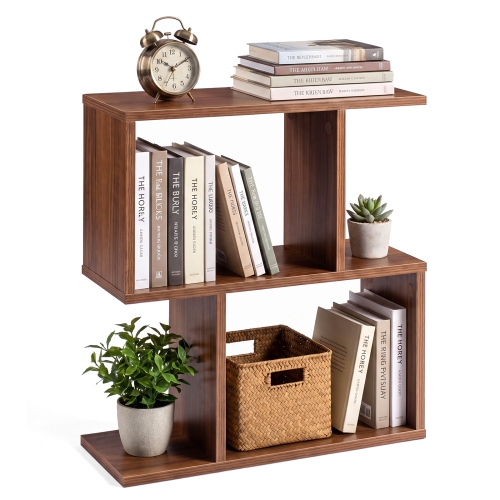
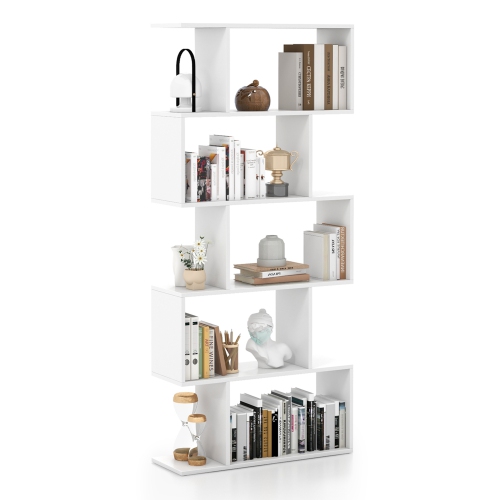
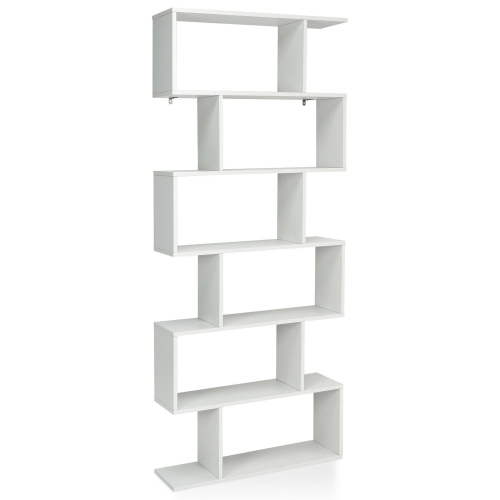
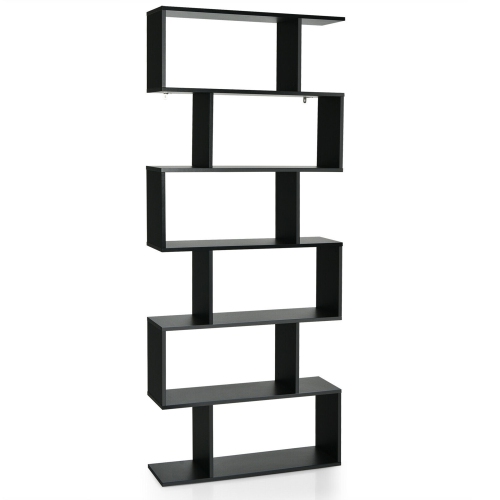

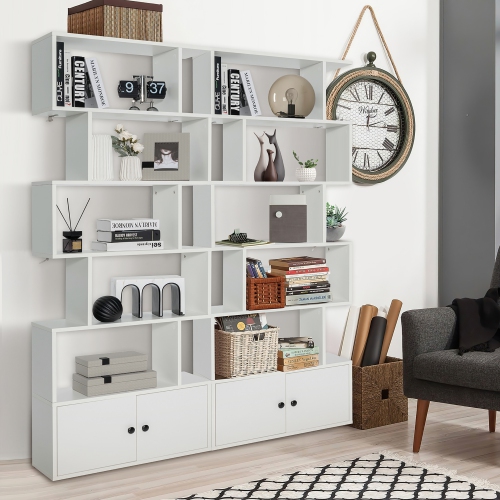
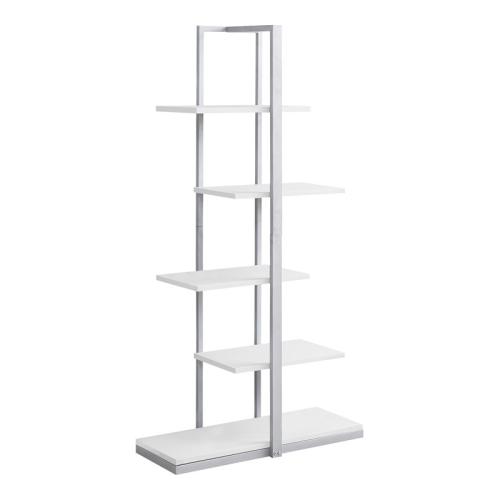
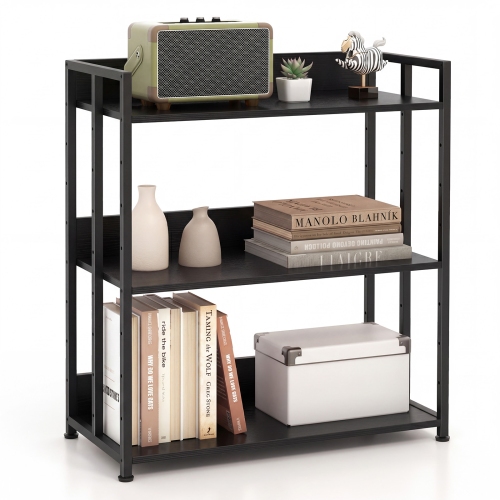


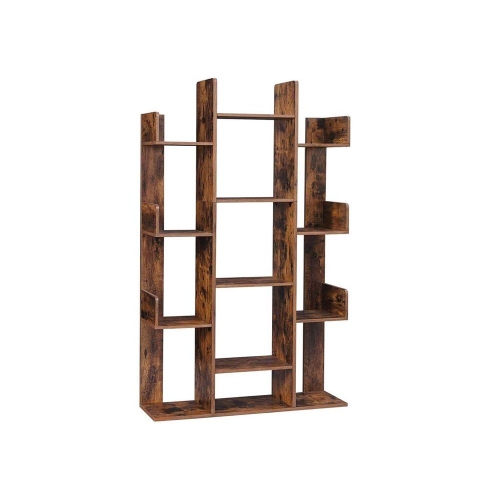

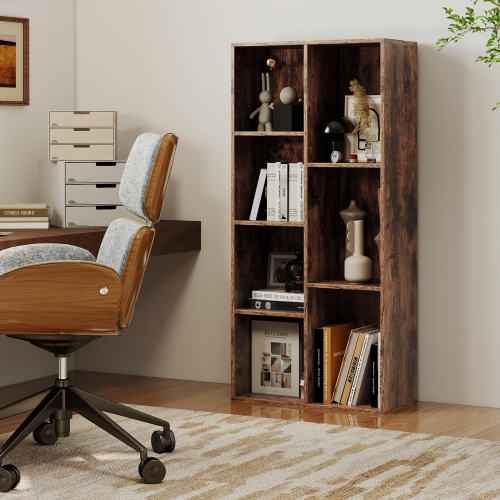
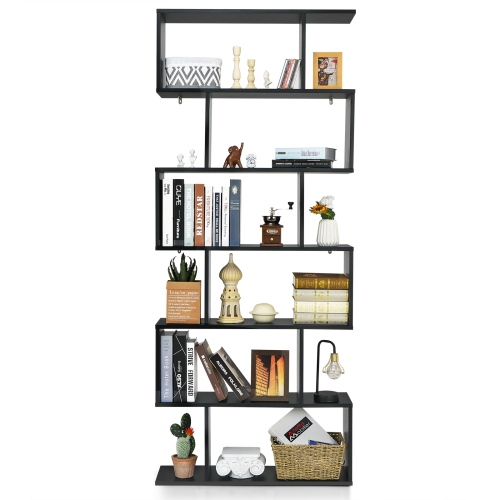
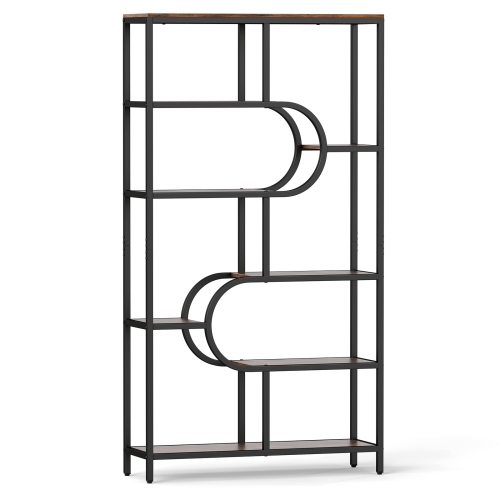
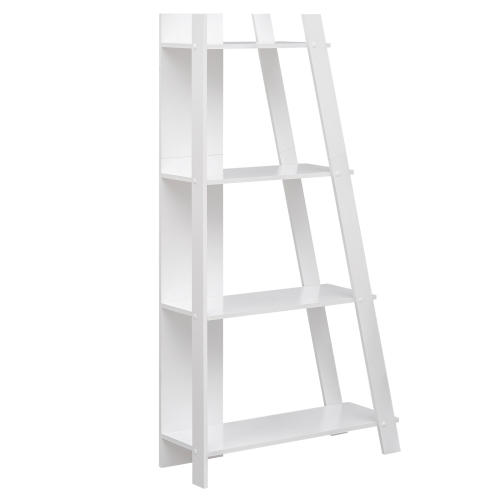

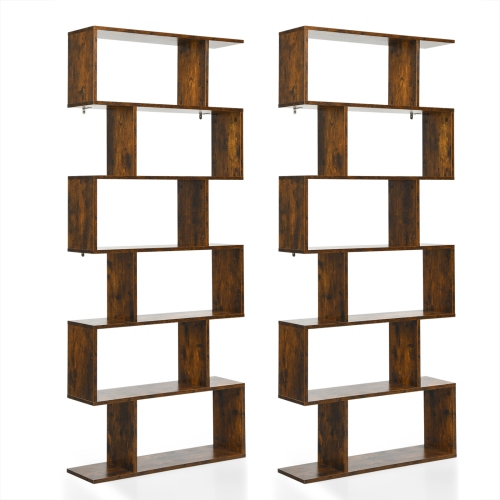
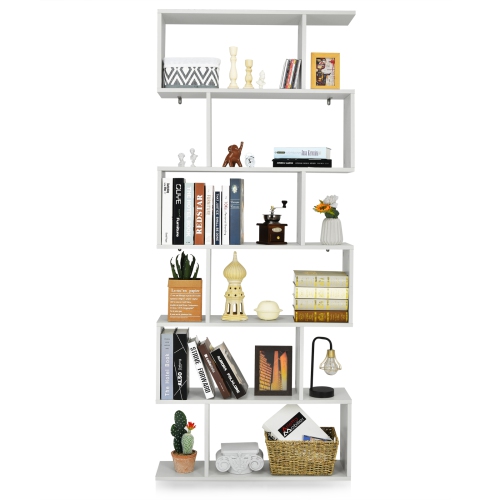

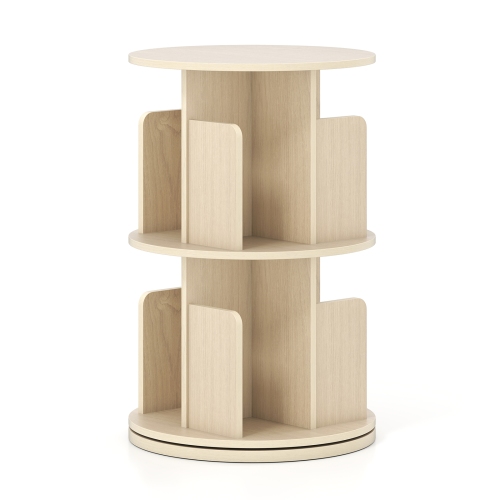
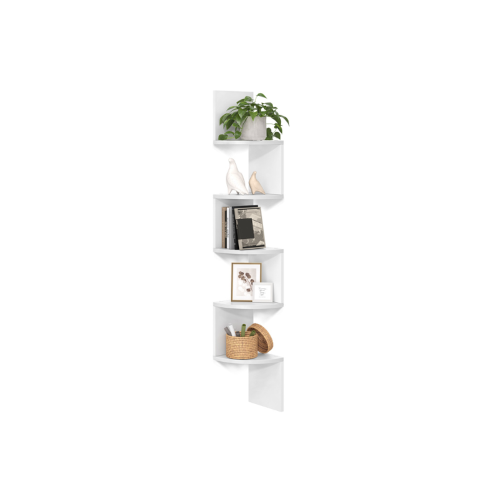
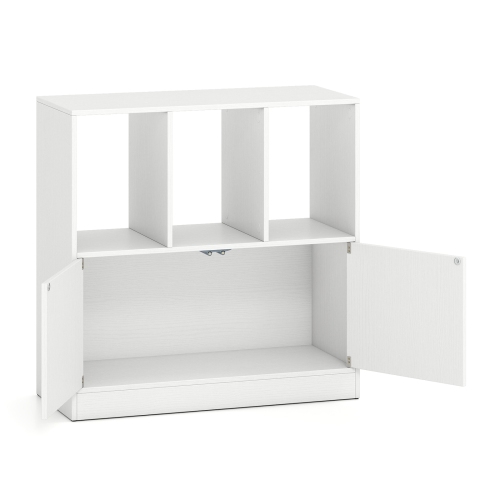
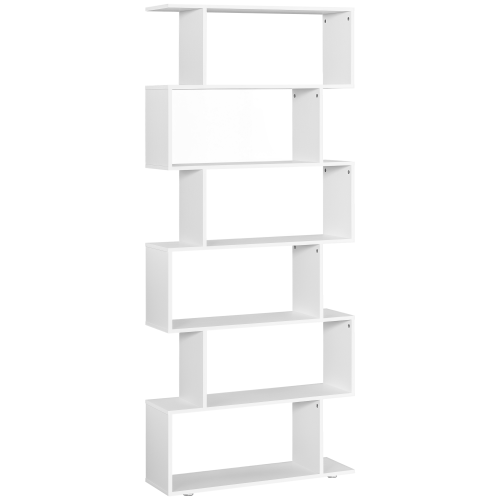

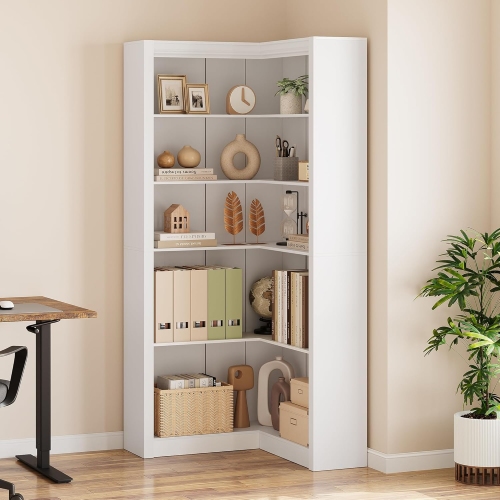
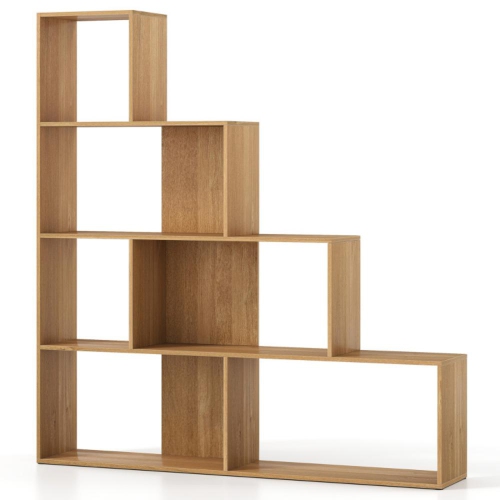

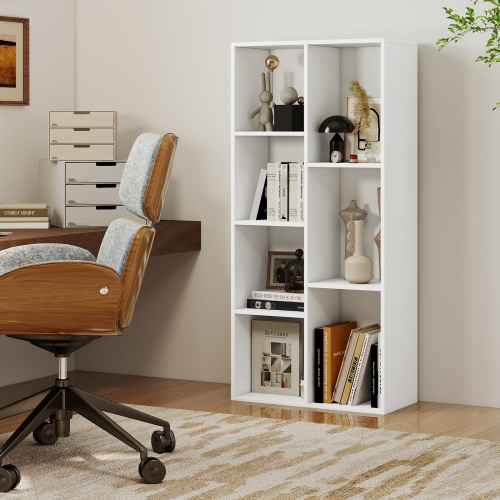
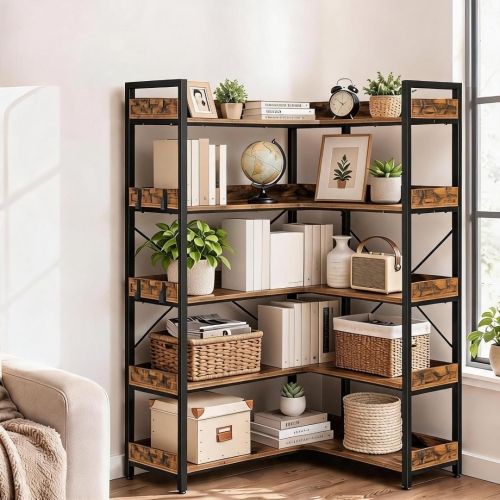
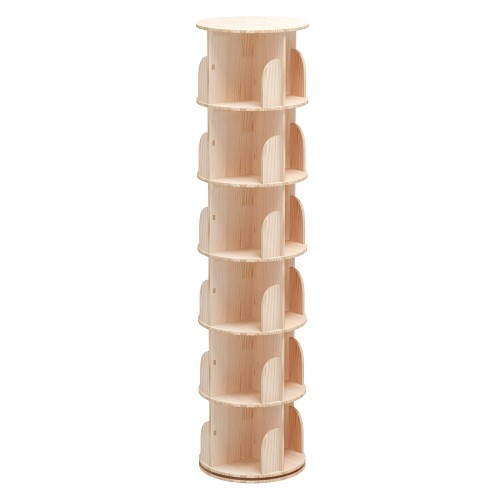
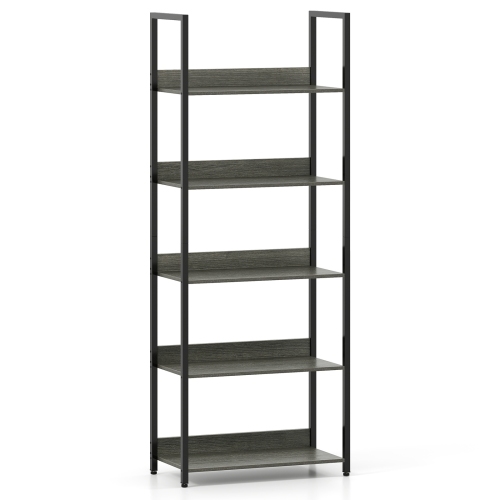
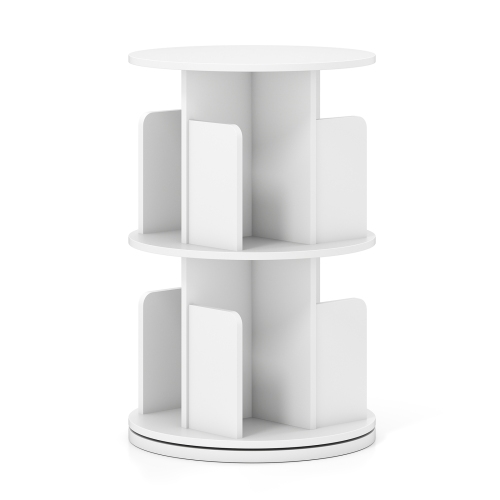


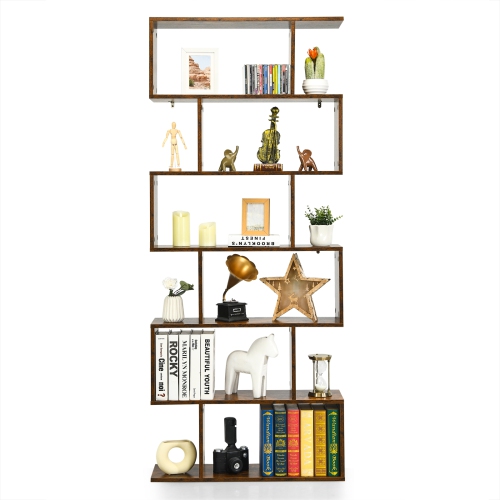
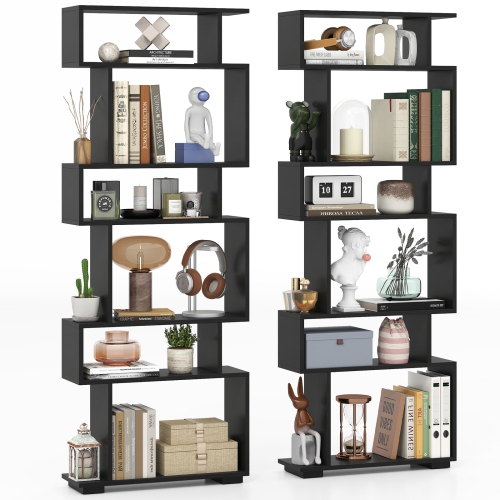

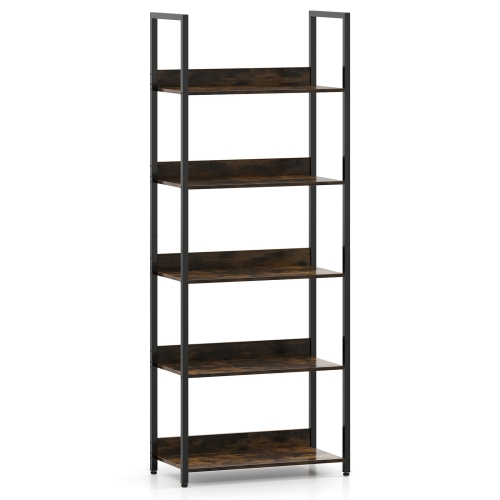
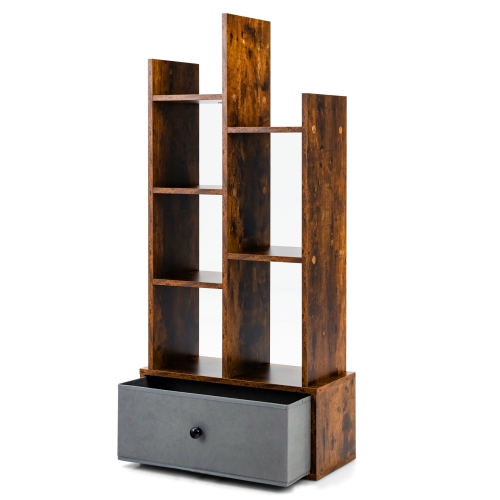
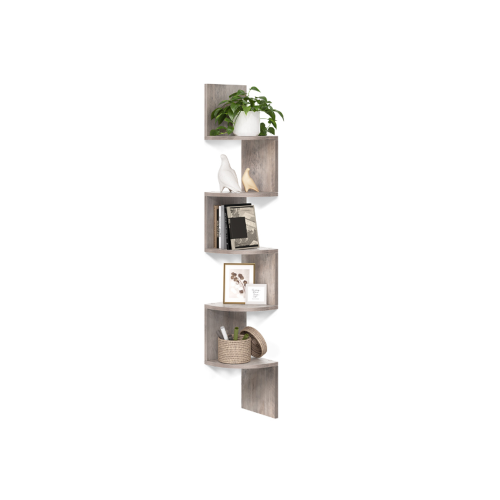
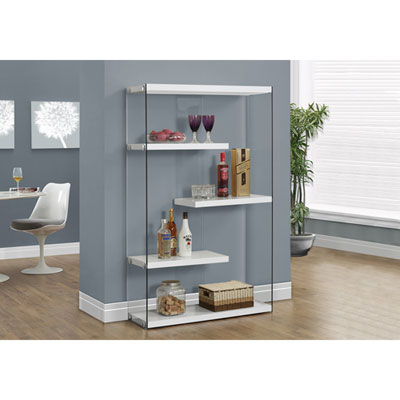


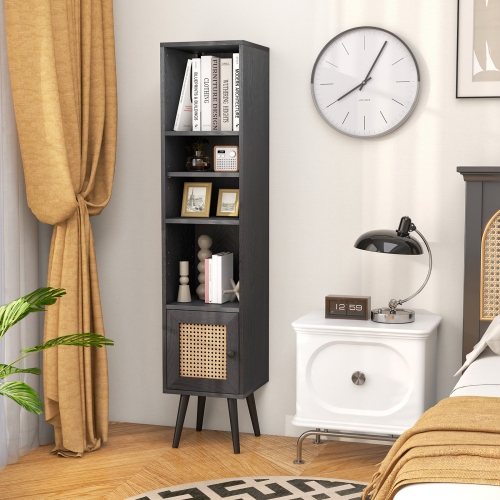
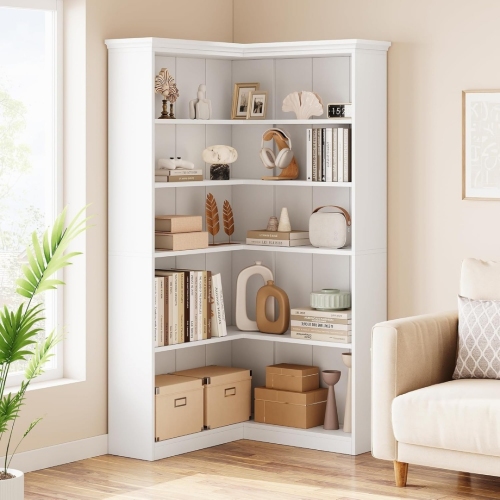
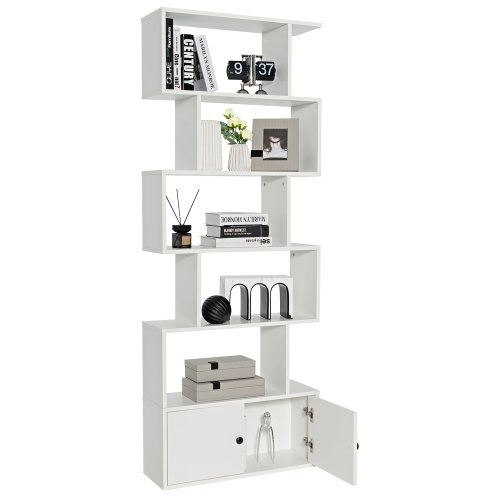
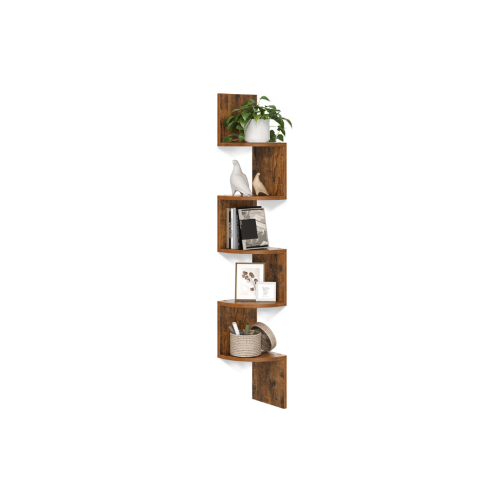

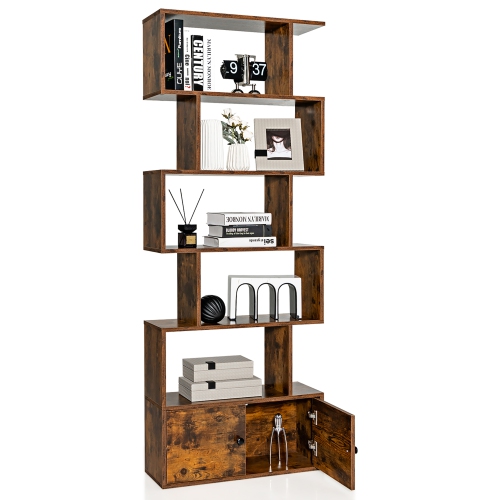
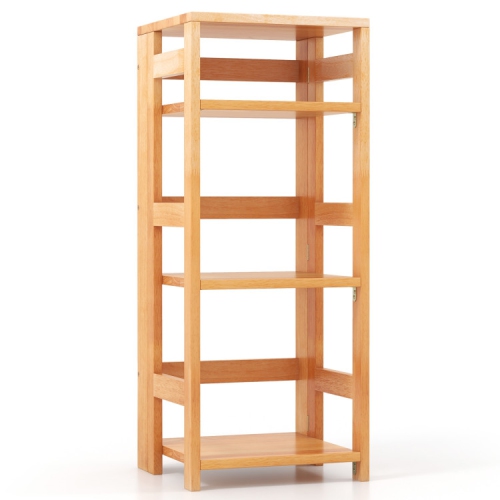
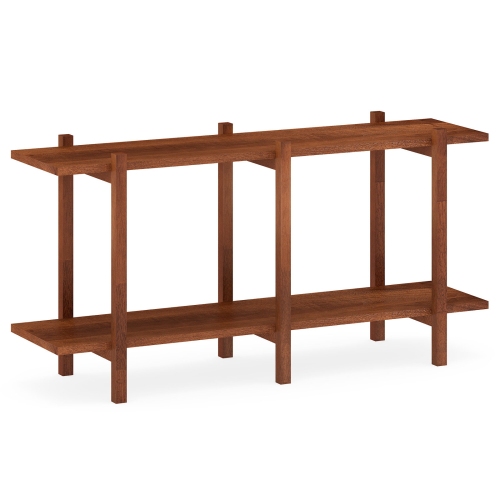
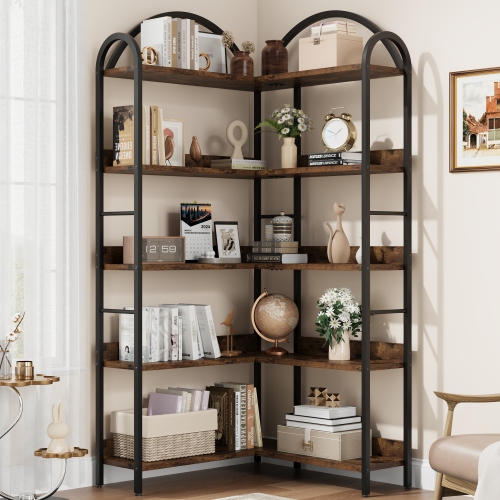
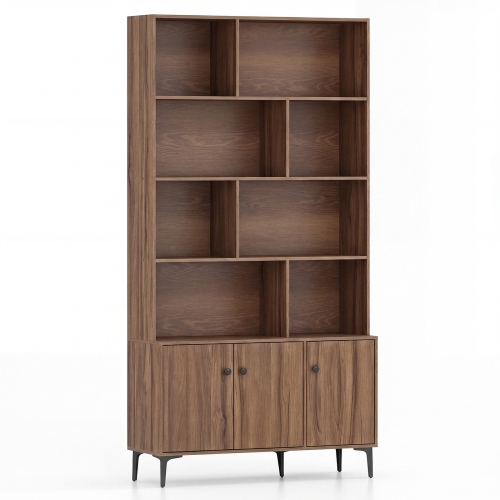

Where sculptural shapes meet practical book storage
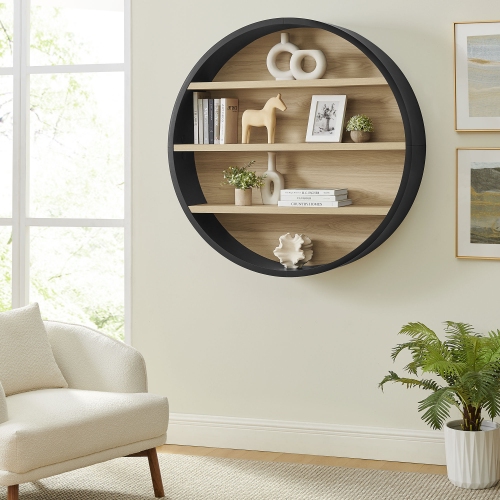
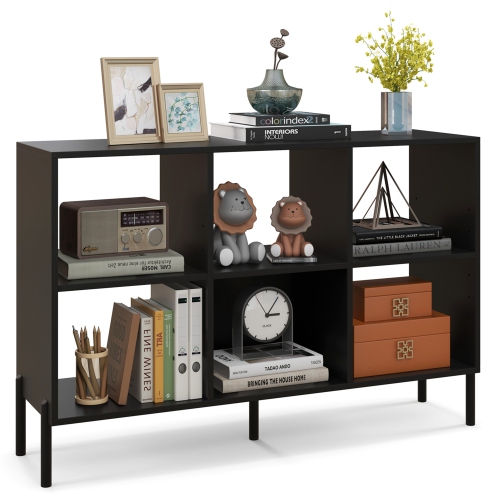
Unique bookshelves combine practical book storage with shapes, proportions, and details that give a room its own character. Instead of a simple grid of rectangular shelves, these designs may use branching supports, curved frames, staggered compartments, or open sides to turn a collection of books into part of the room’s visual appeal. Tree-shaped bookshelves arrange books along angled tiers that resemble branches, creating a compact display with a strong vertical outline. Their smaller sections can suit paperbacks and slim volumes, while the angle and spacing of each tier determine how comfortably larger books will sit. Arched bookcases soften the look of straight walls and square furniture, and ripple-like edges add texture without relying on colourful accessories. Asymmetrical and S-shaped bookshelves create a more graphic effect, with offset spaces that accommodate books, framed photographs, and small decorative objects in different arrangements. The rounded outline of a Circular Bookshelf offers another way to break up a room’s straight lines, particularly beside a rectangular desk or sofa. Floating shelves can make books appear to hover against a wall, although their suitability depends on the mounting system and the size and weight of the collection. Rotating bookcases bring a different kind of interest: accessible shelves arranged around a central structure, useful where several sides can remain within reach. These distinctive formats work best when their shape supports the way the bookshelf will actually be used. A sculptural shelf holding a few favourite novels has different demands from a home library filled with hardcovers and reference books. Open geometric frames can feel light and spacious, while enclosed sides provide more support for upright volumes. In a living room, a bookshelf might act as a focal point beside an armchair; in a home office, it can keep reading material close without making the workspace feel purely functional. The most satisfying design leaves room for both the books and the structure itself to be seen.
Fit involves more than finding enough empty wall space. The height, width, and depth of a bookshelf affect how comfortably it sits alongside existing furniture, and unusual silhouettes can extend beyond the usable shelving area. A broad circular frame, flared base, or projecting branch may need more clearance than its storage capacity suggests. In a condo living room, a narrow upright design can preserve walking space, while a low, wide bookcase may sit comfortably beneath artwork without competing with it. Corner bookshelves make use of an often overlooked area, provided their shelves remain easy to reach and nearby doors can open fully. A freestanding bookshelf used between two areas can help define a reading nook or workspace, but it needs a design intended for that placement, a finished appearance on exposed sides, and the recommended anchoring arrangement. Open backs allow sightlines through the room; solid backs create a more contained display and can help keep books from contacting the wall. Shelf depth matters for the collection itself. Paperbacks often need less depth than art books, albums, and oversized hardcovers, while tall volumes require enough vertical clearance to slide in and out without scraping their covers. Adjustable shelves offer flexibility as a collection changes, whereas fixed compartments make the arrangement more predictable but less adaptable. Weight capacity is especially important because a row of books can be considerably heavier than a few decorative objects. The stated limit for each shelf, the total supported load, and any restrictions on weight distribution all matter. Heavy books belong on suitable lower shelves, and narrow or tall units should be secured as directed by the manufacturer. Wall-mounted designs need fasteners appropriate for the wall construction and intended load; the appearance of a floating shelf does not indicate how much it can safely hold. Households with children or pets also benefit from rounded edges, stable bases, and careful placement away from climbing opportunities. Clear access, dependable support, and manageable shelf heights make a distinctive bookshelf easier to enjoy every day.
Materials and construction influence both the appearance of unique bookshelves and how well they stand up to regular use. Solid wood brings visible grain and variation, with a substantial feel that suits many traditional and contemporary rooms. Wood veneer provides a real-wood surface over a core material, while engineered wood can offer consistent finishes and clean shapes; durability depends on the construction, edge finishing, hardware, and supported spans rather than the material name alone. Metal frames lend themselves to slim profiles and open structures, often creating an industrial contrast with wooden shelves. Glass shelves have a lighter visual presence, but they show fingerprints readily and require attention to their stated weight limits. Smooth joints, properly aligned supports, and securely fitted hardware are useful signs of careful assembly. Long shelf spans need sufficient support to resist sagging under a dense row of books, particularly when a striking design leaves fewer vertical dividers. Day-to-day care is usually straightforward: regular dusting with a soft cloth, prompt attention to spills, and cleaning methods suited to the finish help preserve the surface. Wood-based shelves are best kept away from persistent moisture and direct heat sources, and prolonged direct sunlight can alter some finishes and fade book jackets. Bookshelf styling can remain practical rather than elaborate. A few upright rows, a short horizontal stack, and one open compartment give an unusual frame space to show its shape without sacrificing useful storage. Bookends help where the design lacks side supports, while baskets can contain notebooks or small accessories if their dimensions and weight suit the shelves. Students may appreciate compact storage beside a study desk, collectors may favour compartments that accommodate varied book sizes, and avid readers may want familiar favourites within reach of a comfortable chair. For a housewarming or a gift to a book lover, a distinctive bookshelf can feel personal when its size, style, and installation requirements suit the recipient’s home. A considered balance of display space, dependable construction, and everyday accessibility allows the bookshelf to remain useful as books are added, rooms are rearranged, and tastes develop.
Top selling and popular products
-
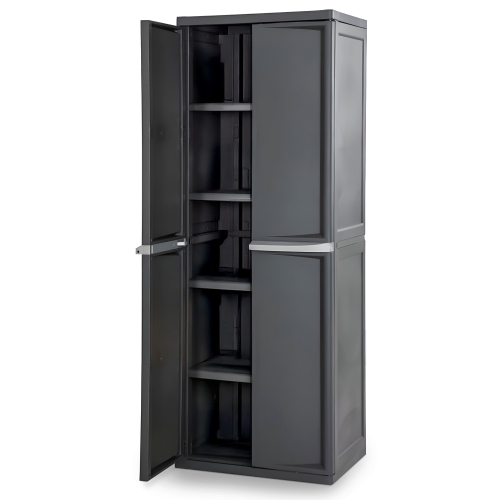 Your price for this item is $412.99
-
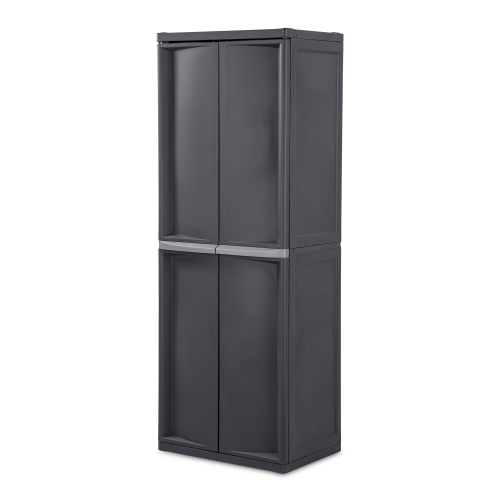 Your price for this item is $1530.99
-
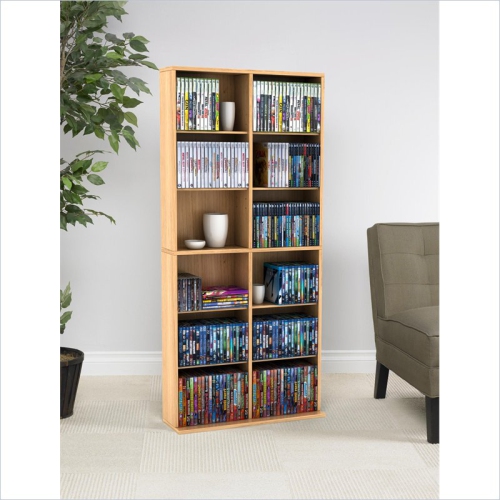 Your price for this item is $234.68
-
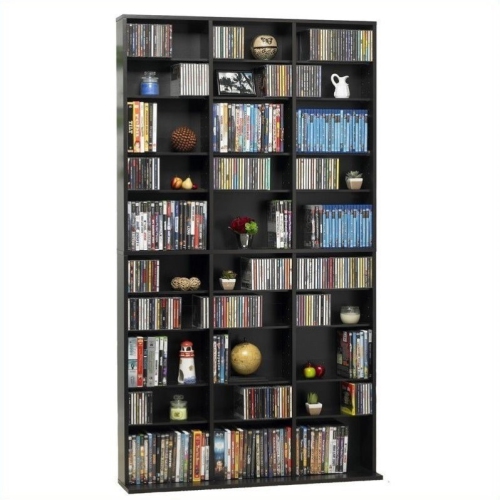 Your price for this item is $365.38
-
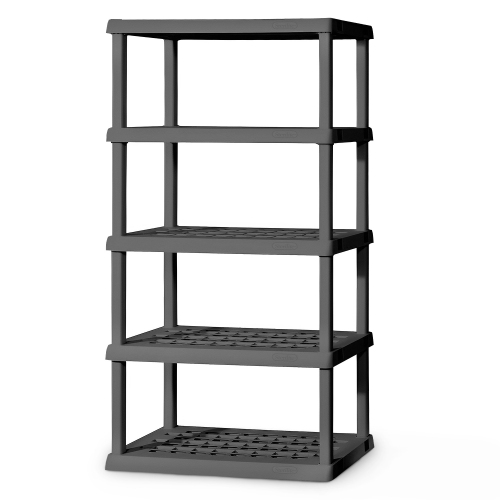 Your price for this item is $320.99
-
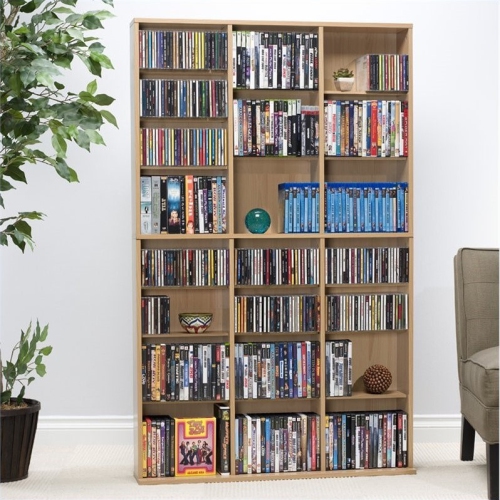 Your price for this item is $295.84
-
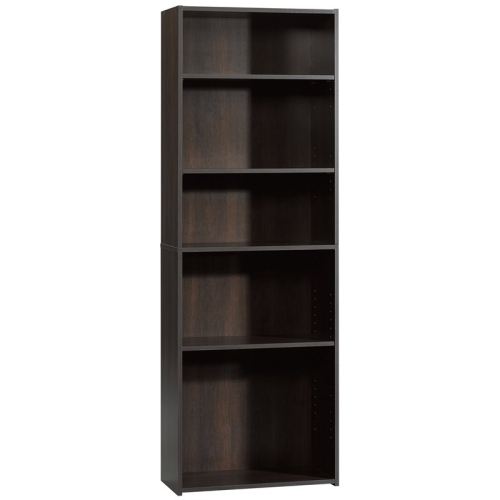 Your price for this item is $227.8
-
 Your price for this item is $127.99
Discover more categories related to Unique Bookshelves
Top Collections:
Pokemon Centers, Best Cameras for Sports Photography, Kindle Devices, Samsung Galaxy Phones, Canon G7X Cameras, Pokémon 30th Celebration Cards, Refurbished Apple Laptops, iPhone 15 Apple, Laptops for Students, Budget Smartphones
Some products may be subject to Environmental Handling Fees
(EHF) depending on your province.
Learn more about EHFs.