Classic Living Room Rugs
Classic Living Room Rugs add timeless elegance and comfort to any home décor. With a range of patterns, colors, and sizes, these rugs are designed to complement both traditional and contemporary spaces. Whether you're looking to enhance your living area or create a cozy atmosphere, Classic Living Room Rugs provide the perfect finishing touch for your space. Explore options that help tie your room together and elevate your home's style with ease.
Sort

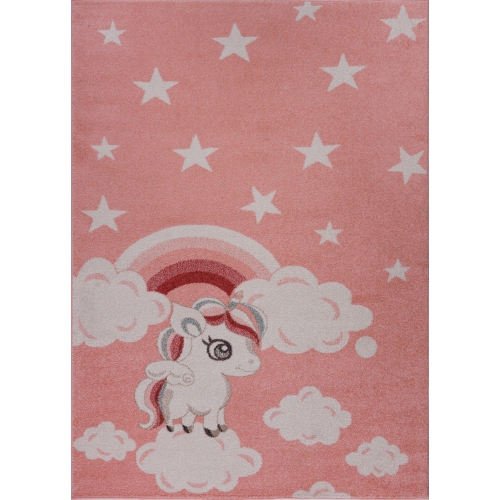
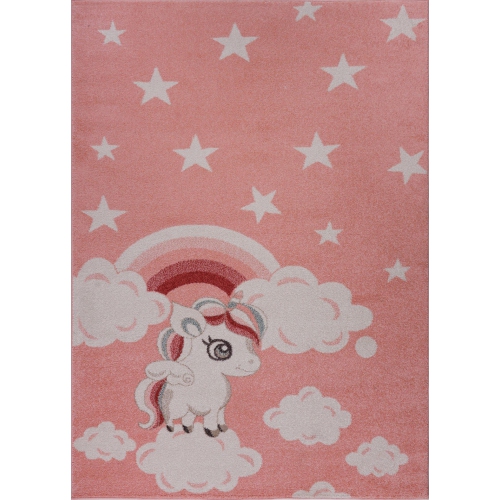
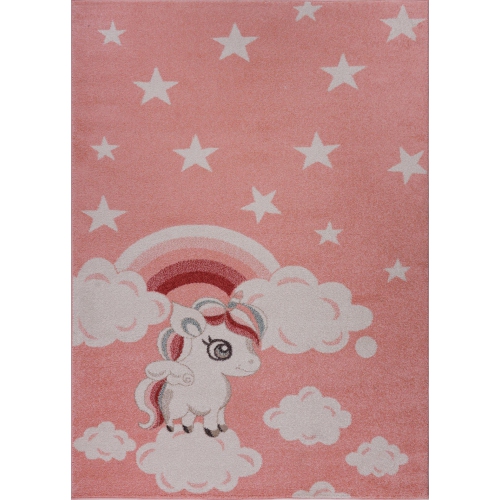
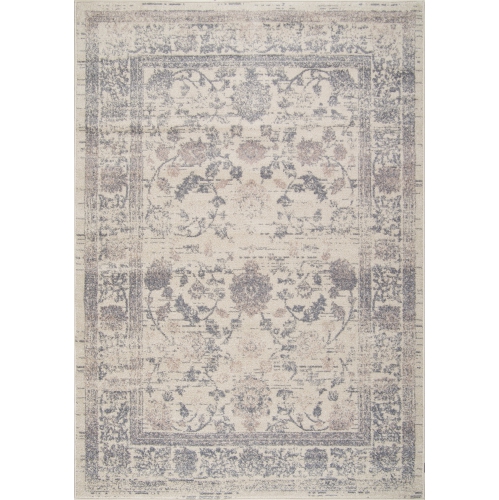

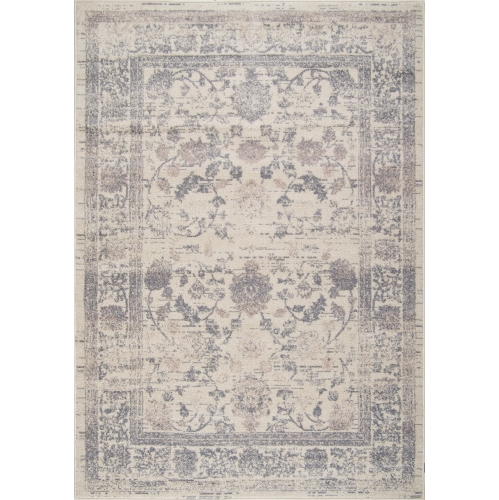

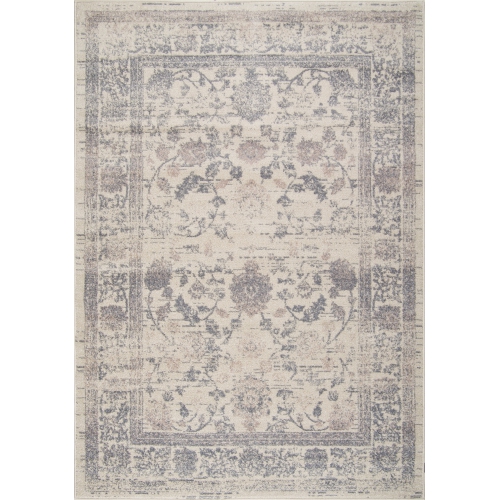

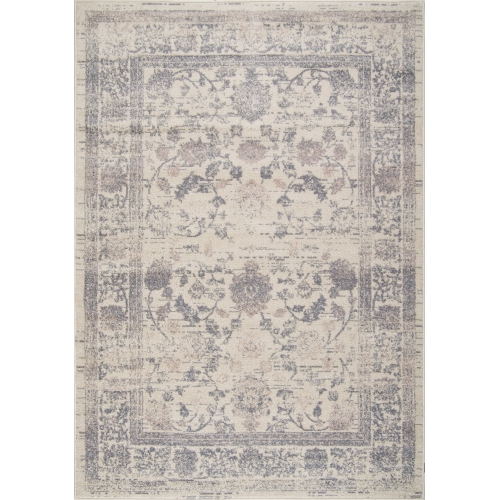




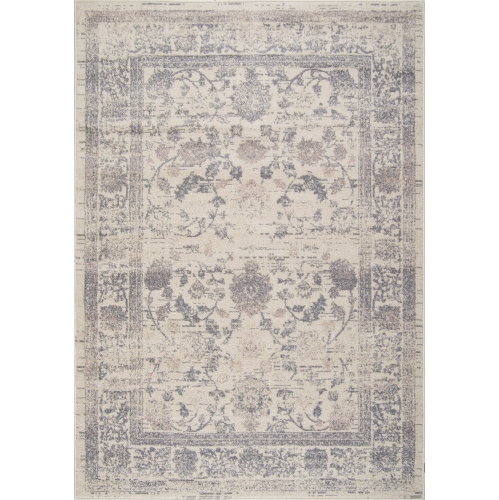
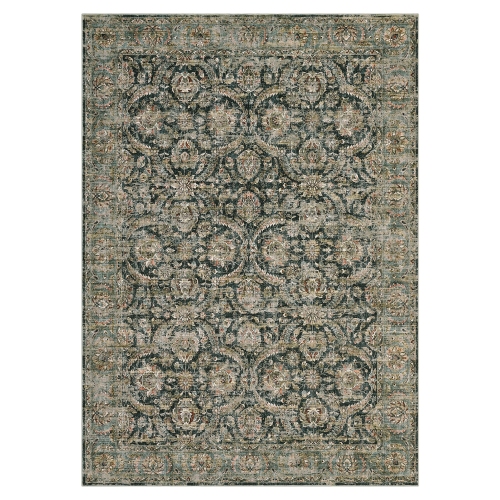
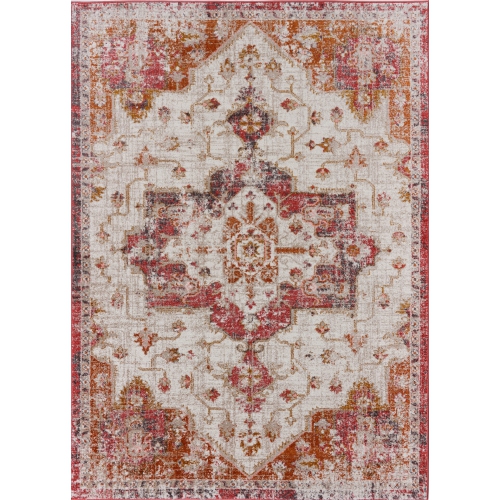
Traditional patterns that tie old and new furnishings together
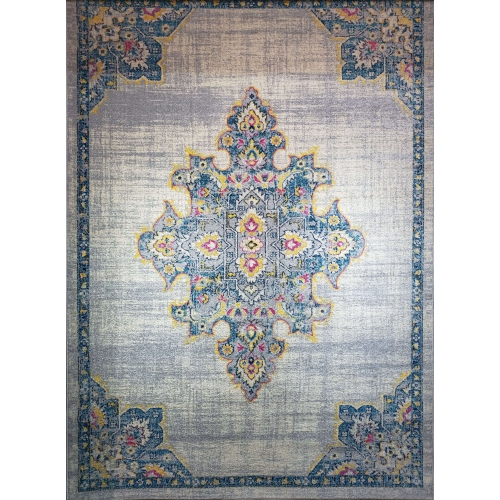
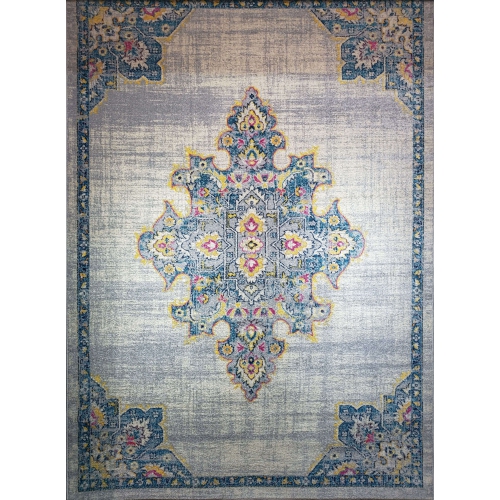
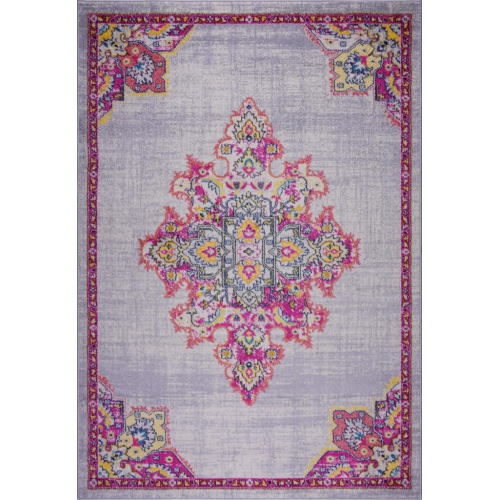
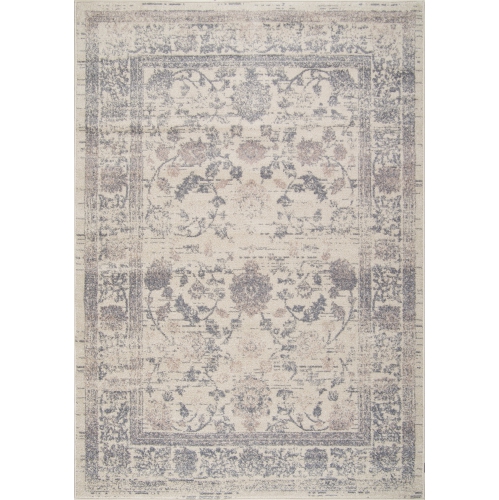
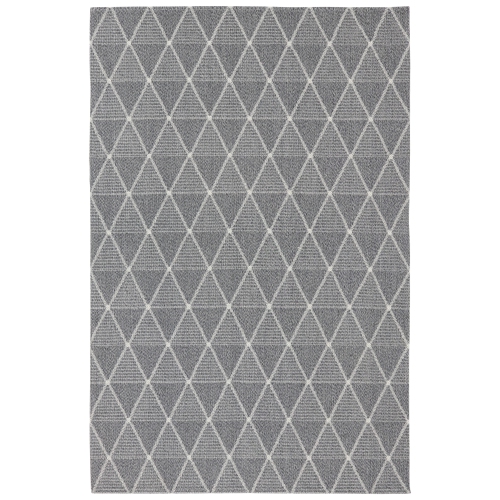
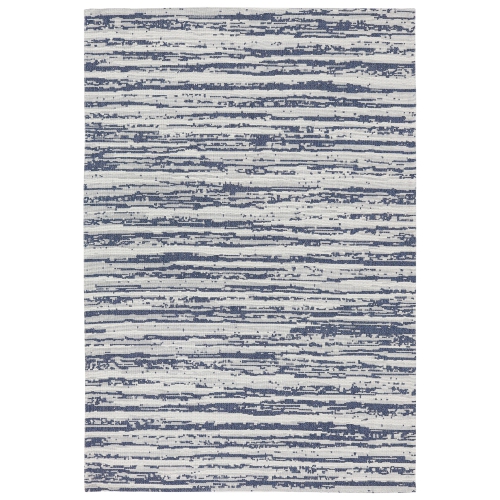
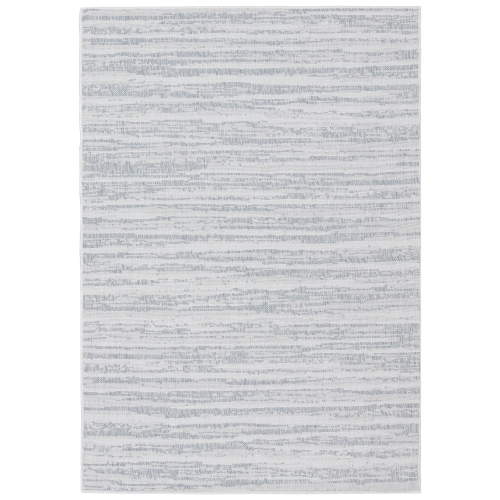
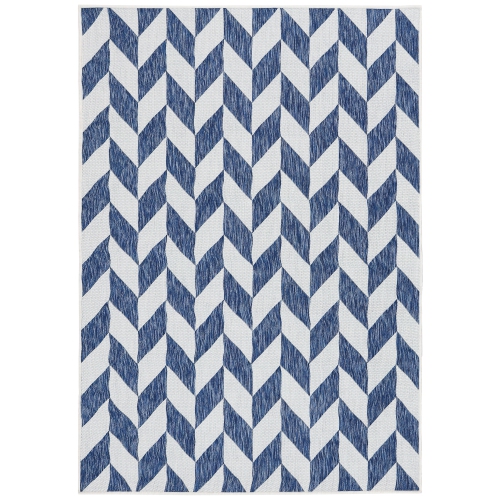
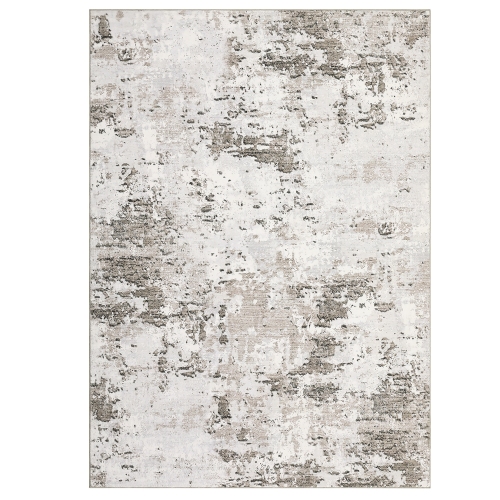
Classic living room rugs bring together traditional patterns, balanced proportions, and colours that feel at home alongside both familiar furnishings and newer pieces. Persian-inspired medallions, Turkish-style geometric motifs, scrolling florals, and framed borders are common features, giving these area rugs a sense of structure without requiring an entirely traditional room. A central medallion can draw attention to the middle of a seating arrangement, while a repeating floral or geometric pattern distributes visual interest across the floor. Colours range from ivory, beige, and soft taupe to burgundy, rust, navy, and deep green, often with several shades woven into the same design. That layered colouring makes it easier to connect a rug with a wood coffee table, a leather armchair, or patterned cushions without matching every element exactly. Muted finishes create a gently aged appearance, while clearer colours and sharply defined borders make a stronger statement. Distressed styling is a design effect rather than a sign of previous use, and a vintage-inspired rug does not need to be an antique to bring character to a room. Against a plain grey or cream sofa, an intricate pattern can become the main visual feature; beside patterned upholstery, a quieter design with a limited palette tends to feel more settled. Classic rugs also work well with clean-lined furniture, where their detail offers a contrast to simple shapes. In an open-plan home, a bordered rug can establish a distinct sitting area without adding a physical divider. In a smaller living room, a softly patterned rug can connect a loveseat and occasional chair into one inviting arrangement. These designs suit spaces used for conversation, reading, entertaining, or watching television, offering a finished appearance that still feels comfortable for everyday use. For a room centred on plush texture or intricate detailing, Luxury Living Room Rugs offer another direction to explore alongside classic patterns.
Material and construction influence how a living room rug feels underfoot, how clearly its pattern appears, and how it handles regular activity. Wool is valued for its natural resilience and substantial feel, making it a familiar choice for traditional area rugs. Its fibres can recover from some everyday compression, although heavy furniture may still leave impressions, and some shedding is normal, particularly when a rug is new. Cotton rugs often have a lighter, more flexible feel, but cleaning requirements depend on the complete construction rather than the fibre alone. Polypropylene is commonly used in machine-made rugs and generally resists moisture absorption and many everyday stains, though it is not immune to oily marks or wear. Polyester can offer softness and rich colour, while nylon is known for abrasion resistance; performance still varies with fibre quality, density, and construction. Viscose can create a silky sheen and subtle shifts in colour as the pile catches the light, but it typically needs more careful handling around spills and moisture. Households with young children, pets, or frequent visitors may place greater value on manageable cleaning and a close, low pile than on a delicate finish. Low-pile rugs also allow traditional motifs to remain clearly defined and are often easier to vacuum than deeper, looser textures. A thicker pile offers more cushioning for bare feet or sitting on the floor, but it can make moving a coffee table or passing a vacuum more difficult. Flatwoven rugs have no raised pile and can provide a relatively slim profile, especially useful where door clearance matters. Hand-knotted, hand-tufted, and machine-made rugs differ in how their fibres are secured, so care requirements should be checked for the particular construction. Hand-tufted rugs, for example, often include a backing and adhesive that affect suitable cleaning methods. A rug’s weight or softness alone does not establish its durability; fibre, construction, backing, and the amount of daily foot traffic all contribute to how it wears.
Size and placement determine whether a classic rug feels connected to the furniture or appears to float between it. An 8-by-10-foot or 9-by-12-foot rug often accommodates the front legs of a sofa and nearby chairs, but the right fit depends on the seating arrangement rather than the room dimensions alone. Keeping the front legs of the main seating pieces on the rug creates a shared footprint, while a larger rug may allow all furniture legs to sit within its edges. The coffee table generally belongs entirely on the rug, with enough surrounding space for people to sit down and move comfortably. In a compact room, a smaller rug can work when it remains proportionate to the sofa and chairs instead of sitting beneath only the table. Painter’s tape can help mark out the intended footprint before choosing a size, including the clearance needed around doorways and walking routes. Pattern placement matters, too: a solid coffee table may conceal much of a central medallion, whereas an all-over design remains visible around its edges. A suitable rug pad can reduce movement, add cushioning, and limit abrasion against the floor, provided it is compatible with both the rug backing and the flooring finish. Routine care usually includes vacuuming with a setting suited to the pile and keeping rotating brushes away from fringe. Spills are best blotted promptly with a clean, absorbent cloth rather than rubbed into the fibres, with any cleaning treatment checked against the care label and tested in an inconspicuous area. Machine washing is appropriate only when expressly permitted, and the rug’s size must suit the appliance capacity. Periodic rotation can help distribute wear from a favourite chair or a frequently used route through the room. With a suitable material, a well-proportioned footprint, and care matched to its construction, a classic living room rug can provide a comfortable foundation for daily life while giving furniture, colour, and pattern a cohesive setting.
Top selling and popular products
-
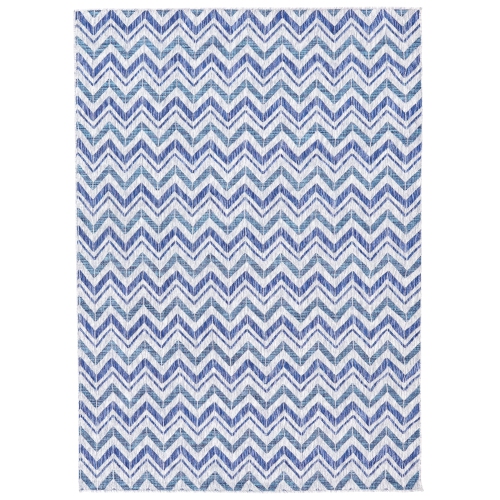 Your price for this item is $129.15
-
 Your price for this item is $130.55
-
 Your price for this item is $130.55
-
 Your price for this item is $129.15
-
 Your price for this item is $129.15
-
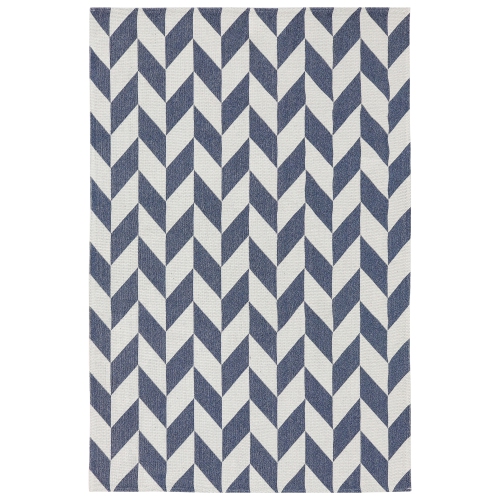 Your price for this item is $130.55
-
 Your price for this item is $111.99
-
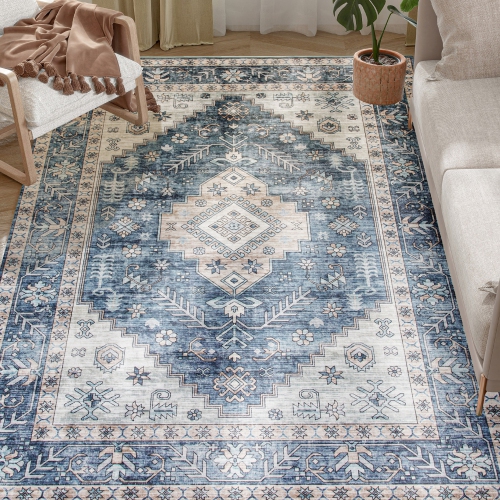 Your price for this item is $124.99
Discover more categories related to Classic Living Room Rugs
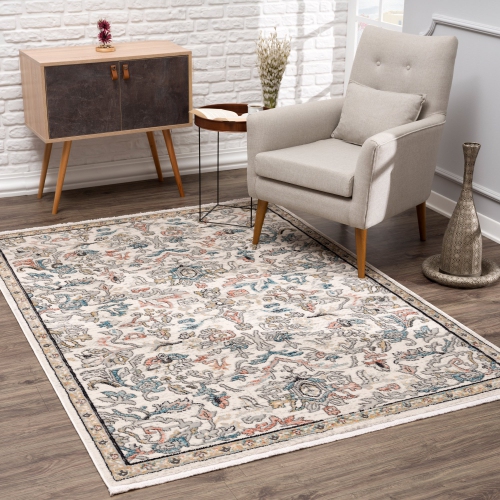
Top Collections:
Pokemon Centers, Kindle Devices, Best Cameras for Sports Photography, Pokémon 30th Celebration Cards, Apple iPhones 16, Canon G7X Cameras, iPhone 15 Apple, Flip Phones, Samsung Galaxy Phones, Alarm Clock
Some products may be subject to Environmental Handling Fees
(EHF) depending on your province.
Learn more about EHFs.