Elegant Living Room Rugs
Elevate your home’s style with Elegant Living Room Rugs, designed to add a touch of sophistication to any space. Whether you’re refreshing your décor or completing a new look, the right rug can transform your living room into a warm and inviting retreat. Explore a variety of sizes, colors, and patterns to find the perfect match for your unique taste and interior design vision. Create an atmosphere that feels both comfortable and refined with Elegant Living Room Rugs that complement any aesthetic.
Sort
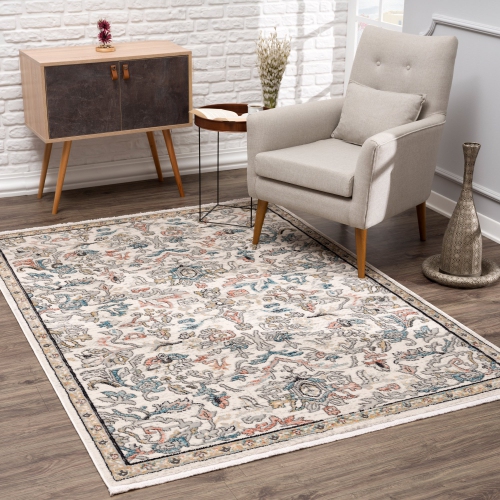
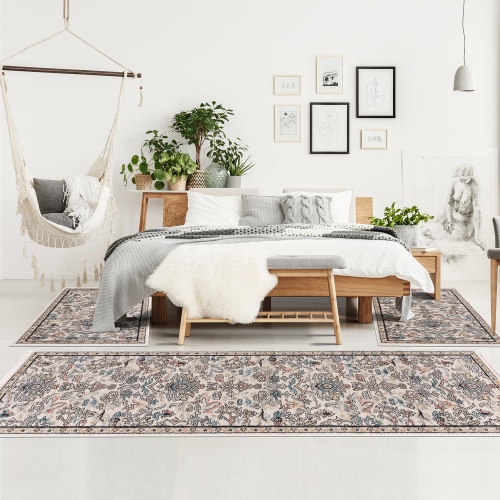
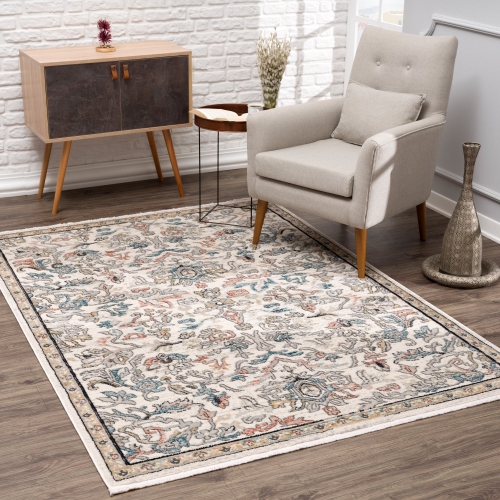
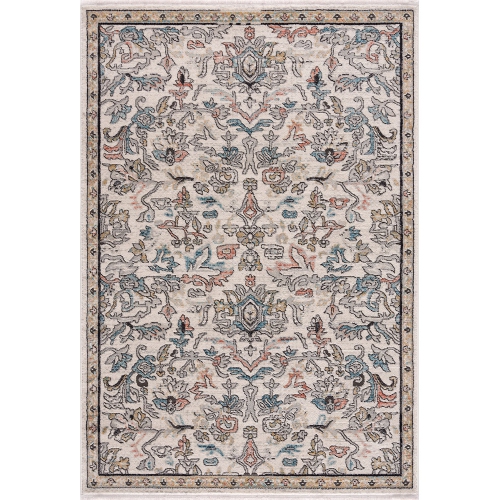

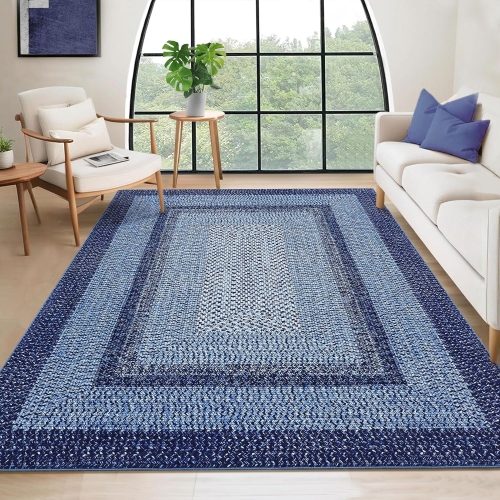


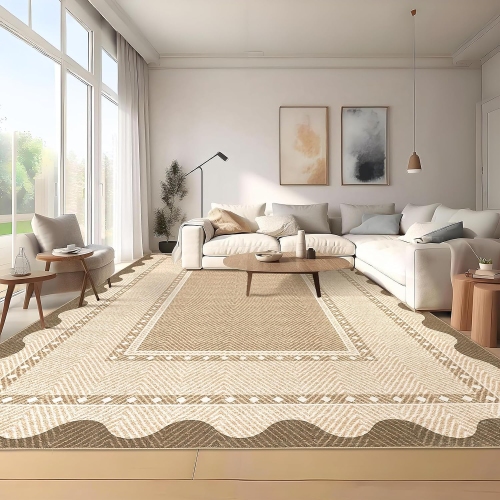


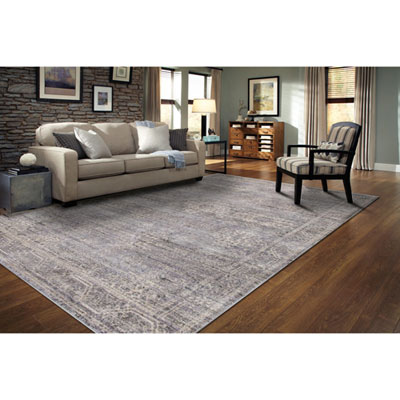
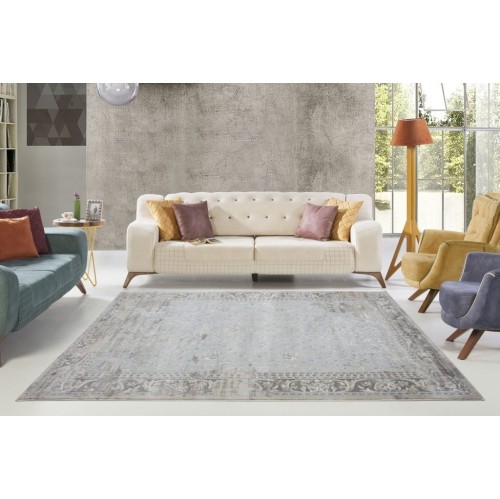



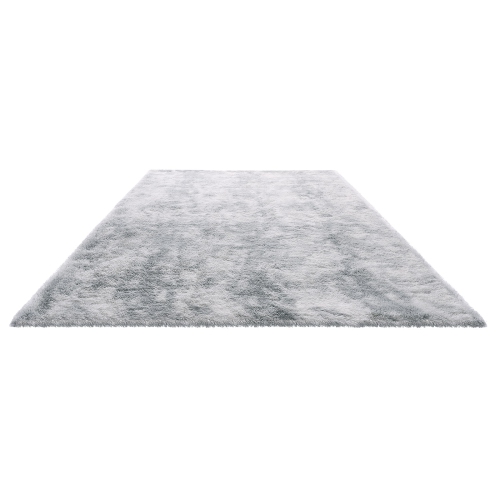
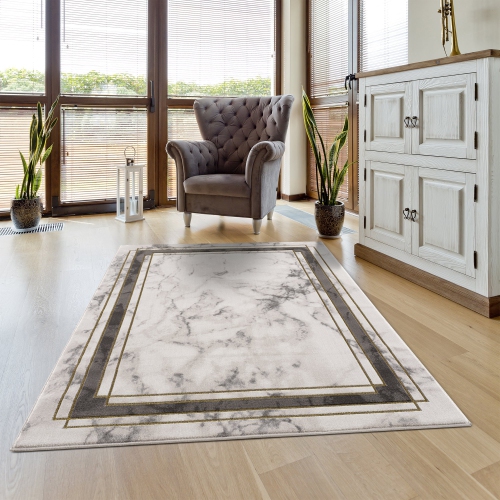

How subtle rug patterns pull a seating area together
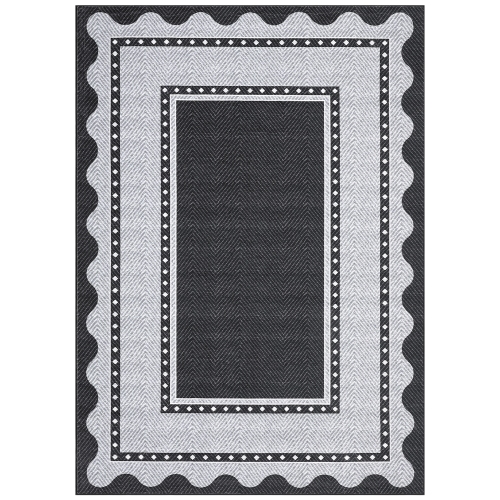
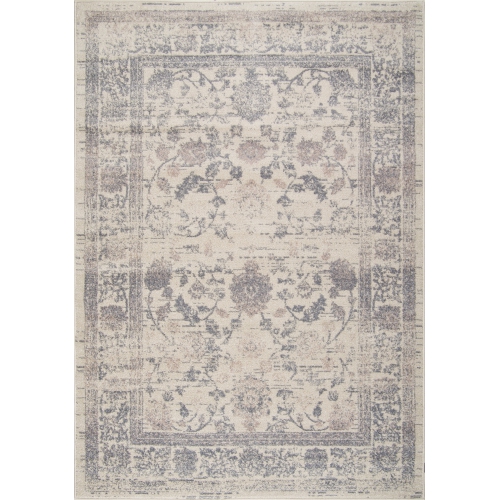
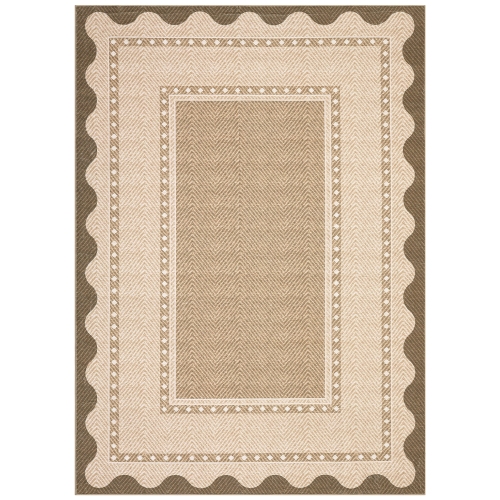
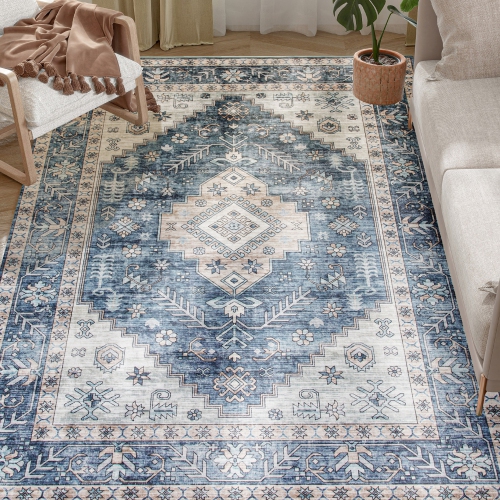
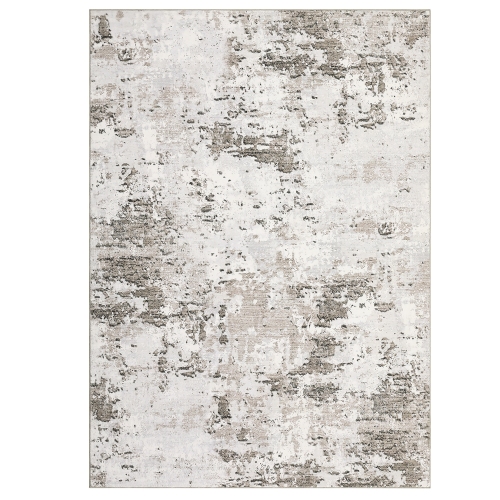
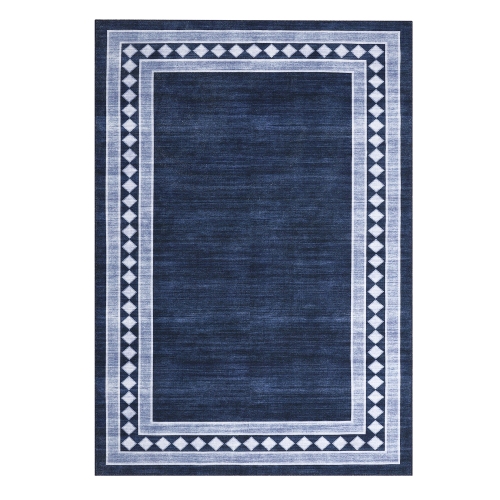
Elegant living room rugs bring a seating area together through balanced colour, thoughtful proportions, and texture that complements the furniture rather than competing with it. Their appeal can come from a finely drawn floral pattern, a softly faded medallion, a sculpted surface, or a simple field of ivory with a subtle border. Vintage-inspired designs lend character to clean-lined sofas, while understated geometric patterns sit comfortably alongside curved armchairs and rounded coffee tables. Traditional Persian-inspired motifs and Oushak-style patterns often feature botanical details and generous spacing, making them a natural fit for rooms with wood furniture, upholstered seating, and layered textiles. Transitional rugs combine familiar ornamental elements with softened outlines or an intentionally faded appearance, bridging classic and contemporary furnishings. An erased-pattern effect can suggest the gentle wear of an older textile without requiring every piece in the room to share an antique style. For a quieter look, tonal patterns in cream, taupe, stone grey, or muted blue create definition without a strong visual break across the floor. Pale colours can keep a room feeling open, although they tend to reveal tracked-in dirt and spills more readily than mixed tones. Deeper shades such as charcoal, navy, and burgundy give light upholstery a grounded backdrop. A restrained pattern also offers practical visual texture: small variations in colour can make everyday lint and minor marks less noticeable than they would be on a flat, solid surface. The most convincing combinations usually repeat one or two existing colours from cushions, artwork, or curtains rather than matching every element exactly. A muted rose detail might pick up a shade in a painting, while a narrow dark border echoes a metal table frame. For anyone furnishing a first apartment, refreshing a family sitting room, or creating a more formal space for visitors, an elegant area rug provides a foundation that can remain useful as smaller accessories change.
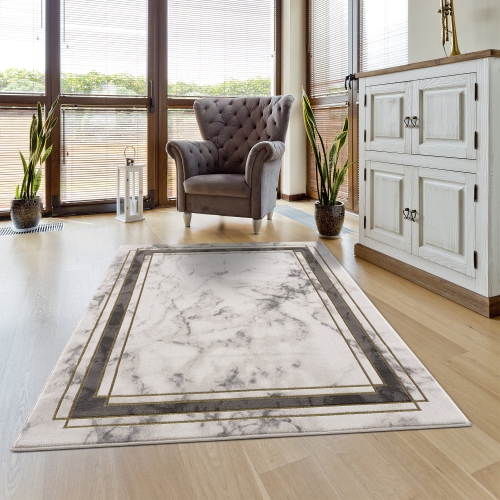
Size and placement shape the overall effect as much as pattern does. A living room rug generally looks more connected to the furniture when at least the front legs of the sofa and nearby accent chairs sit on it. This arrangement links separate pieces into one seating group while leaving some flooring visible around the perimeter. An 8-foot by 10-foot rug often suits a medium-sized seating area, whereas a 9-foot by 12-foot rug may accommodate a larger arrangement with more furniture resting fully on the surface. These dimensions are starting points rather than rules; sofa depth, chair placement, doorways, and walking routes all affect the fit. A 5-foot by 7-foot rug can work in a compact room or beneath a small grouping, but it may appear disconnected when placed only under a coffee table in front of a much larger sofa. Measuring the intended footprint, or outlining it with floor-safe removable tape, makes the relationship easier to judge before choosing a size. With a sectional, the rug should visually connect the main seats and chaise rather than sit like a small island inside the corner. Round rugs soften angular layouts and can suit a pair of chairs arranged around a circular table, while rectangular rugs usually follow the proportions of longer sofas. In an open-concept home, a rug also marks the living area without adding a physical divider. A clear band of exposed flooring between adjoining zones helps each grouping feel intentional. For a connected eating area, elegant dining room rugs can carry a related palette into the neighbouring space without repeating the exact same pattern. Thickness deserves attention alongside length and width. A plush rug may feel inviting beside a lounge chair, but a lower profile can make it easier to move a rolling ottoman or keep a door from catching the edge. Stable furniture placement, unobstructed routes, and corners that lie flat matter particularly in households with young children, older adults, or anyone using a mobility aid.
Materials and construction influence how a rug feels, how it wears, and what its care routine involves. Wool offers a resilient fibre with a naturally substantial feel, making it well suited to living rooms where comfort and lasting texture matter. Some wool rugs shed loose fibres, particularly early in use, and benefit from regular vacuuming according to their care instructions. Cotton often appears in flatwoven designs that bring a relaxed, less bulky finish to the floor, though lighter constructions may need a suitable pad to help keep them in place. Polypropylene and polyester are common choices for busy living spaces because many constructions offer straightforward care and resistance to certain stains; performance still depends on the weave, finish, and type of spill. Viscose can provide a lustrous surface, but it is generally more sensitive to moisture and abrasion, making care requirements especially important in frequently used rooms. Pile height further changes the experience. Low-pile rugs tend to accommodate frequent foot traffic and routine cleaning more easily, while higher piles offer a softer, more textured surface but can hold crumbs and pet hair deeper within the fibres. For households with pets, tightly woven surfaces may be more practical than prominent loops that can catch claws. Washable rugs can be useful where snacks, crafts, and everyday spills are part of the living room routine, but the care label should confirm whether the whole rug or only a removable cover is washable. Washing-machine capacity and drying requirements also matter, especially for larger sizes. A rug pad compatible with both the rug and the flooring can add cushioning, reduce movement, and limit abrasion beneath the rug; some flooring finishes require particular backing materials. Routine care usually includes prompt blotting rather than rubbing spills, testing cleaning solutions in an inconspicuous spot, and avoiding excessive moisture. Rotating the rug periodically can help distribute wear from favourite seats and frequently used paths. An elegant rug earns its place not only through its appearance, but through a comfortable fit with the way the room is used every day.
Top selling and popular products
-
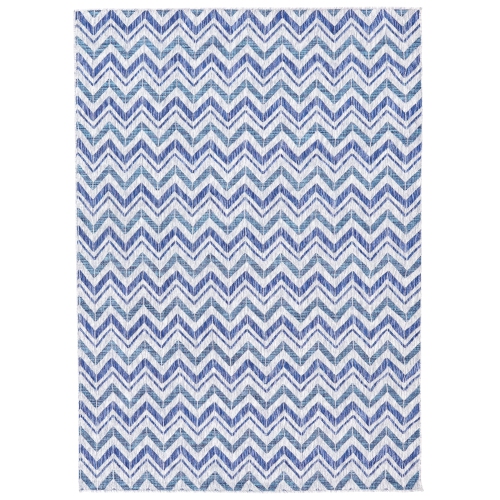 Your price for this item is $129.15
-
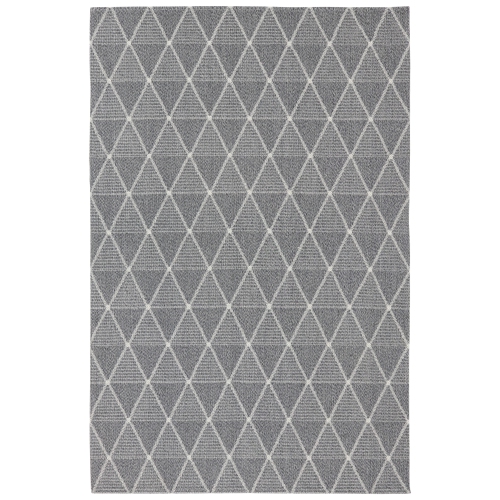 Your price for this item is $130.55
-
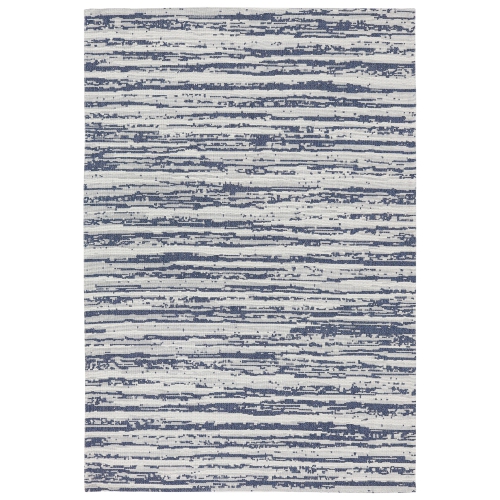 Your price for this item is $130.55
-
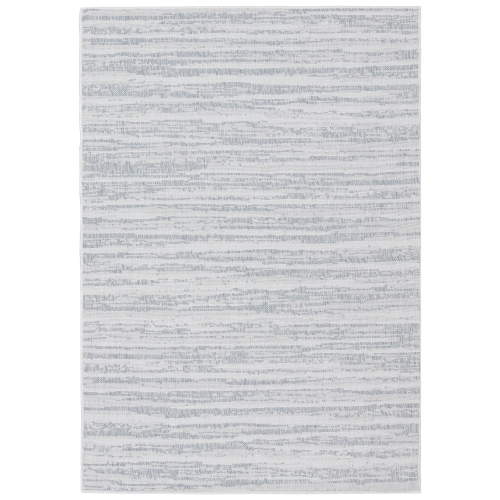 Your price for this item is $129.15
-
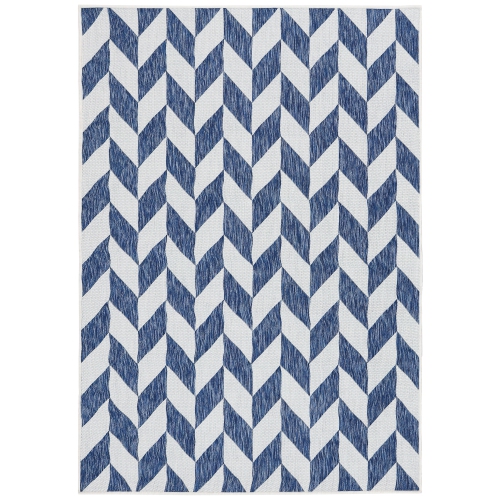 Your price for this item is $129.15
-
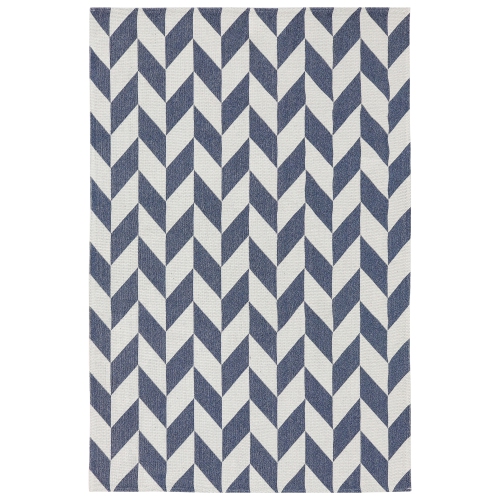 Your price for this item is $130.55
-
 Your price for this item is $111.99
-
 Your price for this item is $124.99
Discover more categories related to Elegant Living Room Rugs


Top Collections:
Pokemon Centers, Kindle Devices, Best Cameras for Sports Photography, Pokémon 30th Celebration Cards, Apple iPhones 16, Canon G7X Cameras, iPhone 15 Apple, Flip Phones, Samsung Galaxy Phones, Alarm Clock
Some products may be subject to Environmental Handling Fees
(EHF) depending on your province.
Learn more about EHFs.