Classroom Furniture for Teachers
Classroom furniture for teachers plays a key role in creating an organized and productive learning environment. Whether you’re setting up a new classroom or updating your current space, finding the right furniture can help support daily activities and keep everything running smoothly. Explore a wide selection designed to meet the needs of teachers, offering options that fit a variety of classroom layouts and teaching styles. Discover solutions that bring comfort and efficiency to any educational setting with classroom furniture for teachers.
Sort
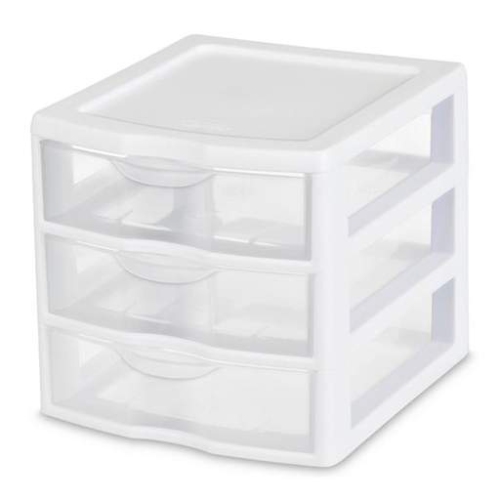
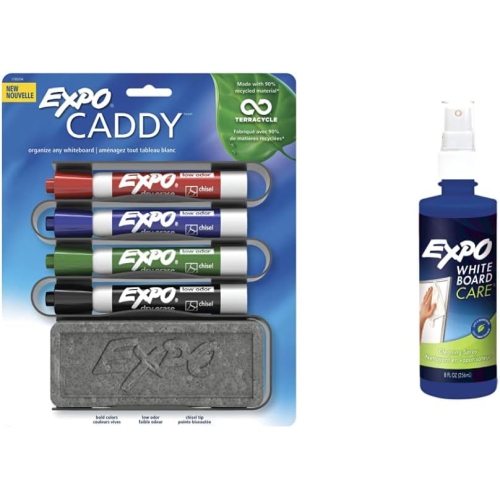
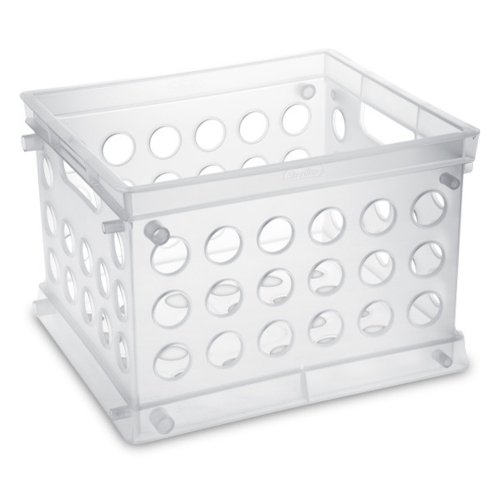
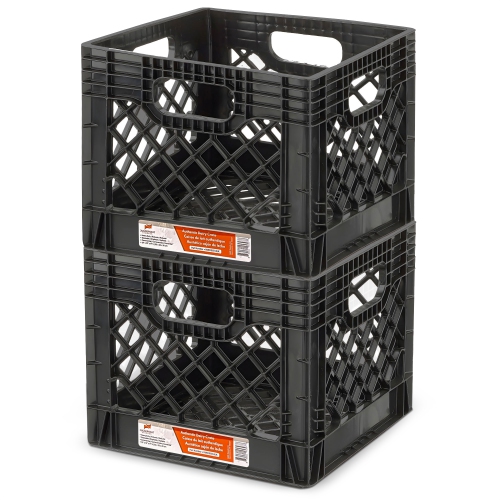




Teacher workspaces that leave more room for teaching
Classroom furniture for teachers includes desks and workstations, supportive adult seating, and storage that keeps teaching materials organized and confidential records secured. These furnishings support the work that happens around lessons: preparing activities, marking assignments, meeting with students, and keeping everyday supplies within reach. A practical teacher workstation gives each task enough space without taking over the room. A compact desk may suit a classroom where most instruction happens at a whiteboard or around shared tables, while a larger work surface can accommodate a computer, open lesson notes, and a stack of exercise books at the same time. Desk depth matters as much as width; a screen positioned too close can leave little room for writing, and a deep surface may be difficult to fit beside existing shelving. Measure the available floor space with drawers extended and the chair pulled back, rather than relying on the desktop dimensions alone. Knee clearance, drawer placement, and access to electrical outlets also affect how comfortably the desk can be used. Cable openings or channels, where included, can keep charging leads away from paperwork, but cords should still follow a route that does not cross a walkway. Rounded edges can be useful in busy rooms, particularly where younger students regularly gather beside the teacher’s desk. For educators who alternate between individual conferences and whole-class instruction, a workstation placed with a clear view of the room can make those transitions simpler. Shared classrooms may benefit from furniture that accommodates different users without extensive rearranging. Resource teachers, educational assistants, tutors, and instructors in adult learning settings may have different space requirements, but the same principle applies: the furniture should match the tasks performed there. A small consultation area needs room for conversation and accessible movement, while a marking station needs a usable writing surface and nearby storage. Thoughtful proportions leave more of the classroom available for teaching rather than making the desk the centre of every activity.
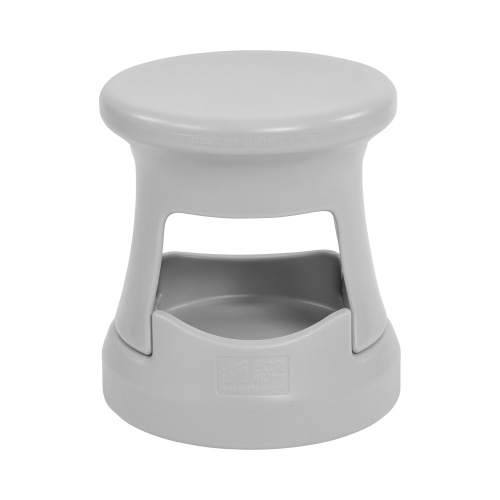
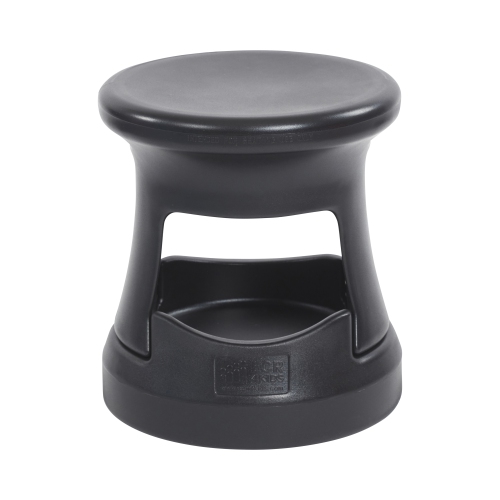
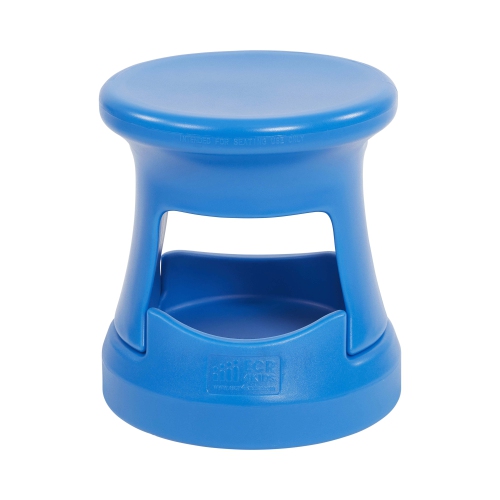
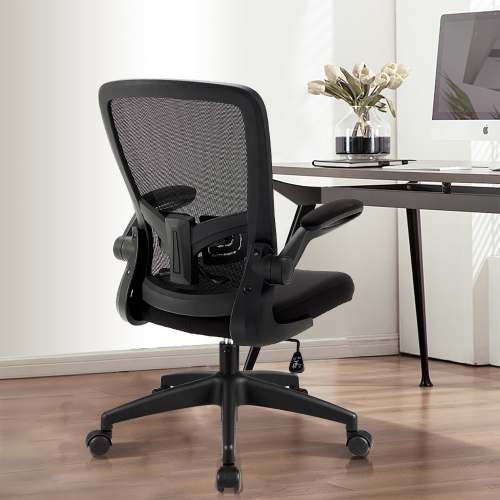
Seating deserves particular attention because teachers often move between standing instruction, computer work, and seated conversations throughout the day. An adult chair should be selected for the person using it, not simply to match student seating or tuck neatly beneath a desk. Seat height should allow feet to rest on the floor or on a suitable footrest, with enough space beneath the work surface for comfortable leg movement. Seat depth matters too: the back should feel supported without the front edge pressing into the backs of the knees. A supportive backrest and accessible adjustment controls can make it easier to change position between entering assessment notes and reviewing printed work. When comparing Office Chairs for Teachers, consider how the chair fits the desk, how often it will be shared, and whether armrests allow it to move close enough to the work surface. Adjustable features are especially useful when several staff members use the same planning station. A swivel base can make nearby drawers easier to reach, although frequently used materials should not require repeated twisting or stretching. Castors need to suit the floor surface, and a chair that rolls easily across a smooth staffroom floor may behave differently on classroom carpet. Stable, non-rolling seating may be more appropriate for a fixed conference area or a station where movement is not needed. Upholstery also changes the day-to-day experience. Fabric offers a softer feel but may require more attention after spills; wipeable finishes can simplify routine cleaning when maintained according to the care instructions. Mesh backrests have a different feel from padded or solid backs, so comfort depends on individual preference as well as adjustability. Check the stated weight capacity and intended use, particularly for seating that will be used for extended periods. A chair that feels comfortable during a brief conversation may not provide the same support through a longer marking session.
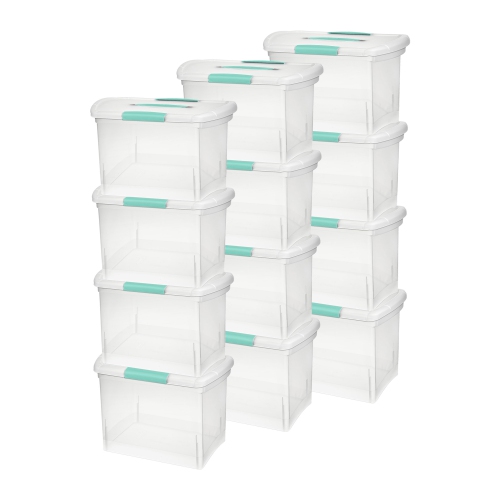
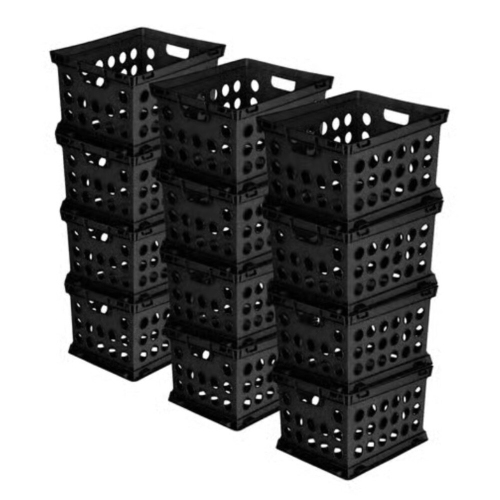
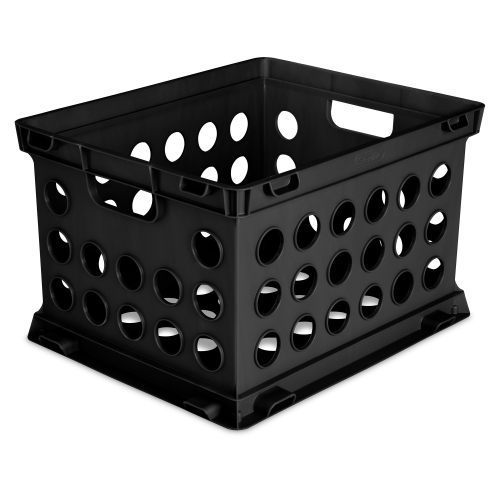
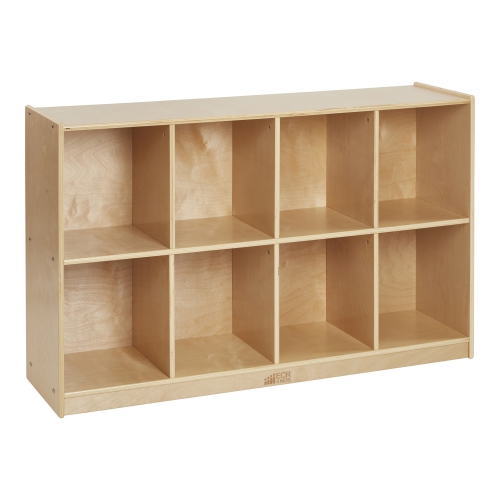
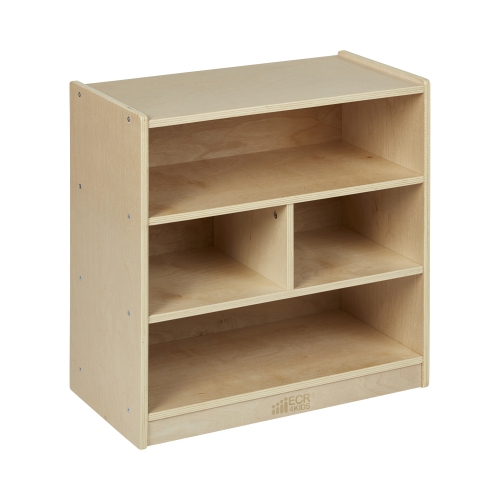
Storage brings order to the materials that accumulate around teaching: folders awaiting review, art supplies for an upcoming activity, reference books, and personal belongings that should stay separate from student resources. Open shelving makes frequently used materials easy to see, while closed cabinets keep less-used supplies together and reduce visual clutter. Lockable drawers or cabinets can provide a designated place for confidential paperwork, subject to the school’s record-handling requirements. Shelf depth and drawer dimensions deserve a close look before choosing storage; binders need sufficient height, paper needs to sit flat, and bulky teaching aids can quickly outgrow shallow compartments. Adjustable shelving offers flexibility as materials change, provided each shelf is used within its stated load limit. Mobile storage can be useful for teachers who move between classrooms or bring materials to different activity areas. Check castor quality, locking mechanisms, and the clearance needed to pass through doorways, and avoid moving a loaded unit in a way the manufacturer does not recommend. Tall furniture should be secured as directed, with heavier materials stored low and access routes kept clear. Materials and construction influence how well classroom furniture handles daily use. Steel frames and cabinets can offer a sturdy structure, while wood and engineered-wood furniture vary in weight, finish, and care requirements. Laminate surfaces are often chosen for straightforward upkeep, but edges, seams, and joints still need protection from standing moisture. Smooth drawer operation, secure handles, reinforced joints, and a stable base are details worth checking alongside appearance. Neutral finishes can coordinate with existing furniture, while a consistent colour palette can make separate work and storage areas feel connected. For cleaning, follow the manufacturer’s directions and the school’s cleaning requirements rather than assuming every surface tolerates the same solution. Wipe spills promptly, keep excess moisture away from seams, and periodically check hardware for loosening. Furniture that is easy to maintain and sensibly arranged can support a dependable daily routine, from collecting completed assignments to clearing the desk for the next lesson.
Top selling and popular products
-
 Your price for this item is $38.98
-
 Your price for this item is $19.99
-
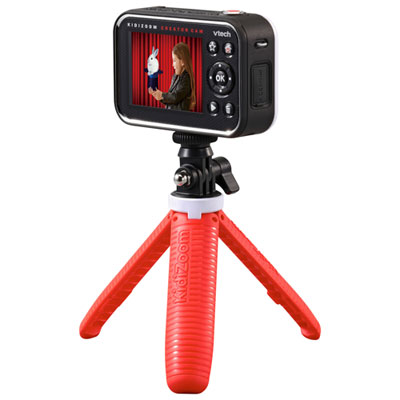 Your price for this item is $89.99
-
 Your price for this item is $49.99
-
 Your price for this item is $79.99
-
 Your price for this item is $79.99
-
 Your price for this item is $149
-
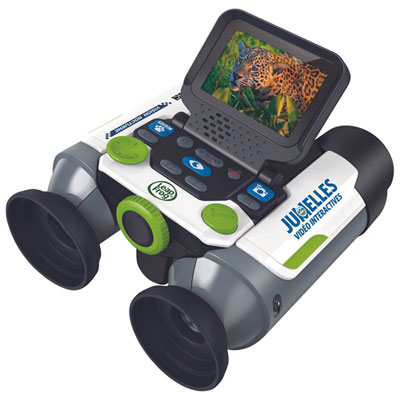 Your price for this item is $67.98
Discover more categories related to Classroom Furniture for Teachers


Top Collections:
Pokemon Centers, Best Cameras for Sports Photography, Kindle Devices, Samsung Galaxy Phones, Canon G7X Cameras, Pokémon 30th Celebration Cards, Refurbished Apple Laptops, iPhone 15 Apple, Laptops for Students, Budget Smartphones
Some products may be subject to Environmental Handling Fees
(EHF) depending on your province.
Learn more about EHFs.