Classroom Organization for Teachers
Classroom organization for teachers is essential for creating a productive and efficient learning environment. With the right organizational tools and solutions, it’s easy to keep supplies, paperwork, and educational materials neatly arranged and accessible. Whether you’re setting up a new classroom or looking to refresh your current space, exploring classroom organization for teachers can help streamline daily routines and support student success. Discover options designed to make every school day run smoothly.
Sort
Practical systems for smoother routines and independent learning
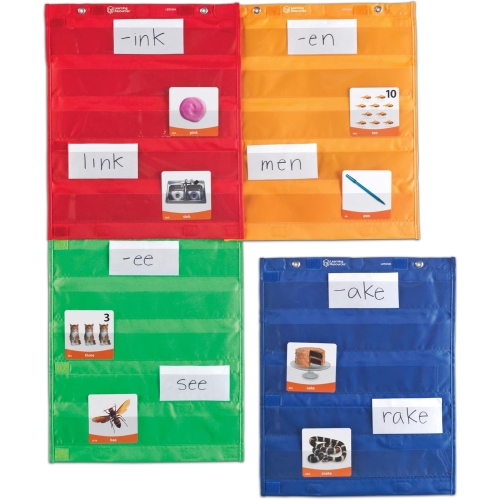
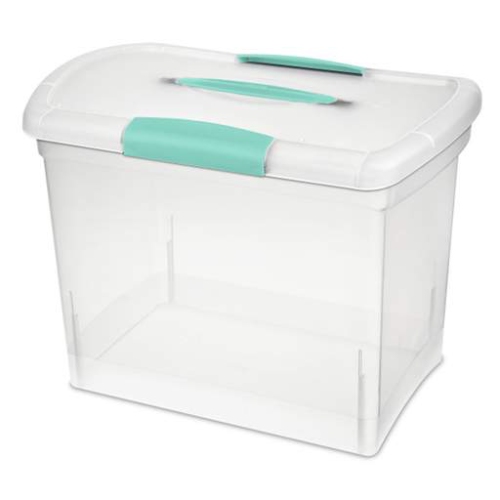
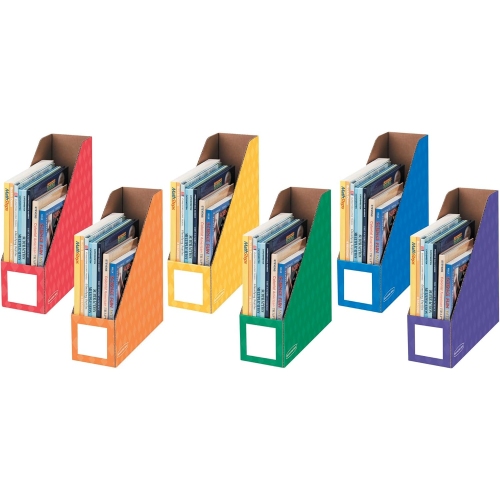
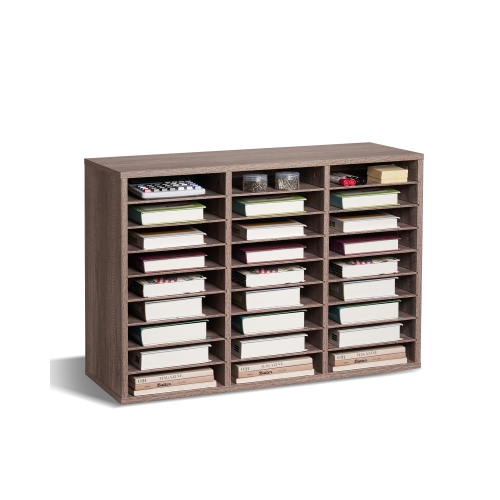
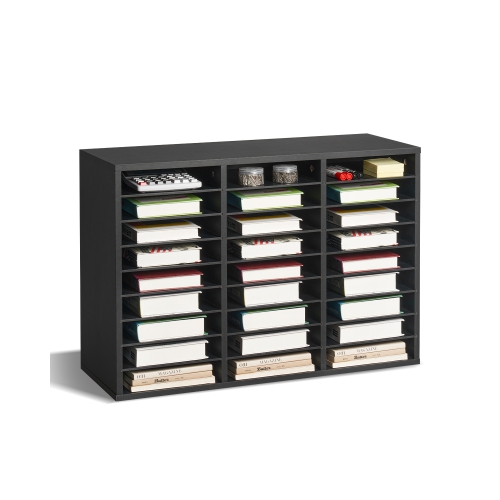
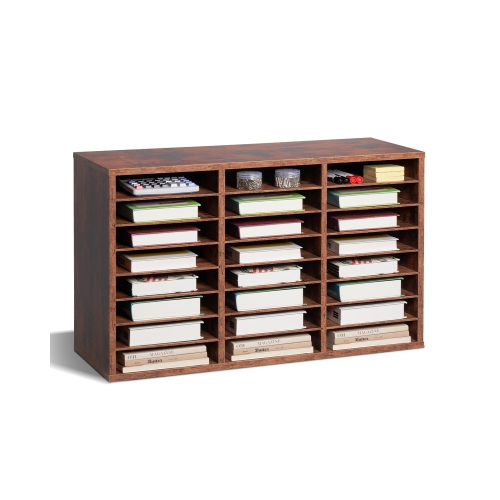
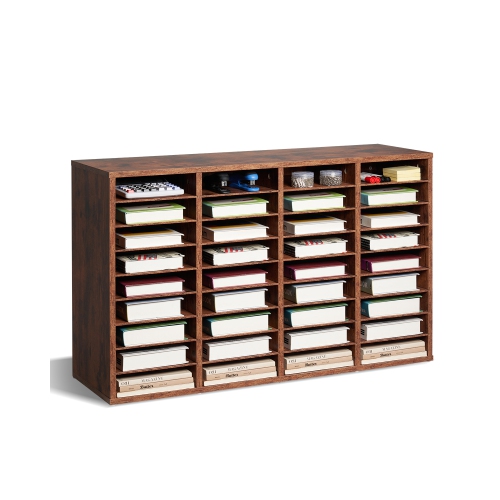
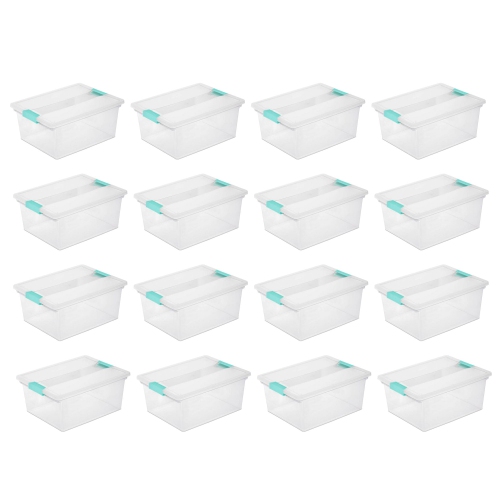
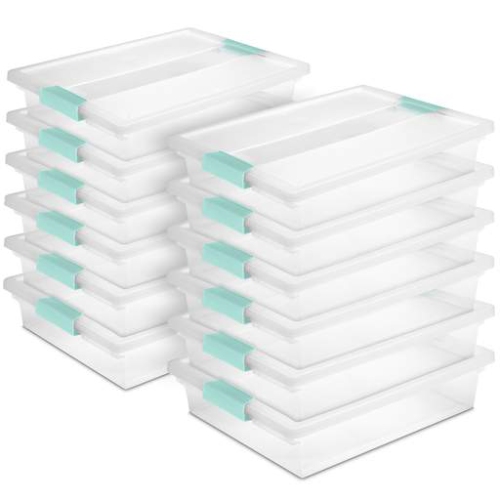
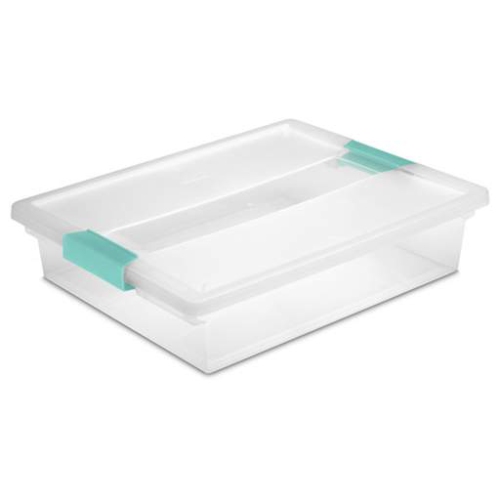
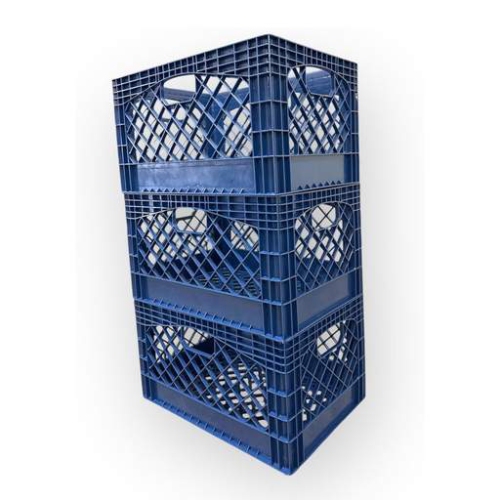
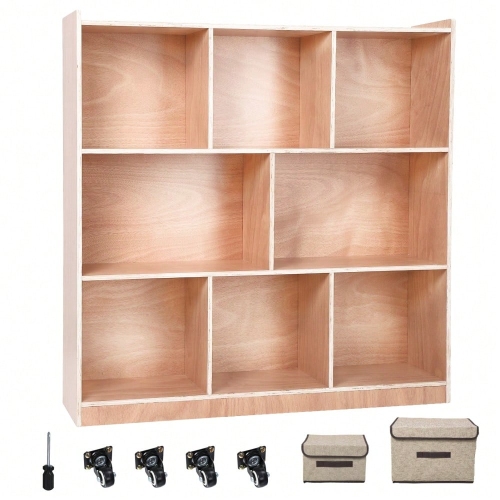
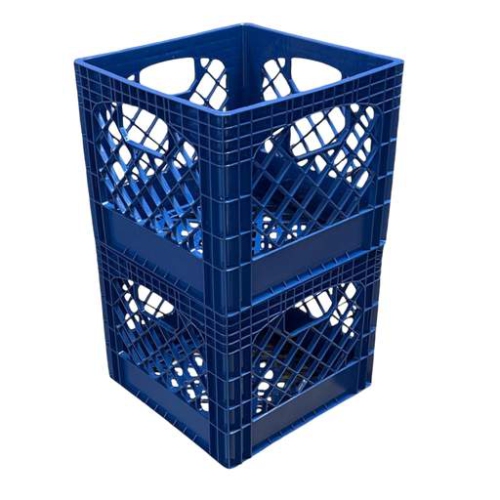
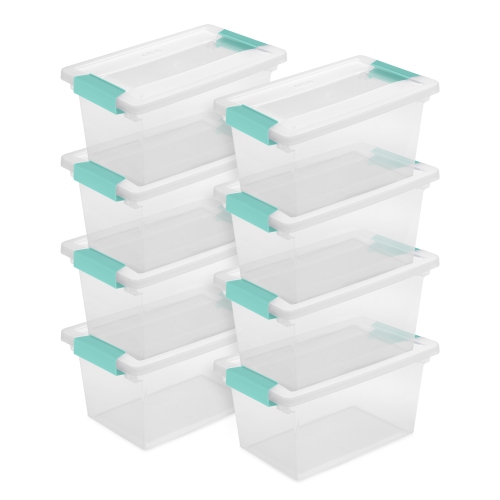
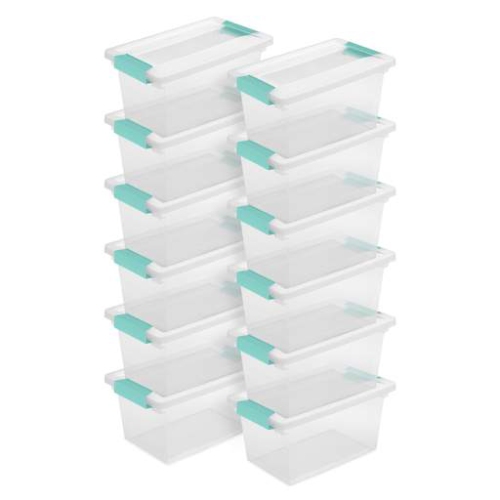
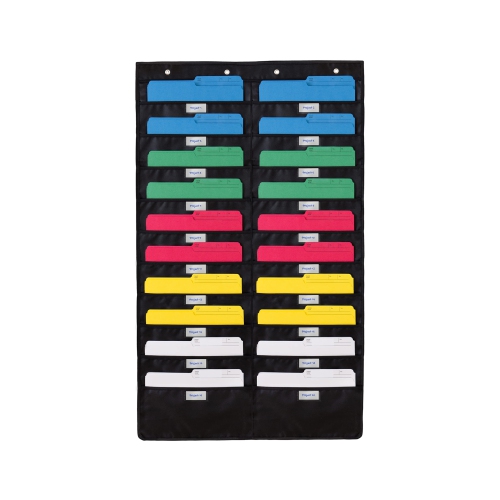
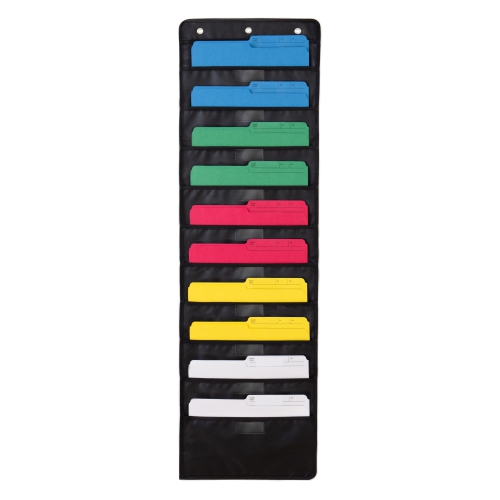
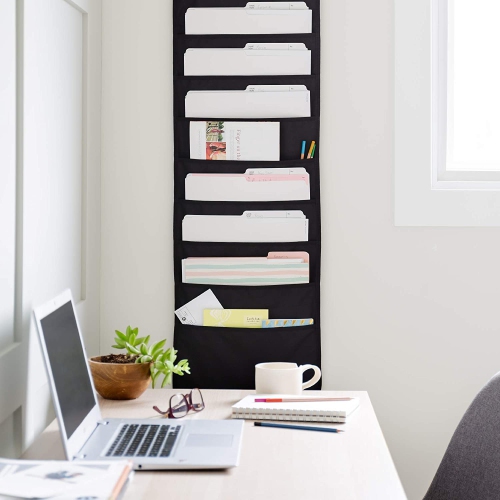
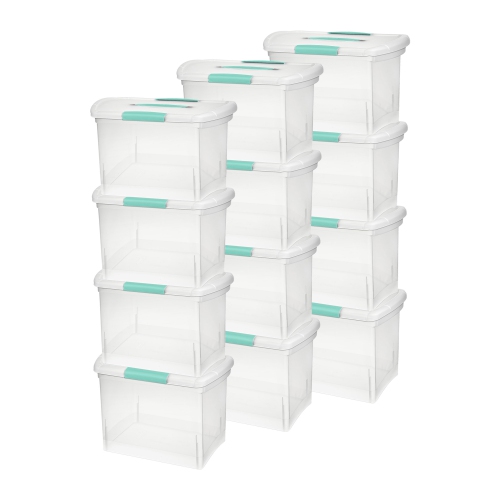
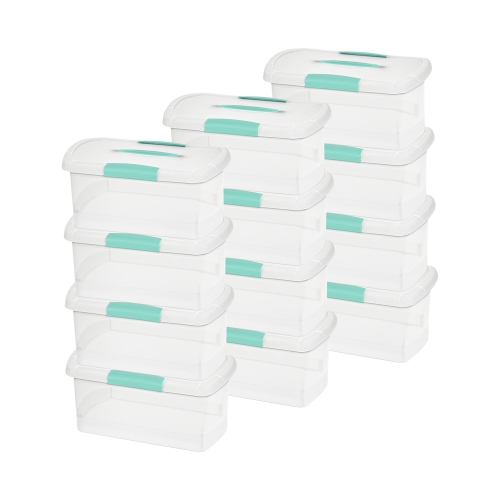
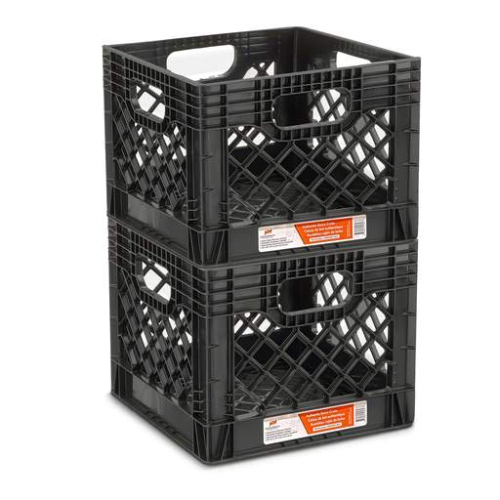
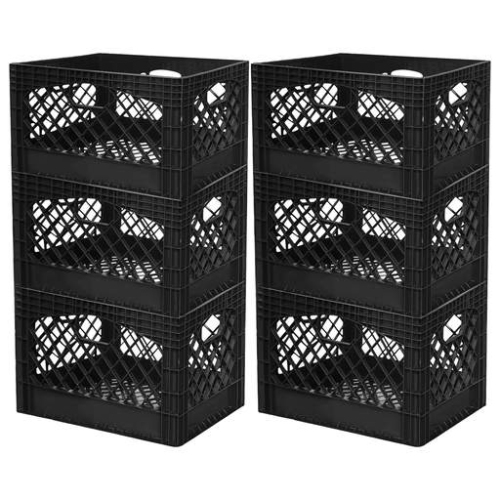
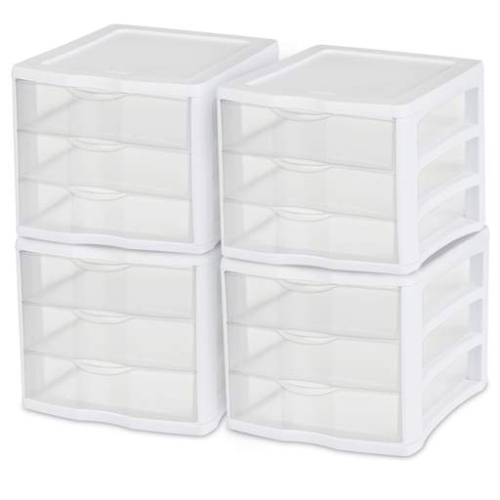
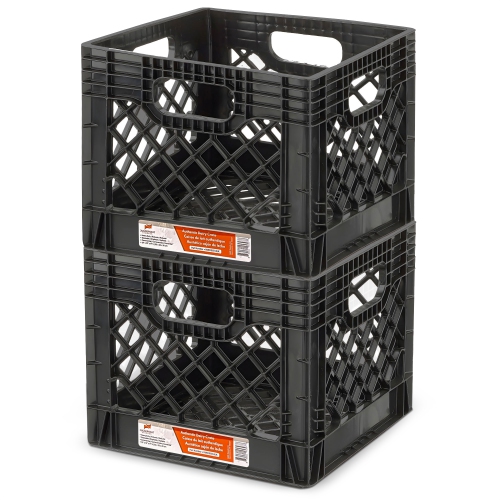
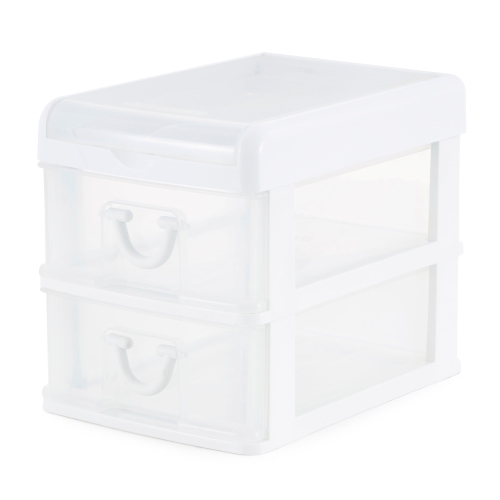
A well-organized classroom gives teachers more time to focus on instruction, conversation and the small moments that help students feel confident. Whether you are setting up a new learning space or refining routines in an established one, practical organization tools can make everyday materials easier to find and simpler for students to use independently. Storage drawers, stackable bins and lidded containers can help contain loose papers, craft materials, writing tools and shared supplies, reducing clutter on desks, shelves and other flat surfaces. Open containers are useful for items that students reach for often, while covered storage can keep less frequently used resources together and protect them from dust or accidental spills. Consider grouping supplies by activity, subject or frequency of use, then adding clear labels that students can understand at a glance. A reading corner might have separate spaces for books, discussion materials and quiet activities, while a mathematics area could keep manipulatives, graphing supplies and practice sheets in clearly marked sections. Colour coding can make these systems even easier to follow: matching the colours of folders, storage areas and subject materials helps students return items to the right place without interrupting the lesson. Teachers working with younger students may prefer visual labels, symbols and large-print words, while older students can manage numbered sections, written instructions or shared sign-out systems. For classrooms with limited storage, vertical organizers, compact trays and multi-purpose containers can help use available space without crowding walkways or work surfaces. Browse Organization for Teachers to find practical options for building a classroom setup that supports your teaching style and the needs of your students.
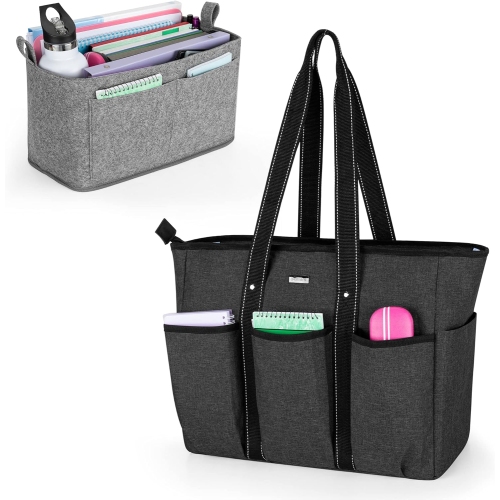
The most effective classroom organization systems are usually the ones that are easy to maintain on a busy day. A table caddy or supply basket at each group of desks can keep commonly used items such as pencils, erasers, glue and scissors close at hand, limiting trips across the room and helping students share responsibly. In a primary classroom, placing a small selection of materials within reach can support independent work and make transitions smoother; in a middle or secondary classroom, subject-specific kits or labelled trays can help students gather what they need before an activity begins. Numbered cubbies, book boxes and supply kits provide each student with a consistent place for personal materials, reducing the familiar end-of-day scramble of coats, notebooks and unfinished work. Assigning numbers rather than names can also make the system easier to adjust when seating plans change. A help station is another useful addition, especially in classrooms where students regularly need replacement supplies or have found items that must be returned. Keep spare pencils, paper, labels and other essentials in one designated area, and use a separate container for lost-and-found belongings so the teacher’s desk does not become the default collection point. Rolling carts, portable file holders and divided trays can be helpful for teachers who move between classrooms, lead small-group instruction or need to shift materials from a preparation area to a teaching station. When selecting organization products, consider durability, ease of cleaning, portability and the amount of space required when fully loaded. Containers that are too deep can hide materials, while containers that are too small may quickly overflow. A balanced mix of open-access storage and teacher-managed storage can give students independence while keeping special resources, assessments and lesson materials secure.
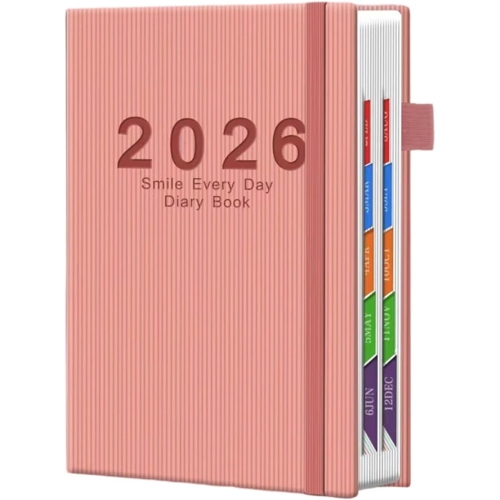
A simple daily reset helps classroom systems continue working through the changing pace of the school year. Allowing five to ten minutes at the end of the day to return materials, straighten shared areas and sort incoming papers can make the next morning feel calmer, particularly during the busier weeks when routines are interrupted by assemblies, activities or changing weather. Students can take part by checking group tables, returning books, matching supplies to labelled spaces and clearing their own cubbies. Assigning rotating classroom jobs gives these tasks a clear purpose and helps students see organization as part of caring for a shared learning environment. Teachers can also keep a small set of frequently used materials near the main workspace, with less-used resources stored by subject or season elsewhere. During cooler months, when coats, boots and extra layers can add to hallway and cubby clutter, designated hooks, bins or personal storage sections can help keep belongings from spreading into teaching areas. Paper management deserves particular attention: incoming forms, work waiting for review, completed assignments and materials to send home should each have a defined location. File holders, trays and folders can separate these categories so that important papers do not become buried under lesson plans or personal items. Classroom organization products can also be thoughtful gifts for new teachers, education students, teaching assistants, substitute teachers and experienced educators who are refreshing a workspace. The most useful choices are versatile enough to support different grade levels and subjects, while fitting naturally into existing routines. With clear categories, consistent labels and a short reset at the end of each day, teachers can create an orderly classroom that feels welcoming, supports smoother transitions and helps students take greater responsibility for their learning materials.
Top selling and popular products
-
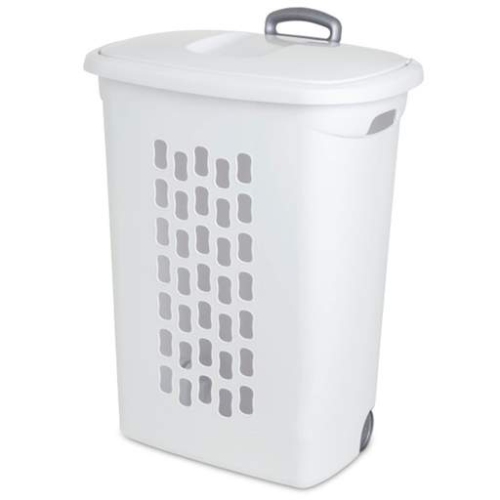 Your price for this item is $698.99
-
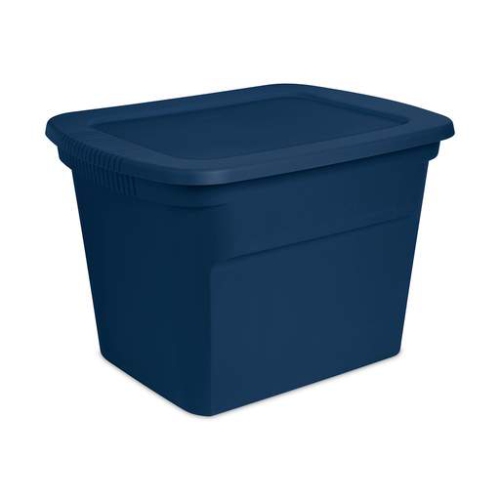 Your price for this item is $859.99
-
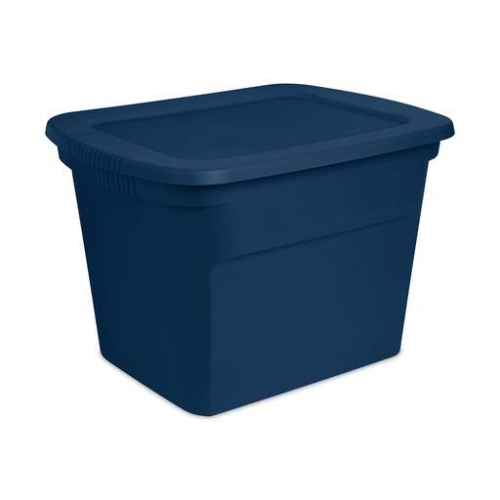 Your price for this item is $1197.99
-
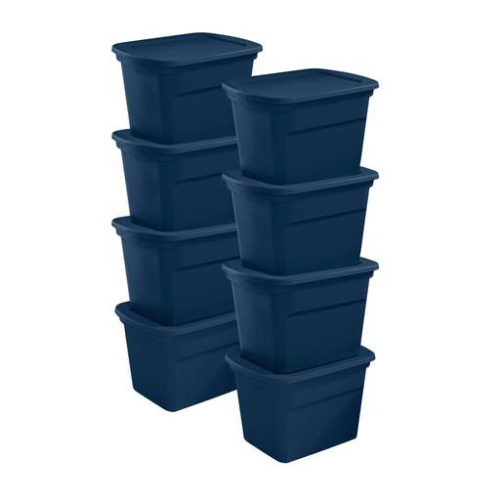 Your price for this item is $299.99
-
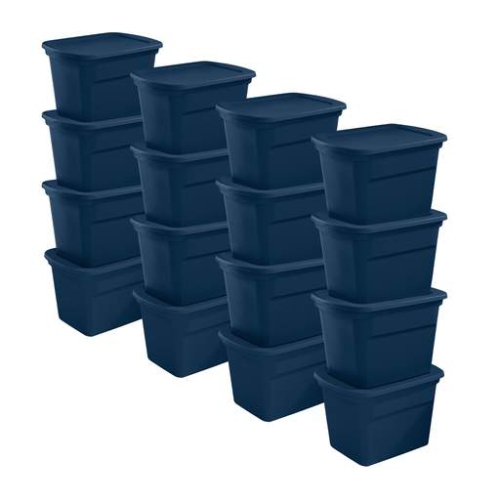 Your price for this item is $573.99
-
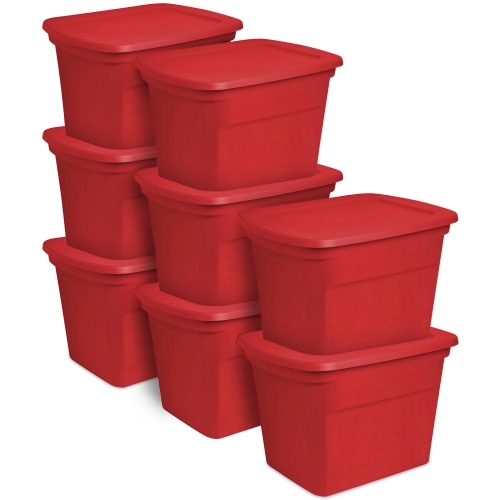 Your price for this item is $253.99
-
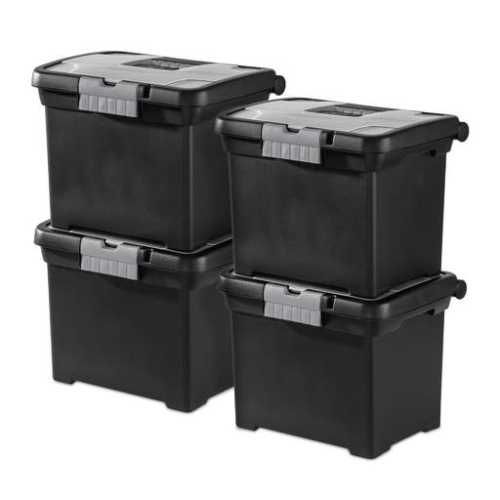 Your price for this item is $178.99
-
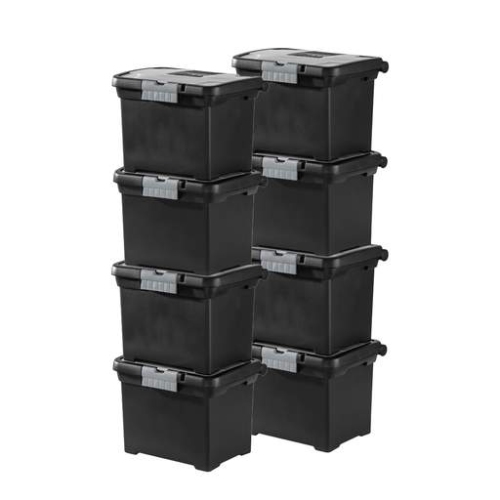 Your price for this item is $348.99
Discover more categories related to Classroom Organization for Teachers
Top Collections:
Best Black Friday Deals This Year, Best Black Friday Deals On Electronics, Kindle Devices, Dyson Airwrap, Best Cameras for Sports Photography, Best Budget Office Chairs, Canon G7X Cameras, PS5 Pro Consoles, Best Black Friday Deals On Apple Products, XBOX One S Consoles
Some products may be subject to Environmental Handling Fees
(EHF) depending on your province.
Learn more about EHFs.