Organization for Teachers
Organization for teachers is essential for creating a productive and inspiring classroom environment. From managing lesson plans to keeping supplies easily accessible, the right organizational tools can make daily tasks smoother and more efficient. Discover solutions designed to help educators streamline their workflow, maximize space, and keep everything in order. Find the resources you need to support a well-organized teaching experience and focus on what matters most—your students.
Sort
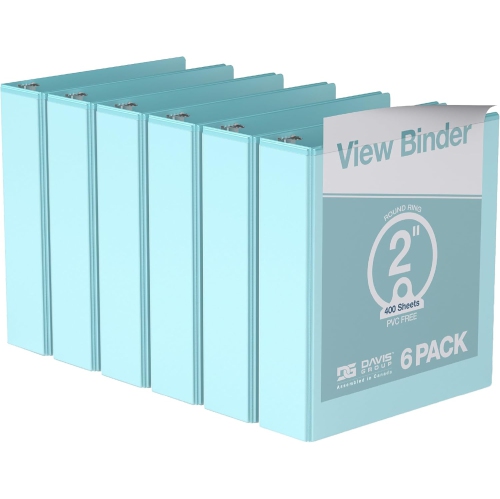
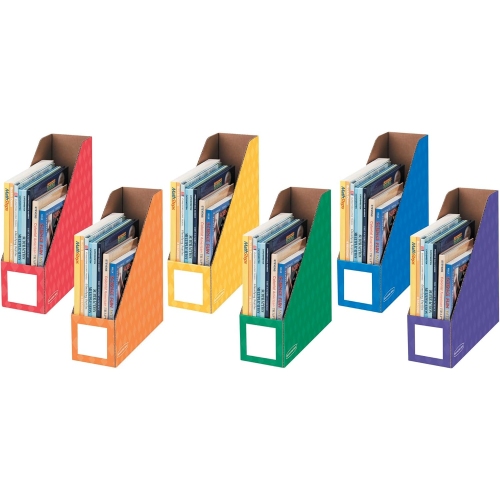
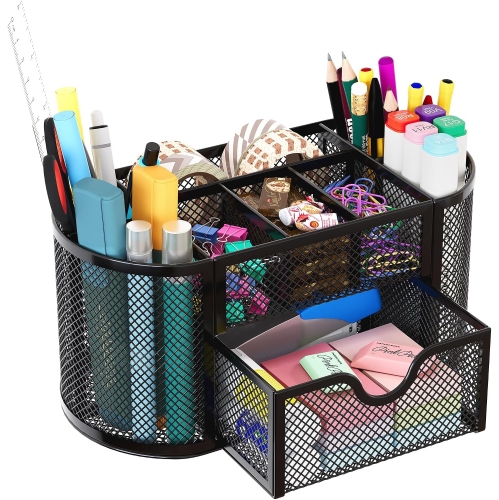
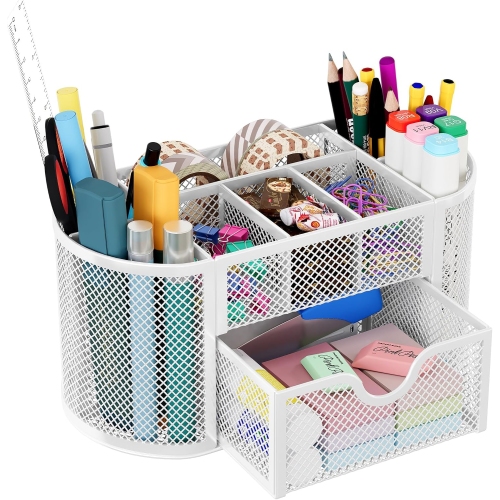
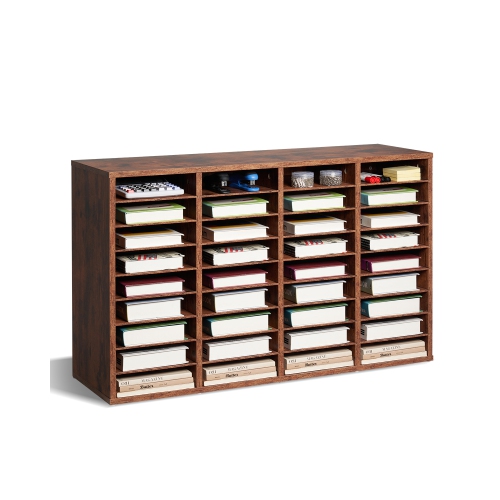
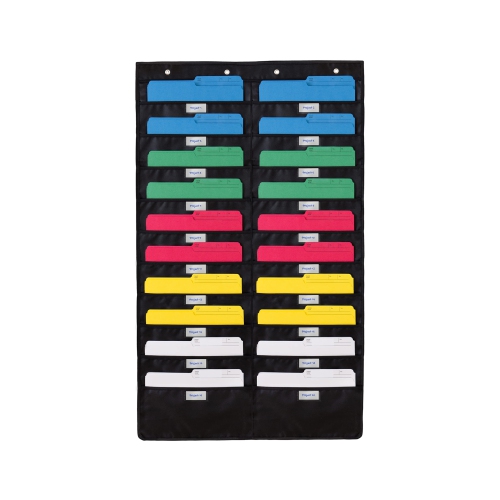
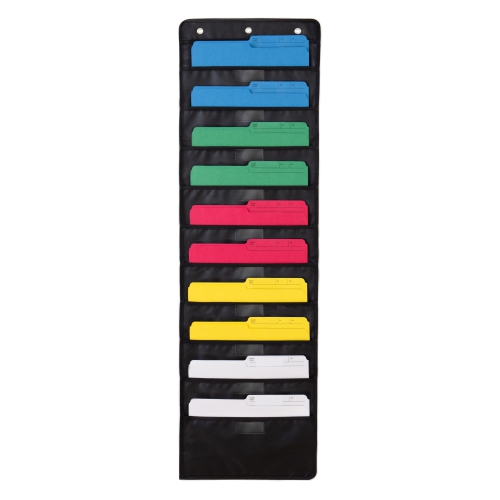
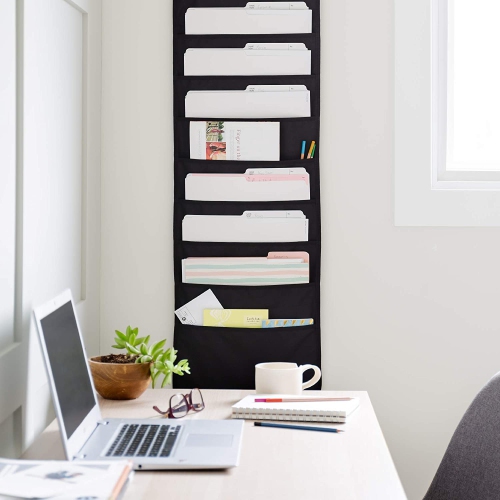
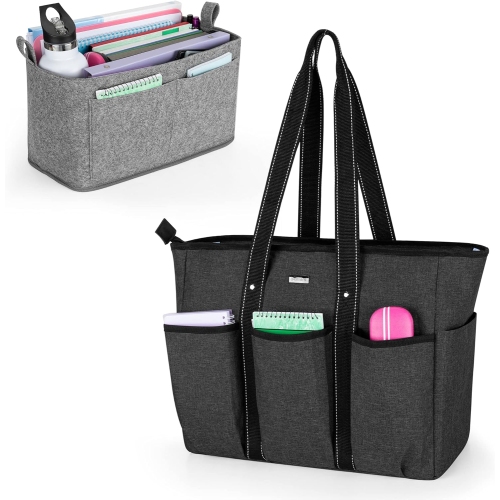
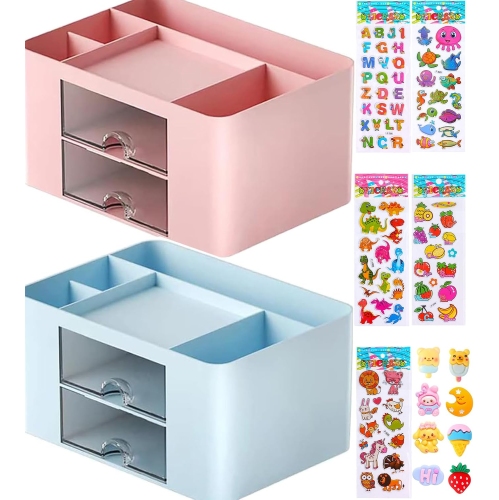
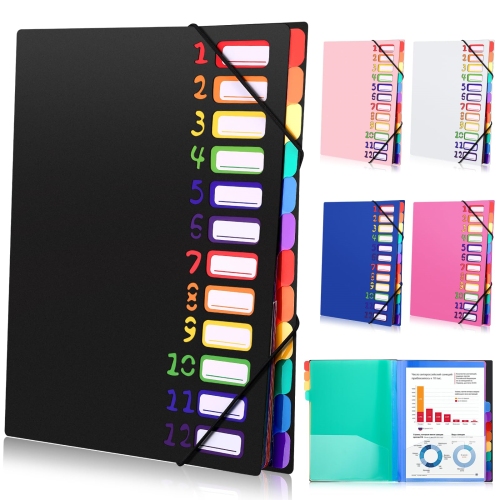
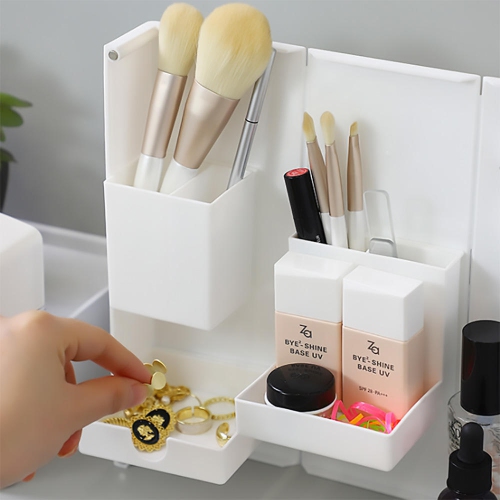
Practical systems for planning, paperwork, and classroom materials
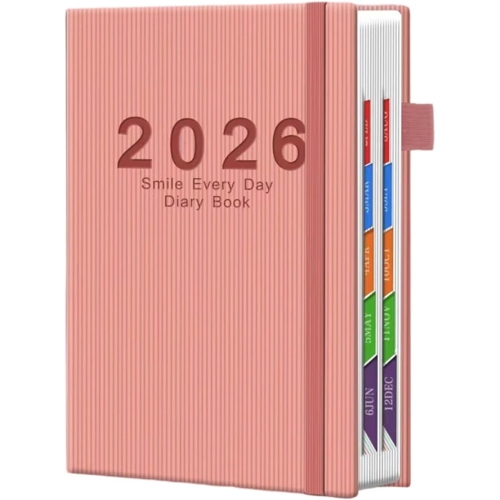
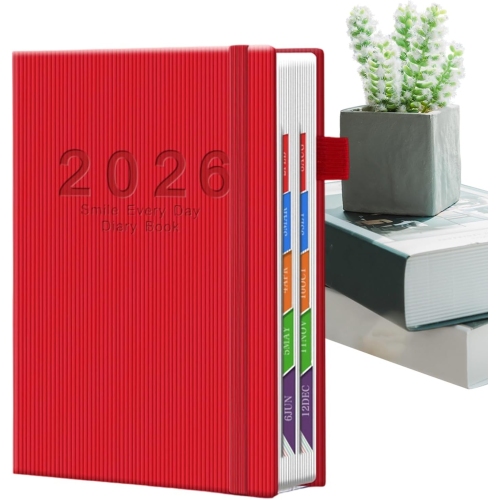
Organization for teachers works best when it supports the way a school day actually unfolds. Most educators are balancing three connected areas: lesson planning, paperwork flow, and the physical or digital spaces where teaching materials live. A clear system can make it easier to move from preparing a lesson to welcoming students, managing activities, recording progress, and wrapping up at the end of the day. Start with one central place for schedules, deadlines, curriculum notes, meeting reminders, and daily priorities. A physical planner can be useful for quickly recording changes during class, while a digital calendar or planning tool makes it easier to access information from home, school, or another classroom. The most effective setup is usually the one that feels natural enough to use consistently. Divide planning information by subject, unit, class, or student group, and leave room for notes about materials, accommodations, assessment dates, and follow-up tasks. For digital files, a straightforward folder structure can prevent small tasks from becoming time-consuming searches. Consider organizing cloud storage into broad subject folders, then creating subfolders for units, lesson resources, student handouts, assessment materials, and completed work. Use clear file names with the topic and date when appropriate, and keep a digital backup of important worksheets, templates, rubrics, and classroom forms alongside any printed copies. During the busier parts of the school year, this combination of a reliable planner and orderly files can help preserve teaching time and reduce the mental load of remembering where everything was saved.
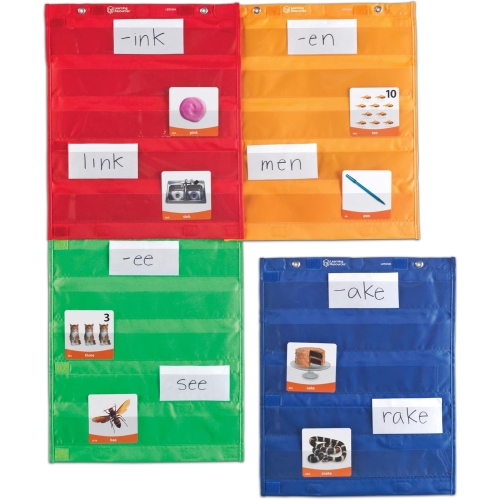
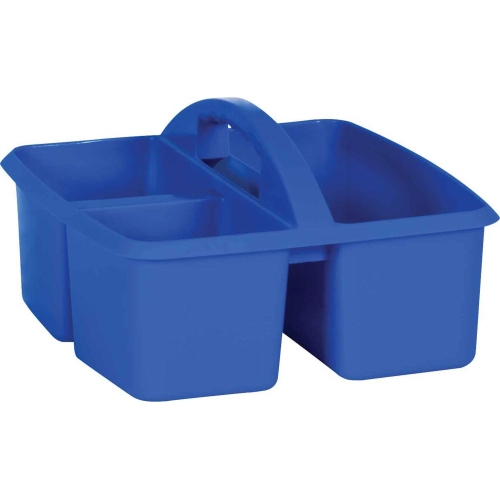
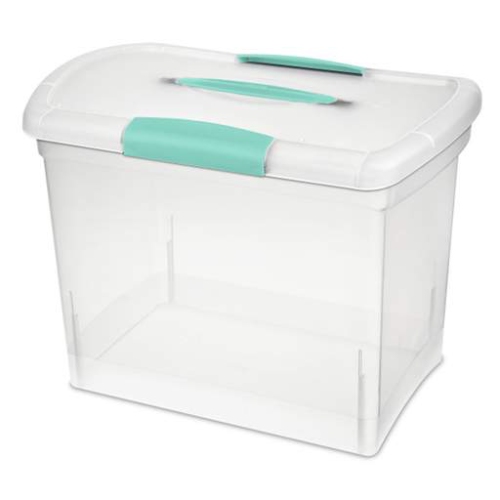
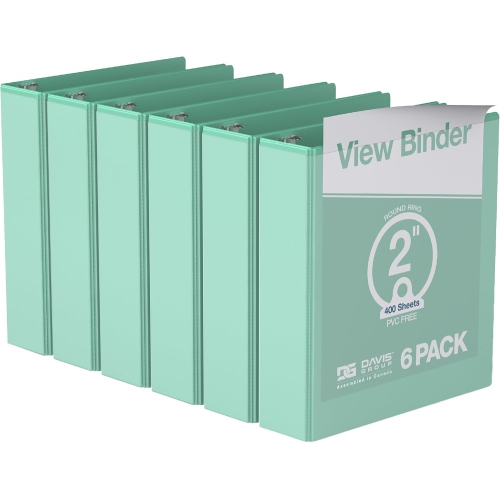
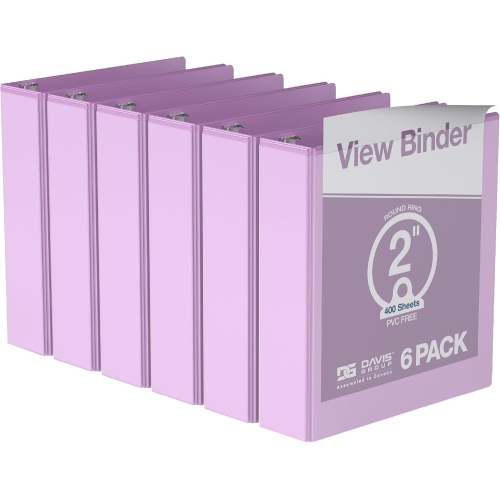
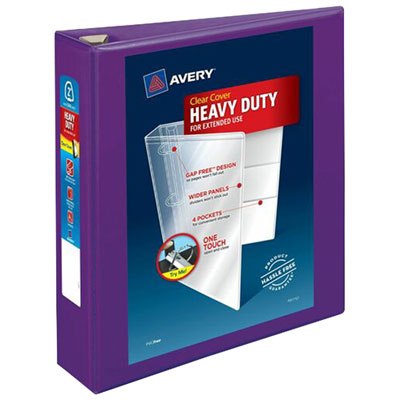
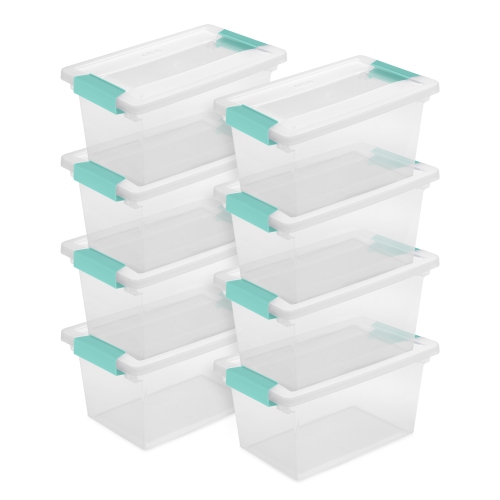
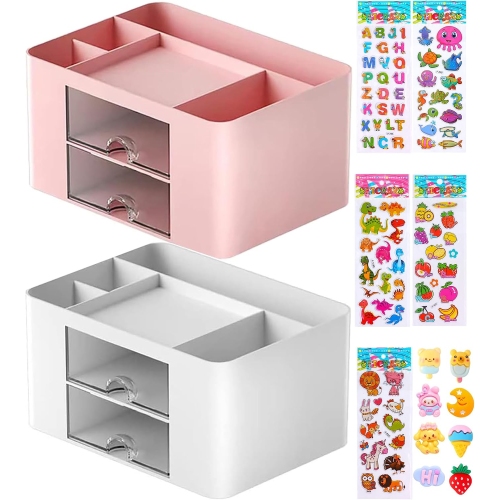
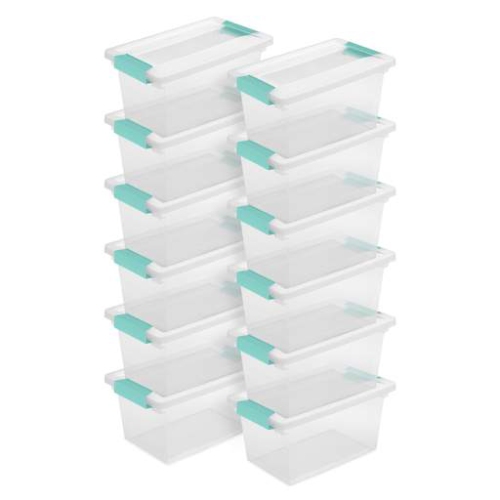
Paperwork becomes easier to manage when every page has a destination. A small set of labelled trays, folders, drawers, or containers can create a simple flow for incoming student work, papers that need grading, completed work ready to return, documents that need filing, and items that require action. Labels should be large enough to read at a glance and specific enough to prevent a new pile from forming beside the system. Colour coding can add another layer of clarity: one colour for each subject, class, grade level, or type of task can make sorting faster when the room is busy. Portable folders and compact storage can be especially helpful for teachers who work in more than one classroom or share spaces with other educators. Choose organizers that fit the available shelves, cabinets, desk areas, or mobile carts, and consider how often each item is used before deciding where it belongs. Materials needed every day should remain within easy reach, while seasonal resources, finished units, and reference documents can be stored farther away. Keeping a dedicated teacher zone for personal writing tools, notes, keys, technology accessories, and other daily essentials helps prevent them from being mixed with student supplies. A central supply area can also support smoother transitions by giving students a consistent place to find commonly used materials without interrupting instruction. Open bins, divided compartments, drawer organizers, and labelled containers can help contain the natural activity of a classroom without requiring every surface to stay perfectly clear. The goal is not to remove every item from view; it is to make the important items easy to locate and the less frequently used items easy to put away.
Organization for teachers can also make thoughtful and practical gifts for new educators, student teachers, department colleagues, education assistants, or experienced teachers preparing for a new classroom. A useful setup may include planning materials, paper-management tools, storage for teaching resources, and accessories that make a workspace more comfortable and efficient. When choosing items, consider the recipient’s grade level, teaching subject, classroom size, mobility between rooms, and preference for physical or digital planning. A primary teacher may benefit from accessible bins and table organizers for shared classroom materials, while a secondary teacher may need a more compact system for several class groups, marked work, and subject-specific resources. Teachers who prepare lessons at home may appreciate portable organization that can move between a desk and a classroom, whereas educators with a dedicated workspace may prefer larger filing and storage options. The Professional Organization assortment can help shoppers compare practical solutions for planning, filing, sorting, and maintaining a focused work area. As the weather shifts and routines settle into the cooler months, a short reset at the end of each day can keep the system working: return shared supplies to their stations, move completed papers to the next step, clear the main work surface, check the following day’s plan, and record anything that should not be forgotten. Even five to ten minutes can make the next morning feel more prepared. With consistent labels, dependable storage, accessible planning tools, and a clear process for paper and digital files, teachers can spend less time searching and more time creating calm, engaging learning experiences.
Top selling and popular products
-
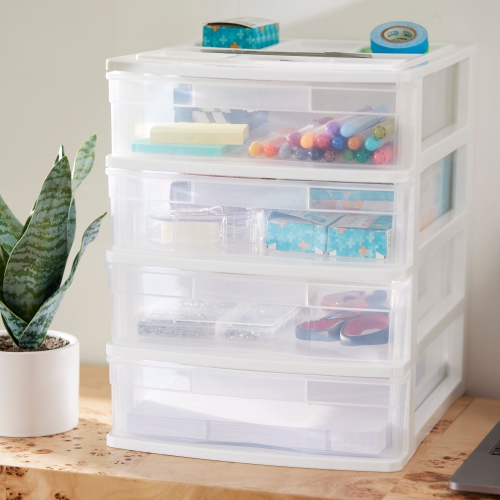 Your price for this item is $171.99
-
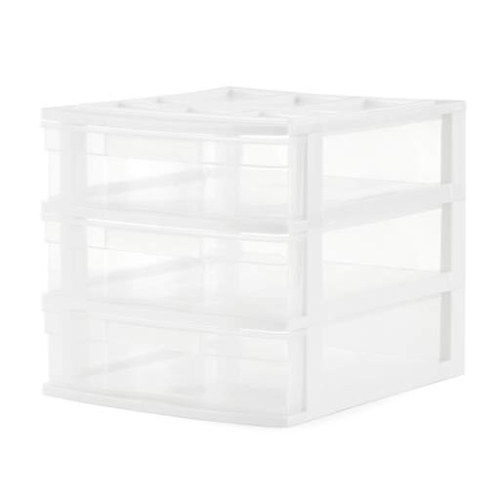 Your price for this item is $78.99
-
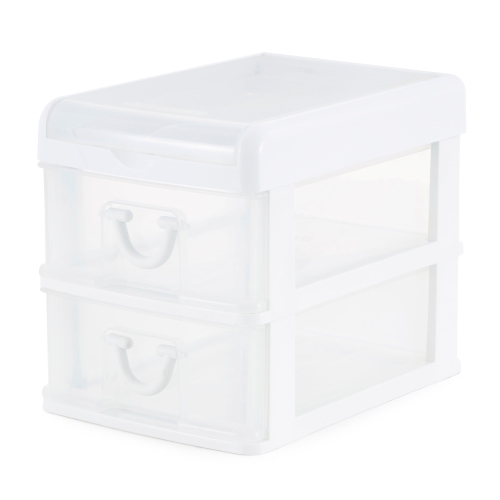 Your price for this item is $77.99
-
 Your price for this item is $309.99
-
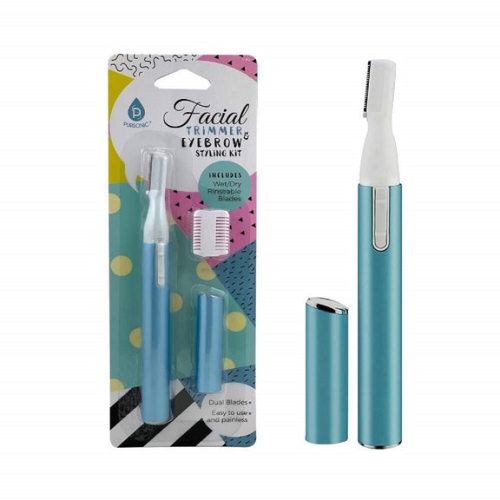 Your price for this item is $19.99
-
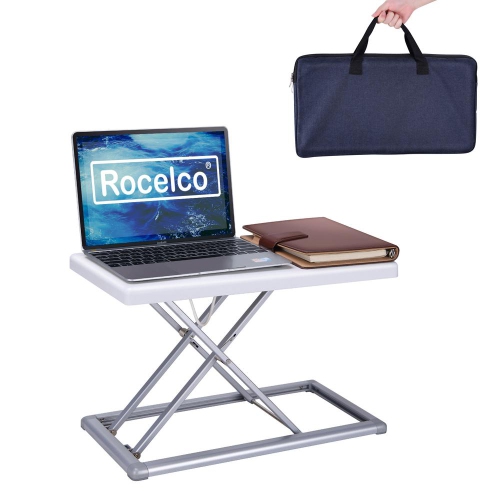 Your price for this item is $129.99
-
 Your price for this item is $47.99
-
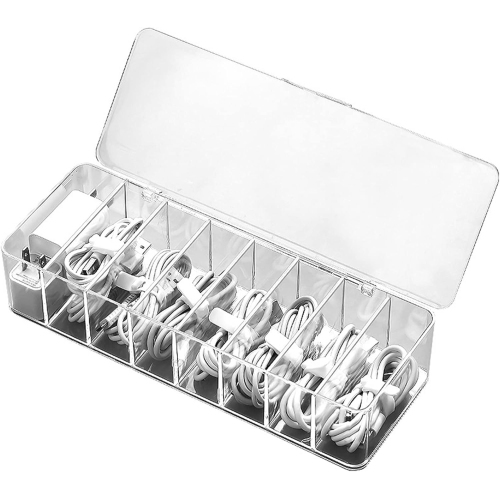 Your price for this item is $24.38
Discover more categories related to Organization for Teachers
Top Collections:
Best Black Friday Deals This Year, Best Black Friday Deals On Electronics, Kindle Devices, Dyson Airwrap, Best Cameras for Sports Photography, Best Budget Office Chairs, Canon G7X Cameras, PS5 Pro Consoles, Best Black Friday Deals On Apple Products, XBOX One S Consoles
Some products may be subject to Environmental Handling Fees
(EHF) depending on your province.
Learn more about EHFs.