Clear Airtight Storage Containers
Clear Airtight Storage Containers offer a practical solution for organizing and protecting your essentials at home or on the go. With their transparent design, it’s easy to quickly identify contents without opening each container, making meal prep, pantry organization, and storage more efficient. Whether you’re looking to keep food fresh, tidy up craft supplies, or declutter any space, Clear Airtight Storage Containers provide versatility for a variety of needs. Explore options in different shapes and sizes to find the perfect fit for your kitchen, office, or anywhere you need reliable storage.
Sort
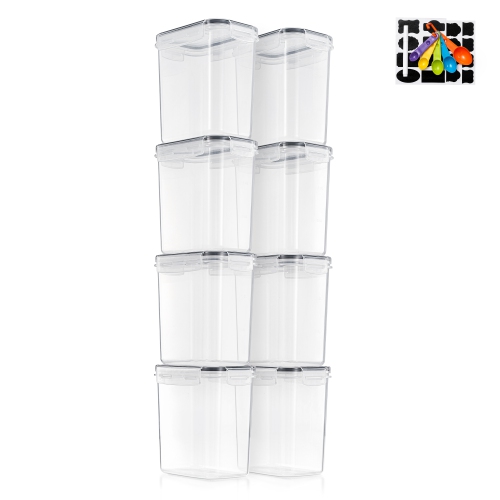
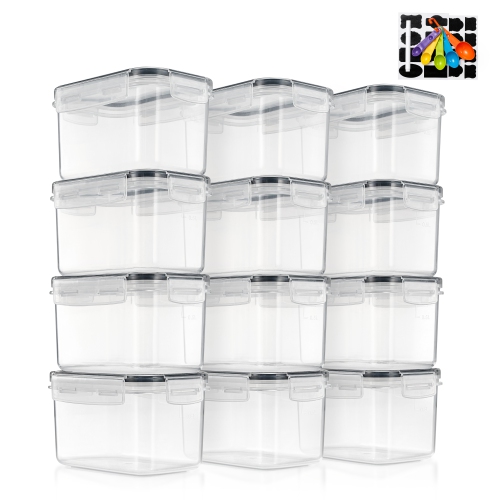
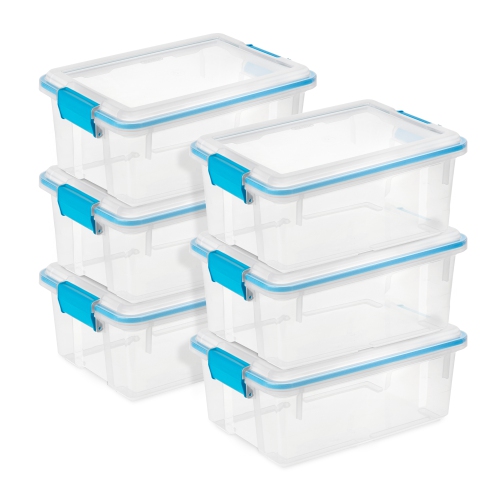
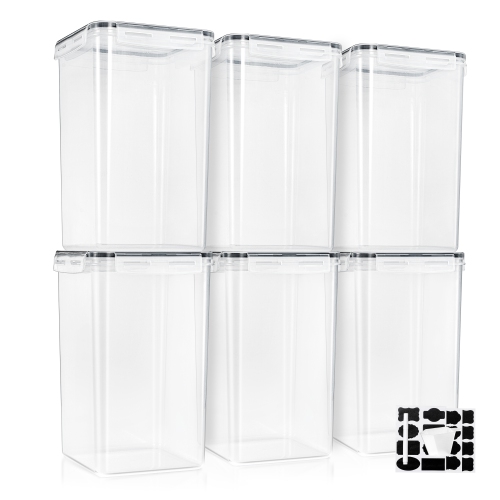
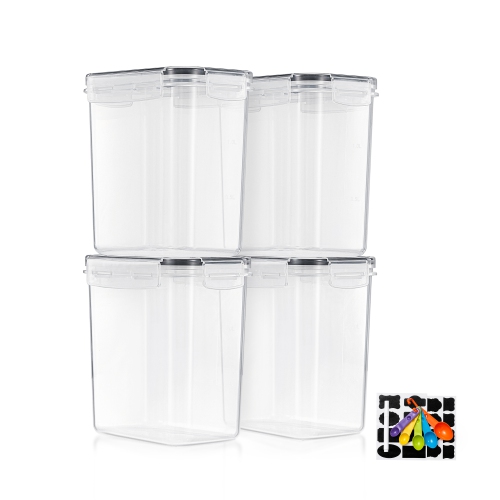
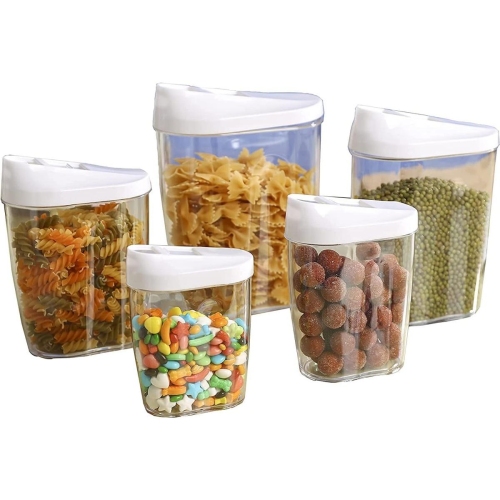
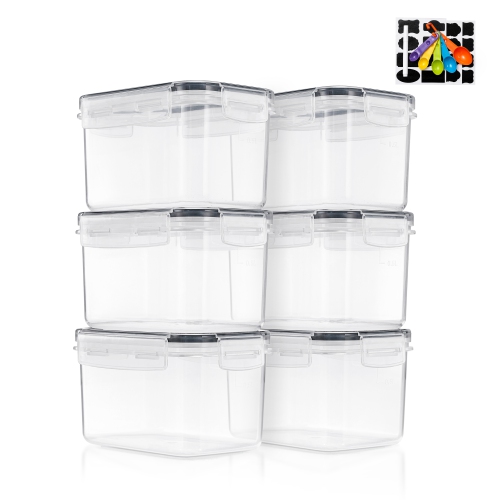
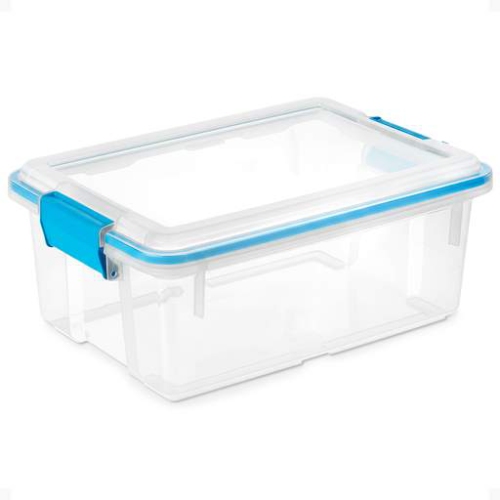
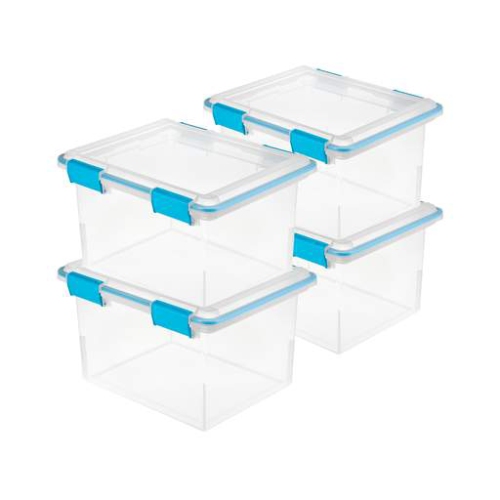
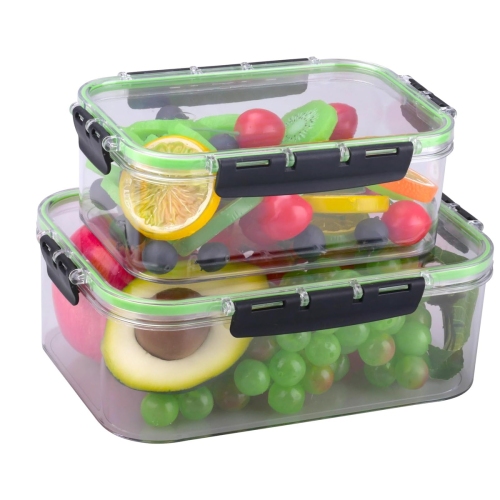
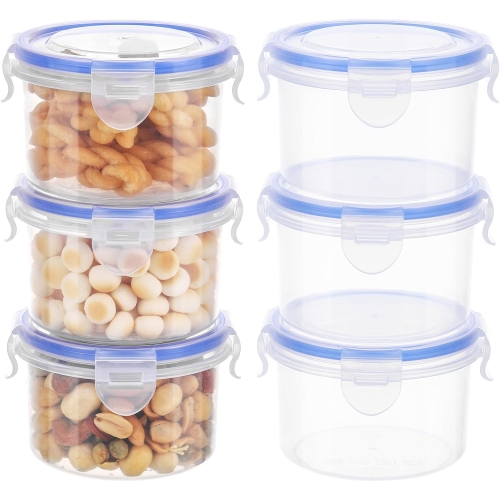
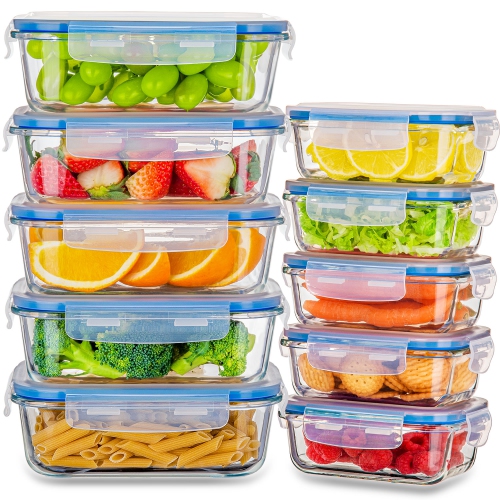

Pantry organization goes beyond a clear view
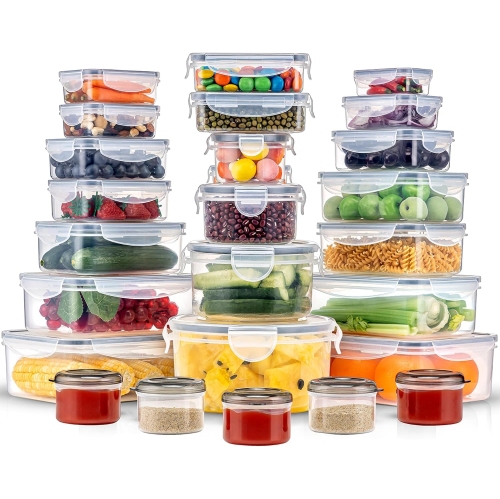
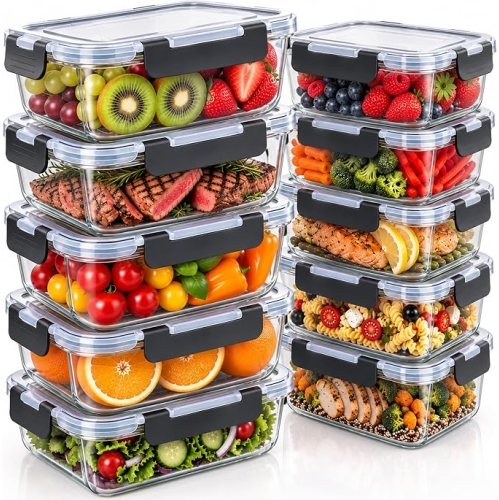
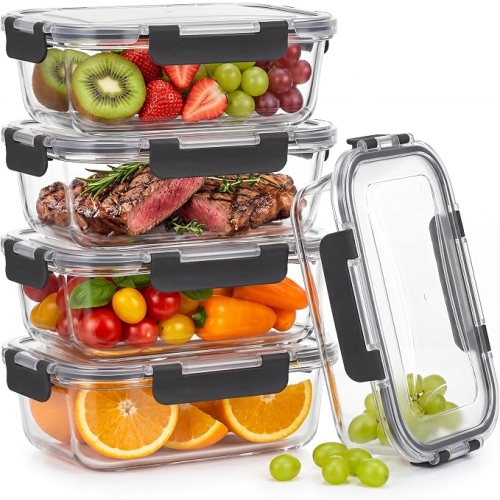
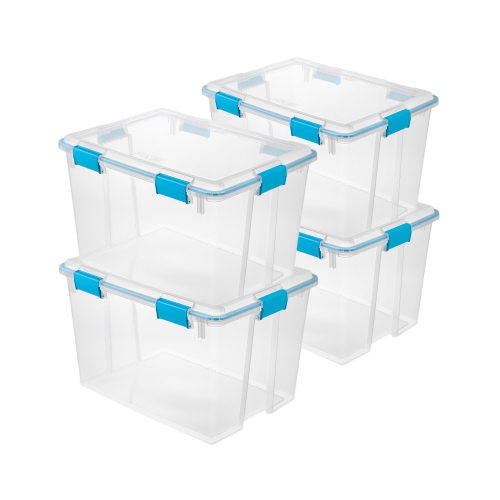
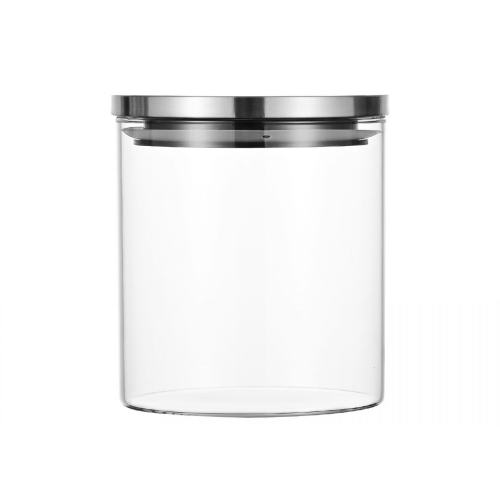
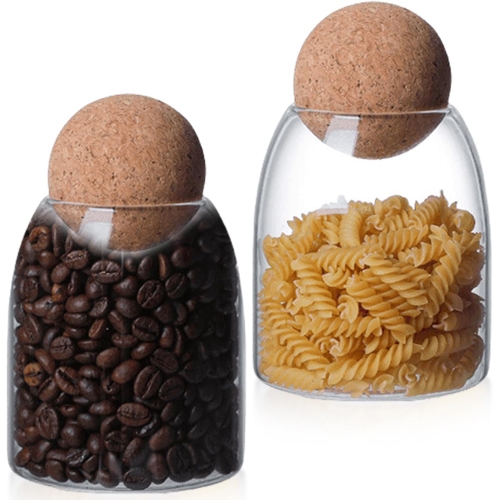
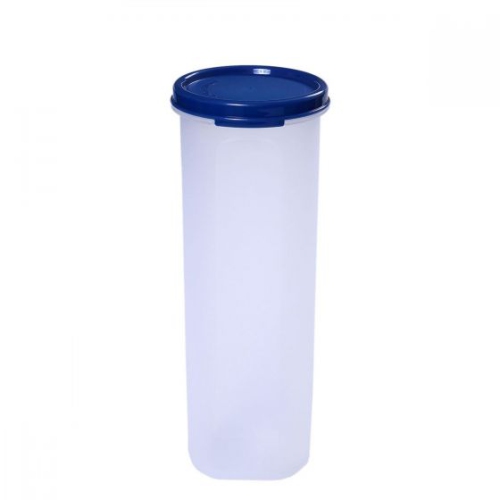
Clear airtight storage containers keep pantry staples visible and organized while helping limit their exposure to air and moisture. Their transparent sides make it easier to tell the difference between flour and sugar, see how much rice remains, and find a snack without opening several lids. A secure closure also helps contain food odours and protects dry ingredients from the humidity that can soften crackers or make powdered ingredients clump. The seal matters as much as the container itself: a well-fitting lid, an intact gasket, and a closure that engages fully all contribute to effective storage. Locking clips, push-button mechanisms, and press-on lids offer different ways to close a container, so the most useful design is one that feels comfortable to open and can be sealed reliably after every use. For everyday pantry organization, a mix of capacities often works better than a row of identical containers. Small formats suit tea bags, baking decorations, and modest quantities of nuts, while larger formats accommodate flour, oats, pasta, and other frequently used ingredients. The Airtight Cereal Storage Containers collection provides a more focused option for breakfast storage, where tall shapes and convenient pouring openings can be especially practical. Capacity should reflect both the amount being stored and the way it will be accessed. A container filled to the rim may leave too little space for a scoop, while an oversized container can occupy valuable shelf space without making the contents easier to reach. Wide openings are helpful for measuring cups; narrower openings can make pouring more controlled. Clear sides are particularly useful in shared kitchens, where several people need to find ingredients quickly and return them to the same place. Labels still have a role, especially for ingredients that look alike. Naming the contents and noting relevant dates gives a transparent container the clarity needed for an orderly pantry, rather than simply creating a uniform appearance.
Material, shape, and lid construction influence how clear airtight storage containers fit into daily routines. Clear plastic is generally lighter than glass, making it convenient for larger containers that are lifted from shelves or carried between a cupboard and a countertop. Different plastics have different properties, so food-contact suitability, dishwasher compatibility, and any BPA-free claims should be confirmed in the manufacturer's information rather than assumed from appearance. Some clear plastics resist impacts well, but they can still scratch, become cloudy, or retain odours with use. Glass offers a smooth surface that is generally resistant to staining and odour absorption, and its weight can feel reassuring on a counter when scooping flour or mixing a small portion of ingredients. That same weight may be less convenient on a high shelf or for someone who finds heavier containers difficult to lift. Glass can chip or break, and heat resistance varies by construction; a clear glass container should not be treated as oven-safe simply because it resembles bakeware. Lids and seals may also have different care requirements from the base. For cupboard storage, rectangular or square containers often make efficient use of straight shelves, while round containers may suit a particular opening, grip, or countertop arrangement. Stackable designs can help organize a compact kitchen, provided the lids support stable stacking and the lower containers remain accessible. Measure shelf height, depth, and any pull-out drawer clearance before choosing a format, allowing room for lid clips or handles as well as the container body. Matching shapes can simplify an arrangement, but practical access is more important than a perfectly uniform row. A broad, shallow container may be easier to reach inside than a tall one tucked beneath a low shelf. For leftovers, packed lunches, or refrigerator storage, confirm that the container is intended for those uses. An airtight closure is not automatically leakproof, and suitability for the microwave, freezer, or dishwasher must be checked separately for both the base and the lid.
Good care helps clear airtight storage containers remain pleasant to use and keeps their closures working as intended. Wash new containers before filling them, follow the supplied cleaning directions, and allow every part to dry thoroughly before adding dry goods. Moisture caught beneath a gasket or around a lid channel can undermine the reason for transferring flour, cereal, or crackers into sealed storage in the first place. Where a seal is designed to be removable, taking it out for cleaning makes it easier to reach crumbs and residue; where it is fixed, avoid pulling or stretching it. A soft cloth or non-abrasive sponge helps protect clear surfaces, while gentle cleaning around clips and hinges reduces the chance of damaging the closure. Inspect seals for cracks, distortion, or trapped food, and check glass rims for chips. A lid that sits unevenly or no longer closes securely should not be relied on to provide an airtight seal. Pantry routines matter, too. Empty and clean a container before adding a new batch rather than repeatedly topping up older ingredients, and retain useful package details such as cooking directions, allergen information, best-before dates, and lot codes. A small label on the base or side can keep essential information close without obscuring the contents. Store each food according to its original instructions: transferring it into an airtight container does not make it shelf-stable or replace refrigeration when refrigeration is required. For someone who bakes regularly, wide-mouth containers can make measuring ingredients cleaner and faster. For a household packing lunches, smaller portions can keep snacks easy to find. In a compact apartment, a thoughtfully measured set can turn an awkward cupboard into a more usable space, while in a busy family kitchen, comfortable lids make it easier for everyone to put food away properly. Clear airtight storage containers can also make a practical gift for someone setting up a first kitchen or moving into a new home. The most useful choice is one suited to the recipient's available space, usual ingredients, and preferred way of handling food.
Top selling and popular products
-
 Your price for this item is $15.99
-
 Your price for this item is $3.99
-
 Your price for this item is $19.99
-
 Your price for this item is $7.99
-
 Your price for this item is $99
-
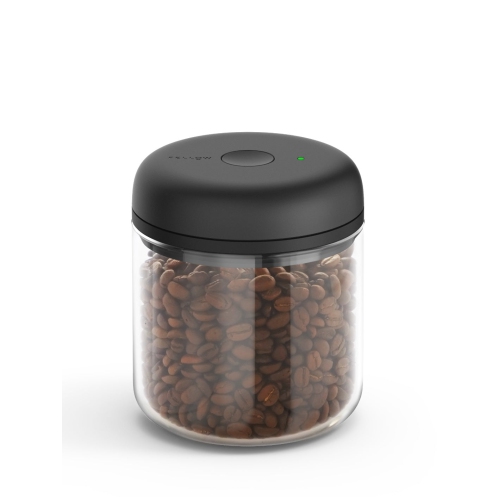 Your price for this item is $99
-
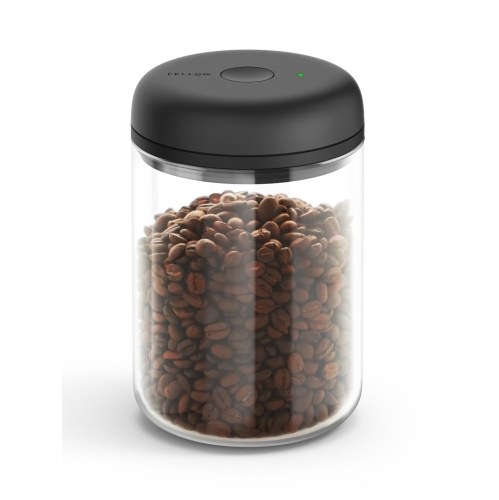 Your price for this item is $109
-
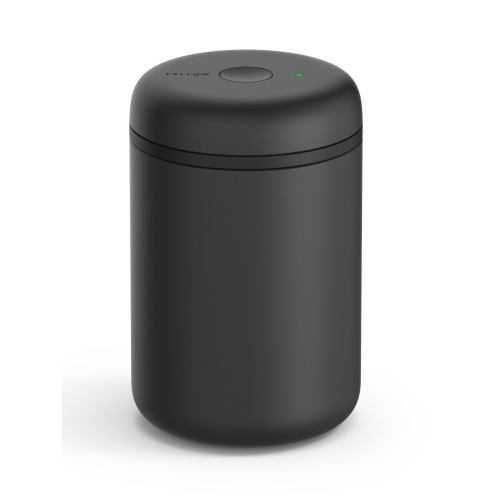 Your price for this item is $109
Discover more categories related to Clear Airtight Storage Containers
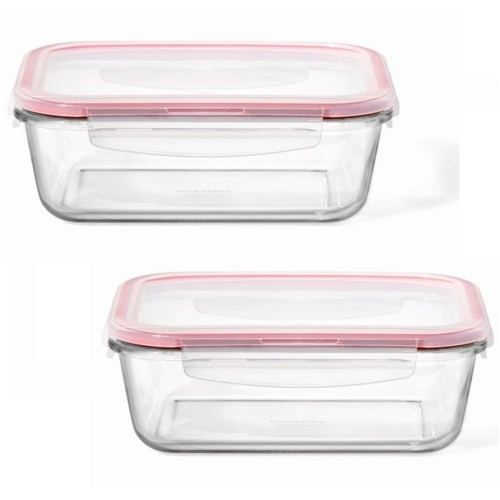
Top Collections:
Best Black Friday Deals This Year, Best Black Friday Deals On Electronics, Kindle Devices, Pokemon Centers, Best Black Friday Deals On Apple Products, Best Cameras for Sports Photography, Dyson Airwrap, Pokémon 30th Celebration Cards, Apple iPhone 17 Pro, Canon G7X Cameras
Some products may be subject to Environmental Handling Fees
(EHF) depending on your province.
Learn more about EHFs.