Clear Glass Tables
Looking to add a touch of elegance and sophistication to your space? Look no further than our collection of clear glass tables. With their sleek and modern design, these tables effortlessly blend into almost any decor style, making them a versatile choice for almost any room in your home. Whether you're looking for a coffee table to anchor your living room or a dining table to gather around with family and friends, clear glass tables offer both functionality and style. Here are some great options available.
Sort
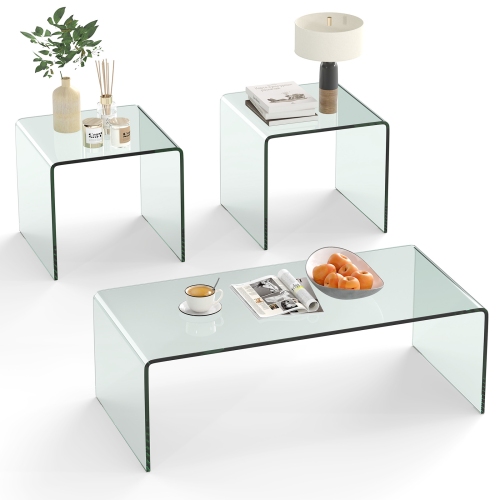
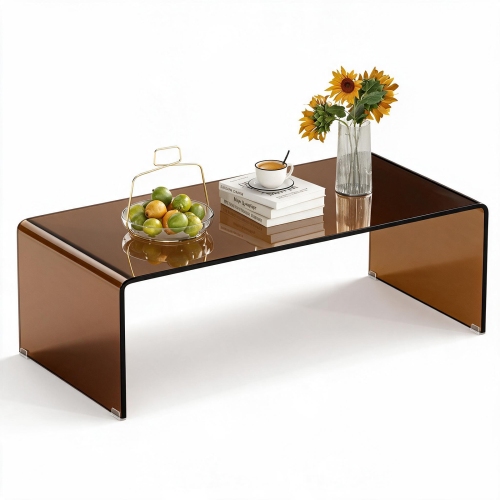
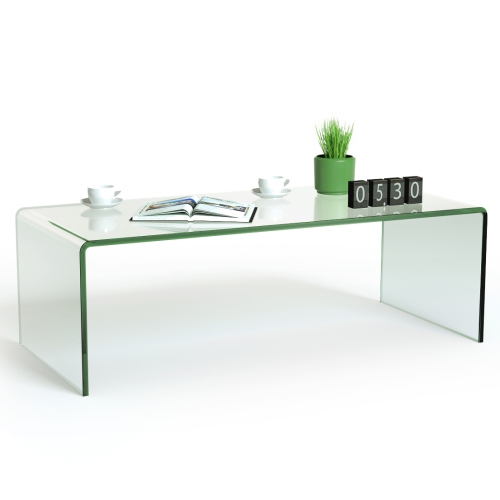
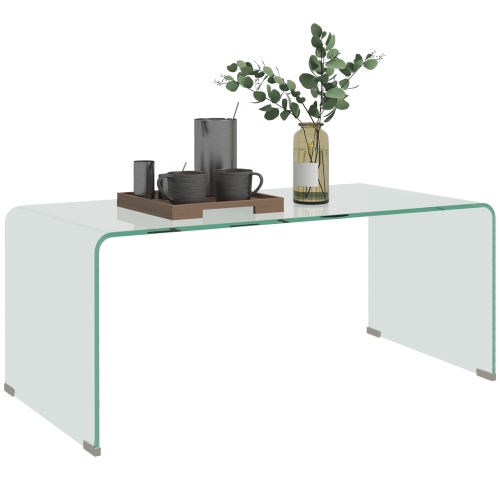
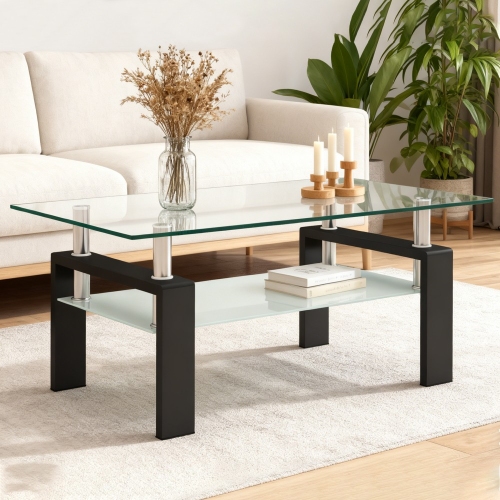
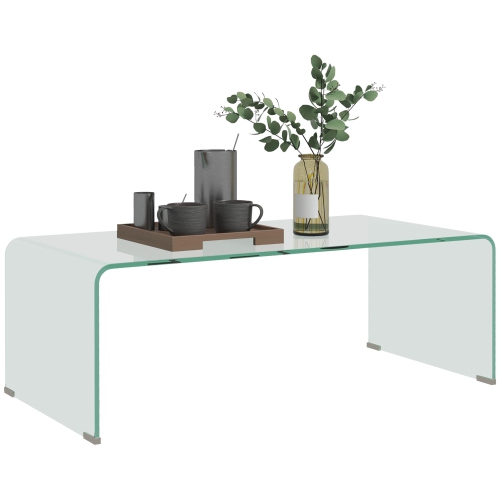
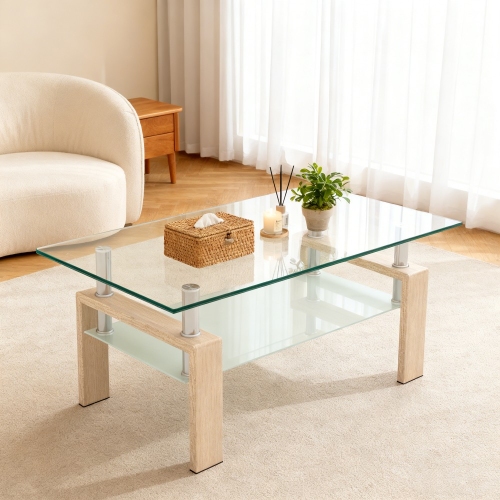
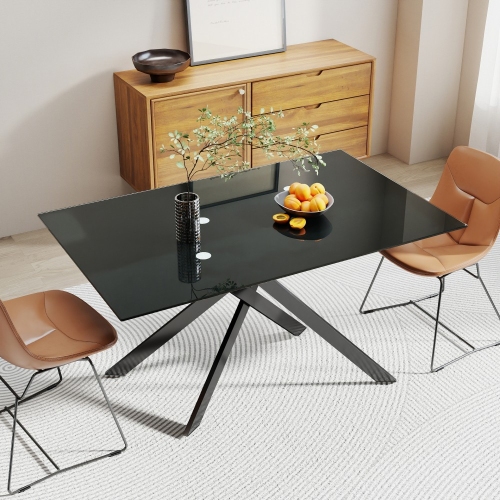
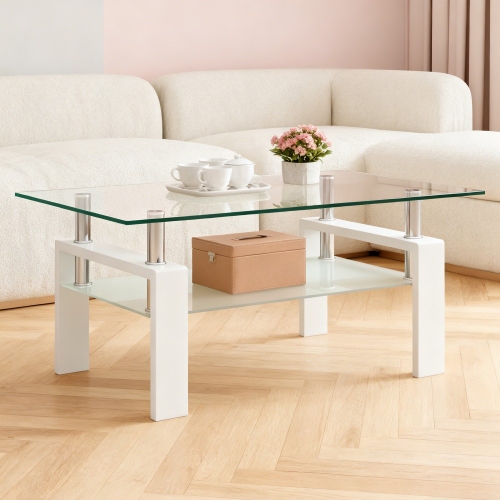
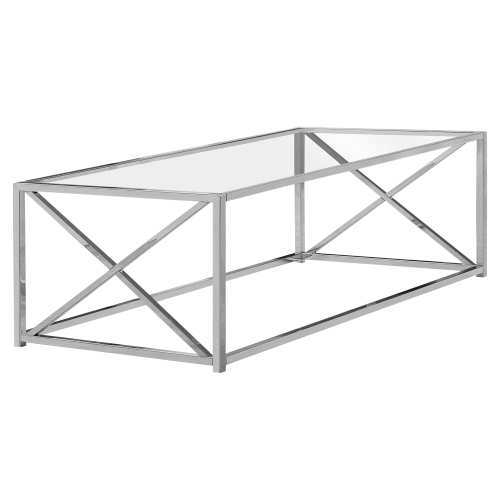
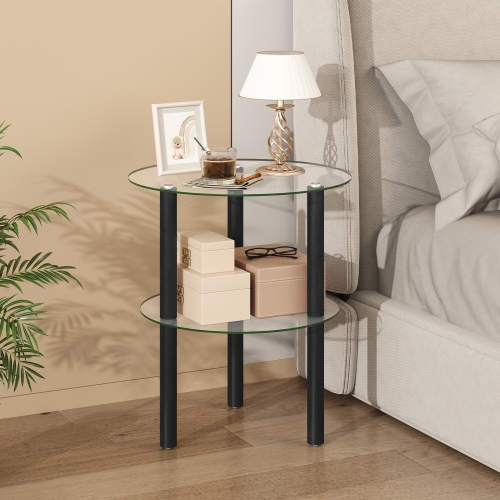
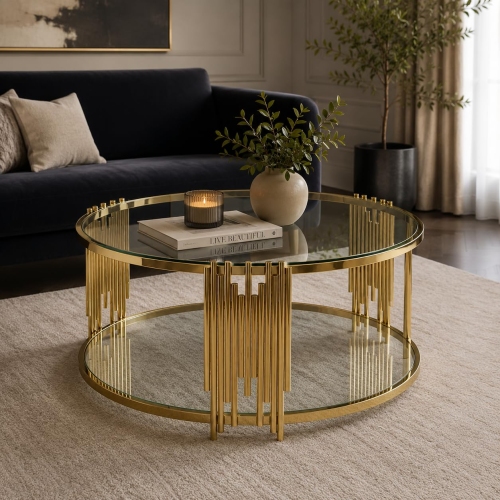
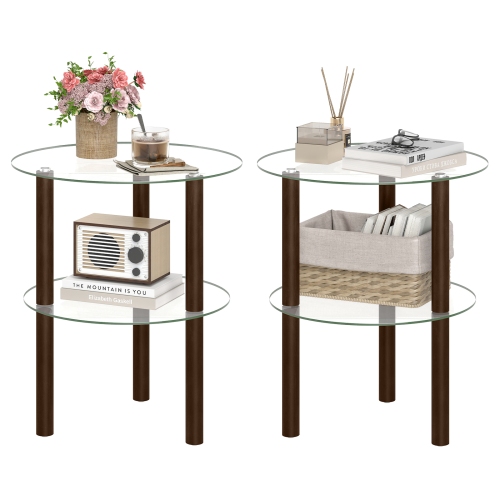
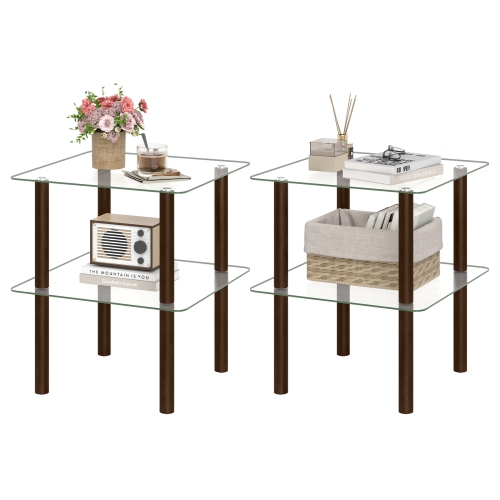
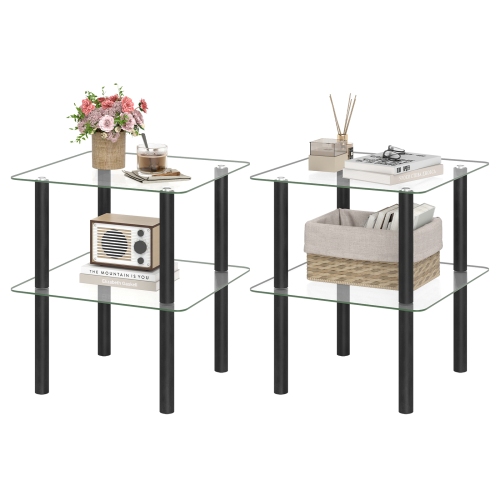
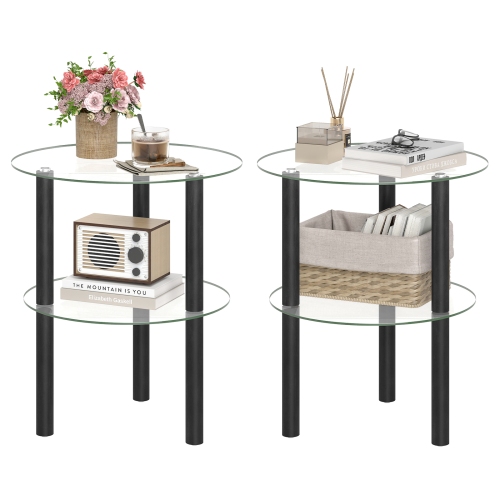
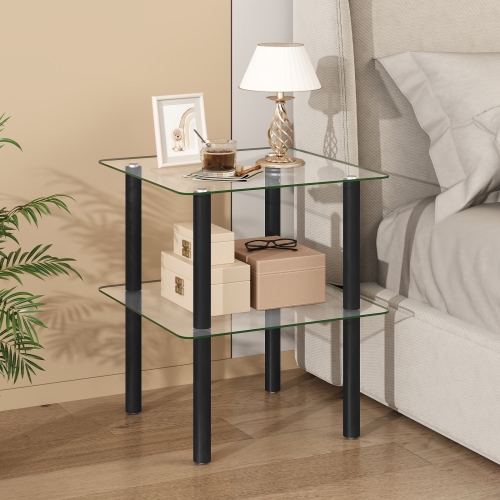
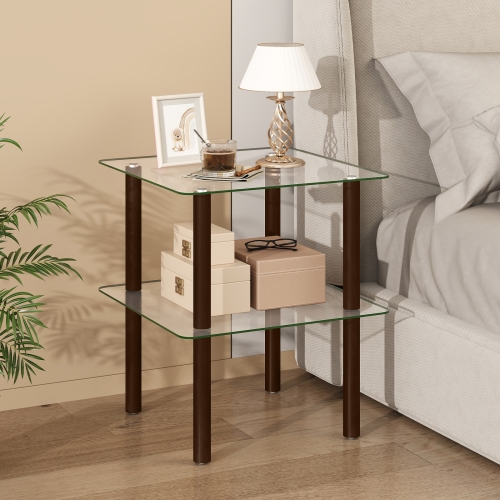
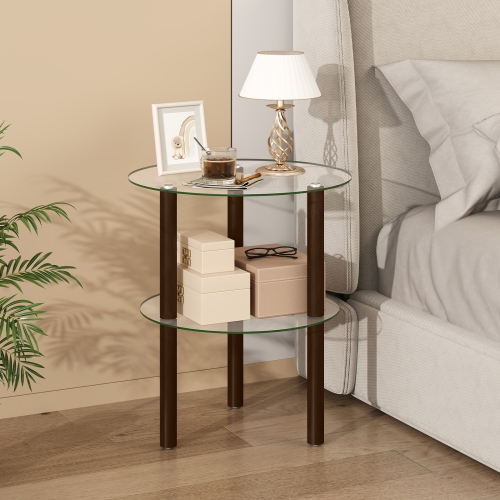
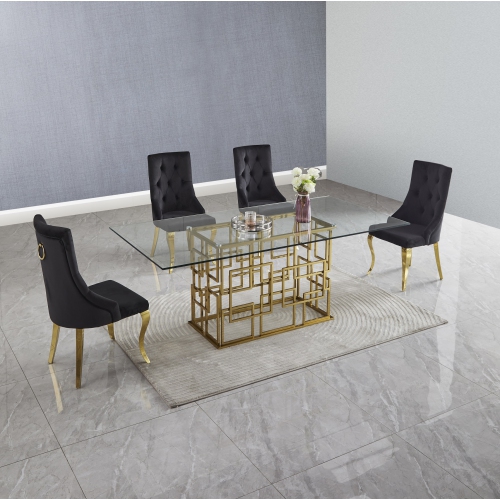
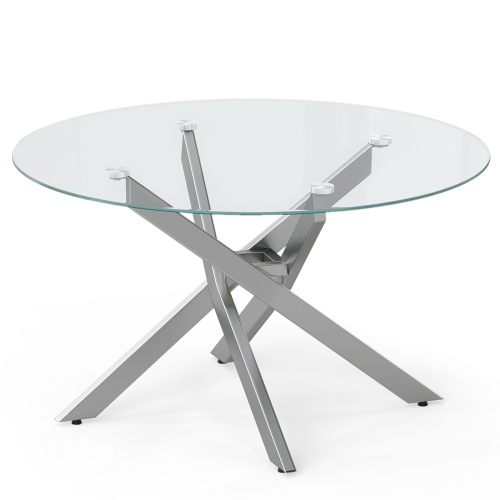
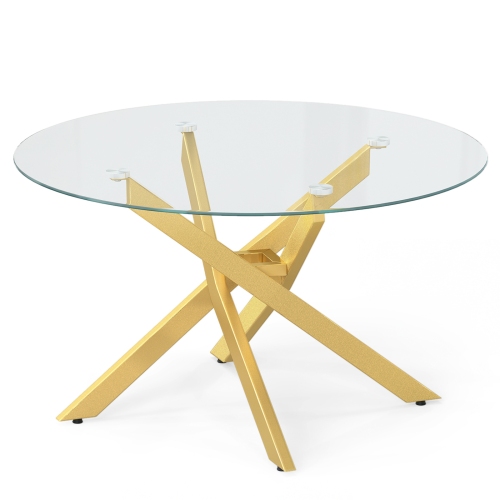
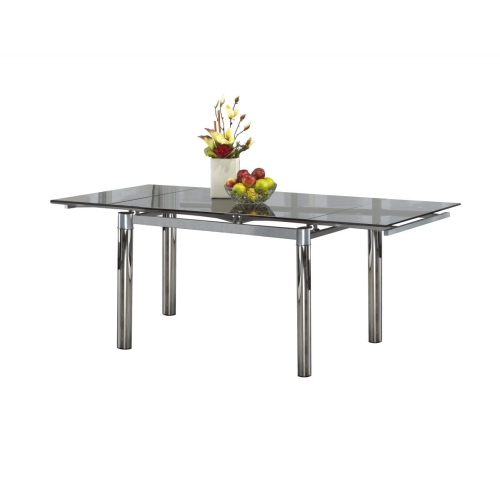
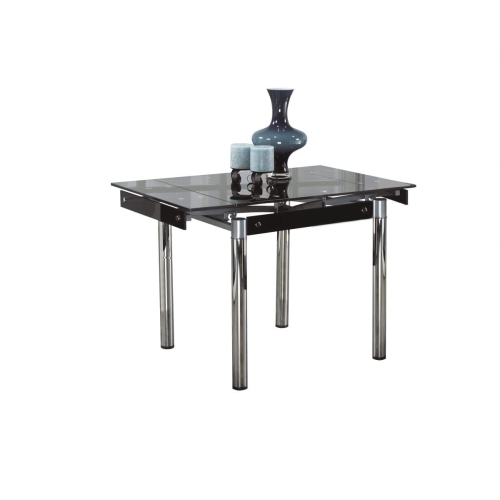
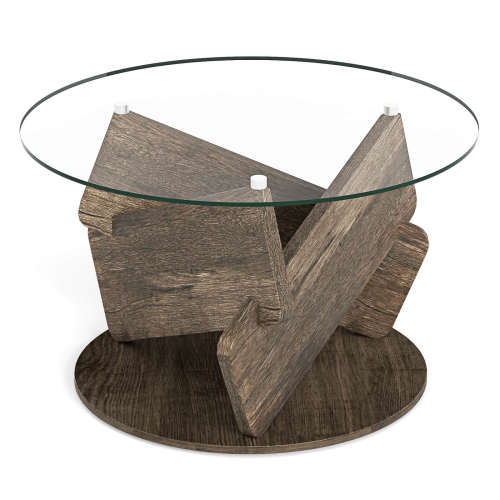
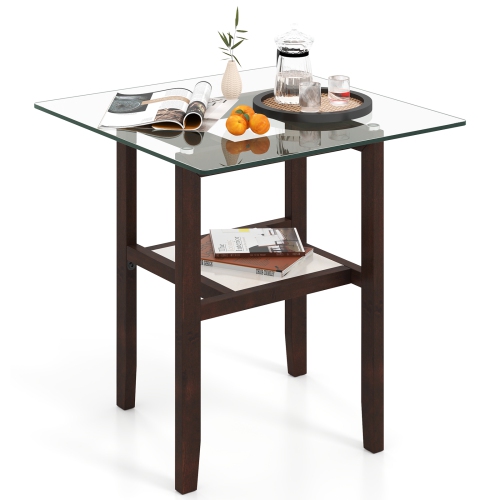
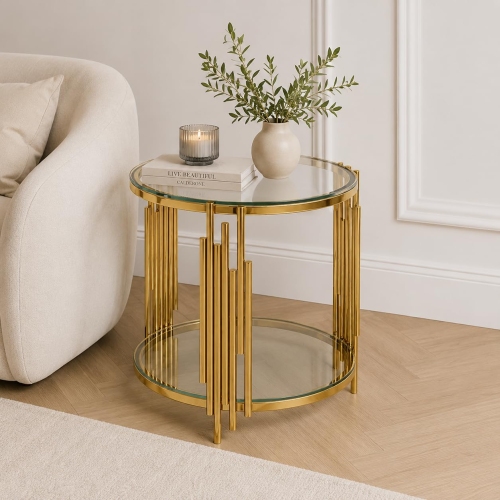
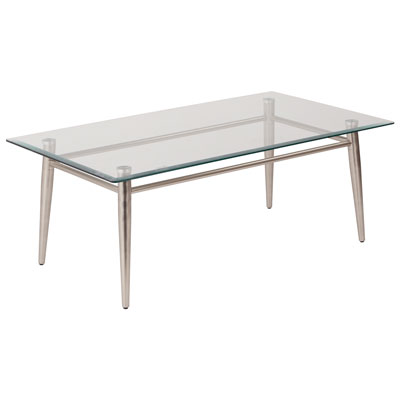
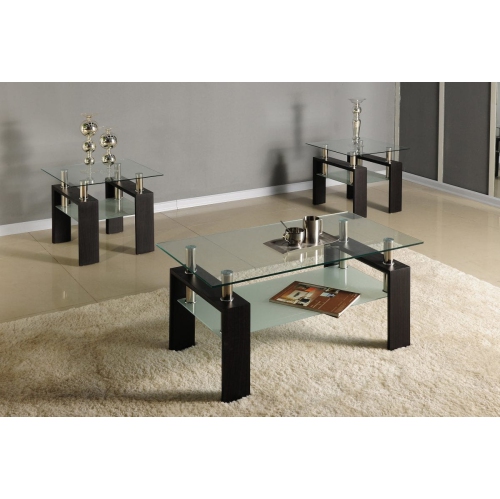
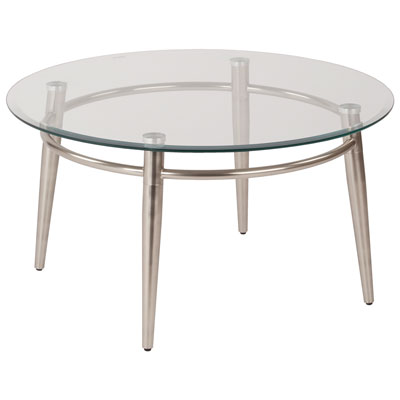

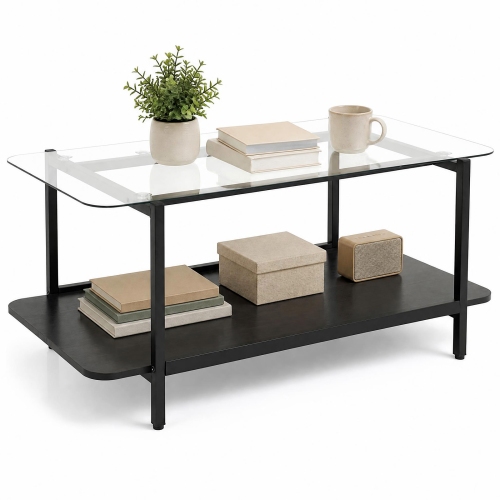
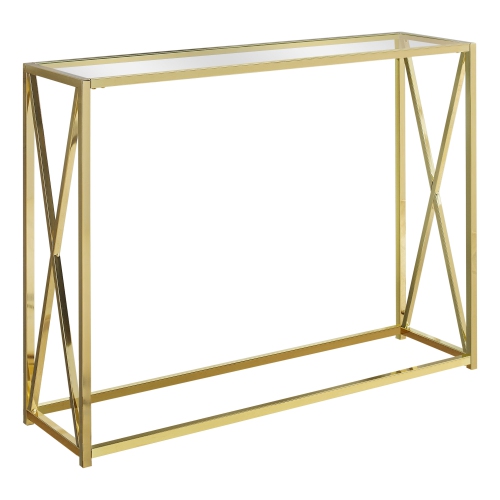
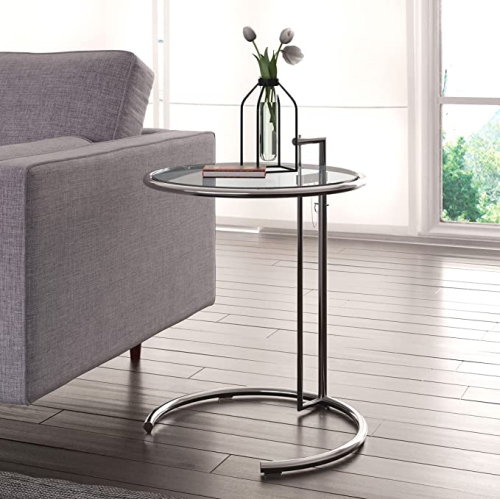
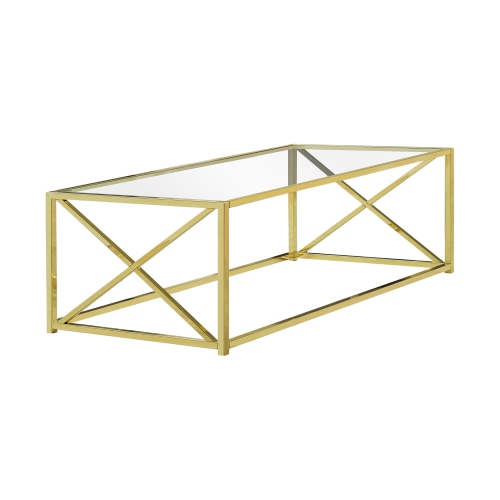
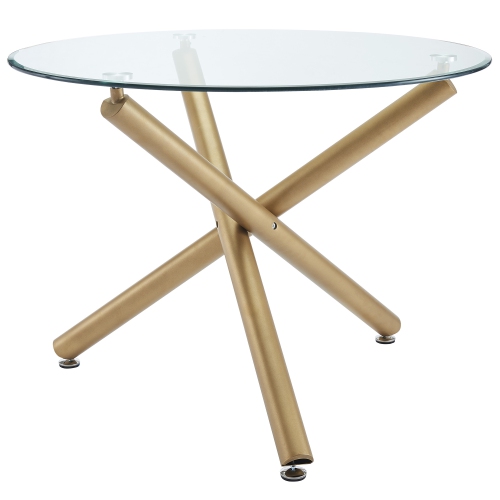
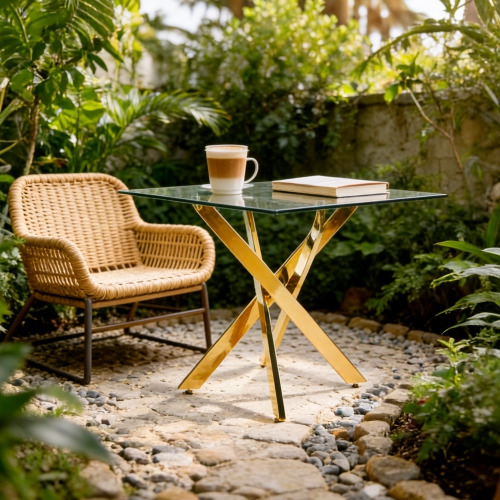
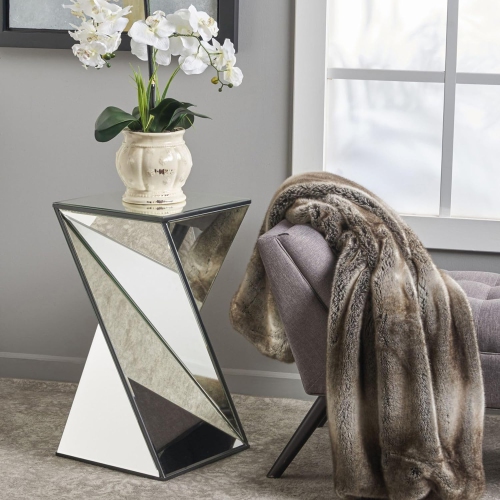
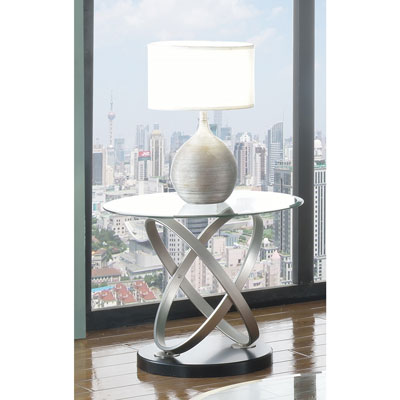
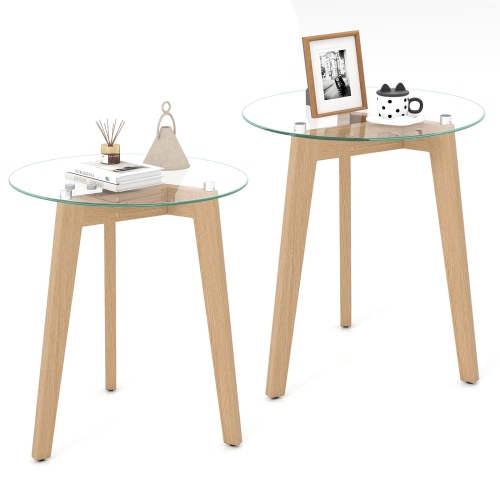
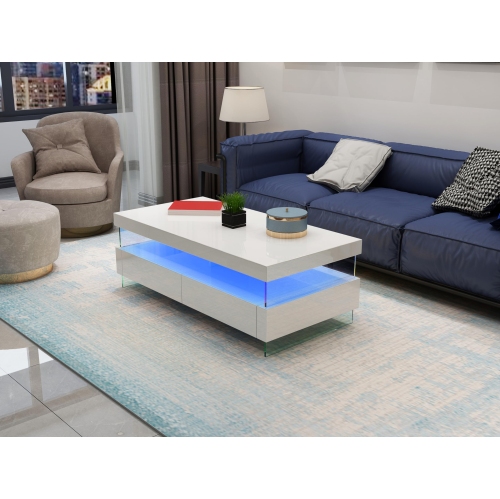
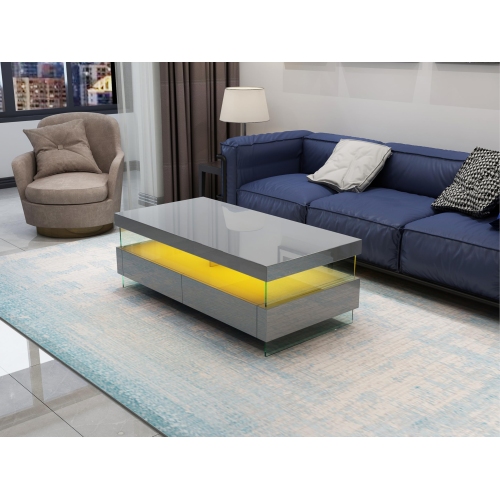
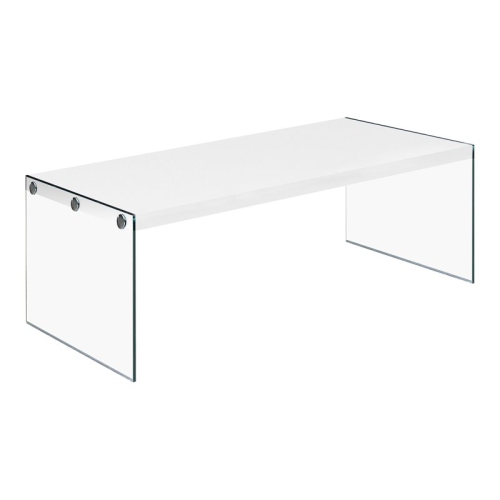
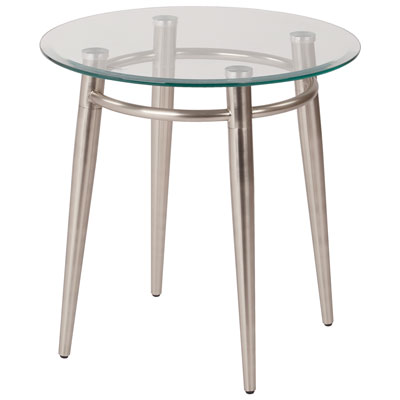
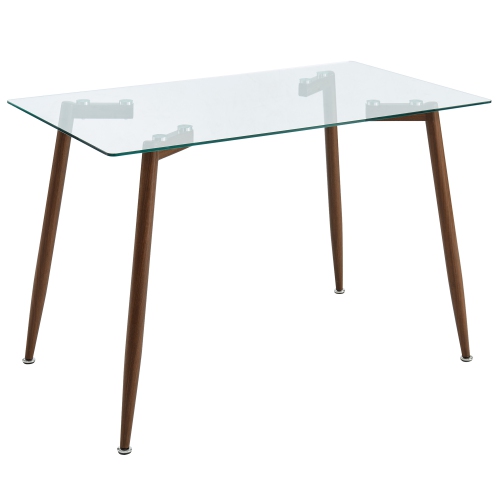
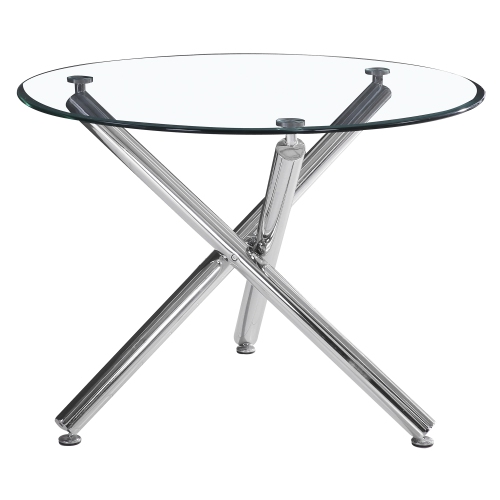
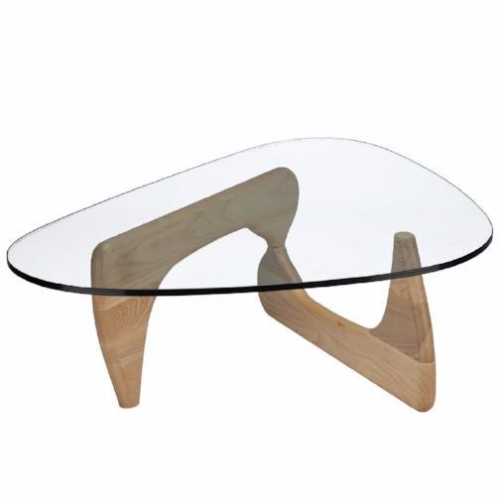
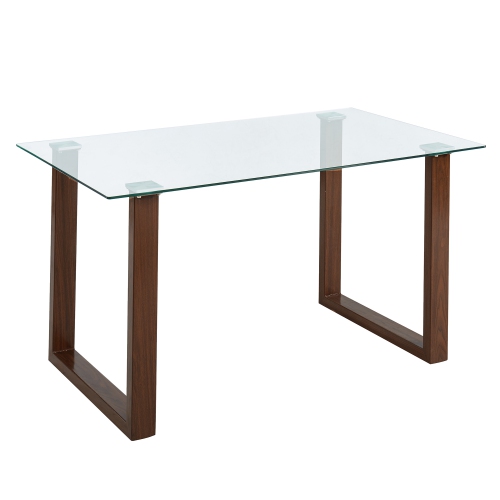
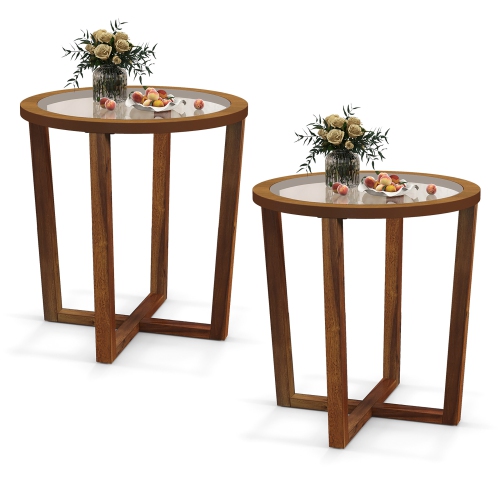
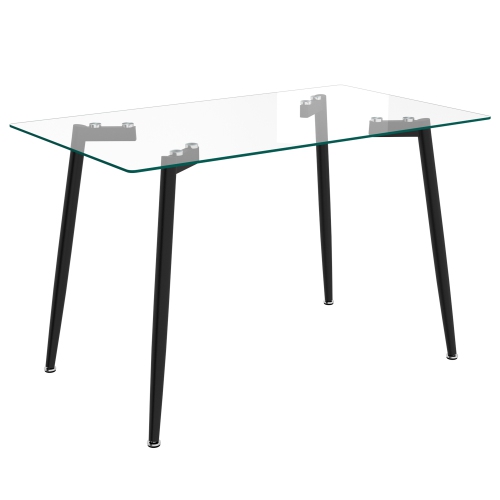

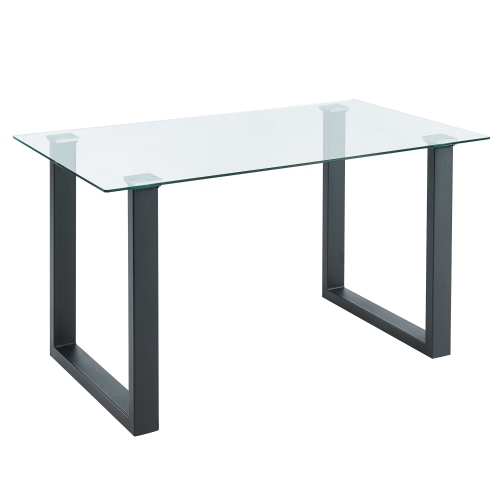
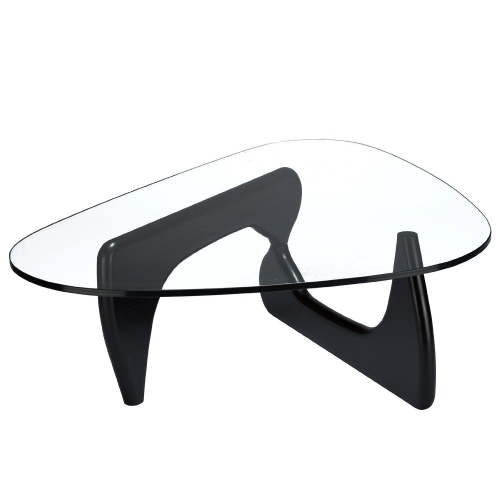
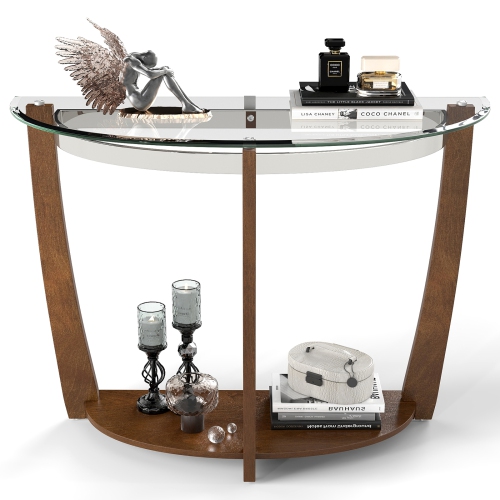
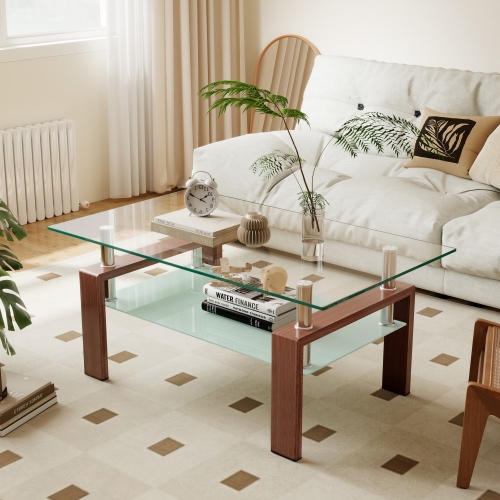
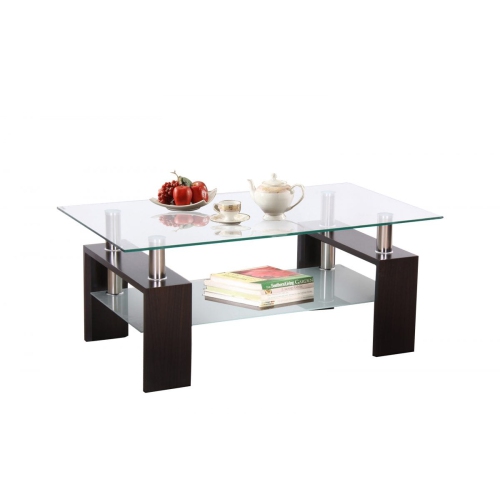
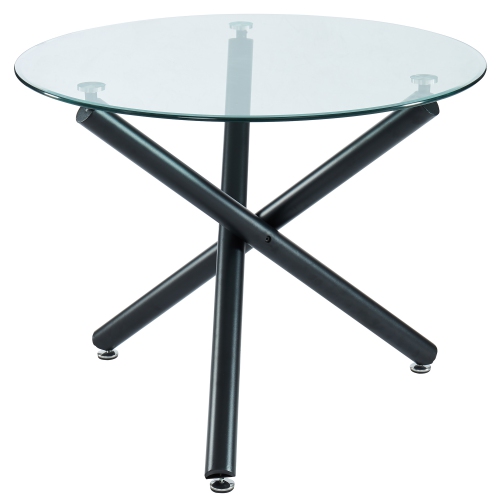
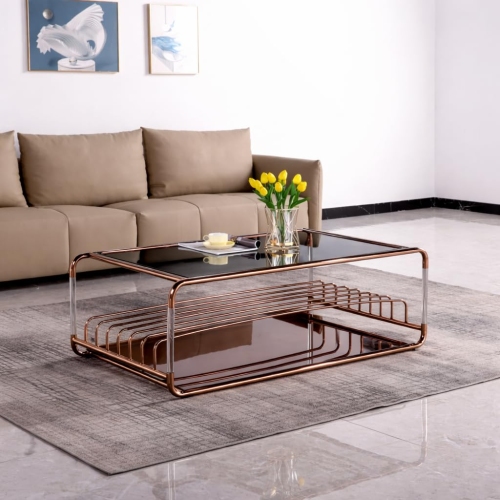
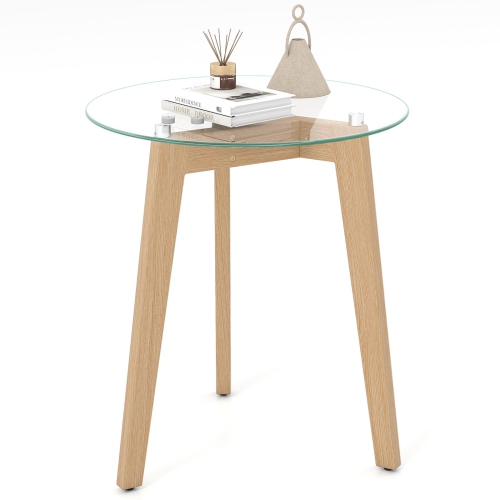
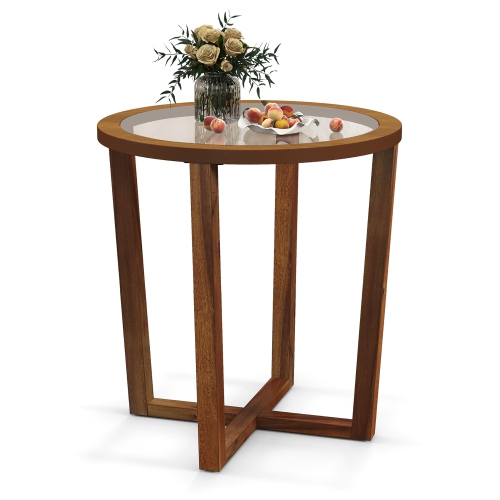
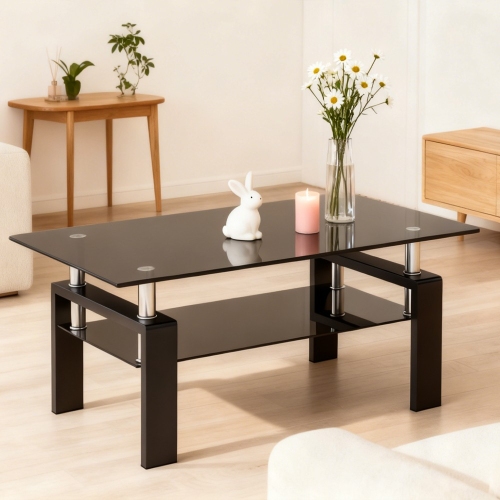

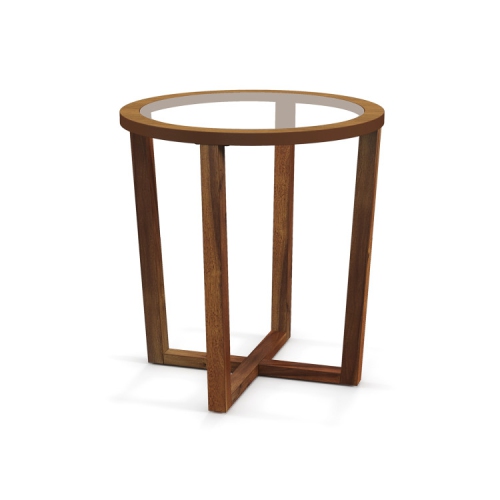
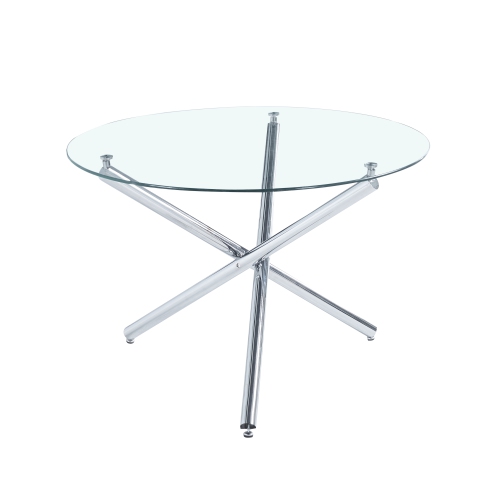
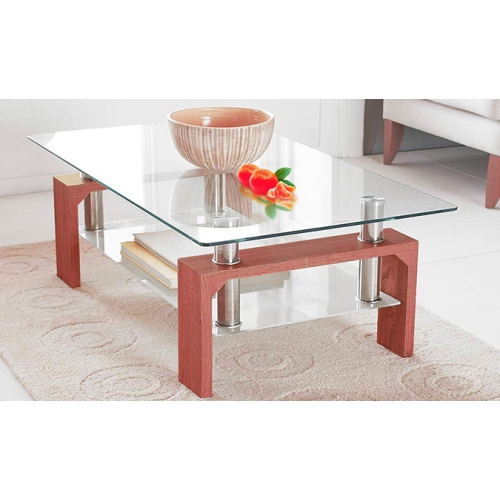
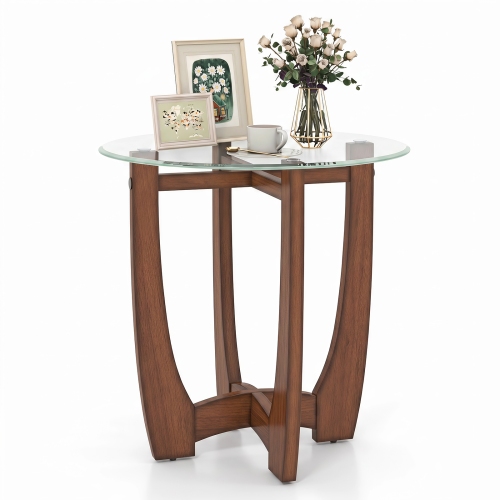
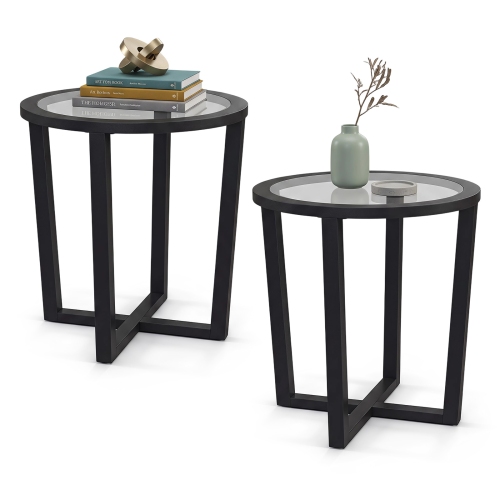
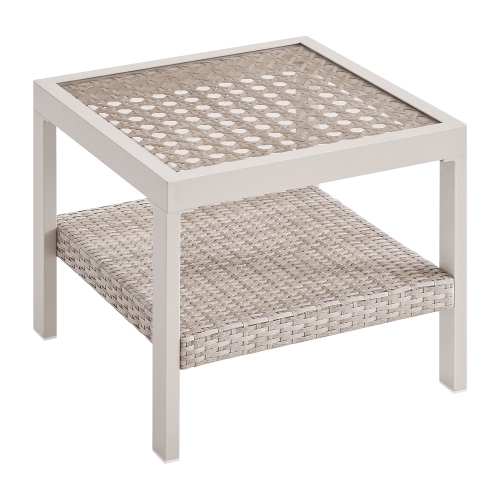
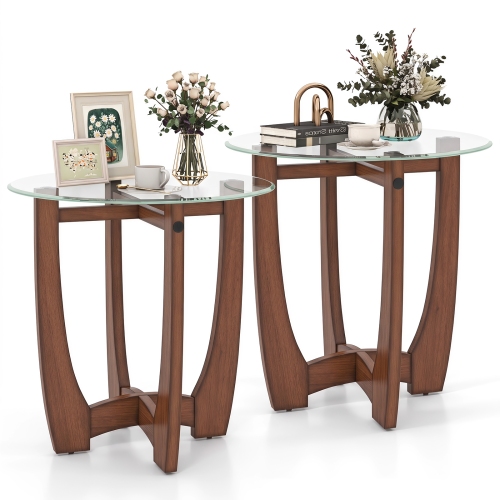
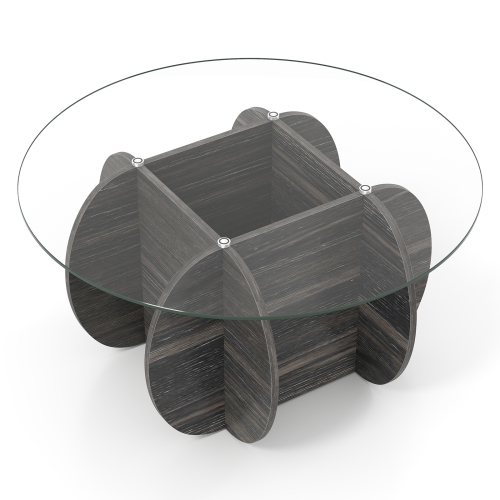
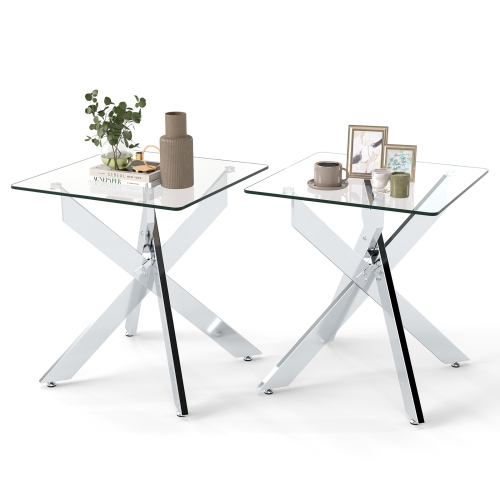
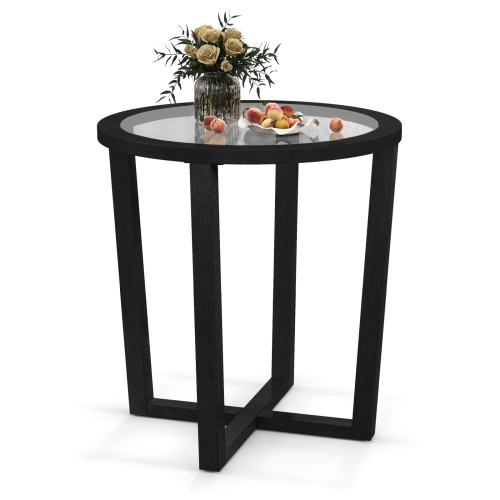
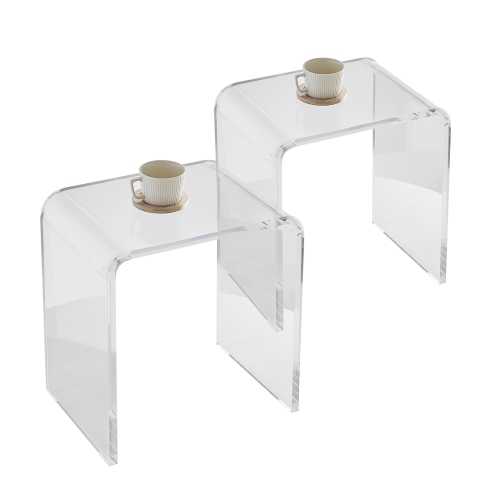
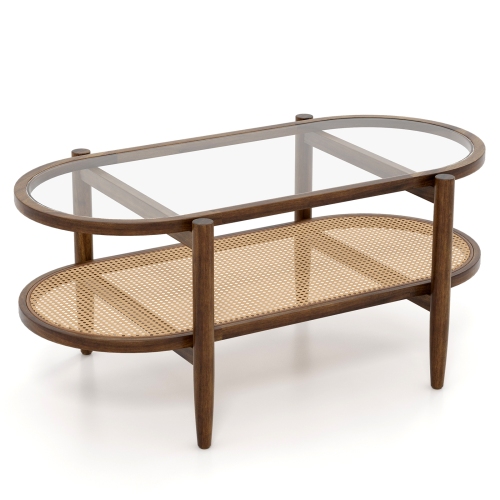
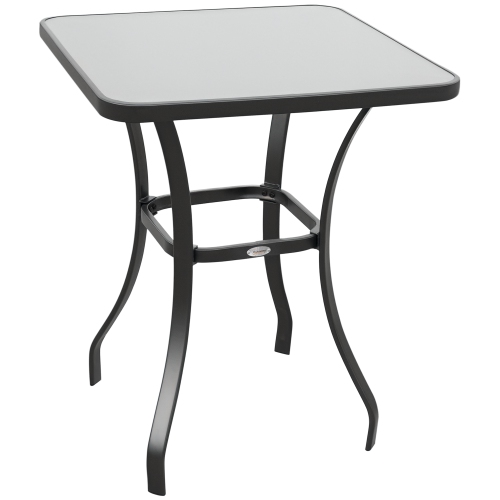
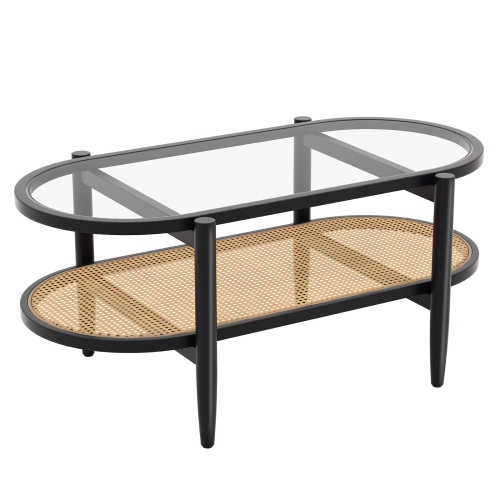
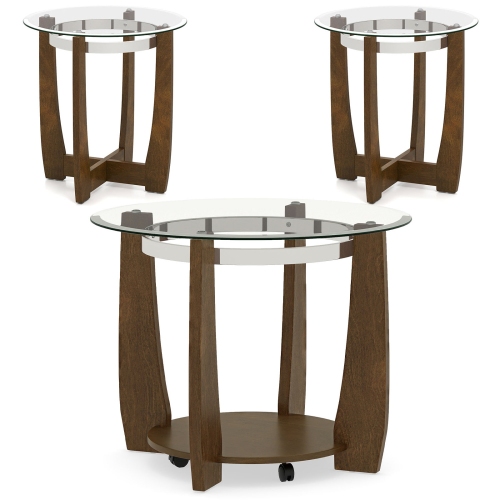
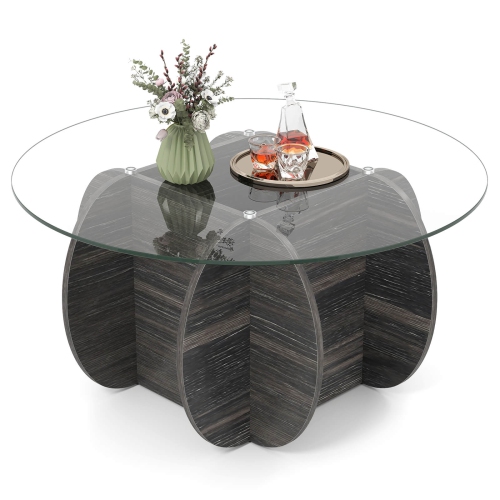
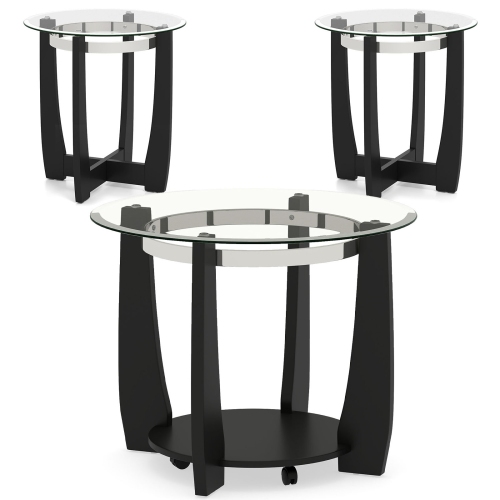
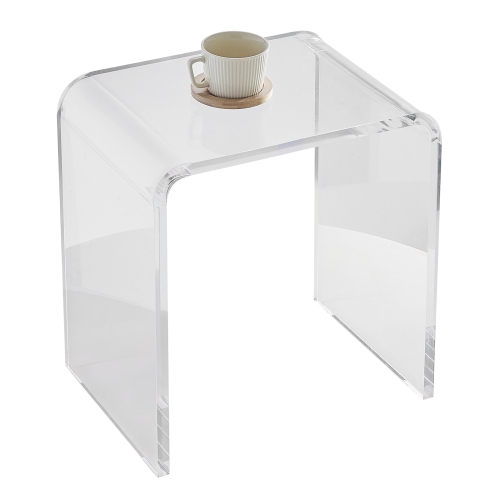

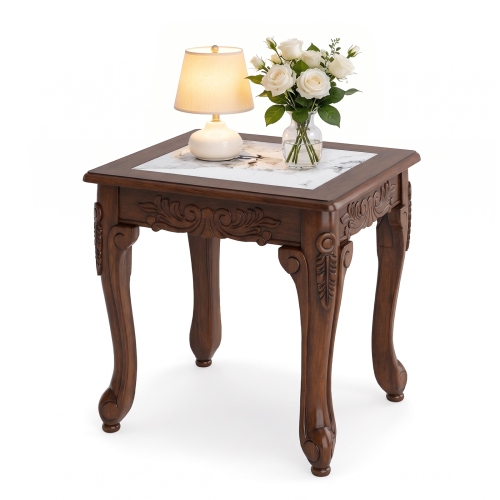

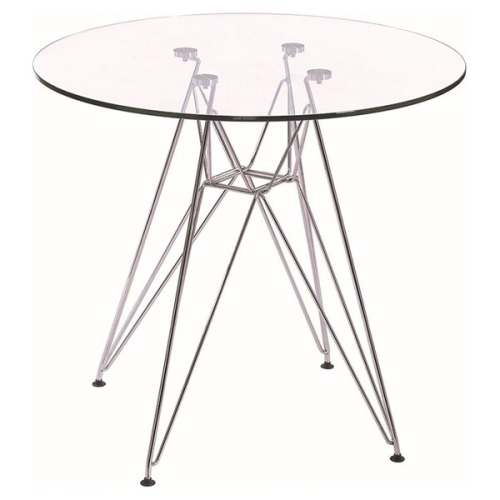
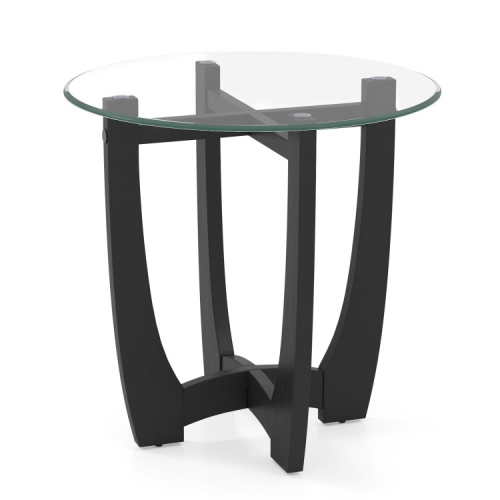
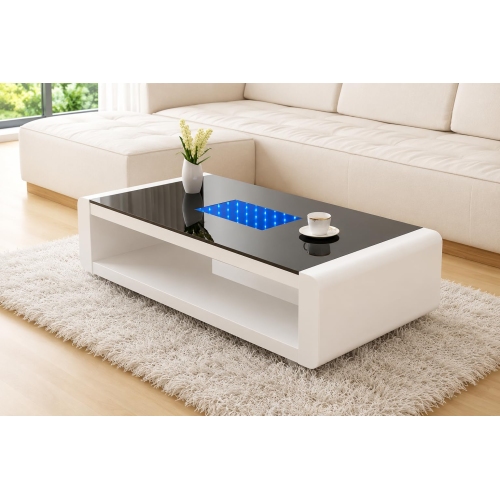
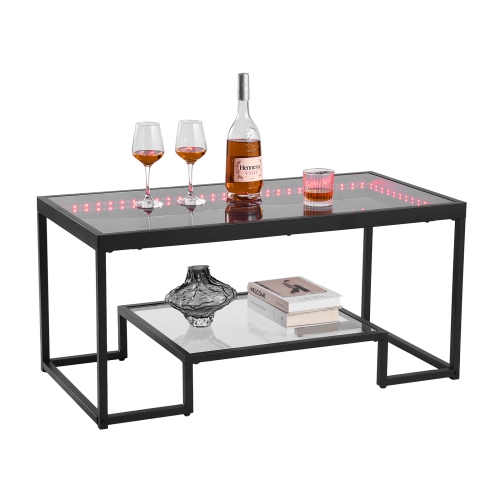
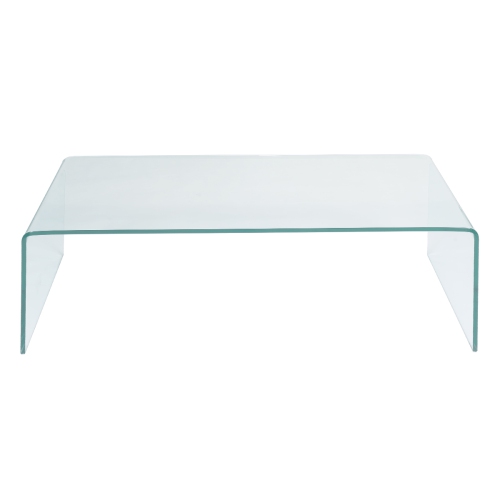

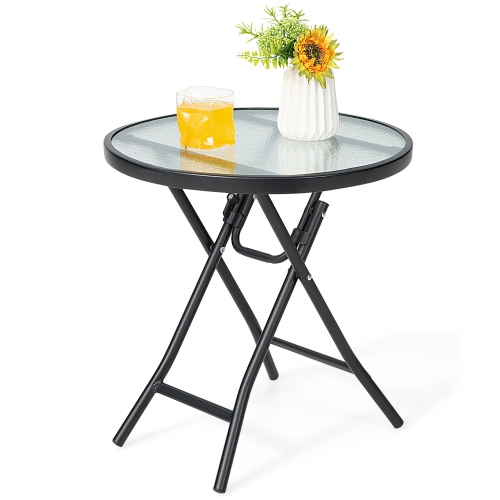
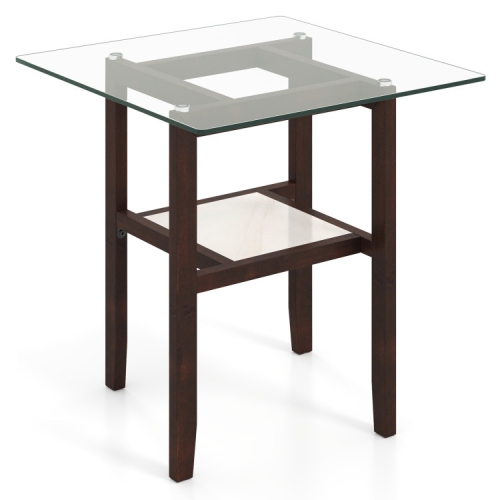
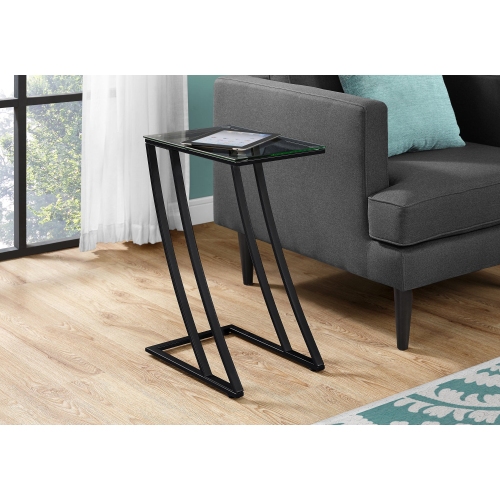
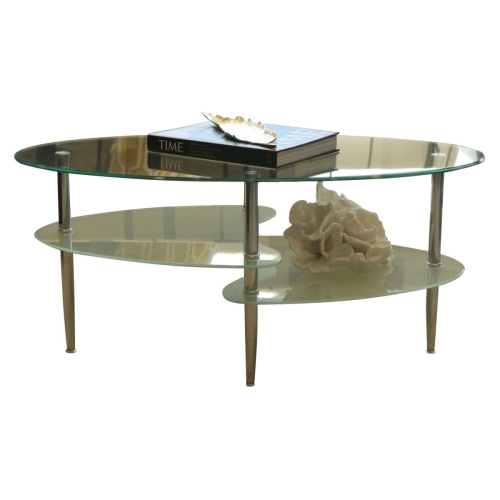
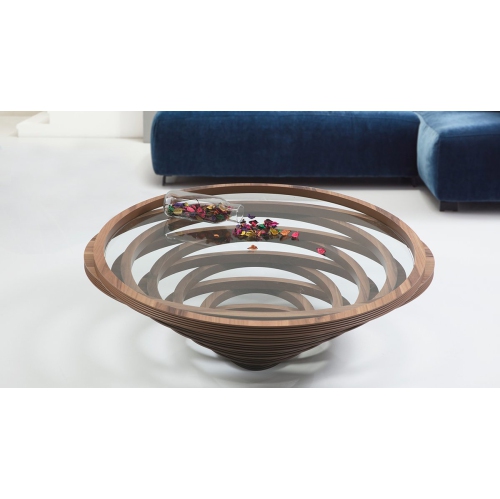
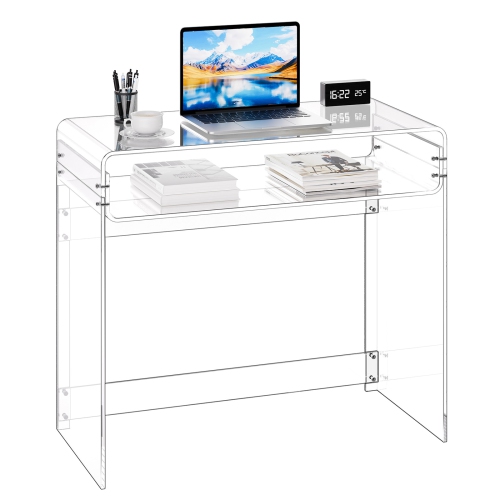
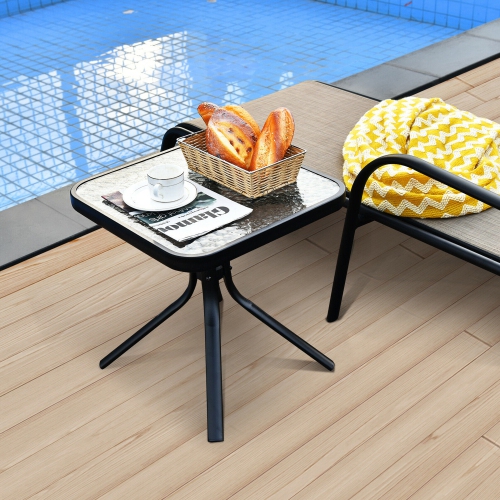
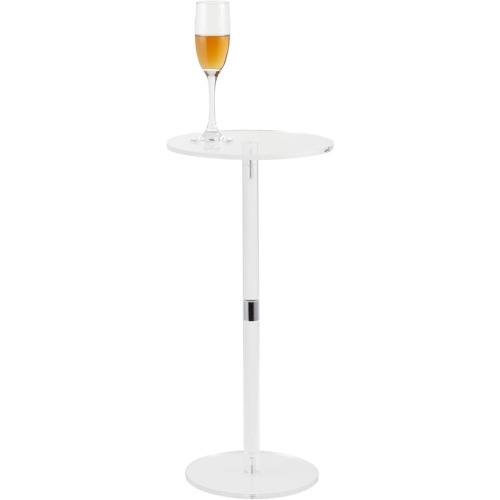
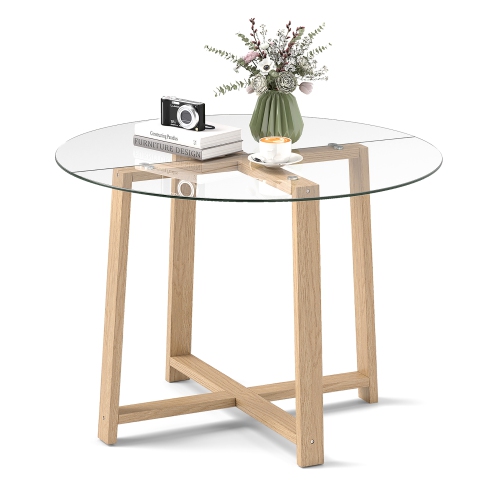
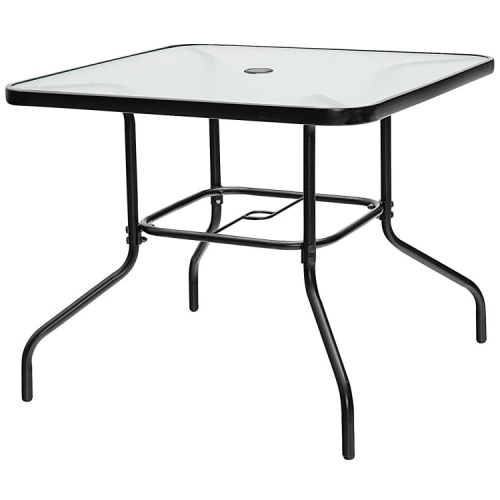
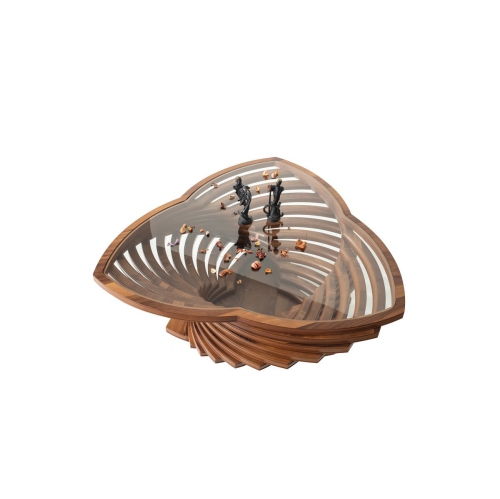
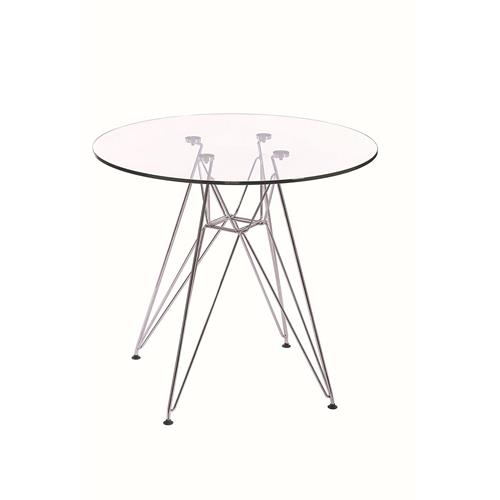
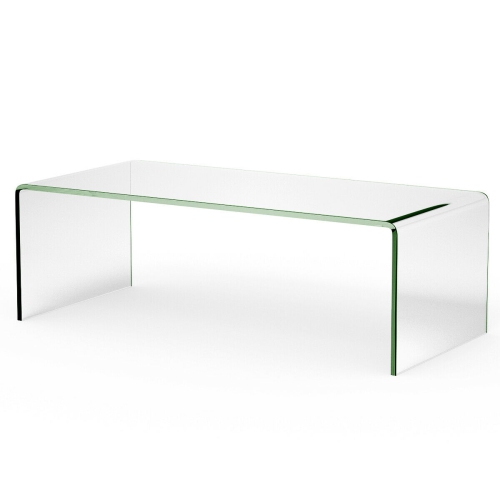
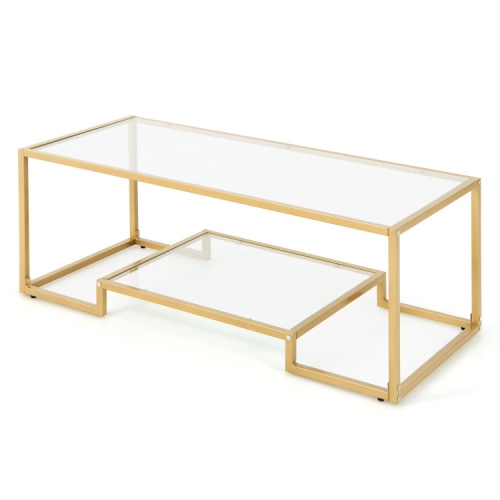
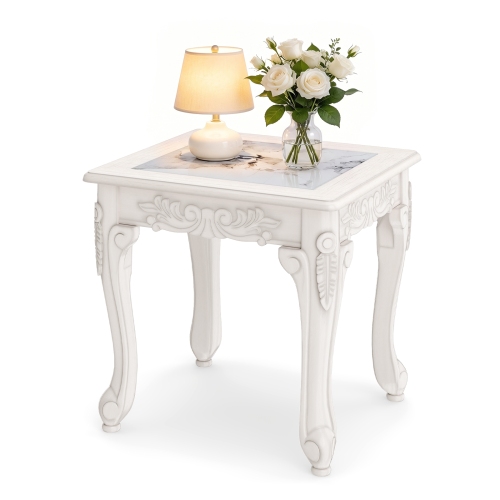
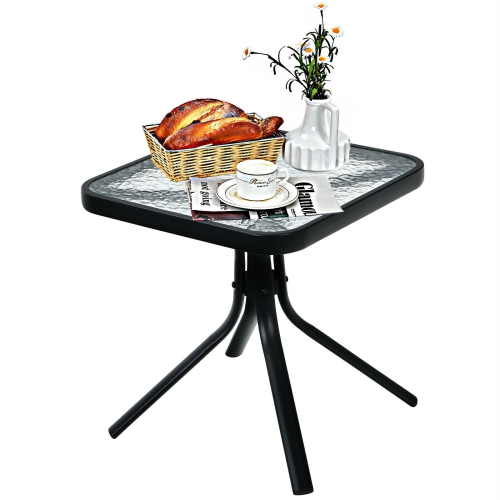
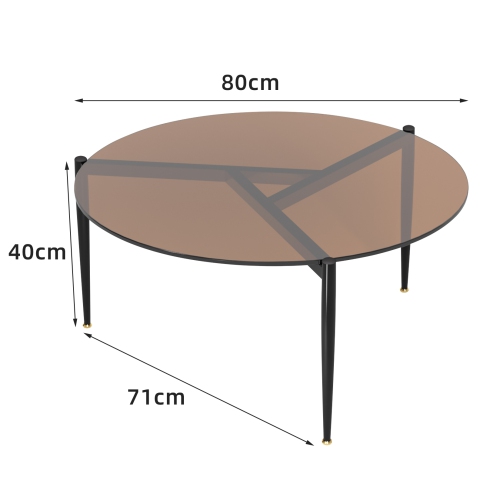
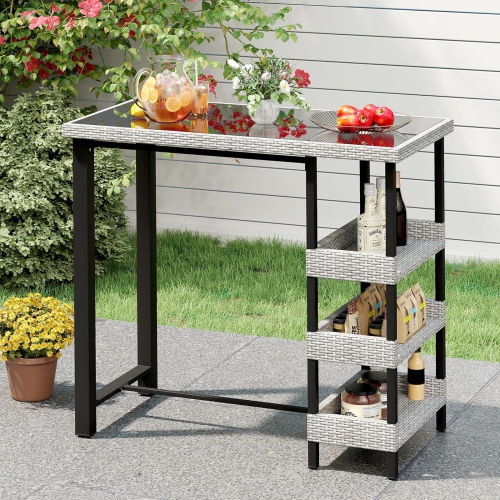
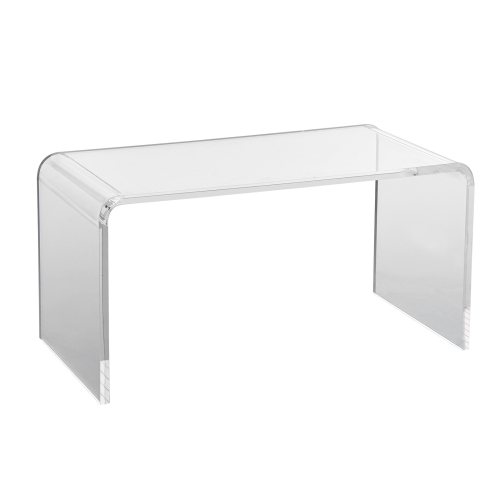
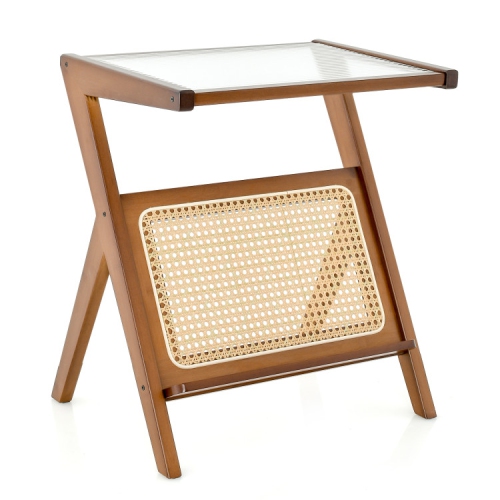
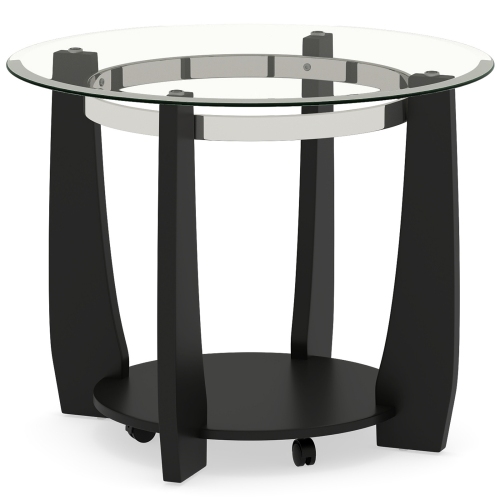
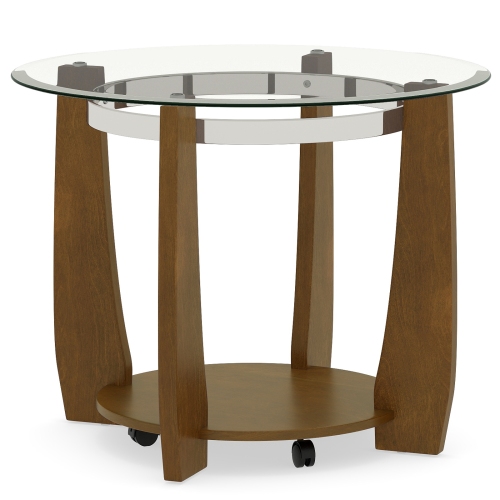
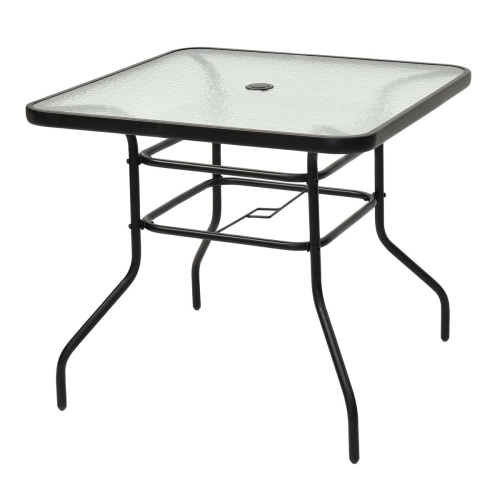
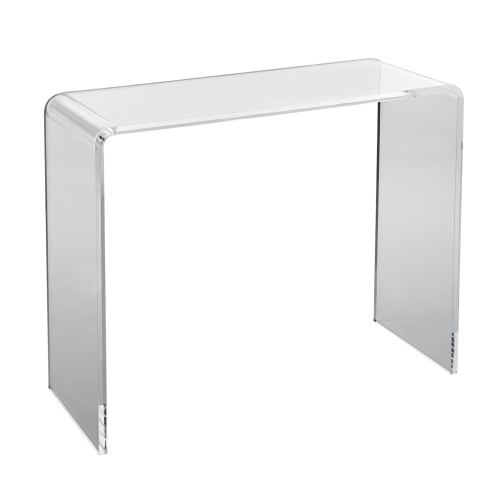
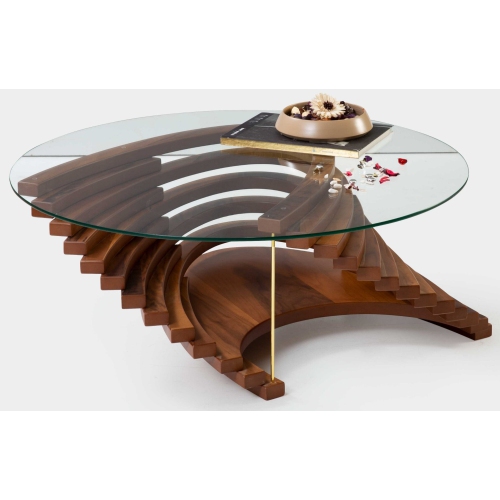
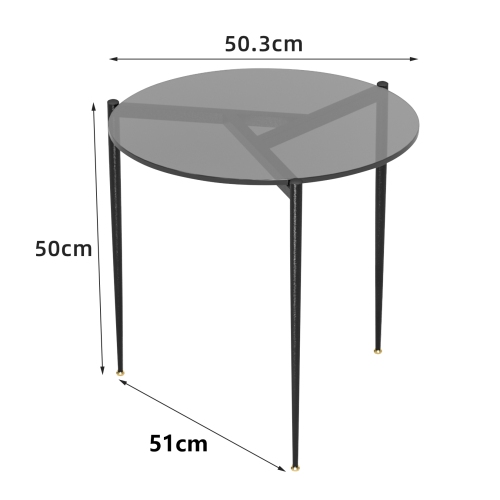
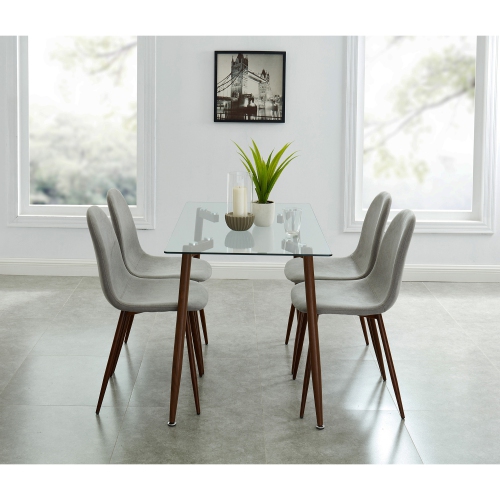
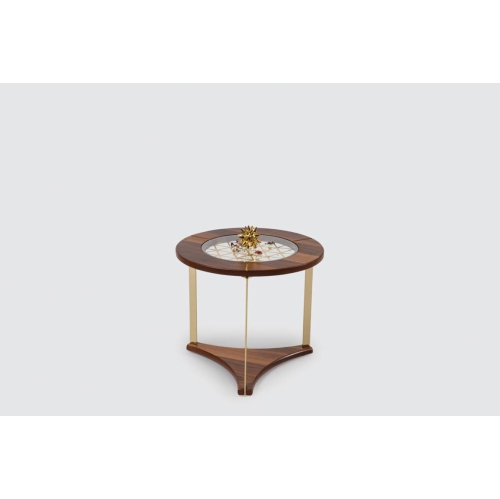
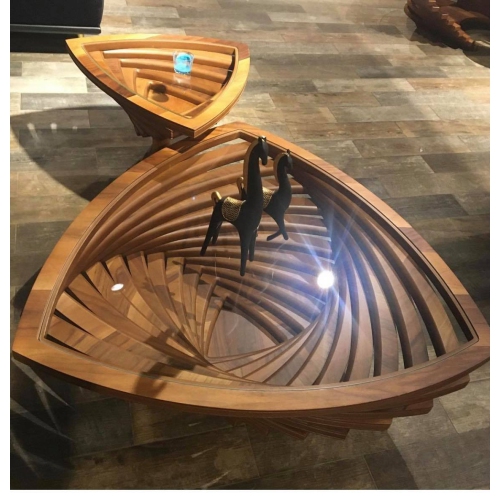
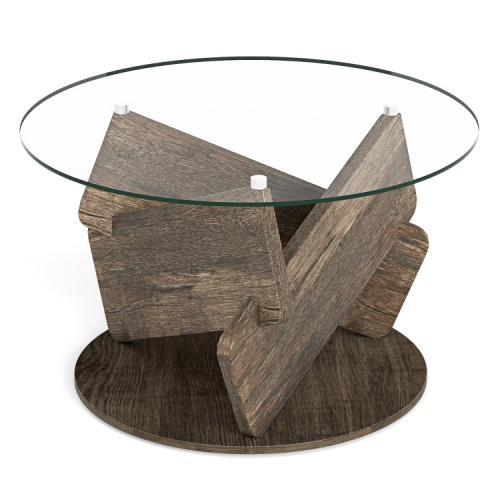
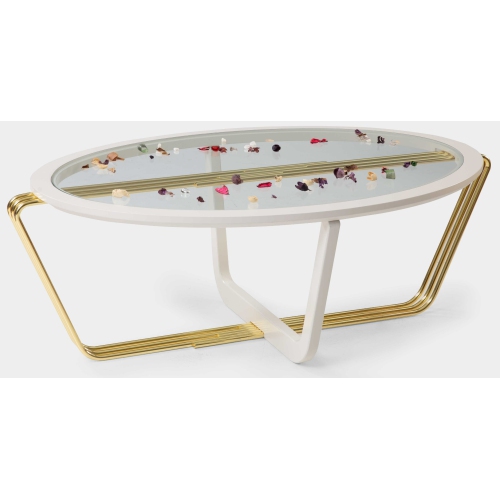
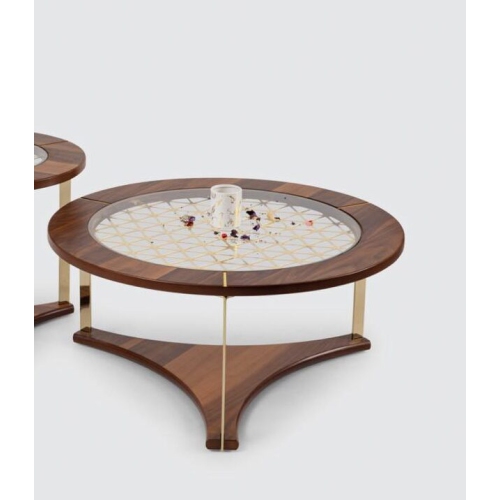
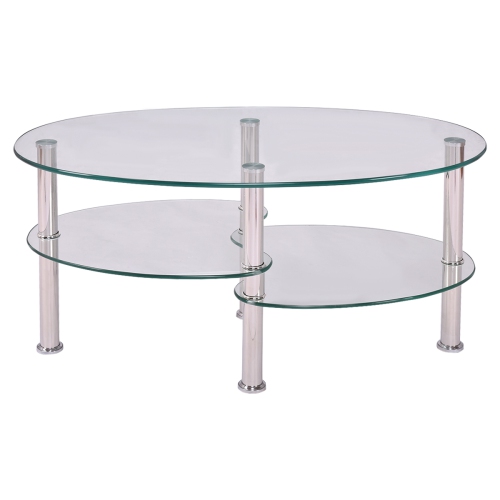

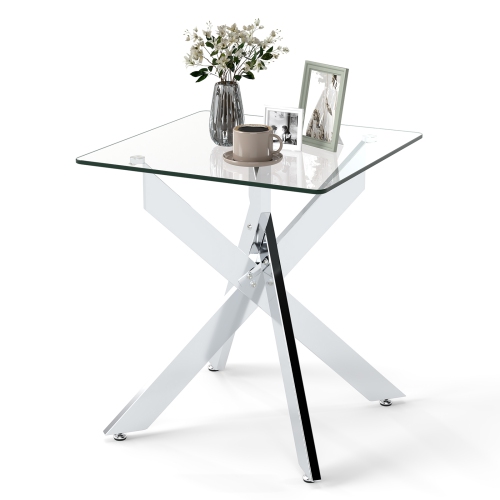
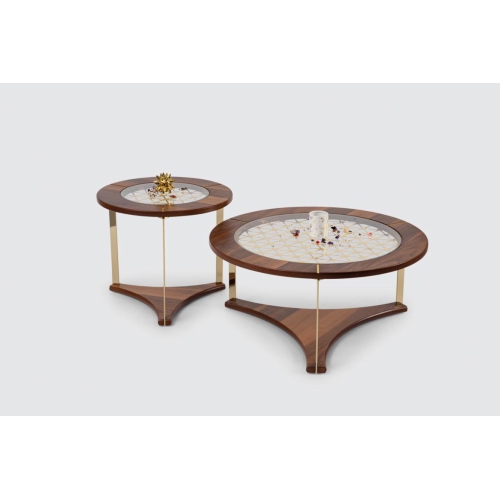

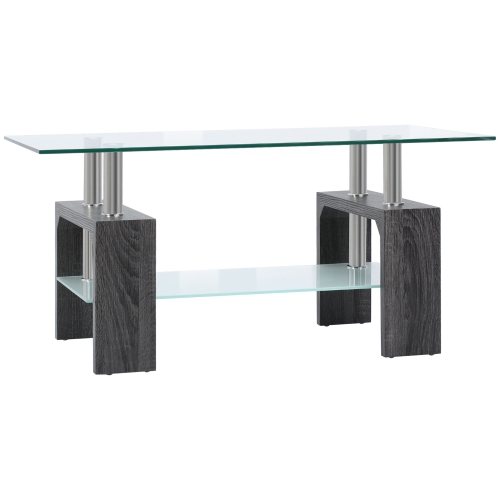


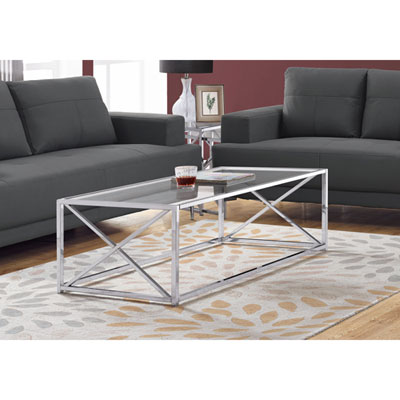
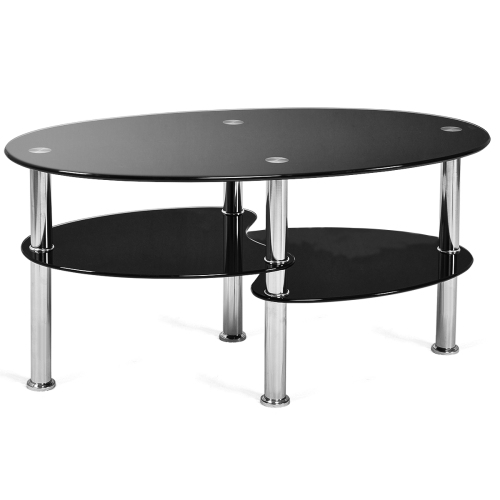
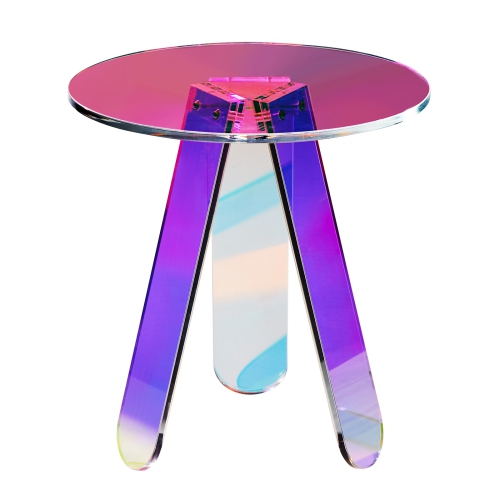
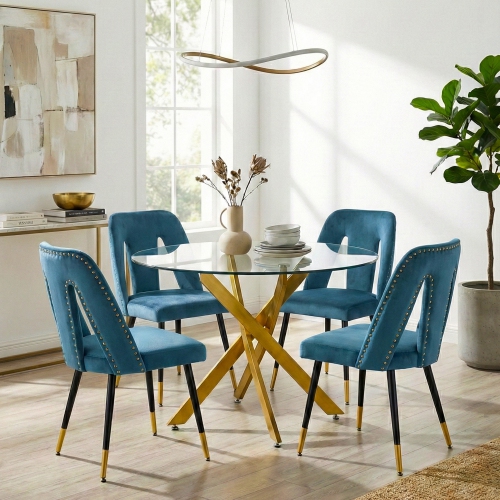
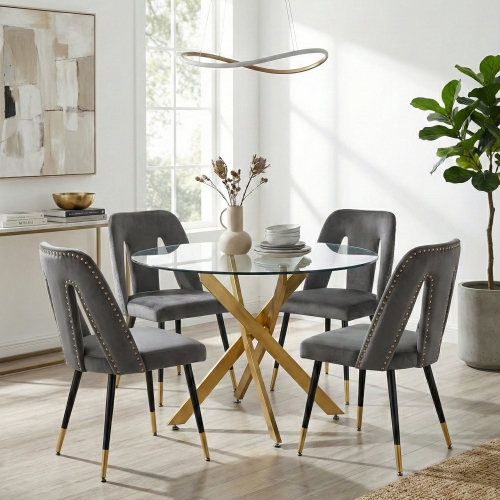
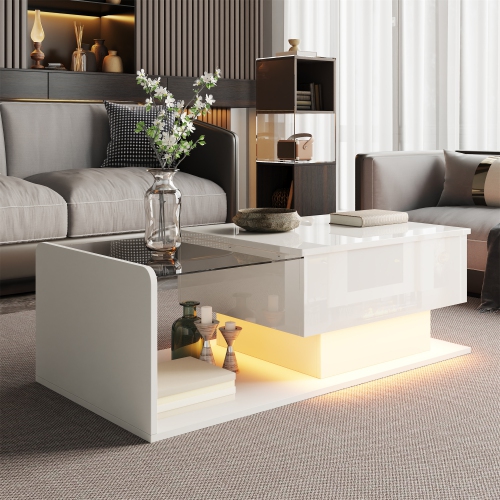
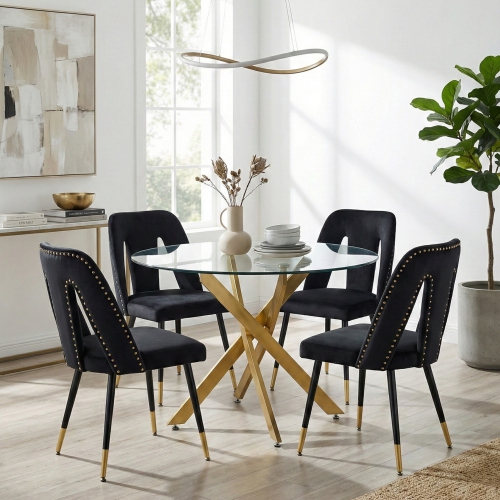
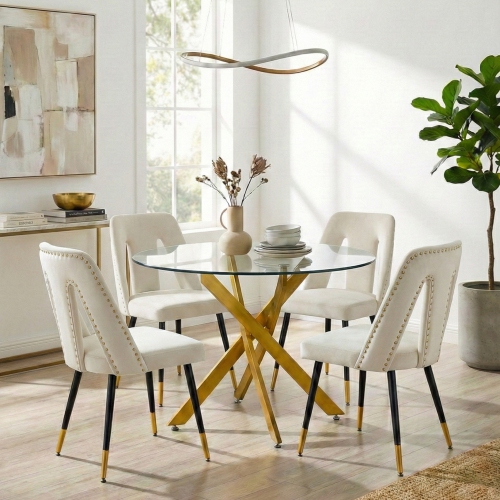
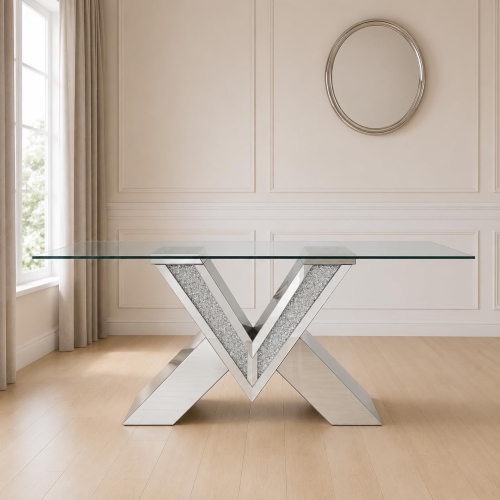
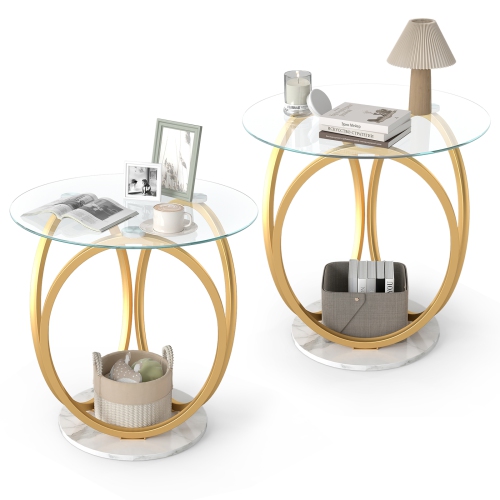
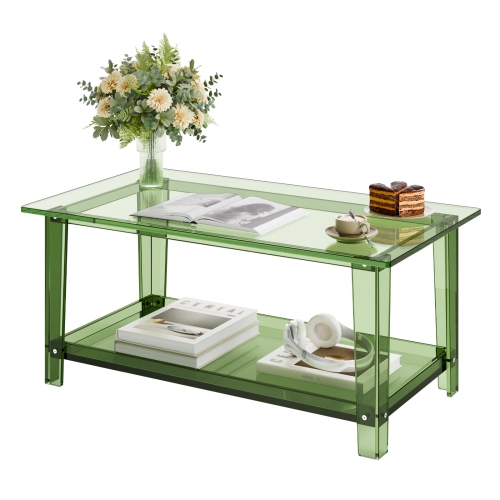
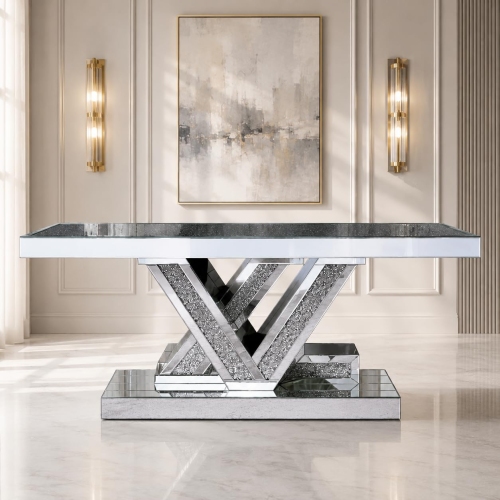

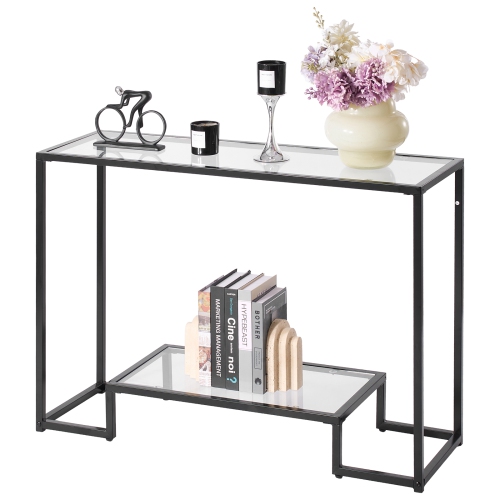
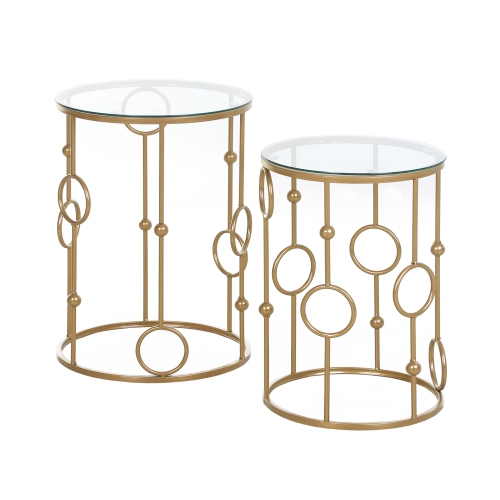
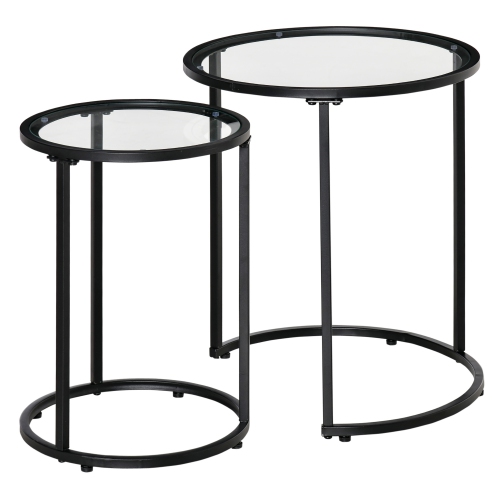
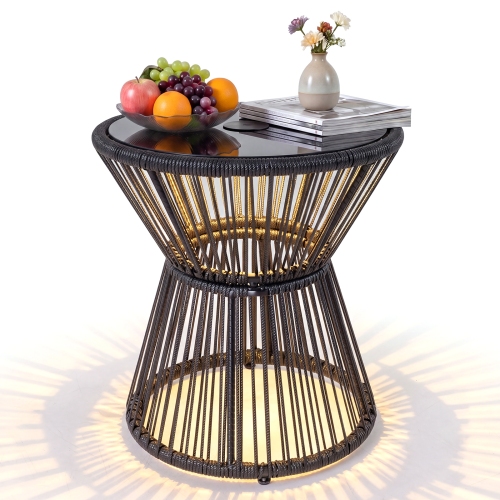
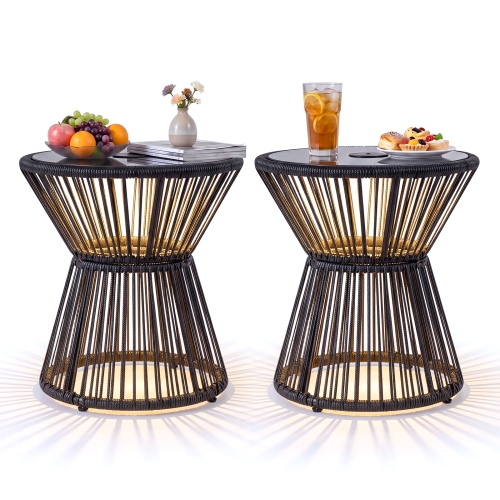


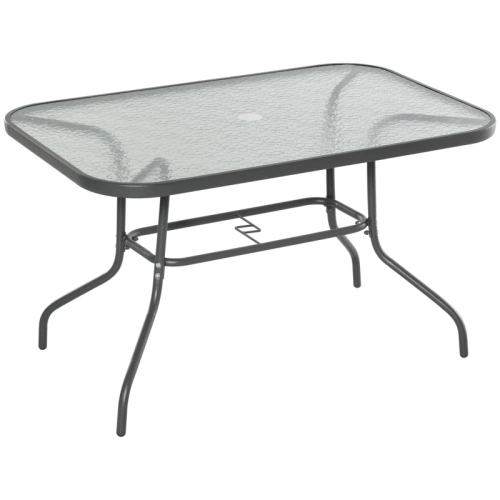

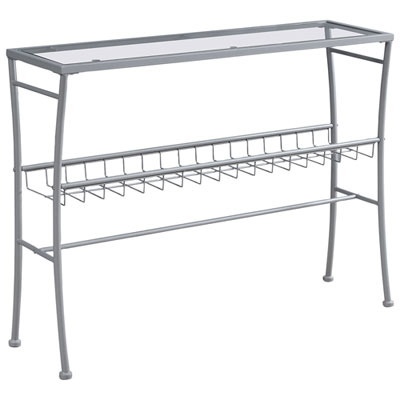
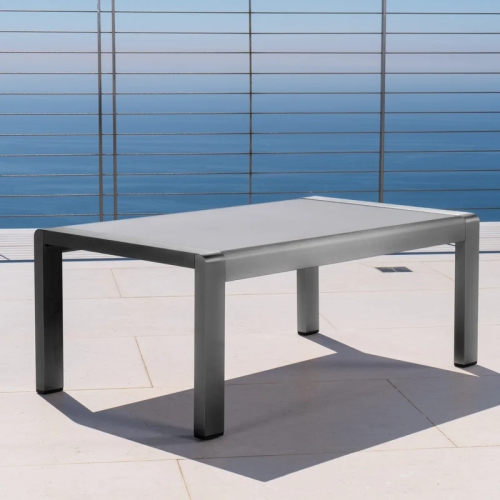
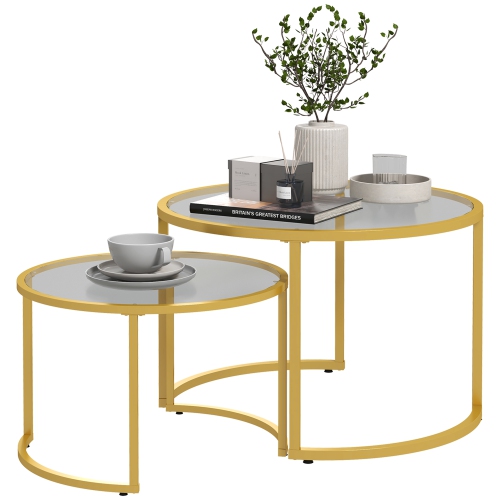
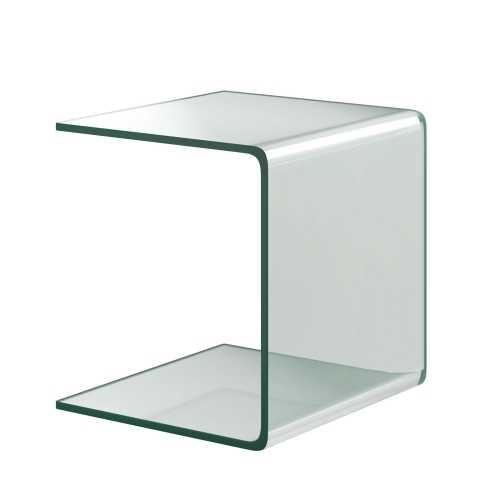
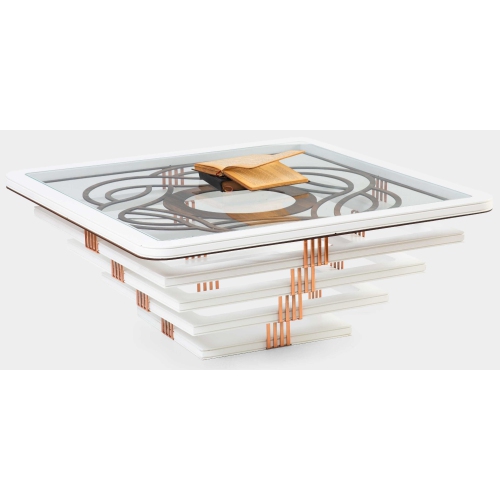
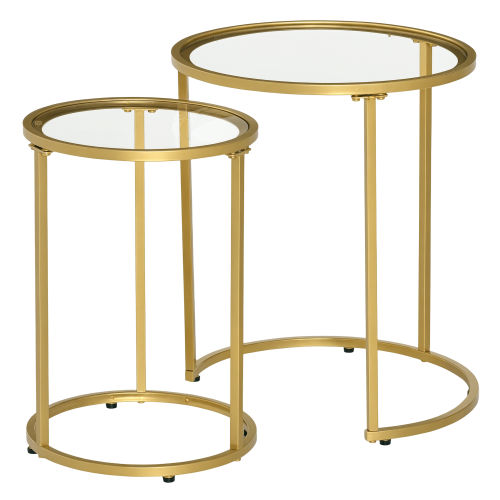
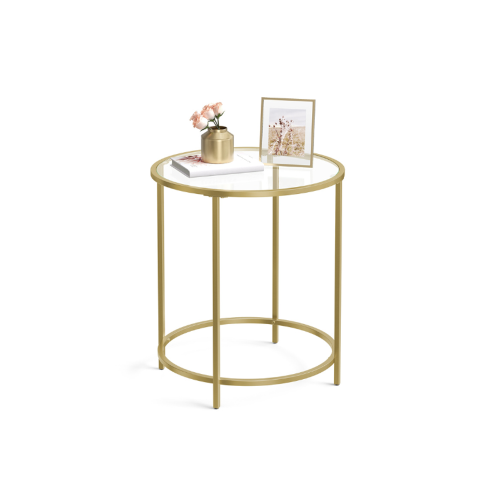

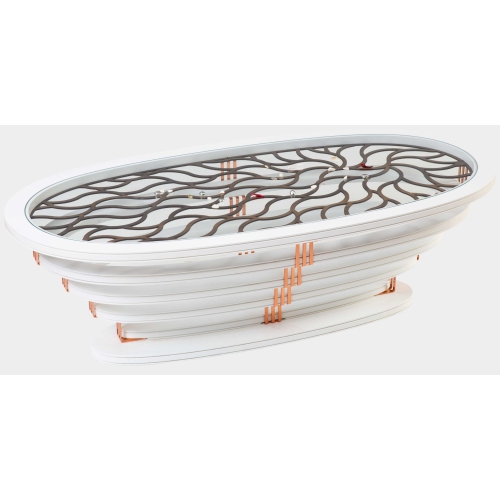
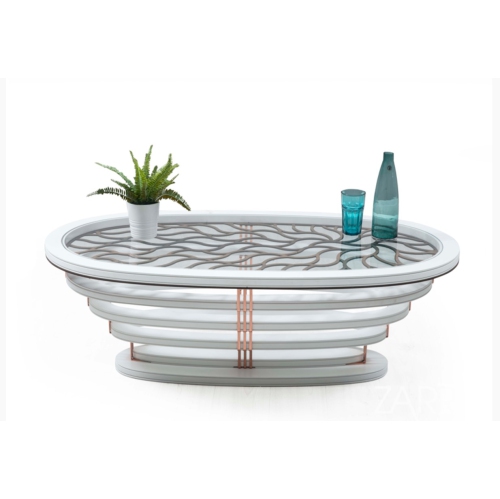
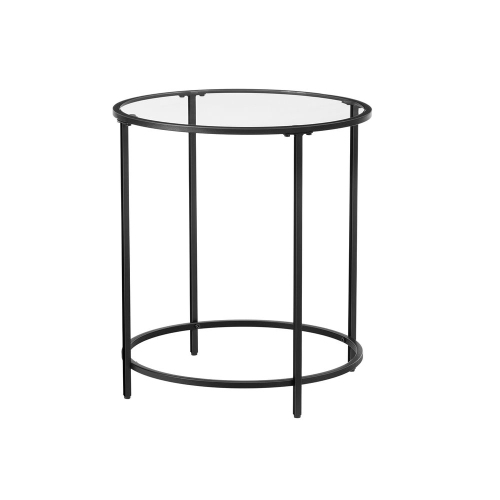
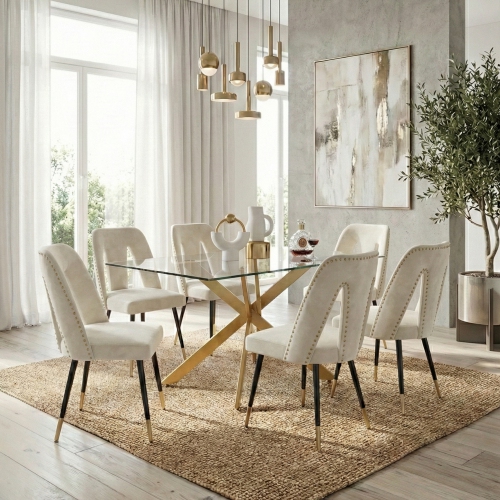
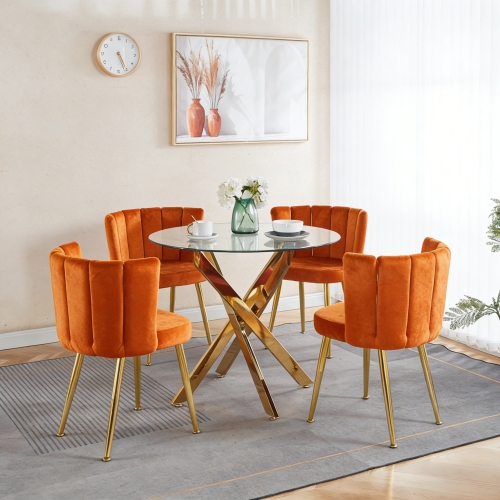

Transparent tabletops put rugs and sculptural bases on display
Clear glass tables bring a light, open appearance to dining rooms, living rooms, and entryways without hiding the furniture and finishes around them. Their transparent surfaces leave rugs, flooring, and table bases visible, making them especially appealing where a solid tabletop might feel visually heavy. That openness is an aesthetic effect rather than a change in the table’s actual footprint: a glass table still needs enough space for seating, movement, and everyday use. The category includes dining tables for shared meals, coffee tables for seating areas, compact side tables, and narrow console tables that sit against a wall or behind a sofa. Each format serves a different purpose, while the clear surface provides a common thread across contemporary, minimalist, and mixed-style interiors. Materials beneath the glass have a strong influence on the finished look. Chrome or polished stainless steel can create a crisp, reflective appearance, black metal provides a defined outline, and wood introduces grain and warmer colour. A sculptural pedestal becomes part of the room’s design because it remains visible through the top, while a simple frame can keep attention on surrounding furnishings. Shape matters just as much as finish. Round clear glass tables can suit conversational seating arrangements, and their curved outlines avoid projecting corners, though adequate clearance is still important. Rectangular tops often work well alongside a long sofa or in a dining area with a similar shape. Square designs can complement compact seating groups, while oval tables combine an elongated surface with rounded ends. For dining use, comfort depends on more than the tabletop dimensions. Chair width, the position of the legs, and the space available to pull seats back all affect how naturally people can gather. Pedestal bases may offer flexible chair placement, but the size and shape of the base still influence foot room. A transparent top also makes chair frames more noticeable, allowing upholstered seats, curved wood backs, or slender metal legs to become part of the overall arrangement.
In a living room, a clear glass coffee table provides a useful surface while preserving a view of the rug and the space between surrounding seats. This can be particularly effective with a patterned rug, a textured floor covering, or a sofa with a substantial profile. The table offers a place for a tray, reading material, and drinks without introducing another large block of colour. The proportions still need to feel connected to the seating: a low sofa generally calls for a different table height than a tall, upright settee, and the distance between the seat and tabletop affects how comfortably someone can reach a cup. For a seating area centred on this style, Clear Glass Coffee Tables bring the transparent look to a format designed for everyday living room use. Clear glass side tables serve a more compact role beside an armchair or at the end of a sofa, where a lamp, phone, or book needs a convenient landing place. Their height is most comfortable when it relates closely to the adjacent armrest, and the base needs to fit without crowding feet or blocking a walkway. Nesting designs can provide separate surfaces when needed and tuck together afterwards, depending on their construction. Console tables offer another way to use glass in a narrower space. In an entryway, a shallow top can hold a small tray for keys while leaving the flooring visible beneath it; behind a sofa, it can provide a surface for a lamp or a few display pieces. Clear surfaces reveal whatever sits below them, including storage baskets, cables, and lower shelves. A restrained arrangement often highlights the material best, although glass works equally well with colourful ceramics, books, and textured accessories. For smaller homes and multipurpose rooms, the appeal lies in keeping sightlines open while retaining a practical surface for daily routines.
Construction and care determine how well a clear glass table suits those routines over time. Tempered glass is heat-treated for greater strength than standard annealed glass and is designed to break into small pieces if it fails, but it is not unbreakable. It can still scratch, chip, or suffer damage from impact, particularly around vulnerable edges. Rounded or polished edges can make the perimeter smoother to the touch, while the thickness of the top, its support points, and the strength of the base all contribute to the finished table’s performance. Thickness alone does not establish how much weight a table can hold; the manufacturer’s load limits and assembly requirements remain important. A well-supported top and stable frame matter for daily use, especially where the table will hold dishes, a lamp, or other heavier objects. Glass surfaces are easy to see through, but they also reveal fingerprints, dust, water marks, and smudges, particularly in direct light. Routine cleaning generally involves a soft, lint-free cloth and a cleaner approved for the surface, with abrasive pads and gritty cloths kept away from the glass. Metal finishes, wood components, and attachment points may need different treatment, so cleaning methods should suit the entire table rather than the top alone. Coasters, placemats, and suitable protective pads help limit marks from cups, dishes, and decorative objects; hot cookware should not sit directly on the glass. Lifting objects instead of dragging them also helps protect the surface. In homes with young children or pets, visible edges, secure supports, and placement away from busy routes deserve particular attention because a transparent tabletop can be less noticeable than an opaque one. Moving a glass table requires care as well, especially if the top is removable or rests on separate supports. With a shape, base, and surface size suited to its intended use, a clear glass table can feel equally at home supporting shared meals, quiet reading, or a welcoming entryway arrangement.
Top selling and popular products
-
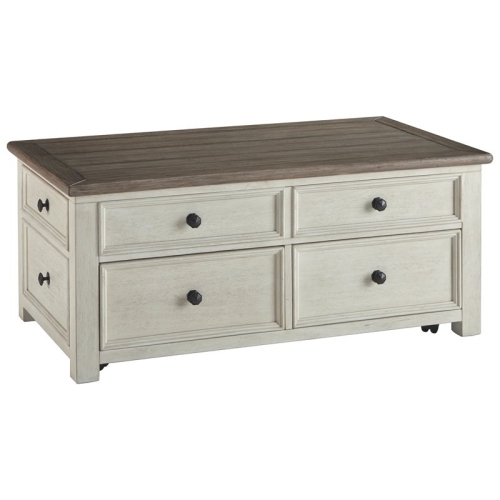 Your price for this item is $949
-
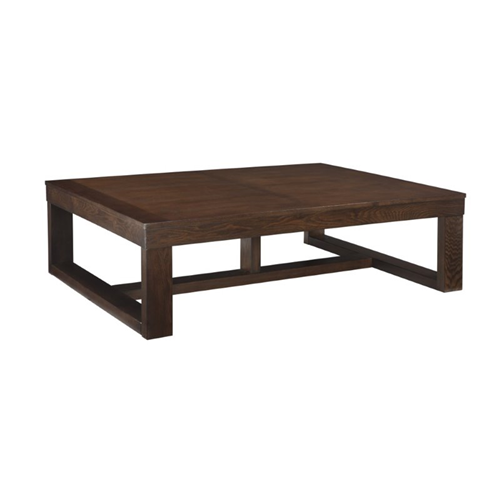 Your price for this item is $449
-
 Your price for this item is $649
-
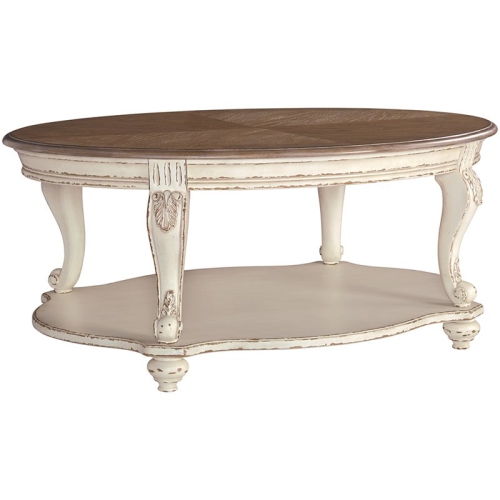 Your price for this item is $599
-
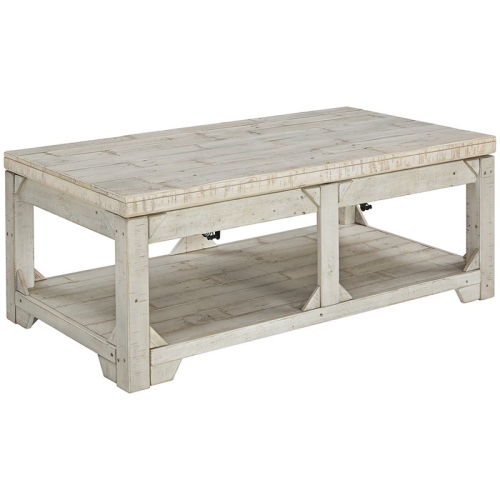 Your price for this item is $549
-
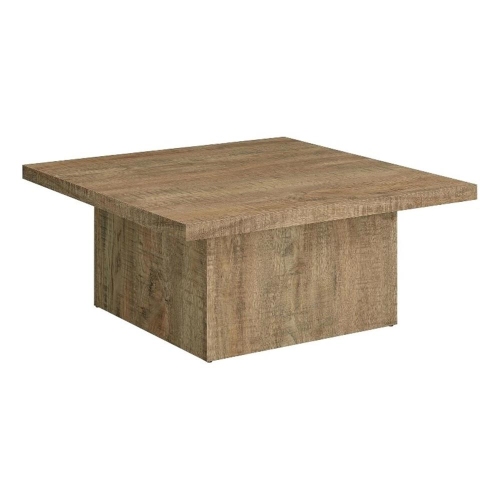 Your price for this item is $349.93
-
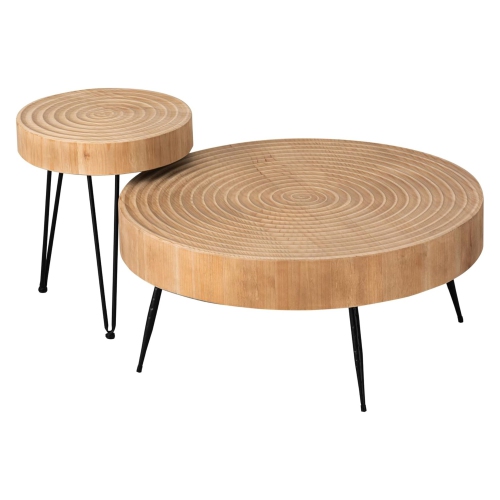 Your price for this item is $474.99
-
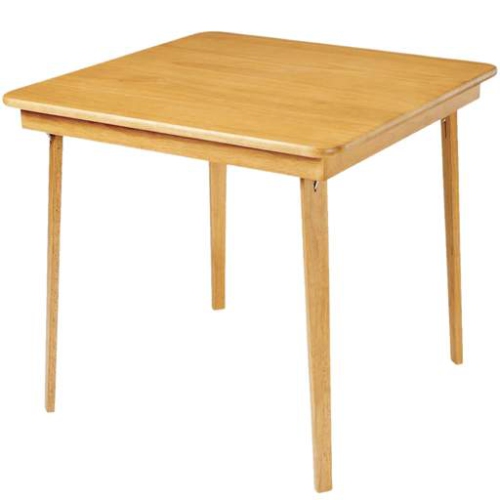 Your price for this item is $233.72
Discover more categories related to Clear Glass Tables
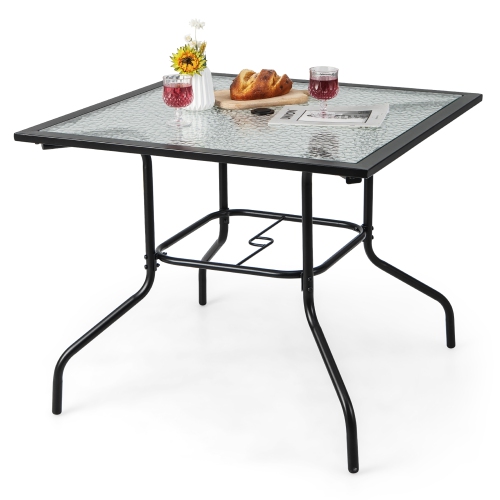
Top Collections:
Best Black Friday Deals This Year, Best Black Friday Deals On Electronics, Kindle Devices, Dyson Airwrap, Best Cameras for Sports Photography, Best Budget Office Chairs, Canon G7X Cameras, PS5 Pro Consoles, Best Black Friday Deals On Apple Products, XBOX One S Consoles
Some products may be subject to Environmental Handling Fees
(EHF) depending on your province.
Learn more about EHFs.