Clear Lids
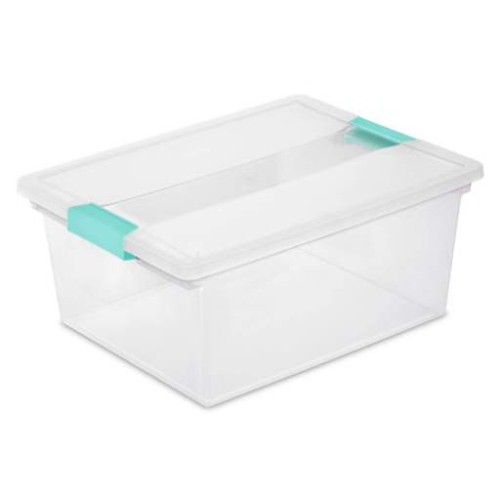
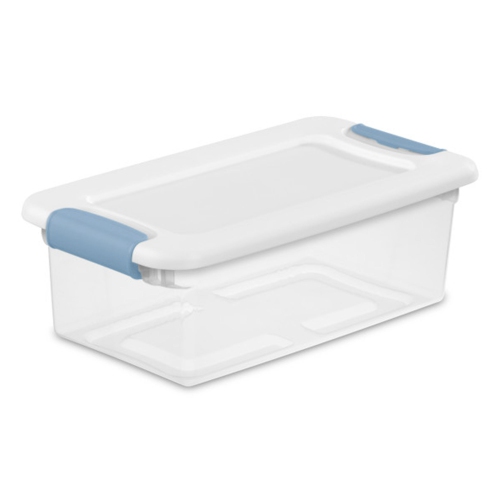
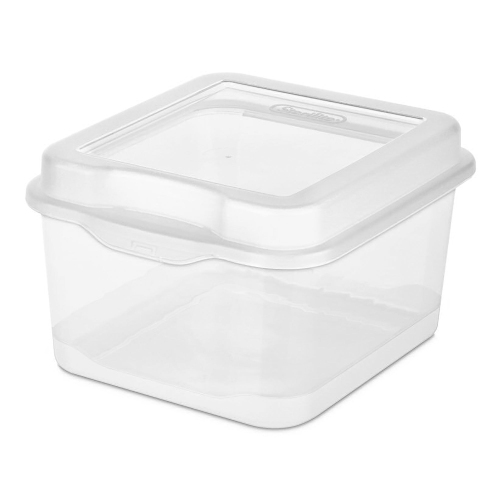
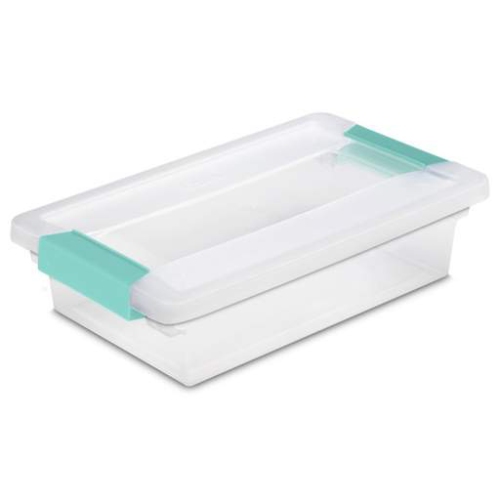
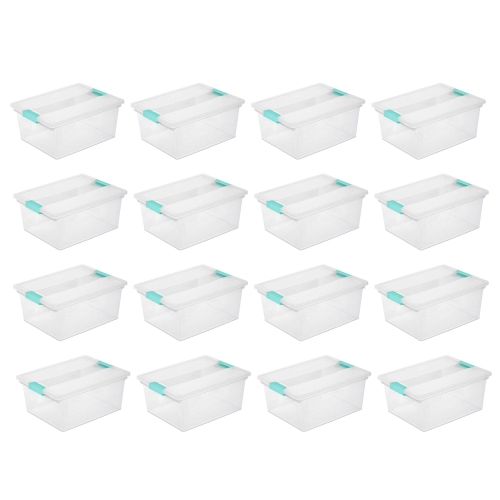
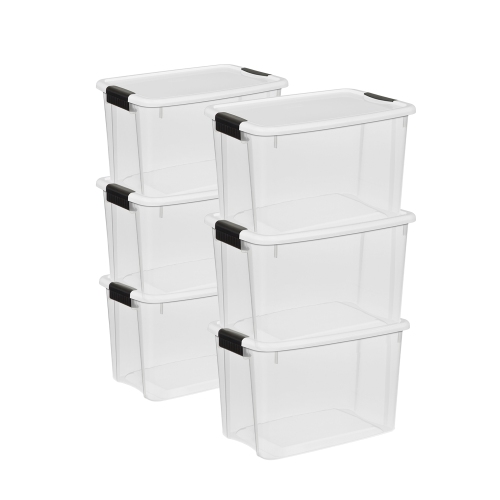
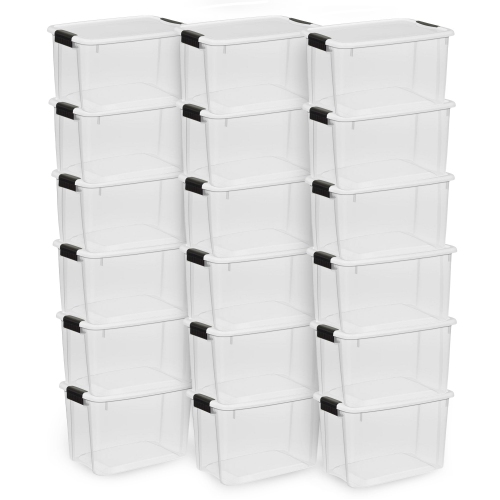
Upgrade your food storage game with our selection of clear lids. Say goodbye to rummaging through mismatched containers to find the right lid – these clear lids make it easy to see what's inside at a glance. Keep your fridge and pantry organized while reducing food waste by easily identifying leftovers and meal prep items. Whether you're storing leftovers, packing lunches, or organizing your pantry, these clear lids are a must-have for any kitchen. Browse our collection today and say hello to hassle-free food storage!
Sort
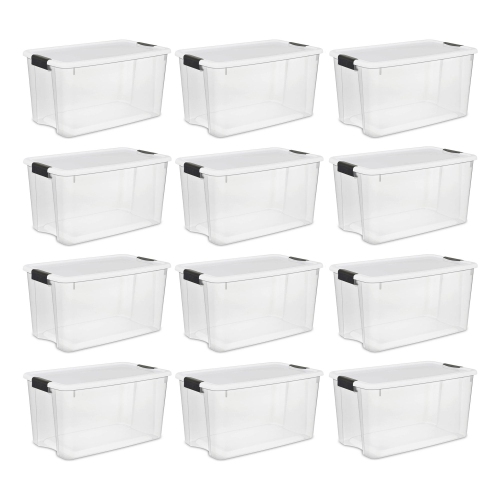
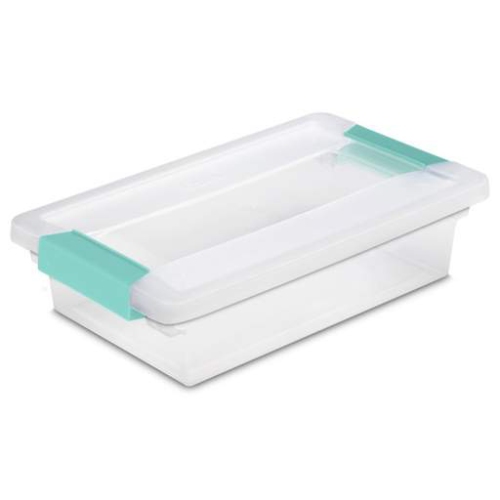
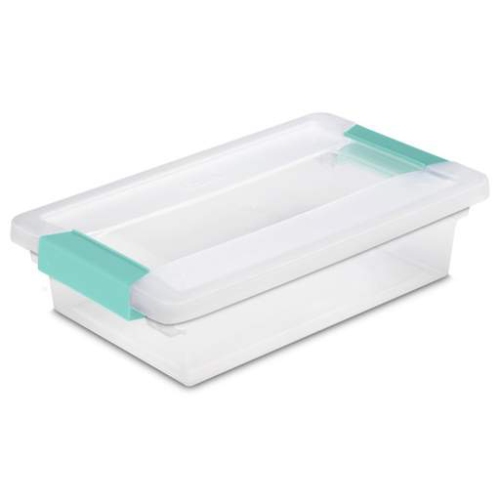
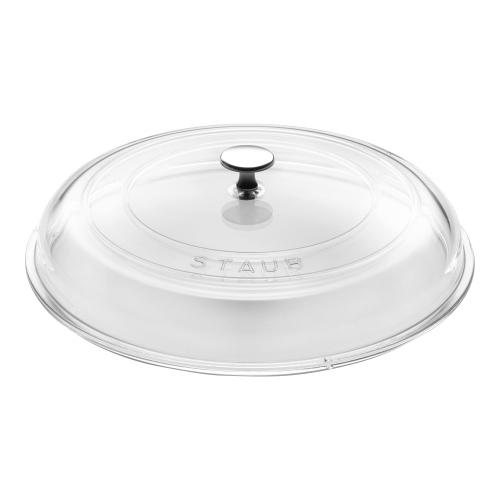
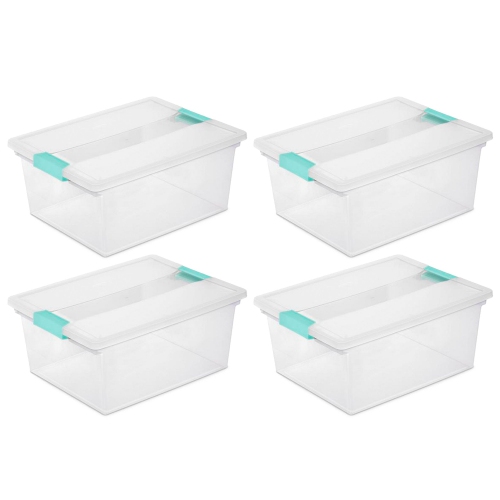
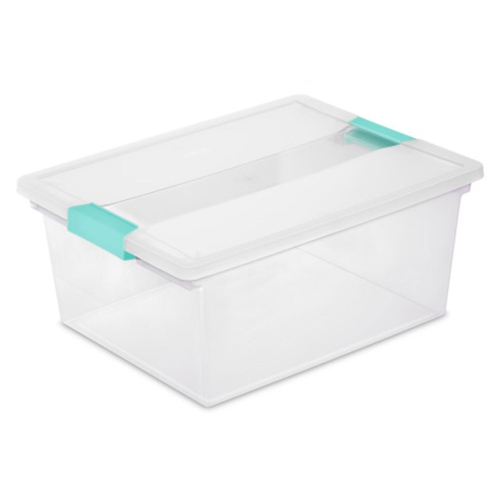


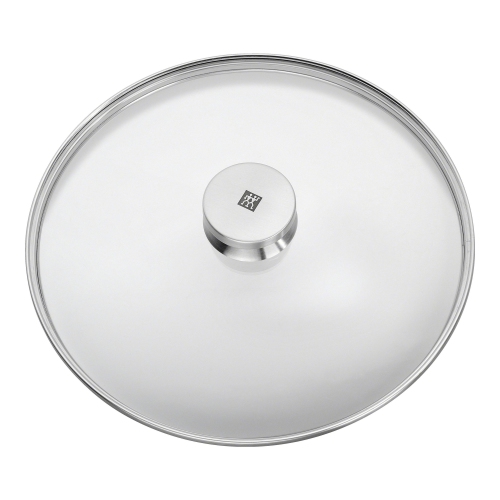

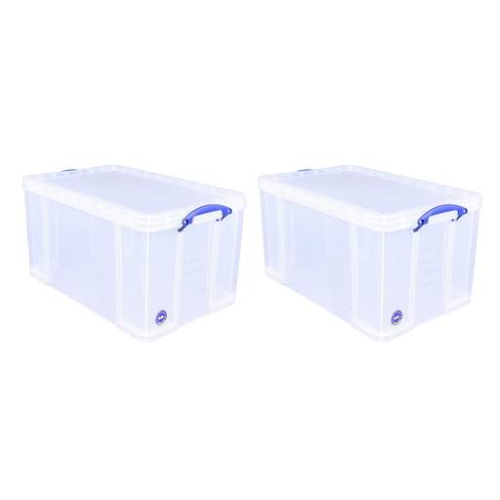


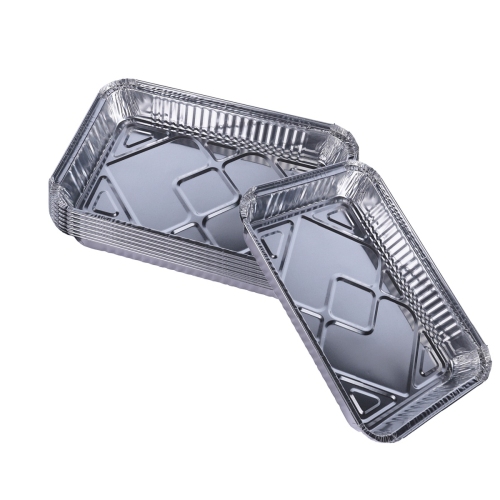

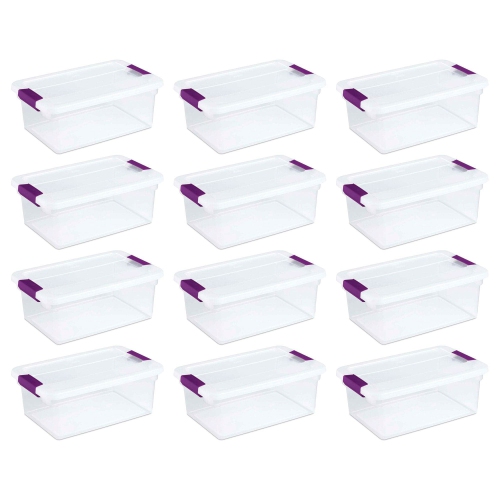
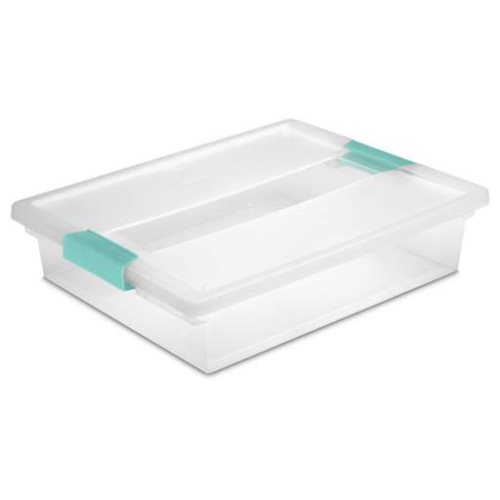
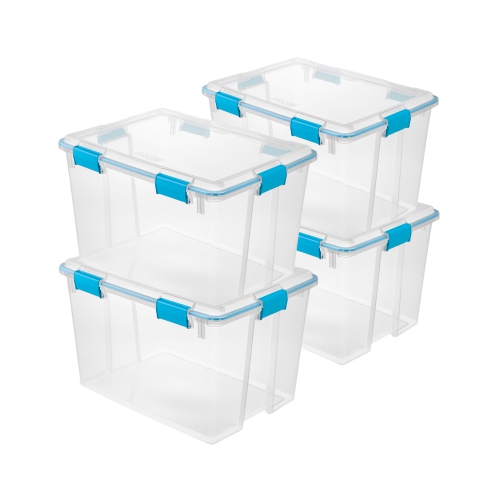
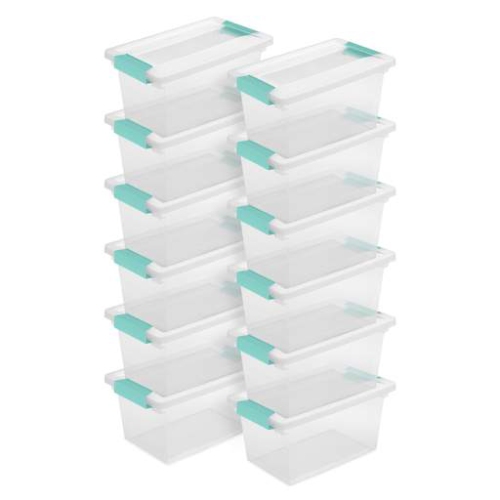
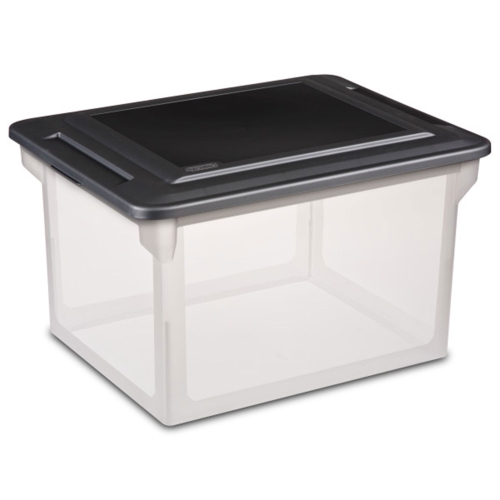
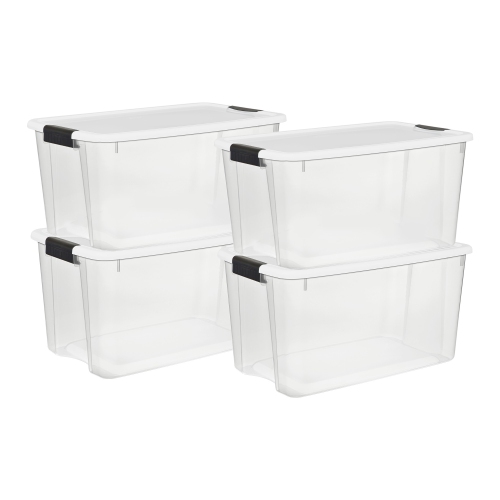
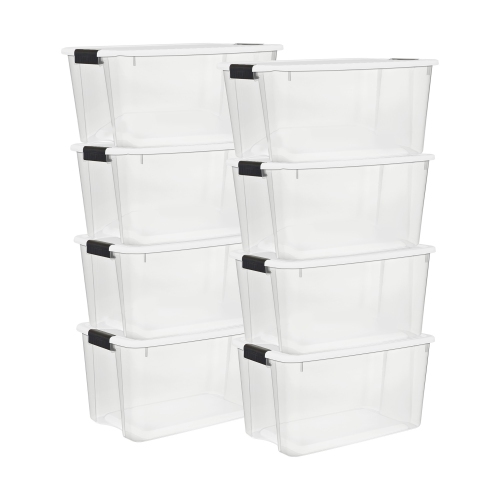
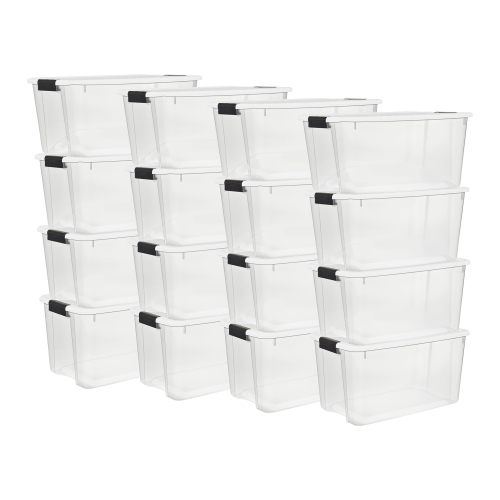
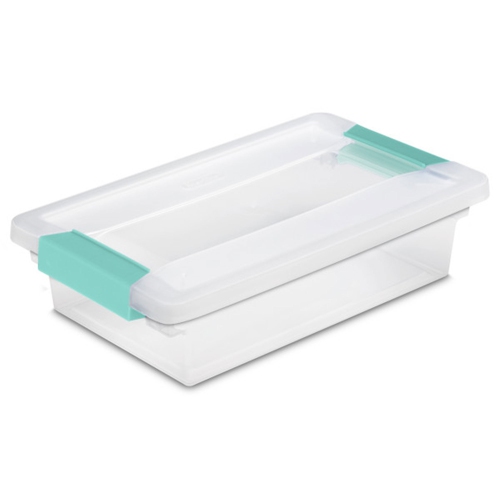

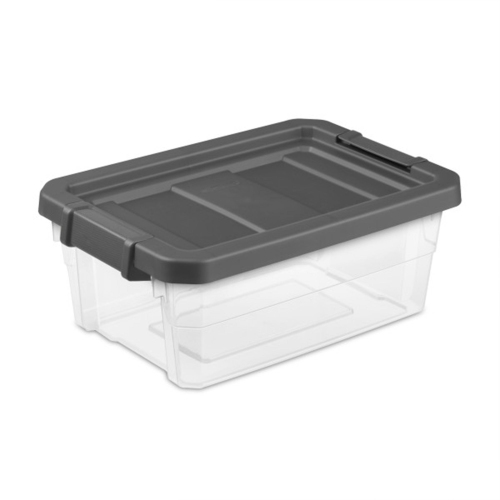
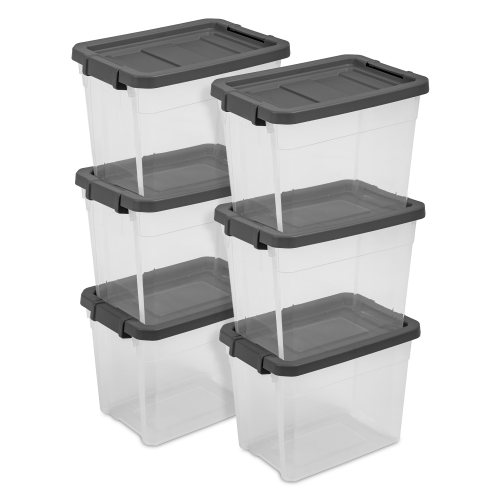
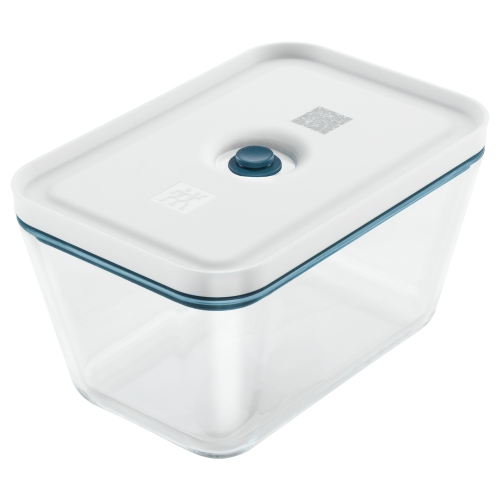

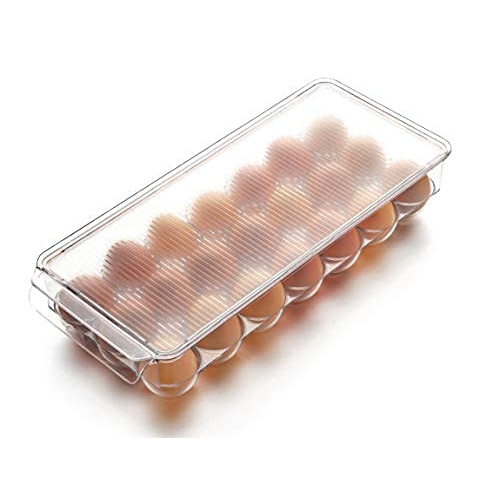

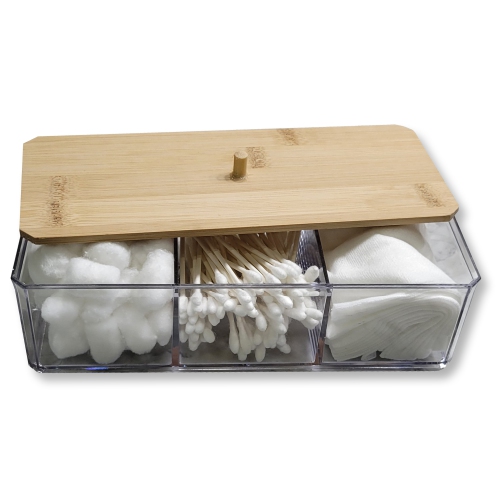
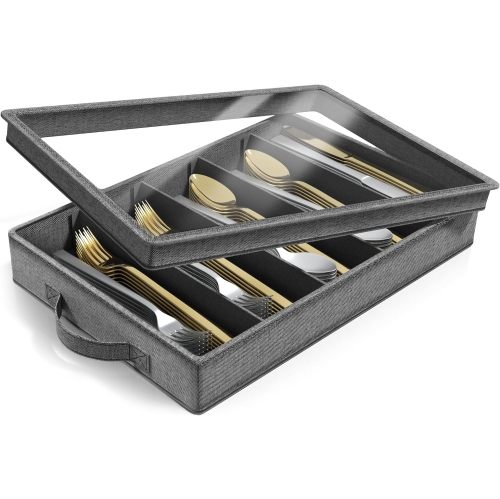
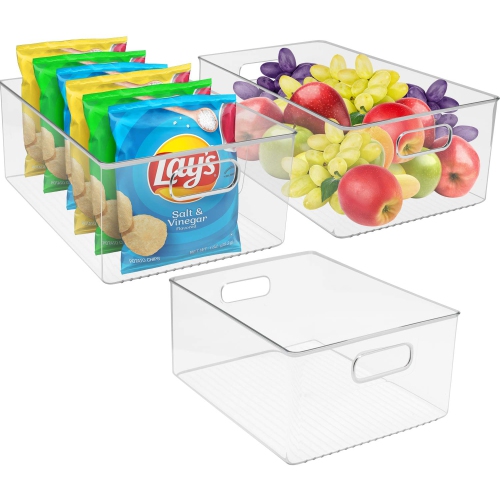
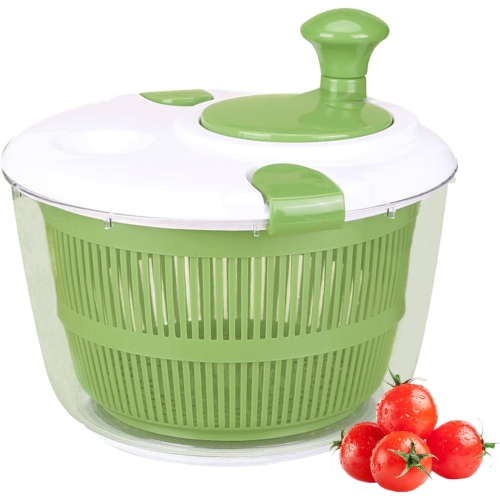
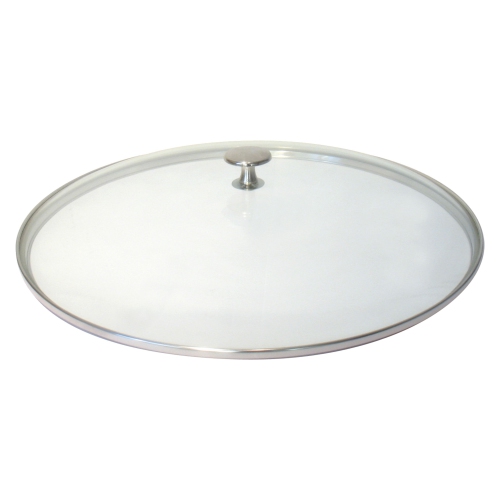
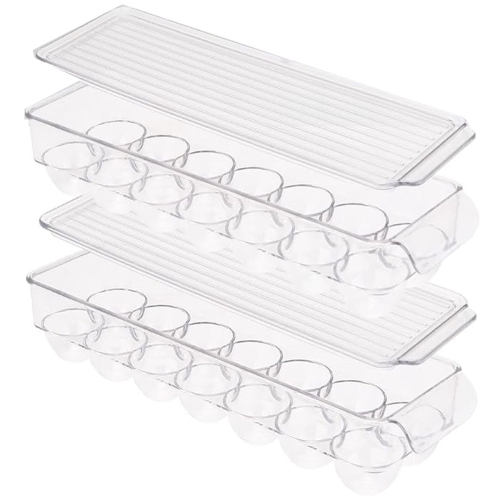
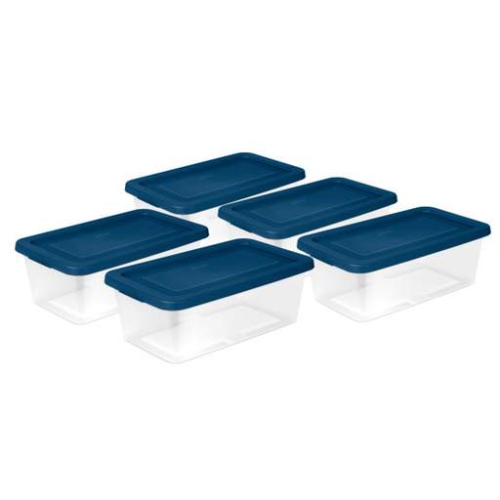

An overhead view without removing your vehicle’s roof panel
Clear lids can refer to several kinds of transparent covers, but in an automotive context, the term describes clear replacement roof panels that bring an overhead view into a compatible hardtop vehicle. These panels replace a designated section of the original roof, allowing occupants to see above the cabin while retaining a solid cover. The appeal is easy to picture: passengers can look up at tree branches along a wooded road, take in tall buildings on a city drive, or enjoy a broader view of the landscape without removing the roof panel altogether. A transparent panel changes how enclosed the cabin feels, although the size of the opening, the roof supports, and the seating position all influence the view. Some designs use a single panel across the front seating area, while others have a different shape or mounting arrangement suited to a particular hardtop. Clear does not necessarily mean completely colourless; a panel may have a tint or a surface treatment that affects light transmission and appearance. For drivers who value that open visual feeling, the important distinction is between visibility and ventilation. A fixed transparent roof lets in light and provides a view, but it does not create airflow in the way an open roof does. It also does not automatically offer the same functions as an opening sunroof. These differences matter for everyday commuting, scenic drives, and trips with passengers who appreciate being able to see more from their seats. The most useful comparison is therefore not simply clear versus opaque, but how the panel fits the vehicle, how it attaches, and what its stated performance features actually cover. Optical clarity, secure mounting, and a well-fitted seal all contribute to the experience. An expansive view is the visible benefit; the less noticeable details around the edges help determine how comfortably and reliably that panel becomes part of the vehicle.
Material and fit are central considerations for transparent vehicle roof panels. Polycarbonate is used in some designs because it combines relatively low weight with impact resistance, but performance depends on the panel’s construction, thickness, coatings, and intended application. Impact resistance should not be confused with immunity to damage, and a clear plastic surface may scratch if grit is rubbed across it or an unsuitable cleaner is used. Claims about ultraviolet protection, glare reduction, or heat control are separate characteristics rather than interchangeable descriptions. A tinted appearance alone does not establish a particular level of ultraviolet protection, and a statement about blocking ultraviolet rays does not establish how much visible light or heat passes through. Manufacturer specifications provide a more meaningful basis for comparison than appearance alone. Compatibility is equally precise. Vehicle model year, body configuration, hardtop design, and mounting hardware can all affect whether a replacement panel fits correctly. A similar-looking roof opening is not enough to establish a match, particularly where production generations or factory roof options differ. The panel needs to meet the intended contact surfaces, align with the required attachment points, and work with the specified seals and hardware. Some designs reuse factory attachment points and can be fitted without drilling, but that convenience should be confirmed for the exact application rather than assumed across the category. Installation may involve latches, threaded fasteners, brackets, or other components, and each arrangement has its own requirements. Even a relatively straightforward fitting process can benefit from a second person to help position a broad panel without scraping its edges or resting it unevenly. Once fitted, the relationship between the panel and its gasket matters as much as the panel itself. An uneven seal, trapped debris, or incorrectly adjusted hardware can affect the result. Roof-mounted accessories also deserve attention: racks, shades, and other attachments may have compatibility restrictions, and a clear panel should never be treated as a load-bearing surface unless its manufacturer expressly permits that use.
Care and handling help preserve both the view and the usefulness of a clear lid over time. For a transparent roof panel, routine cleaning generally starts with removing loose grit before touching the surface, followed by a cleaner and soft cloth approved for that material and any protective coating. Household glass-cleaning products are not automatically appropriate for polycarbonate, and abrasive pads, dry wiping, or unapproved solvents can leave scratches or damage the finish. The edges and seals need attention too, since dirt caught along a gasket can interfere with contact and make an otherwise clear panel look poorly maintained. Inspection is especially worthwhile after removal and refitting: attachment points should be secure, seals should sit as intended, and the surface should be checked for damage that could affect its use. When a panel is off the vehicle, a dedicated protective cover or a clean, padded storage space can help keep it away from rough flooring and stacked objects. Handling it by the recommended points, rather than lifting it by a seal or a projecting piece of hardware, helps avoid unnecessary strain. These practical details make transparent roof panels most suitable for owners who want a wider cabin view and are comfortable following vehicle-specific fitting and care requirements. As a gift, a replacement roof panel calls for more coordination than a general automotive accessory because the recipient’s exact vehicle and preferences determine suitability. The phrase clear lids also appears in household shopping, where visibility serves a different purpose: checking food through a cookware cover or seeing the contents of a storage container without lifting the top. For that kitchen-focused use, Glass Lids belong to a separate category with different material, sizing, and care considerations. Cookware covers need a suitable rim fit, a secure handle, and stated limits for their intended cooking method; storage lids depend on the matching container and closure design. Transparency is the shared feature, but these household covers are not interchangeable with automotive panels. In either setting, a clear view is most useful when the lid is properly matched to what it covers and cared for according to its construction.
Material and fit are central considerations for transparent vehicle roof panels. Polycarbonate is used in some designs because it combines relatively low weight with impact resistance, but performance depends on the panel’s construction, thickness, coatings, and intended application. Impact resistance should not be confused with immunity to damage, and a clear plastic surface may scratch if grit is rubbed across it or an unsuitable cleaner is used. Claims about ultraviolet protection, glare reduction, or heat control are separate characteristics rather than interchangeable descriptions. A tinted appearance alone does not establish a particular level of ultraviolet protection, and a statement about blocking ultraviolet rays does not establish how much visible light or heat passes through. Manufacturer specifications provide a more meaningful basis for comparison than appearance alone. Compatibility is equally precise. Vehicle model year, body configuration, hardtop design, and mounting hardware can all affect whether a replacement panel fits correctly. A similar-looking roof opening is not enough to establish a match, particularly where production generations or factory roof options differ. The panel needs to meet the intended contact surfaces, align with the required attachment points, and work with the specified seals and hardware. Some designs reuse factory attachment points and can be fitted without drilling, but that convenience should be confirmed for the exact application rather than assumed across the category. Installation may involve latches, threaded fasteners, brackets, or other components, and each arrangement has its own requirements. Even a relatively straightforward fitting process can benefit from a second person to help position a broad panel without scraping its edges or resting it unevenly. Once fitted, the relationship between the panel and its gasket matters as much as the panel itself. An uneven seal, trapped debris, or incorrectly adjusted hardware can affect the result. Roof-mounted accessories also deserve attention: racks, shades, and other attachments may have compatibility restrictions, and a clear panel should never be treated as a load-bearing surface unless its manufacturer expressly permits that use.
Care and handling help preserve both the view and the usefulness of a clear lid over time. For a transparent roof panel, routine cleaning generally starts with removing loose grit before touching the surface, followed by a cleaner and soft cloth approved for that material and any protective coating. Household glass-cleaning products are not automatically appropriate for polycarbonate, and abrasive pads, dry wiping, or unapproved solvents can leave scratches or damage the finish. The edges and seals need attention too, since dirt caught along a gasket can interfere with contact and make an otherwise clear panel look poorly maintained. Inspection is especially worthwhile after removal and refitting: attachment points should be secure, seals should sit as intended, and the surface should be checked for damage that could affect its use. When a panel is off the vehicle, a dedicated protective cover or a clean, padded storage space can help keep it away from rough flooring and stacked objects. Handling it by the recommended points, rather than lifting it by a seal or a projecting piece of hardware, helps avoid unnecessary strain. These practical details make transparent roof panels most suitable for owners who want a wider cabin view and are comfortable following vehicle-specific fitting and care requirements. As a gift, a replacement roof panel calls for more coordination than a general automotive accessory because the recipient’s exact vehicle and preferences determine suitability. The phrase clear lids also appears in household shopping, where visibility serves a different purpose: checking food through a cookware cover or seeing the contents of a storage container without lifting the top. For that kitchen-focused use, Glass Lids belong to a separate category with different material, sizing, and care considerations. Cookware covers need a suitable rim fit, a secure handle, and stated limits for their intended cooking method; storage lids depend on the matching container and closure design. Transparency is the shared feature, but these household covers are not interchangeable with automotive panels. In either setting, a clear view is most useful when the lid is properly matched to what it covers and cared for according to its construction.
Top selling and popular products
-
 Your price for this item is $1087.99
 -
 Your price for this item is $905.99
 -
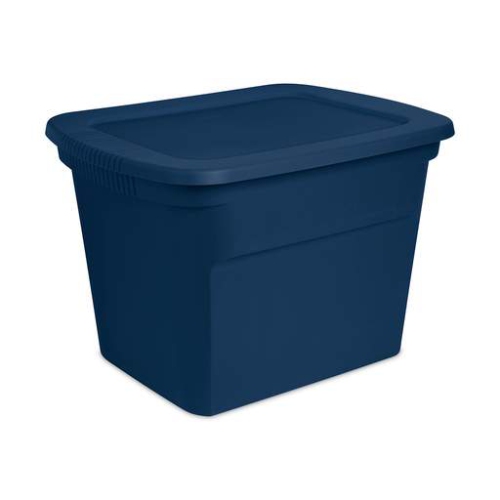 Your price for this item is $678.99
 -
 Your price for this item is $452.99
 -
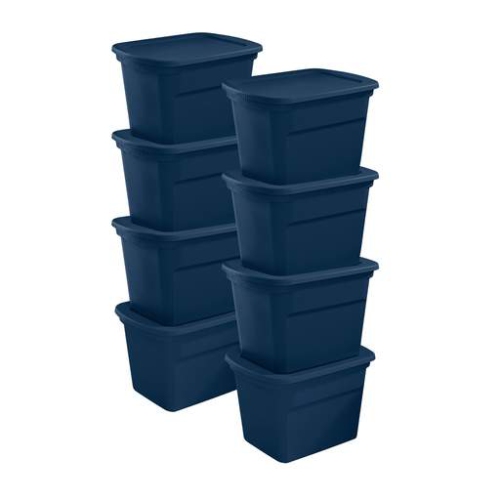 Your price for this item is $244.99
 -
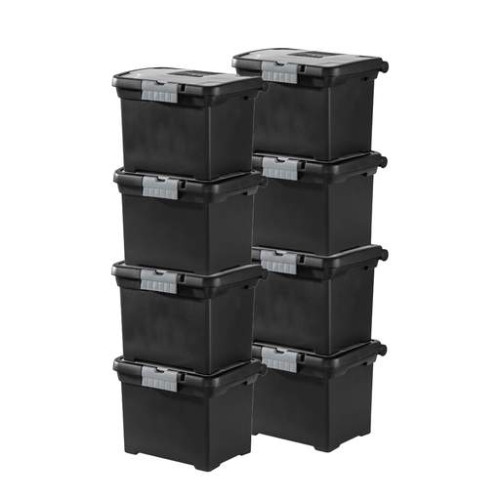 Your price for this item is $264.99
 -
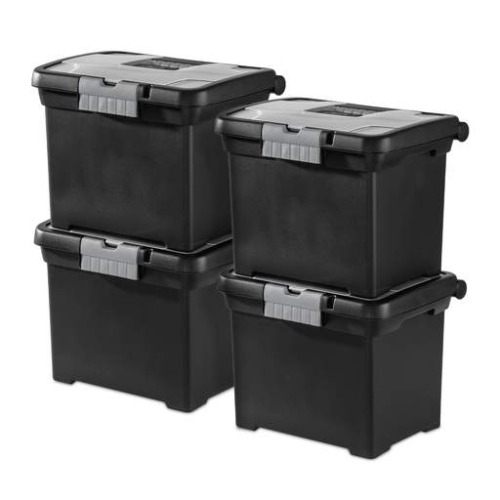 Your price for this item is $133.99
 -
 Your price for this item is $64.98
Discover more categories related to Clear Lids
Top Collections:
Pokemon Centers, Kindle Devices, Best Budget Office Chairs, Apple iPhones 16, Canon G7X Cameras, iPhone 15 Apple, Alarm Clock, Refurbished Apple Laptops, Flip Phones, Best Laptops for Writers
Some products may be subject to Environmental Handling Fees
(EHF) depending on your province.
Learn more about EHFs.