Universal Lids
Universal lids are a versatile kitchen essential designed to fit a variety of pots and pans with ease. Say goodbye to searching for the right lid for each cookware piece - these convenient lids are here to streamline your cooking experience. Whether you need to cover a saucepan, stockpot, or skillet, universal lids offer a practical solution by eliminating clutter in your kitchen cabinets. With different sizes and materials available, finding the perfect universal lid to suit your cooking needs has never been simpler.
Sort
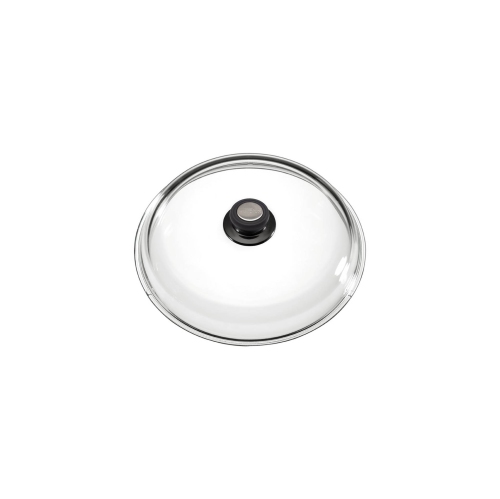
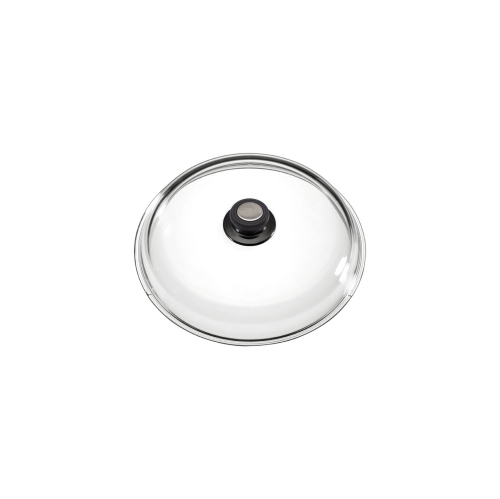
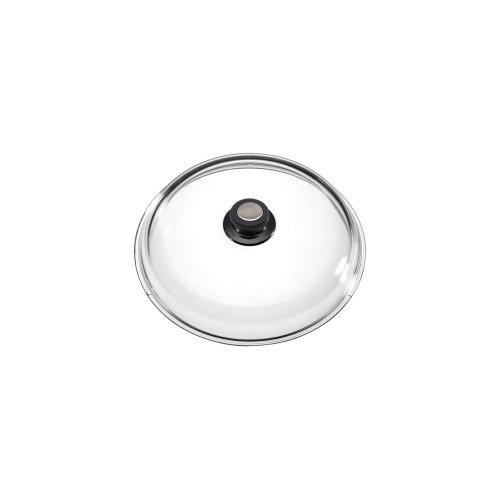
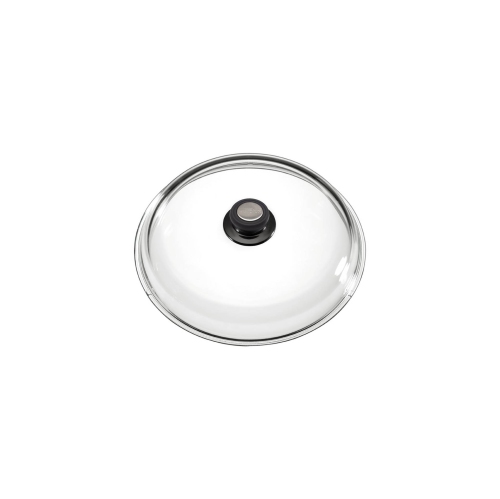
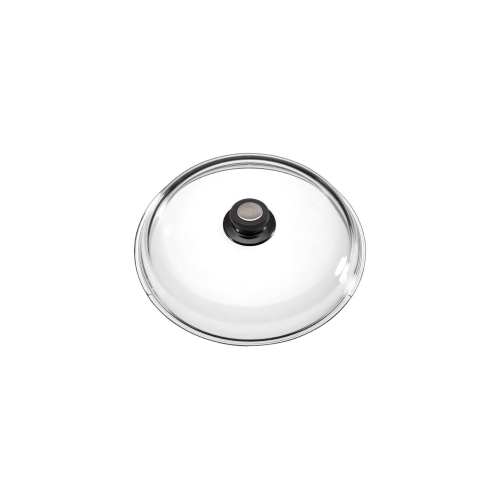
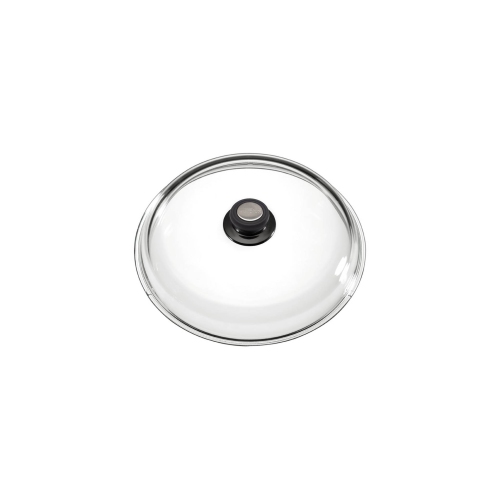
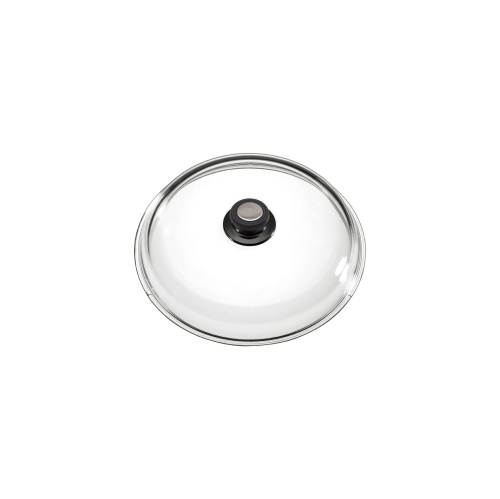
Flexible coverage for mismatched cookware and food storage
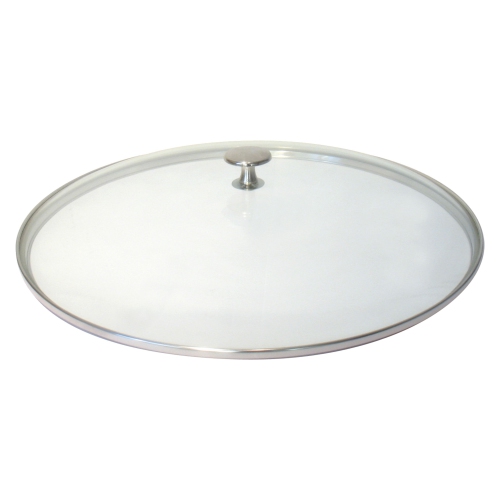
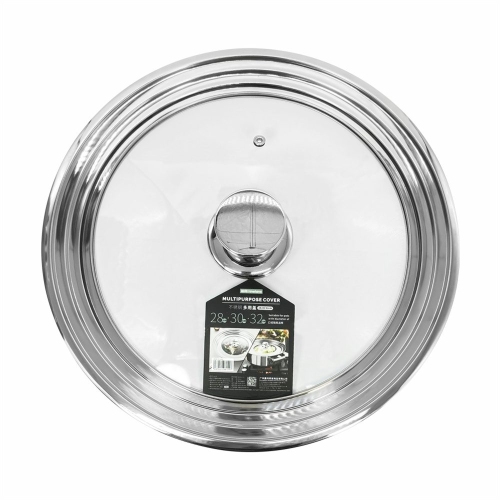
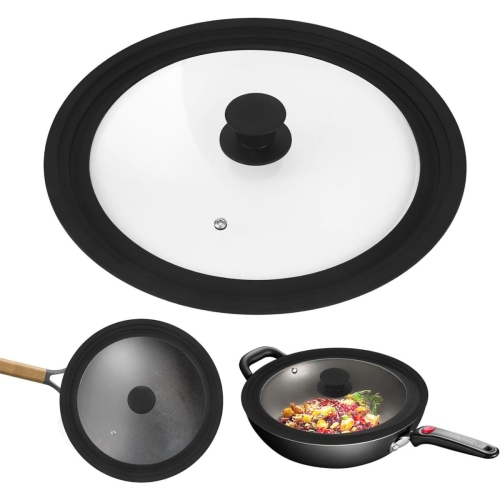
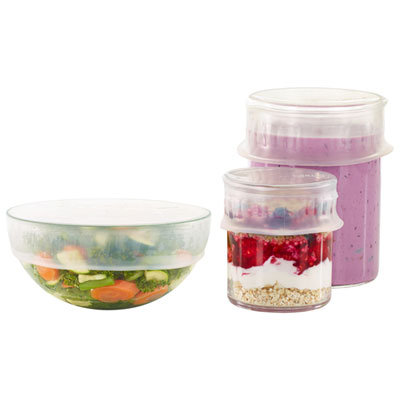
Universal lids are designed to cover a range of cookware and food containers, making them a practical choice for kitchens where different pots, pans, bowls, and storage vessels have accumulated over time. Instead of searching for a precisely matched cover for every piece of cookware, you can choose a lid with a flexible, tiered rim that fits more than one diameter. Many universal lids are intended for frying pans, saucepans, sauté pans, stockpots, mixing bowls, and serving dishes, while stretch-style covers may adapt to containers with slightly irregular shapes. The most important detail is the size range: measure the outside diameter of the rims you use most often and compare those measurements with the lid’s listed dimensions. A lid that fits a 10-inch pan may not be suitable for a larger 12-inch pot, and a cover that rests securely on a smooth rim may not grip a heavily flared or textured vessel in the same way. Universal lids can be especially useful in smaller kitchens, apartments, recreational vehicles, shared homes, and busy family kitchens where cupboard space is limited. They can also be a thoughtful gift for someone setting up a first kitchen, moving into a new home, preparing meals for a growing family, or replacing mismatched cookware accessories. When choosing among styles, consider how you typically cook and store food. A glass-centred lid allows you to monitor simmering sauces, steaming vegetables, rice, soup, or a covered sauté without lifting the lid and releasing heat. Silicone-edged designs can provide a flexible grip around several rim sizes, while all-silicone covers may be lightweight and convenient for bowls, containers, and leftovers. Some models include vent holes to let excess steam escape, which can help reduce rattling and splattering during cooking. Others are intended primarily for covering prepared food rather than use on a hot stovetop, so always check the manufacturer’s instructions for temperature limits, oven compatibility, microwave use, and whether the lid is suitable for direct heat.
Before selecting universal lids, take a quick inventory of the cookware and containers you plan to cover. Measure across the rim rather than the base, and note whether the rim is round, oval, square, flared, or unusually deep. The lid should sit evenly without wobbling, sliding into the pan, or blocking a handle. A clear centre is helpful when you want to keep an eye on bubbling food, while a flexible cover may be more convenient for irregular bowls and containers. Look for a secure, heat-resistant handle that is comfortable to lift with a tea towel or oven mitt, particularly when the lid has collected condensation. A steam vent can be useful for stovetop cooking, but it does not make every lid suitable for pressure cooking; universal lids should not be used as pressure-cooker lids unless they are specifically designed and approved for that purpose. Similarly, check whether the lid can be used in the oven, on a stovetop, in a microwave, or in a dishwasher before placing it in any appliance. Tempered glass can offer visibility and a solid feel, but it should be handled carefully and inspected for chips or cracks. Silicone lids are often flexible and easy to store, though they can retain strong aromas if used with richly spiced sauces or pungent foods. For refrigerator storage, a snug cover can help protect leftovers from spills and keep prepared ingredients covered between meals. For serving, a transparent lid can make it easier to move a dish from the kitchen to the table while keeping food warm for a short period. Universal lids may also be useful during cooler months, when soups, stews, baked side dishes, and slow-simmered meals are frequent features of family dinners. Their broad compatibility makes them convenient for preparing several components at once, especially when one pan is resting while another is on the cooktop. If you are comparing universal lids with dedicated Pot Lids, consider whether flexibility or an exact fit matters more for your routine. A dedicated lid may offer the most precise match for one vessel, while a universal design can cover multiple pieces and reduce the need to keep several separate covers within reach.
Care and storage can make a noticeable difference in everyday use. Allow a hot lid to cool according to its instructions before washing it or placing it under cold water, since sudden temperature changes may damage glass. Wipe away condensation and food residue after cooking, paying particular attention to the groove where a silicone rim meets the lid. This area can collect sauce, starch, and grease if it is not cleaned thoroughly. If a lid is dishwasher safe, place it where it will not be struck by heavier cookware or exposed to unnecessary movement. Hand washing may be preferable for delicate finishes, removable handles, or lids with ventilation components. Dry the lid fully before stacking or storing it to help prevent odours and moisture from lingering. For cupboards with limited vertical space, choose a lid with a hanging loop, removable handle, or shape that nests neatly with other covers. Storing lids upright in a divider can also make it easier to see the size range at a glance instead of sorting through a crowded drawer. Keep hot lids away from children and use appropriate protection when lifting them from a steaming pot. Universal lids are most effective when matched thoughtfully to the cookware you already own, used within their stated limits, and maintained as part of your regular kitchen routine. Whether you are covering a simmering meal, protecting leftovers, or making better use of a compact storage area, the right fit can bring welcome order and convenience to everyday cooking.
Before selecting universal lids, take a quick inventory of the cookware and containers you plan to cover. Measure across the rim rather than the base, and note whether the rim is round, oval, square, flared, or unusually deep. The lid should sit evenly without wobbling, sliding into the pan, or blocking a handle. A clear centre is helpful when you want to keep an eye on bubbling food, while a flexible cover may be more convenient for irregular bowls and containers. Look for a secure, heat-resistant handle that is comfortable to lift with a tea towel or oven mitt, particularly when the lid has collected condensation. A steam vent can be useful for stovetop cooking, but it does not make every lid suitable for pressure cooking; universal lids should not be used as pressure-cooker lids unless they are specifically designed and approved for that purpose. Similarly, check whether the lid can be used in the oven, on a stovetop, in a microwave, or in a dishwasher before placing it in any appliance. Tempered glass can offer visibility and a solid feel, but it should be handled carefully and inspected for chips or cracks. Silicone lids are often flexible and easy to store, though they can retain strong aromas if used with richly spiced sauces or pungent foods. For refrigerator storage, a snug cover can help protect leftovers from spills and keep prepared ingredients covered between meals. For serving, a transparent lid can make it easier to move a dish from the kitchen to the table while keeping food warm for a short period. Universal lids may also be useful during cooler months, when soups, stews, baked side dishes, and slow-simmered meals are frequent features of family dinners. Their broad compatibility makes them convenient for preparing several components at once, especially when one pan is resting while another is on the cooktop. If you are comparing universal lids with dedicated Pot Lids, consider whether flexibility or an exact fit matters more for your routine. A dedicated lid may offer the most precise match for one vessel, while a universal design can cover multiple pieces and reduce the need to keep several separate covers within reach.
Care and storage can make a noticeable difference in everyday use. Allow a hot lid to cool according to its instructions before washing it or placing it under cold water, since sudden temperature changes may damage glass. Wipe away condensation and food residue after cooking, paying particular attention to the groove where a silicone rim meets the lid. This area can collect sauce, starch, and grease if it is not cleaned thoroughly. If a lid is dishwasher safe, place it where it will not be struck by heavier cookware or exposed to unnecessary movement. Hand washing may be preferable for delicate finishes, removable handles, or lids with ventilation components. Dry the lid fully before stacking or storing it to help prevent odours and moisture from lingering. For cupboards with limited vertical space, choose a lid with a hanging loop, removable handle, or shape that nests neatly with other covers. Storing lids upright in a divider can also make it easier to see the size range at a glance instead of sorting through a crowded drawer. Keep hot lids away from children and use appropriate protection when lifting them from a steaming pot. Universal lids are most effective when matched thoughtfully to the cookware you already own, used within their stated limits, and maintained as part of your regular kitchen routine. Whether you are covering a simmering meal, protecting leftovers, or making better use of a compact storage area, the right fit can bring welcome order and convenience to everyday cooking.
Top selling and popular products
-
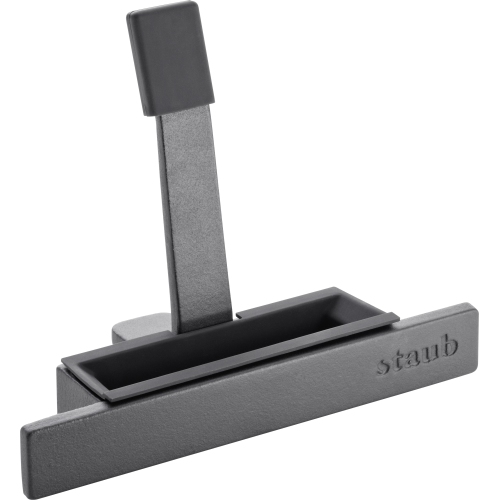 Your price for this item is $79.99
 -
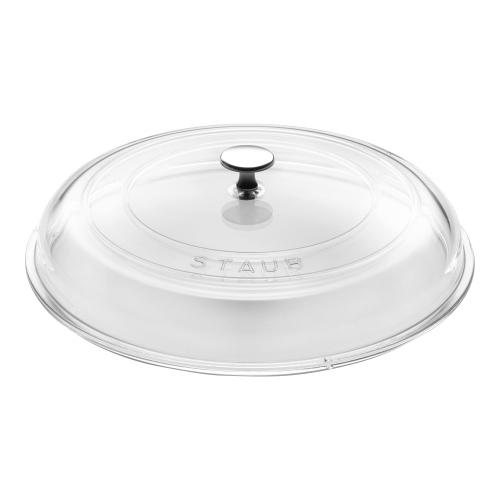 Your price for this item is $59.99
 -
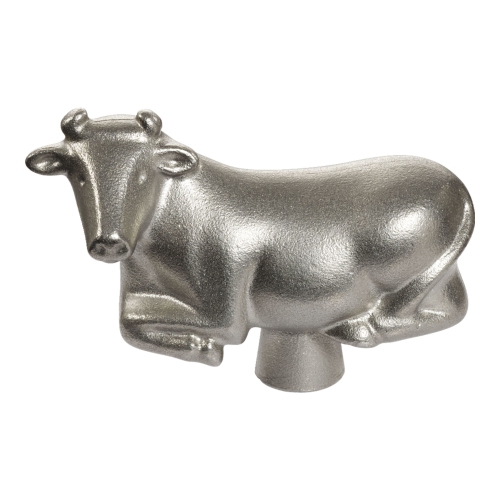 Your price for this item is $39.99
 -
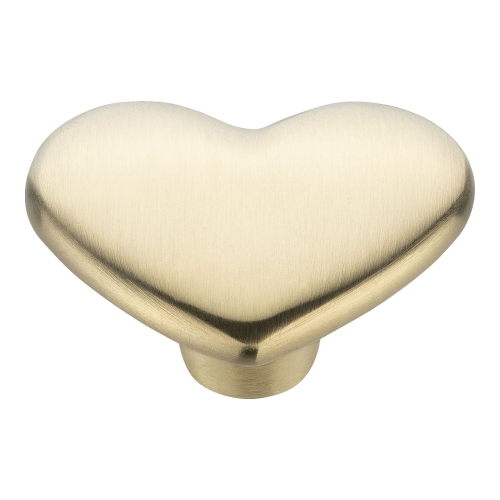 Your price for this item is $39.99
 -
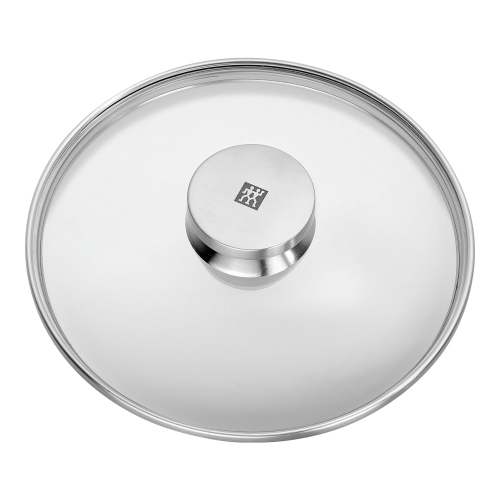 Your price for this item is $24.99
 -
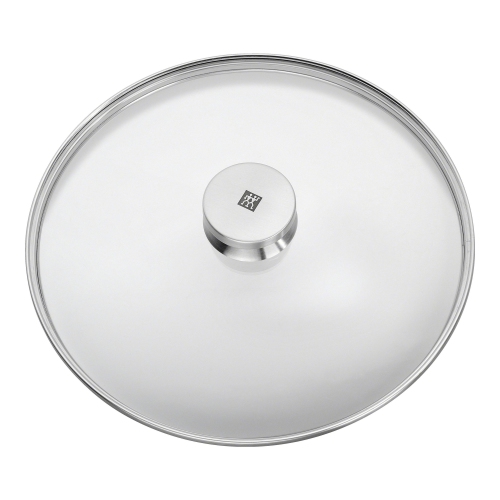 Your price for this item is $29.99
 -
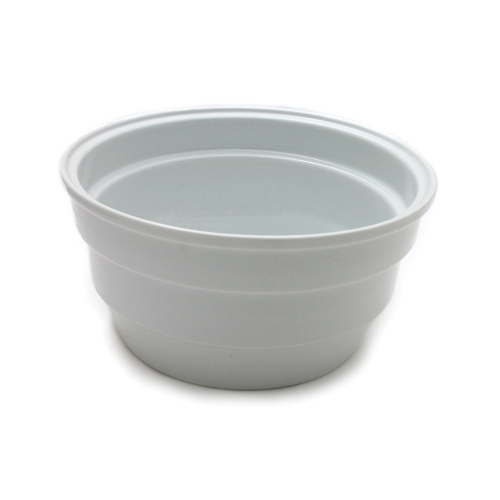 Your price for this item is $24.95
 -
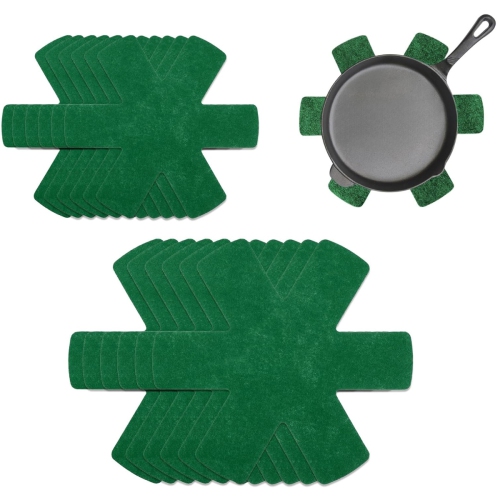 Your price for this item is $18.95
Discover more categories related to Universal Lids
Top Collections:
Pokemon Centers, Kindle Devices, Best Budget Office Chairs, Apple iPhones 16, Best Laptops for Writers, iPhone 15 Apple, Canon G7X Cameras, Refurbished Apple Laptops, Alarm Clock, Motorola Razr Phones
Some products may be subject to Environmental Handling Fees
(EHF) depending on your province.
Learn more about EHFs.