Clear Stools
If you're looking to add a touch of modern elegance to your space, this collection of clear stools offers a sleek and sophisticated seating solution for almost any room in your home. Whether you're looking to create a contemporary vibe in your kitchen, bar area, or dining room, these transparent stools blend seamlessly with any decor style. With their minimalist design and versatile functionality, clear stools are the perfect choice for those who want to make a stylish statement while maintaining an open and airy feel in their living space.
Sort
Practical seating that leaves your room’s details in view
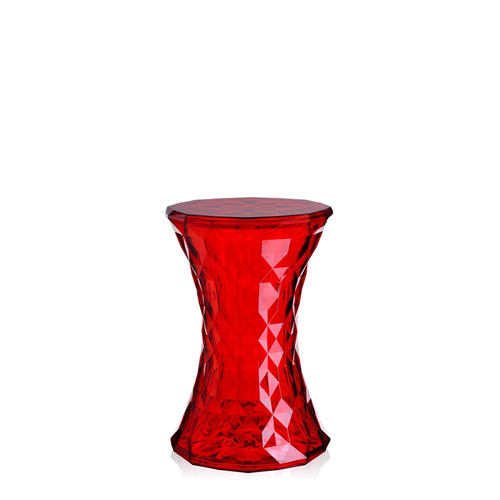
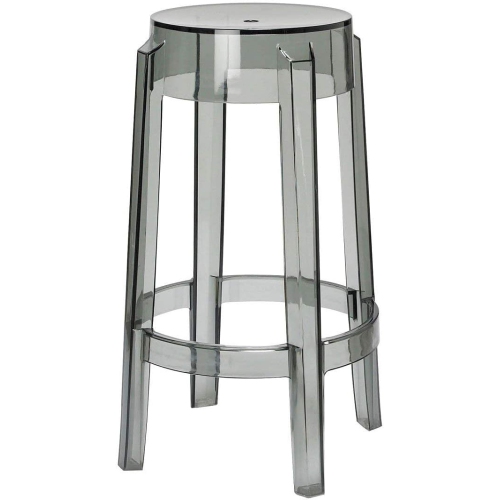
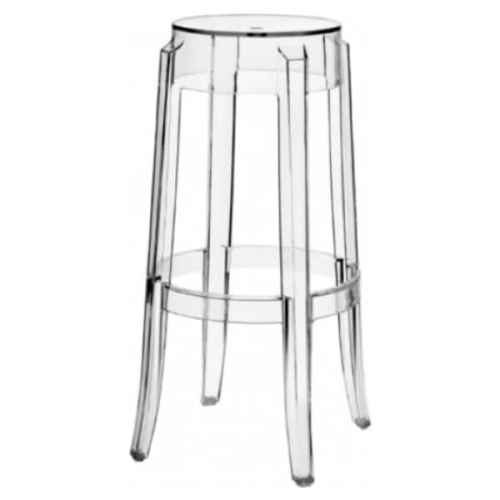
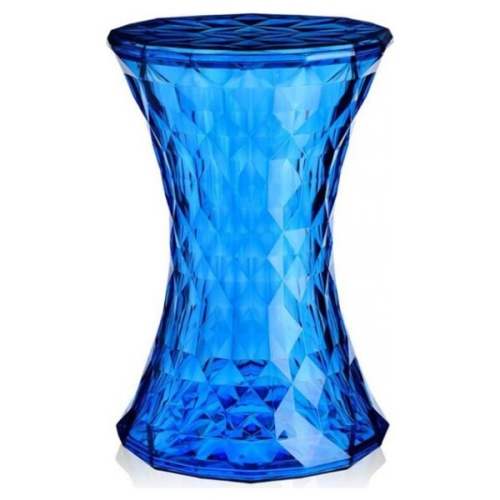
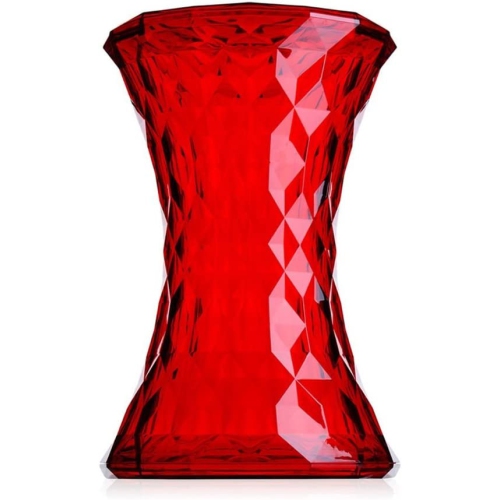
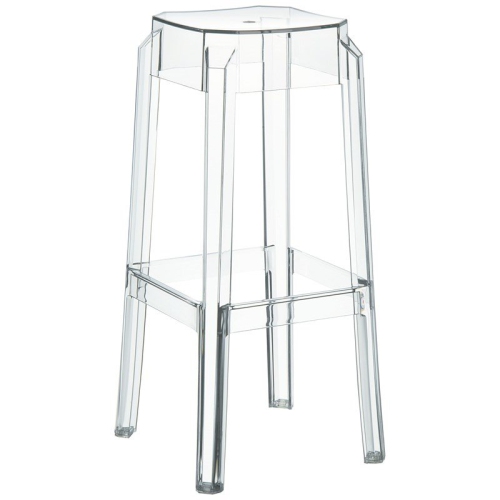
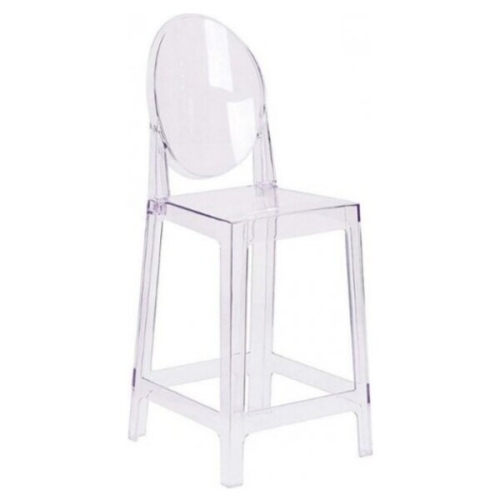
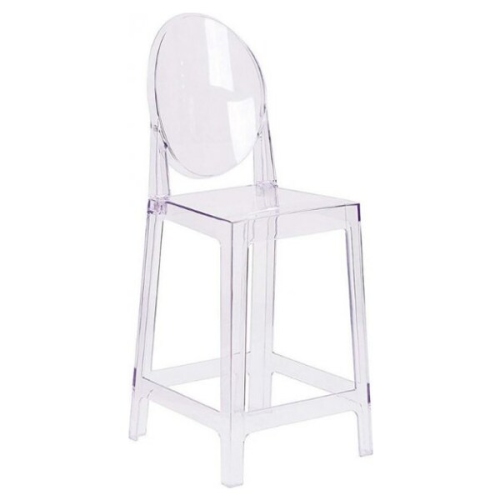
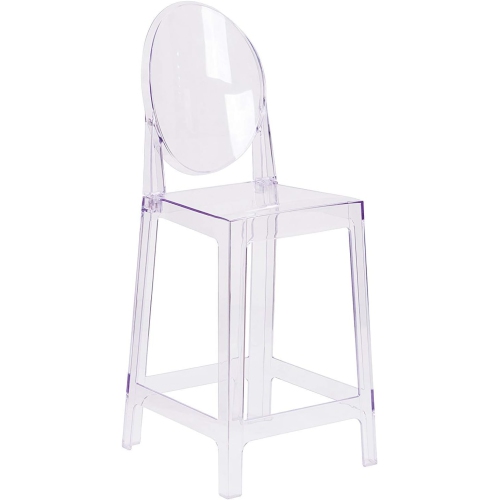
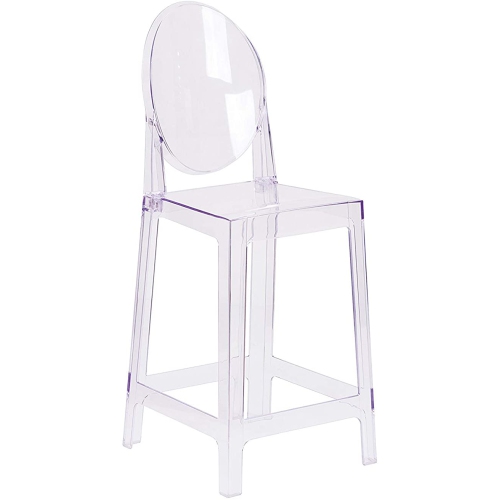
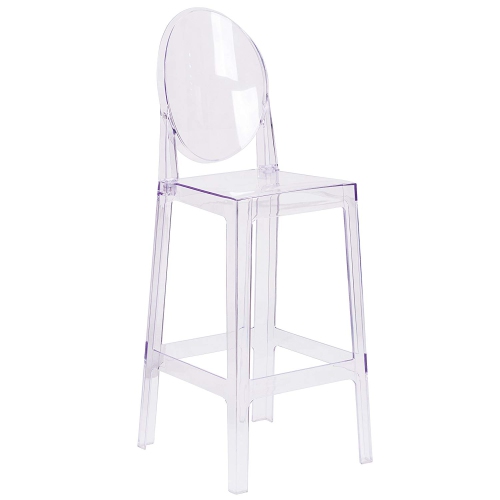
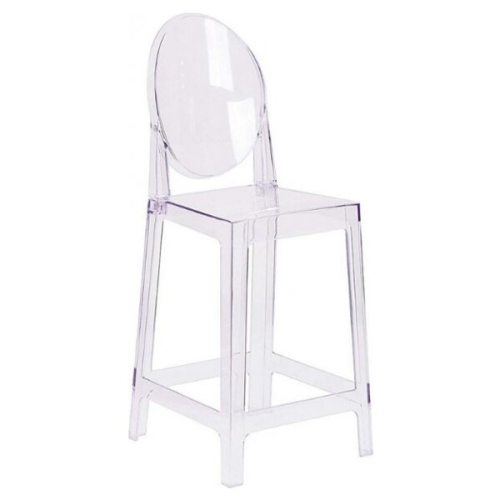
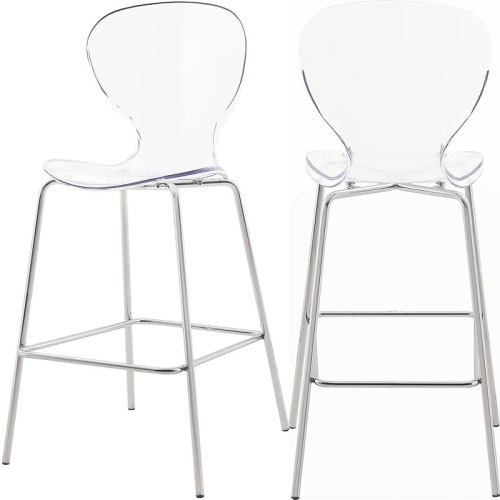
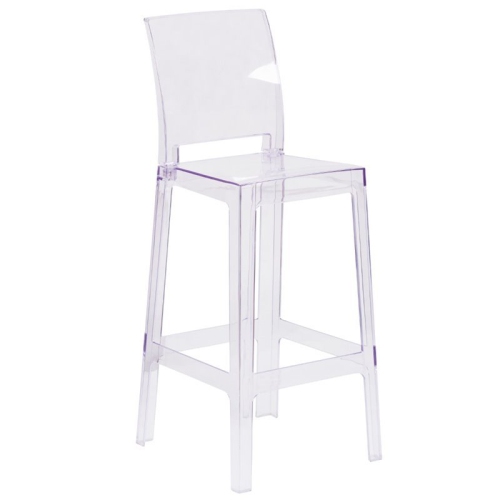
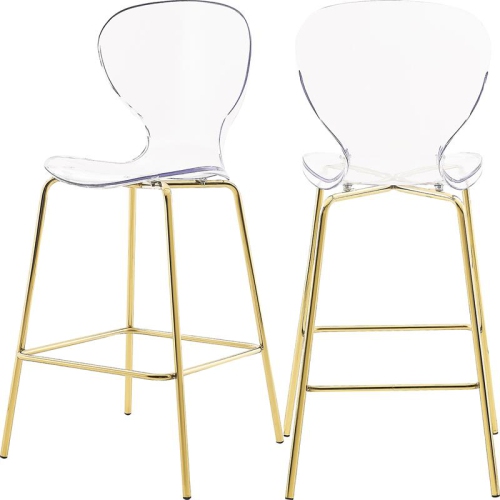
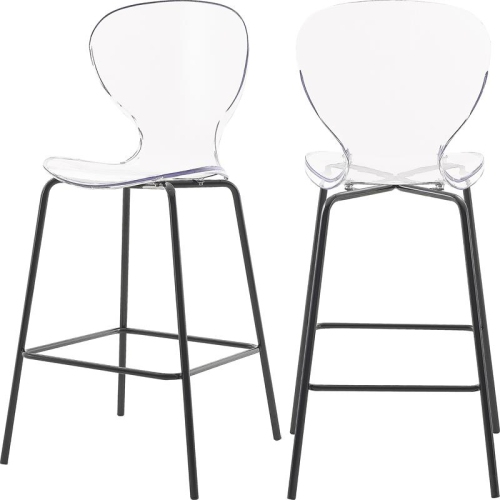
Clear stools are transparent seating designed for spaces such as kitchen islands, breakfast bars, dining counters, and dressing areas. Typically made with acrylic or polycarbonate, they provide a usable seat while allowing surrounding colours, finishes, and sightlines to remain visible. That see-through quality gives them a lighter visual presence than opaque seating, particularly in a compact condo kitchen or an open-plan room where the island sits between cooking and living spaces. They do not take up less physical room simply because they are transparent, but they can make a row of seats feel less imposing. Against a wood countertop, clear seating leaves the grain in view; beside patterned tile, it lets the pattern remain a focal point rather than adding another competing finish. The look works with more than minimalist interiors. A transparent seat can sit comfortably alongside traditional cabinetry, brushed metal hardware, or a colourful upholstered bench because it introduces relatively little additional colour. Some designs are clear throughout, while others combine a transparent seat with metal legs, a pedestal base, or a contrasting footrest. Fully transparent frames tend to create a more continuous appearance, whereas mixed-material designs give the seating a stronger outline. Shape matters just as much as transparency: a rounded seat softens angular cabinetry, while a straight-sided design echoes the lines of a streamlined counter. Backless styles can tuck beneath a suitable overhang, and stools with backs create a more defined place to sit. For a household that uses the island for quick breakfasts, catching up over coffee, and preparing meals, clear stools can connect those everyday activities without visually dividing the room. They can also suit a vanity or small workspace, provided the seat height and support match the surface and the way it will be used. Their main appeal is the balance between practical seating and an unobstructed view of the room, not a promise that one shape or material will suit every setting.
Fit is the most important consideration when comparing clear stools, especially when similar-looking designs come in different heights. Counter-height seating commonly has a seat approximately 24 to 27 inches from the floor, while bar-height seating is often around 28 to 32 inches; the stated measurements should always take priority over the category name. Measure from the floor to the underside of the counter, including any apron or supporting edge, and allow roughly 10 to 12 inches between the seat and that underside as a starting point for comfortable legroom. A thick countertop or shallow overhang can change how comfortably someone sits, even when the overall counter height seems suitable. Seat width, base depth, and the space between stools deserve equal attention. A broad pedestal or outward-angled legs may extend beyond the seat, so the footprint is the measurement that matters when checking walking routes. Leave enough room to pull a stool out, step around it, and sit without bumping elbows with the next person. In a busy kitchen, that also means checking clearance near an open dishwasher, refrigerator door, or drawer. A swivel seat can make getting in and out easier, but the seat and back need room to turn without striking cabinetry. Adjustable-height stools offer flexibility when different people share a space, although the adjustment range, operating instructions, and rated weight capacity still need to suit the household. Comfort depends on more than height. A gently contoured seat may feel more supportive than a flat one, and a well-positioned footrest helps keep feet from dangling during a longer conversation or meal. Back support is useful for extended sitting, while a backless profile is often easier to move beneath a counter. Armrests add another fit consideration because they may prevent the stool from sliding under the edge. For children or anyone who finds high seating difficult to access, transparent styling should never take precedence over secure footing, stability, and an appropriate seat height. A stool intended for sitting is not a substitute for a step stool, even if its shape looks convenient for reaching an upper cupboard.
Materials, construction, and care determine how clear stools hold up to daily use. Acrylic is valued for its clarity and polished appearance, while polycarbonate generally offers greater impact resistance; neither material should be treated as scratchproof or unbreakable. Thickness, moulding quality, frame design, and connections all contribute to durability, so the material name alone does not tell the whole story. On mixed-material stools, check the construction of the legs and footrest as carefully as the seat, since those areas receive repeated pressure as people sit down and reposition their feet. Assembly requirements also matter: fasteners should be fitted and checked according to the manufacturer's instructions, without overtightening parts against plastic. Clear surfaces can show fingerprints, fine scratches, and dust in direct light, making a gentle cleaning routine more useful than occasional vigorous scrubbing. A soft microfibre cloth with mild soap and water is often appropriate, followed by careful drying, but the care instructions for the particular material and finish should come first. Avoid abrasive pads and cleaners containing solvents or ammonia unless the manufacturer specifically approves them, as these can damage or cloud some plastics. Wipe away grit before rubbing the surface, and lift stools rather than dragging them across the floor. Suitable floor protectors can help reduce marking on wood or tile, provided they fit securely and do not affect stability. Stack stools only when they are designed for stacking, and follow any limits or protective-spacing recommendations to prevent scuffs. For patio use, a clear appearance is not evidence of outdoor suitability; the stool should be explicitly rated for that purpose. In shared living spaces, transparency also deserves a little practical thought, since a nearly invisible base can be easier to overlook along a busy walkway. Where a more visible outline or a warmer visual contrast would suit the room, brown stools offer another direction to consider. Whether the goal is discreet seating beneath a kitchen counter or a light-looking accent beside a vanity, the best match brings together suitable dimensions, comfortable support, straightforward care, and construction appropriate for everyday use.
Fit is the most important consideration when comparing clear stools, especially when similar-looking designs come in different heights. Counter-height seating commonly has a seat approximately 24 to 27 inches from the floor, while bar-height seating is often around 28 to 32 inches; the stated measurements should always take priority over the category name. Measure from the floor to the underside of the counter, including any apron or supporting edge, and allow roughly 10 to 12 inches between the seat and that underside as a starting point for comfortable legroom. A thick countertop or shallow overhang can change how comfortably someone sits, even when the overall counter height seems suitable. Seat width, base depth, and the space between stools deserve equal attention. A broad pedestal or outward-angled legs may extend beyond the seat, so the footprint is the measurement that matters when checking walking routes. Leave enough room to pull a stool out, step around it, and sit without bumping elbows with the next person. In a busy kitchen, that also means checking clearance near an open dishwasher, refrigerator door, or drawer. A swivel seat can make getting in and out easier, but the seat and back need room to turn without striking cabinetry. Adjustable-height stools offer flexibility when different people share a space, although the adjustment range, operating instructions, and rated weight capacity still need to suit the household. Comfort depends on more than height. A gently contoured seat may feel more supportive than a flat one, and a well-positioned footrest helps keep feet from dangling during a longer conversation or meal. Back support is useful for extended sitting, while a backless profile is often easier to move beneath a counter. Armrests add another fit consideration because they may prevent the stool from sliding under the edge. For children or anyone who finds high seating difficult to access, transparent styling should never take precedence over secure footing, stability, and an appropriate seat height. A stool intended for sitting is not a substitute for a step stool, even if its shape looks convenient for reaching an upper cupboard.
Materials, construction, and care determine how clear stools hold up to daily use. Acrylic is valued for its clarity and polished appearance, while polycarbonate generally offers greater impact resistance; neither material should be treated as scratchproof or unbreakable. Thickness, moulding quality, frame design, and connections all contribute to durability, so the material name alone does not tell the whole story. On mixed-material stools, check the construction of the legs and footrest as carefully as the seat, since those areas receive repeated pressure as people sit down and reposition their feet. Assembly requirements also matter: fasteners should be fitted and checked according to the manufacturer's instructions, without overtightening parts against plastic. Clear surfaces can show fingerprints, fine scratches, and dust in direct light, making a gentle cleaning routine more useful than occasional vigorous scrubbing. A soft microfibre cloth with mild soap and water is often appropriate, followed by careful drying, but the care instructions for the particular material and finish should come first. Avoid abrasive pads and cleaners containing solvents or ammonia unless the manufacturer specifically approves them, as these can damage or cloud some plastics. Wipe away grit before rubbing the surface, and lift stools rather than dragging them across the floor. Suitable floor protectors can help reduce marking on wood or tile, provided they fit securely and do not affect stability. Stack stools only when they are designed for stacking, and follow any limits or protective-spacing recommendations to prevent scuffs. For patio use, a clear appearance is not evidence of outdoor suitability; the stool should be explicitly rated for that purpose. In shared living spaces, transparency also deserves a little practical thought, since a nearly invisible base can be easier to overlook along a busy walkway. Where a more visible outline or a warmer visual contrast would suit the room, brown stools offer another direction to consider. Whether the goal is discreet seating beneath a kitchen counter or a light-looking accent beside a vanity, the best match brings together suitable dimensions, comfortable support, straightforward care, and construction appropriate for everyday use.
Top selling and popular products
-
 Your price for this item is $416.61
 -
 Your price for this item is $666.4
 -
 Your price for this item is $538.99
 -
 Your price for this item is $207.99
 -
 Your price for this item is $88.99
 -
 Your price for this item is $214.99
 -
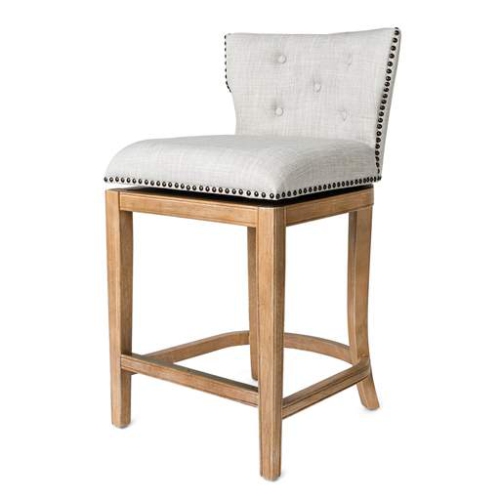 Your price for this item is $529.99
 -
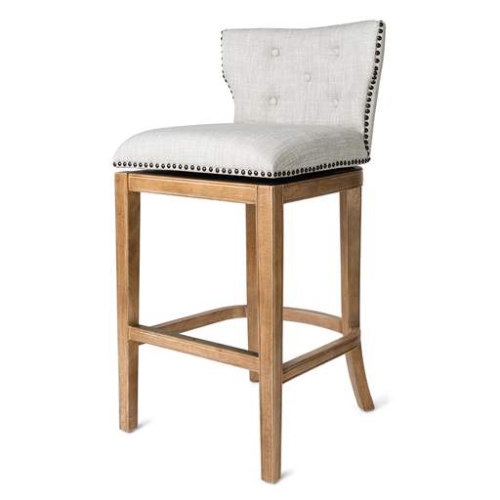 Your price for this item is $406.99
Discover more categories related to Clear Stools
Top Collections:
Pokemon Centers, Kindle Devices, Best Budget Office Chairs, Apple iPhones 16, Best Laptops for Writers, iPhone 15 Apple, Canon G7X Cameras, Refurbished Apple Laptops, Alarm Clock, Motorola Razr Phones
Some products may be subject to Environmental Handling Fees
(EHF) depending on your province.
Learn more about EHFs.