Clever Furniture for Small Spaces
If you live in a small space, you know how challenging it can be to find furniture that's both functional and stylish. If you're looking for ways to make the most of your living space, consider these pieces. They'll help you get more out of your furniture without taking up too much room. Here are some clever options on the market.
Sort
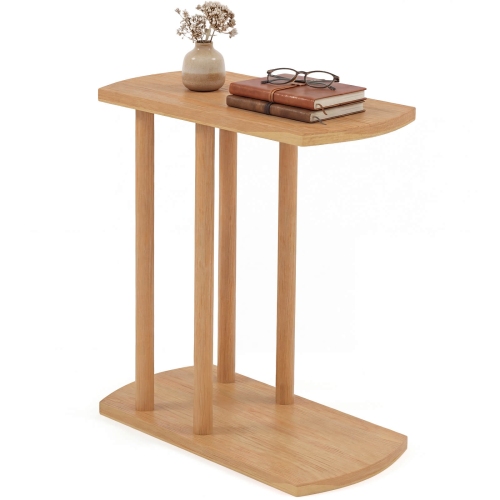
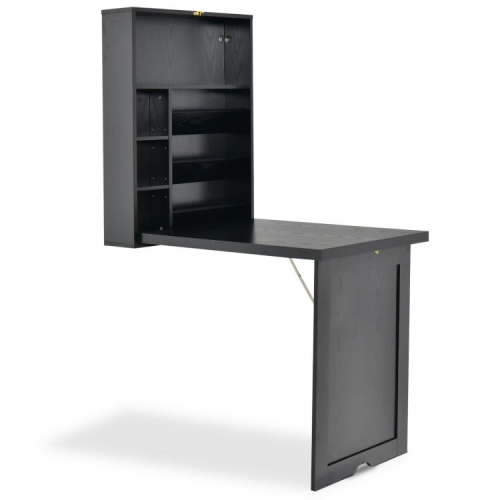
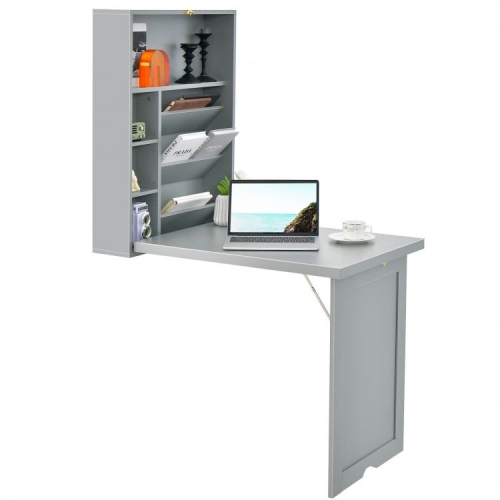
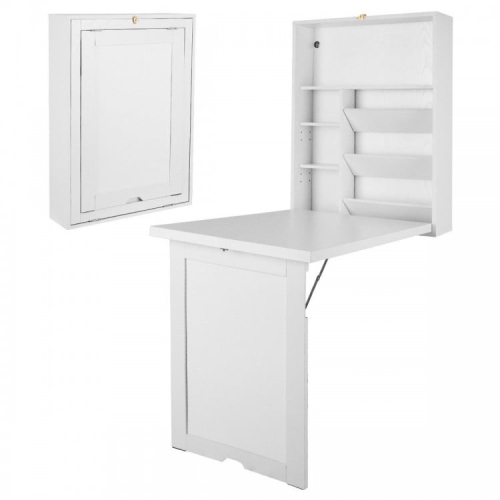
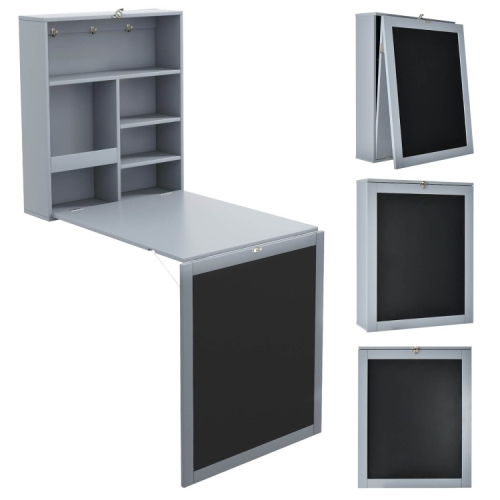
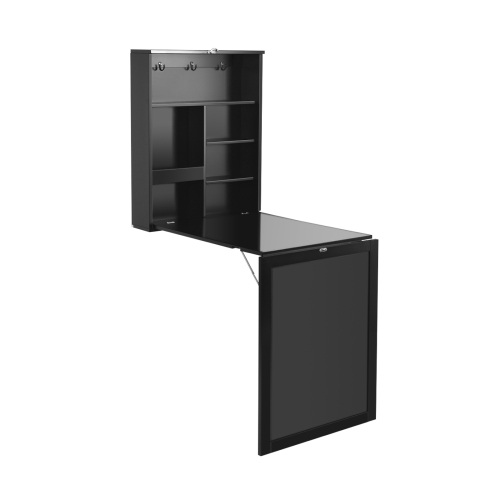

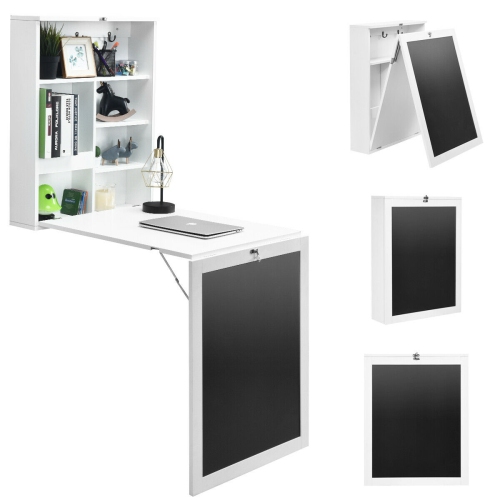


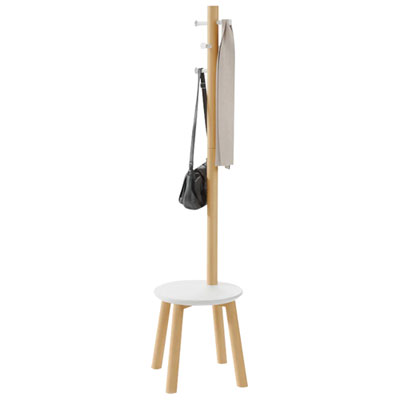
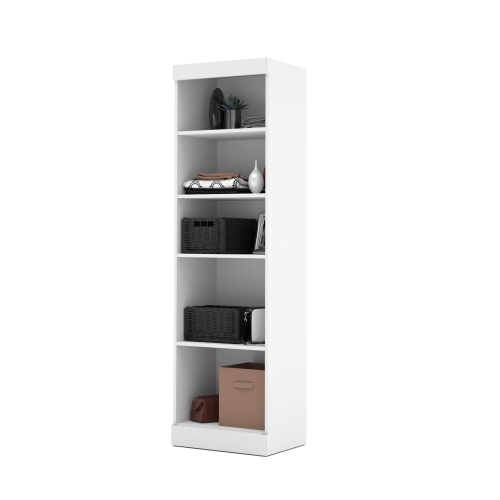
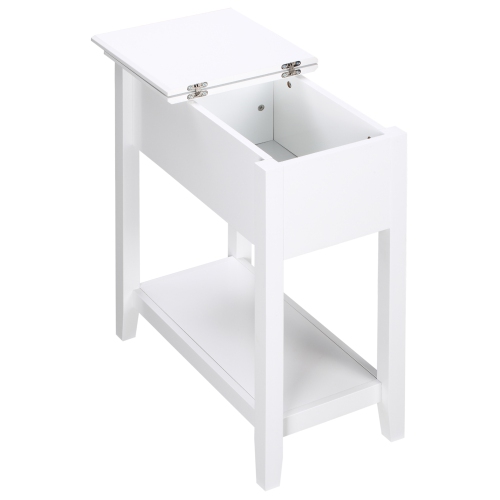
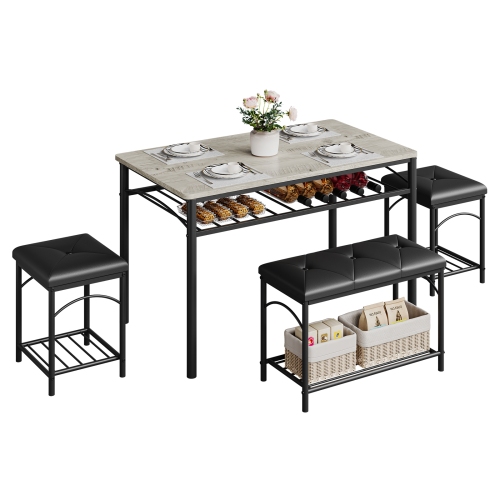






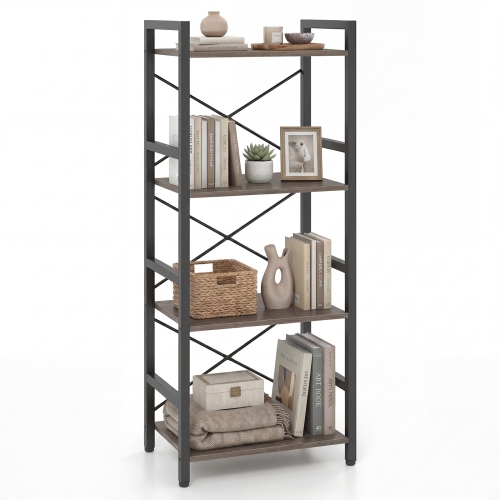
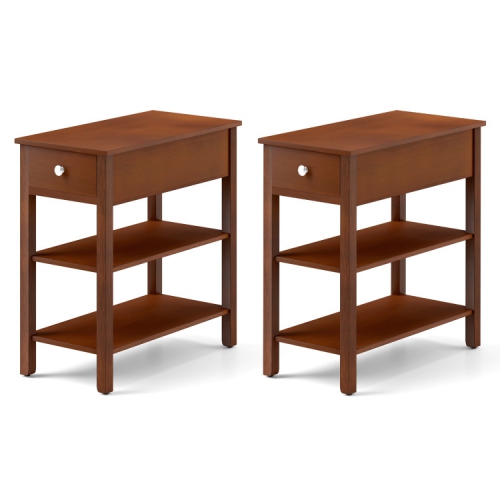
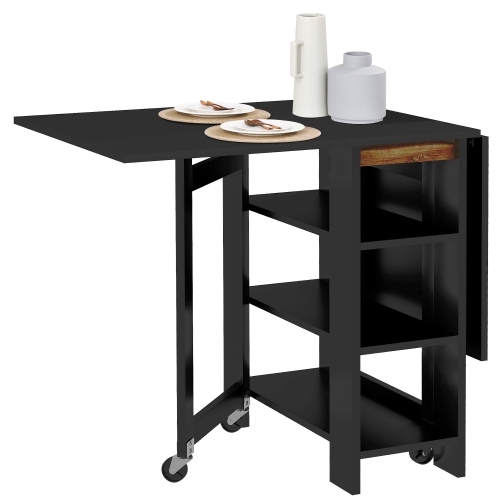
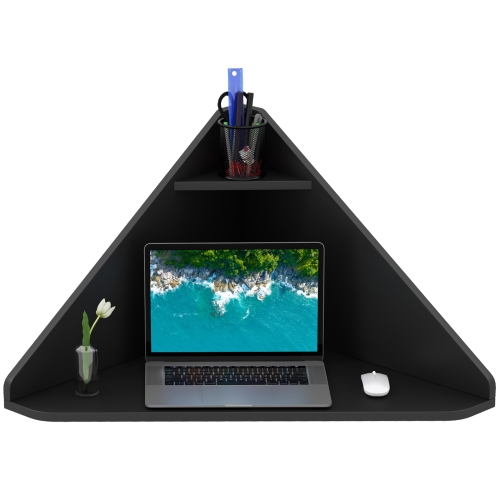
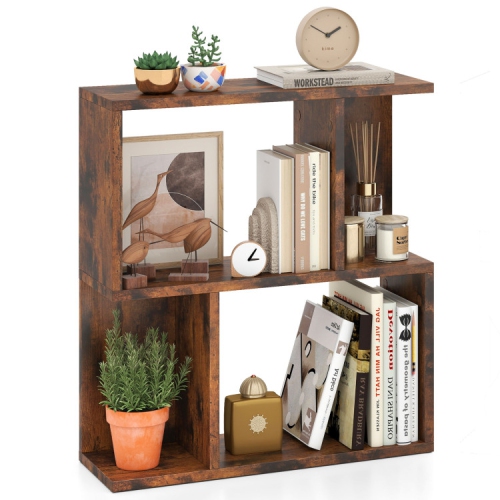
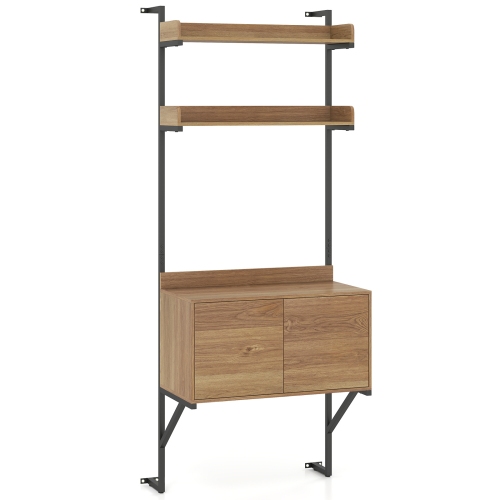
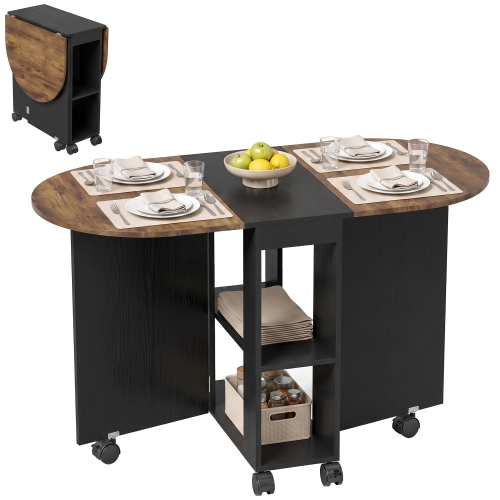
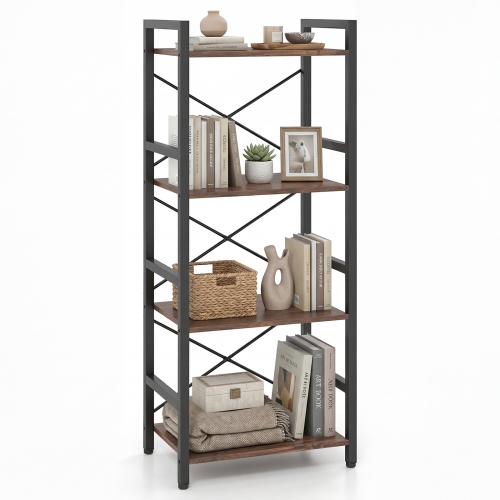
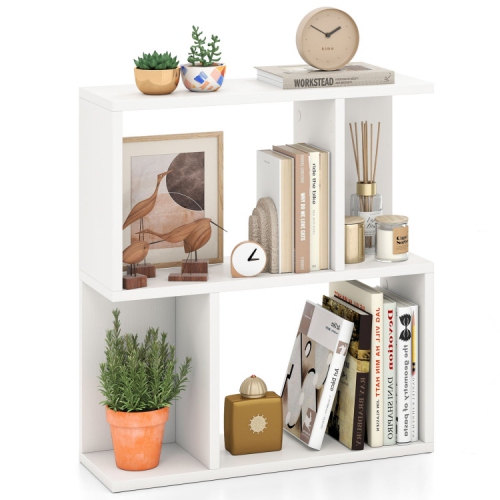
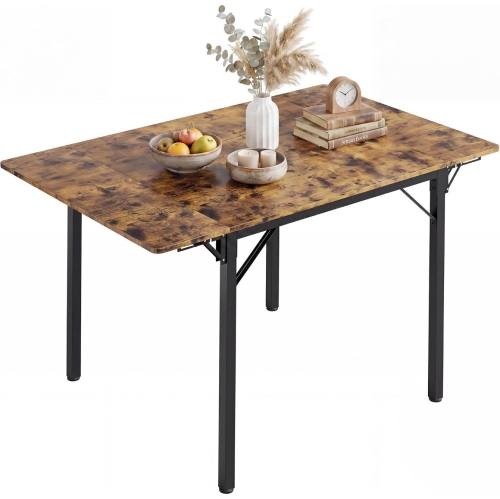
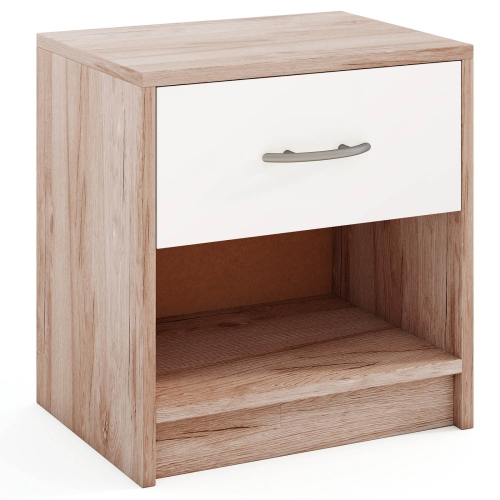

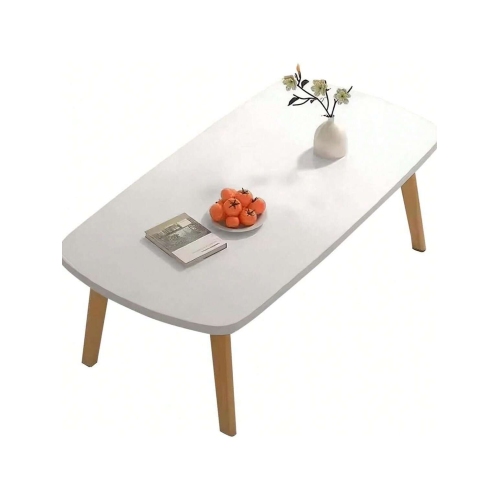
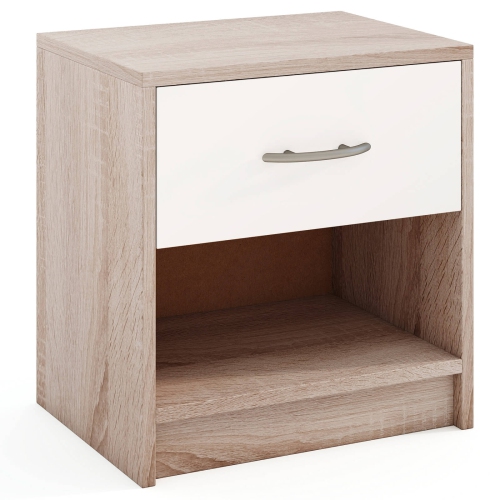

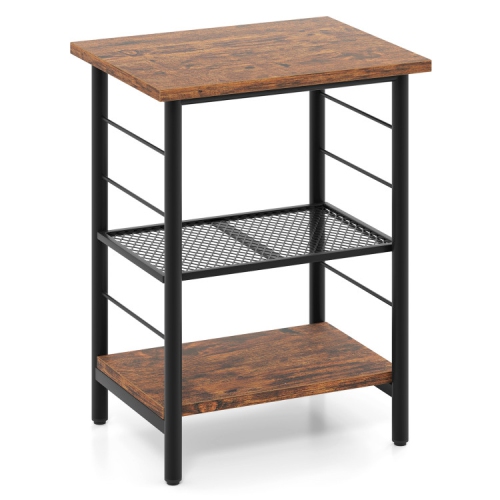
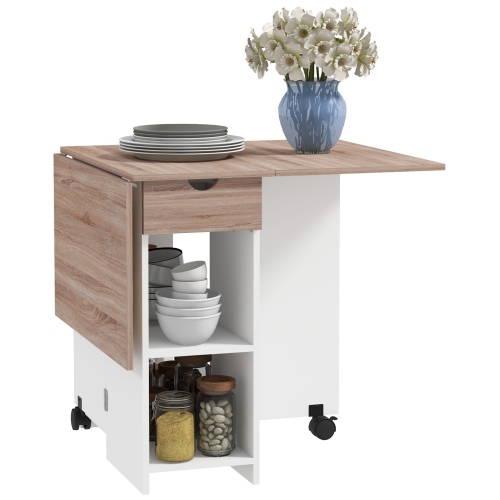
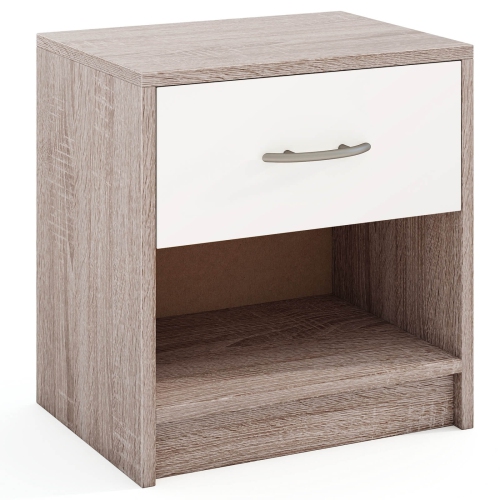
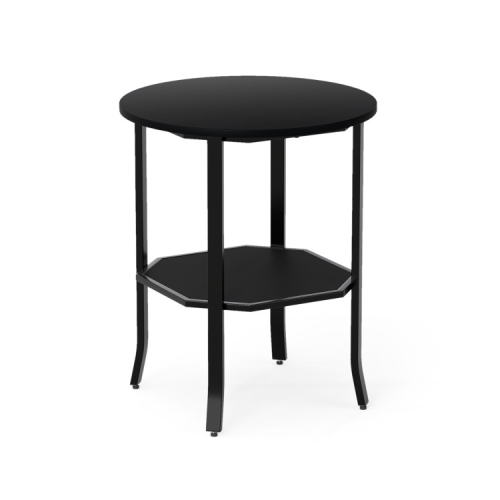
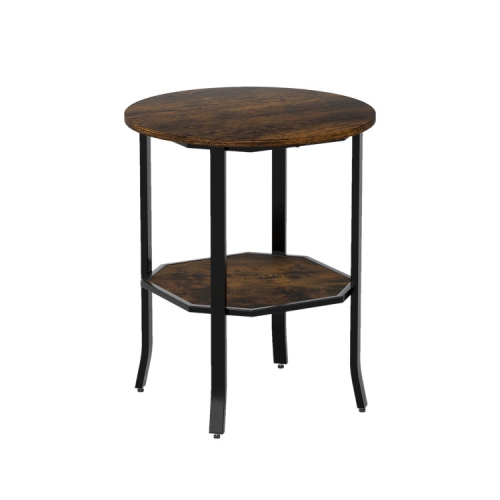


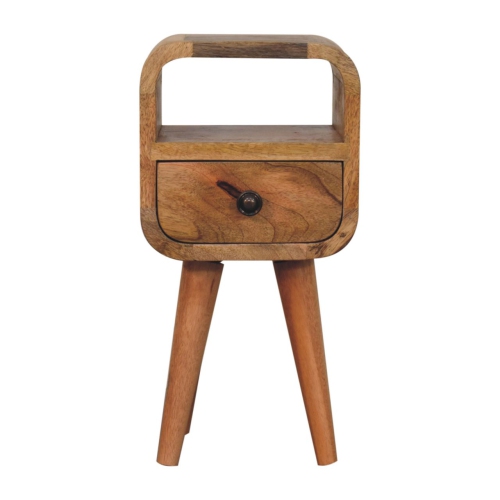

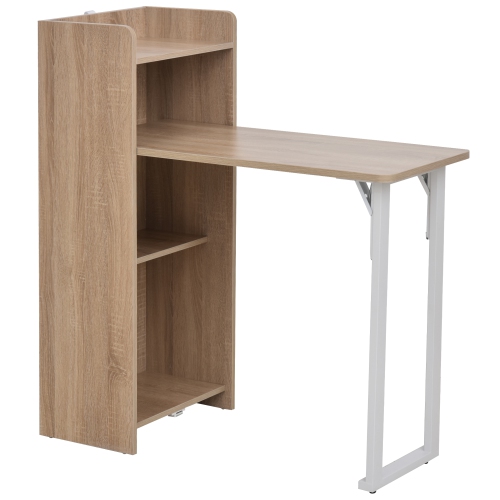
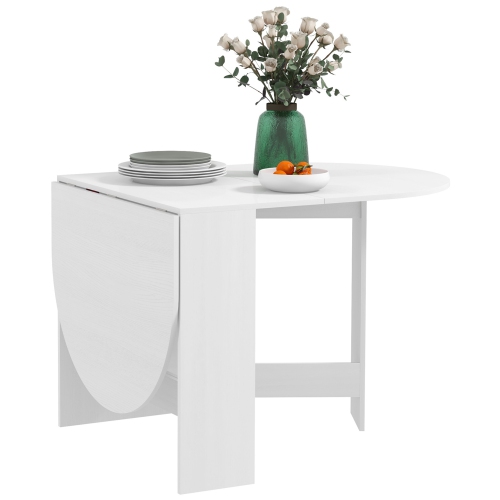
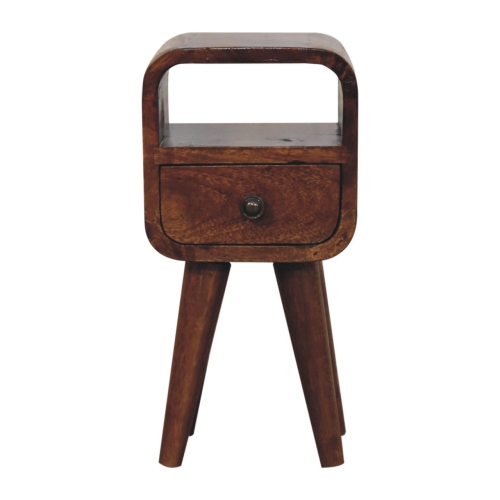

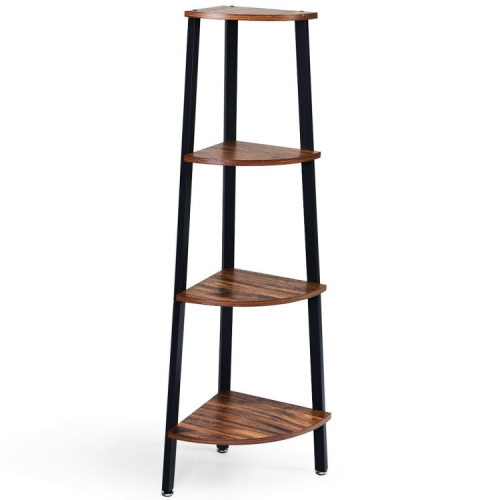
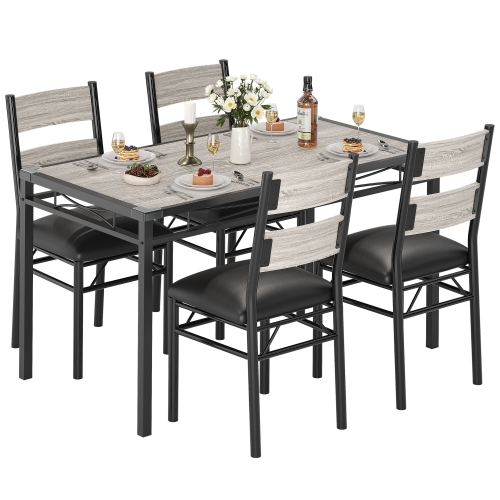

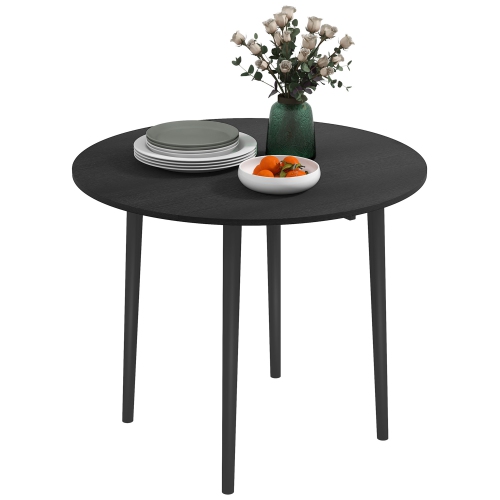
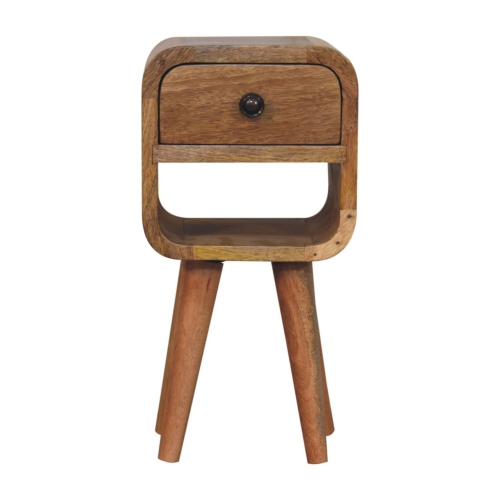
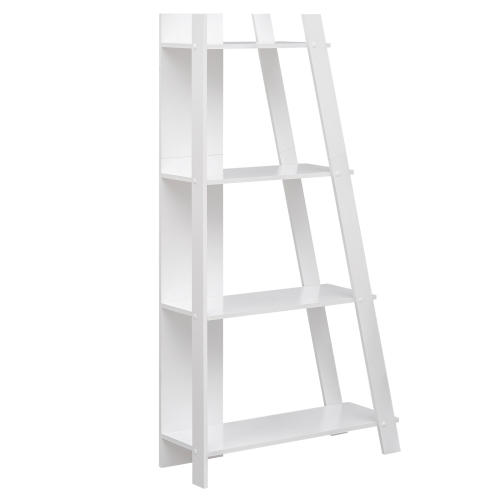
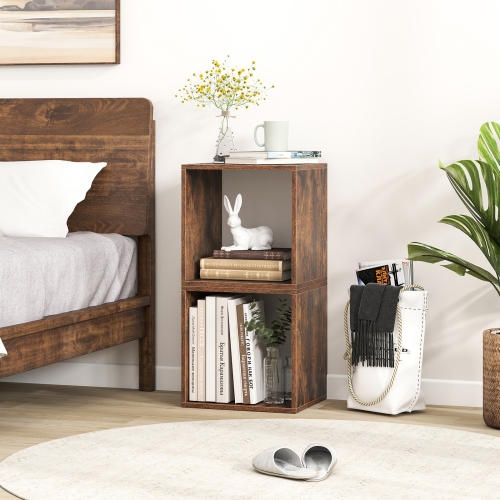
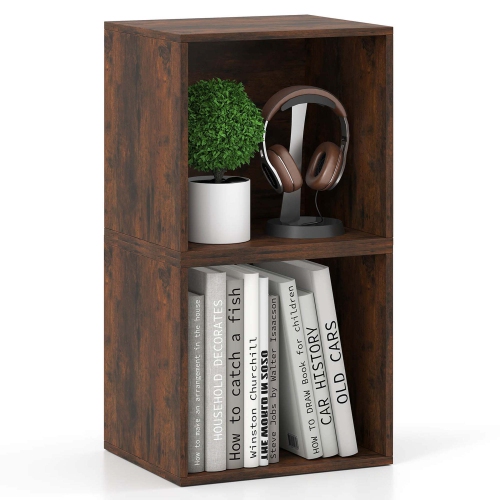
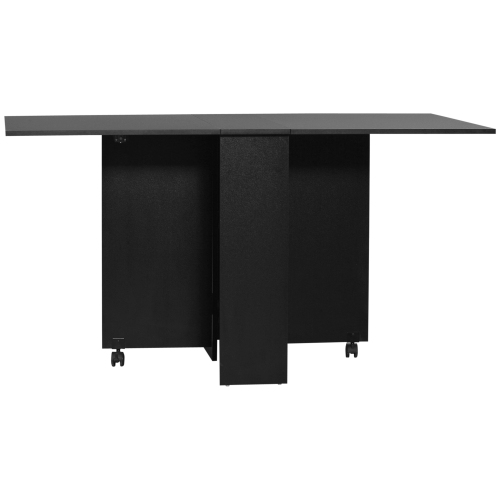
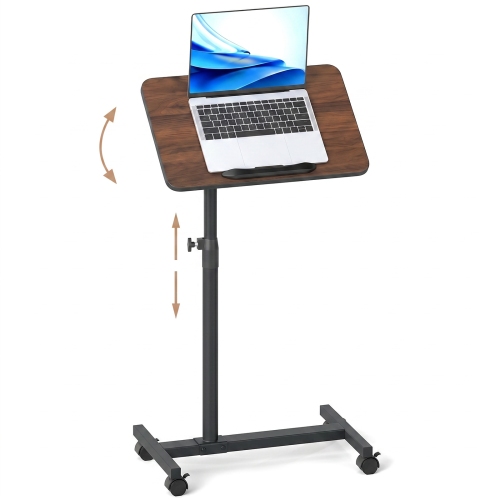
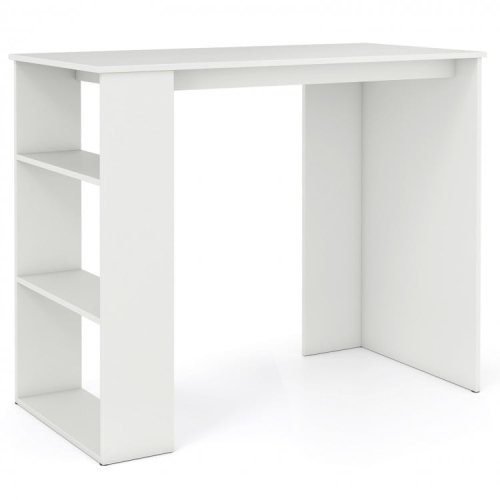
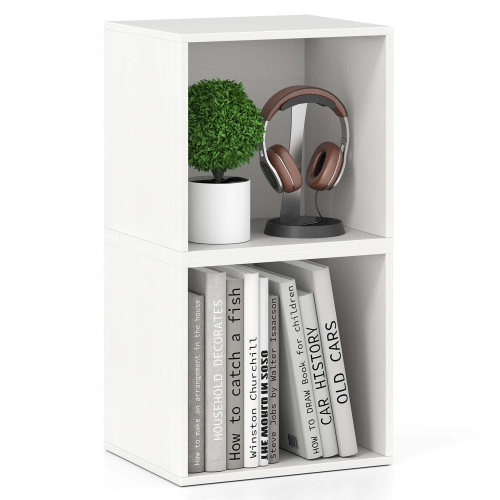
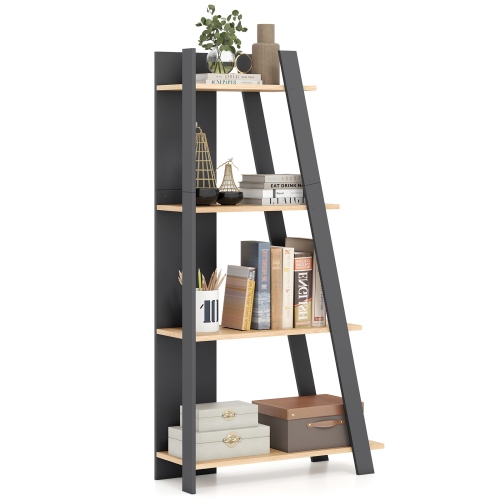


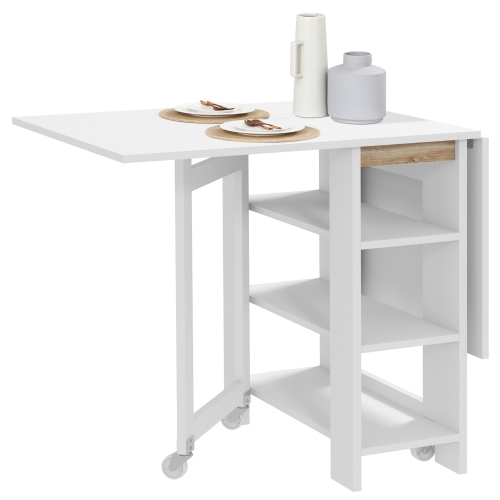
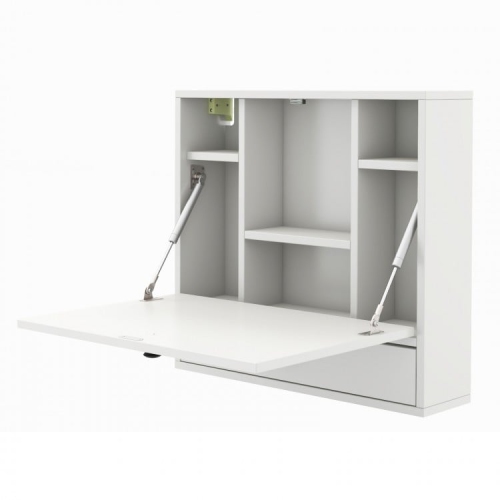

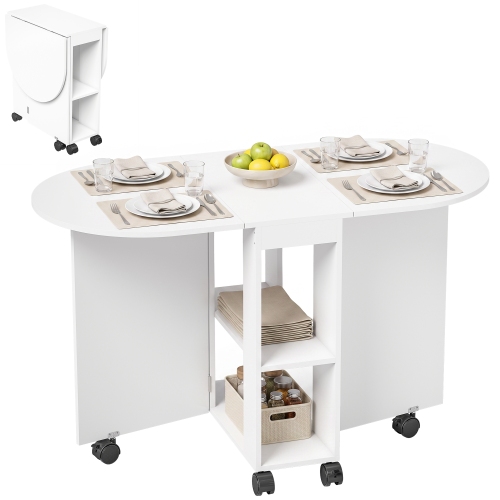
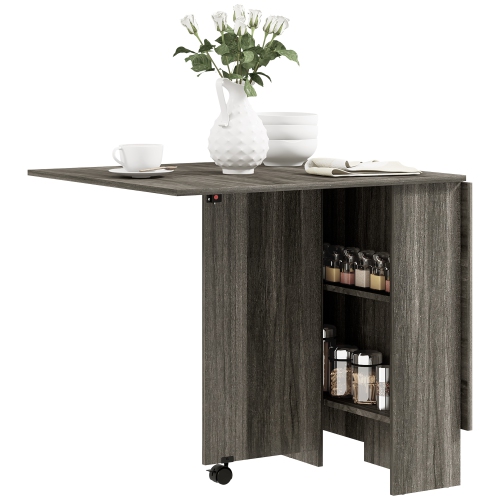
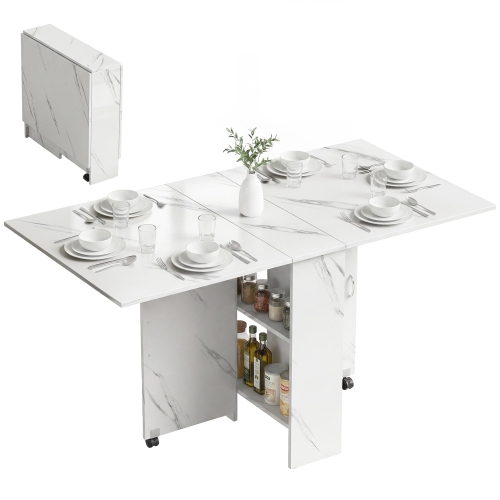
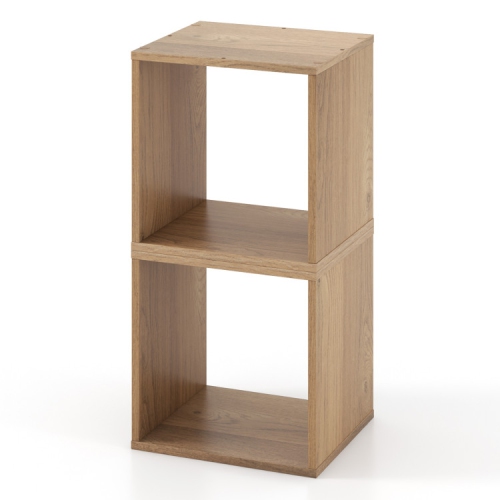
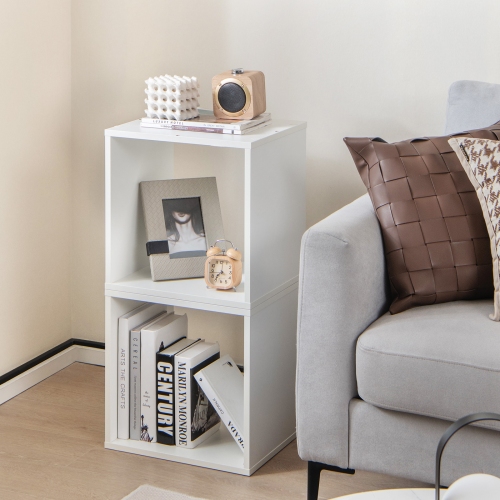

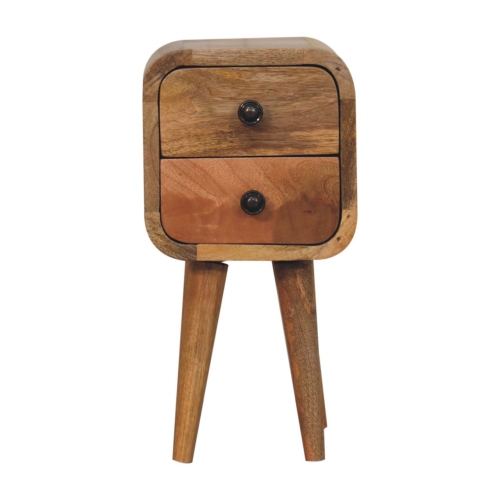

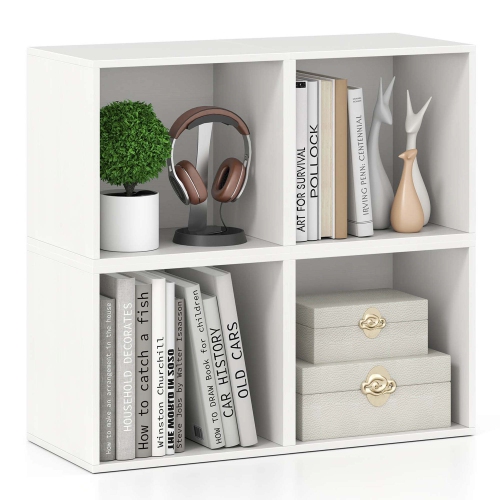
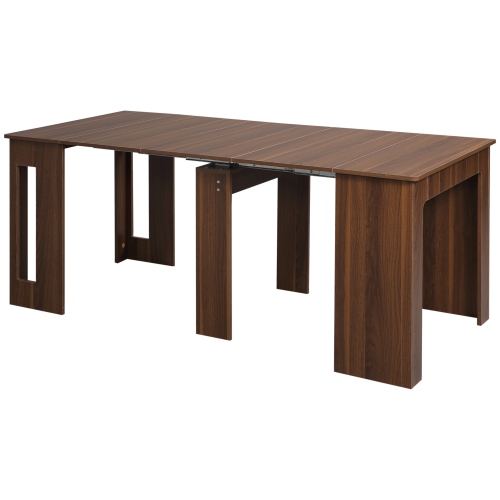



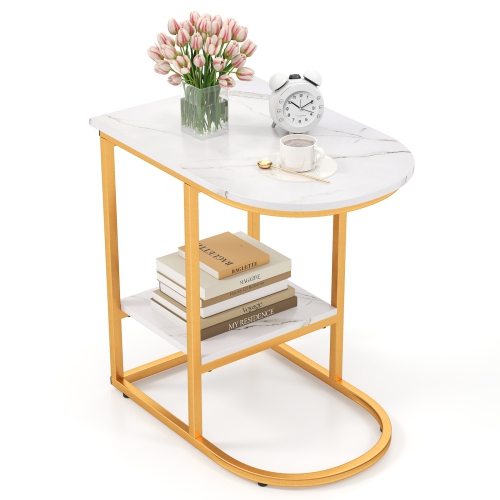

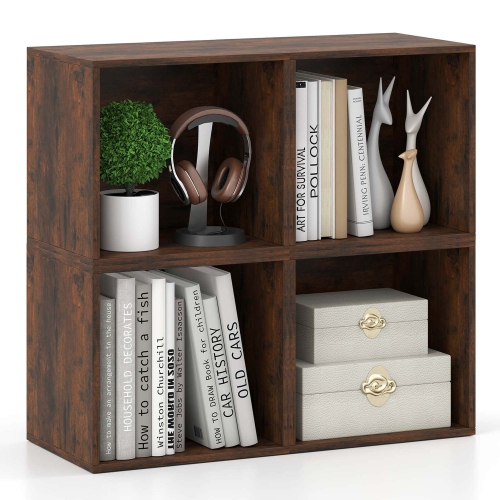
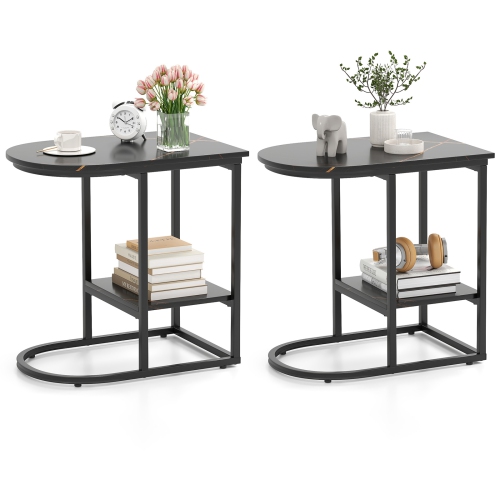
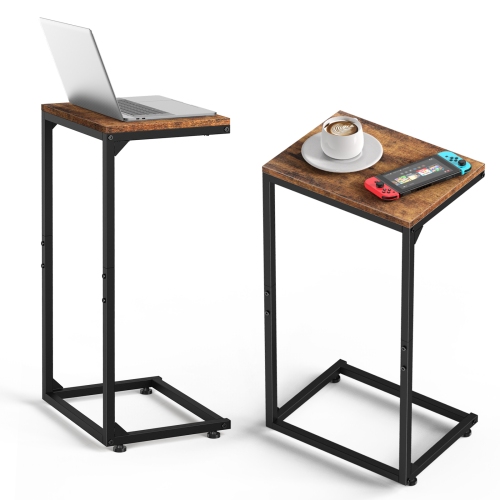
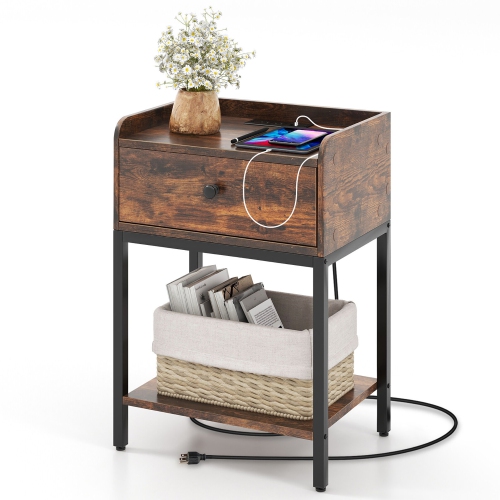
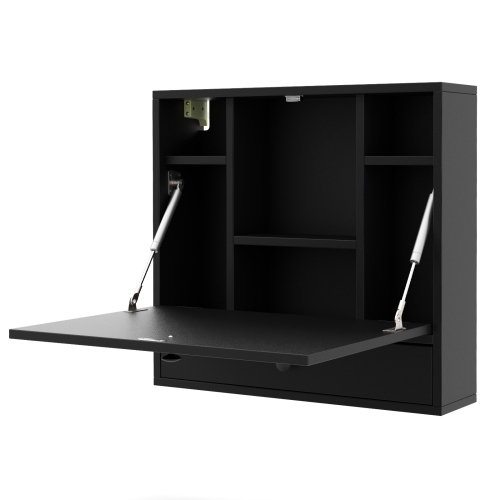
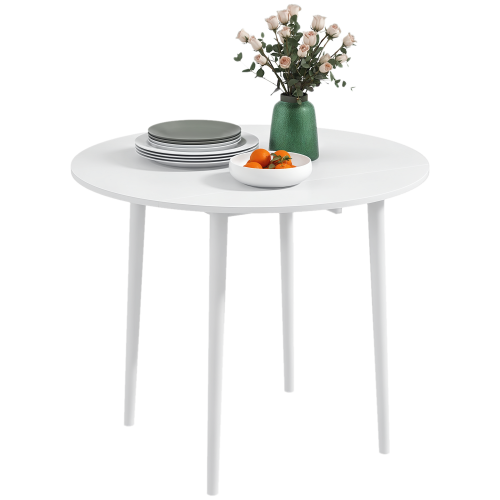
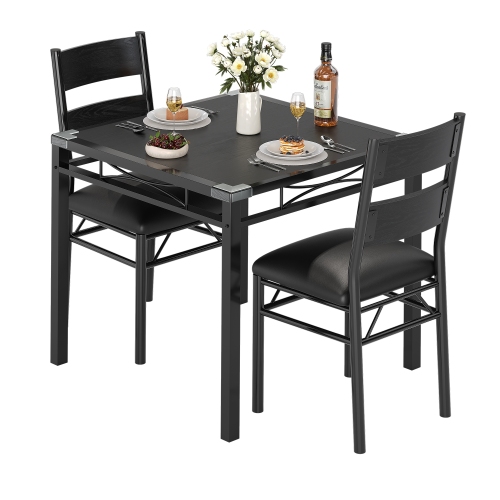

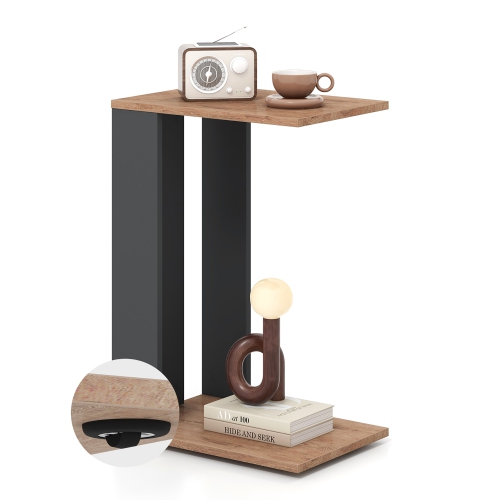


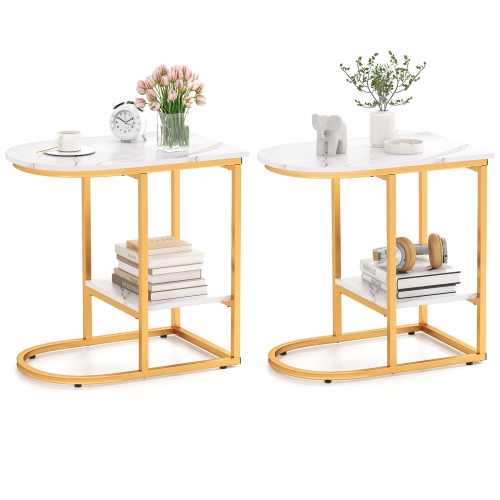

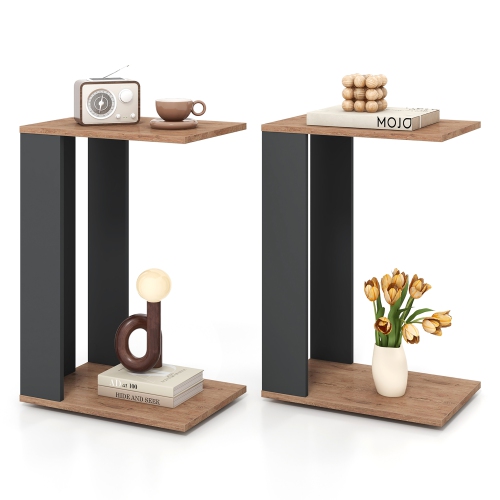
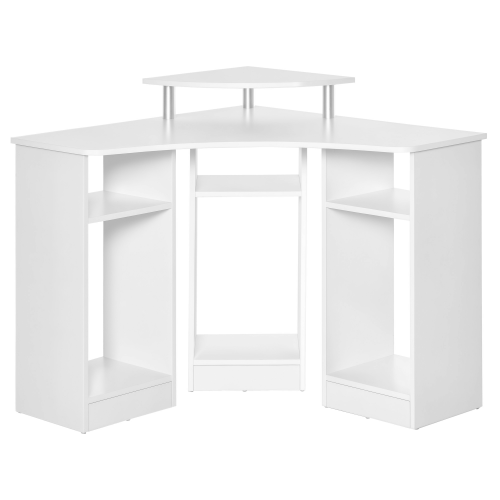
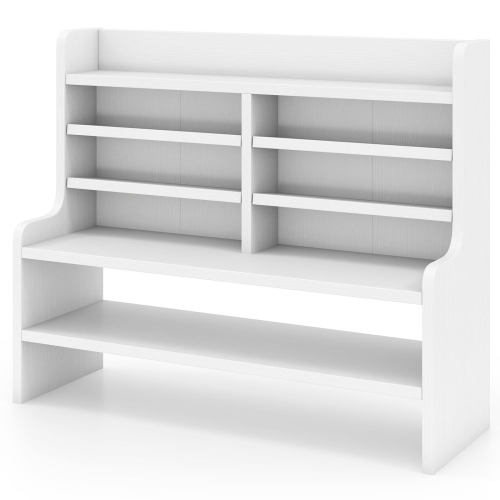

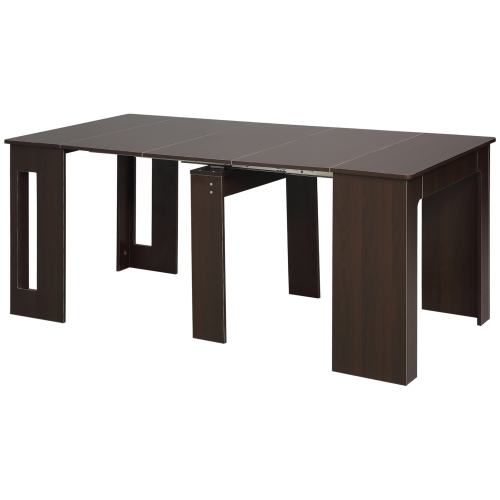

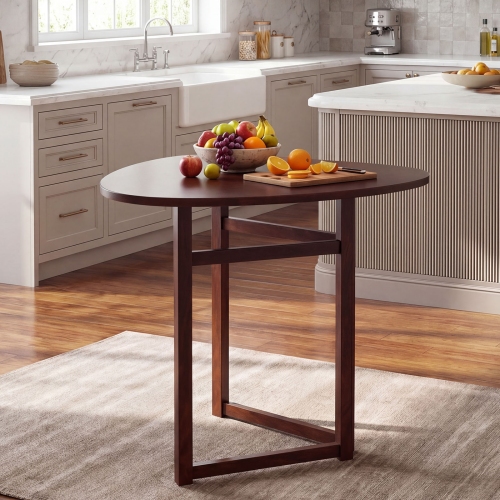

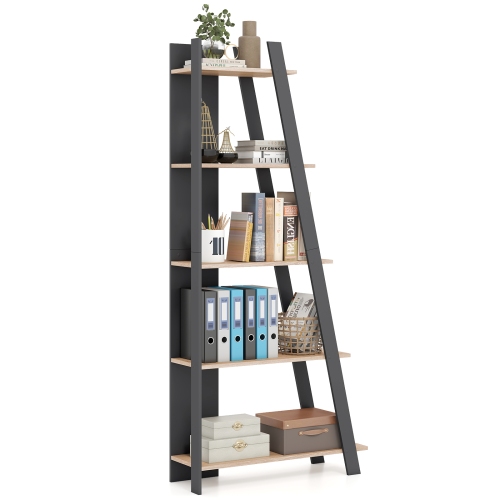
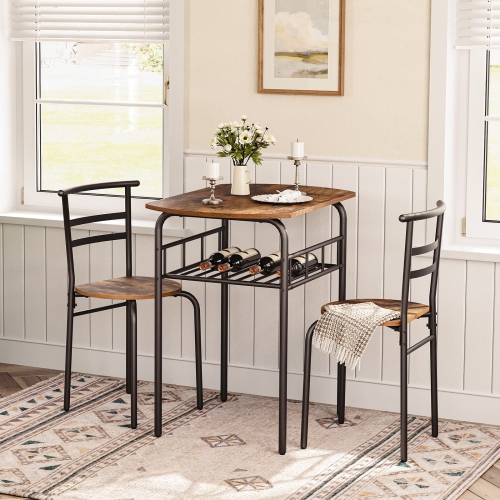
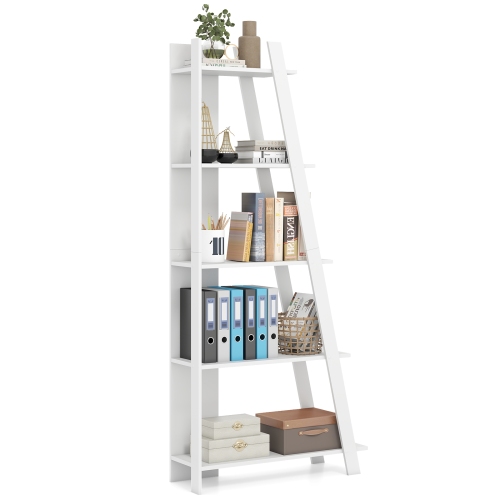

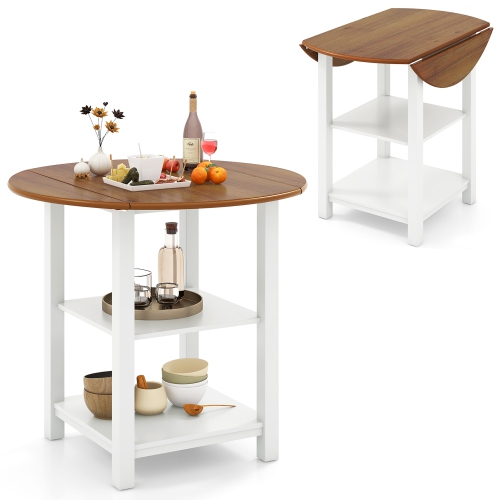
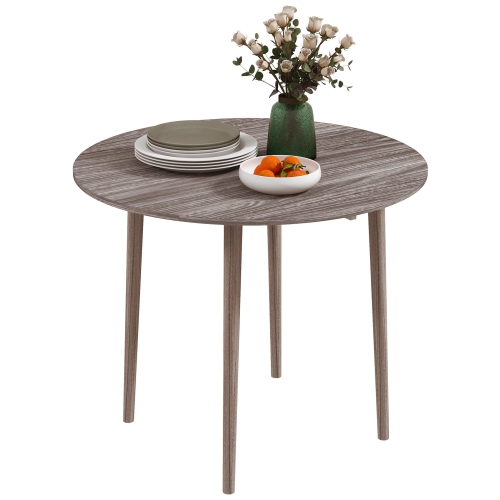
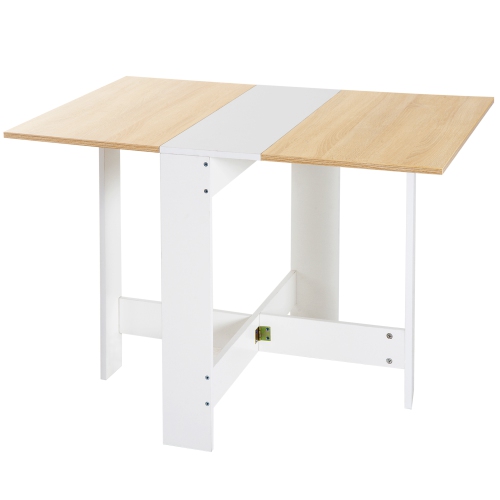
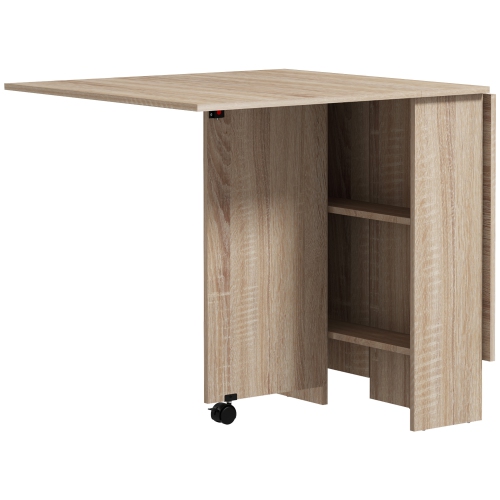

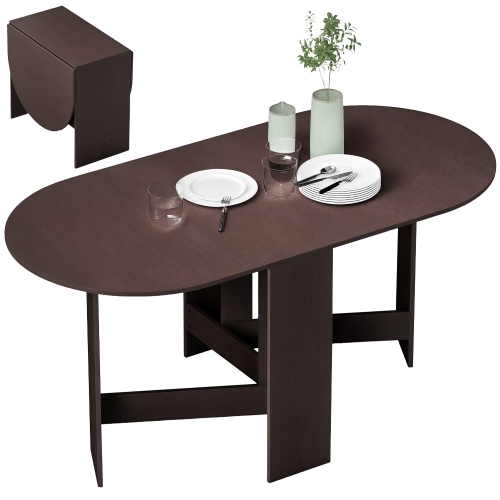
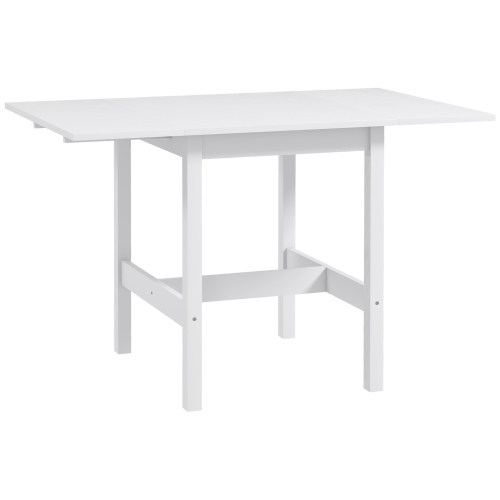




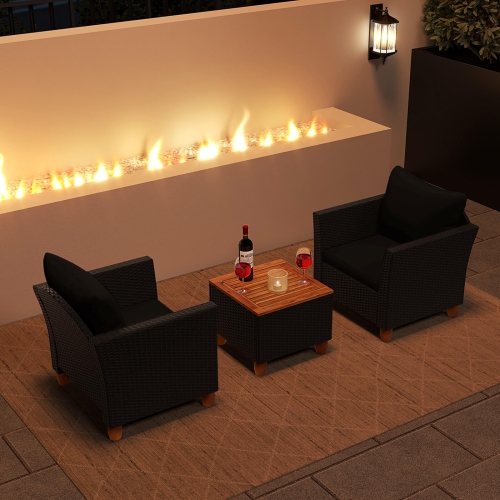
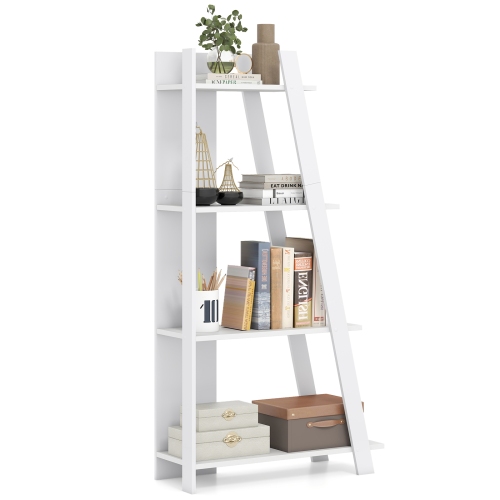
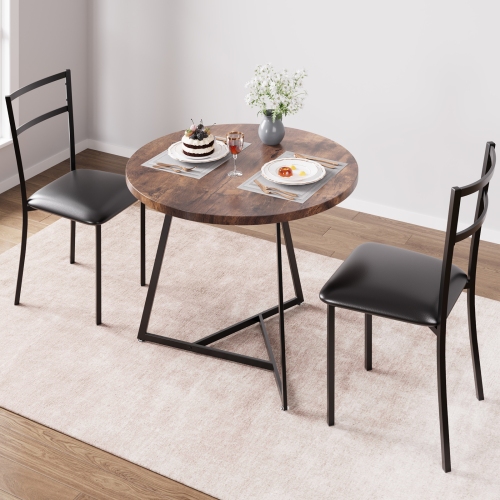


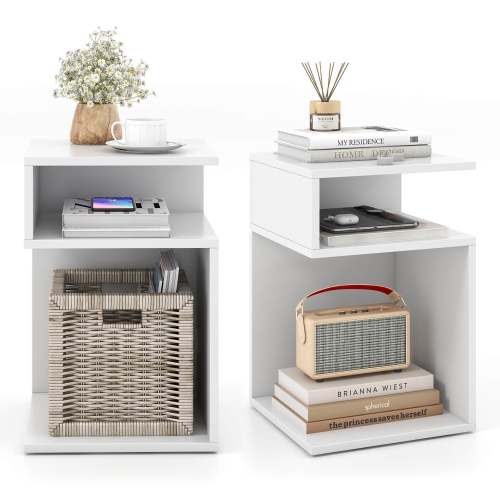
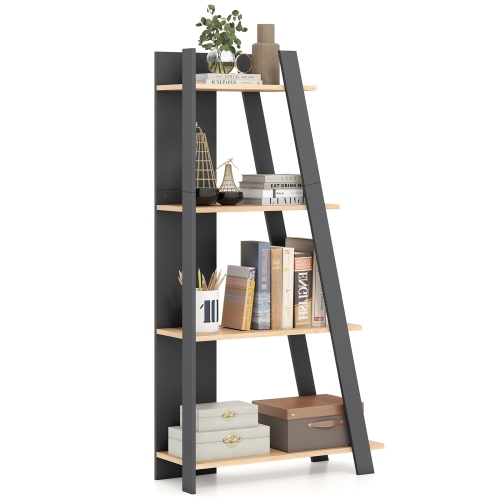
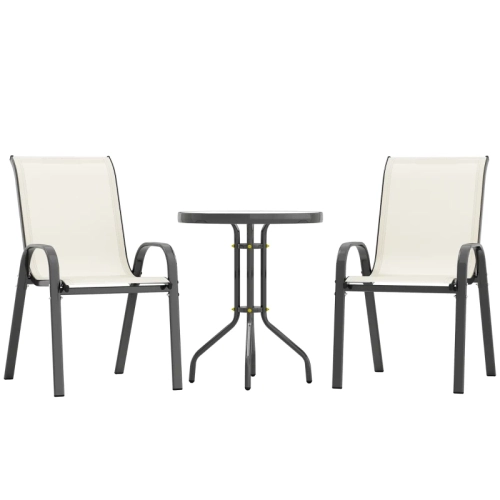
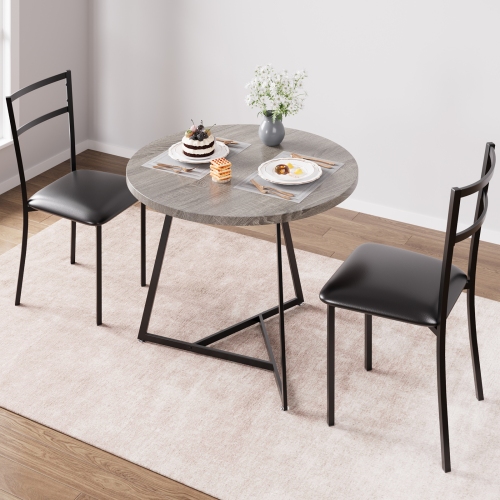

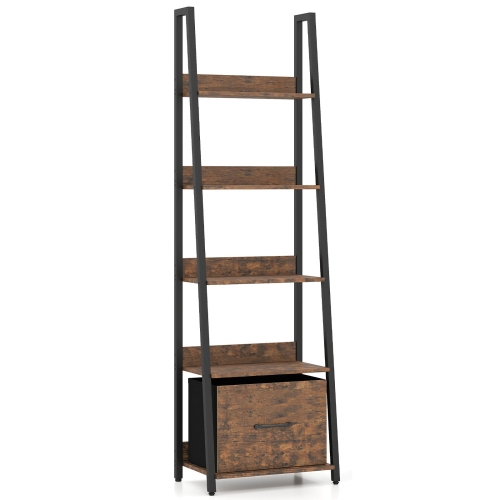

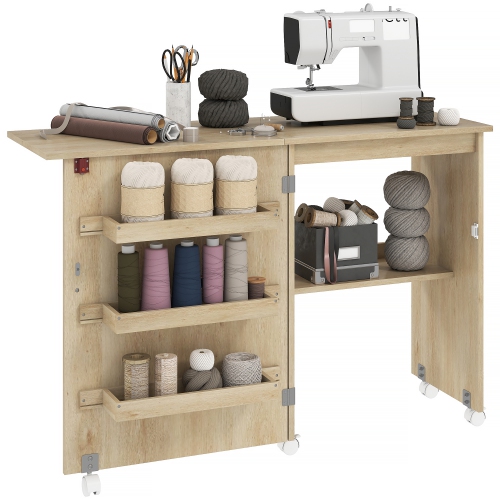
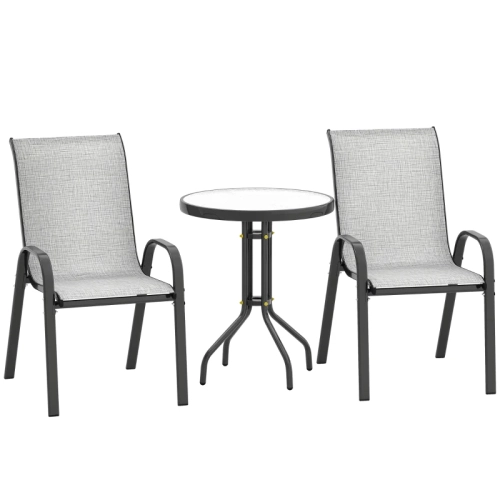
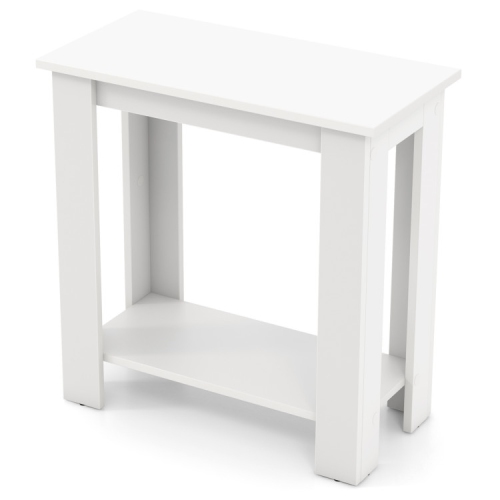

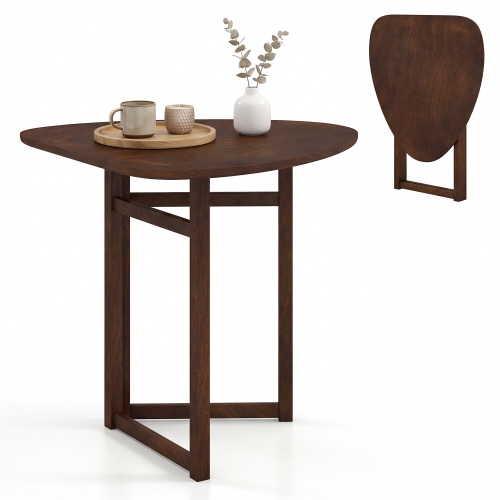
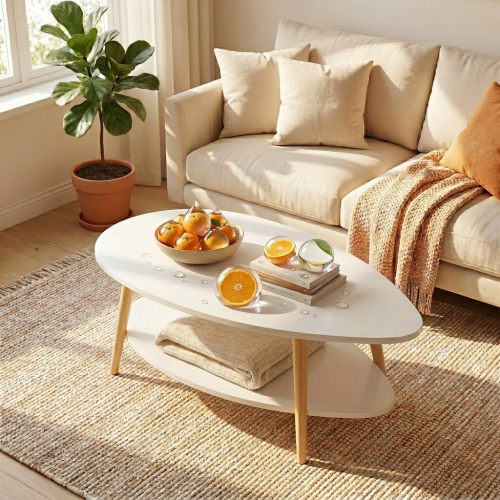
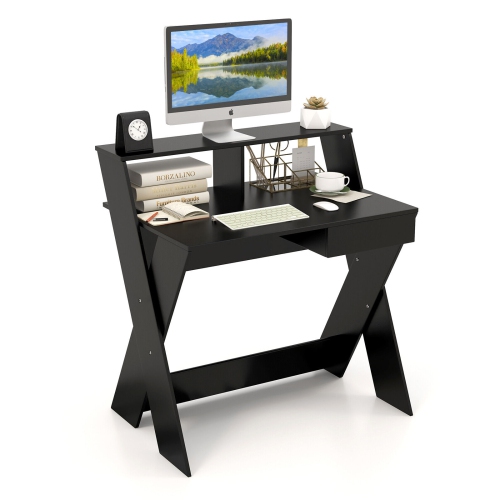
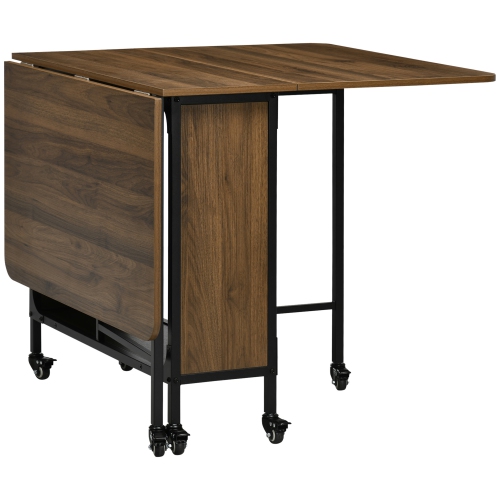
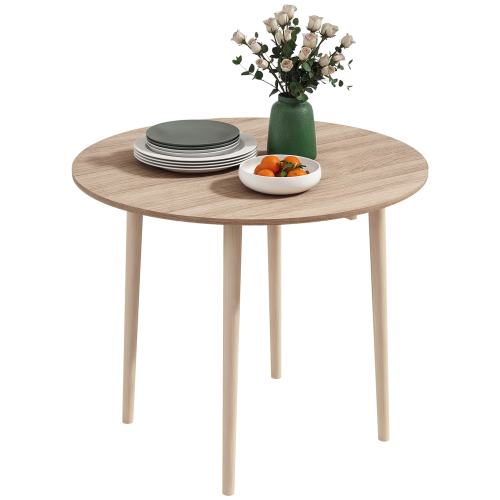

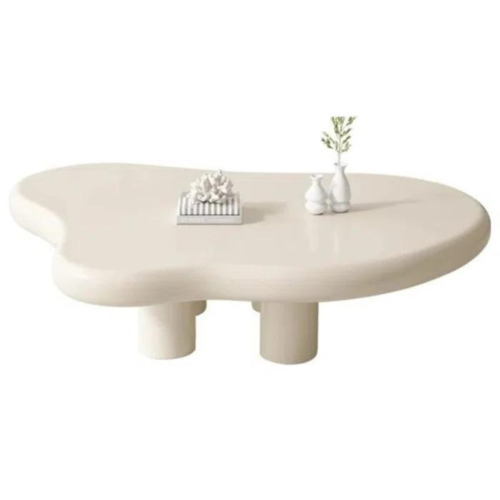


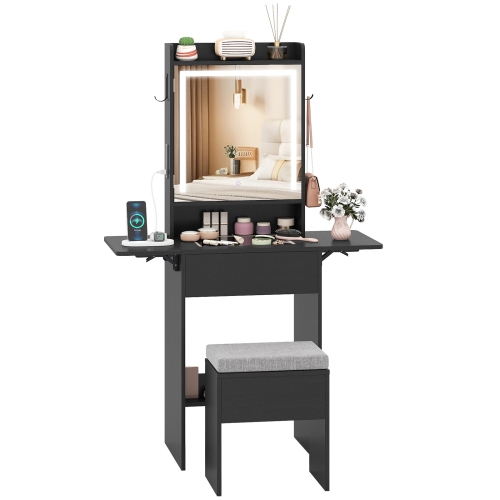
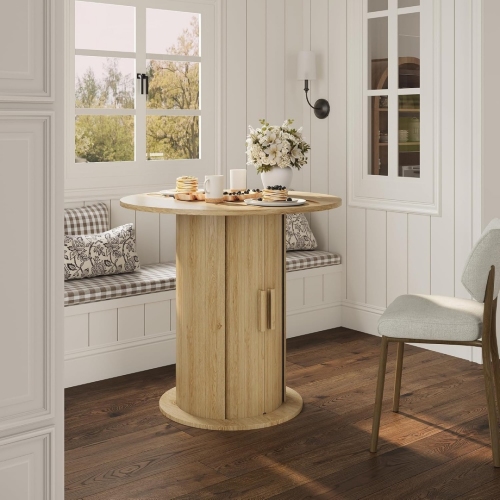

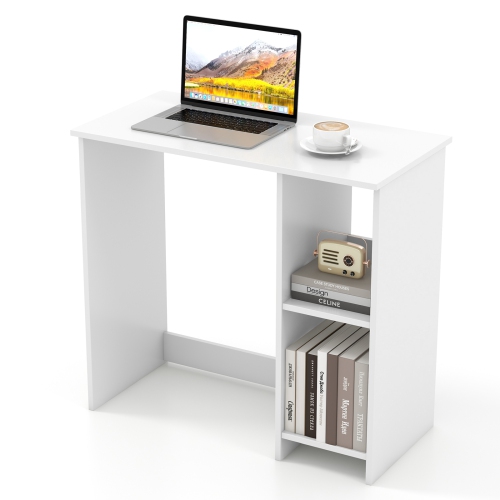
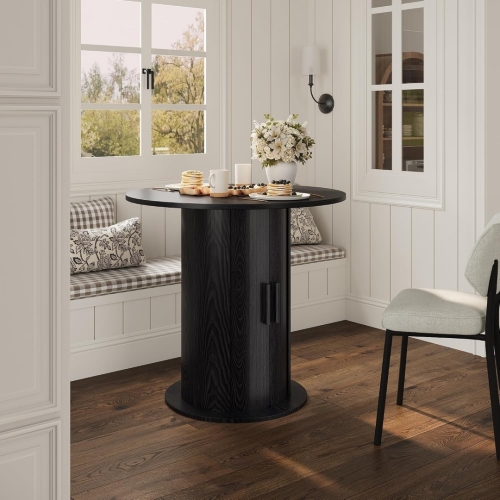
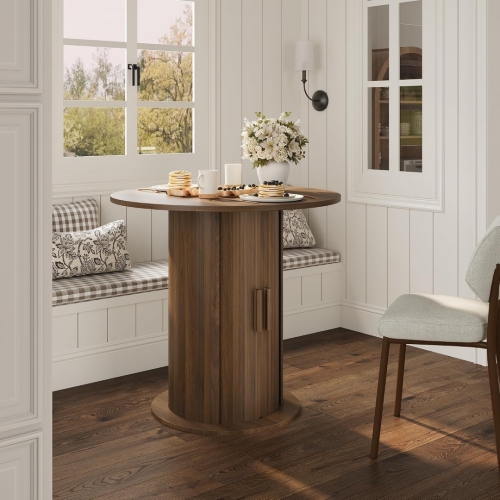


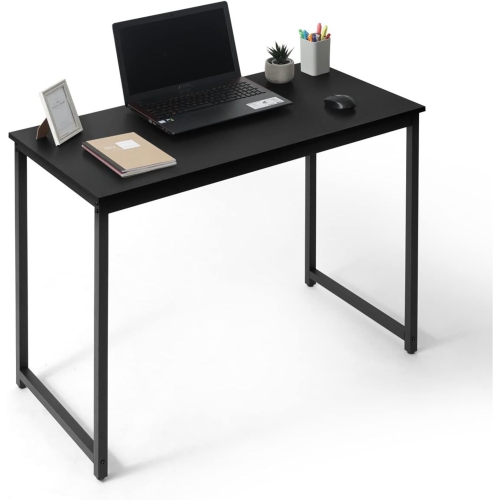


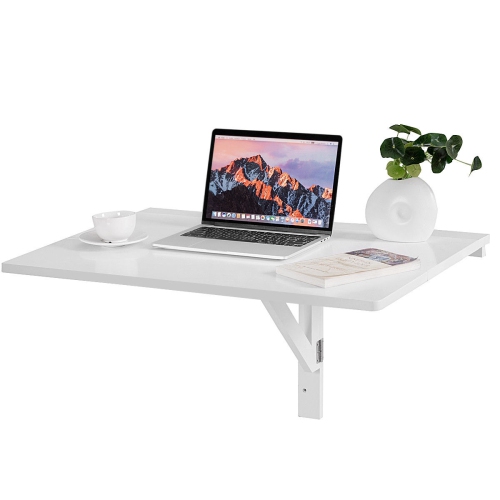


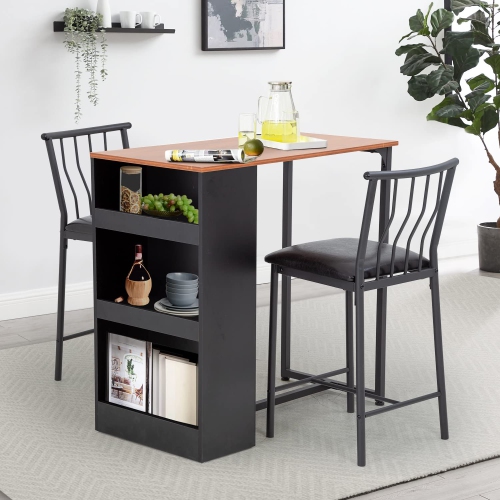
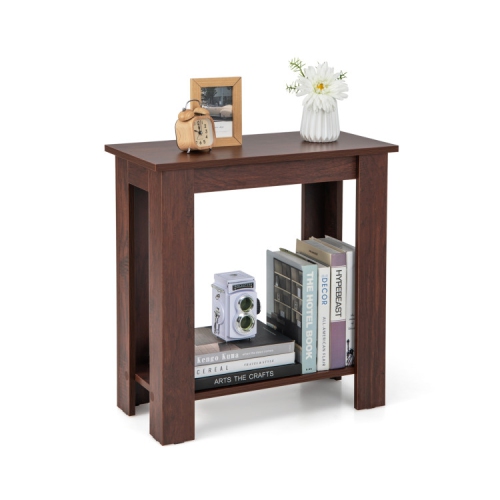

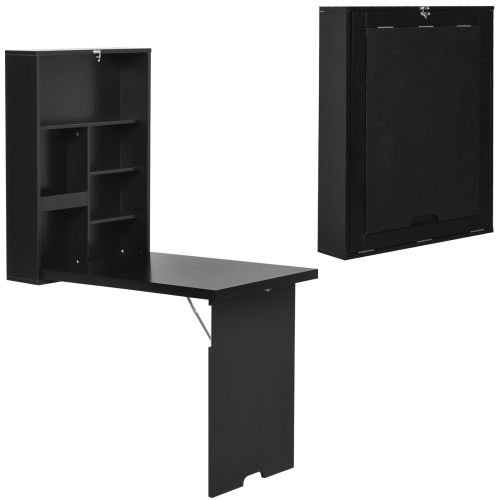
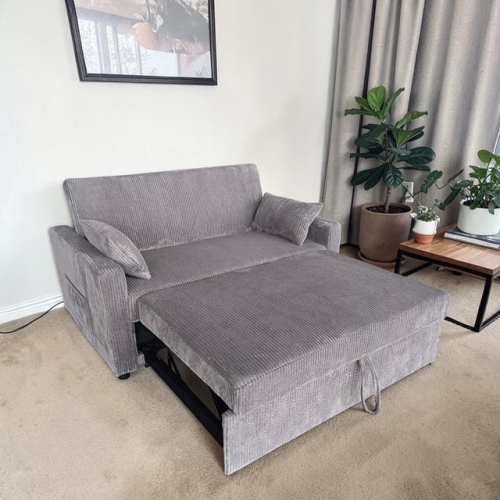
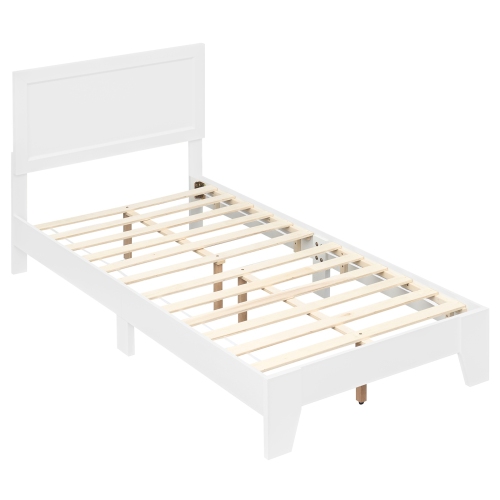

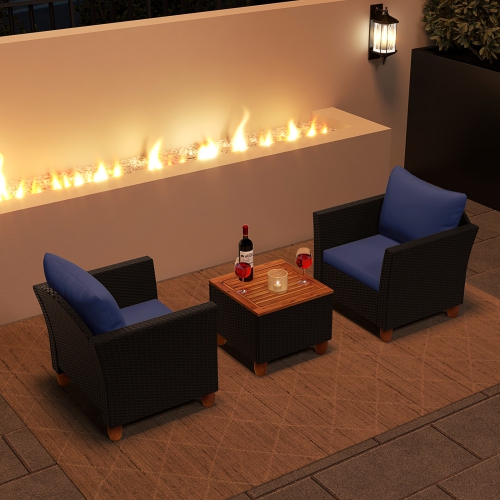
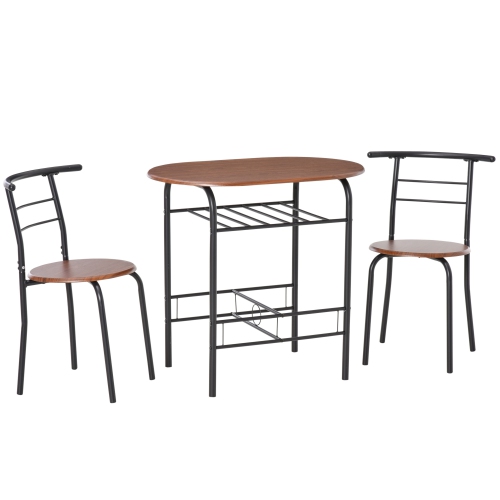
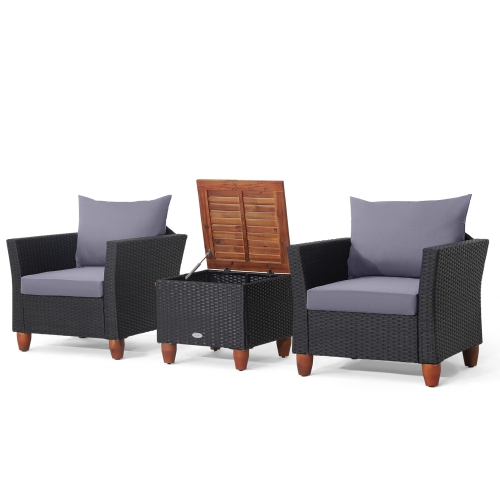
Furniture that changes function without taking over the room
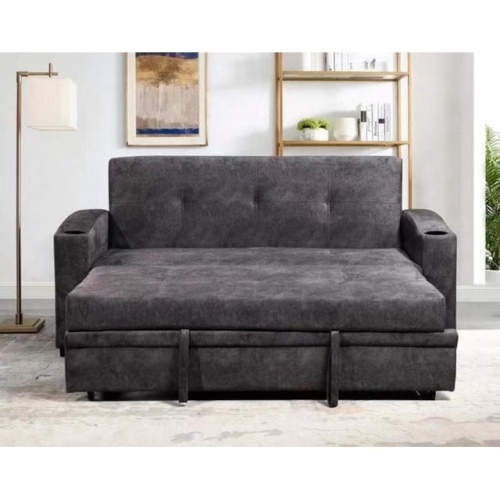
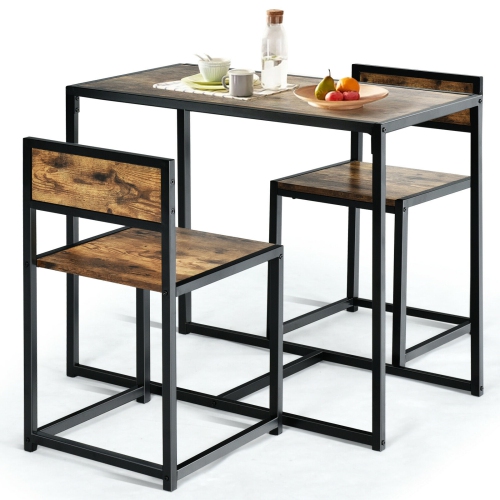
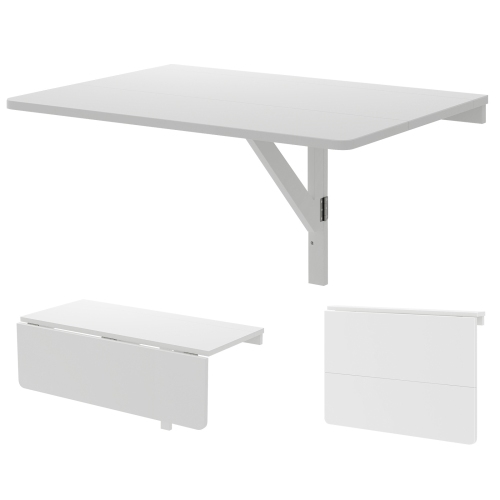
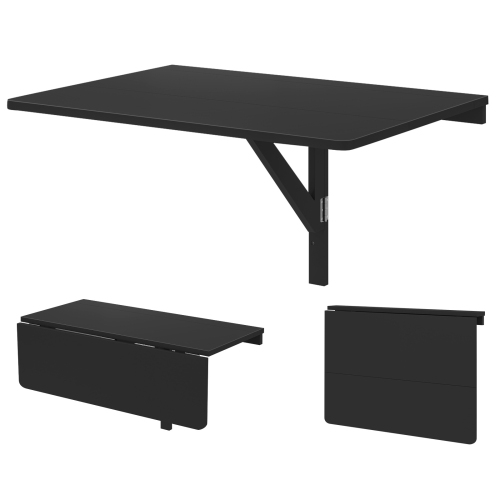
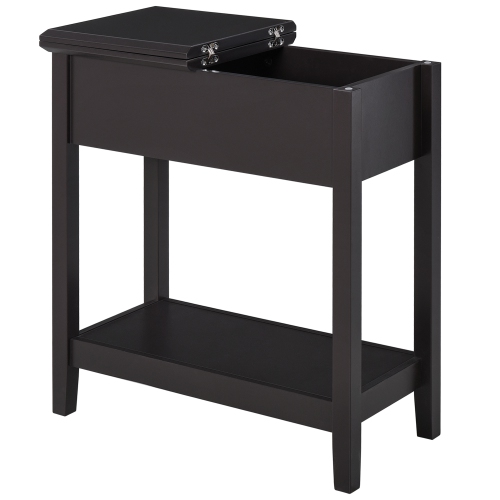
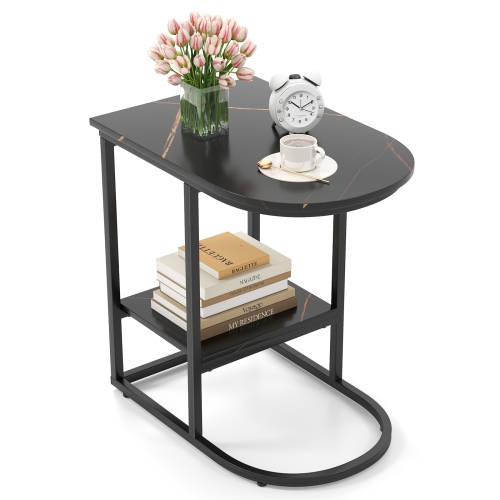
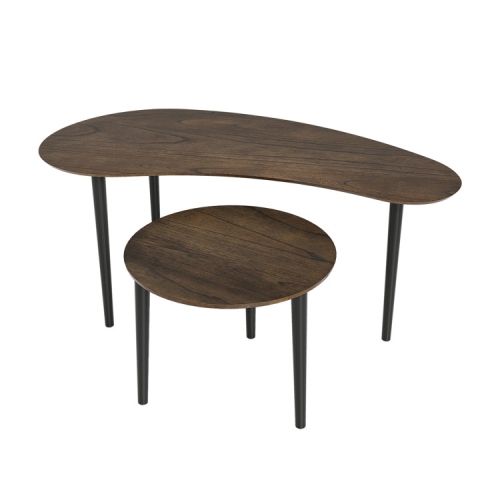
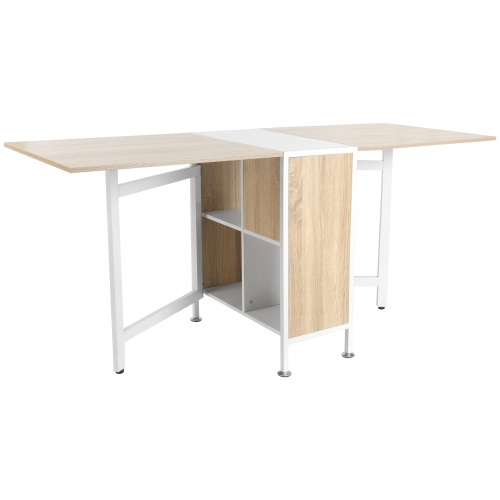
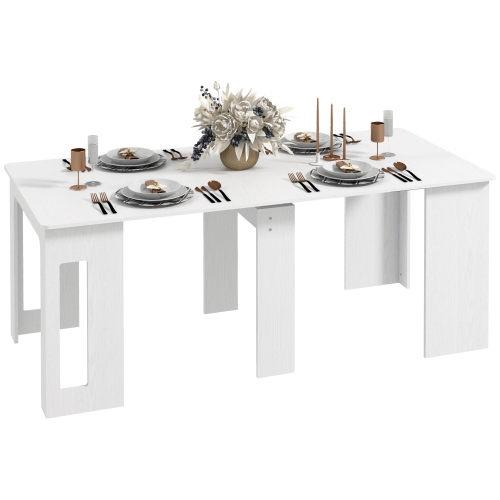
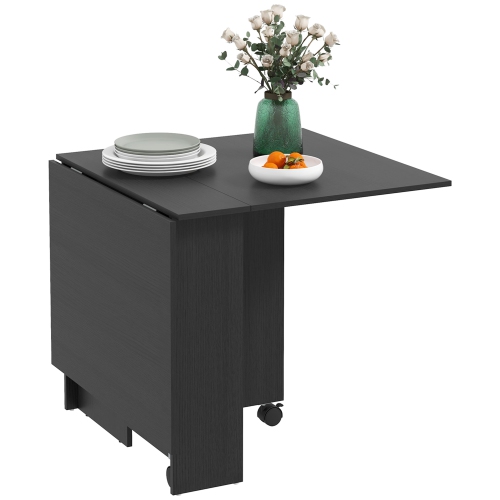
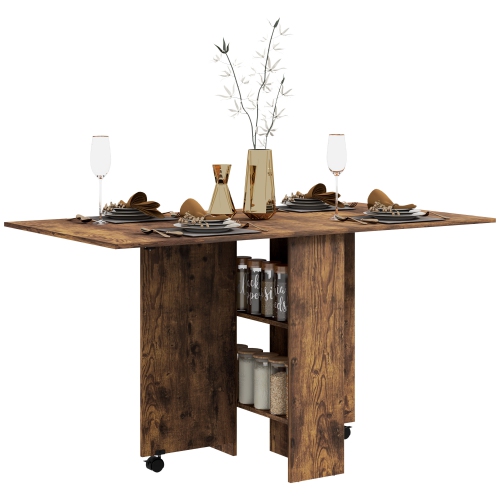
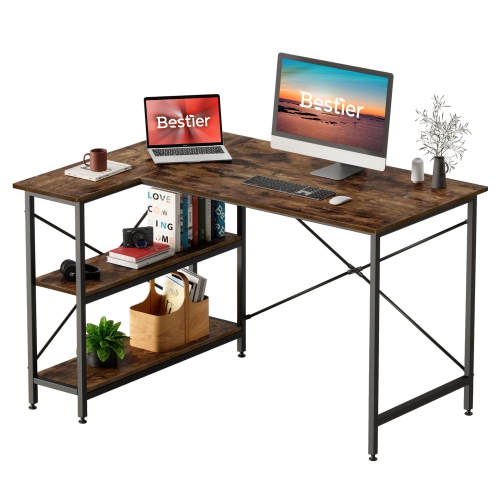
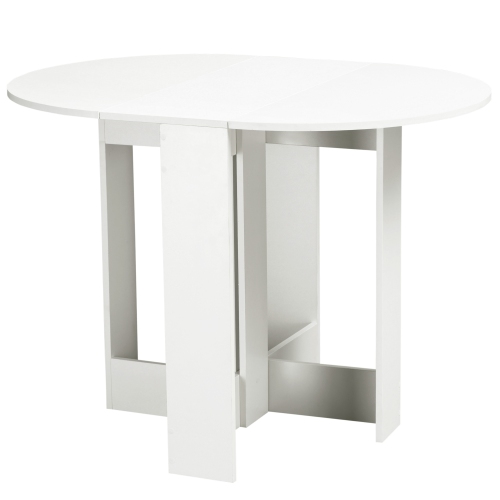
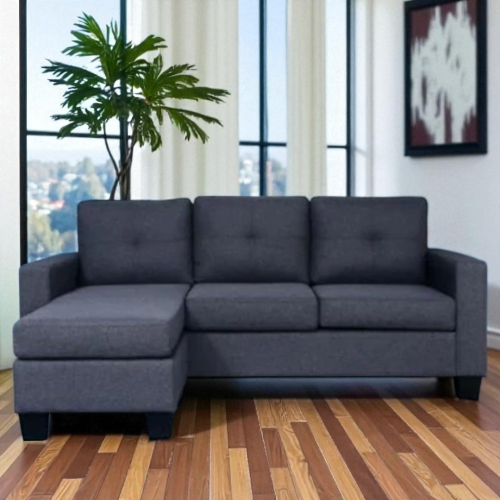
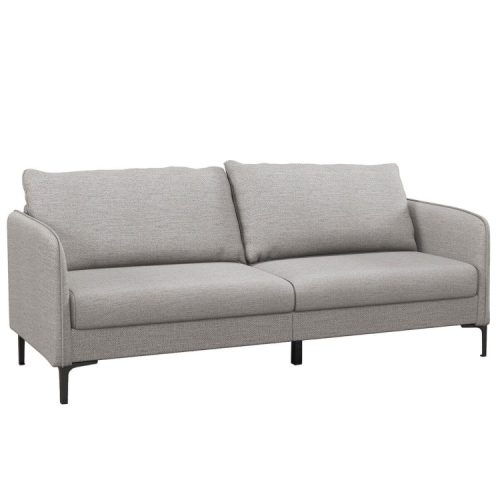
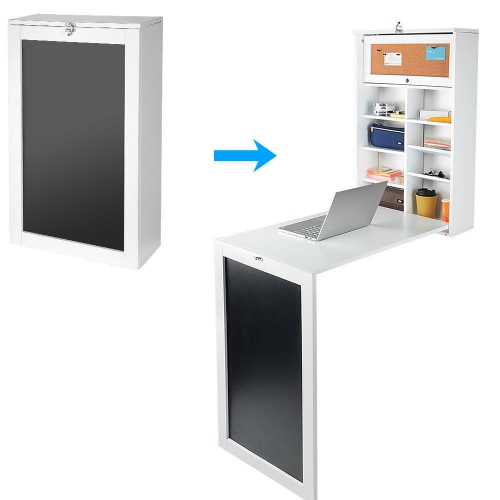
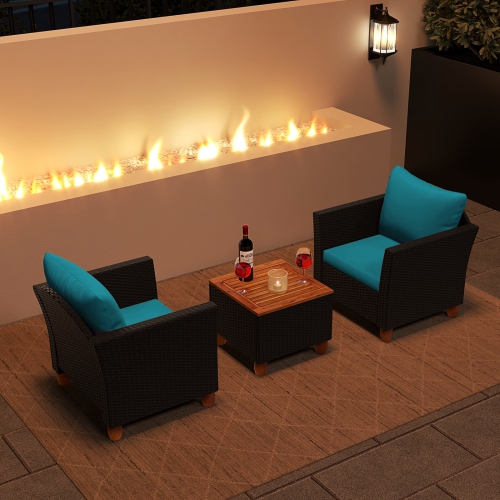
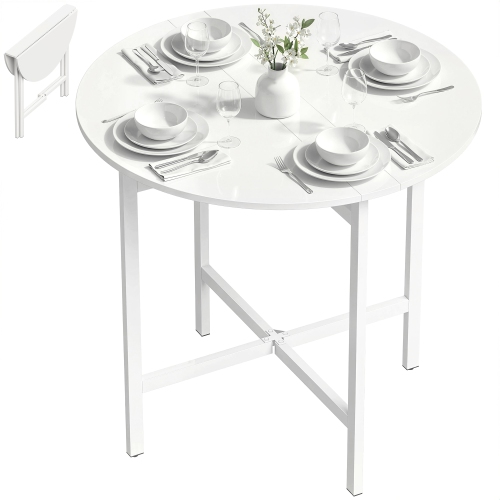
Clever furniture for small spaces makes a room more useful without filling every corner. It includes multifunctional furniture that combines seating, sleeping, dining, working, or storage, along with folding, nesting, and extendable designs that take up less room between uses. In a studio apartment, condo, shared home, or compact bedroom, the benefit is often practical: somewhere to eat without keeping a full dining table open all day, a comfortable seat with space for spare bedding, or a work surface that leaves the room ready for relaxing after hours. Drop-leaf tables have hinged sections that lower when fewer places are needed, while nesting tables tuck beneath one another until guests need somewhere to set a cup. Storage ottomans can hold throws or board games and, where their construction allows, provide an extra seat. Lift-top coffee tables bring a surface closer for occasional laptop use or a casual meal, though their height and stability determine how comfortable those activities feel. Sofa beds and wall beds bring sleeping space into rooms that have another purpose during the day. The most useful combination depends on the household rather than the room’s size alone. Someone who works from home daily may need a dedicated desk and supportive chair more than a folding workstation, while an occasional host might value an extendable dining surface. Furniture proportions matter just as much as added functions. Slim arms can preserve seating width within a narrower sofa frame, and exposed legs keep more of the floor visible, giving a furnished room a less crowded appearance. A shallow console can provide a landing place for keys along an entry wall without projecting as far into the walkway as a deeper cabinet. These designs suit first apartments, student rooms, downsized homes, and busy family spaces where several activities share the same footprint. Their appeal is not simply being small; it is making everyday routines easier while keeping essential furniture comfortable to use.
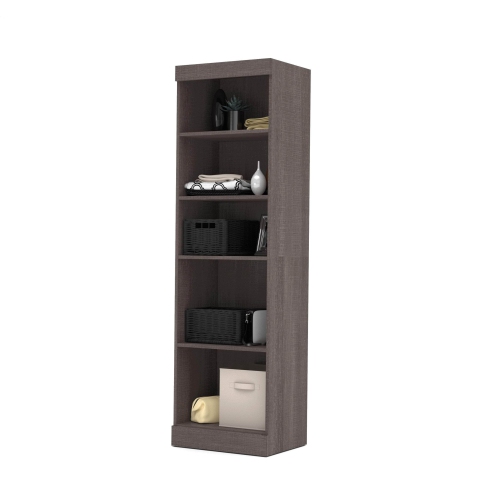
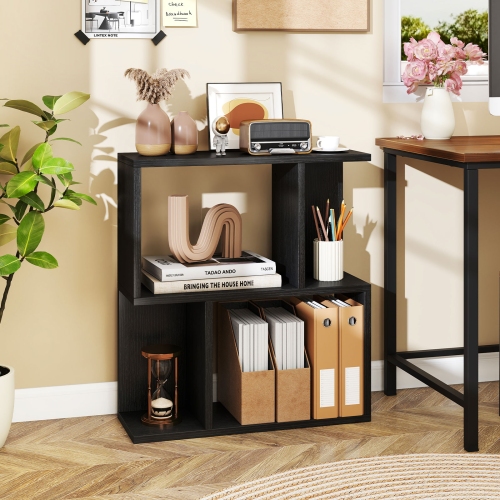
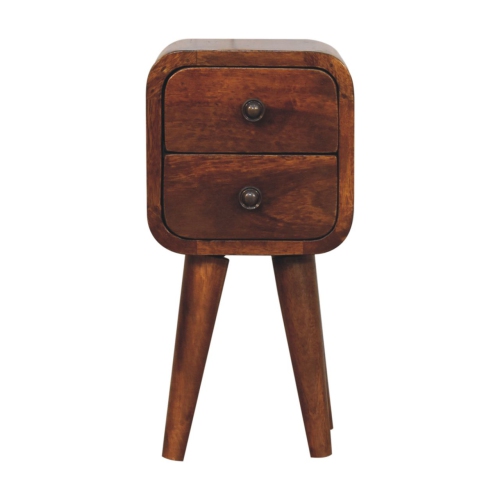
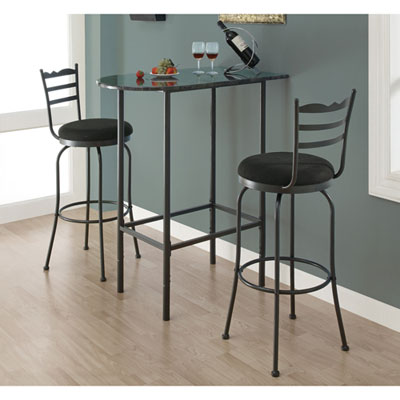
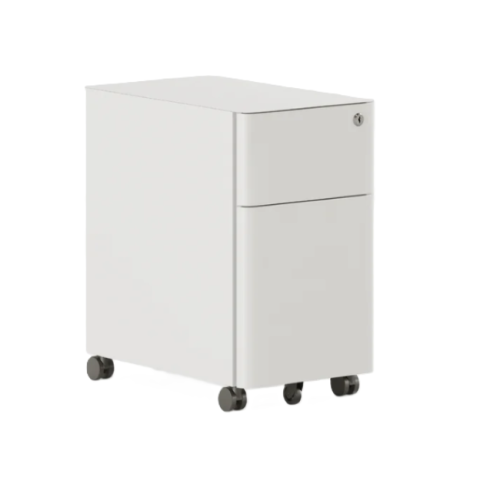
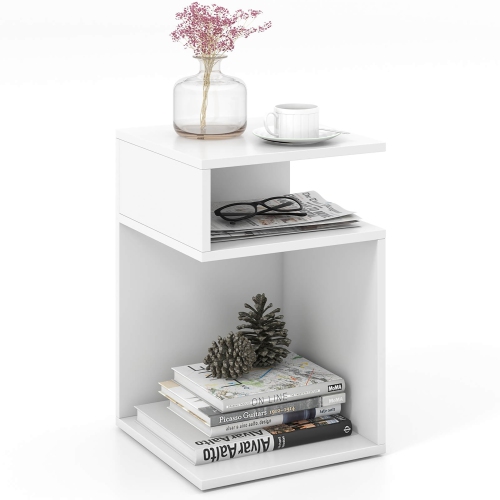
Fit involves the space furniture occupies both at rest and in use. A compact dining table still needs room for chairs to pull out, a storage bed needs clearance for its drawers, and a sleeper sofa needs an unobstructed area when its mattress is extended. Door swings, baseboard heaters, floor vents, outlets, and the path between rooms all affect how a piece works within a layout. Delivery access matters too, particularly in buildings with narrow stairwells, small lifts, or tight turns at the entrance. For convertible furniture, the opened dimensions can be more informative than the folded footprint: a table that fits against a wall may reach well into a walkway once both leaves are raised. Lift-up storage offers an alternative where side-opening drawers would be awkward, although the lid or platform needs enough overhead clearance and a mechanism suitable for regular use. Wall beds require installation appropriate to the design and the supporting structure, with professional installation where specified. Tall storage units and other furniture supplied with anti-tip hardware also need secure anchoring according to the manufacturer’s directions. Within those practical limits, different forms create different kinds of breathing room. A round tabletop removes projecting corners from a compact dining area, although its base and diameter still determine seating space. Armless chairs can tuck neatly beneath a compatible table, while benches may slide out of the way when their dimensions allow. Modular seating can accommodate an awkward corner, but seat depth, back support, and connection hardware remain important for everyday comfort. In bedrooms and living areas, Small Space Storage Furniture brings concealed compartments and useful surfaces into the same footprint. Closed storage keeps charging cables, paperwork, and spare linens out of sight; open shelves keep books and frequently used belongings within reach. A mixture can feel more practical than either approach alone. Storage capacity is most helpful when compartments suit what will actually go inside, from bulky blankets to smaller accessories that otherwise drift across a tabletop.
Materials and construction influence how compact furniture feels, wears, and handles frequent changes of purpose. Solid wood offers a distinctive grain and can develop signs of wear with use; some finishes allow refinishing, while others require more specialised care. Wood veneer provides a real wood surface over a supporting core, and laminate finishes are often straightforward to wipe clean, subject to the manufacturer’s care directions. Engineered wood varies in density, construction, and edge protection, so a neat finish and well-supported shelves matter more than the material name alone. Metal frames can provide a slim profile, with joint quality, protective finishes, and suitable floor glides contributing to everyday performance. Upholstery deserves equal attention when one seat serves for reading, working, and entertaining. Tightly woven fabrics may suit frequent use, while removable covers can simplify cleaning if their care labels permit washing. Leather and leather-look upholstery have different maintenance needs, and neither should be assumed to tolerate every household cleaner. Spills are best addressed promptly using the specified method, while coasters, placemats, and protection from prolonged direct sunlight can help preserve finishes. Moving parts are especially important in furniture that changes shape. Hinges, drawer runners, folding supports, and lift mechanisms should operate smoothly and hold securely in their intended positions. Weight limits apply to the relevant surface or compartment, not automatically to the whole piece; an ottoman lid intended as a tray is not necessarily designed for standing on. For everyday sleeping, mattress support and comfort deserve priority over the convenience of a quick conversion. For daily desk use, sufficient legroom and a surface at a suitable working height matter more than hidden compartments. During the cooler months, accessible storage for throws and guest bedding can make a shared living area feel settled without leaving piles on chairs. A well-proportioned room does not need every piece to perform several jobs. Often, a few dependable multifunctional designs alongside comfortable everyday essentials provide the right balance of clear floor space, useful storage, and room to unwind.
Top selling and popular products
-
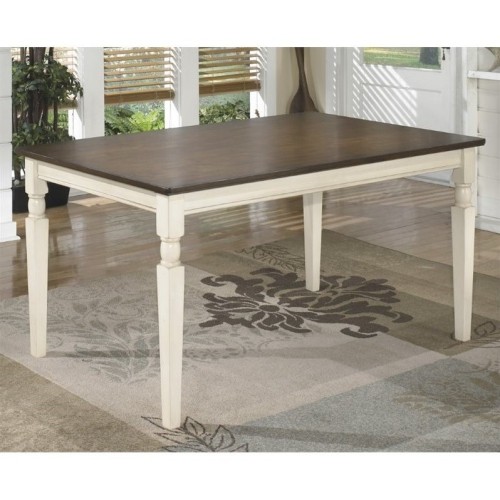 Your price for this item is $399
-
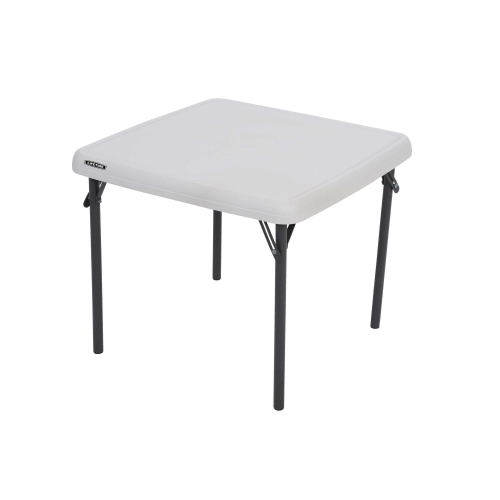 Your price for this item is $71.99
-
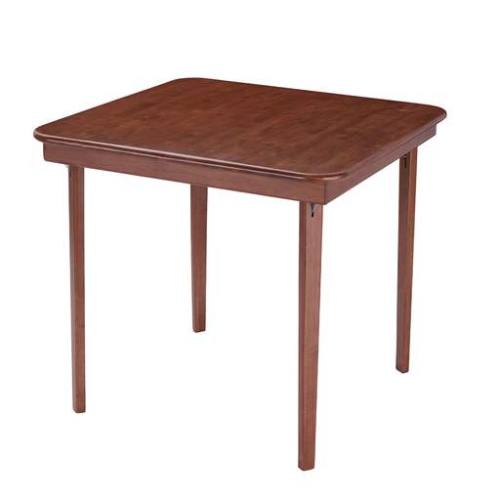 Your price for this item is $323.99
-
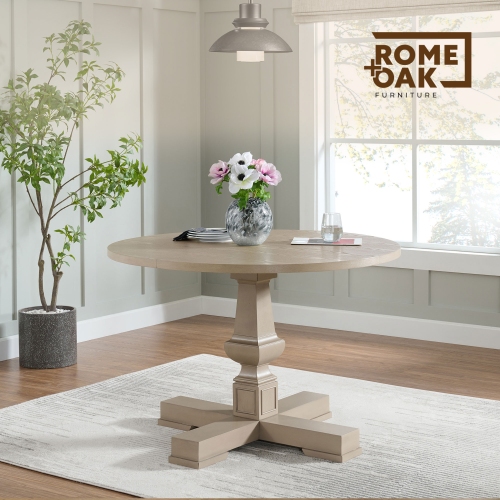 Your price for this item is $763.99
-
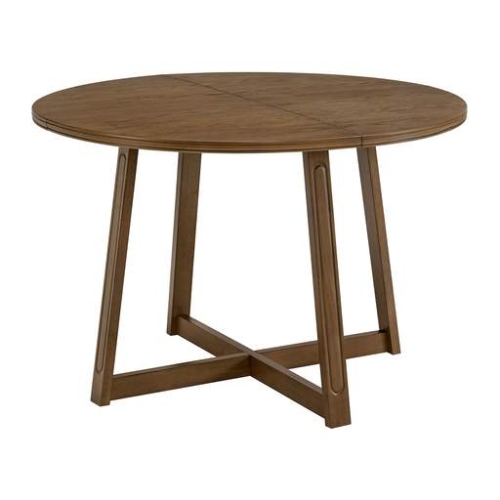 Your price for this item is $627.99
-
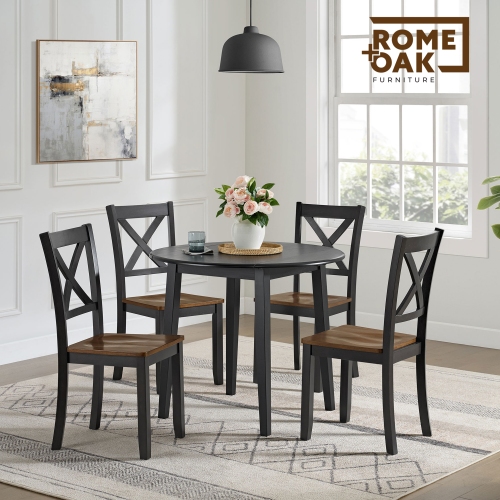 Your price for this item is $304.99
-
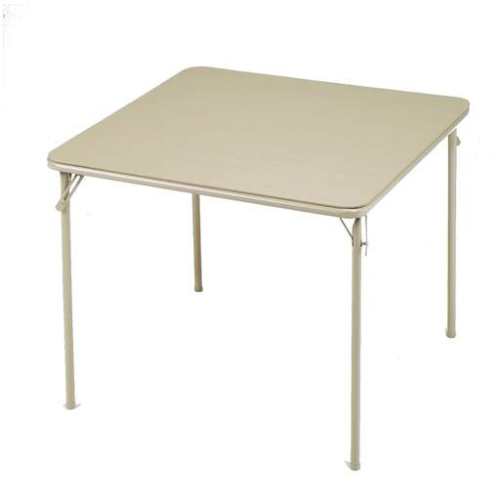 Your price for this item is $190.99
-
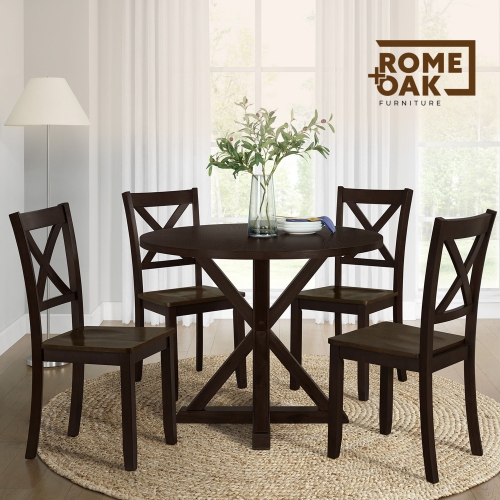 Your price for this item is $651.99
Discover more categories related to Clever Furniture for Small Spaces


Top Collections:
Pokemon Centers, Kindle Devices, Best Cameras for Sports Photography, Pokémon 30th Celebration Cards, Apple iPhones 16, Canon G7X Cameras, iPhone 15 Apple, Flip Phones, Samsung Galaxy Phones, Alarm Clock
Some products may be subject to Environmental Handling Fees
(EHF) depending on your province.
Learn more about EHFs.