Climbing Plant Trellis
Looking to add a touch of natural beauty to your home or garden? Look no further than our collection of climbing plant trellises. These versatile structures are designed to support and showcase your favorite climbing plants, creating a stunning visual display that will transform any space. Whether you want to create a lush green wall, add vertical interest to your patio, or enhance the charm of your backyard garden, our climbing plant trellises are the perfect solution. With a variety of styles, materials, and sizes available, you'll find the perfect trellis to suit your needs and elevate your outdoor decor.
Sort
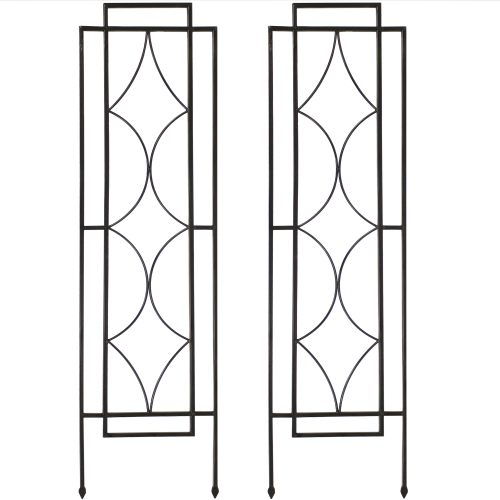
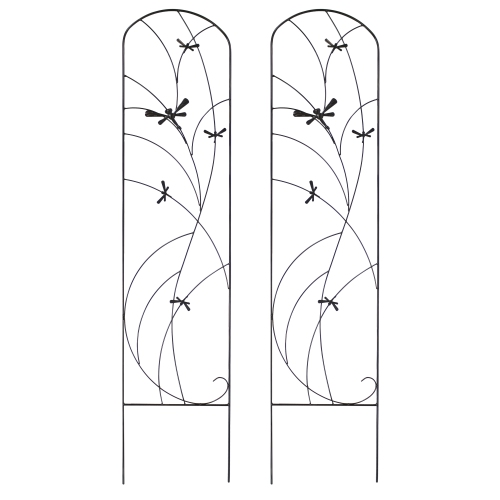
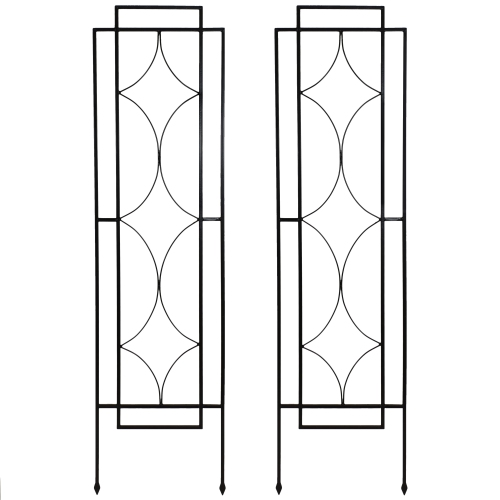
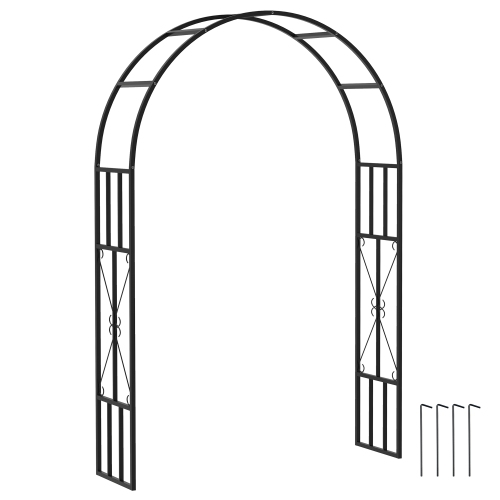

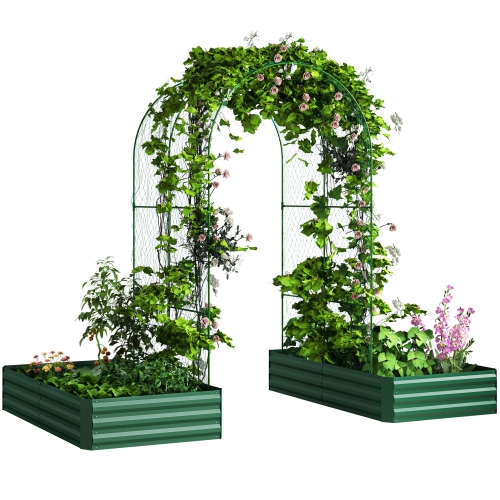
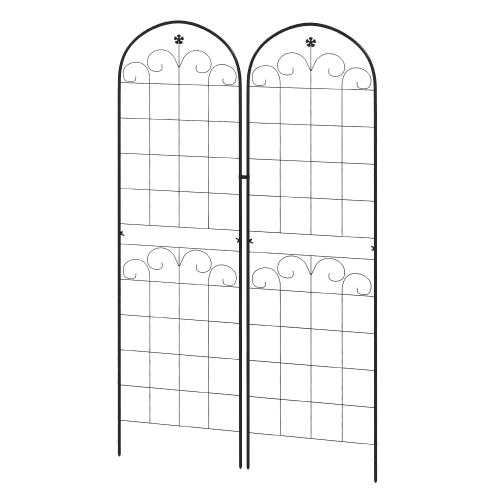
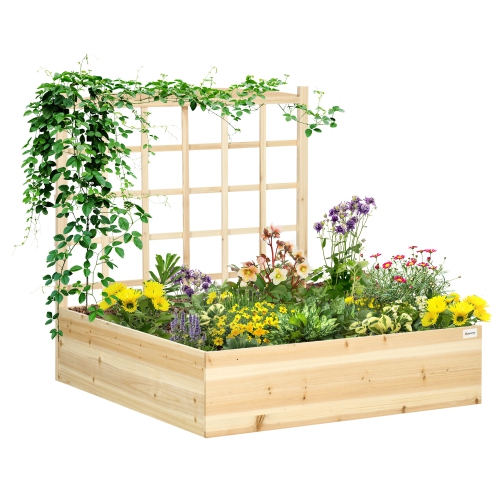
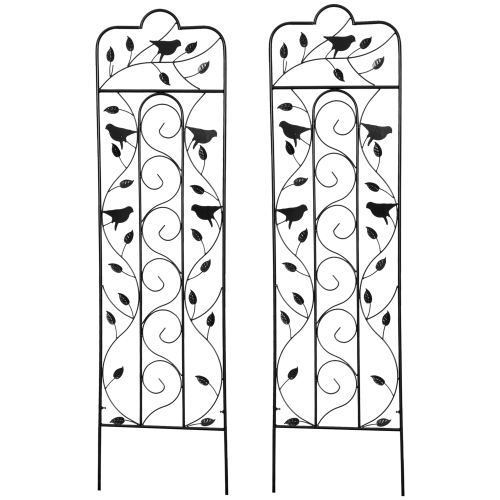
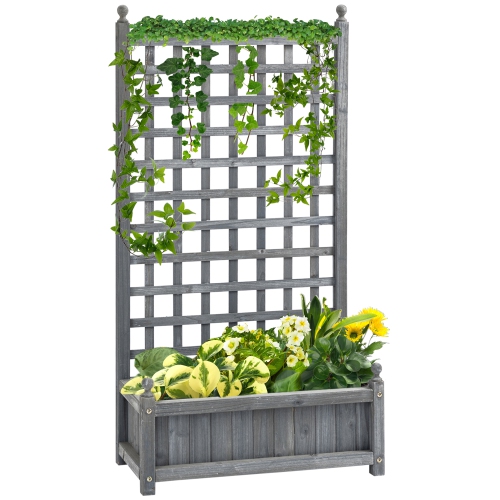
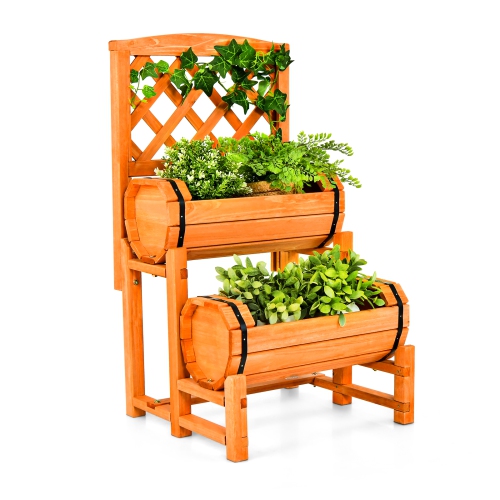
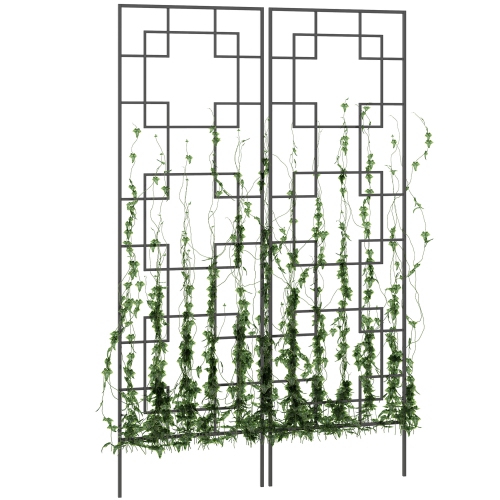
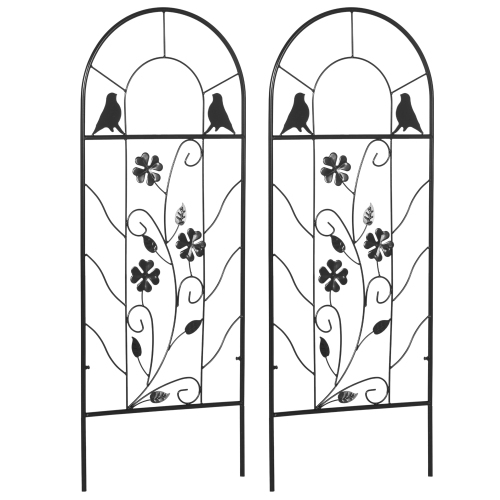
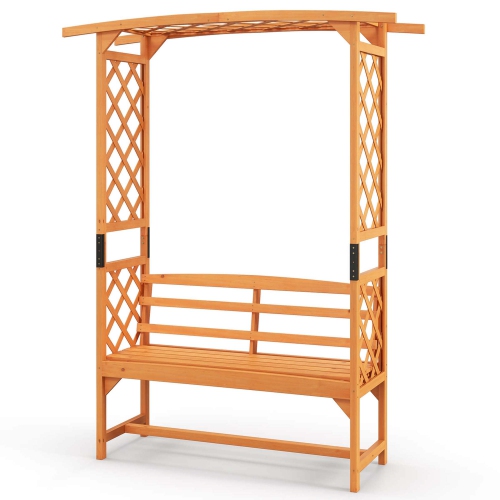
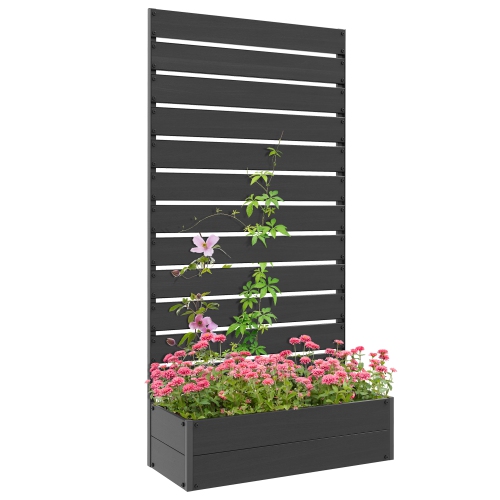
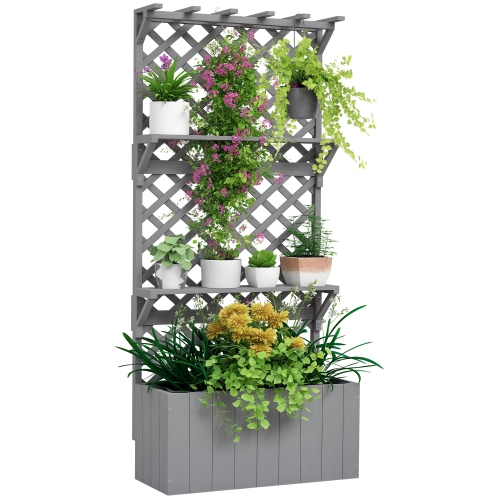
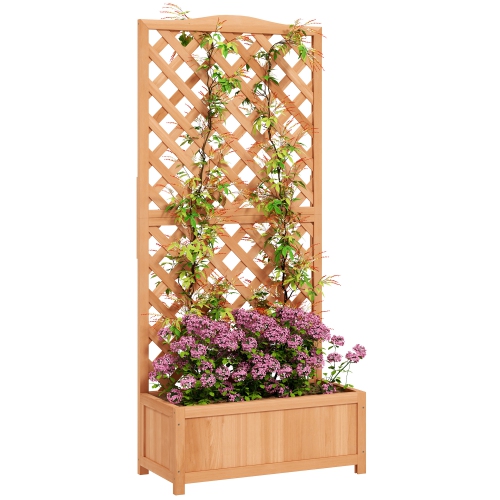

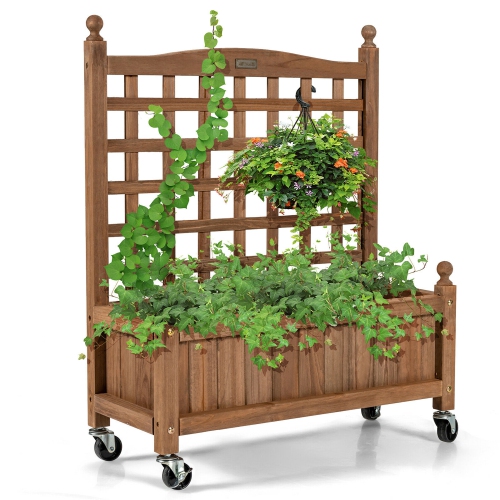
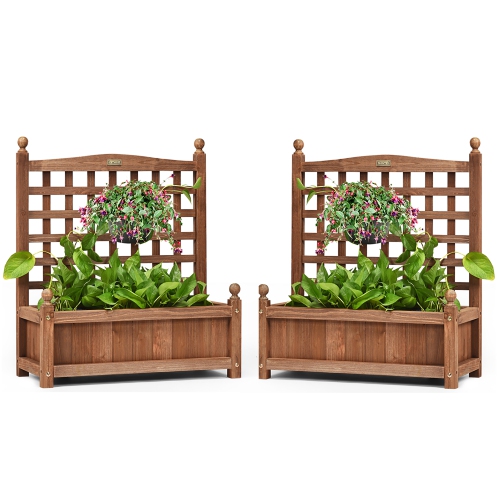
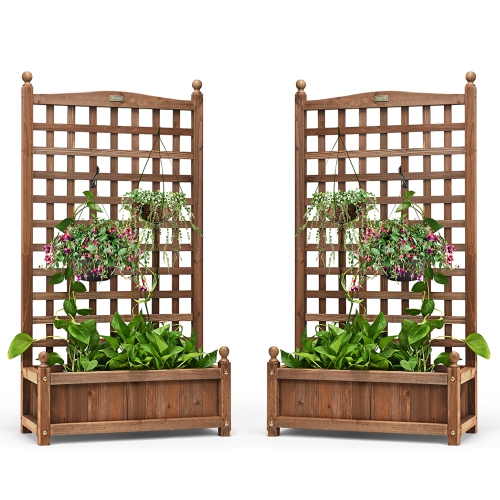
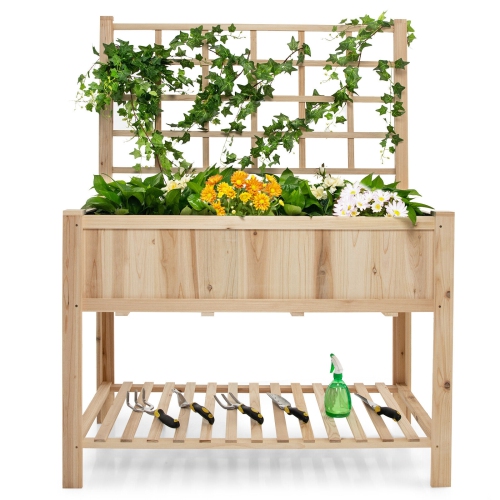
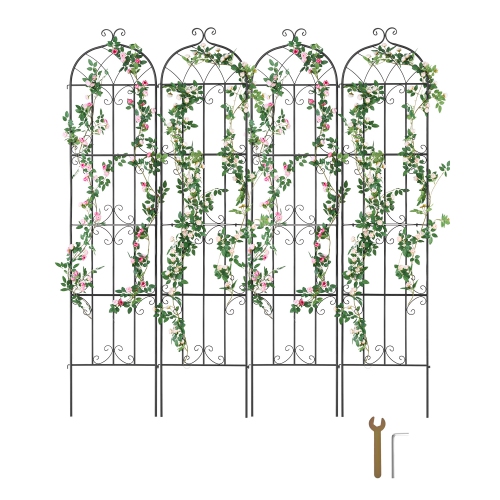
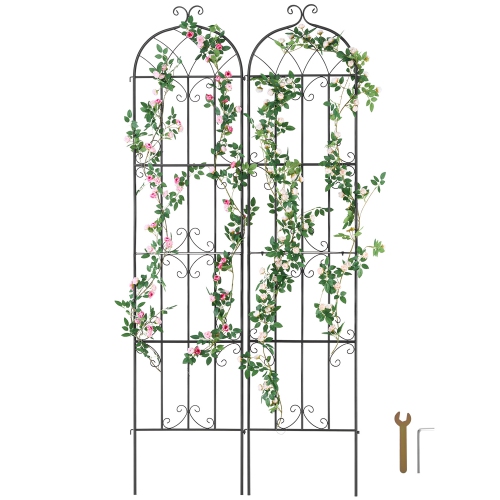
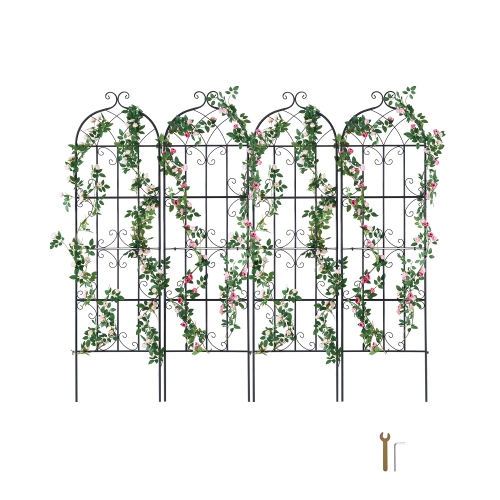
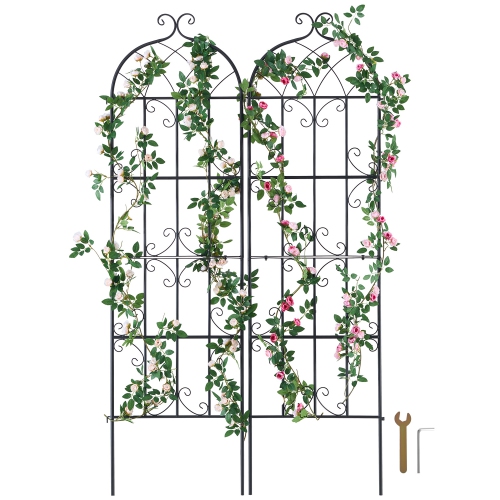
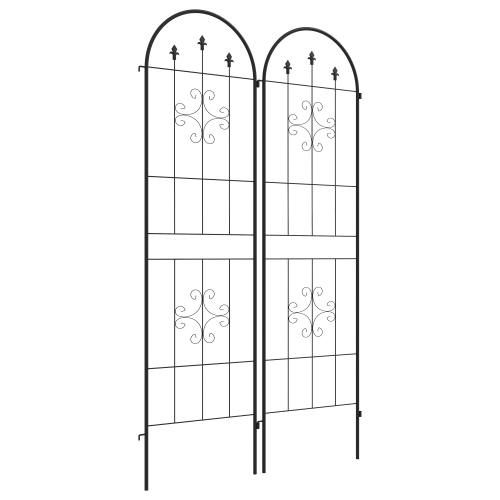
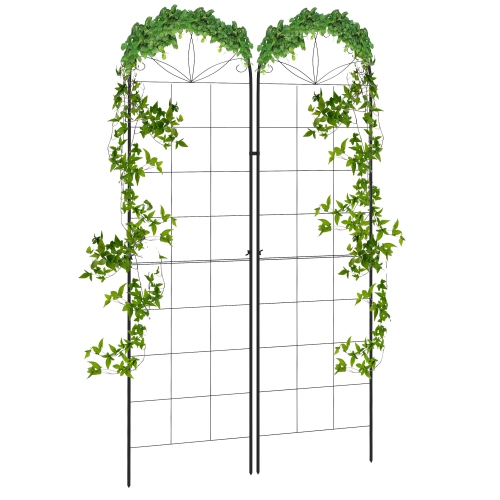
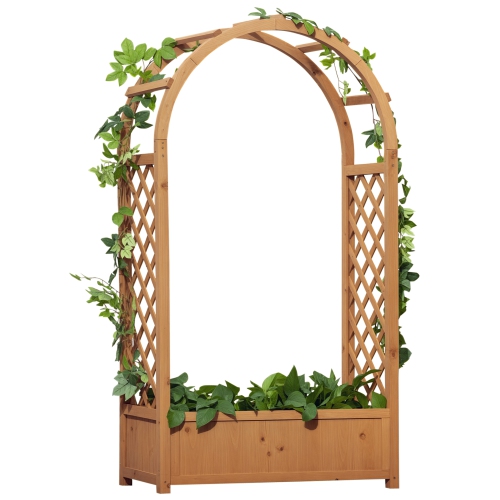
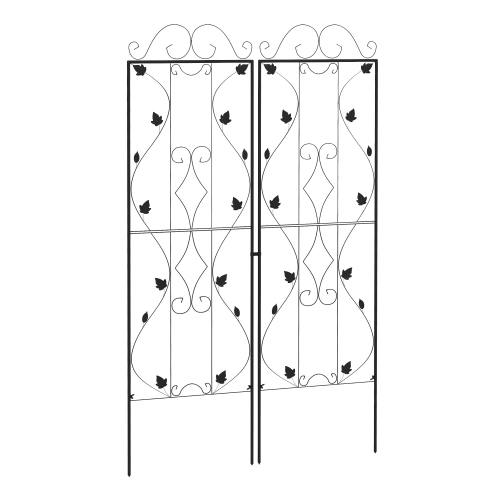



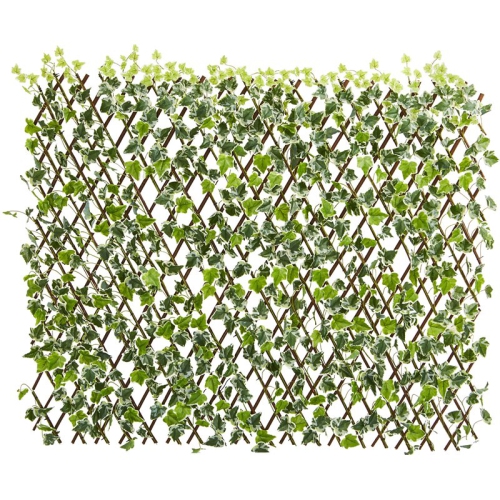
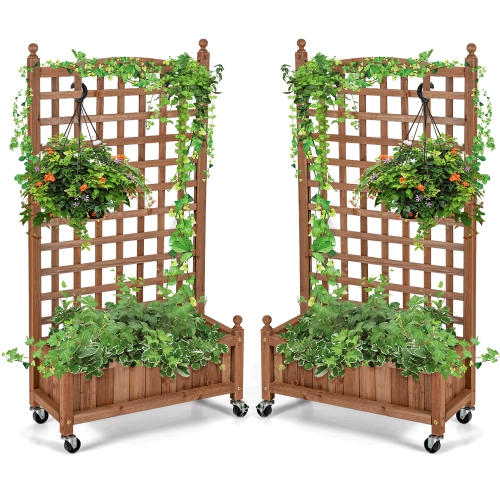
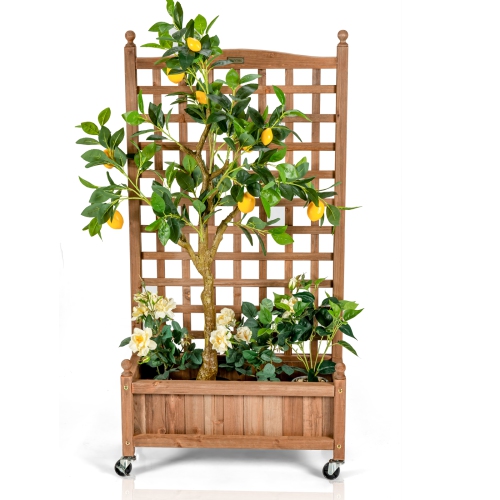
The right support starts with how your plants climb
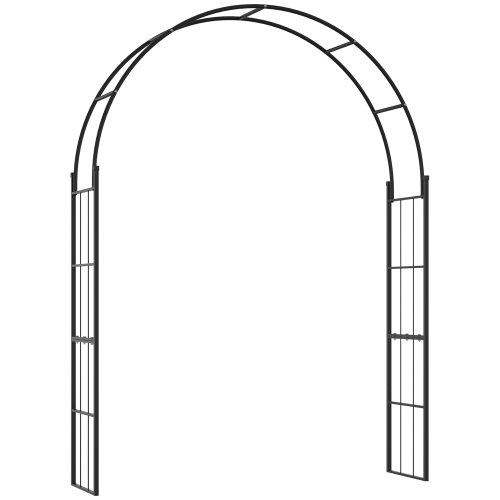
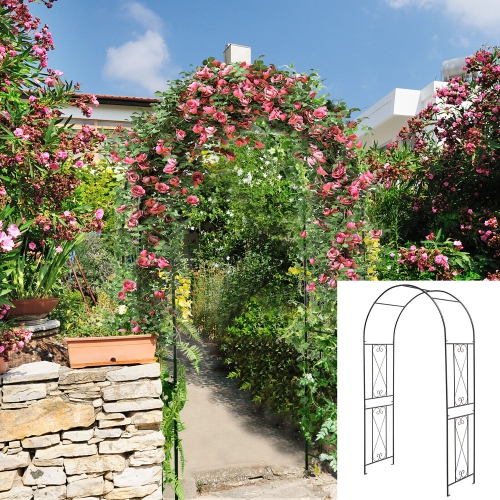
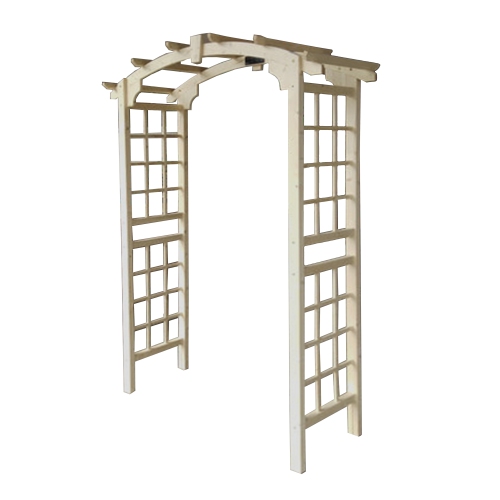
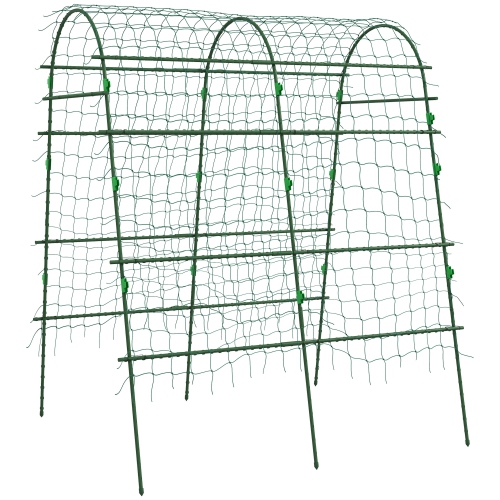
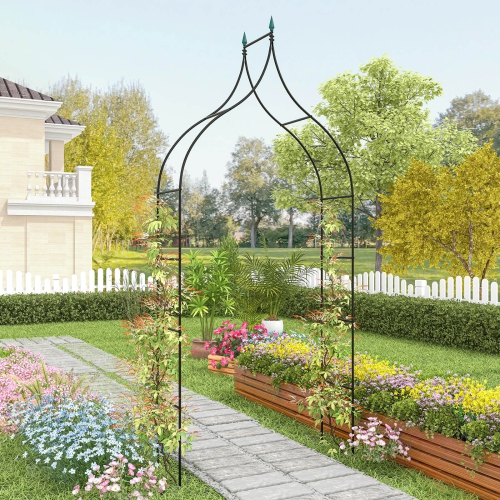
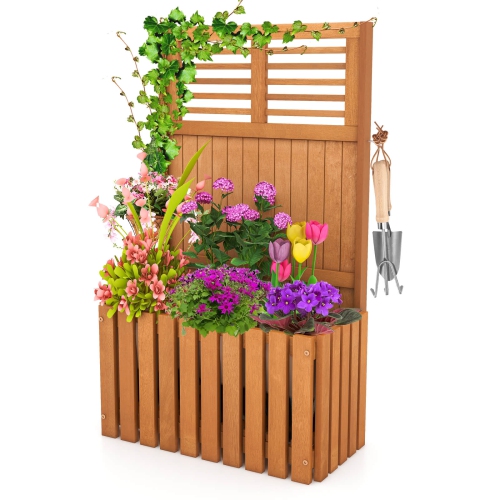
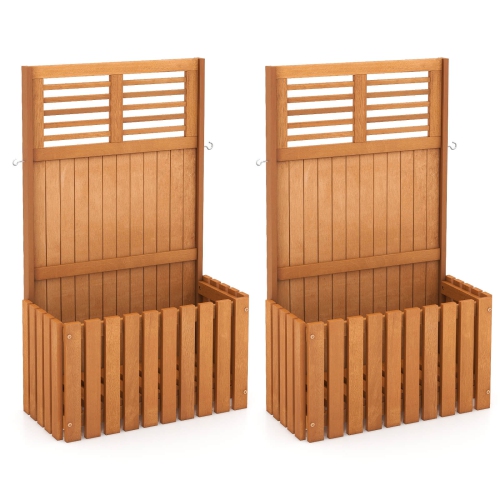
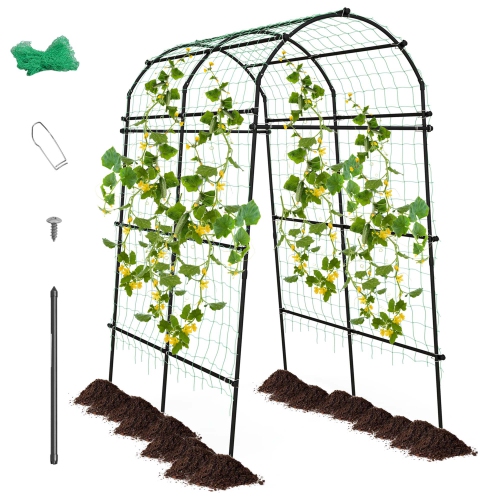
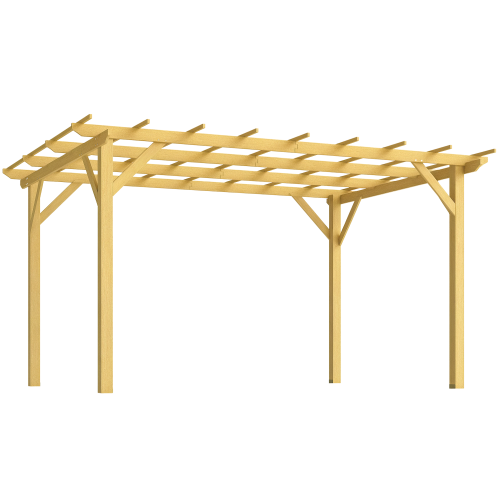
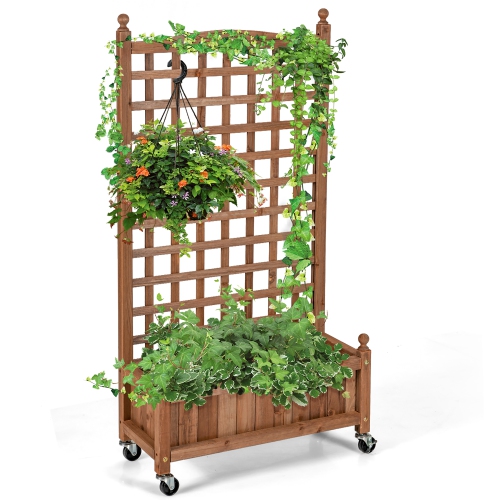
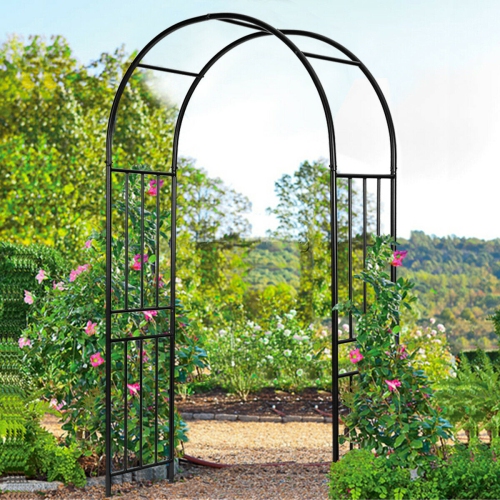
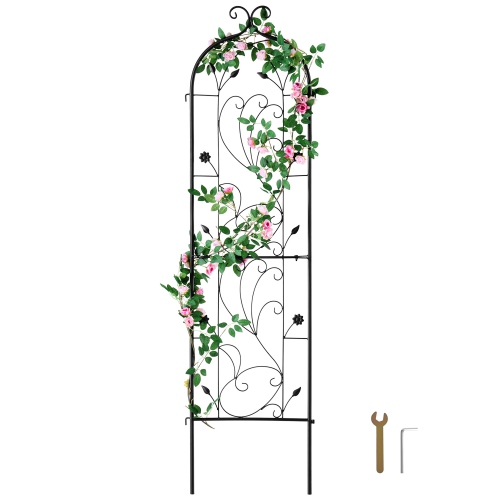
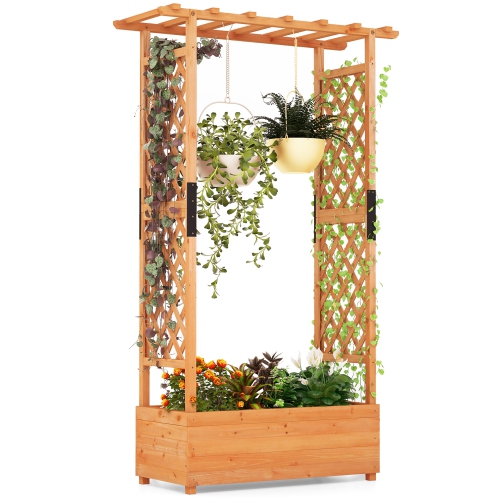
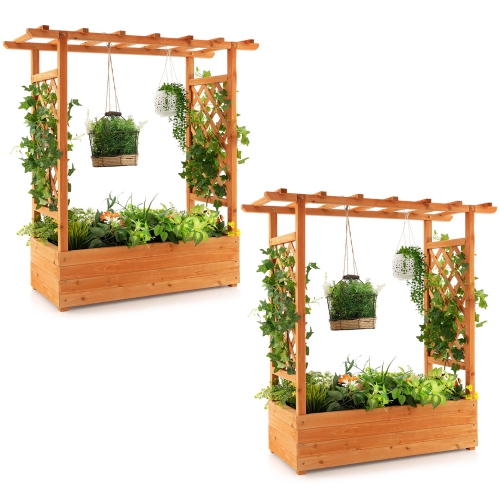
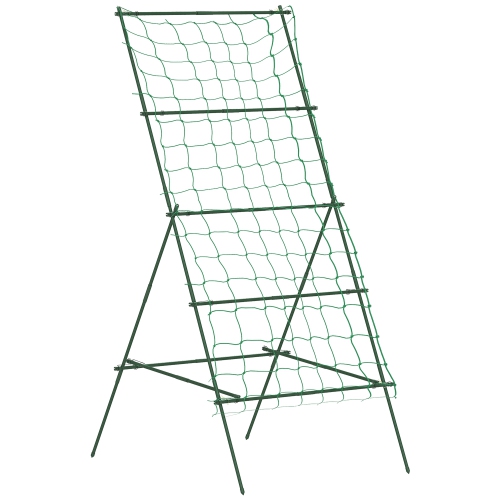
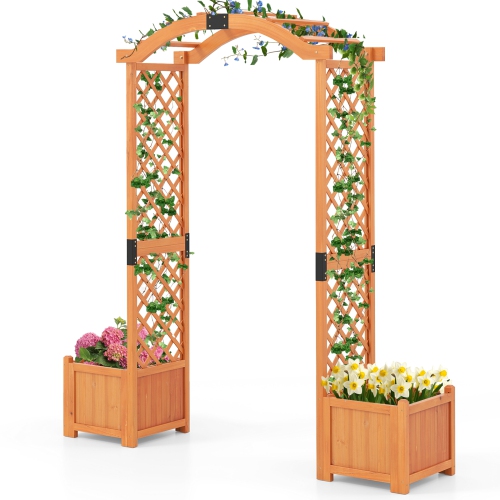
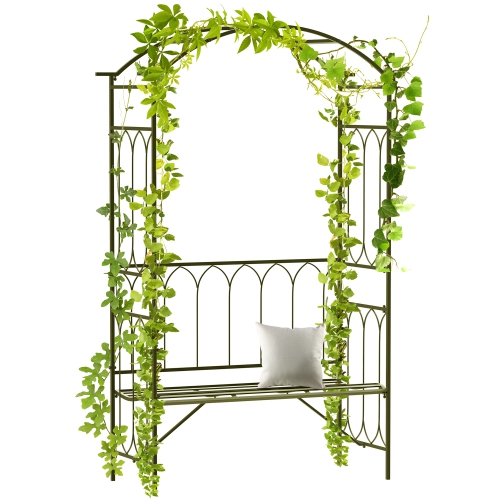
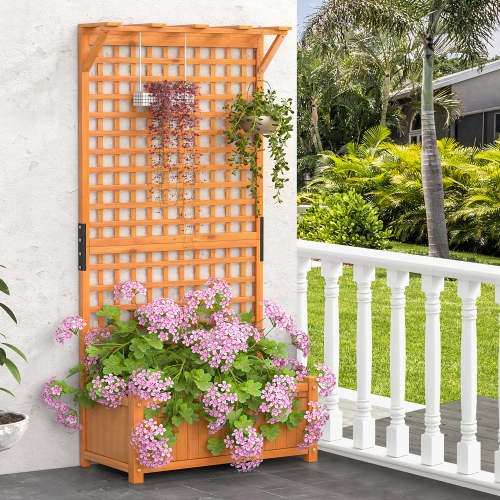
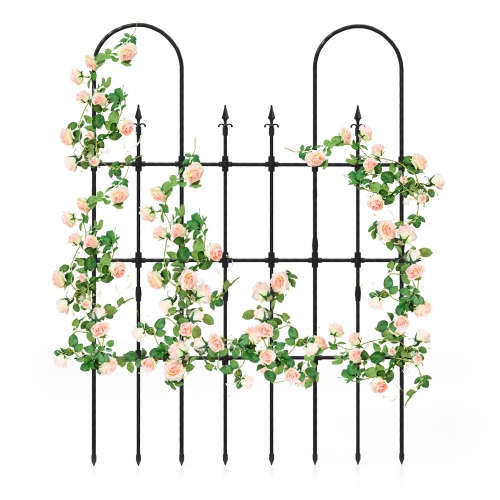
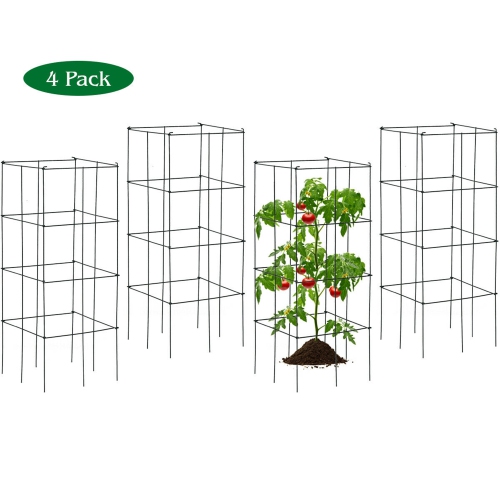
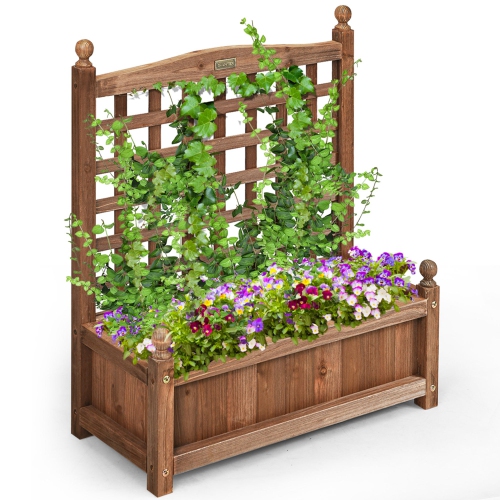
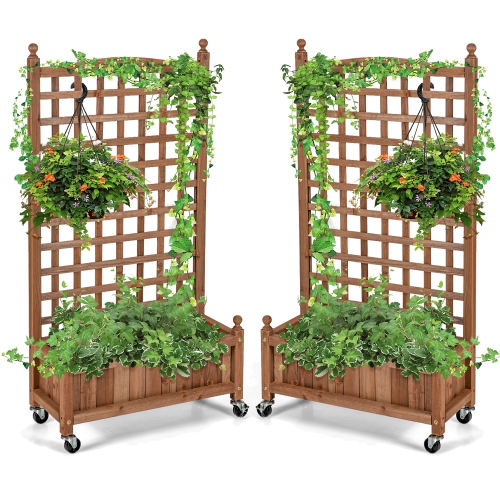
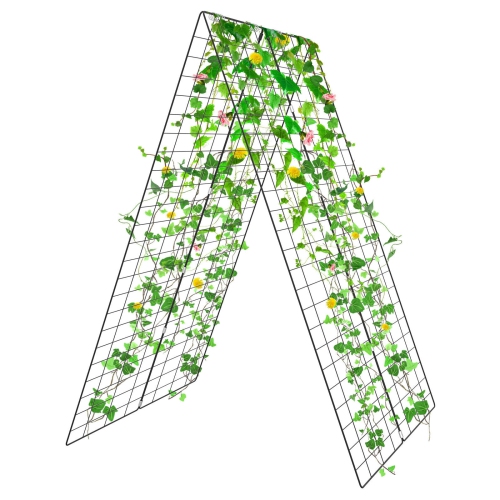
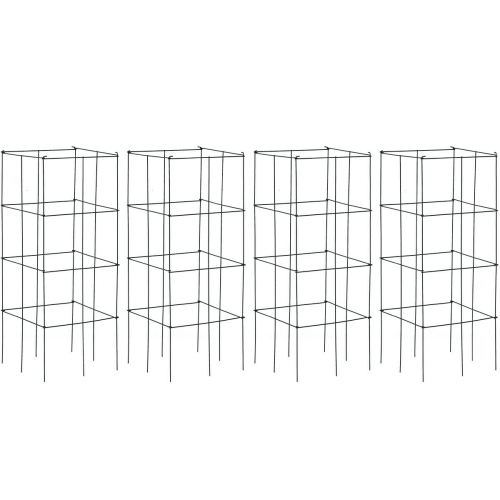
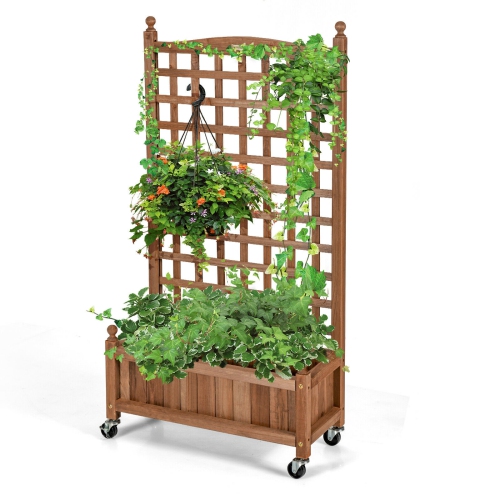
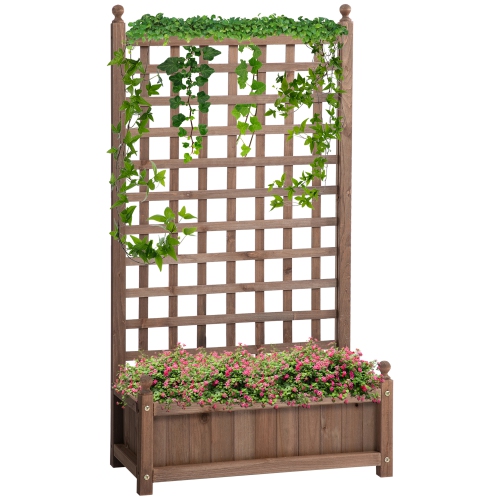
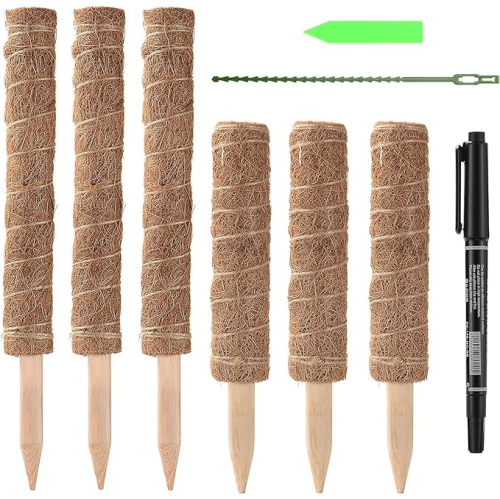
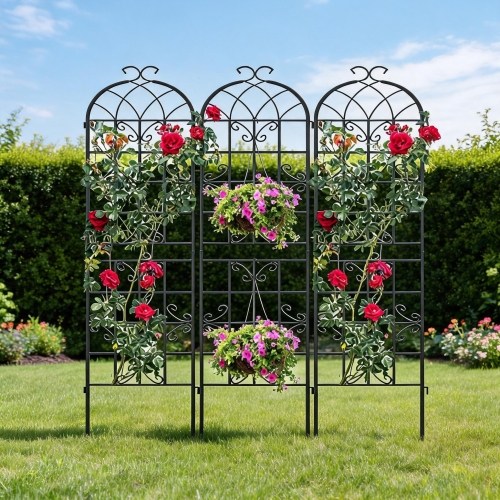
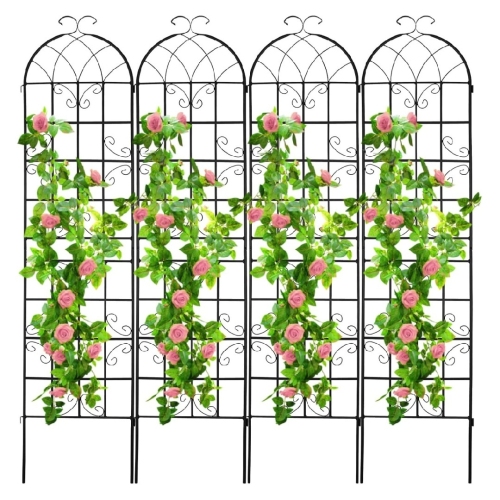
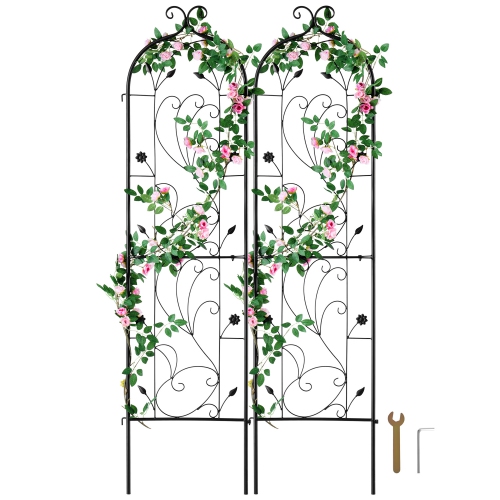
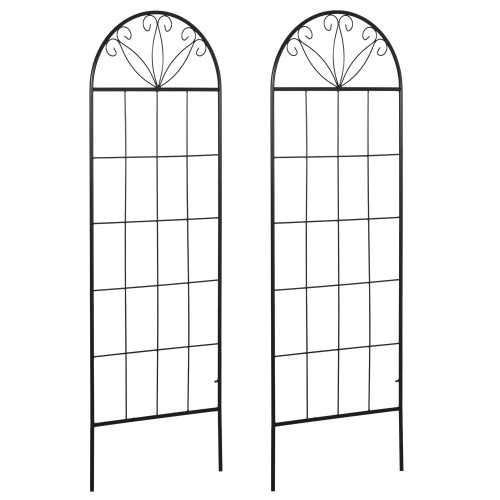
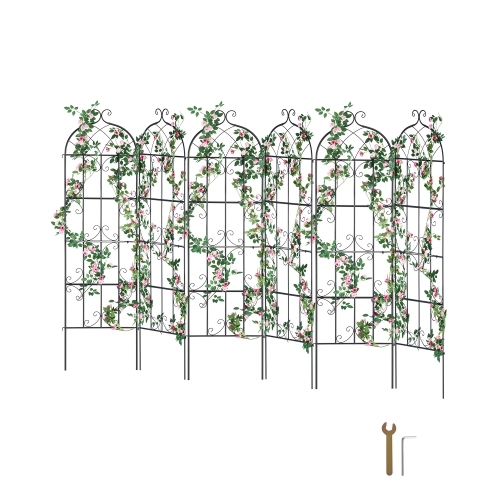
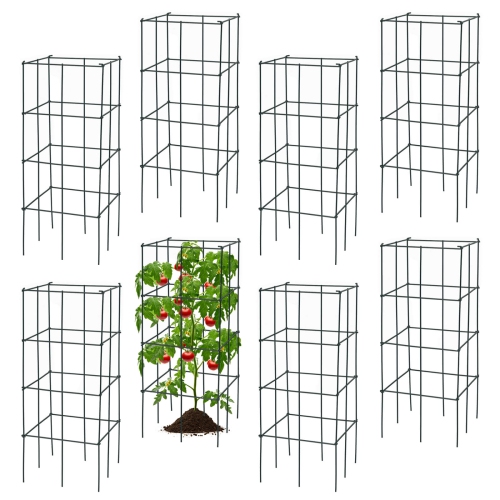
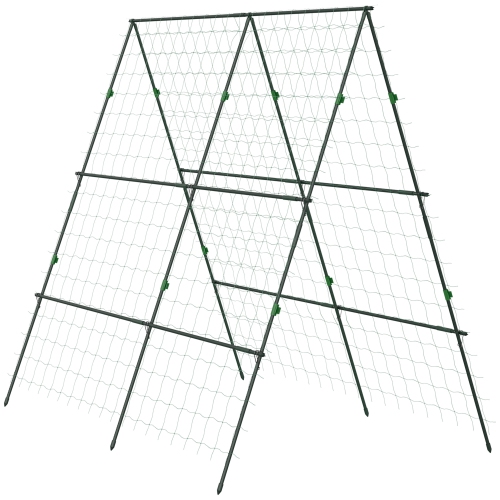
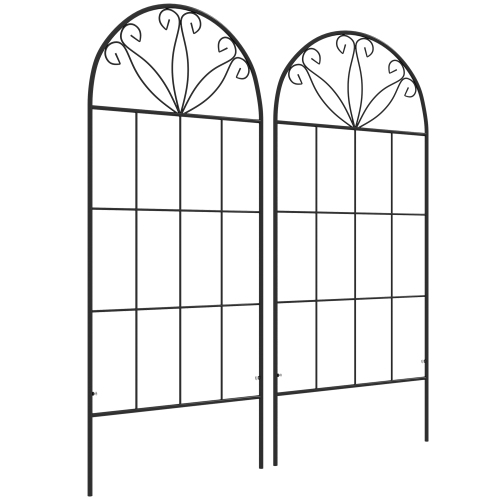
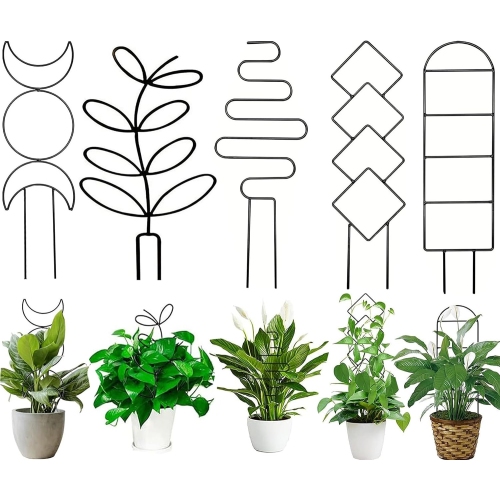
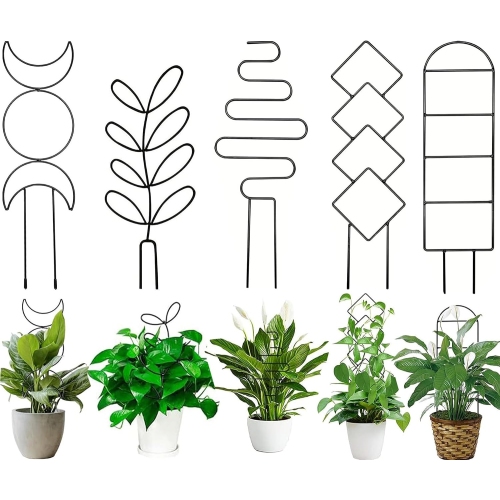
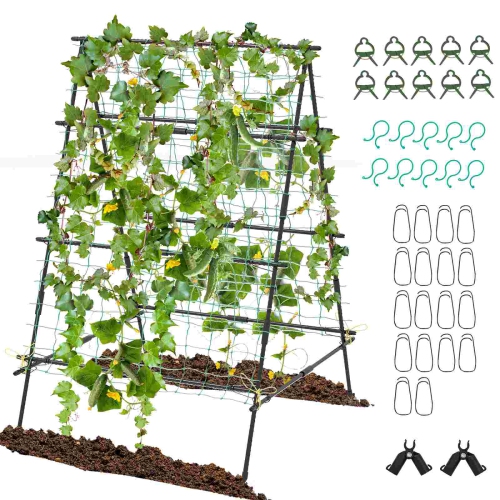
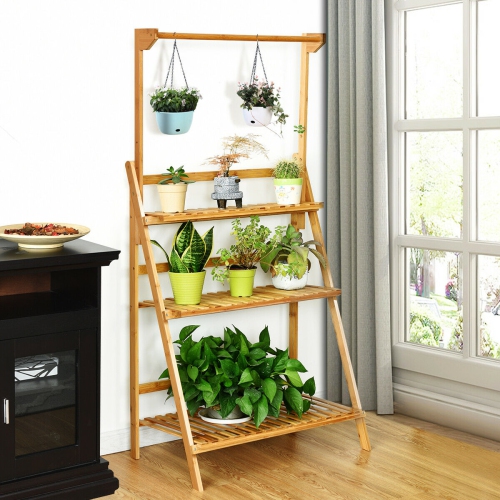
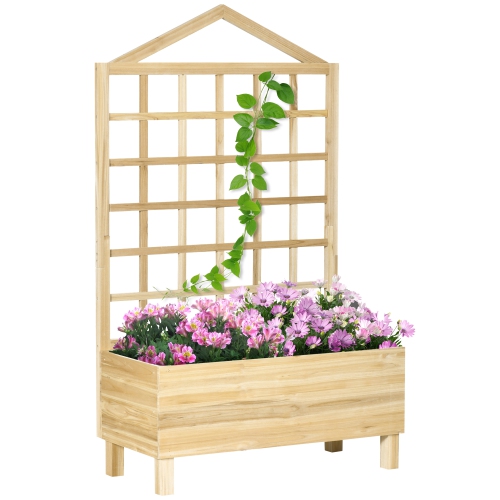
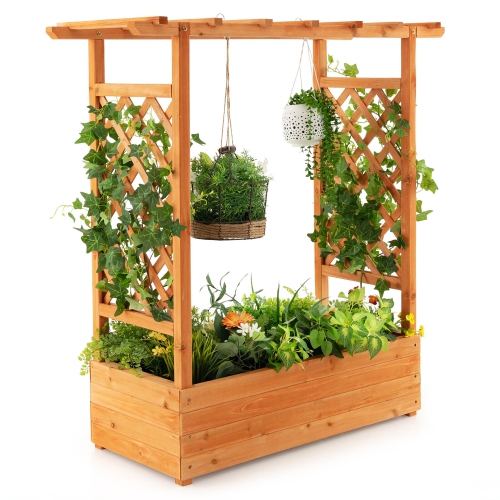
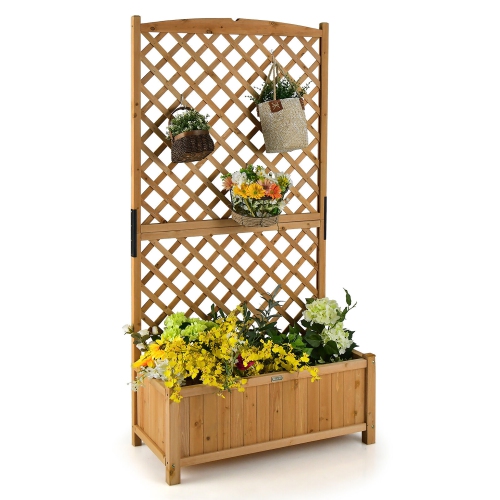
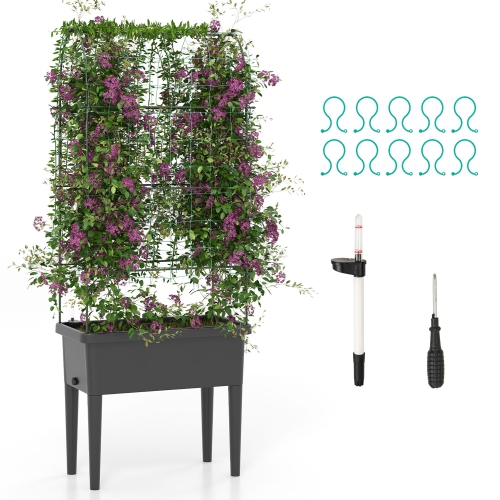
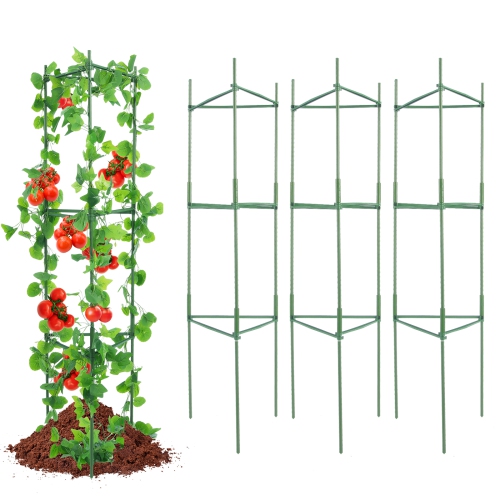
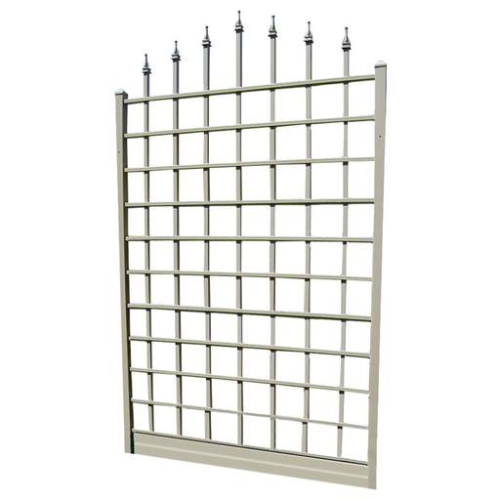
A climbing plant trellis is a frame, lattice, or network of supports that gives vining and rambling plants a structure to grow along. By directing growth upward rather than across the ground, it can make better use of a narrow garden bed, bring flowers closer to eye level, and keep trailing stems from spreading into paths. Trellises serve different purposes depending on their shape: flat panels support growth against walls and fences, freestanding obelisks create a planted focal point, and cone or teepee frames gather several climbing stems around a central space. Wire grids and netting stretched between sturdy supports offer another option, particularly for climbing vegetables. The best match depends as much on how a plant climbs as on the appearance of the frame. Peas use tendrils that grip slender supports, while pole beans wrap their stems around upright poles or other narrow structures. Clematis climbs using leaf stalks and generally needs relatively thin places to attach. Climbing roses have long canes that need training and securing; they do not twine around a frame on their own. A trellis with broad wooden slats may therefore suit a tied rose better than a delicate tendril climber unless finer support is added. Openings also influence how easily hands can reach through for pruning, tying, or harvesting. A close grid provides many attachment points, while a more open pattern leaves room to reach cucumbers or untangle a wandering stem. For a broader view of support shapes and garden layouts, the Garden Trellis page brings the wider category into focus. Whether the goal is a flowering backdrop, a compact vegetable patch, or a little height above a planter, a trellis works best when its structure suits the plant’s mature size and climbing habit. It can also help separate stems and improve access around foliage, although airflow still depends on spacing, pruning, and how densely the plant fills the support.
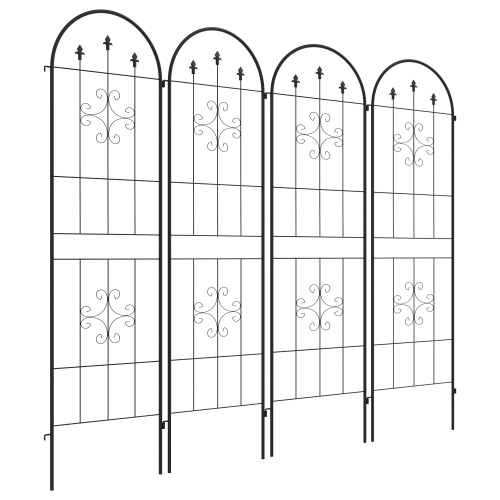
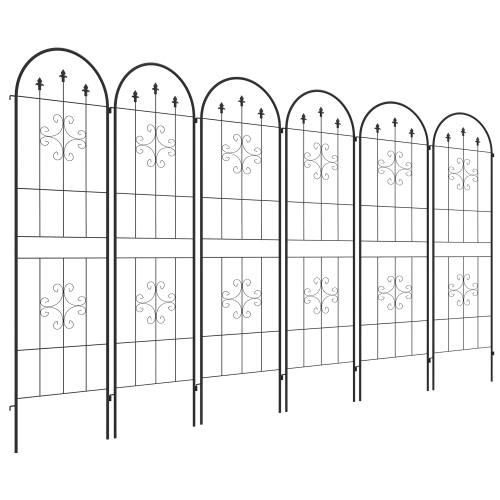
Materials influence the character, weight, and care requirements of a climbing plant trellis. Wood offers a familiar garden look and a broad surface for attaching ties, but its durability varies with the timber, finish, joinery, and contact with damp soil. Rough edges or splinters are worth checking wherever tender stems will rest. Bamboo gives lightweight frames a simple appearance and provides narrow poles that many twining plants can grasp; secure connections matter because loose lashings can let the structure shift as growth builds. Metal can create slim profiles with substantial strength, though the gauge of the rods, quality of the welds, and overall design matter more than the material name alone. Protective finishes help limit corrosion, and scratches or worn areas may need attention according to the care directions. Plastic supports and synthetic netting are often light and easy to handle, but their stiffness, load limits, and suitability for prolonged outdoor use vary. Flexible mesh needs a firm surrounding frame or properly secured stakes; it should not be expected to carry a heavy vine without adequate support. For any material, the combined weight of stems, leaves, flowers, and fruit is more important than the size of the young plant at planting time. Vigorous woody climbers may need a substantial, permanently anchored structure rather than a lightweight pot insert. Fruiting vines can also place uneven loads on a frame, and larger fruit may need separate slings attached to a suitable support. Appearance remains part of the choice, especially before foliage fills in. A dark metal outline can sit quietly behind leaves, while a wood lattice or sculptural tower remains a visible feature in its own right. Matching the colour and proportions to nearby planters, fencing, or furniture helps the trellis feel intentional without requiring every surface to match. Smooth contact points and accessible fixing positions make routine plant care easier regardless of the chosen finish.
Fit begins with the space the trellis will occupy and the space the plant will eventually need. For a container, the base should fit securely inside the pot without crowding the root area, and the pot must be stable enough to carry the added height and weight. A tall, narrow frame in a small, lightweight container can become unbalanced as foliage develops. Inserting supports before roots become established can reduce disturbance, while a pot with suitable drainage helps prevent water from collecting around the base. In a garden bed, check both the overall height and the portion that must sit below the soil surface; the usable growing height may be less than the full measurement. Freestanding structures need anchoring suited to their design and the planting location. Wall-mounted panels require fixings appropriate to the surface, along with enough clearance behind the frame for stems, ties, and maintenance. A trellis can help keep trained growth away from a wall, but it does not automatically stop self-clinging plants from attaching to nearby surfaces. Beside a walkway, allow room for leaves and side shoots so the planted frame does not narrow the route. Care is usually straightforward but should suit the material: remove trapped plant debris, inspect joints and anchors, and clean surfaces using the maker’s directions. Soft plant ties arranged with room for growth are less likely to constrict stems than tight loops, and attachment points need checking as the plant thickens. Netting deserves particular attention during pruning because tendrils can weave tightly through it. These practical details matter to balcony gardeners working with a few pots, vegetable growers seeking easier harvesting, and flower gardeners arranging a vertical display beside a seating area. A compact trellis can also be a thoughtful gift for someone who enjoys growing climbing plants, provided it suits their planter size and preferred plants. The most useful design is not necessarily the tallest or most elaborate; it is the one that gives the plant dependable support while leaving its owner enough room to tend, train, and enjoy the growth.
Materials influence the character, weight, and care requirements of a climbing plant trellis. Wood offers a familiar garden look and a broad surface for attaching ties, but its durability varies with the timber, finish, joinery, and contact with damp soil. Rough edges or splinters are worth checking wherever tender stems will rest. Bamboo gives lightweight frames a simple appearance and provides narrow poles that many twining plants can grasp; secure connections matter because loose lashings can let the structure shift as growth builds. Metal can create slim profiles with substantial strength, though the gauge of the rods, quality of the welds, and overall design matter more than the material name alone. Protective finishes help limit corrosion, and scratches or worn areas may need attention according to the care directions. Plastic supports and synthetic netting are often light and easy to handle, but their stiffness, load limits, and suitability for prolonged outdoor use vary. Flexible mesh needs a firm surrounding frame or properly secured stakes; it should not be expected to carry a heavy vine without adequate support. For any material, the combined weight of stems, leaves, flowers, and fruit is more important than the size of the young plant at planting time. Vigorous woody climbers may need a substantial, permanently anchored structure rather than a lightweight pot insert. Fruiting vines can also place uneven loads on a frame, and larger fruit may need separate slings attached to a suitable support. Appearance remains part of the choice, especially before foliage fills in. A dark metal outline can sit quietly behind leaves, while a wood lattice or sculptural tower remains a visible feature in its own right. Matching the colour and proportions to nearby planters, fencing, or furniture helps the trellis feel intentional without requiring every surface to match. Smooth contact points and accessible fixing positions make routine plant care easier regardless of the chosen finish.
Fit begins with the space the trellis will occupy and the space the plant will eventually need. For a container, the base should fit securely inside the pot without crowding the root area, and the pot must be stable enough to carry the added height and weight. A tall, narrow frame in a small, lightweight container can become unbalanced as foliage develops. Inserting supports before roots become established can reduce disturbance, while a pot with suitable drainage helps prevent water from collecting around the base. In a garden bed, check both the overall height and the portion that must sit below the soil surface; the usable growing height may be less than the full measurement. Freestanding structures need anchoring suited to their design and the planting location. Wall-mounted panels require fixings appropriate to the surface, along with enough clearance behind the frame for stems, ties, and maintenance. A trellis can help keep trained growth away from a wall, but it does not automatically stop self-clinging plants from attaching to nearby surfaces. Beside a walkway, allow room for leaves and side shoots so the planted frame does not narrow the route. Care is usually straightforward but should suit the material: remove trapped plant debris, inspect joints and anchors, and clean surfaces using the maker’s directions. Soft plant ties arranged with room for growth are less likely to constrict stems than tight loops, and attachment points need checking as the plant thickens. Netting deserves particular attention during pruning because tendrils can weave tightly through it. These practical details matter to balcony gardeners working with a few pots, vegetable growers seeking easier harvesting, and flower gardeners arranging a vertical display beside a seating area. A compact trellis can also be a thoughtful gift for someone who enjoys growing climbing plants, provided it suits their planter size and preferred plants. The most useful design is not necessarily the tallest or most elaborate; it is the one that gives the plant dependable support while leaving its owner enough room to tend, train, and enjoy the growth.
Top selling and popular products
-
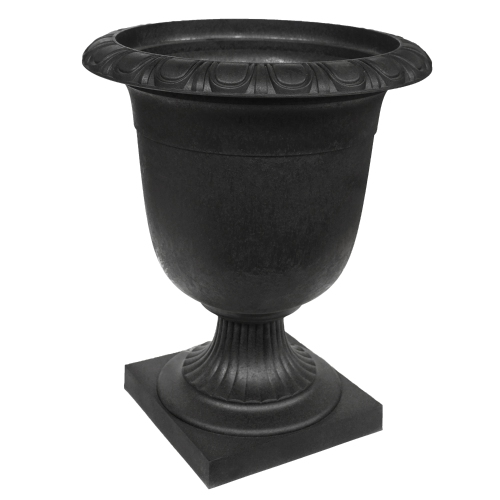 Your price for this item is $69.99
 -
 Your price for this item is $54.98
 -
 Your price for this item is $89.99
 -
 Your price for this item is $91.99
 -
 Your price for this item is $104.99
 -
 Your price for this item is $145.99
 -
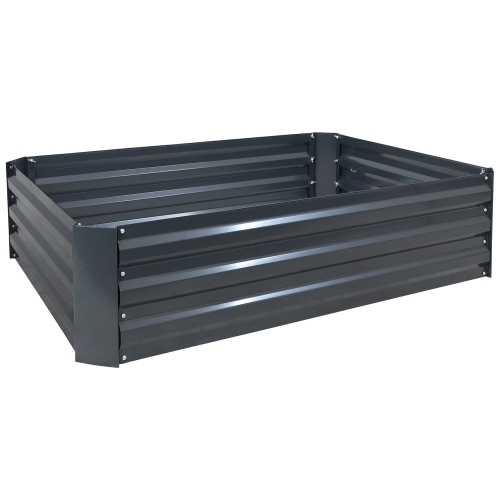 Your price for this item is $117.75
 -
 Your price for this item is $117.75
Discover more categories related to Climbing Plant Trellis
Top Collections:
Pokemon Centers, Kindle Devices, Best Budget Office Chairs, Apple iPhones 16, Canon G7X Cameras, iPhone 15 Apple, Alarm Clock, Refurbished Apple Laptops, Flip Phones, Best Laptops for Writers
Some products may be subject to Environmental Handling Fees
(EHF) depending on your province.
Learn more about EHFs.