Garden Trellis
Enhance the beauty of your garden with this selection of versatile and stylish garden trellises. Perfect for supporting climbing plants, creating visual interest, and adding a touch of elegance to your outdoor space, these trellises are both functional and decorative. Whether you're looking to showcase vibrant blooms, grow vertical gardens, or simply elevate your landscaping, our range of garden trellises offers a variety of designs and sizes to suit your needs. Explore this collection today and bring a new dimension to your gardening experience.
Sort
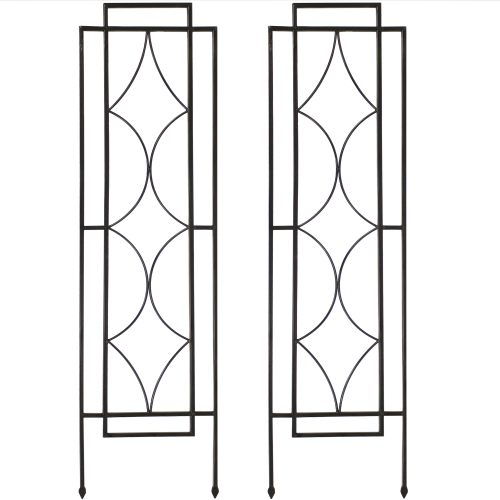
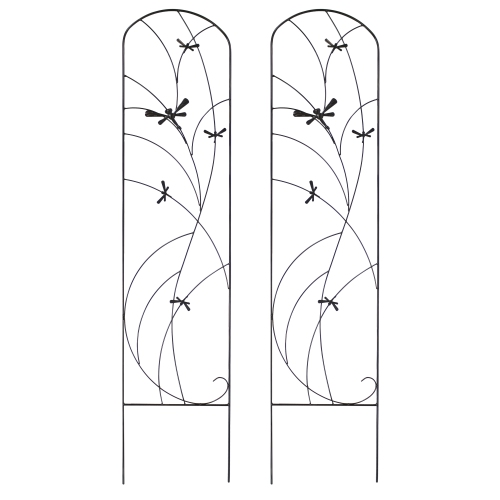
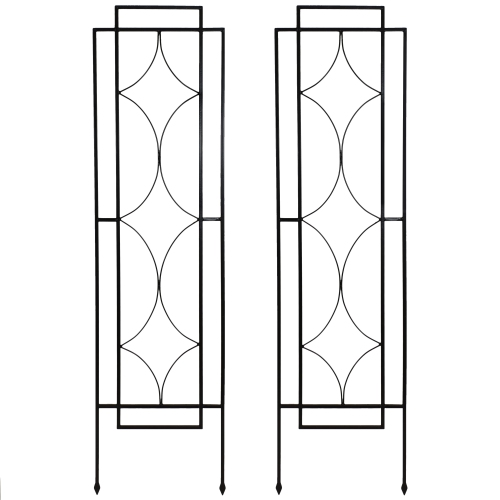
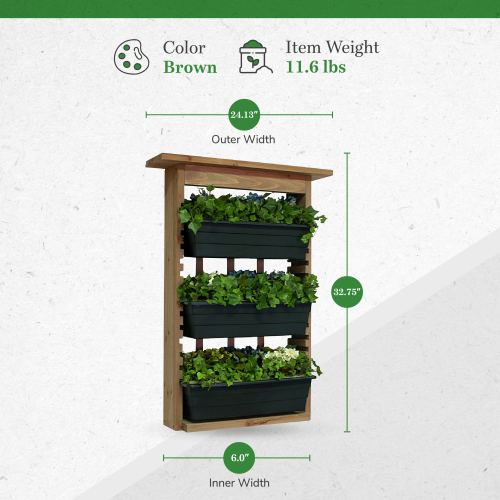
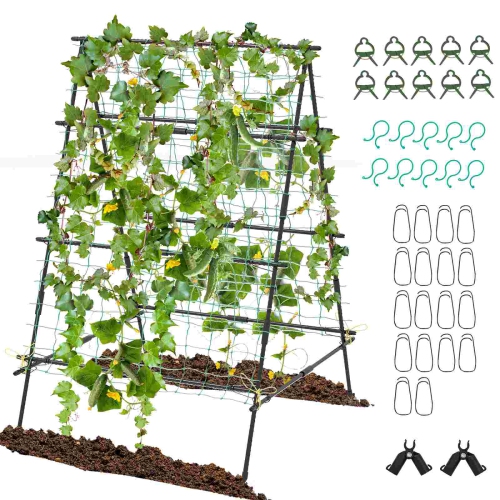
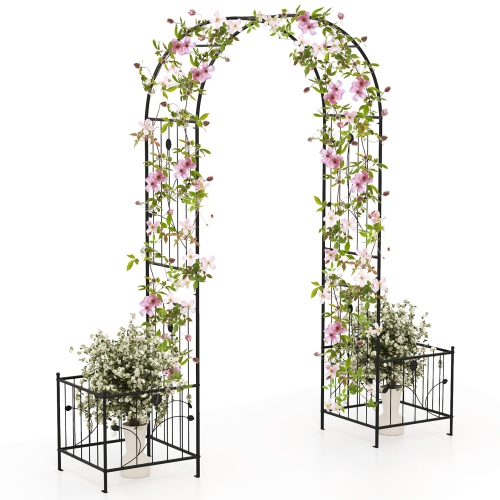
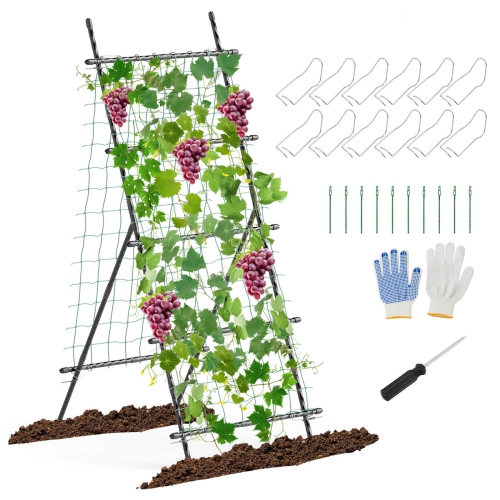
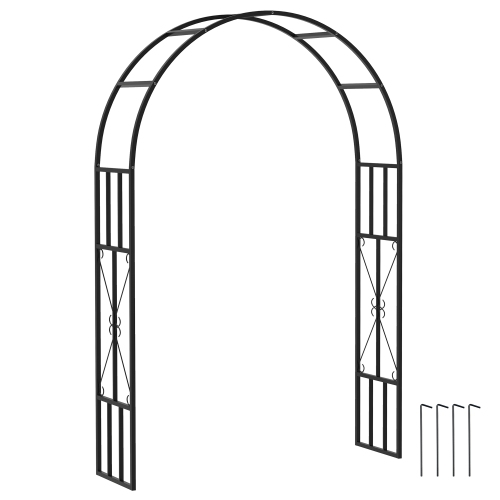
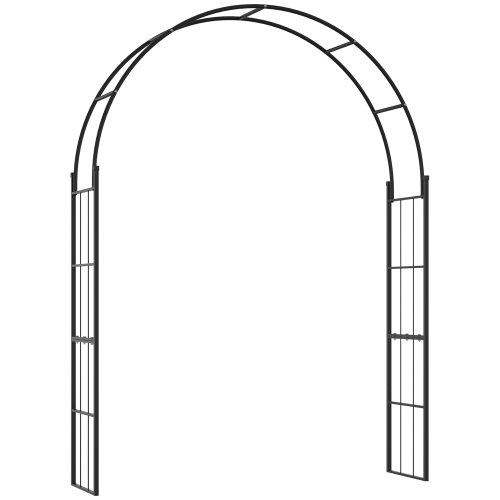
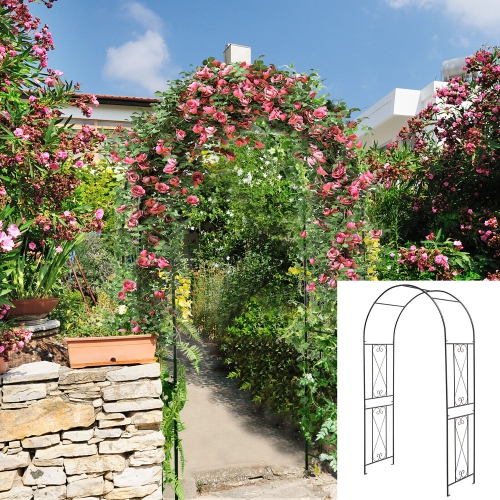
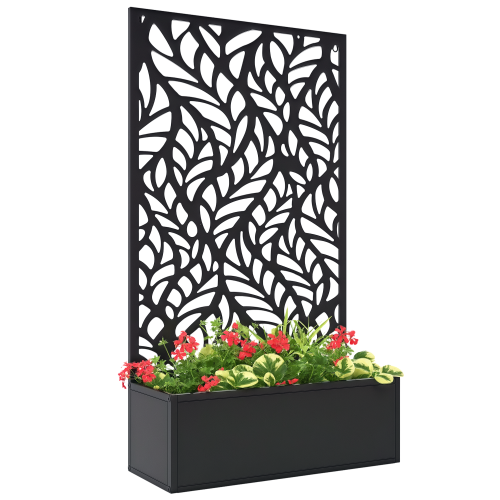
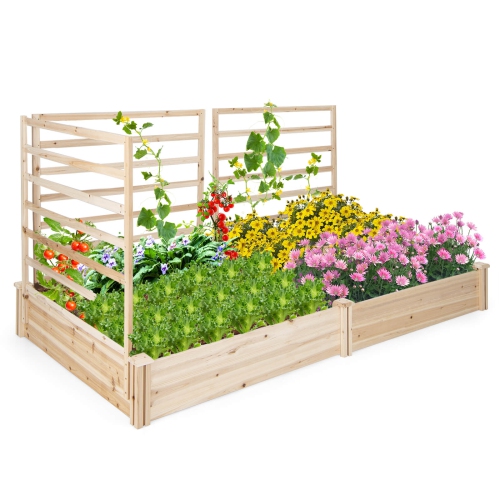
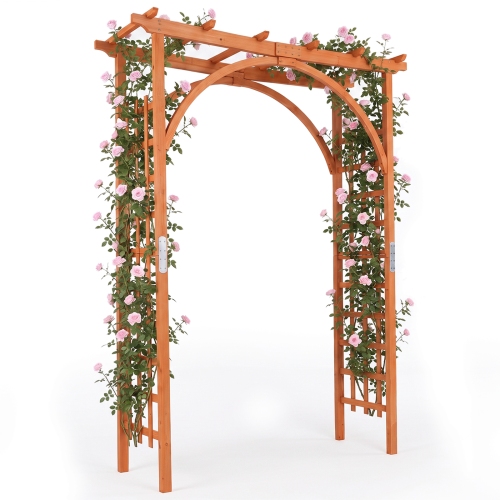
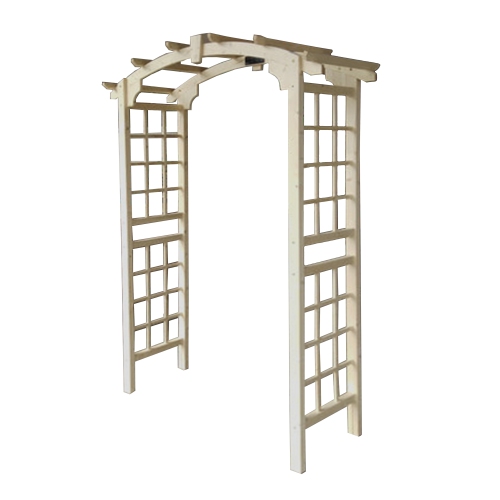
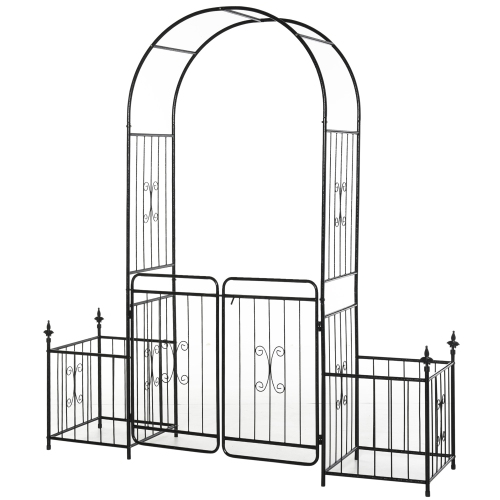

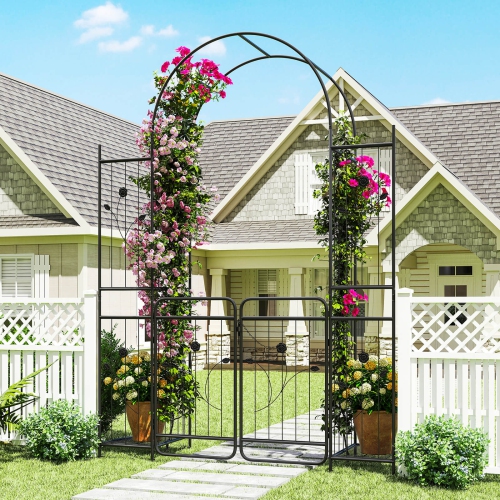
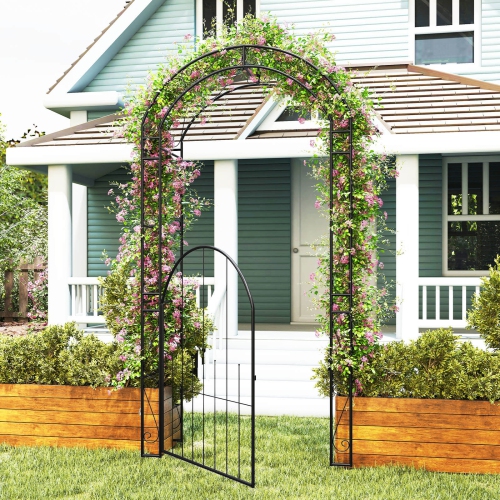
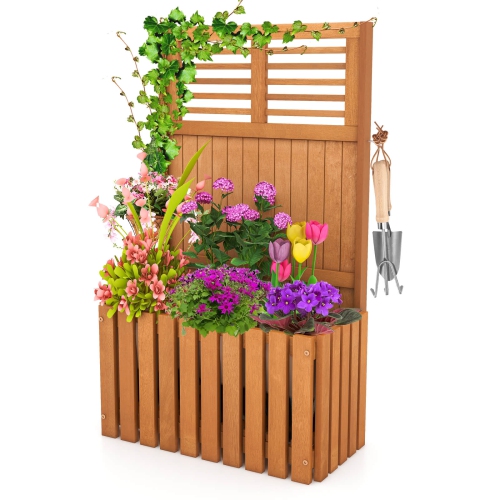
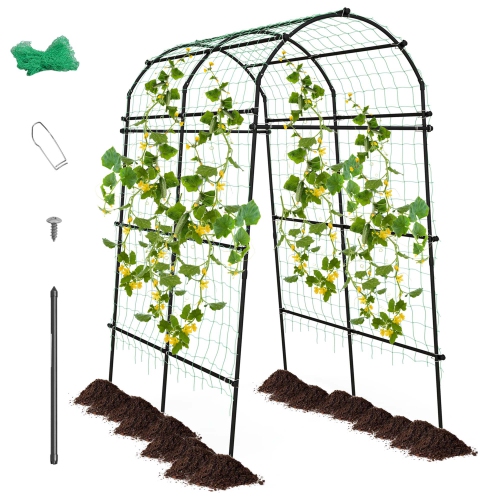
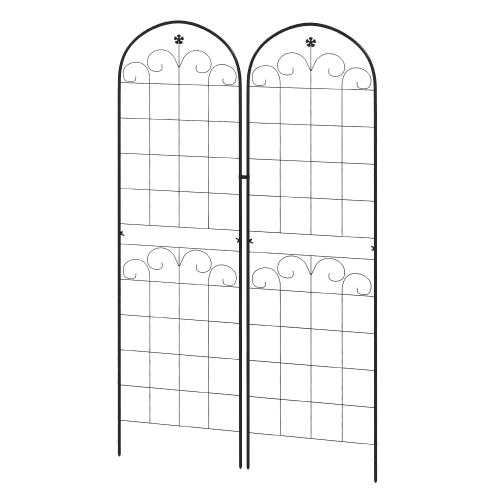
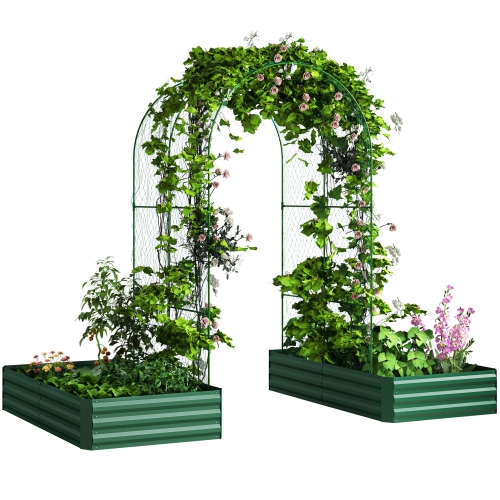
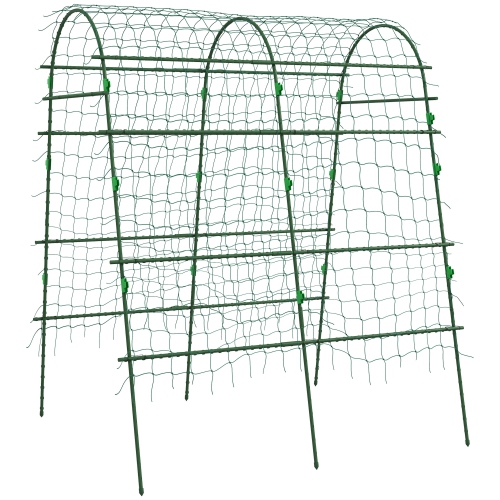
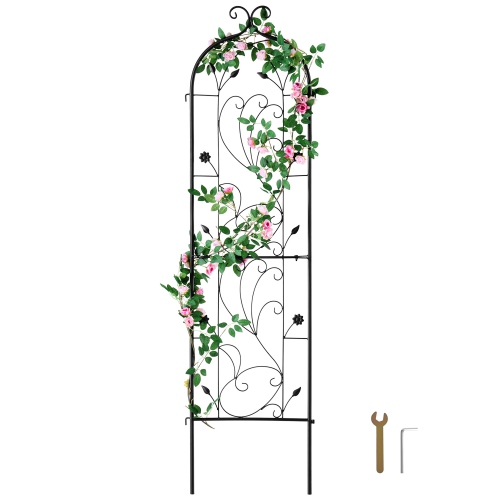
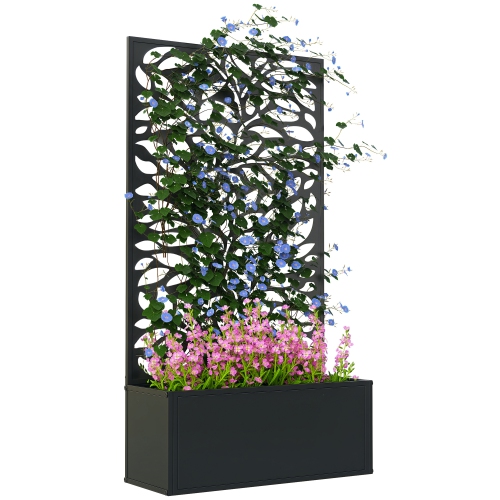
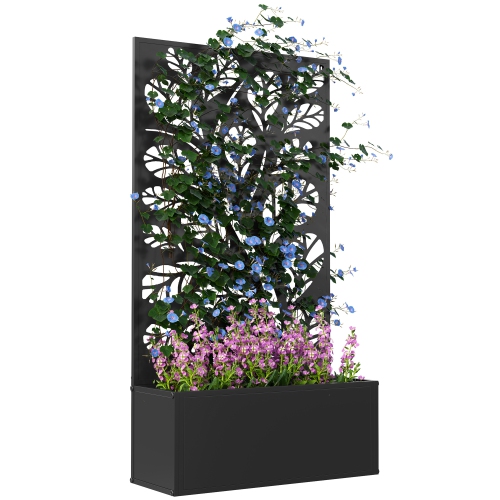
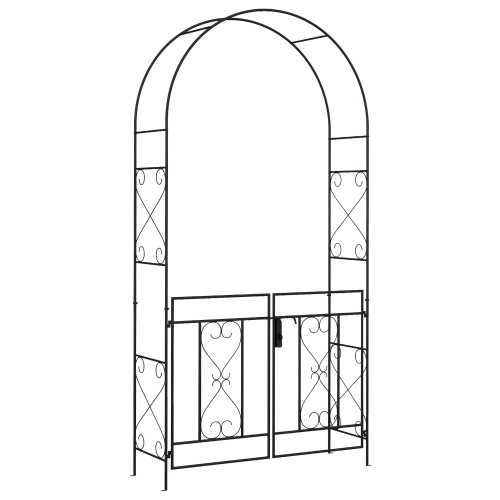
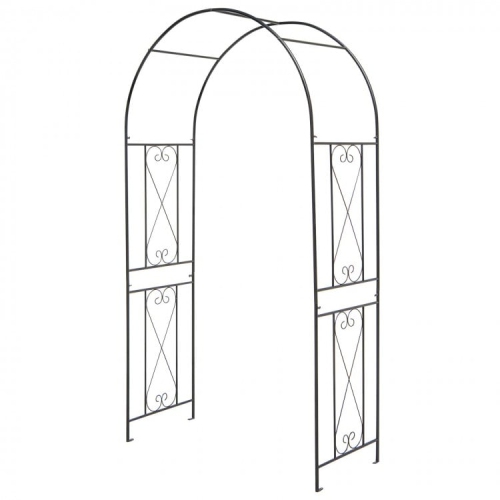
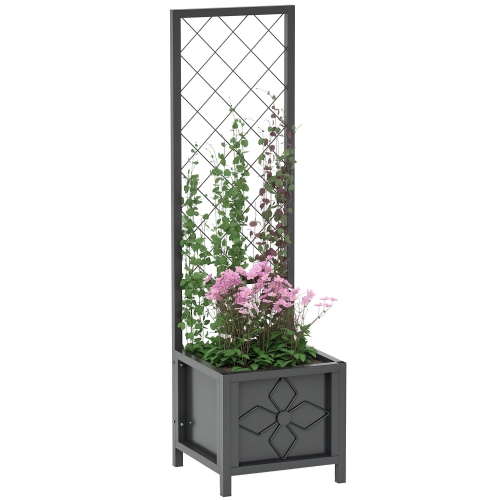
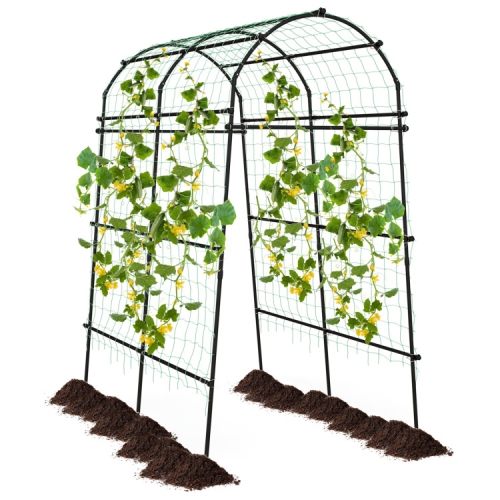
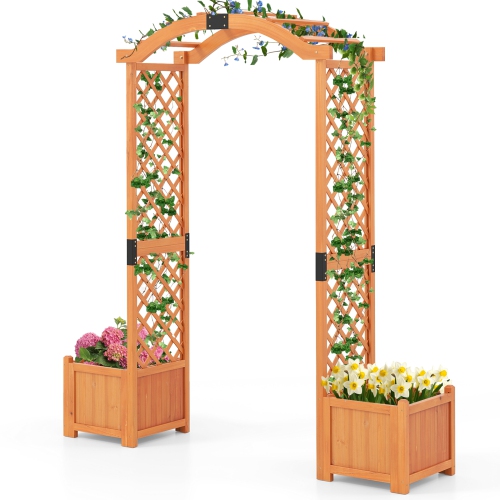
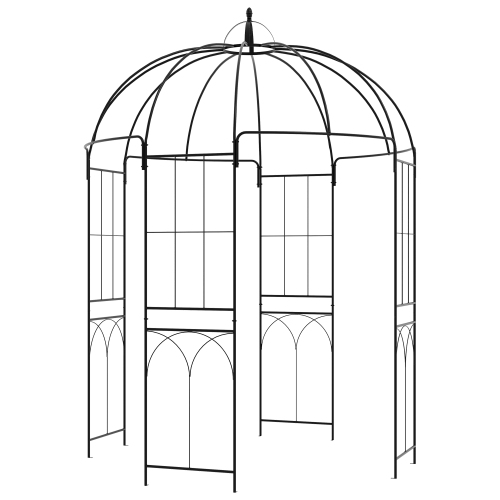
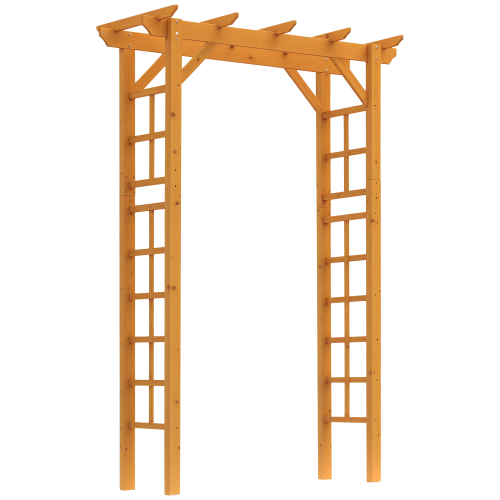
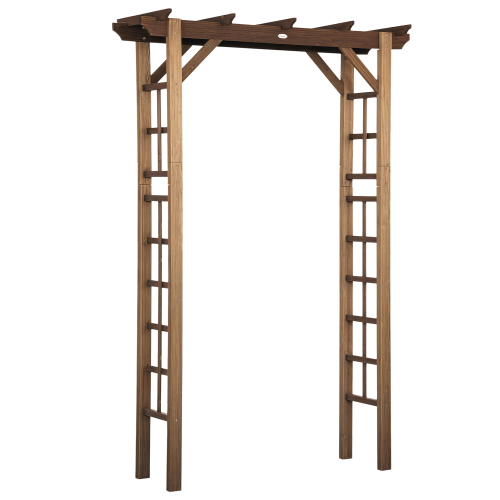
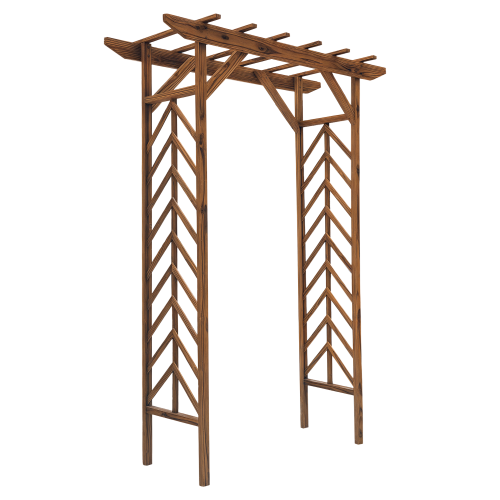
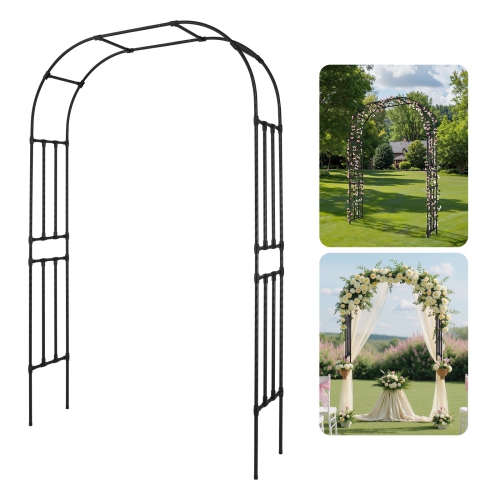
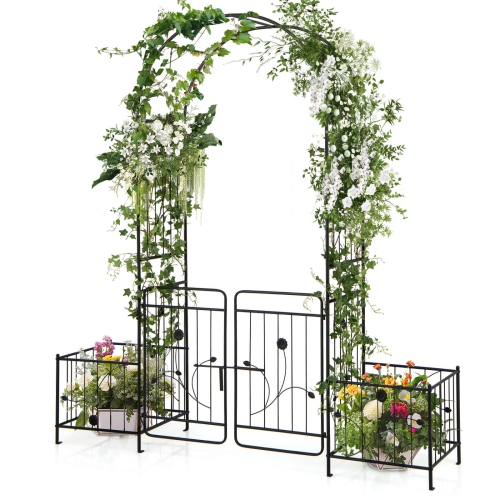
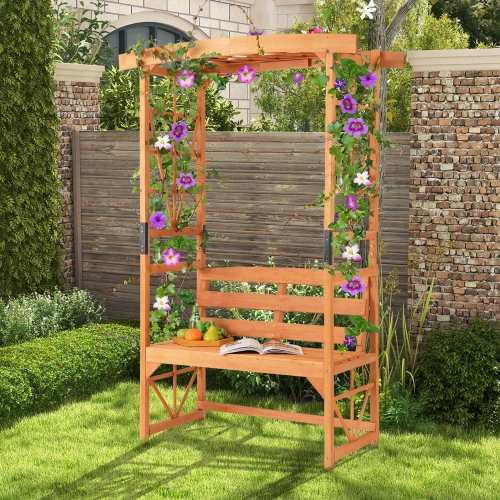
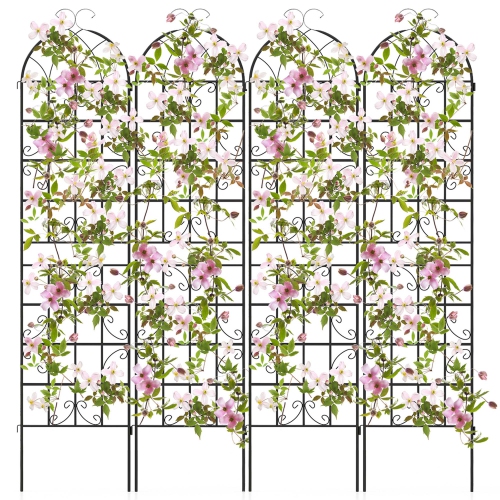
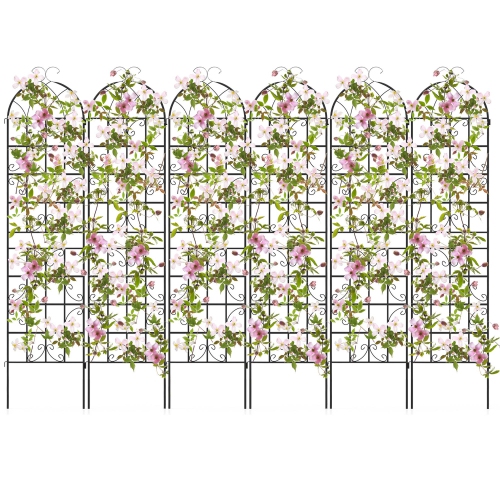
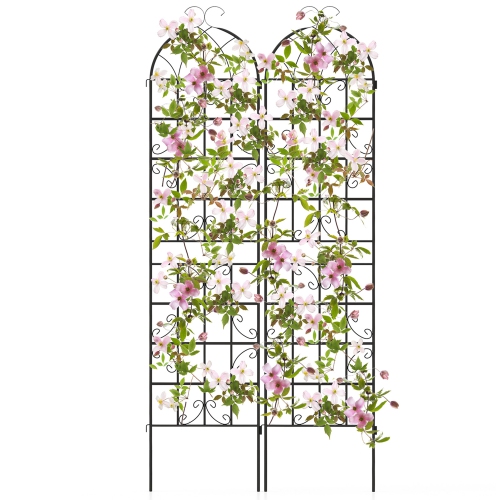
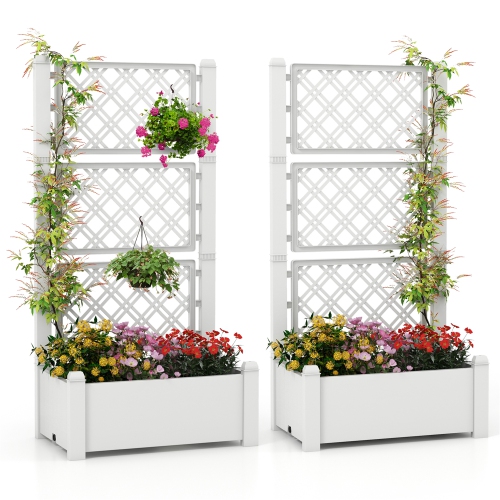
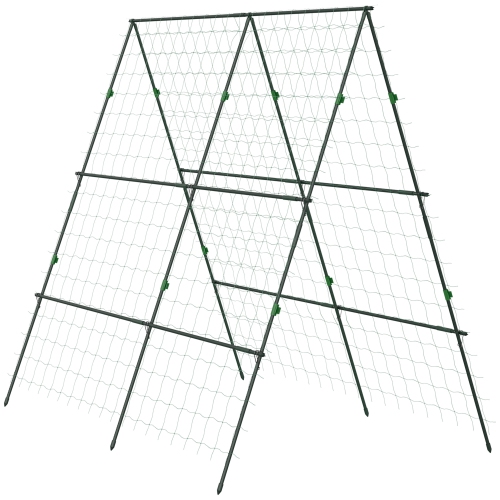
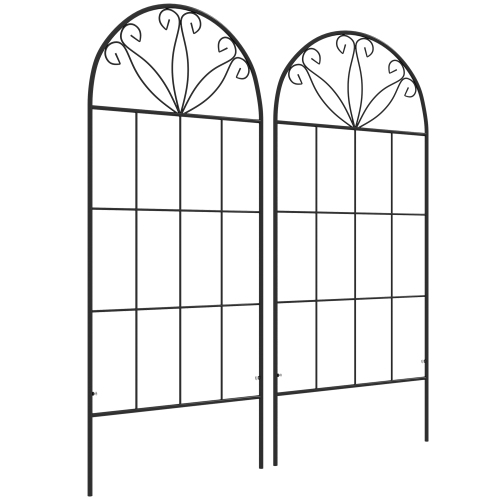
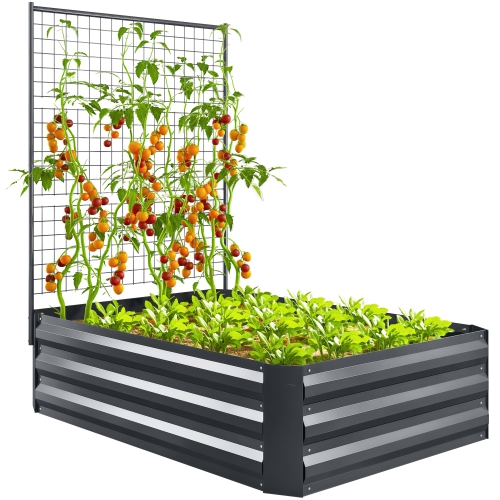
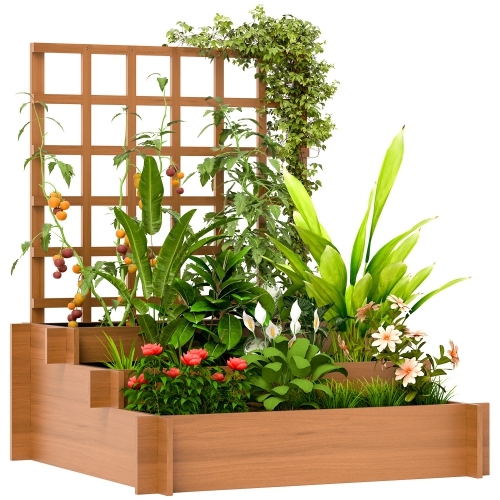
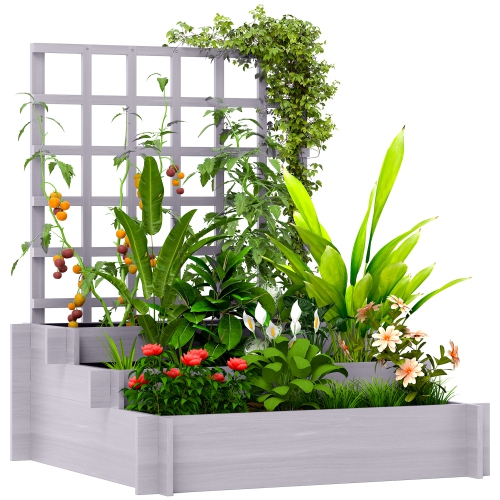
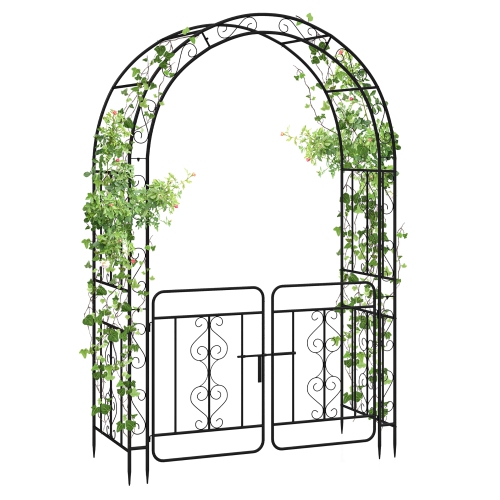
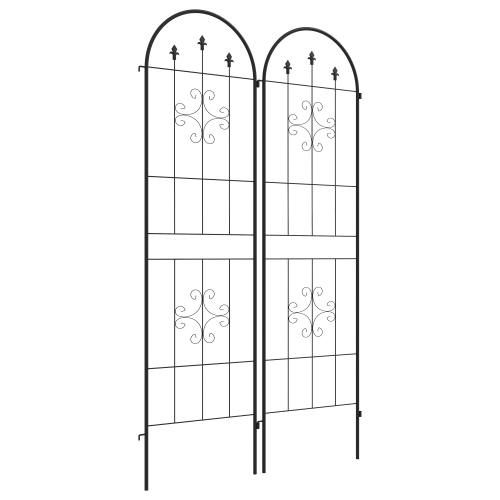
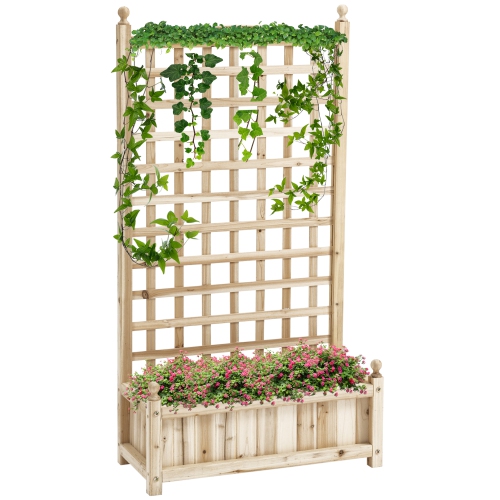
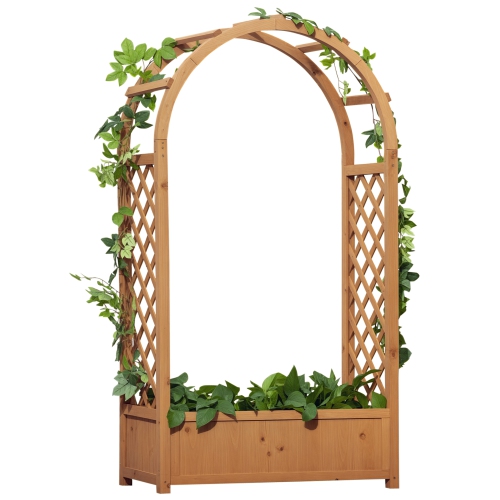
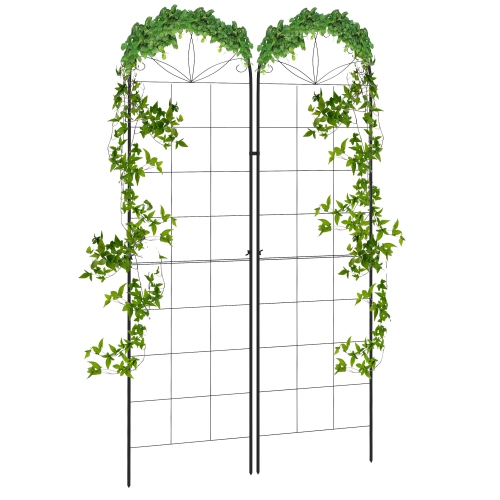
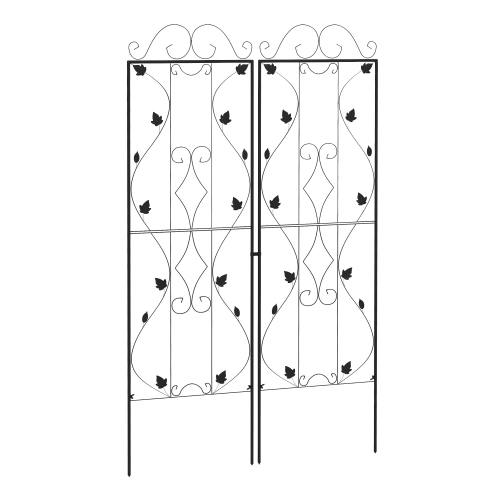
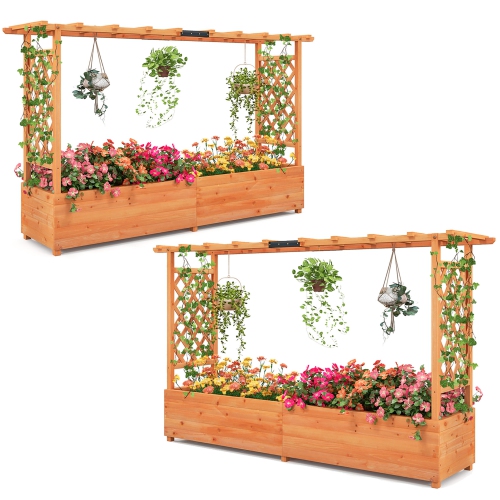
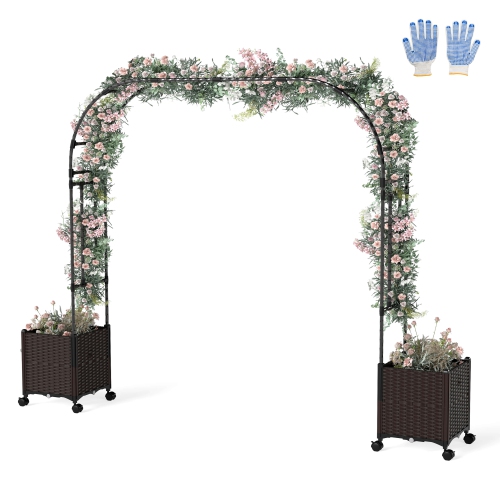
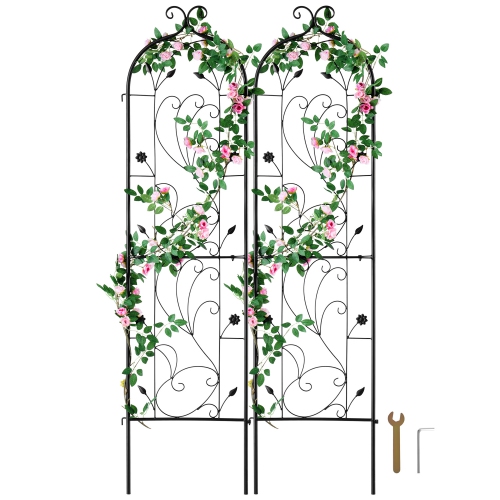
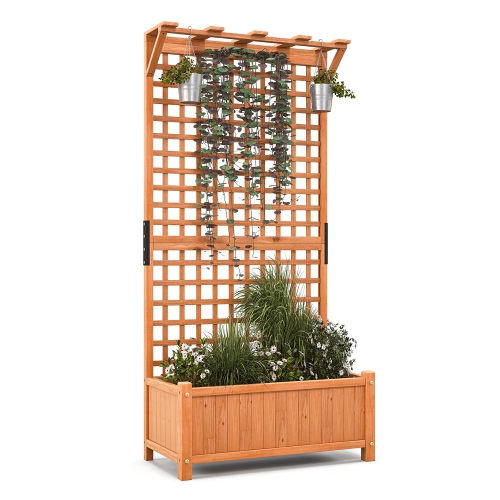
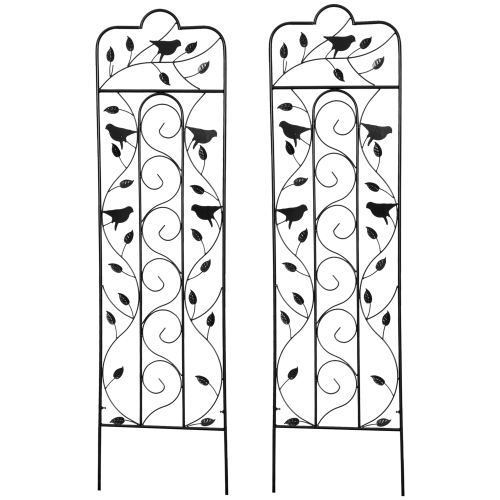
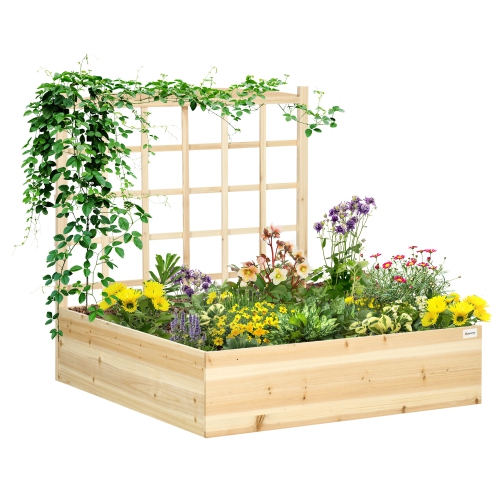
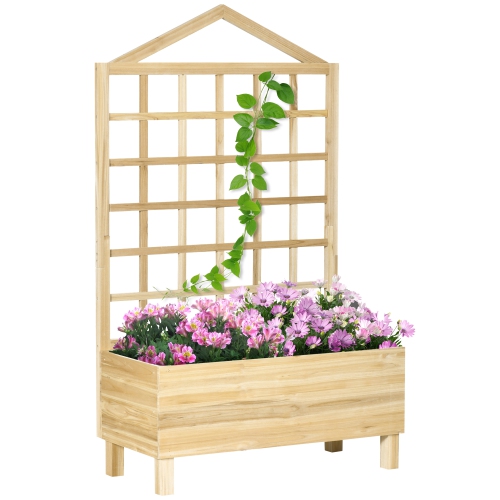
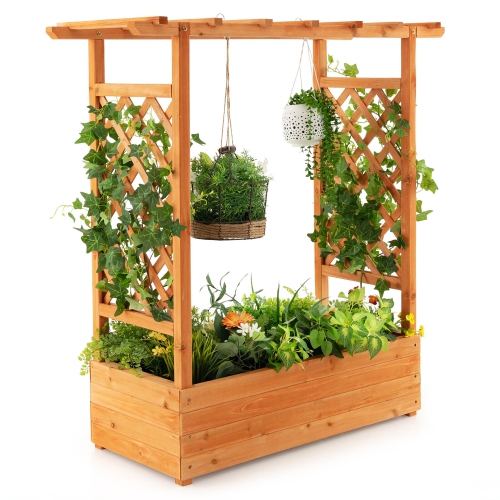
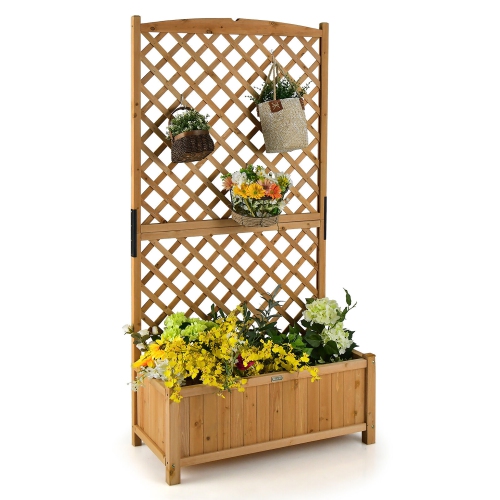
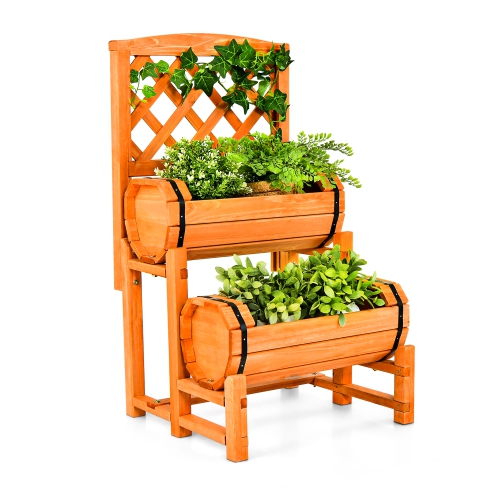
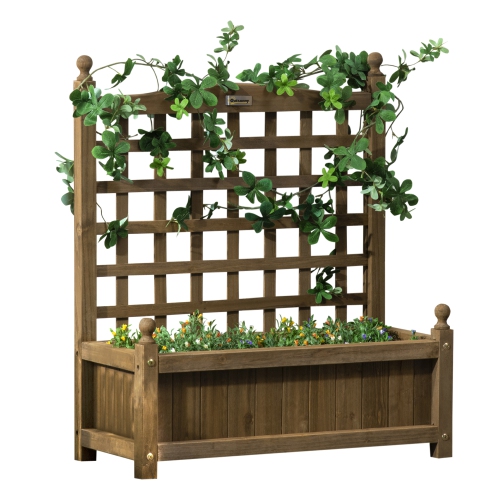
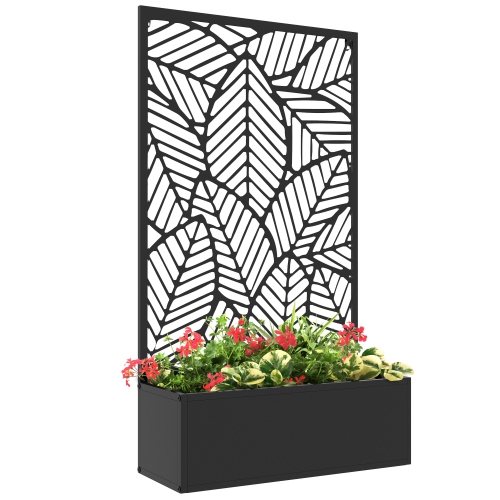
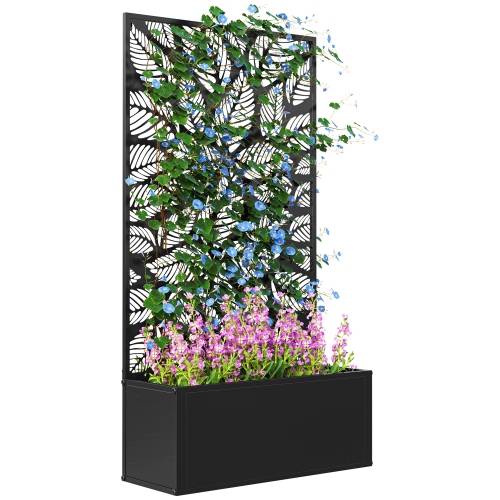
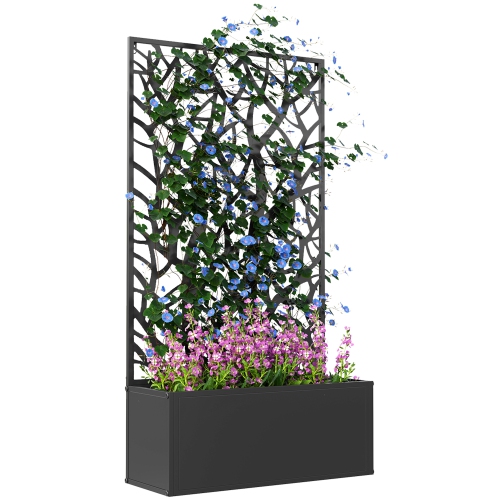
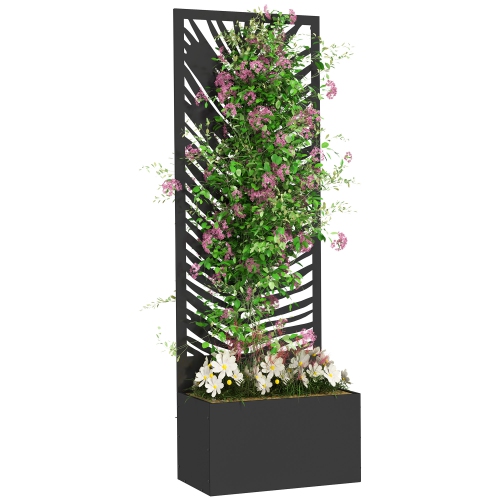
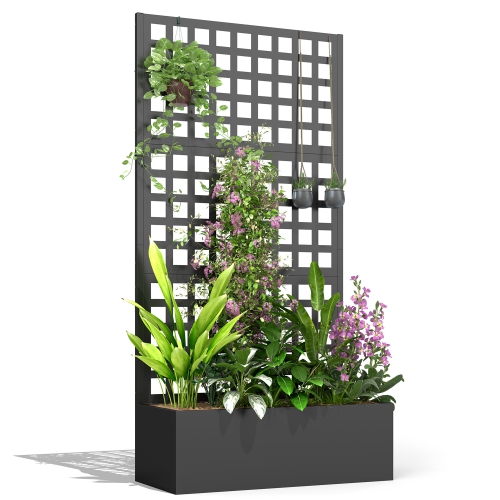
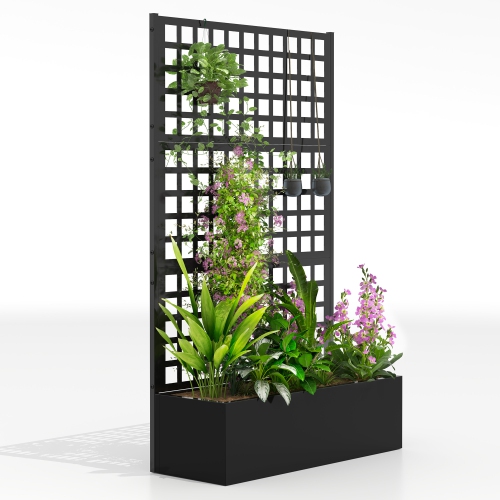
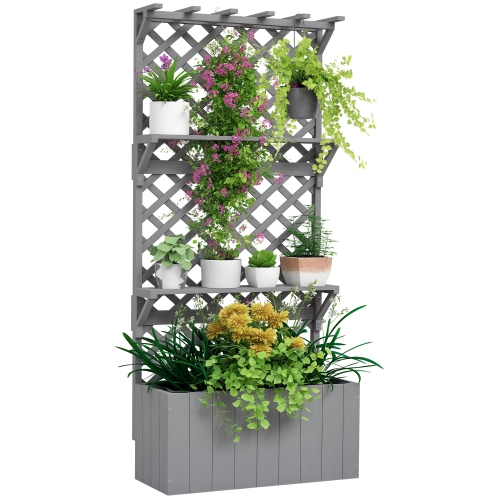
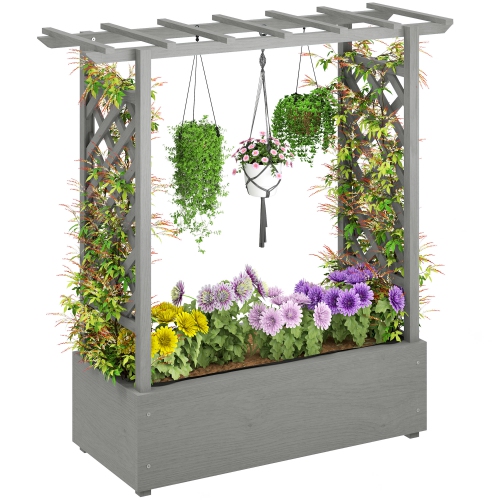
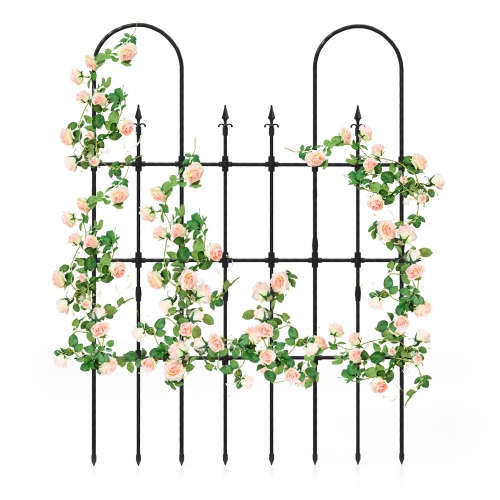
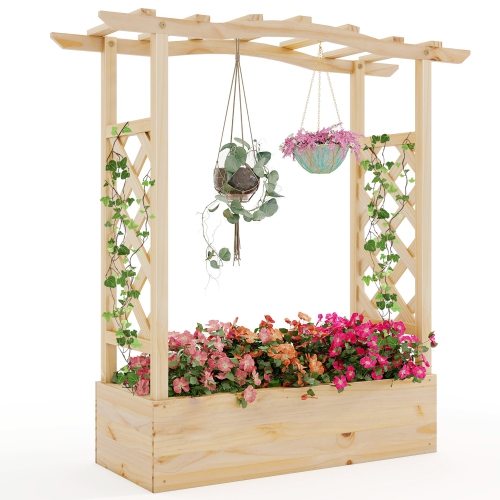
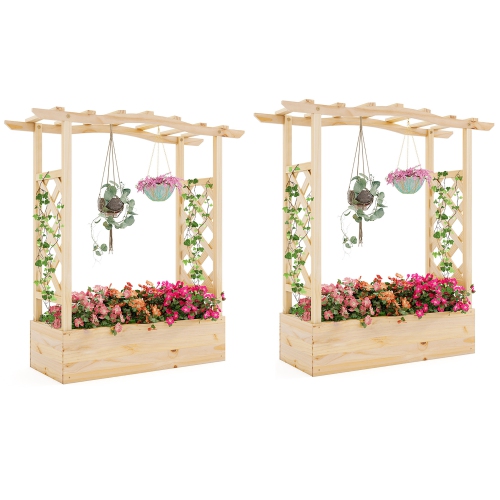
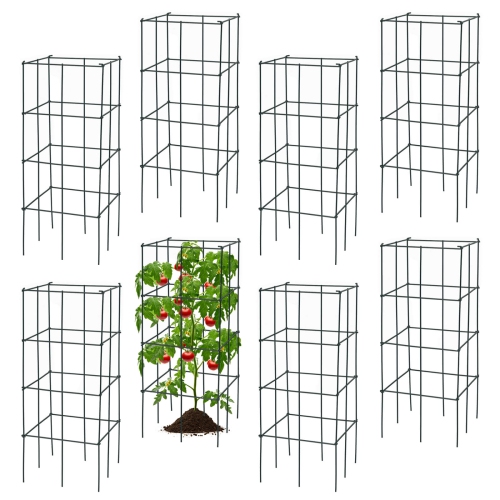
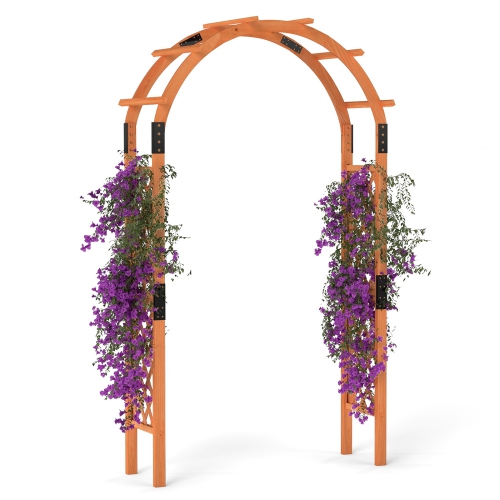
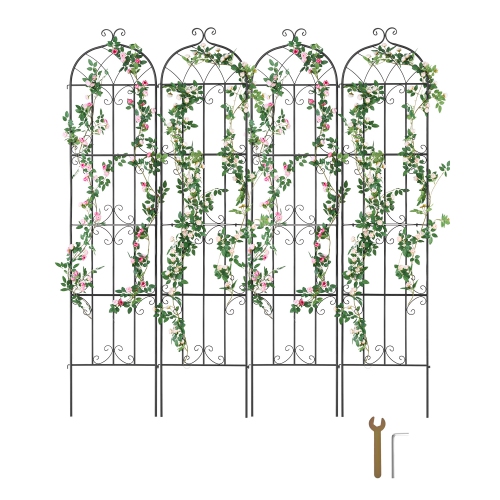
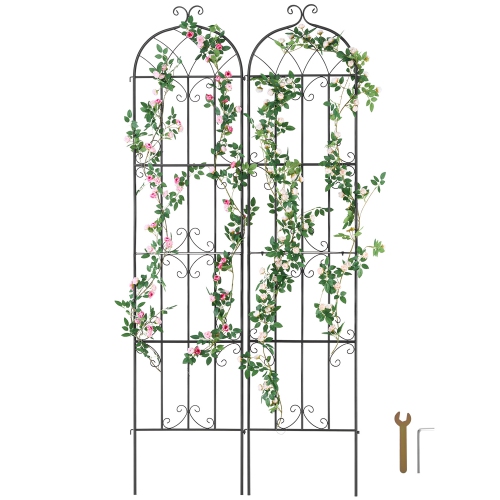
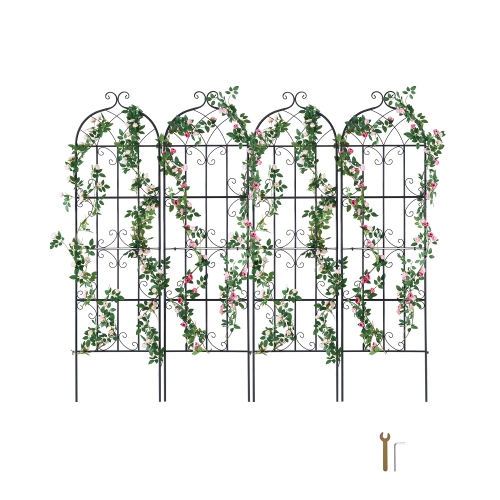
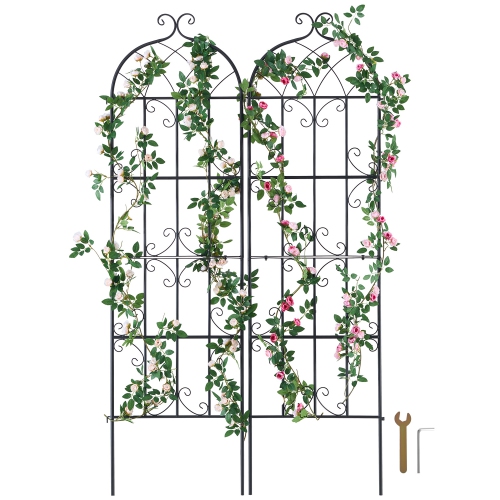
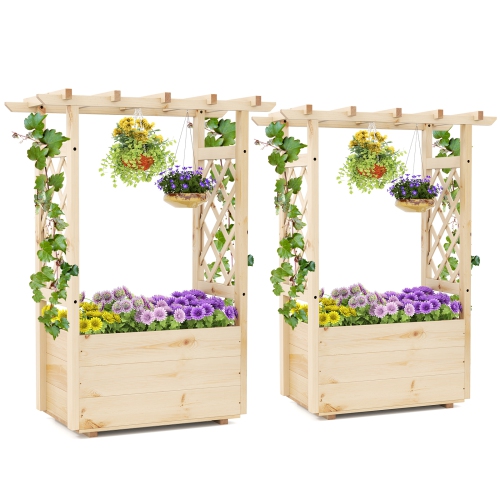
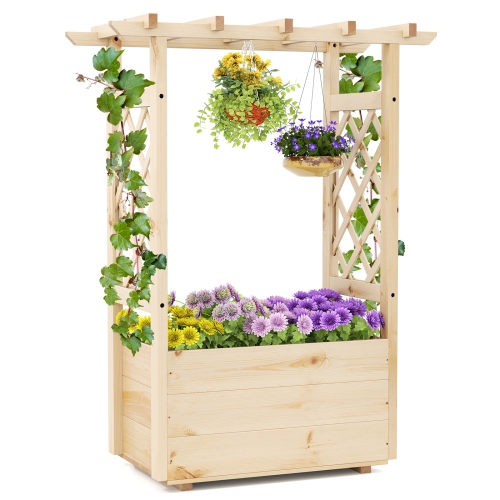
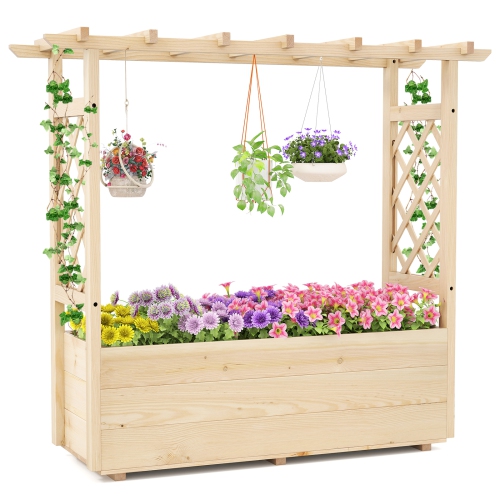
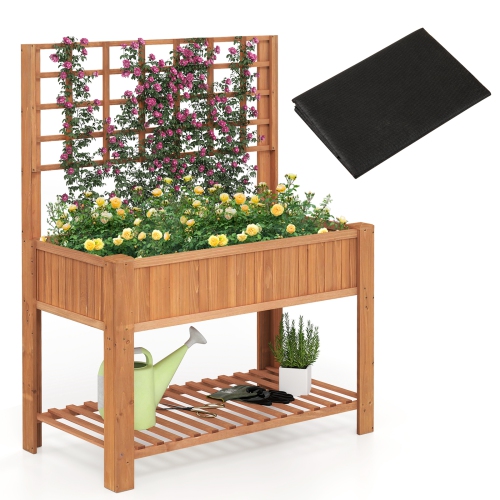
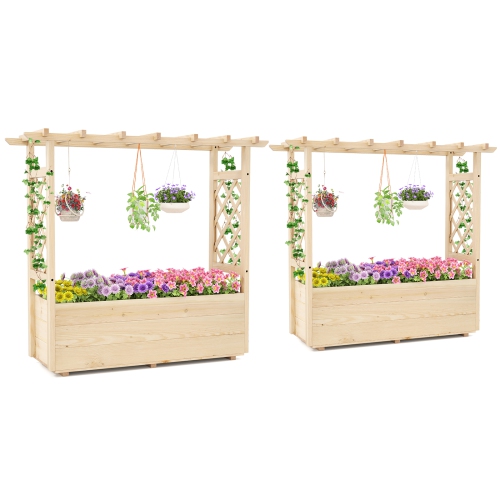
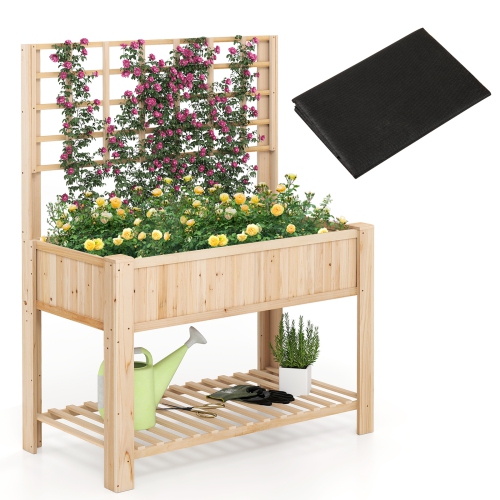
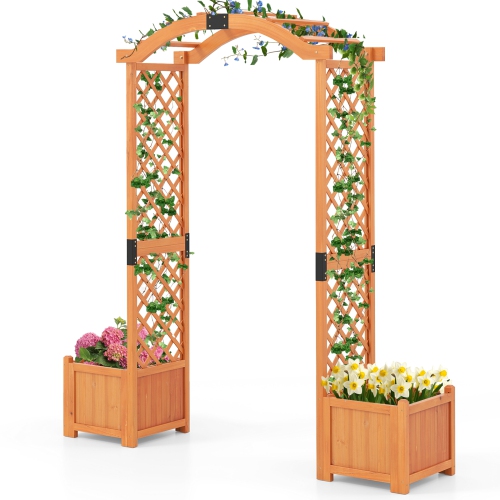
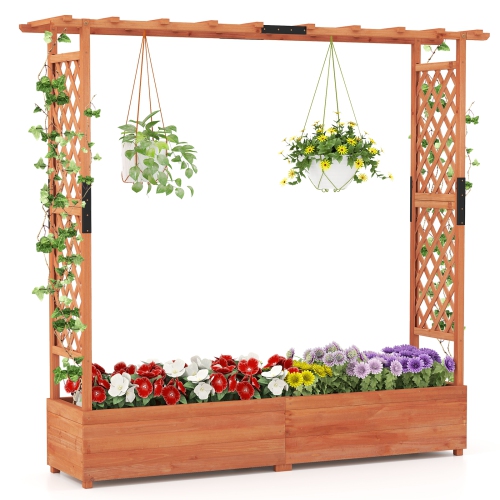
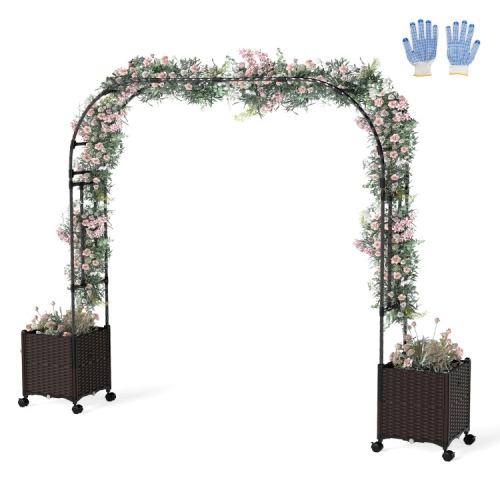
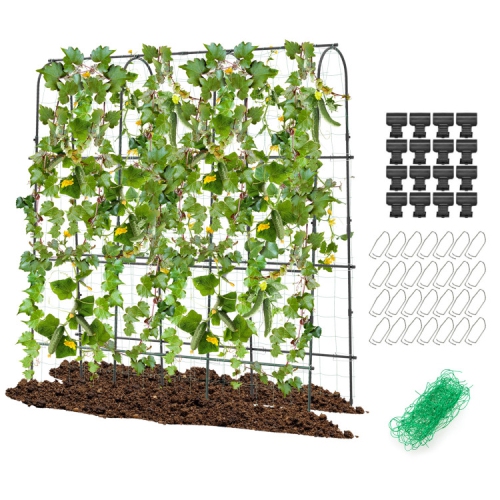
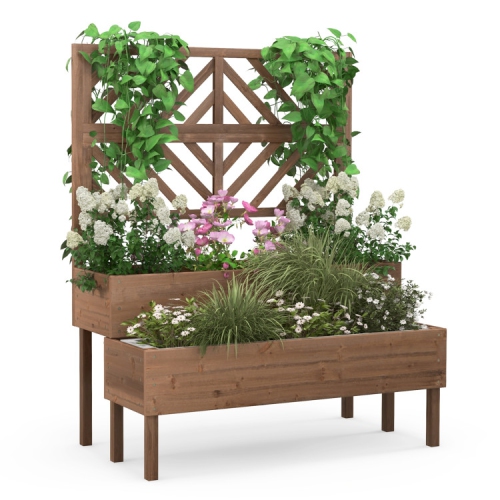
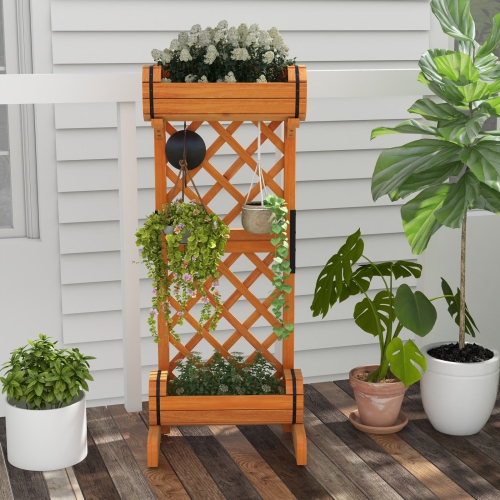
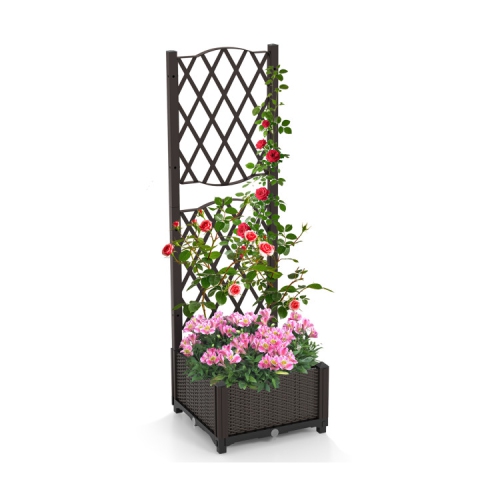
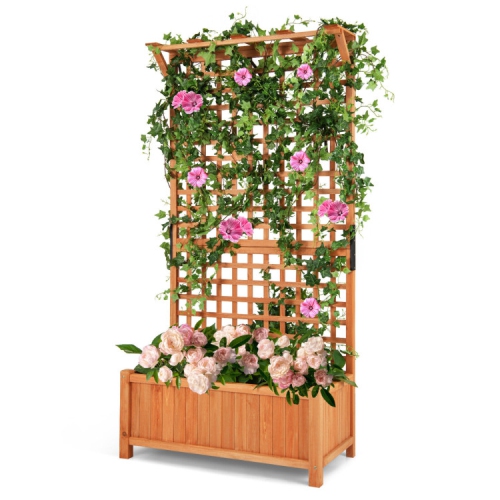
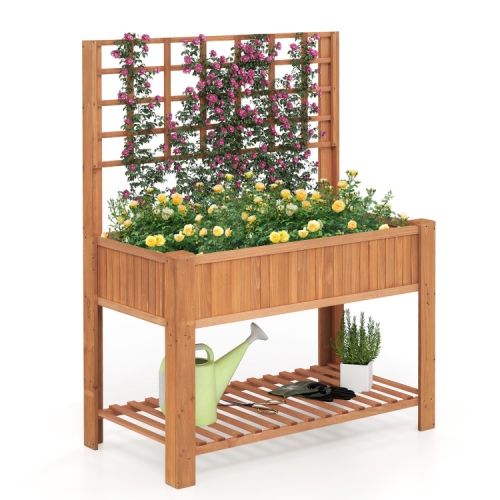
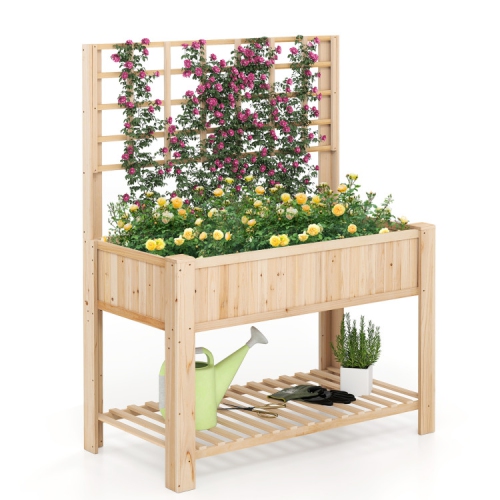
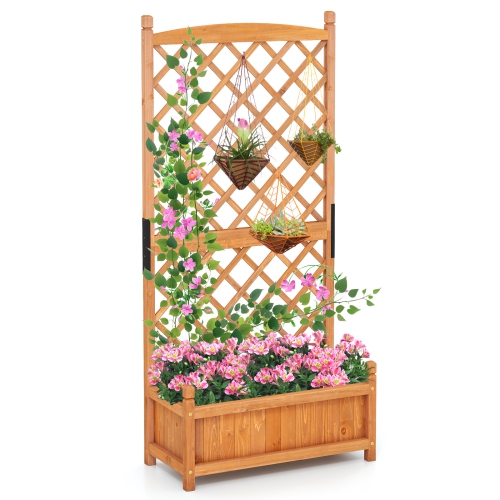
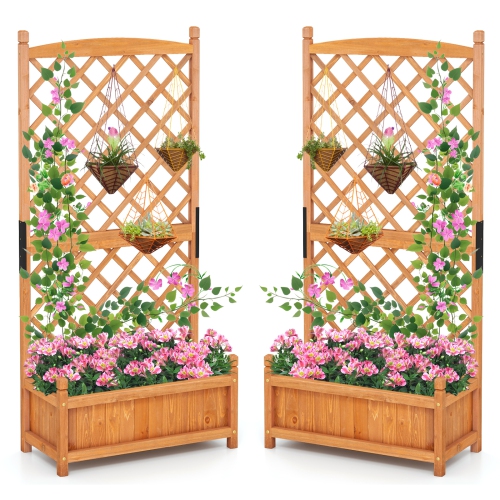
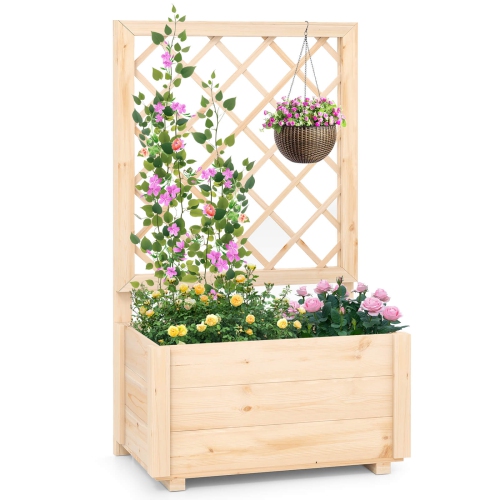
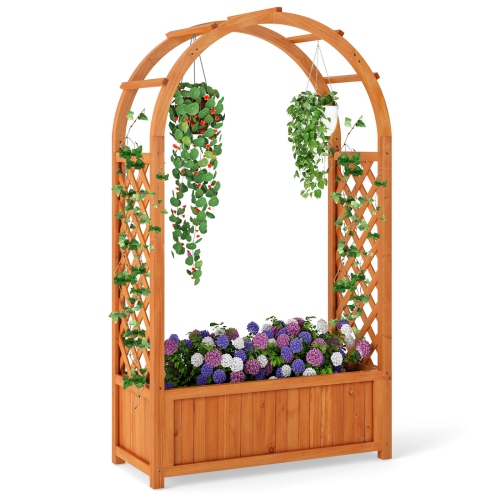
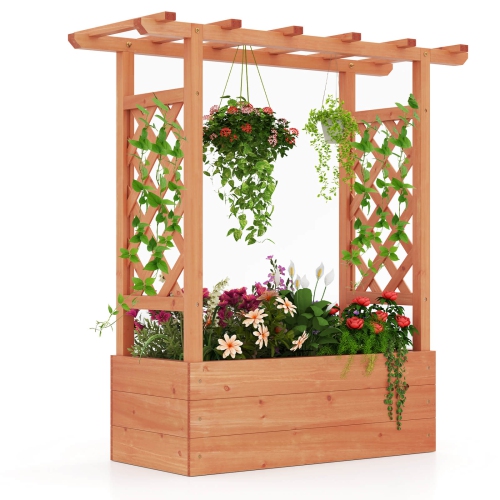
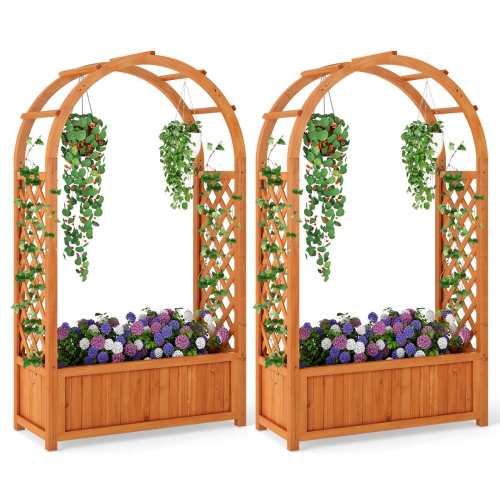
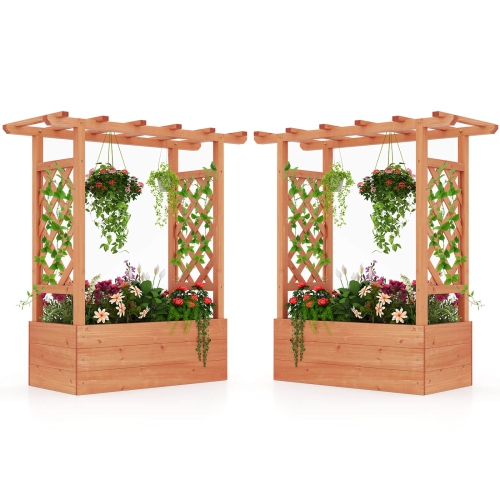
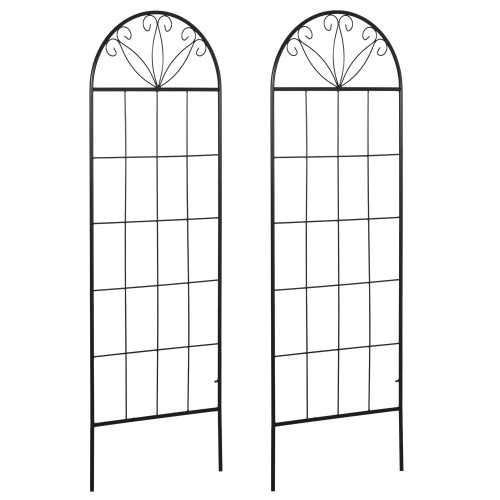
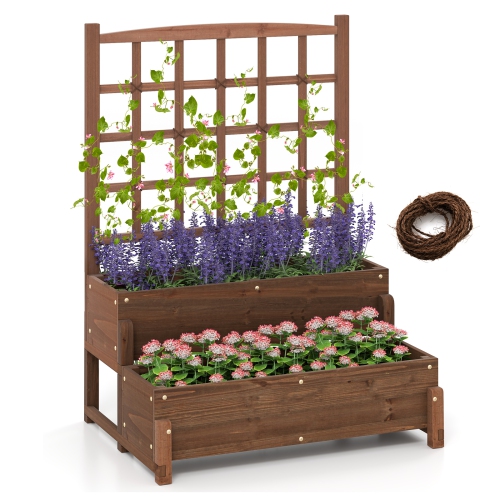
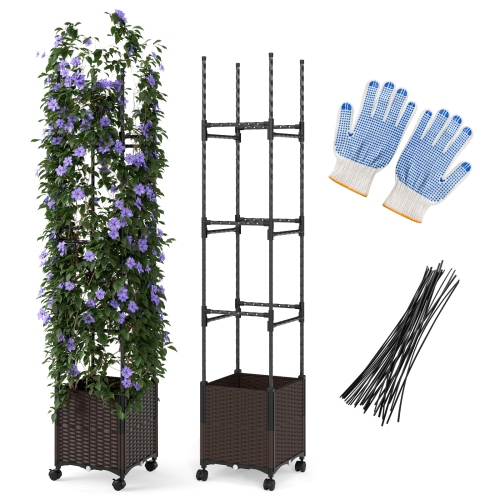
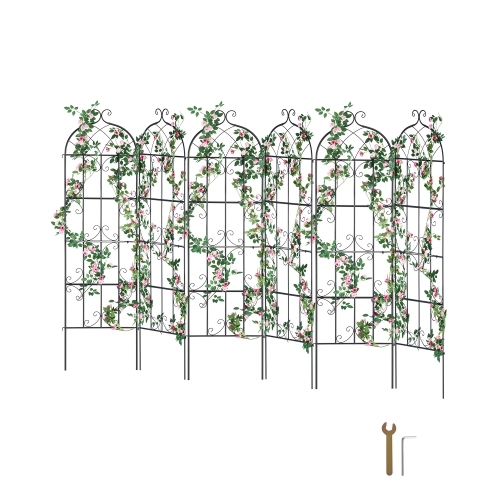
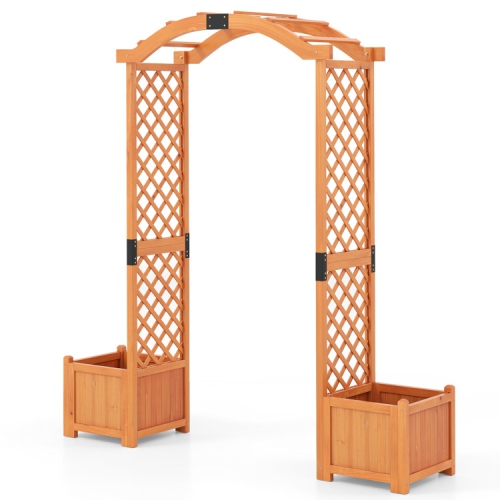
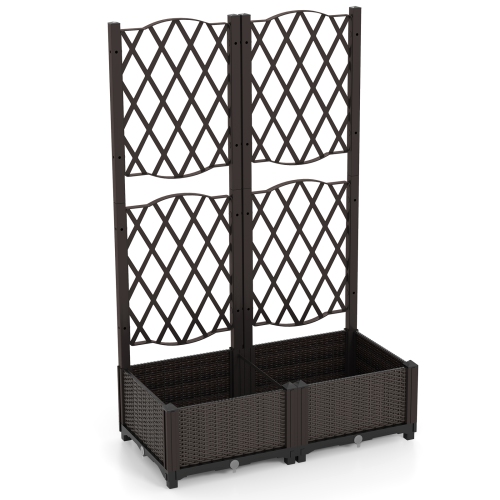
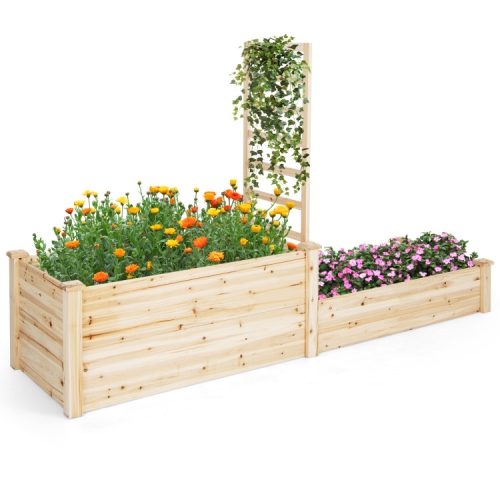
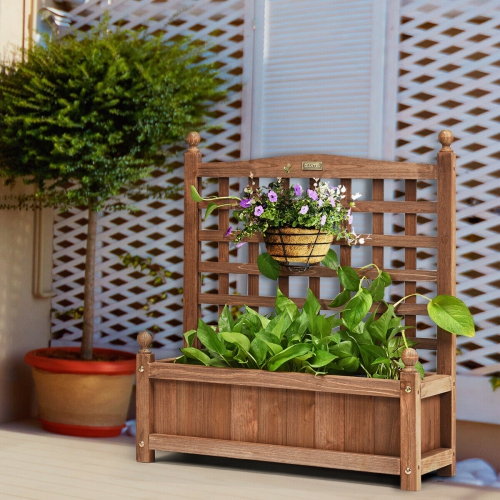
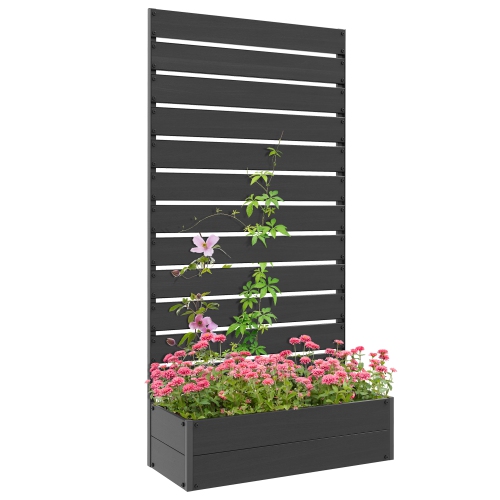
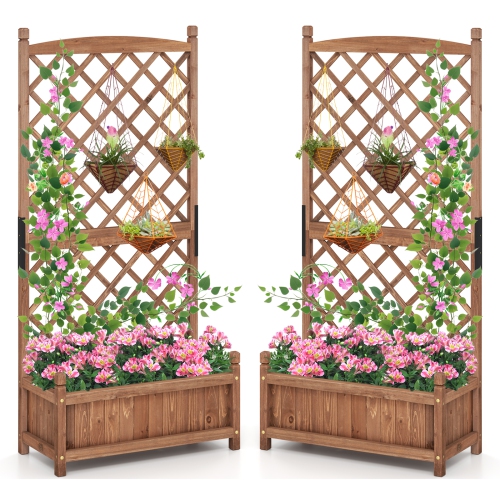
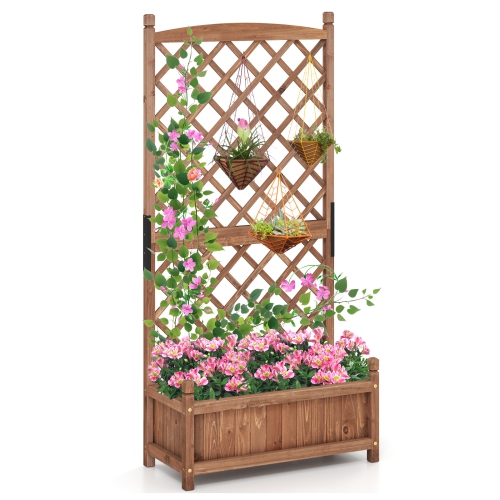
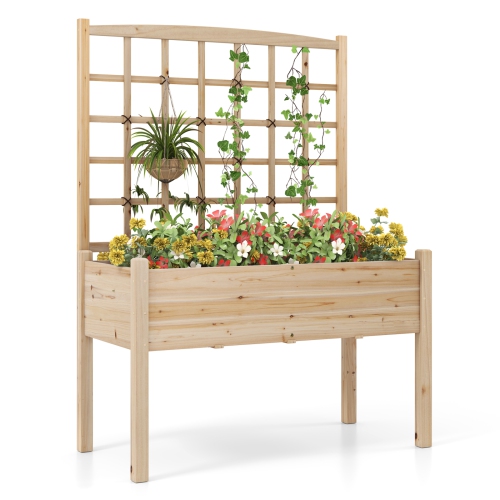
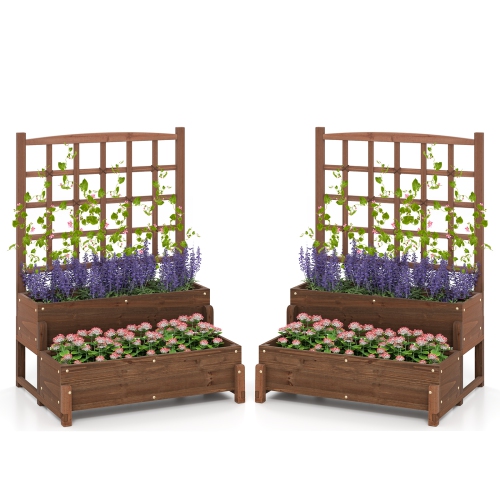
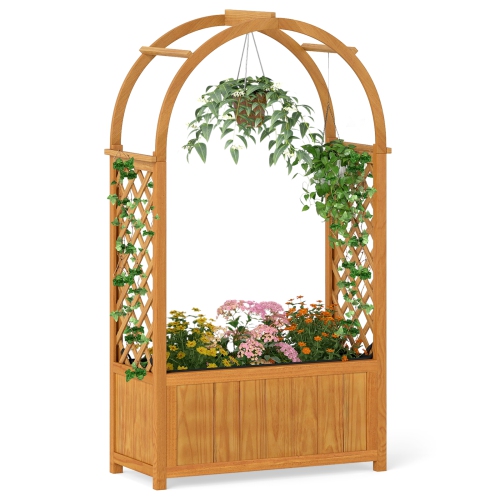
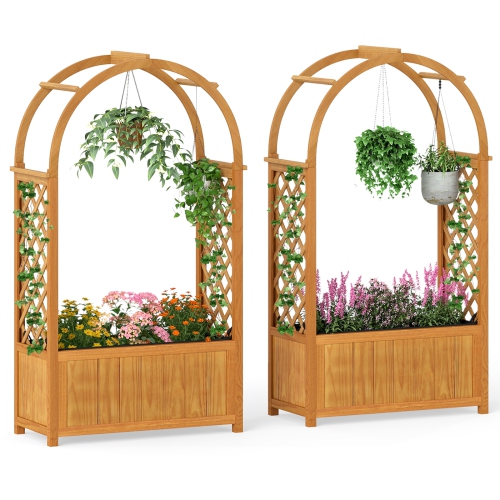
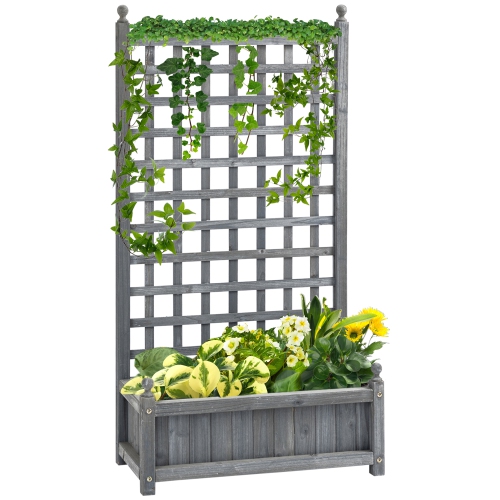
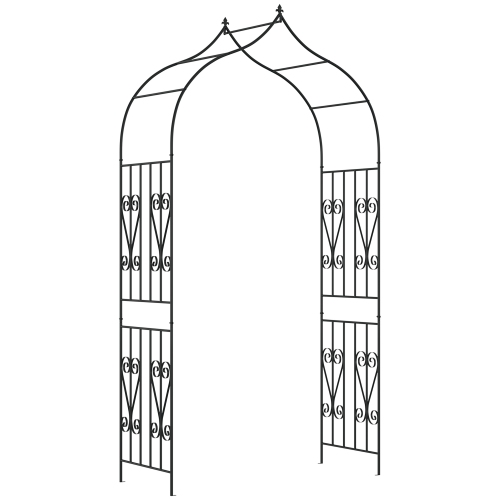
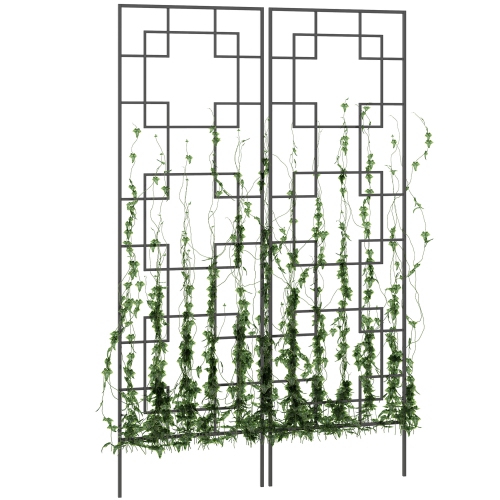


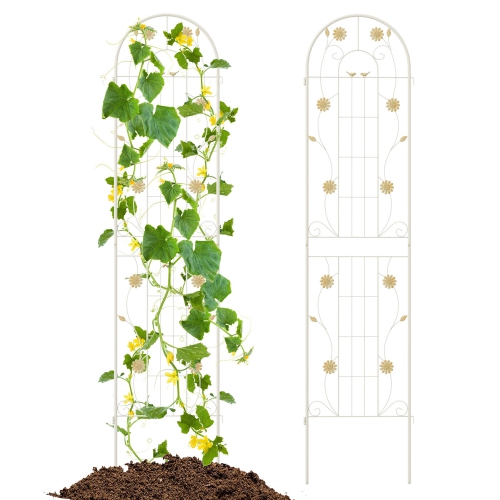
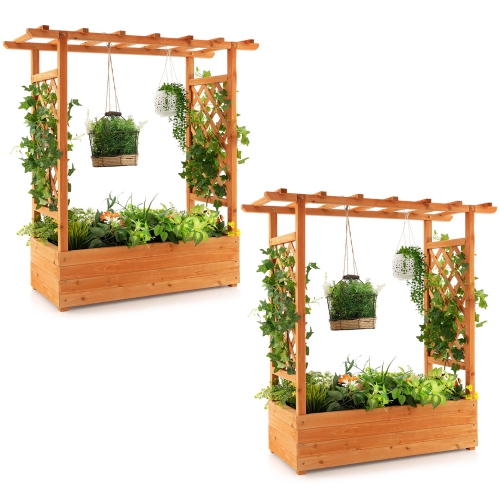
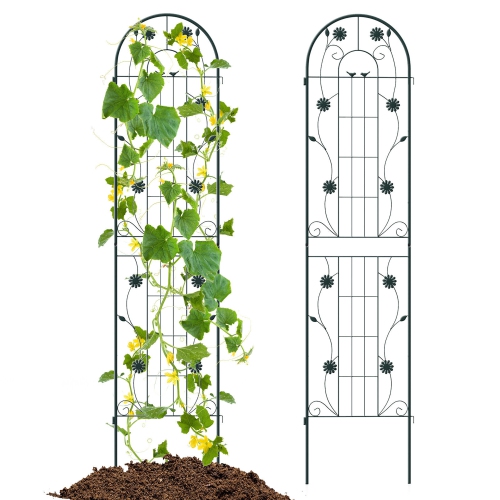
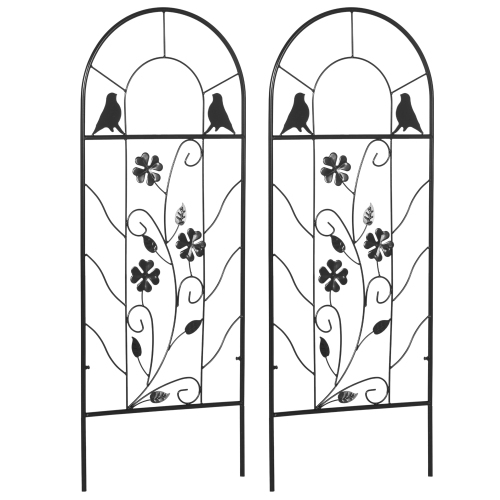
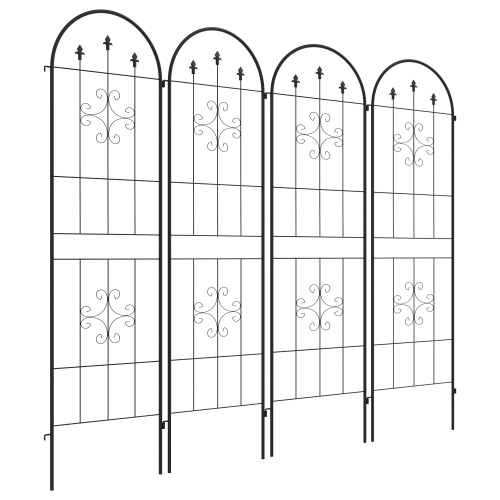
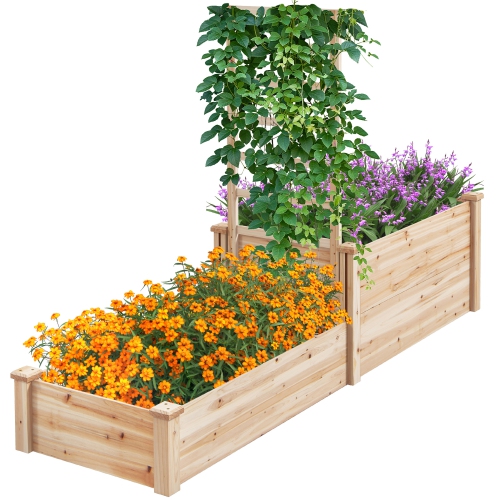
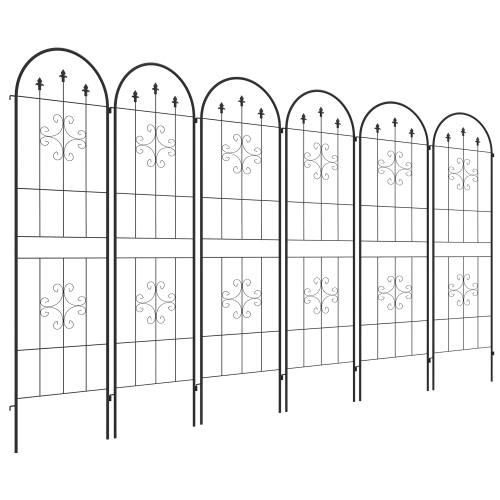
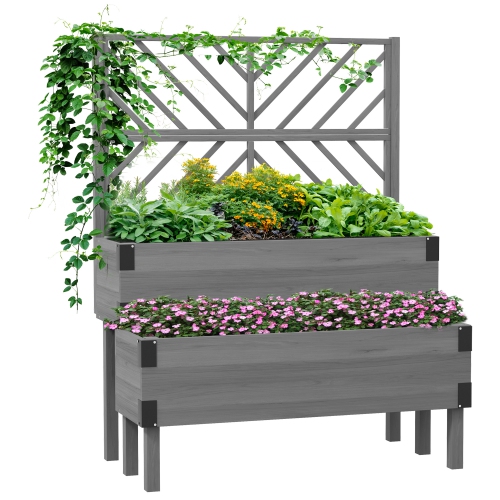
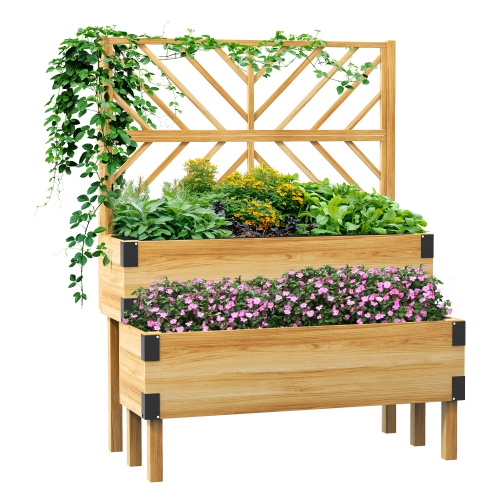
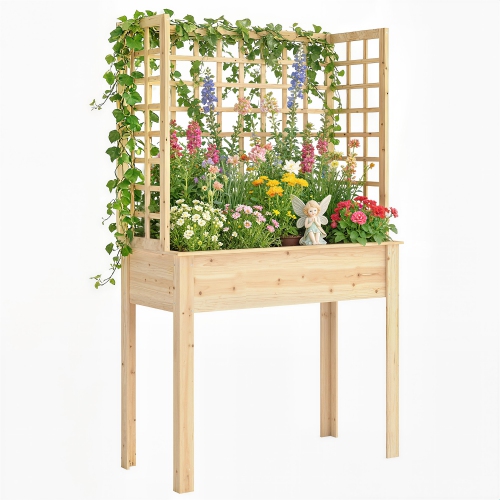
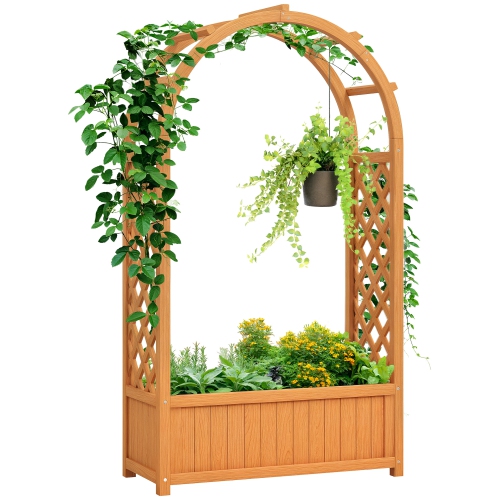
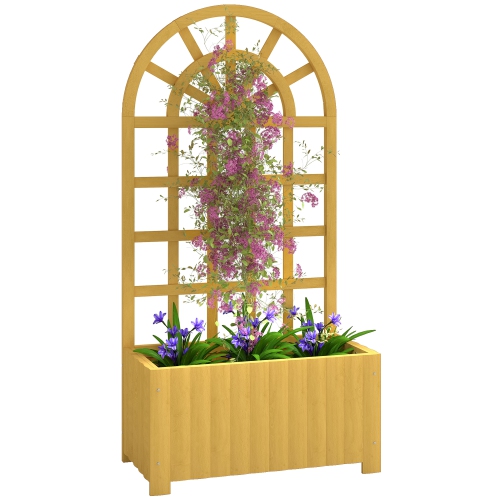
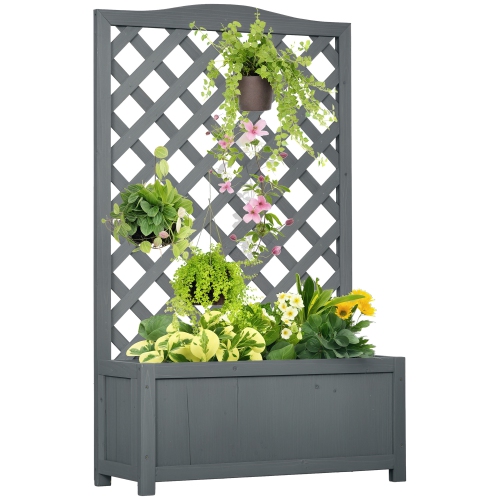
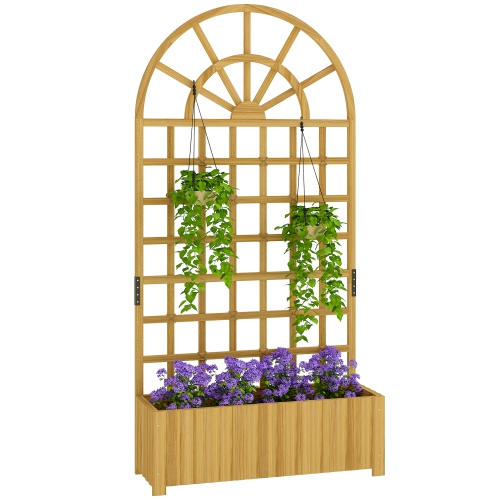
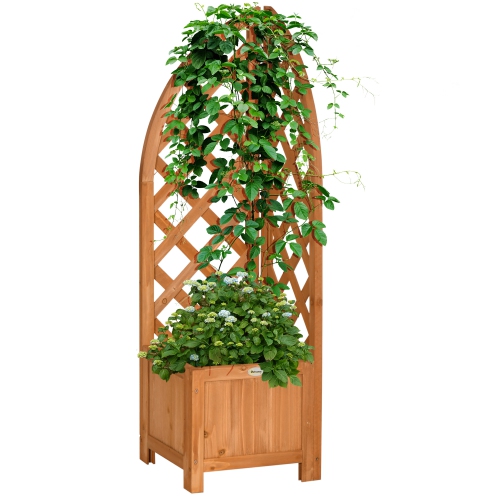
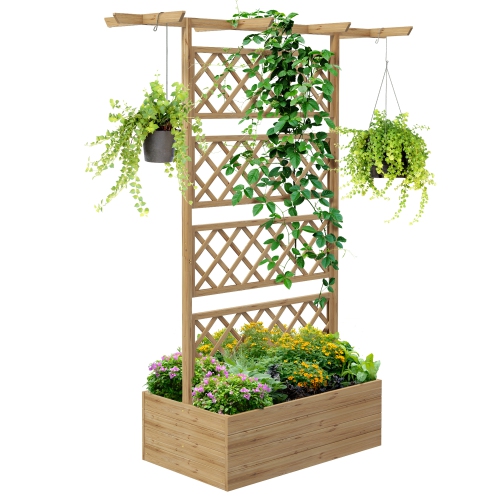
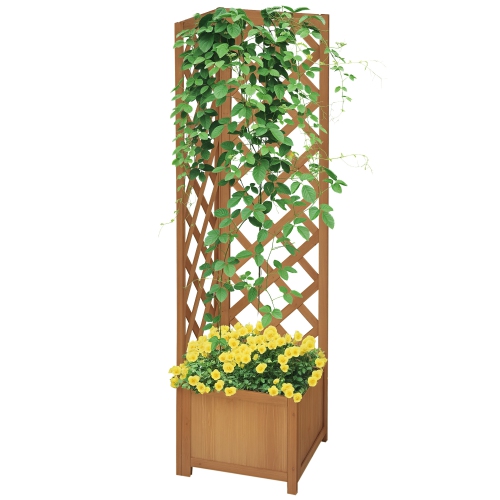
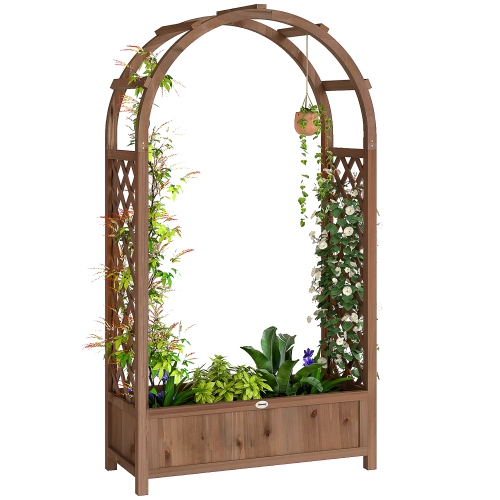
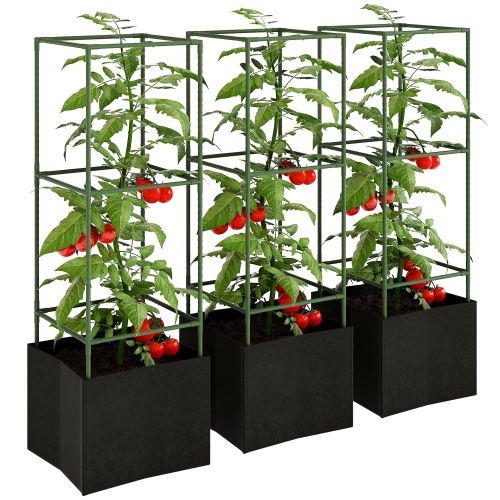
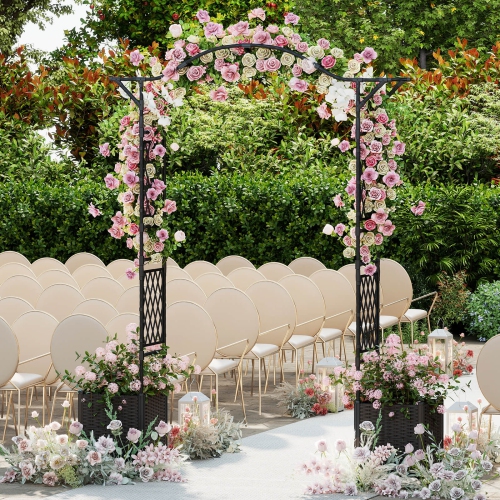
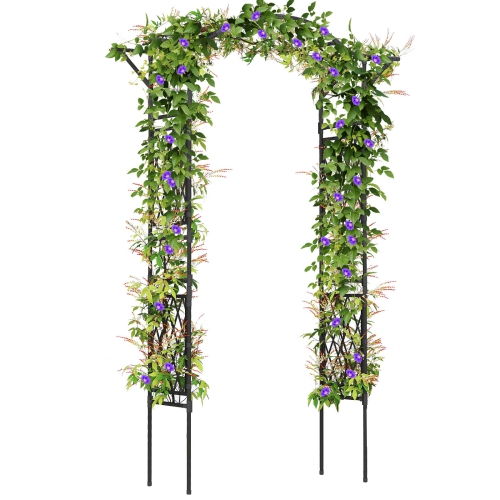


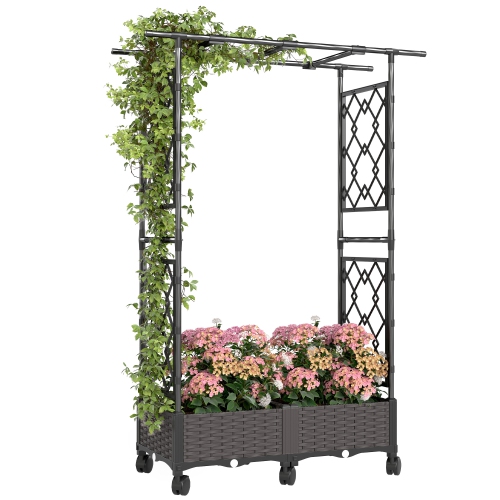
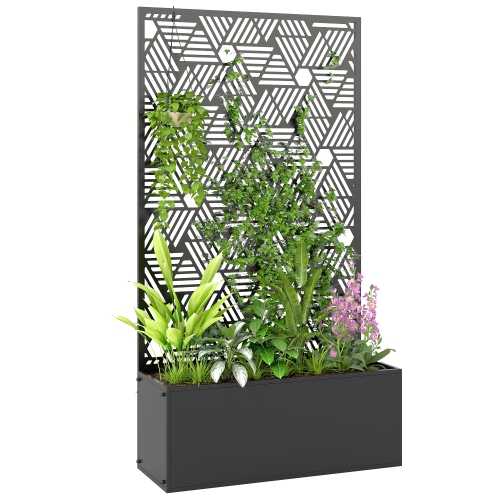
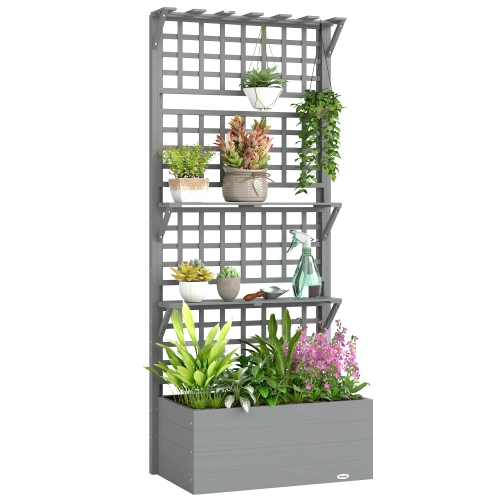
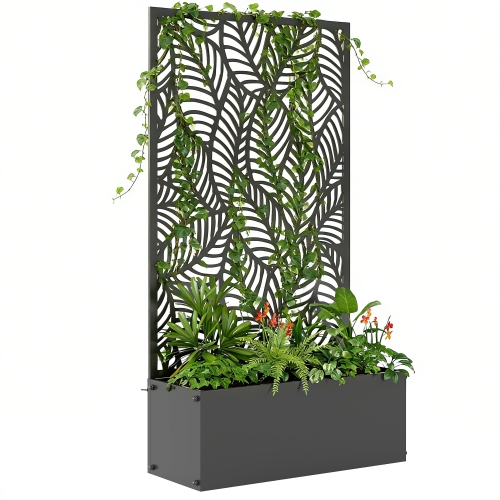
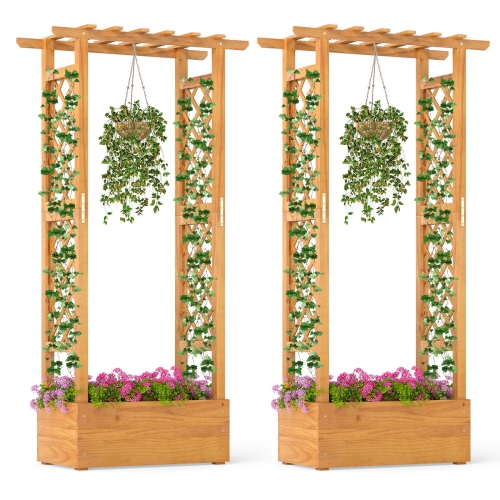
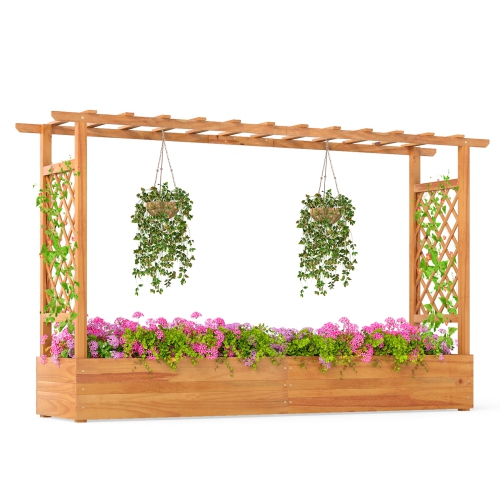
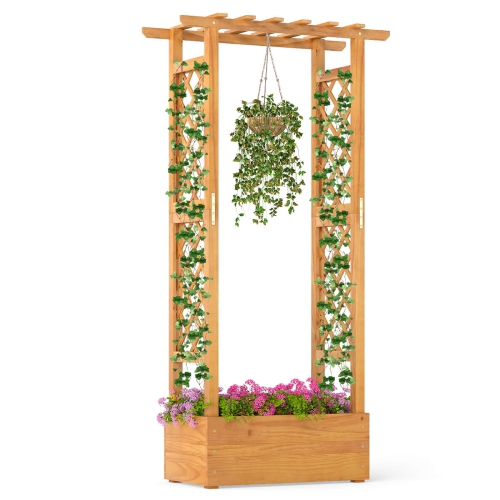
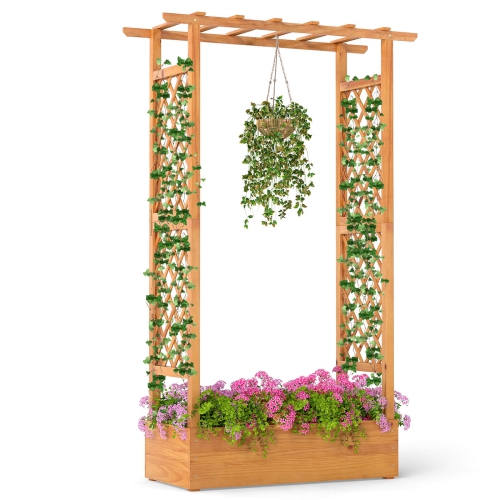
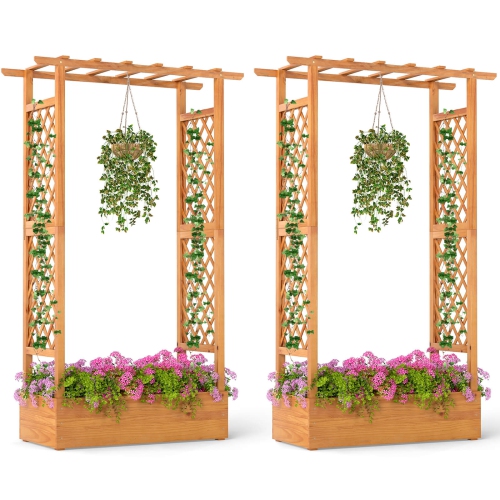
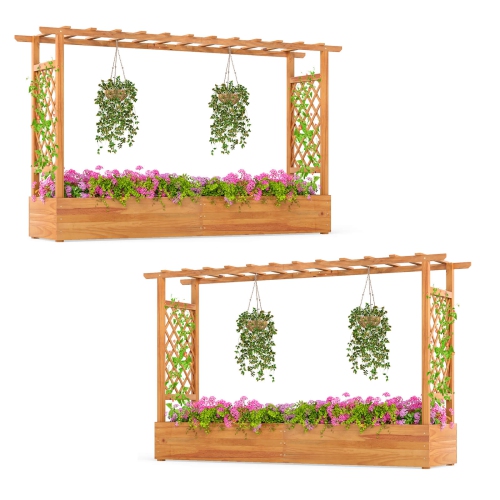

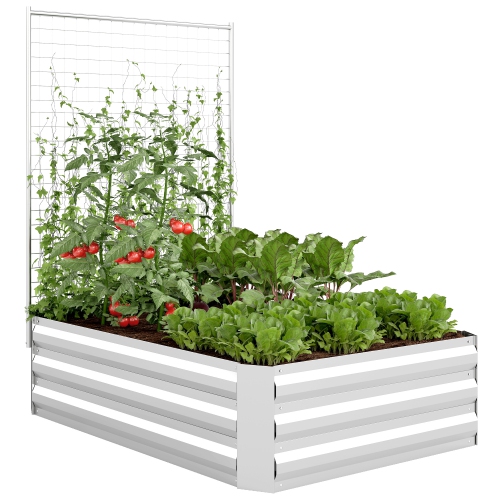
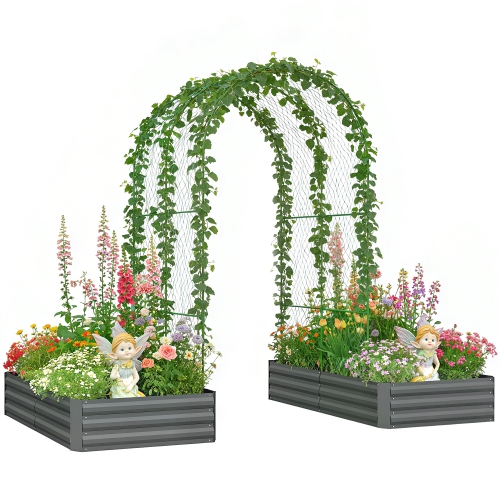
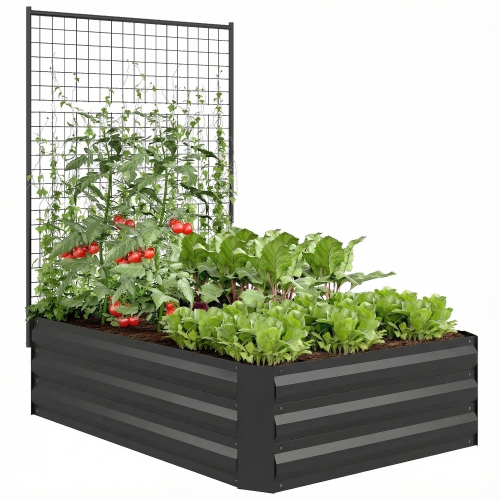

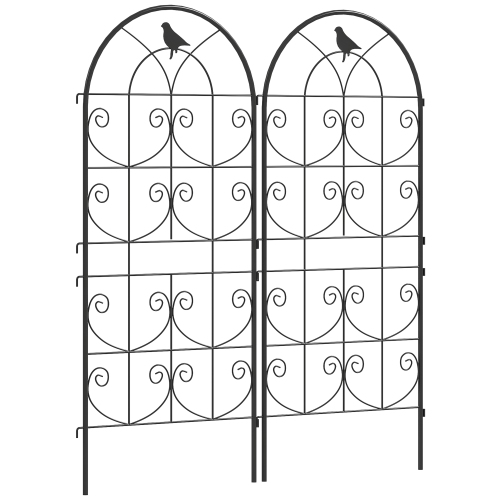
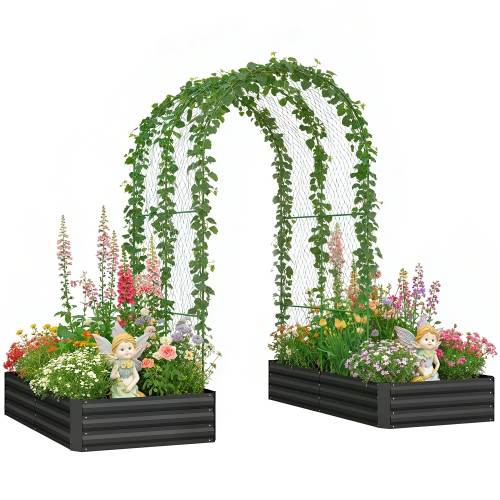
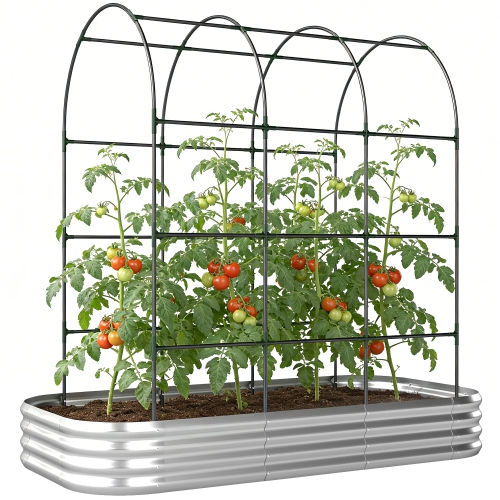
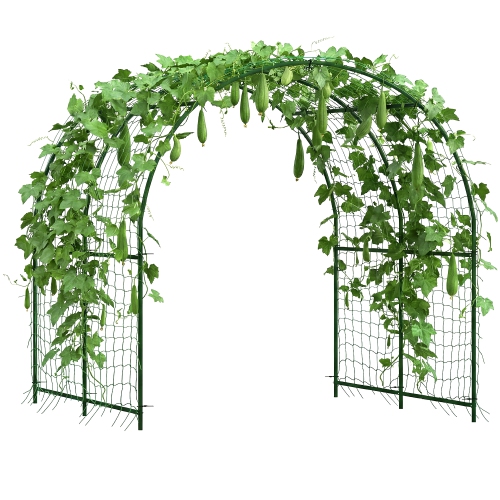
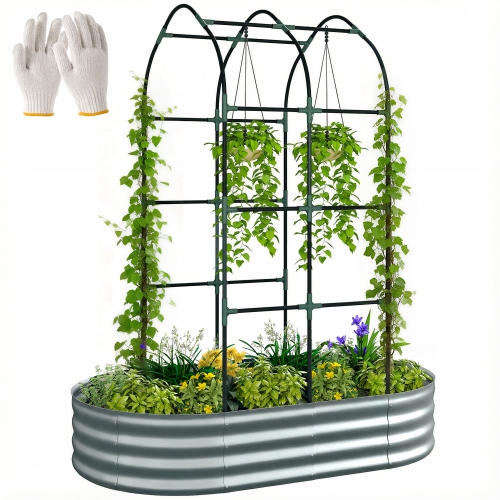
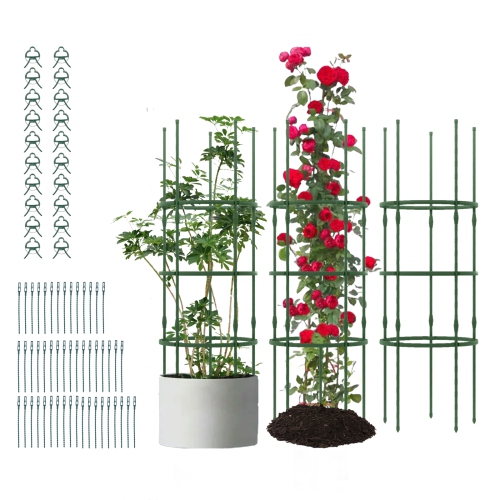
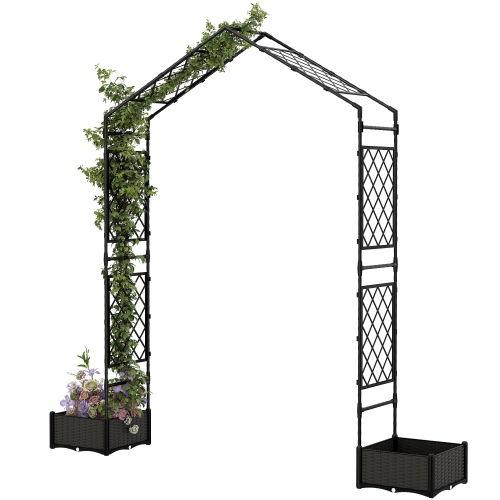
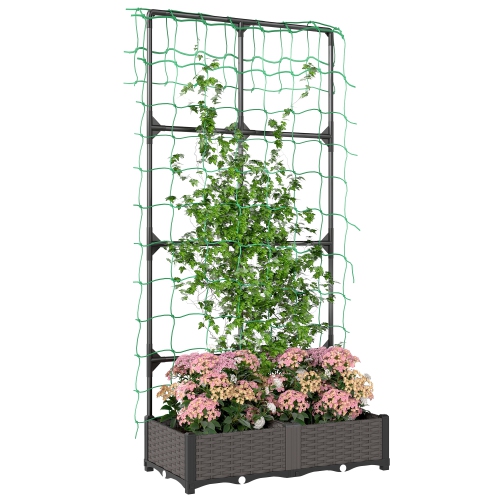
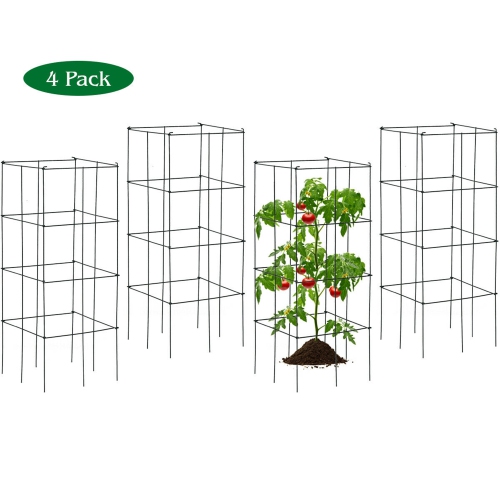
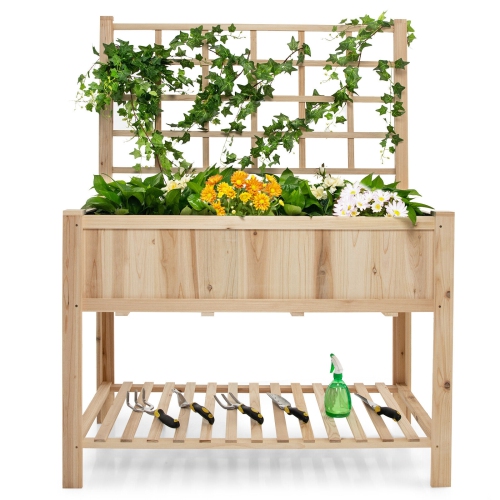
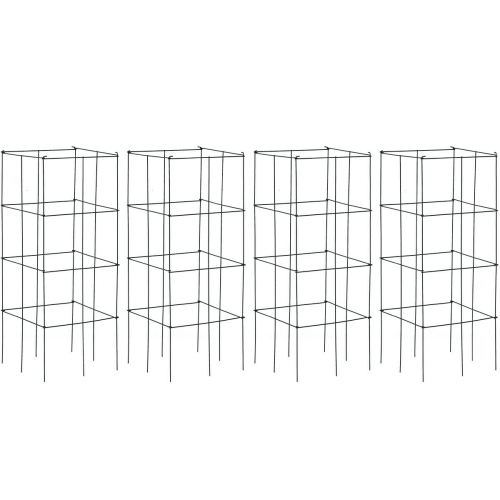
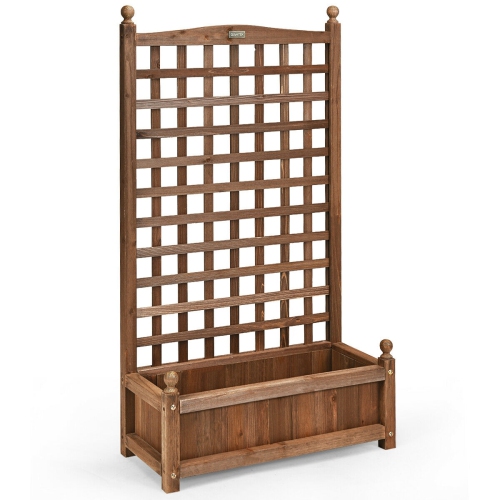
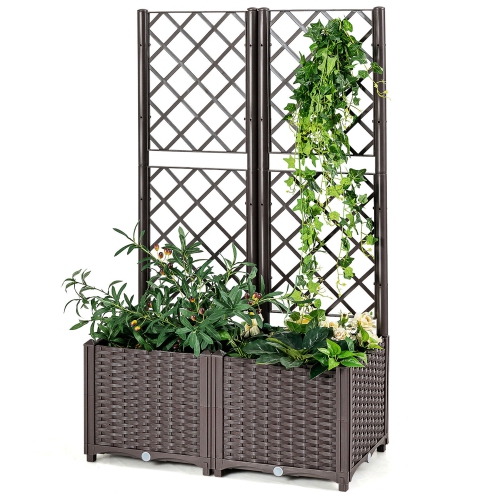
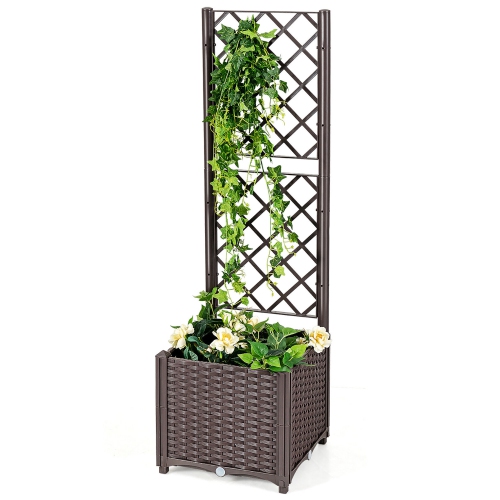
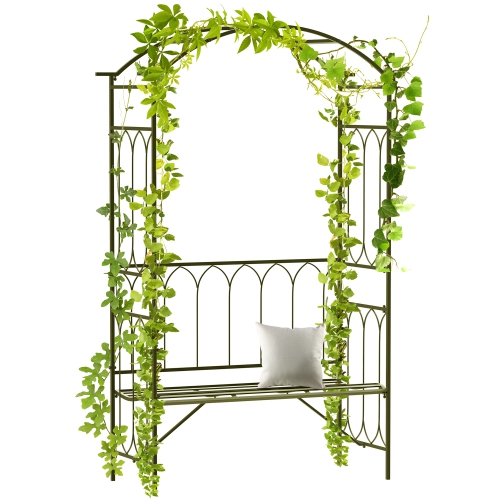
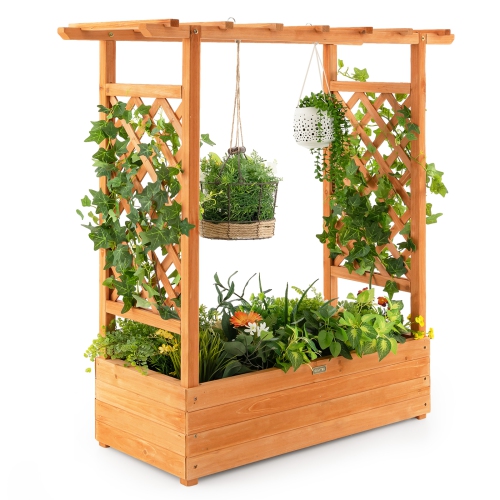
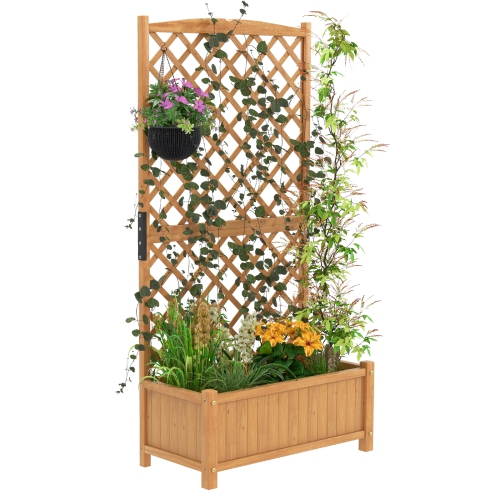
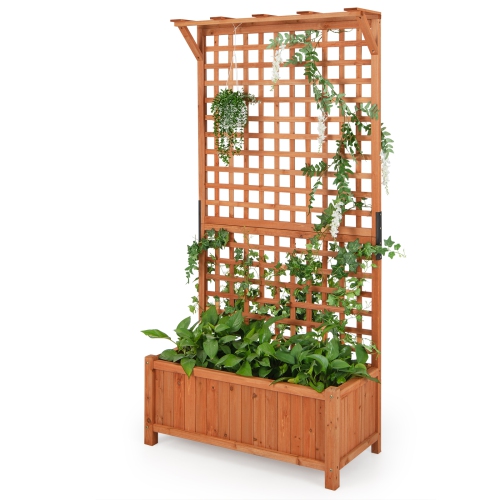
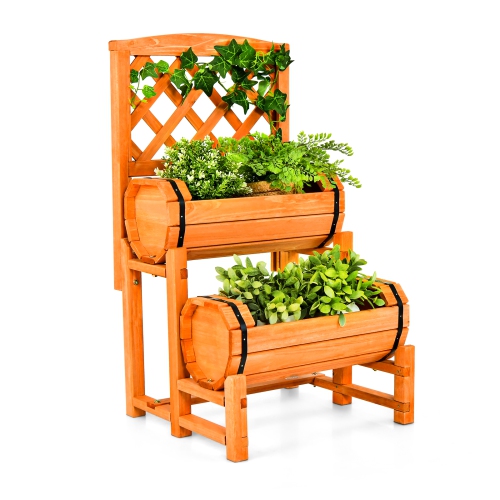
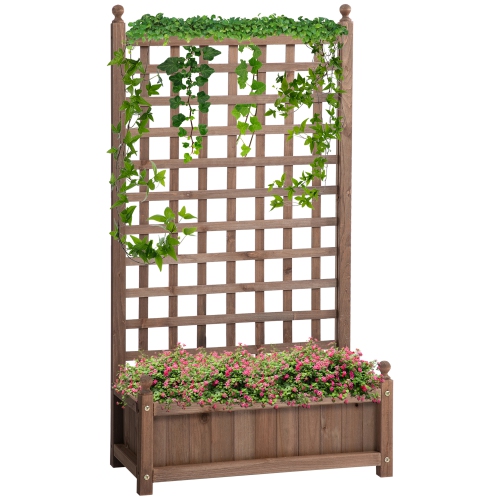
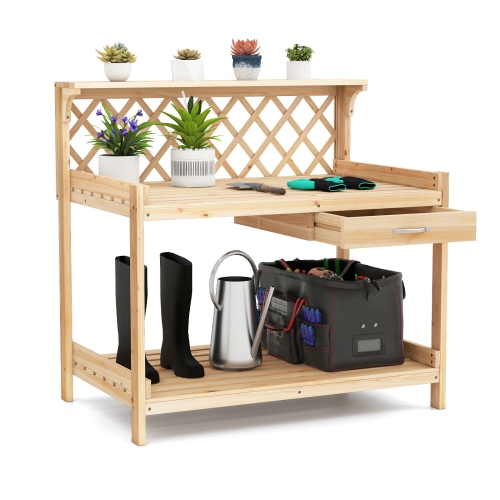
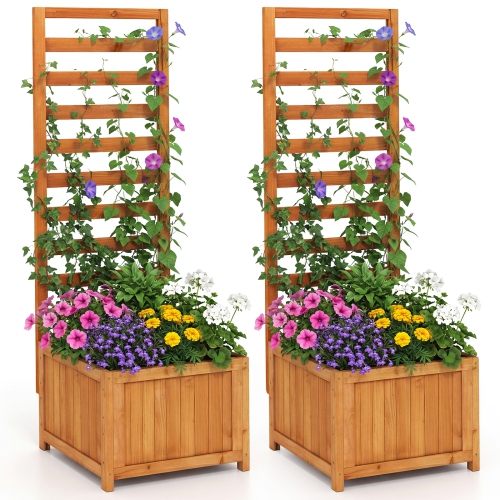
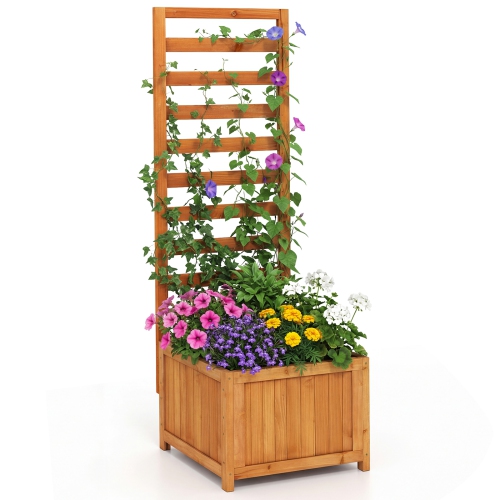
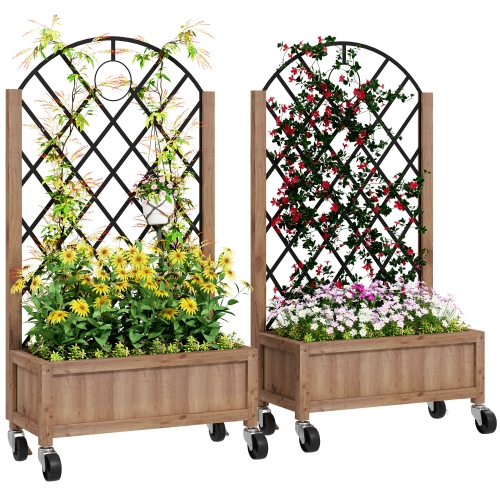
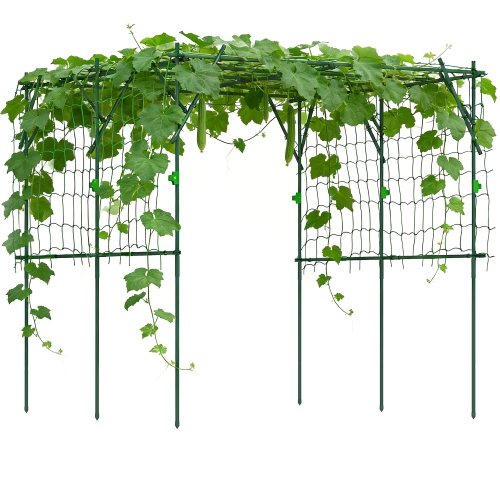
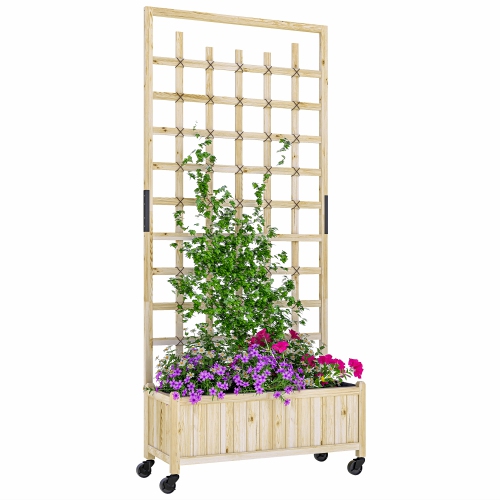
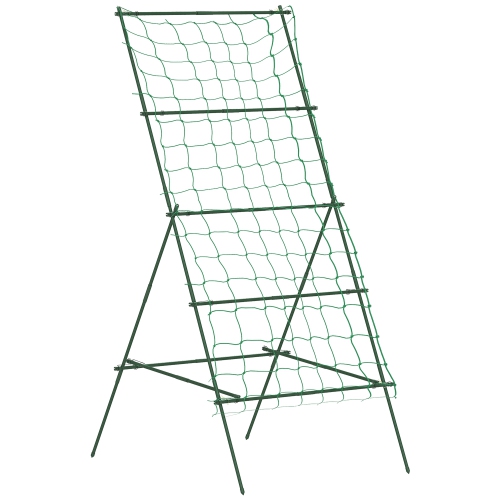
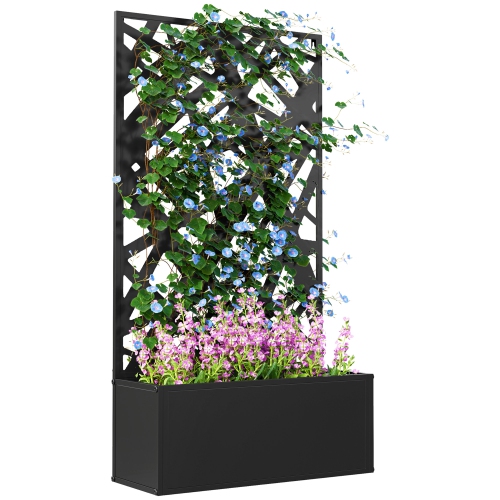
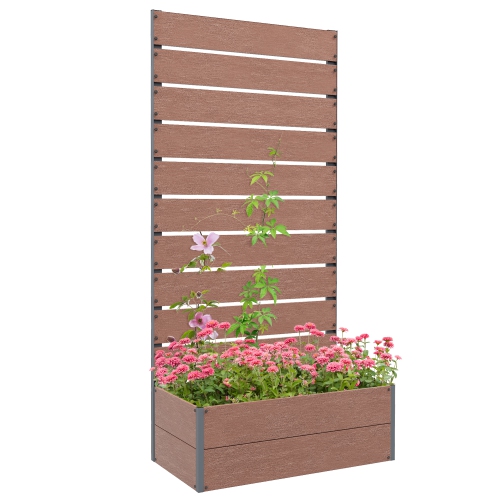
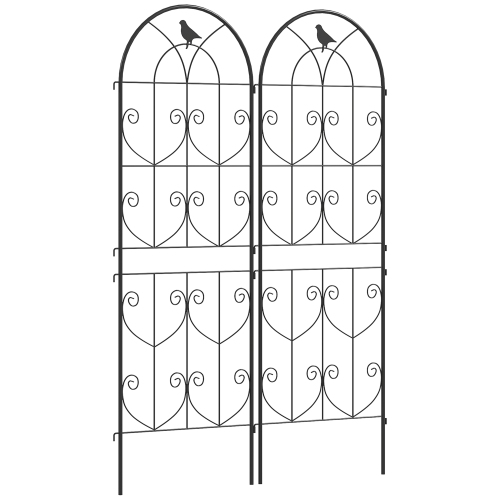
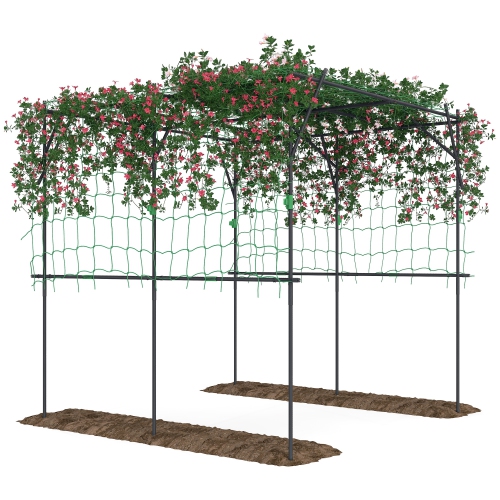
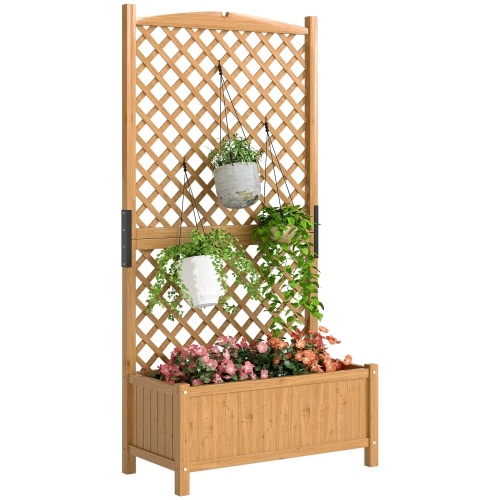
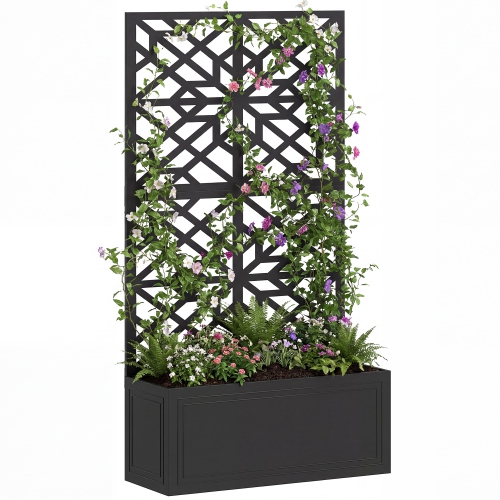
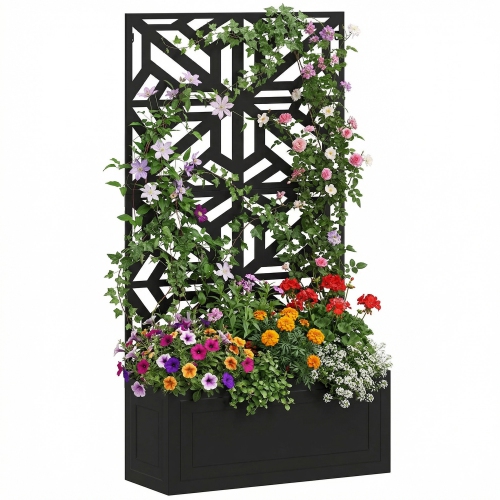
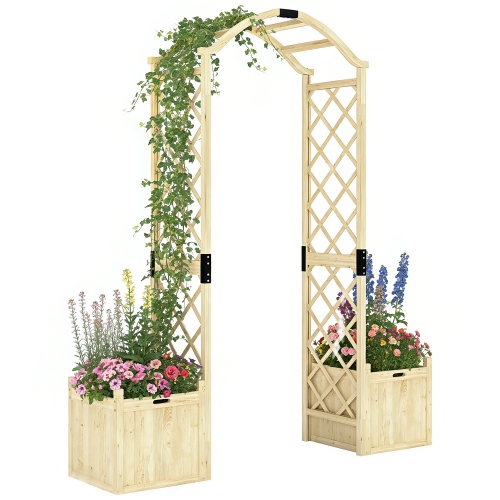
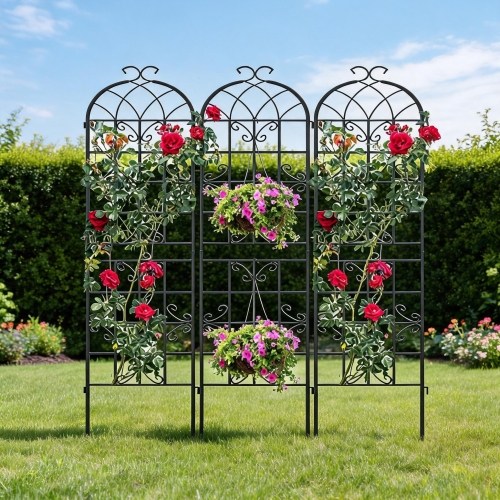
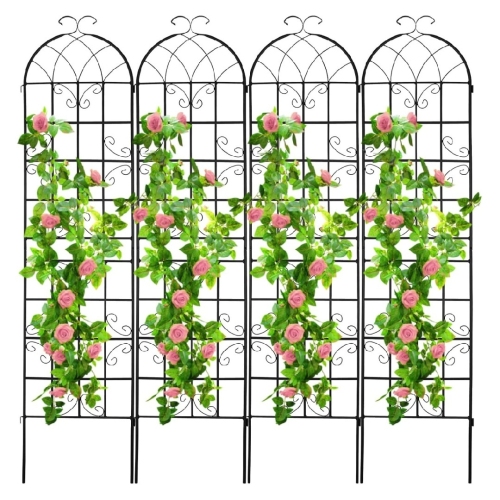
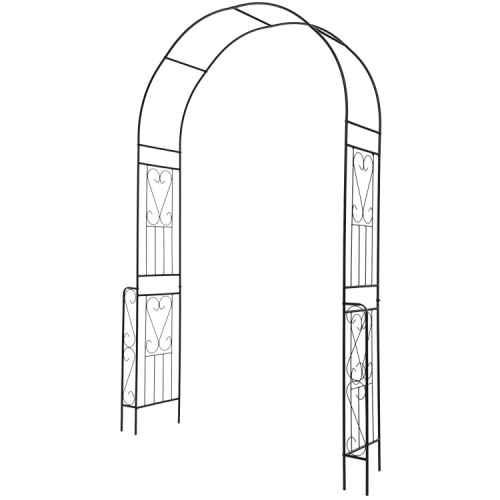
Climbing plants need support that matches how they grow
A garden trellis is an upright framework that supports climbing plants, helping flowers, vines, and vegetables grow vertically rather than spread across the ground. Made from materials such as wood, metal, or vinyl, trellises can bring height to a planting bed, define the edge of a patio, or make a compact balcony feel more layered and inviting. Their open structure gives stems something to climb while leaving room for light, airflow, and access to the plant. A narrow panel behind a planter can frame a cluster of flowering vines, while a wider lattice can create a planted backdrop beside an outdoor seating area. Coverage depends on the plant’s growth habit and foliage, so a trellis does not provide the same immediate privacy as a solid fence. Shapes range from simple rectangular grids and fan-shaped panels to obelisks and arches that create a focal point over a path. The best fit depends as much on the plant as on the look of the frame. Peas and cucumbers use tendrils to catch onto slender supports, while pole beans wind their stems around upright structures. Clematis climbs by wrapping leaf stalks around suitably narrow supports. Climbing roses need their canes secured to a frame, and tomatoes generally need tying and training rather than being left to attach themselves. For a container-grown vine or a flowering border, a climbing plant trellis can provide a dedicated support that keeps growth directed where it belongs. Matching the spacing and thickness of the framework to the plant helps young growth find a hold. It also makes the structure easier to use as stems lengthen and foliage fills in. A fine grid suits delicate growth, whereas substantial woody climbers need a frame and fixings capable of carrying their mature weight, not just the weight of a newly planted vine.
Material affects a garden trellis’s appearance, strength, and ongoing care, but construction matters just as much as the material name. Wood brings visible grain and a softer look to raised beds, cottage-style planting, and timber fencing. Cedar is often chosen for its natural resistance to decay, although any wooden trellis benefits from sound joints and suitable placement. The lower ends deserve particular attention where they meet damp soil, and finishes should be appropriate for the intended use, especially around edible plants. Metal trellises can offer slender profiles with sturdy support, giving plants room to stand out against an understated frame. Steel, iron, and aluminium differ in weight and resistance to corrosion; the thickness of the bars, quality of the welds, and protective finish all influence durability. A lightweight metal panel is not automatically suitable for a heavy vine simply because it is metal. Wisteria, for example, can become very heavy and exert considerable force as it matures, so it needs a substantial structure designed for that purpose. Vinyl and plastic trellises are often relatively light and easy to wipe clean, with no need for the same refinishing routine as painted wood. Their rigidity and load capacity still vary, making the frame design and manufacturer’s specifications important. Across all materials, smooth edges help reduce rubbing against stems and make tying plants more comfortable. Care is usually straightforward: remove trapped plant debris, check connections, and clean surfaces using methods suitable for the finish. Abrasive tools can damage coatings, while loose screws or damaged joints can undermine an otherwise sound frame. Checking the support before dense foliage covers it makes small repairs easier to spot and reach. Soft, adjustable plant ties are useful for trained stems because they can be loosened as growth thickens, reducing the risk of tight bindings cutting into the plant.
Size and installation determine whether a trellis feels like a natural part of the space or becomes an obstacle. Overall height is only one measurement: a panel with legs pushed into soil will have less usable height above the surface, and an arched trellis needs enough clearance for people to pass beneath the plants as well as the frame. Width, depth, and the distance between supports matter in narrow side yards, along balcony railings, and beside doors. In a planter, the trellis should fit securely without crowding the root area or making the container top-heavy. A tall frame in a small, shallow pot may be difficult to stabilize once it carries dense foliage. Raised-bed trellises need secure anchoring too, with supports positioned so that vegetables remain accessible for picking and stems do not block the whole bed. Wall-mounted designs can make useful planting space along a boundary, provided the fixings suit the wall material and the installation allows room behind the frame for growth and maintenance. Some separation from the wall also makes tying and pruning more manageable. Freestanding panels offer more placement flexibility but still need the anchoring specified for their size and intended load. Where a trellis sits near a shared boundary or on a balcony, checking property rules and installation permissions can prevent a poor fit. Beyond practical support, the pattern of the frame contributes to the finished look: square lattice has a familiar garden character, clean vertical lines suit simpler spaces, and curved forms can soften the outline of a rectangular bed. Garden trellises suit new plant growers looking to manage a single pot, vegetable gardeners making better use of a small plot, and experienced growers shaping a fuller display. They can also make a thoughtful gift for someone who enjoys container gardening, particularly when the dimensions and plant requirements are already known. A well-matched trellis gives the planting a clear structure without making everyday watering, harvesting, and care harder to reach.
Material affects a garden trellis’s appearance, strength, and ongoing care, but construction matters just as much as the material name. Wood brings visible grain and a softer look to raised beds, cottage-style planting, and timber fencing. Cedar is often chosen for its natural resistance to decay, although any wooden trellis benefits from sound joints and suitable placement. The lower ends deserve particular attention where they meet damp soil, and finishes should be appropriate for the intended use, especially around edible plants. Metal trellises can offer slender profiles with sturdy support, giving plants room to stand out against an understated frame. Steel, iron, and aluminium differ in weight and resistance to corrosion; the thickness of the bars, quality of the welds, and protective finish all influence durability. A lightweight metal panel is not automatically suitable for a heavy vine simply because it is metal. Wisteria, for example, can become very heavy and exert considerable force as it matures, so it needs a substantial structure designed for that purpose. Vinyl and plastic trellises are often relatively light and easy to wipe clean, with no need for the same refinishing routine as painted wood. Their rigidity and load capacity still vary, making the frame design and manufacturer’s specifications important. Across all materials, smooth edges help reduce rubbing against stems and make tying plants more comfortable. Care is usually straightforward: remove trapped plant debris, check connections, and clean surfaces using methods suitable for the finish. Abrasive tools can damage coatings, while loose screws or damaged joints can undermine an otherwise sound frame. Checking the support before dense foliage covers it makes small repairs easier to spot and reach. Soft, adjustable plant ties are useful for trained stems because they can be loosened as growth thickens, reducing the risk of tight bindings cutting into the plant.
Size and installation determine whether a trellis feels like a natural part of the space or becomes an obstacle. Overall height is only one measurement: a panel with legs pushed into soil will have less usable height above the surface, and an arched trellis needs enough clearance for people to pass beneath the plants as well as the frame. Width, depth, and the distance between supports matter in narrow side yards, along balcony railings, and beside doors. In a planter, the trellis should fit securely without crowding the root area or making the container top-heavy. A tall frame in a small, shallow pot may be difficult to stabilize once it carries dense foliage. Raised-bed trellises need secure anchoring too, with supports positioned so that vegetables remain accessible for picking and stems do not block the whole bed. Wall-mounted designs can make useful planting space along a boundary, provided the fixings suit the wall material and the installation allows room behind the frame for growth and maintenance. Some separation from the wall also makes tying and pruning more manageable. Freestanding panels offer more placement flexibility but still need the anchoring specified for their size and intended load. Where a trellis sits near a shared boundary or on a balcony, checking property rules and installation permissions can prevent a poor fit. Beyond practical support, the pattern of the frame contributes to the finished look: square lattice has a familiar garden character, clean vertical lines suit simpler spaces, and curved forms can soften the outline of a rectangular bed. Garden trellises suit new plant growers looking to manage a single pot, vegetable gardeners making better use of a small plot, and experienced growers shaping a fuller display. They can also make a thoughtful gift for someone who enjoys container gardening, particularly when the dimensions and plant requirements are already known. A well-matched trellis gives the planting a clear structure without making everyday watering, harvesting, and care harder to reach.
Top selling and popular products
-
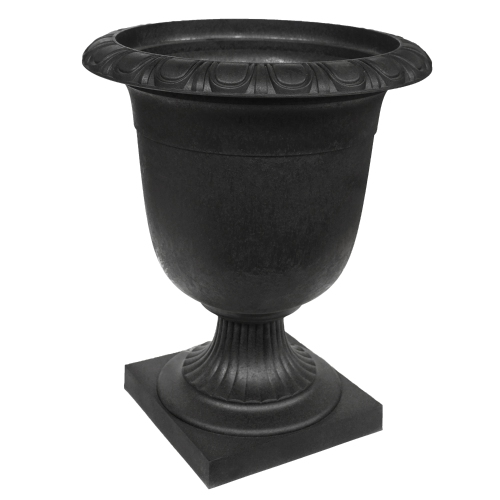 Your price for this item is $69.99
 -
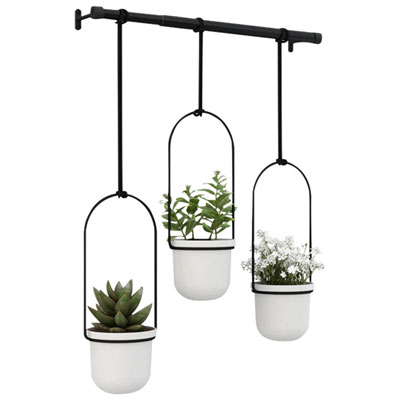 Your price for this item is $54.98
 -
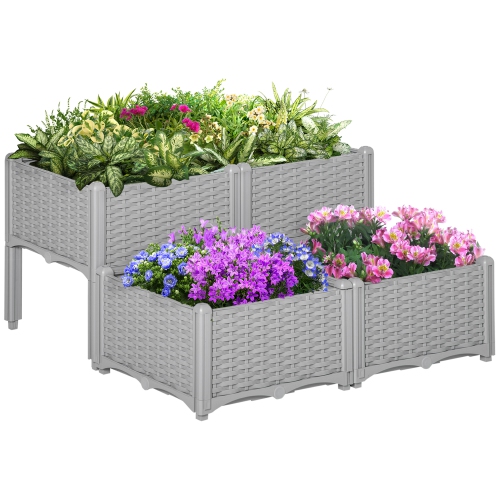 Your price for this item is $89.99
 -
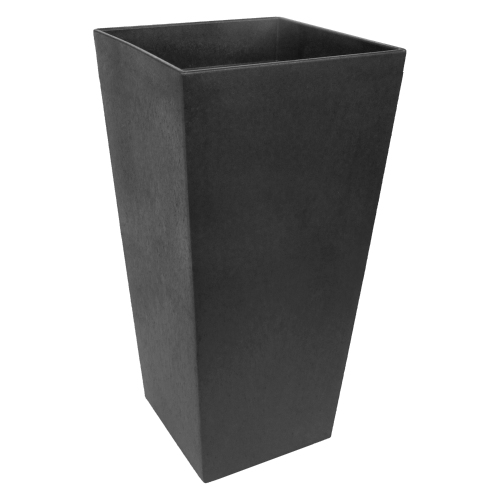 Your price for this item is $91.99
 -
 Your price for this item is $104.99
 -
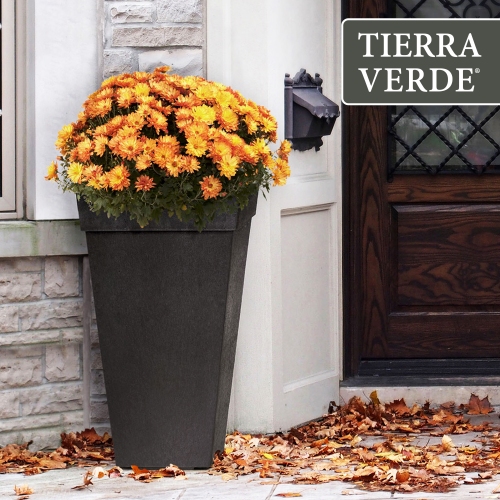 Your price for this item is $145.99
 -
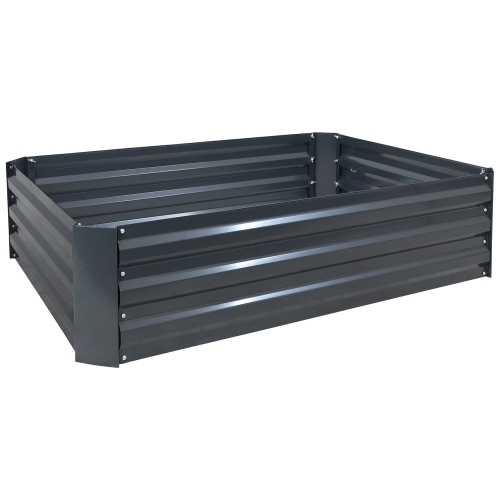 Your price for this item is $117.75
 -
 Your price for this item is $117.75
Discover more categories related to Garden Trellis
Top Collections:
Pokemon Centers, Kindle Devices, Best Budget Office Chairs, Apple iPhones 16, Canon G7X Cameras, iPhone 15 Apple, Alarm Clock, Refurbished Apple Laptops, Flip Phones, Best Laptops for Writers
Some products may be subject to Environmental Handling Fees
(EHF) depending on your province.
Learn more about EHFs.