Climbing Roses Trellis
Transform your garden into a vibrant oasis with a climbing roses trellis, the perfect addition to showcase the natural beauty of your climbing roses. Designed to support and enhance the growth of these stunning flowers, a trellis not only provides essential structure but also adds an elegant touch to any outdoor space. Whether you're looking to create a charming focal point or simply wish to add vertical interest to your garden, a climbing roses trellis offers endless possibilities for creativity and style. Explore our selection to find the ideal match that complements your garden's aesthetic and helps your roses flourish.
Sort
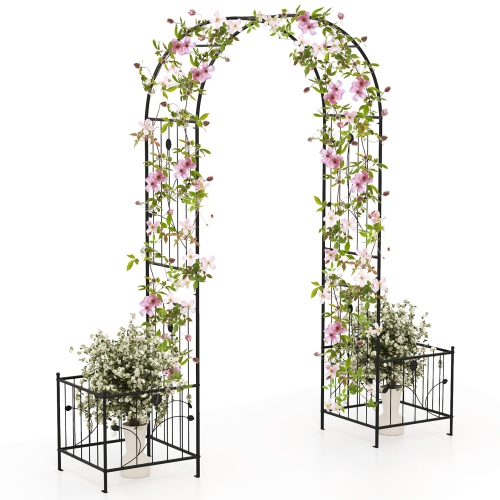
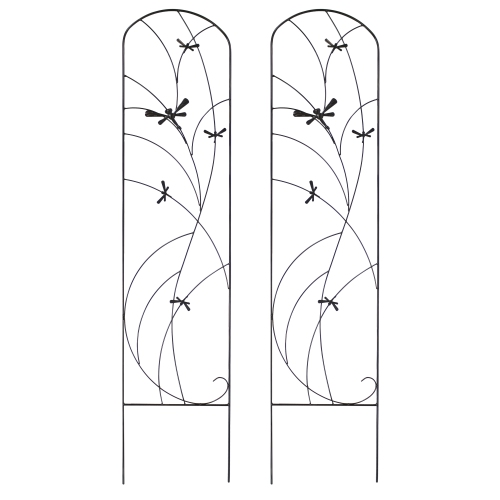
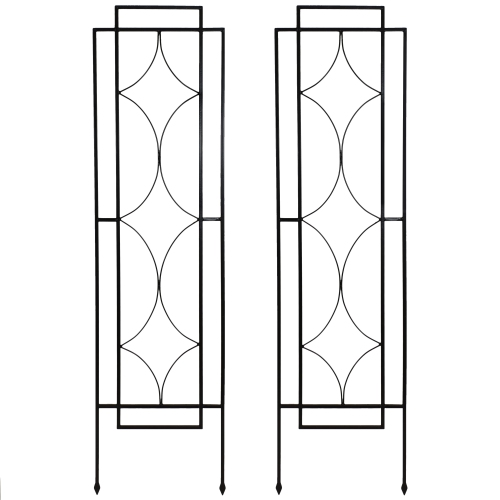
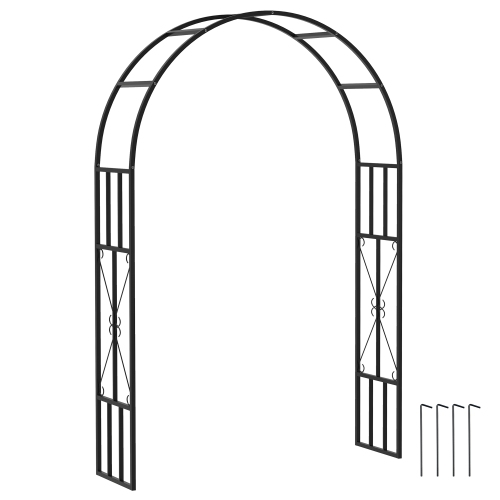
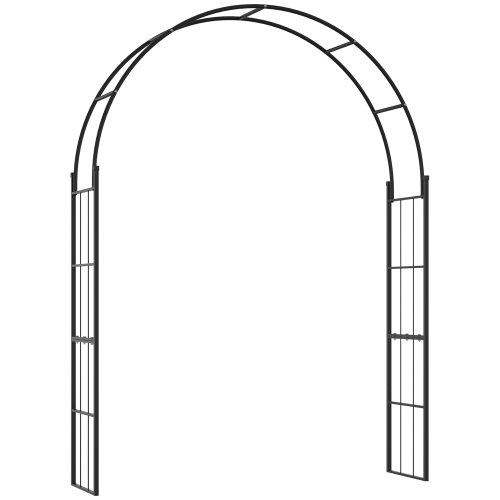
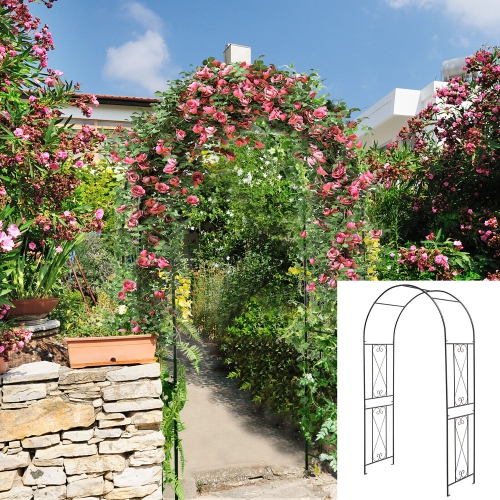
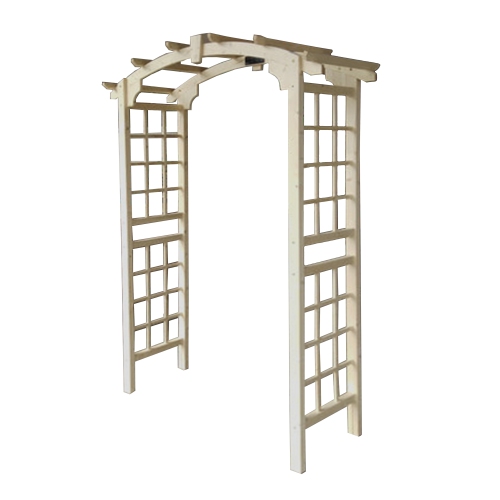
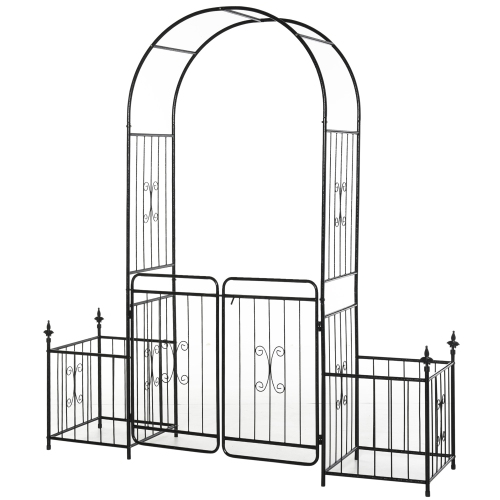
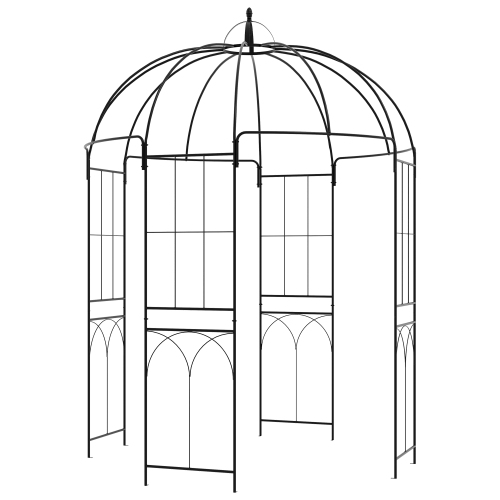
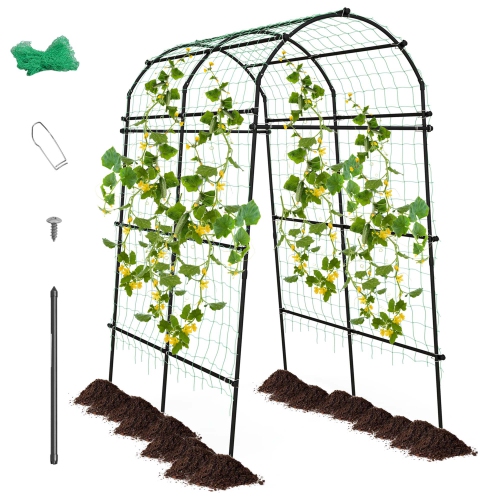
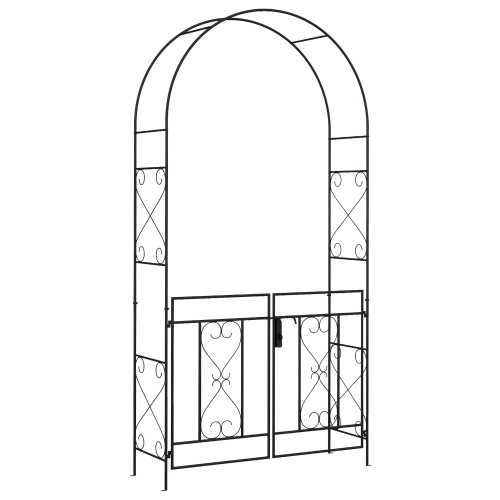
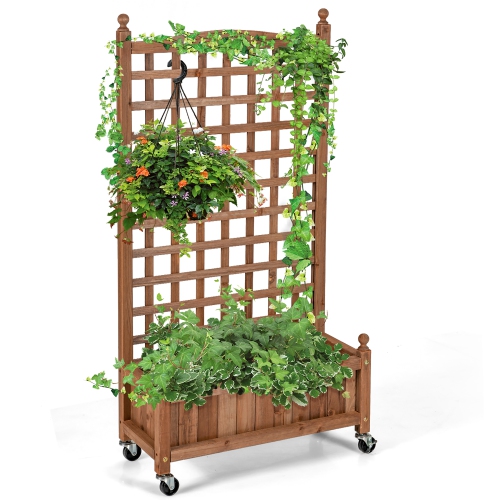
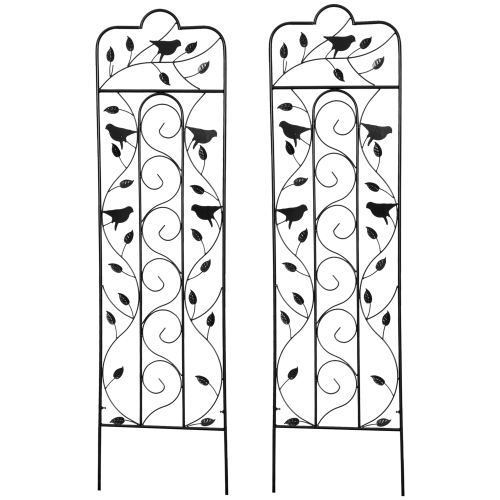
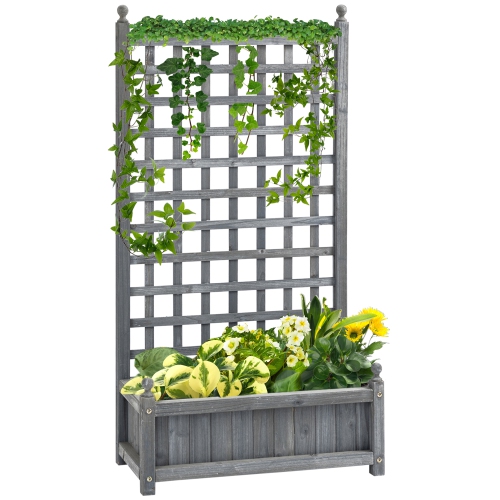
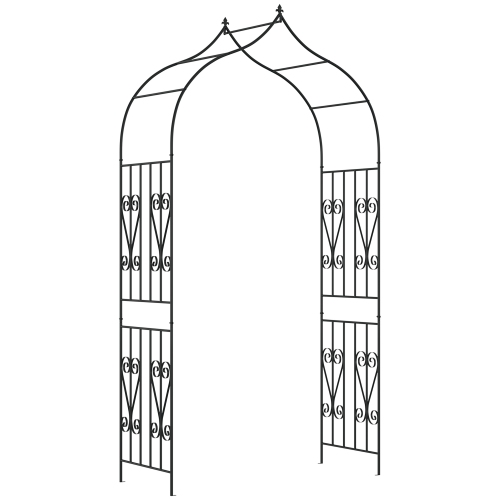
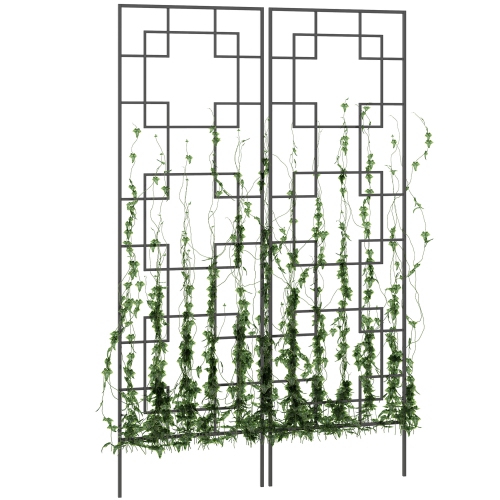
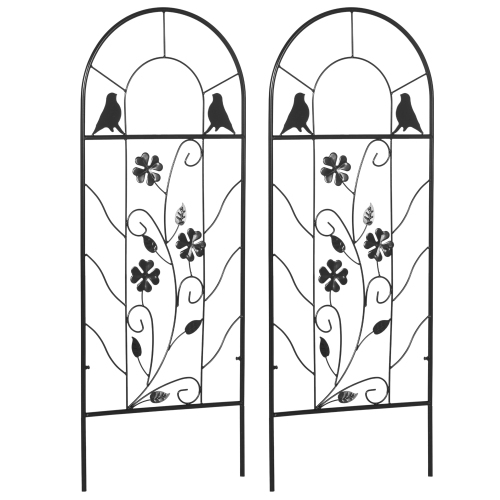
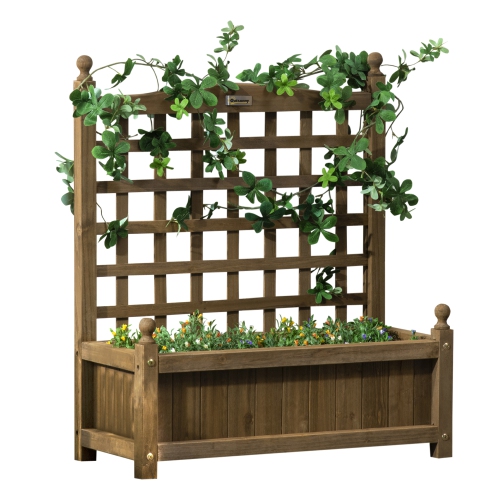
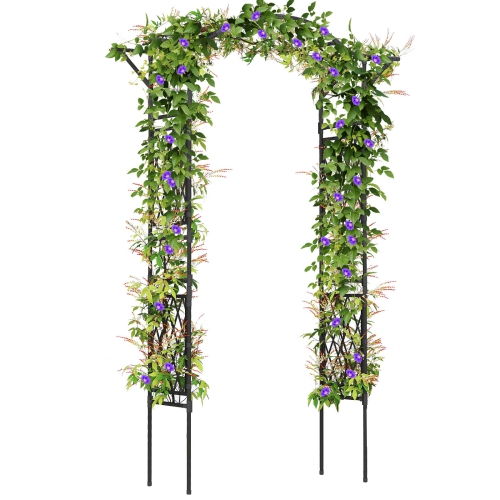
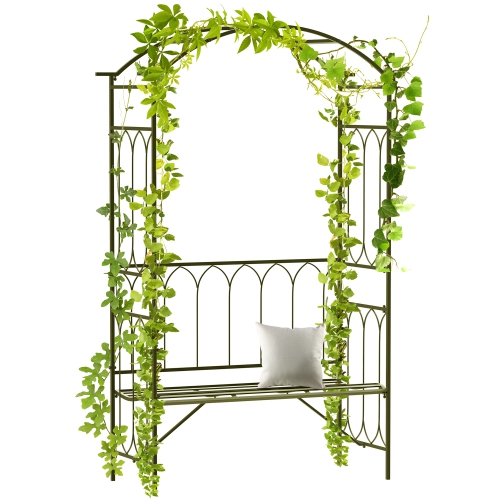
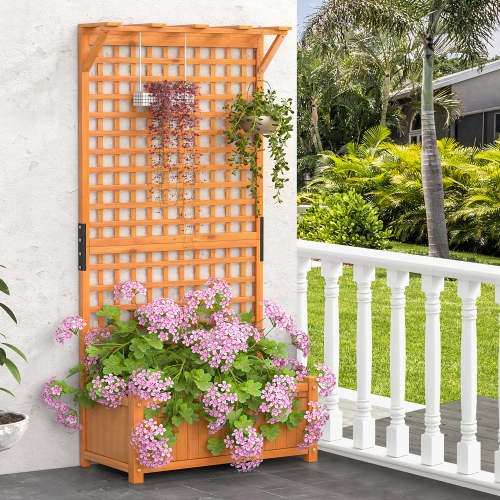
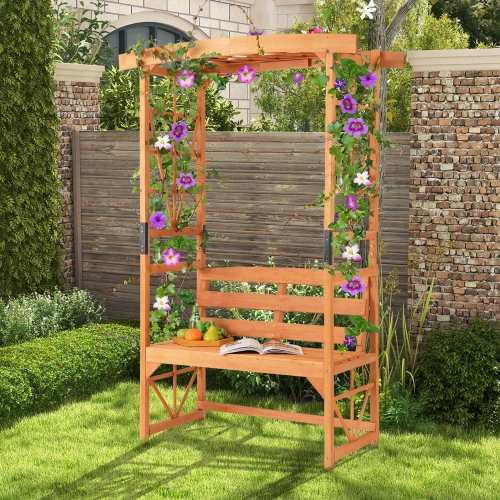
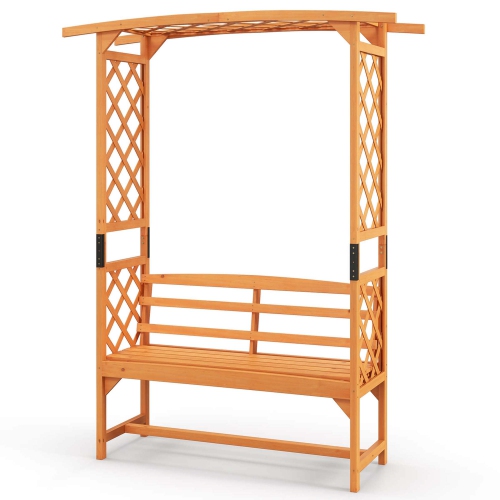
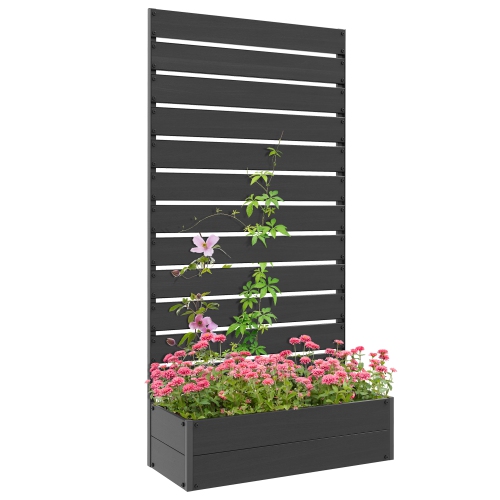
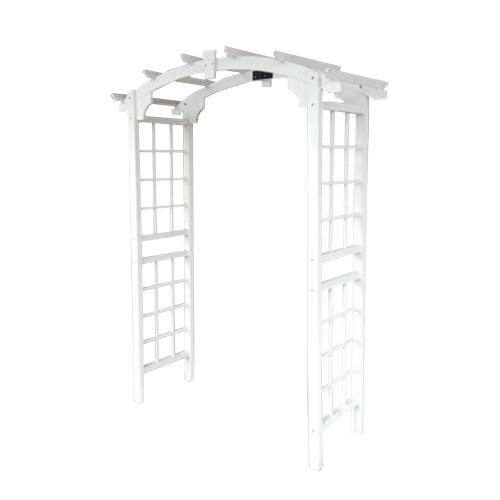
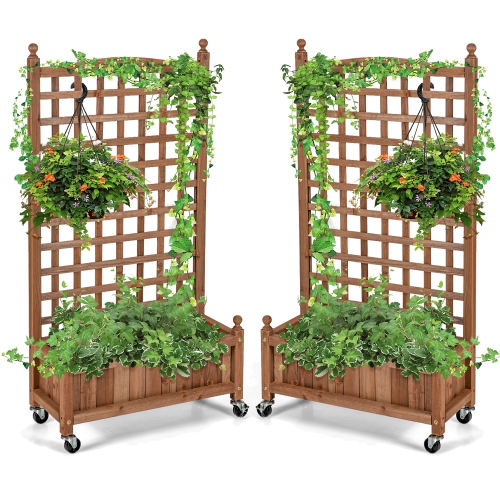
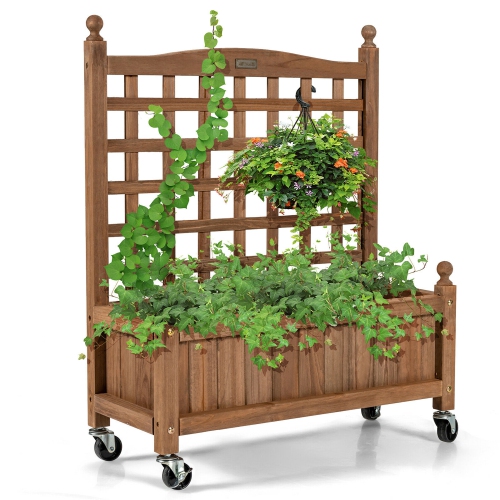
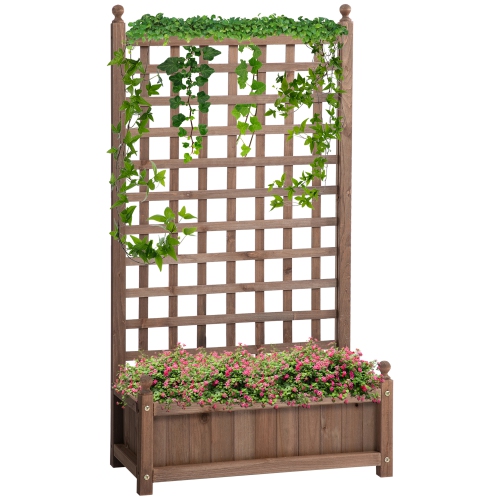
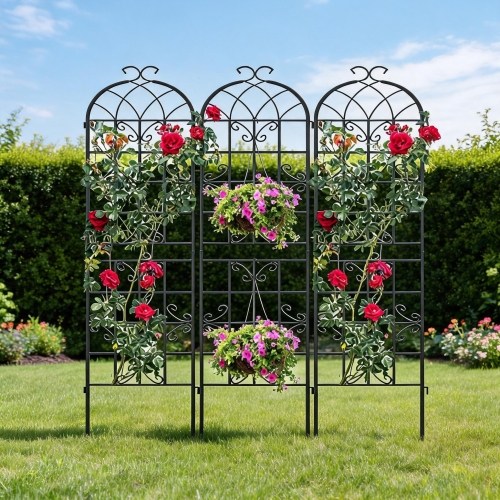
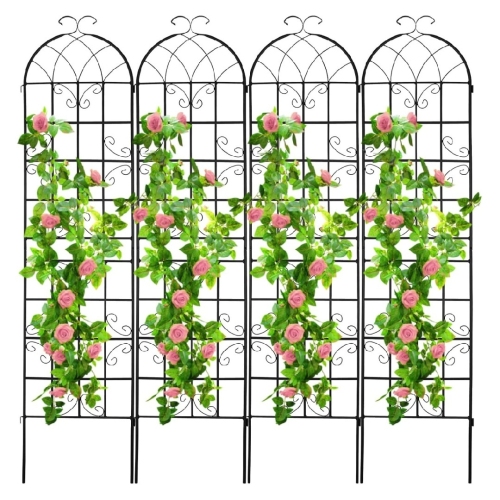
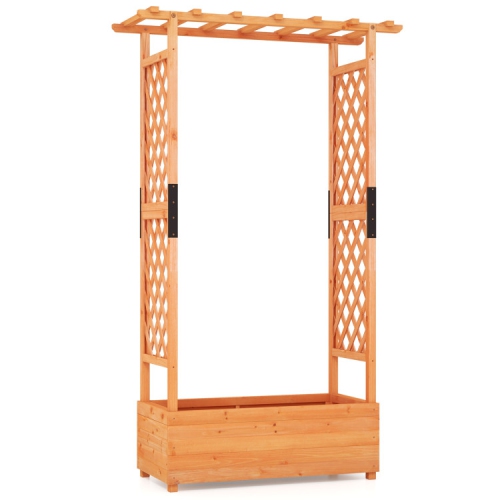
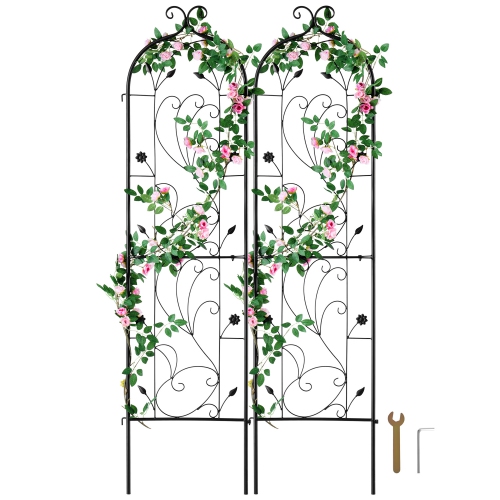
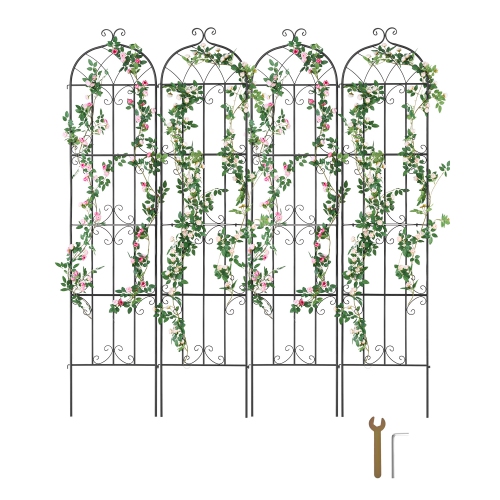
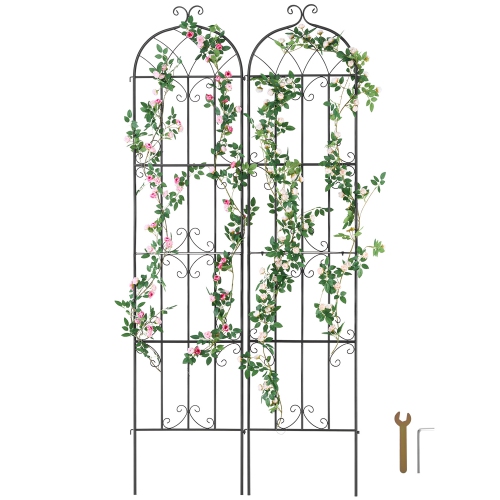
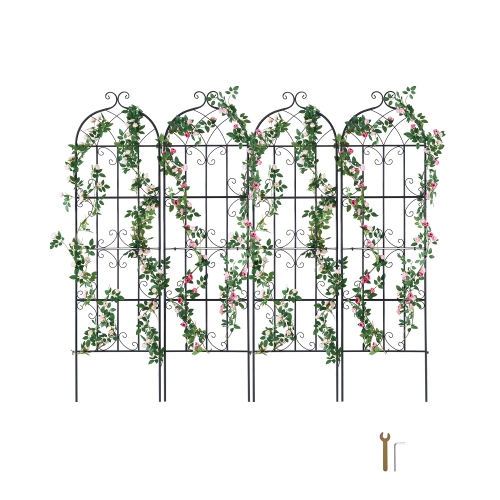
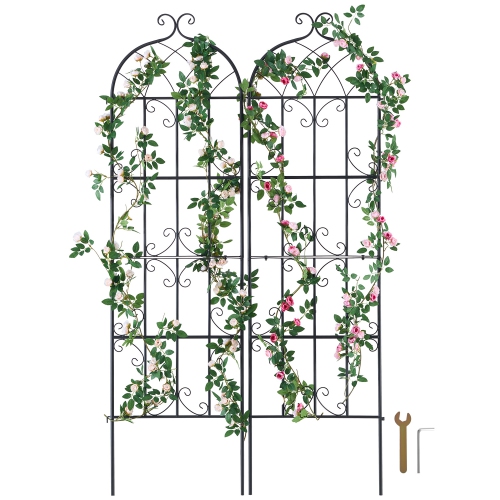
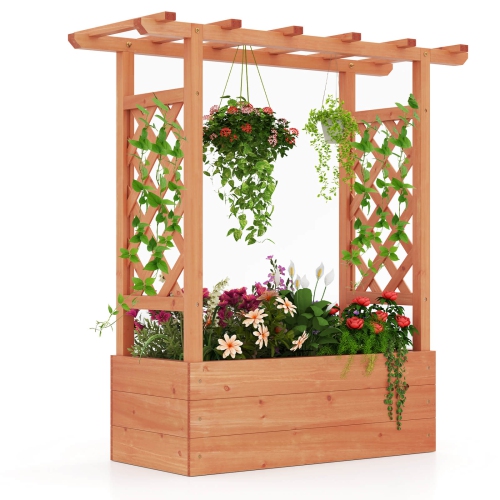
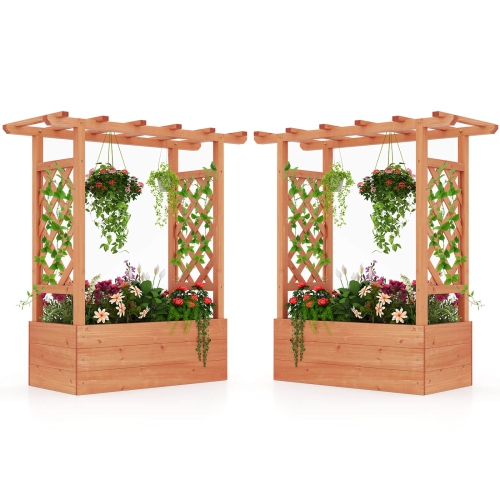
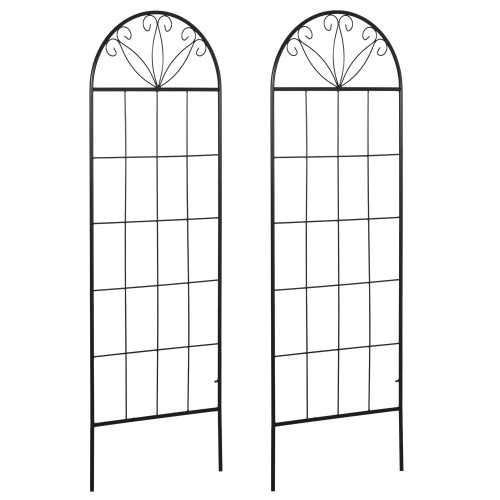
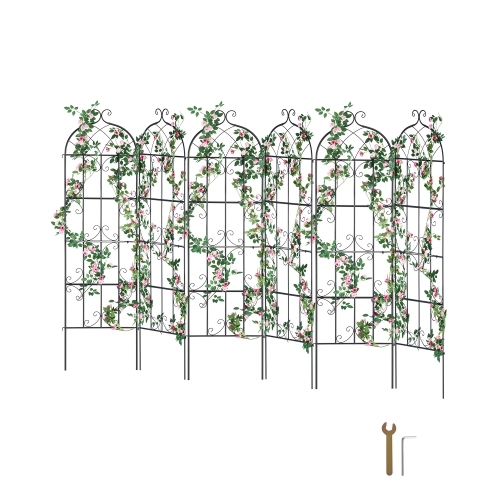
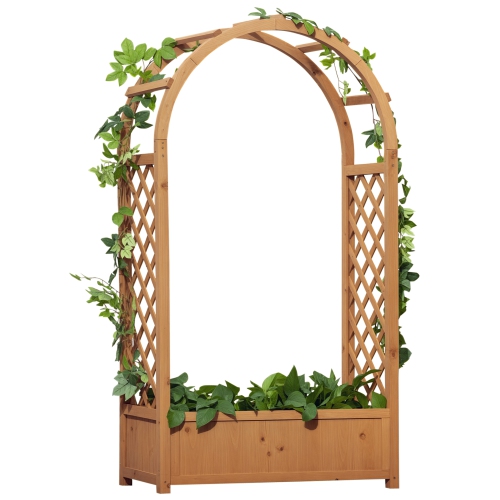
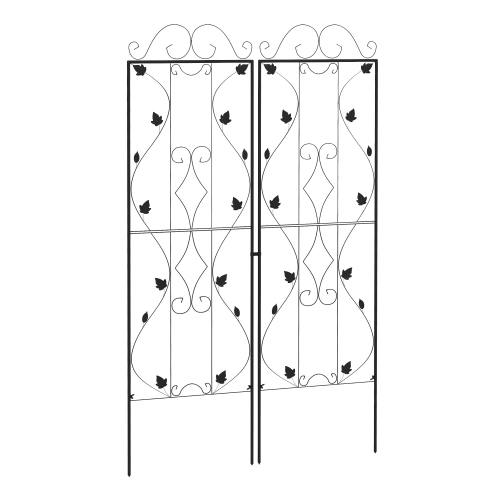
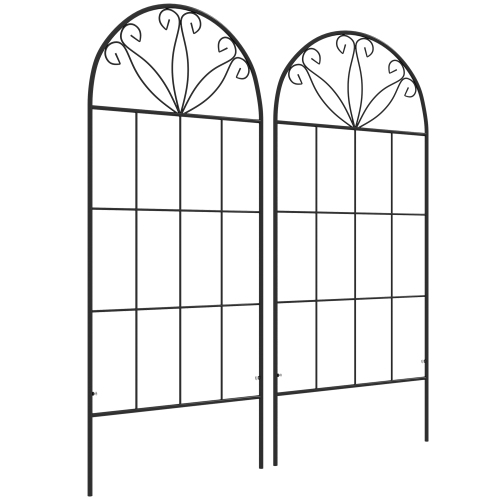
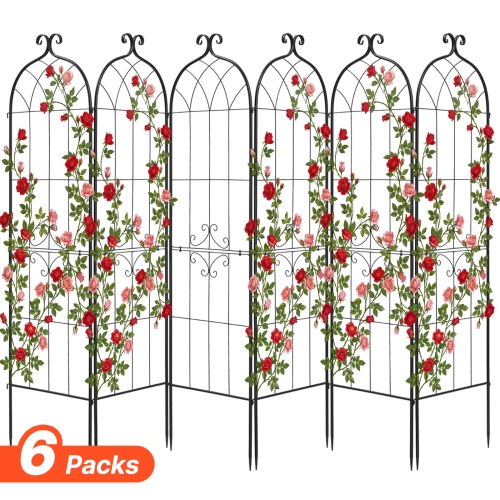
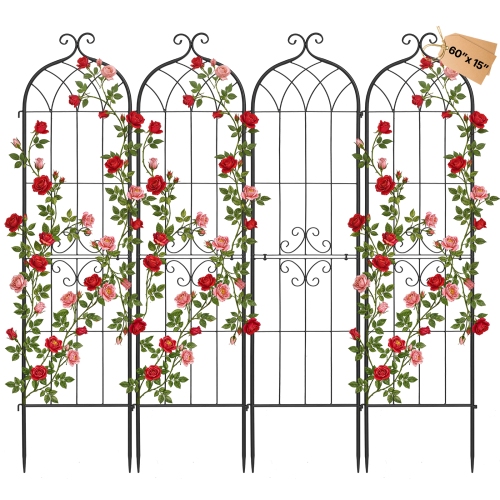
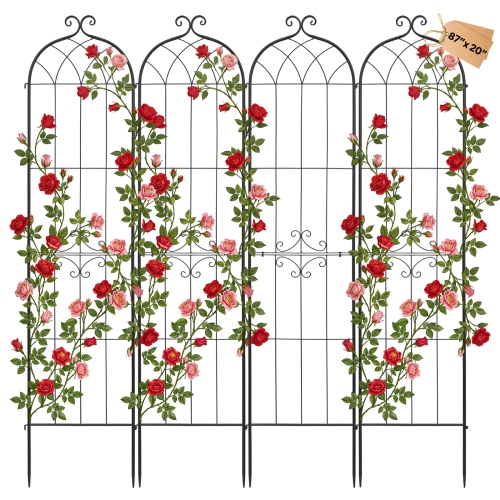
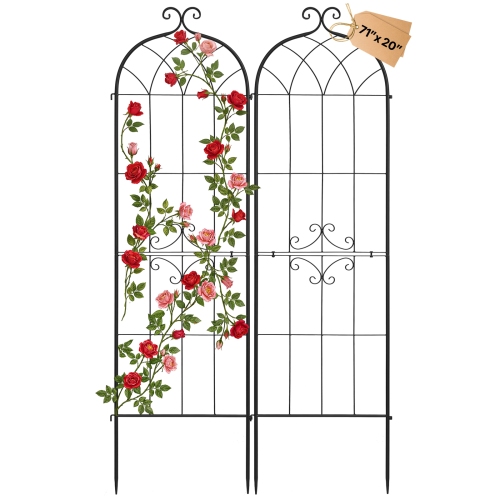
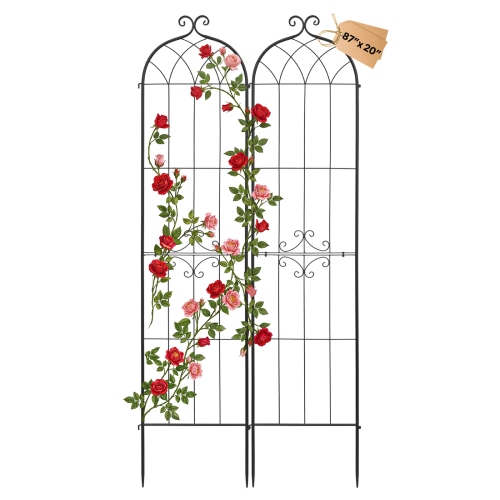
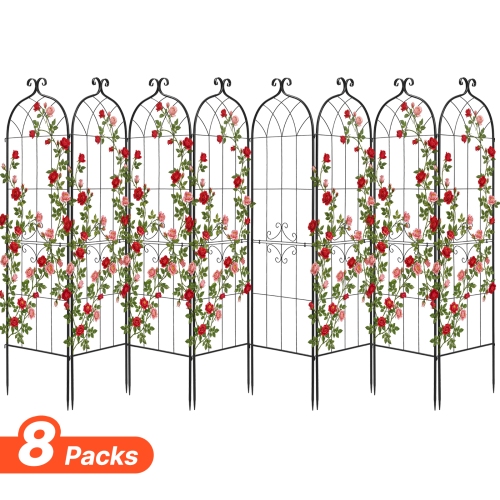
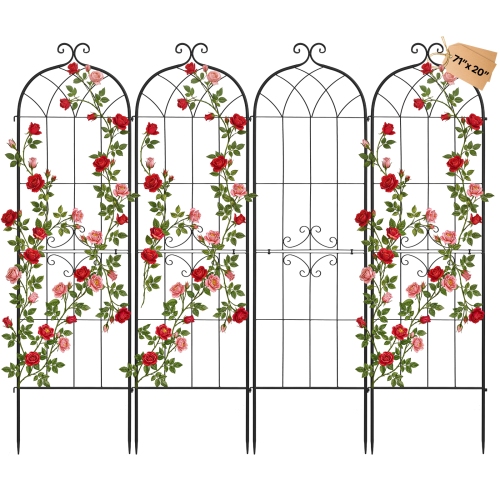
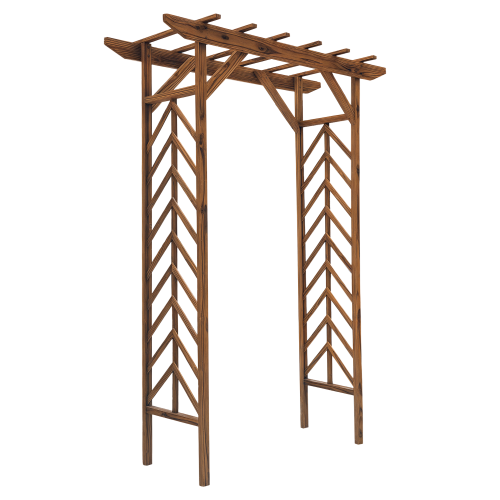
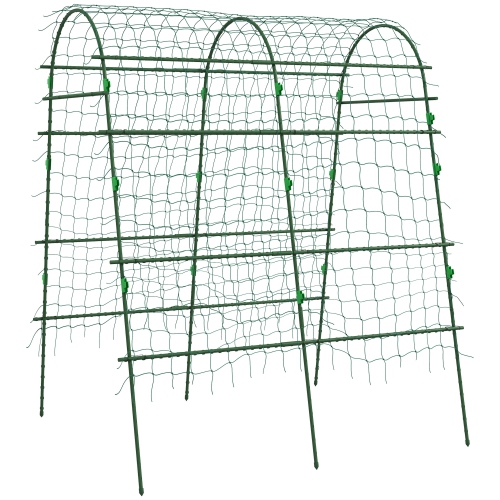
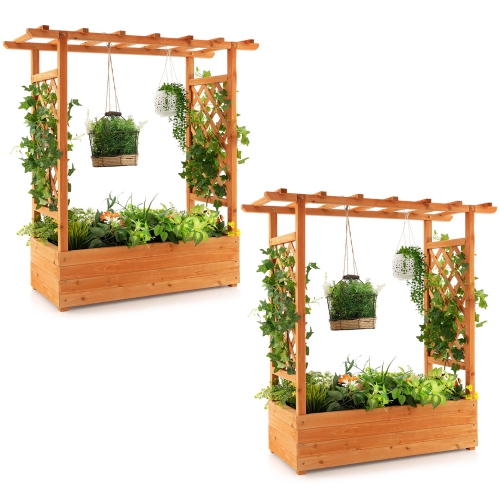
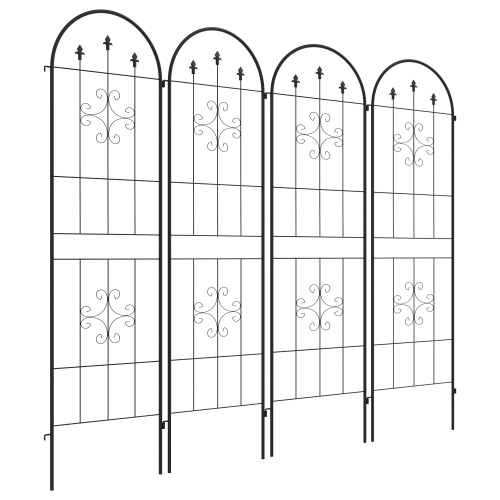
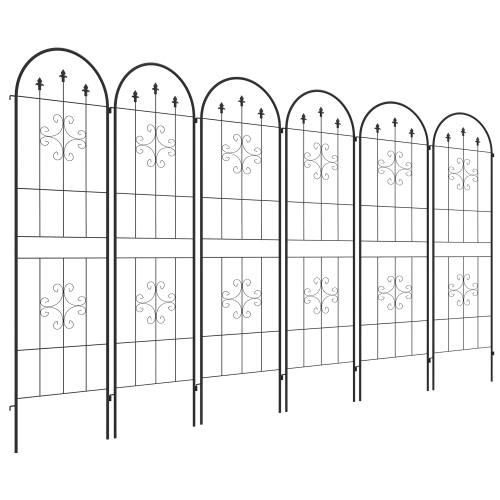
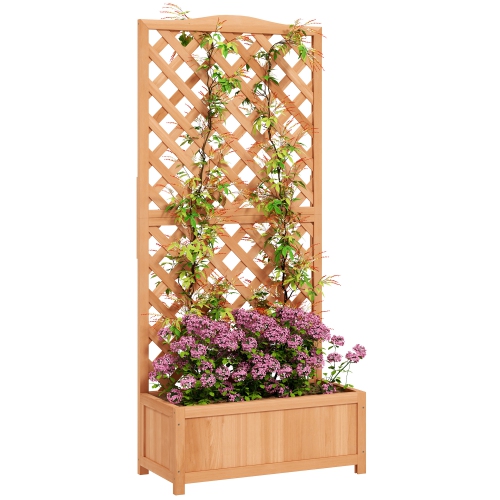
Support and training tips for thriving climbing roses
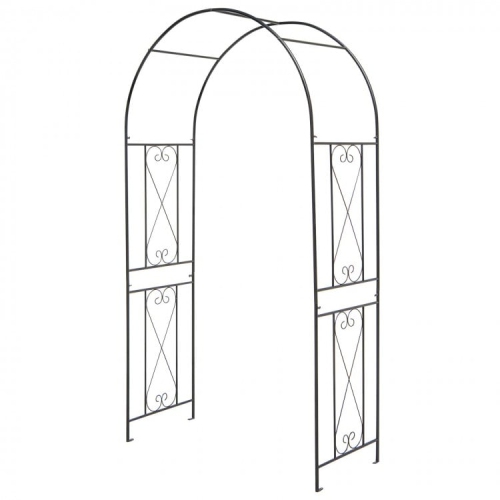
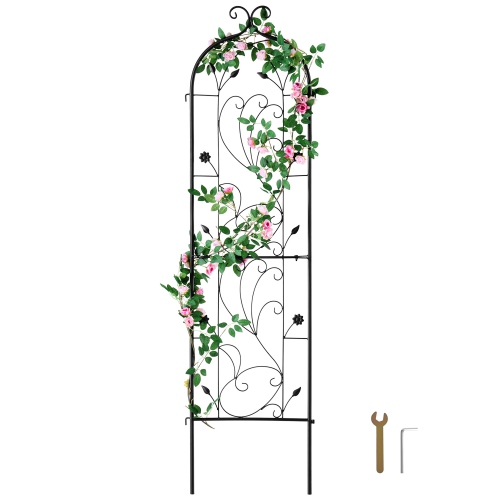
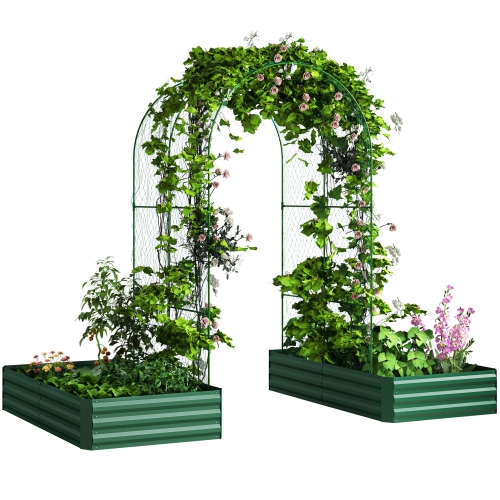
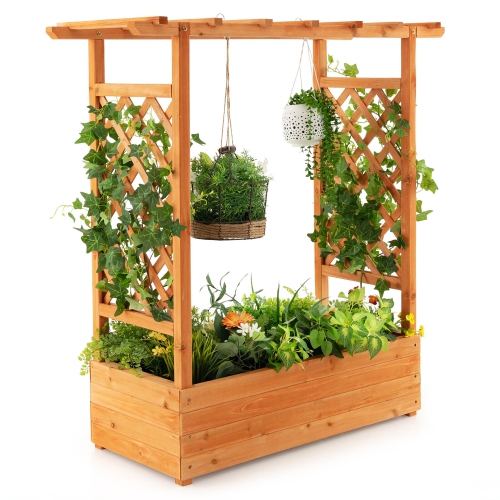
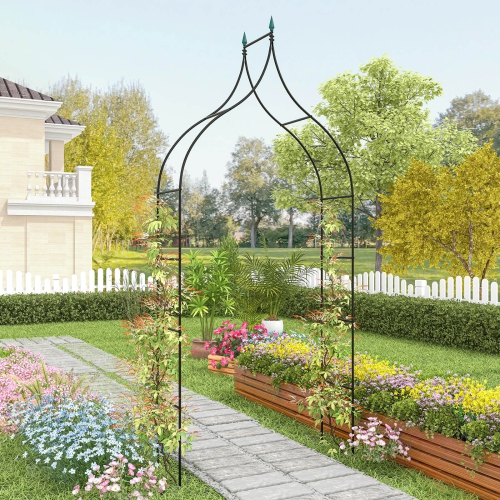
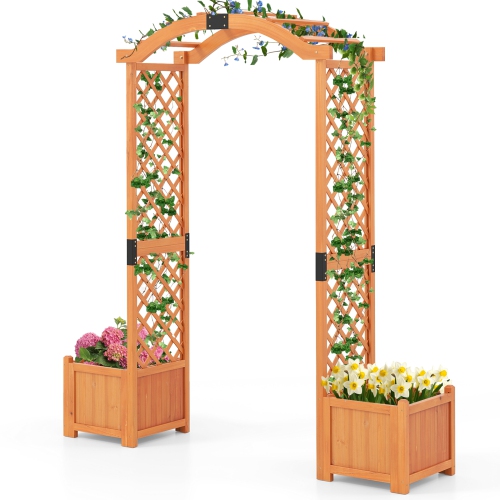
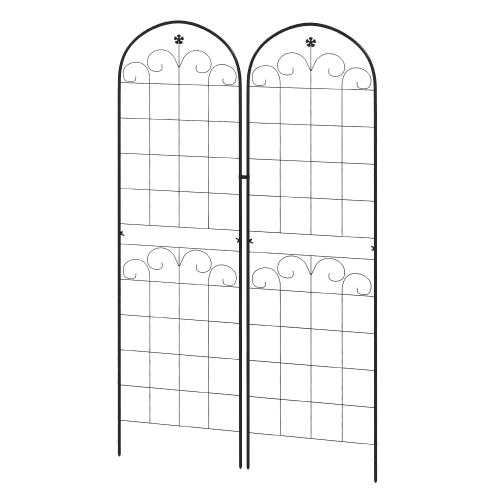
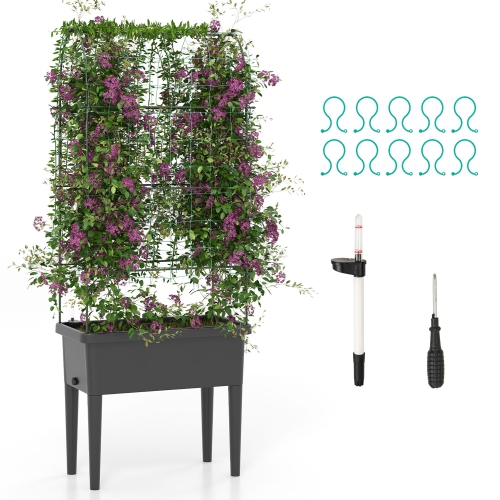
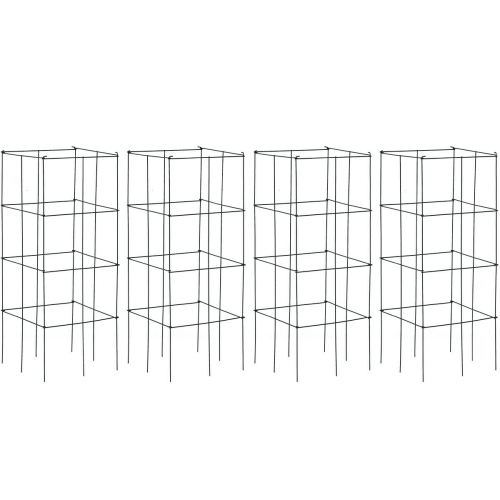
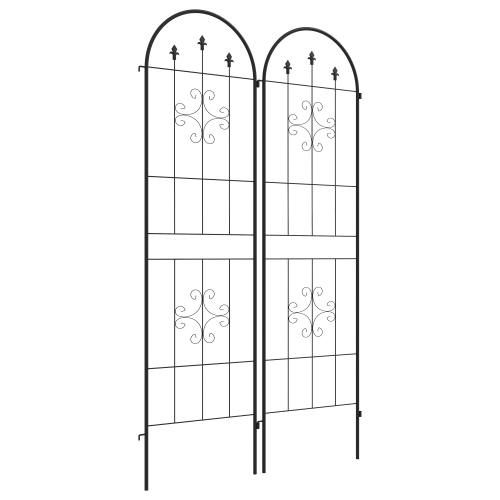
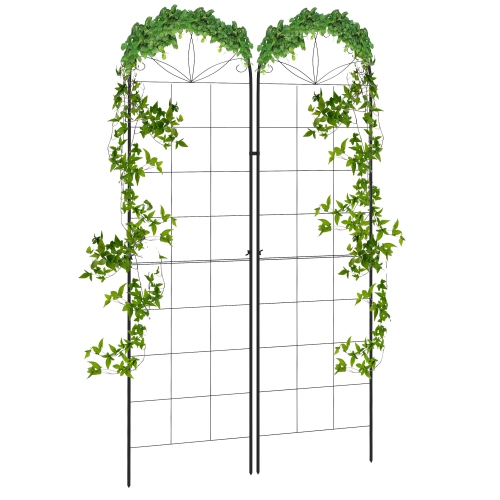
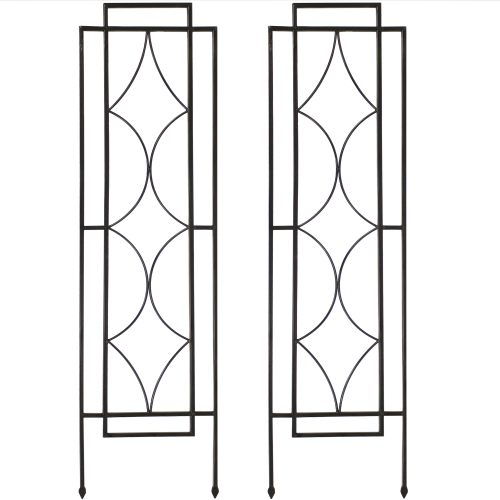
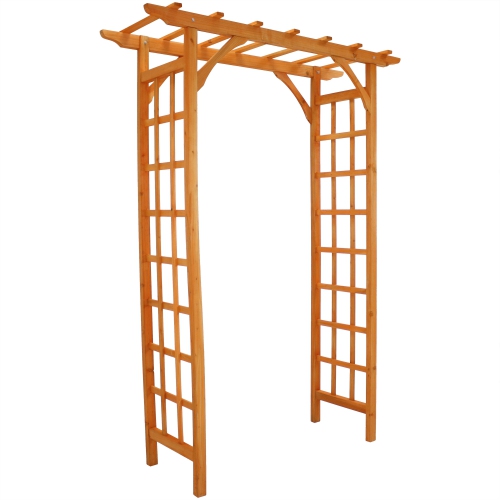
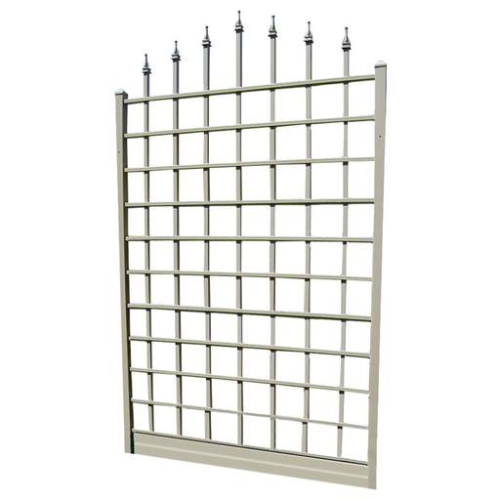
A climbing rose trellis gives vigorous rose canes the structure they need to reach upward, spread outward, and display flowers where they can be enjoyed. Rather than allowing long stems to lean across the ground or tangle through nearby plants, a well-chosen trellis creates a defined framework beside a wall, fence, gate, porch, patio, or garden path. As the weather warms, new growth can be guided along the framework to form a living screen, a flowering backdrop, or an inviting entrance. During the cooler months, the structure continues to provide shape and support while the plant rests, making it a useful part of the garden even when blooms are not present. When browsing climbing roses trellis options, consider the mature size and weight of the rose, the available planting space, and whether the support will stand on its own or attach to another surface. Compact panels can suit a narrow side yard or balcony garden, while wider obelisks, arches, and arbors can support larger plants and define a walkway. Metal, powder-coated iron, and heavy-gauge wire are popular choices because they offer dependable support as woody stems become thicker and heavier over time. A lightweight decorative support may work for a young or compact rose, but vigorous climbers generally need a rigid frame, stable base, and secure anchoring points. Freestanding designs can be moved or repositioned before the root system becomes established, while wall-mounted structures can make practical use of vertical space. For a broader selection of entryway and walk-through designs, explore Garden Arches For Climbing Roses.
Placement has a direct effect on how well a climbing rose performs. Most climbing roses prefer approximately 6 to 8 hours of sunlight each day, so position the trellis where the plant receives strong, consistent light without being crowded by a tree, shed, or neighbouring shrub. The base of a freestanding structure or the lower anchor points of a mounted trellis should be as close to the rose’s root ball as practical, allowing stems to reach their support without crossing a walkway or pulling awkwardly away from the plant. When attaching a trellis to a wall or fence, leave a small gap between the structure and the surface. A clearance of about 2 inch can improve air movement and help reduce the heat that may build up against a sun-warmed wall. It also makes it easier to thread ties around the stems and inspect the plant from behind. Check the height, width, and depth of the trellis against the growing area, taking into account the plant’s mature spread rather than the size of the rose at purchase. An arbor needs enough clearance for people to pass beneath it comfortably, while a narrow panel should not extend into a door swing, stairway, or frequently used path. Look for wide feet, pointed anchors, mounting hardware, or other stability features appropriate to the installation surface. Soft ground may accept stakes more easily, while a deck, masonry wall, or solid fence may require suitable screws, brackets, or fasteners. If the trellis will be placed in an exposed location, wind resistance is another important consideration, particularly once dense foliage forms a broad, leafy surface.
Training a climbing rose is most effective when it begins with a few strong, flexible canes rather than a tight bundle forced straight upward. Tie the main canes along the trellis at a horizontal or approximately 45-degree angle whenever the plant’s growth allows. This arrangement encourages side shoots to rise from the length of each cane, helping flowers appear across the framework instead of concentrating near the top. Use soft garden twine, flexible horticultural tape, or cushioned plant ties, and leave enough room for the stems to thicken as the season progresses. Tight wire, thin string, or rigid fasteners can rub against growing wood and create damage. As the rose develops, guide new shoots through the openings or along the rails, checking periodically that stems are not rubbing against sharp edges or becoming trapped beneath crossing branches. Pruning and tying are easier when the structure has accessible attachment points and enough spacing for gloved hands. A climbing roses trellis can be a thoughtful gift for someone settling into a new home, refreshing a courtyard, planning a cottage-style garden, or growing roses for the first time. It can also suit experienced gardeners who want to frame a window, soften a plain fence, create privacy around a seating area, or turn an ordinary passage into a flowering walkway. During late summer and into the cooler months, gardeners can assess how the plant has filled the framework, retie loose growth, inspect anchors, and make small adjustments before heavier weather arrives. With the right combination of sturdy construction, suitable placement, and gentle training, a trellis helps transform a climbing rose into a graceful feature that brings height, colour, and character to an outdoor space.
Placement has a direct effect on how well a climbing rose performs. Most climbing roses prefer approximately 6 to 8 hours of sunlight each day, so position the trellis where the plant receives strong, consistent light without being crowded by a tree, shed, or neighbouring shrub. The base of a freestanding structure or the lower anchor points of a mounted trellis should be as close to the rose’s root ball as practical, allowing stems to reach their support without crossing a walkway or pulling awkwardly away from the plant. When attaching a trellis to a wall or fence, leave a small gap between the structure and the surface. A clearance of about 2 inch can improve air movement and help reduce the heat that may build up against a sun-warmed wall. It also makes it easier to thread ties around the stems and inspect the plant from behind. Check the height, width, and depth of the trellis against the growing area, taking into account the plant’s mature spread rather than the size of the rose at purchase. An arbor needs enough clearance for people to pass beneath it comfortably, while a narrow panel should not extend into a door swing, stairway, or frequently used path. Look for wide feet, pointed anchors, mounting hardware, or other stability features appropriate to the installation surface. Soft ground may accept stakes more easily, while a deck, masonry wall, or solid fence may require suitable screws, brackets, or fasteners. If the trellis will be placed in an exposed location, wind resistance is another important consideration, particularly once dense foliage forms a broad, leafy surface.
Training a climbing rose is most effective when it begins with a few strong, flexible canes rather than a tight bundle forced straight upward. Tie the main canes along the trellis at a horizontal or approximately 45-degree angle whenever the plant’s growth allows. This arrangement encourages side shoots to rise from the length of each cane, helping flowers appear across the framework instead of concentrating near the top. Use soft garden twine, flexible horticultural tape, or cushioned plant ties, and leave enough room for the stems to thicken as the season progresses. Tight wire, thin string, or rigid fasteners can rub against growing wood and create damage. As the rose develops, guide new shoots through the openings or along the rails, checking periodically that stems are not rubbing against sharp edges or becoming trapped beneath crossing branches. Pruning and tying are easier when the structure has accessible attachment points and enough spacing for gloved hands. A climbing roses trellis can be a thoughtful gift for someone settling into a new home, refreshing a courtyard, planning a cottage-style garden, or growing roses for the first time. It can also suit experienced gardeners who want to frame a window, soften a plain fence, create privacy around a seating area, or turn an ordinary passage into a flowering walkway. During late summer and into the cooler months, gardeners can assess how the plant has filled the framework, retie loose growth, inspect anchors, and make small adjustments before heavier weather arrives. With the right combination of sturdy construction, suitable placement, and gentle training, a trellis helps transform a climbing rose into a graceful feature that brings height, colour, and character to an outdoor space.
Top selling and popular products
-
 Your price for this item is $69.99
 -
 Your price for this item is $54.98
 -
 Your price for this item is $89.99
 -
 Your price for this item is $91.99
 -
 Your price for this item is $104.99
 -
 Your price for this item is $145.99
 -
 Your price for this item is $117.75
 -
 Your price for this item is $117.75
Discover more categories related to Climbing Roses Trellis
Top Collections:
Pokemon Centers, Kindle Devices, Best Budget Office Chairs, Apple iPhones 16, Canon G7X Cameras, iPhone 15 Apple, Alarm Clock, Refurbished Apple Laptops, Flip Phones, Best Laptops for Writers
Some products may be subject to Environmental Handling Fees
(EHF) depending on your province.
Learn more about EHFs.